
Nazca Adaptation: Ingenious Solutions for Desert Living

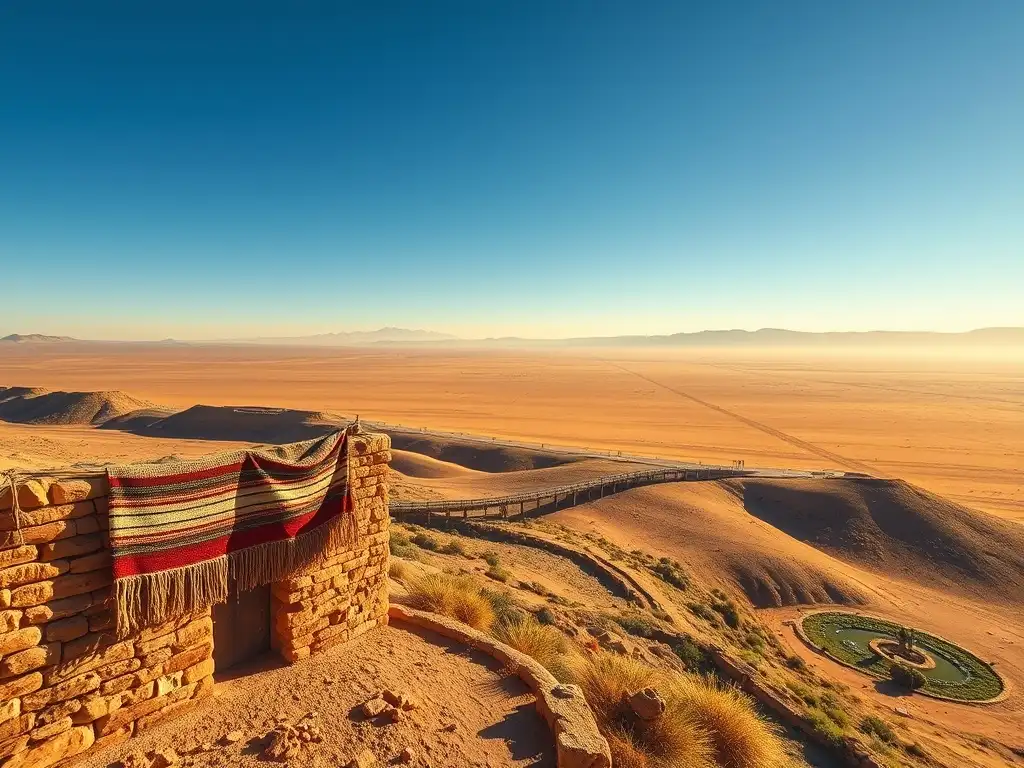
Step into a world lost to time, where ingenuity thrived against all odds. Imagine a civilization flourishing in the seemingly barren expanse of the Nazca desert. How did they survive? This website unveils the secrets of the Andean civilizations, from the Incas' majestic empire to the enigmatic Nazca lines. Discover the astonishing Nazca desert living techniques that allowed this remarkable culture to not only endure, but to flourish. Prepare to be amazed as we delve into their captivating story – a testament to human resilience and innovation.
The Nazca civilization, flourishing on the arid south coast of Peru between 100 BCE and 800 CE, stands as a testament to human ingenuity and resilience. This article delves into the remarkable adaptation strategies employed by the Nazca people to thrive in one of the world's most challenging environments – the Nazca Desert. We will explore the unique challenges posed by this harsh landscape and examine the innovative techniques they developed for water management, agriculture, and overall survival, showcasing their profound understanding of their environment and their remarkable ability to harness its limited resources.
Understanding their sophisticated techniques provides valuable insights into not only the Nazca civilization's success but also the broader principles of sustainable living in arid regions, offering lessons relevant even today. This exploration of "Nazca desert living techniques" will reveal a civilization that mastered its environment, leaving behind a legacy of remarkable engineering and societal organization.
The Challenge of the Arid Nazca Environment
The Nazca Desert is characterized by extreme aridity, receiving minimal rainfall annually. Temperatures fluctuate wildly between scorching days and cool nights. The lack of surface water and the prevalence of sandy soils presented significant obstacles to sustained habitation and agriculture. The very survival of the Nazca people hinged on their ability to overcome these formidable challenges.
They faced constant threats of drought, scarce resources, and the need for innovative solutions to secure both water and food. This demanding environment pushed the Nazca to develop sophisticated techniques that allowed them not only to survive but to thrive, creating a complex and advanced society in what appears to be an inhospitable land. The ingenuity and resilience displayed in their solutions are truly remarkable and worthy of detailed study.
Understanding the Nazca Desert Landscape
The Nazca Desert is not a homogenous expanse of sand. Its landscape is surprisingly diverse, encompassing various micro-environments that the Nazca cleverly exploited. These include:
- River valleys: These oases, fed by infrequent but powerful rainfall and snowmelt from the Andes, provided crucial access to water. The Nazca skillfully channeled and managed this precious resource.
- Underground aquifers: The Nazca understood the presence of underground water sources and developed sophisticated methods to access them, including the construction of intricate subterranean canals known as puquios.
- Coastal fog: The coastal areas experienced a phenomenon known as garúa, a persistent fog that provided a source of atmospheric moisture. The Nazca may have employed techniques to capture and utilize this moisture, though the precise methods remain a subject of ongoing research.
Understanding this diverse landscape is crucial to comprehending the complexity and effectiveness of Nazca adaptation strategies. The strategic location of settlements and agricultural fields within these varied micro-environments demonstrates a deep understanding of the desert's resources and limitations. Their ability to identify and utilize these resources effectively is a testament to their keen observation skills and practical knowledge.
Key Factors Influencing Nazca Survival Strategies
The Nazca's success in the desert can be attributed to a combination of factors:
- Water management: This was undoubtedly their most crucial achievement. The puquios, along with sophisticated irrigation systems, allowed them to access and distribute water efficiently throughout their settlements and agricultural fields. The construction and maintenance of these systems required significant communal effort and advanced engineering knowledge.
- Agricultural techniques: The Nazca developed drought-resistant crops and employed various agricultural techniques, including terracing and raised fields, to optimize water usage and maximize crop yields in the limited arable land. They also practiced crop rotation and other sustainable farming practices.
- Social organization: The success of their adaptation strategies depended heavily on a well-organized society capable of coordinating large-scale projects like the construction and maintenance of irrigation systems. This suggests a complex social structure with effective leadership and community participation.
- Technological innovation: The development of advanced tools and technologies, such as the sophisticated irrigation systems and the puquios, demonstrates their innovative spirit and engineering skills. These innovations allowed them to overcome the environmental challenges they faced.
The Nazca's survival in the harsh desert environment was not a matter of chance but a result of careful planning, ingenious solutions, and a deep understanding of their surroundings. Their legacy continues to inspire awe and admiration, serving as a powerful example of human adaptability and resilience. Further research into their techniques continues to reveal new insights into this fascinating civilization.
- The Challenge of the Arid Nazca Environment
- Understanding the Nazca Desert Landscape
- Key Factors Influencing Nazca Survival Strategies
Nazca Water Management: A Cornerstone of Desert Life
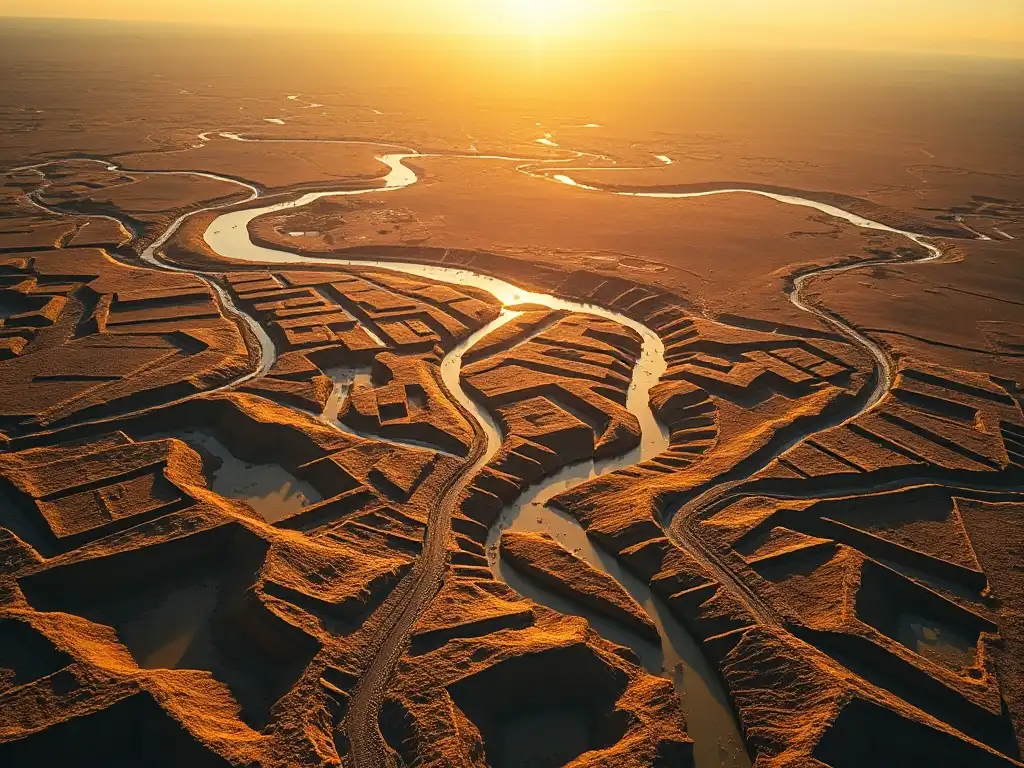
The harsh realities of the Nazca desert, characterized by extreme aridity and scarce rainfall, necessitated the development of sophisticated water management techniques. Survival for the Nazca people hinged on their ingenuity in harnessing the limited water resources available. Their success in adapting to this challenging environment is a testament to their advanced understanding of hydrology and engineering, making "Nazca desert living techniques" a fascinating study in human resilience and innovation. This section will explore the key strategies employed by the Nazca, focusing on their mastery of subterranean water access and surface water collection.
The Puquios: Subterranean Aqueducts for Water Access
The most remarkable achievement of Nazca water management was undoubtedly the construction of puquios. These weren't simply wells; they were intricate subterranean aqueducts that tapped into underground water sources, channeling water to the surface for agricultural and domestic use. The construction of these puquios involved extensive knowledge of the local geology and hydrology. Nazca engineers identified underground water tables and strategically located shafts and tunnels to intercept the water flow.
The shafts were often dug at different levels, creating a network of interconnected channels that maximized water collection. The system was incredibly efficient, ensuring a relatively consistent water supply even during prolonged droughts. Evidence suggests that the construction of puquios was a community effort, requiring significant labor and coordination, reflecting the importance of water to the Nazca social structure.
The precision and scale of these projects are truly impressive, showcasing a deep understanding of hydraulic principles far beyond what was typical for societies of that time period. The longevity and effectiveness of many puquios bear witness to the remarkable engineering skills of the Nazca people. Furthermore, the maintenance of these systems over generations underscores the importance placed on water resource management within their culture.
How Puquios Function: Engineering Marvels of the Nazca People
The functionality of the puquios relied on several key aspects of Nazca engineering. Firstly, the selection of the location for the shafts was crucial. Nazca engineers carefully identified areas where the water table was relatively high and the underlying geology allowed for efficient water channeling. Secondly, the construction techniques themselves were sophisticated.
They used stone tools to excavate shafts and tunnels, often lining them with stones or other materials to prevent collapse and maintain water flow. The inclination of the tunnels was carefully calculated to ensure a gentle gradient, allowing the water to flow naturally towards the surface. Thirdly, the system incorporated ingenious ventilation shafts, allowing for air circulation and preventing the buildup of harmful gases. These ventilation shafts also aided in maintaining a stable temperature within the tunnels, preventing water stagnation and promoting its flow.
Finally, the system included strategically placed outflow points at the surface, where water could be collected for use. The entire network of puquios acted as a remarkably efficient and sustainable water management system, showcasing the advanced understanding of hydraulic principles and engineering possessed by the Nazca civilization. The ingenious design and construction of these puquios allowed the Nazca to thrive in one of the most arid regions of the world.
Surface Water Collection: Utilizing Limited Rainfall
While puquios provided a reliable source of water, the Nazca also developed effective methods for collecting and storing surface water from the infrequent rainfall. This involved the construction of carefully designed canals and reservoirs. These structures were typically built on a smaller scale than the puquios, but they were equally important in supplementing the water supply.
The canals were strategically positioned to channel runoff from infrequent rainfall events towards reservoirs or agricultural fields. The reservoirs were often lined with clay or other impermeable materials to minimize water loss through seepage. These structures, while less spectacular than the puquios, played a crucial role in maximizing the use of every drop of available water.
The effectiveness of these systems was crucial during years when rainfall was particularly scarce, illustrating the Nazca’s adaptability and resourcefulness in the face of environmental challenges. 📈 Their ability to effectively manage even small amounts of surface water highlights their deep understanding of their environment and their commitment to sustainable water resource management. The combination of puquios and surface water collection techniques ensured a relatively secure water supply, enabling the Nazca to sustain their population and their unique culture in the harsh desert environment.
Water Storage Techniques in the Nazca Civilization
The Nazca's mastery of desert living is perhaps most strikingly exemplified by their sophisticated water management systems. Their ingenuity wasn't solely about acquiring water; it was about storing and preserving this precious resource in a climate characterized by extreme aridity and unpredictable rainfall. The Nazca people developed a range of techniques, reflecting both their understanding of the environment and their advanced engineering skills. These techniques ensured the survival and prosperity of their civilization for centuries.
One of the most visible examples of Nazca water storage is the construction of puquios. These aren't simply wells; they are elaborate underground aqueducts, intricately designed to channel water from subterranean sources to the surface. The puquios demonstrate an impressive knowledge of hydrology and geology, allowing the Nazca to tap into aquifers and springs that would otherwise be inaccessible. The construction involved digging extensive tunnels, often extending for hundreds of meters, with ingenious ventilation shafts to facilitate the work and maintain air quality within the tunnels.
The shafts also served to direct the flow of water towards the surface, creating a sustainable water supply even during prolonged droughts. Archaeological evidence suggests that the construction of puquios was a communal effort, requiring significant organization and cooperation within the Nazca society. The maintenance of these systems over generations also speaks to the importance of water management in their culture.
Beyond puquios, the Nazca also employed a variety of other water storage methods. They built reservoirs, often integrated into their agricultural terraces, to collect rainwater runoff. These reservoirs were typically lined with clay or stone to prevent leakage and maximize water retention.
The size and capacity of these reservoirs varied depending on the availability of space and the needs of the local community. Smaller, individual storage containers, likely made of pottery or other materials (precise materials pending further research), would have been used in homes and for smaller-scale agricultural needs. The precise design and capacity of these smaller-scale storage solutions remains an area of ongoing research, however, their importance in supplementing the larger-scale water management systems is undeniable.
The effectiveness of the Nazca water storage techniques is a testament to their deep understanding of their environment. They didn't simply react to water scarcity; they developed proactive and sustainable solutions that allowed them to thrive in one of the most challenging environments on earth. Their legacy continues to inspire modern-day water management strategies in arid regions, highlighting the enduring relevance of their ingenuity and resourcefulness.
The combination of large-scale infrastructure projects like the puquios and smaller-scale household storage demonstrates a comprehensive approach to water management, reflecting the importance of this resource in all aspects of Nazca life. The sophisticated interplay between these systems underscores the advanced understanding and organizational capacity of the Nazca civilization.
Nazca Agricultural Innovations for Arid Lands
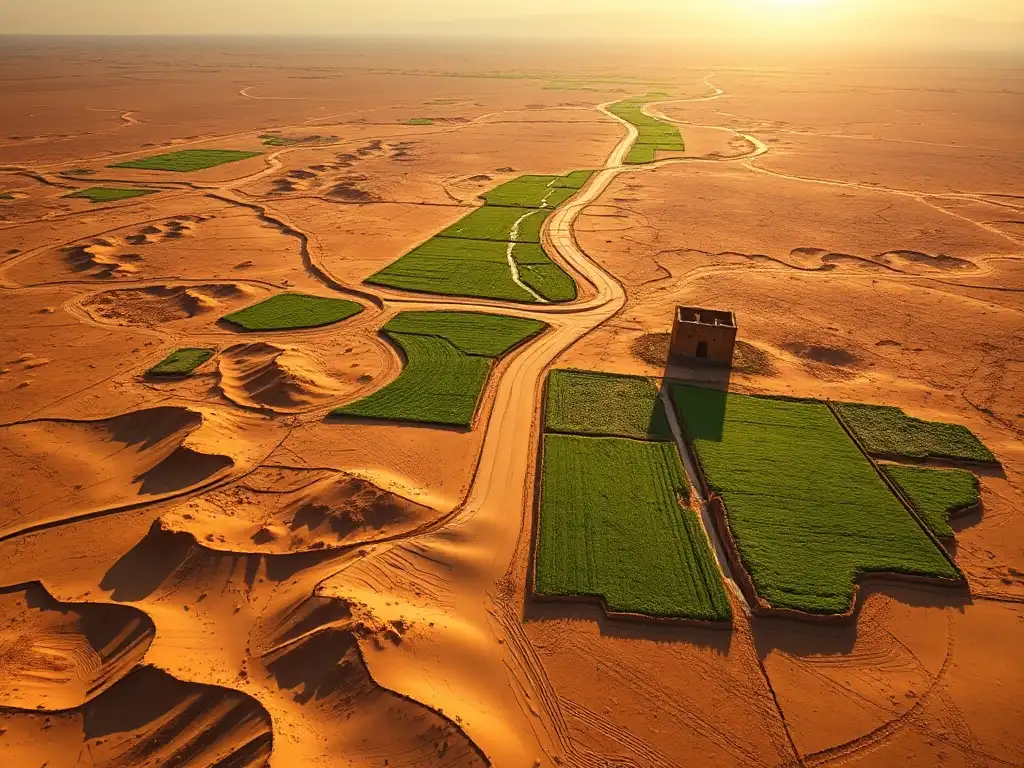
The Nazca, renowned for their enigmatic geoglyphs, were equally masterful in their adaptation to the harsh realities of desert living. Their survival and flourishing in the arid coastal plains of southern Peru hinged on ingenious agricultural techniques that maximized scarce resources and harnessed the unique characteristics of their environment. Understanding their agricultural innovations provides crucial insight into the ingenuity and resilience of this remarkable civilization, showcasing their profound understanding of their environment and their ability to manipulate it for their benefit.
This section delves into the specific strategies employed by the Nazca to cultivate life in one of the world's most challenging landscapes – a testament to their sophisticated knowledge of water management, soil conservation, and sustainable farming practices. The term "Nazca desert living techniques" perfectly encapsulates their achievements.
Adapting Agriculture to the Desert: Maize, Beans, Squash, and Cotton
The Nazca cultivated a diverse range of crops, cleverly selecting species well-suited to the arid climate. Maize (corn), beans, and squash formed the cornerstone of their diet, a combination providing a balanced source of carbohydrates, proteins, and vitamins. These three crops, often grown together in a system known as milpa, benefited from synergistic relationships; the beans provided nitrogen to the soil, improving maize growth, while the squash provided ground cover, retaining moisture and suppressing weeds.
Cotton, another vital crop, provided fibers for textiles, demonstrating the Nazca's ability to utilize their agricultural prowess for diverse purposes beyond sustenance. Evidence from archaeological excavations consistently reveals these crops in Nazca settlements, alongside tools and irrigation systems designed for their cultivation.
The success of this polyculture system underscores the Nazca's sophisticated understanding of ecological principles and their ability to optimize resource utilization in a resource-scarce environment. This approach to agriculture, a cornerstone of Nazca desert living techniques, ensured both food security and the production of essential materials.
Terracing and Soil Management Techniques
To overcome the challenges of steep slopes and limited arable land, the Nazca developed advanced terracing techniques. These terraces, meticulously carved into hillsides, created level platforms for cultivation, increasing the available farming area and reducing soil erosion. The construction involved significant labor and planning, demonstrating the Nazca's capacity for large-scale coordinated projects. Furthermore, their understanding of soil management was equally impressive.
They employed techniques to improve soil fertility and water retention, including the construction of raised fields and the careful management of irrigation channels. This meticulous approach to soil management allowed them to maximize crop yields even in the challenging desert conditions. Analysis of ancient Nazca terraces reveals intricate systems of channels and retaining walls, built to control water flow and prevent soil runoff. These sophisticated techniques are a testament to their deep understanding of hydrology and soil science, further highlighting their mastery of Nazca desert living techniques.
Fertilization Methods Using Bird Guano and Fish Remains
The Nazca employed innovative fertilization methods to enhance soil fertility in their arid environment. One crucial resource was guano, the excrement of seabirds, which is exceptionally rich in nitrogen and phosphorus. The Nazca harvested guano from offshore islands, transporting it inland to fertilize their fields.
This practice, demanding considerable logistical effort, underscores the importance of soil enrichment in their agricultural strategy. In addition to guano, archaeological evidence suggests the Nazca also used fish remains as fertilizer. Coastal fishing provided a sustainable source of protein, and the discarded parts were likely repurposed to improve soil quality.
The combined use of bird guano and fish remains represents a remarkably effective and sustainable approach to fertilization, demonstrating a sophisticated understanding of nutrient cycling and soil enhancement. This ecologically conscious approach is a striking example of the Nazca’s ingenuity within the framework of their Nazca desert living techniques. The abundance of evidence for these practices showcases the crucial role that fertilization played in ensuring the productivity of their agricultural systems.
Strategies for Preventing Soil Erosion in the Nazca Region
The Nazca, masters of survival in one of the driest regions on Earth, developed ingenious techniques to combat soil erosion, a constant threat in their arid environment. Their understanding of the delicate balance of their ecosystem was crucial to their success. They weren't simply farming; they were actively managing their land to ensure long-term productivity. This involved a multifaceted approach, going beyond simple planting methods.
One key strategy was the careful terracing of hillsides. These weren't just haphazard cuts into the landscape; they were meticulously planned and executed, creating a series of level platforms that slowed the flow of rainwater and prevented topsoil from being washed away. The size and orientation of these terraces varied depending on the slope and the specific microclimate, demonstrating a sophisticated understanding of hydrology and topography.
Archaeological evidence shows the terraces were often reinforced with retaining walls constructed from stone, further enhancing their stability and longevity. The precise construction of these walls, often fitted together without mortar, speaks volumes about the Nazca's engineering prowess and their commitment to sustainable agriculture.
Another crucial element in their anti-erosion strategy was the creation of extensive irrigation systems. While often associated with water delivery, these canals also played a vital role in erosion control. By carefully channeling water away from vulnerable areas, the Nazca minimized the risk of flash floods and gully formation. The network of canals, some remarkably long and complex, acted as a sophisticated drainage system, protecting their precious topsoil from being swept away by sudden downpours.
The construction and maintenance of these systems demanded significant community effort, highlighting the importance of cooperation and shared responsibility in Nazca society. The meticulous planning evident in the layout of these canals points to a deep understanding of water flow dynamics and a commitment to long-term resource management. This wasn't simply about getting water to the crops; it was about protecting the land itself.
Furthermore, the Nazca likely employed techniques like crop rotation and intercropping to help stabilize the soil and prevent erosion. While direct evidence is limited, the practice is consistent with their overall approach to sustainable agriculture. Rotating crops would have allowed the soil to recover nutrients, improving its structure and resistance to erosion. Intercropping, the planting of different crops together, would have created a more diverse and resilient ecosystem, further reducing the risk of soil loss.
These practices, combined with their terracing and irrigation, likely contributed significantly to their success in cultivating crops in such a challenging environment. The ingenuity of their agricultural practices serves as a testament to their deep understanding of their environment and their ability to adapt and thrive in the face of adversity. Their legacy continues to inspire modern approaches to sustainable agriculture in arid regions worldwide.
Nazca Housing and Construction in the Desert
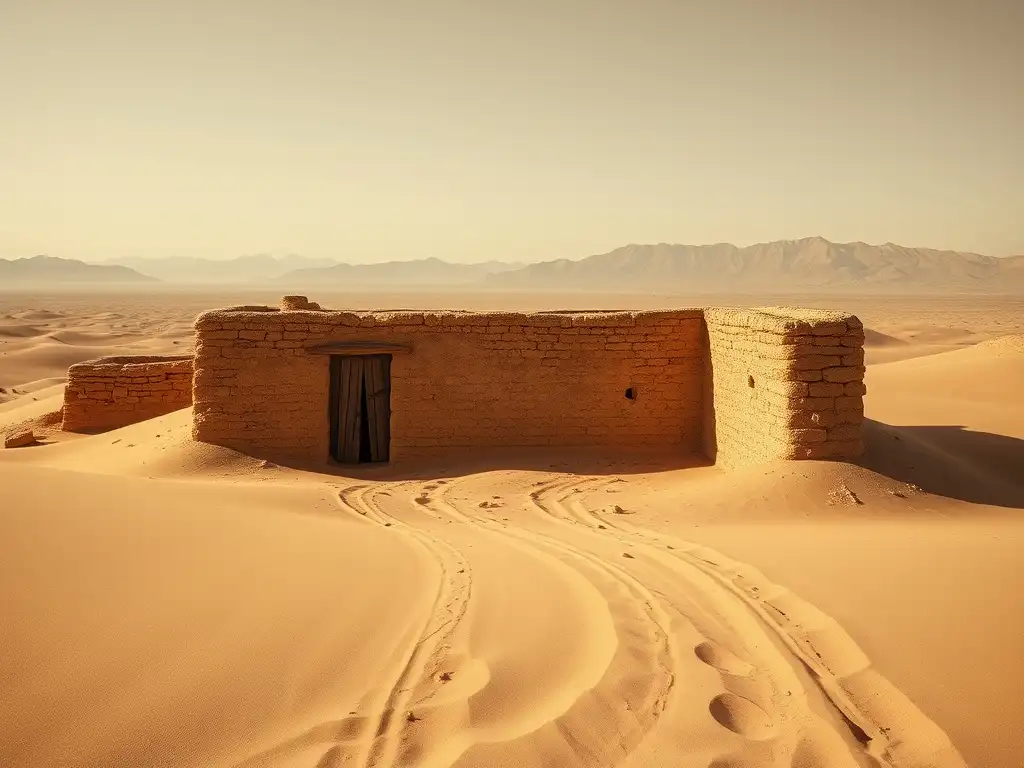
The Nazca people, renowned for their enigmatic geoglyphs, demonstrated remarkable ingenuity in adapting to the harsh conditions of the Peruvian desert. Their success is directly attributable to sophisticated housing and construction techniques, honed over centuries of experience in this challenging environment. Understanding these techniques provides valuable insight into their resourcefulness and resilience, crucial aspects of their desert living strategies. The keyword phrase "Nazca desert living techniques" is directly applicable here, highlighting the innovative approaches they employed.
Building Materials and Techniques for Desert Dwellings
The Nazca were masters of utilizing readily available resources to build durable and climate-appropriate dwellings. Their primary building materials included:
- Adobe bricks: These sun-dried mud bricks, made from a mixture of clay, sand, and straw, were incredibly common. The straw acted as a binder, increasing the brick's strength and resistance to cracking. The specific clay composition varied depending on the local soil conditions, resulting in subtle differences in brick color and texture across different settlements. Careful observation suggests a deep understanding of local geology and its impact on construction material quality.
- Wood: While scarce in the desert, wood from local vegetation, such as cacti and other desert-adapted plants, was used sparingly, often for structural support or door frames. The limited availability likely dictated a meticulous approach to its usage. This reinforces the overall theme of resourcefulness that characterized Nazca desert living techniques.
- Thatch: Thatch roofs, made from reeds and grasses, offered insulation against the intense desert sun and provided some protection from rain. The effectiveness of thatch roofing was further enhanced by the strategic placement of the dwellings, often situated in areas providing natural shade.
- Stone: In certain areas, stone was incorporated into the construction, primarily for foundations or retaining walls. The selection of stone types likely reflected both availability and the desired structural properties. This suggests a nuanced understanding of material properties in relation to structural integrity.
The construction techniques employed were remarkably sophisticated for their time. Evidence suggests the use of simple tools such as wooden mallets and hand-carved implements, yet the precision and uniformity of many adobe structures speak to a high level of skill and standardized practices. The longevity of some structures, despite the harsh climate, is a testament to the quality of their workmanship. These building methods represent a core element of Nazca desert living techniques.
Architectural Adaptations to Climate Extremes
Nazca architecture displays a clear understanding of the need to mitigate the extreme temperatures of the desert. Several architectural features were designed to optimize thermal comfort and resource conservation:
- Thick walls: The thick adobe walls provided significant thermal mass, absorbing heat during the day and releasing it slowly at night, minimizing temperature fluctuations within the dwellings. This passive cooling system reduced the need for additional energy expenditure, demonstrating a high level of environmental awareness in their desert living techniques.
- Compact layouts: Settlements were often densely packed, reducing exposure to the sun and wind. This arrangement also provided some level of mutual protection against the elements. The positioning of structures within the settlement, often taking advantage of natural shade, further minimized solar heat gain.
- Orientation: The positioning of dwellings, relative to the sun's path, was likely carefully considered to minimize direct solar radiation. [Specific data on dwelling orientation pending]. This would have been a crucial aspect of their overall Nazca desert living techniques, enhancing energy efficiency and thermal comfort.
- Ventilation: While specific ventilation techniques are still under investigation, [details pending], the design of some structures suggests an awareness of the need for air circulation to prevent overheating. This demonstrates an understanding of basic principles of thermodynamics within the context of their desert living techniques.
Organization of Nazca Settlements and Communities
Nazca settlements were not randomly dispersed; rather, they were carefully organized to optimize resource access and social interaction. The layout of settlements varied depending on the local topography and available resources, but certain patterns are discernible:
| Settlement Feature | Description | Impact on Desert Living Techniques |
|---|---|---|
| Proximity to water sources | Settlements were strategically located near water sources, such as underground aquifers or oases. | Crucial for survival in the arid environment. |
| Agricultural fields | Agricultural plots were integrated into the settlement layout, minimizing travel distances. | Efficient use of time and resources, central to their techniques. |
| Community structures | Public spaces and communal buildings were often located centrally. | Facilitated social interaction and community cohesion. |
| Defensive features | Some settlements incorporated defensive features, such as walls or elevated positions. | Enhanced security and protection from external threats. |
The organization of Nazca settlements reflects a holistic approach to desert living, combining practical considerations with social needs. This efficient organization, coupled with their ingenious building techniques, allowed the Nazca to thrive in one of the world's most challenging environments, leaving behind a lasting legacy of adaptation and resourcefulness. The effectiveness of their overall Nazca desert living techniques is clearly demonstrated by their long-term success in this demanding environment. The ability to efficiently manage resources, coupled with advanced building techniques and community organization, all contributed to their ability to sustain a complex society in the desert.
Nazca Resource Management and Sustainability
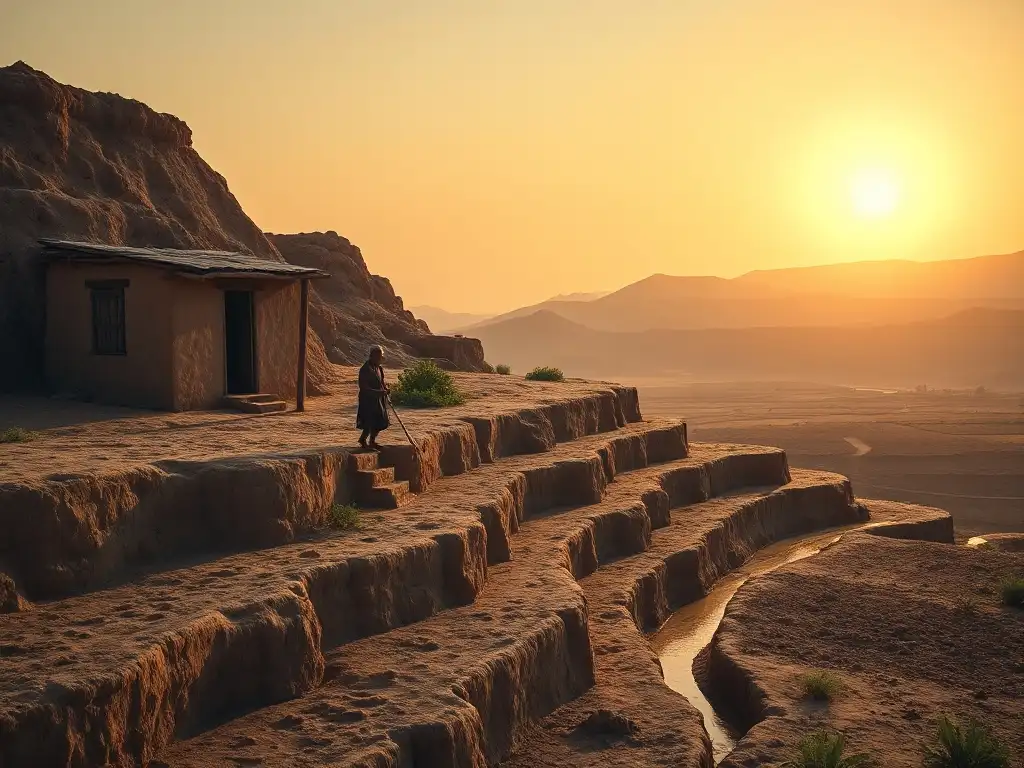
The Nazca's remarkable survival in the harsh desert environment of southern Peru hinged on their sophisticated understanding and management of limited resources. Their ingenuity in adapting to the arid climate is a testament to their advanced societal organization and deep knowledge of their surroundings. This section delves into the efficient resource utilization strategies employed by the Nazca culture, highlighting their sustainable practices that allowed for generations of prosperity in a seemingly inhospitable land. Understanding their resource management is key to comprehending the full scope of Nazca desert living techniques.
Efficient Use of Natural Resources in the Nazca Culture
The Nazca people weren't simply passive inhabitants of their environment; they actively shaped it to meet their needs. Water, the most precious resource in the desert, was meticulously managed. Evidence suggests sophisticated systems of canals and underground aqueducts, known as puquios, channeled water from underground sources to agricultural fields and settlements.
These ingenious systems weren't just about irrigation; they were a testament to their understanding of hydrology and their ability to predict and manage water flow throughout the year. The construction of these puquios required substantial community effort and planning, demonstrating a high level of social organization and a shared commitment to resource sustainability. Furthermore, the Nazca expertly utilized the limited fertile land available, employing terracing techniques on hillsides to maximize arable space.
This careful approach to land use ensured optimal utilization of the scarce resources. They also demonstrated a keen understanding of plant selection, cultivating crops best suited to the harsh conditions, such as cotton, beans, and maize. This meticulous selection, combined with their irrigation systems, allowed for relatively high agricultural yields, supporting a sizable population.
Strategies for Food Preservation in the Desert Environment
Preserving food in the arid Nazca environment was crucial for survival. The lack of consistent rainfall and extreme temperatures presented significant challenges. However, the Nazca developed several effective strategies to address this. One method involved sun-drying, a simple but effective technique for preserving fruits, vegetables, and meats.
The intense sunlight of the Nazca desert provided ideal conditions for this process. Another crucial aspect was the development of storage techniques. Archaeological findings reveal the use of storage pits and granaries, often constructed from adobe bricks, providing a relatively stable and cool environment to protect food from the elements.
These storage solutions, combined with their effective methods of food preservation, ensured a steady food supply, even during periods of scarcity. The precise details regarding specific preservation techniques remain an area of ongoing research, but the evidence clearly points to a well-developed system of food preservation, integral to their sustainable lifestyle in the Nazca desert. Further research into organic residue analysis within these storage areas could provide more specific details on their preservation methods and dietary habits.
Nazca's Approach to Waste Management
While seemingly a minor detail, the Nazca's approach to waste management reflects their overall understanding of resource management and sustainability. Evidence suggests that they were not simply discarding waste haphazardly. Instead, they likely employed practices that minimized environmental impact and potentially even recycled certain materials.
For instance, organic waste may have been used to enrich the soil in agricultural areas, acting as a natural fertilizer. Further research is needed to confirm the specific methodologies employed, [specific information pending on waste disposal techniques]. However, the overall efficiency of their resource management strongly implies a conscious effort to minimize waste and maximize the utility of all available resources.
This holistic approach, integrating waste management into their broader strategy of resource utilization, demonstrates a sophisticated understanding of ecological balance and sustainability, significantly contributing to their long-term survival in the Nazca desert. The lack of widespread pollution or environmental degradation in Nazca settlements suggests a remarkably sustainable approach to waste management, a crucial aspect often overlooked when studying their impressive engineering feats.
Nazca Desert Living Techniques: Lessons from the Past
The Nazca civilization, flourishing in the arid coastal plains of southern Peru between 100 BCE and 800 CE, stands as a testament to human ingenuity and adaptation. Their success in a seemingly inhospitable environment—the harsh Nazca desert—rests on a sophisticated understanding of water management, agricultural innovation, and resource optimization. Studying their techniques offers valuable insights not only into their remarkable civilization but also into sustainable practices for modern arid regions facing similar challenges. The term "Nazca desert living techniques" encapsulates the remarkable strategies they employed for survival and prosperity in one of the world's driest environments.
The Legacy of Nazca Adaptation: Insights for Modern Arid Regions
The Nazca's mastery of water management is particularly striking. Facing scarce rainfall, they developed intricate systems to capture, store, and distribute the precious resource. Evidence suggests the use of underground canals, known as puquios, which channeled water from aquifers to surface channels for irrigation.
These puquios weren't simply dug; they were meticulously engineered, often involving shafts and tunnels extending hundreds of meters. The construction required sophisticated understanding of hydrology and engineering principles, showcasing a level of technological advancement far beyond what is often attributed to pre-Columbian societies. This knowledge, combined with their understanding of soil types and planting techniques, allowed them to cultivate crops like cotton, beans, and maize, staples of their diet.
Modern arid regions can learn from this sophisticated approach to water harvesting and management, implementing similar techniques to increase water security and support sustainable agriculture. The Nazca's legacy is a blueprint for effective water resource management in challenging climates. Their success provides a compelling case study for sustainable development in water-scarce environments.
The Importance of Understanding Nazca Ingenuity
Understanding Nazca ingenuity extends beyond mere technological achievements; it necessitates a holistic approach to their worldview and societal organization. Their success wasn't solely dependent on engineering prowess; it was deeply intertwined with their social structures and beliefs. The construction and maintenance of the puquios and other irrigation systems likely required coordinated labor and communal effort, highlighting a strong sense of community and shared responsibility.
This collaborative approach to resource management is a crucial lesson for modern societies striving for sustainability. Furthermore, the Nazca's deep knowledge of their environment—their understanding of seasonal variations, soil composition, and plant life—was crucial to their agricultural success.
This intimate connection with their surroundings allowed them to optimize their farming practices and maximize their yield in a challenging environment. Archaeological evidence continues to reveal new facets of their ingenuity, further emphasizing the importance of continued research and study to fully grasp the complexity of their desert adaptation strategies.
Connecting Nazca Practices to Sustainable Living
The Nazca's achievements offer valuable lessons for modern approaches to sustainable living, particularly in arid and semi-arid regions facing water scarcity and environmental degradation. Their sophisticated water management techniques, innovative agricultural practices, and community-based resource management provide a model for sustainable development. For example, the principles of water harvesting and efficient irrigation, central to Nazca agriculture, can be applied in modern contexts through techniques like rainwater harvesting, drip irrigation, and the implementation of water-wise landscaping.
The Nazca's emphasis on community participation in resource management underscores the importance of collective action in addressing environmental challenges. Their example highlights the significance of collaborative efforts, community engagement, and shared responsibility in building resilient and sustainable communities. Modern societies can learn from their example by fostering community-based initiatives that promote water conservation, sustainable agriculture, and environmental stewardship.
The legacy of Nazca adaptation is not just a historical curiosity; it's a practical guide for building a more sustainable future in arid environments. The strategies employed by the Nazca civilization remain highly relevant in tackling the challenges of the 21st century.
Frequently Asked Questions
How did the Nazca people survive in the harsh Nazca desert?
The Nazca developed ingenious water management systems, including underground canals (puquios) and sophisticated irrigation techniques, to access and distribute scarce water resources. Their agricultural practices were also adapted to the arid climate.
What were puquios and how did they function?
Puquios were underground aqueducts that channeled water from underground sources to the surface. This allowed the Nazca to access groundwater even during dry periods, sustaining agriculture and settlements.
What kind of crops did the Nazca cultivate in the desert?
The Nazca cultivated hardy crops such as maize, beans, squash, and cotton, selecting varieties that could thrive in the arid environment. They also employed terracing to maximize available land for farming.
How did Nazca architecture adapt to the desert climate?
Nazca architecture utilized materials readily available in the desert, like adobe bricks and reeds. Structures were often designed to maximize shade and ventilation, mitigating the extreme heat.
What evidence shows the sophistication of Nazca desert living techniques?
The extensive irrigation systems, the well-preserved geoglyphs, and the complexity of their settlements all demonstrate the Nazca's advanced understanding of desert survival and their impressive engineering skills. Their ability to thrive in such a challenging environment is a testament to their ingenuity.
Final Reflection: Echoes of Ingenuity in the Nazca Desert
The ingenious water management and agricultural techniques employed by the Nazca people remain a powerful testament to human adaptability, a lesson urgently relevant in our era of climate change and resource scarcity. Their ability to thrive in one of the world's most challenging environments offers a blueprint for sustainable living that we can, and must, learn from today. The ingenuity of the Nazca is not a relic of the past; it's a vital resource for the future.
The Nazca's profound understanding of their environment, their ability to harness limited resources with such precision, continues to inspire awe and wonder. Their legacy extends beyond the iconic lines etched into the desert floor; it's woven into the very fabric of their survival strategies. Necessity is the mother of invention,
and the Nazca's innovations stand as a powerful example of this timeless truth. Their story reminds us that even in the harshest landscapes, human resilience and creativity can flourish, offering hope and inspiration for our own challenges.
Consider the ingenuity of the Nazca. Reflect on their resourcefulness, their deep connection to their environment, and the remarkable solutions they devised to overcome seemingly insurmountable obstacles. You too possess the capacity for innovation and adaptation. What challenges do you face? How can you draw inspiration from the Nazca's legacy to find creative solutions and build a more sustainable future, not just for yourself, but for generations to come? The desert whispers its secrets; are you listening?
Embrace the Spirit of Innovation in Desert Living!
Thank you for exploring the fascinating world of the Nazca civilization and their ingenious adaptations to the harsh desert environment. Your interest underscores the remarkable resilience and creativity of these ancient people in the face of adversity. Now, let's build on that inspiration!
Here are some ways you can further explore and celebrate these remarkable achievements:
- **Adopt sustainable practices** in your own life, mirroring the Nazca's resourcefulness by conserving water or supporting community initiatives focused on alternative farming methods.
- **Share your insights** on how ancient civilizations inspire modern solutions—join the conversation on our social media channels or website!
- **Learn more** about other Andean cultures and their unique adaptations—explore our articles and delve into the rich history of the Andes Mountains.
Which Nazca innovation most resonates with you, and how can you integrate that spirit of resilience into your daily life?