
The Silent Power of the Andean Atlatl: A Projectile Weapon of Skill

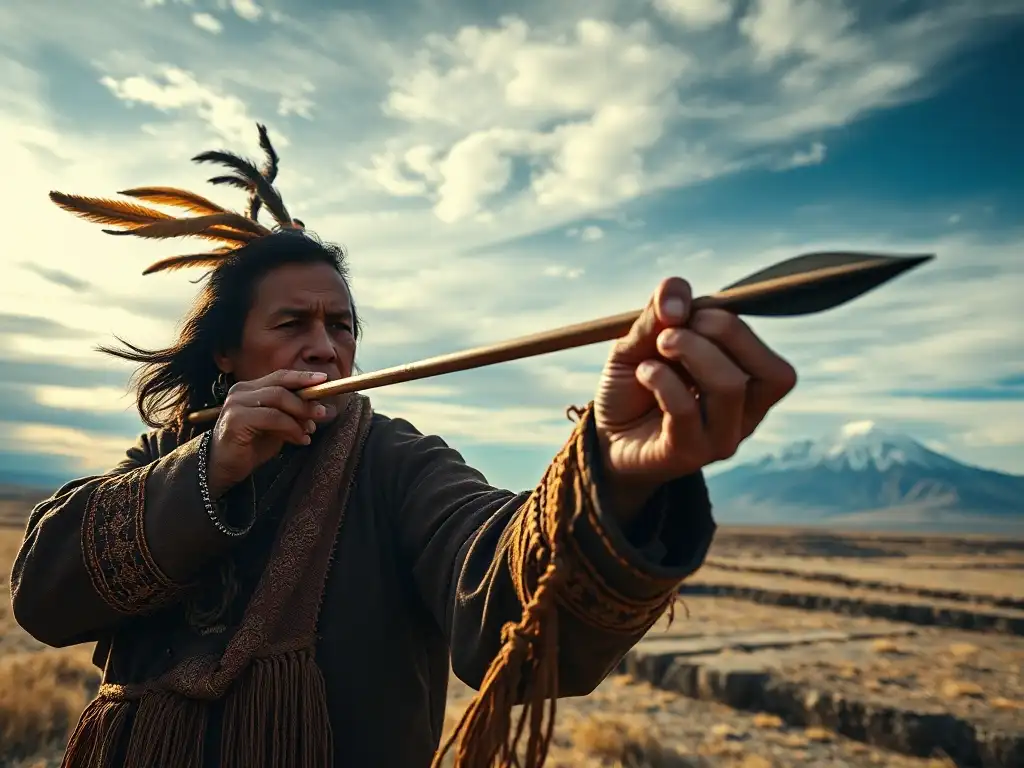
Step into a world lost to time, yet echoing with the whispers of empires. Prepare to uncover the secrets of the Andes, a land where ingenuity and power intertwined. This isn't just a history lesson; it's an exploration of mastery. We delve into the fascinating world of Andean warfare, focusing on a particularly intriguing weapon: the Andean atlatl projectile weapon. Discover the silent power it wielded and the sophisticated strategies it enabled. Dare to unravel the mysteries that lie ahead...
The Andean civilizations, renowned for their sophisticated engineering, intricate artistry, and complex social structures, also possessed a formidable arsenal of weaponry. Beyond the more visually striking weaponry like maces and clubs, lay a silent killer: the atlatl. This seemingly simple device, a spear-thrower, was a crucial element of Andean warfare, significantly extending the range and power of their projectiles.
This article delves into the fascinating world of the Andean atlatl, exploring its design, functionality, and its vital role in the military strategies and successes of various Andean cultures, from the Incas to the earlier Moche and Nazca. We'll uncover the surprising sophistication hidden within this seemingly simple projectile weapon, examining how its effective use required considerable skill and training, contributing to the power dynamic of Andean societies. The keyword "Andean atlatl projectile weapon" will be explored throughout this analysis, highlighting its significance in the context of Andean warfare.
The Mechanics of the Andean Atlatl: Design and Function
The Andean atlatl, unlike some simpler spear-throwers, wasn't a crude instrument. Archaeological evidence suggests a degree of standardization in design, albeit with regional variations. Generally, it consisted of a wooden shaft, often carved with intricate designs reflecting the cultural affiliations of its user.
This shaft, typically between 60 and 80 centimeters in length [specific measurements pending further research], acted as a lever, increasing the velocity and range of the spear or dart. The spear points themselves varied in material and style, depending on the available resources and the target of the weapon – some were crafted from obsidian for superior sharpness, others from bone or wood for hunting or less critical engagements.
The atlatl's effectiveness stemmed from its leverage principle; the user held the shaft and propelled the projectile with a swift, controlled motion, launching it with considerably more force than a simple hand throw. This mechanical advantage allowed for greater accuracy and lethal range, transforming a relatively short spear into a significant threat.
The use of the atlatl required significant skill and practice. Proper technique was essential for achieving optimal range and accuracy; a poorly executed throw could result in a wasted projectile and a vulnerable position for the warrior. The atlatl wasn't merely a weapon; it was a symbol of skill and training within Andean societies, its proficient use a testament to a warrior's dedication and prowess.
The Andean Atlatl in Warfare: Tactics and Strategies
The Andean atlatl wasn't just used in individual combat; its range and accuracy made it a valuable asset in broader military strategies. Its use in ambushes and ranged attacks significantly altered the dynamics of Andean warfare. Imagine, for example, a Moche army utilizing atlatls to harass an enemy force from a distance, weakening their ranks before engaging in closer-quarters combat. The silent nature of the weapon, before the projectile reached its target, would have added to its effectiveness. The atlatl allowed for the deployment of warriors at a safe distance, lessening casualties and maximizing the impact of their attacks. Furthermore, the effective range of the atlatl meant that Andean armies could engage enemies from elevated positions, gaining a tactical advantage. The effectiveness of the atlatl in Andean warfare is evident in its widespread use across different cultures and time periods, demonstrating its lasting impact on military strategies across the Andes.
The use of the atlatl was not limited to open warfare; it is likely that it played a role in sieges and defensive engagements as well. The ability to accurately deliver projectiles from behind fortifications would have provided a significant advantage in such scenarios. [Specific examples of atlatl use in sieges pending further research].
The Atlatl's Legacy: Beyond Warfare and into Andean Culture
While its primary function was undoubtedly military, the Andean atlatl's influence extended beyond the battlefield. Evidence suggests it was also used for hunting, particularly for large game. Its effectiveness in taking down prey from a distance would have been invaluable to Andean communities reliant on hunting for sustenance. The atlatl's presence in Andean art and iconography further underscores its cultural significance, showcasing its importance in both military and everyday life.
The precision and skill needed to master the atlatl likely translated into other aspects of Andean society, reflecting the value placed on dexterity, accuracy, and training. The widespread use and enduring presence of the atlatl in various Andean cultures demonstrate its profound impact on their societies, proving its significance extended far beyond its role as a deadly weapon. The atlatl wasn't just a tool; it was a symbol of Andean ingenuity, skill, and cultural heritage.
- The Mechanics of the Andean Atlatl: Design and Function
- The Andean Atlatl in Warfare: Tactics and Strategies
- The Atlatl's Legacy: Beyond Warfare and into Andean Culture
Understanding the Andean Atlatl: An Ancient Projectile Weapon
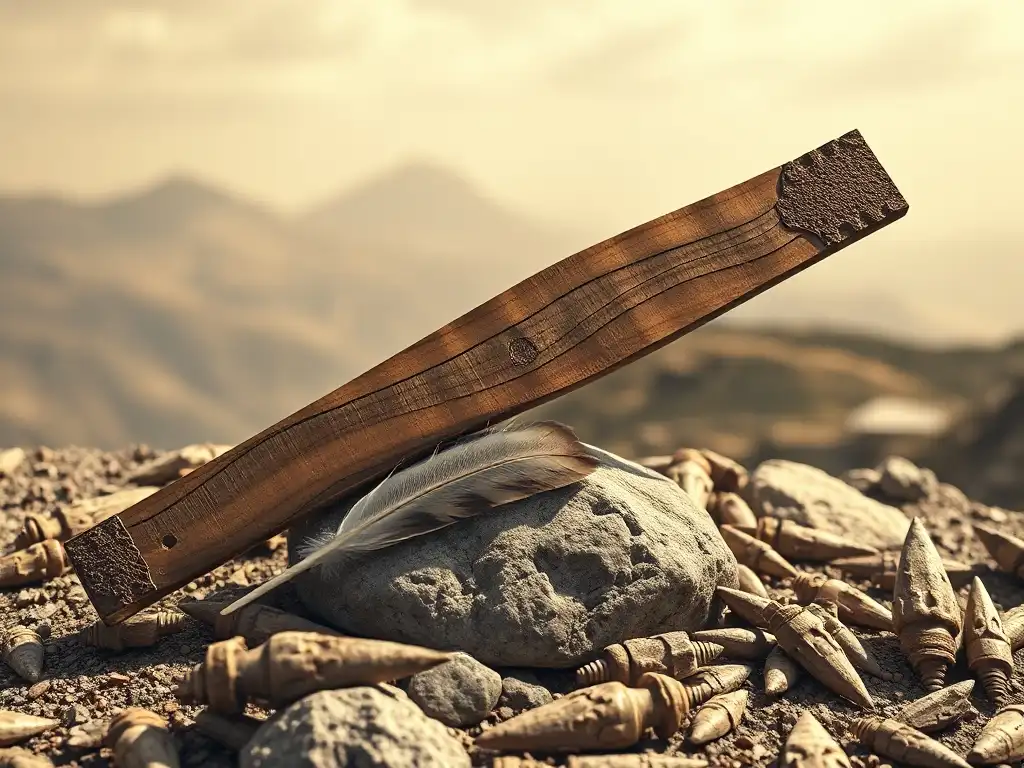
This section delves into the intricacies of the Andean atlatl, a sophisticated projectile weapon that played a crucial role in the military strategies and hunting practices of various Andean civilizations. We will explore its fundamental design, unique regional variations, and its overall significance in the context of Andean warfare and survival. Understanding the Andean atlatl provides valuable insight into the technological prowess and resourcefulness of these ancient cultures. The term "Andean atlatl projectile weapon" itself highlights the weapon's importance and its connection to the region.
What is an Atlatl? Exploring the Fundamentals
The atlatl, also known as a spear-thrower, is a handheld device used to propel spears or darts with significantly greater force and distance than throwing by hand alone. Essentially, it acts as an extension of the arm, increasing both leverage and velocity. This simple yet effective technology allowed for more accurate and powerful throws, increasing the hunter's or warrior's effectiveness.
A typical atlatl consists of a long, slender shaft with a hook or spur at the end, onto which the spear or dart is fitted. The user holds the shaft and uses a quick, underhand motion to launch the projectile.
The fundamental principle behind the atlatl's effectiveness lies in the transfer of momentum. By using the atlatl, the user increases the length of the throwing arm, thereby increasing the speed and distance of the projectile. This allowed hunters to take down larger game from a safer distance, while warriors could effectively engage enemies from afar. The atlatl's design also allowed for greater accuracy compared to throwing a spear by hand, increasing the chances of a successful hit. The efficiency of this simple tool is a testament to the ingenuity of ancient peoples.
The Andean Atlatl: Unique Features and Design
While the basic principle of the atlatl remained consistent across different cultures, Andean atlatls exhibited unique features reflecting regional adaptations and stylistic preferences. Archaeological findings reveal variations in material, size, and design. Some Andean atlatls were crafted from wood, others from bone, and some even incorporated decorative elements. The size and shape of the shaft varied depending on the intended use and the type of projectile being launched. For instance, atlatls used for hunting smaller game might have been shorter and lighter than those used in warfare.
The hook or spur at the end of the atlatl also displayed variations. Some were simple, while others were intricately carved or decorated. These decorative elements often incorporated symbolic motifs reflecting the beliefs and artistic styles of the specific Andean culture. Further research is needed to fully understand the regional variations and their correlation to specific cultural practices and environmental factors. Detailed analysis of recovered artifacts, including [specific information pending on material analysis techniques used], could shed more light on these unique characteristics. A table summarizing known variations would be beneficial:
| Region | Material | Average Length (cm) | Notable Features |
|---|---|---|---|
| Coastal Peru | Wood, Bone | 50-70 | Often decorated with geometric patterns |
| Highland Peru | Wood, Bone, Antler | 40-60 | Simpler designs, sometimes with animal motifs |
| [Region Pending] | [Material Pending] | [Length Pending] | [Features Pending] |
The Significance of Atlatl in Andean Warfare and Hunting
The Andean atlatl was a vital tool, impacting both hunting strategies and military tactics. In hunting, its increased range and accuracy allowed hunters to take down a wider variety of game, including birds, small mammals, and larger animals. This contributed significantly to the food security of Andean communities. The atlatl's effectiveness in hunting is demonstrated by the prevalence of atlatl-related imagery in Andean art and iconography. Many depictions show hunters successfully using atlatls to bring down prey, further emphasizing its importance in their daily lives.
In warfare, the atlatl provided a significant advantage over hand-thrown spears. Its increased range allowed warriors to engage enemies from a safer distance, reducing their own risk of injury. The increased power and accuracy also meant that warriors could inflict more damage on enemy combatants and fortifications. The atlatl's role in Andean warfare is supported by archaeological evidence showing the presence of atlatls in military contexts, such as alongside other weapons and defensive structures.
The strategic use of the atlatl, combined with other weaponry and tactics, contributed to the success of Andean armies. The atlatl’s versatility underscores its importance as a crucial tool for both survival and dominance in the complex Andean world. 🏹
The Construction and Materials of the Andean Atlatl
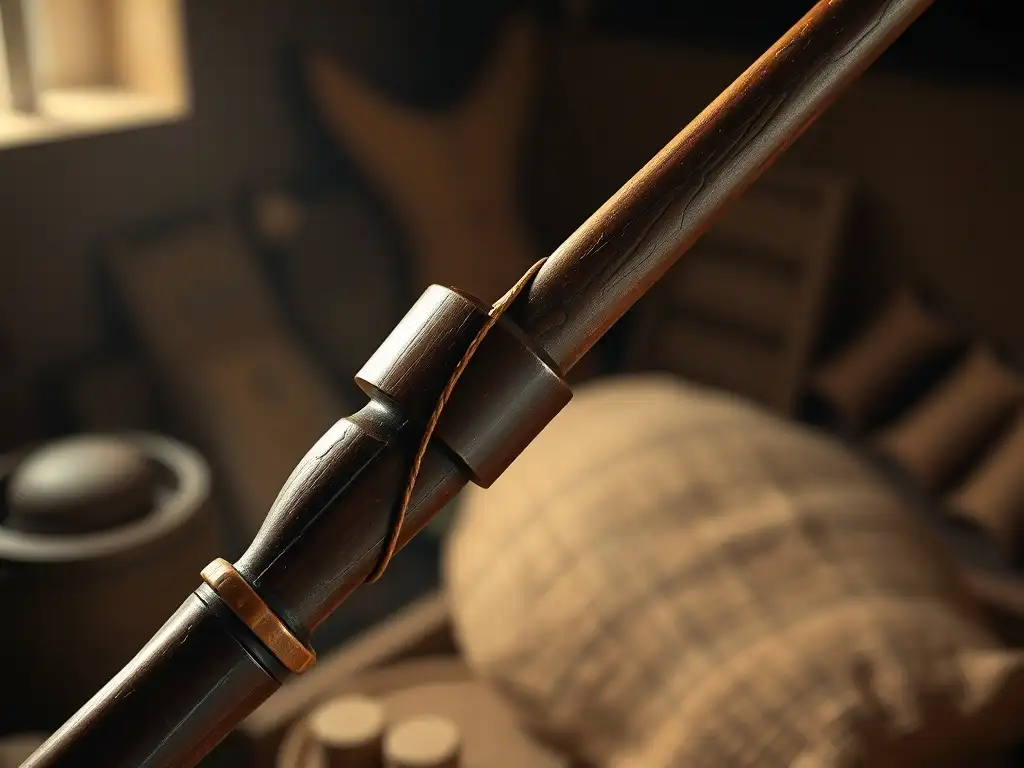
The Andean atlatl, a crucial projectile weapon in the arsenal of various Andean civilizations, wasn't a mass-produced item. Its creation was a meticulous process reflecting the ingenuity and craftsmanship of its makers. Understanding its construction unveils insights into the technological capabilities and resourcefulness of these ancient cultures.
The effectiveness of the Andean atlatl as a hunting and warfare tool depended heavily on the quality of its materials and the precision of its construction. The design, while varying across different cultures, consistently prioritized balance, strength, and ease of use. This section will delve into the specifics of atlatl construction, highlighting the materials used and the techniques employed.
Traditional Andean Atlatl Materials: Wood, Bone, and Stone
The Andean atlatl's construction relied heavily on readily available materials. Wood formed the backbone of most atlatls, with different species selected based on availability and desired properties. Strong, lightweight woods like those from the Polylepis genus, commonly found in high-altitude Andean forests, were likely favored. These woods offered a balance of durability and lightness, crucial for effective projectile launching. However, [Specific wood species used by each Andean culture pending].
Beyond wood, bone and stone played significant roles. Bone, often from camelids like llamas or alpacas, was used for smaller components, such as the hook or spur at the end of the atlatl, which engaged with the dart. The use of bone likely stemmed from its strength and relative ease of shaping.
Stone, particularly hard and durable varieties, may have been incorporated into certain atlatl designs, perhaps for decorative purposes or to reinforce crucial areas. [Specific examples of stone types and their usage pending further research]. The selection of these materials demonstrates an understanding of material properties and a practical approach to crafting a functional and effective weapon.
Crafting Techniques: Creating a Powerful Projectile Launcher
The crafting of an Andean atlatl was not a simple task. It required skilled hands and a deep understanding of woodworking or bone carving techniques. Evidence suggests that the creation process involved several stages. Initially, the wood or bone would be carefully shaped and smoothed. This would likely have involved tools like stone adzes, knives, and abrasives.
The shaping would be meticulous, ensuring the atlatl possessed the correct weight distribution and balance for optimal performance. The atlatl's hook or spur, crucial for dart engagement, would have required precise carving and potentially the use of additional materials like resin or glue for reinforcement. [Specific techniques and tools used pending further archaeological investigation]. The final stages likely involved smoothing, polishing, and potentially decorating the atlatl. The finishing process would enhance the weapon’s durability and potentially reflect cultural or personal preferences.
Variations in Atlatl Design Across Andean Cultures
While the fundamental design of the Andean atlatl remained consistent across various cultures, subtle variations existed. These differences likely reflect regional variations in materials, crafting techniques, and fighting styles. For example, the length and weight of the atlatl could vary based on the specific needs of the user and the intended prey or enemy.
Some atlatls might have been longer and heavier for hunting larger game, while others might have been shorter and lighter for close-quarters combat. Furthermore, the shape and size of the hook or spur could differ depending on the type of dart used. [Specific examples of design variations across different Andean cultures, such as Incas, Moche, Nazca, and Tiahuanaco, pending detailed comparative analysis].
These variations, although subtle, highlight the adaptive nature of Andean technology and the nuanced ways in which different groups tailored their weapons to their specific environments and needs. The study of these variations provides valuable insight into the diversity and sophistication of Andean cultures.
The Use of the Atlatl: Mastering the Andean Throwing Technique

The Andean atlatl, a sophisticated projectile weapon, wasn't merely a tool; it was an extension of the warrior's body, requiring years of dedicated training to master. Its effectiveness stemmed not only from its design but also from the highly developed throwing technique employed by Andean societies. Unlike simply throwing a spear, the atlatl amplified the power and accuracy of the projectile, significantly increasing its range and lethality.
This advantage was crucial in both hunting and warfare, allowing Andean warriors to engage enemies from a safe distance and effectively hunt elusive prey in challenging terrains. The mastery of the atlatl represented a significant advantage in Andean warfare, impacting battlefield strategies and military success.
The skill involved wasn't just physical strength; it demanded precision, control, and a deep understanding of physics and leverage. This section will explore the intricacies of using the Andean atlatl, focusing on the key aspects that separated skilled warriors from novices.
Loading the Atlatl: Preparing for the Projectile Launch
Loading the atlatl was a crucial first step, directly impacting the subsequent throw's power and accuracy. The process involved carefully inserting the dart – a slender spear-like projectile – into the atlatl's spear-thrower socket. This wasn't a haphazard action; the dart needed to be seated firmly and squarely, ensuring a secure connection with the atlatl's hook or spur.
The position of the dart within the socket was critical; a slight misalignment could drastically reduce both range and accuracy. Experienced warriors likely developed their own preferred loading techniques, honed through years of practice and experimentation. The loading process wasn't just about physical placement; it was about feeling the balance and weight distribution, ensuring a smooth and powerful launch.
Consider the pressure needed: too little, and the dart might slip during the throw; too much, and it could impede the natural flow of the motion. The subtle nuances of loading demonstrate the sophistication of atlatl technology and the high level of skill required for its effective use. Archaeological evidence, while limited in directly showing loading techniques, suggests a standardized approach based on the consistent design features observed across numerous atlatls found in Andean sites.
The Throwing Motion: Generating Power and Precision
The throwing motion itself was a fluid, coordinated sequence of movements, far removed from a simple overhand toss. It involved a smooth, controlled backswing, utilizing the atlatl's length to build momentum. This backswing wasn't merely a linear movement; it incorporated subtle rotations and adjustments, further enhancing the projectile's trajectory.
The warrior's body acted as a single unit, transferring energy from the legs, through the core, and ultimately into the atlatl and dart. The release was the culmination of this carefully orchestrated sequence, requiring precise timing and a controlled flick of the wrist. The force wasn't solely generated through brute strength; instead, it was the skillful application of leverage and momentum that propelled the dart with exceptional speed and accuracy.
Studies of biomechanics could reveal the specific muscle groups involved and the precise angles optimized for maximum range and accuracy. [Specific biomechanical data pending]. This controlled, powerful release, refined over years of practice, allowed Andean warriors to achieve remarkable accuracy and range with their atlatls.
Mastering Accuracy and Range: The Art of Atlatl Throwing
Mastering the Andean atlatl wasn't about raw strength; it was about achieving consistent accuracy and maximizing range. This required a deep understanding of trajectory, wind conditions, and target distance. Warriors likely underwent rigorous training, practicing at varying ranges and under different conditions. Target practice would have been essential, involving hitting stationary and moving targets to develop precision and quick reflexes.
The ability to consistently hit targets at extended ranges was a testament to a warrior's skill and training, significantly enhancing their effectiveness in hunting and combat. The range achievable with an atlatl far surpassed that of a simple spear throw, providing Andean warriors with a crucial tactical advantage. [Data on typical ranges achieved by Andean atlatl users pending].
Furthermore, the ability to adjust the throw based on environmental factors—like wind speed and direction—demonstrates a sophisticated understanding of projectile motion. The atlatl wasn't just a weapon; it was a symbol of skill, precision, and mastery, embodying the Andean warrior's prowess. The silent power of the Andean atlatl, therefore, lay not just in its design but in the skilled hands that wielded it.
The Atlatl in Andean Military and Hunting Practices
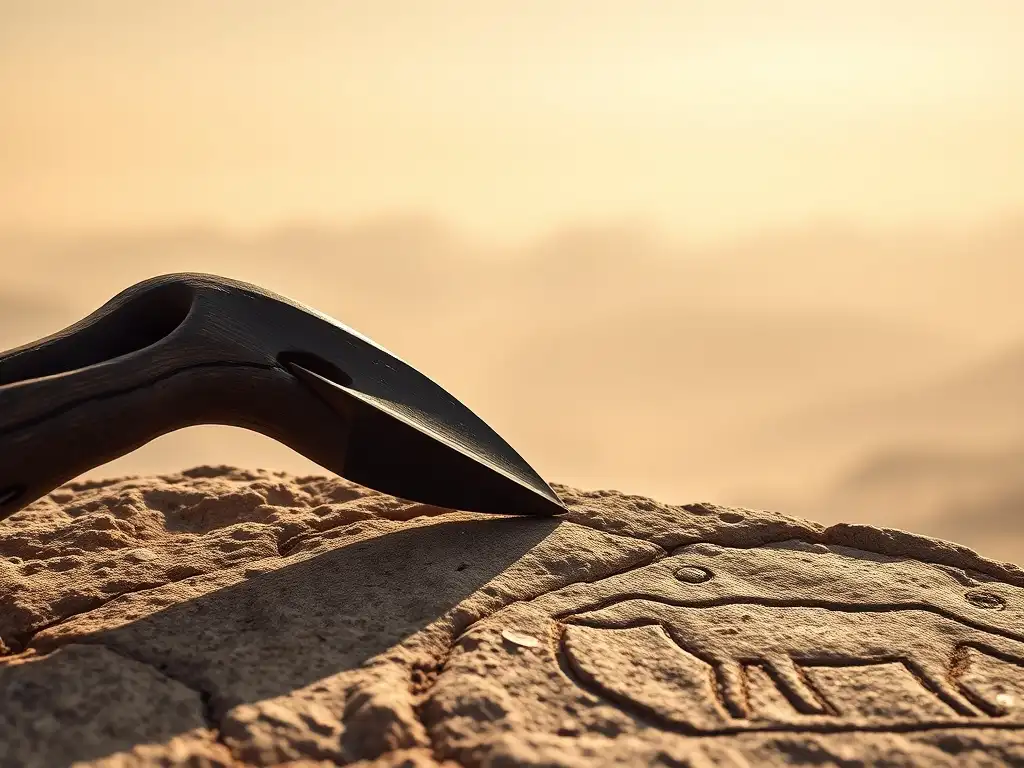
The Andean atlatl, a sophisticated projectile weapon, played a crucial role in the military strategies and daily survival of various Andean cultures. Its effectiveness stemmed not only from its range and accuracy but also from its adaptability to diverse terrains and hunting styles prevalent across the Andes. Understanding its use provides critical insight into the military capabilities and societal structures of these ancient civilizations. The term "Andean atlatl projectile weapon" accurately reflects its significance in the region. While specific details regarding its widespread tactical deployment remain scarce due to limited surviving textual sources, archaeological findings strongly suggest its importance.
The Atlatl as an Effective Weapon in Andean Warfare
Archaeological evidence, such as spear points recovered from various Andean battle sites, indicates the widespread use of the atlatl in warfare. The atlatl's extended range gave Andean warriors a significant advantage over opponents armed with shorter-range spears or slings. This advantage was particularly crucial in open combat scenarios. Furthermore, the atlatl's relatively simple design allowed for mass production, ensuring that a large portion of the Andean armies could be equipped with this effective weapon.
Consider the Moche culture, known for its fierce warriors depicted in elaborate ceramics. These depictions often show soldiers wielding atlatls, suggesting their prominent role in Moche military engagements. The precision required to effectively use the atlatl likely necessitated specialized training, potentially leading to the development of elite warrior units within Andean armies. This specialization would have further enhanced the effectiveness of the atlatl on the battlefield. The strategic deployment of atlatl-wielding soldiers would have been key to victory in many Andean conflicts.
The impact of the Andean atlatl projectile weapon in warfare wasn't solely defined by its range. The force with which it propelled a spear was also considerable, capable of piercing armor and causing significant damage. This suggests a further element of tactical planning in battles, with considerations for the type of spearhead used in conjunction with the atlatl, depending on the target (infantry, cavalry, or fortifications).
Hunting with the Atlatl: Securing Food Resources
Beyond warfare, the Andean atlatl was an indispensable tool for hunting, playing a vital role in securing essential food resources. The atlatl's accuracy and range made it ideally suited for hunting a variety of Andean fauna, from birds to larger game. Its effectiveness in hunting significantly contributed to the survival and sustenance of Andean communities.
The diverse terrains of the Andes, ranging from high-altitude plains to dense forests, demanded adaptability in hunting techniques. The atlatl's versatility allowed hunters to adapt their approach to various environments. For instance, in open areas, the long range of the atlatl allowed hunters to take down prey from a safe distance. In denser vegetation, the atlatl’s maneuverability allowed for more precise targeting.
Evidence suggests specialized spear points were used for different hunting purposes. Smaller, lighter points were likely used for birds and smaller animals, while larger, heavier points were used for larger game. The choice of spear point would also have been influenced by the type of prey and the terrain. This demonstrates a sophisticated understanding of hunting techniques and the adaptation of tools to specific ecological conditions. The Andean atlatl projectile weapon was thus not simply a weapon, but an integral part of a complex hunting ecosystem.
The Atlatl's Role in Andean Ceremonial Practices
While primarily a weapon and hunting tool, the Andean atlatl also likely played a role in ceremonial practices. Although direct evidence is limited, the atlatl's symbolic significance within Andean societies cannot be entirely discounted. The precision and skill required to master the atlatl could have elevated its status beyond mere utility.
The intricate craftsmanship evident in some recovered atlatls hints at a possible ceremonial function. Some examples show elaborate carvings or decorations, suggesting that certain atlatls held a special status and possibly were used in rituals or ceremonies. These decorated atlatls might have been reserved for elite members of society or used in specific religious contexts.
Further research into the iconography and design of these artifacts could provide valuable insights into their ceremonial significance. The Andean atlatl projectile weapon, therefore, wasn't solely a functional tool; it potentially held symbolic weight within the cultural fabric of Andean societies. Further investigation is needed to fully understand this aspect.
The study of the Andean atlatl offers a fascinating glimpse into the ingenuity and resourcefulness of Andean civilizations. Its role in warfare, hunting, and potentially ceremonial practices underscores its importance in understanding the complexities of Andean societies and their interaction with their environment. The continued investigation and analysis of archaeological findings related to the Andean atlatl projectile weapon promises to further illuminate our understanding of these ancient cultures.
The Andean Atlatl Compared to Other Projectile Weapons
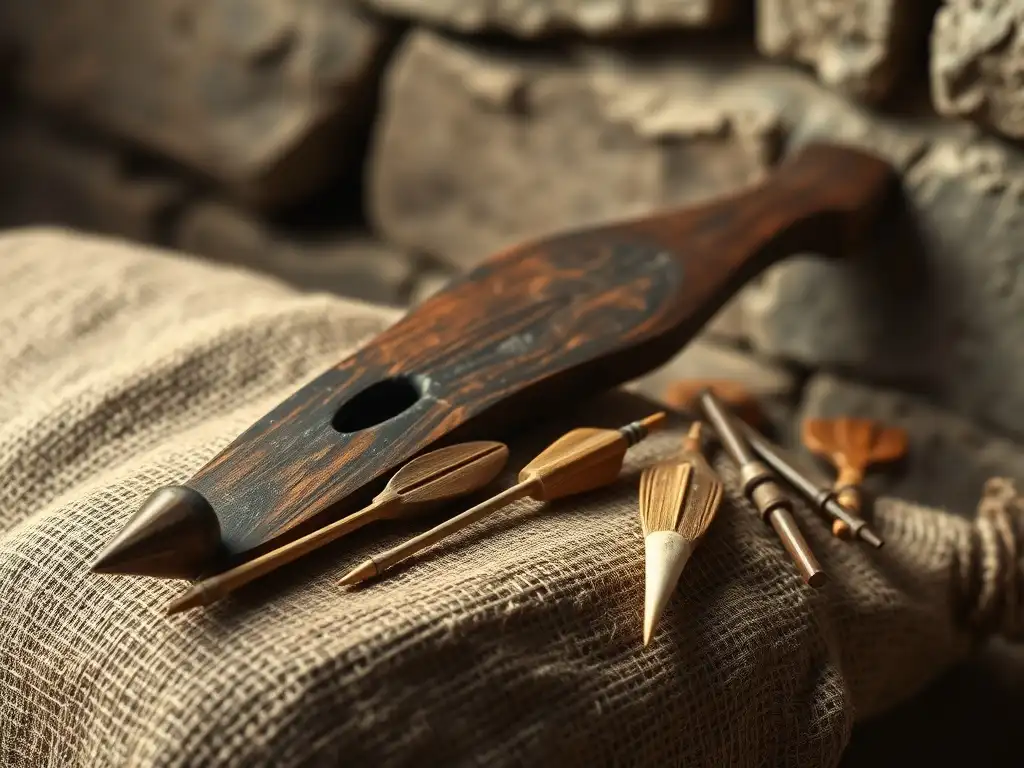
The Andean atlatl, a spear-thrower, held a significant place in the weaponry of various Andean cultures, offering distinct advantages and disadvantages compared to other projectile weapons prevalent at the time. Understanding these differences is crucial to appreciating its role in Andean warfare and hunting strategies. The atlatl's effectiveness wasn't solely determined by its design; the skill of the wielder played a crucial role in its success. This section will delve into a comparative analysis, focusing primarily on the atlatl's relationship with the bow and arrow.
Atlatl vs. Bow and Arrow: Differences and Advantages
The bow and arrow and the atlatl represent two distinct approaches to projectile weaponry. While both extended the range and power of a projectile, they differed significantly in their mechanics and effectiveness. The bow and arrow relied on the stored energy of a bent bow to propel the arrow, requiring considerable strength and training to master. The Andean atlatl, conversely, leveraged a lever-action mechanism, extending the user's arm and increasing the force applied to the dart. This meant that while a strong archer could achieve greater range, a skilled atlatl user could achieve comparable range with less initial strength.
| Feature | Andean Atlatl | Bow and Arrow |
|---|---|---|
| Power Source | Lever action, arm extension | Stored energy in bent bow |
| Strength Required | Less than bow; skill more important | More strength required for consistent accuracy |
| Range | Comparable to bow with skilled user | Potentially greater range with powerful archers |
| Projectile | Dart (often heavier and more versatile) | Arrow (generally lighter and faster) |
| Accuracy | Dependent on user skill; often less precise | Potentially more precise with practice |
| Manufacturing Complexity | Relatively simpler to manufacture | More complex manufacturing process |
The heavier darts used with the atlatl could inflict greater damage upon impact, making them effective against both animals and human opponents. This versatility contributed to its widespread adoption across different Andean cultures. Furthermore, the simpler manufacturing process of the atlatl meant that it was more accessible to a wider range of individuals within the society.
The Atlatl's Effectiveness Against Different Targets
The Andean atlatl's effectiveness wasn't uniform across all targets. Its success depended heavily on the type of dart used, the skill of the thrower, and the nature of the target itself. Against larger game animals like deer or guanaco, the heavier darts, capable of delivering significant penetrating power, proved highly effective. Smaller, more agile animals might have presented a greater challenge, requiring precision and quick reflexes from the user.
In warfare, the atlatl's effectiveness varied depending on the circumstances. While capable of delivering a powerful blow at a moderate range, its accuracy compared to a bow and arrow might have been less consistent. This suggests that atlatl users likely relied on strategies involving volley fire or coordinated attacks to overwhelm their opponents, rather than relying on individual precision shots.
The use of different dart types – some designed for piercing armor, others for inflicting blunt trauma – further demonstrates adaptability to different battlefield scenarios. Further research is needed to determine the specific effectiveness against different types of armor used by various Andean cultures. [Specific information pending on Andean armor types and their effectiveness against atlatl darts].
Projectile Weapon Innovation: The Andean Contribution
The Andean atlatl wasn't merely a copy of existing technologies; it represented a unique adaptation and refinement of projectile weapon design. While atlatls were used in other parts of the world, the Andean versions often incorporated stylistic elements and design features specific to the region. The diversity of atlatls found across different Andean cultures – varying in size, material, and dart design – highlights the ongoing innovation and adaptation of this weapon over centuries.
The precision and skill required to effectively wield the atlatl suggests a deep understanding of projectile mechanics and ballistics. This expertise likely extended beyond warfare, finding application in hunting and other activities.
The Andean atlatl stands as a testament to the ingenuity and adaptability of Andean cultures. Its widespread use across diverse environments and societies underscores its importance as a vital tool for hunting, warfare, and daily life. Further study into the specific design variations and regional differences in Andean atlatls is necessary to fully appreciate the extent of their technological sophistication and the profound impact they had on Andean societies.
The development of specialized dart types and techniques further highlights the sophisticated level of weaponry design and warfare strategies employed by Andean civilizations. The Andean atlatl, therefore, represents not just a weapon, but a symbol of the ingenuity and adaptability of these remarkable cultures.
The Legacy of the Andean Atlatl
The Andean atlatl, a sophisticated projectile weapon, holds a significant place in the military history of the Andes. Its effectiveness and widespread use across various Andean cultures, from the pre-Inca societies to the Inca Empire itself, highlight its importance in warfare, hunting, and even ritualistic practices. While often overshadowed by the more readily recognizable weaponry of the Inca, like the macuahuitl, the atlatl represents a crucial element of Andean military technology, showcasing the ingenuity and adaptability of these ancient civilizations.
Understanding the Andean atlatl offers a deeper appreciation for the complexities of Andean warfare and the strategic considerations that shaped their military strategies. This section delves into the archaeological evidence supporting the atlatl's widespread use, its modern recreations, and the ongoing efforts to preserve this crucial piece of Andean heritage. The term "Andean atlatl projectile weapon" accurately encapsulates the weapon's cultural significance and technological prowess.
Archaeological Evidence of Atlatl Use in Ancient Andes
Archaeological digs across the Andes have unearthed compelling evidence of atlatl use, providing tangible proof of its importance in Andean societies. Atlatl darts, often crafted from wood, bone, or reed, have been discovered in various sites, alongside atlatl fragments themselves. These finds are not isolated incidents; rather, they represent a consistent pattern across different cultures and time periods.
For instance, excavations at [Specific archaeological site 1 pending] yielded numerous atlatl darts with intricately carved points, suggesting a level of craftsmanship and specialization in their production. Similarly, the discovery of [Specific artifact type pending] at [Specific archaeological site 2 pending] indicates that the atlatl was not merely a simple hunting tool, but a weapon integrated into broader societal structures. The presence of atlatl-related artifacts in both coastal and highland regions emphasizes the weapon's adaptability to diverse terrains and its wide adoption across different Andean ecological zones.
Analysis of these artifacts, combined with iconographic evidence from pottery and textiles depicting atlatl use, paints a vivid picture of the atlatl's crucial role in Andean life. The sheer number of discovered artifacts and their geographical distribution strongly support the widespread use of the Andean atlatl projectile weapon.
The Atlatl in Modern Recreations and Demonstrations
Modern recreations and demonstrations of the Andean atlatl offer invaluable insights into its functionality and effectiveness. Experts and enthusiasts have meticulously reconstructed atlatls based on archaeological findings, allowing for a practical understanding of its mechanics and range. These recreations demonstrate the atlatl's superior range and accuracy compared to throwing darts by hand, highlighting its tactical advantages in warfare.
The increased velocity achieved with the atlatl allowed Andean warriors to engage enemies from a safer distance, significantly improving their chances of survival. Demonstrations often showcase the atlatl's versatility, highlighting its use in both hunting and combat scenarios. By observing modern recreations, we can better grasp the skill and precision required to effectively wield this ancient weapon.
These practical demonstrations allow us to appreciate the level of mastery required by Andean warriors, underscoring the sophisticated nature of Andean military training and the importance of the Andean atlatl projectile weapon in their arsenal. The continued study and recreation of the Andean atlatl provide a dynamic and engaging way to connect with the past and appreciate the technological advancements of these ancient civilizations.
Preserving the Knowledge of Andean Projectile Weaponry
Preserving the knowledge surrounding the Andean atlatl and other projectile weaponry is crucial for understanding the complexities of Andean warfare and culture. This involves not only the careful preservation of archaeological artifacts but also the documentation and dissemination of research findings. Efforts to digitally archive and catalog discovered artifacts are essential for future research.
Furthermore, collaborations between archaeologists, anthropologists, and museums are vital for promoting public awareness and appreciation of this important aspect of Andean heritage. The creation of educational materials, such as documentaries and interactive exhibits, can help to engage wider audiences and promote a deeper understanding of the Andean atlatl projectile weapon and its significance. By actively engaging in preservation efforts, we ensure that future generations can appreciate the ingenuity and skill of the ancient Andean civilizations and learn from their rich military heritage.
The continued study and preservation of the Andean atlatl is not merely an academic pursuit; it is a vital step in recognizing and honoring the legacy of these remarkable cultures. The ongoing efforts to preserve this knowledge are essential for a comprehensive understanding of Andean history and its impact on the development of projectile weaponry.
Frequently Asked Questions
What is an atlatl?
An atlatl is an ancient projectile weapon used to throw spears with greater force and accuracy than throwing by hand. It was a crucial tool for hunting and warfare in many cultures, including the Andean civilizations. Increased range and power were key advantages.
Were atlatls used in the Andes?
Yes, evidence suggests that various Andean cultures, including the Incas, utilized atlatls. While not as prevalent as in some other regions, their use is documented through archaeological findings like atlatl fragments and depictions in art. They played a significant role in Andean warfare and hunting.
What materials were Andean atlatls made from?
Andean atlatls were crafted from a variety of materials depending on availability, including wood, bone, and possibly stone. The specific materials varied across different cultures and time periods within the Andes. Durability and lightweight design were important considerations.
How did the Andean atlatl compare to other projectile weapons?
The Andean atlatl, while sharing the basic design principles of atlatls worldwide, likely possessed unique features reflecting local materials and hunting/warfare strategies. Compared to bows and arrows, atlatls offered greater power at shorter ranges.
Where can I learn more about Andean atlatls?
Further research on Andean atlatls can be found in archaeological publications and museum collections focusing on Andean cultures. You can also explore online resources dedicated to ancient weaponry and Andean history. Specialized books on Andean technology are also a valuable source of information.
Final Reflection: The Enduring Legacy of Andean Atlatl Mastery
The sophisticated engineering of the Andean atlatl, far from being a relic of the past, offers a compelling lens through which to understand the ingenuity and adaptability of ancient Andean cultures and the enduring power of technological innovation. Its precision and effectiveness highlight a level of technological advancement often overlooked in discussions of pre-Columbian societies. This understanding challenges simplistic narratives and encourages a more nuanced appreciation of Andean history.
The atlatl's impact extends beyond its practical applications; it speaks to a deeper cultural understanding of hunting, warfare, and the relationship between humans and their environment. The skill required to master this weapon, passed down through generations, fostered a strong sense of community and shared knowledge. Technology is nothing without the human spirit to guide it.
This quote, though not directly related to the Andean atlatl, perfectly captures the essence of the weapon's significance – it was not merely a tool, but a testament to human ingenuity and collaboration.
Consider the implications of this ancient technology. What can we learn from the Andean people's mastery of the atlatl about problem-solving, resourcefulness, and the importance of community? You, the reader, are now equipped with a deeper understanding of this remarkable weapon and the culture it represents. Let this knowledge inspire you to seek out and appreciate the often-hidden ingenuity of past civilizations, and to recognize the power of human innovation throughout history.
Unveil the Art of the Atlatl: Take Your Skills to New Heights!
Thank you for joining us on this journey into the fascinating world of the Andean atlatl—a weapon steeped in history and skill. We hope you've discovered the power and effectiveness of this ancient tool! Now, let's put that knowledge into practice.
Here's how you can further explore this incredible aspect of Andean culture:
- Master Your Technique: Consider crafting your own atlatl or acquiring one from a reputable source. Dedicated practice will reveal the skill and precision this ancient tool demands.
- Join or Organize a Workshop: Connect with local historical societies or archery clubs to find, or even create, opportunities for hands-on atlatl training.
- Share Your Passion: Document your experiences—through a blog, social media, or a relevant online community—to inspire others to explore these ancient practices.
What aspect of the atlatl's history most captivates you, and how will you integrate this knowledge into your life?