
The Importance of Offerings: Honoring the Gods and Spirits

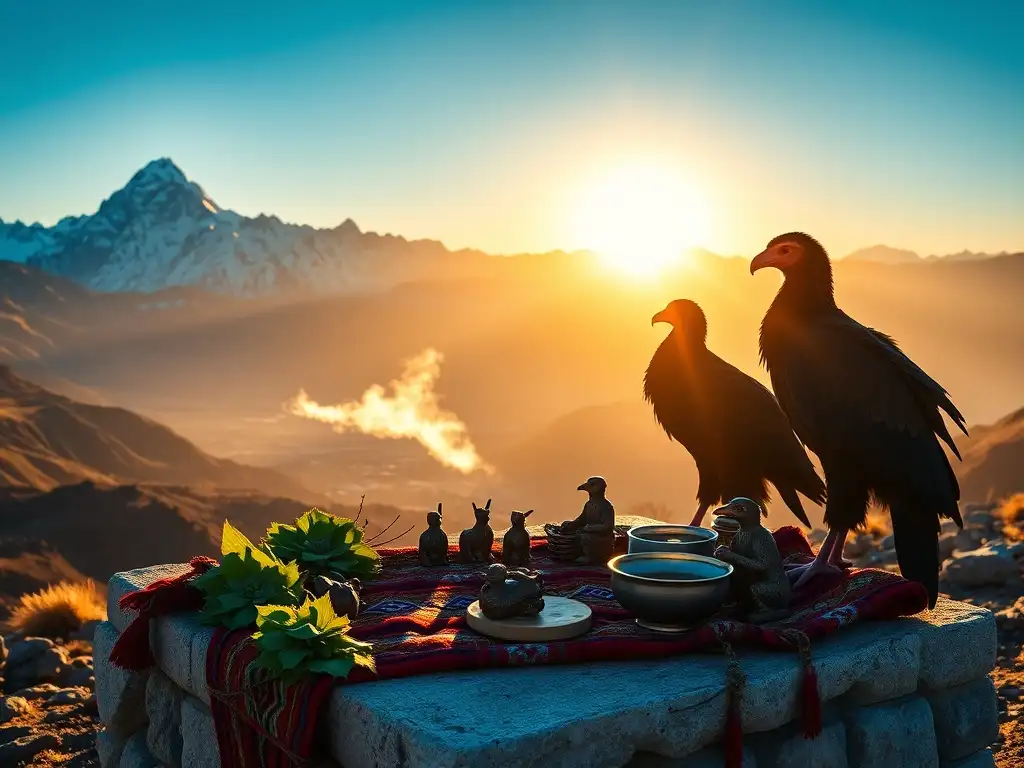
Dive into a world lost to time, yet echoing with vibrant life. Imagine the breathtaking landscapes of the Andes, where ancient civilizations flourished, leaving behind a legacy of intricate artistry and profound spiritual beliefs. Uncover the secrets behind the Andean civilizations offerings rituals, a practice that shaped their society and connected them to the divine. What treasures did they entrust to the gods? What can these ancient customs reveal about their complex cosmology? Prepare to be captivated as we delve into the fascinating world of Andean religion and explore the profound significance of their offerings.
- The Importance of Offerings: Honoring the Gods and Spirits in Andean Civilizations
- Understanding Andean Ritual Offerings: A Core Practice
- Types of Offerings in Ancient Andean Cultures
- Specific Rituals and Ceremonies Involving Offerings
- The Role of Priests and Shamans in Offering Rituals
- Andean Civilizations Offerings Rituals: A Comparative Perspective
- The Legacy of Andean Offering Rituals
- Frequently Asked Questions
- Final Reflection: Echoes of the Andes: A Legacy of Giving
- Embrace the Sacred: Honor Andean Traditions Today!
The Importance of Offerings: Honoring the Gods and Spirits in Andean Civilizations
The Andean world, a tapestry woven from the threads of diverse cultures like the Incas, Moche, Nazca, and Tiahuanaco, reveals a profound reverence for the supernatural. Central to their complex religious systems were elaborate offerings, rituals designed not merely as acts of appeasement, but as vital interactions sustaining the delicate balance between the human and spiritual realms. Understanding these offerings provides a crucial window into the Andean cosmovision, their intricate social structures, and their deep connection to the land and its resources.
This exploration delves into the significance of these practices, examining the types of offerings made, the contexts in which they were presented, and their enduring impact on our understanding of Andean civilizations offerings rituals. We will uncover how these seemingly simple acts of giving were profoundly intertwined with their beliefs about deities, ancestors, and the forces of nature.
Types of Offerings Presented to Andean Deities
Andean offerings were incredibly diverse, reflecting the rich variety of their environment and the nuanced nature of their beliefs. They ranged from everyday items of practical use to precious objects crafted with meticulous skill. Common offerings included:
- Agricultural Products: Maize, potatoes, coca leaves – the staples of their diet – were frequently offered, symbolizing the bounty of the earth and their dependence on its fertility. The quantity and quality of these offerings likely varied depending on the importance of the deity or the specific ritual. For instance, a particularly bountiful harvest might have resulted in larger and more elaborate offerings.
- Textiles and Clothing: Finely woven textiles, often adorned with intricate designs, were highly valued and frequently included in offerings. These represented not only material wealth but also the skill and artistry of the people. The colors and patterns likely held symbolic meanings related to specific deities or occasions.
- Ceramics and Metalwork: Elaborately decorated pottery vessels and intricately crafted gold and silver objects were reserved for particularly important occasions or powerful deities. These precious materials signified the utmost respect and the desire to please the gods. The craftsmanship involved suggests significant time and effort invested in creating these offerings, highlighting their importance.
- Human Sacrifice: While less common than other forms of offerings, evidence suggests that human sacrifice occurred in certain Andean cultures, particularly during times of crisis or to ensure successful harvests. These acts, though extreme, were believed to be essential for maintaining cosmic balance and appeasing powerful deities. The individuals chosen for sacrifice likely held specific social or ritual significance.
Ritual Contexts and Significance of Andean Offerings
The context in which offerings were made significantly influenced their meaning and purpose. Offerings weren't simply random acts; they were carefully planned and executed within specific ritual frameworks.
- Agricultural Cycles: Offerings were deeply intertwined with the agricultural cycle, marking key moments like planting and harvesting. These rituals ensured the continued fertility of the land and a successful harvest. The types of offerings would have varied depending on the stage of the agricultural cycle.
- Construction and Foundation Rites: New buildings, temples, and even entire settlements were often inaugurated with elaborate offerings, ensuring the protection and prosperity of the community. This demonstrates the importance of securing divine favor for successful construction and future stability.
- Festivals and Ceremonies: Many Andean festivals and ceremonies involved significant offerings, reinforcing community bonds and reaffirming their beliefs. The scale and grandeur of these rituals varied according to the specific occasion and the significance of the deity being honored.
- Healing and Illness: Offerings were also made to appease deities associated with healing and to seek cures for illness. These offerings demonstrate a belief in the supernatural's influence on health and well-being.
The Enduring Legacy of Andean Offerings
The practice of offerings in Andean civilizations wasn’t merely a historical phenomenon; its echoes resonate even today in various Andean communities. While the specific forms and rituals may have evolved, the underlying principles of honoring deities, ancestors, and the forces of nature persist. The study of these ancient practices provides invaluable insights into the Andean cosmovision and its enduring influence on the cultural landscape. Further research into specific cultural contexts and the archaeological evidence associated with different types of offerings will continue to refine our understanding of Andean civilizations offerings rituals and their profound significance.
Understanding Andean Ritual Offerings: A Core Practice
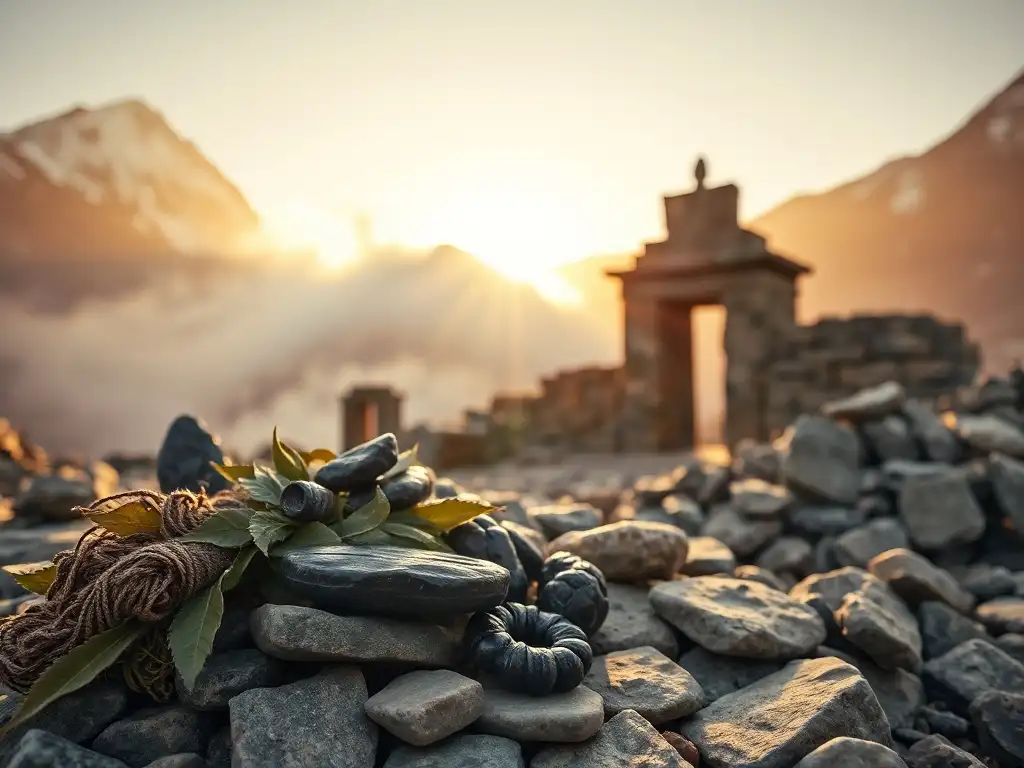
Andean civilizations, renowned for their intricate social structures and impressive architectural feats, also possessed a deeply complex religious system revolving around offerings and rituals. These weren't merely symbolic gestures; they were fundamental to maintaining cosmic balance and ensuring the prosperity of their communities. The practice of offering gifts to the apus (mountain spirits), deities, and ancestors permeated every aspect of Andean life, from daily routines to monumental ceremonies.
Understanding these offerings provides crucial insight into the Andean worldview and the intricate relationship between humans and the supernatural. The diverse nature of the offerings themselves—ranging from precious metals and textiles to agricultural products and even human sacrifices in certain contexts—reflects the nuanced beliefs and practices across different Andean cultures.
Analyzing these offerings allows us to reconstruct the beliefs, social structures, and economic systems of these fascinating societies. The study of Andean civilizations offerings rituals reveals a profound connection to the natural world and a sophisticated understanding of reciprocal relationships within the cosmos.
The Significance of Offerings in Andean Cosmovision
The Andean cosmovision, a holistic worldview integrating the physical and spiritual realms, placed immense importance on reciprocity ( ayni). This principle emphasized the mutual exchange of goods, services, and respect between individuals, communities, and the supernatural world. Offerings served as a crucial mechanism to fulfill this reciprocal obligation.
By presenting gifts to the deities and spirits, Andean people sought to maintain a harmonious relationship, ensuring the continued flow of blessings such as bountiful harvests, successful hunts, and protection from natural disasters. Failure to maintain this balance, through neglect or insufficient offerings, was believed to result in misfortune or divine retribution. This concept of reciprocity extended beyond the purely material; respect, prayers, and ceremonies also formed part of the exchange, demonstrating a profound understanding of the interconnectedness of all things.
The meticulous craftsmanship evident in many offerings, particularly those made of precious metals or intricate textiles, underscores the significance and reverence attached to these acts of devotion. These weren't simply discarded items; they were carefully prepared and presented as expressions of gratitude and a commitment to maintaining cosmic order.
Why Were Rituals and Sacrifices Central to Andean Life?
Rituals and sacrifices, integral components of Andean religious practices, served multiple vital functions. They reinforced social cohesion, solidifying community bonds through shared participation in ceremonies. The preparation and execution of offerings often involved the entire community, fostering a sense of collective identity and purpose. Moreover, these rituals helped to legitimize the power of the elite, with rulers often acting as intermediaries between the people and the supernatural. Grand ceremonies, involving elaborate offerings, served to reinforce the authority and divine right to rule of the Inca emperors, for instance.
Beyond their social and political functions, these rituals were also crucial for maintaining agricultural productivity and overall well-being. Offerings to the apus, the powerful mountain spirits, were believed to ensure the success of agricultural cycles, providing rain, fertility, and protection from frost. The choice of offerings was often closely tied to specific needs and circumstances. For example, coca leaves, a sacred plant, were frequently offered for various purposes, ranging from simple acts of gratitude to seeking divine assistance in times of hardship.
The scale of the sacrifice, from small personal offerings to large-scale state-sponsored events, reflected the importance of the request and the power of the deity or spirit being addressed. Human sacrifice, while practiced in some Andean cultures, was not a commonplace occurrence and was usually reserved for specific occasions of great importance, such as the dedication of major structures or during times of crisis. This practice highlights the extreme measures taken to ensure the continued favor of the supernatural world and the well-being of the community. The study of Andean civilizations offerings rituals provides a window into their beliefs, social structures, and the intricate relationship between the human and spiritual realms.
Types of Offerings in Ancient Andean Cultures
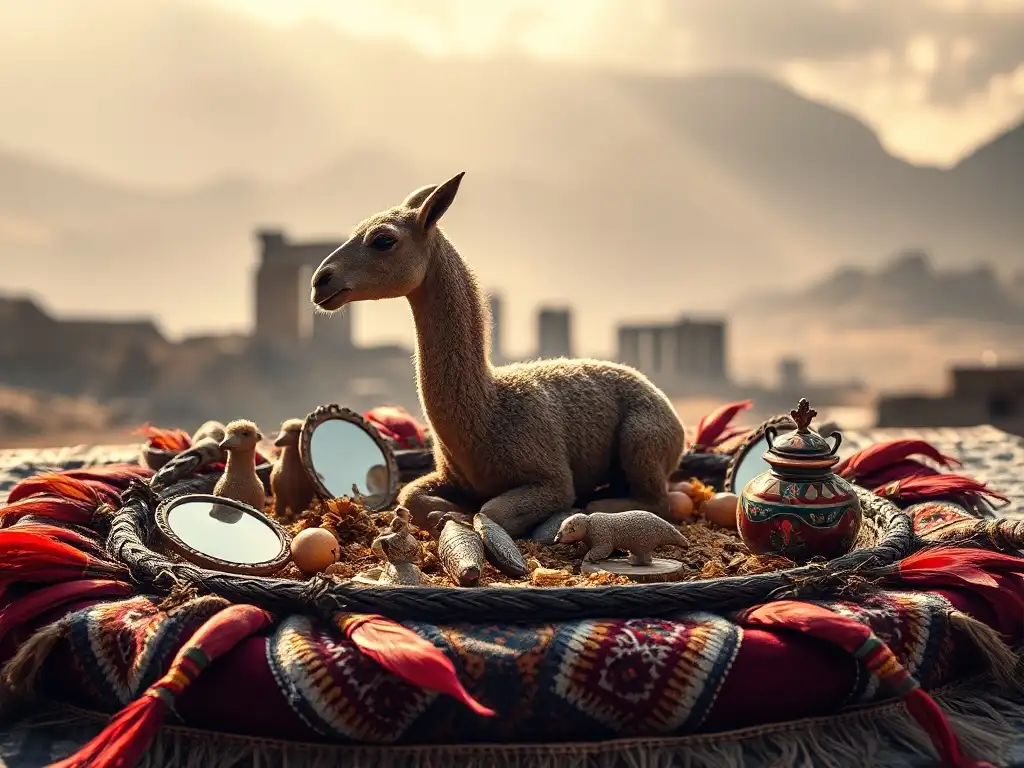
The practice of offering gifts to deities and spirits was central to the religious beliefs and practices of Andean civilizations. These offerings, far from being mere gestures of appeasement, were complex acts imbued with deep symbolic meaning, reflecting the intricate cosmology and worldview of these cultures. Understanding the types of offerings employed provides crucial insight into their spiritual beliefs, social structures, and economic systems.
The diversity of offerings reflects the multifaceted nature of the Andean pantheon and the various needs and desires of both the human and supernatural worlds. The sheer volume of archaeological evidence, from meticulously crafted gold artifacts to humble agricultural products, attests to the pervasiveness and importance of this ritual practice across different Andean cultures, shaping their history and legacy. Analysis of these "Andean civilizations offerings rituals" reveals a sophisticated system of communication between the living and the spirit world.
Food Offerings: Sustaining the Deities
Food offerings formed a significant component of Andean rituals. These weren't simply leftovers; they were carefully selected items, often representing the best of the harvest or the most prized foods available. Maize, potatoes, quinoa, coca leaves – staples of the Andean diet – frequently appeared in offerings, symbolically sustaining the deities and ensuring the continued fertility of the land. The preparation and presentation of these food offerings were also significant. Foods might be arranged in specific patterns, cooked in particular ways, or accompanied by other ritual objects.
For example, archaeologists have unearthed caches of coca leaves alongside ceramic vessels in various Andean sites. The coca leaf, with its stimulating and medicinal properties, was not just a food source but also held spiritual significance, used in rituals to connect with the divine and promote well-being. Similarly, chicha, a fermented maize beverage, played a crucial role in many rituals, serving as a sacred drink offered to the gods and consumed by participants to foster a sense of communion.
The meticulous arrangement of these food items within burial contexts or sacred sites suggests a deliberate intention to nourish and appease the supernatural beings. The quality and quantity of the food offerings often reflected the social standing of the offerer, with elites providing more lavish and abundant offerings than commoners.
Precious Materials as Offerings: Gold, Silver, and Textiles
Beyond food, precious materials like gold, silver, and intricately woven textiles were frequently offered to the deities. These offerings were not merely about material wealth but also represented the power and prestige of the offerers and the profound respect they held for the supernatural realm. The craftsmanship involved in creating these objects was exceptional, showcasing the skill and artistry of Andean artisans and underscoring the value placed upon these offerings.
Gold, in particular, held immense symbolic significance, often associated with the sun and its life-giving power. Elaborate gold ornaments, figurines, and vessels were frequently found in tombs and sacred sites, reflecting the importance of gold in Andean cosmology and the belief that it could act as a conduit between the human and divine worlds. Similarly, silver, often associated with the moon and water, played a significant role in rituals, reflecting the cyclical nature of life and the importance of water for agriculture and survival.
Intricately woven textiles, often adorned with elaborate designs and symbolic motifs, further demonstrated the dedication and reverence involved in these offerings. The time, skill, and resources invested in creating these offerings underscore their profound religious meaning.
Animal Sacrifices in Andean Rituals: Symbolism and Purpose
Animal sacrifices constituted another important aspect of Andean religious practices. The choice of animal, the manner of sacrifice, and the context in which it occurred all held symbolic meaning. Llamas, alpacas, and vicuñas were commonly sacrificed, their fleece and meat being valuable resources. The sacrifice of these animals was not merely a brutal act but a ritualistic offering intended to appease the gods, ensure good fortune, or mark significant events.
The symbolism varied depending on the specific animal and the context of the sacrifice. For example, the sacrifice of a llama, a crucial animal in Andean society, might symbolize the offering of a valuable resource to the gods in exchange for blessings. The careful preparation and presentation of the animal, as evidenced by archaeological finds, suggests that the act was meticulously planned and executed.
The location of the sacrifice, whether in a temple, a sacred mountain, or a burial site, also played a crucial role in defining its meaning and purpose. Understanding these "Andean civilizations offerings rituals" involving animal sacrifices requires careful consideration of the cultural and symbolic context in which they occurred. Further research is needed to fully understand the nuances of these practices across different Andean cultures and time periods.
Human Sacrifices: A Rare and Complex Ritual Practice
Human sacrifice, while a grim aspect of some Andean cultures, wasn't a commonplace practice. It was reserved for specific, often highly significant, occasions and held deep symbolic meaning within the context of the specific civilization and its cosmology. Unlike popular portrayals often emphasizing brutality, the archaeological evidence suggests a level of ritualistic preparation and, in some cases, even apparent willingness on the part of the sacrificed individual. This complexity necessitates a nuanced understanding, moving beyond simplistic interpretations of violence.
The Incas, for example, practiced capacocha, a form of human sacrifice involving the selection of children and young adults deemed exceptionally beautiful or otherwise possessing special qualities. These individuals were often chosen from across the empire, representing a symbolic unification of the diverse populations under Inca rule. The ritual itself involved a journey to sacred mountaintops where, after elaborate ceremonies, the individuals were sacrificed and often interred alongside valuable artifacts.
While undeniably a sacrifice of life, the context suggests an offering of the most precious elements of society to the gods, rather than a mere act of brutality. Archaeological findings at sites like Machu Picchu and other high-altitude locations have unearthed evidence supporting this interpretation. The careful preservation of the bodies and the inclusion of fine textiles and gold artifacts underscore the sacred nature of the event.
The Moche civilization, known for its elaborate iconography depicting warfare and sacrifice, also practiced human sacrifice, though the details differ significantly from Inca capacocha. Moche sacrifices seem to have been more closely tied to events such as major droughts, significant battles, or the inauguration of important structures. Evidence from Moche tombs indicates that sacrifices sometimes included both men and women, often positioned in ritualistic arrangements.
The sacrificed individuals were sometimes buried with elaborate grave goods, reflecting their perceived importance within the ritual context. While the exact motivations remain a subject of ongoing research, it appears that the Moche viewed these sacrifices as vital for maintaining cosmic balance and ensuring the well-being of their society.
It's crucial to approach the study of human sacrifice in Andean civilizations with sensitivity and a critical eye. Avoidance of sensationalism is paramount, as is the recognition that these practices were deeply embedded in the religious and cosmological beliefs of the time. Understanding the specific cultural context is essential for moving beyond simplistic interpretations and appreciating the complexity of these ancient rituals.
Further research into different Andean groups is needed to gain a more complete understanding of the variations in their practices and motivations. The available evidence suggests a range of practices, motivated by different factors and embedded within diverse belief systems, challenging simplistic generalizations about "Andean civilizations offerings rituals".
Specific Rituals and Ceremonies Involving Offerings
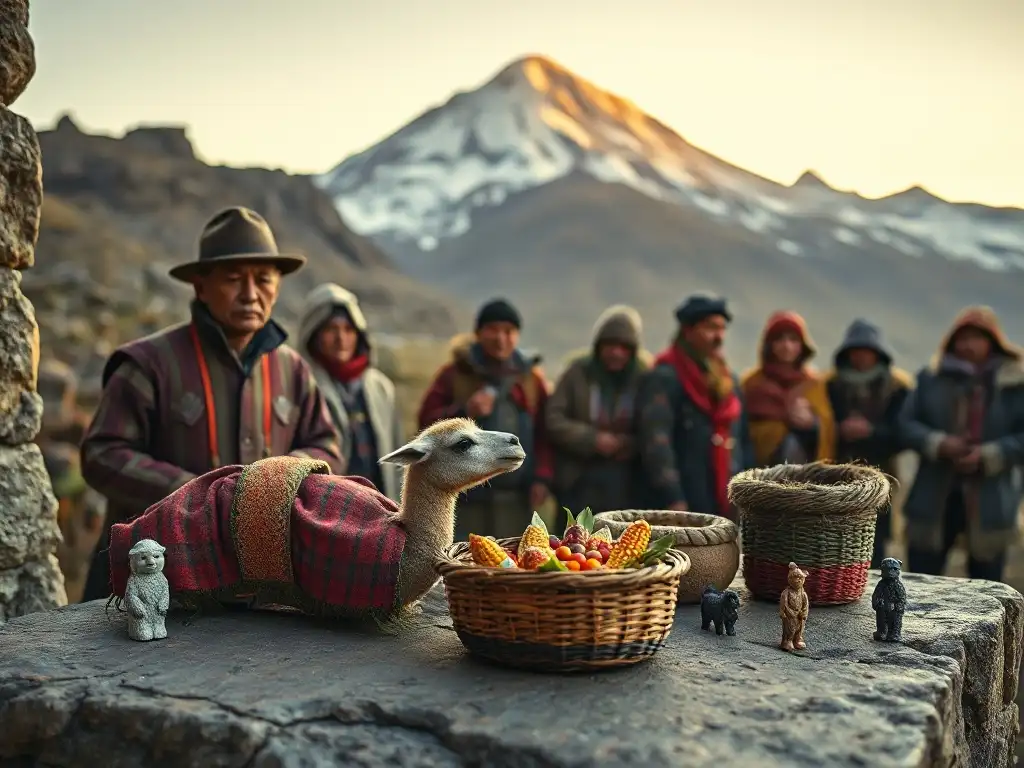
This section delves into the specifics of Andean civilizations offerings rituals, examining key ceremonies and the significance of the offerings presented. Understanding these practices provides crucial insight into the complex religious beliefs and societal structures of these fascinating cultures. The act of offering wasn't merely a symbolic gesture; it was a fundamental interaction between the human and spiritual realms, impacting daily life and maintaining cosmic balance.
The meticulous nature of these rituals, often involving elaborate preparations and specific materials, highlights the deep reverence held for the deities and the profound importance placed on reciprocal relationships with the supernatural world. The variations in offerings across different Andean cultures underscore the diverse yet interconnected religious landscape of the region.
The Inti Raymi Festival and Solar Offerings
The Inti Raymi, meaning "Festival of the Sun," was a grand annual celebration dedicated to Inti, the Inca sun god. This wasn't simply a festive occasion; it was a crucial ritual designed to ensure the sun's continued benevolence and the prosperity of the Inca Empire. Offerings during Inti Raymi were particularly significant, reflecting the importance of the sun god in Inca cosmology.
The festival, held during the winter solstice, involved elaborate ceremonies and processions. Gold and silver objects, often intricately crafted, were presented to Inti as symbols of the empire's wealth and devotion. These precious metals, representing the sun's brilliance and power, were considered sacred and worthy of offering to the deity. Additionally, llamas and alpacas were sacrificed, their blood symbolizing the life force given to the sun to sustain its power.
Furthermore, agricultural products like maize, coca leaves, and chicha (a fermented corn beverage) were also offered, demonstrating the interconnectedness of the sun's energy with the agricultural cycle and the well-being of the people. The sheer scale of the Inti Raymi festival and the lavish nature of its offerings underscore the central role of Inti in Inca religion and the vital importance of maintaining a positive relationship with the sun god. The meticulous preparation and execution of the rituals highlight the deep-seated beliefs and the importance of maintaining cosmic balance.
Offerings to Pachamama: Honoring Mother Earth
Pachamama, the Andean Mother Earth, holds a central position in the spiritual beliefs of many Andean cultures. Offerings to Pachamama were, and in many cases still are, a common practice, aimed at ensuring fertility, prosperity, and protection. Unlike the more formalized rituals dedicated to specific deities like Inti, offerings to Pachamama often took a more intimate and personal form.
These offerings were incredibly diverse, reflecting the bounty of the Andean landscape and the deep connection between the people and their environment. Agricultural products formed a significant part of these offerings – coca leaves, maize, potatoes, and other crops were frequently presented as a gesture of gratitude for the earth's bounty and a plea for continued fertility. Liquids, particularly chicha, were also commonly offered, symbolizing the life-giving properties of the earth.
Interestingly, the act of offering to Pachamama wasn't restricted to specific ceremonies; it was often integrated into daily life. For instance, before planting crops, farmers would make small offerings to Pachamama, seeking her blessing for a successful harvest. Similarly, before beginning any significant undertaking, individuals might make a small offering to show respect and seek her favor. This constant interaction highlights the deeply ingrained belief in Pachamama's omnipresence and her crucial role in the daily lives of the Andean people. These offerings, though seemingly simple, demonstrate the profound respect and dependence Andean cultures placed upon the natural world.
Mountain Worship and Offerings to Apus
The towering Andes mountains were not merely geographical features; they were considered sacred entities, known as Apus, possessing immense spiritual power. Mountain worship was a prominent aspect of Andean religion, with offerings playing a vital role in maintaining a harmonious relationship with these powerful forces. The Apus were believed to be guardians of the land and its people, capable of both bestowing blessings and inflicting harm. Therefore, maintaining their favor was of paramount importance.
Offerings to the Apus varied depending on the specific mountain and the purpose of the offering. However, some common elements included coca leaves, alcohol (often chicha), and textiles. Coca leaves, with their stimulating properties, were believed to appease and strengthen the Apus. Alcohol, symbolizing life force and energy, was considered a valuable offering. Textiles, often intricately woven and brightly colored, were seen as a representation of human creativity and devotion.
Furthermore, the location of the offering was crucial. Offerings were often left at specific sites on the mountain, such as caves or springs, considered sacred locations where the Apus' power was particularly strong. These locations were often marked by cairns or other structures, further emphasizing their significance.
The act of physically ascending the mountain to make an offering was itself a demonstration of respect and devotion, highlighting the challenging yet necessary interaction with these powerful spiritual entities. The practice of mountain worship and the associated offerings underscore the profound spiritual significance of the Andean landscape and the intricate relationship between humanity and the supernatural world.
Water Rituals and Offerings to Offerings to Lake Deities
Water, a life-giving force in the arid Andean landscape, held immense spiritual significance for many ancient Andean cultures. Lakes, in particular, were often considered sacred, dwelling places of powerful deities or spirits. Offerings to these lake deities were crucial for maintaining a harmonious relationship with the water source, ensuring a successful harvest, and averting natural disasters like droughts or floods. These rituals weren't simply acts of appeasement; they were expressions of deep reverence and a recognition of the interconnectedness between the human and spiritual realms.
The specific nature of these offerings varied depending on the specific culture and the deity being honored. For instance, the Tiwanaku people, known for their mastery of hydraulic engineering, likely performed elaborate ceremonies involving the careful placement of offerings into Lake Titicaca. These might have included intricately crafted figurines representing deities, precious metals like gold and silver, textiles, and agricultural products signifying abundance and prosperity.
The act of placing these offerings into the lake wasn't a casual act; it was a carefully choreographed event, often involving specific prayers, chants, and perhaps even dances. Archaeological evidence, while sometimes limited, suggests the use of specialized vessels for depositing these offerings, reflecting a highly ritualized practice.
The Moche civilization, renowned for their sophisticated irrigation systems, also revered water sources. Their ceramic artwork depicts scenes of offerings being made to water deities, frequently showcasing individuals presenting vessels of liquid, perhaps chicha (a fermented corn beverage), or other offerings to anthropomorphic or zoomorphic representations of water spirits. These depictions not only provide valuable insights into their rituals but also highlight the importance of maintaining a balance between the human world and the supernatural forces governing water.
The meticulous detail in their pottery suggests a profound understanding of the power and mystery associated with water and its divine guardians. The act of offering wasn't merely a symbolic gesture; it was a vital part of their agricultural cycle and a way of ensuring the continuity of life.
Beyond the specific items offered, the act of making the offering itself likely carried immense spiritual weight. The careful selection of the offering, the precise manner in which it was presented, and the accompanying prayers and chants all contributed to the overall effectiveness of the ritual. These rituals were not performed in isolation; they were often integrated into broader social and religious festivals, further emphasizing their significance within the community.
Understanding these water rituals helps us appreciate the profound respect and dependence that Andean civilizations had on the natural world, particularly the precious resource of water. Further research into specific sites and associated artifacts could reveal even more detailed information about the practices and beliefs surrounding these crucial offerings.
The Role of Priests and Shamans in Offering Rituals
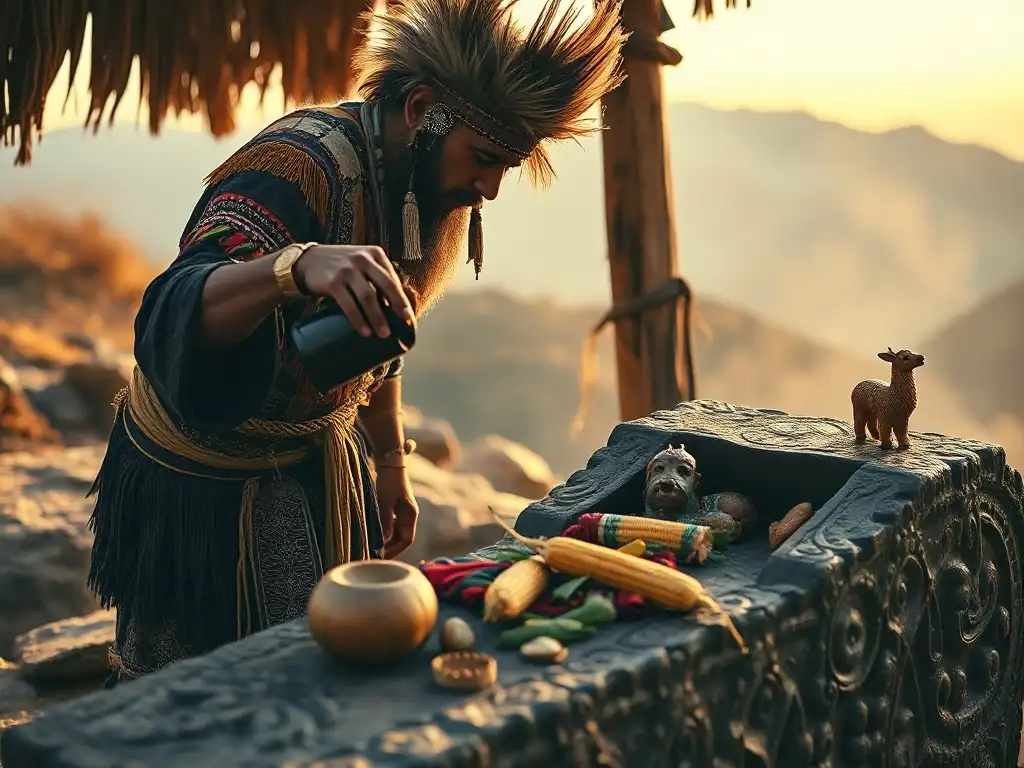
The Andean civilizations' complex religious systems relied heavily on specialized individuals to mediate between the human and supernatural worlds. Priests and shamans, often holding overlapping roles and responsibilities depending on the specific culture and community, played a crucial role in conducting offering rituals. Their understanding of cosmology, ritual procedures, and the interpretation of omens was paramount to the success of these ceremonies, ensuring the favor of the gods and the well-being of the community.
Their authority stemmed from a combination of inherited lineage, rigorous training, and demonstrated spiritual abilities, making them essential figures in Andean society. The prestige associated with these roles varied across different Andean cultures; in some, priests held positions of considerable political power, while in others, shamans were more closely tied to community healing and divination. However, their shared importance in the performance of offerings remains undeniable.
The effectiveness of the ritual, and by extension, the community's prosperity, was intrinsically linked to the priest or shaman's skill and piety. This underscores the central role these individuals played in shaping Andean religious life and their profound impact on the daily lives of the people.
The Interpretation of Omens and the Selection of Offerings
The selection of offerings in Andean civilizations was far from arbitrary. It was a process deeply intertwined with the interpretation of omens and the perceived needs of the specific deity or spirit being honored. Priests and shamans meticulously observed natural phenomena – the flight of birds, the patterns of stars, the behavior of animals – seeking divine guidance in determining the appropriate type and quantity of offerings.
For example, a drought might prompt an offering of coca leaves and chicha (fermented corn beer) to the rain god, while an abundant harvest could necessitate a more elaborate offering, perhaps including llamas, textiles, and precious metals, to express gratitude to the earth deities. The interpretation of dreams and other forms of divination also played a significant role in this process. A recurring dream, for instance, might be interpreted as a sign that a particular deity required appeasement, leading to the selection of specific offerings believed to be pleasing to that entity.
The meticulous attention to detail in this process highlights the profound reverence and respect that Andean peoples held for the supernatural realm. This careful consideration ensured the ritual's efficacy and the continued favor of the divine. The choice was not merely symbolic; it was a calculated act aimed at achieving specific outcomes, reflecting a sophisticated understanding of reciprocal relationships between humans and the spiritual world.
The Preparation and Execution of Andean Offerings Rituals
The preparation and execution of Andean offerings rituals were elaborate affairs, often involving days, even weeks, of meticulous planning and execution. The offerings themselves, ranging from simple agricultural products to highly valuable artifacts, were carefully prepared and often arranged in specific patterns, reflecting the unique cosmology and beliefs of each culture. For instance, the Moche culture is known for their elaborate funerary offerings, which included intricate gold and silver ornaments, pottery, and even human sacrifices.
The Incas, on the other hand, practiced capacocha, a form of human sacrifice involving the selection of young individuals deemed worthy to be offered to the gods, signifying their elevated status and purity. The rituals themselves were performed in designated locations, often sacred sites such as mountaintops, caves, or temples. The precise rituals varied across different Andean cultures and contexts, but they generally involved prayers, chants, music, and symbolic gestures intended to appease or honor the deities.
The use of intoxicating substances, such as coca leaves and chicha, was also common, believed to facilitate communication with the supernatural world. Detailed accounts of these rituals are often scarce, but archaeological discoveries continue to shed light on their complexity and significance. The meticulous nature of these offerings demonstrates the immense importance placed on maintaining a harmonious relationship with the supernatural realm.
The Connection Between Priests, Deities, and the Community
The offering rituals weren't merely transactions between priests and deities; they were deeply embedded in the social fabric of Andean communities. The priests or shamans acted as intermediaries, facilitating communication and establishing a reciprocal relationship between the community and the supernatural world. Successful rituals were believed to ensure the community's prosperity, fertility, and protection from natural disasters and other misfortunes.
Conversely, failure to perform proper rituals or offer appropriate gifts could be seen as a cause of misfortune or divine displeasure. This interconnectedness is evident in the widespread practice of community participation in rituals, with individuals contributing offerings or participating in various aspects of the ceremonies. This collective effort reinforced social bonds and reaffirmed the community's shared belief system.
The success of the harvest, the health of the community, and the overall well-being of the society were intricately linked to the effective performance of these rituals, highlighting the vital role of the priests, the deities, and the active participation of the community. The offerings themselves served as a tangible demonstration of this interconnectedness, solidifying the bonds between the human and spiritual realms. The system wasn't merely religious; it was a socio-political mechanism maintaining order and ensuring community survival.
Andean Civilizations Offerings Rituals: A Comparative Perspective
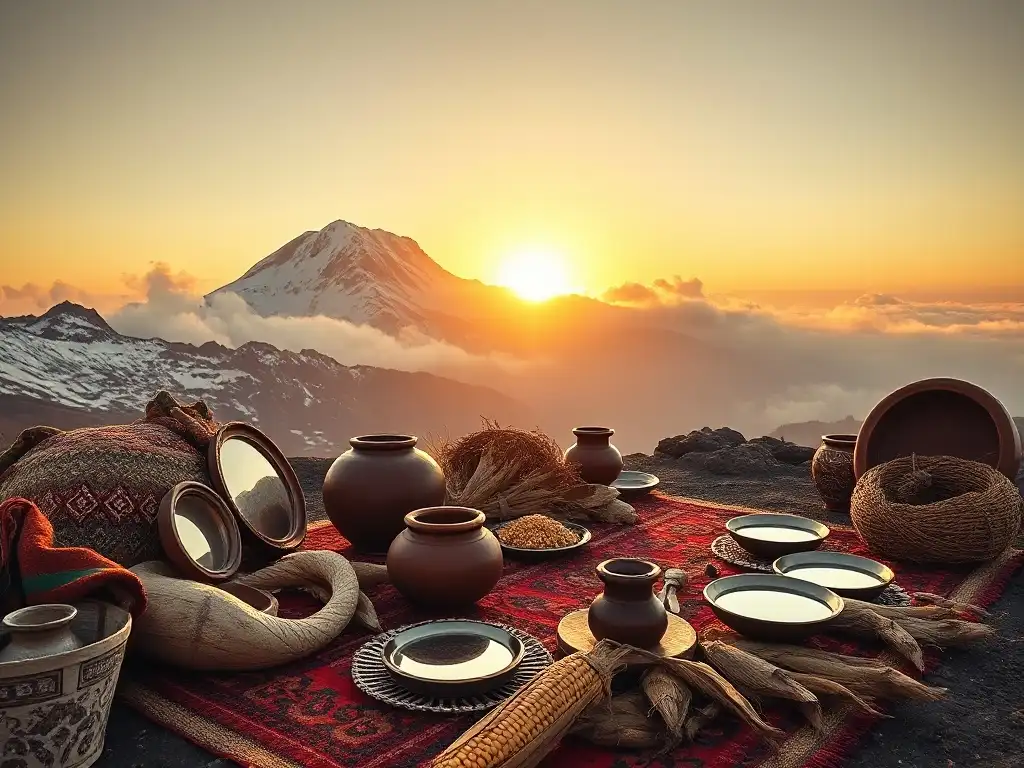
This section delves into the diverse practices of offerings within various Andean civilizations, highlighting the unique characteristics and underlying beliefs that shaped these rituals. Understanding these rituals provides crucial insight into the complex religious and social structures of these fascinating ancient societies.
The term "offerings," in this context, encompasses a broad range of actions, from the deposition of precious objects in sacred sites to human sacrifice, all intended to appease deities, ensure bountiful harvests, or maintain cosmic balance. Analyzing these practices across different Andean cultures reveals a rich tapestry of beliefs and practices, all contributing to our understanding of Andean civilizations offerings rituals.
Offerings Among the Inca: State-Sponsored Rituals
Inca offerings were intricately woven into the fabric of their vast empire, often taking the form of state-sponsored rituals overseen by a complex priestly hierarchy. These rituals, far from being spontaneous acts, were meticulously planned and executed, reflecting the Inca's highly centralized and stratified society. The capacocha, a form of child sacrifice, is perhaps the most well-known example.
While the exact reasons for capacocha remain debated, it's believed that these chosen children, often considered to be exceptionally beautiful or of noble birth, were offered as a way to maintain the cosmic order and ensure the emperor's continued success. The capacocha victims were often mummified and interred in specially prepared tombs at high-altitude sacred sites like the summit of Mount Llullaillaco. These carefully preserved bodies provide invaluable insights into Inca burial practices and social hierarchies.
Beyond capacocha, the Inca also made regular offerings of agricultural products, textiles, gold, silver, and other precious materials to various deities and apus (mountain spirits). These offerings were often presented during huacas ceremonies, performed at sacred sites or huacas, which were considered to be places of power and connection to the supernatural world. The quantity and quality of the offerings reflected the social status of the giver, with the Inca emperor naturally offering the most lavish and valuable items.
These rituals strengthened the Inca's control over their vast empire by reinforcing their divine authority and maintaining the loyalty of their subjects through shared religious participation. Records of these offerings, though sparse, are largely derived from archaeological discoveries and Spanish chronicles, offering glimpses into the intricacies of Inca religious life.
Moche Offerings: Elaborate Burials and Sacrifice
The Moche civilization (100-800 CE), renowned for its sophisticated metalwork and intricate pottery, also practiced elaborate offerings, though often on a smaller, less centralized scale than the Inca. Moche offerings were closely tied to their sophisticated agricultural system and their belief in a pantheon of powerful deities, including the Ai Apaec, often depicted as a fearsome warrior-god.
Evidence suggests that Moche offerings frequently involved the sacrifice of both humans and animals, often interred within elaborate tombs alongside richly decorated grave goods. These burials, discovered in numerous sites along the northern coast of Peru, reveal a complex interplay of religious beliefs and social structures.
The Moche elite, in particular, seem to have indulged in lavish funerary rituals, with their tombs containing an array of exquisite artifacts: intricately crafted gold and silver ornaments, finely painted pottery depicting scenes of warfare and ritual sacrifice, and meticulously woven textiles. These discoveries hint at a society where religious practices were intimately linked to political power and social status.
Furthermore, the Moche's distinctive pottery often depicts scenes of ritual sacrifice, providing valuable visual records of their beliefs and practices. These depictions, combined with archaeological finds, offer a unique perspective on the Moche's worldview and their understanding of the relationship between the human and divine realms.
Nazca Offerings: Geoglyphs and Sacred Spaces
The Nazca civilization (100 BCE – 800 CE), famous for its enigmatic geoglyphs etched into the desert landscape, offered a different perspective on Andean offerings. While they also practiced human sacrifice, the evidence suggests a somewhat different approach compared to the Inca or Moche. Their offerings were often associated with their extensive irrigation systems and their reverence for water, a precious resource in the arid Nazca desert.
The intricate network of canals and aqueducts built by the Nazca suggests a deep understanding of hydrology and a profound respect for the forces of nature. Offerings likely played a crucial role in ensuring the success of these vital infrastructure projects.
Evidence from Nazca sites suggests that offerings were not just limited to human sacrifice. Objects like textiles, ceramics, and food were also commonly deposited in tombs and sacred spaces. The famous Nazca Lines themselves may have played a role in these rituals, potentially serving as markers for pilgrimage routes or locations for ceremonial gatherings.
These lines, visible only from the air, are thought by many scholars to have held profound religious significance, possibly representing constellations or deities. Further research is needed to fully understand the relationship between the Nazca Lines and their offering practices, but it's clear that these unique geoglyphs were deeply entwined with the spiritual life of the Nazca people. The interplay between their elaborate irrigation systems, their iconic geoglyphs, and their offering rituals offers a compelling example of the integration of religious beliefs and practical needs in an ancient Andean society.
Tiahuanaco Offerings: The Gateway of the Sun and Rituals
The Tiahuanaco culture, flourishing in the Bolivian Altiplano between 500 and 1000 CE, left behind a monumental legacy, most notably the enigmatic Gateway of the Sun. This impressive structure, carved from a single block of andesite, is believed to have played a central role in their complex ritual practices, particularly those involving offerings. While the precise nature of these rituals remains a subject of ongoing archaeological investigation, evidence suggests a sophisticated system of offerings aimed at appeasing deities and ensuring the prosperity of the community.
The Gateway itself, with its intricate carvings depicting various figures and symbols, likely served as a focal point for these ceremonies. Archaeological excavations around Tiahuanaco have unearthed significant quantities of offerings buried near ceremonial structures. These offerings included a wide range of materials, reflecting the importance placed on different elements within their cosmology.
For example, the discovery of llama bones suggests the significance of these animals in their religious beliefs, potentially as sacrifices to ensure successful harvests or appease powerful spirits. Furthermore, the presence of finely crafted ceramics, often featuring intricate designs and depicting mythological figures, indicates the value placed on artistic expression within their religious practices. These artifacts were not merely functional objects; they were imbued with spiritual significance, serving as conduits between the human and supernatural realms.
The meticulous nature of these offerings points to a highly organized and ritualistic society. The careful placement of artifacts near sacred sites suggests a deeply held belief in the power of these offerings to influence the course of events. The selection of specific materials, from precious metals to everyday objects, likely held symbolic meanings reflecting the specific purpose of each offering.
Further research is needed to fully decipher the complex symbolism embedded within these offerings and gain a clearer understanding of the Tiahuanaco worldview. However, the evidence clearly suggests that the Gateway of the Sun and other monumental structures were not simply architectural feats but integral components of a sophisticated system of ritual practices, centered around the careful and deliberate presentation of offerings to the gods. The complexity of these rituals underscores the profound spiritual significance of offerings in Tiahuanaco society and their vital role in maintaining cosmic balance and societal harmony.
Understanding these practices provides invaluable insights into the beliefs and values of this remarkable Andean civilization. The ongoing analysis of Tiahuanaco's offerings continues to reveal new details about the culture's sophisticated religious system and its intricate relationship with the supernatural world.
The Legacy of Andean Offering Rituals
The practice of offering rituals was central to the spiritual lives of Andean civilizations, profoundly shaping their social structures, political systems, and understanding of the cosmos. These offerings, far from being mere gifts, represented complex acts of communication and negotiation with the supernatural world. They were integral to maintaining balance ( equilibrio ), ensuring agricultural prosperity, securing successful hunts, and ensuring the well-being of the community.
The types of offerings varied greatly depending on the specific deity, the context of the ritual, and the social standing of the person making the offering. Understanding the legacy of these rituals requires examining the diverse materials used, the locations where they were deposited, and the social implications of participating in these sacred acts.
The sheer quantity and variety of archaeological evidence unearthed across the Andes – from meticulously crafted gold ornaments to humble ceramic vessels filled with coca leaves – paint a vivid picture of the pervasive influence of these practices on Andean life. The persistence of certain aspects of these rituals into modern Andean cultures is a testament to their enduring significance.
Modern Interpretations and Continuations of Ancient Practices
While the grand, state-sponsored ceremonies of the Inca Empire may be gone, many elements of Andean offering rituals persist in contemporary Andean communities. These modern practices are not simply nostalgic recreations; they are living traditions that adapt and evolve while retaining core elements of their ancient counterparts. For example, the offering of coca leaves, a practice deeply rooted in Inca tradition, continues to be a significant aspect of everyday life and ritual in many communities.
The act of offering coca to apus (mountain spirits) or pachamama (Mother Earth) remains a common way to express respect, seek blessings, and maintain a harmonious relationship with the natural world. Similarly, the use of ch'alla (a ritual sprinkling of chicha or other liquids) persists in various contexts, from house blessings to agricultural ceremonies.
The specific details and methods may vary across different regions and communities, reflecting the diverse cultural landscape of the Andes, but the underlying principle of offering as a means of communication with the spirit world remains consistent. Anthropological studies have documented the continued importance of these practices in shaping social cohesion, resolving conflicts, and mediating relations between humans and the environment.
The Importance of Preserving Andean Ritual Heritage
The preservation of Andean ritual heritage is crucial not only for understanding the past but also for safeguarding cultural identity and promoting sustainable development in the Andean region. These rituals are not merely historical artifacts; they are living expressions of a complex worldview that deeply informs contemporary Andean societies. Their continued practice fosters a sense of continuity with ancestral traditions, strengthening community bonds and transmitting valuable knowledge across generations.
However, many of these traditions face threats from modernization, globalization, and the encroachment of dominant cultures. The loss of these rituals would represent an irreparable loss of cultural diversity and a diminished understanding of humanity's relationship with the natural world.
Efforts to preserve this heritage include documenting traditional practices, supporting community-based initiatives aimed at revitalizing rituals, and promoting intercultural dialogue. This collaborative approach is essential to ensure the survival and flourishing of these invaluable cultural treasures, contributing to the richer understanding of "Andean civilizations offerings rituals".
The Qoyllur Rit'i Pilgrimage: A Modern Andean Ritual
The Qoyllur Rit'i pilgrimage, held annually in the Andes of Peru, serves as a powerful example of a contemporary Andean ritual that incorporates elements of ancient traditions. This vibrant festival draws thousands of pilgrims to the snowy slopes of Sinakara mountain, where they participate in a complex series of rituals centered around the veneration of Señor de Qoyllur Rit'i, a representation of Christ. While the syncretic blend of Andean and Catholic beliefs is evident, the core principles of offering remain central to the event.
Pilgrims bring offerings of coca leaves, candles, and other items to show their devotion and seek blessings. The pilgrimage highlights the enduring power of Andean ritual practices to adapt and integrate with new beliefs while retaining their fundamental spiritual significance.
The event’s scale and popularity demonstrate the continuing relevance of these traditions in contemporary Andean society, illustrating the ongoing relationship between ancient practices and modern expressions of faith. The ritual's persistence underscores the deep-seated cultural significance of offerings within the Andean worldview, highlighting its continued importance for understanding "Andean civilizations offerings rituals."
Frequently Asked Questions
What types of offerings were made by Andean civilizations?
Andean civilizations made a wide variety of offerings, including food and drink, textiles, jewelry, precious metals, and even human sacrifices in some cases. The type of offering depended on the deity or spirit being honored and the context of the ritual.
Why were offerings so important to Andean cultures?
Offerings were crucial for maintaining cosmic balance and ensuring good fortune. They were seen as a way to appease the gods and spirits, securing a bountiful harvest, good health, and protection from harm. Reciprocity was a key element.
What role did rituals play in the presentation of offerings?
Rituals were integral to the effectiveness of offerings. Specific procedures, prayers, and songs accompanied the presentation, ensuring the offering reached its intended recipient in the spirit world. The ceremony itself was as important as the offering.
Were offerings only made to gods?
No, offerings were also made to ancestors, apus (mountain spirits), and other powerful entities. This demonstrates a complex spiritual system with a wide range of beings deserving respect and appeasement. Nature spirits were also important recipients.
How did the offerings reflect the Andean worldview?
The types and context of offerings reflect the Andean worldview, emphasizing the interconnectedness of the human and spiritual worlds. Offerings highlight the importance of reciprocity, respect for nature, and the belief in the power of the supernatural.
Final Reflection: Echoes of the Andes: A Legacy of Giving
The ancient practice of offering, far from being a relic of the past, holds a vital mirror to our modern relationship with the natural world and the unseen forces that shape our lives. The intricate rituals of the Andean civilizations, their meticulous offerings to the apus and other spirits, speak to a profound understanding of reciprocity and interconnectedness that we are only beginning to rediscover in our increasingly fragmented world. This understanding is crucial as we face the urgent challenges of climate change and environmental degradation.
The enduring power of these traditions lies not just in their historical significance, but in their capacity to inspire a deeper sense of reverence and responsibility. The act of offering, whether a simple prayer or a carefully crafted gift, fosters a connection that transcends the material. It reminds us that we are not separate from the world around us, but inextricably woven into its fabric. The earth is what we all have in common.
- Wendell Berry. This simple statement encapsulates the essence of the Andean worldview, a worldview that valued the reciprocal relationship between humanity and the natural world, a relationship that we must urgently re-cultivate.
Consider the implications of this ancient wisdom in your own life. What offerings can you make, not just to appease unseen forces, but to nurture the world around you? Perhaps it's a commitment to sustainable living, a dedication to community service, or simply a moment of quiet contemplation in nature.
The act of giving, in whatever form it takes, is a powerful act of connection, a way to honor the unseen and to build a more harmonious future for ourselves and generations to come. Let the echoes of the Andes inspire you to find your own path towards a more meaningful and reciprocal relationship with the world.
Embrace the Sacred: Honor Andean Traditions Today!
Thank you for exploring the rich tapestry of Andean traditions and the significance of their offerings. Your interest is a powerful step toward connecting with the ancient practices that honor the gods and spirits of this vibrant culture. Now, let's take meaningful action.
- Create your own offering ritual: Gather natural elements such as flowers, fruits, and herbs to create a personal offering and connect with the spirit of the Andes. Consider what feels most meaningful to you – a simple arrangement, a carefully constructed offering, or something else entirely.
- Share your experience: Share photos or videos of your offering on social media and tag us to inspire others! Use #AndeanOfferings for a chance to be featured.
- Learn from Andean practitioners: Seek out community events, workshops, or cultural centers that celebrate Andean culture. This is a wonderful way to learn directly from practitioners and support their communities.
What aspect of Andean spirituality resonates most deeply with you, and how will you integrate it into your daily life?