
The Language of Exchange: Deciphering Andean Barter Rituals

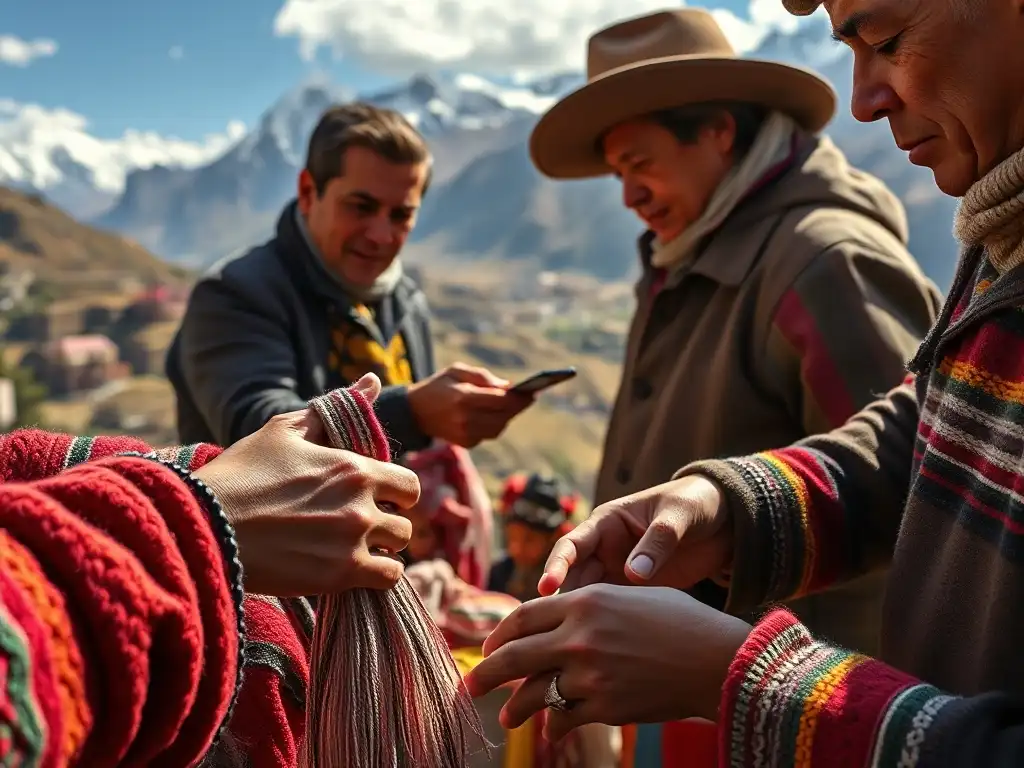
Step into a world lost to time, yet echoing with the whispers of ancient empires. Imagine a society where the exchange of goods wasn't just a transaction, but a sacred ritual, a complex language woven into the very fabric of life. This is the captivating story of Andean barter rituals, a pivotal aspect of the vibrant Andean civilizations. Prepare to unravel the mysteries behind these fascinating practices and discover how they shaped the economies and societies of the Incas, Moche, Nazca, and Tiahuanaco. Dare to delve deeper…
The intricate tapestry of Andean civilizations wasn't woven solely from threads of conquest and agriculture; it was also intricately bound by complex systems of exchange. While the Inca Empire eventually established a sophisticated system of tribute and centralized control, long before its rise, a vibrant network of barter and reciprocity shaped the social, political, and economic landscapes of various Andean societies, from the Moche and Nazca to the Tiahuanaco.
This article delves into the fascinating world of Andean barter rituals, exploring not just the practical aspects of trade but also the deeply embedded cultural significance these exchanges held, revealing how seemingly simple transactions were imbued with profound social meaning and helped to forge alliances, maintain social order, and express religious beliefs. Understanding these rituals provides a crucial lens through which to interpret the complexities of Andean societies and their enduring legacy.
We will examine the various forms these rituals took, the goods exchanged, and the social implications of this crucial aspect of Andean life, ultimately shedding light on the "language" of exchange that shaped these remarkable cultures.
Introduction to Andean Barter and Reciprocity
Andean barter wasn't simply a transactional process; it was a deeply ingrained social practice rooted in the principles of ayni and mita. Ayni, a Quechua term, embodies the concept of reciprocal exchange and mutual obligation, forming the bedrock of Andean social organization. This wasn't merely a matter of "you scratch my back, I'll scratch yours," but a complex system of reciprocal gift-giving and labor exchange that cemented social bonds and ensured community cohesion. It encompassed everything from sharing agricultural surpluses to collaborative construction projects.
Similarly, mita, while often associated with Inca labor tribute, also held broader implications of reciprocal obligation within the community. The exchange of goods wasn't solely about material gain; it was a way of strengthening social ties, reinforcing hierarchical structures, and maintaining social harmony. These systems fostered a sense of interdependence and mutual responsibility, crucial for survival and prosperity in the challenging Andean environment.
The types of goods exchanged varied widely, reflecting the diverse ecological zones and specialized production of different communities. Agricultural products like maize, potatoes, and coca leaves were common, alongside textiles, ceramics, precious metals, and other crafted items. The act of exchange itself, often accompanied by elaborate ceremonies and rituals, served to solidify social relationships and reinforce community identity.
The Significance of Barter in Ancient Andean Societies
The significance of barter in Andean societies extended far beyond mere economic transactions. These exchanges were often imbued with religious and symbolic meaning, reflecting the deep connection between the Andean worldview and their economic practices. For example, the exchange of specific goods during festivals or ceremonies could be interpreted as offerings to deities or ancestors, reinforcing social hierarchies and ensuring the continued flow of prosperity and fertility. The careful selection of goods and the manner in which they were presented were crucial aspects of these rituals.
Certain textiles, for instance, held specific symbolic importance, representing status, power, and religious affiliation. The careful craftsmanship and intricate designs embedded in these textiles reflected not only technical skill but also encoded social messages and reinforced group identity. Furthermore, the location and timing of exchanges were also significant, often taking place at specific sacred sites or during particular times of the year, further highlighting the ritualistic nature of these transactions.
Archaeological evidence, including the discovery of caches of goods and the analysis of ceramic artifacts depicting exchange scenes, provides valuable insights into the complexity and importance of these rituals. The precise nature of many of these rituals remains a subject of ongoing research, but the available evidence strongly suggests the profound social and cultural significance of barter in shaping Andean societies. Further research, particularly focused on [specific information pending: detailed analysis of specific archaeological sites and their associated artifacts], is needed to fully uncover the nuances of these practices.
Understanding Andean Barter Rituals: Beyond Simple Trade
Andean barter wasn't simply a transactional exchange of goods; it was a deeply embedded social and religious practice. Understanding Andean barter rituals requires moving beyond a purely economic lens and recognizing their significance within the complex social fabric of these societies. These rituals weren't just about acquiring necessities; they were about forging and reinforcing social bonds, establishing alliances, and reaffirming social hierarchies.
The exchange of goods often involved elaborate ceremonies, symbolic gestures, and carefully chosen items, all contributing to a richer meaning beyond the immediate value of the goods themselves. Think of it as a sophisticated system of communication, where the type of goods exchanged, the manner of exchange, and the context of the ceremony all conveyed specific social and political messages. The seemingly simple act of bartering became a powerful tool for navigating social complexities and maintaining social order.
For example, the exchange of fine textiles or handcrafted ceramics could signify not only material wealth but also social status and political influence. The failure to participate appropriately in these rituals could have significant social repercussions, highlighting the importance of understanding their intricate social dimensions.
Key Elements of Andean Barter Ceremonies
Several key elements consistently appeared in Andean barter ceremonies, solidifying their ritualistic nature. These ceremonies often involved specific locations, carefully selected times (often tied to agricultural cycles or religious festivals), and prescribed behaviors. The preparation itself was often a significant part of the ritual, involving the meticulous cleaning and presentation of goods. Consider, for instance, the careful preparation of coca leaves, a sacred plant in many Andean cultures, before their offering or exchange.
The presence of religious leaders or community elders further underscored the sacred dimension of these exchanges. These individuals often played a mediating role, ensuring the fairness and proper conduct of the transaction. Moreover, certain gestures, chants, or prayers might accompany the exchange, adding layers of symbolic meaning to the transaction.
The use of specific containers or wrapping materials for the exchanged goods also contributed to the ritualistic nature of the process. These elements, taken together, transformed a simple exchange of goods into a complex social and religious performance, reflecting the deeply ingrained cultural values of Andean societies. The meticulous detail involved in these ceremonies speaks volumes about their importance in Andean life.
The Role of Reciprocity in Andean Exchange Networks
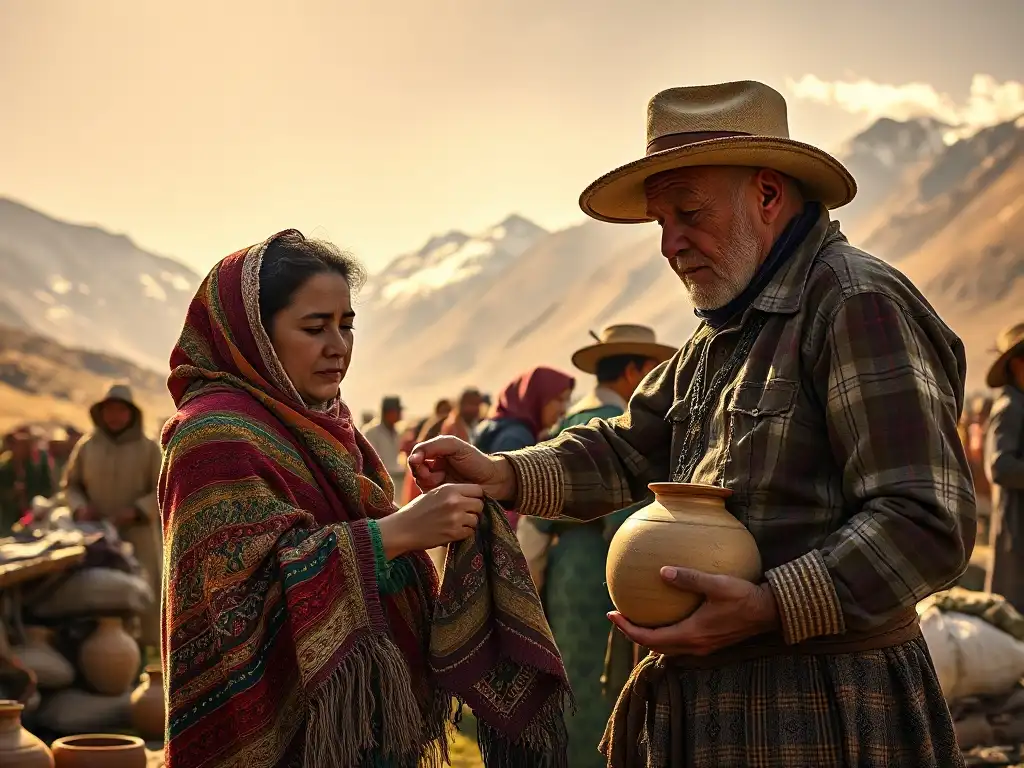
Reciprocity formed the cornerstone of Andean exchange networks, extending far beyond simple barter. It wasn't just about immediate give-and-take; it was about establishing long-term relationships based on mutual obligation and trust. This principle of ayni, a Quechua term for reciprocity, governed many aspects of Andean life, including agricultural labor, construction projects, and, of course, trade. The expectation of reciprocal exchange fostered strong social bonds and ensured the stability of communities.
Delayed reciprocity, where goods or services were exchanged at a later date, was common and reflected a deep level of trust within these networks. This system facilitated the exchange of goods over long distances and between different communities. The delayed nature of reciprocity also functioned as a form of social insurance, providing support during times of hardship or scarcity.
Failure to reciprocate could have serious social consequences, disrupting established relationships and undermining community cohesion. The system of ayni wasn't merely an economic strategy; it was a powerful social mechanism that bound Andean communities together and ensured their survival. It's a testament to the sophisticated social organization of these ancient societies.
Specific Examples of Andean Barter Practices
Andean barter wasn't a haphazard exchange; it was deeply embedded within the social and economic fabric of various civilizations. The intricate systems varied across different cultures and time periods, reflecting unique societal structures and resource availability. For instance, coastal communities, like the Moche, heavily relied on fishing and marine resources. Their barter systems often involved exchanging dried fish, shellfish, and other marine products for agricultural goods from inland settlements.
This exchange wasn't merely transactional; it fostered vital inter-community relationships, crucial for survival and stability. Archaeological evidence, such as the discovery of marine shells in inland sites and agricultural remains in coastal settlements, supports this extensive exchange network. The Nazca culture, known for their iconic geoglyphs, also participated in extensive barter, exchanging textiles, ceramics, and potentially even specialized crafts for essential resources like food and building materials. Their intricate textiles, for example, often served as valuable commodities in these exchanges, reflecting their sophisticated weaving techniques and the high social status associated with textile production.
These examples highlight the dynamic and multifaceted nature of Andean barter, adapting to the specific ecological and social circumstances of each community. The variety of exchanged goods underscores the interconnectedness of Andean societies and the importance of reciprocal relationships in maintaining economic balance. The complexity of these systems, however, necessitates further research to fully understand their nuances and regional variations.
Barter in the Inca Empire: A Regulated System
The Inca Empire, known for its centralized administration, implemented a highly regulated barter system, significantly different from the more localized practices of earlier Andean cultures. While direct barter still occurred, the Inca state played a crucial role in organizing and overseeing the exchange of goods. This was not simply a matter of economic control; it was deeply intertwined with the Inca's ideology of reciprocal obligations and the ayllu system.
The ayllu, a kinship-based community structure, was fundamental to Inca society, and the state's involvement in barter reinforced these social bonds, ensuring the distribution of resources across the vast empire. This centralized approach facilitated the movement of goods from surplus regions to areas facing shortages, maintaining stability and preventing widespread famine.
This regulated system ensured that essential resources were distributed effectively, bolstering the empire's power and stability. However, this highly controlled system also had its limitations; the details of how this control was exerted and the potential for exploitation remain areas of ongoing scholarly debate.
The Role of the State in Inca Barter
The Inca state's involvement in barter extended beyond mere regulation. The state controlled the production and distribution of many essential goods, often acting as a central intermediary in exchange networks. Royal warehouses ( qollqas) stored surplus agricultural products, textiles, and other valuable commodities, which were then distributed according to the state's needs and the requirements of different communities.
This system ensured that even remote areas received essential resources, reinforcing the empire's authority and fostering loyalty. The state also employed a vast network of officials and messengers ( chasquis) to oversee the movement of goods and manage the exchange process. These officials not only monitored the flow of goods but also ensured that exchanges were conducted fairly and in accordance with Inca laws.
The state's participation ensured that resources were distributed equitably (at least in theory), preventing imbalances and maintaining social order. The precise mechanisms of this system, however, are still being uncovered through ongoing archaeological investigation and analysis of surviving colonial records.
Products Exchanged within the Inca Empire
The Inca barter system involved a wide range of goods, reflecting the empire's diverse geography and economy. Agricultural products formed a significant part of these exchanges, with maize, potatoes, quinoa, and other staples moving across different ecological zones. Textiles, particularly those of high quality produced in specialized workshops, were highly valued commodities, used for clothing, ritual purposes, and as prestigious gifts.
Metals, such as gold and silver, played a crucial role in Inca rituals and were also exchanged, though perhaps less frequently than agricultural products or textiles due to their higher value and symbolic significance. Ceramics, tools, and other manufactured goods were also exchanged, demonstrating the specialized crafts and skills present across the empire. The exact quantities and proportions of these goods exchanged are difficult to determine precisely due to the limited surviving records.
However, archaeological discoveries and ethnohistorical accounts provide valuable insights into the scale and complexity of the Inca barter system, further highlighting the intricate economic and social fabric of the empire. Further research, particularly in the analysis of archaeological contexts and the interpretation of colonial-era documents, is needed to refine our understanding of the specific composition of these exchanges.
Barter Practices in Pre-Inca Andean Cultures
Andean barter rituals weren't simply economic transactions; they were deeply embedded within the social fabric and spiritual beliefs of the various cultures inhabiting the Andes. Understanding these rituals requires moving beyond a purely economic interpretation and recognizing their symbolic and ritualistic significance. Pre-Inca societies, while diverse, shared common threads in their approach to exchange, often emphasizing reciprocal relationships and community solidarity.
The absence of a unified, standardized currency meant that barter, in its various forms, became the primary mechanism for economic interaction. The sheer variety of goods exchanged—from agricultural products like maize and potatoes to textiles, ceramics, precious metals, and even exotic feathers—reflects the richness and complexity of these ancient economies. The value of goods wasn't solely determined by their utility but also by their symbolic meaning within the specific cultural context.
This nuanced understanding is crucial for deciphering the intricacies of Andean barter rituals. Further research into specific archaeological findings, including excavated sites and preserved artifacts, continues to unveil new aspects of these complex exchange networks.
Barter Among the Moche Civilization
The Moche civilization (circa 100-800 CE), renowned for its sophisticated irrigation systems and elaborate artistic representations, engaged in extensive barter networks. Archaeological evidence suggests that the Moche exchanged agricultural products, such as cotton and maize, for ceramics, metalwork, and obsidian tools. Their distinctive pottery, often depicting scenes of daily life and religious ceremonies, served not only as utilitarian objects but also as valuable commodities in barter transactions.
The intricate craftsmanship evident in Moche metalwork, particularly gold and silver artifacts, further highlights the importance of skilled artisans within their exchange system. These items were likely traded across considerable distances, indicating a well-established network of exchange that connected different Moche settlements and perhaps even extended to neighboring cultures.
The precise mechanisms of these exchanges remain a subject of ongoing research, but the sheer quantity and quality of the artifacts recovered suggest a robust and sophisticated barter economy. Studies of Moche iconography may also provide further insights into the social and symbolic aspects of their barter practices.
Barter Traditions of the Nazca People
The Nazca culture (circa 100 BCE – 800 CE), famous for its enigmatic geoglyphs, also relied heavily on barter for economic exchange. Unlike the Moche, the Nazca are less well-known for their metalwork, but their mastery of textile production and ceramic artistry played a significant role in their barter system. Their textiles, renowned for their intricate designs and vibrant colors, were highly valued commodities.
Archaeological excavations have unearthed numerous examples of fine Nazca textiles, suggesting their wide distribution across the region. The distinctive Nazca pottery, often characterized by its polychrome style and depictions of mythical creatures, also played an important role in barter. The exchange of these goods fostered connections between different Nazca settlements and potentially facilitated interactions with neighboring cultures.
Further research is needed to fully understand the extent and nature of Nazca barter networks, but the available evidence clearly indicates a significant role for barter in their economy and social interactions. Analyzing the distribution patterns of Nazca ceramics and textiles could provide valuable insights into their trade routes and exchange networks.
Tiahuanaco's Barter System and Inter-Regional Exchange
The Tiahuanaco civilization (circa 500-1000 CE), located on the shores of Lake Titicaca, developed an extensive and influential barter system that extended far beyond its immediate region. Tiahuanaco's strategic location facilitated inter-regional trade, connecting the highlands with the coastal regions. Their mastery of stone carving and the production of distinctive ceramics, characterized by their intricate designs and unique style, made them significant players in the Andean exchange network.
They traded these goods for agricultural products, textiles, and other resources from neighboring regions. The scale of Tiahuanaco's influence is evident in the widespread distribution of their ceramics and stone artifacts throughout the Andes. This extensive trade network not only facilitated economic exchange but also played a crucial role in the dissemination of cultural ideas and technologies across the region.
Understanding Tiahuanaco's barter system requires examining the broader context of their political and economic dominance in the Andes. Further research is needed to fully unravel the complex dynamics of their inter-regional exchange networks.
The Spiritual Dimension of Andean Barter
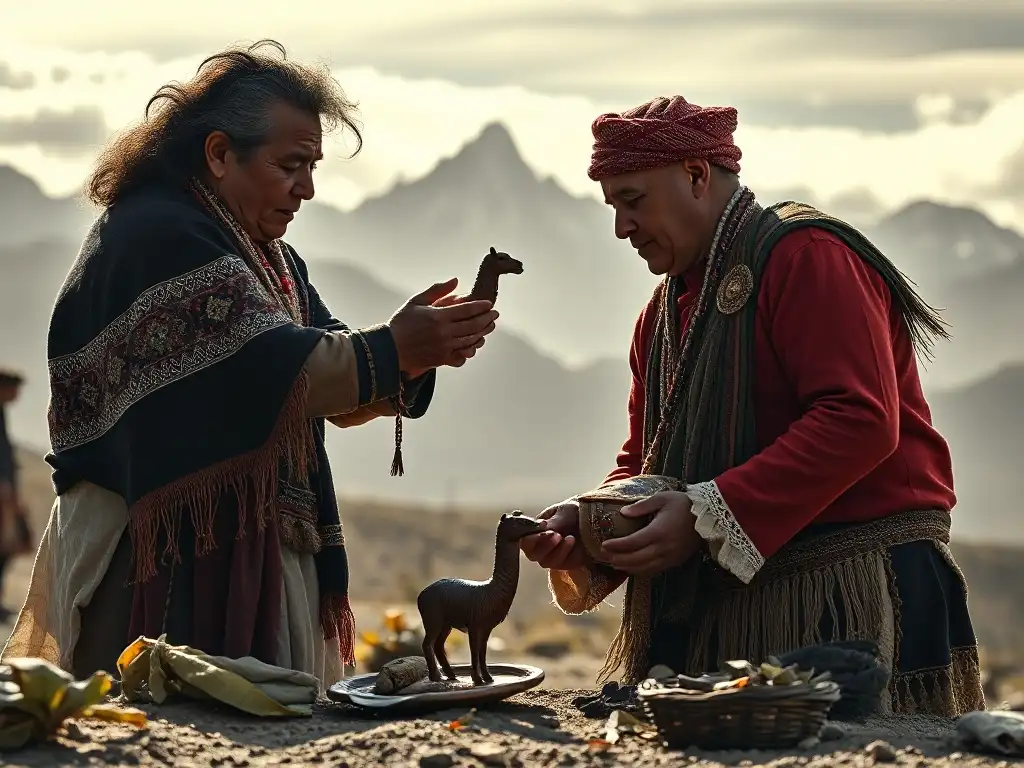
Beyond the practical aspects of economic exchange, Andean barter rituals were deeply intertwined with spiritual beliefs and cosmological perspectives. For these societies, the act of exchange was not merely a transaction but a social and spiritual act that reinforced social bonds and maintained cosmic harmony. The exchange of goods was often viewed as a symbolic representation of reciprocal relationships between humans and the supernatural world.
This perspective shapes our understanding of seemingly simple economic activities, revealing a far richer and more complex system of beliefs and practices. The careful study of archaeological evidence, combined with ethnohistorical accounts, provides valuable insights into these spiritual dimensions of Andean exchange.
The Connection Between Barter and Andean Cosmology
Andean cosmology viewed the universe as an interconnected web of relationships, where reciprocity and balance were essential for maintaining cosmic harmony. This worldview permeated all aspects of Andean life, including their economic activities. Barter was not simply a matter of exchanging goods for personal gain but a ritualized act that reinforced these reciprocal relationships. The exchange of goods was seen as a way to maintain balance and harmony within the community and between the human and supernatural worlds.
The specific goods exchanged often held symbolic significance, reflecting the social status of the participants and the nature of the relationship between them. The careful selection and presentation of goods were integral parts of the ritual, contributing to its spiritual significance. Further research is needed to fully explore the intricate connections between Andean cosmology and their barter practices.
Offerings and Rituals Associated with Barter
Many Andean barter rituals involved offerings and ceremonies designed to ensure successful transactions and maintain harmony between the participants and the supernatural world. These offerings might include food, drink, coca leaves, or other objects considered sacred. The rituals themselves could involve specific gestures, chants, or prayers, reflecting the importance of the transaction within the larger social and spiritual context.
The act of offering and receiving goods was not just an economic exchange but a sacred act that reinforced social bonds and secured the well-being of the community. These rituals highlight the integration of economic and spiritual practices in Andean societies. Archaeological evidence, such as the presence of offerings at exchange sites, provides valuable clues about the nature of these rituals.
Further research is needed to gain a deeper understanding of the diverse range of offerings and rituals associated with Andean barter. The study of surviving Andean traditions may also offer insights into the continuation of these practices into later periods.
The intricate barter systems of the Andes were far more than simple economic transactions; they were deeply embedded in the social fabric of Andean societies. The exchange of goods wasn't merely about acquiring necessities; it served as a powerful tool for strengthening social bonds, resolving conflicts, and reinforcing social hierarchies. The act of bartering itself, often involving elaborate ceremonies and rituals, created opportunities for interaction and solidified relationships between individuals and communities.
The careful selection of goods offered and received communicated social standing, alliances, and obligations, creating a complex web of social interactions woven into the very act of exchange. Understanding these social implications is key to grasping the true significance of Andean barter systems.
Maintaining Social Bonds through Barter
Barter in the Andes played a crucial role in maintaining and strengthening social bonds within communities. The regular exchange of goods fostered a sense of reciprocity and mutual obligation, binding individuals together in a network of interdependence. For example, the exchange of agricultural products between highland and lowland communities built strong alliances, ensuring the mutual survival and prosperity of both groups. This exchange wasn't simply a transactional process; it involved gift-giving, feasting, and ceremonies that reinforced social ties and fostered a sense of community.
The frequency and nature of these exchanges often reflected the strength and longevity of the relationships involved. The failure to reciprocate, on the other hand, could lead to social tension and the breakdown of vital social networks. The system was, therefore, intrinsically linked to the maintenance of social harmony.
Barter as a Form of Social Negotiation
Beyond maintaining existing relationships, Andean barter also served as a powerful tool for social negotiation and conflict resolution. The exchange of goods could be used to express apologies, forge alliances, or settle disputes. The carefully chosen gifts or goods offered could subtly communicate intentions and desires, allowing for a nuanced form of communication that transcended spoken language. For instance, a particularly valuable gift might be offered to appease a wronged party or to solidify a newly formed alliance.
Similarly, the refusal of an offered good could indicate a rejection of a proposed arrangement or a refusal to participate in a particular social interaction. The process of barter, therefore, became a subtle yet effective means of navigating the complexities of Andean social life. This aspect of Andean barter demonstrates its sophisticated role in social dynamics.
The Legacy of Andean Barter Systems
The legacy of Andean barter systems extends far beyond the pre-Columbian era. The traditions of reciprocal exchange and community-based trade continue to shape economic and social interactions in many Andean communities today. While monetary systems have largely replaced traditional barter in many areas, the underlying principles of reciprocity and community cooperation remain deeply ingrained in Andean culture. This enduring influence highlights the remarkable resilience and adaptability of these ancient traditions. The continued presence of informal barter systems and the importance placed on gift-giving and communal sharing attest to the lasting impact of pre-Columbian exchange practices.
Modern Day Bartering Practices in the Andes
Even in the face of globalization and the widespread adoption of monetary economies, elements of traditional Andean barter systems persist in many communities. While cash transactions are common, the exchange of goods and services within communities often follows patterns reminiscent of ancient practices. This might involve the informal exchange of agricultural products, handcrafted goods, or labor.
For example, a farmer might exchange surplus potatoes for the services of a skilled artisan, reflecting a continuation of the reciprocal exchange that characterized pre-Columbian societies. These modern-day practices often occur within a framework of strong social relationships, reinforcing the social bonds that have always been central to Andean exchange. This demonstrates the continuing relevance of traditional barter practices in adapting to changing economic conditions.
The Enduring Importance of Andean Exchange Traditions
The enduring importance of Andean exchange traditions lies not only in their economic function but also in their social and cultural significance. These traditions continue to shape social relationships, reinforce community bonds, and transmit cultural knowledge across generations. The preservation of these practices underscores the profound impact of pre-Columbian cultures on the contemporary Andes.
Studying these traditions provides valuable insights into the complex interplay between economic systems, social structures, and cultural identity in the Andean region. The continued relevance of these exchange systems highlights their adaptability and enduring importance in shaping Andean societies. Understanding this legacy offers a deeper appreciation for the richness and complexity of Andean culture.
Conclusion: The Lasting Impact of Andean Barter Rituals
The intricate systems of Andean barter, far from being merely economic transactions, served as powerful social and symbolic tools. These rituals shaped social hierarchies, reinforced alliances, and cemented religious beliefs. The exchange of goods wasn't simply a matter of acquiring necessities; it was a performance, a carefully choreographed dance of reciprocity and obligation.
The meticulous attention paid to the objects exchanged – their quality, craftsmanship, and symbolic meaning – underscores the profound significance of these interactions within Andean societies. Even seemingly mundane exchanges were imbued with ritualistic weight, reflecting a deep-seated understanding of the interconnectedness of the material and spiritual realms.
The legacy of these Andean barter rituals extends far beyond the collapse of the great empires. Elements of reciprocal exchange and community-based economies can still be observed in many Andean communities today. While the scale and complexity of the ancient systems may have diminished, the underlying principles of mutual obligation and social cohesion continue to inform economic practices and social interactions.
Understanding these historical practices provides valuable insight into the enduring values and cultural resilience of Andean communities. The study of Andean barter rituals offers a compelling case study of how economic systems are inextricably linked to social structures, religious beliefs, and cultural identity, a lesson relevant to understanding economic and social interactions across cultures and throughout history. The meticulous record-keeping, even in the absence of a written language, reveals a sophisticated understanding of economic principles and the strategic use of exchange to solidify power and maintain social harmony.
It's a testament to the ingenuity and complexity of these ancient civilizations and their lasting impact on the region. The echoes of these ancient rituals resonate even today, reminding us of the enduring power of community, reciprocity, and the symbolic language of exchange.
- Introduction to Andean Barter and Reciprocity
- The Significance of Barter in Ancient Andean Societies
- Understanding Andean Barter Rituals: Beyond Simple Trade
- Key Elements of Andean Barter Ceremonies
- The Role of Reciprocity in Andean Exchange Networks
- Specific Examples of Andean Barter Practices
- Barter in the Inca Empire: A Regulated System
- Barter Practices in Pre-Inca Andean Cultures
- The Spiritual Dimension of Andean Barter
- The Social Implications of Barter in the Andes
- The Legacy of Andean Barter Systems
- Conclusion: The Lasting Impact of Andean Barter Rituals
Frequently Asked Questions
What were Andean barter rituals?
Andean barter rituals were not simply economic transactions; they were complex social and religious events. They involved symbolic exchanges that reinforced social hierarchies and solidified relationships. These rituals often incorporated ceremonial offerings and reciprocity.
How did Andean barter differ from modern trade?
Unlike modern monetary systems, Andean barter relied on direct exchange of goods and services. It emphasized relationships and obligations, rather than pure profit. Trust and social standing were crucial components.
What types of goods were commonly exchanged in Andean barter rituals?
Exchanged goods varied widely depending on region and culture, but often included textiles, ceramics, precious metals, coca leaves, and agricultural products. The value wasn't always solely based on utility, but also on symbolic significance.
What role did religion play in Andean barter rituals?
Religion played a significant role, imbuing the exchanges with spiritual meaning. The rituals often involved offerings to deities and were seen as a way to maintain cosmic balance and ensure community prosperity. Pachamama, the Earth Mother, was often invoked.
The rituals reflected the hierarchical social structures of Andean societies. The type and quantity of goods exchanged indicated social status and reinforced power dynamics within the community. Reciprocity was crucial in maintaining these structures.
Final Reflection: Echoes of Exchange in the Andes
The intricate systems of Andean barter, far from being relics of a bygone era, offer a potent critique of modern economic models. Their emphasis on reciprocal relationships and community well-being stands in stark contrast to the often-exploitative nature of globalized trade, reminding us of alternative pathways towards sustainable and equitable exchange. The enduring power of these rituals lies not just in their historical significance, but in their capacity to challenge our assumptions about value and prosperity.
The enduring legacy of Andean barter rituals is not merely historical; it's a living testament to the power of community and the importance of relational economics. These practices, deeply embedded in the social fabric of Andean communities, continue to shape their identities and relationships. They remind us that economic activity is not solely a transaction, but a social act, woven into the very fabric of life. The true wealth of a nation is not measured in its gold, but in the strength of its community and the well-being of its people.
This sentiment, though not directly from an Andean source, perfectly encapsulates the spirit of their barter systems.
Consider the implications of these ancient practices for your own life. How can we cultivate more reciprocal and community-focused approaches to exchange in our own lives? Can we move beyond purely transactional relationships and embrace the values of mutual benefit and shared prosperity? I invite you to reflect on the lessons learned from the Andean barter rituals and to consider how you might integrate these principles into your own interactions, fostering a more just and sustainable future for all.
Embrace the Spirit of Andean Exchange!
Thank you for exploring the fascinating world of Andean barter rituals! We hope you've discovered the rich cultural significance of these practices and feel inspired by their unique values. Now, let's continue your journey of discovery.
- Participate in a local cultural exchange program to experience diverse traditions firsthand.
- Share your newfound knowledge of Andean barter traditions with friends and family to foster a deeper appreciation for cultural diversity.
- Consider volunteering with organizations that support Andean culture and arts—your contribution can make a real difference!
What aspect of Andean barter traditions most captivates you, and how do you envision its influence on contemporary exchange systems?