
Daughters of the Sun: The Sacred Status of Women in Andean Beliefs

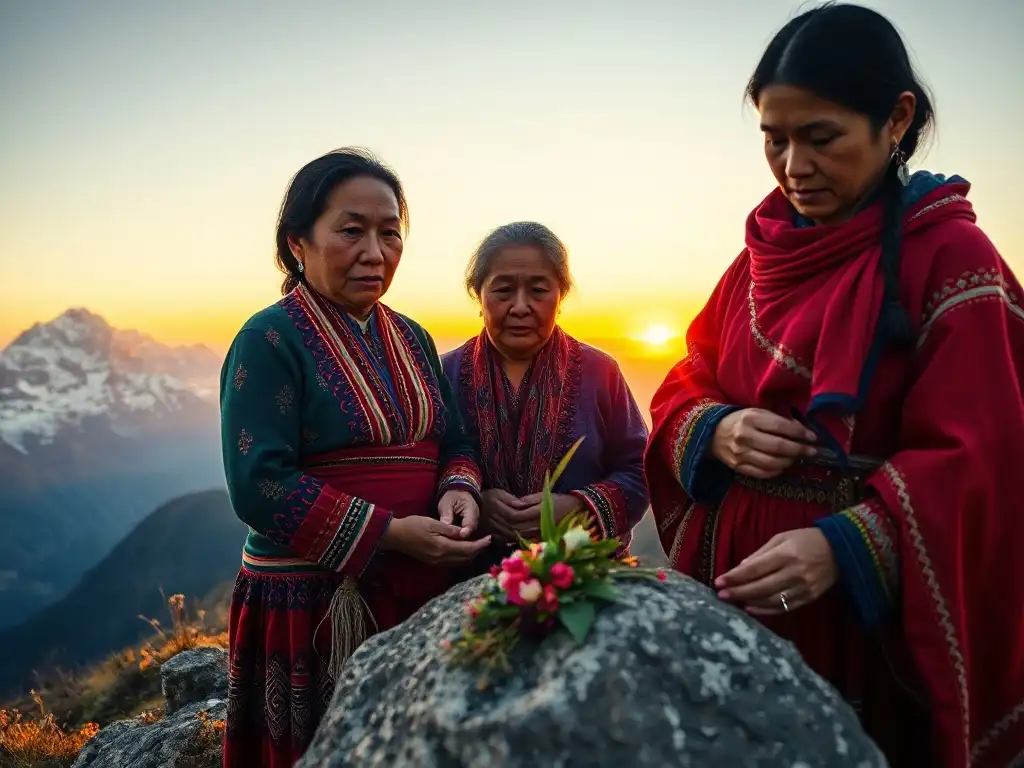
Uncover the enigmatic legacy of the Andes, a world brimming with breathtaking artistry and sophisticated societies. For centuries, their stories have whispered on the wind, but few have truly understood the profound power wielded by Andean women. Journey with us into the heart of their sacred roles, exploring a world where the Daughters of the Sun held sway, their influence far exceeding the confines of domestic life. Dare to delve into the captivating realm of Andean women's sacred roles and discover a history far richer and more complex than you ever imagined.
- Daughters of the Sun: Unveiling Andean Women's Sacred Roles
- The Divine Feminine in Andean Cosmology
- Andean Women's Sacred Roles in Ancient Societies
- The Sacred Status of Andean Women in Inca Society
- The Legacy of Andean Women's Spirituality
- Challenging Misconceptions about Andean Women's Roles
- Conclusion: Celebrating the Enduring Legacy of Andean Women
- Frequently Asked Questions
- Final Reflection: Echoes of the Sun: A Legacy of Andean Women's Power
- Embrace the Legacy of Andean Women!
Daughters of the Sun: Unveiling Andean Women's Sacred Roles
The Andes Mountains, a spine of majestic peaks running down the western coast of South America, cradle a history rich with vibrant cultures and complex belief systems. While often overshadowed by narratives focused on male rulers and warriors, a closer examination reveals a fascinating and vital role played by women in Andean societies.
This article delves into the multifaceted sacred status of women in ancient Andean beliefs, exploring their influence on religious practices, social structures, and the very fabric of Andean life. We will examine evidence from various Andean cultures, including the Incas, Moche, Nazca, and Tiahuanaco, to paint a picture of the profound reverence and power held by these “Daughters of the Sun.” Understanding their contributions is crucial to a complete understanding of Andean civilizations and challenges the Eurocentric biases that have often minimized their significance in historical accounts.
This exploration of Andean women's sacred roles will illuminate a perspective often overlooked, revealing the critical contributions of women to the development and continuation of these remarkable societies.
The Mama Ocllo Myth and the Divine Feminine
The powerful myth of Mama Ocllo, often portrayed as a divine ancestor and founder figure, exemplifies the elevated status of women in Inca cosmology. She is frequently depicted as a sister or wife of Manco Cápac, the legendary founder of the Inca Empire. However, accounts vary significantly, highlighting the fluidity and complexity of Andean mythology.
In some versions, Mama Ocllo is presented as an equal partner in creation, possessing the same divine authority and power as Manco Cápac. Their shared origins from the sacred Lake Titicaca underscore the deep connection between the divine feminine and the origins of Inca civilization. This narrative is not simply a historical account; it reflects the importance placed on women's roles in Inca society, both as spiritual leaders and as foundational figures in the development of their culture.
The enduring legacy of Mama Ocllo continues to shape Andean identity and highlights the potent symbolism of the divine feminine in Inca mythology. Further research is needed to fully understand the regional variations in the Mama Ocllo myth and their implications for understanding women's roles across different Inca communities.
Contrary to common misconceptions, Andean women's roles extended far beyond the domestic sphere. Evidence suggests the presence of powerful priestesses who held significant religious authority. These women were not merely assistants to male priests; they occupied positions of leadership and influence within the religious hierarchy.
While specific details about the roles and responsibilities of these priestesses often remain elusive due to limited surviving documentation, archaeological findings, such as the discovery of female burials with elaborate grave goods associated with religious practices, point to their importance. Their involvement in rituals, ceremonies, and the interpretation of religious symbols indicates a level of spiritual authority comparable to, and in some cases exceeding, that of their male counterparts.
The participation of women in these sacred rituals demonstrates the central role they played in maintaining the spiritual well-being of their communities and underscores the importance of the divine feminine in Andean religious beliefs. [Specific examples of archaeological findings and their interpretations pending].
Weaving as a Sacred Act: Women, Textiles, and Cosmological Representation
Weaving was not merely a craft; it was a sacred act deeply embedded in Andean cosmology. Women were the primary weavers, and their intricate textiles served as more than just clothing or decorative items. These textiles often incorporated complex designs representing mythological figures, celestial events, and cosmological principles.
The act of weaving was seen as a way to connect the earthly realm with the spiritual world, and the women who created these textiles were considered mediators between these two realms. The precision and skill involved in weaving, the intricate symbolism woven into the textiles, and the connection to the spiritual realm elevated the status of female weavers within their communities.
Their work was not simply utilitarian; it was a powerful expression of their spiritual understanding and a tangible manifestation of their connection to the divine. The artistry and symbolism embedded in Andean textiles provide invaluable insights into the cosmology and worldview of Andean women.
The Impact of Colonialism on Andean Women's Sacred Roles
The arrival of the Spanish conquistadors dramatically altered the social and religious landscape of the Andes. The imposition of Catholicism and the suppression of indigenous religious practices significantly impacted the sacred roles of Andean women. Many traditional religious practices were outlawed, leading to a decline in the visibility and influence of female spiritual leaders. The colonial period saw the marginalization of indigenous knowledge systems and a systematic effort to erase Andean cultural traditions.
While the precise extent of this impact requires further investigation, it is undeniable that the conquest drastically altered the societal and religious landscape, diminishing the previously held sacred status of Andean women and significantly impacting their roles within their communities. Understanding this historical context is crucial for a complete appreciation of the complexities of Andean women's roles, both past and present. [Data on the specific impact of colonial policies on women's religious roles pending].
The Divine Feminine in Andean Cosmology
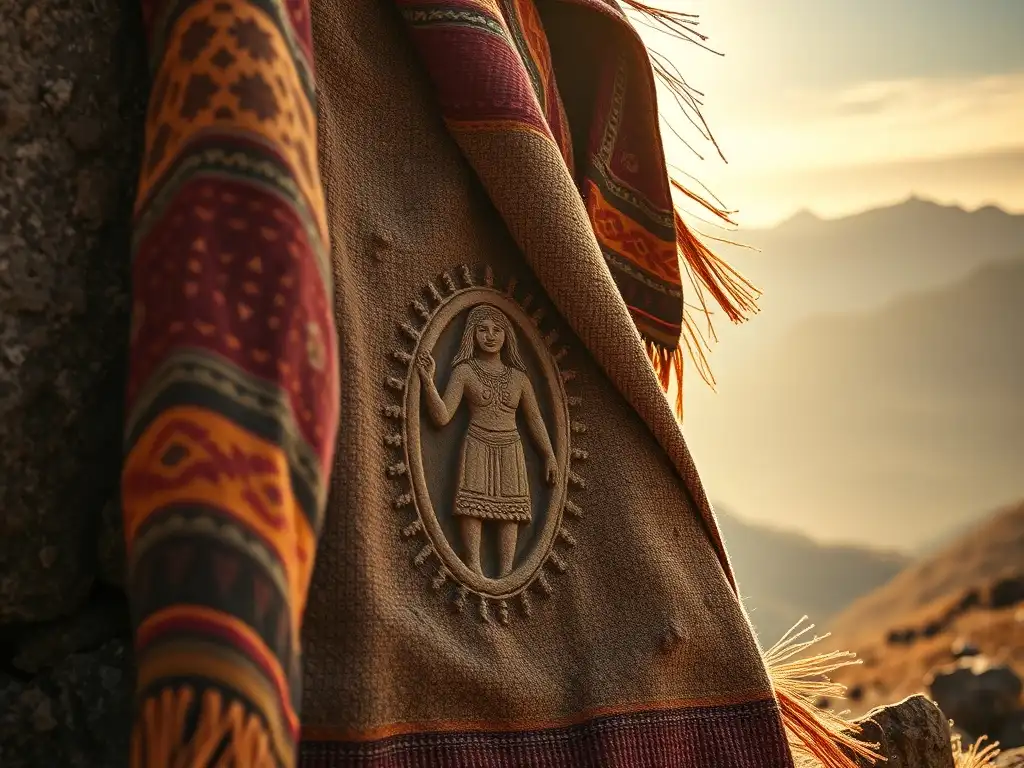
The Andean worldview, far from being patriarchal, placed immense significance on the divine feminine, weaving it intricately into the fabric of their cosmology, social structures, and daily life. The concept of "Andean women's sacred roles" wasn't merely a social construct; it was a deeply ingrained belief system reflecting their vital connection to the cosmos and the cyclical rhythms of life and death. This reverence for female deities and the power they embodied permeated every aspect of Andean society, from agricultural practices to political organization.
Understanding this fundamental aspect is key to unlocking a more nuanced and complete understanding of Andean civilizations. The power dynamics within these societies were far more complex than simple male dominance suggests, demonstrating a sophisticated interplay between masculine and feminine energies. This section will explore two prominent examples of this divine feminine: Pachamama and Mama Killa.
Pachamama: The Earth Mother and Source of Life
Pachamama, the Earth Mother, is arguably the most central figure in Andean cosmology. She is not simply the earth itself, but the very source of life, fertility, and abundance. More than a deity, she is a living force, a powerful energy that sustains all living beings. The Andean people saw their existence as intrinsically linked to Pachamama's wellbeing. Agricultural success, the health of their communities, and even the very weather patterns were believed to be directly influenced by her favor. This profound connection is reflected in numerous rituals and offerings dedicated to appeasing and honoring her.
The veneration of Pachamama went beyond simple prayer. Farmers would perform pagos – offerings of coca leaves, chicha (a fermented corn beverage), and other gifts – to ensure bountiful harvests. These weren't merely superstitious acts; they were expressions of profound gratitude and recognition of their dependence on the Earth Mother's generative power.
The camayoc (community leaders) played a crucial role in these ceremonies, often mediating the relationship between the people and Pachamama, ensuring the harmony necessary for the community's survival. The concept of reciprocity was central: the people provided offerings, and Pachamama, in return, provided sustenance. This symbiotic relationship highlights the deeply spiritual and ecological understanding that characterized Andean societies.
Furthermore, the role of women in these rituals was particularly significant, often leading or participating actively, reflecting their inherent connection to the life-giving power of Pachamama. Their knowledge of agriculture and herbal medicine further cemented their role as intermediaries between the community and the Earth Mother.
Mama Killa: The Moon Goddess and Regulator of Time
Mama Killa, the Moon Goddess, represents another crucial aspect of the Andean divine feminine. Unlike Pachamama, whose power is associated with the earth and fertility, Mama Killa embodies the cyclical nature of time, the rhythms of the moon, and the ebb and flow of life. She is often depicted as a serene, powerful figure, her influence extending to various aspects of Andean life, particularly women's health, reproduction, and the calendar system.
The Andean calendar was intricately linked to the lunar cycle, with agricultural activities and religious ceremonies carefully timed according to the phases of the moon. Mama Killa's influence on the tides, the menstrual cycle, and the growth of plants further solidified her importance in Andean society. She represented the cyclical nature of life, death, and rebirth, a concept fundamental to their understanding of the cosmos.
The intricate knowledge of astronomy and the lunar cycle possessed by Andean women, particularly those serving as paqos (shamans), demonstrates their deep understanding and mastery of this powerful feminine energy. Unlike the patriarchal interpretations often imposed on Andean cultures, the worship of Mama Killa reveals a sophisticated appreciation for the feminine principle as a fundamental force regulating the natural world and human society.
The intricate weaving patterns, often depicting lunar phases, found in Andean textiles, serve as visual evidence of this reverence and deep integration of Mama Killa’s influence into daily life. The profound knowledge of astronomy and the moon’s cycles, often held by women, highlights their significant role in maintaining the social and spiritual balance of Andean communities.
Andean Women's Sacred Roles in Ancient Societies
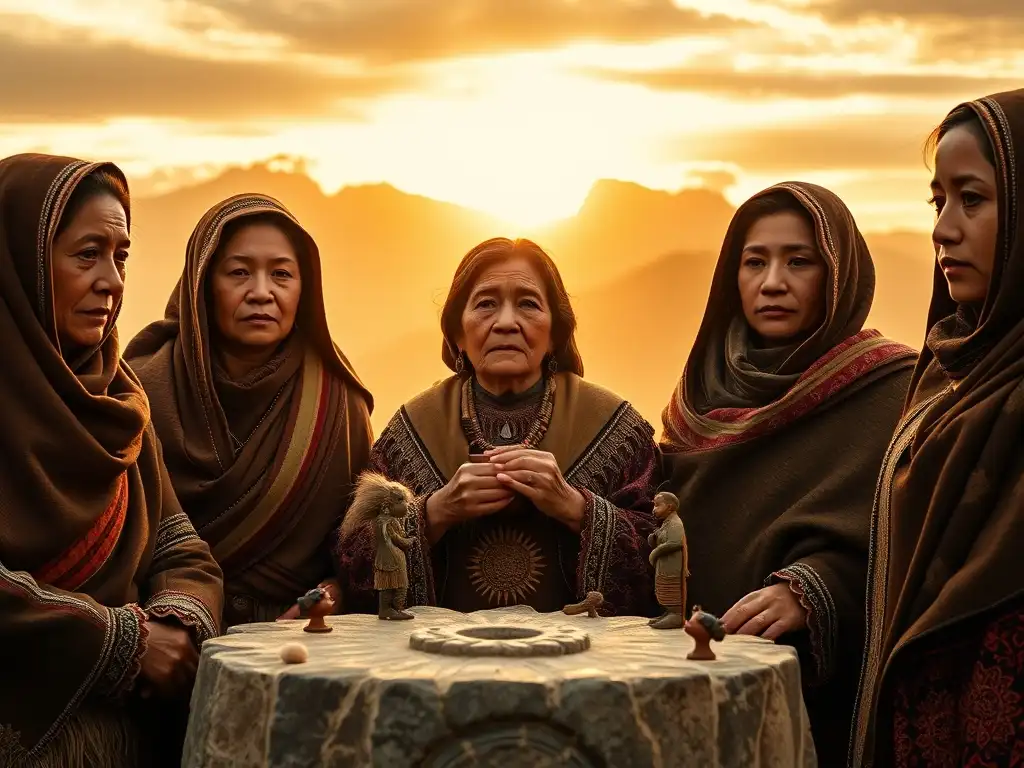
This section delves into the multifaceted sacred roles occupied by women in various Andean civilizations, challenging the often-overlooked narrative of patriarchal dominance. Contrary to common misconceptions, Andean societies, while exhibiting hierarchical structures, afforded women significant spiritual authority and social standing, particularly in areas deeply connected to life, fertility, and the continuity of their communities. The influence of Andean women extended far beyond the domestic sphere, permeating religious practices, agricultural cycles, and the preservation of vital traditional knowledge.
Understanding these roles is crucial to a complete appreciation of Andean women's contributions and the complexities of these fascinating societies. We will explore specific examples from different Andean cultures to illustrate the depth and breadth of their sacred responsibilities.
Women as Qoya and Ritual Specialists
The Qoya, the Inca's principal wife, held a position of immense religious and political significance. Far from being merely a figurehead, the Qoya acted as a vital intermediary between the human and spiritual realms. She participated in crucial state rituals, including those related to the Capac Apu (principal mountain deities) and the Inti (Sun God), ensuring the cosmic balance essential for the empire's prosperity.
Her role wasn't solely symbolic; she held considerable influence over court affairs and often acted as an advisor to the Sapa Inca. Beyond the Qoya, numerous other women served as Mamaconas, priestesses dedicated to the service of the Sun God and other deities. These women lived in convents dedicated to religious practices, receiving rigorous training in rituals, textile arts, and the interpretation of omens.
Their expertise in religious ceremonies and their connection to the divine made them powerful figures within Inca society. Archaeological evidence, including the discovery of richly adorned female mummies in ceremonial contexts, supports this understanding of the elevated status and spiritual importance of women in Inca religious life. The meticulous weaving of sacred textiles, a predominantly female art, further reinforced women's connection to the spiritual world.
Women's Central Role in Seed Selection and Harvesting Rituals
The agricultural success of Andean civilizations was intrinsically linked to women's participation in sacred rituals surrounding planting and harvesting. Women were not merely involved in the labor-intensive aspects of agriculture; their roles were deeply imbued with spiritual significance. The selection of seeds, a process often accompanied by prayers and offerings to ensure a bountiful harvest, was primarily undertaken by women.
They possessed a deep understanding of agricultural cycles and the properties of different seeds, knowledge passed down through generations. This expertise was not simply practical; it was considered a sacred trust, connecting them to the earth's fertility and the cyclical nature of life and death. Harvest festivals, often led by women, involved elaborate ceremonies celebrating the bounty of the land and thanking the deities for their blessings.
These rituals reaffirmed women’s crucial role in ensuring the community’s sustenance and prosperity. The preservation of these traditions through oral histories and archaeological findings highlights the enduring importance of women's participation in the agricultural cycle. Even today, many Andean communities continue to honor these ancient practices, demonstrating the lasting legacy of women’s sacred connection to the land.
Women as Curanderas and Keepers of Medicinal Knowledge
Andean women held a prominent position as curanderas (healers), possessing extensive knowledge of medicinal plants and healing practices. Their expertise extended beyond physical ailments; they often addressed spiritual imbalances and emotional distress. This knowledge, acquired through generations of experience and passed down through oral traditions, was highly valued within the community.
Curanderas utilized a combination of herbal remedies, rituals, and spiritual practices to treat illnesses, often integrating their understanding of the interconnectedness of the human body, the natural world, and the spiritual realm. Their role was not merely medicinal; they acted as spiritual guides, offering comfort and support to those in need. The intricate knowledge of medicinal plants and their properties, often intertwined with myths and legends, underscores the profound connection between Andean women, nature, and the spiritual world.
The preservation of this knowledge, despite centuries of colonization and cultural change, testifies to the enduring importance of women as healers and keepers of traditional medicine. The continued use of many of these ancient remedies in modern Andean communities underscores the enduring legacy of these remarkable women and their profound contribution to Andean culture.
The Sacred Status of Andean Women in Inca Society
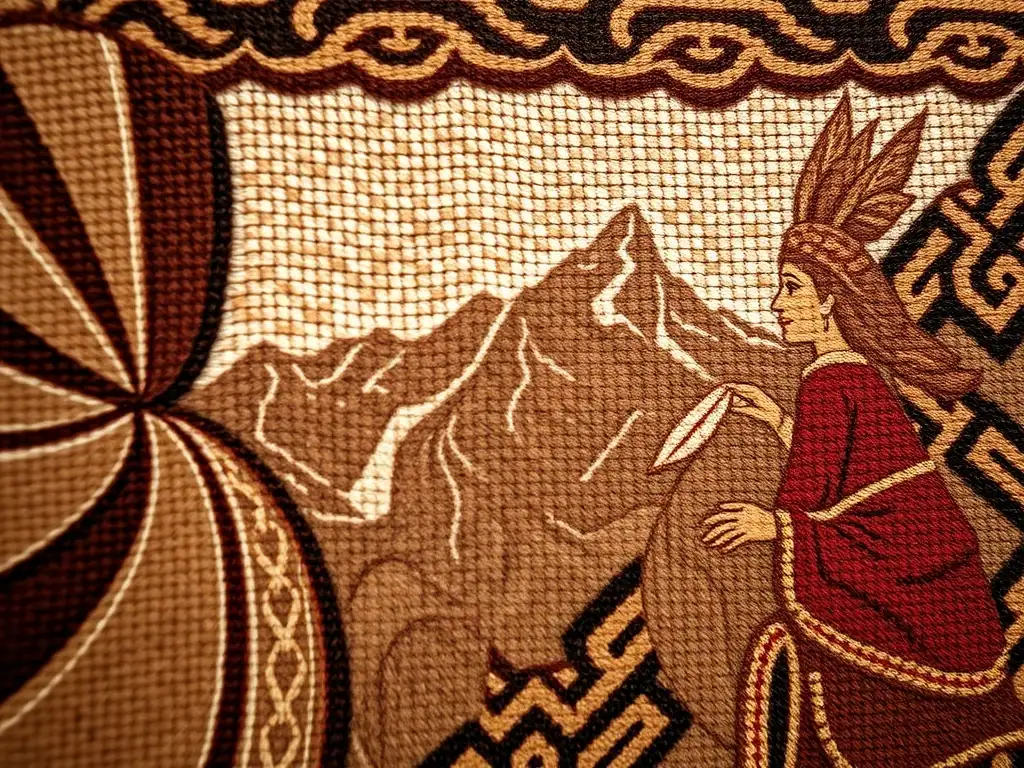
The Andean worldview, particularly within the Inca empire, profoundly valued women, assigning them sacred roles far beyond the typical patriarchal structures found in many other ancient societies. This reverence stemmed from a deep-seated belief in the interconnectedness of the cosmos and the vital role women played in maintaining its balance. Their contributions extended beyond domestic spheres, encompassing religious rituals, political influence, and artistic expression.
Understanding the multifaceted nature of Andean women's sacred roles requires examining their participation in various aspects of Inca life. The concept of pachamama, Mother Earth, itself embodies this deep respect for feminine power and fertility, permeating all levels of Inca society. The influence of this cosmology is evident in the elevated status granted to women in several key areas.
The Acllas: Chosen Women and Guardians of Inca Culture
The acllas (also known as chosen women) formed a unique and highly respected sisterhood within Inca society. These women, selected for their beauty, intelligence, and virtue, were dedicated to the service of the Inca state and the Inca religion. Their lives were far from subjugation; instead, they enjoyed a privileged position, receiving specialized training in various crafts, including weaving, pottery, and brewing chicha (a fermented corn beverage). These skills were not merely domestic; they were considered sacred arts, integral to maintaining the spiritual and material well-being of the empire.
The acllas resided in Acllahuasis, dedicated convents located throughout the empire. These were not prisons, but rather centers of learning and production where the women lived communally, contributing significantly to the Inca economy and religious practices. Their exquisite textiles, often adorned with intricate designs representing Inca mythology and cosmology, served as offerings to the gods and adorned the palaces and temples.
Their mastery of pottery similarly reflected religious iconography, demonstrating their crucial role in maintaining the sacred traditions of the Inca. The acllas also played a key role in brewing chicha, a beverage with significant ritual importance, used in religious ceremonies and celebrations. Their participation in these activities highlights their sacred status and their vital contribution to the Inca worldview.
The production and distribution of these goods were carefully managed, demonstrating the economic and social power wielded by the acllas. Further research is needed to fully quantify the economic contribution of the acllas to the Inca empire, [specific economic data pending].
Inca Queens: Political Power and Lineage Continuity
Inca queens, known as Coya, held considerable political power and influence, far exceeding the roles of women in many contemporary societies. Their position was not merely symbolic; they were active participants in state affairs, advising the Sapa Inca (emperor) on matters of governance and representing the empire in diplomatic relations. The Coya’s lineage was crucial for maintaining the legitimacy of the Inca dynasty and for establishing alliances with other powerful groups within the empire.
The marriage of the Sapa Inca to the Coya was not simply a union; it was a sacred contract that legitimized the emperor's rule and ensured the continuation of the Inca bloodline. The Coya’s status, therefore, extended beyond her personal relationship with the emperor; it was directly tied to the stability and prosperity of the entire empire. This is reflected in the elaborate ceremonies surrounding their coronation and the significant resources dedicated to their palaces and households.
The influence of the Coya is evident in the historical records, although further investigation is needed to fully understand the scope of their political power and their impact on Inca decision-making. [Specific examples of Coya's political influence pending]. Their role was fundamental to the continuation of the Inca lineage and the stability of the empire; they were not mere figuresheads but key players in the political landscape.
Feminine Symbolism in Inca Weaving and Ceramics
Inca artistry, particularly in weaving and ceramics, reveals a profound reverence for feminine symbolism, reflecting the deeply ingrained belief in the sacred power of women. The intricate designs woven into textiles and painted onto pottery often depicted goddesses, fertility symbols, and other representations of feminine power, reflecting the Andean women's vital role in the cosmic balance and the continuation of life.
The use of specific colors, textures, and patterns in textiles and ceramics carried symbolic meaning, often representing different deities, agricultural cycles, or aspects of the Inca worldview. For example, the use of red often symbolized blood, fertility, and the earth, while the color yellow was associated with the sun and royalty. These symbolic representations, woven into the fabric of Inca life, highlight the significance of feminine power and its association with the spiritual world.
[Specific examples of feminine symbolism in Inca textiles and ceramics pending]. The craftsmanship and artistry involved in creating these objects underscores the high status of the women who produced them.
The detailed depictions of women in various roles within the Inca society found in these artifacts further supports the idea of their sacred status and their importance in Inca culture. Analysis of these artifacts provides invaluable insights into the Andean women’s sacred roles, offering a visual representation of their place within the Inca worldview.
The Legacy of Andean Women's Spirituality
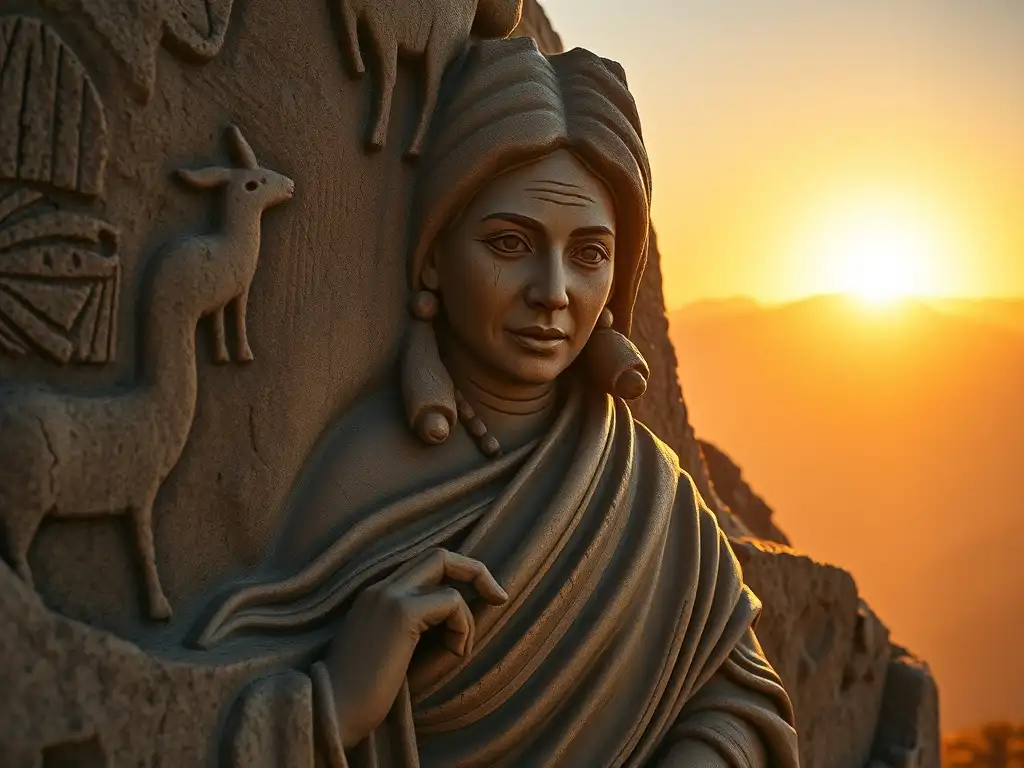
The Andean worldview, profoundly shaped by its unique geography and cosmology, assigned women significant spiritual roles, far exceeding the patriarchal narratives often imposed by colonial perspectives. Understanding the true legacy of Andean women's spirituality requires dismantling these biased interpretations and exploring the rich tapestry of indigenous beliefs that elevated women to positions of power and reverence.
This wasn't simply a matter of religious observance; their spiritual roles were deeply intertwined with the social, political, and economic fabric of Andean societies. Their connection to the earth, their roles as healers and midwives, and their participation in sacred rituals all contributed to a complex and multifaceted understanding of feminine divinity.
This section will delve into the specifics of these roles, demonstrating the profound influence of Andean women's spirituality on the region's history and culture. The enduring impact of this legacy is still felt today, inspiring contemporary movements focused on reclaiming indigenous identities and celebrating the rich heritage of Andean women.
Andean Cosmovision and Contemporary Spiritual Practices
The Andean cosmovision, a holistic understanding of the universe, placed women at the heart of its intricate web. The concept of Pachamama, Mother Earth, embodies the feminine principle of nurturing and creation. Women, intimately connected to the land through agriculture and daily life, were seen as intermediaries between the human and spiritual realms.
Their roles as healers, utilizing medicinal plants and traditional practices, further solidified this connection. Contemporary Andean spiritual practices, such as pago a la tierra (offerings to the earth) and various healing ceremonies, often feature women prominently, demonstrating the continuity of these ancient traditions. For example, in many communities, women lead ceremonies dedicated to Pachamama, offering coca leaves, chicha (fermented corn beverage), and other offerings to appease and honor the earth's generative power.
This active participation in spiritual life highlights the ongoing significance of women's spiritual roles within the Andean worldview, a testament to the enduring power of indigenous traditions. The continued practice of these rituals serves as a powerful assertion of cultural identity and a vibrant expression of Andean women's spiritual legacy. Even today, the knowledge and practice of traditional medicine, largely passed down through generations of women, remains a vital part of healthcare in many rural communities.
The Impact of Andean Beliefs on Quechua and Aymara Communities
The Andean beliefs regarding women's sacred roles had a profound and lasting impact on Quechua and Aymara communities. In these societies, women held positions of authority and influence, often acting as spiritual leaders, healers, and advisors within their communities. Their knowledge of herbal remedies, agricultural practices, and celestial cycles was highly valued, contributing significantly to the social and economic well-being of their communities.
The intricate weaving traditions, for instance, often incorporated symbolic representations of Andean cosmology, with women playing a crucial role in the creation and preservation of these cultural artifacts. The designs themselves often reflected the spiritual beliefs of the community, showcasing the deep connection between women's artistic expression and their spiritual roles. Furthermore, oral traditions, meticulously preserved and passed down through generations of women, preserved the rich history and cultural heritage of their communities.
The narratives embedded within these stories often highlighted the roles of powerful female figures, showcasing their influence and agency within their societies. These women weren't merely passive participants; they were active shapers of their communities’ spiritual and cultural landscape. The enduring presence of these traditions underscores the profound influence of Andean beliefs on the social structures and cultural identities of Quechua and Aymara communities.
Reclaiming Indigenous Feminine Identity through Cultural Revitalization
Contemporary movements focused on cultural revitalization are actively reclaiming the historical significance of Andean women's sacred roles. These initiatives aim to counter the negative impacts of colonialism and patriarchal structures that have sought to suppress and marginalize indigenous feminine identities. By highlighting the contributions of women in Andean societies, these movements challenge dominant narratives and promote a more inclusive and accurate understanding of Andean history and culture.
This reclamation involves diverse approaches, including the revival of traditional weaving techniques, the documentation and preservation of oral histories, and the promotion of women's leadership in community-based initiatives. The resurgence of interest in traditional Andean ceremonies and spiritual practices also plays a significant role, with women taking on prominent roles as teachers and practitioners. This conscious effort to revive and celebrate the spiritual legacy of Andean women is not merely a historical exercise; it is a vital act of self-determination and cultural resistance.
It's a powerful affirmation of the enduring strength and resilience of indigenous communities and their commitment to preserving their unique cultural heritage for future generations. The ongoing efforts to reclaim and celebrate the spiritual roles of Andean women represent a dynamic and evolving process, a testament to the enduring power of indigenous culture and the unwavering commitment to preserving its rich legacy.
Challenging Misconceptions about Andean Women's Roles
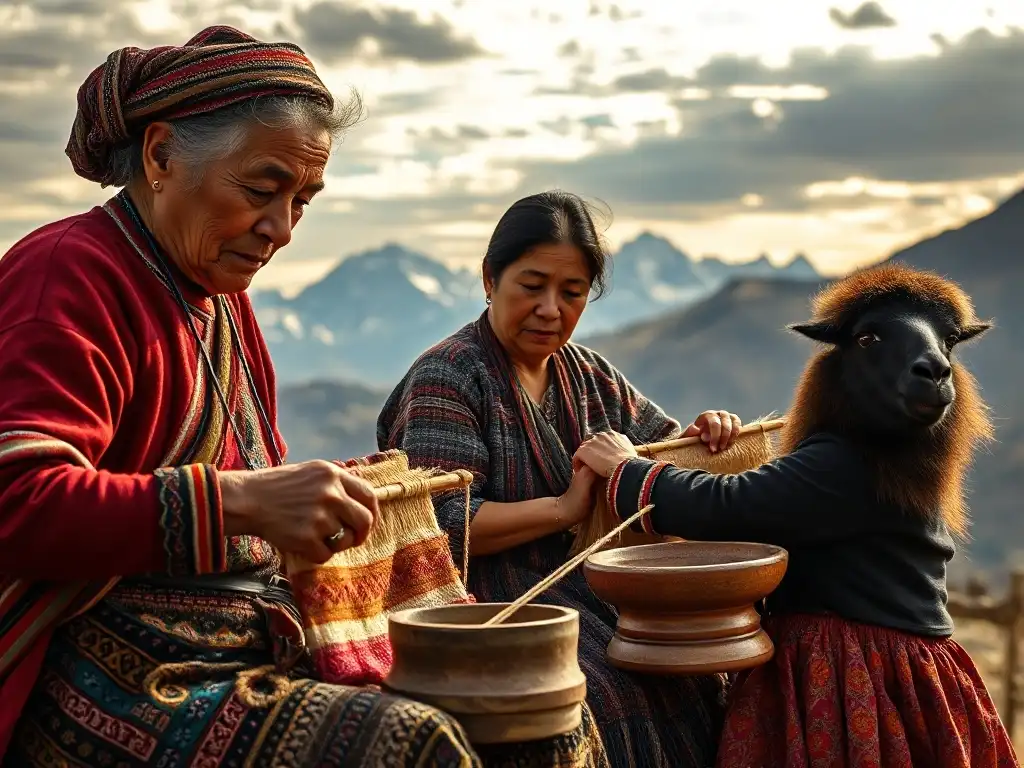
The study of Andean civilizations often overlooks the significant roles women played, perpetuating a skewed perspective that minimizes their contributions and influence. Many popular narratives depict Andean women solely as subservient figures, confined to domestic tasks and lacking agency. This section aims to dismantle such misconceptions by presenting evidence that highlights the multifaceted and powerful roles women held within these complex societies.
Understanding the true nature of Andean women's sacred roles requires a critical re-evaluation of historical sources and a nuanced understanding of the social structures of the time. We must move beyond simplistic narratives and embrace a more complete and accurate portrayal of their lives.
Shattering the Stereotype of Submissive Andean Women
The image of the passive, solely domestic Andean woman is a gross oversimplification. While it's true that certain tasks were traditionally associated with women (textile production, for instance), this doesn't equate to a lack of power or influence. Archaeological evidence consistently reveals women holding positions of authority and participating actively in religious ceremonies and political life.
For example, the discovery of female mummies adorned with elaborate jewelry and positioned in prominent burial sites challenges the notion of women being relegated to the margins of society. These findings suggest a level of social status and respect rarely acknowledged in traditional accounts. Furthermore, analysis of textiles, often created by women, reveals complex designs and symbolic elements that point to their deep understanding of Andean cosmology and their participation in the creation and transmission of cultural knowledge.
The intricate weaving techniques and the symbolic meanings embedded within the textiles are evidence of a sophisticated skillset and intellectual capacity that far surpasses the stereotype of a submissive homemaker. The vibrant colors and meticulous designs often mirrored religious and societal hierarchies, indicating women's active engagement in the cultural and spiritual life of their communities.
Highlighting Women's Leadership in Andean Communities
Contrary to popular belief, women in Andean societies occupied positions of leadership and authority, albeit often in different ways than their male counterparts. While the specific nature of female leadership varied across different Andean cultures, evidence suggests women held significant power within their families and communities. In some cases, women served as religious leaders, healers, and even political advisors, wielding considerable influence over decision-making processes.
The roles of mamacona, female priestesses dedicated to the Sun God, are a testament to the spiritual authority wielded by women. Their participation in religious rituals and their knowledge of sacred practices underscore their importance in Andean society. Furthermore, the economic contributions of women, particularly in agriculture and textile production, provided them with a degree of autonomy and influence within their communities.
Their control over resources and their essential role in the economic well-being of their families and communities gave them a strong voice in social matters. Further research is needed to fully understand the extent of women's political and economic power in different Andean regions and across diverse time periods, [specific information pending on quantitative data of female leadership positions].
Unveiling the Nuances of Gender Relations in Andean Societies
Understanding Andean women's sacred roles requires recognizing the complexities of gender relations within these societies. It's crucial to avoid imposing modern Western gender binaries onto ancient Andean cultures. The relationship between men and women was not necessarily one of strict dominance and subordination, but rather a more nuanced interplay of power dynamics. Evidence suggests a degree of cooperation and shared responsibility in various aspects of life, from agriculture to religious practices.
While certain tasks were traditionally assigned based on gender, this division of labor didn't necessarily imply inequality. The roles were complementary, each contributing to the overall well-being of the community. Moreover, the concept of ayni (reciprocity) permeated Andean social life, emphasizing mutual support and collaboration between individuals regardless of gender.
The focus on community well-being over individual ambition created a social fabric in which women's contributions were valued and integrated into the broader social order. Further research into the specific dynamics of power and influence within different Andean communities is needed to achieve a more comprehensive understanding of these complex gender relations. [Further research needed to explore the specific legal and customary frameworks governing gender relations in various Andean cultures].
Conclusion: Celebrating the Enduring Legacy of Andean Women
This exploration of Andean women's sacred roles reveals a complex and multifaceted picture, far removed from simplistic narratives. The evidence suggests a societal structure where women held significant spiritual and social power, their contributions interwoven with the very fabric of Andean life. Understanding their roles requires moving beyond stereotypical portrayals and embracing a nuanced appreciation of the diverse expressions of femininity within different Andean cultures and across various historical periods. Their influence extended beyond the domestic sphere, impacting religious practices, agricultural innovation, textile production, and even political decision-making.
The surviving archaeological evidence, coupled with oral traditions and anthropological studies, paints a vivid portrait of their agency and importance. The enduring legacy of these women continues to inspire and challenge our understanding of gender roles and power dynamics in ancient societies. Their stories deserve to be heard, understood, and celebrated.
Recognizing the Enduring Contributions of Andean Women
The impact of Andean women resonates even today. Their mastery of textile arts, for instance, resulted in incredibly sophisticated techniques and designs, reflecting both artistic skill and deep spiritual understanding. The intricate weavings, often imbued with symbolic meaning, served not merely as clothing but also as powerful expressions of cultural identity and spiritual beliefs. Their agricultural knowledge, crucial for the survival of Andean communities, was equally significant.
Detailed knowledge of crop rotation, irrigation techniques, and plant domestication ensured food security and societal stability. Furthermore, their roles as healers and midwives played a vital role in the health and well-being of their communities, showcasing their deep understanding of medicinal plants and healing practices. These contributions, often overlooked in traditional historical accounts, are fundamental to understanding the complexity and resilience of Andean civilizations.
Their legacy extends beyond material achievements; it encompasses a profound understanding of the interconnectedness between humans, nature, and the spiritual realm. This interconnectedness is a powerful message for modern society, reminding us of the importance of balance and sustainability. The resilience and resourcefulness of Andean women serve as a potent example for future generations.
Honoring the Sacred Feminine within Andean Traditions
The veneration of the sacred feminine in Andean traditions is a crucial aspect of understanding the elevated status of women. Many Andean deities, such as Mama Pacha (Mother Earth) and the Moon goddesses, embody powerful feminine principles, reflecting the profound respect for female energy and its connection to fertility, abundance, and the cyclical nature of life. These goddesses were not merely passive figures; they were active participants in the shaping of the cosmos and the well-being of the Andean people.
The prominence of these female deities in Andean religious iconography and rituals underlines the significant role women played in the spiritual life of their communities. Furthermore, the concept of ayni, reciprocal exchange and balance, often involved women as central figures in maintaining societal harmony. Their participation in rituals, ceremonies, and community events further reinforces their importance within the broader social and spiritual framework of Andean societies.
Their deep connection to the natural world and their understanding of its rhythms were essential components of Andean spiritual practices. Honoring the sacred feminine within Andean traditions is essential for a complete understanding of their complex beliefs and social structures. It also offers valuable insights into the diverse ways cultures have revered and celebrated the feminine principle throughout history.
Further Research and Engagement with Andean Indigenous Communities
Further research is crucial to expand our knowledge and understanding of Andean women's sacred roles. This requires a collaborative approach, engaging directly with Andean Indigenous communities to access firsthand accounts, oral histories, and traditional knowledge. Respectful engagement with these communities is paramount, ensuring that their voices and perspectives are central to the research process.
This includes supporting and amplifying their own efforts to preserve and share their cultural heritage. The collaborative approach should prioritize ethical considerations and avoid the appropriation or misrepresentation of Indigenous knowledge. By working together, researchers and community members can build a more complete and accurate picture of the lives and contributions of Andean women, ensuring that their stories are told accurately and respectfully.
This collaborative research will not only enrich our understanding of the past but also contribute to the preservation and celebration of Andean cultural heritage for future generations. The ongoing dialogue and engagement with Andean Indigenous communities are essential for a holistic and responsible approach to the study of Andean women's sacred roles. This active participation ensures that their narratives are not only heard but also celebrated and protected.
Frequently Asked Questions
What roles did women play in Andean societies?
Andean societies, unlike many others, highly valued women, giving them significant roles in religious practices, textile production, and even political leadership in some cases. Their contributions were essential to the functioning of these complex civilizations.
How were Andean women involved in religious practices?
Women held priestly roles and were deeply involved in rituals and ceremonies, often acting as intermediaries between the human and spiritual worlds. They played a crucial part in maintaining the cosmological balance.
What was the significance of textiles in Andean women's lives?
Textiles were not simply clothing; they were sacred objects imbued with spiritual meaning. Women's skill in weaving was highly valued and their creations often played important roles in religious ceremonies and social status.
Were Andean women solely confined to domestic roles?
While some domestic duties were expected, Andean women held diverse and powerful positions. Leadership roles, both religious and political, were not uncommon, depending on the specific culture and time period.
How did the concept of "Pachamama" influence the roles of Andean women?
The veneration of Pachamama (Mother Earth) deeply impacted women's roles. Women were seen as connected to the earth's fertility and played vital roles in agricultural practices and ensuring the community's well-being.
Final Reflection: Echoes of the Sun: A Legacy of Andean Women's Power
The reverence for Andean women, once deeply embedded in spiritual practices, continues to resonate today, challenging modern perceptions of gender and power. While ancient rituals may have faded, the enduring strength and wisdom of Andean women remain a potent symbol of resilience and spiritual connection to the earth. Their legacy demands recognition and understanding in a world often quick to dismiss indigenous knowledge.
The impact of these beliefs on the cultural landscape is profound and ongoing. The very fabric of Andean society, its art, its storytelling, and its social structures, bear the indelible mark of the sacred status once afforded to women. Their roles as healers, shamans, and keepers of tradition were not merely societal functions; they were expressions of a deep spiritual connection to the cosmos. The earth is our mother, and we are her daughters,
a sentiment echoing through generations, speaks to the profound interconnectedness at the heart of Andean cosmology and the central role of women within it.
Consider the echoes of this legacy in your own life. How can we, in our modern world, honor and learn from the wisdom of these powerful women? Let the stories of the Daughters of the Sun inspire you to recognize the inherent strength and spiritual power within yourself and within all women. Let us strive to create a world where the sacred feminine is not just remembered, but celebrated and empowered.
Embrace the Legacy of Andean Women!
Thank you for exploring the rich and inspiring role of women in Andean beliefs. You've uncovered a powerful cultural identity that has profoundly shaped Andean spirituality and society. Let's delve even deeper!
Here's how you can further your understanding and appreciation of this vibrant heritage:
- Engage More: Visit local museums and cultural centers that showcase Andean history. Immerse yourself in their stories and traditions to gain a deeper understanding of the Andean worldview.
- Share Your Insights: Join online discussions to share your thoughts on the significant roles women play in Andean culture and invite others to participate in the conversation. This will help spread awareness and understanding of this important aspect of Andean heritage.
- Connect with Nature: Participate in workshops or groups focused on Andean traditions, such as weaving or traditional medicine, to experience the culture firsthand. This hands-on approach will provide invaluable insights into the daily lives and practices of Andean women.
What new perspectives on the roles of women in Andean beliefs have you discovered that could inspire others? Share your thoughts below!