
Lost Cities of the Andes: Venturing into Vilcabamba and Choquequirao

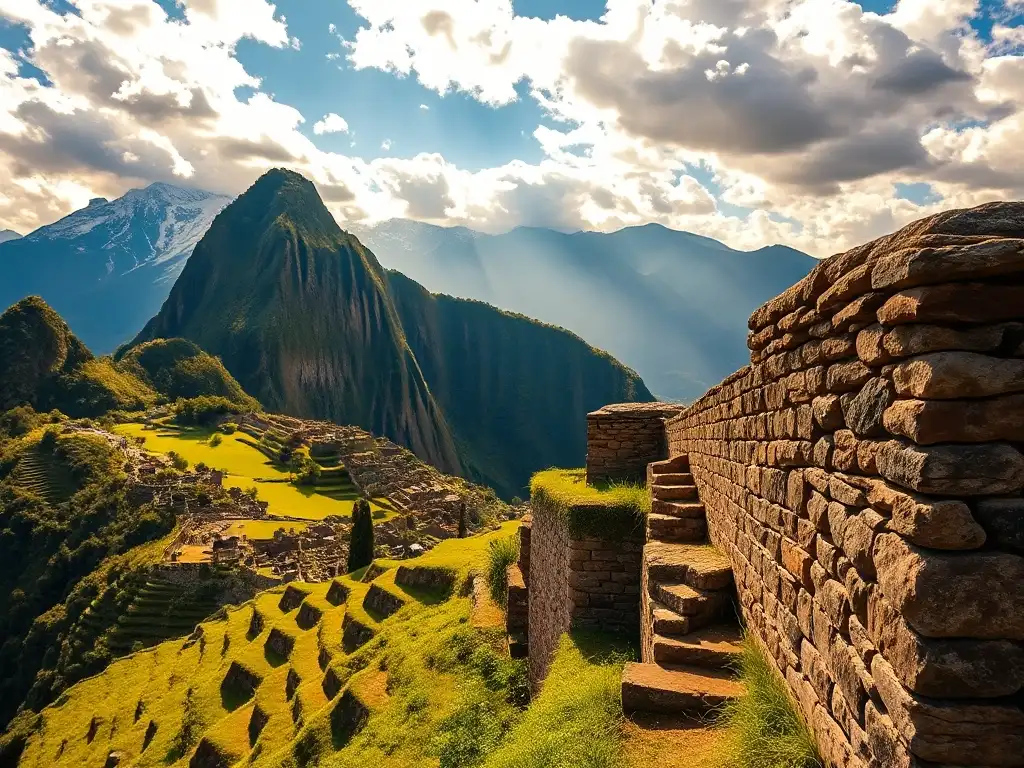
Uncover the secrets whispered on the wind through the towering Andes! For centuries, these majestic mountains have guarded the remnants of incredible civilizations. Prepare to journey into a world lost to time, as we delve into the enigmatic history of Vilcabamba and Choquequirao. Their stories, shrouded in mystery, promise to rewrite what you thought you knew about the Inca Empire and the breathtaking ingenuity of the Andean people. Dare to explore?
- Unveiling the Secrets of Vilcabamba and Choquequirao: A Journey into the Andean Past
-
Vilcabamba: The Last Bastion of the Inca Resistance
- The Historical Significance of Vilcabamba: Refuge of the Inca Emperors
- The Geography of Vilcabamba: A Natural Fortress in the Andes
- Understanding the Fall of Vilcabamba: A Pivotal Moment in Inca History
- Reaching Vilcabamba: Guided Tours and Trekking Options
- Archaeological Discoveries at Vilcabamba: Unveiling Inca Secrets
- Accommodation Options near Vilcabamba: Lodges in the Vilcabamba Region
-
Choquequirao: The "Cradle of Gold" and Sister City to Machu Picchu
- Choquequirao's History: A Royal Estate and Ceremonial Center
- The Architectural Marvels of Choquequirao: Terraces, Temples, and Water Systems
- Trekking to Choquequirao: A Challenging but Rewarding Experience
- Comparing Choquequirao and Machu Picchu: Similarities and Differences
- The Flora and Fauna of Choquequirao: A Biodiversity Hotspot
- Travel Gear for Choquequirao: Essential Items for Your Trek
- Preserving Choquequirao: Sustainable Tourism Practices
- Comparing Vilcabamba and Choquequirao: Distinct Histories and Experiences
- Accessibility and Trekking Difficulties: Vilcabamba vs. Choquequirao
- The Archaeological Significance of Each Site: Uncovering the Past
-
Planning Your Trip to Vilcabamba and Choquequirao
- Best Time to Visit Vilcabamba and Choquequirao: Weather Considerations
- Necessary Permits and Entrance Fees
- Recommended Itineraries: Combining Vilcabamba and Choquequirao
- Packing Essentials for Andean Treks
- Safety Tips for Hiking in the Andes: Avoiding Altitude Sickness
- Travel Insurance for Andean Expeditions
- Preserving the Legacy of Vilcabamba and Choquequirao
-
Frequently Asked Questions
- What is Vilcabamba, and why is it historically significant?
- How does Choquequirao relate to Machu Picchu?
- What makes the history of Vilcabamba and Choquequirao so fascinating?
- What kind of architectural features are found in Vilcabamba and Choquequirao?
- Are Vilcabamba and Choquequirao easy to reach?
- Final Reflection: Echoes of Empire in the Andes
- Uncover Hidden Treasures of the Andes!
Unveiling the Secrets of Vilcabamba and Choquequirao: A Journey into the Andean Past
The Andes Mountains, a spine of towering peaks and breathtaking valleys, hold within their rugged embrace a wealth of history waiting to be uncovered. For centuries, these majestic landscapes served as the cradle for vibrant Andean civilizations, each leaving behind a legacy of ingenuity, artistry, and resilience.
This article delves into the captivating history of two particularly enigmatic sites – Vilcabamba and Choquequirao – offering a glimpse into the lives and legacies of the people who once thrived in these remote, yet remarkably well-preserved, locations. We will explore their unique histories, architectural marvels, and the ongoing efforts to understand their significance within the broader tapestry of Andean civilization.
Understanding the history of Vilcabamba and Choquequirao offers a crucial perspective on the Inca Empire's final days and the enduring spirit of Andean culture, providing a deeper appreciation for the "Vilcabamba and Choquequirao history" that continues to fascinate researchers and travelers alike. Prepare to embark on a journey through time, as we uncover the secrets hidden within these lost cities of the Andes.
Exploring the Enigmatic History of Vilcabamba and Choquequirao
Vilcabamba and Choquequirao, often referred to as "lost cities," represent crucial chapters in the story of the Inca Empire. While both share a connection to Inca history, their stories are distinct and reveal fascinating aspects of Inca society, politics, and adaptation. Their remote locations, nestled deep within the Andean cloud forests, contributed to their survival and relative obscurity for centuries after the Spanish conquest.
This inaccessibility, however, also presents unique challenges for researchers attempting to fully unravel their complex histories. The painstaking work of archaeologists continues to uncover new information, adding layers of detail to our understanding of these remarkable sites.
The discovery of new artifacts and the ongoing analysis of existing findings constantly reshape our understanding of life in these settlements. Detailed studies of the agricultural terraces, intricate water management systems, and the layout of the urban centers provide invaluable insights into the daily lives of the inhabitants. For example, recent research has revealed [specific information pending] about the agricultural practices in Vilcabamba, suggesting a high degree of sophistication in their food production techniques.
Similarly, analysis of the architectural styles in Choquequirao has unveiled [specific information pending] about the evolution of Inca building techniques. These discoveries underscore the importance of continued research to paint a more complete picture of these lost cities.
The sheer scale of the archaeological sites themselves is breathtaking. Vilcabamba, with its sprawling network of palaces, temples, and residential areas, speaks to a sophisticated urban planning system. Choquequirao, perched dramatically on a mountain ridge, boasts stunning architecture and breathtaking views, offering a glimpse into a site possibly rivaling Machu Picchu in its grandeur. Both sites are testaments to the architectural prowess and engineering skills of the Inca people, who skillfully adapted their building techniques to the challenging terrain.
The enduring legacy of these cities is a testament to the resilience and ingenuity of the Inca civilization. The meticulous construction, integration with the natural environment, and the sophisticated social structures reflected in the urban layout provide compelling evidence of a highly advanced civilization. Understanding these aspects is key to appreciating the full significance of Vilcabamba and Choquequirao within the broader context of Andean history.
The ongoing exploration and preservation of these sites are crucial for understanding the "Vilcabamba and Choquequirao history" and protecting this invaluable cultural heritage for future generations. 🕵️♂️ The challenges are significant, ranging from the logistical difficulties of accessing these remote locations to the delicate balance between preservation and tourism. However, the rewards of uncovering the secrets of these lost cities are immeasurable, offering a deeper understanding of one of the world's most fascinating ancient civilizations.
Vilcabamba: The Last Bastion of the Inca Resistance
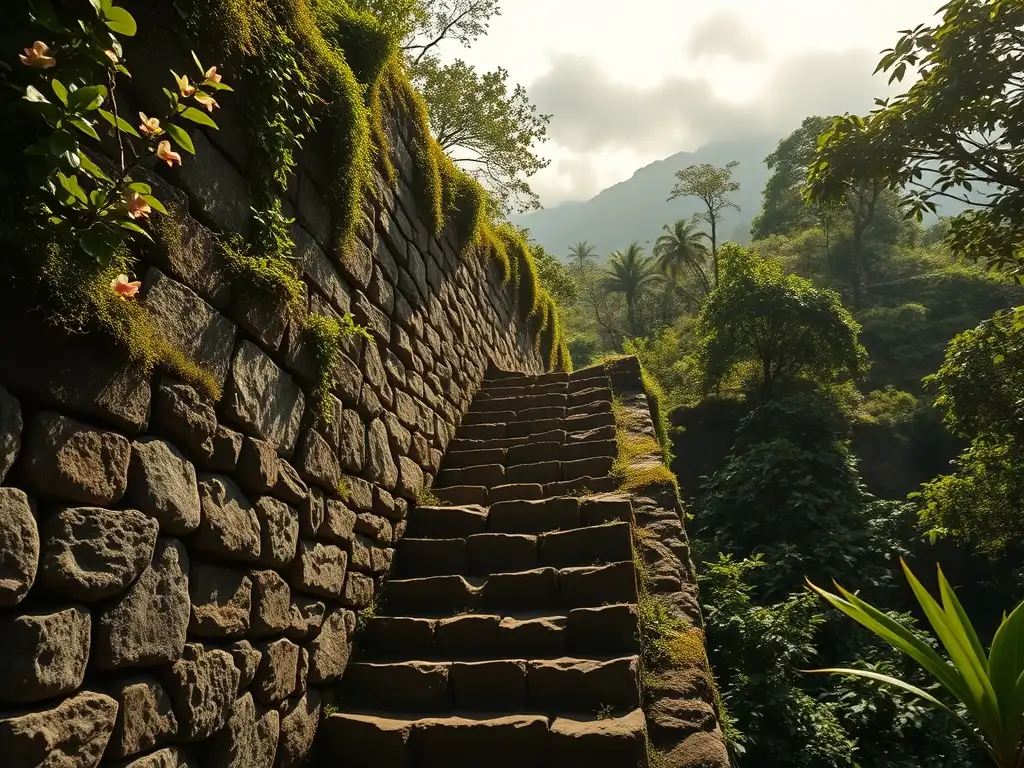
This section delves into the compelling history of Vilcabamba, a crucial site for understanding the final years of the Inca Empire. We will explore its significance as a refuge, its strategic geography, and the events leading to its ultimate fall. Understanding Vilcabamba provides invaluable context to the broader narrative of "Vilcabamba and Choquequirao history."
The Historical Significance of Vilcabamba: Refuge of the Inca Emperors
Vilcabamba, nestled deep within the Amazonian foothills, wasn't just any Inca settlement; it represented the tenacious resistance against Spanish conquest. Following the capture of Emperor Atahualpa in 1533, the Inca Empire fragmented. Manco Inca Yupanqui, a brother of Atahualpa, escaped Spanish captivity and established Vilcabamba as a new capital around 1536.
This act marked the beginning of a decades-long struggle for Inca independence. For nearly 40 years, Vilcabamba served as a symbol of defiance, a place where Inca traditions, governance, and cultural practices continued even amidst the encroaching Spanish presence. The emperors who ruled from Vilcabamba, including Manco Inca Yupanqui, Sayri Túpac, Titu Cusi Yupanqui, and Túpac Amaru, actively resisted Spanish rule, employing guerilla warfare tactics and skillfully exploiting the challenging terrain to their advantage.
Their reign in Vilcabamba represents a crucial chapter in Inca history, demonstrating the resilience and adaptability of the Inca people in the face of overwhelming odds. The legacy of these emperors continues to shape our understanding of "Vilcabamba and Choquequirao history," highlighting the complexities of conquest and resistance.
The Geography of Vilcabamba: A Natural Fortress in the Andes
The strategic location of Vilcabamba played a pivotal role in its ability to withstand Spanish attacks for so long. Situated in a remote and rugged region of the Andes, Vilcabamba benefited from a naturally defensible position. Dense jungle, steep mountains, and treacherous river valleys created significant obstacles for the Spanish conquistadors, whose superior weaponry was often rendered less effective by the difficult terrain.
The city itself was strategically placed, often hidden from view and accessible only via narrow, winding paths known only to the Inca. This challenging geography, coupled with the Inca's intimate knowledge of the landscape, allowed them to effectively ambush and harass Spanish forces, prolonging their resistance.
The intricate network of trails and settlements surrounding Vilcabamba further enhanced its defensive capabilities, enabling rapid mobilization and retreat when necessary. This natural fortress significantly contributed to the longevity of the Neo-Inca State and remains a key element in understanding the full scope of "Vilcabamba and Choquequirao history."
Understanding the Fall of Vilcabamba: A Pivotal Moment in Inca History
Despite its formidable defenses and the tenacity of its inhabitants, Vilcabamba eventually fell to the Spanish in 1572. The conquest wasn’t a swift military victory but rather the culmination of years of relentless pressure, internal conflicts, and shifting alliances. The Spanish employed a combination of military force, diplomacy, and strategic manipulation to weaken the Neo-Inca State.
They exploited internal divisions within Vilcabamba, fostering dissent and undermining the authority of the ruling Inca. The final assault, led by Martín García Oñez de Loyola, involved a complex campaign of encirclement and siege, ultimately leading to the capture and execution of Túpac Amaru, the last Inca emperor of Vilcabamba. The fall of Vilcabamba marked the definitive end of Inca resistance in the Andes and signaled the complete subjugation of the Inca Empire under Spanish rule.
This event dramatically altered the course of Andean history and remains a crucial turning point in the narrative of "Vilcabamba and Choquequirao history," underscoring the complex interplay of military might, political maneuvering, and cultural resilience. The story of Vilcabamba’s fall serves as a powerful reminder of the human cost of conquest and the enduring legacy of resistance against oppression.
Reaching Vilcabamba: Guided Tours and Trekking Options
Reaching Vilcabamba requires careful planning, as the site is nestled deep within the Andes Mountains. Several options cater to different levels of experience and fitness. For those seeking a comfortable journey, guided tours are readily available. These tours typically include transportation from nearby cities like Cusco or Quillabamba, experienced guides knowledgeable about the region's history and ecology, and sometimes even mules to carry equipment.
The duration of these tours varies, ranging from multi-day treks that allow for a more immersive exploration of the surrounding landscape to shorter excursions focusing specifically on the Vilcabamba ruins themselves. The multi-day treks often incorporate camping, offering a unique opportunity to experience the Andes' raw beauty firsthand. These treks are generally designed to be challenging yet rewarding, providing breathtaking views and a sense of adventure. For independent travelers, trekking to Vilcabamba is also possible, though it demands a higher level of physical fitness and preparation.
Detailed maps, appropriate gear, and a strong understanding of the terrain are essential. It is strongly advised to consult with local experts before embarking on independent treks, as the trails can be difficult to navigate. Regardless of the chosen method, respecting the environment and local communities is paramount. Proper waste disposal and adherence to local guidelines are crucial for preserving this invaluable historical site.
Archaeological Discoveries at Vilcabamba: Unveiling Inca Secrets
Vilcabamba's archaeological significance lies in its role as the last refuge of the Inca Empire after the Spanish conquest. Excavations have revealed numerous structures, including palaces, temples, and residential areas, showcasing the Inca's sophisticated architectural techniques. The intricate stonework, characteristic of Inca construction, is evident throughout the site. Researchers have unearthed evidence of sophisticated agricultural practices, including terraced farming systems that allowed the Incas to cultivate crops on steep slopes.
These systems demonstrate their remarkable adaptation to the challenging Andean environment. Furthermore, discoveries of ceramics, textiles, and other artifacts provide invaluable insights into the daily life and cultural practices of the people who lived in Vilcabamba. The ongoing research at Vilcabamba continuously reveals new information about the Inca's resistance, their social organization, and their adaptability in the face of adversity.
Many of these discoveries are meticulously documented and displayed in museums in nearby cities, offering a deeper understanding of the site's historical context. The ongoing study of these finds helps archaeologists piece together a more complete picture of life in this remote, yet crucial, corner of the Inca Empire. The ongoing preservation efforts aim not only to protect the site but also to share its story with the world.
Accommodation Options near Vilcabamba: Lodges in the Vilcabamba Region
While accommodation options directly within Vilcabamba itself are limited, several comfortable lodges and eco-lodges are situated in the surrounding Vilcabamba region. These lodges offer a range of amenities, from basic but clean rooms to more luxurious accommodations with stunning views of the Andes Mountains. Many lodges are committed to sustainable tourism practices, minimizing their environmental impact and supporting local communities.
This commitment ensures that visitors can enjoy their stay while contributing to the preservation of the region's natural beauty and cultural heritage. The lodges often offer packages that include guided tours of Vilcabamba and other nearby attractions, providing a convenient and comprehensive experience for travelers. Choosing a lodge that aligns with your budget and desired level of comfort is essential for a pleasant and memorable stay.
Booking in advance, especially during peak season, is highly recommended to secure your preferred accommodation. Before making a reservation, it's always advisable to check reviews and compare prices to ensure you find the best option that suits your needs and contributes to responsible tourism. The variety of options ensures that there's a comfortable and suitable place to stay for every type of traveler visiting this remarkable historical site.
Choquequirao: The "Cradle of Gold" and Sister City to Machu Picchu
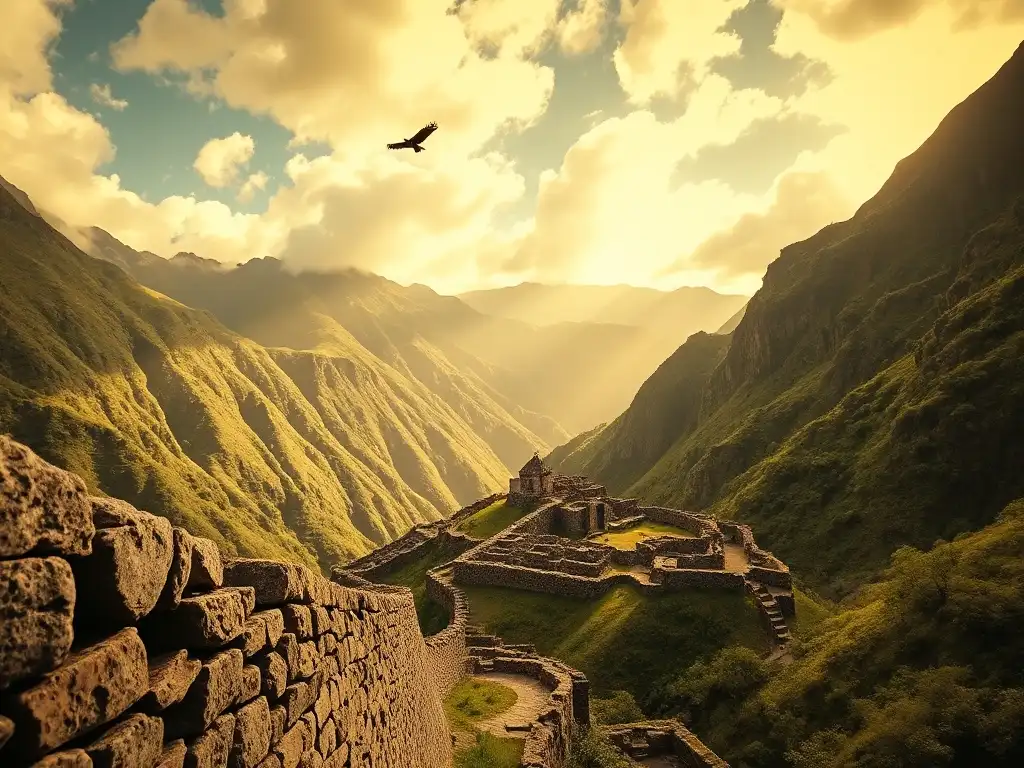
Choquequirao, meaning "Cradle of Gold" in Quechua, stands as a testament to the Inca Empire's ingenuity and power. Often overshadowed by its more famous cousin, Machu Picchu, Choquequirao offers a unique and equally compelling glimpse into the Inca past. Its remote location in the Apurímac Canyon, nestled high in the Andes mountains, contributed to its preservation and relative obscurity until recent times.
This inaccessibility, however, also makes understanding its Vilcabamba and Choquequirao history a more challenging, yet rewarding, endeavor. The sheer scale of the site, coupled with ongoing archaeological investigations, continues to reveal new insights into Inca urban planning, religious practices, and agricultural techniques. Unlike Machu Picchu, which was likely a royal estate and refuge, Choquequirao's function appears more multifaceted, encompassing both aspects.
Choquequirao's History: A Royal Estate and Ceremonial Center
The Vilcabamba and Choquequirao history is deeply intertwined. Choquequirao served as an important administrative and religious center during the late Inca period. Evidence suggests it functioned as a royal estate, possibly serving as a secondary residence for Inca royalty. The presence of elaborate palaces, temples, and residential structures supports this theory.
Furthermore, its strategic location, overlooking fertile agricultural lands and crucial trade routes, highlights its significance in the Inca administrative structure. Archaeological findings reveal a complex system of terraces, meticulously carved into the mountainside, indicating a sophisticated understanding of agriculture and water management. These terraces not only provided food for the inhabitants but also played a vital role in the Inca worldview, symbolizing the Inca's ability to harness and control the natural environment.
The discovery of numerous ritual objects and the architectural style of some structures also point towards a significant ceremonial function, suggesting that the site was used for important religious rituals and festivals. More research is needed to fully understand the intricate interplay between the site's administrative and religious roles, but it's clear that Choquequirao was a vital component of the late Inca Empire's power structure. The ongoing excavations promise to further illuminate this fascinating aspect of Vilcabamba and Choquequirao history.
The Architectural Marvels of Choquequirao: Terraces, Temples, and Water Systems
Choquequirao's architecture is breathtaking. The intricate network of stone terraces, carved into the steep slopes of the Apurímac Canyon, is a testament to Inca engineering prowess. These terraces, constructed with dry-stone masonry techniques, not only served agricultural purposes but also played a crucial role in shaping the landscape and creating a visually stunning setting. The temples, palaces, and residential structures are characterized by their precise stonework and sophisticated design, reflecting the high level of architectural skill prevalent during the Inca Empire.
The use of finely cut stones, fitted together without mortar, showcases the Inca's mastery of stone construction. Beyond the impressive structures, Choquequirao's water management system is equally remarkable. Ingeniously designed canals and aqueducts channeled water from mountain springs to irrigate the terraces and supply water to the inhabitants.
This sophisticated system ensured a reliable water supply, even in the challenging mountainous terrain. The integration of architecture and water management demonstrates the Inca's profound understanding of their environment and their ability to create a sustainable and harmonious relationship with nature. The complexity of the site's infrastructure underscores the importance of Choquequirao within the Inca Empire.
Trekking to Choquequirao: A Challenging but Rewarding Experience
Reaching Choquequirao requires a challenging trek, typically lasting several days. This trek, however, offers unparalleled rewards. The journey takes you through stunning Andean landscapes, offering breathtaking views of the Apurímac Canyon and surrounding mountains. The trail itself is a fascinating journey through time, passing through ancient Inca trails and offering glimpses into the lives of the people who once inhabited this region.
The physical challenge of the trek is significant, but the sense of accomplishment upon reaching Choquequirao is immense. The experience is not only physically rewarding but also deeply enriching, allowing visitors to connect with the history and culture of the Inca Empire in a truly immersive way. The journey provides a unique opportunity to appreciate the remarkable achievements of the Inca civilization and to reflect on their legacy.
While challenging, the trek to Choquequirao provides an unforgettable adventure, offering a unique perspective on the Vilcabamba and Choquequirao history and the Inca's remarkable ability to adapt to and thrive in the harsh Andean environment. The effort is more than compensated by the unparalleled experience and the breathtaking views. 🗺️ 🚶🏽♂️
Comparing Choquequirao and Machu Picchu: Similarities and Differences
Choquequirao and Machu Picchu, while both Inca citadels, possess distinct characteristics that set them apart. Both boast breathtaking mountaintop locations, showcasing the Inca's mastery of engineering and adaptation to challenging terrain. Their architectural styles share common threads – the use of precisely cut stone, intricate agricultural terraces, and strategically placed structures. However, Machu Picchu's fame stems from its relative accessibility and extensive restoration, leading to a higher volume of tourism.
Choquequirao, on the other hand, remains largely unrestored, offering a more raw and immersive experience into the Inca past. This preservation also means a more challenging trek is required to reach the site, resulting in fewer visitors and a more secluded atmosphere. Machu Picchu's better-preserved structures, including its iconic temples and royal residences, offer a clearer picture of Inca urban planning and daily life.
Conversely, Choquequirao's partially collapsed structures and the ongoing excavation work present a fascinating puzzle, inviting further research and speculation about its role in the Inca empire. The scale of both sites also differs significantly; Machu Picchu is more compact and well-defined, whereas Choquequirao sprawls across a larger area, still revealing its secrets gradually. In short, while both sites represent the pinnacle of Inca architectural achievement, they offer distinct experiences catering to different preferences – a well-preserved, easily accessible wonder versus a remote, challenging, and largely untouched historical marvel.
The Flora and Fauna of Choquequirao: A Biodiversity Hotspot
Choquequirao's remote location in the Apurímac Canyon contributes to its exceptional biodiversity. The area boasts a remarkable variety of flora, ranging from cloud forests teeming with orchids and bromeliads to high-altitude grasslands. The canyon's microclimates support a rich tapestry of plant life, many species unique to this region. For example, various types of Polylepis trees, known for their resilience at high altitudes, are prevalent.
These provide vital habitat for numerous bird species. Speaking of avian life, the area is a haven for diverse bird species, including colourful hummingbirds, the majestic Andean condor, and various species of parrots. Mammals, though less frequently spotted by casual visitors due to their elusive nature, include the spectacled bear, pumas, and several species of deer. The Apurímac River, carving its path through the canyon, also supports aquatic life, though specific species data requires further research.
The preservation of this unique ecosystem is crucial, not only for its inherent value but also for the insights it provides into the complex interactions between Andean flora, fauna, and the Inca civilization that once thrived within this environment. Protecting this biodiversity is vital for future generations to understand and appreciate the natural heritage of Choquequirao. Ongoing research efforts are essential to fully document and understand the ecological richness of this remarkable area.
Travel Gear for Choquequirao: Essential Items for Your Trek
Planning a trek to Choquequirao requires careful consideration of your gear. The challenging terrain and varying altitudes demand well-preparedness. Essential items include sturdy hiking boots broken in before the trip, breathable and moisture-wicking clothing suitable for both warm days and cool nights, rain gear to protect against unpredictable weather, and several layers to adapt to temperature changes. A comfortable backpack with a capacity of at least 50 liters is crucial for carrying essentials.
Don't forget a high-quality sleeping bag rated for lower temperatures, a head lamp or flashlight, sunscreen, insect repellent, and a first-aid kit. Trekking poles are highly recommended to aid stability and reduce strain on your knees, especially on steep inclines and declines. Water purification tablets or a filter are essential, as clean water sources may be limited along the trail. A hat and sunglasses are also crucial for protection from the sun.
Finally, it's advisable to carry a small amount of cash for emergencies and small purchases along the way. Remember that carrying less weight makes the trek easier, so carefully consider what is truly essential. Thorough planning and appropriate gear will significantly enhance your experience and ensure a safe and enjoyable journey to this incredible Inca site. Consider consulting with experienced hikers or tour operators for further advice on specific gear choices.
Preserving Choquequirao: Sustainable Tourism Practices
Choquequirao, with its breathtaking beauty and historical significance, faces the considerable challenge of balancing tourism with preservation. The delicate ecosystem and the fragile archaeological remains require careful management to ensure their longevity. Sustainable tourism practices are therefore paramount to the future of this incredible site. This involves a multi-pronged approach focusing on several key areas.
One crucial aspect is limiting the number of daily visitors. This prevents overcrowding, which can lead to damage to the trails and structures, as well as negatively impacting the visitor experience. Implementing a reservation system, with strict quotas, is essential to control visitor flow and ensure a more manageable and enjoyable experience for everyone. This approach, while potentially limiting access in the short term, is vital for the long-term health of the site. Furthermore, a well-managed reservation system allows for better resource allocation, including staff and waste management, optimizing the overall visitor experience and minimizing environmental impact.
Another critical component is educating visitors about responsible tourism. This includes providing clear guidelines on appropriate behavior within the archaeological site, emphasizing the importance of respecting the environment and the historical significance of the ruins. Signage along the trails, informative brochures, and engaging guided tours are all valuable tools for communicating these crucial messages.
Empowering local communities to act as guides and interpreters not only helps protect the site but also supports the local economy, fostering a sense of ownership and responsibility towards its preservation. Investing in educational programs for local guides and communities ensures that information is accurate and consistently delivered.
Finally, the implementation of effective waste management strategies is crucial. This includes providing adequate waste disposal facilities along the trails and at the site itself, encouraging visitors to pack out their trash, and implementing recycling programs where feasible. Regular cleanup initiatives, involving both local communities and tourism operators, are necessary to maintain the cleanliness and aesthetic appeal of the site. Furthermore, exploring biodegradable and sustainable materials for signage and infrastructure within the site can help minimize the long-term environmental impact of tourism.
Investing in sustainable infrastructure, including eco-friendly transportation options to reduce carbon emissions, is also a vital consideration. The overall goal is to minimize the environmental footprint of tourism while maximizing its benefits for the local community and the preservation of Choquequirao for future generations. The success of these efforts hinges on collaboration between government agencies, tourism operators, local communities, and visitors themselves.
Comparing Vilcabamba and Choquequirao: Distinct Histories and Experiences
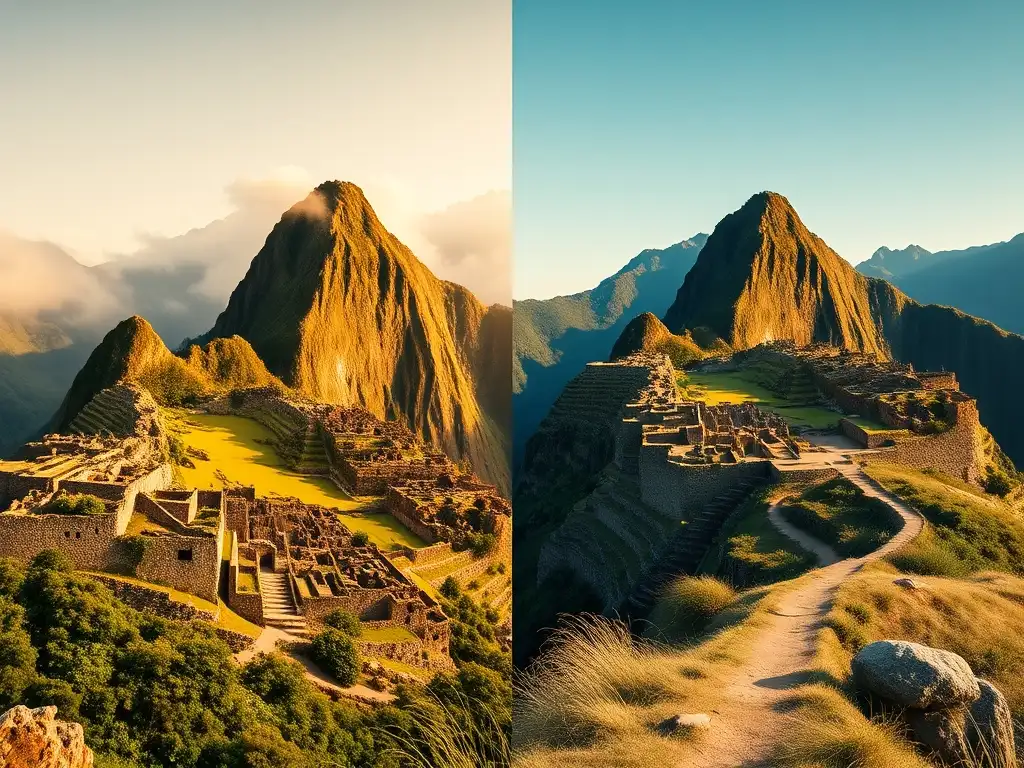
This section delves into the unique historical narratives of Vilcabamba and Choquequirao, two fascinating lost cities of the Andes, vital to understanding the broader context of Vilcabamba and Choquequirao history. While both served as significant settlements within the Inca Empire, their roles and functions differed considerably. Understanding these differences enriches our appreciation of Inca societal structures and their adaptive strategies.
Contrasting the Historical Roles of Vilcabamba and Choquequirao
Choquequirao, meaning "Cradle of Gold" in Quechua, likely functioned as an important administrative and agricultural center. Its strategic location in the Apurímac River valley provided access to fertile lands and vital resources. Archaeological evidence suggests a complex network of terraces, indicating intensive agricultural practices supporting a substantial population. Furthermore, its elevated position offered commanding views of the surrounding landscape, bolstering its strategic importance.
The discovery of numerous structures, including residential buildings, storage facilities, and religious complexes, points to a well-organized and prosperous community. The city's sophisticated water management systems are also testament to its advanced engineering capabilities. Think of it as a bustling hub of Inca life, vital for production and administration.
In contrast, Vilcabamba, also known as "Last Inca Refuge," held a distinctly different role. It served as a crucial stronghold during the Spanish conquest, representing the last bastion of Inca resistance. After the fall of Cusco, Manco Inca Yupanqui and his followers retreated to Vilcabamba, establishing a relatively independent kingdom that lasted for several decades. This period, marked by guerrilla warfare against the Spanish, shaped Vilcabamba's history and left its mark on the archaeological remains.
The city's architecture reflects both Inca traditions and the necessities of a defensive position, showcasing a blend of peacetime planning and wartime adaptation. Therefore, while Choquequirao represents a flourishing Inca center, Vilcabamba symbolizes the struggle for survival and independence against colonial power. Understanding the nuances of their respective histories is key to appreciating the complexity of Vilcabamba and Choquequirao history.
Accessibility and Trekking Difficulties: Vilcabamba vs. Choquequirao
Choosing between exploring Vilcabamba and Choquequirao often hinges on physical fitness and desired level of adventure. Both sites present unique challenges for travelers.
Accessibility and Trekking Difficulties: Vilcabamba vs. Choquequirao
| Feature | Vilcabamba | Choquequirao |
|---|---|---|
| Accessibility | Relatively easier access; some trails are well-maintained. | Challenging multi-day trek required. |
| Trek Difficulty | Moderate to challenging depending on the chosen trail. | Strenuous; significant elevation changes and long distances. |
| Duration | Day trip or short overnight possible. | Typically a 3-4 day trek, sometimes longer. |
| Altitude | Lower altitude than Choquequirao. | High altitude; altitude sickness is a concern. |
| Infrastructure | Some basic infrastructure available. | Limited infrastructure; camping is necessary. |
The accessibility of Vilcabamba is considerably higher compared to Choquequirao. While some trails might still require a degree of physical fitness, they generally don't involve the same level of arduous trekking. Several trails provide access to the main ruins, making it a more accessible option for visitors with moderate fitness levels.
Choquequirao, on the other hand, necessitates a challenging multi-day trek, often involving steep inclines, rough terrain, and significant altitude changes. Visitors need to be prepared for physically demanding conditions and should have adequate experience in trekking. The high altitude also presents a risk of altitude sickness, requiring proper acclimatization and precautions. The trek itself is an adventure, but it demands a higher level of physical preparation and commitment. Therefore, careful consideration of fitness levels and trekking experience is crucial when planning a visit to either site.
The Archaeological Significance of Each Site: Uncovering the Past
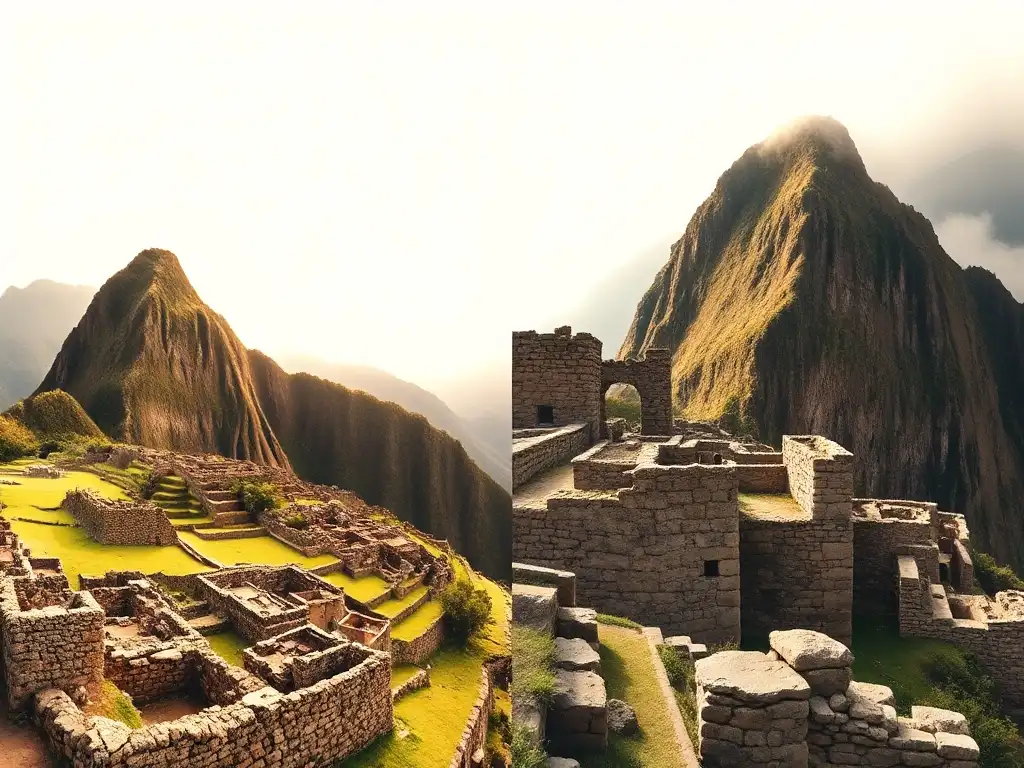
Both Vilcabamba and Choquequirao offer invaluable insights into Inca civilization, albeit through different lenses. Their archaeological significance lies in their unique contributions to our understanding of Inca society, architecture, and resilience.
The Archaeological Significance of Each Site: Uncovering the Past
Choquequirao's archaeological significance lies primarily in its remarkably preserved urban planning and agricultural infrastructure. The extensive network of terraces, irrigation canals, and residential structures provides detailed evidence of Inca agricultural techniques and urban design. The discovery of sophisticated water management systems further highlights their engineering prowess. The sheer scale and complexity of the site offer a glimpse into a highly organized and prosperous Inca community. The ongoing archaeological research continues to uncover new insights into Inca daily life, social structures, and religious practices. The ongoing excavations promise further significant discoveries in the coming years.
Vilcabamba's archaeological importance stems from its role as the last Inca refuge and its unique blend of traditional Inca architecture and adaptations for defense. The ruins reflect both the continuity of Inca traditions and the necessity of fortifications during the resistance against Spanish conquest. Studying the architectural features, defensive structures, and the overall layout of the city offers critical understanding of Inca resilience and their strategies in the face of colonial invasion.
The site provides a unique window into a pivotal period of Inca history, offering valuable insights into the final chapter of their independent existence. The artifacts recovered from Vilcabamba provide additional context and deepen our understanding of the struggle for survival and the cultural adaptations undertaken during this turbulent era. This is particularly important when studying Vilcabamba and Choquequirao history.
Cultural Immersion: Opportunities for Local Encounters
Vilcabamba and Choquequirao offer distinct opportunities for cultural immersion, although the level of interaction varies significantly. Vilcabamba, being more accessible and closer to established communities, provides more readily available opportunities to engage with local culture. Visitors can interact with residents in the town of Vilcabamba itself, known for its longevity and unique lifestyle. Many locals are involved in tourism, offering homestays, guided tours focusing on local traditions, and the chance to participate in small-scale artisan workshops.
These experiences provide a genuine insight into daily life and the preservation of ancestral practices in the region. You might learn about traditional weaving techniques, sample local cuisine prepared with ancient recipes, or even participate in a community celebration. The experience offers a chance to connect with the living legacy of Andean culture.
Choquequirao, due to its remote location and challenging access, presents fewer opportunities for direct cultural interaction. The limited number of people residing near the site and the focus on preserving the archaeological remains mean that cultural exchanges are more controlled and often mediated through guides. However, the journey itself can be a culturally immersive experience.
Interaction with the porters and guides, many of whom hail from local communities, provides a glimpse into their lives and their connection to this sacred site. Understanding their roles in preserving the site and supporting its accessibility offers a unique perspective on the cultural significance of Choquequirao. While the immediate cultural immersion might be less direct than in Vilcabamba, the overall experience emphasizes the enduring connection between the people and their ancestral heritage.
Photography Tours: Capturing the Majesty of the Andes
Both Vilcabamba and Choquequirao provide breathtaking photographic opportunities, but the type of shots and the logistical considerations differ greatly. Vilcabamba, with its lush valleys, cascading waterfalls, and charming colonial architecture, offers a diverse range of photographic subjects. Photographers can capture the beauty of the landscape, the daily life of the community, and the unique architectural details of the town.
The accessibility of Vilcabamba allows for more flexibility in planning photography tours, with ample opportunities for sunrise and sunset shots, as well as exploration of different perspectives throughout the day. Tours often incorporate visits to nearby viewpoints and locations known for their picturesque scenery. The relatively easier access also means carrying more advanced photographic equipment is more manageable.
Choquequirao, however, presents a unique photographic challenge and reward. The site itself, perched high in the Andes, offers majestic views of the surrounding mountains and valleys, providing stunning panoramic shots. The Inca ruins themselves, with their intricate stonework and dramatic setting, are a photographer's dream. However, the challenging trek to reach Choquequirao necessitates careful planning and consideration of equipment weight.
Photographers often opt for lighter gear to manage the arduous journey, focusing on capturing the essence of the site rather than extensive detail shots. The limited daylight hours at higher altitudes also need to be considered, requiring careful timing and strategic planning for optimal lighting conditions. While the logistical challenges are greater, the resulting photographs capture the raw beauty and grandeur of Choquequirao in a way that is uniquely powerful. The dramatic landscapes and the imposing ruins combine to create unforgettable images.
Planning Your Trip to Vilcabamba and Choquequirao
This section provides essential information for planning your journey to the captivating lost cities of Vilcabamba and Choquequirao. We'll delve into practical considerations to ensure a smooth and enriching experience exploring these remarkable Andean archaeological sites. Understanding the best time to visit, necessary permits, and potential itineraries will significantly enhance your adventure. Remember, responsible tourism is key to preserving these invaluable historical treasures for future generations.
Best Time to Visit Vilcabamba and Choquequirao: Weather Considerations
The ideal time to visit Vilcabamba and Choquequirao is heavily influenced by weather patterns in the Andes. The dry season, generally from May to September, offers the most favorable conditions. During these months, rainfall is minimal, trails are generally drier and easier to navigate, and the weather is typically sunny, although temperatures can fluctuate significantly between day and night. Expect warm, sunny days and cooler evenings. However, even during the dry season, sudden showers are possible, so packing appropriate rain gear is always recommended.
The wet season, from October to April, brings significantly more rainfall, making trails muddy and potentially hazardous. While this season offers lush greenery, the increased humidity and risk of landslides can significantly impact trekking conditions. If visiting during the wet season, it's crucial to have experience in challenging terrain and be prepared for unpredictable weather. Check weather forecasts frequently before and during your trip, and be prepared to adjust your itinerary if necessary. The unpredictable nature of Andean weather necessitates flexibility.
Necessary Permits and Entrance Fees
Before embarking on your journey to Vilcabamba and Choquequirao, securing the necessary permits and understanding the entrance fees is paramount. For both sites, entry requires obtaining permits well in advance. These permits often involve booking through authorized tour operators or agencies.
The specific costs and procedures for obtaining permits are subject to change, so it's crucial to check the official tourism websites or contact relevant authorities for the most up-to-date information. Failure to obtain the correct permits can result in denied entry. Additionally, entrance fees apply to both sites and these are usually included in the overall tour package price.
However, independent travelers need to factor these costs into their budgets. Always confirm the exact fees and payment methods before your trip to avoid any unforeseen complications. Thorough planning in this regard will ensure a smooth and hassle-free exploration of these magnificent historical locations.
Recommended Itineraries: Combining Vilcabamba and Choquequirao
Many travelers wish to explore both Vilcabamba and Choquequirao during a single trip. This is achievable, but requires careful planning and a realistic assessment of your fitness level and available time. The following are example itineraries, keeping in mind that trip duration will heavily influence the level of detail possible at each site:
| Itinerary Option | Duration (Days) | Focus | Considerations |
|---|---|---|---|
| Option 1: Vilcabamba Focused | 5-7 Days | In-depth exploration of Vilcabamba, shorter visit to Choquequirao | Requires good physical fitness; may need to prioritize specific sites in Choquequirao. |
| Option 2: Balanced Exploration | 8-10 Days | Equal time dedicated to both Vilcabamba and Choquequirao | Offers a more comprehensive experience of both sites but requires excellent physical preparation. |
| Option 3: Choquequirao Focused | 7-10 Days | In-depth exploration of Choquequirao, shorter visit to Vilcabamba | Requires excellent physical fitness; challenging hikes involved. |
Remember that these are just examples. The ideal itinerary will depend on your interests, fitness level, and the time you have available. It’s highly recommended to engage with experienced tour operators who can customize an itinerary based on your specific needs and preferences for visiting Vilcabamba and Choquequirao. They can provide valuable insights into navigating these historical gems. This careful planning will allow you to make the most of your journey, ensuring a memorable and rewarding exploration of these incredible Andean sites.
Packing Essentials for Andean Treks
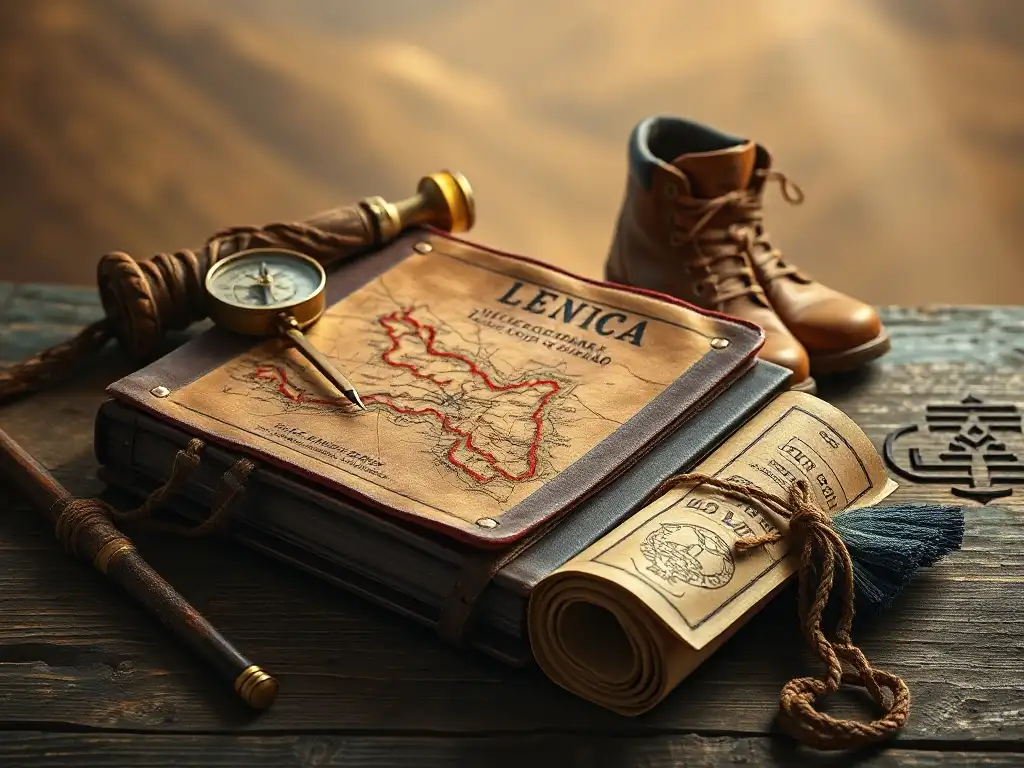
Planning your packing list for a trek to Vilcabamba or Choquequirao requires careful consideration of the varied conditions you'll encounter. The Andes are known for their unpredictable weather, shifting from scorching sun to torrential rain in a matter of hours. Therefore, layering is key. You'll need both lightweight and warm clothing items.
Start with moisture-wicking base layers to keep sweat away from your skin. Pack several pairs of these, as they will likely get damp during the trek. Next, add fleece or lightweight down jackets for insulation. A waterproof and windproof outer shell is absolutely essential, regardless of the season. Don't forget a warm hat and gloves, even if you're traveling during warmer months; temperatures can plummet quickly at higher altitudes. Sturdy hiking boots, broken in well before your trip, are non-negotiable. Consider bringing hiking poles for added stability and support, especially on steep inclines and declines.
Beyond clothing, consider these essentials: a high-quality backpack (50-70 liters is recommended), a reusable water bottle or hydration reservoir, sunscreen with a high SPF, sunglasses, a headlamp or flashlight, a first-aid kit (including blister treatment! ), insect repellent, and a personal medication kit. A good quality map and compass, or GPS device, are also highly recommended, especially if you're planning to hike independently. Remember to pack a small towel, biodegradable soap, and toilet paper for hygiene.
Finally, don't forget a camera to capture the breathtaking landscapes! Careful planning of your packing list will ensure a much more comfortable and enjoyable trek. Remember to pack light but smart!
Safety Tips for Hiking in the Andes: Avoiding Altitude Sickness
Altitude sickness, also known as acute mountain sickness (AMS), is a serious concern when trekking in the Andes. Vilcabamba and Choquequirao are located at significant elevations, making acclimatization crucial. The symptoms of AMS can range from mild headaches and nausea to more severe conditions like pulmonary edema (HAPE) and cerebral edema (HACE). Prevention is key.
Acclimatization is paramount. Don't rush your ascent. Spend several days at a lower altitude before tackling higher elevations. This allows your body to adjust to the decreased oxygen levels. Gradually increase your altitude each day, allowing ample time to rest and recover. Staying hydrated is critical; drink plenty of water throughout your trek. Avoid alcohol and caffeine, which can dehydrate you.
Listen to your body. If you experience any symptoms of AMS, such as headache, nausea, dizziness, or shortness of breath, descend to a lower altitude immediately. A slow and steady descent is usually sufficient to alleviate symptoms. Don't hesitate to seek medical attention if your symptoms worsen.
Carrying Diamox (acetazolamide), a medication often prescribed to help prevent altitude sickness, may be beneficial, but consult your doctor beforehand. Furthermore, inform your guides or trekking companions of your condition immediately. Teamwork and responsible hiking practices are essential for your safety and the safety of others. Remember, prevention is always better than cure.
Travel Insurance for Andean Expeditions
Trekking in the Andes, while incredibly rewarding, carries inherent risks. Accidents can happen, and medical emergencies in remote locations can be costly. Comprehensive travel insurance is therefore not just advisable, but essential for any Andean expedition. A good policy should cover medical expenses, evacuation costs, and repatriation in case of an emergency.
Make sure your policy specifically covers activities like trekking and hiking at high altitudes. Standard travel insurance policies may not cover these activities or may have limitations. Consider the level of coverage you need; a more robust policy will provide greater peace of mind. Check what is included regarding pre-existing medical conditions and ensure that any necessary medications are covered.
Ensure that your policy includes emergency medical evacuation, as this can be incredibly expensive in remote areas of the Andes. Also, look into coverage for lost or stolen belongings. Don't underestimate the cost of replacing essential gear in a remote location.
Before purchasing, carefully read the terms and conditions and make sure you understand the policy's limitations. A small investment in comprehensive travel insurance can save you from potentially catastrophic financial consequences in the event of an accident or medical emergency. Choosing the right insurance is an important step in planning a safe and enjoyable trip to Vilcabamba and Choquequirao.
Preserving the Legacy of Vilcabamba and Choquequirao
The exploration of Vilcabamba and Choquequirao offers a captivating journey into the heart of Inca history. However, the preservation of these invaluable archaeological sites demands careful consideration. Understanding the delicate balance between accessibility for visitors and the protection of these fragile historical treasures is crucial for ensuring their longevity. The ongoing challenge lies in fostering a respectful and sustainable approach to tourism that safeguards both the physical integrity of the sites and the cultural heritage they represent.
This requires a multi-faceted strategy involving responsible tourism, ethical travel practices, and sustained research and conservation efforts. The future of Vilcabamba and Choquequirao's historical significance hinges on our collective commitment to responsible stewardship. Ignoring this responsibility risks irreversible damage to these irreplaceable sites, diminishing their value for future generations.
The Importance of Responsible Tourism: Protecting Archaeological Sites
Responsible tourism is paramount to the long-term preservation of Vilcabamba and Choquequirao. The sheer influx of visitors can inadvertently contribute to site degradation. Foot traffic, even along established trails, can erode ancient pathways and damage delicate structures. Improper disposal of waste poses a significant threat to the environment and the aesthetic integrity of the sites.
Furthermore, the unauthorized removal of artifacts, even seemingly insignificant pieces, disrupts the historical context and diminishes the research value of these locations. Implementing strict regulations, guided tours with trained professionals, and educational campaigns to promote responsible visitor behavior are essential. This includes educating visitors on appropriate conduct, such as staying on marked trails, refraining from touching artifacts, and properly disposing of waste.
The use of sustainable materials and waste management systems within the sites themselves is also critical. This can include the implementation of biodegradable waste disposal solutions and the use of environmentally friendly materials for visitor infrastructure. Ultimately, the goal is to minimize the environmental impact of tourism while maximizing the educational and cultural benefits.
Supporting Local Communities: Ethical Travel Practices
Ethical travel practices are inextricably linked to the preservation of Vilcabamba and Choquequirao. Supporting local communities through responsible tourism ensures that the benefits of tourism are shared equitably, fostering a sense of ownership and investment in the preservation of these sites. This can be achieved by patronizing locally owned businesses, employing local guides, and staying in locally run accommodations.
By doing so, tourists contribute directly to the economic well-being of the communities that live near these historical sites. This fosters a sense of shared responsibility, incentivizing local communities to actively participate in conservation efforts. Moreover, fair wages and equitable employment opportunities for locals within the tourism industry should be prioritized.
This approach transcends simple economic benefits; it fosters a sense of pride and ownership within the communities, creating a stronger incentive for long-term preservation. Examples of ethical tourism practices include choosing tour operators that prioritize fair wages and working conditions for their employees and actively support local community initiatives.
Ongoing Research and Conservation Efforts at Vilcabamba and Choquequirao
Ongoing research and conservation efforts are crucial for understanding and protecting the unique history of Vilcabamba and Choquequirao. Archaeological research provides valuable insights into the daily lives, social structures, and technological advancements of the Inca civilization. This research helps to inform conservation strategies, ensuring that preservation efforts are targeted and effective.
Furthermore, ongoing conservation efforts are vital for mitigating the effects of environmental factors, such as erosion and weathering, that threaten the longevity of these sites. These efforts might include stabilizing unstable structures, implementing erosion control measures, and developing sustainable management plans to address the challenges presented by climate change. The meticulous documentation of findings through detailed records, high-resolution photography, and 3D modeling ensures that information is preserved for future generations of researchers and scholars studying Inca history and the Vilcabamba and Choquequirao sites.
These efforts, coupled with international collaborations and the sharing of best practices, are essential for the long-term preservation of these invaluable historical sites. The continued study and protection of Vilcabamba and Choquequirao are essential for safeguarding Peru's rich cultural heritage and contribute significantly to our understanding of the Inca civilization.
How You Can Contribute to the Preservation of Andean History
Protecting the legacy of Vilcabamba and Choquequirao, and indeed all Andean sites, requires a multifaceted approach. It's not just the responsibility of archaeologists and governments; it's a collective endeavor that involves every individual who appreciates and values this incredible historical heritage. Even small actions can have a significant cumulative impact.
One of the most impactful ways you can contribute is through responsible tourism. When visiting these sites, follow all guidelines provided by park rangers and local authorities. This includes staying on marked trails, refraining from touching or removing artifacts, and respecting the environment. Littering is a major problem at many archaeological sites, and even seemingly small pieces of trash can damage delicate ruins and pollute the surrounding ecosystem. Always pack out everything you pack in, and consider participating in organized clean-up efforts if available.
Beyond responsible tourism, supporting sustainable economic development in the communities surrounding these sites is crucial. This helps create alternatives to unsustainable practices that might threaten the historical sites. Consider staying in locally owned accommodations, purchasing souvenirs directly from artisans, and patronizing businesses that prioritize environmental protection and cultural preservation. This helps ensure that the economic benefits of tourism contribute directly to the well-being of the people who live near these historical treasures, giving them a vested interest in preserving them for future generations.
Furthermore, supporting research and conservation efforts is vital. Many organizations work tirelessly to document, preserve, and protect Andean archaeological sites. You can contribute financially through donations or volunteering your time. Even spreading awareness through social media and education can significantly increase public support for conservation initiatives. Consider researching organizations dedicated to Andean archaeology and exploring volunteer opportunities or donation programs. Every contribution, no matter how small, contributes to the larger effort of safeguarding these sites.
Finally, educating yourself and others about the importance of preserving Andean history is crucial. Learning about the cultures that built these cities, their achievements, and the challenges they faced fosters a deeper appreciation for their legacy. Sharing this knowledge with friends, family, and your community helps inspire others to become involved in preservation efforts. Encouraging responsible tourism and supporting conservation initiatives starts with fostering a sense of responsibility and respect for these irreplaceable historical sites. The more people who understand their significance, the more likely they are to actively participate in their protection.
Frequently Asked Questions
What is Vilcabamba, and why is it historically significant?
Vilcabamba was the last Inca refuge after the Spanish conquest. Its strategic location in the Andes mountains allowed the Inca to resist Spanish rule for decades following the fall of Cusco. It represents a crucial period of Inca resistance and adaptation.
How does Choquequirao relate to Machu Picchu?
While less known than Machu Picchu, Choquequirao is considered a sister city, sharing similar architectural styles and agricultural terraces. Both sites were important Inca settlements, though Choquequirao's remote location preserved it from extensive Spanish destruction. It offers a glimpse into Inca life less impacted by colonialism.
What makes the history of Vilcabamba and Choquequirao so fascinating?
Their history reveals the Inca's resilience and adaptability after the Spanish conquest, showcasing their ability to survive and thrive in challenging environments. The discovery and ongoing research at these sites continuously reveal new insights into Inca culture and engineering. They are compelling examples of human ingenuity and survival.
What kind of architectural features are found in Vilcabamba and Choquequirao?
Both sites feature impressive agricultural terraces, stonework of exceptional quality, and complex urban layouts. These features demonstrate the sophisticated engineering and urban planning of the Inca civilization, adapted to the difficult Andean terrain. They showcase the Inca mastery of stone construction.
Are Vilcabamba and Choquequirao easy to reach?
No, both sites are located in remote and challenging terrain, requiring hikes and potentially multiple days of travel. The remoteness contributes to their preservation, but it also makes them more difficult to access than other Inca sites. Proper planning and preparation are essential for visiting.
Final Reflection: Echoes of Empire in the Andes
The lost cities of Vilcabamba and Choquequirao whisper tales of a vanished empire, their echoes resonating powerfully in today's world. These ancient sites, shrouded in mist and mystery, aren't just relics of the past; they are living testaments to human resilience, ingenuity, and the enduring power of cultural heritage. Their survival, despite the ravages of time and conquest, offers a profound lesson in the importance of preserving our history and understanding the complexities of our shared past.
Exploring these sites felt like stepping into a time capsule, a visceral connection to the lives and struggles of the Inca people. Their sophisticated agricultural techniques, intricate architecture, and deeply spiritual beliefs continue to inspire awe and wonder. The sheer scale of these cities, carved into the unforgiving Andean landscape, speaks volumes about the dedication and organizational prowess of the Inca civilization. The past is never dead. It's not even past.
– William Faulkner. This quote rings especially true when standing amidst the ruins of Vilcabamba and Choquequirao, where the past feels palpably present, influencing our understanding of the present and shaping our future.
Consider the stories these stones tell. Let their silent grandeur inspire you to seek out your own connections to history, to appreciate the fragility of cultural heritage, and to actively participate in its preservation. You, too, can be a guardian of the past, ensuring that the echoes of these lost cities continue to resonate for generations to come. Explore, learn, and share the stories of Vilcabamba and Choquequirao – let their legacy inspire your own journey of discovery and understanding.
Thank you for exploring the enchanting world of Vilcabamba and Choquequirao with us! Your journey through these lost cities deepened your understanding of Andean civilizations and ignited a spirit of adventure. Now, let's continue exploring this rich history and culture.
Here's how you can continue your adventure:
- Plan your next trip: Research travel options to revisit these incredible sites, or explore other fascinating locations in the Andes. Immerse yourself in the stunning landscapes and rich history.
- Connect with the local community: Join online forums or social media groups dedicated to Andean exploration to share your passion and learn from fellow travelers.
- Share your discoveries: Tell your friends and family about the wonders of the Andes and inspire them to explore this breathtaking region.
What will you experience first on your next journey to the lost cities of the Andes? 🌄