
Inca Roads and the Spread of Culture and Ideas

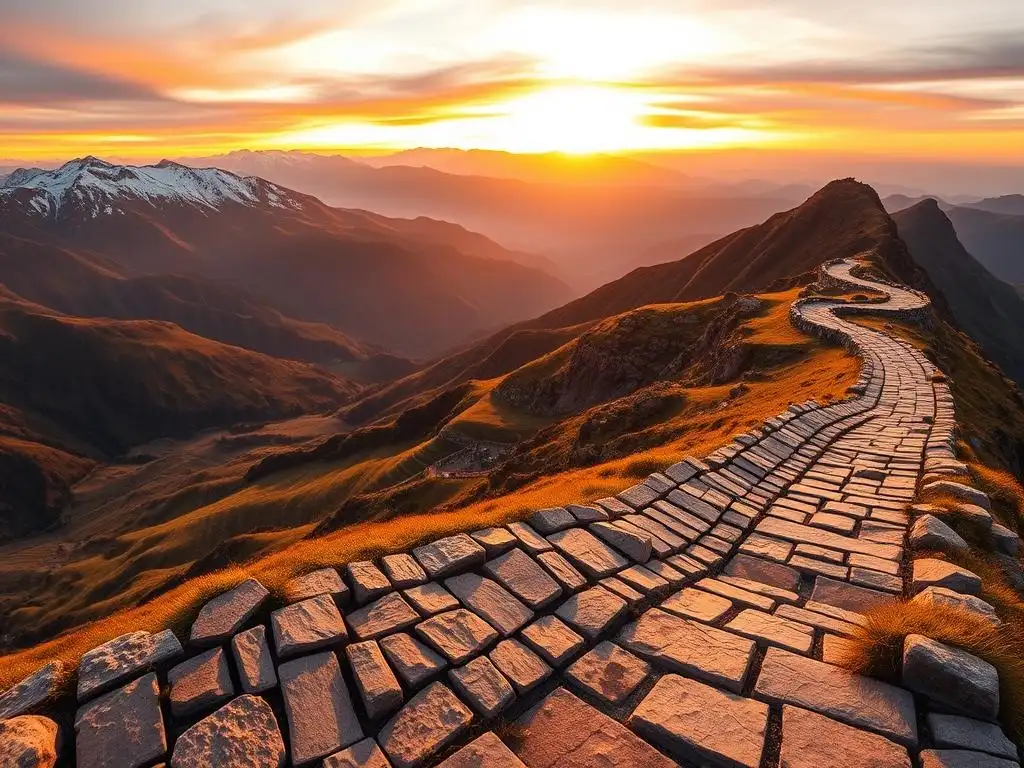
Step into a world lost to time, yet echoing with the ingenuity of a vanished empire. Prepare to be amazed by the Andean Civilizations, whose legacy extends far beyond glittering gold. Discover the unparalleled impact of the Inca road system, a marvel of engineering that facilitated the breathtaking spread of culture and ideas across a vast and challenging landscape. Unravel the secrets behind this intricate network and uncover the true extent of Inca influence – a story waiting to be explored.
- The Inca Road System: A Catalyst for Cultural Exchange and Imperial Expansion
- Constructing the Qhapaq Ñan: Engineering Marvels of the Andes
- The Inca Road System Impact on Trade and Economic Development
- The Inca Road System and the Dissemination of Culture and Ideas
- The Qhapaq Ñan and Military Control
- The Legacy of the Inca Road System in Modern Times
- Conclusion: The Enduring Influence of the Inca Road System
- Frequently Asked Questions
- Final Reflection: The Enduring Legacy of the Inca Road System
- Unveil the Legacy of the Inca!
The Inca Road System: A Catalyst for Cultural Exchange and Imperial Expansion
The Inca Empire, renowned for its sophisticated engineering feats and intricate social structures, relied heavily on an extensive network of roads known as the Qhapaq Ñan. This remarkable infrastructure wasn't merely a system for transportation; it served as the very arteries of the empire, facilitating the movement of people, goods, and ideas across vast and challenging Andean terrain.
This article delves into the profound impact of the Inca road system, exploring its crucial role in the spread of culture, the consolidation of imperial power, and the overall development of Andean society. Understanding the Inca road system impact requires examining its strategic design, its influence on cultural exchange, and its lasting legacy on the region.
We will explore how this impressive feat of engineering not only connected disparate communities but also fostered a sense of unity and shared identity across the vast expanse of the Inca Empire. The Qhapaq Ñan stands as a testament to Inca ingenuity and its vital contribution to the empire's remarkable success.
Introduction to the Qhapaq Ñan: The Great Inca Road
The Qhapaq Ñan, meaning "Royal Road" in Quechua, was a marvel of ancient engineering. Stretching over approximately 40,000 kilometers (25,000 miles), 1 it connected the far-flung corners of the Inca Empire, traversing diverse landscapes from the arid coastal deserts to the high-altitude Andes. The road system wasn't a single continuous highway but rather a complex network of interconnected pathways, bridges, and resting places (tambos). Its construction involved meticulous planning and the masterful use of local materials, showcasing the Inca's deep understanding of engineering principles and their adaptation to varied environments. The roads were strategically placed to facilitate trade, communication, and military movements. They weren't just paths; they were carefully engineered feats of infrastructure, often incorporating sophisticated techniques like suspension bridges and retaining walls, many of which still stand today as a testament to their robustness. The construction of the Qhapaq Ñan involved a massive mobilization of labor, highlighting the Inca's ability to organize and manage large-scale projects. This organizational capacity was crucial to the empire's success and played a significant role in its expansion.
Detailed Construction Techniques
The Inca utilized various construction techniques depending on the terrain. In mountainous regions, they employed stone paving and retaining walls to create stable pathways. In flatter areas, they used packed earth and gravel. Bridges, often made of stone or wood, spanned rivers and gorges, showcasing impressive engineering capabilities. The use of locally sourced materials minimized transportation costs and maximized durability. The roads were strategically designed with gradients suitable for animal transport and human movement, reflecting a deep understanding of engineering principles.
The Strategic Importance of Inca Roads for Empire Building
The Inca road system was integral to the empire's military might and political control. The rapid movement of troops along these well-maintained routes enabled the Inca to quell rebellions swiftly and effectively maintain control over their vast territory. The roads also facilitated the efficient transportation of supplies and reinforcements, which were crucial for maintaining the stability and security of the empire.
The strategic placement of tambos, strategically located rest stops along the roads, provided vital accommodation and supplies for travelers, soldiers, and messengers, ensuring the smooth functioning of the entire road network. This network was not only critical for military operations but also played a significant role in the empire's administrative structure.
| Feature | Impact on Empire Building |
|---|---|
| Rapid troop movement | Enabled swift response to rebellions and maintained control. |
| Efficient supply lines | Ensured the availability of resources for military operations. |
| Strategic tambos | Provided accommodation and supplies for travelers and soldiers. |
| Communication network | Facilitated rapid communication across the vast empire. |
The efficient and effective transportation network enabled the Inca to quickly deploy troops, quell revolts, and maintain control over their vast territory. This demonstrates the crucial role the Inca road system impact had on the empire's political and military strength. The efficient movement of resources and personnel along the Qhapaq Ñan was instrumental in consolidating Inca power and ensuring the empire's longevity.
1 The exact length of the Qhapaq Ñan is still being researched and refined. This figure represents a current approximation.
Constructing the Qhapaq Ñan: Engineering Marvels of the Andes
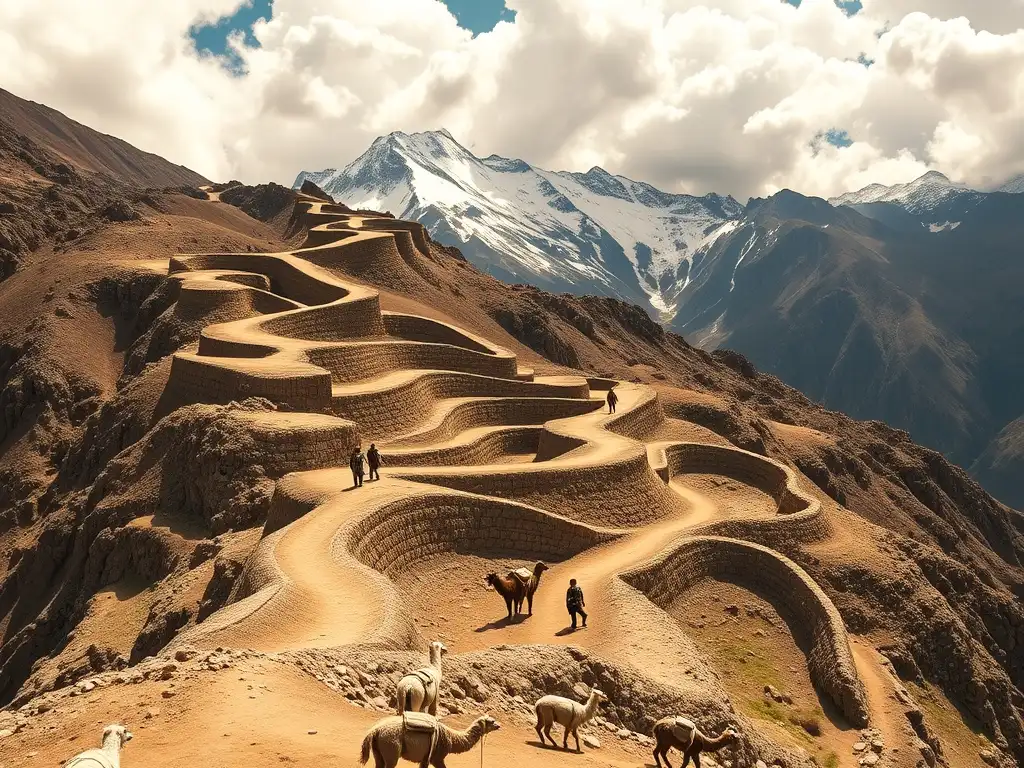
The Inca road system, or Qhapaq Ñan, wasn't merely a network of paths; it was a testament to the Inca's sophisticated engineering prowess and its profound impact on the empire's social, political, and economic fabric. Its construction represents a remarkable feat of logistical planning and execution, showcasing the Inca's ability to overcome the formidable challenges presented by the Andes' diverse and demanding terrain. Understanding the Inca road system impact requires appreciating the ingenuity behind its creation.
The scale of the project, spanning thousands of miles across diverse landscapes, is staggering even by modern standards. This section delves into the specifics of this impressive undertaking, examining the techniques, materials, and challenges involved in building the Qhapaq Ñan.
Road Design and Construction Techniques of the Inca Empire
Inca road construction wasn't a haphazard affair. It followed meticulous planning and sophisticated techniques. The roads weren't simply straight lines; they were strategically designed to traverse the Andes' complex geography, utilizing existing natural features whenever possible to minimize construction time and effort. This included cleverly navigating around steep cliffs, utilizing mountain passes, and even carving roads into mountain sides.
The Inca engineers displayed a deep understanding of drainage and erosion control. Roads were often built with a slight camber to allow for water runoff, preventing erosion and maintaining road stability. They employed sophisticated techniques like terracing and retaining walls to stabilize slopes and prevent landslides, especially crucial in the mountainous regions.
Furthermore, the use of strategically placed drainage ditches and culverts further minimized the impact of water on the road's structural integrity. The meticulous attention to detail ensured the longevity and functionality of the Qhapaq Ñan for centuries. The roads weren't just functional; they were built to last, demonstrating a keen foresight in engineering principles.
Materials and Labor: Building the Inca Roads
The construction of the Qhapaq Ñan involved a massive mobilization of labor, a testament to the Inca Empire's centralized organization and control. The mita system, a form of mandatory public service, played a crucial role in providing the workforce needed for this monumental project. Thousands of workers, organized into specialized teams, were deployed across the empire to construct and maintain the roads.
The materials used varied depending on local availability. Stone, readily accessible in many parts of the Andes, was a primary building material. Large, precisely cut stones were used for paving and constructing retaining walls, demonstrating a remarkable level of skill in stone masonry.
Other materials, such as earth, gravel, and wood, were also incorporated into the construction process, depending on the specific needs of the terrain. The selection of materials reflected a keen understanding of local resources and their suitability for road construction in diverse environments. The Inca road system impact on resource management is evident in this careful selection process.
Unique Challenges of Andean Terrain for Road Building
Constructing roads in the Andes presented unique and formidable challenges. The rugged, mountainous terrain, characterized by steep slopes, deep valleys, and unpredictable weather patterns, required innovative engineering solutions. The altitude also played a significant role, affecting both the construction process and the workers' physical capabilities. The Inca engineers overcame these obstacles through a combination of skillful planning, adaptive techniques, and a deep understanding of the local environment.
One major challenge was navigating the steep slopes and cliffs. The Inca engineers addressed this by employing intricate systems of ramps, retaining walls, and bridges, often carved directly into the rock face. The construction of suspension bridges, particularly in areas with deep gorges, showcases their advanced engineering knowledge and creativity. The Inca road system impact on overcoming these geographical obstacles is undeniable.
The construction of the Qhapaq Ñan serves as a powerful example of human ingenuity and adaptability in the face of extreme environmental challenges. The challenges faced and overcome during construction underscore the true magnitude of the Inca's achievement. The Inca road system impact is a testament to their resilience and engineering capabilities.
The Inca Road System Impact on Trade and Economic Development
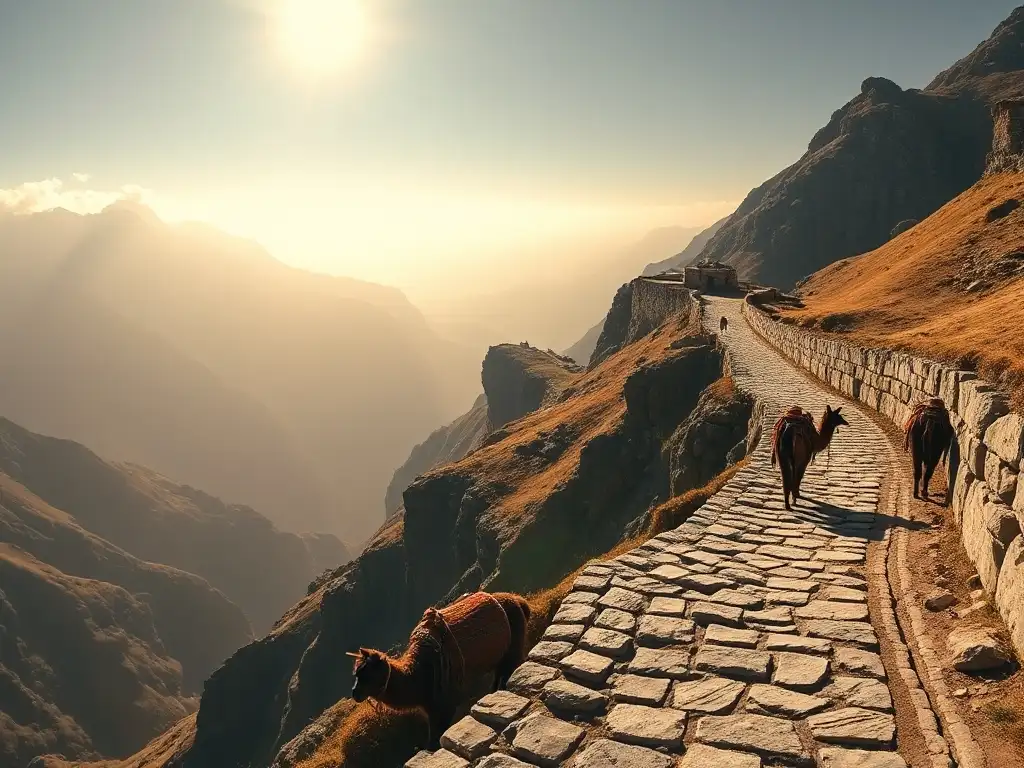
The Inca road system, a marvel of ancient engineering, profoundly impacted the economic landscape of the Andean region. Its construction and maintenance facilitated unprecedented levels of trade and resource distribution, contributing significantly to the Inca Empire's economic prosperity and political stability. Understanding the Inca road system impact requires examining its role in facilitating trade, the strategic placement of roadside infrastructure (tambos), and the overall economic benefits it generated.
The scale and sophistication of this network were unparalleled in the pre-Columbian Americas, showcasing the Inca's advanced organizational and logistical capabilities. This network wasn't merely a series of paths; it was a vital artery pumping economic lifeblood throughout the empire.
Facilitating Trade Routes and Resource Distribution
The Inca road system acted as a backbone for a sophisticated trade network, connecting distant regions of the empire. Prior to the Inca, trade existed but was limited by the challenging Andean terrain. The Inca, however, meticulously engineered a network of roads that traversed mountains, valleys, and deserts, overcoming geographical barriers that previously hindered economic exchange. This allowed for the efficient movement of goods, including agricultural products, textiles, precious metals, and livestock, between different ecological zones. The impact was transformative, creating a unified economic system where resources could be readily exchanged and distributed across the empire.
For example, coastal regions rich in fish and salt could easily trade with the highlands, which produced potatoes, maize, and alpaca wool. This interconnectivity fostered economic specialization, allowing communities to focus on producing goods they were best suited for, contributing to overall economic growth and efficiency. The system also ensured the equitable distribution of resources, alleviating potential shortages and fostering social stability.
The road network facilitated the movement of essential goods, such as food and medicine, during times of need, helping to mitigate the effects of natural disasters or crop failures. This resilience built into the system was a major contributing factor to the empire's longevity.
The Role of Tambos: Inca Roadside Infrastructure
The Inca road system impact extended beyond simply connecting distant points. The strategic placement of tambos, roadside infrastructure, played a crucial role in supporting trade and travel. These weren't merely simple rest stops; they were strategically located waystations providing essential services to travelers and traders. Many tambos served as storage facilities for goods, ensuring a steady supply of essential commodities along the routes. Others functioned as lodging for travelers, messengers, and officials, fostering communication and facilitating the smooth flow of information and goods.
Some tambos were simple structures, while others were larger, more complex facilities equipped with workshops, granaries, and even religious shrines. Their size and function varied depending on their location and importance within the road network. The distribution and function of these tambos reveal a sophisticated understanding of logistics and resource management, highlighting the advanced planning that went into the construction and maintenance of the entire road system. This carefully planned infrastructure minimized disruptions to trade and travel, ensuring the continuous flow of goods and information throughout the empire.
Economic Benefits of the Inca Road Network
The economic benefits of the Inca road network were far-reaching and significant. The improved trade routes led to increased economic activity, greater specialization of labor, and a more equitable distribution of resources. This, in turn, contributed to the empire's overall wealth and power. The Inca road system impact on economic development is evident in the growth and prosperity of the various regions within the empire.
The efficient movement of goods reduced transaction costs and facilitated the growth of markets. This fostered economic interdependence between different regions, strengthening the bonds between them. The system also facilitated the collection of tribute and taxes, providing the Inca state with the resources necessary to fund its vast infrastructure projects, military campaigns, and social programs.
The economic prosperity generated by the road network was a cornerstone of the Inca Empire's stability and longevity, underscoring its crucial role in the empire's success. The efficient organization and management of this vast system demonstrate the Inca's advanced understanding of economics and logistics, a testament to their remarkable administrative and engineering capabilities. The legacy of this efficient system continues to influence modern infrastructure development in the Andes.
The Inca Road System and the Dissemination of Culture and Ideas
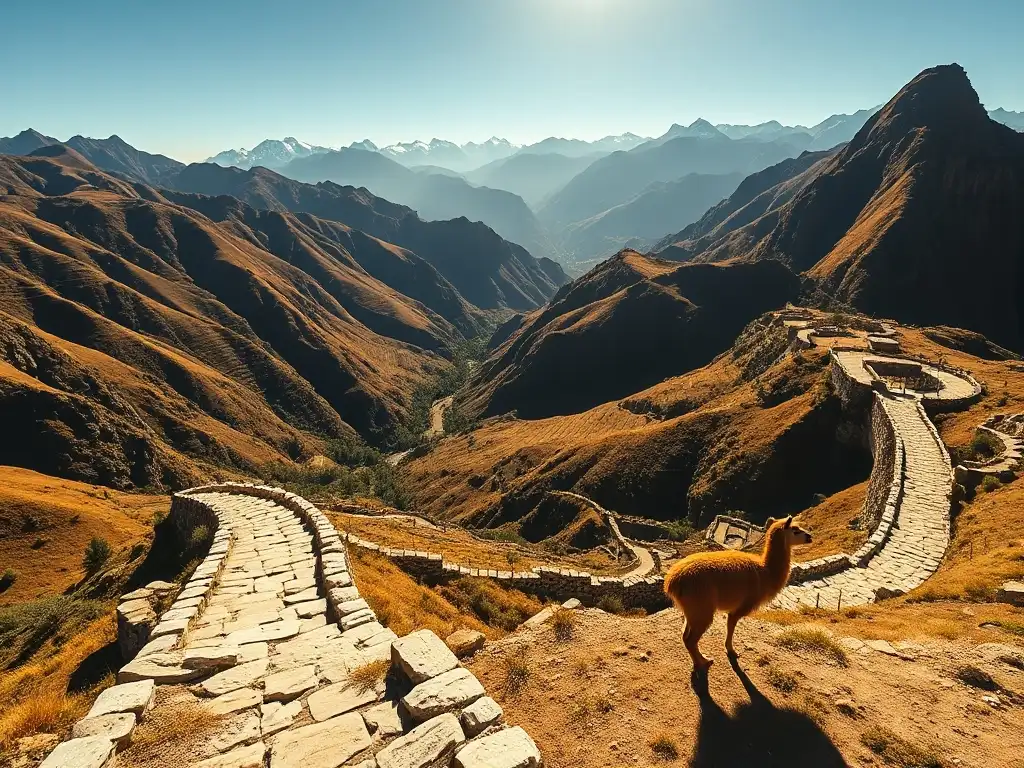
The Inca road system, known as the Qhapaq Ñan, wasn't merely a network of pathways; it was the circulatory system of the vast Inca Empire, facilitating the unprecedented spread of culture, ideas, and administrative control across a geographically challenging landscape. Its impact on the Andean world is immeasurable, profoundly shaping social structures, religious beliefs, and artistic expressions throughout the empire.
The Inca road system impact extended far beyond mere logistical efficiency; it served as a powerful tool for cultural homogenization and the dissemination of imperial ideology. This intricate network of roads, bridges, and waystations allowed for the rapid movement of people, goods, and information, contributing to the remarkable unification and stability enjoyed by the Inca Empire during its zenith.
The scale and sophistication of the Qhapaq Ñan remain a testament to the Inca's engineering prowess and their understanding of the importance of communication and connectivity for maintaining a large and diverse empire. Analyzing the Inca road system impact requires examining its role in cultural diffusion, communication, and the spread of religious and artistic practices.
Cultural Diffusion Through the Inca Road Network
The Qhapaq Ñan acted as a conduit for the dissemination of Inca culture throughout the empire. The movement of people along these roads — officials, artisans, soldiers, and commoners — resulted in a significant exchange of cultural practices, beliefs, and technologies. Inca administrators established tambos (waystations) along the road network, providing rest and lodging for travelers.
These tambos also served as centers for cultural exchange, where people from different regions interacted, sharing traditions and ideas. The standardization of certain aspects of Inca culture, such as agricultural techniques (e.g., terracing) and architectural styles, can be directly attributed to the facilitated movement of people and knowledge via the road system. The impact wasn't solely one-way; local traditions and practices were also absorbed and adapted within the broader Inca framework, resulting in a dynamic process of cultural synthesis.
For example, while the Inca imposed their administrative and religious systems, they also incorporated pre-existing local deities and rituals into their own pantheon, demonstrating a pragmatic approach to cultural integration. The efficient movement of goods, facilitated by the road system, also played a significant role, enabling the widespread distribution of Inca-produced textiles, pottery, and other artifacts, further contributing to cultural homogenization. This intricate interplay between cultural exchange and imperial control is crucial for understanding the true Inca road system impact.
Language and Communication Along the Qhapaq Ñan
The Inca road system impact on communication is undeniable. While Quechua became the lingua franca of the empire, the Qhapaq Ñan facilitated communication between diverse linguistic groups. The presence of chasquis (runners) along the road network ensured rapid transmission of messages across vast distances.
These runners, strategically positioned at intervals along the roads, could relay messages incredibly quickly, enabling efficient communication between the Inca emperor and his administrators throughout the empire. This efficient communication system was vital for maintaining imperial control, coordinating military campaigns, and responding to emergencies swiftly. Furthermore, the movement of people along the roads helped to spread the Quechua language, although regional dialects and languages persisted.
The Inca road system impact on language was a complex one, involving both the standardization of a dominant language and the simultaneous preservation of linguistic diversity within the broader imperial framework. The system didn't necessarily lead to the suppression of other languages, but rather fostered a multilingual environment where Quechua held a position of prominence due to its association with administrative and political power. The standardization and dissemination of official decrees and messages along the Qhapaq Ñan contributed significantly to the cohesion and stability of the Inca Empire.
Spreading Inca Art and Religious Practices
The Inca road system was instrumental in disseminating Inca art and religious practices throughout the empire. The movement of artisans along the Qhapaq Ñan facilitated the spread of distinctive Inca artistic styles, including architecture, pottery, textiles, and metalwork. The standardized construction techniques and architectural designs seen throughout the Inca Empire are a direct result of this mobility. Similarly, the spread of religious beliefs and practices was closely linked to the road network.
Priests and religious specialists traveled along the roads, conducting ceremonies, establishing sacred sites, and disseminating Inca religious ideology. This facilitated the integration of local religious beliefs with Inca religious practices, creating a syncretic religious landscape within the empire. The Inca road system impact on religion was multifaceted, involving both the imposition of Inca religious beliefs and the incorporation of pre-existing local traditions.
The construction of temples and sacred sites along the roads further emphasized the importance of religion in Inca society and the role of the road system in its propagation. The Inca road system impact on the dissemination of Inca art and religious practices is evident in the remarkable consistency of artistic styles and religious practices found across the vast expanse of the Inca Empire. The road network provided the infrastructure necessary for the effective dissemination of imperial culture and ideology.
The Qhapaq Ñan and Military Control
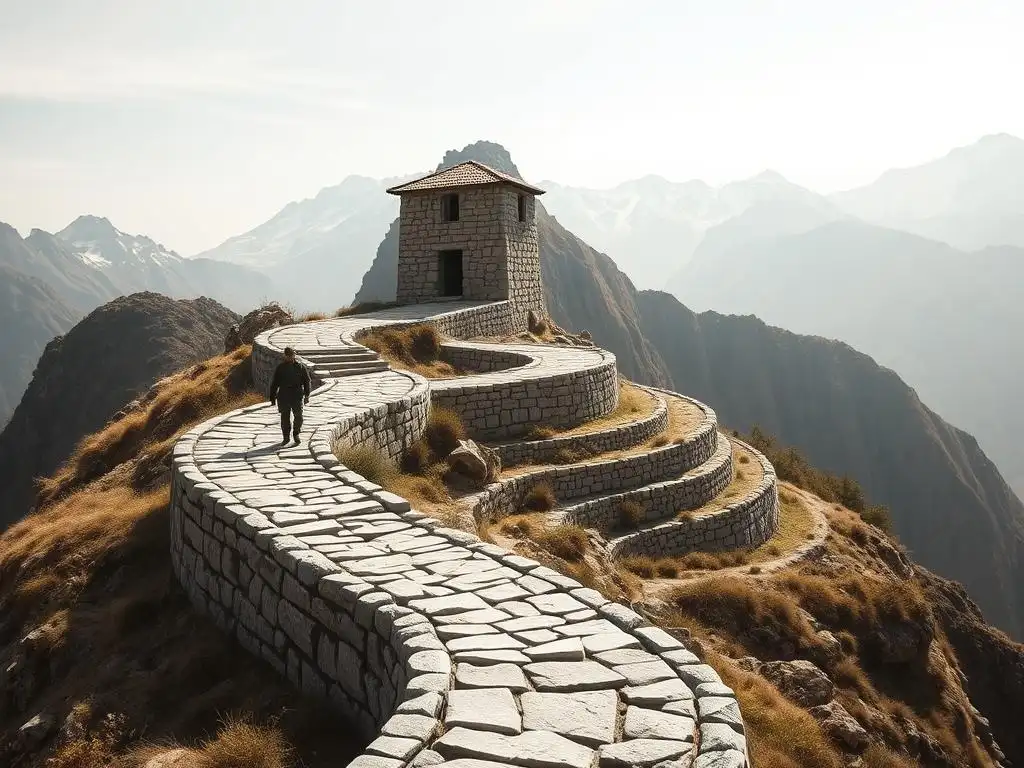
The Qhapaq Ñan, the extensive Inca road system, played a crucial role in the empire's military might. Its strategic design facilitated rapid troop deployment, allowing the Inca army to respond swiftly to rebellions or external threats. This impact on the Inca Empire's military capabilities cannot be overstated; it was a key factor in their ability to maintain control over a vast and diverse territory. The effectiveness of the Inca road system's impact on military control stemmed from several key features: its reach, its condition, and the logistical support it provided.
Inca Military Logistics and Road Usage
The Inca army's logistical prowess was intimately tied to the Qhapaq Ñan. The network of roads allowed for the efficient movement of soldiers, weapons, and provisions across mountainous terrain. Unlike many other ancient empires that relied on slow, cumbersome supply trains, the Inca could move their forces rapidly and effectively.
This speed was a critical advantage in suppressing uprisings, which frequently occurred across the diverse regions under Inca rule. Evidence suggests the use of chasquis, a relay runner system, to transmit urgent messages along the roads, further enhancing the speed of military response. These runners could cover incredible distances in a short time, ensuring that the Inca leadership was always well-informed and able to react decisively.
Moreover, strategically placed storehouses along the roads, known as tambos, provided vital supplies – food, water, and shelter – for troops on the move. This ensured that the Inca army could maintain operational effectiveness even during extended campaigns. The impact of this efficient logistical system on the Inca road system is undeniable, allowing for swift and sustained military operations across the empire.
The Inca Road System as a Tool for Imperial Control
The Qhapaq Ñan was more than just a transportation network; it was a powerful tool for maintaining imperial control. Its construction and maintenance directly benefited the Inca state by solidifying their authority and minimizing the risk of rebellion. The very act of building the roads, often employing forced labor ( mita ), demonstrated the Inca's power and dominance.
The roads themselves physically connected disparate parts of the empire, facilitating the movement of not only troops but also administrators and officials. This constant presence of Inca authority served as a deterrent to dissent. Furthermore, the strategic placement of tambos along the roads also functioned as administrative centers, allowing for the collection of taxes and the enforcement of Inca laws.
This constant surveillance and control, aided by the road system, contributed significantly to the empire's longevity and stability. The Inca road system's impact on internal control is clearly visible in the empire's ability to maintain order across its vast and diverse regions for a considerable period.
Maintaining Order and Stability Through Road Networks
The Inca road system's impact on maintaining order and stability within the empire went beyond military might and administrative control. The improved communication and transportation facilitated trade and cultural exchange across the diverse regions of the empire. This fostered a sense of unity and shared identity, reducing the potential for internal conflict.
The efficient movement of goods and services along the roads also contributed to economic stability, preventing localized shortages and unrest. By connecting previously isolated communities, the Qhapaq Ñan fostered social cohesion and integration. This interconnectedness, facilitated by the road network, helped create a sense of shared purpose and belonging among the diverse populations of the Inca Empire, ultimately strengthening the empire's stability.
The impact of this interconnectedness on the social fabric of the empire was profound, shaping its culture and contributing significantly to its long-lasting impact. The Qhapaq Ñan, therefore, served as a vital artery not only for military movement and administrative control but also for social and economic stability, solidifying the Inca Empire's power and longevity. The road system's impact was multifaceted and crucial for the empire’s success.
The Legacy of the Inca Road System in Modern Times

The Inca road system, the Qhapaq Ñan, continues to resonate powerfully in modern times, its impact extending far beyond its initial purpose of facilitating communication and trade within the vast Inca Empire. Its legacy is multifaceted, influencing contemporary infrastructure planning, archaeological research, and tourism development in the Andes region. The Inca road system impact is still felt today, shaping the cultural landscape and offering valuable insights into the ingenuity and organizational prowess of the Inca civilization.
Understanding this lasting legacy is crucial to appreciating the full scope of Inca achievements and their enduring relevance. The system's remarkable engineering feats, designed to withstand the harsh Andean terrain, continue to inspire and inform modern engineering practices.
Surviving Sections of the Qhapaq Ñan
Despite centuries of neglect and the ravages of time and nature, significant portions of the Qhapaq Ñan still survive. These surviving sections offer tangible evidence of the Inca's masterful road-building techniques. Sections remain in remarkably good condition, particularly in areas with less human interference.
Careful observation reveals the ingenious use of local materials, such as stone, earth, and wood, perfectly adapted to the varied Andean landscape. The roads themselves weren’t simply pathways; they were sophisticated infrastructure projects, complete with bridges, tunnels, and resting places (tambos). The quality of construction is astonishing; many sections remain remarkably intact, a testament to the Inca's understanding of engineering principles and their commitment to building for the long term.
For example, the meticulously crafted stonework in some sections showcases their advanced knowledge of stone cutting and fitting, techniques that are still studied by engineers today. The Inca road system impact is visible in these remnants; they offer a direct link to the past, allowing us to connect with the civilization that built them.
Archaeological Significance of Inca Roads
The archaeological significance of the Inca roads is immense. They provide invaluable insights into Inca social organization, economic practices, and military strategies. The roads were not merely conduits for transportation; they were integral to the empire's administrative and control mechanisms. The placement of tambos along the routes reveals strategic locations chosen for rest, resource management, and communication.
Analysis of artifacts found along the routes provides information about trade routes, cultural exchange, and daily life within the Inca Empire. Archaeological digs along the Qhapaq Ñan consistently uncover new information, enriching our understanding of Inca society. The Inca road system impact on our understanding of the Inca civilization is profound, offering a unique window into their daily lives, social structures, and political organization. Further research continues to unlock more secrets, revealing the complexity and sophistication of the Inca road network.
Preservation Efforts and Tourism
Preservation efforts are crucial to safeguarding the remaining sections of the Qhapaq Ñan. UNESCO's recognition of the Qhapaq Ñan as a World Heritage Site underscores the global importance of preserving this remarkable feat of engineering and its cultural significance. These preservation efforts involve careful restoration, stabilization of existing structures, and public awareness campaigns.
Sustainable tourism is increasingly recognized as a vital tool for preservation, providing funding for maintenance and research while also promoting the cultural heritage of the Inca Empire. However, balancing the needs of tourism with preservation remains a significant challenge. Responsible tourism practices, which prioritize the long-term preservation of the Qhapaq Ñan, are essential to ensure its survival for future generations.
The economic benefits of tourism derived from the Inca road system are intertwined with the responsibility of protecting this invaluable historical asset. The Inca road system impact on tourism is undeniable, but it must be managed carefully to ensure its long-term preservation. Careful planning, responsible development, and a commitment to sustainable practices are essential to maintain the delicate balance between economic growth and the protection of this irreplaceable heritage.
Conclusion: The Enduring Influence of the Inca Road System
The Inca road system, the Qhapaq Ñan, stands as a testament to the ingenuity and organizational prowess of the Inca Empire. Its impact extended far beyond simply facilitating trade and communication; it served as a vital artery for the dissemination of cultural practices, religious beliefs, and administrative control across a vast and diverse Andean landscape. The Inca road system impact is undeniable, shaping the very fabric of Andean society and leaving an enduring legacy that continues to resonate today.
Understanding its influence requires considering not only its physical construction but also its profound socio-cultural consequences. The sheer scale of the project, requiring the coordinated effort of thousands of workers, demonstrates the Empire's sophisticated logistical capabilities and centralized power structure.
This intricate network of pathways facilitated the rapid movement of goods, people, and information, ultimately contributing to the Empire's remarkable expansion and consolidation of power. The Qhapaq Ñan wasn't merely a network of roads; it was a powerful instrument of imperial control and cultural integration.
The Lasting Impact of the Qhapaq Ñan on Andean History
The Qhapaq Ñan's influence on Andean history is multifaceted and long-lasting. Its construction fostered a sense of unity and shared identity among diverse Andean communities, previously isolated by challenging terrain. The standardization of weights and measures, facilitated by the efficient movement of goods along the roads, contributed to economic stability and integration. The rapid response to emergencies and rebellions, enabled by the road network, strengthened imperial authority.
Furthermore, the efficient transport of agricultural surplus prevented famines and ensured the provisioning of urban centers. The system also played a key role in the dissemination of Inca religion and ideology, strengthening the Empire's cultural hegemony. Temples, shrines, and other religious sites were strategically located along the roads, reinforcing Inca religious beliefs and practices across the Empire.
The impact of the Qhapaq Ñan on the social, economic, and religious life of the Andean world was transformative and enduring. The legacy of the Inca road system continues to shape the cultural landscape of the Andes, influencing settlement patterns, and serving as a powerful symbol of Andean identity. Even today, sections of the road are still used by local communities, highlighting its enduring practicality and relevance.
Ongoing Research and Exploration of Inca Roads
Despite centuries of study, the Inca road system continues to reveal its secrets. Ongoing research uses a variety of techniques, including archaeological excavations, geographical information systems (GIS) analysis, and ethnographic studies, to further unravel the complexities of this remarkable feat of engineering. New sections of the road are still being discovered, adding to our understanding of its vast scale and intricate design.
Researchers are also exploring the social and environmental impacts of the road's construction, investigating the labor practices, resource management strategies, and environmental modifications undertaken by the Inca. The study of the Qhapaq Ñan is not simply an examination of ancient infrastructure; it’s a multidisciplinary endeavor that integrates archaeology, history, anthropology, and geography to provide a comprehensive understanding of Inca civilization and its enduring legacy. The ongoing research into the Inca road system ensures that its significance continues to be appreciated and understood by future generations.
The ongoing exploration of this incredible feat of engineering promises to yield even more insights into the ingenuity and sophistication of the Inca Empire and its profound impact on Andean history and culture. This sustained interest underscores the enduring fascination with the Inca road system and its crucial role in shaping the Andean world. The quest to uncover more about the Qhapaq Ñan continues, promising exciting new discoveries and a deeper understanding of the Inca road system impact.
Frequently Asked Questions
How extensive was the Inca road system?
The Inca road system was incredibly extensive, spanning over 25,000 miles across the Andes Mountains. It connected the vast Inca empire, facilitating communication and trade. This network was a masterpiece of engineering.
What materials were used to build the Inca roads?
Inca roads were built using locally sourced materials, such as stone, earth, and wood. They were meticulously constructed to withstand harsh weather conditions and the challenging Andean terrain. Stone paving was common in important sections.
How did the Inca road system impact the spread of culture?
The roads facilitated the rapid spread of Inca culture, language (Quechua), and religion throughout the empire. This cultural exchange helped unify the diverse populations under Inca rule. Religious practices and beliefs were easily disseminated.
What role did the chasquis play in the Inca road system?
Chasquis were runners who relayed messages along the Inca road network. They formed a vital communication system, enabling rapid transmission of information across vast distances. Their speed and efficiency were crucial for empire administration.
How did the Inca road system impact trade and economy?
The Inca road system significantly boosted trade and economic activity throughout the empire. It facilitated the movement of goods, such as food, textiles, and precious metals, connecting distant regions. This efficient transport network strengthened the Inca economy.
Final Reflection: The Enduring Legacy of the Inca Road System
The Inca road system wasn't merely a network of pathways; it was the circulatory system of an empire, a testament to human ingenuity, and a powerful engine of cultural exchange that continues to resonate today. Its impact on the spread of ideas, goods, and people across the Andes remains a compelling example of how infrastructure can shape civilizations and leave an indelible mark on history. The echoes of this sophisticated network are still felt in the very fabric of Andean society.
The Inca road system's influence transcends its historical context. It represents a powerful demonstration of human collaboration and the ability to overcome seemingly insurmountable geographical challenges. Its impact on the cultural landscape of South America is undeniable, fostering a sense of unity and shared identity that persists even after the fall of the empire. The road is a living thing, it breathes and grows with the people who use it.
This sentiment, though not directly from the Inca, perfectly captures the enduring spirit of their remarkable infrastructure and its lasting impact on the communities it connected.
Consider the implications of this legacy. How can we, in our own time, learn from the Inca's commitment to connectivity and collaboration? What ambitious projects can we undertake to bridge divides and foster understanding, mirroring the Inca's vision of a unified empire built on efficient communication and shared resources?
I urge you to reflect on the power of infrastructure, not just as a means to an end, but as a catalyst for cultural exchange and societal progress. Let the enduring legacy of the Inca road system inspire you to build bridges, both literally and figuratively, in your own life and community.
Unveil the Legacy of the Inca!
Thank you for exploring the fascinating world of Inca Roads and the profound impact of cultural exchange. You've discovered how these ancient pathways shaped societies, and now it's time to consider the relevance of this knowledge in the modern world.
Here are some ways to continue your journey of discovery:
- Visit local historical sites or museums that showcase the influence of Inca culture in your area.
- Share your knowledge with friends and family, discussing how ancient civilizations continue to shape our lives.
- Join an online community dedicated to Andean civilizations to connect with other enthusiasts and expand your understanding.
What aspect of Inca culture inspires you most, and how does it inform your perspective on global interactions today? Share your thoughts below!