
The Search for Origins: Uncovering the Roots of Andean Civilization


Unravel the mysteries of a lost world. For centuries, the towering peaks of the Andes have guarded secrets of incredible civilizations. But what truly sparked the rise of the Andean people? Dive into the fascinating world of Andean civilization origins, where we explore the intricate tapestry of ingenuity, innovation, and cultural evolution that shaped the Incas, Moche, Nazca, and Tiahuanaco. Prepare to be amazed as we uncover the roots of one of history's most enduring legacies – a journey into the heart of Andean Civilizations awaits.
The Andes Mountains, a colossal spine running down the western coast of South America, are home to one of the world's most fascinating and enduring enigmas: the rise of complex Andean civilizations. For centuries, scholars have grappled with the question of Andean civilization origins, piecing together fragments of pottery, architecture, and skeletal remains to understand how these societies blossomed in such a challenging environment. This journey into the past isn't just about dates and dynasties; it's about uncovering the ingenuity, resilience, and cultural richness that allowed these societies to flourish, leaving behind a legacy that continues to inspire awe and wonder.
From the sophisticated irrigation systems of the Nazca to the breathtaking stonework of Machu Picchu, the Andean civilizations offer a compelling narrative of human adaptation, innovation, and social organization. This article delves into the multifaceted origins of these remarkable societies, exploring the key factors that contributed to their rise and the enduring impact they have had on the world.
We will examine the various theories surrounding their development, analyzing archaeological evidence and considering the interplay of environmental factors, technological advancements, and social structures. Understanding these origins is crucial to appreciating the full complexity and significance of Andean cultural heritage.
Understanding the Genesis of Complex Andean Societies
The development of complex societies in the Andes wasn't a sudden event but rather a gradual process spanning millennia. Several factors contributed to this transformation, creating a complex interplay of environmental pressures and human ingenuity. Early Andean societies, initially characterized by small, dispersed settlements focused on subsistence agriculture, gradually transitioned towards larger, more centralized communities. This shift involved significant advancements in agriculture, technology, and social organization.
Archaeological evidence suggests a gradual increase in population density, leading to the need for more efficient farming techniques and sophisticated water management systems. The challenges posed by the harsh Andean environment – including altitude sickness, unpredictable weather patterns, and steep terrain – acted as a catalyst for innovation. People adapted by developing ingenious methods of terracing, irrigation, and crop diversification, allowing them to cultivate diverse crops like potatoes, maize, and quinoa, even in seemingly inhospitable areas.
This agricultural surplus, in turn, supported larger populations and the emergence of specialized labor, leading to the development of social hierarchies and complex political structures. The development of sophisticated technologies, such as metallurgy and textiles, further facilitated the growth of these societies, enabling them to build impressive structures and create intricate art forms. The interplay of these factors – environmental adaptation, agricultural intensification, technological innovation, and social organization – ultimately paved the way for the rise of the iconic Andean civilizations we know today.
Further Exploration: Key Archaeological Sites
Several key archaeological sites offer invaluable insights into the early stages of Andean civilization development. These sites provide tangible evidence of the gradual transition from simpler societies to more complex ones, showcasing advancements in architecture, agriculture, and social organization. Detailed analysis of these sites is crucial for understanding the evolutionary trajectory of Andean societies. [Specific site information pending]
The following sections will explore specific civilizations and their unique contributions to the rich tapestry of Andean history. We'll examine the evidence, discuss the theories, and strive to paint a more complete picture of the fascinating origins of these remarkable cultures.
- What are the earliest known Andean civilizations?
- How did the geography of the Andes influence Andean civilization origins?
- What role did agriculture play in the development of Andean civilizations?
- What are some common characteristics of early Andean civilizations?
- How did different Andean cultures interact with each other?
Early Andean Cultures: Laying the Foundation
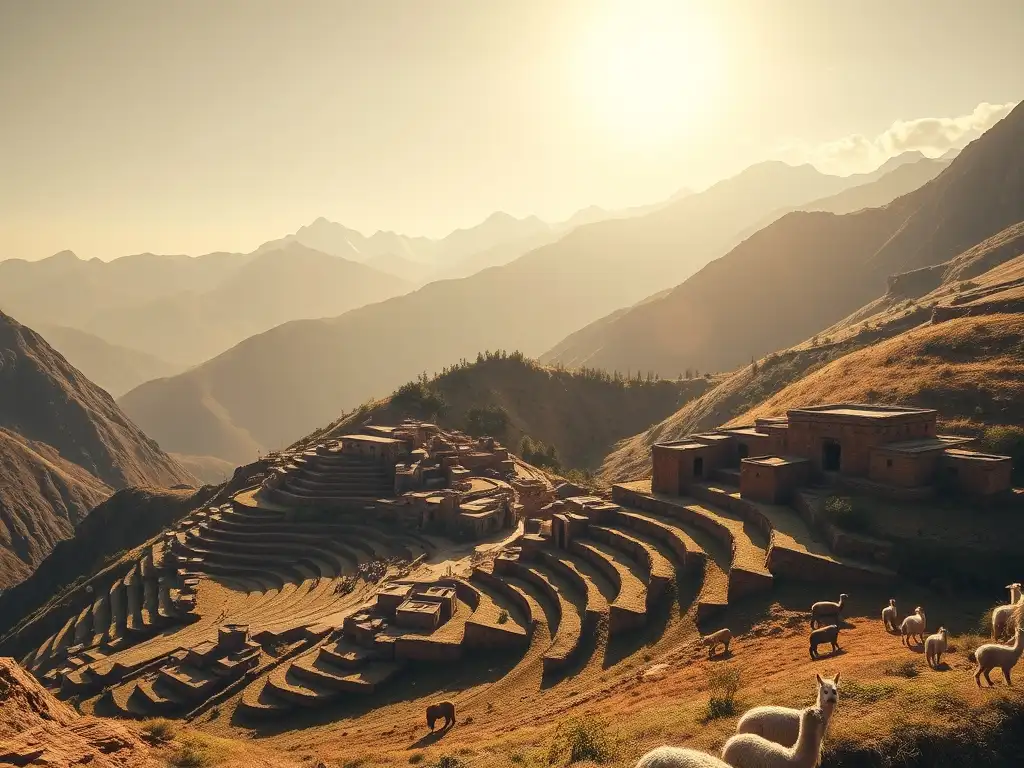
This section delves into the formative periods preceding the rise of the more well-known Andean empires, exploring the crucial developments that laid the groundwork for the complex societies that would later flourish. Understanding these early cultures is key to comprehending the full sweep of Andean civilization origins. We'll examine the crucial transitions from nomadic lifestyles to settled agriculture, and the development of early social structures and technologies. The seeds of innovation sown during this era would profoundly shape the future of the Andes.
Preceramic Period: Seeds of Andean Civilization
The preceramic period, spanning roughly from 8000 to 1800 BCE, represents a pivotal era in Andean civilization origins. While lacking pottery, a hallmark of later periods, this era witnessed significant advancements in human adaptation and social organization. Archaeological evidence reveals the gradual shift from a primarily foraging existence to one incorporating increasingly sophisticated techniques for exploiting the diverse Andean environment.
Early inhabitants, navigating the challenging terrain of the Andes, demonstrated remarkable ingenuity in adapting to high altitudes, varied climates, and scarce resources. This period saw the development of early forms of social organization, reflected in the size and complexity of settlements, albeit on a smaller scale compared to later periods. Evidence suggests early forms of social stratification and specialized labor, laying the groundwork for more complex societal structures.
The ingenuity of these early Andean peoples, evident in their resource management and adaptation strategies, represents a foundational stage in the development of Andean civilization. The development of sophisticated tools for hunting and gathering suggests a growing understanding of the environment and a capacity for collective action.
The Emergence of Sedentary Life in the Andes
The transition from nomadic hunter-gatherer societies to sedentary agricultural communities marked a profound transformation in Andean civilization origins. This shift, occurring gradually over centuries, was driven by several factors, including climate change, population growth, and increasingly efficient agricultural techniques. The development of irrigation systems, particularly in coastal regions, allowed for increased agricultural productivity, supporting larger and more permanent settlements.
The cultivation of crops like squash, beans, and potatoes, uniquely adapted to the Andean environment, provided a stable food source, reducing reliance on hunting and gathering. The establishment of sedentary life had far-reaching consequences, impacting social structures, technological innovation, and the development of complex societies. The concentration of populations in villages and later, larger towns, fostered social interaction and the exchange of ideas, accelerating cultural and technological advancements.
This period saw the beginnings of specialization of labor, with some individuals focusing on agriculture while others developed specialized skills in crafting tools or textiles. The emergence of sedentary life, therefore, was not merely a change in lifestyle, but a catalyst for the complex societal developments that would define later Andean civilizations.
Development of Agriculture and Early Andean Settlements
The development of agriculture in the Andes was not a singular event but a gradual process of experimentation and adaptation, crucial to the origins of Andean civilization. Early farmers experimented with diverse crops, selecting and cultivating those best suited to the varying altitudes and climates. The domestication of camelids, such as llamas and alpacas, provided additional resources, including wool, meat, and transportation. The creation of sophisticated irrigation systems, particularly in arid coastal regions, allowed for the cultivation of crops in areas that would otherwise have been unsuitable for agriculture.
These systems, often involving intricate canals and terraces, demonstrate a remarkable understanding of hydrology and engineering. Early Andean settlements, initially small villages, gradually grew in size and complexity, reflecting the increased food production and population density. The architecture of these settlements, often incorporating stone structures and sophisticated building techniques, reveals a developing understanding of construction and design.
The increased availability of food surpluses facilitated social stratification and the emergence of specialized labor, leading to the development of more complex social hierarchies and the beginnings of political organization. The interplay between agricultural innovation, technological advancement, and social organization was crucial in shaping the trajectory of Andean civilization origins. The ingenuity of early Andean farmers and their adaptation to the unique challenges of the Andean environment laid the foundation for the impressive achievements of later civilizations.
Key Sites in the Study of Andean Origins
Understanding the origins of Andean civilization requires examining key archaeological sites that offer crucial insights into the development of complex societies in the Andes. These sites, spanning various periods and geographical locations, reveal a gradual process of societal evolution, characterized by the emergence of monumental architecture, sophisticated agriculture, and complex social structures.
The study of these locations helps us piece together a more complete picture of the rise of Andean culture, challenging previous assumptions and revealing the nuances of early Andean life. This exploration focuses on three particularly significant sites: Caral, Kotosh, and El Paraíso, each contributing unique pieces to the puzzle of Andean civilization origins.
Caral: A Monumental Example of Early Andean Complexity
Caral, located in the Supe Valley of Peru, stands as a remarkable testament to the early development of complex societies in the Andes. Dating back to approximately 2600 BCE, Caral predates many other known complex societies in the Americas, challenging the traditional timeline of societal development in the region. Its monumental architecture, consisting of large platforms and pyramids, indicates a high level of social organization and labor mobilization. The absence of evidence for warfare or significant social stratification suggests a different model of societal complexity than that seen in later Andean civilizations.
The presence of sophisticated irrigation systems at Caral highlights the importance of agriculture in the development of the site. Careful water management allowed for the cultivation of diverse crops, supporting a substantial population. Furthermore, the discovery of musical instruments and evidence of ceremonial activities indicates a rich cultural life, emphasizing the importance of ritual and belief systems in shaping early Andean society.
Caral's significance lies in its demonstration that complex societies in the Andes emerged earlier and through different mechanisms than previously thought, enriching our understanding of Andean civilization origins. The sophisticated planning and execution of the site's construction indicate a high degree of centralized authority and social coordination. Further research continues to unveil new details about Caral's social structure and daily life, providing valuable data for understanding the roots of Andean civilization.
Kotosh: The Temple of the Crossed Hands and its Significance
Kotosh, situated in the central Andes of Peru, is renowned for its "Temple of the Crossed Hands," a structure dating back to approximately 1500 BCE. While not as monumental as Caral, Kotosh offers significant insights into the religious and symbolic aspects of early Andean cultures. The Temple's iconic name derives from the famous sculpted figures found within its walls, which depict crossed hands, possibly representing a deity or a symbolic gesture of offering.
The temple's architecture, characterized by layered structures and intricate designs, reflects a sophisticated understanding of construction techniques and spatial planning. The use of distinctive architectural styles and decorative elements suggests the existence of specialized craftmanship and potentially a developing social hierarchy. Analysis of the artifacts discovered at Kotosh, including pottery, textiles, and other ceremonial objects, offers further clues about the site's religious practices and belief systems.
These artifacts provide valuable insights into the symbolic world of early Andean peoples and their understanding of the spiritual realm. The discovery of agricultural remains at Kotosh also highlights the vital role of agriculture in supporting the population and the development of the site.
The ongoing excavation and study of Kotosh continue to shed light on the religious and cultural practices that contributed to the formation of complex societies in the Andes. The site's unique characteristics add another layer to our understanding of Andean civilization origins.
El Paraíso, located near modern-day Lima, represents another significant site in the study of early Andean civilization origins. Dating back to approximately 3000 BCE, it showcases impressive monumental architecture, including large platforms and plazas, indicating a significant level of social organization and collective labor. Unlike Caral, El Paraíso shows evidence of a more hierarchical social structure, reflected in the size and location of structures within the site.
The extensive irrigation systems at El Paraíso demonstrate the vital role of agriculture in supporting the growing population. The site's layout suggests a planned urban design, with distinct residential areas and public spaces. Archaeological findings, including sophisticated tools and evidence of specialized crafts, suggest a degree of economic specialization and social differentiation. The presence of large quantities of marine resources in the site's refuse indicates a complex interaction between the inhabitants and the coastal environment, suggesting sophisticated trade networks and resource management strategies.
El Paraíso offers a compelling case study of the early development of urban planning and social complexity in the Andes, enriching the narrative of Andean civilization origins. Continued research at El Paraíso promises to further elucidate the social, economic, and political dynamics of this pivotal early Andean settlement. The site’s complexity contributes significantly to our understanding of the multifaceted evolution of Andean societies.
The Role of Environmental Factors in Andean Development
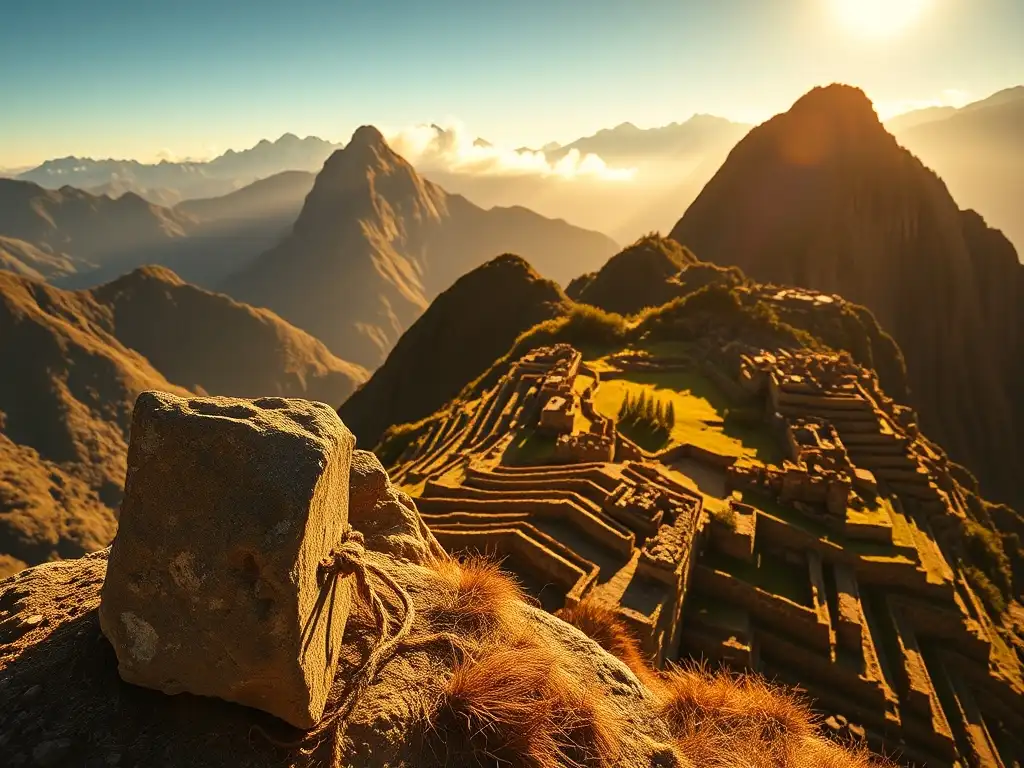
The Andes Mountains, a formidable and diverse geographical feature, played a pivotal role in shaping the trajectory of Andean civilization origins. The dramatic variations in altitude, climate, and available resources profoundly influenced the development of distinct cultural adaptations across different regions. Understanding this intricate relationship between environment and society is crucial to comprehending the rise of complex societies in the Andes.
The unique challenges and opportunities presented by the Andean environment fostered ingenuity and resilience, leading to remarkable innovations in agriculture, architecture, and social organization. This section will explore the key environmental factors and their impact on the development of early Andean cultures.
Andean Geography and its Influence on Early Cultures
Andean geography, characterized by its towering peaks, deep valleys, and coastal deserts, presented both obstacles and advantages to early inhabitants. The high altitude, thin air, and steep slopes made agriculture challenging, yet also created microclimates that allowed for diverse agricultural practices. The verticality of the Andes, often referred to as verticality, fostered a unique system of resource management.
Different ecological zones, from the frigid puna highlands to the warmer coastal valleys, offered a variety of resources, leading to specialized production and exchange networks. For example, the coastal regions provided access to marine resources, while the higher altitudes offered grazing lands for llama and alpaca herding. This verticality fostered a complex interplay between different ecological zones, creating a foundation for the development of intricate social and economic systems.
Early cultures like the Chavín adapted remarkably to these diverse environments, developing sophisticated irrigation systems and terracing techniques to maximize agricultural productivity in challenging terrains. Their success highlights the profound impact of geographic factors on the emergence of complex social structures.
Resource Management and Adaptation in the Andes
The scarcity and uneven distribution of resources in the Andes necessitated innovative strategies for resource management. Early Andean societies developed sophisticated techniques for water management, including complex irrigation systems and canals, to support intensive agriculture in arid and semi-arid regions. The construction of these systems required significant labor organization and social cooperation, contributing to the development of centralized political structures. Furthermore, the strategic management of agricultural resources, including the domestication of crops like potatoes and maize, was crucial to sustaining growing populations.
Careful planning and distribution of resources were essential for maintaining social stability and preventing conflicts. Evidence of sophisticated storage techniques, such as qollqas (Andean storehouses), indicates a high level of organizational capacity and foresight in managing resources for both immediate needs and future contingencies. The success of these resource management strategies was instrumental in supporting the growth and complexity of Andean societies.
Climate Change and its Impact on Andean Societies
Climate change significantly influenced the development and trajectory of Andean civilizations. Fluctuations in rainfall patterns and temperature significantly impacted agricultural productivity, leading to periods of abundance and scarcity. Archaeological evidence suggests that droughts and other climatic events played a role in triggering social upheaval and migration.
For instance, periods of prolonged drought may have contributed to the decline of certain cultures and the rise of others. The ability of Andean societies to adapt to these climatic variations was crucial to their survival and influenced their social and political organization. The development of resilient agricultural practices, such as crop diversification and the development of drought-resistant crops, was crucial for mitigating the impacts of climate change.
Understanding the complex interplay between climate change and societal development provides valuable insights into the resilience and adaptability of Andean cultures. Further research, particularly in paleoclimatology and archaeobotany, is crucial to fully understanding the long-term impact of climate variability on Andean civilization origins and the development of their complex societies. The study of these factors helps us understand not only when and how these societies developed, but also why certain patterns emerged and others did not.
Tracing the Development of Andean Civilization
This section delves into the fascinating evolution of Andean societies, exploring the key advancements that propelled them from small, dispersed communities to complex, regionally powerful civilizations. We will examine the critical junctures, technological innovations, and cultural shifts that defined the Andean civilization origins and paved the way for the remarkable empires that would later emerge. Understanding these foundational periods is crucial to appreciating the full scope and ingenuity of Andean achievements.
The Initial Period: Cultural and Technological Advancements
The earliest evidence of human presence in the Andes dates back to the late Pleistocene epoch. These early inhabitants, adapting to the diverse and challenging Andean landscape, developed remarkable skills in agriculture and resource management. Their initial adaptations laid the groundwork for future societal complexity. The cultivation of root crops, like potatoes and quinoa, alongside the domestication of camelids (llamas and alpacas), provided a stable food source, allowing for the development of settled villages.
This period also witnessed significant technological advancements. The development of sophisticated irrigation systems, particularly in the coastal regions, was crucial. These systems, often involving intricate canal networks and terraces, allowed for increased agricultural productivity and supported larger populations. Furthermore, the mastery of ceramic production—evident in the early pottery styles found in various Andean regions—demonstrates a growing level of craftsmanship and social organization.
The earliest pottery often features simple designs, but they represent a crucial step towards more elaborate artistic expressions in later periods. Archaeological findings continue to illuminate the ingenuity of these early Andean peoples, revealing a gradual but steady progress in technology and social organization. The precise dating of these early advancements is still an ongoing area of research, but the evidence clearly points to a remarkable capacity for innovation within the challenging Andean environment. This early ingenuity is a key component in understanding the Andean civilization origins.
As agricultural production intensified and populations grew, a gradual shift towards more complex social structures occurred. The emergence of regional centers, characterized by larger settlements and the presence of monumental architecture, marks a significant turning point. These centers likely served as administrative, religious, and economic hubs, reflecting the increasing centralization of power. The development of social hierarchies, with specialized roles and differentiated access to resources, became increasingly evident. Evidence suggests that elite groups, often associated with religious authority or political leadership, controlled access to land, resources, and labor.
The sophistication of these early social structures varied across different regions of the Andes. While some areas witnessed the rapid development of complex societies, others remained characterized by smaller, more egalitarian communities. Factors such as environmental conditions, access to resources, and the nature of social interactions likely contributed to this regional variation.
Nevertheless, the overall trend points to a gradual process of social evolution, driven by the increasing complexity of economic production and social organization. This period represents a crucial step in the trajectory of Andean civilization origins, setting the stage for the emergence of larger, more powerful states in subsequent eras. Further research is needed to fully understand the nuances of regional differences and the factors that shaped the development of social hierarchies across the diverse Andean landscape.
The Evolution of Andean Art and Religious Practices
The development of Andean art and religious practices is intricately intertwined with the evolution of their societies. Early artistic expressions, often found on pottery and textiles, reflect a deep connection to the natural world and a rich cosmology. Stylized depictions of animals, plants, and deities provide valuable insights into their beliefs and worldview. The increasing complexity of Andean societies is reflected in the sophistication of their art. Monumental architecture, elaborate textiles, and intricate metalwork demonstrate a growing level of technical skill and artistic expression.
Religious practices played a central role in Andean life, shaping social structures and political power. Evidence suggests the existence of highly organized religious institutions, with specialized priests and rituals. The worship of various deities, often associated with natural phenomena such as mountains, rivers, and the sun, reflects the profound significance of the natural environment in their lives. The construction of monumental structures, such as temples and pyramids, served as focal points for religious activities and further solidified the power of religious elites.
The intricate interplay between religion, art, and social organization is a key characteristic of Andean civilizations and a vital aspect of understanding their origins. Further study of religious iconography and ritual practices is essential to fully unravel the complexities of Andean belief systems and their impact on the development of their societies. The evolution of these practices is a key element of Andean civilization origins.
Connecting the Threads: Unveiling the Ancestry of Andean Civilizations
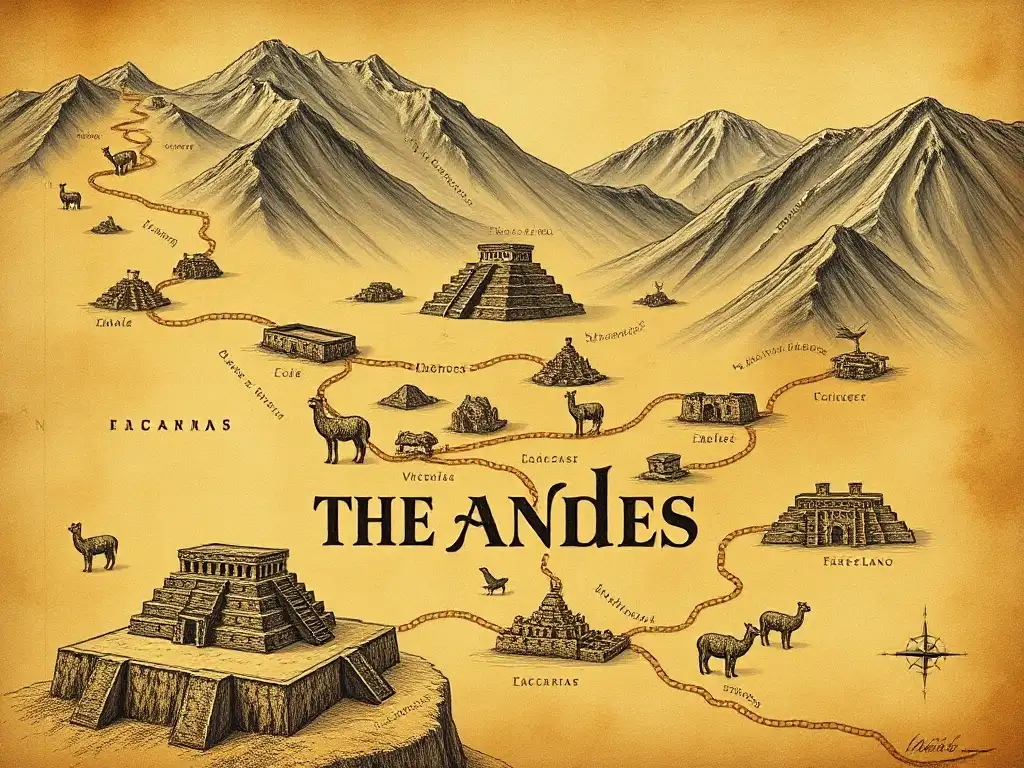
This section delves into the complex tapestry of early Andean societies, exploring the interconnectedness of their cultures and the evolution of their artistic expressions. Understanding these foundational elements is crucial to appreciating the later flourishing of civilizations like the Inca. The search for Andean civilization origins requires a multifaceted approach, acknowledging both continuity and change across millennia.
The Interrelation of Early Andean Cultures
The Andean region wasn't a monolithic entity. Instead, a diverse range of early cultures—including the Chavín, Paracas, and Nazca—existed concurrently and interacted in complex ways. These interactions weren't always peaceful; warfare and territorial disputes certainly played a role. However, significant cultural exchange also occurred, leading to the diffusion of ideas, technologies, and artistic styles across vast geographical distances.
For example, the distinctive Chavín artistic style, characterized by its iconic feline and serpent motifs, spread widely throughout the Andes. Evidence suggests that Chavín influence extended far beyond its central location, impacting the artistic expressions of later cultures like the Paracas and Nazca.
This dissemination wasn't a simple copy-and-paste operation; rather, recipient cultures adapted and integrated Chavín elements into their own unique artistic traditions, resulting in a rich diversity of styles while still reflecting a shared Andean heritage. The spread of specific agricultural techniques, like the cultivation of certain crops adapted to high altitudes, also points to significant inter-cultural exchange and the development of shared practices crucial to Andean civilization origins.
We can see this interrelation in the pottery styles. While distinct regional variations exist, common design elements and techniques suggest a degree of interaction and shared knowledge. Further research into ceramic analysis, including chemical composition studies, could provide even more precise data on the extent of trade networks and cultural exchange between these early Andean communities. This intricate web of interaction shaped the cultural landscape of the Andes and laid the groundwork for the later rise of more complex societies.
Tracing the Development of Andean Iconography
The evolution of Andean iconography offers compelling insights into the beliefs, values, and social structures of these early societies. Analyzing the recurring motifs and symbols in their art—from textiles and pottery to monumental architecture—reveals a gradual development of complex symbolic systems. The early Andean civilization origins are partly defined by the emergence of these sophisticated systems of visual communication.
Early iconography often featured stylized representations of animals, particularly felines, serpents, and birds, which likely held significant religious or spiritual meaning. These representations evolved over time, becoming increasingly elaborate and abstract. For example, the simple feline depictions of the Chavín culture gradually transformed into more complex and stylized forms in subsequent cultures. This evolution reflects not only artistic innovation but also potential changes in religious beliefs and social hierarchies.
The development of sophisticated weaving techniques and the incorporation of intricate designs into textiles also played a significant role. These textiles were not merely functional items; they served as important social markers, often displaying symbols of power and status. Further investigation into the symbolism embedded within these textiles could unlock valuable information about the social structures and cosmological beliefs of these early societies. Understanding the evolution of Andean iconography thus allows us to trace the development of their worldview and its influence on later Andean civilizations.
The Legacy of Early Andean Societies on Later Civilizations
The early Andean cultures didn't simply vanish; their legacy profoundly shaped the development of later civilizations, including the Inca Empire. The Inca inherited a rich cultural heritage, building upon existing traditions and adapting them to their own imperial ambitions. This continuity is evident in various aspects of Inca culture, from their agricultural techniques and architectural styles to their religious beliefs and artistic expressions.
For example, the Inca mastery of terrace farming, a technique used for centuries before their rise, allowed them to cultivate crops in challenging mountainous terrain. Similarly, Inca architecture, while impressive in its scale and complexity, drew upon earlier architectural traditions and building techniques.
The intricate stonework of Machu Picchu, for instance, demonstrates a remarkable continuity with earlier Andean architectural styles, showcasing the evolution of these techniques across centuries. The enduring impact of these early societies on later civilizations underscores the importance of understanding their history and contributions to the development of Andean civilization origins.
Further research comparing the technological advancements, social structures, and religious practices of different Andean societies across time would illuminate the complex relationship between these societies and help us further understand the Andean civilization origins. The continuity and adaptation of traditions illustrate the rich and complex history of the Andes, a history built on layers of cultural exchange, innovation, and adaptation.
Debates and Ongoing Research on Andean Civilization Origins
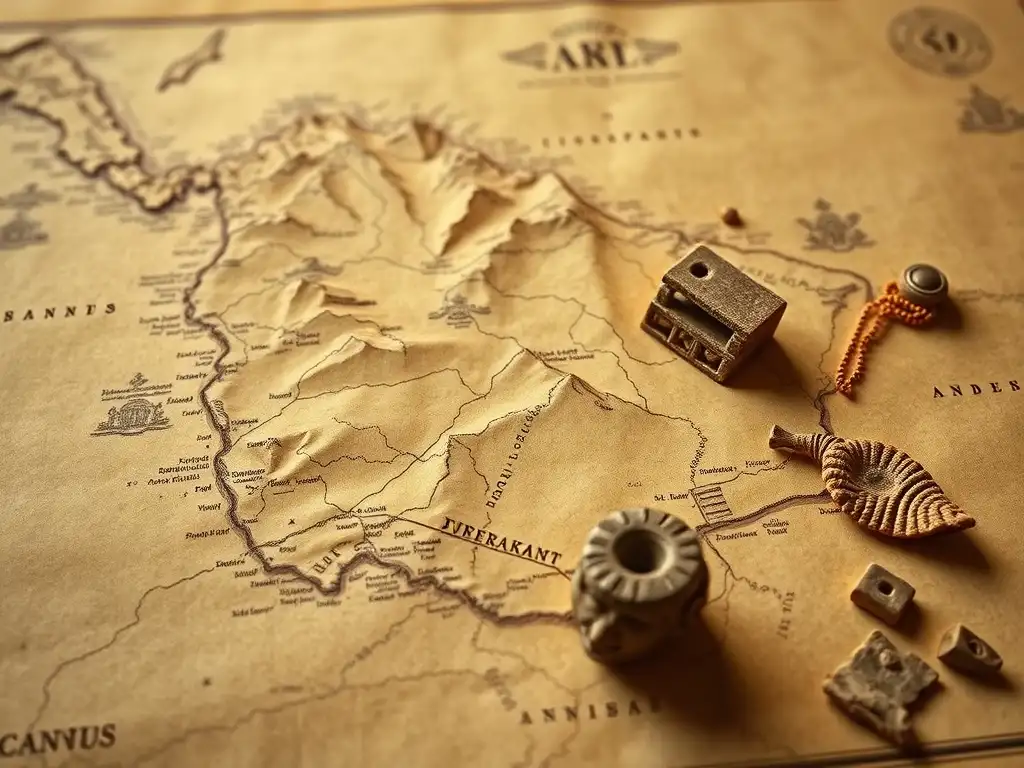
The origins of Andean civilization remain a subject of intense scholarly debate, with ongoing research constantly refining our understanding. While the timeline of development is generally agreed upon, the specific factors driving the transition from small, dispersed hunter-gatherer groups to complex, stratified societies are still actively investigated. Several competing theories exist, focusing on factors such as environmental changes, technological innovations, and social interactions.
For example, some researchers emphasize the role of climate shifts in the Andes, arguing that periods of increased rainfall or drought acted as catalysts for population movements and the development of irrigation systems. Others highlight the importance of agricultural innovations, particularly the domestication of key crops like potatoes and maize, as the foundation for population growth and social organization.
The interplay of these factors, and the relative importance of each, continues to be a central focus of research into Andean civilization origins. Understanding these processes is crucial to fully appreciating the remarkable achievements of Andean societies.
Recent Discoveries at Huaca Prieta and their Implications
Recent archaeological excavations at Huaca Prieta, a site on the north coast of Peru, have yielded significant new data relevant to the understanding of early Andean civilization origins. The discovery of [specific artifact type pending] and evidence of [specific agricultural practice pending] pushes back the timeline for certain aspects of societal development, suggesting a more complex picture than previously assumed. These findings challenge existing narratives about the pace and nature of early Andean societal evolution, particularly concerning the development of sedentary lifestyles and agricultural intensification.
The implications are far-reaching, prompting a reassessment of the relationships between various early Andean cultures and the diffusion of ideas and technologies. The meticulous analysis of organic remains from Huaca Prieta, including plant and animal materials, offers invaluable insights into the diet and subsistence strategies of early Andean populations, providing crucial context for understanding the broader societal changes occurring at this pivotal moment in history.
The sophisticated techniques used to analyze these materials, such as radiocarbon dating and phytolith analysis, are crucial for achieving a more precise understanding of the timeline and processes involved in the rise of Andean civilization. These advancements in scientific methodology are constantly refining our understanding of the Andean past.
Bioarchaeology, the study of human remains in an archaeological context, offers a powerful new lens through which to examine the development of social complexity in the Andes. Analysis of skeletal remains, including indicators of diet, disease, and trauma, reveals crucial information about the lives of individuals living during the formative period of Andean civilization. For instance, studies of isotopic ratios in bones can reveal insights into dietary patterns and social stratification.
Differences in diet between different social groups, as reflected in bone chemistry, may indicate early forms of social inequality. Similarly, analysis of skeletal pathologies can shed light on the health consequences of changes in lifestyle and environment, such as the transition to sedentary agriculture. The increasing use of ancient DNA analysis offers even greater potential, allowing researchers to investigate kinship patterns, population movements, and the genetic basis for adaptation to the Andean environment.
These new bioarchaeological approaches are providing unprecedented insights into the lives of early Andean people, enriching our understanding of the social, economic, and political structures that characterized the emergence of complex societies. The combination of isotopic analysis with skeletal pathology analysis offers a powerful tool for understanding the interplay of environment, diet, and social structure in shaping the development of Andean societies.
Future Directions in the Study of Andean Origins: Interdisciplinary Approaches
Future research into Andean civilization origins will increasingly rely on interdisciplinary approaches, integrating insights from archaeology, anthropology, genetics, paleoclimatology, and other fields. This integrated approach is essential for achieving a holistic understanding of the complex interplay of factors that shaped the development of Andean societies. For example, combining archaeological data with climate reconstructions can help to determine the impact of environmental changes on societal adaptation and resilience.
Similarly, integrating genetic data with archaeological findings can shed light on population movements and the spread of cultural practices. The development of new technologies, such as advanced imaging techniques and high-throughput sequencing, will further enhance our ability to reconstruct the past. The application of sophisticated modeling techniques, such as agent-based modeling, will allow researchers to simulate the complex interactions between various factors, providing new insights into the dynamics of societal development.
Ultimately, a deeper understanding of Andean civilization origins requires a collaborative effort, bringing together scholars from diverse disciplines to tackle this fascinating and complex historical puzzle. This collaborative approach is crucial for unlocking the secrets of Andean civilization origins and providing a more nuanced and accurate picture of its development.
Conclusion: A Journey Through Time to Understand Andean Civilization Origins
This exploration into the origins of Andean civilization has unveiled a complex tapestry woven from diverse threads. We've journeyed through millennia, witnessing the gradual development of sophisticated societies from humble beginnings. Understanding the Andean civilization origins requires a nuanced approach, recognizing the interplay of environmental factors, technological innovations, and social structures.
The narrative isn't one of a single, linear progression, but rather a branching evolution, with various cultures contributing to the rich heritage of the Andes. From the initial hunter-gatherer groups to the monumental achievements of the Inca Empire, the story is one of adaptation, resilience, and remarkable ingenuity. The path towards understanding these origins is ongoing, a testament to the enduring fascination and complexity of these ancient societies.
Summarizing Key Factors in the Rise of Andean Societies
Several key factors contributed to the rise of complex societies in the Andes. The availability of resources, particularly fertile valleys and access to water, played a crucial role. Early Andean cultures mastered irrigation techniques, allowing them to cultivate crops like potatoes and maize on a large scale. This agricultural surplus provided the foundation for population growth and the development of specialized labor.
Technological advancements were also critical. The development of sophisticated pottery, textiles, and metalworking techniques not only facilitated daily life but also served as markers of social status and power. The construction of monumental architecture, such as the Nazca Lines and the impressive structures at Tiahuanaco, showcases advanced engineering skills and organizational capacity. These projects required significant coordination and labor, demonstrating the ability of Andean societies to mobilize large populations for collective endeavors.
Furthermore, the development of complex social structures, including hierarchical systems and religious beliefs, played a vital role in shaping Andean societies. The emergence of powerful elites and the creation of elaborate religious rituals helped to maintain social order and legitimize power. The unique Andean worldview, with its emphasis on ancestor veneration and the interconnectedness of the natural world, profoundly impacted the development of their cultures and societies. This complex interplay of environmental factors, technological innovation, and social organization ultimately led to the rise of the impressive and diverse Andean civilizations.
The Enduring Legacy of Early Andean Cultures
The legacy of early Andean cultures continues to resonate today. Their innovations in agriculture, engineering, and art have left an indelible mark on the region. The sophisticated irrigation systems they developed are still studied and adapted today, offering valuable lessons in sustainable resource management. Their artistic achievements, from intricate textiles to monumental sculptures, provide insight into their beliefs, values, and aesthetic sensibilities.
The enduring power of their mythology and cosmology is evidenced in the continued practice of Andean traditions and beliefs by many contemporary communities. The impact of their achievements extends beyond the Andes, influencing other cultures and inspiring awe in generations of scholars and researchers. Their story is a powerful reminder of human adaptability and the potential for innovation even in challenging environments.
The Importance of Continued Exploration and Research
Despite significant advancements in our understanding of Andean civilization origins, much remains unknown. Continued exploration and research are crucial to unraveling the mysteries that still surround these ancient societies. New archaeological discoveries, technological advancements in analysis, and interdisciplinary collaborations hold the key to further illuminating the complexities of their history and culture.
By combining archaeological evidence with ethnohistorical accounts and anthropological perspectives, we can gain a more comprehensive understanding of their social structures, beliefs, and interactions with their environment. Further research may uncover previously unknown settlements, reveal new details about their technologies, and provide deeper insights into their social and political organizations.
The quest to understand Andean civilization origins is a journey of continuous discovery, promising to yield new knowledge and deepen our appreciation for these remarkable cultures. The ongoing study of Andean civilizations is not simply an academic pursuit; it's a vital endeavor that enriches our understanding of human history and offers valuable lessons for the future.
Frequently Asked Questions
What are the earliest known Andean civilizations?
While pinpointing the absolute earliest is debated, the Caral civilization in Peru (c. 2600-2000 BCE) is a strong contender, predating many later well-known cultures. Other early significant groups include the Chavín culture.
How did the geography of the Andes influence Andean civilization origins?
The challenging terrain of the Andes Mountains significantly shaped Andean cultures. Adapting to high altitudes, diverse climates, and limited arable land drove innovation in agriculture and social organization. This is key to understanding their unique development.
What role did agriculture play in the development of Andean civilizations?
Agriculture was fundamental. The domestication of crops like potatoes, maize, and quinoa provided a stable food source, supporting larger and more complex societies. Irrigation systems were crucial technological advancements.
What are some common characteristics of early Andean civilizations?
Many shared features, including sophisticated agricultural techniques, religious beliefs often centered around nature worship, and the development of unique artistic styles in pottery, textiles, and architecture.
How did different Andean cultures interact with each other?
Interactions varied greatly; some involved peaceful exchange of goods and ideas, while others involved conflict and conquest. Trade networks connected distant communities, but warfare also played a significant role in shaping the region's history.
Final Reflection: Echoes of the Andes: A Legacy Unfolding
The quest to understand the origins of Andean civilization remains as vital today as it was centuries ago. Our understanding of these ancient societies not only illuminates our shared human history but also offers crucial insights into sustainable living, complex social structures, and the enduring power of cultural resilience in the face of adversity. The intricate tapestry woven by the Andean cultures serves as a powerful reminder of humanity's capacity for innovation and adaptation.
The enduring legacy of Andean civilization continues to shape the cultural and social landscape of South America, influencing everything from artistic expression to agricultural practices. Its impact resonates far beyond the geographical boundaries of the Andes, offering a rich source of inspiration for scholars, artists, and communities worldwide. The past is never dead. It's not even past.
- William Faulkner. This quote perfectly encapsulates the ongoing relevance of understanding Andean origins; their story is not merely a historical account, but a living narrative that continues to inform and inspire.
Consider the ingenuity of their agricultural techniques, their sophisticated understanding of astronomy, and the intricate social structures they developed. These achievements weren't simply products of their time; they represent a profound understanding of their environment and a remarkable capacity for collaboration and innovation. You, the reader, are now part of this ongoing conversation.
Take a moment to reflect on the parallels between the challenges faced by the Andean people and those we confront today. What lessons can we learn from their resilience, their ingenuity, and their deep connection to the land? Let the echoes of the Andes inspire you to explore your own origins and to build a future informed by the wisdom of the past.
Unveil the Wonders of Andean Civilization!
Thank you for exploring the captivating history of Andean civilization with us! We hope this journey has deepened your understanding of these incredible cultures and their intricate origins. Let's build on this inspiration and explore ways to further connect with this rich heritage.
- Visit local museums and exhibits showcasing Andean artifacts and stories for a more personal understanding.
- Connect with communities passionate about Andean history by joining online forums or social media groups dedicated to sharing insights and experiences.
- Take a virtual tour of significant Andean sites to appreciate their art and architecture from the comfort of your home.
What aspect of Andean civilization captivates you most, and how will you share your fascination with others?