
The Gateway to the Sun: Exploring the Ancient City of Tiwanaku

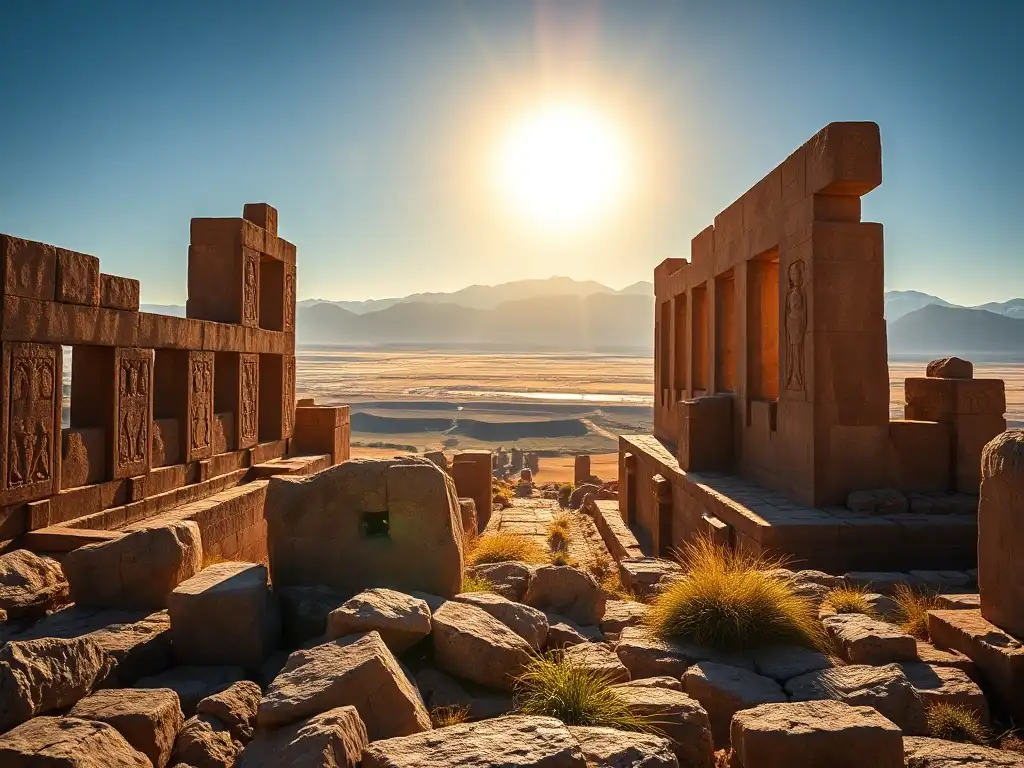
Unravel the mysteries of a lost world. For centuries, the towering stones of Tiwanaku have whispered tales of a sophisticated civilization that thrived in the Andes. Journey with us into the heart of this enigmatic ancient city, exploring its breathtaking architecture, advanced engineering feats, and the enduring legacy of the Tiwanaku people. Discover the secrets hidden within the Tiwanaku ancient city history and unlock the wonders of a civilization that continues to captivate the imagination. Prepare to be amazed.
The ancient city of Tiwanaku, located near Lake Titicaca in modern-day Bolivia, stands as a testament to the ingenuity and sophistication of a pre-Columbian civilization that flourished centuries before the Inca Empire. This enigmatic city, often referred to as the "Gateway to the Sun" due to its iconic Sun Gate, remains shrouded in mystery, captivating archaeologists and history enthusiasts alike.
Understanding Tiwanaku's history is key to understanding the broader tapestry of Andean civilizations and their remarkable achievements in architecture, engineering, agriculture, and religious practices. This article delves into the rich history of Tiwanaku, offering insights into its monumental structures, intricate religious beliefs, and the enduring legacy it left on the Andean world.
We will explore the fascinating aspects of this ancient city, providing essential information for those planning a visit to this remarkable archaeological site, allowing you to fully appreciate the significance of Tiwanaku's place within the history of the Andean region and its lasting impact on our understanding of "Tiwanaku ancient city history". Prepare to be amazed by the scale and complexity of this pre-Inca marvel!
Unveiling the Mysteries of Tiwanaku: A Journey Through Time
Tiwanaku's history is a complex and fascinating narrative spanning centuries. Archaeological evidence suggests that the city's origins date back to at least the early centuries CE, with its peak likely occurring between the 5th and 10th centuries. The city’s builders were master engineers, constructing massive stone structures with precision and skill. Their advanced understanding of astronomy is evident in the precise alignment of many structures with celestial events.
The famous Sun Gate, a monumental gateway adorned with intricate carvings depicting various deities and symbols, is a prime example of their artistic and engineering prowess. The precise meaning of these carvings remains a subject of ongoing scholarly debate, adding to the city's mystique. Furthermore, the sophisticated irrigation systems and agricultural techniques employed by the Tiwanaku people demonstrate their remarkable adaptation to the high-altitude environment of the Altiplano. Evidence suggests a complex social structure, possibly hierarchical, with a centralized authority managing the city's development and resources.
The city's decline remains partially unexplained, with various theories pointing to factors such as environmental changes, internal conflicts, or external pressures. However, Tiwanaku's influence extended far beyond its geographical boundaries, leaving a lasting impact on subsequent Andean cultures. The legacy of Tiwanaku's architectural style, religious beliefs, and agricultural techniques can be seen in the cultures that followed, highlighting its significant role in shaping the history of the Andean region. The ongoing archaeological research continuously adds new pieces to this intricate puzzle, revealing more about this remarkable civilization.
Planning Your Expedition to Tiwanaku: Key Preparations
Visiting Tiwanaku is an unforgettable experience, but proper planning is essential to maximize your enjoyment and understanding of this remarkable site. Consider these key aspects to ensure a smooth and rewarding trip.
Understanding Tiwanaku's Location and Accessibility
Tiwanaku is situated approximately 72 kilometers west of La Paz, Bolivia, at a high altitude. The altitude can affect some visitors, so acclimatizing to the altitude before your visit is highly recommended. Transportation options include bus tours or private vehicles; both offer varying levels of comfort and convenience. Knowing the best time to visit, considering weather conditions and potential crowds, is also crucial for planning your trip.
Essential Gear for Exploring Ancient Ruins
Exploring ancient ruins requires appropriate gear. Comfortable walking shoes are a must, as you'll be doing a fair amount of walking on uneven terrain. Sun protection, including sunscreen, a hat, and sunglasses, is crucial due to the high altitude and intense sunlight. Layers of clothing are recommended, as temperatures can fluctuate throughout the day. Bringing water bottles to stay hydrated is also vital, especially at higher altitudes. A camera to capture the impressive architecture and scenery is, of course, highly recommended.
Booking Your Stay and Guided Tours
Accommodation options range from budget-friendly hostels to comfortable hotels in nearby cities like La Paz or El Alto. Pre-booking accommodation, especially during peak season, is advisable. Guided tours provide valuable insights into the history and significance of the site. Choosing a knowledgeable guide can significantly enhance your understanding and appreciation of Tiwanaku. Researching and selecting a reputable tour operator beforehand will ensure a richer and more informative experience. Many tours combine a visit to Tiwanaku with other nearby attractions, offering a comprehensive exploration of the region's rich history and culture.
- Unveiling the Mysteries of Tiwanaku: A Journey Through Time
- Planning Your Expedition to Tiwanaku: Key Preparations
Immersing Yourself in Tiwanaku's History and Culture
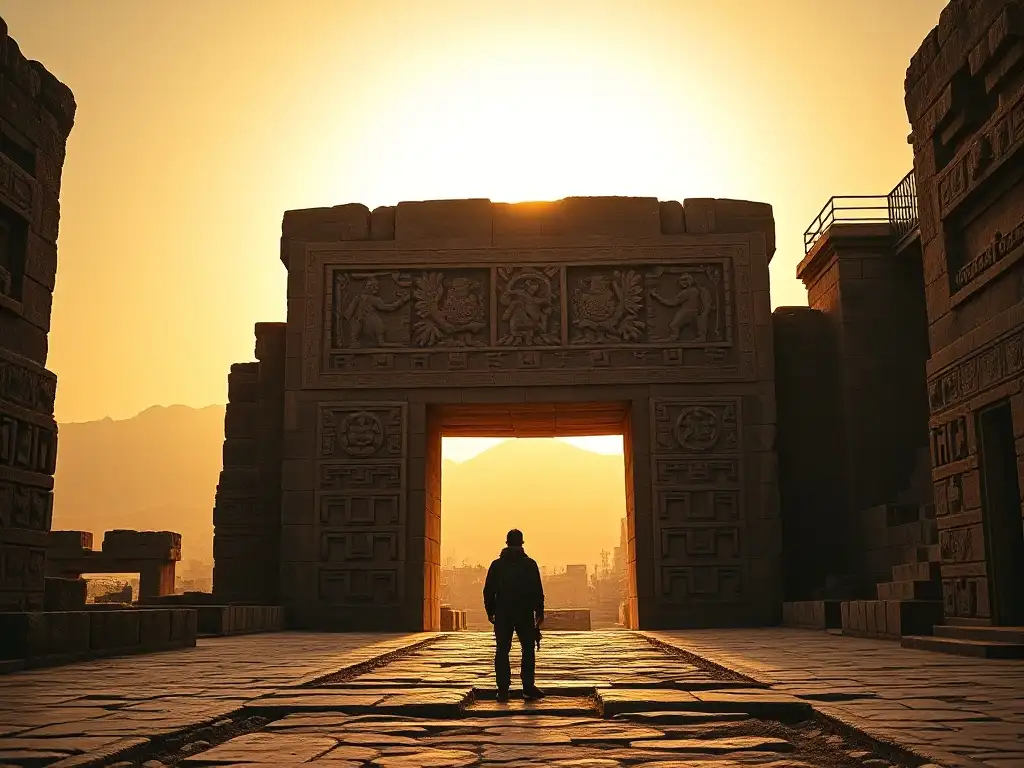
This section delves into the captivating history and cultural significance of Tiwanaku, a pre-Columbian city whose influence resonates even today. Understanding its rich past is crucial to appreciating the monumental structures and intricate artifacts that remain. The Tiwanaku ancient city history is complex and layered, spanning centuries of development and societal evolution.
We will explore key aspects of its fascinating legacy, providing a clearer picture of this remarkable civilization. The sheer scale and sophistication of Tiwanaku's architecture and urban planning suggest a highly organized and advanced society, capable of monumental feats of engineering and social coordination. Analyzing its history helps us understand the broader context of Andean civilization and its impact on subsequent cultures.
The city's influence extended far beyond its immediate geographical boundaries, shaping the cultural landscape of the surrounding regions for centuries. This influence is evident in the architectural styles, religious beliefs, and agricultural practices adopted by later Andean societies.
Exploring the Sacred Precinct: The Heart of Tiwanaku
The heart of Tiwanaku lies within its sacred precinct, a complex of monumental structures that served as the focal point of religious and ceremonial life. The Kalasasaya complex, for example, is a testament to the city's sophisticated astronomical knowledge and its understanding of the cosmos. The precise alignment of its structures with celestial events suggests a deep connection between the city’s inhabitants and the heavens.
Evidence suggests that this area hosted elaborate rituals and ceremonies, attracting pilgrims from across the Andes. The central location of the Kalasasaya within the city emphasizes its paramount importance in the lives of its inhabitants. Detailed analysis of the precinct's layout reveals a carefully planned arrangement of temples, plazas, and residential areas, reflecting a well-defined social hierarchy and a structured urban organization.
The intricate carvings found on many of the structures offer further insights into Tiwanaku's religious beliefs and iconography. These carvings depict various deities, mythical creatures, and symbolic representations that continue to fascinate researchers and inspire awe in visitors. The use of specific materials, like red sandstone, and the sophisticated techniques employed in their construction speak to the advanced technological capabilities of the Tiwanaku people.
Delving into Tiwanaku's Technological Marvels
Beyond its religious significance, Tiwanaku also stands as a testament to the remarkable technological achievements of its builders. Their mastery of stonework, irrigation, and agricultural techniques allowed them to thrive in a challenging high-altitude environment. The ingenuity and precision displayed in their constructions continue to amaze archaeologists and engineers. The city’s advanced infrastructure and sophisticated technologies are indicative of a highly developed civilization capable of complex planning and execution. Understanding these achievements provides valuable insights into the ingenuity and resourcefulness of the Tiwanaku people.
Advanced Engineering and Stone Masonry
The precise cutting, fitting, and placement of massive stones in Tiwanaku’s structures are astonishing feats of engineering. Consider the Puerta del Sol (Gateway to the Sun), a monolithic gateway weighing an estimated 10 tons. The intricate carvings on its surface, depicting various figures and symbols, were executed with incredible precision.
The monumental architecture of Tiwanaku, including the Akapana pyramid and the Kalasasaya, demonstrate a profound understanding of engineering principles. Researchers are still debating the methods employed to transport and erect these massive stones, highlighting the complexity of the construction process. The lack of mortar in many of the structures further emphasizes the precision required to achieve such a perfect fit between the stones.
This advanced understanding of stone masonry, combined with their organizational skills, allowed the Tiwanaku to create enduring monuments that have withstood the test of time. The precision and scale of their work are a testament to their technological prowess and cultural sophistication.
Tiwanaku's Agricultural Innovations
Tiwanaku's success also depended on its sophisticated agricultural practices. The challenging altiplano environment required innovative solutions to ensure food security. The Tiwanaku developed raised field agriculture, a system of artificially created elevated plots designed to improve soil drainage and increase agricultural yields. These raised fields are a testament to their understanding of water management and soil conservation.
This innovative system allowed them to cultivate crops even in areas with poor drainage and limited arable land. The implementation of raised fields significantly increased agricultural productivity, supporting a large and dense population within the Tiwanaku region. Archaeological evidence suggests that these agricultural innovations were crucial to Tiwanaku's growth and prosperity.
The success of their agricultural systems is a crucial element in understanding the city's longevity and its influence on subsequent Andean cultures. Their agricultural innovations highlight the Tiwanaku's adaptability and resourcefulness in the face of environmental challenges. This ingenuity helped them build a thriving civilization in a challenging environment, shaping their cultural development and societal structures.
The Legacy of Tiwanaku: Understanding its Influence on Andean Culture
Tiwanaku's impact resonates far beyond its physical remains; its influence shaped the cultural landscape of the Andes for centuries. The city's sophisticated urban planning, complex religious beliefs, and advanced agricultural techniques left an indelible mark on subsequent Andean societies. Understanding this legacy requires examining the city's sophisticated social structure, its unique artistic expressions, and the ways its innovations were adopted and adapted by later cultures.
The sophisticated water management systems, for example, demonstrate a deep understanding of hydraulic engineering, influencing later irrigation techniques across the region. This wasn't simply a matter of copying; rather, later cultures integrated and modified Tiwanaku's practices to suit their specific environments and needs, showcasing a dynamic exchange of knowledge and adaptation. The very existence of Tiwanaku as a powerful and influential center served as a model for later Andean states, inspiring their own attempts at creating large-scale urban centers and complex social hierarchies.
The city's influence wasn't limited to a single successor state; rather, it permeated the development of numerous cultures across the Andean region, illustrating its enduring significance. The echoes of Tiwanaku's monumental architecture and religious symbolism can be traced in the art, architecture, and religious practices of later Andean civilizations, highlighting the city's lasting power and influence. The study of Tiwanaku's legacy provides crucial insights into the evolution of Andean societies and the interconnectedness of cultural development in the region.
Tiwanaku's Art and Iconography
The art and iconography of Tiwanaku are instantly recognizable, characterized by their unique style and symbolic richness. Monumental sculptures, intricately carved ceramics, and textiles adorned with complex designs all reflect a sophisticated artistic tradition. The iconic "Gateway of the Sun," a massive stone lintel covered in intricate carvings, serves as a prime example. Its depictions of figures, possibly deities or mythical beings, continue to fascinate researchers and inspire interpretations.
The repeated motifs, such as stylized figures, geometric patterns, and stepped pyramids, reflect a deep-seated cosmology and religious belief system. These artistic expressions weren't merely decorative; they were integral to Tiwanaku's religious and social life, communicating powerful messages and reinforcing social hierarchies. The mastery of stone carving, evidenced in the precision and scale of the sculptures, showcases the advanced technological skills of Tiwanaku artisans.
The use of specific materials and techniques, like the precise fitting of stones without mortar in many structures, further points to advanced knowledge and expertise. Analyzing Tiwanaku art provides valuable insights into their worldview, religious beliefs, and social structures, and helps to trace the influence of its artistic style on later Andean cultures. The distinct aesthetic elements and symbolic vocabulary of Tiwanaku art were clearly influential on subsequent artistic traditions, identifiable in the styles of pottery, textiles, and metalwork of later Andean civilizations.
Tiwanaku's Influence on Later Andean Societies
The influence of Tiwanaku extended far beyond its geographical boundaries, impacting the development of several later Andean societies. Its sophisticated administrative systems, advanced agricultural techniques, and religious beliefs were adopted and adapted by subsequent cultures. The Wari and Inca empires, for example, demonstrate clear evidence of Tiwanaku's influence in their urban planning, administrative structures, and religious practices. The Wari state, in particular, shows striking similarities in its urban layout and administrative organization to Tiwanaku, suggesting a direct link or at least a strong influence.
This influence wasn't simply a matter of direct imitation; rather, it was a complex process of adaptation and integration. Later societies adopted certain aspects of Tiwanaku culture while modifying them to fit their own specific needs and contexts. For instance, while the Inca adopted some elements of Tiwanaku's religious beliefs, they integrated them into their own existing pantheon and cosmological worldview. The spread of Tiwanaku's influence is evident not only in the monumental architecture and urban planning of later societies but also in their religious beliefs, artistic styles, and agricultural practices.
The legacy of Tiwanaku is a testament to its enduring impact on the cultural development of the Andes, shaping the trajectory of several succeeding civilizations. The study of this influence reveals the complex interplay between cultural exchange, adaptation, and innovation in the Andes. Further research is needed to fully understand the nuances of this complex relationship and the extent of Tiwanaku's impact on the diverse Andean societies that followed.
Extending Your Andean Adventure: Beyond Tiwanaku
This section focuses on enriching your Tiwanaku experience by suggesting complementary activities and resources that enhance your understanding and appreciation of the ancient city's history and the broader Andean cultural landscape. We'll explore nearby attractions, discuss ways to document your journey, and recommend further reading to deepen your knowledge of Tiwanaku's fascinating past. This will help you fully immerse yourself in the rich tapestry of Tiwanaku ancient city history.
Exploring Nearby Attractions: Complementing Your Tiwanaku Experience
After marveling at the Gateway to the Sun and the other impressive structures of Tiwanaku, consider extending your exploration to nearby sites that offer further insights into the region's pre-Columbian heritage. Lake Titicaca, for example, holds immense cultural significance, with its islands offering glimpses into the lives of indigenous communities who maintain ancient traditions. A visit to the lake provides a unique perspective on the environment that shaped Tiwanaku's development and its connection to the wider Andean world.
Furthermore, exploring smaller archaeological sites in the surrounding area, perhaps with a guided tour, can reveal more subtle aspects of Tiwanaku's influence and the broader pre-Inca civilizations that flourished in the region. These smaller sites often present less-crowded opportunities for contemplation and a deeper connection with the past.
Careful planning, including researching transportation options and tour availability, is crucial for maximizing your time and experiencing the full richness of the region. Remember to respect the sites and the local communities, contributing to the preservation of this incredible heritage for future generations.
Capturing Your Memories: Sharing Your Experience
Your journey to Tiwanaku is a unique opportunity to engage with a remarkable piece of history. Documenting your experience is a wonderful way to preserve these memories and share your insights with others. There are many effective methods for capturing and sharing your Tiwanaku adventure, each offering unique advantages.
Creating a Travel Blog or Photo Album
Creating a travel blog or photo album allows for a more personalized and detailed account of your journey. A blog allows you to weave together narratives, descriptions, and reflections with your images, creating a rich tapestry of your experience. A well-structured blog post can effectively convey the scale and magnificence of the Gateway to the Sun, the intricate details of the smaller structures, and the overall atmosphere of the site.
Similarly, a carefully curated photo album can highlight the architectural marvels, the textures of the stones, and even the surrounding landscape. Adding captions to your photos provides context and enhances their impact. Think about including details like the weather conditions, the sounds you heard, and the emotions you felt while exploring this ancient city.
This detailed approach ensures your memories are preserved and shared effectively. Consider using platforms specifically designed for travel blogging or photo sharing that offer robust organization and sharing options. Proper tagging and keyword usage (like "Tiwanaku ancient city history") will enhance the discoverability of your work.
Recommended Books and Resources on Tiwanaku History
To further enrich your understanding of Tiwanaku ancient city history, consider delving into some of the excellent resources available. Academic publications offer detailed analyses of archaeological findings and interpretations of Tiwanaku society. These publications can provide deeper insights into aspects such as the city's urban planning, its social structure, and its interactions with other Andean cultures. Look for books and articles that focus specifically on Tiwanaku's architecture, its religious beliefs, and its economic activities.
Consider also exploring documentaries and virtual tours that offer a more visual and immersive experience. These resources can provide valuable context and complement your on-site experience, allowing for a more complete understanding of this captivating ancient civilization. Remember to consult multiple sources to gain a well-rounded perspective on Tiwanaku’s rich and complex history. This multi-faceted approach will significantly deepen your appreciation for the site and its significance within the broader Andean cultural context.
Frequently Asked Questions
What is Tiwanaku?
Tiwanaku (also spelled Tiahuanaco) is a pre-Columbian archaeological site in Bolivia, considered one of the most important centers of power and culture in the Andes before the Inca Empire. It's renowned for its massive stone structures and sophisticated engineering.
When was Tiwanaku inhabited?
The main period of Tiwanaku's occupation is believed to be between 500 and 1000 CE, although evidence suggests earlier and later phases of development. Its influence extended far beyond its immediate geographic area.
What are Tiwanaku's most famous structures?
The Gateway of the Sun, a monumental gateway adorned with intricate carvings, is the most iconic. Other important structures include the Kalasasaya Temple, the Akapana pyramid, and various platforms and residential areas.
What is the significance of the Gateway of the Sun?
The Gateway of the Sun is a masterpiece of Andean architecture, featuring complex carvings that may represent mythological figures and cosmological beliefs. Its exact purpose remains a subject of debate among scholars.
How did the Tiwanaku civilization decline?
The reasons for Tiwanaku's decline are still debated. Theories include environmental factors like climate change, internal conflicts, and pressure from other Andean groups. The city gradually lost its influence over time.
Final Reflection: Tiwanaku's Enduring Legacy
The mysteries of Tiwanaku continue to resonate today, a powerful testament to the ingenuity and resilience of a civilization that thrived millennia ago. Its sophisticated architecture, intricate calendar system, and enigmatic symbolism challenge our understanding of pre-Columbian societies and force us to reconsider our own assumptions about the capabilities of ancient cultures. The sheer scale of Tiwanaku's achievements, even in the face of environmental challenges, remains awe-inspiring.
The enduring influence of Tiwanaku extends far beyond its physical remains; its legacy is woven into the cultural fabric of the Andean region and continues to inspire wonder and scholarly debate. The city's impact on subsequent civilizations is undeniable, its artistic motifs and architectural styles echoing through centuries. The past is never dead. It's not even past,
wrote William Faulkner, and this rings profoundly true when considering Tiwanaku's persistent presence in the collective consciousness. Its story reminds us of the interconnectedness of history and the importance of preserving and understanding our shared heritage.
Consider, for a moment, the ingenuity of a people who, without the benefit of modern technology, constructed such a magnificent city. Let Tiwanaku's story inspire you to appreciate the achievements of past civilizations and to seek out the hidden wonders that lie within your own community. Embrace the spirit of exploration and discovery; seek out the stories that lie beneath the surface, and let the legacy of Tiwanaku ignite your own curiosity and thirst for knowledge.
Unveil the Secrets of Tiwanaku Today!
Thank you for exploring the rich history of Tiwanaku with us! We hope you've discovered the awe-inspiring marvels and cultural significance of this ancient city. Now, let's put your newfound knowledge into action.
Here are a few ways to deepen your exploration and connection to Tiwanaku:
- Plan a visit: Immerse yourself in the breathtaking landscape and monumental architecture of Tiwanaku. Witness firsthand the grandeur of this remarkable civilization. Booking your trip is the first step to an unforgettable experience.
- Join a community: Connect with other history enthusiasts by joining online forums or local groups dedicated to Andean civilizations. Sharing your insights and learning from others will enrich your understanding.
- Explore further: Delve deeper into Tiwanaku's history and the broader context of Andean cultures by reading books, watching documentaries, or visiting museums. There's a wealth of information waiting to be discovered.
What aspect of Tiwanaku captivates you the most, and how will you continue your exploration? We'd love to hear your thoughts!