
Deciphering Andean Military Hierarchies: Ranks, Roles, and Responsibilities

Step into a world lost to time, yet echoing with the thunder of ancient armies. For centuries, the Andes Mountains witnessed the rise and fall of mighty civilizations, each leaving behind a legacy of breathtaking artistry and sophisticated engineering. But what fueled their conquests?
Discover the secrets behind the Andean military rank structure, a complex system of power and organization that shaped the destinies of empires. Unravel the intricate web of ranks, roles, and responsibilities that propelled these Andean societies to greatness – and ultimately, to their demise. Dare to explore the fascinating world of Andean warfare and uncover the truth behind their military might.
- Andean Military Rank Structure: An Overview of Hierarchy and Roles
- The Core Ranks in Andean Armies
- Specific Military Roles Beyond the Rank
- The Influence of Andean Culture on Military Ranks
- Comparing Military Ranks Across Different Andean Cultures
- The Responsibilities of Each Andean Military Rank
- The Significance of Military Rank in Andean Society
- Conclusion: The Importance of Understanding Andean Military Ranks
-
Frequently Asked Questions
- What was the basis of the Andean military rank structure?
- How did the Inca military rank system differ from other Andean cultures?
- What were the roles and responsibilities of high-ranking Andean military officers?
- Did all Andean civilizations have a similar military structure?
- What sources provide information on Andean military ranks?
- Final Reflection: Echoes of Conquest, Whispers of Resilience
- Unveil the Secrets of Andean Military Insights!
Andean Military Rank Structure: An Overview of Hierarchy and Roles
The Andes Mountains, a spine of towering peaks and deep valleys stretching along the western coast of South America, were home to a series of sophisticated and powerful civilizations. While often remembered for their impressive feats of engineering, intricate artistry, and complex social structures, the military prowess of these Andean societies is frequently underestimated. This article delves into the fascinating and complex topic of Andean military hierarchies, exploring the ranks, roles, and responsibilities that defined the organization and effectiveness of their armies.
Understanding the Andean military rank structure provides crucial insight into the political power dynamics, societal organization, and strategic capabilities of these remarkable cultures, revealing a level of military sophistication often overlooked in traditional historical narratives. We will examine specific examples from different Andean civilizations, including the Inca, Moche, Nazca, and Tiahuanaco, to illustrate the variations and commonalities in their military structures.
The Andean military wasn't a monolithic entity; rather, it reflected the diverse political landscapes and cultural practices of the various Andean societies. This exploration will illuminate the intricate relationships between military rank, social standing, and the overall functioning of these ancient states.
Understanding the Andean Military Organization
The Andean military organization varied significantly across different cultures and time periods. While a unified, standardized rank structure across all Andean civilizations doesn't exist in readily available historical records, we can discern common organizational principles and hierarchical patterns. Many Andean armies were composed of conscripted citizens, with obligations often tied to land ownership or social standing.
This meant that military service was not solely a professional endeavor but an integral part of civic duty. The size and composition of armies fluctuated based on the needs of the state, ranging from smaller, localized forces for defense to larger, more complex armies for conquest and imperial expansion. Evidence suggests a clear chain of command, with leaders holding significant authority and responsibility for the success of military campaigns.
The effectiveness of the Andean military, in part, stemmed from its integration with the broader societal structure, where military service and social status were often intertwined. Further research is needed to fully define the exact parameters of each rank within each civilization, but existing archaeological evidence and historical accounts allow us to build a general understanding.
The following table presents a generalized overview of potential Andean military ranks, acknowledging the inherent limitations due to the fragmented nature of available historical sources:
| Rank | Potential Responsibilities | Associated Symbols/Insignia (Speculative) | Civilization Examples |
|---|---|---|---|
| Supreme Commander | Overall strategy, mobilization of forces, ultimate authority | Unique headdress, ornate clothing, scepter | Inca Sapa Inca, Moche elite rulers |
| General/Chieftain | Command of large-scale military operations, strategic planning | Distinctive weaponry, privileged attire | Inca Apus, Moche military leaders |
| Captain/Officer | Leadership of smaller units (companies, squads), tactical decisions | Specific type of armor, unique weaponry | Inca Kurakas, Nazca warriors of higher status |
| Soldier/Warrior | Basic combat roles, participation in military campaigns | Standard issue weaponry, simple uniform | Inca, Moche, Nazca, Tiahuanaco common soldiers |
Note: The information presented in this table is a synthesis of current archaeological and historical knowledge. Further research is needed to refine and enhance our understanding of the specific ranks and their associated roles within each Andean civilization. The column on "Associated Symbols/Insignia" is largely speculative, based on inferences from existing artifacts and depictions.
Further sections will delve deeper into the specific military structures of individual Andean civilizations, providing more detailed analyses of their organizational features and military practices. 🗺️⚔️
The Core Ranks in Andean Armies
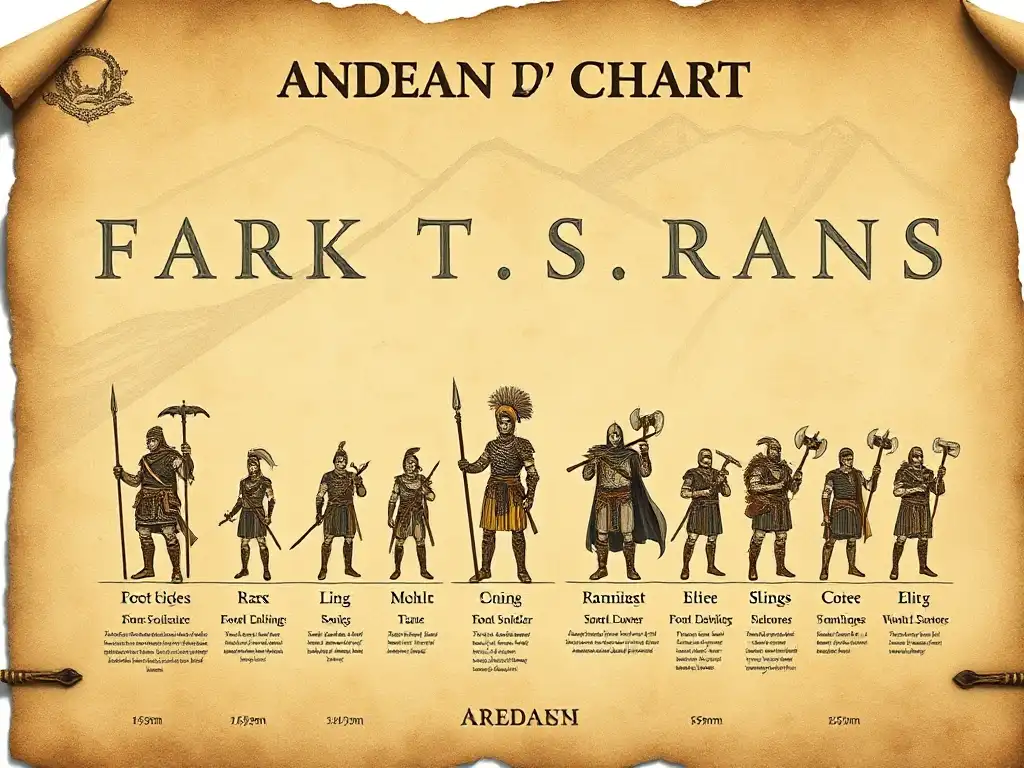
The Andean military rank structure wasn't as rigidly defined as in, say, the Roman legions. Instead, it was a more fluid system, heavily reliant on kinship ties, local authority, and the overall prestige of the individual within their community. While precise titles and insignia are scarce in the archaeological record, we can reconstruct a general hierarchy based on surviving accounts from Spanish chroniclers and the analysis of archaeological evidence like weaponry and burial sites.
The Andean military structure, particularly that of the Inca Empire, was deeply intertwined with their complex social and political organization, reflecting the hierarchical nature of Inca society. Understanding the "Andean military rank structure" requires appreciating this inherent interconnectedness. The system wasn't solely about military prowess; it was about maintaining social order and reinforcing Inca dominance.
The Role of the Sapa Inca and Apus
The Sapa Inca, the emperor, held ultimate authority over the entire Inca army. He wasn't a field commander in the traditional sense but a supreme leader whose decisions dictated military strategy and resource allocation. His role was primarily strategic, overseeing large-scale campaigns and mobilizing resources across the empire. The Sapa Inca's power wasn't just military; it was spiritual as well.
He was considered a divine figure, a descendant of the sun god Inti, and this divine status significantly influenced his military authority. His commands were considered sacred and unquestionable. Below the Sapa Inca were the Apus, regional governors who commanded significant military forces within their provinces. These Apus acted as intermediaries, translating the Sapa Inca's orders into actionable plans for their respective regions.
They were responsible for raising, training, and equipping their armies, ensuring the readiness of their troops for any potential conflict. Think of them as high-ranking generals responsible for a significant portion of the Inca military might. Their authority stemmed from a combination of political appointment and hereditary lineage, strengthening their position within the military hierarchy.
Mid-Level Officers and Their Responsibilities
Beneath the Apus were a variety of mid-level officers, whose precise titles and responsibilities varied depending on the specific needs of the campaign and the size of the military unit. Evidence suggests the existence of kurakas (local chiefs) and other leaders who held significant influence within their communities. These individuals often led smaller contingents of warriors, typically composed of men from their own ethnic groups or ayllus (kinship groups).
Their roles included organizing troop movements, maintaining discipline, and ensuring the effective deployment of weapons and resources during battles. They were essentially the "captains" or "lieutenants" of the Inca army, responsible for the day-to-day functioning of their units.
Archaeological evidence, such as the discovery of elaborate grave goods associated with certain burials, points to the existence of a clear distinction in status among these mid-level officers, suggesting a structured hierarchy even within this layer. Further research is needed to fully understand the nuances of these roles and the specific insignia or symbols used to identify them.
Common Soldiers and Their Function in Andean Warfare
The bulk of the Inca army consisted of common soldiers, drawn from the ayllus across the empire. These soldiers weren't professional soldiers in the modern sense; they were farmers, artisans, and other members of the community who were conscripted for military service when needed. Their training was likely basic, focusing on the use of their primary weapons—spears, clubs, slings, and bolas.
While lacking the specialized training of professional soldiers, their sheer numbers and their ingrained loyalty to their kurakas and the Sapa Inca made them a formidable force. Their function was primarily as infantry, forming the backbone of the Inca armies. The effectiveness of the Inca military wasn’t just about sophisticated weaponry or complex strategies; it was also about the collective strength and loyalty of these common soldiers, who were deeply embedded within the social fabric of Inca society.
Their participation in warfare wasn't solely about conquest but also about reinforcing social bonds and maintaining the empire's stability. The logistical support provided to these soldiers, including food and supplies, demonstrates the meticulous planning and organization that went into even the most basic aspects of Inca military campaigns. The "Andean military rank structure," therefore, extended beyond formal ranks to encompass a broader system of social and political organization.
Specific Military Roles Beyond the Rank
The Andean military rank structure, while hierarchical, wasn't solely defined by formal titles. Understanding the Andean military requires appreciating the specialized roles individuals filled, often determined by skill, experience, and even social standing. These roles, while not always explicitly ranked, were crucial to the effectiveness of Andean armies.
The intricate interplay of these specialized roles contributed significantly to the military success of various Andean civilizations, particularly the Inca, Moche, and Nazca. Analyzing these roles offers a more complete picture of the Andean military's organizational complexity. This section focuses on the diverse roles within the Andean military, moving beyond the formal ranks to delve into the specific tasks and responsibilities of individual soldiers.
Andean Warriors: Specialized Combat Roles
The Andean battlefield wasn't a homogenous mass of soldiers. Different warrior types, each with their own unique training and equipment, contributed distinct capabilities. This specialization maximized the effectiveness of the army as a whole, allowing for flexibility and adaptation to various combat situations. The following sections detail some of these crucial specialized roles.
Slingers: The Power of Projectile Warfare
Slingers played a vital role in Andean warfare, providing long-range support to the main infantry formations. Their skill in using slings to hurl stones with remarkable accuracy and force made them valuable assets, capable of harassing enemy lines, disrupting formations, and inflicting casualties from a safe distance. Evidence suggests that slingers received specialized training to develop the necessary strength, accuracy, and stamina.
Their effectiveness stemmed not only from their weapons but also from their strategic positioning on the battlefield, often deployed on higher ground or flanking positions. The range and accuracy of slingers allowed them to soften up enemy defenses before a closer-range engagement, significantly reducing casualties among the spearmen and other close-combat units. The impact of slingers on Andean battles should not be underestimated; they were far more than mere auxiliary troops.
Spearmen: The Backbone of Andean Infantry
Spearmen formed the backbone of most Andean armies. Armed with long spears—often crafted from tough wood or even metal—they provided the main shock force in close-quarters combat. Their training emphasized disciplined formations and coordinated maneuvers, creating a formidable wall of spears that could repel enemy charges.
While seemingly simple, their role was complex, requiring significant skill in wielding their weapons effectively within a formation and maintaining discipline under pressure. The effectiveness of a spearman depended not only on individual skill but also on the coordinated actions of the entire unit. This required extensive training and rigorous discipline, reflecting the importance of the spearman's role in Andean warfare.
Shield Bearers: Protecting the Andean Forces
Shield bearers were essential for protecting the Andean forces. Their large, often intricately designed shields formed a crucial defensive layer, absorbing blows and protecting spearmen and other soldiers from enemy projectiles and melee attacks. This role required both physical strength and strategic awareness.
Shield bearers needed to react quickly to protect their comrades, anticipating enemy attacks and adjusting their positions accordingly. The coordination between spearmen and shield bearers was critical to success, demonstrating a sophisticated level of tactical understanding within Andean military units. They were not simply passive defenders; they were active participants in the battle, contributing significantly to the overall effectiveness of the Andean armies.
Support Roles in Andean Military Campaigns
Beyond the combat roles, the Andean military relied heavily on support personnel to ensure the success of their campaigns. These individuals, while not directly involved in fighting, were crucial for maintaining the army's effectiveness and logistical capabilities. Their contributions often went unnoticed but were vital to the army's overall success.
Logistics and Supply Management
Efficient logistics and supply management were critical to the success of Andean military campaigns, especially considering the challenging terrain and distances often involved. Specialized personnel were responsible for procuring, transporting, and distributing food, water, weapons, and other essential supplies. This required careful planning, organization, and a deep understanding of the region's geography and resources. Their role extended beyond simple transport; it involved anticipating needs, managing resources effectively, and ensuring the army remained well-supplied throughout long and arduous campaigns. The logistical capabilities of the Andean civilizations, often overlooked, were fundamental to their military achievements.
Military Engineers and Fortification Builders
Andean military engineers played a crucial role in constructing fortifications and defensive structures, significantly impacting the outcome of conflicts. Their expertise in building impressive stone structures, such as defensive walls, watchtowers, and strategically positioned defensive points, played a pivotal role in Andean military strategy. They were responsible for planning, designing, and constructing these fortifications, requiring a deep understanding of engineering principles and military tactics.
Their work contributed significantly to the defensive capabilities of Andean settlements and armies, often proving decisive in battles. The impressive scale and sophistication of some Andean fortifications are a testament to the skills and importance of these military engineers.
The Influence of Andean Culture on Military Ranks
The Andean military rank structure wasn't simply a matter of command and control; it was deeply interwoven with the complex social fabric of Andean civilizations. Understanding this intricate relationship is key to deciphering the nuances of their military organization. Unlike many other ancient societies with rigidly defined, purely meritocratic systems, Andean military hierarchies reflected existing societal structures, emphasizing lineage, kinship ties, and religious authority alongside military prowess.
This blend of social and military hierarchy created a system both powerful and, at times, vulnerable to internal conflicts based on competing claims to power. The Andean concept of ayllu, the extended family group, played a crucial role, as military units were often organized along ayllu lines, with leaders holding positions of authority both within their communities and the wider military. This system fostered loyalty and cohesion within units but could also limit social mobility within the military ranks.
The Andean social structure, characterized by a hierarchical system with elites at the top and commoners at the bottom, directly mirrored the military hierarchy. The Inca Empire, for instance, had a clearly defined system where the Sapa Inca (emperor) held supreme military command. His authority was absolute, stemming from both his divine status and his control over the vast resources of the empire. Below him were various levels of nobility, each with specific military responsibilities.
These nobles often commanded large armies or specific military units, their positions inherited through lineage and reinforced by their social standing. The kurakas, local chiefs, played a vital role in mobilizing troops from their respective regions and ensuring their loyalty to the central authority. They acted as intermediaries between the imperial government and the common soldiers, often leading their ayllu members into battle.
The system ensured a degree of centralized control while acknowledging the importance of local leaders in maintaining order and discipline. This hierarchical structure, while effective in controlling a vast empire, also presented challenges. Disputes over inheritance or power struggles between noble families could potentially destabilize the military structure and lead to internal conflicts.
The Significance of Lineage and Nobility in Military Positions
Lineage played a pivotal role in determining military rank and responsibilities within the Andean military. The concept of panaca, the lineage group of the Inca emperor, was crucial. Members of the panaca held prominent positions in the military, inheriting their authority and prestige. This hereditary system ensured continuity and stability but also limited opportunities for advancement based purely on merit.
While bravery and skill were undoubtedly valued, social standing and lineage often took precedence. This system is evident in the archaeological record, where burial sites of high-ranking military officials reveal lavish grave goods and elaborate rituals, reflecting their social status and the importance of their military roles. Furthermore, the military elite often held both military and civil administrative roles, further consolidating their power and influence within the society. This intertwining of military and civilian authority created a powerful class that controlled both the armed forces and the administration of the empire.
This system, while efficient in some ways, could also lead to corruption and abuse of power, as those in high positions leveraged their lineage and connections for personal gain. The influence of lineage on military advancement highlights the deep integration of social and military structures in Andean civilizations. Further research into specific Andean cultures could reveal more nuanced details about the interplay between lineage and military rank.
Comparing Military Ranks Across Different Andean Cultures
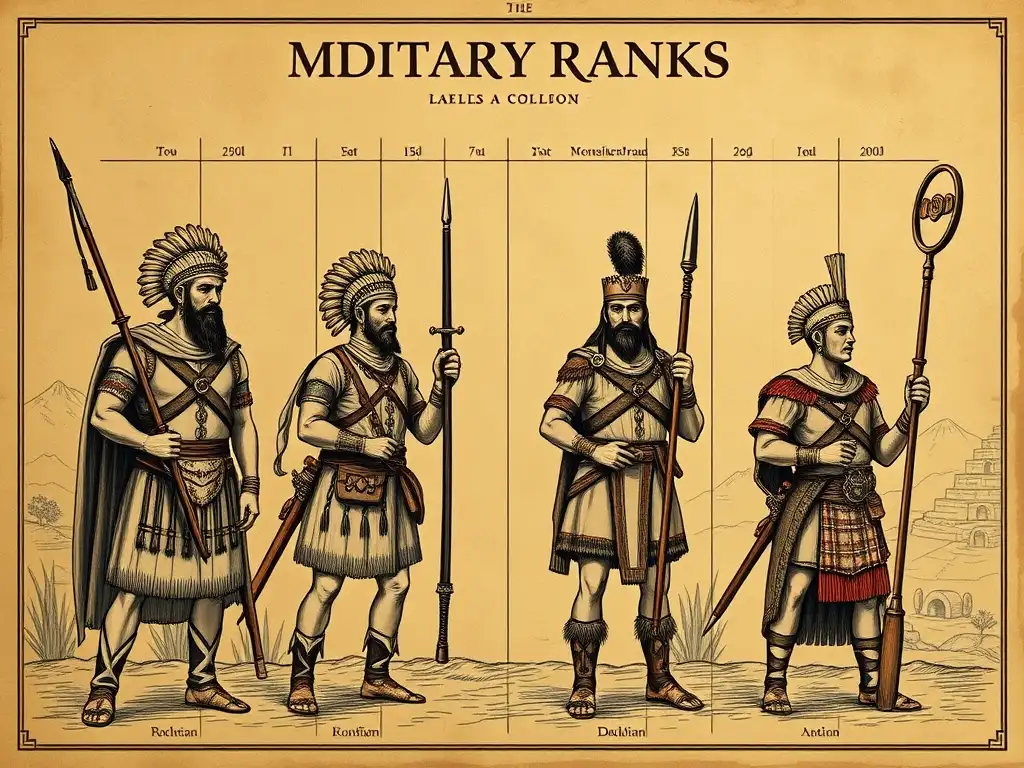
Understanding the Andean military rank structure requires acknowledging the significant variations between different cultures and periods. While a unified, pan-Andean system didn't exist, common threads of hierarchical organization, based on merit and lineage, are discernible. The Inca Empire, for example, boasted a highly formalized military structure, contrasting sharply with the perhaps less centralized systems of earlier cultures like the Wari or the Chimor.
This section will explore these differences, highlighting the key characteristics of military organization in several prominent Andean societies. Analyzing these variations provides a more nuanced understanding of Andean warfare and the complexities of power dynamics within these ancient societies. The diversity of military organization reflects the unique social, political, and geographical contexts in which these cultures flourished.
Understanding the subtle differences in ranking systems allows for a richer appreciation of the sophistication of Andean military strategies and their adaptation to diverse challenges. The evolution of Andean military rank structure is a testament to the ingenuity and adaptability of these civilizations.
Inca Military Ranks and Structure
The Inca military hierarchy was remarkably sophisticated, reflecting the empire's vast size and centralized power. At the apex stood the Sapa Inca, the emperor himself, the supreme commander-in-chief. Below him were various ranks, often based on merit and demonstrated battlefield prowess, rather than solely on heredity. While precise titles and their corresponding responsibilities remain debated among scholars, several key ranks are commonly identified.
- Apus: These were high-ranking commanders, often leading large armies or overseeing significant military districts. Their authority stemmed from a combination of noble lineage and proven military skill. They were responsible for strategic planning, troop deployment, and overall campaign management.
- Kurakas: While primarily civil leaders in their respective regions, Kurakas also played crucial roles in mobilizing and commanding local troops during wartime. They acted as intermediaries between the central Inca authority and the local population, ensuring the effective recruitment and deployment of soldiers.
- Warriors: The backbone of the Inca army consisted of common soldiers, organized into units of varying sizes. Their ranks were likely fluid, with promotion based on bravery and loyalty. They received training in various combat techniques, including the use of macanas, slings, and spears.
The Inca army was further organized geographically, with soldiers often serving alongside those from their home regions. This fostered a sense of unity and loyalty, but also meant that military units could vary in their level of training and experience. The system, however, ensured a readily available and relatively large pool of manpower for imperial expansion and defense. The effective functioning of this hierarchical structure is a testament to the administrative prowess of the Inca Empire.
Chimor Military Hierarchy and Leadership
The Chimor kingdom, situated along the northern coast of Peru, developed a distinct military organization tailored to its specific geographical and political context. Unlike the highly centralized Inca system, Chimor's military structure seems to have been less formalized, with a stronger emphasis on regional leadership.
While the precise structure remains unclear due to limited surviving sources, it's likely that the Cacicazgos (regional lords) played a significant role in commanding their local forces. These lords, often powerful figures in their own right, likely maintained their own armies, loyal to their specific territories. However, during times of large-scale warfare, a unified Chimor army might have been formed under the direction of the Sichán, the supreme ruler.
The Chimor military might have relied heavily on coastal defense strategies, using fortifications and naval power. Their expertise in shipbuilding and maritime warfare suggests a specialized military structure, possibly with dedicated naval commanders and specialized units. Further research and archaeological discoveries are needed to fully understand the complexities of their military organization and the precise hierarchy of ranks within their armies. The existing evidence, however, suggests a more decentralized system compared to the Inca Empire.
Wari Military Organization and Command
The Wari Empire, a predecessor to the Inca, controlled a vast territory through a sophisticated system of administration, including a strong military presence. The Wari military organization, however, is less well-documented than that of the Inca, leaving many aspects of its rank structure open to interpretation.
Evidence suggests a hierarchical structure, with high-ranking commanders likely drawn from the ruling elite. These commanders may have been responsible for managing large military garrisons stationed throughout the empire to maintain order and quell rebellions. The Wari military likely employed a combination of strategies, including both large-scale campaigns and smaller-scale interventions to assert control over their vast domain.
The use of standardized architecture in Wari military installations suggests a degree of centralized planning and control. However, the exact nature of the Wari military hierarchy and the specific ranks within it remain a subject of ongoing scholarly debate. The available evidence points to a strong military presence, but the precise details of its organization and rank structure remain an area requiring further investigation. Further research is needed to fully elucidate the intricacies of the Wari military system and its hierarchical structure.
The Responsibilities of Each Andean Military Rank
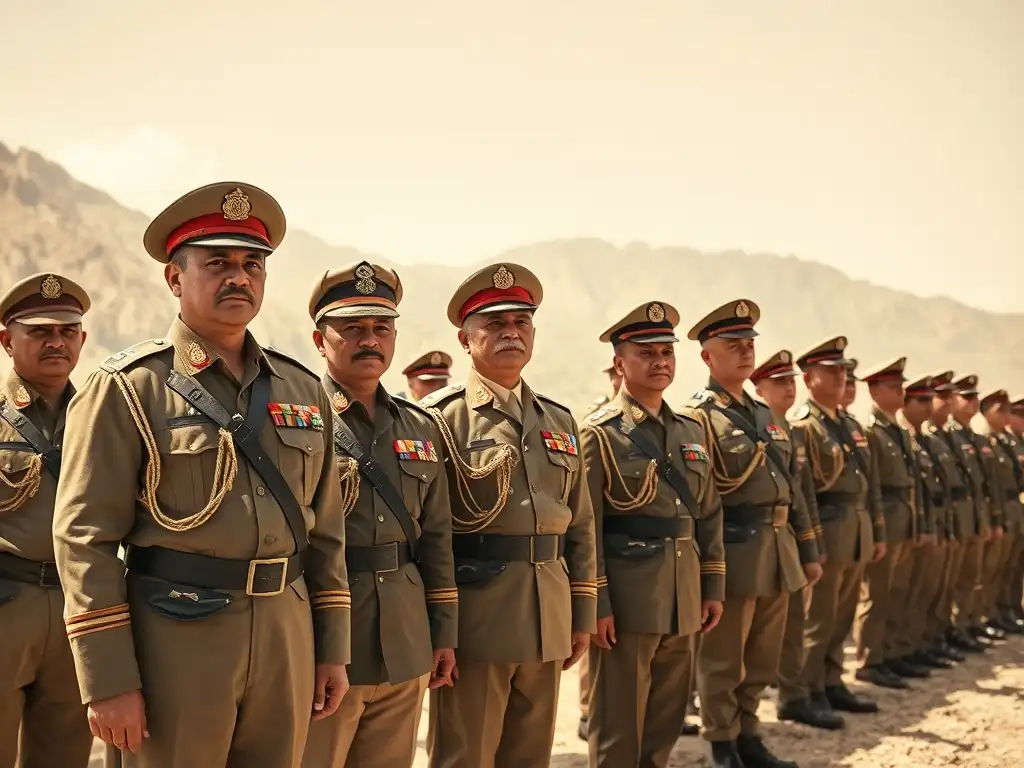
The Andean military, far from being a monolithic fighting force, possessed a complex and stratified rank structure. Understanding this hierarchy is key to deciphering the effectiveness and organization of their warfare strategies. While precise details vary across different Andean cultures – the Inca, Moche, Nazca, and Tiahuanaco each had their own nuances – common threads of command, responsibility, and specialization weave through their military systems.
The Andean military rank structure wasn't simply about titles; it reflected a deeply ingrained societal hierarchy and a sophisticated understanding of military logistics and strategy. This section delves into the distinct roles and responsibilities associated with different ranks within the Andean military.
Duties of Andean Commanders
Andean commanders, often drawn from the nobility or elite warrior classes, bore the ultimate responsibility for military success. Their duties extended far beyond simply leading troops into battle. They were responsible for strategic planning, logistical management, and maintaining troop morale. This involved:
- Strategic Planning & Deployment: Commanders oversaw the overall campaign strategy, including determining troop deployment, identifying optimal battle locations, and anticipating enemy movements. This required a deep understanding of terrain, enemy capabilities, and the strengths of their own forces. Evidence from Inca quipus (knotted-string record-keeping systems) suggests a complex system of communication and planning was in place, allowing for coordinated movements across vast distances.
- Resource Management: Commanders were responsible for the procurement and distribution of resources, including food, weapons, and equipment, for their troops. This involved coordinating with local communities and ensuring the smooth functioning of supply lines, a crucial aspect of sustaining long campaigns. The Inca system, in particular, excelled at managing resources through a highly organized network of storage facilities and transportation infrastructure.
- Maintaining Troop Morale: Commanders played a critical role in maintaining the morale and discipline of their soldiers. This involved fair treatment, providing incentives, and inspiring loyalty. Religious rituals and ceremonies likely played a significant role in boosting morale and reinforcing the importance of military service within the Andean worldview.
- Post-Battle Responsibilities: The duties of a commander extended beyond the battlefield. They were responsible for overseeing the care of wounded soldiers, managing prisoners of war, and securing conquered territories. The efficient management of these post-battle tasks was essential for consolidating military gains and preventing unrest.
Obligations of Mid-Level Officers
Mid-level officers, often experienced warriors who had proven their capabilities, formed the backbone of Andean military command. Their responsibilities were crucial in translating the strategic directives of the commanders into effective tactical actions on the ground. Their roles included:
- Tactical Execution: Mid-level officers were responsible for the day-to-day management of their units, ensuring that troops were properly trained, equipped, and prepared for combat. They oversaw drills, tactical exercises, and the maintenance of weapons and armor.
- Communication & Coordination: These officers acted as a vital link between the high command and the rank-and-file soldiers. They relayed orders, ensured clear communication, and coordinated the actions of different units during battle. Effective communication was paramount in the often chaotic environment of warfare.
- Discipline & Enforcement: Mid-level officers were responsible for maintaining discipline within their units, enforcing rules, and addressing any issues among the soldiers. This required a combination of leadership skills, firmness, and fairness.
- Intelligence Gathering: In many Andean societies, mid-level officers played a crucial role in gathering intelligence about enemy movements and plans. This information was then relayed up the chain of command to inform strategic decisions. Their proximity to the front lines gave them a unique perspective on enemy capabilities.
Tasks and Expectations of Common Soldiers
The vast majority of the Andean armies consisted of common soldiers, drawn from various social strata. Their roles, while less glamorous than those of the officers, were essential to the success of any military operation. Their tasks included:
- Combat Operations: The primary responsibility of common soldiers was, of course, participating in combat operations. This involved following orders, maintaining formation, and using their weapons and armor effectively. Training and experience varied depending on the specific culture and the length of their service.
- Construction & Logistics: Beyond combat, common soldiers often participated in the construction of fortifications, roads, and other infrastructure projects necessary for military campaigns. This included transporting supplies, building camps, and assisting with logistical tasks.
- Agricultural Support: In many Andean societies, soldiers also contributed to agricultural activities, ensuring that the army had sufficient food supplies. This combination of military and agricultural responsibilities reflects the close integration of military service with broader societal functions.
- Maintaining Equipment: Common soldiers were responsible for maintaining their own weapons and armor, ensuring they were in good working order. This involved regular cleaning, repair, and replacement of worn-out parts. The effectiveness of their weaponry directly influenced their combat capabilities.
The Andean military rank structure, therefore, wasn't just a hierarchical system; it was a complex network of responsibilities designed to maximize efficiency and effectiveness in warfare. Further research is needed to fully understand the nuances of each Andean civilization's specific military organization, but the overarching principles of command, control, and communication remain consistent across these fascinating societies.
The Significance of Military Rank in Andean Society
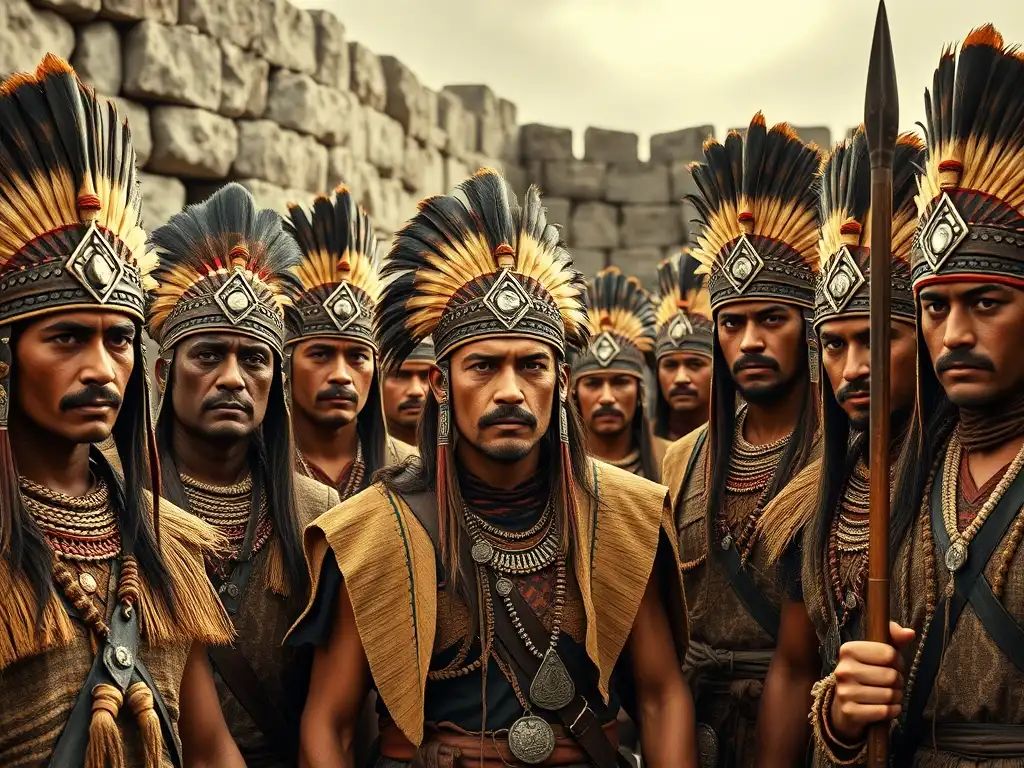
The Andean military rank structure wasn't simply a chain of command; it was deeply interwoven with the social fabric of these complex societies. Military success directly translated into social prestige and political influence, shaping the very structure of power across different Andean civilizations. Understanding this intricate relationship is key to deciphering the dynamics of Andean warfare and the societies that waged it.
Unlike many other ancient societies where military might was often a separate entity from civilian life, the Andean worldview saw the two as inextricably linked. A warrior's prowess wasn't just a measure of battlefield skill; it was a reflection of their overall worth within their community. This is evidenced by the archaeological record showing elite burials with lavish grave goods directly correlating to military achievements, such as weaponry and symbolic artifacts of high rank.
Military rank profoundly influenced an individual's social standing within Andean communities. High-ranking officers enjoyed privileges unavailable to common soldiers or civilians. This manifested in various ways: access to better resources, larger and more elaborate dwellings, and preferential treatment within the community.
For example, archaeological evidence from Inca sites reveals distinct residential areas reserved for high-ranking military officials, often located closer to administrative centers and featuring superior construction and larger living spaces. These individuals also likely enjoyed greater access to food, textiles, and other essential goods, setting them apart from the general population. Furthermore, the elite often inherited their position, creating a hereditary aristocracy where military rank and social standing were passed down through generations, reinforcing the system's stability and power structure.
The system wasn't entirely rigid, however; exceptional battlefield performance could lead to upward mobility, even for those born into lower social strata. This created a dynamic system where merit played a role alongside lineage in determining social standing within the Andean military hierarchy.
The Impact of Military Achievements on Individual Advancement
Military achievements were the primary driver of individual advancement within the Andean military rank structure. Bravery in battle, strategic acumen, and successful leadership directly translated into promotions and increased prestige. While lineage played a role, especially within the Inca Empire's later periods, exceptional performance could elevate even common soldiers to positions of power and influence. Consider the case of [specific example of an Andean warrior who rose through the ranks pending].
Such stories – though limited by the fragmented nature of our historical records – highlight the fluidity and meritocratic aspects of the system. The system wasn't solely based on inherited status; individual accomplishments on the battlefield were crucial for climbing the hierarchical ladder. This is particularly evident in accounts of Inca warfare, where successful commanders were often rewarded with increased responsibilities, land grants, and enhanced social status, creating a competitive environment that fostered military excellence.
The rewards for military success weren't solely material; increased social standing, influence within the community, and the opportunity to serve as a role model for future generations were significant motivators. This ensured a constant supply of skilled and ambitious warriors, crucial for the survival and expansion of Andean empires. The Andean military rank structure, therefore, functioned as a powerful engine for social mobility, directly linking military success to individual advancement and societal influence.
Conclusion: The Importance of Understanding Andean Military Ranks
Understanding the Andean military rank structure is crucial for a complete understanding of these sophisticated civilizations. While the specifics vary across different cultures and time periods—Inca, Moche, Nazca, and Tiahuanaco each possessed unique organizational structures—recognizing the hierarchical nature of their armies allows us to decipher their complex societal and political systems. The military wasn't just a fighting force; it was deeply intertwined with the economy, religion, and social organization. The ranks held significant social weight, influencing everything from access to resources to prestige within the community. Without understanding this hierarchy, our interpretation of their achievements and downfall remains incomplete.
The Legacy of Andean Military Hierarchies
The legacy of Andean military hierarchies continues to resonate today. The meticulous organization, strategic planning, and sophisticated weaponry of these civilizations are testament to their advanced understanding of warfare. Analyzing their rank structure provides invaluable insights into their political systems, social structures, and economic strategies. For example, the Inca's highly centralized military, with its clearly defined chain of command, enabled them to conquer and administer a vast empire.
In contrast, the Moche's seemingly less centralized military structure, while still hierarchical, may reflect a different balance of power and societal organization. Studying these differences allows us to appreciate the diversity of Andean societies and challenge simplistic narratives about their military capabilities. Further research, particularly focused on uncovering more detailed archaeological evidence and deciphering surviving texts, is necessary to refine our understanding of the nuances within these intricate military hierarchies. This will undoubtedly lead to a richer and more nuanced understanding of Andean civilizations and their enduring impact on the world.
The meticulous study of Andean military organization, including the subtle distinctions within each rank and the responsibilities associated with them, continues to be a vital area of research for scholars seeking to unravel the complexities of these fascinating societies. Unlocking the secrets of their military structures helps us understand not only their military prowess but also the broader context of their social, political, and economic systems. The Andean military rank structure, therefore, acts as a key to understanding the intricate tapestry of Andean civilization.
The following table summarizes some of the known aspects of Andean military organization, highlighting the need for further research:
| Civilization | Rank Structure Details | Notable Features | Research Gaps |
|---|---|---|---|
| Inca | Highly centralized, with clear lines of authority from the Sapa Inca down. Specific ranks and titles are still being deciphered. | Extensive use of messengers and logistical support networks. Sophisticated siege warfare techniques. | Precise details of lower-ranking soldier roles and responsibilities. The exact structure of regional commands. |
| Moche | Less centralized than the Inca, possibly reflecting a more decentralized political structure. Evidence suggests a warrior elite. | Skilled in both infantry and cavalry warfare. Evidence of specialized units. | Clear delineation of ranks within the warrior elite. The role of non-elite warriors. |
| Nazca | Military organization less well understood due to limited evidence. Likely had a warrior class. | Known for their advanced irrigation systems, which may have played a role in their military capacity. | Almost all aspects of their military structure and organization. |
| Tiahuanaco | Military organization remains largely unknown. Likely had a powerful military force to control their extensive territory. | Impressive monumental architecture suggests advanced engineering and organizational skills. | Nearly everything about their military structure and ranks. |
This table demonstrates the significant knowledge gaps that remain in our understanding of Andean military hierarchies. Further research using a multidisciplinary approach, combining archaeological findings, textual analysis, and anthropological insights, is crucial to filling these gaps and achieving a more comprehensive understanding of Andean military structures and their societal significance. The quest to fully decipher the Andean military rank structure remains an ongoing challenge and a testament to the enduring mystery and complexity of these remarkable civilizations. emoji: 🕵️♂️
Frequently Asked Questions
What was the basis of the Andean military rank structure?
The Andean military rank structure wasn't rigidly defined like European systems. It was instead based on a complex interplay of lineage, experience, and political alliances. Loyalty to the ruler was paramount.
How did the Inca military rank system differ from other Andean cultures?
While specifics vary across cultures, the Inca system was arguably the most formalized and extensive. It incorporated a complex hierarchy of officials, reflecting the empire's vast size and centralized power.
What were the roles and responsibilities of high-ranking Andean military officers?
High-ranking officers, often from noble families, commanded large armies, oversaw logistics, and advised the ruling elite on military strategy. They also played crucial roles in local governance.
Did all Andean civilizations have a similar military structure?
No, Andean military structures varied considerably depending on the specific civilization and its needs. The Inca empire had a more developed structure than smaller, less centralized groups like the Nazca or Moche.
What sources provide information on Andean military ranks?
Information comes from a variety of sources, including archaeological finds, such as weapons and burial sites, and ethnohistorical accounts from Spanish chronicles, though these should be interpreted critically.
Final Reflection: Echoes of Conquest, Whispers of Resilience
Understanding the intricate Andean military hierarchies of pre-Columbian societies remains crucial today, not merely as an academic exercise, but as a vital lens through which to examine power dynamics and the enduring impact of colonialism. The sophisticated organizational structures, the specialized roles, and the clear lines of authority within these armies challenge simplistic narratives of "primitive" warfare and offer a powerful counterpoint to the often-overlooked military sophistication of pre-contact Andean civilizations.
The legacy of these hierarchical systems continues to resonate in contemporary Andean societies, shaping political structures and social relations in ways that are often subtle yet profound. The enduring influence of Inca administrative practices, for example, is undeniable. The Inca state was a masterpiece of organization and control, its military strength a direct reflection of its highly structured society.
This quote highlights the interconnectedness between military organization and the broader social fabric, a connection that persists even after centuries of upheaval and change. Understanding this historical context allows us to better appreciate the complexities of modern Andean societies and the challenges they face.
Consider the implications of this knowledge. How does understanding the strategic brilliance and organizational prowess of pre-Columbian Andean armies challenge your preconceived notions of military history? You, the reader, are now equipped with a deeper understanding of a crucial aspect of Andean history. Take this knowledge, apply it to your own understanding of power structures, and use it to foster a more nuanced and informed perspective on the rich tapestry of human history. Let the echoes of past Andean military strategies inspire a deeper appreciation for the resilience and ingenuity of the human spirit.
Unveil the Secrets of Andean Military Insights!
Thank you for exploring the complex world of Andean military hierarchies. Your interest in their ranks, roles, and responsibilities demonstrates a keen understanding of this fascinating civilization. Let's delve even deeper!
- Explore further: Discover the intricacies of each rank and its significance in our detailed articles on Andean warfare techniques and strategies.
- Join the discussion: Share your thoughts and insights on Andean military structures with our community forum. Engage with fellow enthusiasts and learn from their perspectives.
- Broaden your knowledge: Compare and contrast Andean military systems with those of similar cultures to gain a richer understanding of their unique characteristics and historical context.
What aspect of Andean military organization most surprised you, and how do you believe these structures shaped Andean society?