
Quechua Under Inca Rule: A Story of Standardization and Expansion

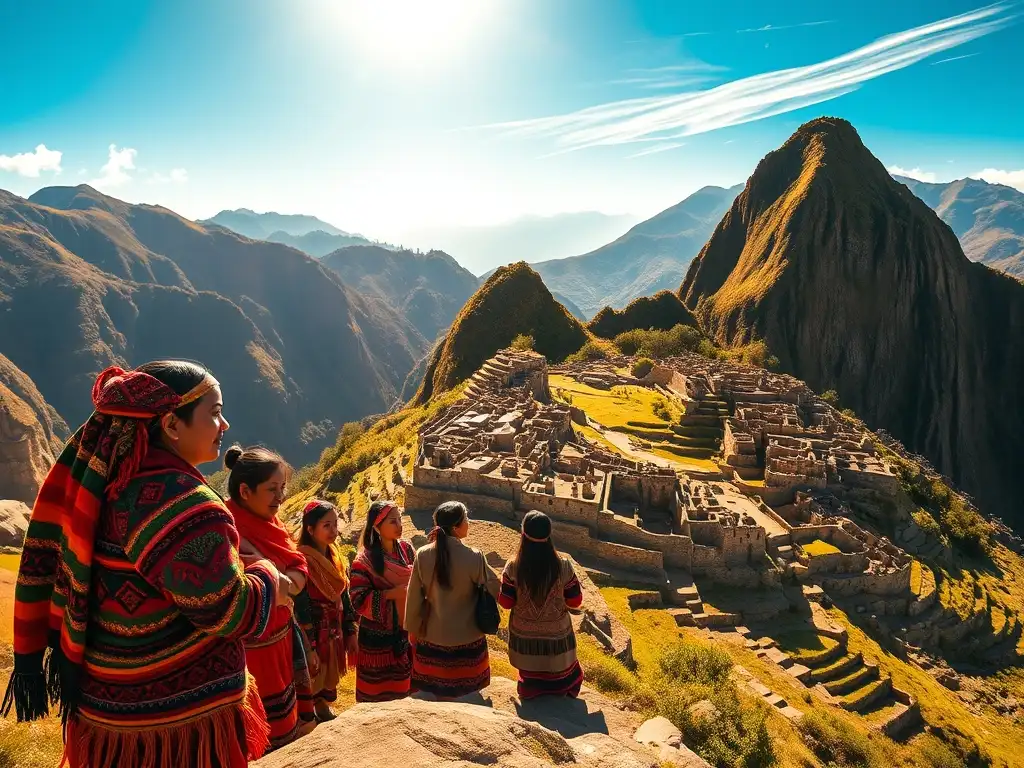
Unravel the mysteries of the Andes! Journey through millennia of captivating history, breathtaking artistry, and remarkable ingenuity as we delve into the fascinating world of ancient Andean civilizations. But what truly unified these empires, spanning vast distances and diverse cultures? Discover the crucial role of the Quechua language under Inca rule, a story of standardization and expansion that will reshape your understanding of this powerful empire. Prepare to be amazed – your exploration begins now.
- The Rise of Quechua: Language Standardization Under the Inca Empire
- The Inca Empire's Language Policy and Quechua's Ascendancy
- Key Aspects of Quechua Standardization During the Inca Period
- The Impact of Quechua Expansion on Other Andean Languages
- The Legacy of Inca Quechua: A Foundation for Modern Quechua
- Quechua Language Under Inca Empire: A Summary of Key Points
- Frequently Asked Questions
- Final Reflection: Echoes of the Inca: Language, Power, and Legacy
- Unveil the Legacy: Take Action Today!
The Rise of Quechua: Language Standardization Under the Inca Empire
The Inca Empire, a marvel of pre-Columbian South America, left an indelible mark on the Andean region, shaping not only its political and social structures but also its linguistic landscape. This article delves into the fascinating story of Quechua's rise to prominence under Inca rule, exploring how a single dialect transformed into the lingua franca of a vast and diverse empire.
We will examine the processes of standardization and expansion that cemented Quechua's position as a crucial element of Inca imperial administration, cultural integration, and the enduring legacy of Andean civilization. Understanding the Quechua language under the Inca Empire is key to comprehending the empire's administrative efficiency, its social cohesion, and its lasting influence on modern-day Peru and beyond.
This exploration will reveal how the Inca's deliberate linguistic policies contributed to both the empire's success and the complex linguistic tapestry of the Andes today. We will also touch upon the impact of this standardization on other indigenous languages and the long-term consequences of this imperial linguistic project.
Introduction to Quechua in the Andean Region
Before the Inca Empire's expansion, Quechua was already spoken in the region of Cusco and its surrounding areas. However, it was far from the dominant language across the vast territory that the Inca would eventually control. The Inca's strategic adoption and standardization of a specific Quechua dialect, likely the one spoken in Cusco, is a testament to their administrative prowess.
This deliberate choice facilitated communication across the empire, easing the integration of newly conquered territories and contributing significantly to the empire’s administrative efficiency. The process wasn't simply a matter of imposition; it involved a complex interplay of political maneuvering, cultural exchange, and the practical necessities of governing a multi-ethnic, multilingual population. The standardization wasn't uniform across the empire; regional variations persisted, reflecting the diverse linguistic heritage of the Andean world.
However, the core elements of the chosen Quechua dialect became the foundation upon which the imperial language was built, forming a crucial element in the Inca's sophisticated system of communication and control. The impact of this standardization is still felt today, with Quechua languages continuing to thrive as a testament to the Inca's enduring legacy.
Pre-Inca Linguistic Landscape: The Diversity of Andean Languages
Prior to the Inca expansion, the Andean region was a mosaic of languages and dialects. The linguistic diversity was incredibly rich, with numerous language families and isolates flourishing across the diverse geographical landscape. From the coastal regions to the high Andes, different communities communicated using their unique tongues, reflecting their distinct cultural identities and histories.
The precise number of languages present before the Inca conquest remains a subject of ongoing research, but estimates suggest a figure well into the hundreds, if not thousands, of individual languages and dialects. This linguistic diversity presented a significant challenge to the Inca's ambitious project of empire-building. Effective communication and administration across such a linguistically fragmented region required a solution, and the Inca found it in the strategic promotion and standardization of Quechua.
The pre-Inca linguistic landscape, therefore, provides essential context for understanding the Inca's linguistic policies and the profound transformation it brought about in the Andean region. The impact of this standardization on the pre-existing linguistic diversity is a complex and multifaceted topic that deserves further in-depth analysis. The decline of many languages after the Inca expansion is a clear indicator of the power dynamics at play.
The Inca Empire's Language Policy and Quechua's Ascendancy
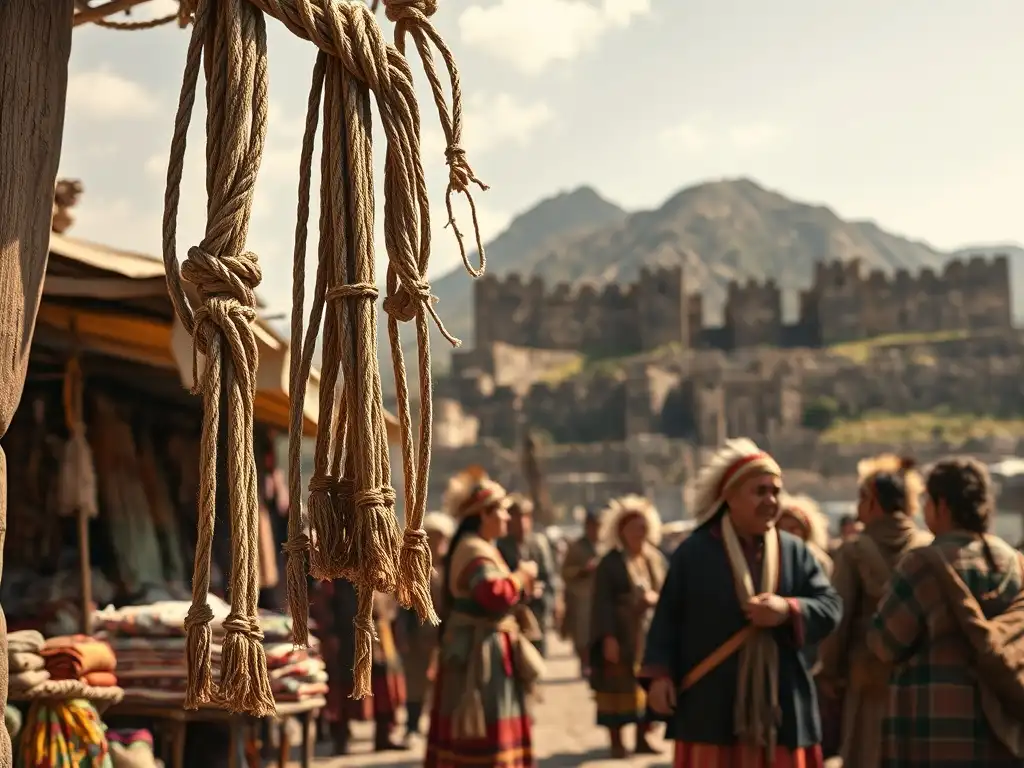
The Inca Empire, renowned for its sophisticated administrative and logistical systems, faced a significant challenge: managing a vast and diverse population speaking numerous languages. This linguistic heterogeneity posed obstacles to efficient communication, trade, and governance across the expansive territory.
The Inca solution was not the imposition of a single language by force, but rather a strategic adoption and standardization of Quechua, a language already spoken by a significant portion of the population within the empire's core territories. This policy, far from being oppressive, facilitated the integration and expansion of the empire, demonstrating a nuanced understanding of the power of language in consolidating power and fostering unity.
The impact of this strategic choice on the Quechua language and its subsequent evolution is profound, shaping its trajectory for centuries to come. This section delves into the specific mechanisms employed by the Inca state to achieve this linguistic standardization and the far-reaching consequences of their policy.
The Inca Expansion and the Need for a Lingua Franca
The Inca Empire's rapid expansion throughout the Andes presented a critical need for a common language. Prior to Inca rule, diverse ethnic groups, each with their own unique tongues, inhabited the various regions. Efficient administration, trade, and military coordination became increasingly difficult as the empire grew. Imagine the logistical nightmare of coordinating troop movements or tax collection across such a linguistically fragmented landscape!
The need for a lingua franca, a common language understood by a wide range of people, became paramount. While some scholars propose that other languages may have played minor roles in specific regions, Quechua's prevalence in the central Andes and its adoption by the Inca elite ultimately cemented its position as the dominant language of communication within the imperial administration. The Inca's expansion itself was a catalyst for the spread and standardization of Quechua.
Quechua as the Chosen Imperial Language
The Inca's selection of Quechua wasn't arbitrary. Several factors contributed to its rise as the imperial language. Its relatively widespread use in the heartland of the Inca Empire provided a foundation for its adoption across the newly conquered territories.
Furthermore, the language's inherent flexibility and adaptability likely contributed to its success. The Inca elite, adopting Quechua themselves, further solidified its status. This wasn't merely a matter of convenience; it was a deliberate policy decision demonstrating the Inca’s political acumen.
The choice wasn't simply about practical communication; it was about forging a sense of unity and shared identity across a diverse population. This deliberate choice facilitated the dissemination of imperial decrees, the collection of tributes, and the transmission of cultural practices, effectively integrating newly conquered populations into the Inca administrative structure. The adoption of Quechua by the Inca elite served as a powerful symbol of imperial authority and facilitated the empire's political and social cohesion.
Standardization of Quechua by the Inca State
The Inca state actively promoted the standardization of Quechua. This wasn't a passive process; it involved deliberate efforts to create a uniform version of the language, minimizing dialectal variations. While the exact methods remain a subject of ongoing scholarly debate, several factors likely contributed to this standardization. The establishment of a centralized bureaucracy, with officials fluent in Quechua, facilitated the dissemination of a standard form of the language.
The construction of an extensive road network and the implementation of a chaski (runner) system enabled rapid communication across the empire, helping to maintain linguistic consistency. Moreover, the Inca's practice of relocating conquered populations to different parts of the empire, a strategy known as mita, also contributed to the standardization of Quechua. This population movement fostered linguistic interaction and exchange, leading to a gradual convergence of dialects.
The standardization effort wasn't about eliminating diversity entirely, but rather creating a common form of Quechua suitable for administration and communication across the vast empire. This process, although subtle, had a lasting influence on the Quechua language, shaping its structure and vocabulary for centuries. The legacy of this standardization is still evident in the various Quechua dialects spoken today, reflecting the enduring impact of the Inca Empire’s linguistic policy.
The effectiveness of the Inca's language policy is a testament to their understanding of the crucial role of language in maintaining a vast and diverse empire. The standardization of Quechua under Inca rule wasn't merely a linguistic phenomenon; it was a key element of their successful imperial strategy.
Key Aspects of Quechua Standardization During the Inca Period
The Inca Empire's remarkable expansion across the Andes dramatically impacted the linguistic landscape. While the empire encompassed a multitude of languages, Quechua, the language of the Inca rulers, experienced a significant surge in prominence and underwent a process of standardization, a crucial factor in the empire's administrative efficiency and cultural cohesion. This standardization, however, wasn't a uniform imposition but a complex process involving the selection of a standard dialect, the active promotion by the Inca elite, and its dissemination through various social and religious practices.
Understanding this process sheds light on the profound influence of the Inca Empire on the Quechua language and its enduring legacy. The keyword phrase "Quechua language under Inca Empire" accurately reflects this historical development.
Quechua Dialects and the Selection of a Standard Form
Prior to Inca expansion, various Quechua dialects existed across the Andes, displaying significant variations in pronunciation, vocabulary, and grammar. These dialects weren't mutually unintelligible, but communication between different groups could be challenging. The Inca Empire, needing a common tongue for administration and communication across its vast territory, effectively chose a specific dialect as the standard.
While the precise details remain debated by scholars, evidence suggests that the dialect spoken in or around Cusco, the imperial capital, gained prominence. This "Cusco Quechua" became the lingua franca of the empire, the language used in official documents, administrative communications, and interactions between different ethnic groups within the Inca realm. This selection wasn't necessarily a conscious decision made through a formal process; rather, it was a gradual process of linguistic dominance driven by the political and economic power of Cusco.
The prevalence of Cusco Quechua as the administrative language facilitated communication and solidified the empire's control. This process of standardization, however, didn't eliminate other Quechua dialects; rather, it created a hierarchy, with Cusco Quechua at the apex. The spread of Cusco Quechua contributed significantly to the evolution of the language, influencing the dialects spoken in other regions.
The Role of the Inca Elite in Promoting Quechua
The Inca elite played a pivotal role in promoting Quechua throughout the empire. The Inca emperors and their officials actively used Quechua in official settings, reinforcing its status as the language of power and authority. This conscious promotion extended beyond simple usage; it involved initiatives to foster Quechua literacy and education.
The creation of a standardized writing system, though rudimentary compared to alphabetic scripts, allowed for the recording of administrative records, laws, and religious texts in Quechua. This facilitated the dissemination of imperial decrees and cultural norms across the empire, further reinforcing the importance of the language. The Inca elite also likely sponsored the training of scribes and interpreters, ensuring the effective communication of imperial policies and messages.
Furthermore, the Inca's control over trade networks and access to resources likely played a significant part in the spread of Quechua, as the language became associated with economic opportunities and social mobility. The intertwining of political power and language use is a key factor in understanding the standardization process.
Dissemination Through Administrative and Religious Practices
The Inca Empire's sophisticated administrative system played a crucial role in spreading Quechua. The mit'a system, a form of mandatory labor service, brought individuals from diverse linguistic backgrounds into contact with Quechua speakers, fostering language acquisition. Similarly, the establishment of administrative centers and colonies across the empire created environments where Quechua was the dominant language.
The Inca's centralized bureaucracy, coupled with the extensive road network, facilitated the movement of people and information, further accelerating the spread of Quechua. Beyond administration, religious practices also contributed to the language's expansion. Inca religion, with its emphasis on state-sponsored rituals and festivals, utilized Quechua as the language of religious instruction and ceremonies.
The dissemination of religious beliefs and practices through Quechua reinforced the language's association with the imperial ideology and cultural identity. The intertwining of administrative and religious practices created a powerful synergy, ensuring the widespread adoption and standardization of Quechua across the vast Inca Empire. The impact of this dissemination is still felt today in the continued presence and evolution of Quechua in the Andes.
The Impact of Quechua Expansion on Other Andean Languages
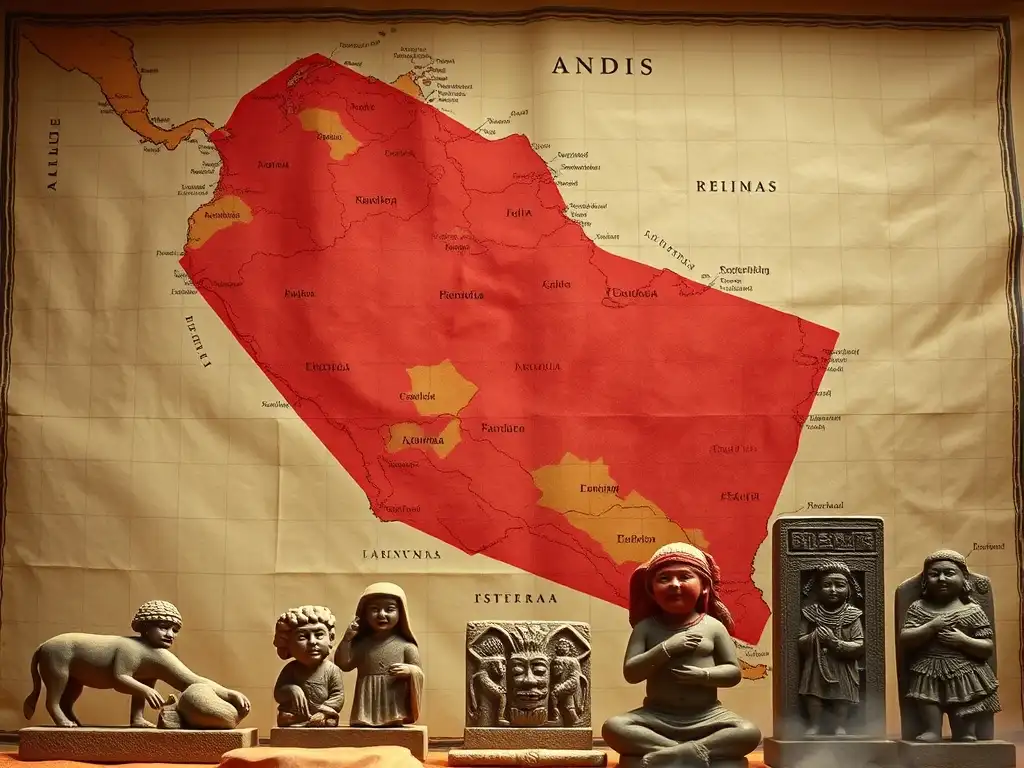
The rise of the Inca Empire and its associated expansion of the Quechua language profoundly impacted the linguistic landscape of the Andes. While Quechua became a lingua franca, facilitating communication and administration across a vast and diverse empire, its dominance came at a cost to the numerous other languages spoken throughout the region. Understanding this impact requires examining the complex interplay of displacement, assimilation, and bilingualism that characterized the Inca period.
The consequences are still felt today in the distribution and vitality of Andean languages. Analyzing the effects of Quechua's expansion on the linguistic diversity of the Andes allows us to appreciate both the unifying and fragmenting forces at play during the Inca Empire's reign. The keyword phrase "Quechua language under Inca Empire" is inherently linked to understanding this complex process of linguistic standardization and its effects.
Displacement and Assimilation of Local Languages
The Inca Empire's administrative structure favored Quechua, leading to its adoption by the elite and, gradually, by broader segments of the population. This process wasn't solely a top-down imposition; it was also influenced by the empire's vast infrastructure projects, its resettlement policies, and its military campaigns. The movement of people – both Inca officials and conquered populations – played a crucial role in the spread of Quechua.
Many local languages experienced a decline in speakers as Quechua gained prominence. This displacement wasn't always complete, though. Some languages survived, albeit often with significant Quechua influence, exhibiting borrowing of vocabulary and even grammatical structures.
The extent of language displacement varied regionally, depending on factors like population density, the intensity of Inca control, and the pre-existing linguistic landscape. For example, [Specific regional examples of language displacement and assimilation pending]. This complex process involved not just the outright replacement of languages, but also a gradual absorption of linguistic features, creating hybrid forms of speech reflecting the dynamic interaction between Quechua and other Andean languages.
Bilingualism and Language Contact in the Inca Empire
While Quechua's expansion led to the displacement of some languages, it also fostered bilingualism and multilingualism in many areas. The Inca administration often employed interpreters and relied on individuals fluent in both Quechua and local languages. This necessity created opportunities for language contact, resulting in linguistic borrowing and code-switching.
Evidence suggests that many individuals were proficient in more than one language, using Quechua for official communication and their native language within their communities. This bilingualism wasn't necessarily a sign of linguistic equality; rather, it reflects a pragmatic adaptation to the realities of a multilingual empire. The coexistence of Quechua and other languages in various regions created a rich linguistic environment, where language contact phenomena, such as loanwords and grammatical adjustments, became commonplace.
The extent of bilingualism varied across the empire, with some regions showing a higher prevalence of multilingual individuals than others. [Specific data on bilingualism rates in different Inca regions pending]. The legacy of this bilingualism is visible in the modern-day Andean linguistic landscape.
Reduction in the Diversity of Pre-Inca Languages
The Inca Empire's standardization efforts, while promoting communication, ultimately contributed to a reduction in the linguistic diversity of the Andes. The dominance of Quechua led to the decline and, in some cases, extinction of numerous pre-Inca languages. While some languages adapted and survived, incorporating elements of Quechua, many others disappeared, leaving behind a diminished linguistic heritage.
The precise number of languages lost is difficult to determine due to limitations in historical documentation, but the overall trend points to a significant decrease in linguistic variety. This loss represents an irreplaceable part of Andean cultural heritage. The long-term consequences of this reduction in linguistic diversity are still being studied, with researchers exploring the impact on cultural practices, traditional knowledge, and community identity.
The ongoing revitalization efforts for endangered Andean languages highlight the enduring significance of the linguistic legacy lost during the Inca Empire's reign. Understanding the extent of this loss is crucial for appreciating the full impact of Quechua's expansion under Inca rule and for informing current language preservation initiatives. The impact on the "Quechua language under Inca Empire" is inseparable from the reduction in the diversity of other Andean languages.
The Legacy of Inca Quechua: A Foundation for Modern Quechua

The Inca Empire's standardization efforts significantly impacted the Quechua language, leaving a lasting legacy on its modern forms. While Quechua dialects existed prior to the Inca expansion, the empire's administrative needs propelled a process of linguistic standardization. This wasn't a top-down imposition of a single, uniform dialect, but rather a selection and promotion of a particular variant – likely a dialect spoken in the Cuzco region – which became the lingua franca across the vast empire. This "official" Quechua facilitated communication between diverse ethnic groups, aiding in governance, trade, and cultural exchange.
The widespread adoption of this standardized form laid the groundwork for the diverse yet interconnected Quechua dialects we see today. The Inca's administrative infrastructure, including their extensive road network and postal system (the chasquis), further contributed to the language's spread and consolidation. Evidence suggests that the empire's scribes meticulously recorded official documents, laws, and possibly even literature in this standardized Quechua, further solidifying its role as the empire's administrative language.
This process of standardization, while arguably leading to the suppression of some local dialects, ultimately provided a foundation for the continued existence and evolution of Quechua after the fall of the Inca Empire. The impact of Inca rule on the Quechua language continues to be a subject of ongoing research, with scholars examining the extent of standardization and its influence on the modern variations of the language. Analyzing ancient texts and studying contemporary dialects allows for a deeper understanding of this complex linguistic process.
The Evolution of Quechua After the Inca Collapse
Following the Spanish conquest and the collapse of the Inca Empire in the 16th century, Quechua faced new challenges. The Spanish imposed Spanish as the dominant language, leading to a decline in Quechua's use in official contexts. Despite this, Quechua demonstrated remarkable resilience. While the standardized Inca Quechua continued to serve as a basis, the post-Inca period witnessed a diversification of dialects.
Isolated communities developed their own unique variations, reflecting the geographical and social factors influencing their linguistic evolution. This resulted in the multitude of Quechua dialects spoken across the Andes today, each possessing its own unique vocabulary, grammar, and pronunciation. The process wasn't uniform; some areas experienced a greater degree of linguistic shift than others, depending on factors such as the intensity of Spanish colonial influence, the size and isolation of Quechua-speaking communities, and the continued use of Quechua in social and religious spheres.
The ongoing evolution of Quechua post-Inca highlights the language's adaptability and its ability to survive despite immense socio-political changes. Research into the evolution of specific dialects reveals fascinating insights into the interplay of cultural preservation and linguistic change. For example, [Specific data on dialectal variations pending].
Quechua's Enduring Presence in the Andes Today
Despite centuries of colonization and the dominance of Spanish, Quechua remains a vibrant and widely spoken language across the Andes. Millions of people in countries like Peru, Bolivia, Ecuador, Colombia, and Argentina still identify as Quechua speakers, using it in their daily lives. The language persists in rural communities, where it often maintains its role as the primary language of communication, and it's also present in urban centers, albeit often alongside Spanish.
Quechua's enduring presence reflects its deep cultural significance and its continued importance in maintaining indigenous identities. The language is not merely a tool for communication; it embodies cultural values, beliefs, and traditions. This resilience demonstrates the strength of community ties and the importance of language preservation efforts.
Moreover, Quechua's continued use is also a testament to the inherent adaptability of the language itself, its ability to integrate new words and concepts while retaining its core structure and identity. The sheer number of Quechua speakers today, despite historical pressures, highlights the language's remarkable strength and continued relevance. [Data on the exact number of Quechua speakers in each country pending].
Ongoing Efforts to Revitalize and Preserve Quechua
Recognizing the importance of linguistic diversity and cultural heritage, numerous initiatives are underway to revitalize and preserve Quechua. These efforts range from community-based language nests and bilingual education programs in schools to the development of Quechua-language media, literature, and digital resources. Governments and non-governmental organizations are increasingly recognizing the need to support these initiatives, aiming to promote Quechua's use in various sectors of society.
The creation of Quechua dictionaries, grammars, and online resources is also contributing to the language's preservation. These efforts are crucial not only for maintaining linguistic diversity but also for empowering Quechua-speaking communities and preserving their cultural heritage. Moreover, the increasing use of technology in language revitalization efforts, such as the development of Quechua language apps and online learning platforms, offers exciting new possibilities for reaching wider audiences and engaging younger generations.
The success of these revitalization efforts will depend on continued community engagement, government support, and the ongoing dedication of individuals committed to safeguarding this rich and vital language. The future of Quechua is inextricably linked to the success of these ongoing initiatives. ✊🏽
Quechua Language Under Inca Empire: A Summary of Key Points
The Quechua language's trajectory under the Inca Empire represents a fascinating case study in the interplay between language, power, and imperial expansion. Far from a mere byproduct of conquest, the Inca's deliberate manipulation of Quechua played a crucial role in forging a vast and remarkably unified empire. This section will explore the key aspects of this linguistic landscape, focusing on the Inca's strategic use of the language, its role in consolidating imperial control, and its enduring legacy on the Quechua language itself.
Understanding the Inca's approach to language provides essential insight into their administrative prowess and the lasting cultural impact of their rule. The strategic deployment of Quechua as a unifying force facilitated communication across diverse ethnic groups, thereby bolstering the empire's administrative efficiency and cultural homogeneity. This process, however, was not without its complexities and consequences, as we will explore in the following sections.
The Inca's Strategic Use of Language
The Inca Empire, at its zenith, encompassed a vast territory with a diverse population speaking hundreds of different languages. The Inca rulers, recognizing the limitations imposed by linguistic fragmentation, implemented a sophisticated strategy centered around the promotion of Quechua. This wasn't a simple imposition; rather, it was a carefully calculated maneuver designed to improve communication and control across the empire.
The Inca didn't forcefully suppress other languages, but instead strategically promoted Quechua as a lingua franca. This meant that Quechua became the language of administration, trade, and official communication. This strategic approach facilitated the efficient administration of the empire, allowing for smoother communication between different regions and ethnic groups.
Furthermore, the Inca strategically deployed bilingual officials, known as tukuy rikuk, who acted as translators and intermediaries between the Inca administration and the diverse populations of the empire. These individuals, fluent in both Quechua and various local languages, played a vital role in ensuring effective governance and minimizing potential conflicts arising from language barriers. Their role highlights the Inca's understanding of the importance of linguistic diversity and their ability to leverage it for effective governance. This carefully cultivated bilingualism was essential to maintaining order and stability within the vast and diverse Inca Empire.
Quechua as a Tool for Imperial Control and Integration
The promotion of Quechua was not merely a pragmatic administrative decision; it served as a powerful tool for consolidating imperial control and fostering a sense of cultural unity. By establishing Quechua as the official language, the Inca subtly but effectively imposed their cultural hegemony. This linguistic dominance reinforced the perception of Inca superiority and facilitated the dissemination of Inca ideology and values throughout the empire.
The spread of Quechua was intertwined with the Inca's extensive road network and the resettlement of populations. The movement of people across the empire, facilitated by the roads, led to increased contact and interaction between different linguistic groups, inevitably contributing to the wider adoption of Quechua. This process of cultural assimilation, while not always forceful, contributed to the standardization of language and culture across the empire.
The Inca also utilized Quechua in their religious practices and ceremonies. Religious texts and hymns were composed in Quechua, further reinforcing its importance and prestige. This integration of Quechua into the religious sphere served to solidify its position as a unifying force within the empire, cementing its role in shaping the collective identity of the Inca subjects.
The Lasting Impact of Inca Language Policies on Quechua
The Inca Empire's influence on the Quechua language extended far beyond its collapse. The standardization and widespread use of Quechua during the Inca period had a profound and lasting impact on the language's evolution. The resulting dialectal variations seen today are, in part, a testament to the empire’s influence.
While the empire's fall led to a resurgence of local languages in many areas, Quechua retained its prominence as a major language in the Andes. Its continued use reflects the success of the Inca's linguistic policies in establishing Quechua as a significant language of communication and cultural identity across a vast geographic area. The present-day diversity within Quechua reflects both pre-Inca variations and the adaptations that occurred during and after the Inca period, showcasing the language's resilience and its enduring connection to the rich history of the Andean region.
The legacy of the Inca's linguistic policies continues to shape the linguistic landscape of the Andes today, leaving an indelible mark on the Quechua language and the cultures it serves. The persistence of Quechua as a major language in the Andes stands as a testament to the enduring impact of the Inca's linguistic strategies.
The Importance of Continued Study and Support for Quechua
The Quechua language, far from being a relic of the past, holds immense cultural and linguistic significance. Its continued study and support are crucial for several reasons. Firstly, preserving Quechua safeguards a rich tapestry of Andean oral traditions, folklore, and historical knowledge. Many invaluable stories, songs, and medicinal practices are passed down through generations primarily in Quechua, and their loss would represent an irreplaceable blow to cultural heritage. The intricate relationship between the language and the Andean worldview, deeply embedded in its vocabulary and grammatical structures, is also at risk without dedicated efforts to preserve it.
Secondly, the linguistic diversity inherent within Quechua itself needs careful attention. While often referred to as a single language, Quechua encompasses a variety of dialects, each possessing unique characteristics and variations. Documenting and understanding these differences is critical for ensuring the vitality of the entire language family. Neglecting these variations could lead to the homogenization and eventual loss of specific dialects, impoverishing the overall linguistic landscape. This requires not only academic research but also community-based initiatives that empower Quechua speakers to maintain and celebrate their distinct linguistic identities.
Furthermore, supporting Quechua has significant social and economic benefits. Bilingualism, particularly in Quechua and Spanish (or other dominant languages in the region), empowers individuals with greater opportunities in education, employment, and participation in civic life. Investing in Quechua education programs, translation services, and media production fosters inclusivity and reduces social inequalities. The economic benefits extend beyond individuals; the preservation of Quechua can also contribute to the development of cultural tourism, creating new economic opportunities for communities that hold this language dear. The vibrant cultural heritage associated with Quechua is a powerful asset that can be leveraged for sustainable development.
Finally, the study of Quechua provides valuable insights into language evolution, contact linguistics, and the dynamics of language shift. Its historical trajectory under Inca rule and subsequent periods offers a fascinating case study for linguists and anthropologists alike. By analyzing the language's changes and adaptations, we can gain a deeper understanding of broader linguistic processes and the impact of socio-political factors on language maintenance and change.
This academic contribution enriches our understanding of language itself, beyond its immediate cultural context. The continued study and support for Quechua is, therefore, not merely a matter of preserving a language, but of preserving a vital part of humanity's cultural and linguistic heritage, fostering social inclusion, and advancing linguistic scholarship.
Frequently Asked Questions
What role did Quechua play under the Inca Empire?
Quechua served as the official language of the Inca Empire, facilitating communication and administration across a vast and diverse territory. Its standardization under Inca rule was crucial for unifying the empire.
How did the Inca Empire promote the use of Quechua?
The Inca implemented policies to encourage the adoption of Quechua, including placing Quechua-speaking officials in conquered regions and using it for official records and communication. This led to its widespread use.
Was Quechua the only language spoken in the Inca Empire?
No, many other languages were spoken within the Inca Empire. While Quechua was promoted as the official language, local languages continued to be used in daily life, especially in rural areas.
What impact did Inca rule have on the Quechua language itself?
Inca rule led to the standardization and expansion of Quechua. While dialects existed, the imperial administration promoted a common form, leading to a degree of linguistic uniformity across the empire.
How is the Quechua language relevant today?
Quechua remains a vital language spoken by millions in the Andes. Its continued use is a testament to its resilience and the enduring legacy of the Inca Empire. It's a crucial part of Andean cultural identity.
Final Reflection: Echoes of the Inca: Language, Power, and Legacy
The standardization of Quechua under Inca rule wasn't merely a linguistic phenomenon; it was a powerful tool of imperial control, echoing in the complexities of modern-day Peru and beyond. The legacy of this deliberate linguistic policy continues to shape cultural identities and political landscapes, reminding us of the enduring impact of language on power structures.
The Quechua language, once a dialect spoken in a relatively small area, became the lingua franca of a vast empire, a testament to the Inca's administrative prowess and their understanding of the unifying power of communication. A language is not merely a means of communication; it is a vehicle of culture, a repository of history, and a symbol of identity.
This quote perfectly encapsulates the multifaceted role Quechua played, not just under Inca rule, but also in the subsequent centuries. Its survival, despite colonial pressures, speaks volumes about its resilience and the enduring strength of its cultural roots.
Consider the enduring impact of this linguistic legacy on your own life. How does language shape your identity and your understanding of the world? What can we learn from the Inca's approach to language standardization, both its successes and its limitations?
Let the story of Quechua under Inca rule inspire you to reflect on the power of language, its ability to unite and divide, and its crucial role in shaping our collective history and future. Embrace the opportunity to learn more about this fascinating and vital aspect of Andean history, and discover the echoes of the Inca in the world around you.
Unveil the Legacy: Take Action Today!
Thank you for exploring the fascinating history of the Quechua people during the Inca Empire! You've discovered how their integration and expansion significantly shaped Andean civilization. Let's continue exploring this rich heritage.
Here are some ways you can delve deeper:
- **Experience Quechua culture firsthand:** Visit a local museum or cultural center to see Inca and Quechua artifacts. Consider attending a cultural event or festival if one is available in your area.
- **Share your knowledge:** Discuss this article and the enduring legacy of the Quechua people with friends, family, or online communities interested in Andean cultures. Engage in respectful dialogue and learn from others' perspectives.
- **Continue your research:** Explore books, documentaries, and academic articles about Andean civilizations to understand the lasting impact of the Inca Empire on the world today.
As you reflect on the Quechua experience under Inca rule, consider this important question: **How does understanding indigenous histories enrich our understanding and appreciation of modern cultures? ** We encourage you to share your thoughts and insights.