
The Voice of the Andes: How Andean Music Inspires Modern Artists

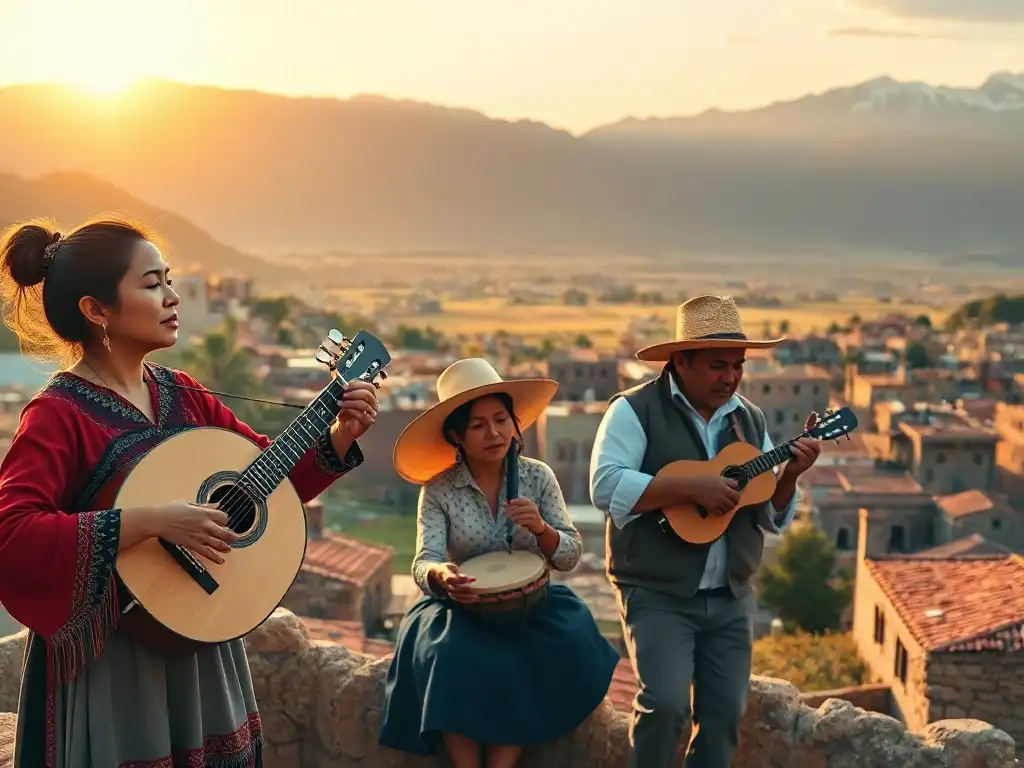
Unravel the mysteries of the Andes! Beyond the breathtaking landscapes lies a legacy of vibrant civilizations whose echoes still resonate today. Journey with us into the heart of Inca, Moche, Nazca, and Tiahuanaco cultures, and discover how their ancient traditions, particularly their music, continue to inspire modern artists. Prepare to be amazed by the profound influence of Andean music history – a story waiting to be unveiled. Explore the rich tapestry of Andean civilization and uncover its enduring power.
The echoes of ancient Andean civilizations resonate far beyond their archaeological sites and intricate textiles. Their music, a vibrant tapestry woven from centuries of tradition, continues to inspire and influence modern artists across the globe. This article delves into the profound impact of Andean music history on contemporary creative expression, exploring how its unique rhythms, melodies, and instruments continue to shape the soundscape of today.
We will examine the enduring legacy of musical traditions from diverse Andean cultures, including the Incas, Moche, Nazca, and Tiahuanaco, and showcase how their musical heritage provides a powerful foundation for modern musical innovation. Understanding this historical influence is key to appreciating the richness and complexity of contemporary Andean music and its global reach. This exploration will reveal the enduring power of Andean musical heritage and its transformative influence on the artistic landscape.
The Ancient Roots: Tracing Andean Music's Origins
Andean music boasts a rich and complex history, deeply intertwined with the spiritual and social fabric of its diverse cultures. Long before the arrival of the Spanish, intricate musical traditions flourished throughout the Andes. Archaeological evidence suggests the use of panpipes, flutes, and drums dating back millennia.
These instruments, often crafted from natural materials like bone, wood, and reeds, were not merely tools for entertainment but held significant ritualistic and social importance. The music itself, often characterized by modal scales and complex rhythmic patterns, served as a powerful means of communication, storytelling, and expressing spiritual beliefs. The Incas, for example, utilized music in elaborate ceremonies and festivals, reflecting their hierarchical social structure and cosmological worldview.
Understanding these ancient musical practices is crucial to grasping the profound influence they have exerted on subsequent generations of Andean musicians. The rhythmic complexity and unique instrumentation of ancient Andean music continue to inform modern compositions, providing a unique sonic palette that sets Andean music apart.
From Traditional to Contemporary: The Evolution of Andean Musical Styles
The arrival of the Spanish in the 16th century marked a significant turning point in Andean music history. While the conquest led to the suppression of many indigenous traditions, it also resulted in a fascinating fusion of European and Andean musical styles. The introduction of new instruments, like the guitar and violin, blended seamlessly with traditional Andean instruments, creating a unique hybrid sound.
This process of cultural exchange continued throughout the centuries, leading to the development of distinct regional styles within Andean music. For example, the vibrant rhythms of huayno from the central Andes contrast sharply with the melancholic melodies of yaraví from the southern Andes. These diverse styles reflect the rich tapestry of Andean cultures and their unique musical expressions.
This constant evolution and adaptation demonstrate the enduring vitality of Andean musical traditions, their ability to absorb and integrate external influences while retaining their core essence. Modern Andean artists continue to build upon this rich heritage, innovating and experimenting while honoring the past.
The Global Impact: Andean Music's Influence on World Music
The influence of Andean music extends far beyond the Andes themselves. Its unique sounds and rhythms have captivated audiences worldwide, inspiring musicians from various genres to incorporate Andean elements into their work. The use of traditional Andean instruments, such as the charango and zampoña, has become increasingly common in international musical contexts. Moreover, the distinctive modal scales and rhythmic patterns of Andean music have influenced the composition and arrangement of music in genres ranging from folk to world music.
This global reach underscores the universal appeal of Andean music and its ability to transcend cultural boundaries. Many contemporary artists acknowledge the profound influence of Andean music on their creative processes, highlighting its enduring power and global impact. This global recognition further solidifies the importance of Andean music history and its continuing relevance in the modern world.
Modern Interpretations: Andean Music in the 21st Century
Today, Andean music flourishes in a multitude of forms, demonstrating its incredible adaptability and enduring appeal. From traditional ensembles preserving ancient techniques to innovative artists fusing Andean sounds with electronic music and other genres, the possibilities seem endless. Modern musicians seamlessly blend traditional instruments with contemporary technology, creating a captivating soundscape that honors the past while embracing the future.
This innovative spirit ensures that Andean music remains vibrant and relevant in the 21st century, reaching new audiences and continuing to inspire generations of musicians. The ongoing evolution of Andean music showcases its enduring relevance and adaptability within a constantly changing global musical landscape. The future of Andean music promises to be as rich and diverse as its past.
- The Ancient Roots: Tracing Andean Music's Origins
- From Traditional to Contemporary: The Evolution of Andean Musical Styles
- The Global Impact: Andean Music's Influence on World Music
- Modern Interpretations: Andean Music in the 21st Century
Andean Music History: A Foundation of Cultural Expression
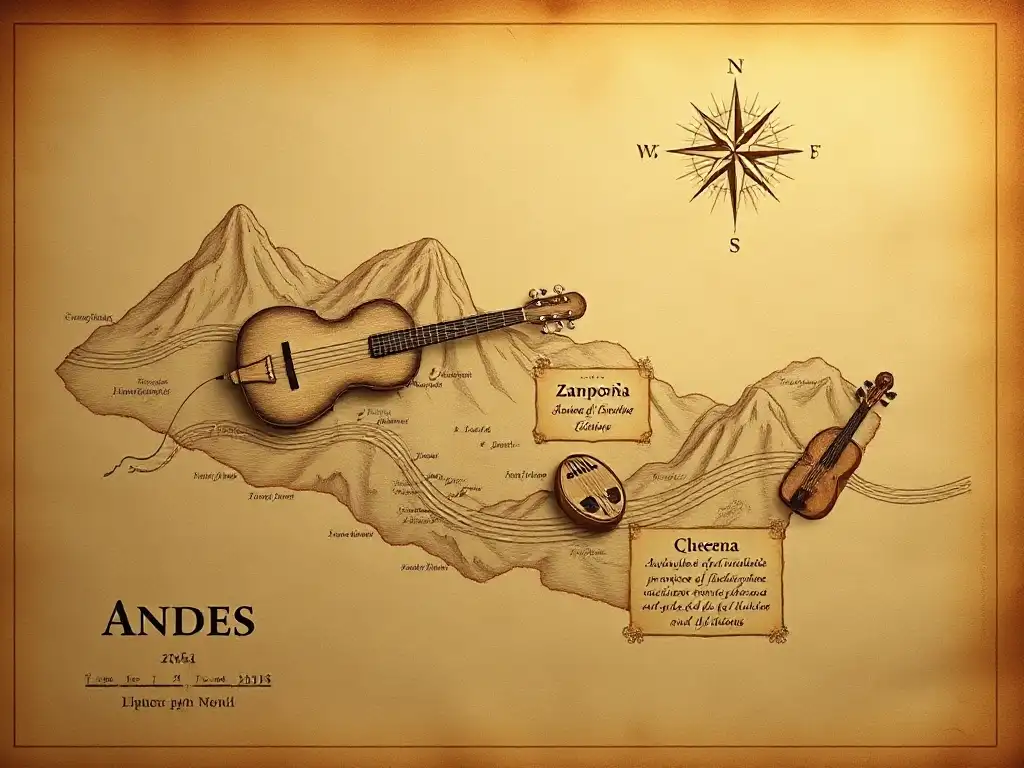
This section delves into the historical roots of Andean music, exploring its evolution and enduring influence on modern artistic expression. Understanding this rich history is crucial to appreciating the depth and complexity of Andean music's impact on contemporary culture. The vibrant soundscapes of the Andes are not merely pleasant melodies; they are a powerful testament to the resilience and creativity of the Andean peoples, a legacy passed down through generations. The keyword phrase "Andean music history influence" is central to understanding this enduring legacy.
Ancient Roots of Andean Melodies
The origins of Andean melodies are deeply intertwined with the region's ancient civilizations. Long before the Inca Empire, cultures like the Nazca and Tiwanaku developed sophisticated musical traditions. Archaeological evidence suggests the use of panpipes, flutes, and drums dating back centuries.
These early instruments likely accompanied ritualistic ceremonies, agricultural celebrations, and storytelling. The melodies themselves, while difficult to reconstruct precisely, likely reflected the natural rhythms of Andean life – the cycles of the sun, the flow of rivers, and the changing seasons. Think of the haunting sounds of the wind whistling through the high-altitude passes, or the rhythmic pounding of rain on the earth; these natural sounds undoubtedly inspired the foundational elements of Andean music.
The surviving fragments of ancient pottery and textiles often depict musical instruments and scenes of musical performances, providing visual clues to the importance of music in daily life. Further research into these artifacts could yield even more insights into the ancient roots of Andean melodies and their evolution.
The Evolution of Andean Musical Instruments
The evolution of Andean musical instruments mirrors the development of Andean cultures themselves. While ancient instruments like panpipes and flutes remained central, new instruments emerged and existing ones were refined over time. The charango, a small lute-like instrument, is a prime example, believed to have originated in the colonial period, incorporating elements of both indigenous and European musical traditions.
This fusion reflects the complex interplay of cultures throughout Andean history. The zampoña, a type of panpipe, also underwent significant changes, with variations in the number of pipes and the overall size of the instrument developing across different regions and time periods. The construction of instruments also evolved, with materials and techniques reflecting the available resources and the developing artistry of the Andean people.
For example, the use of different woods, metals, and gourds for resonators showcases a sophisticated understanding of acoustics and material properties. Detailed analysis of these instruments reveals a fascinating interplay between tradition and innovation, highlighting the enduring adaptability of Andean musical culture.
Rhythmic Patterns and Traditional Andean Scales
Andean music is characterized by its unique rhythmic patterns and scales, which differ significantly from Western musical traditions. The pentatonic scale, often featuring a characteristic minor tonality, is prevalent, lending a melancholic yet captivating quality to many Andean melodies. These scales are not merely arbitrary choices; they are deeply rooted in the Andean worldview and reflect the spiritual and emotional landscape of the region.
Rhythmic complexity varies widely, from simple, repetitive patterns to complex polyrhythms that create a mesmerizing sonic tapestry. The use of syncopation and unexpected rhythmic shifts adds another layer of sophistication, enriching the musical texture. Analyzing these rhythmic and melodic structures reveals a profound understanding of musical form and structure, demonstrating a high level of musical sophistication that has influenced modern Andean and global musical styles.
Further research into the mathematical properties of these scales and rhythms could reveal deeper insights into the underlying principles of Andean musical aesthetics. The detailed study of these elements is essential to fully grasp the impact of "Andean music history influence" on contemporary musical practices.
The Enduring Influence of Andean Music on Contemporary Art
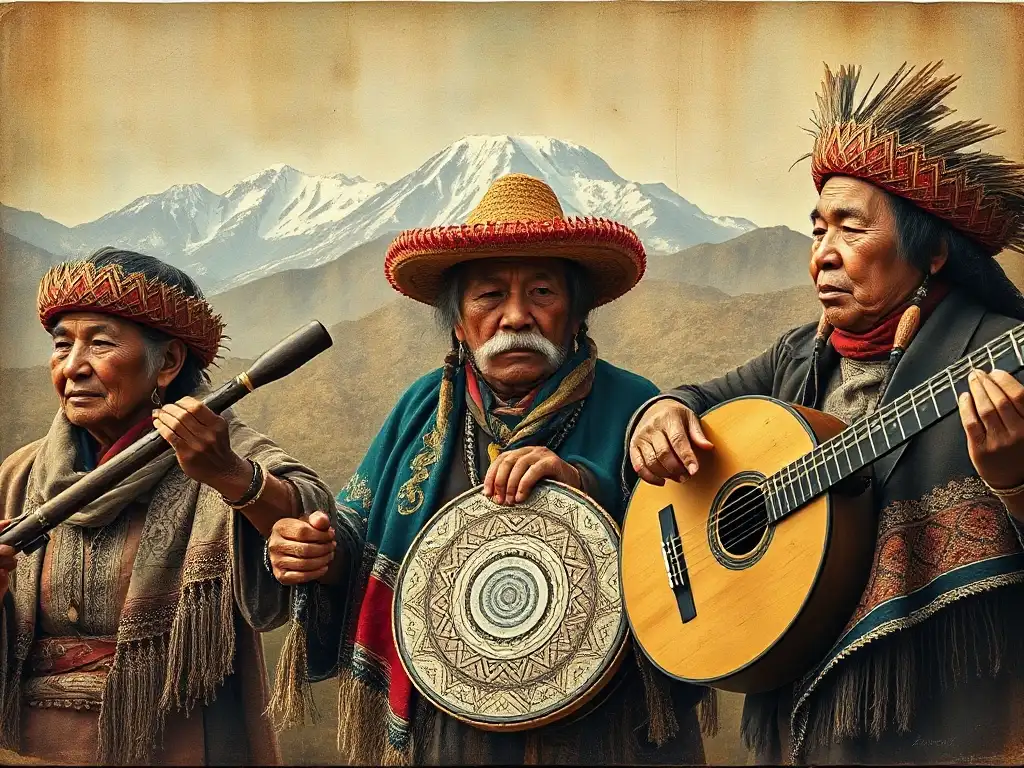
The vibrant tapestry of Andean music, woven from centuries of tradition and innovation, continues to resonate deeply within the hearts and minds of modern artists. Its influence transcends geographical boundaries and stylistic limitations, inspiring a diverse range of creative expressions. This enduring legacy is not merely a nostalgic echo of the past, but a powerful force shaping the soundscapes of today. Understanding this influence requires examining the specific ways Andean musical elements are incorporated and reinterpreted by contemporary composers and musicians.
The rich history of Andean music, encompassing diverse cultures and instruments, provides an inexhaustible wellspring of inspiration for artists seeking to create innovative and meaningful works. From traditional instruments to rhythmic patterns and vocal styles, the impact of Andean musical heritage is undeniable. This section will delve into specific examples to highlight the breadth and depth of this ongoing artistic dialogue.
Andean Musical Heritage in Modern Compositions
Many contemporary composers actively integrate elements of Andean musical heritage into their compositions. This isn't simply about sampling traditional melodies; it involves a deeper engagement with the underlying structures and aesthetic principles of Andean music. For instance, the use of pentatonic scales, characteristic of many Andean instruments like the zampoña, often appears subtly woven into otherwise contemporary orchestral arrangements.
The rhythmic complexities found in Andean music, often characterized by syncopation and polyrhythms, are also adopted and adapted. This process of adaptation is crucial; it's not about direct replication, but rather a creative dialogue where Andean elements are recontextualized within a modern musical framework. The result is a unique fusion, where the spirit of Andean music informs and enriches contemporary compositions.
Careful listening reveals subtle nuances, echoes of panpipes and charango melodies subtly embedded within orchestral scores, demonstrating the pervasive influence of this rich musical tradition. Further research into specific compositional techniques employed by contemporary artists who draw inspiration from Andean music would provide a more detailed understanding of this process. [Specific examples of contemporary compositions incorporating Andean elements pending].
Susana Baca's Afro-Peruvian Fusion and its Andean Roots
Susana Baca, a celebrated Peruvian singer and composer, exemplifies the powerful fusion of Afro-Peruvian and Andean musical traditions. While her music is categorized as Afro-Peruvian, its roots are deeply intertwined with the broader Andean musical landscape. Her work showcases the interconnectedness of various musical styles within the Andean region.
The rhythmic patterns, the use of specific instruments, and even the vocal styles in her music often exhibit clear Andean influences. Her use of the cajón, a percussion instrument of Afro-Peruvian origin, often interacts rhythmically with instruments traditionally associated with Andean music, creating a captivating interplay. This symbiotic relationship between Afro-Peruvian and Andean musical traditions demonstrates the rich cultural exchange and interconnectedness within the Andean region and highlights how these traditions are not mutually exclusive, but rather enriching and complementary.
Baca's music demonstrates the organic evolution of Andean musical expression, showcasing the continuous adaptation and innovation within the musical traditions of the Andes. The emotional depth and spiritual resonance found in her music are direct descendants of the ancient Andean musical heritage, showcasing a powerful legacy continued through generations.
The Use of Zampoña in Electronic Music by Nicola Cruz
Nicola Cruz, an Ecuadorian electronic music producer, masterfully incorporates the zampoña into his innovative soundscapes. This exemplifies a truly modern interpretation of Andean musical heritage, blending traditional instrumentation with cutting-edge electronic production techniques. Cruz doesn't simply sample the zampoña; he uses it as a foundational element, building intricate electronic textures around its unique timbre and melodic possibilities.
The result is a breathtaking fusion where the ancient sounds of the Andes meet the pulsating rhythms of contemporary electronic music. This innovative approach demonstrates the versatility and adaptability of Andean musical elements in the context of modern music production. The ethereal quality of the zampoña perfectly complements the atmospheric textures created through electronic synthesis, resulting in a unique and captivating sonic experience.
Cruz's work is a testament to the enduring power of Andean music to inspire and inform artists working across diverse genres, pushing the boundaries of musical expression while honoring the rich traditions of the Andes. His music provides a compelling example of how the Andean music history influence continues to shape modern musical landscapes.
Andean Music's Impact on Global Music Scenes
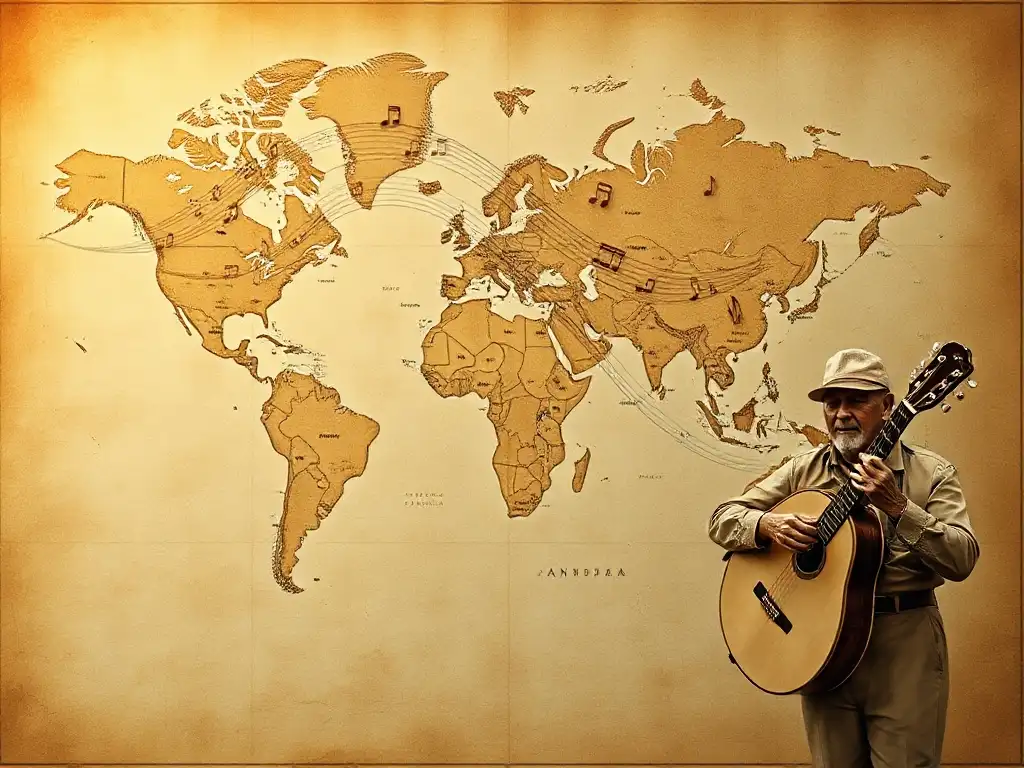
The vibrant tapestry of Andean music, woven from centuries of tradition and innovation, has profoundly impacted global musical landscapes. Its unique instrumentation, rhythmic complexities, and emotionally resonant melodies have captivated audiences worldwide, inspiring countless artists and shaping modern musical genres. This influence isn't simply a matter of imitation; it's a testament to the enduring power of Andean musical traditions to resonate across cultural boundaries.
The characteristic sounds – the haunting panpipes, the rhythmic percussion of the bombo and tinku, the soaring vocals – have become recognizable elements in various musical contexts. This section explores the ways in which Andean music has permeated international music scenes, fostering cross-cultural collaborations and inspiring new artistic expressions. Understanding this influence provides a crucial perspective on the enduring legacy of Andean civilizations and their continuing relevance in the 21st century.
Fusion of Andean Sounds with Other Genres
Andean music's influence isn't confined to niche genres; it's actively shaping the soundscape of mainstream music. The unique instrumentation and melodic structures have found their way into genres as diverse as world music, folk, electronic, and even pop. Consider the incorporation of panpipes in contemporary world music compositions, often blended seamlessly with other instruments to create a rich and evocative soundscape.
Many artists have successfully fused Andean rhythms with electronic beats, resulting in innovative and captivating sounds. This fusion isn't simply about adding a "world music" element; it's a genuine integration, where Andean musical elements become integral components of the overall composition, enriching its texture and emotional depth. The use of Andean musical motifs in pop songs, while perhaps less frequent, demonstrates the broad appeal and adaptability of these musical traditions.
This cross-pollination enriches both Andean and other musical genres, demonstrating the enduring power of cultural exchange and artistic innovation. The process isn't always straightforward; successful fusion requires careful consideration of the cultural context and a deep respect for the musical traditions being combined.
Andean Musical Influence in Film and Television
The evocative power of Andean music has made it a favored choice for film and television soundtracks. The ability of Andean melodies and rhythms to convey a wide range of emotions – from joy and celebration to sorrow and reflection – makes them ideal for underscoring dramatic scenes and creating atmospheric tension. The use of traditional Andean instruments, like the charango and zampoña, can add an authentic and immersive quality to historical dramas or films set in Andean regions.
Furthermore, the incorporation of Andean music can subtly enhance the storytelling, contributing to the overall mood and emotional impact of a scene. The impact is not limited to films explicitly set in Andean contexts; the unique sounds can effectively enhance the atmosphere in a variety of genres. Examples can be found in documentaries exploring Andean cultures, where the music serves to transport the viewer to the landscapes and lives depicted.
This use demonstrates the versatility of Andean musical traditions and their ability to transcend geographical and cultural boundaries. The influence extends beyond the soundtrack; the inherent drama and emotional depth of Andean music often inspire the creation of original compositions specifically for film or television, further cementing its place in the broader media landscape.
The Popularity of Andean-Inspired Music Festivals
The growing global appreciation for Andean music is evident in the proliferation of festivals dedicated to celebrating this rich musical heritage. These festivals offer a platform for both established and emerging artists, fostering a vibrant community of musicians and enthusiasts. The events often feature a diverse range of musical styles, from traditional Andean folk music to modern interpretations and fusions.
The festivals provide opportunities for cultural exchange, allowing audiences to experience the diversity and richness of Andean musical traditions firsthand. The economic impact of these festivals is also significant, contributing to the local economies of the regions where they are held and raising awareness of the importance of preserving Andean cultural heritage. The increasing popularity of these festivals demonstrates a growing global interest in Andean music and culture, highlighting its relevance and enduring appeal in the 21st century.
Moreover, these festivals often incorporate educational components, workshops, and discussions, furthering the understanding and appreciation of Andean music history and its influence on modern artistic expressions. The success of these festivals underscores the enduring power of Andean music to connect people across cultures and inspire artistic innovation.
Analyzing the Key Elements of Andean Music's Influence

This section delves into the enduring impact of Andean music on contemporary artistic expression. We will examine how specific instruments, lyrical themes, and the emotional core of traditional Andean music continue to resonate with and inspire modern artists across various creative fields. Understanding this Andean music history influence is crucial to appreciating the vibrant tapestry of modern Andean culture.
The analysis will focus on the tangible ways in which the past informs the present, showcasing the unbroken thread connecting ancient traditions to contemporary artistic endeavors. This exploration will reveal how the spirit of the Andes, expressed through its music, lives on.
The Significance of the Charango, Zampoña, and Quena
The distinctive sounds of the charango, zampoña, and quena are undeniably evocative of the Andes. These instruments, deeply rooted in Andean musical history, possess a unique timbre and cultural significance that continues to inspire modern musicians. The Andean music history influence is readily apparent in their continued use, often blended with modern instrumentation to create a captivating fusion.
The charango, a small lute-like instrument, typically made from armadillo shell, offers a bright, distinctive tone. Its use in both traditional and contemporary Andean music demonstrates its enduring appeal. Many modern artists incorporate the charango's unique sound into their compositions, blending its traditional character with modern musical styles, creating a unique and captivating sonic landscape.
The zampoña, a panpipe instrument, creates a haunting and ethereal melody. Its various sizes and tonal ranges allow for complex musical arrangements, often used to evoke the vastness and mystery of the Andean landscape. The emotional depth conveyed by the zampoña continues to influence composers and musicians who seek to capture the essence of Andean spirituality and emotion in their work. Its use in contemporary music often serves as a powerful symbol of Andean heritage.
The quena, a simple, end-blown flute, possesses a clear, plaintive tone. Its relatively straightforward construction belies its powerful emotional resonance. The quena's intimate and personal sound is frequently used in modern Andean music to create a sense of intimacy and connection with the listener, reflecting the deeply personal nature of Andean musical traditions. The Andean music history influence on contemporary songwriters is undeniable when examining the quena's continued prevalence.
Lyrical Themes and Storytelling in Andean Music
The lyrical content of traditional Andean music is another significant factor in its enduring influence. Themes of nature, love, loss, and social justice, woven into narratives that reflect the Andean worldview, continue to resonate with modern artists. This rich tapestry of storytelling, passed down through generations, serves as a wellspring of inspiration for contemporary songwriters and poets.
Many modern artists draw inspiration from the traditional themes of Andean music, reimagining them within contemporary contexts. For instance, the themes of resilience in the face of adversity, so prevalent in traditional Andean songs, find new expression in modern works that address contemporary social and political issues. The storytelling tradition, deeply embedded in Andean culture, continues to shape the narratives of modern Andean art. The Andean music history influence is evident in the continued exploration of these timeless themes.
The use of Quechua and Aymara languages in traditional Andean songs further contributes to their unique character and enduring appeal. The preservation and integration of these indigenous languages in modern music represents a powerful act of cultural affirmation and resistance, highlighting the enduring legacy of Andean linguistic diversity. The use of these languages in contemporary music adds another layer of authenticity and cultural significance, ensuring that the voices of the Andes continue to be heard.
The Emotional Resonance of Traditional Andean Music
The emotional depth of traditional Andean music is perhaps its most powerful legacy. The music's ability to evoke feelings of longing, joy, sorrow, and spiritual connection continues to inspire artists across disciplines. This emotional resonance stems from the music's close ties to Andean cosmology, social structures, and spiritual beliefs.
The Andean music history influence on modern artists is evident in the way contemporary musicians strive to capture the same emotional intensity and spiritual depth in their work. The use of traditional modes and scales, the incorporation of indigenous instruments, and the exploration of traditional lyrical themes all contribute to this effort. Modern artists often use Andean musical elements to evoke a sense of place, time, and cultural identity in their work.
The powerful emotions conveyed through traditional Andean music continue to inspire artists to explore the depths of human experience. The music’s ability to connect with listeners on a deeply emotional level is a testament to its enduring power and influence. This enduring connection serves as a powerful reminder of the importance of cultural preservation and the ongoing relevance of Andean traditions in the modern world.
The Future of Andean Music: Preserving Heritage and Fostering Innovation
The vibrant tapestry of Andean music, woven from centuries of tradition and innovation, faces a critical juncture. Its future hinges on a delicate balance: preserving the authenticity of ancient musical forms while embracing contemporary influences and technologies. The challenge lies in ensuring that the legacy of Andean music history influence continues to resonate with future generations, inspiring both artistic expression and cultural pride. This requires a multifaceted approach that addresses both the artistic and the educational spheres.
Modern Interpretations of Andean Musical Traditions
Modern Andean musicians are breathing new life into ancient melodies, skillfully blending traditional instrumentation with contemporary sounds. We see this in the fusion of Andean panpipes with electronic beats, creating a unique sonic landscape that appeals to a wider audience while retaining the core essence of Andean musical heritage. This innovative approach is not merely about stylistic experimentation; it's a strategic effort to broaden the appeal of Andean music history influence, making it accessible and relevant to a globalized world.
For instance, consider the work of [Artist's Name Pending], who seamlessly integrates traditional Andean instruments like the charango and zampoña into their electro-pop compositions. This approach demonstrates how the core elements of Andean music can be reimagined and recontextualized without losing their cultural significance.
The result is a captivating blend of old and new, a testament to the enduring power of Andean musical traditions. This creative fusion is not just aesthetically pleasing; it also represents a powerful tool for cultural preservation, ensuring that the music continues to evolve and thrive.
The Role of Technology in Andean Music
Technology plays a pivotal role in shaping the future of Andean music, offering unprecedented opportunities for preservation, dissemination, and creative exploration. Digital archiving projects are crucial for safeguarding recordings of traditional Andean music, ensuring the survival of invaluable musical expressions that might otherwise be lost to time. Online platforms and streaming services provide unprecedented access to Andean music for a global audience, expanding its reach beyond geographical boundaries.
Furthermore, digital audio workstations (DAWs) empower contemporary artists to experiment with Andean soundscapes, using software to manipulate and layer traditional instruments with modern electronic elements. This technological integration allows for both the preservation and the reinvention of Andean musical traditions, facilitating a dynamic exchange between past and present.
Consider the impact of high-quality recordings on the study of Andean music history influence; these resources allow researchers and musicians alike to delve into intricate details of performance techniques and instrumentation that might otherwise be lost. The use of technology is not a replacement for traditional methods; rather, it’s a powerful tool that complements and enhances them, ensuring the sustainability and growth of Andean music.
The Importance of Cultural Transmission and Education
The future of Andean music is inextricably linked to the transmission of knowledge and the cultivation of musical appreciation among younger generations. Educational initiatives, including music programs in schools and community workshops, are vital for fostering a deeper understanding and appreciation of Andean musical heritage. These programs not only teach children to play traditional instruments but also instill a sense of cultural pride and identity.
The effective transmission of Andean music history influence requires a holistic approach that encompasses both practical instruction and the exploration of the historical and social contexts of the music. By engaging young people in active participation—whether through playing traditional instruments, singing Andean songs, or participating in cultural events—we can ensure the continuity of this rich musical tradition. Without dedicated efforts towards cultural transmission and education, the risk of losing this invaluable cultural heritage is significant.
Therefore, investing in educational programs is not just a cultural imperative; it's a crucial step in safeguarding the future of Andean music and its enduring influence on modern Andean culture. The integration of Andean music into school curricula and community outreach programs is essential to ensuring the preservation and continued evolution of this vibrant art form for generations to come.
Frequently Asked Questions
What is the main focus of Andean music?
Andean music is deeply rooted in the spiritual and social life of the Andean people. It often features panpipes, flutes, and drums, reflecting the landscape and culture. Themes revolve around nature, love, and daily life.
How did ancient Andean civilizations influence music today?
Ancient Andean musical traditions, particularly the use of specific instruments and musical scales, continue to inspire modern artists. Their legacy is evident in contemporary Andean music and its global influence.
Which ancient Andean cultures had the most significant musical impact?
The Inca, Moche, Nazca, and Tiahuanaco cultures all contributed significantly to the development of Andean music. Their unique instruments and musical styles left a lasting legacy.
What instruments are characteristic of traditional Andean music?
Traditional Andean music utilizes a wide range of instruments, including the charango, panpipes, zampoñas, quena, and various types of drums. These instruments are integral to the sound and cultural identity of the region.
How has Andean music influenced modern musical genres?
Andean music's influence can be heard in various genres worldwide. Its unique rhythms and melodies have inspired artists across Latin America and beyond, contributing to the rich tapestry of global music.
Final Reflection: Echoes of the Andes in a Modern World
The vibrant rhythms and haunting melodies of Andean music continue to resonate deeply, proving that its influence transcends geographical boundaries and historical periods. Its enduring power lies not just in its captivating sounds, but in its ability to reflect the resilience, spirituality, and rich cultural heritage of the Andean people, a legacy that continues to inspire artists across the globe.
The impact of Andean music on the modern artistic landscape is undeniable, shaping genres from Latin pop to world music and influencing countless musicians. Its unique instrumentation, complex harmonies, and deeply emotional storytelling have captivated audiences for centuries and continue to do so. Music is the universal language of mankind,
said Henry Wadsworth Longfellow, and the music of the Andes speaks volumes about the human experience, echoing across time and cultures. Its enduring appeal lies in its ability to connect us to something larger than ourselves, to a history rich in tradition and struggle, and to a future filled with possibility.
Consider the legacy of Andean music, its enduring power, and its ongoing evolution. Let its rhythms and melodies inspire you to explore the rich tapestry of human expression. Embrace the echoes of the Andes, and let them inspire your own creative journey. Seek out the music, learn its history, and allow yourself to be moved by its timeless beauty. The voice of the Andes awaits, ready to share its story with you.
Unleash Your Inner Musician and Join the Andean Revolution!
Thank you for exploring the vibrant world of Andean music and its enduring impact on modern art. You've discovered how these traditional sounds continue to resonate in contemporary culture. Now, let's turn that inspiration into action!
Here are a few ways to begin your musical journey:
- Immerse yourself in the Andean music scene. Attend a live concert, participate in a workshop, or connect with musicians online.
- Share your passion on social media! Post about your favorite Andean artists and songs, and engage with fellow enthusiasts.
- Create your own music inspired by Andean rhythms. Collaborate with friends or experiment solo, blending these influences with your personal style.
What aspect of Andean music most inspires you, and how will you integrate it into your art or life?