
The Inca Calendar: Organizing Time for Imperial Efficiency

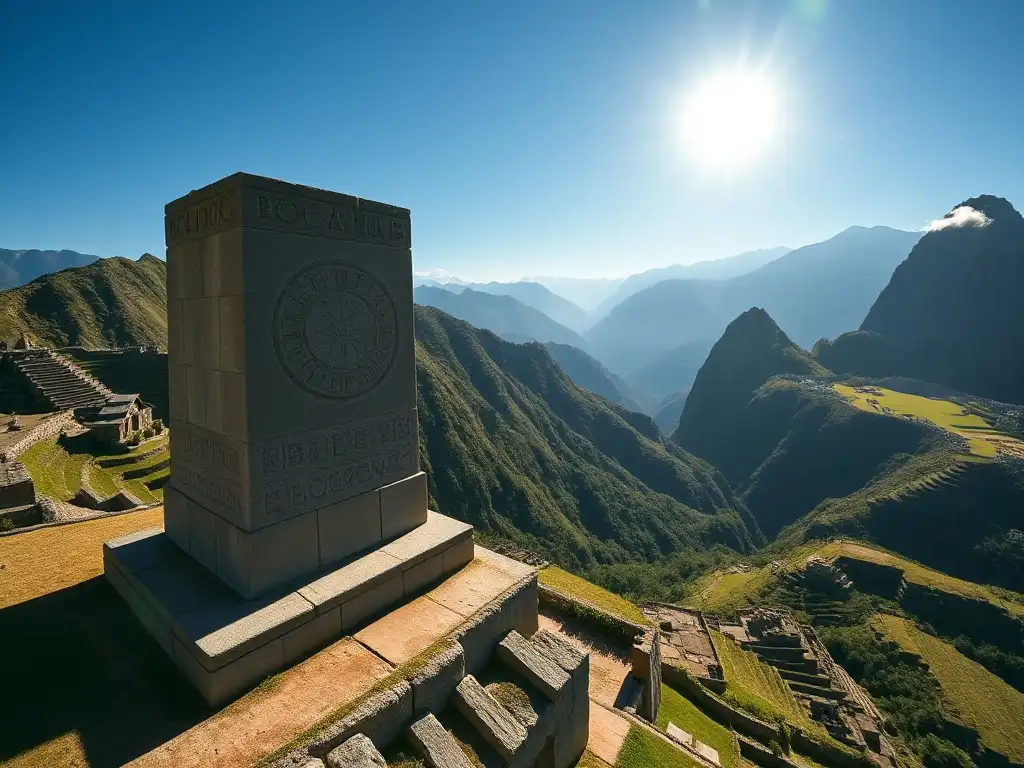
Step into a world lost to time, yet echoing with the ingenuity of a vanished empire. Imagine a civilization so advanced they crafted a calendar system so precise it dictated the rhythm of their vast empire. Prepare to unravel the mysteries of the Inca calendar, a testament to Andean brilliance and a key to understanding the Inca Empire's remarkable achievements. Discover how this intricate system shaped their lives, their agriculture, and their very existence. Are you ready to delve into its secrets?
The Inca Empire, a marvel of pre-Columbian South America, achieved remarkable feats of engineering, agriculture, and social organization. A key element underpinning this success was a sophisticated and intricately woven system for managing time – the Inca calendar. This article delves into the complexities of the Inca calendar system, exploring its structure, significance, and vital role in the empire's expansion and consolidation.
We'll examine how this ingenious system facilitated agricultural planning, religious ceremonies, and the overall administrative efficiency that characterized the Inca state. Understanding the Inca calendar provides crucial insight into the intricate workings of one of history's most impressive empires, revealing how meticulous time management contributed directly to its power and longevity. The system wasn't simply a way to mark the passage of days; it was a fundamental pillar of Inca societal structure, deeply intertwined with their worldview and governance.
Introduction to Inca Timekeeping
Unlike many calendar systems based on lunar cycles, the Inca calendar primarily relied on solar observations. While precise written records are scarce, archaeological evidence and accounts from Spanish chroniclers illuminate several key aspects. The Inca year was divided into twelve months, each associated with specific agricultural activities and religious festivals. These months weren't of equal length, reflecting the variations in the Andean climate and agricultural cycle.
The Inca year began around June, coinciding with the start of the dry season, a critical period for planting. The system wasn't solely based on a solar calendar; it also incorporated a complex understanding of celestial events, such as solstices and equinoxes, which were carefully observed and integrated into their temporal framework. The Inca priests, known as amautas, played a vital role in tracking these celestial movements and interpreting their significance for agricultural practices and religious rituals.
Furthermore, the Inca used a sophisticated system of quipus, knotted cords, to record and transmit information, including calendar dates and agricultural data. This allowed for efficient communication across the vast empire, ensuring that timely actions were taken across different regions. The precision of their astronomical observations and their ability to translate this knowledge into a practical calendar system is a testament to their advanced understanding of the natural world.
The Importance of Time Management in the Inca Empire
The Inca calendar system wasn't merely a tool for tracking time; it was integral to the empire's success in several key areas:
- Agricultural Production: The timing of planting, harvesting, and irrigation was crucial in the Andean highlands' challenging environment. The Inca calendar provided precise guidance on these activities, maximizing crop yields and ensuring food security for the vast population. The system accounted for variations in altitude and microclimates, leading to highly efficient agricultural practices. This precise understanding of seasonal variations allowed for the successful cultivation of diverse crops across different ecological zones within the empire.
- Administrative Efficiency: The calendar facilitated the organization of labor, resource allocation, and the movement of goods across the empire. Large-scale construction projects, such as roads and irrigation systems, benefited immensely from the precise scheduling afforded by the calendar. The ability to coordinate the efforts of thousands of workers across vast distances speaks to the sophisticated organizational capabilities of the Inca state, capabilities directly facilitated by their calendar system. This level of organization is rarely seen in pre-industrial societies.
- Religious Observances: Religious festivals and ceremonies were meticulously timed according to the calendar, reinforcing the Inca's social and political structures. These events served not only as religious occasions but also as important social gatherings, fostering a sense of unity and shared identity throughout the empire. The precise timing of these ceremonies underscores the integration of religious practices into the daily life of the Inca people, further highlighting the centrality of the calendar system in their society.
- Military Campaigns: The Inca calendar likely played a role in planning military campaigns, ensuring that troops were mobilized and supplied at optimal times. The timing of military expeditions would have been influenced by weather conditions and the agricultural cycle, ensuring that logistics were handled effectively. While direct evidence is limited, the high degree of organization in other aspects of Inca life suggests that military operations would have also been planned with the aid of their sophisticated calendar system.
The Inca calendar system, therefore, was not merely a chronological tool but a crucial component of the Inca Empire's administrative, agricultural, and religious life, contributing significantly to its remarkable expansion and consolidation. Further research into the intricacies of the quipus and other surviving archaeological evidence promises to further illuminate the complexity and ingenuity of this remarkable system.
Understanding the Inca Calendar System

The Inca calendar system, a sophisticated method of timekeeping, was crucial to the organization and efficiency of the vast Inca Empire. Unlike many calendar systems based on a single, fixed cycle, the Inca system cleverly integrated lunar observations with solar tracking, creating a flexible yet remarkably accurate system that facilitated agricultural planning, religious ceremonies, and the overall administration of the empire.
This intricate system, passed down through generations of quipucamayocs (Inca record keepers), demonstrates a deep understanding of celestial mechanics and its importance to societal structure. Understanding this system provides critical insight into the Inca worldview and their mastery of practical application of astronomical knowledge.
The intricate relationship between lunar and solar cycles within the Inca calendar system highlights the advanced level of astronomical observation and understanding achieved by this civilization. This sophisticated system went far beyond simple date-keeping; it was intrinsically linked to the empire's agricultural cycles, religious practices, and social organization.
The Lunar Basis of the Inca Calendar
The Inca calendar was fundamentally lunar. The Inca meticulously tracked the lunar phases, with each month (or quilla) encompassing approximately 29.5 days, reflecting the synodic period of the Moon. This lunar cycle formed the basis of their shorter-term temporal organization. Evidence suggests they utilized knotted strings, quipus, to record lunar cycles and other important temporal data.
The precision of their lunar observations is striking, considering their lack of advanced astronomical instruments. They likely used naked-eye observations and a deep understanding of the moon's movements to maintain an accurate count of the lunar months. This lunar calendar, while essential, was not sufficient on its own to meet the needs of a large empire reliant on agriculture.
The lunar cycle, although a fundamental component, is only part of the larger picture. The accuracy of the lunar observations, impressive even by modern standards, is a testament to the Inca's dedication to meticulous record-keeping and their profound understanding of celestial phenomena. The intricacies of tracking the lunar phases and their integration within the broader Inca calendar system continues to fascinate scholars today.
The Solar Observations that shaped the Inca time system
While the lunar calendar provided a framework for shorter-term cycles, the Inca also meticulously observed the sun's movements. Their knowledge of the solstices and equinoxes was crucial in determining the agricultural calendar. The Inca year, not perfectly aligned with our Gregorian calendar, was closely tied to the solar year, approximately 365 days long.
They likely used various methods to track the sun's position, perhaps employing strategically placed markers or observing the shadows cast by specific objects at different times of the year. The precise methods remain a subject of ongoing research, but the accuracy of their solar observations is evident in their agricultural practices, which were finely tuned to the seasonal changes. The significance of solar observations in the Inca calendar system cannot be overstated.
It provided the long-term framework upon which their agricultural and societal organization depended. The Inca's precise understanding of the solar year allowed them to predict optimal planting and harvesting times, crucial for the sustenance of their large population. This demonstrates a remarkable ability to connect celestial events with practical agricultural needs.
The Inca Year: A Combination of Lunar and Solar Cycles
The Inca year, a culmination of both lunar and solar observations, was a complex system that integrated both cycles. The year wasn't divided into 12 equal months but rather into a system that accommodated the discrepancy between the lunar and solar cycles. This often resulted in the intercalation of extra months to keep the calendar synchronized with the solar year.
The exact methods of intercalation are still debated among scholars, with various theories proposed based on archaeological evidence and ethnohistorical accounts. This intercalation process highlights the sophisticated nature of the Inca calendar system, demonstrating their advanced understanding of astronomical cycles and their ability to devise a practical system to manage the complexities of integrating lunar and solar timekeeping. The Inca year, a testament to their advanced knowledge of astronomy and mathematics, provided a robust framework for their empire's agricultural and social organization.
The integration of both lunar and solar cycles was crucial not only for agricultural planning but also for religious festivals and ceremonial events. The sophisticated nature of this calendar system continues to be a source of fascination and ongoing research. Further investigation into Inca record-keeping methods might reveal even more intricate details about their calendar system and its impact on their society.
Key Components of the Inca Calendar
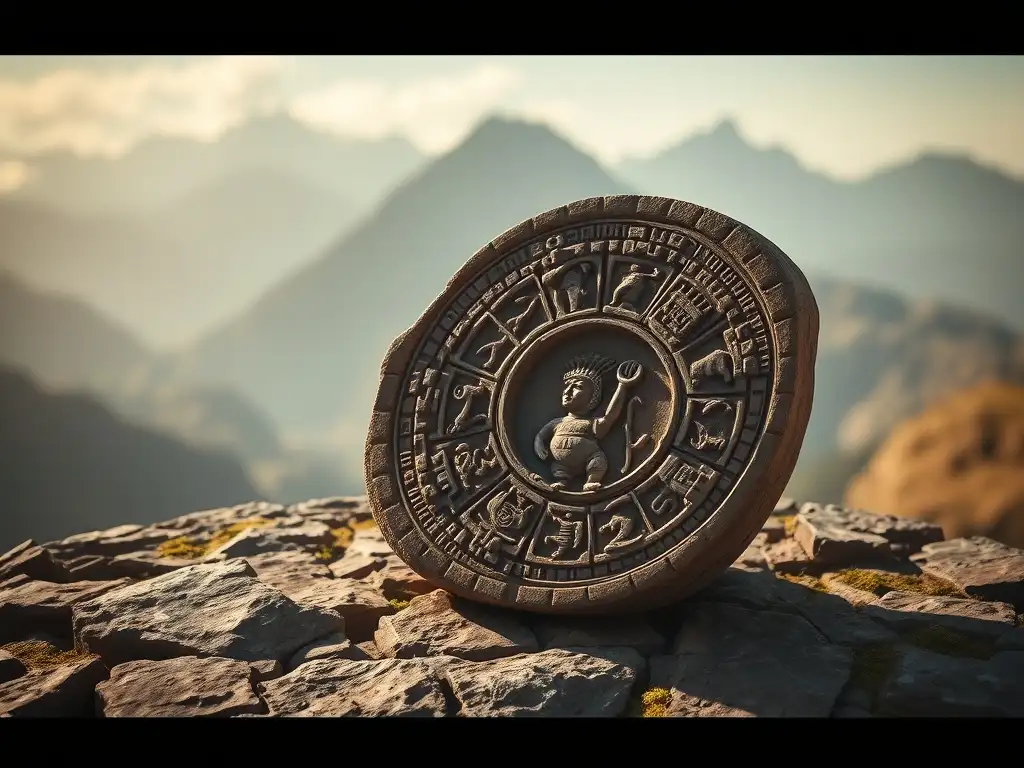
The Inca calendar system, a sophisticated tool for managing agricultural cycles, religious ceremonies, and imperial administration, wasn't based on a single, unified system like the Gregorian calendar we use today. Instead, it was a complex interplay of different cycles and observations, reflecting the Inca's deep understanding of their environment and their need for efficient organization across their vast empire. Understanding its intricacies reveals much about Inca societal structure and their remarkable achievements.
This section will delve into the fundamental components of this fascinating system, focusing on the core units of time that shaped Inca life. The Inca calendar system was crucial for the empire's expansion and consolidation, ensuring agricultural productivity and social stability.
The Concept of "Wata" in Inca time reckoning
The fundamental unit of time in the Inca calendar was the wata, which translates to "year." However, the Inca wata wasn't solely a solar year. It was intricately linked to the agricultural cycle, specifically the planting and harvesting seasons.
This meant that the length of a wata could vary slightly from year to year, depending on climatic conditions and the specific location within the empire. Unlike our fixed 365-day year, the Inca wata was a more flexible system, adapting to the natural rhythms of the Andes. This adaptability was key to the Inca's agricultural success, allowing them to optimize planting and harvesting based on actual seasonal variations.
The Inca's understanding of the wata wasn't just a matter of counting days; it was a deeply ingrained knowledge of their environment, reflecting a profound connection between the Inca people and their land. This nuanced approach to timekeeping allowed for effective resource management and contributed significantly to the empire's stability and expansion.
The Inca Months: Names and Significance
The Inca year, the wata, was divided into twelve lunar months, each with its own unique name and associated agricultural activities or religious festivals. Unfortunately, a complete and universally agreed-upon list of Inca month names has not survived. However, archaeological evidence and colonial accounts offer glimpses into this system. Many month names reflected the agricultural cycle, such as months dedicated to planting, harvesting, or specific crops.
Others were linked to significant religious events or celestial observations. For example, a month might be named after a particular constellation prominent in the night sky during that period. The precise names and their associated meanings remain a subject of ongoing research.
Further complicating the matter is the regional variation in Inca traditions, leading to potential differences in month names and their associated significance across different parts of the empire. More research is needed to fully understand the nuances of the Inca month names and their significance. The limited surviving information highlights the need for continued investigation into Inca calendrical practices.
The Inca Week and its Purpose
While the wata and the months formed the larger framework of Inca timekeeping, the Inca also utilized a shorter cycle—a nine-day week. This nine-day week, unlike our seven-day week, likely had a religious or ceremonial purpose rather than solely for administrative tasks. Each of these nine days was likely associated with specific deities or ritual practices.
The exact details of these associations remain unclear, as the available evidence is fragmented and open to multiple interpretations. The nine-day week likely played a significant role in structuring religious festivals and ceremonies, providing a rhythmic framework for Inca spiritual life. This nine-day cycle, combined with the lunar months and solar year, shows the complexity and multi-layered nature of Inca timekeeping.
The interplay of these different cycles highlights the sophisticated understanding of astronomy and the cosmos held by the Inca civilization. Further research is needed to fully decipher the mysteries of the Inca nine-day week and its connection to religious practices. Archaeological discoveries and the analysis of surviving texts continue to shed light on this fascinating aspect of Inca culture.
The Role of the "Inti Raymi" in the Inca Calendar
The Inti Raymi, or Festival of the Sun, was far more than just a vibrant celebration; it was a cornerstone of the Inca calendar system, deeply intertwined with agricultural cycles and imperial power. Held annually around the winter solstice (June 21st), this grand ceremony marked the renewal of the sun's energy and its crucial role in the success of the agricultural year. The Inti Raymi wasn't simply a festive occasion; it served as a crucial ritual reaffirming the Inca emperor's divine authority and the empire's prosperity.
The festivities, lasting for several days, involved elaborate processions, sacrifices, and feasts, all meticulously choreographed to honor the sun god, Inti. The emperor, as the intermediary between the divine and the human world, played a central role, performing rituals that ensured the sun's continued benevolence and the abundance of crops.
The precise timing of the Inti Raymi, dictated by astronomical observations and meticulous record-keeping, highlights the sophistication of the Inca calendar's integration with their agricultural practices. Failure to properly observe the Inti Raymi could be interpreted as a sign of displeasure from the sun god, potentially impacting the harvest and the stability of the empire.
The Inti Raymi was not solely a religious event; it also served as a powerful tool for consolidating imperial power. The massive gathering of people from across the vast Inca empire showcased the emperor's authority and the empire's might. The distribution of food and goods during the festival reinforced the Inca's control over resources and their ability to provide for their subjects.
The spectacle of the Inti Raymi served as a potent symbol of Inca imperial power and its divine mandate, fostering loyalty and cohesion within the empire. The meticulous planning and execution of this festival demonstrate the sophisticated organizational capabilities of the Inca state and the centrality of the calendar in their governance.
The Inti Raymi, therefore, wasn't simply a celebration; it was a complex ritual interwoven with agricultural practices, religious beliefs, and the political consolidation of the Inca empire. Its significance within the Inca calendar system cannot be overstated.
Practical Applications of the Inca Calendar
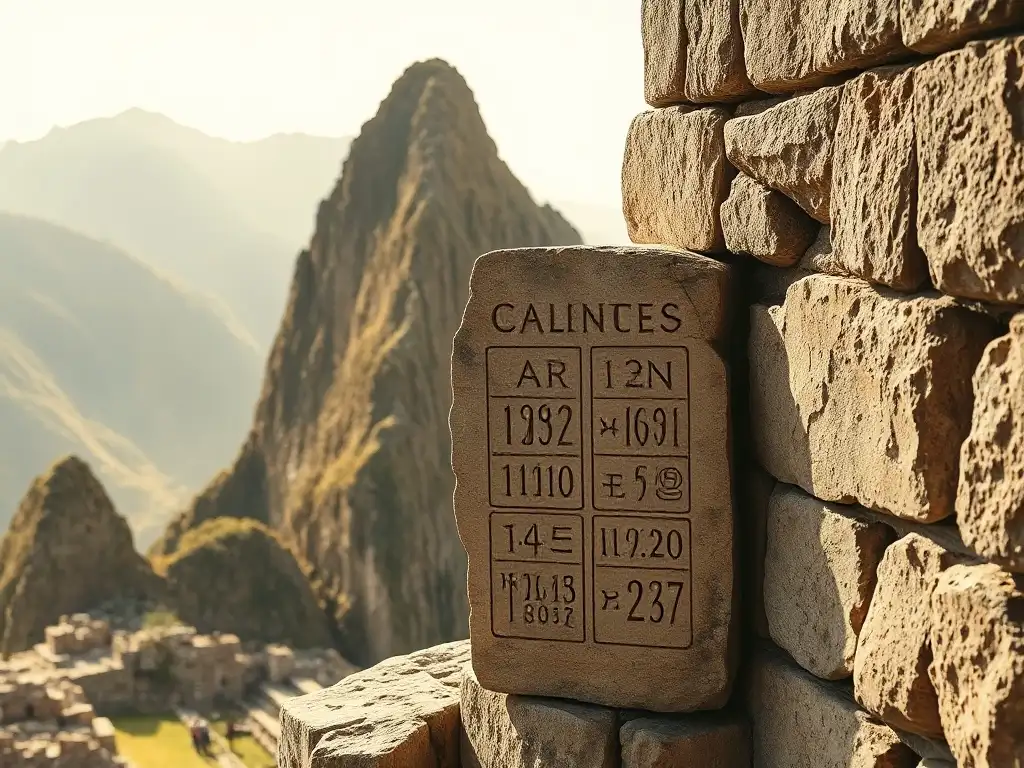
The Inca calendar system, a sophisticated method of timekeeping, wasn't merely an abstract concept; it was deeply integrated into the fabric of Inca daily life, underpinning their remarkable achievements in agriculture, religious observance, and imperial administration. Its precision and adaptability allowed for efficient resource management and the smooth functioning of the vast Inca empire. Understanding its practical applications reveals the ingenuity and foresight of Inca society.
The system's effectiveness stemmed from its close connection to observable celestial events and its integration with a detailed knowledge of local environmental conditions. This allowed for remarkably accurate predictions, crucial for the success of Inca societal functions.
Agricultural Planning Based on the Inca Calendar
Agricultural practices were meticulously synchronized with the Inca calendar. The quipu, a complex system of knotted cords, acted as a vital tool for recording agricultural data, including planting and harvesting times, crop yields, and weather patterns. By observing the positions of the sun and stars, Inca farmers could predict the optimal times for planting and harvesting, maximizing crop yields.
This knowledge was crucial in a challenging Andean environment characterized by varied altitudes and microclimates. For example, the planting of potatoes, a staple crop, was carefully timed according to specific lunar cycles and seasonal variations observed through the Inca calendar, ensuring abundant harvests. The calendar's predictive power mitigated risks associated with unpredictable weather, contributing to the empire's food security and stability.
Detailed records kept on the quipu allowed for a continuous refinement of agricultural techniques over generations, optimizing yields and ensuring a reliable food supply for the growing population. The Inca calendar system was therefore not just a tool for organizing time; it was a critical component of their successful agricultural strategy.
Religious Ceremonies and the Inca Calendar
The Inca calendar system was intrinsically linked to the empire's religious beliefs and practices. Religious ceremonies, festivals, and rituals were meticulously scheduled according to the calendar, reflecting the profound importance of time in their cosmology. Key events, such as the Inti Raymi (Festival of the Sun), were precisely timed to coincide with the solstices and equinoxes, highlighting the sun's central role in Inca religion and agriculture.
The precise timing of these events was crucial for maintaining social order and reinforcing the authority of the Inca ruler, who was considered a divine intermediary between the gods and the people. Furthermore, the calendar dictated the specific rituals and offerings associated with each season, ensuring the continued favor of the gods and the prosperity of the empire.
The cyclical nature of the calendar mirrored the cyclical nature of life and reinforced the Inca worldview, emphasizing harmony between the human and spiritual realms. The meticulous tracking of celestial events and their correlation with religious practices demonstrate the sophisticated integration of religious belief and practical timekeeping within Inca society.
Inca Administrative Uses of their time-keeping system
Beyond agriculture and religion, the Inca calendar played a crucial role in the administration of the vast empire. The intricate system allowed for the efficient organization of labor, the allocation of resources, and the collection of tribute. The quipu was used not only for agricultural data but also for recording population numbers, tax obligations, and the movement of goods and people across the empire.
This detailed record-keeping allowed for effective planning and resource management, enabling the Inca to sustain a large and complex empire. For instance, the calendar facilitated the organization of the mita, a system of labor tribute, ensuring that the workforce was deployed effectively for projects like road construction, temple building, and agricultural production. The precise scheduling enabled by the calendar minimized disruptions and maximized efficiency, showcasing the Inca's administrative prowess.
The calendar's role in facilitating efficient administration was essential to the empire's success and longevity, demonstrating the close relationship between timekeeping and governance. The Inca calendar system, therefore, served as a powerful tool for organizing and controlling all aspects of Inca life, from the planting of crops to the administration of the empire itself.
The Inca Calendar and Tax Collection
The Inca Empire's sophisticated Inca calendar system wasn't merely an astronomical marvel; it was a crucial tool for managing the vast empire's resources and population. Tax collection, a cornerstone of imperial power, relied heavily on the precise timing provided by the calendar. The Inca calendar dictated the agricultural cycle, directly impacting the amount and type of tribute collected. For example, the harvest of potatoes, a staple crop, determined the quantity of chuño (freeze-dried potatoes) levied as tax.
The timing of the harvest, meticulously tracked using the Inca calendar, ensured that the collection coincided with peak production, maximizing the empire's yield. This efficient system minimized disruption to the local communities while ensuring a steady flow of resources to the imperial centers. Failure to meet tax obligations, meticulously scheduled according to the calendar, could result in severe penalties, further emphasizing the calendar's importance in maintaining imperial control and order. The Inca calendar system thus served not only as a timekeeping device but also as a powerful instrument of economic administration.
It facilitated a system of predictable and efficient tax collection, a vital component of the Inca Empire's enduring strength and stability. This intricate connection between the calendar and taxation highlights the sophisticated administrative capabilities of the Inca state. The calendar’s accuracy and the precise scheduling it allowed were paramount in ensuring a stable and equitable (within the context of the empire) distribution of resources. Furthermore, the calendar's influence on tax collection underscores its importance beyond mere astronomical observation.
The implementation of the Inca calendar in tax collection also involved a complex system of record-keeping. Quipu, knotted strings used for recording numerical data, played a vital role in tracking tax obligations and payments. Each knot and its placement represented a specific amount and type of tribute, reflecting the calendar's influence on the timing and quantities of these obligations.
The accuracy and efficiency of this system, facilitated by the calendar, is a testament to the Incas' administrative prowess. Archaeological evidence suggests that the quipu system was highly sophisticated, allowing for detailed record-keeping across the vast empire. The integration of the Inca calendar system with the quipu system highlights the sophisticated interplay between astronomy, administration, and record-keeping in the Inca Empire.
This complex system ensured not only efficient tax collection but also accurate accounting, crucial for the empire's effective governance. The system's effectiveness speaks to a highly organized and centralized administrative structure, directly supported by the accurate predictions of the Inca calendar. The precise timing of tax collection, as dictated by the calendar, allowed for optimal resource management and minimized disruptions to agricultural cycles.
The Inca Calendar: Tools and Techniques
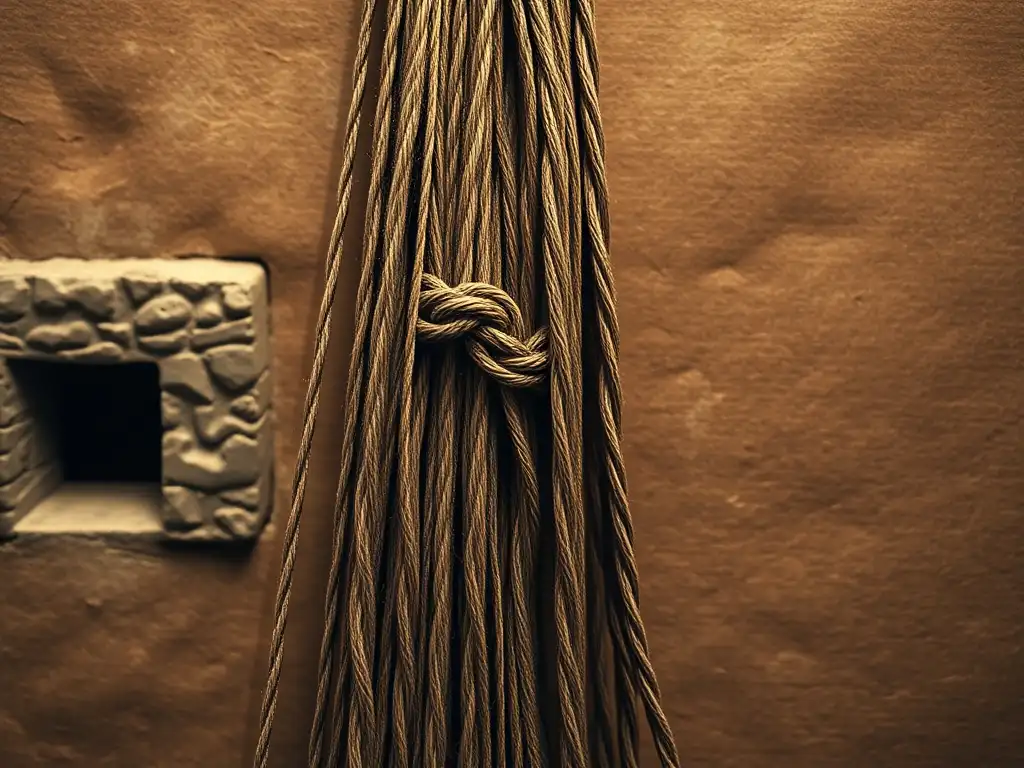
The Inca calendar system, a sophisticated method of organizing time crucial to the empire's agricultural cycles and societal structure, relied on a complex interplay of astronomical observation, meticulous record-keeping, and practical tools. Unlike written calendars, the Inca system was primarily oral, passed down through generations of quipucamayocs, specialized memory keepers who utilized quipus—complex knotted cords—to record numerical and potentially calendrical data. While the exact nature of quipu calendrical representation remains a subject of ongoing scholarly debate, their importance in managing the Inca calendar system is undeniable.
The system itself wasn't rigidly standardized across the entire empire; regional variations likely existed, reflecting local environmental conditions and agricultural practices. However, a core framework of timekeeping, centered around the solar year and agricultural cycles, unified the empire's temporal organization.
This intricate system allowed for efficient resource management, precise agricultural planning, and the coordination of large-scale imperial projects. Understanding the Inca calendar system requires appreciating its multifaceted nature and the diverse techniques employed in its maintenance.
The Use of Intihuatana Stones for Timekeeping
Intihuatana stones, often found at the summits of significant Inca sites, are believed to have played a vital role in the Inca calendar system. These monolithic structures, meticulously carved and precisely oriented, served as sophisticated astronomical instruments. While their exact function remains a subject of ongoing research and interpretation, many scholars believe they were used to mark solstices and equinoxes, providing crucial data points for the Inca calendar.
The precise alignment of these stones with the sun's path across the sky allowed Inca priests to accurately determine the changing seasons and plan accordingly. The Intihuatana stones weren't merely markers of time; they were also likely integral to religious ceremonies, reinforcing the close relationship between the Inca calendar system and their cosmology. The precision of their construction and placement underscores the advanced level of astronomical knowledge possessed by Inca astronomers.
Evidence suggests that some Intihuatana stones might have been employed for more complex astronomical observations, perhaps tracking the movements of other celestial bodies beyond the sun. Further research is needed to fully elucidate the multifaceted role of these remarkable structures within the Inca calendar system.
Inca Astronomy and the Observation of Celestial Bodies
The Inca calendar system was deeply intertwined with observations of celestial bodies. The sun, of course, held paramount importance, its movements dictating the agricultural year and shaping the Inca worldview. However, Inca astronomers also meticulously tracked the movements of the moon, stars, and planets. The precise observation of these celestial bodies allowed them to refine their understanding of seasonal changes and predict agricultural cycles with remarkable accuracy.
For example, the appearance of specific constellations signaled the onset of planting or harvesting seasons, providing crucial information for the empire's agricultural production. This knowledge wasn't limited to a select few; it was likely disseminated throughout the empire, ensuring that agricultural practices were synchronized across diverse regions. The intricate relationship between the Inca calendar system and celestial events highlights the sophisticated astronomical knowledge that underpinned their imperial organization.
The precision of their astronomical observations demonstrates a profound understanding of celestial mechanics, far surpassing the simplistic view often associated with pre-Columbian civilizations. This advanced knowledge allowed for the efficient management of resources and the successful cultivation of crops throughout the vast Inca empire. The integration of astronomy into the Inca calendar system wasn't merely a practical tool; it was a fundamental aspect of their worldview, reflecting their deep connection to the cosmos.
The Role of Inca Priests in Calendar Management
The amautas, or Inca priests, held a central role in the management and interpretation of the Inca calendar system. They were responsible for observing celestial events, recording observations, and disseminating this information throughout the empire. Their profound understanding of the calendar's intricacies allowed them to predict agricultural cycles, plan for resource allocation, and coordinate large-scale projects, such as the construction of roads, irrigation systems, and monumental buildings.
The amautas weren’t simply calendar keepers; they were also spiritual leaders, connecting the temporal organization of the empire to its religious beliefs and cosmology. Their authority stemmed from their specialized knowledge and their ability to interpret celestial events, which were believed to have significant implications for the empire's well-being. The Inca calendar system, therefore, was not just a practical tool but also a crucial component of the empire's religious and political structures.
The amautas’ influence extended beyond the realm of timekeeping; they played a vital role in shaping the empire's social and political landscape. Their expertise in astronomy and their religious authority ensured that the Inca calendar system remained a powerful instrument of imperial control and organization. Further research into the role of amautas is crucial to fully understanding the intricate relationship between the Inca calendar system and the broader socio-political fabric of the empire.
The Legacy of the Inca Calendar
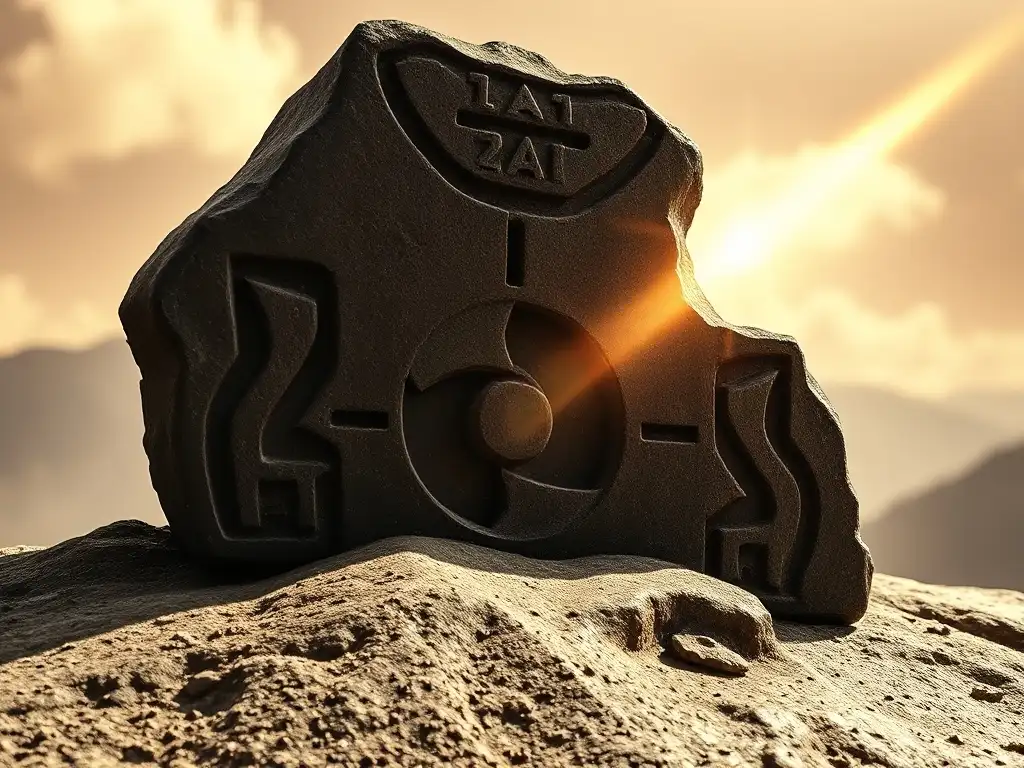
The Inca calendar system, a sophisticated method of timekeeping, profoundly impacted the Inca Empire's organization and administration. Its legacy extends far beyond the empire's collapse, influencing Andean culture and continuing to resonate in modern communities. Understanding its intricacies reveals a civilization deeply connected to its environment and remarkably adept at managing resources and labor across vast distances. The Inca calendar wasn't merely a tool for tracking days and years; it was integral to their social, economic, and religious life.
Its influence on agriculture, religious practices, and even social structure was profound and long-lasting. The precise mechanisms of the Inca calendar are still debated by scholars, but its overall impact is undeniable. The system's effectiveness in supporting the empire's growth and stability is a testament to the Inca's organizational prowess.
The Impact of the Inca Calendar on Andean Culture
The Inca calendar system's impact reverberated throughout Andean culture, shaping various aspects of daily life. Its influence on agriculture was paramount. The precise knowledge of seasonal changes, facilitated by the calendar, allowed for optimized planting and harvesting schedules, maximizing crop yields and ensuring food security for the vast population. This sophisticated agricultural planning was crucial for supporting the empire's growth and its ability to sustain its large urban centers.
Furthermore, the calendar played a central role in religious ceremonies and festivals. Many rituals were timed according to specific dates and celestial events, reflecting the Inca's deep spiritual connection to the cosmos. The calendar's structure, with its emphasis on cycles and recurring patterns, likely influenced their worldview and understanding of the universe. The intricate relationship between the calendar and religious festivals is evident in archaeological findings, showcasing the calendar's importance in shaping Andean spiritual practices.
The calendar's influence wasn't limited to agriculture and religion. It also played a role in organizing labor, with large-scale public works projects coordinated around the calendar's cycles. This systemic approach allowed the Inca to construct impressive infrastructure, including roads, irrigation systems, and monumental architecture.
The Inca Calendar in Modern-Day Andean Communities
While the Inca Empire fell centuries ago, aspects of their calendar system persist in modern-day Andean communities. Although the precise methods of the Inca calendar may be lost to time, many communities still follow traditional agricultural practices deeply rooted in cyclical observations of the seasons. This enduring connection to the land showcases the calendar's long-term influence on Andean agricultural traditions.
Moreover, certain festivals and rituals continue to be celebrated according to traditional calendars, demonstrating the calendar's continued importance in Andean spiritual life. These festivals often incorporate elements that reflect the Inca calendar's focus on celestial events and agricultural cycles. The continuity of these practices highlights the calendar's enduring legacy and its importance in maintaining cultural identity.
Ethnographic studies have documented the survival of these traditional practices, demonstrating the resilience of the Inca calendar's influence. While the modern-day versions might be simplified or adapted, they represent a direct link to the Inca's sophisticated system of timekeeping. This cultural continuity underscores the lasting power of the Inca calendar system and its deeply embedded connection to Andean identity.
Comparing the Inca Calendar with other Ancient Calendars
Comparing the Inca calendar system with other ancient calendars reveals both similarities and striking differences. Many ancient civilizations, such as the Maya and the Egyptians, developed complex calendar systems based on astronomical observations. However, the Inca calendar, with its emphasis on practical applications such as agricultural planning and labor organization, distinguishes itself from some other systems that were heavily focused on religious or astrological forecasting. While the Maya calendar, for instance, was incredibly precise in its astronomical calculations, the Inca calendar was arguably more pragmatic in its application to the everyday life of the empire.
This practical focus reflects the Inca's focus on imperial administration and resource management. The Inca calendar, unlike some others, lacked a single, universally accepted written form. Instead, it was likely transmitted orally, through a complex system of quipus (knotted strings) and through practical knowledge passed down through generations. This oral tradition contrasts with the written records found in other ancient civilizations.
Further research into the Inca calendar and comparative studies with other ancient calendar systems are needed to fully understand the nuances of its structure and function. The lack of extensive written records poses a significant challenge for scholars attempting to reconstruct the complete system. The ongoing research continues to unravel the complexities of this fascinating aspect of Inca civilization.
Conclusion: The Sophistication of the Inca Calendar System
The Inca calendar system, far from being a simple agricultural tool, reveals a sophisticated understanding of astronomy, mathematics, and societal organization. Its complexity speaks volumes about the advanced knowledge and administrative capabilities of the Inca Empire. The intricate interplay between the solar and lunar cycles, meticulously tracked and integrated into their societal structure, allowed for efficient resource management, precise agricultural planning, and the orchestration of large-scale public works.
Understanding the Inca calendar system provides critical insight into the mechanisms that underpinned the Inca Empire's impressive expansion and consolidation of power. The precision and functionality of this system highlight the ingenuity and practicality of Inca civilization, challenging common misconceptions of a solely "primitive" society.
The system’s flexibility, adapting to local variations while maintaining a cohesive imperial framework, showcases a remarkable level of administrative sophistication rarely seen in pre-Columbian societies. Its influence extended beyond mere practicality; it was deeply intertwined with religious beliefs and rituals, further emphasizing its central role in Inca life.
The Inca Calendar as a testament to Inca ingenuity
The Inca calendar's ingenuity is evident in its ability to integrate multiple timekeeping systems. While primarily solar, it incorporated lunar observations to predict eclipses and regulate religious festivals. This dual system allowed for a precise understanding of both the agricultural year and the religious calendar, demonstrating a deep understanding of celestial mechanics.
The Inca's ability to accurately predict seasonal changes was crucial for their agricultural success, allowing them to optimize planting and harvesting cycles for maximum yield. This predictive power wasn't just limited to agriculture; it also allowed for the meticulous planning and execution of large-scale construction projects like temple complexes and extensive road networks. The precise coordination required for such endeavors, relying on the accurate predictions offered by their calendar, emphasizes the sophisticated level of organization within the Inca Empire.
We can see evidence of this precision in the remarkably accurate alignment of many Inca structures with celestial events, a testament to their advanced astronomical knowledge and engineering skills. Their ability to create such a complex and functional calendar system, without the aid of written language, underscores their intellectual prowess and innovative problem-solving capabilities. Further research into the specific techniques and instruments used by Inca astronomers could reveal even more about their remarkable achievements.
Final Thoughts on the Inca calendar and its relevance
The Inca calendar system stands as a powerful symbol of Inca ingenuity and administrative prowess. Its sophisticated design and practical applications allowed for the efficient management of resources, the precise scheduling of agricultural activities, and the successful execution of large-scale public works projects. This system was not merely a tool for survival but an integral part of Inca culture, deeply interwoven with their religious beliefs and societal structure.
Studying the Inca calendar system provides invaluable insight into the inner workings of the Inca Empire, helping us understand the factors that contributed to its rise and expansion. The system's enduring legacy continues to fascinate and inspire, reminding us of the remarkable achievements of a civilization that flourished in the challenging environment of the Andes Mountains. The continued study and analysis of this remarkable system will undoubtedly reveal further details about the Inca's advanced understanding of astronomy, mathematics, and societal organization, further enriching our understanding of this fascinating civilization and its impact on the world.
Further research into the surviving remnants of the Inca calendar system, including archaeological evidence and ethnographic accounts, is crucial for a more complete understanding of its complexity and influence. The Inca calendar system, therefore, remains a vital source of knowledge, offering a unique perspective into the remarkable accomplishments of the Inca Empire.
Frequently Asked Questions
What was the Inca calendar system used for?
The Inca calendar system wasn't a single written calendar like ours, but a complex system used for agricultural planning, religious ceremonies, and governing the empire. It helped organize the lives of millions across a vast territory.
Did the Incas have a written calendar?
No, the Incas did not have a written calendar in the same way as other civilizations. Instead, they relied on oral traditions, observations of the stars and sun, and elaborate knotted strings called quipus to record and track time.
How accurate was the Inca calendar system?
The Inca calendar was surprisingly accurate for its time, allowing for precise predictions of seasonal changes and agricultural cycles. This was crucial for their sophisticated agricultural practices.
What role did astronomy play in the Inca calendar?
Astronomy played a vital role. Inca priests carefully observed the movements of the sun, moon, and stars, using this knowledge to determine planting and harvesting times and to plan important religious festivals.
How did the Inca calendar influence their society?
The Inca calendar deeply influenced all aspects of Inca society, shaping religious beliefs, agricultural practices, and even the organization of their vast empire. It was central to their way of life.
Final Reflection: Echoes of the Inca Calendar in Modern Time Management
The Inca calendar system, far from being a relic of a bygone empire, offers a surprisingly relevant model for understanding and optimizing our own relationship with time. Its intricate system of agricultural planning, social organization, and religious observance speaks directly to the challenges of modern productivity and the enduring human need for structure and meaning. The precision and interconnectedness of the Inca calendar stand as a testament to the power of thoughtful time management, a power that resonates even more strongly in our fast-paced, information-saturated world.
The Inca's deep understanding of the cyclical nature of time, their ability to integrate practical needs with spiritual beliefs, continues to inspire. Their sophisticated system wasn't merely a tool for scheduling; it was a framework for life itself, weaving together community, agriculture, and religious practice. Time is the most valuable thing a man can spend,
a sentiment echoed across cultures and centuries, underscores the timeless wisdom embedded within the Inca calendar's design. The way they meticulously planned for both the immediate and long-term needs of their vast empire offers a compelling lesson in sustainable living and resource management, lessons we desperately need to relearn today.
Consider the intricate balance the Inca calendar achieved. Think about how you can integrate a similar sense of purpose and planning into your own life. You too can cultivate a more intentional relationship with time, finding harmony between your personal goals, professional responsibilities, and the rhythms of the natural world. Embrace the cyclical nature of time, plan for both short-term and long-term objectives, and find inspiration in the enduring legacy of the Inca calendar. Let its echoes guide you towards a more fulfilling and productive life.
Unveil the Secrets of the Inca Calendar!
Thank you for joining us on this enlightening journey through the rich heritage of the Inca civilization and their remarkable calendar system. You've discovered how this intricate system not only structured their lives but also contributed significantly to their empire's success. Now, let's build on what you've learned!
Here are a few ways you can deepen your understanding and share this fascinating knowledge:
- Explore further: Expand your knowledge by researching ancient calendars and their influence on culture and society. Our recommended reading list on Andean Civilizations is an excellent starting point.
- Share your insights: Discuss your newfound knowledge with friends, family, or online communities interested in history and ancient civilizations. Start a conversation and share your discoveries!
- Join us: Participate in our upcoming webinar exploring various aspects of Andean civilization. Sign up here .
What aspect of the Inca calendar intrigues you the most, and how do you think it reflects their unique way of life?