
Building a Meaningful Collection: Curating Andean Art with Purpose

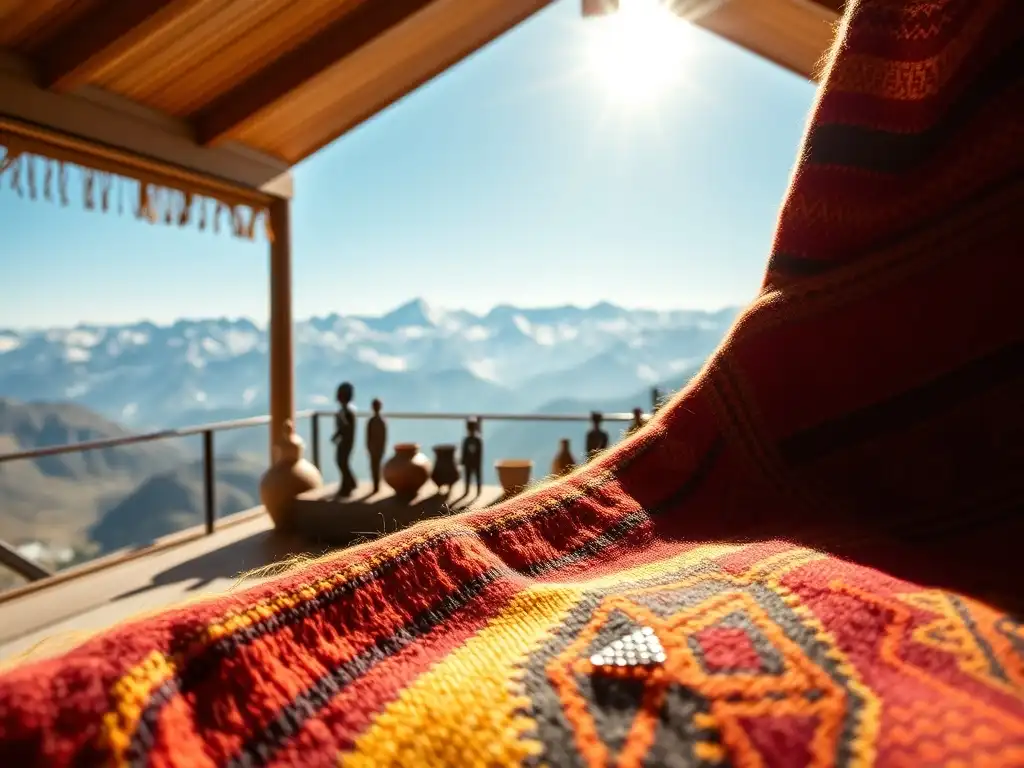
Step into a world lost to time, yet echoing with vibrant life. Imagine unlocking the secrets held within the intricate artistry of the Andes. This isn't just a collection of artifacts; it's a journey through millennia of innovation and cultural expression. Discover the challenges and rewards of Andean art collection curation, a process as captivating as the ancient civilizations themselves. Prepare to be amazed by the ingenuity and beauty that awaits you, as we delve into the heart of this fascinating topic.
Building a meaningful collection of Andean art requires more than just acquiring beautiful objects; it demands a deep understanding and appreciation of the rich history, cultural significance, and artistic techniques that shaped these remarkable pieces. This guide delves into the process of curating an Andean art collection with purpose, offering insights into how to thoughtfully assemble a collection that not only reflects your personal taste but also contributes to a broader understanding and appreciation of these ancient civilizations.
We'll explore strategies for defining your collecting focus, identifying authentic artifacts, and ultimately building a collection that tells a compelling story about the vibrant artistry of the Andes. This journey into Andean art collection curation will equip you with the knowledge and tools to navigate this fascinating and rewarding field, ensuring your collection becomes a testament to the enduring legacy of Andean cultures.
Understanding the Significance of Andean Art and Artifacts
Andean art is far more than aesthetically pleasing objects; it's a powerful window into the beliefs, practices, and societal structures of ancient civilizations. Each piece, whether a delicately crafted ceramic vessel, an intricately woven textile, or a meticulously carved stone sculpture, carries with it a wealth of historical and cultural information. Understanding this significance is paramount to responsible and meaningful collection curation.
For example, the vibrant colors and intricate designs found in Moche pottery often depict scenes of daily life, religious rituals, or mythological narratives, providing valuable insights into their worldview. Similarly, Inca textiles, with their complex weaving techniques and symbolic patterns, reveal much about their social hierarchy and religious beliefs.
By recognizing the historical and cultural context of each artifact, you'll elevate your collection from a mere accumulation of objects to a powerful narrative of Andean history and artistry. This understanding also fosters ethical collecting practices, ensuring you acquire pieces that have been ethically sourced and are not contributing to the illegal antiquities trade.
Defining Your Focus for Your Andean Art Collection
The sheer diversity of Andean art can be both exhilarating and overwhelming for a budding collector. To avoid a haphazard collection lacking cohesion, it's crucial to define a clear focus early on. This might involve specializing in a particular period, culture, or artistic medium. A focused approach allows for deeper research and a more nuanced appreciation of your collection's narrative. Consider the following questions: Are you drawn to the intricate metalwork of the Tiahuanaco culture?
Do the vibrant colors and intricate designs of Nazca ceramics particularly resonate with you? Or are you fascinated by the sophisticated weaving techniques of Inca textiles? Defining your focus will guide your acquisitions, ensuring your collection develops a clear identity and thematic coherence. It will also make the research and learning process more manageable and rewarding. Furthermore, a focused collection often commands more attention and value within the collector's community.
Exploring Different Andean Art Styles: From Moche Ceramics to Inca Textiles
The Andes boast a rich tapestry of artistic styles, each reflecting the unique characteristics of different cultures and periods. Moche ceramics, renowned for their lifelike depictions and intricate details, offer a glimpse into the daily lives and religious beliefs of this pre-Columbian civilization. Nazca ceramics, with their distinctive geometric designs and stylized figures, are equally captivating. Inca textiles, characterized by their complex weaving techniques and symbolic patterns, reveal the sophisticated craftsmanship and social hierarchy of the Inca Empire.
Exploring these diverse styles allows you to appreciate the breadth and depth of Andean artistic expression. Understanding the stylistic nuances of each piece will enhance your appreciation for the artistry and cultural context of your collection. This process of exploration will not only enrich your understanding but also inform your selection of future acquisitions.
Choosing a Period or Culture for Focused Andean Collection
Focusing your collection on a specific Andean culture or period significantly enhances its coherence and narrative potential. Concentrating on Inca textiles, for instance, allows for a deep dive into the techniques, symbolism, and social significance of their weaving traditions. Similarly, focusing on Moche pottery opens up avenues to explore their religious beliefs and societal structures through the imagery depicted on their vessels.
By selecting a specific period or culture, you can develop a specialized expertise, enabling you to make more informed acquisitions and contribute to a more nuanced understanding of Andean art. This specialized focus also facilitates a more coherent and compelling narrative for your collection, transforming it from a mere accumulation of objects into a powerful testament to the artistic legacy of a specific Andean civilization. Remember to thoroughly research the authenticity and provenance of any piece before acquiring it, to ensure ethical and responsible collecting practices.
Essential Steps in Andean Art Collection Curation
Building a meaningful Andean art collection requires careful planning and execution. It's not simply about accumulating pieces; it's about thoughtfully curating a collection that reflects your interests, respects the cultural heritage it represents, and grows in value over time. This process involves several key steps, from initial research to ongoing maintenance, ensuring the longevity and significance of your collection. A well-curated collection tells a story, whether it focuses on a specific Andean civilization, a particular artistic technique, or a thematic exploration of Andean culture.
The journey of building such a collection is as rewarding as the final result. Careful consideration at each stage guarantees a collection that is both aesthetically pleasing and ethically sound. The passion and dedication invested in this process will be reflected in the unique and valuable collection you create.
Researching Authenticity and Provenance of Andean Artifacts
Authenticity is paramount when collecting Andean art. Many forgeries exist, so rigorous research is crucial. Begin by familiarizing yourself with the characteristics of different Andean cultures and their artistic styles. Examine the materials used – were they typical of the period and region? Look for inconsistencies in style, craftsmanship, and materials. Provenance, the history of ownership, is equally important.
Seek documentation tracing the artifact’s journey from its origin to the present. Reputable dealers will provide certificates of authenticity and provenance documentation. Consult with experts – archaeologists, art historians, or experienced collectors – who can assess authenticity and advise on potential acquisitions. Don't hesitate to seek multiple opinions, especially if you are unsure about a piece's authenticity. Remember, investing time in research safeguards your investment and ensures ethical collecting practices. A thorough investigation prevents acquiring fraudulent pieces and supports the preservation of Andean cultural heritage.
Developing a Budget for Your Andean Art Acquisition
Budgeting is essential for responsible collecting. Andean art prices vary widely depending on the piece's age, rarity, cultural significance, and condition. Establish a realistic budget that aligns with your financial capabilities. Consider allocating funds not only for acquisition but also for conservation, storage, and insurance.
Prioritize pieces within your budget and avoid overspending. Start with smaller, more affordable items to gain experience and refine your collecting focus. Consider setting aside a portion of your budget for expert consultations, as these can be invaluable in verifying authenticity and making informed purchasing decisions. A well-defined budget ensures you can build your collection sustainably and responsibly, avoiding financial strain and protecting the integrity of your investment.
Sourcing Authentic Andean Art Pieces
Sourcing authentic Andean art requires careful selection of reputable dealers and auction houses. Attend reputable auctions and exhibitions specializing in pre-Columbian art. Research and build relationships with established dealers known for their expertise and ethical practices. Explore museums and cultural institutions for educational purposes and to gain insights into authentic Andean art.
Consider visiting archaeological sites and participating in guided tours to gain a deeper understanding of the cultural context of these artifacts. Always request documentation of provenance and authenticity. Do not hesitate to walk away from a purchase if you have any doubts about the piece's authenticity or the seller's reputation. Building trust with reputable sources is crucial for acquiring high-quality, authentic pieces that contribute positively to your collection.
Displaying and Caring for Your Andean Art Collection
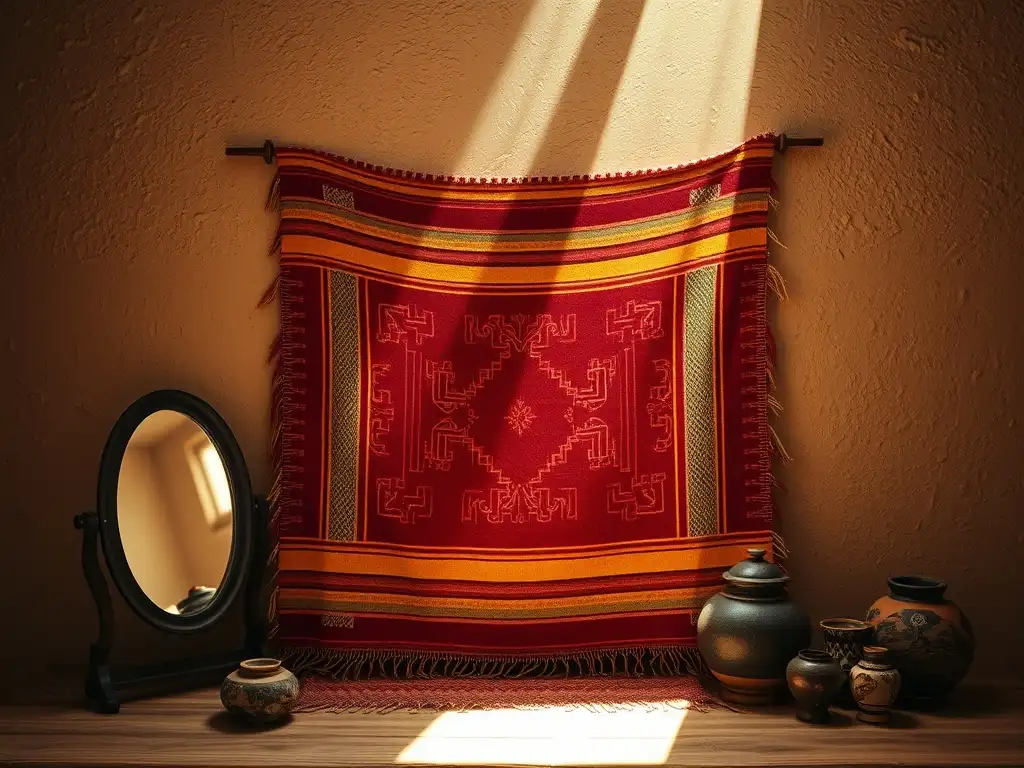
Proper display and care are crucial for preserving your Andean art collection. Environmental conditions significantly impact the longevity of these artifacts. Avoid direct sunlight and extreme temperature fluctuations, as these can cause damage. Maintain stable humidity levels to prevent cracking or warping. Use appropriate display cases or mounts to protect pieces from dust, pests, and accidental damage.
Regularly inspect your collection for signs of deterioration and address any issues promptly. Consider consulting with a conservator for professional advice on preservation techniques. The proper care and display of your collection will ensure its longevity and allow future generations to appreciate the beauty and cultural significance of these artifacts. This proactive approach ensures your collection remains a source of pride and knowledge for years to come.
Creating a Safe and Respectful Environment for Andean Artifacts
Creating a safe environment involves more than just physical security. It encompasses respect for the cultural heritage represented by these artifacts. Store your collection in a climate-controlled environment to protect it from damage caused by fluctuations in temperature and humidity. Implement security measures such as alarms and surveillance systems to prevent theft or vandalism.
Consider using acid-free materials for storage and display to prevent damage to the artifacts. Research and understand the cultural significance of each piece before displaying it, ensuring it is presented with respect and sensitivity. Avoid displaying items in a manner that trivializes or misrepresents their cultural significance. By creating a safe and respectful environment, you ensure the preservation of these valuable cultural artifacts for future generations.
Documenting and Cataloging Your Andean Art Collection
Thorough documentation is essential for managing and appreciating your collection. Create a detailed catalog that includes photographs, descriptions, provenance information, and any relevant historical or cultural context. Use a consistent system for labeling and organizing your collection. Consider using specialized software or databases designed for managing art collections.
Regularly update your catalog as your collection grows. This meticulous record-keeping ensures you can easily track your collection’s growth, manage insurance claims, and share your knowledge with others. A well-documented collection enhances its value and provides a valuable resource for researchers and future generations. This comprehensive approach allows you to fully appreciate and manage your Andean art collection for years to come.
Expanding Your Knowledge and Appreciation of Andean Art
Building a meaningful Andean art collection requires more than just acquiring beautiful pieces; it necessitates a deep understanding and appreciation of their historical, cultural, and artistic significance. This understanding informs your choices, ensuring you build a collection that tells a compelling story, rather than just a collection of disparate objects. The more you know, the more discerning your acquisitions become.
This deeper knowledge also allows you to better contextualize each piece within the broader narrative of Andean civilizations, enriching your own experience and the experience of others who may view your collection. For example, recognizing the subtle variations in pottery styles from different regions and time periods allows you to appreciate the artistry and ingenuity of the ancient Andean cultures on a much deeper level.
Understanding the symbolic meaning behind certain motifs or designs adds another layer of richness and complexity to your collection, transforming it from a mere accumulation of artifacts into a vibrant tapestry of cultural expression. Consider the different styles of textiles—from the intricate weavings of the Nazca to the vibrant colors of Inca textiles—and how each reflects the unique artistic sensibilities of its creators.
Joining Andean Art Enthusiast Communities and Organizations
Connecting with other Andean art enthusiasts is invaluable for expanding your knowledge and refining your collecting strategy. Membership in organizations dedicated to Andean art provides access to experts, resources, and a network of like-minded individuals. These communities offer opportunities to learn from experienced collectors, attend lectures and workshops, and participate in discussions that delve into the nuances of Andean art.
The exchange of knowledge within these groups is invaluable, allowing you to learn about authentication techniques, ethical sourcing, and responsible collecting practices. Networking with fellow enthusiasts can also lead to opportunities to acquire rare or exceptional pieces that might not be readily available to the general public.
This collaborative approach enhances not only your own collection but also contributes to the broader appreciation and preservation of Andean art heritage. Participating in these communities fosters a sense of shared passion and responsibility towards protecting and celebrating the rich cultural legacy of the Andes.
Continuing Your Learning Journey of Andean Civilizations
The journey of acquiring and appreciating Andean art is a continuous process of learning and discovery. The more you delve into the history, culture, and artistic practices of the Andean civilizations, the more informed your collecting decisions will become. Regularly engaging with academic resources, visiting museums, and attending lectures and workshops will deepen your understanding of the context surrounding each piece in your collection.
Consider exploring specialized books and academic journals dedicated to Andean archaeology, anthropology, and art history. Engaging with primary source materials, such as archaeological reports and ethnographic studies, can provide invaluable insights into the lives and artistic practices of ancient Andean peoples.
This ongoing learning process not only enriches your personal appreciation but also enhances the value and significance of your collection. The pursuit of knowledge is as crucial as the acquisition of artifacts themselves, making your collection not just a collection but a testament to a lifetime of learning and exploration.
Monetizing your Andean Art Knowledge and Collection
Beyond the intrinsic satisfaction of building a meaningful collection, there are opportunities to leverage your expertise and collection for financial gain. The value of your collection grows not only through the appreciation of the artifacts themselves but also through the knowledge and expertise you develop. This expertise can be monetized in a number of ways, turning your passion into a source of income.
Careful consideration of ethical and legal aspects is paramount in any monetization strategy, ensuring the preservation and respect of the cultural heritage you are involved with. Consider the potential for legal and ethical issues, and always prioritize responsible practices.
Becoming an Andean Art Consultant or Appraiser
Your deep understanding of Andean art and its historical context can make you a valuable resource for others. By becoming a consultant or appraiser, you can offer your expertise to individuals, institutions, or auction houses seeking guidance on the authenticity, value, and provenance of Andean artifacts. This requires rigorous training and a deep understanding of market trends and valuation methodologies.
Building a strong reputation for accuracy and ethical practice is essential for success in this field. Networking with other professionals in the art world is crucial for establishing your credibility and securing opportunities. Remember that responsible appraisal and consultation practices are crucial for maintaining the integrity of the Andean art market and protecting the cultural heritage it represents.
Writing Articles and Books on Andean Art Curation
Sharing your knowledge through writing can be both rewarding and lucrative. Articles and books on Andean art curation, focusing on specific aspects of collecting, authentication, or preservation, can reach a wide audience of enthusiasts and professionals. This requires strong writing skills, meticulous research, and a clear understanding of your target audience.
Collaborating with museums, galleries, or academic institutions can enhance your credibility and access to resources. Thorough fact-checking and adherence to academic standards are essential for building a reputation as a reliable and informed source of information. The creation of compelling and accessible narratives is crucial for engaging readers and establishing your expertise.
Offering Guided Tours of Your Andean Art Collection (if applicable)
If your collection is substantial and appropriately displayed, you could offer guided tours to interested individuals or groups. This provides an opportunity to share your passion and knowledge directly, offering a unique and immersive experience. Careful planning and presentation are key to creating an informative and engaging tour. Consider developing themed tours that highlight specific aspects of your collection, such as pottery styles, textile techniques, or the evolution of Andean artistic motifs. Providing handouts or supplementary materials can further enhance the learning experience for your visitors. Remember to prioritize the safety and preservation of your collection while hosting tours.
Affiliate Marketing of Andean Art Related Products: Display Cases, Books, Travel
Leveraging your platform and audience through affiliate marketing can generate passive income. By promoting relevant products such as display cases, books, or travel packages related to Andean culture, you can earn a commission on sales. This requires identifying reputable vendors and selecting products that align with your brand and the interests of your audience.
Transparent disclosure of affiliate relationships is crucial for maintaining trust and credibility. A carefully curated selection of products can enhance the value proposition for your audience, providing them with tools and resources to further their own appreciation of Andean art and culture. Focusing on high-quality products that align with your commitment to responsible collecting practices will resonate with your target audience.
- Understanding the Significance of Andean Art and Artifacts
- Defining Your Focus for Your Andean Art Collection
- Essential Steps in Andean Art Collection Curation
- Displaying and Caring for Your Andean Art Collection
- Expanding Your Knowledge and Appreciation of Andean Art
- Monetizing your Andean Art Knowledge and Collection
- What makes Andean art unique and worthy of collecting?
- How can I ensure my Andean art collection is ethically sourced?
- What are some key considerations when curating an Andean art collection?
- What types of Andean art are most sought after by collectors?
- Where can I learn more about Andean art and its proper care?
Frequently Asked Questions
What makes Andean art unique and worthy of collecting?
Andean art boasts a remarkable diversity across cultures like the Inca, Moche, and Nazca. Its unique styles, reflecting spiritual beliefs and advanced techniques, offer a captivating glimpse into ancient civilizations. Collecting Andean art supports the preservation of this rich heritage.
How can I ensure my Andean art collection is ethically sourced?
Ethical sourcing is paramount. Buy from reputable dealers and institutions who can provide provenance documentation demonstrating the legitimate acquisition of the artifacts. Support initiatives that promote sustainable cultural heritage management.
What are some key considerations when curating an Andean art collection?
Consider the cultural context of each piece, its historical significance, and its artistic merit. Develop a coherent thematic focus for your collection to avoid a random assortment of objects. Proper conservation and storage are also crucial.
What types of Andean art are most sought after by collectors?
Highly sought-after pieces include textiles, ceramics, and goldwork, particularly those exhibiting exceptional craftsmanship or rare iconography. The condition and provenance significantly impact value and desirability.
Where can I learn more about Andean art and its proper care?
Explore museums with significant Andean collections, consult academic publications, and attend lectures and workshops focused on Andean art. Proper conservation techniques should be researched to ensure the longevity of your collection.
Final Reflection: The Enduring Legacy of Andean Art
The careful curation of Andean art is not merely a pursuit of aesthetics; it is a vital act of preservation, a bridge connecting past and present, and a powerful tool for cultural understanding. The vibrant textiles, intricate ceramics, and awe-inspiring goldwork of the Andes represent not just artistic skill, but also complex social structures, spiritual beliefs, and enduring resilience in the face of adversity. Understanding this context elevates the act of collecting from simple acquisition to meaningful engagement.
The impact of Andean art extends far beyond museum walls; it continues to shape contemporary artistic expression, influencing fashion, design, and even political discourse. Its enduring power lies in its ability to resonate with universal themes of human experience – love, loss, spirituality, and the cyclical nature of life and death. Art washes away from the soul the dust of everyday life.
– Pablo Picasso. This quote, while not specifically about Andean art, perfectly encapsulates the cleansing and enriching power of engaging with these ancient artifacts, allowing us to connect with something larger than ourselves.
Consider the stories woven into each piece, the hands that shaped the clay, the minds that conceived the intricate designs. You, the reader, are now part of this conversation. By actively seeking out authentic pieces, supporting ethical sourcing, and engaging with the rich history behind each artifact, you can contribute to the preservation and appreciation of this invaluable cultural heritage. Let the vibrant legacy of Andean art inspire you to build not just a collection, but a meaningful connection to the past, a testament to the enduring spirit of the Andean people, and a legacy for generations to come.
**Embrace the Art: Start Your Andean Art Journey Today! **
Thank you for exploring the rich world of Andean art with us! We hope you've been inspired by the beauty and significance of each piece. We're thrilled to help you begin your own art collecting journey.
Now is the perfect time to translate that inspiration into action. Here's how you can deepen your engagement with Andean art and culture:
- **Build Your Collection:** Start by selecting a few pieces that resonate with you. Whether you explore online marketplaces or visit local galleries, begin to create a personal collection that holds meaning for you.
- **Share Your Enthusiasm:** Document your collecting journey on social media. Use relevant hashtags to connect with other enthusiasts and share the stories behind your chosen pieces.
- **Engage with Your Community:** Attend Andean art exhibitions or workshops in your area. This will expand your knowledge and connect you with others who share your passion for Andean heritage and artistry.
Which piece of Andean art has resonated most with you, and how do you imagine it enhancing your growing collection?