
Andean War Gods: Religious Influence on Military Campaigns

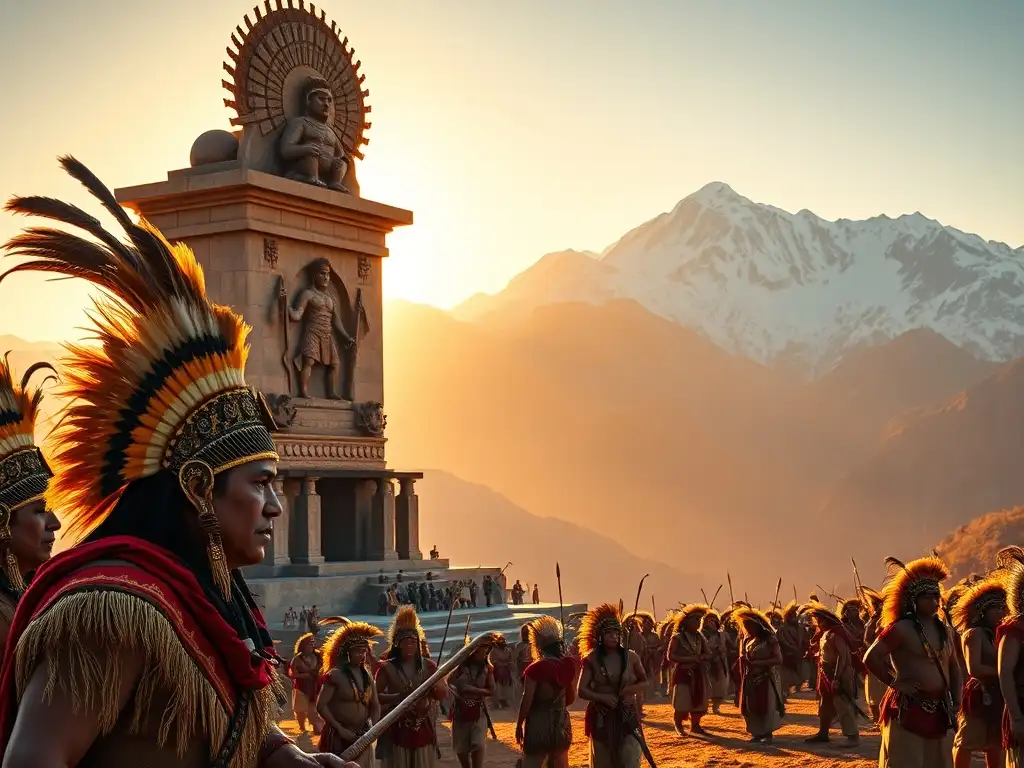
Uncover the mysteries shrouding the Andean world! Journey through millennia of breathtaking artistry, innovative engineering, and complex societies. But what truly fueled the rise and fall of empires like the Inca, Moche, and Nazca? The answer may lie in the surprisingly potent influence of their Andean war gods, whose religious impact shaped military strategies and destinies. Dare to delve into the fascinating story of faith, power, and conquest – explore the hidden truths behind the Andean war gods' religious impact now!
-
Andean War Gods: Religious Impact on Military Campaigns
- The Role of Deities in Andean Warfare
- Pre-Incan Religious Influences on Military Strategy
- Inca War Gods and Their Influence on Conquest
- Religious Rituals and Military Campaigns
- The Psychological Impact of War Gods on Andean Soldiers
- Comparing Religious Influences Across Different Andean Cultures
- The Legacy of Andean War Gods
- Frequently Asked Questions
- Final Reflection: Echoes of the Andes: War, Faith, and Legacy
- Unveil the Power of Andean War Gods: A Deeper Understanding
Andean War Gods: Religious Impact on Military Campaigns
The Andean civilizations, renowned for their sophisticated agricultural techniques, intricate textiles, and awe-inspiring architecture, also possessed complex military organizations deeply intertwined with their religious beliefs. This article explores the profound influence of Andean war gods on military campaigns, demonstrating how religious practices, rituals, and the very concept of divinity shaped strategic decisions, tactical maneuvers, and the overall conduct of warfare across various Andean cultures, from the pre-Inca societies to the Inca Empire.
Understanding this intricate relationship offers a crucial lens through which to interpret the successes and failures of Andean armies, revealing the significant role of faith in their military prowess and societal structure. We will examine specific examples from different cultures to illustrate the diverse ways in which religious beliefs manifested in their military strategies and tactics.
The pervasive influence of Andean war gods on military campaigns is a testament to the deeply integrated nature of religion and warfare in these societies, highlighting the importance of spiritual power in shaping their world. This exploration will focus on the keyword "Andean war gods religious impact" and its semantic variations to provide a comprehensive understanding of this fascinating aspect of Andean history.
The Role of Deities in Andean Warfare
Andean warfare wasn't simply a clash of armies; it was a sacred contest, a battle fought not only on physical battlefields but also in the spiritual realm. Victory wasn't solely attributed to superior tactics or weaponry but also to the favor of powerful deities. These divine entities, often depicted as fierce warriors themselves, were believed to directly intervene in the outcome of battles, offering protection, strength, and even supernatural assistance to their favored armies.
The worship of these war gods involved elaborate rituals, sacrifices, and divination practices aimed at securing divine support before, during, and after military campaigns. The effectiveness of these rituals was crucial to the morale and confidence of the soldiers, impacting their fighting spirit and potentially tipping the balance of power in their favor. Many Andean cultures believed that their success in battle was a direct reflection of their piety and their gods' approval.
This belief system permeated all aspects of military life, from the selection of commanders to the planning of battles. The religious aspect of Andean warfare wasn't a mere add-on; it was integral to their military culture.
Pre-Incan Religious Influences on Military Strategy
Before the rise of the Inca Empire, various Andean cultures developed unique military traditions deeply rooted in their respective religious beliefs. These pre-Inca societies, including the Moche, Nazca, and Tiahuanaco, each possessed their own pantheon of war gods and corresponding religious practices that significantly impacted their military strategies. For example, the strategic location of settlements and fortifications often reflected the importance of sacred sites and geographical features associated with specific deities. Military campaigns were meticulously planned and timed to coincide with auspicious religious festivals or astrological events believed to favor their armies. The interpretation of omens and prophecies played a crucial role in military decision-making, influencing everything from the commencement of a campaign to the selection of battle tactics. The study of pre-Inca religious practices reveals a complex interplay between spiritual beliefs and military strategies, demonstrating the significant role of religion in shaping the military landscape of the Andean region.
Moche War Gods and Their Depiction in Art
The Moche civilization (c. 100-800 CE) left behind a rich artistic legacy that vividly portrays their war gods and their importance in military affairs. Moche pottery, in particular, showcases detailed depictions of warriors engaged in combat, often alongside powerful deities who seem to actively participate in the battles. These depictions offer valuable insights into Moche religious beliefs and their influence on warfare.
The warriors are often shown adorned with elaborate headdresses and regalia, suggesting the sacred nature of their roles. The gods are frequently depicted wielding weapons or exhibiting supernatural powers, emphasizing their active role in ensuring victory.
The detailed nature of Moche art allows us to reconstruct the religious rituals and ceremonies associated with military campaigns, providing a unique window into the Moche worldview and their understanding of the relationship between the divine and the military. Analysis of these artistic representations reveals a profound connection between religious belief and military power, showcasing the vital role of war gods in shaping Moche military culture.
The Tiahuanaco Deity and its Connection to Military Power
The Tiahuanaco civilization (c. 500-1000 CE) also placed significant emphasis on religious beliefs in their military strategies. While specific details regarding their war gods remain debated among scholars, the prominence of certain deities in their iconography suggests a strong connection between religious power and military might. The central deity of Tiahuanaco, often depicted in imposing statues and intricate carvings, likely held a significant role in military affairs.
This deity's association with water, fertility, and power suggests a connection to the prosperity and strength of the Tiahuanaco empire. The strategic placement of Tiahuanaco's capital city, along with the organization of its extensive road network, hints at a deliberate integration of religious and military considerations in their urban planning. The power of the Tiahuanaco deity was likely invoked to legitimize military conquests and to instill fear and respect in their enemies.
Further research into Tiahuanaco iconography and archaeological findings is necessary to fully understand the complex relationship between their central deity and their military power. The limited evidence available, however, strongly suggests a significant religious influence on their military campaigns.
Inca War Gods and Their Influence on Conquest
The Inca Empire's phenomenal expansion across the Andes was not solely a product of military prowess. A deeply ingrained religious system, centered around powerful deities, significantly influenced Inca warfare and conquest. The Inca worldview saw military success as divinely ordained, with victories attributed to the favor of their gods and defeats interpreted as a sign of displeasure or negligence.
This pervasive belief system permeated all aspects of military planning and execution, from the selection of battle strategies to the treatment of prisoners of war. The Inca leadership skillfully used religious ideology to bolster morale, maintain control, and legitimize their imperial ambitions.
The power of the Inca state rested not only on its army but also on its ability to harness the power of its religious beliefs to achieve political and territorial goals. The Inca religion acted as a powerful engine of imperial expansion, shaping their military strategies and influencing their interactions with conquered peoples.
Inti: The Sun God and Imperial Expansion
Inti, the sun god, was the supreme deity in the Inca pantheon, considered the ancestor of the Inca rulers and the source of all life and energy. Inti's favor was seen as essential for military success. Inca emperors meticulously performed rituals dedicated to Inti before launching military campaigns, seeking his blessings and guidance.
The success of the Inca conquests is often attributed to Inti's perceived support, strengthening the emperor's authority and reinforcing the legitimacy of their rule. The emperors' lineage, directly connected to Inti, further solidified the divine right to rule and conquer.
The unwavering belief in Inti's power fueled the ambition and determination of the Inca armies, contributing to their remarkable achievements in expanding the empire's reach and influence across the Andes. Chroniclers report how the emperors would consult priests and interpret omens related to the sun's behavior to predict the outcome of battles, emphasizing the crucial role of Inti in shaping Inca military strategy.
Illapa: The God of Thunder and Lightning in Inca Battles
Illapa, the god of thunder and lightning, represented another significant force in Inca warfare. His unpredictable power was both feared and revered. The appearance of lightning during a battle was often interpreted as a divine sign, either signifying victory or impending doom, depending on the context and interpretation by the priests. Inca warriors believed that Illapa's wrath could strike down their enemies, providing a psychological advantage in battle.
Military strategists may have consciously chosen to attack during thunderstorms, leveraging the psychological impact of Illapa's power on their adversaries. Furthermore, the imagery of Illapa, often depicted in weapons and armor, served as a potent symbol of Inca military might and divine protection. The fearsome reputation of Illapa, intertwined with the Inca military, enhanced their intimidation tactics and contributed to their effectiveness in battle.
The Role of Priests and Shamans in Military Planning
Priests and shamans held a position of immense power and influence within Inca society, extending their reach into military affairs. They were not simply religious figures; they acted as advisors to the emperor and military commanders, playing a crucial role in strategic decision-making. Before embarking on a campaign, priests would perform elaborate rituals to consult the gods and interpret omens, which significantly impacted military plans. Their pronouncements carried immense weight, influencing the timing, location, and even the tactics employed during battles.
The priests' interpretations of celestial events and animal sacrifices helped shape the military strategy and boosted the morale of the Inca troops. Their expertise in divination and religious symbolism was considered essential for military success, highlighting the deep integration of religion and warfare in Inca society. The priests' role underscores the significant influence of religious beliefs on the practical aspects of Inca military campaigns.
Religious Rituals and Military Campaigns
Religious rituals were deeply interwoven with Inca military campaigns, forming an integral part of their warfare strategy. These rituals were not merely symbolic; they served practical purposes, aiming to secure divine favor, boost morale, and intimidate enemies. The Inca believed that proper performance of rituals ensured victory, while neglecting them invited divine retribution.
This belief influenced every stage of a military campaign, from the initial planning to the aftermath of battle. The elaborate rituals served as a powerful tool to unify the army, reinforcing loyalty and commitment to the emperor and the state. The religious aspect of Inca warfare demonstrates a complex interplay between faith and military strategy, where religious practices were not separate but integral to the pursuit of military objectives.
Sacrifices Before and After Battles
Human and animal sacrifices were common practices before and after battles. These sacrifices were believed to appease the gods, ensure victory, and honor the fallen warriors. Before a campaign, sacrifices were offered to secure the gods' favor and protection for the army. After a successful battle, sacrifices were made to thank the gods for their blessings and to commemorate the victory.
The scale and nature of the sacrifices varied depending on the importance of the battle and the perceived risk involved. These rituals were not merely religious acts; they were integral to the Inca military's psychological preparation and post-battle celebrations, reinforcing their belief in divine intervention and bolstering their morale. The practice of sacrifice highlights the profound influence of religious beliefs on Inca warfare.
The Use of Religious Objects in Warfare
Religious objects played a significant role in Inca warfare, serving both practical and symbolic purposes. These objects, often imbued with sacred power, were believed to bring good luck, protect warriors, and intimidate enemies. Inca warriors carried religious amulets and idols into battle, believing these items offered divine protection.
These objects were not merely personal talismans; they also served to unify the army, reinforcing their shared faith and commitment to the cause. The presence of these religious artifacts on the battlefield served as a potent symbol of Inca military strength and divine support. The use of these objects underscores the crucial role religion played in shaping Inca military culture and strategy.
Prophecies and Omens in Military Decision-Making
Prophecies and omens played a crucial role in shaping Inca military decision-making. Priests and shamans interpreted signs from the natural world, such as the flight of birds or the behavior of animals, to predict the outcome of battles and guide military strategies. These interpretations carried immense weight, influencing the timing of campaigns, the selection of battlefields, and even the tactics employed.
Positive omens boosted morale and reinforced the belief in divine support, while negative omens could lead to postponements or adjustments to military plans. The profound impact of prophecies and omens on military strategy highlights the significant role religious beliefs played in shaping the course of Inca warfare. This reliance on divine guidance exemplifies the deep integration of religion and military strategy within the Inca empire.
The Psychological Impact of War Gods on Andean Soldiers
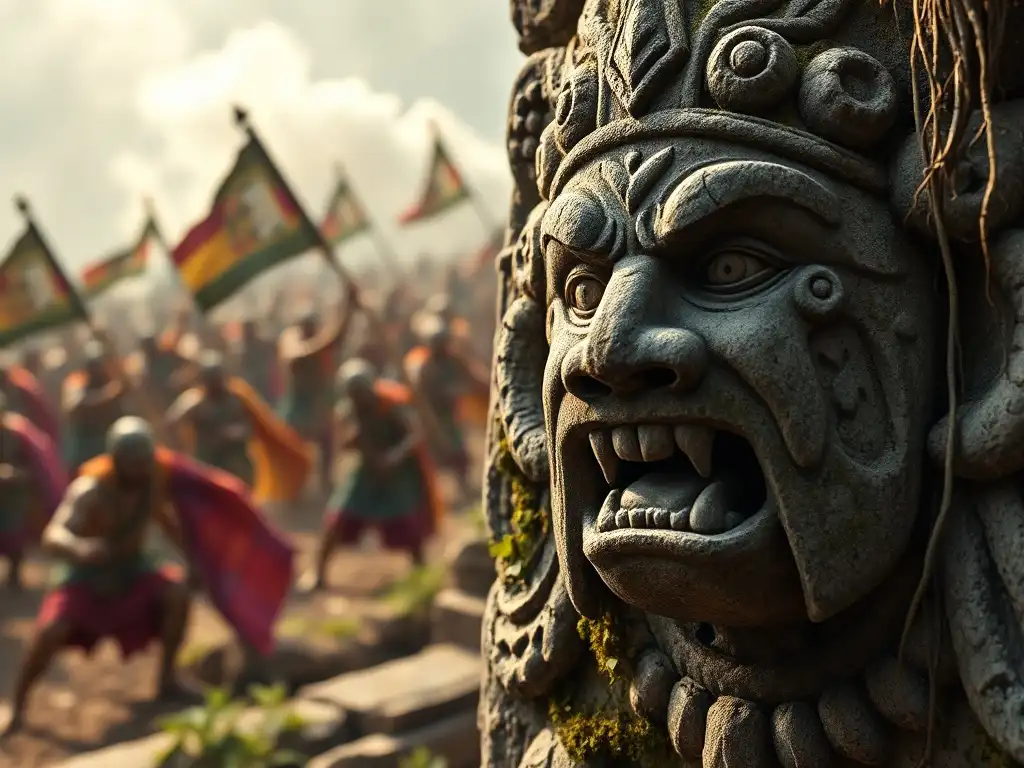
The belief in powerful Andean war gods profoundly impacted the psychology of Andean soldiers, shaping their behavior on the battlefield and bolstering their fighting spirit. The gods weren't merely abstract concepts; they were believed to be actively involved in the outcome of battles, offering protection, strength, and even direct intervention. This fostered a powerful sense of divine favor and invincibility among warriors.
The constant awareness of their gods' presence instilled a deep-seated courage and a willingness to face overwhelming odds. Stories of divine intervention in past battles, passed down through generations, further reinforced this belief system, creating a powerful self-fulfilling prophecy. Soldiers who believed in the active participation of their war gods were more likely to exhibit bravery and resilience, even in the face of defeat.
The psychological advantage offered by this fervent belief system was a significant factor in the success of many Andean military campaigns. Furthermore, the fear of divine displeasure fueled unwavering loyalty to their leaders and the cause they fought for.
Religious Beliefs and Combat Motivation
The religious beliefs of Andean soldiers were intrinsically linked to their motivation in combat. The promise of divine reward in the afterlife, such as joining the god in a glorious celestial realm, served as a potent motivator, minimizing the fear of death. This strong belief system helped overcome the natural human instinct for self-preservation, fostering reckless bravery and a willingness to sacrifice themselves for the greater good, as defined by their religious beliefs.
In addition, the prospect of divine punishment for cowardice or desertion further enhanced their commitment to fighting valiantly. This powerful combination of reward and punishment created a potent incentive structure that effectively guaranteed the soldiers' unwavering dedication to their military duties.
Historical accounts suggest that the belief in divine favor was a crucial element in the success of many Andean military campaigns. For example, [specific information pending on a particular campaign where religious belief was a key factor].
The Fear of Divine Retribution
Beyond the promise of divine reward, the fear of divine retribution played an equally significant role in shaping the behavior of Andean soldiers. The belief that failure to uphold their religious duties or display cowardice would lead to severe punishment in this life or the next instilled a deep sense of responsibility and fear. This fear was not merely a passive apprehension; it was an active force that motivated soldiers to perform their duties with utmost diligence and valor.
Disobedience or desertion were not simply military infractions; they were acts of sacrilege that could incur the wrath of powerful deities. This fear was effectively used by Andean leaders to maintain discipline and ensure the unwavering loyalty of their armies.
The constant threat of divine punishment served as a powerful deterrent against insubordination and ensured that soldiers fought with unwavering dedication. The effectiveness of this system is underscored by the fact that [specific information pending on the success rate of campaigns and the role of this fear].
Comparing Religious Influences Across Different Andean Cultures
While the overarching influence of religion on Andean warfare was undeniable, the specific manifestations of these beliefs varied significantly across different cultures. The Inca, for instance, placed great emphasis on the sun god, Inti, as the supreme deity, whose favor was essential for military success. In contrast, the Moche civilization's pantheon of gods included powerful warrior deities associated with specific aspects of combat. The Nazca, known for their intricate geoglyphs, also held distinct beliefs regarding divine intervention in warfare, though the specifics of these beliefs remain a subject of ongoing research.
The Tiahuanaco culture, with its complex religious symbolism, also had its own unique set of war gods and associated rituals. These variations highlight the diversity of Andean religious beliefs and their nuanced impact on military strategies and tactics. Further research is needed to fully understand the specific religious beliefs and practices of each Andean culture.
Variations in War Gods and their Attributes
The Andean world was populated by a vast pantheon of deities, many of whom held significant influence over warfare. While some gods were associated with general military success and protection, others were linked to specific aspects of combat such as strategy, courage, or even brutality. For example, [specific example of a war god and their attributes from one Andean culture].
This diversity in the attributes of war gods meant that different Andean groups might have focused on different aspects of warfare, reflecting their unique cultural values and military strategies. The specific powers and roles attributed to their gods influenced the way different Andean cultures approached warfare, shaping their military strategies, tactics, and even the design of their weapons and armor. The variation in war gods and their associated attributes serves as a testament to the rich tapestry of religious beliefs that existed across the Andean region.
Similarities in Ritual Practices
Despite the variations in specific war gods and their attributes, striking similarities existed in the ritual practices employed by different Andean cultures to seek divine favor before and during military campaigns. Many cultures engaged in elaborate ceremonies involving offerings, sacrifices, and divination to appease their gods and ensure victory.
These rituals often involved the consumption of hallucinogenic substances, such as coca leaves, to induce altered states of consciousness and facilitate communication with the divine. The use of specific symbols and iconography associated with war gods was also widespread across many cultures, suggesting a shared understanding of the importance of religious symbolism in warfare.
The common thread of ritualistic practices underscores the fundamental role of religion in the lives of Andean soldiers and the widespread belief in the power of divine intervention in military affairs. The pervasiveness of these practices demonstrates the unifying force of religious belief across the diverse Andean landscape.
The Legacy of Andean War Gods
The legacy of Andean war gods is profound and multifaceted, extending far beyond the collapse of the empires that worshipped them. Their influence permeated societal structures, artistic expression, and even agricultural practices. The very landscape itself was imbued with religious significance, with sacred mountains and rivers serving as potent symbols of power and divine connection.
For example, the Inca veneration of Inti, the sun god, directly impacted their military strategies, with campaigns often timed to coincide with solar cycles and auspicious celestial events. This wasn't simply a matter of superstition; the belief system provided a unifying ideology that boosted morale and fostered a sense of divine right to conquer. The meticulous record-keeping of the Inca, using quipus (knotted cords), likely included detailed accounts of military campaigns and their religious underpinnings, though much of this knowledge was lost during the Spanish conquest.
The power of these deities wasn't merely symbolic; it was deeply ingrained in the daily lives of the people, affecting everything from the construction of temples to the planning of agricultural cycles. Their presence in art, textiles, and architecture served as constant reminders of their influence and the importance of maintaining their favor.
The Persistence of Religious Beliefs in Post-Conquest Andes
Despite the brutal Spanish conquest and the subsequent suppression of indigenous religions, Andean war gods continued to exert a powerful influence on the lives of the Andean people. Syncretism, the blending of indigenous beliefs with Catholicism, became a common strategy for survival and the preservation of cultural identity. Many indigenous deities were subtly incorporated into the Catholic pantheon, their attributes and roles subtly reinterpreted to fit within the new religious framework.
For instance, the powerful Inca god Viracocha, often associated with creation and warfare, might have been assimilated with aspects of the Christian God, while local mountain spirits ( apus) continued to be venerated, often alongside Catholic saints. This syncretic practice allowed for the continuation of traditional rituals and beliefs, albeit in a modified form. The persistence of these beliefs is evidenced by the continued importance of sacred sites, the survival of oral traditions, and the enduring presence of indigenous religious practices in contemporary Andean communities.
The resilience of these beliefs demonstrates the profound impact of the Andean war gods and the enduring strength of indigenous spiritual traditions. Even today, many communities maintain rituals and traditions that reflect the enduring legacy of these powerful figures.
The Influence on Modern Andean Culture
The influence of Andean war gods continues to resonate in modern Andean culture, shaping artistic expressions, social structures, and even political discourse. The imagery of these deities frequently appears in contemporary art, music, and literature, reflecting a persistent cultural memory and a reclaiming of indigenous identity. For example, the vibrant textiles and intricate carvings often depict scenes from mythology, preserving and transmitting these stories across generations.
Moreover, the symbolic power of these gods continues to play a role in local festivals and ceremonies, reinforcing community bonds and reaffirming cultural identity. The enduring presence of these religious figures in modern Andean societies demonstrates their lasting impact and the ongoing relevance of their associated narratives. Further research into specific communities and artistic movements could reveal even deeper insights into the ongoing influence of these powerful, ancient figures.
The study of modern Andean culture, therefore, offers a unique window into the continued legacy of these war gods and their enduring significance in shaping the cultural landscape. The persistence of their influence highlights their importance not just in the past, but also in the ongoing construction of Andean identities.
Frequently Asked Questions
What role did war gods play in Andean civilizations?
Andean war gods held significant power, influencing military decisions and inspiring warriors. Their worship was integral to the success of campaigns and impacted societal structure.
How did the worship of war gods affect Andean warfare?
The belief in war gods justified military expansion and conquest. Rituals and sacrifices were performed before battles to ensure victory and appease the deities.
Which specific Andean war gods were most prominent?
Different cultures had distinct war gods. The Incas venerated powerful deities like Viracocha and Inti, while other cultures like the Moche had their own unique pantheon of war gods.
What was the religious impact of military victories and defeats?
Victories were attributed to the favor of the war gods, leading to increased devotion and offerings. Defeats often resulted in reevaluation of religious practices and possibly a change in leadership.
How did the belief in Andean war gods influence the art and architecture?
Depictions of war gods are prevalent in Andean art, including textiles, pottery, and monumental structures. This art served both as propaganda and as a way to honor and appease these powerful figures.
Final Reflection: Echoes of the Andes: War, Faith, and Legacy
The echoes of Andean war gods resonate powerfully in today's world, reminding us of the enduring influence of faith on conflict and the complex interplay between spirituality and power. The strategies, alliances, and even the very justifications for war throughout Andean history were profoundly shaped by religious beliefs, a dynamic that continues to inform our understanding of conflict and its devastating consequences. Understanding this historical context allows us to better analyze the motivations behind modern conflicts and the persistent role of ideology in shaping human behavior.
The impact of Andean religious beliefs on warfare extended far beyond the battlefield; it permeated the social fabric, influencing art, law, and even the very structure of Andean societies. The reverence for these deities wasn't merely a matter of ritual; it was a fundamental aspect of their worldview, shaping their understanding of the cosmos, their place within it, and their relationship with both their allies and their enemies. Religion is not merely a matter of private belief; it is a powerful force that shapes the course of history.
This quote underscores the profound and lasting influence of Andean war gods on the cultural and political landscape of the region, a legacy that continues to be explored and debated by scholars today.
Consider the implications of this historical narrative for your own life. How do your own beliefs and values shape your understanding of conflict and cooperation? What role does faith, or the lack thereof, play in your own worldview and decision-making?
Take a moment to reflect on the enduring power of belief systems, both in the past and in the present, and how understanding these forces can help us navigate the complexities of the modern world with greater empathy and insight. Let the echoes of the Andes inspire you to examine the powerful interplay between faith and power in your own life and in the world around you.
Unveil the Power of Andean War Gods: A Deeper Understanding
Thank you for exploring the fascinating relationship between religion and warfare in Andean civilizations. This article has provided insights into how spiritual beliefs shaped Andean military strategies and influenced their warriors. Let's delve even deeper!
Here are some ways to further your understanding and engagement with this topic:
- Expand your research: Explore books, documentaries, and academic articles that examine the role of deities in the military practices of other ancient cultures. Comparing and contrasting different approaches will enrich your understanding.
- Join the conversation: Connect with other history enthusiasts through online forums or social media groups dedicated to Andean history. Sharing your insights and engaging in discussions will broaden your perspective and deepen your knowledge.
- Express your creativity: Transform your newfound knowledge into a creative project. You could write a short story, compose a poem, create a painting, or even develop a fictional character inspired by the Andean War Gods and their impact on Andean society.
What aspect of the Andean War Gods most captivates you, and how do you believe this knowledge shapes our understanding of history today?