
The Rhythms of the Andes: Understanding the Seasonal Nature of Trade Routes

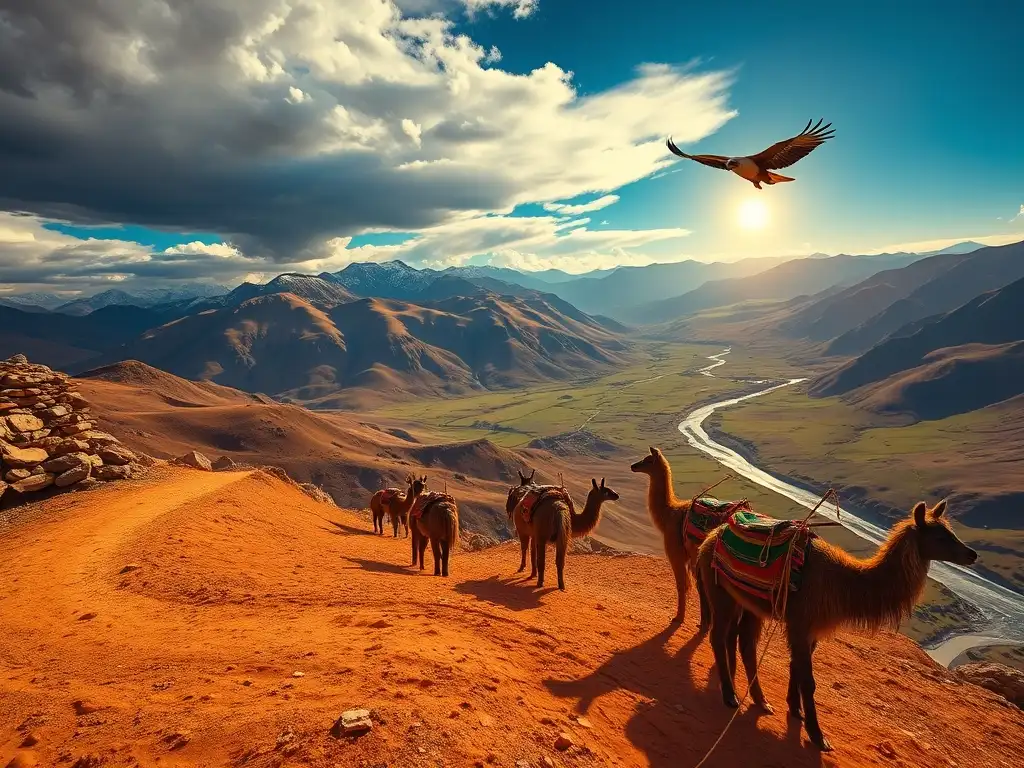
Step into a world lost to time, yet echoing with the vibrant pulse of ancient Andean life. For centuries, the towering peaks and sprawling valleys of the Andes witnessed a complex web of exchange, a symphony of commerce shaped by the relentless rhythm of the seasons. Discover how Andean trade routes seasonal variations profoundly impacted the lives and societies of the Inca, Moche, Nazca, and Tiahuanaco—a story of ingenuity, adaptation, and the enduring legacy of these remarkable civilizations. Unravel the mysteries that lie hidden within the mountains; your journey into the heart of Andean history begins now.
The intricate tapestry of Andean civilizations wasn't woven solely from threads of cultural innovation and artistic mastery; it was also deeply intertwined with the rhythms of the Andes themselves. Understanding the ancient Andean economies requires recognizing the profound impact of seasonal variations on trade routes, a dynamic interplay between human ingenuity and the unforgiving, yet life-giving, power of nature. This article delves into the seasonal fluctuations that shaped the flow of goods and resources across the vast Andean landscape, examining how climatic conditions influenced trade schedules, infrastructure, and ultimately, the prosperity of these remarkable societies.
We will explore the impact of diverse Andean climates, from the high-altitude highlands to the coastal deserts, and investigate how events like El Niño significantly disrupted established trade networks. This exploration of the "Andean trade routes seasonal variations" will illuminate the resilience and adaptability of Andean peoples in the face of environmental challenges.
Introduction to Andean Trade and Seasonal Patterns
Andean trade wasn't a static system; it was a dynamic process constantly adapting to the fluctuating conditions of the Andes' diverse environments. From the towering peaks of the Andes Mountains to the arid coastal plains, the terrain presented significant challenges to the movement of goods and people. The intricate network of trade routes connecting various Andean cultures, including the Incas, Moche, Nazca, and Tiahuanaco, was not only geographically extensive but also profoundly sensitive to seasonal changes.
These seasonal patterns dictated not only the timing of trade expeditions but also the types of goods transported and the overall volume of commerce. The availability of resources, the accessibility of routes, and even the viability of certain settlements were all heavily influenced by the cyclical changes in weather patterns.
Understanding these seasonal rhythms is crucial to comprehending the complexity and resilience of Andean trade networks. The seasonal variations in Andean trade routes were a significant factor in shaping the economic and social structures of these civilizations.
The Impact of Andean Climate on Ancient Trade
The diverse climates of the Andes Mountains significantly impacted the timing and nature of trade. High-altitude regions experienced extreme temperature fluctuations and unpredictable weather events, while coastal areas grappled with aridity and the unpredictable effects of ocean currents. This climatic diversity created a complex system where different regions specialized in the production of specific goods, leading to a high degree of economic interdependence between them.
The challenge of transporting these goods across varied and sometimes treacherous landscapes, heavily influenced by the seasonal climate, required sophisticated logistical planning and adaptive strategies. The success of Andean trade was deeply reliant on the ability of these societies to overcome these environmental obstacles.
Highland Climate and Trade Route Accessibility
The high Andes, with their unpredictable weather and challenging terrain, presented significant hurdles to trade. Heavy snowfall during winter months could render mountain passes impassable, effectively halting trade for extended periods. Conversely, the rainy season could cause landslides and flooding, damaging roads and bridges and making travel extremely hazardous.
This meant that trade routes in the highlands were often only accessible during specific times of the year, creating a highly seasonal pattern of economic activity. Communities adapted by developing sophisticated systems of storage and preservation to ensure sufficient supplies during periods when trade was disrupted. The timing of their agricultural cycles and the management of their livestock were also carefully calibrated to these seasonal constraints.
Coastal Weather Patterns and Trade Schedules
The coastal regions of the Andes experienced a different set of climatic challenges. Arid conditions and unpredictable ocean currents could impact the availability of marine resources and the navigability of coastal waterways. The El Niño Southern Oscillation (ENSO) cycle, characterized by irregular periods of unusually warm ocean temperatures, had a devastating impact on coastal communities, disrupting fishing, agriculture, and trade.
Coastal trade routes, reliant on both land and sea transport, were particularly vulnerable to these climatic fluctuations. The scheduling of trade expeditions along the coast was therefore carefully planned, taking into account the prevailing weather conditions and the potential risks associated with El Niño events.
The Role of El Niño in Disrupting Andean Commerce
El Niño events, characterized by unusually warm ocean temperatures along the Pacific coast of South America, dramatically altered weather patterns across the Andes. These events brought heavy rains to normally arid coastal regions, leading to flooding and landslides that damaged infrastructure and disrupted trade routes. Conversely, they could also trigger droughts in other areas, impacting agricultural production and reducing the availability of vital resources.
The unpredictable nature of El Niño made it a significant threat to the stability of Andean trade networks. Archaeological evidence suggests that Andean societies developed strategies to mitigate the impact of El Niño, such as diversification of crops and the development of resilient infrastructure. However, the devastating consequences of particularly strong El Niño events likely played a significant role in shaping the economic and social dynamics of these civilizations.
- How did seasonal variations affect Andean trade routes?
- What goods were most affected by seasonal trade route changes?
- Did the Incas have any specific strategies to deal with seasonal variations in trade?
- How did the geography of the Andes influence the seasonal nature of trade routes?
- Were there any alternative trade routes used during unfavorable seasons?
Seasonal Variations in Andean Trade Routes
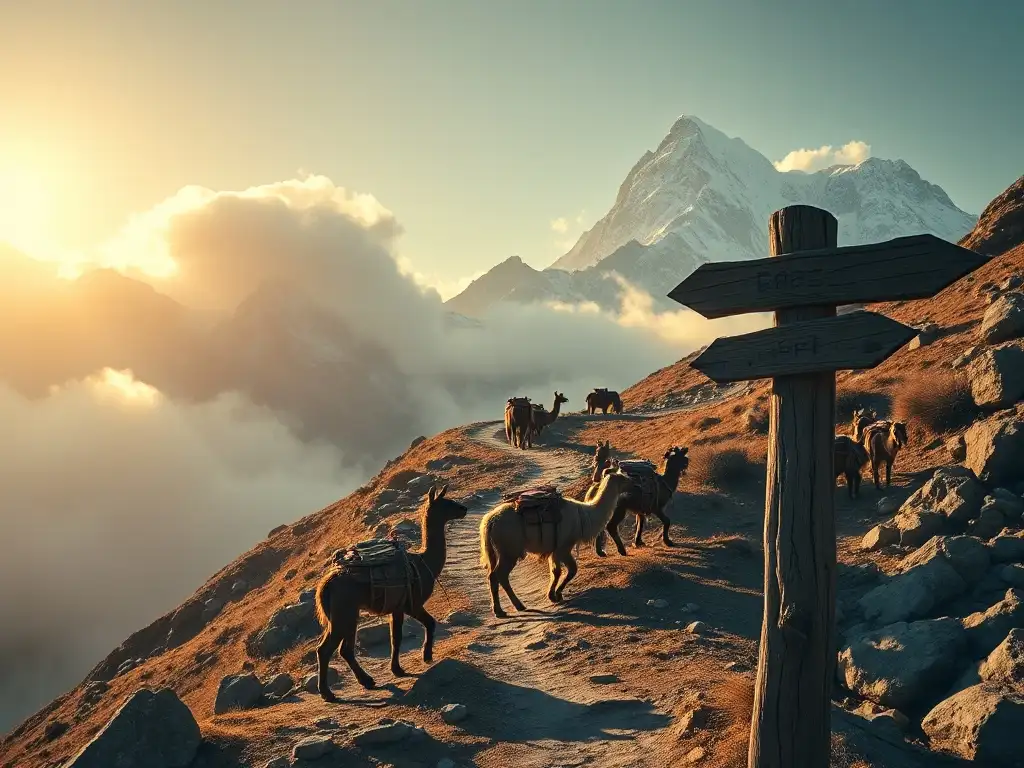
The Andean region, characterized by its dramatic topography and diverse climates, presented significant challenges to the establishment and maintenance of reliable trade routes. Understanding the Andean trade routes seasonal variations is crucial to appreciating the logistical ingenuity and adaptability of the ancient Andean civilizations. The rhythmic fluctuations between dry and wet seasons profoundly impacted the volume, routes, and types of goods exchanged across the vast Andean landscape. These seasonal variations shaped economic activity, social interactions, and even political strategies.
The Dry Season: Peak Trading Activity in the Andes
The dry season, typically spanning from April to October, represented the peak period for trade throughout the Andes. The improved conditions of the mountain passes and valleys allowed for increased movement of goods and people. This period saw a surge in economic activity, with bustling markets and a heightened sense of commercial exchange.
Increased Caravans and Movement of Goods
During the dry season, the frequency and size of trade caravans dramatically increased. Larger quantities of goods could be transported more efficiently, leading to a significant rise in the overall volume of trade. Evidence suggests that specialized llama herders, trained in navigating difficult terrain, were crucial to this process.
These herders, often working in coordinated caravans, transported goods such as textiles, ceramics, precious metals, and agricultural products across vast distances. The scale of this operation is suggested by archaeological findings of large resting places and waystations along established routes. The sheer number of llamas required for these transport operations indicates a sophisticated level of organization and planning.
Agricultural Surplus and Trade Opportunities
The dry season also coincided with the harvest season in many Andean regions. This agricultural surplus provided a substantial boost to trade opportunities. Farmers exchanged excess crops, such as maize, potatoes, and quinoa, for other goods they needed, fostering a vibrant and interconnected economy. The abundance of goods available during this time fueled competition and innovation in the marketplace, leading to the development of specialized crafts and the refinement of existing technologies. This surplus wasn't just about food; it also included raw materials like cotton and wool, vital for textile production, a crucial aspect of Andean trade.
The Rainy Season: Challenges and Adaptations in Andean Trade
The rainy season, from November to March, presented considerable challenges to Andean trade. The increased rainfall transformed the landscape, making many established routes impassable and significantly reducing the volume of goods transported. This period required adaptation and the implementation of alternative strategies to maintain economic connections.
Difficult Terrain and Reduced Trade Volume
Heavy rains caused landslides, flooding, and the swelling of rivers, rendering many mountain passes and valley trails inaccessible. The muddy conditions made travel difficult and dangerous for both people and animals. Consequently, the volume of trade decreased significantly during this period. Caravans became smaller, and the routes used were often more localized, focusing on shorter distances and less demanding terrain. The risk of loss or damage to goods increased substantially, influencing the types of goods transported and their value.
Strategies for Navigating Flooded Routes
Despite the difficulties, Andean communities developed ingenious strategies to navigate the challenges of the rainy season. These included the construction of bridges, raised pathways, and improved drainage systems along key trade routes. The selection of alternative routes, often utilizing lower-altitude valleys or coastal paths, became essential. Evidence of these adaptations can be found in the archaeological record, highlighting the resilience and resourcefulness of Andean societies in maintaining trade networks even under adverse conditions. Local knowledge of the terrain and seasonal weather patterns played a critical role in successful navigation.
Alternative Trade Routes and Regional Exchanges
During the rainy season, there was a shift towards more localized trade and regional exchanges. Smaller-scale trading networks emerged, focusing on fulfilling immediate needs within smaller communities. This fostered a greater reliance on local resources and reduced dependence on long-distance trade.
This period also saw an increase in the use of alternative transportation methods, such as rafts or canoes along navigable rivers, supplementing the use of llamas. This adaptation highlights the flexibility of Andean trade systems in responding to environmental fluctuations. The seasonal variations, therefore, didn't halt trade entirely but rather reshaped it, demonstrating the dynamic nature of the Andean economy.
Key Goods and Their Seasonal Trade Patterns
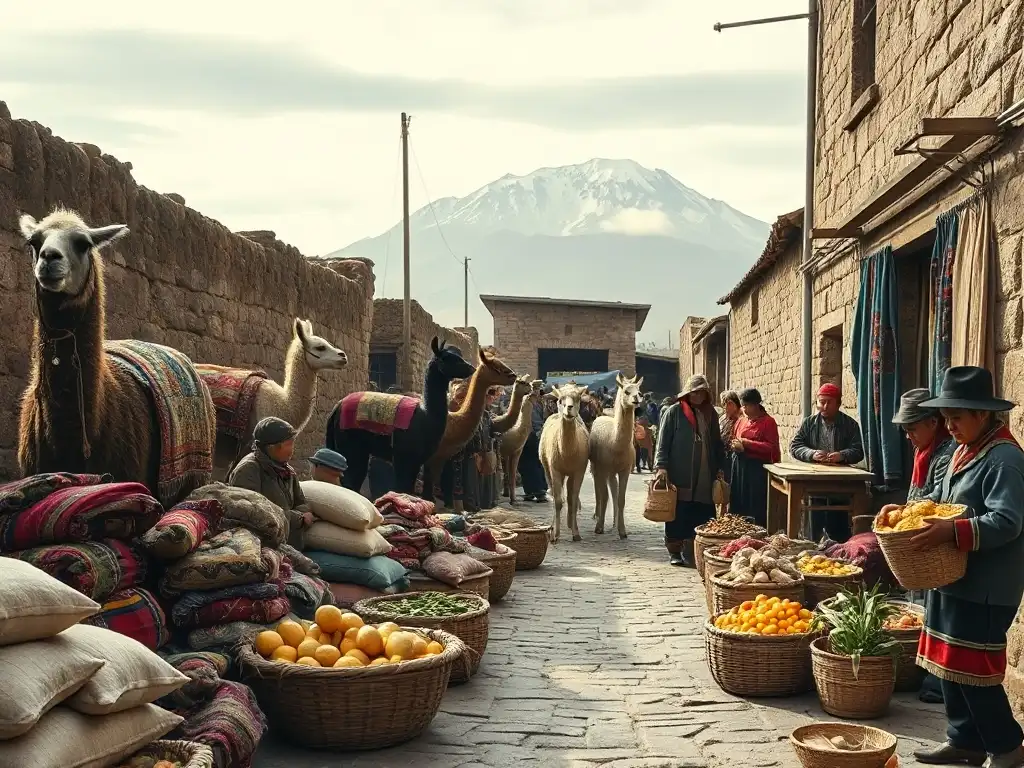
The vibrant tapestry of Andean trade was intricately woven with the rhythms of the Andes themselves. Understanding the seasonal variations in Andean trade routes is crucial to grasping the complexities of these ancient economies. The timing of harvests, the accessibility of mountain passes, and even the intensity of the rainy season all played a significant role in determining when and how goods moved across the vast Andean landscape. This section delves into the key goods traded and their unique seasonal patterns, highlighting the ingenuity and adaptability of Andean societies in managing their resources and commerce.
Agricultural Products and Their Trade Cycles
Agricultural products formed the backbone of Andean trade, with their availability directly dictated by the agricultural calendar. The varying altitudes and microclimates across the Andes allowed for a diversity of crops, but the timing of their harvests created a dynamic system of seasonal trade.
The Movement of Potatoes and Quinoa
Potatoes and quinoa, dietary staples of the Andean civilizations, followed distinct seasonal patterns. Potato harvests, varying based on altitude and variety, typically occurred between April and July. This created a surge in potato trade during these months, with surplus crops moving from higher-altitude regions to lower-lying populations. Quinoa, with its shorter growing season, typically reached harvest by March or April, leading to an earlier peak in its trade.
The movement of these crucial crops often relied on established networks of chasquis (runners) who relayed information and facilitated the efficient transfer of goods. The timing was critical; delays could lead to spoilage, impacting the availability and value of these essential commodities. Record-keeping systems, while not fully understood, likely played a role in predicting harvest yields and managing distribution.
Seasonal Trade of Maize and Other Crops
Maize, another vital crop, exhibited similar seasonal variations in its trade. The timing of maize harvests influenced the availability of other goods, including those produced using maize as a feedstock, such as chicha (a fermented maize beverage). The harvest season for maize typically began in late summer and extended into autumn, leading to a period of heightened trade activity.
Other crops, such as beans, squash, and coca leaves, also followed their unique seasonal patterns, creating a complex interplay of trade flows throughout the year. The integration of these various agricultural products into the trade network demonstrates a sophisticated understanding of agricultural cycles and logistical planning. The specific quantities traded during each season remain [specific information pending] further research.
Mineral Resources and Their Annual Flows
Beyond agricultural products, mineral resources played a crucial role in Andean trade. Unlike agricultural goods, the extraction and trade of minerals were less directly influenced by seasonal variations. However, the accessibility of mines and the conditions for transport certainly influenced the annual flow of these goods.
Mining Operations and Trade of Metals
The mining of metals like copper, gold, and silver was a year-round activity, although weather conditions could sometimes impact access to mines located at higher altitudes. The transport of these heavy materials, however, was significantly influenced by weather. The rainy season could make mountain passes impassable, delaying the movement of ore and finished metal products. Therefore, while the mining itself was continuous, the trade of these valuable resources showed annual fluctuations influenced by the seasonal climate. The extent of these fluctuations [specific information pending].
Obsidian and Precious Stones in Andean Commerce
Obsidian, a volcanic glass prized for its sharpness, and precious stones like turquoise and jade, were also important trade items. The sourcing of these materials was geographically specific, creating long-distance trade routes. While the extraction of these resources wasn’t directly tied to seasonal cycles, their transport faced similar challenges as metals during inclement weather.
The annual flow of these goods likely showed peaks and troughs corresponding to favorable weather conditions for travel. The precise details of these seasonal variations in the trade of obsidian and precious stones require [specific information pending]. Further investigation into archaeological records and the analysis of trade routes can reveal a more complete picture of this aspect of Andean commerce.
Textiles and Craft Goods: Trade Throughout the Year
Textiles and craft goods formed a significant portion of Andean trade, exhibiting a fascinating interplay between consistent demand and seasonal fluctuations. While certain items enjoyed year-round popularity, others saw their market value shift with the changing seasons. The sheer variety of textiles produced, from fine alpaca wool garments to sturdy cotton fabrics for everyday use, ensured a constant flow of goods along the trade routes.
Different Andean cultures specialized in particular textile techniques, creating a vibrant exchange network where regions known for their exceptional weaving skills supplied goods to wider markets. This consistent demand, driven by the everyday needs of the population, ensured that textile production and trade remained a vital economic activity irrespective of the time of year.
The intricate designs and high quality of some textiles also made them highly prized luxury items, further fueling this consistent trade. The ability to produce textiles suited to various climates and purposes further cemented the year-round importance of this sector in the Andean economy.
Production and Trade of Woven Goods
The production of woven goods was a highly skilled and labor-intensive process, often involving entire families. The cultivation of the raw materials, like alpaca, llama, and vicuña wool, or cotton, was itself a seasonal activity, influencing the availability of materials for weaving. However, the Andean communities developed sophisticated storage and preservation techniques, allowing them to maintain a relatively steady supply of raw materials throughout the year.
This meant that weaving could continue relatively uninterrupted, although the types of materials used might vary slightly depending on seasonal availability. Trade networks facilitated the movement of these goods, with specialized craftspeople in certain regions exchanging their finished products for other necessities. The scale of production varied depending on the community and the demand for particular items.
Larger settlements often had specialized workshops producing textiles on a larger scale for both local consumption and trade. The organization of this production, with its intricate division of labor and sophisticated techniques, underlines the economic importance of textile production within Andean societies.
Seasonal Demand for Specific Crafts
While textiles enjoyed a largely consistent market, certain craft goods experienced seasonal peaks in demand. For instance, items related to agricultural cycles, such as tools for planting and harvesting, or storage containers for the harvest, saw increased demand during specific times of the year. Similarly, ceremonial objects connected to particular festivals or religious events experienced a surge in demand during the relevant seasons.
This seasonal variation in demand created opportunities for specialized craftspeople to cater to these fluctuating needs. Think of the production of intricately carved wooden figurines for religious festivals – these would only be highly sought after in the months leading up to and during the festival itself. This seasonal variation added another layer of complexity to the Andean trade networks, requiring flexibility and adaptability from both producers and traders.
The ability to anticipate and respond to these seasonal shifts was key to success in the Andean marketplace. This dynamic relationship between production and demand underscores the interconnectedness of Andean economies and their close ties to the rhythms of the natural world.
The Role of Infrastructure and Organization in Andean Trade
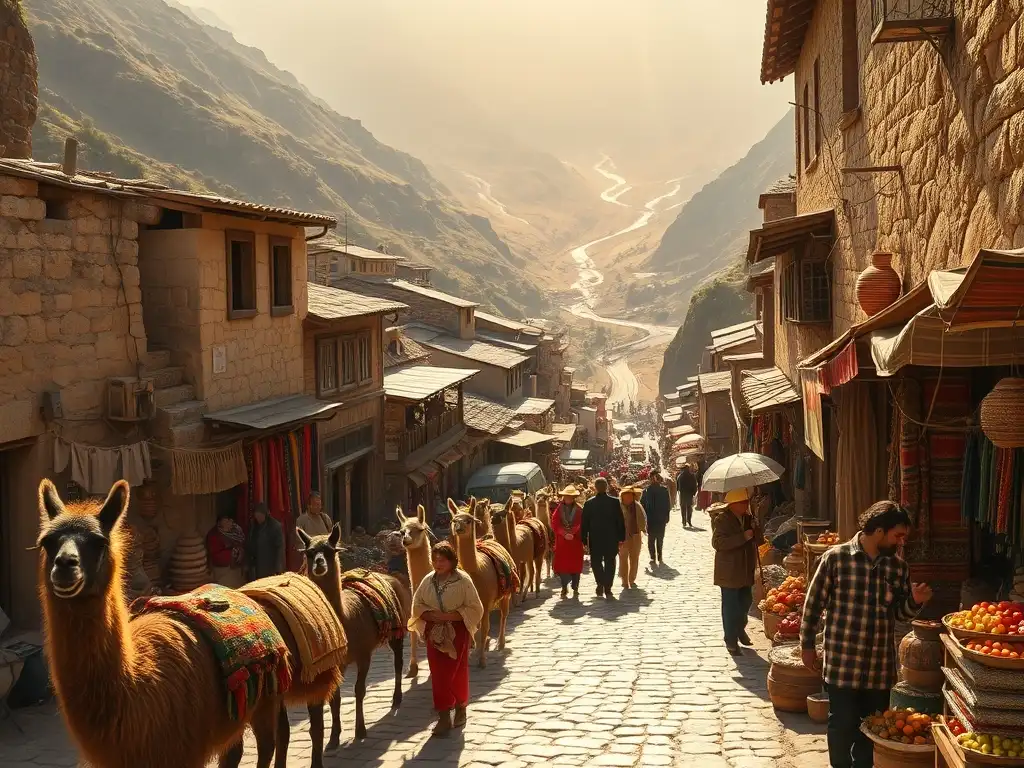
The success of Andean trade, particularly its ability to function despite the challenging seasonal variations across diverse altitudes and climates, relied heavily on sophisticated infrastructure and meticulous social organization. Understanding the logistical aspects reveals a complex system far beyond simple bartering.
The effectiveness of Andean trade routes wasn't solely dependent on favorable weather; it was a testament to human ingenuity and adaptability in the face of environmental challenges. Analyzing the interplay between infrastructure, social structures, and trade regulations highlights the remarkable achievements of these ancient civilizations in managing resource distribution and economic exchange, showcasing the intricacies of Andean trade routes seasonal variations.
Inca Road System and Its Adaptability to Seasons
The Inca road system, Qhapaq Ñan, stands as a prime example of infrastructure designed to overcome geographical obstacles and seasonal changes. Spanning thousands of miles across diverse terrains, from coastal deserts to high-altitude mountains, this network wasn't simply a collection of paths; it was a strategically planned system adapting to Andean trade routes seasonal variations. The routes were meticulously engineered to minimize the impact of seasonal weather. For instance:
- High-altitude passes: These were often equipped with resting places and emergency shelters, crucial for protection from sudden snowstorms or extreme cold during the wet season.
- Bridges and causeways: Ingeniously constructed to withstand flooding during the rainy season and remain passable throughout the year. These structures were often built using local materials and techniques adapted to the specific environmental conditions.
- Divergent routes: Multiple routes were often constructed to bypass areas prone to seasonal flooding or landslides, ensuring continued trade even during challenging periods. This redundancy was key to mitigating the impact of Andean trade routes seasonal variations.
The Importance of Tambos and Storage Facilities
Strategically placed along the Qhapaq Ñan were tambos, roadside inns that served multiple purposes. They provided accommodation for travelers, relay stations for messengers, and, crucially, storage facilities for goods. These tambos played a vital role in buffering against seasonal disruptions. During the harvest season, surplus goods could be stored in tambos closer to production areas, then transported to other regions during favorable weather conditions.
This system minimized spoilage and ensured a relatively consistent supply of goods throughout the year, addressing the challenges posed by Andean trade routes seasonal variations. The organization of these storage facilities demonstrates a sophisticated understanding of logistics and resource management. The precise capacity and distribution of tambos across the empire, however, remains an area needing further research. [Specific information pending on the number and capacity of tambos across different regions].
Effective trade wasn't simply a matter of infrastructure; it required a robust social structure and clear regulations. The Inca state, for example, played a crucial role in managing and regulating trade, ensuring a smooth flow of goods even during periods of unfavorable weather. This control extended to various aspects of the economic system, minimizing the impact of Andean trade routes seasonal variations.
The Mit'a System and its Impact on Trade
The mit'a system, a form of mandatory labor service, was integral to the Inca economy. While primarily associated with construction projects and agriculture, mit'a also contributed significantly to trade. Laborers were often assigned to tasks related to road maintenance, bridge repair, and the transportation of goods. This ensured the continued functionality of the trade routes even during challenging seasons.
The organized labor force allowed for rapid responses to seasonal changes, such as clearing landslides or repairing flood damage. The efficiency of the mit'a system in maintaining infrastructure highlights its importance in mitigating the effects of Andean trade routes seasonal variations. [Further research is needed to quantify the precise contribution of mit'a labor to trade route maintenance].
Control of Trade Routes by Andean Powers
Andean powers exerted significant control over trade routes, not just through infrastructure but also through political and economic mechanisms. This control wasn't solely about maximizing profits; it was also about maintaining stability and ensuring access to essential resources throughout the year. The regulation of trade, including the control of access points and the imposition of taxes, allowed Andean states to manage the flow of goods and mitigate the impact of seasonal variations.
This control extended to the standardization of weights and measures, further streamlining trade and minimizing conflicts. The strategic placement of administrative centers and military garrisons along major routes also served to protect trade from disruption, illustrating the critical role of political power in ensuring the resilience of Andean trade routes against seasonal variations.
The precise mechanisms of control varied across different Andean societies, reflecting their unique political structures and economic priorities. [Further detailed studies are needed comparing the trade regulation strategies of different Andean civilizations].
Conclusion: The Enduring Legacy of Andean Seasonal Trade
The intricate network of Andean trade routes, far from being static, pulsed with the rhythms of the Andes themselves. Seasonal variations, dictated by the unpredictable nature of the high-altitude climate and the agricultural cycles, profoundly shaped the timing, volume, and even the very feasibility of commerce across the vast Andean landscape. Understanding this dynamic relationship between climate and commerce is crucial to appreciating the resilience and adaptability of Andean societies.
The ingenuity displayed in navigating these seasonal challenges offers valuable insights not only into the past but also into the present and future of trade and resource management in challenging environments. The study of Andean trade routes seasonal variations reveals a sophisticated understanding of logistics, resource management, and community cooperation that resonates even today.
Understanding the Interplay of Climate and Commerce
The impact of Andean trade routes seasonal variations is multifaceted. For instance, the availability of certain goods, like coca leaves or specific textiles, directly correlated with the harvest seasons in their respective regions. This meant that trade caravans were often timed to coincide with these periods of abundance, creating a predictable, yet flexible, system.
Conversely, the onset of the rainy season could render many high-altitude passes impassable, forcing traders to adapt their routes or halt their journeys altogether. This wasn't merely a logistical inconvenience; it impacted the availability of goods in distant markets, potentially leading to price fluctuations and influencing economic planning within communities. Analyzing archaeological evidence, such as the remains of storage facilities and the distribution of goods across different sites, reveals a complex system of buffering against these seasonal uncertainties.
Communities often built reserves to accommodate periods of scarcity, a testament to their foresight and organizational capabilities. The successful negotiation of these seasonal challenges highlights the sophisticated understanding of Andean societies regarding climate patterns and their impact on economic activities. This knowledge was not simply passive observation; it was actively incorporated into their economic strategies, demonstrating a remarkable level of adaptation.
Lessons from Andean Trade for Modern Economies
The lessons learned from studying Andean trade routes seasonal variations are surprisingly relevant to modern economies, particularly in regions facing similar environmental challenges. The emphasis on localized resource management and the development of robust storage and distribution networks are particularly pertinent in the face of climate change and increasing supply chain vulnerabilities. The Andean model highlights the importance of diversification and resilience in economic strategies.
Their reliance on multiple, interconnected trade routes, rather than a single, centralized system, minimized the impact of localized disruptions. This decentralized approach, coupled with a deep understanding of local ecological conditions, offers valuable insights for building more robust and sustainable supply chains in today's interconnected world. Furthermore, the Andean experience emphasizes the crucial role of community cooperation in managing resources and navigating economic uncertainties.
The successful organization and coordination of large-scale trade networks underscore the importance of collaborative strategies for effective resource management and economic stability. The study of Andean trade routes seasonal variations provides a powerful case study for examining the interplay between environment and economics, reminding us of the need for adaptive strategies in the face of change.
Future Research and Exploration of Ancient Trade Systems
Further research into Andean trade routes seasonal variations could significantly enhance our understanding of these ancient societies. Detailed analysis of pollen samples and other environmental indicators found at archaeological sites could refine our understanding of the timing and duration of various trade seasons. More sophisticated modeling techniques could help us to simulate the effects of climate variability on trade flows, providing a more nuanced picture of the economic dynamics at play.
Comparative studies of different Andean regions could reveal regional variations in trade strategies and adaptations to environmental challenges. The exploration of previously undocumented trade routes, facilitated by advancements in remote sensing and archaeological techniques, could further expand our knowledge of the network's complexity and reach. Moreover, a greater integration of ethnohistorical sources, such as oral traditions and colonial-era documents, could provide valuable insights into the social and cultural aspects of seasonal trade.
Finally, exploring the relationship between seasonal trade patterns and political organization could shed light on the role of trade in shaping Andean power structures. The potential for new discoveries and insights underlines the ongoing relevance of studying Andean trade routes seasonal variations. The continued exploration of these ancient systems promises to yield further valuable knowledge, enriching our understanding of past societies and offering relevant lessons for the present and future.
Frequently Asked Questions
How did seasonal variations affect Andean trade routes?
Andean trade routes were significantly impacted by seasonal weather patterns. Monsoons, droughts, and flooding frequently interrupted the flow of goods, altering routes and schedules. This necessitated flexible strategies from traders.
What goods were most affected by seasonal trade route changes?
Perishable goods like fresh produce and textiles were particularly vulnerable to seasonal disruptions. Long-distance trade of these items was often planned around optimal weather conditions. Storage and preservation techniques played a crucial role.
Did the Incas have any specific strategies to deal with seasonal variations in trade?
The Inca Empire implemented extensive infrastructure including roads and storehouses (qollqas) to mitigate the impact of seasonal changes. They also developed sophisticated administrative systems to manage resource distribution and trade networks. Relay runners facilitated rapid communication.
How did the geography of the Andes influence the seasonal nature of trade routes?
The steep mountains, high altitudes, and diverse climates of the Andes presented significant challenges. High mountain passes were often impassable during certain times of the year due to snow or rain. River crossings were also affected by seasonal water levels.
Were there any alternative trade routes used during unfavorable seasons?
Yes, traders often utilized alternative routes or different modes of transportation during unfavorable seasons. Coastal routes might be favored during the rainy season, while mountain passes were used during the dry season. Local networks also provided some resilience.
Final Reflection: Echoes of the Andes: A Legacy of Seasonal Trade
The intricate dance of Andean trade routes, dictated by the relentless rhythm of the seasons, remains a powerful testament to human adaptation and resilience. Understanding these historical patterns offers crucial insights into not only the past but also the challenges of sustainable development and resource management in the region today. The very survival of Andean communities, past and present, has hinged on a deep understanding and respect for the seasonal variations that shape their environment.
The impact of these seasonal shifts extends far beyond simple logistics; it shaped social structures, political alliances, and even the cultural identities of Andean peoples. The cyclical nature of life, mirrored in the ebb and flow of trade, fostered a profound connection to the land and its rhythms. The mountains are not just a backdrop, but an active participant in the lives of the people who inhabit them,
– a sentiment echoed across generations of Andean communities, highlighting the enduring significance of their relationship with the environment. This deep-seated understanding of seasonal change continues to influence modern agricultural practices, resource allocation, and even tourism strategies in the region.
Consider the implications of this knowledge for your own life. How can we, in our increasingly globalized world, learn from the wisdom of past generations who lived in such close harmony with the natural world? Embrace the rhythms of your own environment, whether it be the changing seasons, the ebb and flow of your work, or the cycles of your personal life. By understanding and respecting these natural cycles, we can build more sustainable and fulfilling lives, echoing the enduring legacy of the Andean traders who navigated the mountains with such grace and understanding.
Discover the Vibrant Rhythms of Andean Trade!
Thank you for exploring the fascinating world of Andean trade routes and their seasonal rhythms! We hope you've gained a deeper understanding of their historical importance and the rich cultural tapestry they represent.
Now, let's put this knowledge into action! Here are some ways to further explore and appreciate the Andean heritage:
- Participate in a hands-on workshop focusing on traditional Andean crafts or trading practices. This offers a truly immersive experience.
- Share this article with friends and family, sparking engaging conversations about the diverse cultures of the Andes.
- Expand your knowledge by visiting museums showcasing Andean artifacts, or even better, plan a trip to experience this vibrant heritage firsthand.
What aspect of Andean trade routes most captivates you, and how will you share your newfound knowledge with others?