
The Influence of the Ukumaris: BearLike Spirits of the High Mountains


Step into a world lost in the mists of time, a realm where myth and reality intertwine high in the Andes. Prepare to unravel the mysteries surrounding the Ukumaris, the bear-like mountain spirits that held such sway over the ancient Andean civilizations. Their influence permeates every aspect of Andean religion and cosmovision—but what secrets do these powerful entities still hold? Discover the captivating story of the Ukumaris and their enduring legacy, a tale woven into the very fabric of Andean culture.
The towering Andes Mountains, a spine of rock and ice running down the length of South America, have long been considered sacred ground. For millennia, the indigenous peoples of this region – including the Incas, Moche, Nazca, and Tiahuanaco – have developed complex belief systems deeply intertwined with the natural world. Central to this cosmology are powerful spirits inhabiting the mountains, rivers, and skies.
Among these, the ukumaris, bear-like spirits embodying both immense power and protective guardianship, hold a particularly significant place. This article delves into the fascinating influence of the ukumaris, exploring their role in Andean religion and cosmovision, examining their representation in art and mythology, and uncovering the enduring legacy of these powerful mountain deities in the context of "Ukumaris Andean mountain spirits". We will explore how these beliefs shaped daily life, religious practices, and even the very landscape itself.
Ukumaris in Andean Mythology: Guardians of the Mountains
The ukumaris are not simply mythical creatures; they are powerful forces of nature personified. Descriptions vary across different Andean cultures, but generally, they are depicted as bear-like beings, often with a combination of human and animal characteristics. Some accounts portray them as massive, formidable creatures inhabiting the highest peaks, while others describe them as more subtle, elusive entities dwelling in caves and hidden valleys.
Their power is undeniable, associated with the raw power of the mountains themselves – earthquakes, landslides, and the unpredictable weather patterns of the high altitudes. However, this power is not solely destructive. Many Andean communities viewed the ukumaris as protectors, guardians of their herds, crops, and the sacred places within their territories.
Their presence was a source of both awe and reverence, demanding respect and careful consideration. The stories of ukumaris are often interwoven with tales of human interaction, both positive and negative, highlighting the complex relationship between humans and the supernatural in the Andean worldview. These stories serve as cautionary tales, emphasizing the importance of maintaining a harmonious balance with the natural world.
Artistic Representations of Ukumaris: From Pottery to Textiles
The enduring influence of the ukumaris is evident in the rich artistic heritage of the Andes. Depictions of these powerful spirits appear across a wide range of media, from intricately carved stone sculptures and monumental architecture to delicate textiles and brightly painted pottery. In pre-Columbian art, ukumaris are often shown with distinctive features: powerful bodies reminiscent of bears, human-like faces, and sometimes symbolic attributes reflecting their connection to the mountains and their protective role. For example, [specific examples of Ukumari art from different Andean cultures pending].
The style and iconography vary depending on the specific culture and time period, reflecting the diverse expressions of Andean belief systems. Analyzing these artistic representations provides invaluable insights into the evolving understanding and perception of ukumaris throughout Andean history. The consistent presence of ukumaris in art demonstrates their continued importance across generations, solidifying their place in the Andean cultural imagination.
The Ukumaris and Andean Cosmology: Their Place in the Sacred Landscape
The ukumaris are not isolated figures in Andean cosmology; they are intricately woven into the broader understanding of the world. Their presence reflects the deep spiritual connection between the Andean people and their environment. The mountains themselves are considered sacred, imbued with spiritual power and inhabited by a variety of deities and spirits.
The ukumaris, as powerful inhabitants of these sacred spaces, play a crucial role in maintaining the cosmic balance. [Specific details about the Ukumaris' role in Andean cosmology, including their relationship to other deities and spirits, pending]. Understanding their position within this complex system is essential to grasping the full significance of their influence on Andean society and culture.
The very act of living in harmony with the mountain environment, respecting its power and its inhabitants, was considered essential for the well-being of the community. This deep-seated respect for the ukumaris and the natural world continues to resonate in contemporary Andean cultures.
The Enduring Legacy of the Ukumaris: A Continued Presence
Even today, the ukumaris remain a powerful presence in the Andean cultural imagination. Although their worship may have evolved, their symbolic significance persists. The stories and traditions surrounding these powerful spirits continue to be passed down through generations, shaping cultural identity and worldview. [Specific examples of contemporary Andean beliefs and practices related to the Ukumaris pending].
The legacy of the ukumaris serves as a testament to the enduring power of Andean spirituality and the deep connection between the people and the majestic landscapes that surround them. The continued relevance of the ukumaris in contemporary Andean culture highlights the enduring strength and resilience of indigenous traditions. Their story reminds us of the importance of respecting the natural world and understanding the spiritual forces that shape our lives.
- Ukumaris in Andean Mythology: Guardians of the Mountains
- Artistic Representations of Ukumaris: From Pottery to Textiles
- The Ukumaris and Andean Cosmology: Their Place in the Sacred Landscape
- The Enduring Legacy of the Ukumaris: A Continued Presence
Ukumaris: Guardians of the Andean Peaks
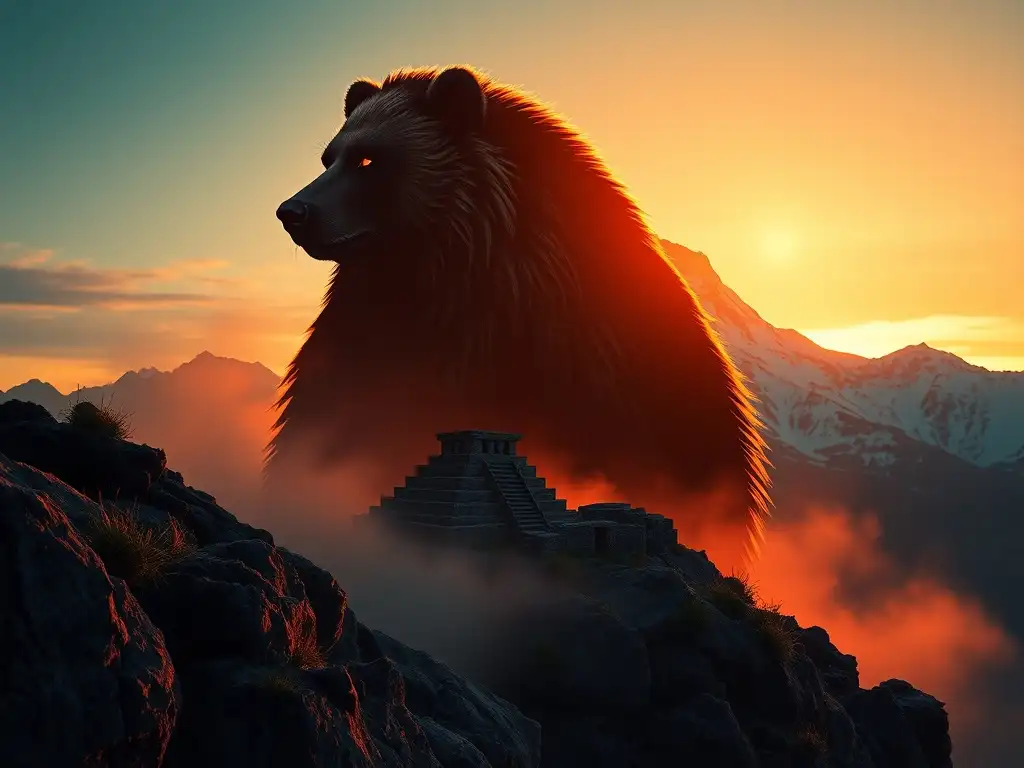
This section delves into the fascinating world of the Ukumaris, powerful bear-like spirits deeply ingrained in Andean mythology. Understanding their role provides crucial insight into the complex religious and cosmological beliefs of ancient Andean cultures. We will explore their characteristics, symbolism, and significance within the broader context of Andean spirituality, focusing on their role as protectors and guardians. The term "Ukumari Andean mountain spirits" accurately captures their essence, highlighting their connection to the high altitudes and their supernatural nature.
Who are the Ukumaris in Andean Mythology?
The Ukumaris are not simply mythical creatures; they are revered spirits inhabiting the high Andean peaks, embodying the power and mystery of the mountains themselves. Different Andean communities, including those with Quechua and Aymara linguistic roots, hold unique interpretations of the Ukumaris, but common threads weave through their depictions. They are often seen as powerful, ambivalent beings – capable of both benevolence and malevolence, depending on how they are treated and the context of the interaction. Their association with bears is prominent, reflecting the bear's strength, independence, and connection to the wild, untamed aspects of nature.
Their influence extends beyond individual interactions; they are considered guardians of entire ecosystems, impacting the prosperity and well-being of the communities living in the Andean highlands. This influence is reflected in various rituals and ceremonies aimed at appeasing or honoring them, ensuring a harmonious relationship between humans and the mountain spirits. Many stories and legends detail encounters with Ukumaris, emphasizing the importance of respecting their power and avoiding actions that could provoke their wrath.
These narratives serve as cautionary tales, reminding people of the interconnectedness between human actions and the natural world. The term "Ukumari Andean mountain spirits" is frequently used in scholarly works to specify this powerful entity.
The Ukumari's Physical Representation: Bear-Like Features and Symbolism
While descriptions vary across different Andean communities, the Ukumari is consistently portrayed with bear-like characteristics. They are often depicted as large, powerful beings with thick fur, sharp claws, and imposing stature. This physical representation is not merely a literal description; it carries symbolic weight. The bear, in many cultures, symbolizes strength, resilience, and connection to the wild. In the Andean context, these attributes are amplified, reflecting the rugged and unforgiving nature of the high-altitude environment.
The color of their fur can also be significant, often described as dark brown or black, reflecting the shadows and mysteries of the mountain. Sometimes, depictions include elements that blend the bear with other animals or supernatural features, further emphasizing their unique and powerful nature. These variations in physical representation highlight the diverse interpretations of the Ukumari across different Andean groups and regions. The symbolism tied to their physical appearance underscores their role as powerful guardians and protectors of the Andean ecosystem. Understanding these visual representations is key to interpreting their cultural and religious significance.
Further Exploration of Ukumari Symbolism
The Ukumari's symbolism is not static; it's fluid and adapts to specific contexts. For example, its association with caves can symbolize the hidden power and mystery of the mountains, while its connection to water sources represents the life-giving properties of the Andes. Further research is needed to fully understand the nuances of Ukumari symbolism across various Andean cultures.
Ukumaris as Protectors of Wildlife and Natural Resources
The Ukumaris are not simply powerful spirits; they are integral to the balance of the Andean ecosystem. They are considered protectors of wildlife, ensuring the health and prosperity of the animals that inhabit the mountains. Their guardianship extends to the natural resources vital to the survival of Andean communities, such as water sources, medicinal plants, and fertile lands. Respect for the Ukumaris is thus directly linked to the sustainable management of these resources.
The belief in the Ukumaris' protective role has likely contributed to traditional practices of conservation and sustainable resource management in the Andes. These practices, passed down through generations, reflect a deep understanding of the interconnectedness between human actions and the well-being of the environment. Disrespecting the Ukumaris or exploiting natural resources without proper consideration is believed to incur their wrath, leading to consequences such as natural disasters or a decline in resource availability.
The concept of "Ukumari Andean mountain spirits" therefore encompasses not only spiritual power but also a responsibility towards ecological balance. This highlights a deep connection between spirituality and environmental stewardship in Andean cultures.
| Aspect | Description |
|---|---|
| Role | Protectors of wildlife, natural resources, and Andean communities |
| Symbolism | Strength, resilience, connection to the wild, balance of the ecosystem |
| Consequences of Disrespect | Natural disasters, resource scarcity, illness |
| Relationship with Humans | One of interdependence; respect leads to prosperity, disrespect brings misfortune |
The ongoing study of Ukumari beliefs provides valuable insights into the intricate relationship between Andean cultures and their environment, emphasizing the importance of spiritual beliefs in shaping sustainable practices. Further research into specific regional variations is crucial for a more comprehensive understanding of these fascinating and powerful mountain spirits.
Ukumaris and Their Role in Andean Cosmovision
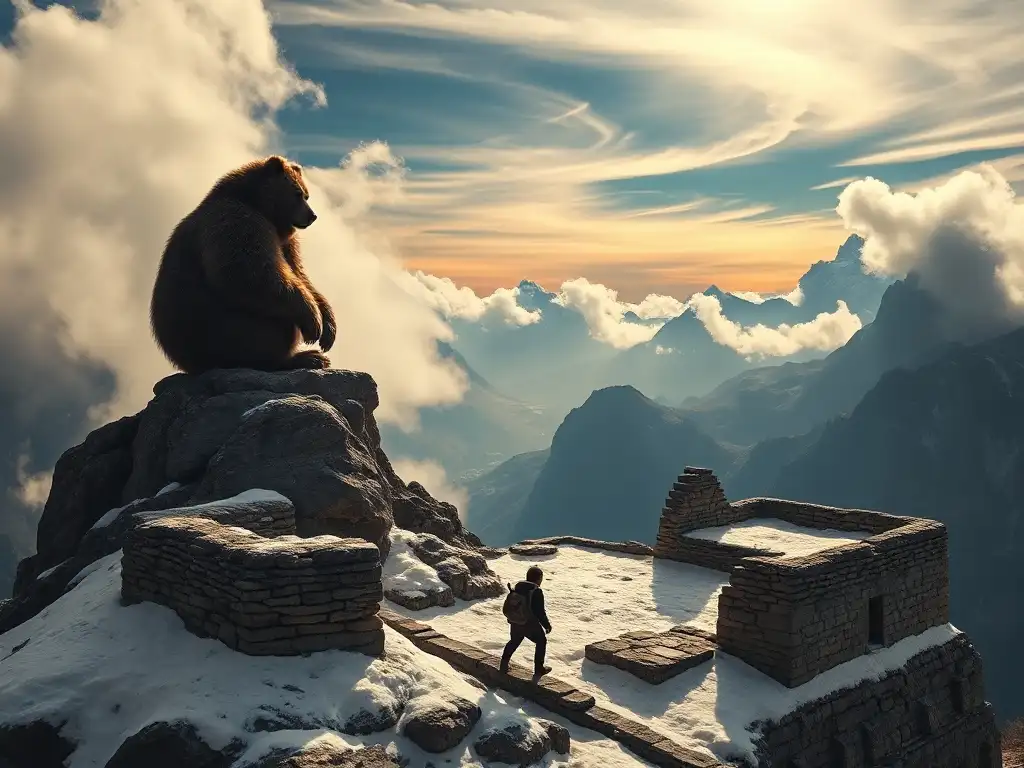
The Ukumaris, powerful bear-like spirits inhabiting the high Andes, hold a significant place within the complex tapestry of Andean cosmovision. These entities, far from being simply monstrous figures of folklore, represent a potent force interwoven with the very fabric of Andean life, influencing everything from agricultural practices to social structures. Understanding the Ukumaris requires delving into the intricate relationship between the spiritual and the physical worlds as perceived by Andean cultures.
Their presence highlights the deep connection between the human and the natural realms, emphasizing the power and respect afforded to the mountain environment and its inhabitants. The belief in Ukumaris wasn't uniform across all Andean cultures; variations existed in their portrayal and specific roles depending on the region and the time period. However, a common thread runs through these variations: the Ukumaris are powerful, ambivalent spirits whose influence is both feared and revered.
The Ukumari's Connection to the Pachamama
The Ukumari's power is intrinsically linked to the Pachamama, the Earth Mother, the life-giving force that sustains all living things. The Pachamama is not simply the ground beneath our feet; she is a powerful deity whose fertility is reflected in the abundance or scarcity of harvests. The Ukumari, as a powerful inhabitant of the mountains, acts as a guardian and protector of the Pachamama's resources, particularly those found in the high-altitude ecosystems.
This guardianship isn't always benevolent; the Ukumari can be capricious, rewarding those who show respect and punishing those who show disregard for the natural world. For example, improper agricultural practices, disrespect towards the mountains, or the overexploitation of natural resources could be interpreted as an affront to the Pachamama and invite the wrath of the Ukumari. This belief system fostered a deep sense of responsibility towards the environment, ensuring sustainable practices were maintained for generations.
The Ukumari, therefore, acts as a powerful reminder of the interconnectedness of all things and the importance of maintaining ecological balance. Failure to do so could result in crop failures, illness, or even natural disasters, all attributed to the anger of the Ukumari and, by extension, the Pachamama.
Ukumaris and the Concept of Apu, the Mountain Deities
The Andean worldview elevates mountains to the status of sacred entities, known as Apus. These mountain deities are believed to possess immense power and influence over the surrounding environment and the communities living at their feet. The Ukumaris, often depicted as inhabiting caves and crevices within the Apus, are intimately connected to these powerful mountain spirits.
They can be seen as guardians or even manifestations of the Apus' power, acting as intermediaries between the human world and the divine realm. The respect shown to an Apu is naturally extended to the Ukumaris that dwell within its slopes. Rituals and offerings were made not only to appease the Apus but also to ensure the good favor of the Ukumaris.
This complex interplay of deities highlights the hierarchical nature of Andean spirituality, where power is distributed across various levels, with the Apus at the apex and the Ukumaris playing a crucial supporting role. The relationship between the Ukumari and Apu is a symbiotic one; the Ukumari protects the Apu's domain, while the Apu provides the Ukumari with power and influence.
The Ukumari's Place Within the Andean Spiritual Hierarchy
The Ukumaris occupy a fascinating position within the Andean spiritual hierarchy. While not the supreme deities, they are far from insignificant. Their power is undeniable, and their influence can be felt in various aspects of Andean life. They are often depicted as powerful and unpredictable, capable of both great benevolence and devastating wrath.
This ambivalence reflects the complex and often challenging relationship between humans and the natural world in the high Andes. The Ukumari's position within the hierarchy is not static; their power and influence can vary depending on local traditions and beliefs. Some accounts portray them as subservient to higher deities, while others depict them as relatively independent entities with significant power in their own right. This variation underscores the rich diversity of Andean spiritual beliefs and the fluidity of the spiritual landscape.
Further research is needed to fully understand the nuances of the Ukumari's position within different Andean communities and across different time periods. The available information provides a fascinating glimpse into a complex and multifaceted worldview, where the line between the human and the supernatural is often blurred. Understanding this nuanced hierarchy is crucial to understanding the full significance of the Ukumaris within Andean culture and their enduring legacy.
The Ukumari in Andean Rituals and Traditions
The Ukumaris, powerful bear-like spirits inhabiting the high Andes, hold a significant place in the religious practices and traditions of various Andean communities. Their influence extends beyond mere mythology; they are actively engaged with through ritual, ceremony, and offerings, reflecting a deeply intertwined relationship between the human and spiritual worlds. Understanding the Ukumari's role in these practices provides crucial insight into the complex Andean cosmovision and its enduring legacy.
The fearsome yet benevolent nature of these spirits is reflected in the diverse ways they are appeased and honored, demonstrating the nuanced understanding of power and reciprocity central to Andean spirituality. This section will explore several key aspects of Ukumari-centered rituals, focusing on specific examples to illustrate their profound impact on Andean life. The keywords "Ukumari Andean mountain spirits" are central to this exploration, highlighting the unique position these spirits hold within the broader Andean pantheon.
The Ritual Significance of the Ukumari in the Q'ero Community
The Q'ero, a Quechua-speaking community residing in the high Andes of Peru, maintain vibrant traditions centered around the Ukumari. Their rituals often involve intricate ceremonies designed to ensure the continued well-being of their community and the maintenance of a harmonious relationship with the mountain spirits. These ceremonies, often conducted by experienced paqos (shamans), involve specific offerings, prayers, and symbolic actions aimed at appeasing and honoring the Ukumaris.
For example, the annual pago a la tierra (payment to the earth) might include the sacrifice of a llama, accompanied by coca leaves and chicha (a fermented corn beverage), specifically dedicated to the Ukumari as a protector of livestock and crops. The paqo might engage in limpia (spiritual cleansing) rituals to remove negative energies and ensure the continued flow of positive energy from the mountains. Failure to properly honor the Ukumari is believed to result in misfortune, highlighting the crucial role these spirits play in the Q'ero worldview.
The intensity and frequency of these rituals vary based on factors such as the perceived mood of the Ukumari and the needs of the community. Detailed ethnographic studies are needed to fully document the subtle variations in these practices across different Q'ero communities.
Ukumari Dances and Ceremonies: A Connection to the Spirit World
Ukumari dances and ceremonies serve as powerful mediums for connecting with the spirit world. These performances are not merely entertainment; they are sacred acts meant to invoke the presence of the Ukumaris and foster a sense of communion. The dances often involve elaborate costumes, mimicking the bear-like form of the Ukumari, and incorporate symbolic movements representing the power and energy of the mountains.
The rhythmic music, typically played on traditional Andean instruments like the pututu (a shell trumpet) and tarka (a panpipe), further enhances the mystical atmosphere. These ceremonies are often accompanied by chants and prayers, invoking the Ukumari's protection and blessings. For instance, in some communities, a specific dance might be performed during times of drought to request rainfall, demonstrating the practical implications of these spiritual practices.
The dancers themselves often undergo periods of purification and fasting before participating, emphasizing the sacred nature of the event. The vibrant colors and dynamic movements of these dances create a visually striking spectacle, underscoring the importance of aesthetic expression in Andean religious practices.
Offerings and Prayers to the Ukumari: Seeking Protection and Prosperity
Offerings and prayers to the Ukumari are fundamental aspects of maintaining a positive relationship with these powerful mountain spirits. These offerings can range from simple gestures, like leaving coca leaves at a sacred site, to more elaborate sacrifices, such as llamas or other animals. The specific offerings and the manner in which they are presented often vary depending on the specific community and the nature of the request.
Prayers, often spoken in Quechua, are equally crucial, expressing gratitude, requesting protection, or seeking blessings for various aspects of life, from successful harvests to good health. The act of offering and praying is not simply a transactional exchange; it is a demonstration of respect, reverence, and a recognition of the Ukumari's power and influence. For example, a farmer might offer a portion of his harvest to the Ukumari in gratitude for a successful growing season, while a traveler might offer coca leaves to ensure safe passage through the mountains.
This reciprocal relationship highlights the central Andean concept of ayni, the principle of reciprocity and balanced exchange, which underpins many aspects of Andean culture and spirituality. Further research is needed to fully catalog the diverse forms of offerings and prayers directed towards the Ukumaris across different Andean communities. The diversity reflects the nuanced understanding of these powerful spirits and their varied roles in the lives of the Andean people.
Ukumari Legends and Stories
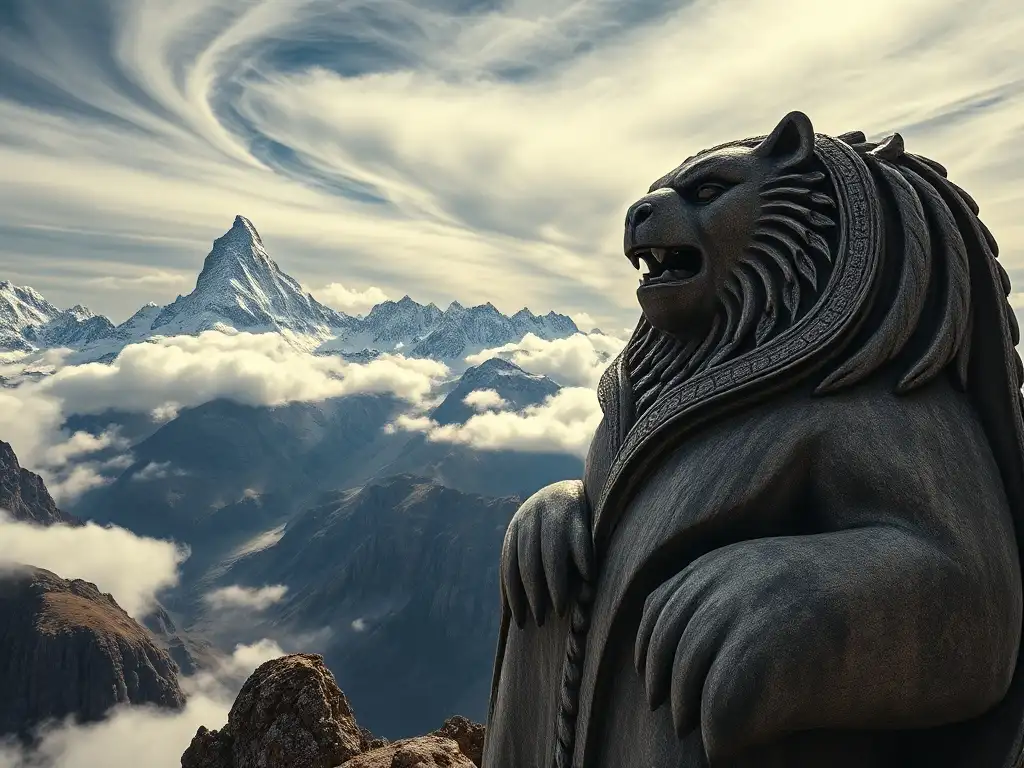
The Ukumaris, powerful bear-like spirits inhabiting the high Andes, feature prominently in the mythology and folklore of various Andean cultures. Their influence permeates numerous narratives, shaping the spiritual landscape and influencing the daily lives of Andean communities for centuries. The very word "Ukumari" evokes a sense of awe and respect, reflecting the profound impact these mythical beings have had on Andean cosmovision. Understanding Ukumari legends provides invaluable insight into the intricate web of beliefs and traditions that characterized ancient Andean societies.
The enduring presence of these stories underscores the lasting power of these mythical figures in the collective consciousness. The sheer variety of tales surrounding the Ukumaris highlights their adaptability and significance within diverse Andean communities. Their stories are not static; rather, they are dynamic and ever-evolving, reflecting the changing social and environmental contexts of the Andes.
Popular Myths Surrounding the Ukumaris
Many myths surround the Ukumaris, often portraying them as both benevolent protectors and fearsome forces of nature. One common narrative depicts the Ukumari as guardians of the mountains, fiercely protecting their sacred territories from intruders. These stories often serve as cautionary tales, warning against disrespecting the mountain environment or disturbing the natural balance.
The Ukumaris are sometimes depicted as shapeshifters, capable of transforming themselves into humans or other animals, adding another layer of mystery and intrigue to their already enigmatic nature. Another popular myth describes the Ukumari's ability to communicate with other animals, acting as a bridge between the human and animal worlds. This highlights the Andean understanding of interconnectedness within the ecosystem.
These myths are often passed down orally through generations, ensuring the continued relevance and vitality of the Ukumari legends. The variations in these stories across different Andean communities showcase the rich diversity of cultural interpretations surrounding these powerful beings. For example, some communities may emphasize the Ukumari's benevolent aspects, while others may focus on its more fearsome characteristics.
This variability reflects the nuanced relationship between humans and the natural world in the diverse Andean landscape. The stories are not mere entertainment; they provide valuable lessons about respect for nature, the importance of community, and the consequences of disrupting the natural order. Understanding these myths offers a glimpse into the complex spiritual beliefs that shaped Andean societies.
The Ukumari as a Figure of Power and Mystery in Andean Folklore
The Ukumari's enduring presence in Andean folklore underscores its significance as a symbol of power and mystery. Its ambiguous nature, capable of both protection and destruction, reflects the unpredictable forces of nature in the high Andes. The Ukumari's association with the mountain environment itself imbues it with a sense of untamed power, mirroring the formidable challenges and rewards of life in the Andes.
Its strength and size are often emphasized, contributing to its status as a formidable figure in Andean mythology. The Ukumari is not simply a creature; it embodies the very spirit of the mountains, reflecting the power and mystery of the natural world.
Furthermore, the Ukumari's ability to shapeshift adds to its enigmatic nature. This ability highlights the fluidity and interconnectedness of the Andean worldview, blurring the lines between the human and animal realms. The uncertainty surrounding the Ukumari's true form contributes to the aura of mystery surrounding this mythical being. The ambiguity of the Ukumari's nature reflects the complexities and contradictions inherent in the Andean experience, where life is often a precarious balance between prosperity and adversity. The enduring power of the Ukumari as a symbol within Andean folklore demonstrates the lasting influence of these spirits on the cultural imagination.
The Legend of the Ukumari and the Lost Child: A Tale of Protection
One particularly poignant legend tells the story of a lost child found safe and unharmed, miraculously protected by a Ukumari. The child, wandering alone in the mountains, was vulnerable to the harsh elements and potential dangers. However, the Ukumari, instead of harming the child, acted as a guardian, sheltering it from the cold and guiding it back to its village. This tale emphasizes the benevolent side of the Ukumari, highlighting its potential for protection and compassion. It showcases the Ukumari not as a purely fearsome creature, but also as a being capable of empathy and kindness.
This legend serves as a powerful reminder of the interconnectedness between humans and the natural world in Andean cosmology. The Ukumari's act of protection underscores the importance of respecting the mountain environment and its inhabitants. The story also emphasizes the belief in a benevolent spiritual presence within the Andes, capable of intervening in human affairs.
The legend's enduring popularity speaks to the importance of such narratives in shaping cultural values and beliefs within Andean communities. The story's transmission across generations reinforces the ongoing significance of the Ukumari in Andean culture, highlighting the enduring power of oral traditions in preserving cultural heritage. The tale also serves as a lesson in humility and respect for the powerful forces of nature, embodied in the figure of the Ukumari.
The Ukumari in Contemporary Andean Culture
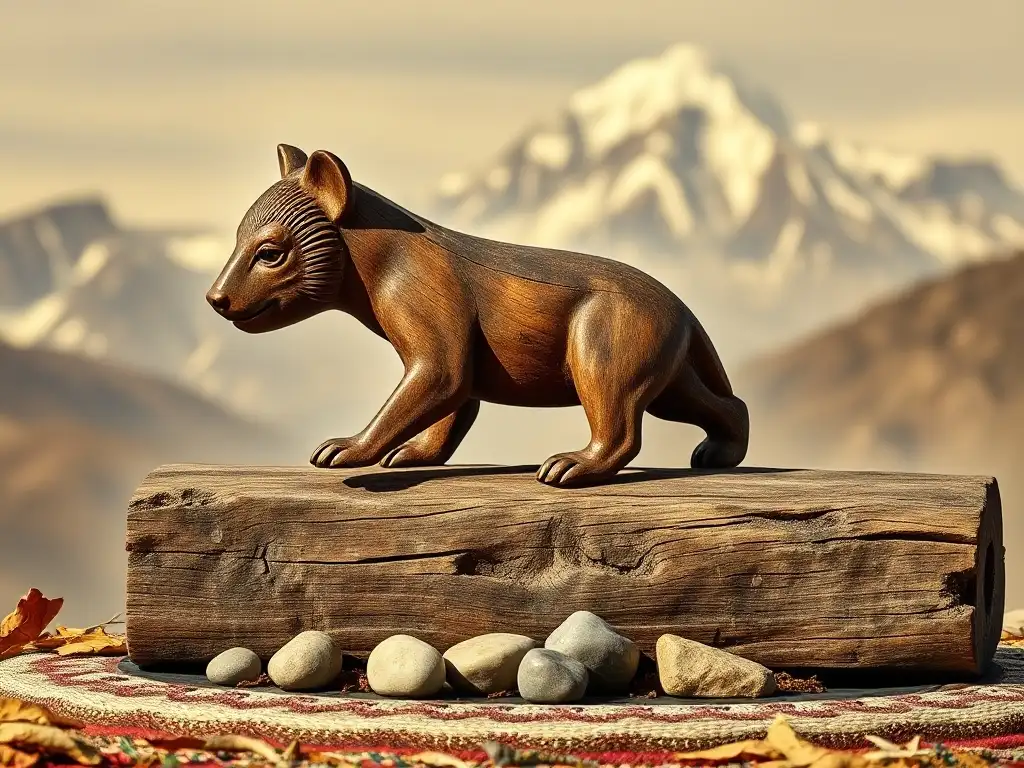
The Ukumari, a powerful bear-like spirit deeply rooted in Andean cosmology, continues to hold significant sway in the contemporary lives and cultural expressions of Andean communities. While its worship might not be as overt as in pre-Columbian times, the Ukumari's influence subtly permeates various aspects of modern Andean life, demonstrating the enduring power of ancient beliefs. Its presence is felt not only in remote mountain villages but also in the burgeoning artistic and intellectual landscape of the Andes, showcasing a remarkable resilience and adaptability across centuries.
The enduring power of the Ukumari as a symbol of strength, resilience, and connection to the Andean landscape is undeniable. Understanding its contemporary relevance requires examining its multifaceted presence across art, cultural identity, and spiritual practices.
The Ukumari’s Presence in Modern Andean Art and Craft
The Ukumari's image frequently appears in contemporary Andean art and craft. Artisans skillfully weave its likeness into textiles, creating intricate tapestries and clothing adorned with stylized bear figures. These representations often incorporate traditional Andean colors and patterns, further emphasizing the spirit's connection to the land and its rich cultural heritage. For example, in the high-altitude communities of the Peruvian Andes, Ukumari motifs are commonly found on chullos (traditional Andean hats), often depicted alongside other Andean deities and symbols.
These aren't simply decorative elements; they are powerful symbols meant to protect the wearer and connect them to the spiritual world. Furthermore, Ukumari figures frequently appear in wood carvings, ceramics, and metalwork. These pieces, often sold in local markets and tourist shops, serve as a powerful reminder of the Ukumari's enduring presence in the Andean consciousness.
The stylistic variations across different Andean regions provide fascinating insights into the localized interpretations of this potent spirit, highlighting the diversity of Andean cultural traditions. The continued artistic representation of the Ukumari signifies its continued significance within Andean communities and serves as a testament to the enduring legacy of its symbolism. Even in modern interpretations, the Ukumari retains its powerful presence, demonstrating its enduring importance to Andean culture.
The Ukumari as a Symbol of Cultural Identity and Heritage
The Ukumari serves as a potent symbol of cultural identity and heritage for many Andean communities. Its representation in various forms of art, from textiles to carvings, reinforces a sense of collective identity and shared history. The Ukumari's association with the rugged Andean landscape further connects individuals to their ancestral homeland and its inherent challenges.
This connection is particularly significant in a world increasingly characterized by globalization and cultural homogenization. The Ukumari thus acts as a powerful counterpoint, reinforcing the unique cultural heritage of Andean communities and their enduring connection to their ancestral past. Many indigenous groups actively incorporate Ukumari symbolism into their festivals and ceremonies, reaffirming its continued importance in their spiritual and cultural practices.
The enduring power of the Ukumari as a symbol of cultural identity is a testament to the resilience of Andean traditions and their ongoing relevance in the contemporary world. The use of the Ukumari as a symbol of heritage promotes a sense of pride and belonging among Andean communities.
The Enduring Relevance of Ukumari Beliefs Today
Despite the influence of external cultures and religions, Ukumari beliefs continue to hold relevance in contemporary Andean society. While the specific practices and rituals associated with Ukumari worship may vary across different communities, the underlying beliefs remain remarkably consistent. Many Andean people still believe in the Ukumari's power and influence, seeking its protection and guidance in various aspects of their lives. This includes seeking its help in matters of livestock, agriculture, and overall well-being.
The Ukumari's enduring presence in contemporary Andean culture speaks to the deep-seated connection between Andean communities and their ancestral spiritual beliefs. Stories and legends surrounding the Ukumari are passed down through generations, keeping the spirit's legacy alive and relevant. This oral tradition plays a crucial role in maintaining cultural continuity and transmitting important values and beliefs.
The continued relevance of Ukumari beliefs demonstrates the powerful resilience of Andean spiritual traditions in the face of modernization and globalization. The ongoing presence of Ukumari beliefs highlights the enduring power of indigenous cosmologies in shaping the lives and worldviews of Andean communities. The persistence of Ukumari beliefs underscores the vibrant and enduring nature of Andean spiritual traditions.
The Ukumari Compared to Other Andean Supernatural Entities
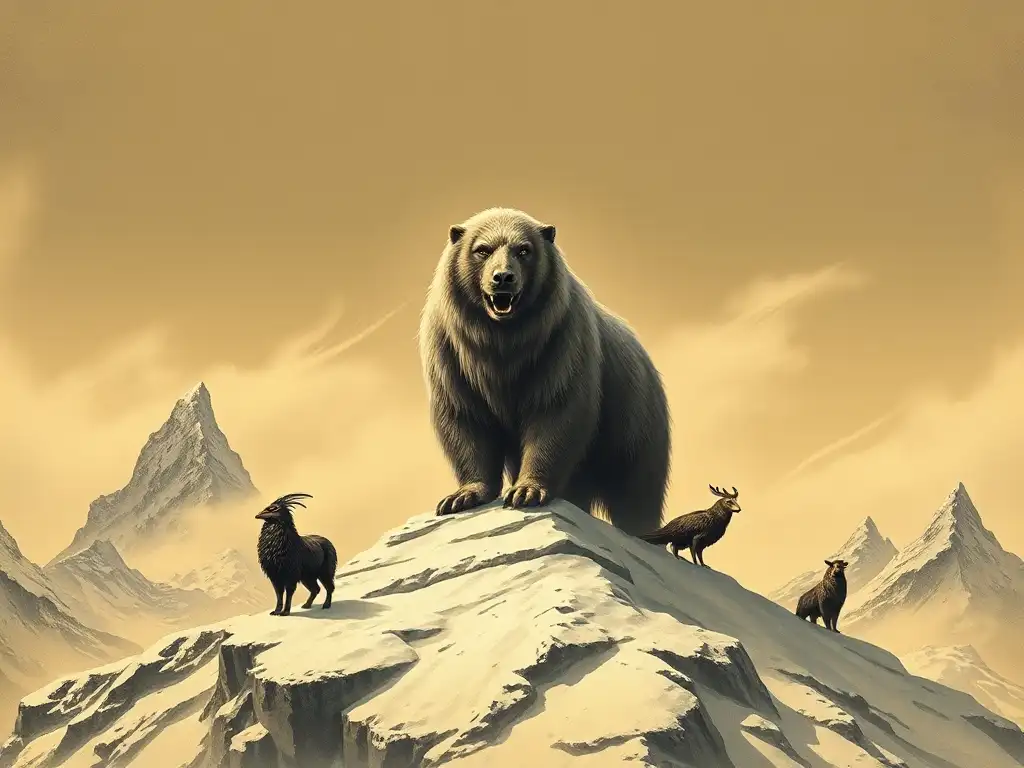
The Ukumari, often described as a powerful bear-like spirit inhabiting the high Andes, holds a unique place within the complex tapestry of Andean supernatural beliefs. Understanding its role requires comparing it to other significant entities within the Andean pantheon. While diverse interpretations exist across different Andean cultures and time periods, certain recurring themes allow for meaningful comparisons and highlight the Ukumari's distinct characteristics.
Analyzing these similarities and differences illuminates the nuanced understanding of the Andean cosmovision and its diverse spiritual landscape. The keyword "Ukumaris Andean mountain spirits" is intrinsically linked to this comparative analysis, as understanding the Ukumari's place relative to other spirits clarifies its specific significance.
Contrasting Ukumaris with the Amaru
The Amaru, a serpentine deity often associated with water, fertility, and sometimes chaos, presents a stark contrast to the Ukumari. While both are powerful beings, their domains and symbolic representations differ significantly. The Amaru, often depicted with feathered or scaled features, is primarily associated with the lowlands and waterways, embodying the fluidity and generative power of nature. Conversely, the Ukumari, with its bear-like form, is strongly linked to the rugged, high-altitude terrain of the Andes, representing strength, resilience, and the untamed power of the mountains.
Their contrasting habitats reflect their distinct roles in the Andean worldview. The Amaru's association with creation and life's cycles contrasts with the Ukumari's often more ambiguous, sometimes fearsome, presence. While the Amaru might be revered as a benevolent force, the Ukumari often inspires a sense of awe mixed with caution, reflecting the unpredictable nature of the high Andean environment.
Similarities and Differences Between Ukumaris and the Condor
The condor, a majestic bird of prey revered throughout the Andes, shares some symbolic parallels with the Ukumari, yet also exhibits key differences. Both are powerful creatures associated with the high altitudes and represent strength and dominance within their respective ecological niches. Both are also sometimes depicted as guardians or protectors of specific territories or sacred sites.
However, the condor's association with the sun, flight, and celestial realms distinguishes it from the more earthbound Ukumari. The condor's soaring presence symbolizes freedom and spiritual elevation, whereas the Ukumari's terrestrial nature emphasizes its connection to the physical world and its raw, untamed power.
Furthermore, while the condor often represents a more benevolent force, the Ukumari's power can be both constructive and destructive, depending on the context and the specific beliefs of the community. This difference highlights the complex and nuanced nature of Andean spiritual beliefs, where even seemingly similar figures hold distinct roles and symbolic meanings.
The Unique Position of the Ukumari within the Andean Pantheon
The Ukumari's unique position within the Andean pantheon stems from its embodiment of the wild, unpredictable forces of the high Andes. Unlike deities with clearly defined roles and responsibilities, the Ukumari's influence is often more ambiguous and context-dependent. It can be a powerful protector, a fearsome adversary, or a potent symbol of the untamed natural world.
This ambiguity reflects the challenges and uncertainties inherent in life at high altitudes, where survival necessitates a deep understanding of and respect for the environment's unpredictable power. The Ukumari's lack of a rigidly defined role allows for a flexible interpretation, making it a powerful and adaptable symbol that resonates across different Andean cultures and time periods. Its enduring presence in Andean folklore highlights its significance as a potent symbol of the mountain's power and the enduring human relationship with the challenging but rewarding high-Andean landscape.
The enduring presence of Ukumari stories and legends underscores its lasting impact on the Andean cultural consciousness, solidifying its unique position within the pantheon of Andean supernatural beings. Further research into specific regional variations in Ukumari beliefs would further illuminate its multifaceted role in the Andean cosmovision.
Understanding the Significance of the Ukumari
The Ukumaris, often described as bear-like spirits inhabiting the high Andes mountains, hold a position of profound significance within the complex tapestry of Andean spirituality. These powerful entities are not simply mythical creatures; they represent a deep connection between the indigenous populations and their environment, embodying the raw power and mystery of the mountainous landscape. Understanding the Ukumaris requires moving beyond a simplistic interpretation of "mountain spirits" and delving into the nuanced roles they play in Andean cosmology, mythology, and daily life.
Their influence permeates various aspects of Andean culture, from agricultural practices and healing rituals to artistic expression and social structures. The reverence for the Ukumari underscores the inherent respect for the natural world that characterized many Andean civilizations, a respect that continues to resonate today.
This section will explore the multifaceted nature of the Ukumari, examining their symbolic importance and their lasting impact on Andean culture and beliefs. The term "Ukumari Andean mountain spirits" accurately reflects their essence, emphasizing their supernatural nature and mountainous habitat.
Why are Ukumaris Important to Andean Culture?
The Ukumari's importance to Andean culture stems from their perceived control over vital resources and their embodiment of natural forces. Considered guardians of the mountains, they are believed to influence weather patterns, animal populations, and the success of agricultural endeavors. Farmers, for instance, might offer prayers and sacrifices to appease the Ukumari, seeking their blessings for a bountiful harvest. This belief system fosters a symbiotic relationship between humans and the natural world, emphasizing the interconnectedness of all living things.
Furthermore, the Ukumari's strength and ferocity are often associated with protection and power. Shamans and healers might invoke the Ukumari's spirit during rituals, seeking its assistance in healing the sick or warding off evil spirits. Their presence in Andean folklore underscores their integral role in shaping the worldview and spiritual practices of the indigenous communities.
Oral traditions, passed down through generations, vividly depict Ukumaris as both benevolent protectors and potentially dangerous entities, depending on how they are treated and respected. Understanding this duality is key to grasping the complexities of Ukumari symbolism within Andean culture. The reverence for these Ukumaris Andean mountain spirits reflects a deeply rooted spiritual connection to the environment, a connection that transcends mere superstition and forms the foundation of a rich and complex cultural heritage.
The Ukumari as a Symbol of Balance and Harmony with Nature
The Ukumari serves as a potent symbol of the delicate balance between humanity and the natural world in Andean cosmology. Their presence in the high mountains, a realm often associated with both power and danger, reflects the inherent risks and rewards associated with living in such a challenging environment. The successful navigation of this environment, dependent on careful observation of natural cycles and respectful interaction with the ecosystem, is mirrored in the Ukumari's role as a powerful force that can both bestow blessings and inflict harm.
This highlights the importance of maintaining harmony with nature, a theme central to many Andean worldviews. The Ukumari's representation in art, often depicted with both human and animal characteristics, further emphasizes this interconnectedness. These depictions, found in textiles, pottery, and other artifacts, vividly illustrate the blurred lines between the human and spirit realms, reinforcing the belief in the spiritual potency of the natural world.
The ongoing study of these artistic representations provides invaluable insights into the evolving understanding and interpretation of the Ukumari throughout different Andean cultures and historical periods. The Ukumari, therefore, transcends its role as a mere supernatural being, becoming a symbol of the harmonious coexistence between humanity and the powerful forces of nature. The concept of "Ukumari Andean mountain spirits" encapsulates this profound spiritual and ecological relationship.
Preserving the Legacy of the Ukumari: Conservation and Cultural Awareness
Preserving the legacy of the Ukumari requires a multifaceted approach that combines conservation efforts with the promotion of cultural awareness. The continued existence of the Andean ecosystems, the Ukumari's natural habitat, is crucial for the survival of both biodiversity and cultural heritage. Protecting these fragile environments through sustainable practices is therefore paramount.
This includes combating deforestation, promoting responsible tourism, and supporting local communities in their efforts to manage their natural resources. Furthermore, fostering cultural awareness through education and public outreach programs is essential for ensuring that the rich traditions associated with the Ukumari are passed down to future generations. This involves supporting research on Andean mythology and folklore, encouraging the preservation of oral traditions, and promoting respectful engagement with indigenous communities.
The preservation of the Ukumari's legacy is not merely an academic pursuit; it is a vital step towards recognizing the interconnectedness of culture, spirituality, and environmental sustainability. By actively working to protect both the Andean ecosystems and the cultural knowledge associated with the Ukumari Andean mountain spirits, we can help ensure that this powerful symbol of Andean heritage continues to inspire and enrich future generations.
Frequently Asked Questions
What are Ukumaris?
Ukumari are mythical Andean mountain spirits, often depicted as bear-like creatures. They are deeply ingrained in the beliefs and traditions of several Andean cultures, influencing their worldview and practices. Their significance varies across different groups.
Where did the belief in Ukumaris originate?
The belief in Ukumaris is rooted in the Andean worldview, spanning across various ancient cultures including the Inca, pre-Inca, and other indigenous groups of the Andes Mountains. Their presence is woven into the fabric of Andean mythology and folklore.
What role do Ukumaris play in Andean culture?
Ukumari are often seen as powerful guardians of the mountains, their natural resources, and the people who inhabit those regions. They are both feared and revered, with offerings made to ensure their favor and avoid their wrath.
How are Ukumaris depicted in Andean art and stories?
Ukumari are frequently depicted in Andean art and textiles as bear-like figures, sometimes with human-like features. Stories about them often emphasize their connection to the mountains, their strength, and their unpredictable nature.
How does the belief in Ukumaris relate to the broader Andean cosmology?
The Ukumaris are integral to the complex Andean cosmology, representing the powerful forces of nature and the spiritual world. Their presence highlights the deep connection between the Andean people and their environment, reflecting a spiritual understanding of the mountains and their significance.
Final Reflection: Echoes of the Ukumaris in a Changing World
The enduring presence of the Ukumaris, those powerful bear-like spirits of the Andes, serves as a potent reminder of the intricate relationship between humanity and the natural world. Their continued influence underscores the urgent need for environmental stewardship and a renewed respect for indigenous knowledge systems in the face of climate change and modernization. The stories surrounding these mythical beings are not mere folklore; they are living testaments to a deep connection with the mountains and a profound understanding of ecological balance.
The Ukumaris' enduring legacy compels us to confront the consequences of our actions on the fragile Andean ecosystem. Their stories, passed down through generations, offer invaluable insights into sustainable living and harmonious coexistence with nature. The mountains are not just stones, but living beings with their own spirits and voices,
a Quechua elder once told me, a sentiment that encapsulates the profound respect embedded within the Ukumaris' mythology. This respect, sadly, is often overlooked in the relentless pursuit of progress, leading to environmental degradation and the erosion of indigenous cultures.
Consider the narratives of the Ukumaris, their protective nature, and their connection to the land. Let their stories resonate within you, prompting a deeper understanding of the interconnectedness of all living things. You, too, can be a guardian of the mountains, a protector of the environment, and a champion of indigenous wisdom. Embrace the lessons woven into these ancient myths and actively participate in creating a future where the echoes of the Ukumaris continue to inspire reverence for the natural world and a commitment to sustainable practices.
Unveil the Mysteries of the Ukumaris!
Thank you for exploring the rich tapestry of Andean culture with us! You've discovered the fascinating world of the Ukumaris, the bear-like spirits embodying the spirit of the high Andes. Now, let's delve even deeper!
**Here's how you can further connect with the spirit of the Ukumaris:**
- **Immerse yourself in local Andean culture:** Visiting a community in the Andes will allow you to experience the traditions and stories surrounding the Ukumaris firsthand. You'll gain a deeper understanding of their significance within the community.
- **Share your newfound knowledge:** Discuss the Ukumaris and their role in Andean spirituality with friends, family, or in online forums. Sharing your insights helps spread awareness and appreciation for this fascinating aspect of Andean culture.
- **Continue your exploration:** Further research into Andean mythology and spirituality will enrich your understanding of the Ukumaris and their place within the broader cultural context. There are many excellent resources available to deepen your knowledge.
As you reflect on your journey of discovery, consider this: **How can the resilience and wisdom associated with the Ukumaris inspire your own life? ** We'd love to hear your thoughts!