
The Spirit of the Andes: How Andean Beliefs Shaped Their Buildings

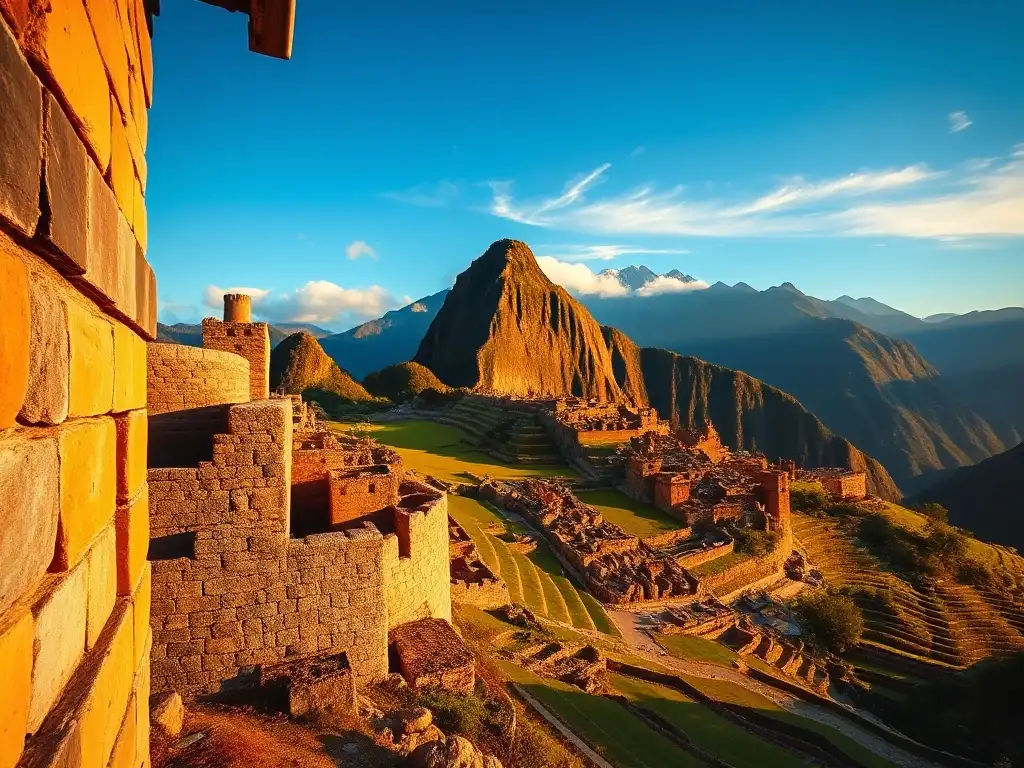
Welcome, explorer! Prepare to journey into the heart of the Andes, where towering mountains mirrored the aspirations of a civilization unlike any other. Discover how Andean beliefs, architecture, and influence intertwined, shaping not just magnificent structures, but the very essence of these ancient societies. Unravel the mysteries behind their breathtaking ingenuity and unearth the spiritual significance woven into every stone – a legacy that continues to resonate today. Dare to delve deeper into the captivating world of Andean architecture and uncover its secrets.
The majestic ruins of Machu Picchu, the intricate Nazca Lines, the monumental structures of Tiahuanaco – these iconic landmarks of the Andes are not merely feats of engineering; they are tangible expressions of a profound and complex worldview. This article delves into the fascinating interplay between Andean beliefs and their architectural achievements, exploring how a deeply spiritual cosmology shaped the design, construction, and purpose of their buildings.
We will investigate how their understanding of the cosmos, their reverence for sacred geography, and their deification of mountains directly influenced the architectural landscape of the Andes, leaving behind a legacy of awe-inspiring structures that continue to resonate today. Understanding the spirit behind the stones is key to appreciating the true ingenuity and artistry of Andean civilizations.
This exploration will reveal how deeply intertwined their spiritual beliefs were with their practical construction techniques, showcasing the holistic approach to life that characterized these remarkable cultures. We will examine specific examples to illustrate the profound influence of Andean beliefs on architecture, using the keyword "Andean beliefs architecture influence" to highlight the core theme of this investigation.
Andean Cosmovision and its Impact on Construction
Andean cosmovision, a complex system of beliefs encompassing the relationship between humans, nature, and the supernatural, profoundly influenced construction practices. The Andean worldview was not a dualistic one separating the spiritual and material realms; rather, these realms were interwoven, with the sacred permeating the everyday. This holistic perspective meant that buildings were not simply shelters but rather physical manifestations of their spiritual beliefs.
For example, the careful alignment of structures with celestial bodies, such as the sun and stars, demonstrates the importance of astronomical observation and its integration into architectural design. The use of specific materials, like particular stones believed to possess special powers, further emphasizes the spiritual significance imbued within their buildings.
Detailed records of the specific rituals and ceremonies involved in the construction process are scarce, but archaeological evidence consistently points towards a deeply ritualistic approach to building, suggesting that the act of construction itself was a sacred act. The meticulous craftsmanship evident in Andean architecture is not only a testament to their technical skills but also a reflection of their deep spiritual commitment.
The Role of Sacred Geography in Andean Architecture
The selection of building sites was far from arbitrary. Andean civilizations carefully chose locations based on their perceived spiritual significance. Mountains, rivers, springs, and other geographical features were not simply elements of the landscape but were considered sacred entities, imbued with spiritual power.
Cities and ceremonial centers were often built in locations that were considered energetically powerful, aligning structures with natural features to harness these forces. The integration of natural elements into the design, such as the incorporation of local flora and fauna into decorative motifs, further emphasizes the close relationship between architecture and the surrounding environment. This approach reveals a deep respect for the land and a recognition of its inherent sacredness.
The strategic positioning of buildings, often on elevated vantage points offering views of surrounding sacred sites, underscores the importance of landscape in the Andean worldview. This deliberate integration of sacred geography into architectural planning demonstrates the holistic nature of Andean society, where the built environment was seamlessly integrated into the broader spiritual landscape.
Mountains as Deities: Building Towards the Heavens
Mountains held a central place in the Andean worldview, often considered sacred deities or apus. These majestic peaks were believed to be the dwelling places of powerful spirits, and their presence profoundly influenced architectural design. Many structures were built to emulate the shape and grandeur of mountains, creating a visual connection between the earthly realm and the divine.
The use of stone, a material closely associated with the mountains themselves, further reinforces this connection. The monumental scale of certain structures, like those found in Tiahuanaco, suggests an attempt to reach towards the heavens, mirroring the imposing presence of the mountains. Furthermore, the orientation of buildings towards specific mountains, or the incorporation of mountain imagery into decorative motifs, further demonstrates the profound reverence for these sacred entities.
The relationship between Andean architecture and mountain worship highlights the close connection between the human world and the spiritual realm, demonstrating how Andean beliefs shaped their built environment in profound and meaningful ways. The very act of building was a form of worship, a tangible expression of their spiritual beliefs.
Water as a Life Source: Integrating Canals and Aqueducts
Water, a sacred element in Andean cosmology, wasn't merely a resource; it was the lifeblood of their civilization. Andean beliefs deeply intertwined the concept of water with fertility, prosperity, and spiritual renewal. This reverence is profoundly reflected in their architectural achievements. The intricate canal systems and aqueducts, marvels of engineering, weren't just functional; they were deeply symbolic.
They represented the flow of life itself, carefully channeled and managed to nourish both the land and the people. The precise alignment and construction of these systems showcased a sophisticated understanding of hydraulics, but also a profound respect for the spiritual significance of water. Consider the ingenious network of canals in the Inca empire, which not only irrigated vast agricultural terraces but also served as a vital transportation network, connecting communities and facilitating trade. These weren't simply irrigation ditches; they were living arteries, pulsating with the sacred energy of water, a testament to the profound connection between Andean beliefs and their built environment.
The careful planning and construction, often involving massive earthworks and stone channeling, underscore the importance placed on this life-giving resource. The integration of water features into urban planning, such as fountains and ritual baths, further illustrates this deep-seated respect for water's vital role in both the physical and spiritual well-being of Andean society. The sheer scale and sophistication of these water management systems speak volumes about the Andean worldview and its influence on their architecture.
The Sun and Moon: Aligning Structures with Celestial Cycles
The Andean worldview was deeply rooted in celestial observation and a profound understanding of the sun and moon's cycles. Their beliefs centered on the sun as a powerful deity, a source of life and energy. This reverence is clearly evidenced in the orientation and design of numerous Andean structures. Many buildings, including temples and ceremonial centers, were meticulously aligned with the solstices and equinoxes, reflecting a sophisticated knowledge of astronomy and a desire to harmonize their built environment with the cosmos.
For instance, the precise alignment of Machu Picchu with the sunrise and sunset on significant dates demonstrates a deep understanding of celestial movements. This wasn't mere coincidence; it was a deliberate act of aligning the sacred space with the divine forces of the sun. Similarly, the positioning of windows and doorways in many Andean buildings suggests a conscious effort to harness the sun's energy, both for practical purposes (like lighting and heating) and for symbolic reasons, channeling the sun's power into the heart of the structure.
The intricate carvings and decorations on many buildings often depicted solar and lunar motifs, further reinforcing the importance of these celestial bodies in the Andean worldview and their influence on architectural design. The alignment of structures with celestial cycles wasn’t solely a matter of practical astronomy; it was a profound spiritual act, connecting the earthly realm with the divine through the careful positioning of buildings within the cosmic landscape. This deliberate integration of astronomical knowledge into architecture highlights the profound influence of Andean beliefs on their built environment.
Andean Beliefs and the Use of Specific Materials
The selection of building materials in Andean architecture wasn't arbitrary; it was deeply influenced by their spiritual beliefs and cosmology. Specific materials held significant symbolic meaning, reflecting the Andean worldview and their connection with nature. Stone, for example, was often considered a sacred material, representing permanence, strength, and resilience. The careful selection, shaping, and placement of stones in structures like the monumental walls of Sacsayhuamán demonstrate a deep respect for the material itself and its symbolic power.
Furthermore, the use of different types of stone, often incorporating multiple colors and textures, could have held symbolic significance, representing different aspects of the Andean worldview or the specific deity associated with a particular building. Beyond stone, other materials such as wood, adobe, and thatch also held specific meanings within the Andean belief system. Wood, for instance, might represent growth and fertility, while adobe could symbolize the earth itself.
The combination of these materials in various architectural forms also carried symbolic weight, reflecting the complex interplay of different forces and beliefs within the Andean cosmology. The careful craftsmanship and the symbolic choices made in material selection reflect the deeply spiritual nature of Andean architecture, where every aspect of construction was imbued with meaning and significance, demonstrating the powerful influence of their beliefs on the very fabric of their built world. Understanding these material choices provides invaluable insight into the Andean worldview and its profound impact on their architecture.
The Symbolic Significance of Stone in Andean Construction
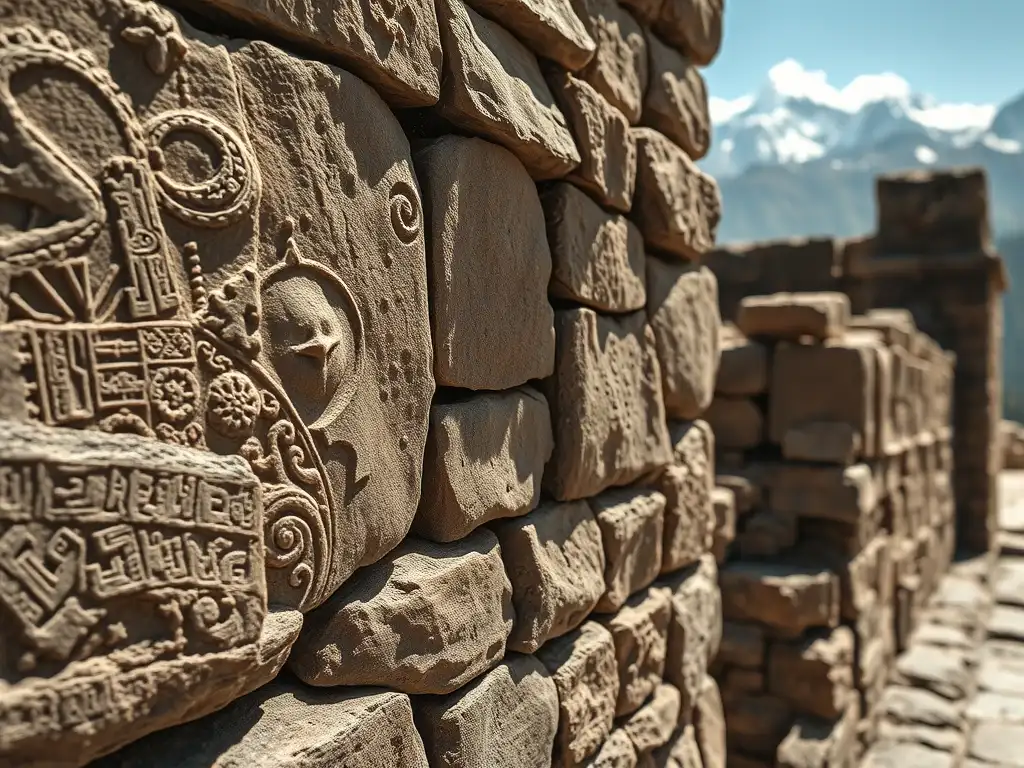
Stone, particularly andesite and other volcanic rocks readily available in the Andes Mountains, held profound symbolic significance for Andean cultures. It wasn't merely a building material; it represented the enduring strength and permanence of the cosmos, mirroring the mountains themselves which were considered sacred. The meticulous craftsmanship evident in Inca stonework, with its incredibly precise fitting of stones without mortar, wasn't just a display of technical prowess.
It was a ritualistic act, a way of aligning the built environment with the spiritual world. The very act of shaping and placing each stone was imbued with meaning, connecting the builders to the ancestral spirits and the power of the earth. This is vividly illustrated in sites like Machu Picchu, where the stones seem almost impossibly interlocked, reflecting the Andean worldview of a harmonious universe.
The choice of specific stones, their color, and even the direction they faced likely held further symbolic meaning, though the precise details are often lost to time, requiring further archaeological investigation. The enduring nature of these stone structures further emphasized their connection to the enduring spirit of the Andes. The longevity of these structures served as a tangible testament to the Andean belief in the cyclical nature of time and the continuity of life.
Adobe and Earth: Connecting Buildings to the Pachamama
In contrast to the monumental stone architecture of the Inca, many Andean cultures, particularly those in drier regions, extensively utilized adobe and earth in their construction. This wasn't simply a matter of practicality; earth and adobe were deeply connected to the Pachamama, the Andean earth mother goddess. Building with earth was a direct act of communion with this powerful deity, a way of grounding structures in the life force of the land.
The very act of mixing the earth, water, and sometimes organic materials to create adobe bricks was a ritualistic process. The resulting structures, often painted in vibrant colors, were not merely buildings but extensions of the earth itself, intimately linked to the fertility and well-being of the community. The use of earth tones and the incorporation of natural elements further reinforced this connection.
For instance, the integration of agricultural terraces into the landscape seamlessly blended human-made structures with the natural environment, reflecting a holistic worldview that emphasized the interconnectedness of humanity and nature. This symbiosis of architecture and landscape demonstrates a deep respect for the Pachamama and her vital role in Andean life. The shapes and forms of these adobe structures, often reflecting local geographical features, also contributed to their symbolic significance, further highlighting the relationship between the built environment and the surrounding landscape.
The Role of Colors and Pigments in Andean Belief Systems
Color played a crucial role in Andean belief systems, influencing not only clothing and textiles but also the architecture. Different colors were associated with specific deities, energies, and concepts. For example, red might represent the blood of sacrifice and the earth's fertility, while yellow could symbolize the sun and its life-giving power.
The use of these colors in painting and decorating buildings wasn't arbitrary; it served to imbue the structures with spiritual potency and meaning. The pigments themselves, often derived from natural sources like minerals and plants, further enhanced this connection to the earth and its resources. The intricate designs and patterns painted on walls and other architectural elements weren't merely decorative; they often conveyed complex narratives and symbolic meanings, reflecting the cosmology and mythology of the respective Andean cultures.
The careful application of these pigments, often requiring specialized knowledge and skills, underscores the importance placed on this aspect of Andean construction. While the specific meanings of many color combinations remain subject to ongoing research and interpretation, the significance of color in Andean architecture is undeniable, revealing a sophisticated understanding of symbolism and its power to connect the physical world with the spiritual realm. The vibrant hues found in surviving Andean structures continue to resonate with the spirit of the Andes, a testament to the enduring power of color symbolism in Andean culture.
Examples of Andean Architecture Reflecting Beliefs
Andean beliefs profoundly impacted their architectural designs. Their worldview, deeply connected to the natural world and the spiritual realm, manifested in the careful placement, orientation, and construction of their buildings. These weren't merely structures for shelter; they were expressions of their cosmology, reflecting their understanding of the universe and their place within it. The integration of astronomical alignments, the use of specific materials believed to possess spiritual power, and the incorporation of symbolic motifs all contribute to this understanding.
For example, the precise positioning of many structures to align with solstices and equinoxes demonstrates a sophisticated understanding of astronomy and its religious significance. This wasn't accidental; it was a deliberate act of aligning the built environment with the celestial cycles, reflecting the deep connection between the earthly and heavenly realms. Furthermore, the choice of materials—like specific types of stone believed to possess unique energy or the use of gold and silver for ornamentation—reinforces the sacred nature of these architectural creations.
The meticulous craftsmanship evident in these structures also suggests a deep reverence for the process of building itself, viewing it as a sacred act rather than simply a practical undertaking. The Andes are full of such examples, from small village structures to monumental ceremonial centers, all echoing the spiritual beliefs of their creators. The enduring legacy of these buildings is a testament to the power of belief in shaping not only culture but also the physical landscape.
The Temple of the Sun and its Religious Significance
The Temple of the Sun at the Inca site of Ollantaytambo stands as a powerful example of Andean architecture reflecting religious beliefs. Its imposing structure, built from massive, precisely cut stones, is believed to have served as a central point for religious ceremonies and rituals. The temple's orientation, meticulously aligned with the sun's movements, points to the importance of solar worship in Inca cosmology.
The Inca believed the sun, Inti, to be a powerful deity, the source of life and energy. The temple's design, therefore, served not only as a place of worship but also as a physical manifestation of their belief in the sun's power. The use of specific materials, like the richly colored stones, may also have held symbolic meaning, perhaps representing the earth's bounty and the connection between the earthly and spiritual realms.
Scholars continue to debate the precise functions of different areas within the complex, but the overall design clearly points to a central role in religious practice. The temple's grandeur and its strategic placement within the Ollantaytambo complex further emphasize its importance as a sacred site, a testament to the Inca's reverence for their sun god and their profound belief in the power of their religious practices. The intricate carvings and detailed masonry work further exemplify the dedication and skill invested in creating this sacred space, reflecting the deep spiritual significance attributed to the structure.
Machu Picchu: Sacred City and Andean Cosmology
Machu Picchu, the iconic Inca citadel, is not merely a breathtaking feat of engineering; it is a powerful representation of Andean cosmology and beliefs. Its location, perched high in the Andes Mountains, suggests a deliberate choice to connect the city with the sacred realm. The careful placement of buildings, their alignment with astronomical events, and the intricate network of terraces all contribute to its spiritual significance. The city's layout appears to be intentionally designed to mirror the Andean worldview, reflecting their understanding of the cosmos and their relationship with nature.
The agricultural terraces, for instance, demonstrate a deep respect for the land and its ability to provide sustenance, reflecting the importance of agriculture in Inca society and its connection to the spiritual world. The presence of religious structures within the city, such as the Intihuatana stone, further emphasizes the sacred nature of Machu Picchu. The Intihuatana, believed to be a sundial used for astronomical observations and religious ceremonies, highlights the importance of celestial events in Inca beliefs.
Machu Picchu's design was not solely driven by practical needs; it was a carefully planned representation of the Inca's spiritual beliefs and their intimate relationship with the Andes Mountains and the cosmos. The city's enduring mystery and its remarkable preservation serve as a testament to the power of Andean beliefs in shaping their built environment and their legacy for future generations. The precise integration of astronomy, agriculture, and religious practice into the urban design underscores the holistic nature of Andean belief systems.
Tiahuanaco: Monumental Architecture and Spiritual Concepts
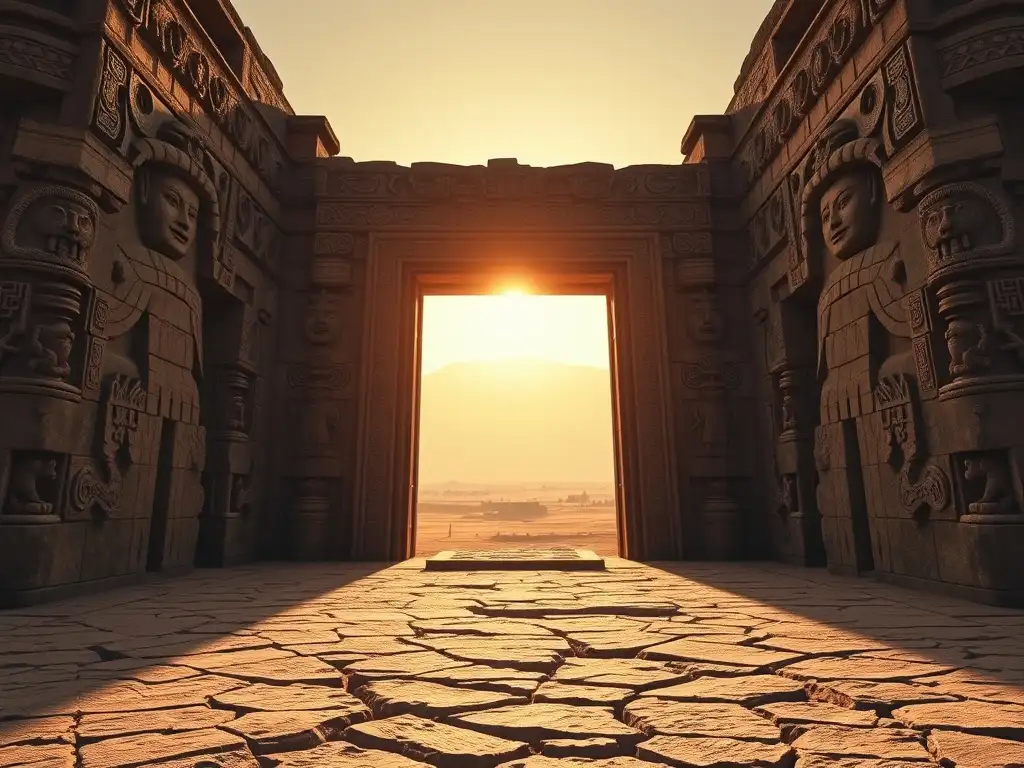
The monumental architecture of Tiahuanaco, a pre-Columbian civilization flourishing in the Andes around 1500-1100 BCE, profoundly reflects their sophisticated cosmology and spiritual beliefs. Their city, situated near Lake Titicaca, was meticulously planned, with structures aligned to astronomical events, demonstrating a deep understanding of the celestial bodies and their influence on earthly life. The famous Puerta del Sol (Sun Gate), for example, is intricately carved with figures interpreted as representing deities and cosmological concepts. The precise astronomical alignment of this gate and other structures suggests a deliberate attempt to integrate the sacred and the profane, blurring the lines between the earthly and the spiritual realms.
This integration wasn't merely symbolic; it was functional. The placement of buildings, their orientation, and even the materials used likely held specific spiritual significance, reflecting a worldview where the natural and supernatural were intertwined. The scale of the constructions, such as the Akapana pyramid, also speaks to the power and authority of the priestly class and their role in mediating between the earthly and spiritual worlds.
The sheer effort invested in these monumental projects underscores the importance of religious beliefs in shaping Tiahuanaco's society and its built environment. Careful study of the site continues to reveal new insights into the sophisticated spiritual beliefs that underpinned Tiahuanaco's architectural achievements. Further research into the iconography and the precise astronomical alignments promises to unlock even more secrets about the profound connection between Andean beliefs and their architectural legacy.
The Influence of Andean Beliefs on Modern Architecture
While separated by centuries, the echoes of Andean beliefs continue to resonate in modern architecture. The principles of harmony with nature, a central tenet of Andean spirituality, find expression in sustainable design practices and bioclimatic architecture. Modern architects increasingly emphasize the integration of buildings with their surrounding environment, mirroring the Andean approach of aligning structures with natural features and celestial rhythms.
The use of locally sourced materials, a common practice in Andean construction, is gaining traction in contemporary sustainable building, reducing environmental impact and promoting regional identity. Moreover, the emphasis on community and collective action in traditional Andean societies finds a parallel in contemporary participatory design approaches, where architects engage with local communities to create spaces that reflect their cultural values and needs. The enduring appeal of traditional Andean motifs and patterns in contemporary art and design also demonstrates the lasting influence of Andean aesthetics.
This influence is not a mere stylistic borrowing; it represents a deeper engagement with the principles of harmony, community, and respect for nature that underpinned Andean architectural traditions. The revival of traditional construction techniques, such as rammed earth or stone masonry, in modern projects also highlights the continuing relevance of ancient Andean practices in addressing contemporary challenges.
Preserving the Andean Architectural Legacy
Preserving the Andean architectural legacy necessitates a multi-pronged approach combining archaeological research, conservation efforts, and community engagement. Careful documentation of existing structures, including detailed surveys and photographic records, is crucial for understanding their construction techniques and historical significance. Conservation efforts must prioritize the use of traditional materials and techniques whenever possible, ensuring the authenticity and longevity of these sites. This requires specialized training and collaboration between archaeologists, architects, and local communities.
Furthermore, engaging local communities in the preservation process is vital for ensuring the long-term sustainability of these projects. Their knowledge of traditional building practices and their deep connection to these sites are invaluable assets in conservation efforts. Educational initiatives aimed at raising awareness about the importance of Andean architecture are also crucial for fostering a sense of ownership and responsibility towards these cultural treasures.
This includes developing educational programs and promoting tourism that respects the integrity of these sites and benefits local communities. The preservation of Andean architectural heritage is not merely about protecting physical structures; it is about safeguarding a rich cultural legacy that continues to inspire and inform contemporary practices. A holistic approach, encompassing research, conservation, and community engagement, is essential for ensuring the long-term survival of these remarkable achievements.
Contemporary Interpretation of Andean Building Techniques
Contemporary interpretations of Andean building techniques often focus on understanding the holistic approach of these ancient cultures. Rather than viewing construction solely as a practical endeavor, scholars now recognize the deep spiritual and cosmological significance woven into every aspect of the process. The meticulous selection of materials, the precise orientation of structures, and the intricate designs all reflect a sophisticated understanding of the relationship between the human world and the cosmos. For example, the use of specific stones, believed to possess unique energetic properties, wasn't merely a matter of availability; it was a deliberate choice intended to imbue the building with specific spiritual qualities.
Furthermore, the alignment of buildings with celestial events, such as solstices and equinoxes, suggests a profound awareness of the cyclical nature of time and the importance of harmonizing human constructions with the natural world. This holistic perspective challenges modern construction practices that often prioritize efficiency and functionality over spiritual and environmental considerations. Researchers are increasingly exploring the potential for integrating these ancient principles into contemporary architecture, seeking to create buildings that are not only functional but also resonate with a deeper sense of place and purpose.
The study of ancient Andean construction offers a valuable lesson in sustainable and spiritually-conscious design, reminding us of the profound connection between human beings and their environment. Further research is needed to fully understand the nuanced techniques and the spiritual significance embedded within them, but the initial findings are truly remarkable. The intricate stonework, for instance, often reveals a level of precision that surpasses modern expectations, highlighting the mastery of these ancient builders.
The Enduring Impact of Andean Spirituality on Construction
The enduring impact of Andean spirituality on construction is evident even today. While the Inca Empire and other Andean civilizations are long gone, their architectural legacy continues to inspire awe and wonder. The principles of harmony with nature, the integration of spiritual beliefs into design, and the emphasis on community are all themes that resonate strongly with contemporary architects and designers seeking more sustainable and meaningful building practices. The enduring appeal of Andean architecture lies not only in its aesthetic beauty but also in its profound connection to the land and its people.
Many modern architects are drawing inspiration from Andean principles, incorporating elements such as natural materials, sustainable building techniques, and a focus on community engagement into their projects. This renewed interest reflects a growing recognition of the limitations of purely functionalist approaches to architecture and a desire to create spaces that foster a sense of connection and belonging. The integration of traditional Andean knowledge with modern technologies could lead to innovative and sustainable building solutions. For example, studying the Inca's mastery of earthquake-resistant construction techniques could inform the design of more resilient structures in seismically active regions.
Furthermore, understanding the Andean approach to resource management and environmental stewardship could contribute to more sustainable building practices globally. The legacy of Andean spirituality in construction serves as a powerful reminder of the importance of considering the broader social, cultural, and environmental contexts when designing and building structures. It encourages a more holistic approach that integrates spiritual and ecological considerations alongside functional requirements, creating buildings that are not only beautiful and functional but also deeply meaningful and sustainable. The continued study and application of these principles can lead to a more harmonious relationship between humans and their built environment.
- Andean Cosmovision and its Impact on Construction
- The Role of Sacred Geography in Andean Architecture
- Mountains as Deities: Building Towards the Heavens
- Water as a Life Source: Integrating Canals and Aqueducts
- The Sun and Moon: Aligning Structures with Celestial Cycles
- Andean Beliefs and the Use of Specific Materials
- The Symbolic Significance of Stone in Andean Construction
- Adobe and Earth: Connecting Buildings to the Pachamama
- The Role of Colors and Pigments in Andean Belief Systems
- Examples of Andean Architecture Reflecting Beliefs
- The Temple of the Sun and its Religious Significance
- Machu Picchu: Sacred City and Andean Cosmology
- Tiahuanaco: Monumental Architecture and Spiritual Concepts
- The Influence of Andean Beliefs on Modern Architecture
- Preserving the Andean Architectural Legacy
- Contemporary Interpretation of Andean Building Techniques
- The Enduring Impact of Andean Spirituality on Construction
- What role did religion play in Andean architecture?
- How did Andean beliefs influence city planning?
- What materials were commonly used in Andean construction, and why?
- Can you give examples of how Andean beliefs are reflected in specific buildings?
- How did Andean architectural styles vary across different cultures?
Frequently Asked Questions
What role did religion play in Andean architecture?
Andean beliefs were intimately tied to their architecture. Religious structures like temples and huacas (sacred places) were central to their societies, reflecting cosmological beliefs and honoring deities. Their design and placement were carefully considered.
How did Andean beliefs influence city planning?
Cosmological principles heavily influenced city planning. Cities were often designed to reflect the Andean worldview, mirroring the landscape and celestial bodies. This is evident in the layout of cities like Machu Picchu.
What materials were commonly used in Andean construction, and why?
Andean builders utilized readily available materials like stone, adobe, and wood. The choice of materials was often influenced by local resources and spiritual significance. Stone, for instance, was considered durable and sacred.
Can you give examples of how Andean beliefs are reflected in specific buildings?
The Inca's impressive stonework in Machu Picchu reflects their mastery of engineering and the sacred nature of their mountains. Similarly, the elaborate Nazca lines, though not buildings, express their sophisticated understanding of astronomy and cosmology.
How did Andean architectural styles vary across different cultures?
While sharing some common threads, Andean architectural styles varied significantly across cultures. The Inca's precise stonework contrasted with the Moche's intricate adobe constructions and the Tiahuanaco's monumental structures. Each reflected unique beliefs and societal structures.
Final Reflection: Echoes of the Andes in Stone and Spirit
The enduring legacy of Andean beliefs continues to resonate in the architectural marvels that grace the landscape, a testament to the profound connection between spirituality and the built environment. These structures, far from being mere shelters, stand as powerful symbols of a worldview that intertwined the sacred with the everyday, shaping not only the physical form of their cities but also the very fabric of Andean society. Their influence remains palpable, a silent witness to a rich and complex cultural heritage.
The impact of Andean cosmology on architecture is not simply a historical curiosity; it's a living thread woven into the cultural tapestry of the region. The intricate designs, the strategic placement of structures, and the symbolic use of materials all speak to a deep understanding of the cosmos and humanity's place within it. As the anthropologist, John Murra, once observed, The Inca empire was not just a political entity, but a complex system of reciprocal obligations, woven into the very fabric of their landscape and reflected in their architecture.
This understanding of interconnectedness, of the sacred within the mundane, continues to inspire awe and wonder.
Consider the echoes of these ancient beliefs in your own life. How do your surroundings shape your worldview? How might a deeper understanding of the relationship between spirituality and the built environment enrich your own appreciation for the spaces you inhabit? I invite you to look beyond the mere structures and see the stories they tell, the beliefs they embody, and the enduring legacy of the Andes that continues to shape our world. Let the spirit of the mountains inspire you to find meaning and connection in the spaces you create and inhabit.
Unveil the Wisdom of the Andes!
Thank you for exploring the profound connection between Andean beliefs and their remarkable architecture. Your interest in this rich cultural heritage is a wonderful starting point for deeper understanding and appreciation. Now, let's build on this foundation!
Here’s how you can continue your exploration:
- Dive Deeper: Expand your knowledge by visiting your local library, exploring online resources like academic journals and cultural websites, or even searching for documentaries on Andean spirituality and its impact on daily life.
- Share the Knowledge: Share this fascinating topic with friends and family, sparking conversations and spreading awareness of the wonders of Andean culture.
- Join a Community: Connect with others who share your interest. Look for local cultural events, online forums, or discussion groups focused on indigenous cultures of South America. Learning from others broadens perspectives and fosters a deeper understanding.
As you reflect on the ingenuity and wisdom of the Andean civilizations, consider this: **How can their sustainable architectural practices inspire innovative solutions in your own community? ** We are eager to hear your thoughts and ideas!