
Tambos: Rest Stops Along the Inca Roads

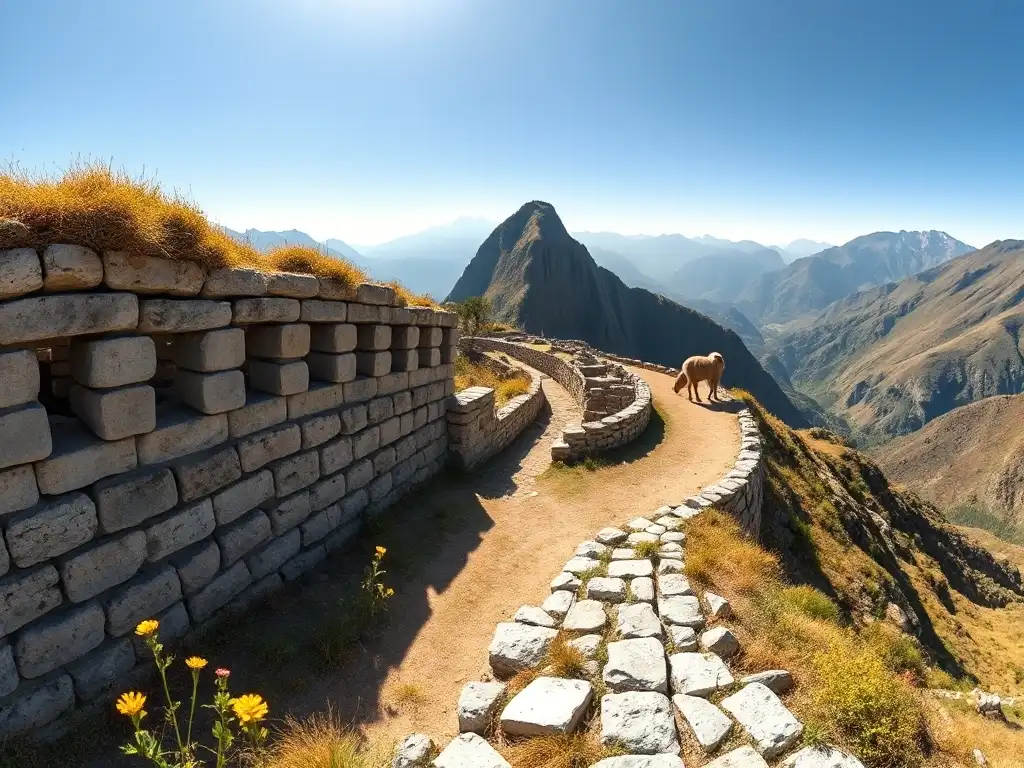
Unravel the mysteries of the Andes! Journey back in time to a world of breathtaking ingenuity and unparalleled artistry. For centuries, the Andean civilizations thrived, leaving behind a legacy etched in stone, woven into textiles, and carved into history. But what secrets lie hidden within the Inca road system and its strategically placed tambos? Discover the fascinating story behind these vital rest stops and unlock the ingenuity of the Inca Empire – your exploration begins now.
- Inca Road System Tambos: Vital Rest Stops of the Andean Empire
- Understanding the Inca Road Network and Its Infrastructure
- Tambos: Strategic Locations Along the Inca Roads
- Architectural Design and Functionality of Inca Tambos
- The Role of Tambos in the Inca Empire's Administration
- Tambos and the Daily Life of Inca Travelers
- Preservation and Archaeological Significance of Inca Tambos
- Legacy of the Inca Road System and its Tambos
- Frequently Asked Questions
- Final Reflection: Echoes of the Inca Road: Tambos and the Legacy of Connection
- Uncover the Magic of Tambos—Your Next Adventure Awaits!
Inca Road System Tambos: Vital Rest Stops of the Andean Empire
The Inca Empire, a marvel of pre-Columbian South America, achieved its vast territorial control and administrative efficiency partly through its impressive road network. Spanning thousands of miles across treacherous Andean terrain, this intricate system of roads connected distant provinces, facilitating the movement of armies, messengers, and goods. But the sheer scale of this infrastructure presents a crucial question: how did the Inca manage the logistical challenges of traversing such vast distances?
The answer lies in a network of strategically placed tambos, vital rest stops that played a critical role in the empire's success. This article delves into the fascinating world of Inca tambos, exploring their function, design, and significance within the context of the Inca road system, highlighting their importance in the expansion and consolidation of the Inca Empire.
Understanding the tambos is key to understanding the true extent of Inca ingenuity and the effectiveness of their imperial administration. We'll explore the role these strategically placed stations played in the efficient operation of the Inca road system, a testament to their advanced organizational capabilities.
The Function and Purpose of Tambos
Tambos served as much more than simple roadside inns. They were strategically located along the Qhapaq Ñan (the Inca road system) at intervals designed to allow for a day's travel between them. Their functions were multifaceted and crucial to the smooth operation of the empire. These included:
- Accommodation for travelers: Tambos provided shelter and rest for chasquis (runners who relayed messages), officials, soldiers, and other travelers traversing the Inca roads. This ensured the rapid and efficient communication and movement of personnel vital to the empire's functioning.
- Storage of supplies: Many tambos served as warehouses for storing food, tools, and other essential supplies needed for travelers and the empire's operations. This strategic storage prevented shortages and ensured the smooth flow of resources along the vast road network.
- Administrative centers: Some larger tambos also functioned as administrative centers, overseeing the management and maintenance of sections of the road network and collecting taxes from nearby communities. This centralized administration ensured the efficiency and effectiveness of the Inca road system.
- Religious significance: Evidence suggests that some tambos might have had religious significance, serving as places of worship or pilgrimage. This highlights the deeply intertwined nature of religion and the state's administrative structures within the Inca Empire.
Architectural Design and Variations of Tambos
The architecture of tambos varied depending on their location, size, and function. While some were simple structures, others were quite elaborate. Common features included:
- Stone construction: Many tambos were built using the characteristic Inca style of precisely cut and fitted stones, reflecting the empire's advanced architectural techniques. This ensured the durability and longevity of these crucial structures.
- Multiple buildings: Larger tambos often consisted of multiple buildings, including accommodation for travelers, storage rooms, and potentially administrative offices. The scale of these complexes underscores the importance of these rest stops within the Inca infrastructure.
- Defensive features: Some tambos, particularly those located in more remote or strategically important areas, incorporated defensive features such as walls or watchtowers. This indicates a concern for security and the protection of vital resources and personnel along the road network.
- Agricultural infrastructure: Many tambos were situated near agricultural lands, ensuring a ready supply of food for travelers and the tambos' inhabitants. This integration of agricultural production with the road network further highlights the sophisticated logistical planning of the Inca Empire.
The Role of Tambos in the Inca Road System's Success
The strategically placed tambos were integral to the success of the Inca road system. Their presence allowed for:
- Efficient communication: The chasquis could travel long distances by resting and replenishing supplies at the tambos, ensuring rapid communication across the vast empire. This facilitated swift responses to emergencies and efficient administrative control.
- Effective resource management: The storage of supplies at tambos prevented shortages and ensured a steady flow of resources throughout the empire. This logistical efficiency was crucial to the empire's ability to support its large population and extensive military.
- Improved trade and commerce: The tambos facilitated trade and commerce by providing safe and reliable resting places for merchants traveling along the Inca roads. This contributed to the economic prosperity and integration of the empire.
- Military mobilization: The tambos provided essential support for the Inca army, allowing for quick mobilization and deployment of troops across the empire. This facilitated the rapid response to rebellions or external threats.
The Inca road system, with its network of strategically placed tambos, stands as a remarkable feat of engineering and logistical planning. These rest stops were far more than simple accommodations; they were crucial components of a sophisticated system that undergirded the Inca Empire's power and longevity. Their study provides invaluable insights into the organizational capabilities and administrative efficiency that characterized this remarkable civilization.
Understanding the Inca Road Network and Its Infrastructure
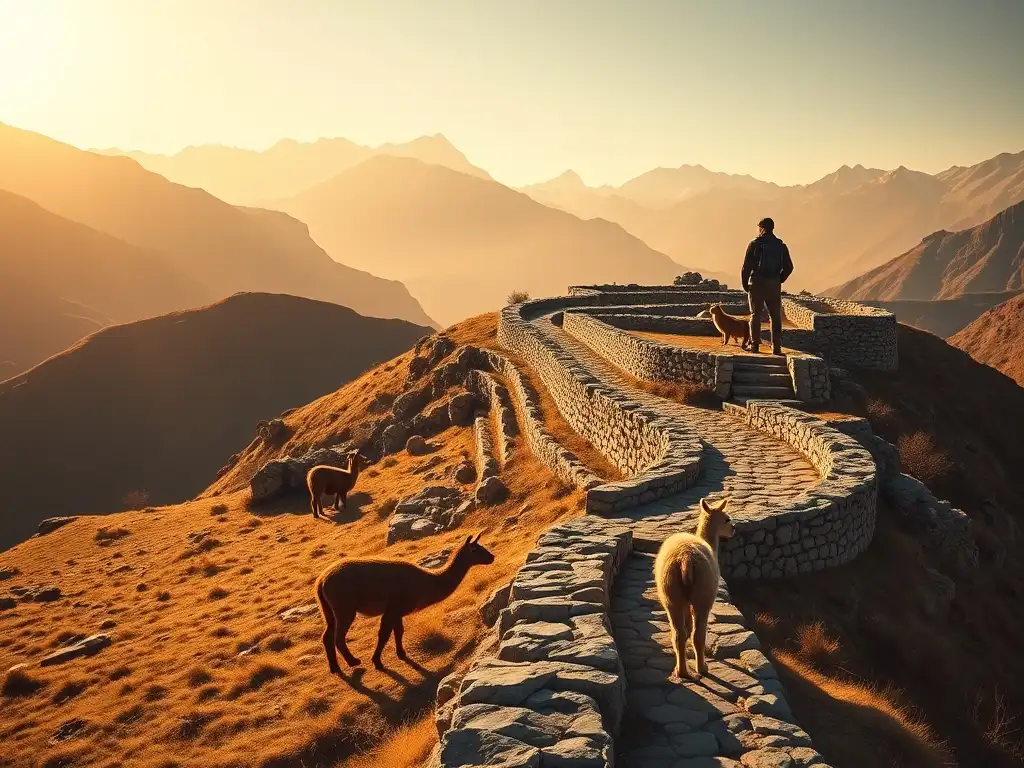
The Inca road system, also known as the Qhapaq Ñan, was a marvel of engineering and a crucial element in the Inca Empire's expansion and consolidation. Spanning thousands of miles across diverse and challenging Andean terrain, this network facilitated communication, trade, and military movement, binding together a vast and geographically dispersed empire. Its construction involved a sophisticated understanding of Andean geography, utilizing existing trails and strategically adapting routes to overcome obstacles like mountains, rivers, and deserts. The Inca's mastery of stonework is evident in the quality of the roads themselves, many sections of which remain remarkably intact even today.
This impressive feat of infrastructure wasn't just about building roads; it was about creating a system that supported the empire's very existence. The Qhapaq Ñan wasn't a single, continuous highway, but rather a complex network of roads, trails, and bridges, meticulously planned and constructed to serve the specific needs of different regions. This intricate system allowed for efficient transportation of goods, troops, and messages across the empire, contributing significantly to its political and economic stability.
Understanding the Inca road system is key to understanding the Inca Empire's success and longevity. The scale of the project, combined with the advanced engineering techniques employed, showcases the Inca's exceptional organizational skills and technological capabilities. The sheer logistical undertaking involved in planning, constructing, and maintaining such an extensive network is a testament to the Inca’s impressive societal organization and advanced engineering capabilities.
The Qhapaq Ñan: The Backbone of the Inca Empire
The Qhapaq Ñan, meaning "Royal Road" in Quechua, was far more than just a series of roads; it was the circulatory system of the Inca Empire. Its strategic design facilitated rapid communication and movement of resources across vast distances. The network extended approximately 25,000 miles, stretching from present-day Colombia to Argentina and Chile. This extensive network wasn't a single, continuous route, but rather a complex system of main highways and connecting smaller paths, carefully planned to navigate diverse terrains.
The roads were often paved with stone, and some sections included sophisticated drainage systems to prevent erosion and water damage. Bridges, many built using ingenious techniques with materials readily available in the region, spanned rivers and gorges, showcasing the Inca's advanced understanding of engineering principles. The construction of the Qhapaq Ñan involved a massive mobilization of labor, highlighting the power and organization of the Inca state. The construction of these roads wasn't a haphazard undertaking; it involved meticulous planning, utilizing local knowledge of terrain and weather patterns.
The resulting network allowed for the efficient movement of armies, messengers, and goods, contributing significantly to the Inca Empire's ability to maintain control over its vast territory. The Qhapaq Ñan stands as a testament to the Inca's organizational prowess and engineering ingenuity, a crucial element in their ability to build and maintain a sprawling empire. Furthermore, the road system facilitated cultural exchange and the spread of Inca ideology, strengthening the empire's unity and stability.
The Importance of Tambos in the Inca Road System
Tambos were strategically placed waystations along the Qhapaq Ñan, serving as essential infrastructure for travelers and messengers. These structures provided vital resting places, storage facilities, and sometimes even administrative centers. Their location was carefully chosen to ensure travelers could reach a tambo within a day's journey, allowing for rest and replenishment. The tambos varied in size and complexity, ranging from simple shelters to larger structures with multiple rooms, storage areas, and even ceremonial spaces. They played a crucial role in supporting the movement of people and goods across the Inca road system, facilitating trade, communication, and military operations.
The provision of food and shelter at the tambos was essential for maintaining the efficiency of the road network. Furthermore, some tambos served as administrative centers, overseeing the maintenance of the road and the collection of taxes. The tambos contributed significantly to the effectiveness of the Inca road system, ensuring that the empire could maintain control over its vast territory. The strategic placement of these tambos—often near water sources and with access to local resources—demonstrates the Inca's thoughtful approach to logistics and infrastructure development.
Archaeological evidence suggests that many tambos were equipped with storage facilities for food and other supplies, ensuring that travelers could always find sustenance and shelter along their journey. The existence of these strategically placed waystations along the Inca road system is a clear testament to the empire's advanced logistical capabilities and its commitment to maintaining efficient communication and transportation networks. The study of these tambos provides invaluable insights into the daily life and administrative systems of the Inca Empire, illuminating the complexity of their road network and its role in their success. The significance of tambos in the context of "Inca road system tambos" cannot be overstated; they were integral to the functioning of the entire imperial infrastructure.
Tambos: Strategic Locations Along the Inca Roads

The Inca road system, a marvel of engineering and logistics, was not merely a network of pathways; it was a vital artery pulsating with life, connecting the vast Inca Empire. Crucial to its functionality were the tambos, strategically placed rest stops that played a multifaceted role in the empire's success. Understanding the Inca road system tambos is key to comprehending the empire's sophisticated administrative and logistical prowess.
These weren't simple roadside inns; they were meticulously planned hubs crucial for the efficient movement of people, goods, and information across the challenging Andean terrain. Their strategic placement, coupled with their diverse functions, ensured the seamless operation of the empire's extensive network.
Location and Distribution of Inca Tambos
The distribution of tambos along the Inca road system wasn't arbitrary. They were carefully positioned at intervals that allowed for a day's journey between stops, considering the varied terrain and altitudes. This ensured that messengers, officials, and travelers could reach the next tambo before nightfall, providing essential shelter and respite. Archaeological evidence suggests a density gradient in tambo distribution, with a higher concentration of tambos in densely populated areas and along major routes. For instance, the routes leading to Cusco, the imperial capital, boasted a far denser network of tambos than those in more remote regions.
The precise number of tambos remains unknown, as many have yet to be discovered or fully excavated. However, estimates suggest thousands existed across the empire, showcasing the scale of the Inca logistical network. Furthermore, the location of tambos wasn't solely determined by distance; factors like water sources, arable land for agriculture, and defensible positions also played significant roles in their placement. Many tambos were situated near rivers or springs, providing access to fresh water, a critical resource in the often-arid Andean landscape. This careful consideration of geographical factors highlights the Inca's deep understanding of their environment and their ability to leverage it to their advantage. The strategic positioning of these rest stops ensured the smooth and efficient operation of the entire Inca road system. Further research is needed to pinpoint the exact locations and functions of all tambos, but existing evidence already paints a picture of remarkable planning and execution.
Tambos as Centers of Supply and Communication
Beyond offering shelter and rest, tambos served as vital centers of supply and communication. They acted as storage facilities for food, textiles, and other essential goods, ensuring that travelers and officials always had access to necessary provisions. This system of strategically placed supplies was crucial for maintaining the movement of people and goods across the vast empire.
The tambos also functioned as relay stations for the chasquis, the Inca's swift-footed messengers, who relayed messages across the empire with incredible speed. This network of communication, facilitated by the tambos, allowed for rapid transmission of information, enabling efficient governance and response to emergencies.
The tambos weren't simply storehouses; they were active centers of activity. Evidence suggests that some tambos housed artisans and craftsmen who produced and repaired goods, while others may have served as administrative centers for local regions. This integrated system of supply, communication, and potentially local administration further underscores the tambos’ crucial role in maintaining the functionality and stability of the Inca Empire.
The effective management of resources and information through these rest stops reflects the sophisticated organizational structure of the Inca state and its ability to efficiently govern such a vast and diverse territory. The tambos, therefore, were not merely rest stops; they were integral components of a sophisticated system that underpinned the Inca Empire's power and longevity. The efficient functioning of the Inca road system tambos directly contributed to the empire's remarkable ability to consolidate and expand its influence across the Andes.
Architectural Design and Functionality of Inca Tambos
The Inca road system, a marvel of engineering, relied heavily on a network of strategically placed tambos to facilitate its operation. These weren't merely simple rest stops; they were sophisticated structures designed to meet the diverse needs of the Inca empire's vast communication and logistical network. Understanding their architectural design and functionality is key to appreciating the ingenuity and organizational prowess of the Inca civilization.
The effective management of the Inca road system tambos contributed significantly to the empire's expansion and consolidation, demonstrating a mastery of resource management and infrastructural planning unmatched in its time. The placement of these tambos along the Qhapaq Ñan (Inca road system) wasn't arbitrary; they were carefully sited to optimize travel times and provide access to vital resources. This strategic placement highlights the sophisticated planning that underlay the Inca Empire's success.
Common Features of Tambo Structures
While variations existed depending on location and purpose, several common features characterized Inca tambos. Many were built from locally sourced materials, showcasing an adaptive building style that blended seamlessly with the surrounding environment. Stone, adobe, and thatch were frequently used, reflecting the ingenuity of Inca builders in utilizing readily available resources. A common feature was the presence of courtyards, often central to the structure, providing open spaces for gathering and activities.
These courtyards often featured intricate drainage systems, demonstrating a keen understanding of water management, essential in the often harsh Andean climate. Furthermore, many tambos incorporated defensive elements, such as strategically placed walls and towers, reflecting the need to protect vital infrastructure and resources along the extensive Inca road system. The presence of these defensive features underscores the importance of the tambos not only as rest stops but also as potential defensive positions.
Storage and Accommodation within the Tambos
The internal layout of tambos was carefully planned to maximize functionality. Storage facilities were crucial, designed to house supplies for travelers and the chasquis (Inca messengers) who traversed the roads. These storage areas often featured ventilation systems to prevent spoilage of food and other perishable goods.
The types of goods stored varied, including food supplies like chuño (freeze-dried potatoes), textiles, and tools. Accommodation for travelers was also a key feature, with rooms varying in size and complexity depending on the tambo's size and importance. Some larger tambos even boasted separate quarters for officials and dignitaries.
The meticulous organization of storage and accommodation within the tambos showcases the Inca's advanced logistical capabilities, essential for maintaining control over their vast empire. Evidence suggests that the size and complexity of storage and accommodation directly correlated with the tambo's location and strategic importance along the Inca road system. Larger, more centrally located tambos naturally had more extensive facilities.
Variations in Tambo Design Based on Function and Region
The design and size of tambos were not uniform across the Inca empire. Variations reflected both the specific needs of the location and the tambo's intended function. Coastal tambos, for example, often featured different architectural styles and materials compared to those found in the highlands. Coastal tambos might prioritize protection from the elements and potential sea-borne threats, while highland tambos might focus on insulation against the cold.
Furthermore, some tambos served primarily as rest stops, while others functioned as administrative centers or military outposts. This functional diversity led to a range of sizes and layouts. Larger, more complex tambos often served multiple purposes, acting as administrative hubs, storage depots, and lodging centers simultaneously.
The diversity in tambo design reflects the adaptability and organizational sophistication of the Inca Empire, allowing for efficient management of its vast network of roads and the people who used them. Further research is needed to fully document the regional variations in tambo architecture and their relationship to the Inca road system's overall functionality. This detailed analysis could reveal even more about the intricacies of the Inca Empire's logistical and administrative systems.
The Role of Tambos in the Inca Empire's Administration
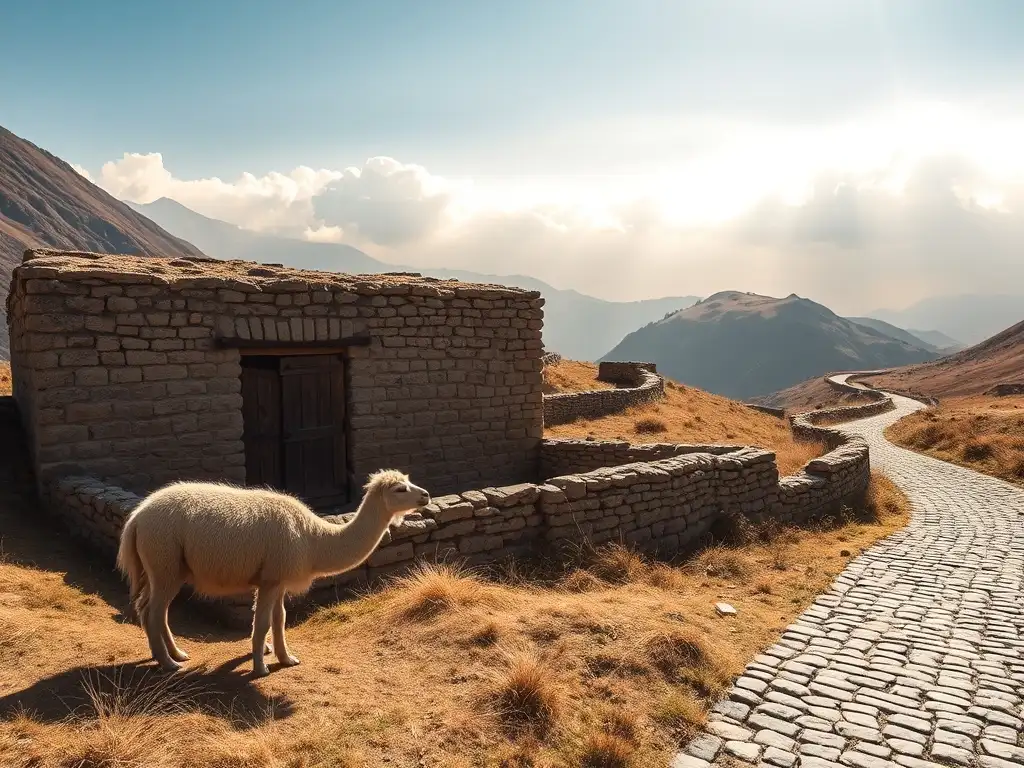
The Inca road system, a marvel of engineering and logistical prowess, wouldn't have been nearly as effective without its strategically placed tambos. These weren't simply roadside inns; they were crucial components of the Inca Empire's sophisticated administrative and logistical network, vital for its expansion, control, and overall functionality. Understanding the role of tambos is key to grasping the true extent of Inca power and organization. The Inca road system tambos acted as much more than mere rest stops; they were multifaceted hubs supporting the empire's complex infrastructure.
Tambos as Support for Imperial Expansion and Control
The construction and placement of tambos directly facilitated the Inca Empire's rapid expansion. Strategically located along the Qhapaq Ñan (the main Inca road), these structures provided vital support for the army during campaigns. They served as:
- Military Bases: Offering shelter, supplies, and a place to regroup for soldiers traversing the vast Andean terrain. The proximity of tambos allowed for quicker mobilization of troops, enabling swift responses to rebellions or threats to imperial control.
- Staging Points: Tambos acted as logistical hubs, facilitating the efficient movement of troops and supplies across long distances. This strategic positioning significantly reduced the time and effort needed for military operations.
- Centers of Communication: The tambos served as relay points for chasquis, the Inca Empire's swift runners who delivered messages across the empire. This rapid communication system was essential for maintaining control and coordinating activities across vast distances.
The strategic placement of tambos also played a significant role in asserting imperial control over conquered territories. By establishing these structures within newly acquired regions, the Inca Empire solidified its presence and facilitated the integration of those regions into the imperial system. This created a visible symbol of Inca authority and a practical base for administration. Think of them as advanced, strategically placed outposts, solidifying the Inca's control across the expansive empire.
Tambos and the Movement of Goods and People
Beyond their military significance, tambos played a vital role in the movement of goods and people throughout the Inca Empire. Their function went far beyond simple rest stops; they were essential nodes in the empire's intricate logistical network.
- Storage Facilities: Many tambos included storage areas for food, textiles, and other essential goods. This ensured that supplies were readily available for travelers, soldiers, and officials, facilitating trade and the efficient distribution of resources across the empire. This reduced the risk of shortages and ensured the smooth functioning of the Inca economy.
- Relay Stations: Goods were not only stored but also moved between tambos, creating a system of relay stations that enabled the efficient transport of materials across the empire. This network was particularly important for transporting goods from agricultural regions to urban centers.
- Accommodation: Tambos provided lodging for travelers, officials, and messengers, ensuring that those moving across the empire had access to shelter and rest. This was crucial for maintaining the efficiency of the administrative and logistical systems.
The effective management of this complex system of storage, movement, and distribution of goods showcased the remarkable organizational capabilities of the Inca Empire. The tambos were not simply places of rest, but essential components of a sophisticated supply chain.
The Administrative Role of Tambos in the Inca Empire
The tambos were not just logistical hubs; they were integral to the Inca Empire's complex administrative structure. Their function extended beyond simple provision of services; they served as key administrative nodes within the broader imperial system.
- Tax Collection: Some tambos served as collection points for taxes, facilitating the efficient gathering of resources from various regions. This centralized system ensured the steady flow of resources into the imperial treasury.
- Record Keeping: Tambos likely maintained records of goods, travelers, and other administrative matters, providing valuable data for the central government. While specific records haven't survived, the scale of the Inca administration suggests a sophisticated system of record-keeping.
- Local Administration: Larger tambos may have housed local administrative officials, overseeing the collection of taxes, the distribution of resources, and the maintenance of roads in their respective regions. This decentralized yet controlled administrative structure reflects the Inca Empire's efficient governance.
The tambos, therefore, represented a crucial intersection of military strategy, logistical efficiency, and administrative control, demonstrating the sophisticated organization that underpinned the Inca Empire's success and longevity. Their strategic placement and multifaceted functionality highlight the advanced nature of Inca infrastructure and its crucial role in sustaining imperial power. The Inca road system tambos were far more than simple rest stops; they were the backbone of a vast and powerful empire.
Tambos and the Daily Life of Inca Travelers

The Inca road system, a marvel of ancient engineering, stretched thousands of miles across the Andes Mountains, connecting the vast Inca Empire. Crucial to the functionality of this impressive network were the tambos, strategically placed rest stops that served as vital hubs for travelers, messengers, and the movement of goods. Understanding the tambos is key to understanding the daily life of those who traversed the Inca road system and the logistical prowess of the Inca state.
The sheer scale of the Inca road system, estimated at over 40,000 kilometers, necessitated a robust and well-maintained infrastructure, and the tambos were integral to this system. Their placement, often at intervals of a day's journey, ensured the efficient and safe passage of people and resources across the diverse and challenging Andean terrain.
This strategic placement, combined with the services they provided, highlights the sophisticated planning and organizational capabilities of the Inca Empire. Analyzing the architecture, artifacts, and historical accounts related to tambos provides invaluable insight into the daily lives of Inca travelers and the logistical intricacies of the empire's infrastructure.
Services and Provisions Offered at Tambos
Tambos weren't simply places to rest; they offered a range of essential services to travelers. These services varied depending on the tambo's size and location, but generally included:
- Accommodation: Simple sleeping quarters were provided, often in the form of communal sleeping areas or individual rooms for officials. The construction materials varied regionally, reflecting the available resources. Stone, adobe, and thatch were commonly used.
- Food and Water: Tambos stocked supplies of food and water for travelers. The type of provisions would depend on local resources and the season, but likely included dried meats, potatoes, corn, and chicha (a fermented corn beverage). The storage of these perishables required sophisticated techniques, reflecting the Inca's mastery of food preservation.
- Animal Care: Tambos often provided space for travelers' llamas and alpacas to rest and graze. These animals were crucial for transporting goods and were vital to the Inca economy.
- Maintenance and Repair: Some tambos housed personnel responsible for maintaining the sections of the road leading to and from the tambo. This ensured the road system remained functional and safe for travelers.
- Message Relay: Larger tambos served as relay stations for chasquis, the Inca Empire's swift runners who carried messages across vast distances. The efficient communication system facilitated the rapid transmission of information throughout the empire.
The provision of these services ensured the smooth operation of the Inca road system and the well-being of those who relied upon it. The meticulous organization and distribution of resources across the vast network were crucial to the success of the empire. Archaeological evidence, including the remains of storage facilities and kitchen areas within tambos, supports the idea of a well-organized system for providing essential supplies to travelers.
Tambos were not only functional rest stops but also important social hubs. The convergence of travelers from diverse regions fostered social interaction and the exchange of information. Imagine the lively atmosphere, with the sounds of languages from across the empire mingling, stories being shared, and news exchanged. This social aspect of tambos played a crucial role in maintaining the unity and cohesion of the vast Inca Empire.
The social dynamics within tambos were likely complex, reflecting the hierarchical structure of Inca society. High-ranking officials might have enjoyed separate accommodations and privileges, while commoners shared communal spaces. However, the shared experience of travel and reliance on the services provided at the tambos likely fostered a sense of community among travelers, regardless of their social standing.
This shared experience could have served to reinforce the ideology of the Inca Empire and foster a sense of collective identity. Further research into the social dynamics of tambos requires more detailed archaeological investigation and analysis of historical accounts. The potential for uncovering unique insights into Inca social structures and interactions within these spaces is immense.
The Significance of Tambos for Inca Society
The significance of tambos extends far beyond their practical function as rest stops. They represented a crucial element of the Inca state's infrastructure, reflecting its power and organizational capacity. The strategic placement, standardized design (where applicable), and provision of services demonstrate the Inca's ability to plan and manage resources on a massive scale. The tambos were not merely logistical necessities; they were integral to the functioning of the empire's economy, administration, and communication networks.
Their presence underscored the Inca's control over the vast territory and their ability to maintain order and efficiency throughout their realm. The tambos also served as important symbols of the Inca state's power and reach, visibly demonstrating the empire's influence across the Andean landscape. They served as physical manifestations of the Inca's control and the effective administration of their vast empire, further solidifying their authority and dominance.
The study of tambos provides a unique lens through which to view the Inca's administrative prowess and their ability to effectively manage a complex and geographically diverse empire. The sheer number and distribution of tambos across the Inca road system highlight the impressive scale of their logistical capabilities and the importance of maintaining a well-connected and functioning infrastructure for the success of their empire. The systematic construction and provisioning of these rest stops is a testament to the Inca's advanced understanding of logistics and their ability to manage a vast and complex empire.
Preservation and Archaeological Significance of Inca Tambos
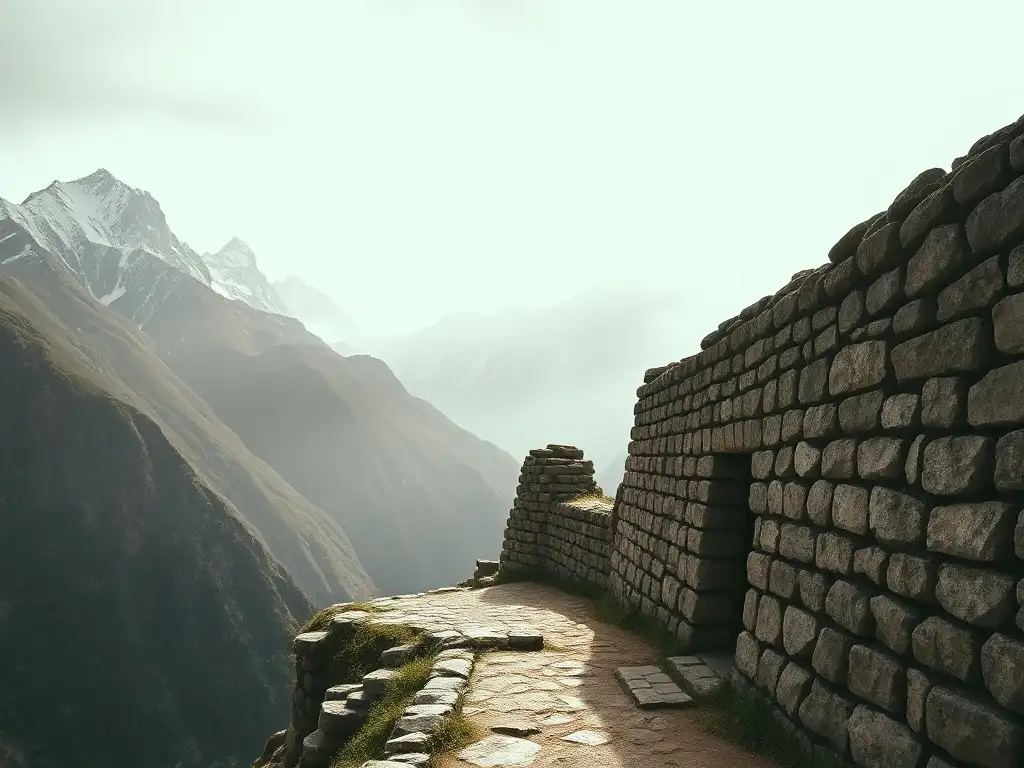
The Inca road system, a marvel of engineering and logistics, relied heavily on a network of strategically placed tambos. These waystations weren't merely rest stops; they were vital components of the empire's infrastructure, reflecting its sophisticated organization and control. Their preservation and the archaeological research conducted at these sites offer invaluable insights into Inca culture, societal structure, and the daily lives of those who traversed the extensive road network.
Understanding the significance of tambos is crucial to appreciating the Inca Empire's power and reach. The keyword "Inca road system tambos" is directly applicable here, as the focus is on the integral role of tambos within the larger context of the road system.
The Current State of Tambo Sites
Many tambo sites today exist in varying states of preservation. Some are remarkably well-preserved, retaining significant portions of their original structures, while others are severely dilapidated due to centuries of weathering, looting, and neglect. Factors contributing to the current state of these sites include:
- Natural erosion: Exposure to the elements, including harsh Andean weather patterns, has gradually worn down many tambo structures.
- Human activity: Agricultural practices, construction, and looting have significantly impacted the integrity of some sites. Unfortunately, the removal of artifacts for the black market continues to threaten the preservation of these historical locations.
- Lack of resources: Insufficient funding for conservation efforts hinders the preservation of many tambo sites, leaving them vulnerable to further deterioration.
The preservation status varies significantly depending on location and accessibility. Sites located in remote areas are often better preserved than those near populated centers, simply due to reduced human impact. A comprehensive assessment of the condition of all known tambo sites is needed to prioritize conservation efforts effectively. This would involve detailed surveys using various techniques, including LiDAR and ground-penetrating radar, to identify the extent of damage and inform restoration plans.
Archaeological Research and Discoveries at Tambo Sites
Archaeological research at tambo sites has yielded a wealth of information about Inca life and the empire's administrative capabilities. Excavations have uncovered a range of artifacts, including:
- Pottery: Ceramic fragments provide insights into local production techniques and styles, often revealing regional variations within the empire. Analysis of pottery styles can help date the occupation of specific tambos and track changes over time.
- Textiles: Textile remnants reveal the sophistication of Inca weaving techniques and the diversity of materials used. The quality and types of textiles found at tambos can indicate the social status of the people who used the site.
- Stone tools and implements: These artifacts shed light on the daily tasks performed at the tambos, from food preparation to construction and maintenance.
- Architectural features: Careful examination of the tambo structures themselves reveals ingenious building techniques and the careful planning that went into their construction. The layout of rooms and storage areas often reflects the specific functions of each tambo.
The discoveries made at tambo sites continually refine our understanding of Inca logistics and administration. For example, the discovery of large storage areas in some tambos suggests that they served as distribution centers for goods moving along the Inca road network. Further research is needed, particularly employing advanced techniques like isotopic analysis, to better understand the movement of people and goods across the empire.
Understanding Inca Culture Through Tambo Excavations
Excavations at tambo sites offer a unique window into Inca culture, moving beyond grand palaces and monumental structures to reveal the daily routines and social structures of a vast and complex empire. The findings from these excavations contribute to a more nuanced understanding of:
- Inca social organization: The layout of tambos, the presence of specialized rooms, and the types of artifacts found reveal insights into the social hierarchy and division of labor within the Inca society. Some tambos may have housed administrators, soldiers, or specialized craftspeople, reflecting the diverse functions of these waystations.
- Inca economy: The presence of storage facilities and the types of goods found within them highlight the importance of trade and resource management within the Inca empire. Analysis of these goods can reveal trade routes and the scale of economic activity along the Inca road system.
- Inca communication and control: The strategic placement of tambos along the road network suggests a sophisticated system of communication and control, facilitating the rapid transmission of information and the movement of troops throughout the empire. Further research into the communication systems used by the Inca will enhance our understanding of their administrative prowess.
By studying tambos, we gain a more complete picture of the Inca Empire, moving beyond the idealized image often presented in historical accounts. The detailed analysis of these sites allows us to reconstruct the daily lives of ordinary Inca people and understand the intricate mechanisms that facilitated the empire's expansion and consolidation. The ongoing research at tambo sites remains crucial to unraveling the complexities of this remarkable civilization and enriching our understanding of the "Inca road system tambos."
Legacy of the Inca Road System and its Tambos
The Inca road system, a marvel of ancient engineering, continues to resonate in modern-day Peru and beyond. Its impact extends far beyond its physical remains; the strategic placement of tambos, the road system's rest stops, profoundly influenced subsequent infrastructure development and continues to inspire modern logistical solutions. The ingenuity of the Inca's approach to road construction and the network of tambos provides valuable insights into efficient resource management and the importance of connectivity in a vast empire. Understanding the Inca road system tambos is crucial to appreciating the sophisticated organization and planning that characterized the Inca civilization.
The Impact of Tambos on Modern Infrastructure
The tambos weren't merely simple shelters; they were strategically located waystations offering vital services like lodging, food, and supplies for travelers and messengers traversing the extensive Inca road network. This network facilitated the rapid communication and movement of goods essential to the Inca Empire's administration and economic stability. Their design, often incorporating local materials and reflecting regional architectural styles, showcases remarkable adaptability.
Modern infrastructure projects can learn from this adaptability and the understanding of local contexts. For example, the strategic placement of tambos along varied terrains mirrors the modern-day placement of rest stops and service stations along highways, ensuring efficient travel and minimizing disruption. The Inca's understanding of logistics, evident in the tambos' distribution, serves as a valuable case study for efficient resource allocation in modern infrastructure planning.
Furthermore, the resilience of many tambo structures, built to withstand harsh weather conditions, offers valuable insights into sustainable construction techniques that are relevant for today's environmentally conscious building practices. Analysis of their construction methods could inform the creation of more durable and sustainable infrastructure.
Lessons from the Inca Road System and Tambos
The Inca road system and its tambos offer several valuable lessons for modern society. Firstly, the emphasis on connectivity and efficient communication highlights the importance of integrated infrastructure networks. The rapid dissemination of information and resources facilitated by the Inca road system tambos is a testament to the power of well-planned infrastructure.
Secondly, the system's adaptability to diverse terrains and climates underscores the importance of context-specific design in infrastructure projects. The Inca's pragmatic approach to construction, utilizing available resources effectively, provides a valuable lesson in sustainable development. The integration of local knowledge and materials in tambo construction is a model for collaborative and environmentally responsible practices.
Finally, the meticulous planning and organization that went into the creation and maintenance of the road system and its tambos demonstrate the importance of long-term vision and strategic planning in infrastructure development. The Inca's commitment to ensuring the functionality and longevity of their network provides a powerful example for modern infrastructure managers. Data on the longevity of specific tambos and the materials used in their construction could provide valuable insights into long-term cost-effectiveness.
The Enduring Significance of Tambos in Andean History
The tambos represent more than just logistical hubs; they are integral to understanding Andean history and culture. Their presence along the Inca roads reflects the empire's administrative power and its ability to connect diverse regions. Archaeological evidence from excavated tambos reveals insights into Inca daily life, social structures, and economic activities.
The artifacts discovered within these sites offer valuable information on the goods exchanged and the people who inhabited them. The tambos also played a significant role in the transmission of cultural traditions and beliefs, acting as nodes in the dissemination of knowledge and artistic styles across the empire. The enduring presence of tambo ruins in the Andean landscape serves as a powerful reminder of the Inca Empire's legacy and the ingenuity of its infrastructure.
Further research into the specific roles of different tambos within the broader Inca road network is needed to fully understand their significance in the context of Inca society. Analyzing the distribution of tambos in relation to agricultural production and population centers could reveal more about the empire's economic and social organization. The study of Inca road system tambos continues to be a rich field of research, offering new insights into the complexities of this remarkable civilization.
Frequently Asked Questions
What were Tambos?
Tambos were essential waystations along the vast Inca road system. They provided shelter, food, and supplies for travelers, messengers, and officials. They were crucial to the efficient functioning of the Inca Empire.
How far apart were Tambos typically located?
The spacing of Tambos varied depending on terrain and strategic importance. Generally, they were positioned a day's walk apart, allowing for comfortable travel. This ensured easy access for travelers.
What types of structures were Tambos?
Tambos ranged from simple shelters to large, complex structures. Their size and design depended on their location and the volume of traffic they served. Some included storage facilities for supplies.
What role did Tambos play in the Inca Empire?
Tambos were vital for military control, administrative efficiency, and economic activity. They facilitated rapid communication and the movement of goods and people throughout the empire.
Besides travelers, who else used Tambos?
In addition to travelers, Tambos served Inca officials, messengers (chasquis), and military personnel. They also provided space for storage of goods and administrative purposes.
Final Reflection: Echoes of the Inca Road: Tambos and the Legacy of Connection
The intricate network of Inca roads, punctuated by the strategically placed tambos, remains a powerful testament to the ingenuity and foresight of a civilization that prioritized connection and communication. This sophisticated system, far from being a relic of the past, offers invaluable lessons for our modern world grappling with issues of infrastructure, sustainability, and community building. The efficiency and ecological awareness embedded in the tambo system are particularly resonant today.
The enduring impact of the tambos extends beyond their physical presence; they represent a cultural philosophy that valued both individual well-being and the collective strength of the empire. These weren't simply rest stops; they were vital hubs for social interaction, trade, and the dissemination of information. The very existence of this network speaks volumes about the Inca's commitment to unity and shared prosperity. The road is a symbol of the Inca's power and their ability to connect their vast empire.
This quote, while simple, encapsulates the profound significance of the Inca road system and the crucial role played by the tambos within it.
Consider the implications of this ancient system for our own lives. How can we, in our modern world, foster a sense of connection and community that mirrors the Inca's vision? How can we design our infrastructure with both efficiency and sustainability in mind, learning from the ecological sensitivity demonstrated in the placement and construction of the tambos? I urge you to reflect on these questions, to seek out the echoes of the Inca road in your own life, and to strive to build connections as strong and enduring as those forged along the ancient pathways.
Uncover the Magic of Tambos—Your Next Adventure Awaits!
Thank you for exploring the fascinating world of tambos and their vital role along the Inca Roads! We've discovered how these waystations weren't just places for rest, but vibrant centers of culture and communication. Now, let's put that knowledge into practice.
Here's how you can further connect with this rich history and plan your next adventure:
- Embark on a Journey: Visit a local museum or historical site showcasing Inca heritage to deepen your understanding. A visit to Machu Picchu, for example, offers a powerful connection to this era.
- Experience the Adventure: Plan a hike along a section of the Inca Trail, or a similar trek in the Andes, pausing to imagine the lives of those who once used the tambos. Consider the challenges and rewards of such a journey, and reflect on the role the tambos played in supporting travelers.
- Join the Conversation: Share your insights on tambos and Inca culture by connecting with fellow history enthusiasts online or at local historical societies. Participating in discussions and sharing your knowledge enriches the experience for everyone.
Are you ready to delve deeper into how tambos shaped the lives of ancient travelers? How will you integrate this rich history into your next adventure?