
Andean Warrior Culture: Training, Rank, and Battlefield Behavior

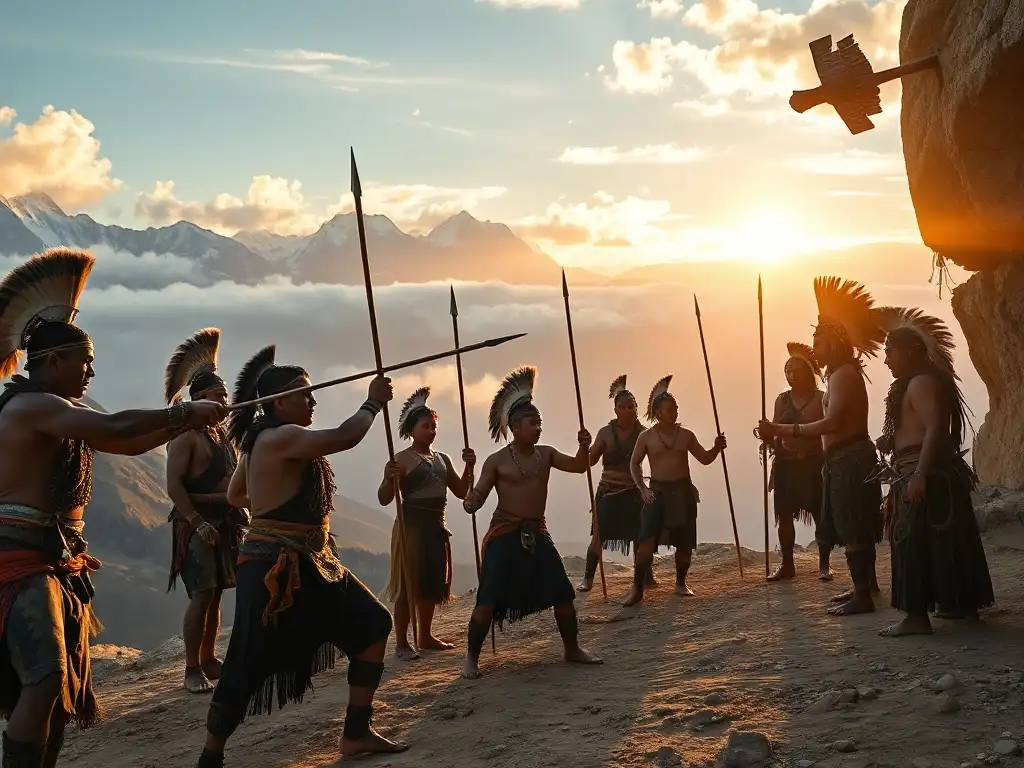
Step into a world lost to time, yet echoing with the thunder of ancient battles. Uncover the secrets of the Andes, a land where empires rose and fell, leaving behind a legacy of breathtaking artistry and brutal warfare. Prepare to delve into the rigorous world of Andean warrior training methods, a system that forged some of history's most formidable fighters. What techniques did they employ? What were the paths to glory and power? The answers await...
The Andes Mountains, a spine of towering peaks and deep valleys stretching along the western coast of South America, were home to a series of remarkable civilizations. For centuries, these societies – including the Incas, Moche, Nazca, and Tiahuanaco – engaged in complex interactions, often marked by conflict and the development of sophisticated military strategies. Understanding their warrior culture, from rigorous training regimens to battlefield tactics and social hierarchy, is crucial to appreciating the full scope of Andean history.
This article delves into the fascinating world of Andean warrior training methods, exploring the foundations of their military power and the evolution of their martial traditions across diverse cultures and time periods. We will examine the training techniques employed, the intricate ranking systems that structured their armies, and the characteristic behaviors observed on the Andean battlefield.
This exploration will illuminate not only the military prowess of these ancient societies but also the intricate social and political structures that underpinned their military strength. The keyword, "Andean warrior training methods," will be explored throughout this article, providing insights into the physical and mental preparation that shaped these formidable warriors.
The Foundations of Andean Military Power
The military strength of Andean societies wasn't solely dependent on brute force; it rested on a complex interplay of factors. Geographic features played a significant role. The challenging terrain of the Andes demanded exceptional physical endurance and adaptability from its warriors. This geographical influence shaped training regimes, prioritizing stamina, agility, and the ability to navigate treacherous landscapes.
Furthermore, advancements in metallurgy, particularly in bronze and later copper alloys, provided Andean warriors with superior weaponry compared to their neighbors. This technological advantage, combined with effective organizational structures and strategic thinking, created a formidable military machine. The development of sophisticated weaponry, such as the macuahuitl (a type of spiked club) among some groups, further enhanced their combat capabilities.
Evidence suggests that different Andean societies employed varying training methods, reflecting their unique environmental conditions and socio-political organization. For example, coastal communities might have focused on naval warfare skills, while highland groups emphasized mountain warfare techniques. The effectiveness of their military organization is evidenced by their ability to conquer and control vast territories, build extensive infrastructure, and maintain power for considerable periods.
Early Andean Societies and the Development of Warrior Culture
The development of a distinct warrior culture in the Andes wasn't a sudden event but a gradual process spanning centuries. Early Andean societies, even before the rise of large empires, exhibited evidence of organized warfare and specialized military roles. Archaeological findings, such as the discovery of weaponry and fortified settlements, suggest the existence of conflict and the need for organized defense. The Moche civilization, known for its elaborate iconography, provides valuable insights into their warrior culture through depictions in ceramics and metalwork.
These depictions often showcase warriors in battle, highlighting their weaponry, attire, and battlefield tactics. Similarly, the Nazca's intricate geoglyphs, while not directly depicting warfare, might reflect a societal emphasis on organization and planning – qualities essential for effective military operations. The evolution of Andean warrior culture was a complex process influenced by factors such as population growth, resource competition, and inter-societal interactions.
The development of more sophisticated weaponry and military organization likely led to larger-scale conflicts and the rise of powerful military elites within these societies. Understanding the nuances of this evolution is key to grasping the diverse expressions of Andean military power across different time periods and geographical locations. Further research into specific cultural practices and archaeological evidence is needed to fully elucidate the complexities of early Andean warrior training methods.
- The Foundations of Andean Military Power
- Early Andean Societies and the Development of Warrior Culture
- What kind of physical training did Andean warriors undergo?
- What weapons and combat techniques were common among Andean warriors?
- What role did social status play in Andean warrior training and advancement?
- How did Andean warfare differ from warfare in other parts of the world?
- What were the common battlefield behaviors and strategies of Andean warriors?
Andean Warrior Training Methods: Preparing for Combat
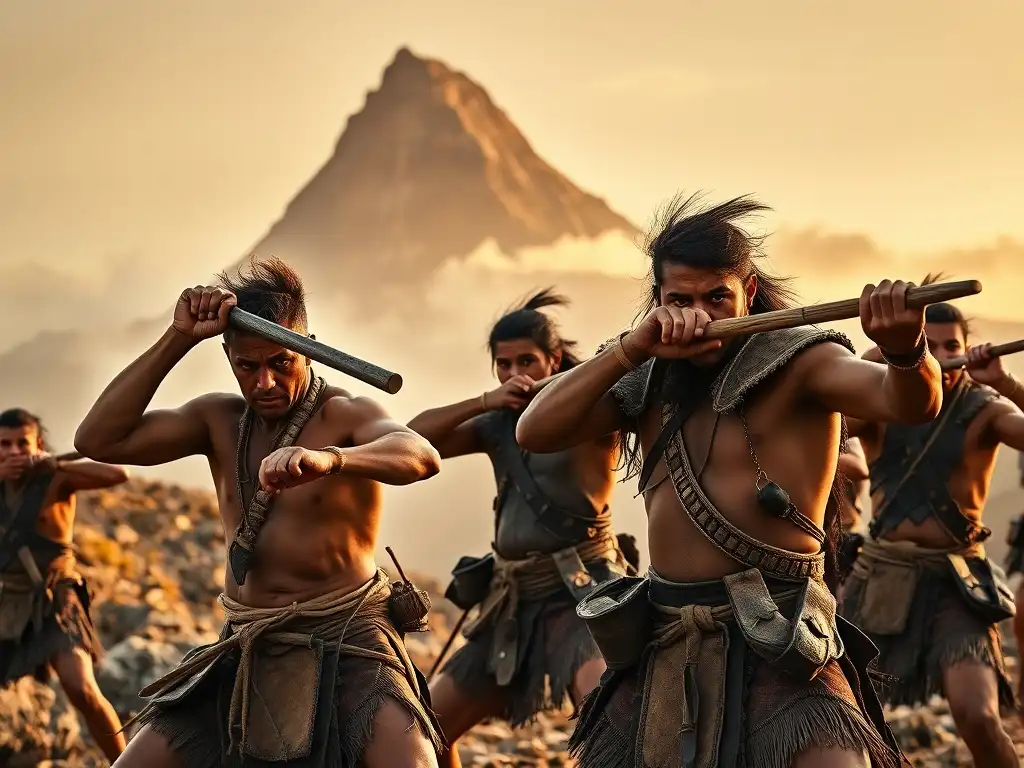
The effectiveness of Andean armies stemmed not only from strategic brilliance and innovative weaponry but also from rigorous training regimes that instilled discipline, physical prowess, and battlefield proficiency. Understanding these Andean warrior training methods provides crucial insight into the success and longevity of these powerful civilizations. The training wasn't simply about physical strength; it was a holistic process encompassing spiritual, mental, and physical conditioning, shaping individuals into formidable warriors dedicated to their communities.
The intensity and specifics varied across different Andean cultures, reflecting unique environmental challenges and societal structures. However, common threads of rigorous physical preparation, specialized weaponry training, and ingrained discipline weave through the tapestry of Andean military preparation.
Initiation Rites and Early Military Education
Many Andean societies integrated military training into early childhood development. Initiation rites, often marked by symbolic ceremonies and trials, served as a crucial first step. These rites weren't merely symbolic; they were designed to test the resilience and fortitude of young individuals, preparing them for the hardships of military life.
For example, some groups subjected initiates to periods of fasting, exposure to harsh elements, and endurance tests, pushing their physical and mental limits. This early conditioning laid the foundation for future training, instilling a sense of discipline and resilience from a young age. The specific nature of these initiation rites varied significantly depending on the specific culture and even the particular community.
We know that some involved strenuous physical challenges, while others focused more on spiritual preparation and the learning of ancestral traditions. Further research is needed to fully delineate the specific practices of each culture. [Specific information pending on regional variations in initiation rites].
Physical Conditioning and Endurance Training
Beyond initiation, rigorous physical conditioning formed the cornerstone of Andean warrior training. Endurance training was paramount, reflecting the demanding conditions of Andean warfare, which often involved traversing challenging terrains at high altitudes. Runners were valued for their ability to carry messages and supplies quickly across vast distances. Exercises like long-distance running, carrying heavy loads, and climbing steep inclines were commonplace.
This wasn't just about physical strength; it was about building stamina and resilience, the ability to withstand fatigue and continue fighting even under duress. We can infer from archaeological evidence, such as the remains of well-maintained running paths and the physical characteristics of skeletal remains, the importance of physical endurance in Andean warfare. The capacity to endure long marches, rapid movements, and sustained combat was essential for military success. The training also likely included calisthenics, wrestling, and other forms of hand-to-hand combat training.
Weaponry Training: Mastery of the Andean Arms
Proficiency in weaponry was another critical aspect of Andean warrior training. The specific weapons varied across different cultures, but the emphasis on mastery was universal. Warriors didn't just learn to use their weapons; they aimed for a level of expertise that bordered on artistry. This involved years of dedicated practice and honing their skills to a razor's edge. The training was not just about strength; it required precision, coordination, and strategic thinking.
The Use of Slings and Atlatls
Slings and atlatls (spear-throwers) were prevalent weapons in many Andean cultures. Training involved developing the accuracy, power, and speed needed to effectively wield these weapons. This involved countless hours of practice, aiming at targets of varying sizes and distances. The rhythmic motion required for effective sling use demanded coordination and strength. Similarly, the atlatl demanded precise aim and powerful leverage to maximize the spear's range and impact. The mastery of these weapons required a deep understanding of projectile motion and trajectory, skills honed through extensive practice.
Training with Clubs and Axes
Close-quarters combat was also a significant aspect of Andean warfare. Training with clubs and axes emphasized strength, precision, and the ability to deliver devastating blows. This involved sparring sessions, allowing warriors to develop their combat skills and test their techniques against opponents. The training likely included drills focused on different combat stances, techniques for delivering powerful blows, and defensive maneuvers to protect against enemy attacks. The use of clubs and axes frequently involved intense physical exertion, demanding both strength and stamina.
Expertise in Spear and Arrow Techniques
Spears and arrows were the mainstay of many Andean armies. Training focused on accuracy, speed, and the ability to hit targets at various ranges. This involved extensive target practice, often with moving targets to simulate the conditions of battlefield combat. Archery demanded precise hand-eye coordination, strength, and endurance.
Spear fighting required agility, strength, and the ability to use the spear for both offensive and defensive purposes. The training likely included drills focused on different combat techniques, such as thrusting, stabbing, and parrying. The ability to use the spear effectively in close-quarters combat was also crucial. Mastery of these weapons required years of dedicated practice and honed skills.
The rigorous training methods employed by Andean civilizations were instrumental in forging their formidable armies. The combination of physical conditioning, specialized weaponry training, and early military indoctrination created warriors who were not only physically strong but also highly disciplined and skilled in combat. This holistic approach to military preparation contributed significantly to the success and longevity of Andean empires.
Tactical Training and Formations
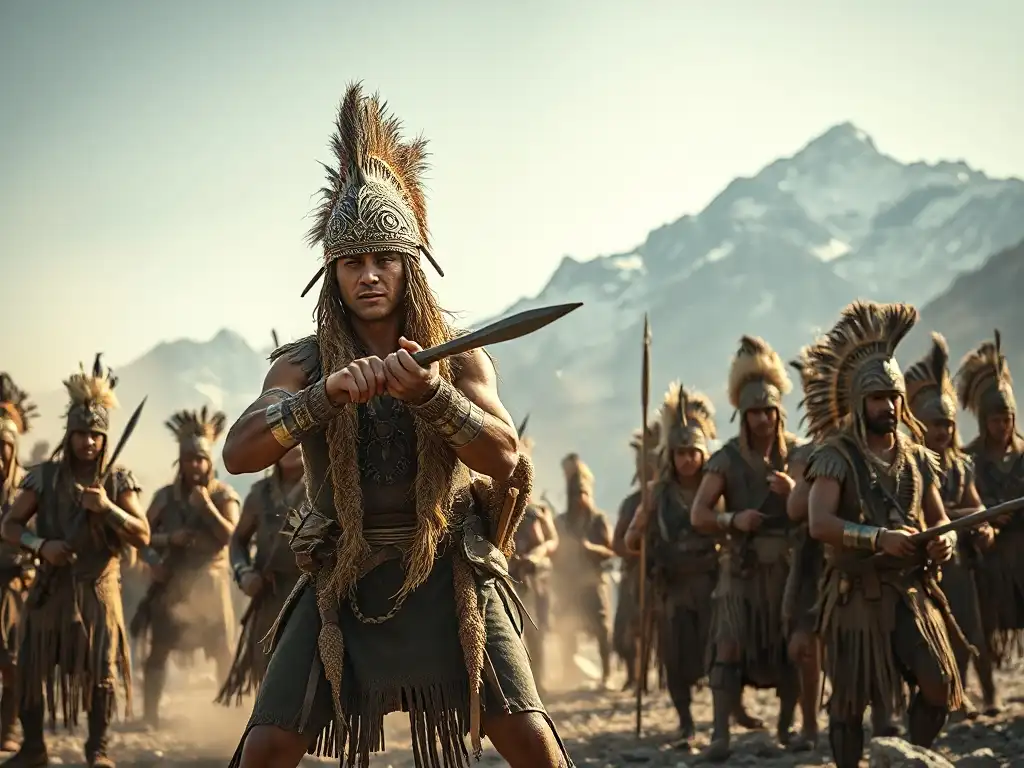
Andean warrior training wasn't solely about physical prowess; it heavily emphasized tactical proficiency and coordinated battlefield maneuvers. Soldiers weren't simply thrown into combat; they underwent rigorous training to understand and execute complex formations and strategies. This involved years of dedicated practice, honing their skills in various combat scenarios. The effectiveness of the Andean armies, particularly the Inca, stemmed significantly from their disciplined formations and coordinated attacks.
They weren't just a mob of fighters; they were a well-oiled machine, capable of adapting to different terrains and enemy tactics. The emphasis on teamwork and coordinated movements was crucial for their success in conquering and controlling vast territories. Evidence suggests that training exercises simulated actual battlefield conditions, allowing soldiers to learn and adapt in a safe environment. This practical approach ensured that warriors were well-prepared for the realities of combat.
Learning Group Maneuvers and Coordination
A key aspect of Andean warrior training focused on group maneuvers and coordination. Soldiers learned to move as a unit, executing complex formations such as the [Specific Inca formation name pending] and the [Specific Moche formation name pending], each designed for specific tactical advantages. This required extensive practice and drills, focusing on synchronization and communication amongst soldiers. Effective communication on the battlefield was critical, and training incorporated methods for signaling and relaying commands efficiently, even amidst the chaos of battle.
The ability to move as a cohesive unit, reacting swiftly to changes in the battlefield situation, was a significant advantage for Andean armies. This level of teamwork and coordination is reflected in their military successes. Further research is needed to fully understand the specific drills and exercises employed to achieve this level of synchronization.
Practice in Siege Warfare and Fortification
Siege warfare was a significant aspect of Andean conflict, and training included specialized drills for both attacking and defending fortified positions. Soldiers learned to build and dismantle fortifications, employing techniques suitable for the varied terrains of the Andes. They practiced scaling walls, breaching defenses, and utilizing siege weapons such as slings and possibly rudimentary catapults. Defense training involved strengthening existing fortifications and employing defensive strategies to repel attacks.
The knowledge of siege warfare was vital for controlling strategic locations and maintaining dominance over conquered territories. The construction and defense of structures such as [Specific example of Andean fortification pending] demonstrate the sophisticated understanding of siege warfare possessed by Andean warriors. These practical skills were integral to their military successes.
Religious and Spiritual Aspects of Warrior Preparation
Beyond the physical and tactical training, Andean warrior preparation deeply intertwined with religious and spiritual practices. Beliefs and rituals played a crucial role in bolstering the morale and courage of warriors, preparing them mentally and spiritually for the harsh realities of combat. These practices varied across different Andean cultures, but common themes emerged, reflecting a profound connection between the spiritual world and military success.
The warriors' faith and belief in their deities provided them with a powerful sense of purpose and invincibility. This spiritual dimension was an integral part of their overall training, fostering a strong sense of unity and loyalty among the warriors.
Rituals and Ceremonies Before Battle
Before engaging in battle, Andean warriors participated in elaborate rituals and ceremonies designed to invoke divine favor and ensure victory. These ceremonies often involved offerings to deities, prayers for protection, and the consumption of sacred substances. The specific rituals varied across different Andean cultures and specific circumstances. For example, the Inca might have performed ceremonies involving llamas or other sacred animals, while the Nazca might have focused on rituals involving water or other natural elements.
These rituals served not only to instill courage but also to unify the warriors before battle, strengthening their bonds and commitment to their cause. The rituals provided a sense of shared purpose and strengthened group cohesion. Detailed accounts of specific pre-battle rituals are still being uncovered by archaeological research.
Beliefs and Motivation of the Andean Warrior
The motivation of the Andean warrior extended beyond mere conquest or territorial expansion. Religious beliefs and ideological factors played a significant role in shaping their motivation and willingness to fight. Warriors believed that their actions were divinely ordained, and fighting for their community and gods was a sacred duty. The concept of [Specific Andean concept related to warrior duty pending] reflects this profound connection between religious belief and military service.
This spiritual dimension instilled a powerful sense of purpose and resilience, fostering unwavering loyalty and a willingness to sacrifice for the greater good of their community. Their faith and unwavering dedication were integral to their military prowess and success in extending their influence throughout the Andes. Further research is needed to fully understand the nuances of the beliefs and motivations driving individual warriors.
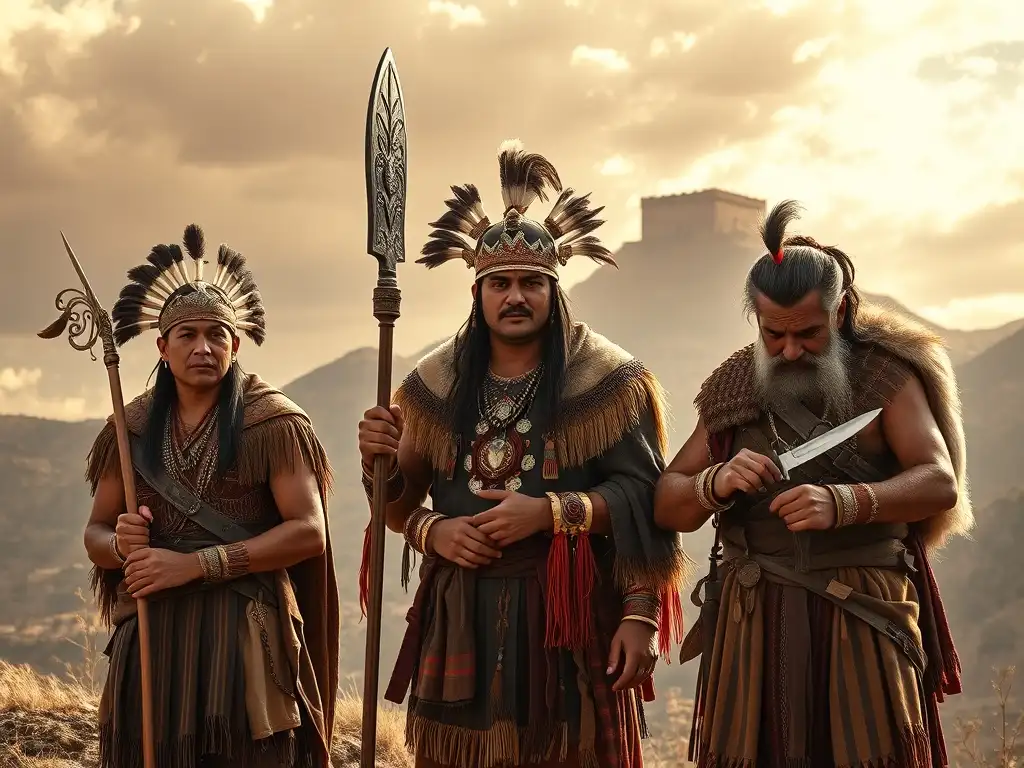
Andean warrior training methods were deeply intertwined with the complex social hierarchies of the various Andean civilizations. Understanding the military structure requires acknowledging that military rank wasn't solely a matter of battlefield prowess; it was intrinsically linked to social standing, lineage, and political power. This intricate relationship shaped recruitment, training, and even battlefield strategies. The elite warrior class, for instance, often held significant political influence, extending beyond the battlefield into the realms of governance and religious ceremonies. This section will explore the nuanced relationship between social standing and military rank in the Andean world.
The Role of the Warrior Elite
The warrior elite in Andean societies occupied a privileged position, often inheriting their status through lineage and family connections. They weren't simply skilled fighters; they were also key figures in the political and religious landscape. In Inca society, for example, the curacas, local chiefs, often provided soldiers and resources to the imperial army, and their sons were frequently groomed for leadership roles.
This system ensured the loyalty of local populations and provided a steady stream of experienced warriors to the imperial forces. Their training was far more intensive and specialized than that of common soldiers, focusing on advanced weaponry, tactics, and leadership skills. Evidence from archaeological sites suggests that elite warriors were often adorned with distinctive clothing, jewelry, and weaponry, reflecting their high social standing and military prestige.
Distinctions in Military Status and Privileges
Military status in Andean societies wasn't monolithic. While the elite held significant power and privileges, there were clear distinctions within the ranks. Beyond the elite, common soldiers filled the ranks, often conscripted from local communities. Their training varied, often less rigorous than that of the elite, yet still essential for maintaining a functional army.
Privileges varied based on rank; elite warriors might enjoy access to better food, housing, and weaponry, along with greater social standing and political influence. Lower-ranking soldiers, however, received basic provisions and recognition for their service, but their social standing remained largely unchanged. Archaeological findings support this distinction, revealing differences in grave goods and burial practices between elite and common soldiers.
The Organization of Andean Armies: From Local Groups to Imperial Forces
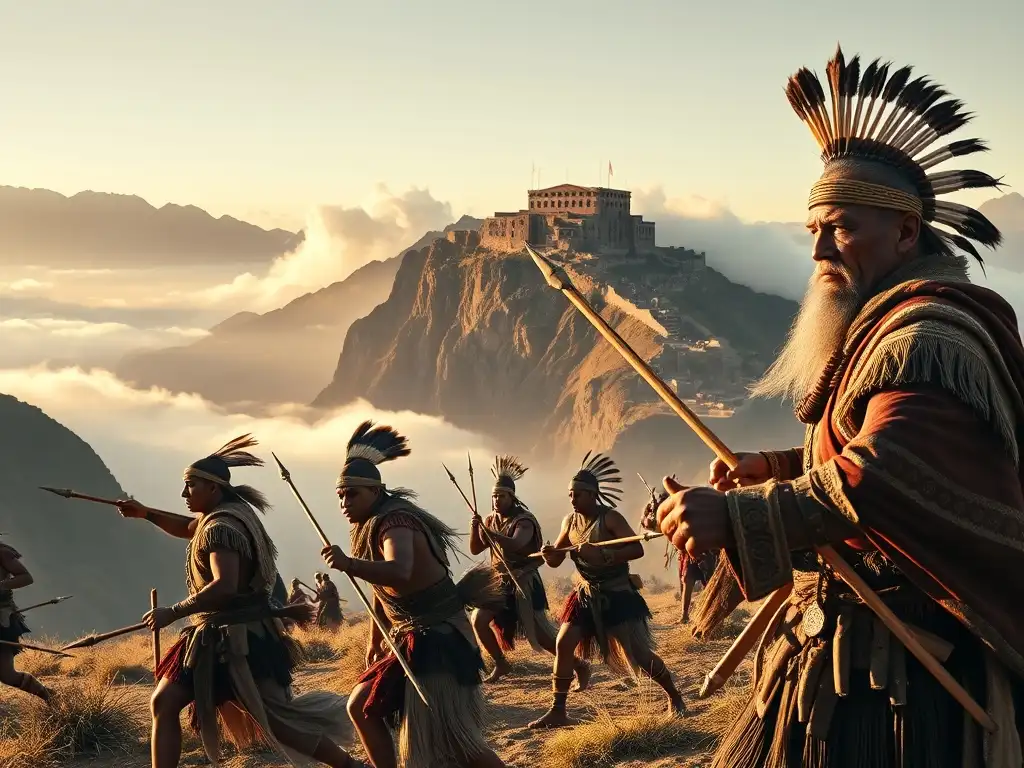
The organization of Andean armies varied considerably across different cultures and time periods. While smaller groups relied on local militia forces, larger empires like the Inca developed complex military structures capable of mobilizing and managing vast armies. This section explores the evolution of Andean military organization, focusing on the Inca's impressive logistical and command capabilities.
The Structure of Incan Armies
The Inca army was a remarkable feat of organization and logistics. It wasn't a standing army in the traditional sense, but rather a system that could rapidly mobilize large numbers of soldiers from across the empire. The army was divided into units of varying sizes, from small squads to larger battalions, each with its own commanders and chain of command.
This decentralized structure, while allowing for flexibility, was carefully coordinated to ensure effective deployment and control. Detailed records, although limited, suggest a complex system of recruitment, training, supply, and communication, reflecting a sophisticated understanding of military logistics. The Inca's ability to move and supply large armies across challenging terrain was a crucial factor in their military success.
Military Leadership and Command
Inca military leadership was hierarchical, mirroring the empire's social structure. The Sapa Inca (emperor) held supreme command, with authority cascading down through a series of appointed officers. These officers, often drawn from the nobility, were responsible for training, discipline, and tactical decisions on the battlefield. Communication was crucial, and the Inca utilized a complex system of messengers and runners to relay commands and information across vast distances.
While the Sapa Inca ultimately controlled strategy, battlefield tactics were often left to experienced commanders, allowing for flexibility in response to changing circumstances. This combination of centralized control and decentralized execution was a key element in the Inca military's effectiveness. Evidence suggests that Inca commanders were skilled tacticians, utilizing terrain, surprise, and superior logistics to gain an advantage over their opponents.
Battlefield Behavior: Strategies and Tactics
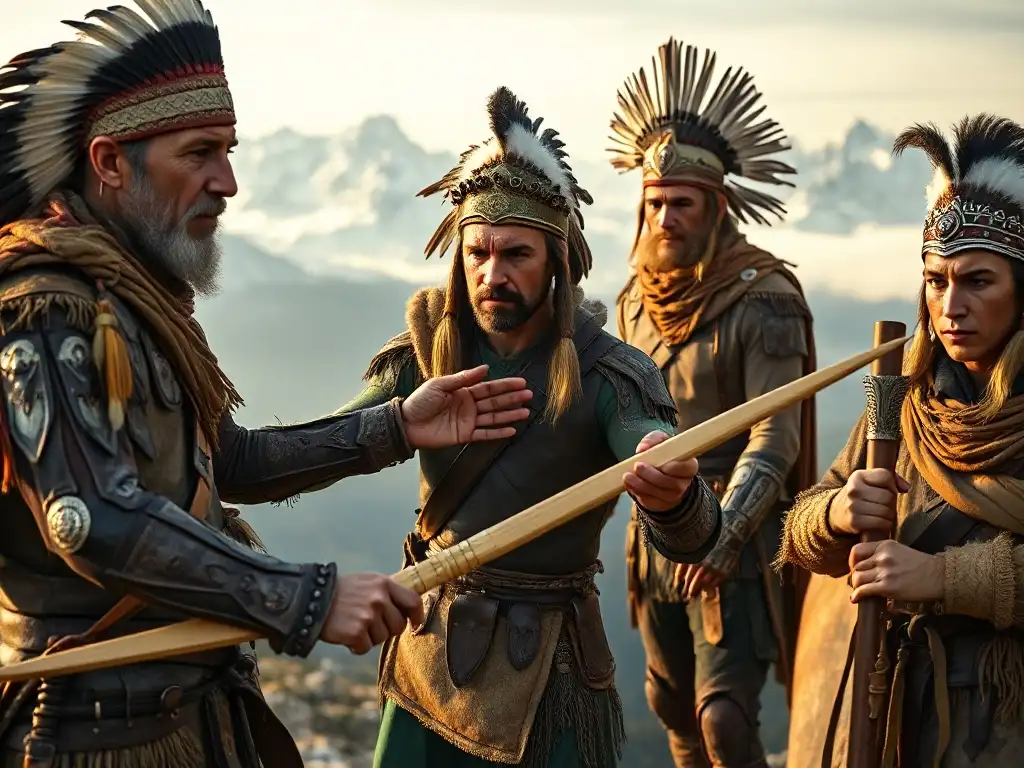
The Andean warrior, renowned for their prowess and sophisticated weaponry, didn't rely solely on individual skill. Success on the battlefield depended heavily on coordinated strategies and tactics, honed over generations of conflict. Understanding their battlefield behavior reveals a complex military culture that valued both brute force and strategic cunning. This section delves into the key elements of Andean battle formations, terrain exploitation, and offensive maneuvers employed by various Andean cultures. The effectiveness of these strategies contributed significantly to the rise and dominance of several powerful Andean empires.
Andean Battle Formations and Deployment
Andean armies weren't monolithic; formations varied depending on the specific culture and the nature of the conflict. However, some common features emerge. Evidence suggests a preference for flexible, adaptable formations rather than rigid lines. The Inca, for example, often deployed their troops in a series of staggered lines or wedges, allowing for maneuverability and the ability to respond to changing battlefield conditions.
This contrasted with the potentially more static formations of some earlier cultures. The precise arrangement of units within these formations remains a subject of ongoing research, with scholars analyzing archaeological findings and iconographic representations to piece together a clearer picture. The integration of different troop types – spearmen, slingers, archers, and elite warriors – within these formations likely played a crucial role in their overall effectiveness.
Further research is needed to determine the specific ratios and deployment strategies used by different Andean groups. The use of specialized units, such as those armed with macanas (clubs) or slings, likely dictated their placement within the formations, maximizing their impact on the battlefield. The availability of detailed records varies greatly between different Andean cultures, making comprehensive analysis challenging.
The Use of Terrain and Defensive Strategies
Andean warfare often took advantage of the challenging terrain of the Andes Mountains. Natural features like cliffs, rivers, and narrow passes were utilized to create defensive strongpoints and funnel enemy forces into advantageous positions. Fortifications, ranging from simple earthworks to elaborate stone structures, played a crucial role in Andean warfare.
The construction and strategic placement of these fortifications demonstrate a sophisticated understanding of defensive principles. The Inca, known for their impressive engineering feats, built extensive networks of roads and strategically located forts to control mountain passes and key routes. These defensive structures not only protected against invasion but also facilitated the rapid deployment of troops across their vast empire.
The effectiveness of these defensive strategies is evident in their long-lasting control over large territories. The ability to hold key strategic locations, such as mountain passes, was vital to controlling trade routes and preventing enemy incursions. Careful analysis of the placement of these defensive structures reveals a deep understanding of the terrain and a proactive approach to defense.
Offensive Tactics and Techniques
Andean armies weren't solely focused on defense; they developed effective offensive tactics. While precise details are often scarce, archaeological discoveries and accounts from Spanish chroniclers provide glimpses into their offensive strategies. These tactics often involved a combination of maneuverability, coordinated attacks, and psychological warfare.
Encirclement and Flanking Maneuvers
Encirclement and flanking maneuvers were common offensive tactics. The ability to outmaneuver and surround an enemy force was crucial in achieving victory. The use of scouts and spies to gather intelligence on enemy positions and movements would have been essential for planning these complex maneuvers. The terrain played a significant role in these tactics, with forces utilizing natural obstacles to conceal their movements and achieve tactical surprise.
The success of these maneuvers depended on the discipline and coordination of the Andean warriors, highlighting the importance of training and leadership. Further research into the specific battle strategies of various Andean cultures is needed to gain a more nuanced understanding of these tactics. The use of specific signals and communication methods during these maneuvers would have been critical to ensure the coordination of large numbers of troops.
The Use of Psychological Warfare
Psychological warfare was a key component of Andean military strategy. The use of intimidating displays of force, such as elaborate war regalia and ritualistic practices, aimed to demoralize the enemy before battle even began. The symbolic significance of certain weapons and attire likely played a significant role in this psychological warfare. Shouting war cries and displaying captured trophies also served to bolster the morale of Andean warriors and instill fear in their opponents.
The effectiveness of these psychological tactics suggests a sophisticated understanding of the impact of morale on the outcome of battles. The use of propaganda and misinformation may also have been employed, although evidence of this is currently limited. Further investigation into the cultural and ritualistic aspects of Andean warfare could reveal more about the psychological techniques employed. The integration of psychological warfare with more conventional military tactics suggests a holistic and effective approach to combat.
Post-Battle Rituals and Practices
Post-battle rituals among Andean civilizations varied significantly depending on the specific culture and the outcome of the conflict. These practices weren't merely celebratory or somber; they were deeply intertwined with religious beliefs, social structures, and the overall worldview of each society. The treatment of the dead, the spoils of war, and the subsequent actions all held profound symbolic meaning, impacting the community's social fabric and future endeavors.
For instance, the Incas, known for their meticulous organization, likely had formalized procedures for handling the aftermath of battles, potentially involving specific priests or officials responsible for overseeing these rites. Detailed records of these practices, however, remain scarce, leaving much to scholarly interpretation and reconstruction based on archaeological evidence. We can infer some aspects based on similar practices in other cultures, but a complete picture remains elusive.
Treatment of the Wounded and the Fallen
The treatment of the wounded and fallen on the battlefield reflected the Andean societies' values and beliefs. While the specifics differed across cultures, a common thread seems to have been the importance of honoring the dead, regardless of their side in the conflict. Archaeological findings suggest that some cultures, like the Moche, practiced mummification, even for those who died in battle.
This points to a potential belief in an afterlife and the importance of preserving the physical remains for spiritual reasons. The treatment of the wounded, however, is less clear. The availability of medical knowledge and resources would have varied drastically depending on the civilization and the scale of the battle.
While some level of rudimentary medical care may have been administered, the lack of sophisticated medical tools and techniques likely meant that many injuries proved fatal. The absence of detailed written records makes a definitive assessment of their battlefield medicine challenging. Further research, especially in the area of archaeological analysis of skeletal remains, is crucial to understand the extent and nature of the medical care provided.
Victory Celebrations and Tributes
Victorious battles were met with elaborate celebrations and tributes, reflecting the significance of military success in the social and political landscape of Andean civilizations. These celebrations often involved public displays of the spoils of war – captured weapons, valuable goods, and even prisoners of war – showcasing the might and dominance of the victorious group. Such demonstrations served to solidify the power of the ruling elite and reinforce social hierarchies.
Religious ceremonies, including sacrifices and offerings to deities associated with war and victory, were likely an integral part of these celebrations. The Inca Empire, for example, might have organized large-scale festivals involving music, dance, and feasting to commemorate significant victories. These events played a crucial role in reinforcing social cohesion and bolstering the morale of the community.
The distribution of spoils of war, including the allocation of land, resources, and even prisoners, would have had far-reaching social and economic consequences, shaping the power dynamics within the victorious society. The exact nature of these celebrations and their impact on Andean societies remains an active area of research, with ongoing archaeological excavations and textual analyses offering new insights.
The Legacy of the Andean Warrior
Influence on Later Andean Military Traditions
The sophisticated military organization and training methods of the pre-Columbian Andean civilizations, particularly the Inca, left an indelible mark on subsequent Andean military traditions. While the Spanish conquest dramatically altered the political landscape, elements of Andean warfare persisted, subtly influencing the military structures and tactics of later indigenous resistance movements. For instance, the Inca emphasis on ayllu (community) based military service, where conscription was tied to social obligations, found echoes in the organization of resistance groups during the colonial period.
These groups, although smaller and less centralized than the Inca armies, often mirrored the Inca's reliance on collective action and guerilla warfare tactics. The Inca's mastery of high-altitude warfare and their strategic use of terrain – knowledge passed down through generations – also proved invaluable to later Andean fighters who used similar strategies to ambush and outmaneuver their better-equipped Spanish adversaries. The legacy of Andean warrior training wasn't simply a matter of physical prowess; it encompassed a complex understanding of terrain, logistics, and the psychological aspects of warfare, aspects that continued to shape Andean military traditions long after the fall of the Inca Empire.
Further research is needed to fully quantify the extent of this influence, particularly in comparing the specific training methods and weaponry used across different Andean communities in the post-conquest era. [Specific examples of post-conquest Andean military organization and tactics pending].
Archaeological Evidence of Andean Warfare
Archaeological evidence provides crucial insights into Andean warrior training methods. Sites across the Andes, from the coastal deserts to the high-altitude plains, yield tangible proof of a rich and complex military culture. For example, the discovery of specialized weaponry, such as the macuahuitl (a wooden club with obsidian blades) and various types of slings, points to dedicated training regimes focused on weapon proficiency. Furthermore, skeletal remains exhibiting healed injuries consistent with combat suggest rigorous training practices that involved simulated battles or sparring.
Analysis of these remains can offer clues about the age and physical condition of warriors, revealing potential patterns in recruitment and training intensity. The discovery of sites specifically designed for military training, such as practice ranges or mock battlefields, would further illuminate the nature of Andean warrior preparation. [Specific examples of archaeological sites with evidence of military training pending].
While textual evidence is limited due to the absence of a widespread Andean writing system, the material remains offer a compelling narrative of a society that invested heavily in the training and development of its warriors. The sheer number of artifacts related to warfare, combined with the geographical distribution of such finds, highlights the widespread nature of military training across various Andean cultures. This pervasive nature underscores the importance of military prowess in Andean society.
The Enduring Image of the Andean Warrior in History
The image of the Andean warrior has endured through time, captivating the imagination and inspiring countless narratives. From the fierce warriors depicted in Moche pottery to the disciplined soldiers of the Inca Empire, the representation of Andean warriors in historical accounts and artistic expressions is remarkably diverse. This diversity reflects the multifaceted nature of Andean warfare, with varying levels of military organization and training across different cultures and time periods. However, certain recurring themes emerge, such as the emphasis on physical strength, endurance, and strategic thinking.
Many depictions highlight the warriors' connection to their environment, emphasizing their ability to navigate challenging terrains and utilize natural resources to their advantage. The symbolism associated with Andean warriors – often incorporating religious iconography and ritualistic elements – suggests a close link between warfare and spiritual beliefs. The enduring image of the Andean warrior is not merely a reflection of military prowess, but also a testament to the significance of warfare in shaping Andean societies and their cultural identities.
The continued fascination with these figures reflects their enduring power as symbols of resilience, strength, and cultural identity within the broader context of Andean history. Further studies are needed to investigate the evolution of this image throughout history and its impact on modern perceptions of Andean culture. [Specific examples of artistic and literary representations of Andean warriors pending].
Frequently Asked Questions
What kind of physical training did Andean warriors undergo?
Andean warriors underwent rigorous physical conditioning. This included high-altitude endurance training, running, and strength exercises using readily available materials. Their training built stamina and strength crucial for mountain warfare.
What weapons and combat techniques were common among Andean warriors?
Andean warriors employed a variety of weapons, including clubs, spears, sling, and bows and arrows. Combat techniques varied by culture, but often emphasized close-quarters fighting and utilizing the terrain to their advantage.
Social status significantly influenced a warrior's training opportunities and advancement. Elite warriors received superior instruction and resources, leading to higher ranks and leadership positions within the army.
How did Andean warfare differ from warfare in other parts of the world?
Andean warfare was characterized by high-altitude battles, unique weaponry, and tactics that utilized the challenging terrain. The importance of ritual and religious beliefs also shaped the conduct of war.
What were the common battlefield behaviors and strategies of Andean warriors?
Andean warriors often employed ambush tactics and utilized the natural landscape for defense. Psychological warfare and showy displays of strength and power were also common strategies to demoralize the enemy before battle.
Final Reflection: Echoes of the Andes: Legacy of Warrior Culture
The rigorous training methods of the Andean warriors, honed over centuries, resonate powerfully even today. Their dedication to physical and spiritual discipline offers a compelling counterpoint to our modern, often sedentary lifestyles, reminding us of the strength forged through adversity and the importance of community in achieving collective goals. The echoes of their strategies and beliefs continue to shape our understanding of warfare and societal structures.
The enduring impact of Andean warrior culture extends far beyond the battlefield; it permeates the very fabric of Andean societies, influencing their art, mythology, and social hierarchies. Their unwavering commitment to their communities and their sophisticated understanding of warfare tactics continue to inspire awe and respect. A warrior's spirit is not merely about physical prowess, but a deep connection to the land, the ancestors, and the community they protect.
This quote encapsulates the holistic nature of their training and its lasting legacy. Understanding their methods allows us to appreciate the complexities of pre-Columbian societies and the enduring power of cultural traditions.
Consider the lessons embedded within the Andean warrior ethos. What aspects of their discipline – their physical training, their spiritual practices, their commitment to community – can you integrate into your own life to build resilience, strength, and a deeper connection to your values? Embrace the challenge, find your own path to strength, and discover the enduring power of disciplined pursuit. Let the echoes of the Andes inspire you to forge your own path toward a more meaningful and fulfilling life.
Unleash Your Inner Warrior: Embrace the Spirit of the Andes!
Thank you for exploring the rich and inspiring world of Andean warrior culture! You've discovered the incredible strength, discipline, and courage that defined these warriors of a vibrant civilization. Now, let's apply these powerful lessons to your own life.
Here are some ways you can begin to integrate this spirit today:
- Embrace Physical Strength and Discipline: Develop a new fitness routine inspired by ancient warrior training. Whether you choose martial arts, challenging hikes, or a dedicated strength-building program, commit to honoring the spirit of the Andes through physical prowess.
- Deepen Your Understanding: Immerse yourself further in this captivating culture. Read books, watch documentaries, or visit museums to explore the history and traditions of Andean warrior societies.
- Share Your Passion: Discuss your newfound knowledge with friends, family, or join online communities dedicated to Andean history and culture. Sharing your insights can foster further learning and spark engaging conversations.
What aspect of Andean warrior culture resonates most with you, and how will you integrate those values into your daily life?