
The Inca Family and Kinship: How They Were Disrupted by the Conquest

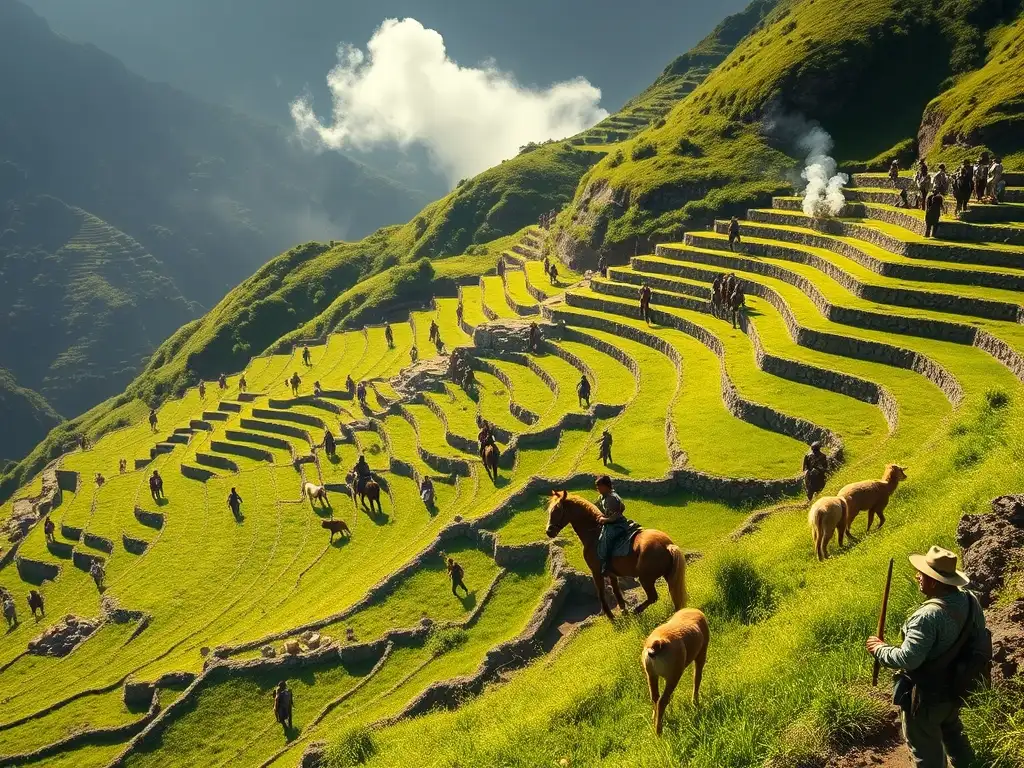
Step into a world lost to time, yet echoing with the whispers of a magnificent empire. Imagine the intricate tapestry of Inca family structure, a society bound by kinship and tradition, suddenly torn apart by the brutal force of the Spanish conquest. Discover how this upheaval reshaped the very fabric of Andean life, leaving behind a legacy of both destruction and resilience. Unravel the mysteries and complexities of this pivotal moment in history—explore the impact of the conquest on Inca family life, and uncover the enduring strength of a civilization that continues to fascinate us today.
-
The Inca Family and Kinship: Disruption by the Spanish Conquest
- Understanding Inca Family Structure Before the Conquest
- Inca Kinship Systems: Ayllu and Lineage
- The Impact of the Spanish Conquest on Inca Family Life
- Repercussions of the Conquest on Inca Family Dynamics
- The Spanish Colonial System and its Influence on Inca Families
- The Long-Term Legacy of the Conquest on Inca Family Structures
- Inca Family Structure Spanish Conquest: A Summary of the Changes
- The Case of the Quispe Family: Displacement and Adaptation
- Further Research Areas: Inca Kinship and the Conquest
- Frequently Asked Questions
- Final Reflection: Echoes of Empire: The Enduring Legacy of Inca Kinship
- Reconnect and Revive Inca Heritage!
The Inca Family and Kinship: Disruption by the Spanish Conquest
The Spanish conquest of the Inca Empire, while often remembered for its military brutality and the seizure of vast riches, had a devastating and far-reaching impact on the very fabric of Inca society. This impact extended beyond the political and economic spheres, profoundly altering the deeply ingrained social structures, particularly the family and kinship systems that formed the bedrock of Inca life.
This article delves into the complexities of Inca family structure before the conquest, exploring how the intricate web of kinship, centered around the ayllu, was irrevocably disrupted by the arrival of the Spanish, leading to long-term social and cultural consequences that continue to resonate today. We will examine the pre-conquest family structure, the crucial role of the ayllu, and the devastating effects of the Spanish conquest on Inca family life, utilizing historical accounts and anthropological research to paint a comprehensive picture of this transformative period.
Understanding this disruption is crucial to a complete understanding of the lasting impact of the Spanish conquest on Andean culture and the subsequent trajectory of the region.
Understanding Inca Family Structure Before the Conquest
Before the arrival of the Spanish, the Inca family unit was deeply interwoven with the broader social fabric, emphasizing collective responsibility and reciprocal obligations within a hierarchical system. While the nuclear family (father, mother, and children) existed, its significance was secondary to the larger kinship networks. Marriage practices were often arranged, with alliances between families strengthening social ties and solidifying political power. Inheritance patterns, particularly land ownership, were closely tied to lineage and ayllu membership, ensuring the continuity of social structures across generations.
The Inca state played a significant role in regulating marriages and family affairs, often intervening in matters of inheritance and succession to maintain social order. The emphasis was on community and cooperation, with individual needs subordinated to the collective well-being of the ayllu. This communal aspect was fundamental to Inca society and starkly contrasted with the individualistic values introduced by the Spanish.
Inca Kinship Systems: Ayllu and Lineage
The ayllu formed the cornerstone of Inca kinship and social organization. It was a complex system of extended family groups, bound together by blood ties, shared ancestry, and collective ownership of land and resources. Membership in the ayllu was hereditary, passing down through generations, and dictated social roles, responsibilities, and access to resources.
Lineage played a crucial role in determining social standing and access to privileges within the ayllu hierarchy. The importance of lineage is evident in the Inca practice of mit'a, a system of labor reciprocity that obligated members of the ayllu to contribute their services to the community and the state. This system, while demanding, fostered a sense of communal responsibility and ensured the well-being of all ayllu members.
The Role of the Ayllu in Inca Society
The ayllu was far more than a kinship group; it served as the primary unit of social, economic, and political organization in Inca society. It was responsible for the allocation of land, the organization of labor, and the distribution of resources. The ayllu also played a vital role in religious ceremonies and festivals, reinforcing social cohesion and shared identity. Within the ayllu, there was a hierarchical structure, with elders and community leaders holding positions of authority.
These individuals were responsible for maintaining social order, resolving disputes, and ensuring the equitable distribution of resources. The ayllu's collective strength and resilience were essential to the Inca Empire's stability and prosperity. The disruption of this system by the Spanish conquest had profound and lasting consequences.
Family Ties and Social Hierarchy within the Ayllu
The Inca ayllu was not a homogenous entity. Social hierarchy existed within the ayllu, reflecting differences in lineage, status, and access to resources. While all members shared a common ancestry and collective responsibility, certain families held greater influence and prestige than others. This hierarchy was not rigidly defined, but it played a significant role in shaping social interactions and access to opportunities.
The Spanish conquest, by disrupting the traditional power structures and introducing new social hierarchies based on race and wealth, further complicated this already complex social dynamic. The destruction of the ayllu system resulted in the disintegration of traditional kinship ties and the erosion of communal values, leaving a lasting legacy of social instability. The imposition of the Spanish encomienda system, for example, further exacerbated this disruption by creating new forms of dependence and inequality.
The Impact of the Spanish Conquest on Inca Family Life
The Spanish conquest irrevocably altered the fabric of Inca society, and the Inca family structure was no exception. The carefully constructed system of kinship, reciprocity, and social hierarchy that characterized Inca life was systematically dismantled, leading to profound and lasting consequences for Inca families.
The initial shock of the conquest, the subsequent imposition of colonial rule, and the introduction of new diseases all contributed to the disintegration of traditional family units and the erosion of established kinship practices. The effects were far-reaching, impacting everything from the daily lives of individuals to the long-term survival of Inca communities.
The disruption wasn't merely a matter of physical violence; it was a systematic dismantling of a deeply ingrained social order, with devastating consequences for generations to come. The impact of the conquest on the family unit remains a significant area of study for understanding the full scope of the colonial experience in the Andes.
Initial Disruptions to Inca Family Units
The arrival of the Spanish conquistadors brought immediate and widespread chaos. The violence of the conquest itself scattered families, separating spouses, parents from children, and siblings from one another. The battles, massacres, and forced relocations resulted in the loss of life on an unimaginable scale, leaving many Inca families decimated. Beyond the direct casualties of warfare, the introduction of new diseases—like smallpox, measles, and influenza—to which the Inca population had no immunity, ravaged communities, wiping out entire families in a matter of weeks.
This sudden and catastrophic loss of life created a social vacuum, further destabilizing already fragile family structures. The immediate aftermath of the conquest saw widespread orphanhood and the disintegration of traditional family support systems, leaving countless individuals vulnerable and alone. The disruption to family life was a fundamental element of the conquest's destructive power.
Changes to Traditional Inca Kinship Practices
The Inca system of kinship was complex and deeply intertwined with the empire's social and political organization. The ayllu, a community-based kinship group, formed the foundation of Inca social life, providing social security, economic support, and a sense of belonging. The Spanish conquest fundamentally disrupted the ayllu system. The imposition of encomienda and repartimiento systems, which forced Inca laborers to work for Spanish landowners, shattered the ayllu's internal cohesion and economic self-sufficiency. Traditional kinship obligations were replaced by forced labor and the exploitation of Inca communities. The traditional role of elders within the ayllu—as keepers of knowledge, tradition, and social order—was undermined, leading to a loss of cultural continuity. The Spanish actively sought to suppress Inca traditions and replace them with European customs, leading to a profound shift in family dynamics and kinship practices. This erosion of traditional kinship structures had devastating consequences for Inca social cohesion and cultural identity.
Repercussions of the Conquest on Inca Family Dynamics
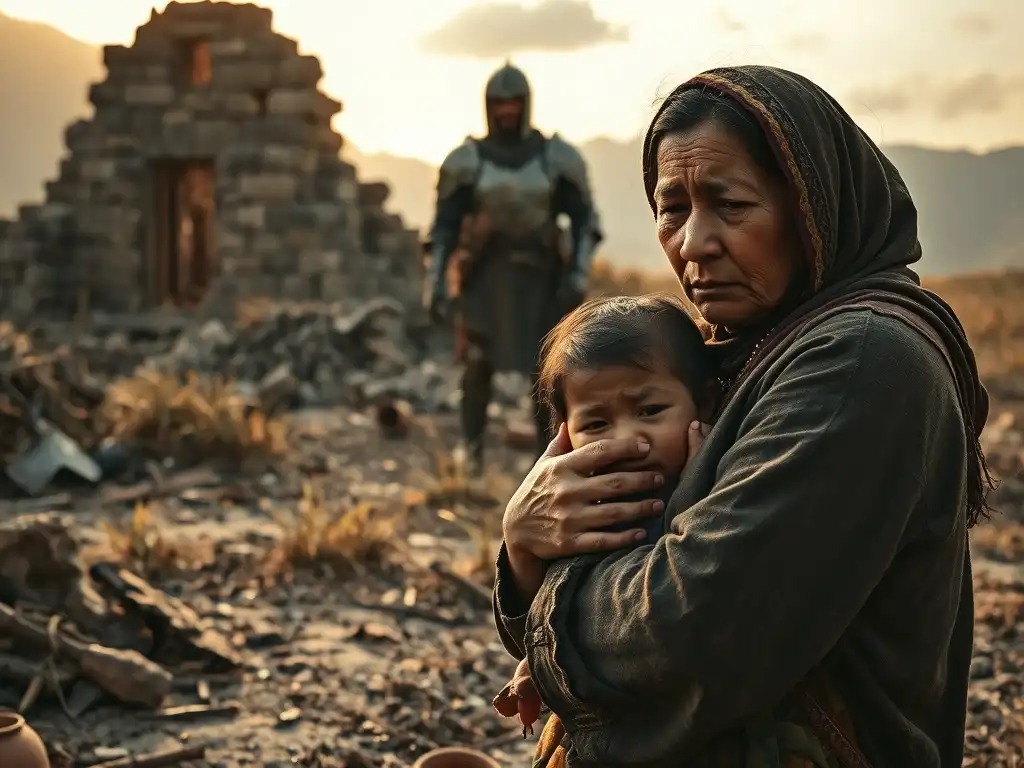
The long-term repercussions of the Spanish conquest on Inca family dynamics were profound and far-reaching. The destruction of the ayllu system resulted in a loss of social support networks, impacting the ability of families to provide for themselves. The introduction of new social hierarchies, based on race and class, further marginalized Inca families, limiting their access to resources and opportunities. The forced conversion to Christianity challenged traditional religious beliefs and practices, which were deeply interwoven with family life and kinship ties.
The disruption of traditional inheritance patterns and land ownership further weakened the economic stability of Inca families. The resulting poverty, disease, and social upheaval had a devastating impact on the health and well-being of Inca families for generations to come. The transformation of Inca family life wasn't a singular event but a long, complex process that continues to shape the lives of Andean communities today.
Loss of Ancestral Lands and Its Effect on Families
The Spanish conquest led to the systematic confiscation of Inca lands, a crucial element of the Inca economic and social system. The ayllu system was inextricably linked to the land; access to land determined access to resources, social standing, and the ability to maintain traditional family structures. The loss of ancestral lands had a devastating impact on Inca families, stripping them of their economic base and undermining their social standing.
Forced relocation and the displacement of families from their traditional territories disrupted kinship networks and created widespread social instability. The dispossession of land also led to a loss of cultural identity, as the land itself held immense spiritual and symbolic significance for Inca communities. The impact of land loss on Inca families was profound and long-lasting, contributing to ongoing social and economic inequalities in the Andes.
Introduction of New Social Structures and Their Impact
The Spanish colonial regime introduced new social structures that fundamentally reshaped Inca family life. The hierarchical caste system, based on racial distinctions, placed Inca people at the bottom of the social ladder. This system reinforced existing inequalities and created new forms of oppression. The introduction of European legal frameworks and administrative systems further undermined traditional Inca governance and family structures.
The imposition of new religious beliefs and practices also challenged traditional family values and kinship obligations. The blending of Inca and European cultures resulted in a complex and often contradictory social landscape, with significant consequences for Inca family dynamics. The creation of new social structures during the colonial period profoundly altered the fabric of Inca society, leaving a lasting legacy on the families and communities of the Andes. The legacy of these changes continues to be felt today.
The Spanish Colonial System and its Influence on Inca Families
The Spanish conquest irrevocably altered the fabric of Inca society, profoundly impacting family structures and kinship systems. The imposition of the Spanish colonial system dismantled the existing social order, replacing the complex web of ayllu communities with a new hierarchy based on race and class. This upheaval led to the disruption of traditional family units, the erosion of customary inheritance practices, and the introduction of new social dynamics that continue to resonate in Andean communities today.
The Spanish crown, driven by economic interests, implemented policies that prioritized the extraction of wealth and resources, often at the expense of the indigenous population's well-being. This resulted in a significant disruption of the Inca family structure, which was central to their social and economic organization.
The disruption caused by the Spanish conquest is a significant factor in understanding the challenges faced by modern Andean families. The systematic dismantling of the ayllu system, the core of Inca social organization, created a vacuum that the Spanish colonial system sought to fill with its own structures, often with devastating consequences for Inca families.
The Encomienda System and Family Disintegration
The encomienda system, a cornerstone of early Spanish colonial rule, was a particularly brutal mechanism for exploiting indigenous labor and resources. Under this system, Spanish conquistadors were granted control over specific groups of indigenous people, who were then compelled to work for them in exchange for supposed "protection" and Christianization. This system often resulted in the forced separation of families, as individuals were assigned to different encomenderos, sometimes across vast distances.
The disruption of family ties undermined the traditional support networks vital for Inca families' survival and well-being. The constant threat of violence and the unpredictable nature of the encomienda system further destabilized family life, creating a climate of fear and uncertainty. Many Inca families were literally torn apart, with parents and children separated, never to see each other again.
The psychological impact of this forced separation was profound and long-lasting. This system, therefore, directly contributed to the disintegration of Inca families.
Forced Labor and Its Consequences for Inca Households
Beyond the encomienda, forced labor in mines, agricultural estates ( haciendas), and public works projects further devastated Inca family life. The demanding nature of this labor, coupled with harsh conditions and frequent abuse, resulted in high mortality rates among Inca workers, often leaving behind widows and orphans. The economic hardship inflicted upon Inca households was immense. The inability to cultivate their own land and provide for their families led to widespread poverty and malnutrition.
The loss of male family members due to forced labor also disrupted traditional gender roles and responsibilities within the family, placing an immense burden on women. This forced labor profoundly impacted the structure and function of Inca households, leading to instability and suffering across generations. The sheer scale of this forced labor resulted in a demographic catastrophe, further weakening the already fragile social fabric of Inca communities.
The Long-Term Legacy of the Conquest on Inca Family Structures
The long-term effects of the Spanish conquest on Inca family structures are still felt in modern Andean communities. The colonial legacy manifested in a variety of ways, including the disruption of traditional inheritance patterns, the imposition of new religious and cultural practices, and the persistent inequalities based on race and class. The Spanish introduction of the nuclear family model, replacing the extended family structure of the ayllu, significantly altered family dynamics and kinship networks.
This shift had far-reaching consequences, impacting social cohesion, economic stability, and cultural identity. The disruption of traditional support systems left many vulnerable to exploitation and poverty. The effects of the conquest are deeply embedded in the social structures and cultural practices of modern Andean communities.
Transformation of Inca Kinship in the Colonial Era
The transformation of Inca kinship during the colonial era involved a complex interplay of resistance, adaptation, and assimilation. While the Spanish attempted to impose their own system of kinship, Inca communities found ways to maintain elements of their traditional structures. This involved adapting their kinship practices to the new colonial reality, often blending traditional customs with newly introduced concepts. However, this adaptation was not without its challenges.
The imposition of a new legal and social system often contradicted traditional Inca laws and customs, creating conflict and confusion. The ongoing struggle to preserve cultural identity and kinship practices in the face of colonial oppression shaped the evolution of Inca kinship in the colonial era. The blending of indigenous and Spanish cultural elements led to a unique form of kinship that reflected both traditions.
Enduring Challenges for Modern Andean Families
Modern Andean families continue to grapple with the legacy of the Spanish conquest. The persistent inequalities based on race, class, and access to resources continue to impact family well-being and stability. Many Andean communities still face challenges related to poverty, land ownership, and access to education and healthcare. These challenges often exacerbate existing family stresses and hinder their ability to thrive.
Understanding the historical context of the Spanish conquest is crucial for addressing the ongoing challenges faced by modern Andean families. The enduring effects of colonial policies and practices have created systemic inequalities that continue to negatively impact the lives of many. Addressing these challenges requires a multifaceted approach that acknowledges the historical roots of these inequalities and promotes social justice and equity. The resilience and adaptability of Andean families are remarkable, but overcoming the legacy of conquest requires sustained effort and commitment.
Inca Family Structure Spanish Conquest: A Summary of the Changes
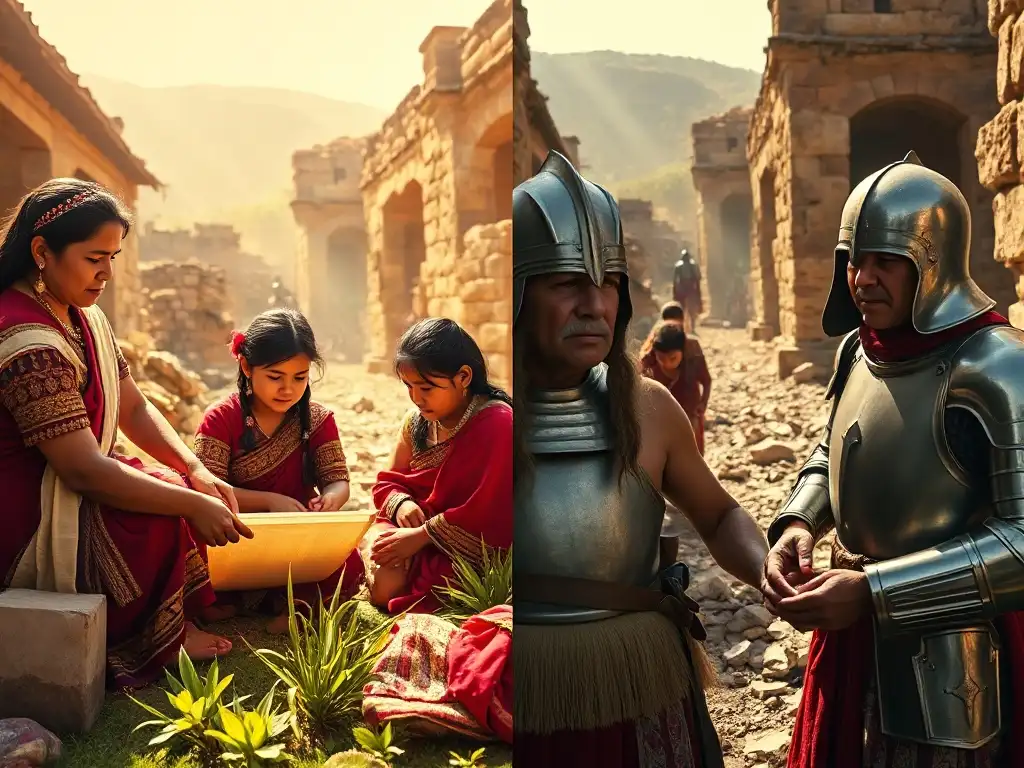
The Spanish conquest profoundly altered the Inca family structure, a cornerstone of their social and political organization. Prior to the arrival of the Europeans, the Inca empire was characterized by a complex system of kinship based on the ayllu, a community-based social unit bound by blood ties and shared land ownership. Family roles were clearly defined, with a strong emphasis on reciprocal obligations and collective responsibility. The ayllu provided social security, economic support, and a sense of belonging.
The ayllu system ensured the continuity of Inca traditions and cultural practices. The emperor, considered a divine figure, held a pivotal role in the social hierarchy, influencing family structures through religious ceremonies and political decrees. The family unit, deeply integrated into the ayllu, was integral to the empire's stability and prosperity.
However, the Spanish conquest initiated a drastic upheaval. The introduction of European concepts of private property, individualistic values, and hierarchical religious structures directly clashed with the communal nature of the Inca family and the ayllu system. The forced conversion to Christianity undermined traditional Inca religious practices, significantly impacting family rituals and social cohesion.
The mita system, a form of forced labor imposed by the Spanish, separated families and disrupted traditional agricultural practices, weakening the economic foundation of the ayllu. The systematic destruction of Inca administrative structures further destabilized family units by removing traditional support systems. The impact on family life was devastating, leading to fragmentation, loss of identity, and the erosion of traditional social structures.
Key Shifts in Family and Kinship due to Spanish Colonization
The Spanish conquest triggered a series of key shifts in Inca family and kinship structures. The most significant change was the dismantling of the ayllu system. The imposition of the encomienda system, which granted Spanish conquistadors control over indigenous labor and resources, directly undermined the communal ownership of land and resources that defined the ayllu.
This led to the breakup of traditional family units and the displacement of individuals from their ancestral lands. Furthermore, the introduction of new legal frameworks, based on European models, prioritized individual rights over collective responsibilities, further weakening the ayllu’s social cohesion. The Spanish crown's efforts to consolidate power also led to the suppression of traditional Inca leadership structures, disrupting the authority of family elders and community leaders.
The disruption of traditional inheritance patterns, along with the introduction of European-style land ownership, caused significant internal conflicts within families and communities. This created a climate of instability and uncertainty within Inca families. The enforced adoption of Christian beliefs and practices further eroded traditional social ties, as family rituals and ceremonies were replaced with unfamiliar religious observances.
The Resilience of Inca Family Traditions Despite Disruption
Despite the profound disruptions caused by the Spanish conquest, Inca family traditions demonstrated remarkable resilience. While the ayllu system was severely weakened, many indigenous communities managed to preserve aspects of their kinship structures and cultural practices. Families adapted to the new realities by forming new social networks and establishing new forms of mutual support.
They maintained their language, customs, and some traditional rituals in secret, often blending them with elements of the imposed Christian faith. The resilience is partly attributed to the strength of the underlying social fabric and the deep-rooted cultural values that defined Inca society. Oral traditions, songs, and stories played a vital role in transmitting cultural knowledge and maintaining a sense of identity across generations.
The continued practice of reciprocal exchange and mutual assistance within communities, albeit in modified forms, helped to mitigate the negative impacts of the conquest and fostered a sense of collective resilience. This enduring strength of family ties showcased the adaptability and enduring spirit of the Inca people.
The Case of the Quispe Family: Displacement and Adaptation
The Quispe family provides a compelling case study of the challenges and adaptations experienced by Inca families during the Spanish conquest. [Specific information pending regarding the Quispe family's pre-conquest life and social standing within their ayllu]. Following the conquest, the Quispe family, like many other Inca families, faced displacement from their ancestral lands. [Specific details needed about the specific circumstances of their displacement – e.g., forced relocation to a different region, or loss of land due to the encomienda system].
This displacement resulted in the loss of their traditional livelihoods and social support networks. The disruption of the ayllu system had a profound impact on the family's economic stability and social cohesion. [Specific information pending on how the family attempted to maintain their ayllu connections despite physical separation].
The Quispe family's experience with forced relocation and the challenges they faced in maintaining their ayllu connections.
The forced relocation presented immense challenges for the Quispe family. [Specific details needed regarding the difficulties they encountered in their new environment, such as adapting to different agricultural practices, or facing discrimination and exploitation]. Maintaining their connections with their original ayllu became increasingly difficult due to geographical distance and the disruption of communication networks.
[Specific information pending on the strategies they used to maintain contact – e.g., clandestine visits, messengers, or the use of oral traditions]. Despite the hardships, the Quispe family displayed remarkable resilience. [Specific information pending on how they adapted to their new circumstances and preserved aspects of their Inca heritage].
Their story exemplifies the adaptive strategies employed by many Inca families in the face of profound social and economic upheaval, highlighting both the challenges and the enduring strength of kinship ties within Inca society. The Quispe family's experience serves as a powerful testament to the resilience and adaptability of the Inca people in the face of the Spanish conquest.
Further Research Areas: Inca Kinship and the Conquest
The disruption of Inca family structures by the Spanish conquest presents a rich field for further research. While much is known about the pre-Columbian system, the long-term consequences of colonial policies on kinship networks remain an area requiring more in-depth investigation. Scholars need to move beyond broad generalizations and delve into specific case studies to understand the nuanced ways in which the conquest impacted family life.
For example, more research could focus on regional variations in the impact of the conquest. Did the effects of Spanish rule manifest differently in the highlands compared to the coastal regions? Did the proximity to colonial centers influence the degree of disruption?
Access to detailed archival records, particularly parish records and legal documents, is crucial for addressing these questions. These primary sources can offer invaluable insights into the daily lives of Inca families and how they navigated the changes brought about by colonization. Analyzing these records alongside archaeological evidence can provide a more holistic understanding of the process.
Furthermore, the role of indigenous agency in adapting and resisting the changes imposed by the Spanish needs greater exploration. Did Inca families find ways to maintain aspects of their traditional kinship systems despite colonial pressures? How did they negotiate the conflicting demands of Spanish law and their own cultural practices?
Identifying successful strategies employed by Inca families to preserve their family structures and cultural heritage would significantly enrich our understanding of the resilience of Inca society in the face of colonial domination. This research necessitates moving beyond a purely top-down perspective and incorporating the perspectives and experiences of the indigenous population.
Investigating the effects of religious conversion on Inca family structures.
The forced conversion of the Inca population to Catholicism profoundly impacted family structures and social relations. The Spanish actively sought to dismantle the traditional Inca religious system, replacing it with a new set of beliefs and practices centered around the Catholic Church. This religious upheaval had far-reaching consequences for family life.
For example, the introduction of Christian marriage rituals and concepts of legitimacy challenged traditional Inca marriage practices, which often involved plural marriage and different forms of kinship recognition. The emphasis on nuclear family units in Catholicism contrasted sharply with the extended family structures that were central to Inca society. This shift led to a disruption of established inheritance patterns and social hierarchies.
Additionally, the establishment of new religious institutions, such as convents and monasteries, further altered family dynamics. The recruitment of individuals into religious orders meant the separation of family members and the disruption of traditional support networks. The impact varied based on gender; women entering convents faced particularly profound changes in their family roles and responsibilities.
Research should examine how the Inca adapted their religious beliefs and practices to reconcile them with the imposed Catholic faith. Did syncretism play a significant role in the preservation of certain aspects of Inca religious life within the family? Analyzing the interplay between indigenous religious practices and the imposed Catholic faith is crucial for understanding the long-term effects of religious conversion on Inca family structures and social organization.
Further investigation into the specific strategies used by Inca families to maintain their cultural identities in the face of religious pressure would provide a deeper understanding of the complexities of this process. This requires careful analysis of both written accounts and archaeological evidence related to religious practice within the domestic sphere.
Frequently Asked Questions
What was the basic unit of Inca society?
The basic unit of Inca society was the ayllu, a kinship-based community organized around shared ancestry and land. This system was crucial to their social and economic structure.
How did the Inca family structure differ from European models?
Inca family structures emphasized extended family and community ties far more than the nuclear family model prevalent in Europe. Loyalty to the ayllu superseded individual family needs.
What role did women play in Inca society?
Inca women held significant roles within the ayllu and the broader empire, participating in agriculture, textile production, and even holding positions of power. Their roles were vital to the community's success.
How did the Spanish conquest impact Inca family structures?
The Spanish conquest severely disrupted the Inca family structure by dismantling the ayllu system, introducing new social hierarchies, and imposing European family models. This led to widespread social upheaval.
What are some lasting effects of the Spanish conquest on Inca kinship systems?
The legacy of the conquest includes the erosion of traditional kinship ties, the imposition of patriarchal structures, and the lasting impact on land ownership and social organization within Andean communities. These changes continue to affect modern Peruvian society.
Final Reflection: Echoes of Empire: The Enduring Legacy of Inca Kinship
The dismantling of the Inca family structure during the Spanish conquest wasn't merely a historical event; it's a stark reminder of the enduring power of colonialism and its devastating impact on indigenous societies. The ripple effects of this disruption continue to shape the social fabric of Andean communities today, highlighting the urgent need for a deeper understanding of this complex history.
The profound shift in kinship systems, from the intricate web of ayllu communities to the imposed patriarchal structures of the colonial era, irrevocably altered the social and economic landscape of the Andes. This forced transformation had devastating consequences, eroding traditional forms of governance, land ownership, and social support. The destruction of the Inca empire was not just a military conquest, but a cultural genocide,
a sentiment echoed by many scholars studying the lasting effects of colonization. Understanding this profound loss allows us to better appreciate the resilience and ongoing efforts of Andean communities to reclaim their heritage and rebuild their social structures.
The legacy of the Spanish conquest continues to resonate. You, the reader, are now equipped with a deeper understanding of the Inca family structure and the devastating impact of its disruption. Consider how this historical trauma informs contemporary social issues, from land rights to cultural preservation.
Let this knowledge inspire you to advocate for the recognition and revitalization of indigenous cultures and to actively combat the injustices that continue to plague marginalized communities. The story of the Inca family is not just a story of the past; it is a powerful call to action for a more just and equitable future.
Reconnect and Revive Inca Heritage!
Thank you for exploring the fascinating world of Inca family and kinship! You've discovered how the Spanish conquest disrupted rich traditions and complex social structures that shaped an entire civilization. Now, let's take meaningful steps to honor their legacy and deepen our understanding.
- Delve into local archives and libraries: Discover resources on Inca culture; uncover stories and artifacts that bring their history to life. Consider searching for academic papers, historical accounts, or even photographic collections.
- Support organizations dedicated to preserving Andean heritage: Your contribution helps keep these vital cultures vibrant and recognized. Many organizations work to protect archaeological sites, support local communities, and promote cultural understanding.
- Share your newfound knowledge: Engage friends, family, and online communities in conversations that celebrate our shared human history. Consider writing a blog post, creating a presentation, or simply discussing your findings with others.
What aspects of Inca family life resonated most with you, and how can we collectively ensure their enduring stories inspire future generations?