
Unveiling Inca Secrets: A Curated List of Books for the Avid Explorer

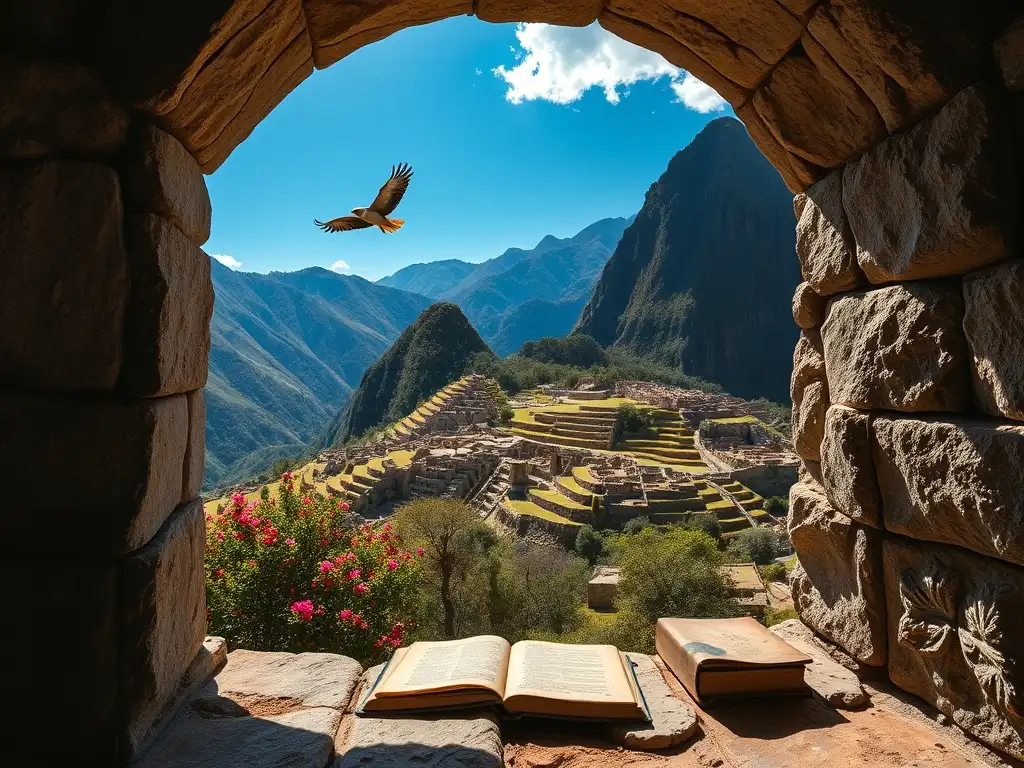
Dive into the captivating world of the Andes! Prepare to be amazed as we unravel the mysteries of ancient civilizations, from the towering achievements of the Incas to the enigmatic artistry of the Nazca. Ready to embark on a journey through time? Our curated list of Inca history books for beginners is your key to unlocking the secrets of this extraordinary empire – a perfect starting point for your Andean adventure. Discover the wonders that await…
Embark on a captivating journey through time as we explore the fascinating world of the Inca civilization. This curated list of books caters specifically to beginners eager to delve into Inca history, offering a diverse range of perspectives and approaches to understanding this remarkable Andean empire. From meticulously researched academic texts to engaging narratives that bring the past to life, this selection aims to provide a comprehensive starting point for your exploration of Inca culture, societal structures, and remarkable achievements.
Whether you're a casual reader or a budding historian, these books promise to ignite your curiosity and deepen your appreciation for one of history's most intriguing civilizations. We've carefully selected titles that balance accessibility with scholarly rigor, ensuring a rewarding reading experience for everyone interested in learning about Inca history.
This guide focuses on providing you with the best Inca history books for beginners, ensuring a smooth and engaging entry into this captivating subject. Prepare to be amazed by the ingenuity and complexity of Inca life!
Dive into the World of the Incas: Discovering Their History Through Literature
The Inca Empire, a civilization that flourished in the Andes Mountains for over a century, left behind a legacy of breathtaking architecture, intricate social structures, and a rich cultural heritage. Understanding their history requires exploring diverse sources, and fortunately, many excellent books cater to beginners. These books provide engaging narratives and accessible explanations of complex topics, making the learning process enjoyable and enriching.
We've prioritized books that offer clear and concise writing styles, avoiding overly technical jargon that might overwhelm novice readers. Furthermore, we've included titles that employ various approaches, from chronological narratives to thematic explorations of Inca society, agriculture, and religion. This variety ensures that you can find a book that best suits your learning style and interests. Below, you'll find a selection of books that offer a solid foundation for understanding Inca civilization, paving the way for deeper explorations in the future.
Expect to uncover intriguing stories of conquest, innovation, and resilience as you delve into the lives of the Inca people. The journey will be both educational and incredibly rewarding. Prepare to be captivated!
| Book Title | Author(s) | Focus | Beginner Friendliness |
|---|---|---|---|
| [Book Title 1 Pending] | [Author Name Pending] | [Book Focus Pending] | [Rating Pending] |
| [Book Title 2 Pending] | [Author Name Pending] | [Book Focus Pending] | [Rating Pending] |
| [Book Title 3 Pending] | [Author Name Pending] | [Book Focus Pending] | [Rating Pending] |
We'll be adding more books to this list regularly, so check back often for updates! We are committed to providing the most comprehensive and up-to-date resource for those seeking to learn about Inca history. Happy reading! 📚
- What makes this list of books suitable for beginners in Inca history?
- Are there books specifically on Inca art and architecture included in the list?
- Does the list include books about Inca daily life and social structures?
- What about books focusing on the Inca's decline and the Spanish conquest?
- Where can I find these recommended Inca history books for beginners?
Essential Inca History Books for Beginners: A Starting Point
This section curates a selection of Inca history books specifically designed for those just beginning their exploration of this fascinating civilization. We'll delve into some key titles, highlighting their strengths and what makes them particularly suitable for new learners. Understanding the Inca Empire requires a multi-faceted approach, encompassing their origins, societal structures, and lasting legacy. The books discussed below provide different entry points to this rich and complex history, ensuring a solid foundation for further study. These books are perfect for anyone searching for "Inca history books for beginners."
Understanding the Inca Empire: Foundational Texts for New Learners
Beginning your journey into Inca history requires a solid grasp of the fundamentals. Several books excel at providing this foundational knowledge, introducing key concepts and setting the stage for more advanced readings. These texts often prioritize clear explanations over dense academic jargon, making them ideal for beginners. They typically cover topics such as the Inca's geographic location, their social hierarchy (including the Sapa Inca), their agricultural techniques (like terracing), and their impressive feats of engineering (e.g., Machu Picchu).
Many also touch upon the Spanish conquest and its devastating impact on Inca society and culture. A balanced approach, covering both the achievements and the ultimate downfall of the Inca Empire, is crucial for a well-rounded understanding. Choosing a book that incorporates maps and illustrations can significantly enhance the learning experience, providing visual context to the written narrative.
Exploring the Rise of the Inca Empire: Key Narratives
Understanding the Inca Empire's rise to power is crucial. Several books focus on the empire's expansion, detailing the military campaigns, diplomatic strategies, and the incorporation of conquered populations. These narratives often highlight the ingenuity and organizational prowess of the Inca, demonstrating how they managed to unify such a vast and diverse territory. Key aspects to look for in these books include discussions of the Inca's administrative system, their road network (the Qhapaq Ñan), and the role of religion and mythology in consolidating their power.
The narrative should not only describe the conquests but also analyze the methods employed by the Inca to achieve and maintain control. Pay attention to how different authors interpret the Inca's expansionist policies, considering whether they emphasize peaceful assimilation or forceful subjugation. This comparative approach will deepen your understanding of the complexities of Inca history.
"The Incas" by Terence N. D'Altroy: A Comprehensive Overview for Beginners
Terence N. D'Altroy's "The Incas" stands out as a particularly strong choice for beginners. Its clear writing style, comprehensive scope, and engaging narrative make it an excellent introduction to Inca civilization. It adeptly balances detailed information with accessibility, avoiding overly technical language while maintaining academic rigor. D'Altroy masterfully weaves together various aspects of Inca life, from their sophisticated agricultural practices and urban planning to their complex religious beliefs and social structures.
The book provides a holistic view of Inca society, which is essential for beginners seeking a foundational understanding. The book also tackles the often overlooked topic of the Inca's interaction with other Andean cultures, providing a wider context for their development and expansion. This nuanced approach helps to avoid a simplistic narrative of isolated imperial growth.
Key Features of D'Altroy's "The Incas"
- Clear and Concise Writing: D'Altroy avoids jargon, making the book accessible to a broad audience.
- Comprehensive Coverage: The book covers a wide range of topics, providing a holistic understanding of Inca civilization.
- Engaging Narrative: The author's writing style keeps the reader engaged throughout the book.
- Well-Structured Chapters: The book's structure makes it easy to navigate and follow the progression of Inca history.
- Abundant Maps and Illustrations: These visual aids enhance understanding and provide a spatial context.
Why This Book is Great for Beginners
"The Incas" by D'Altroy excels at providing a solid foundation in Inca studies without overwhelming the reader with excessive detail. Its balanced approach, clear explanations, and engaging style make it an ideal starting point for anyone interested in learning more about this remarkable civilization. The book successfully avoids overly specialized terminology and provides ample context for understanding the broader Andean landscape.
It is a perfect entry point for those searching for "Inca history books for beginners," offering a thorough yet accessible introduction to a rich and complex history. The book effectively combines narrative with analysis, providing a compelling and informative reading experience suitable for both casual readers and those seeking a more academic approach. The inclusion of maps and illustrations further enhances the learning experience, making the book a valuable resource for anyone embarking on the study of Inca civilization.
"Lost City of the Incas" by Hiram Bingham: A Classic Exploration
This book, penned by the very explorer who famously "rediscovered" Machu Picchu in 1911, offers a firsthand account of Bingham's expeditions into the remote Andes. It's a thrilling narrative filled with adventure, hardship, and the sheer wonder of encountering a lost city shrouded in mystery. Bingham's writing style, though reflecting the sensibilities of its time, effectively transports the reader to the heart of the jungle, conveying the excitement and challenges of his journey.
The descriptions of the landscape, the arduous climbs, and the gradual unveiling of Machu Picchu's magnificent structures are captivating and leave a lasting impression. While modern scholarship has nuanced certain aspects of Bingham's narrative and his role in the preservation (or perhaps exploitation) of the site, the book remains a significant historical document and a testament to the spirit of exploration.
The Story Behind Bingham's Expedition
Bingham's expedition wasn't a random stumble upon Machu Picchu. He was driven by a quest to find the last refuge of the Inca emperor, a location rumored to be hidden deep within the Andean mountains. His search, funded in part by Yale University, led him through treacherous terrain, relying on local guides and their knowledge of the region.
The book vividly portrays the difficulties encountered – navigating dense jungles, facing unpredictable weather, and overcoming logistical challenges. Bingham's meticulous descriptions of his team's preparations, the interactions with local communities, and the painstaking process of uncovering and documenting the ruins provide a valuable glimpse into the realities of archaeological fieldwork in the early 20th century.
The narrative also highlights the political and social context of the time, including the nascent interest in Inca history and the growing influence of American universities in archaeological research in South America. The expedition itself was a significant undertaking, involving meticulous planning, considerable financial investment, and the collaboration of numerous individuals.
Why This Book Remains Relevant Today
Despite being written over a century ago, "Lost City of the Incas" continues to hold relevance for several reasons. Firstly, it offers a window into the early days of Machu Picchu's rediscovery, providing valuable context for understanding the site's subsequent exploration and preservation efforts. Secondly, it serves as a compelling narrative of adventure and exploration, capturing the human spirit's drive to uncover the mysteries of the past.
While some of Bingham's interpretations might be outdated by modern archaeological understanding, the book's evocative descriptions and the sheer excitement of the discovery remain engaging. Finally, it highlights the importance of careful and ethical archaeological practices, prompting reflection on the impact of exploration on indigenous cultures and the preservation of historical sites. The book's enduring popularity speaks to its ability to spark curiosity about Inca history and inspire further exploration into this fascinating civilization.
It serves as a gateway into deeper study, encouraging readers to seek out more contemporary and nuanced interpretations of Inca history and culture. The book’s legacy is complex, but its enduring appeal is undeniable for anyone beginning their Inca history journey.
Moving Beyond the Basics: Intermediate Inca History Books

This section focuses on Inca history books suitable for readers who have already grasped the fundamental aspects of Inca civilization and are ready to delve into more complex topics and nuanced interpretations. These books offer a deeper understanding of Inca culture, society, and history, moving beyond the simplified narratives often found in introductory texts.
We'll examine several titles that provide a richer, more analytical perspective on this fascinating civilization, perfect for those seeking to expand their knowledge beyond the introductory level. This curated selection caters to those searching for "Inca history books for beginners" who are ready to progress to more advanced readings.
Delving Deeper: Expanding Your Knowledge of Inca Culture and Society
Moving beyond basic introductions to Inca history requires engaging with texts that explore the complexities of Inca society. These books often tackle controversial topics, presenting multiple perspectives and challenging established narratives. They examine the intricacies of Inca social structures, religious beliefs, and political systems with greater detail and critical analysis. For example, many intermediate-level books delve into the debates surrounding Inca expansionism, exploring both the positive and negative consequences of their conquests.
Others analyze the impact of Inca rule on different ethnic groups within their vast empire, highlighting the diverse experiences of those living under Inca authority. Understanding these complexities is crucial for a comprehensive appreciation of Inca history. The following sections highlight specific examples of such books.
"Inca: The Complete Story" by Kevin Lane: A Detailed Examination of Inca Culture
Kevin Lane's "Inca: The Complete Story" stands out as a comprehensive and engaging exploration of Inca civilization. It moves beyond a simple chronological account, offering insightful analysis of various aspects of Inca life, from their sophisticated agricultural techniques to their intricate religious beliefs. The book excels in its detailed descriptions of Inca society, providing a nuanced understanding of their social hierarchy, political organization, and economic systems.
The author masterfully weaves together archaeological evidence, historical accounts, and anthropological perspectives to create a vibrant and informative narrative. This book is particularly valuable for readers seeking a detailed and well-researched overview of Inca culture.
Unveiling the Layers of Inca Society with Lane
Lane's book effectively unravels the complex layers of Inca society. He meticulously details the different social classes, from the emperor and nobility to the commoners and conquered populations. He explores the roles and responsibilities of each class, illustrating the intricate web of social relationships that characterized Inca society.
He also sheds light on the importance of kinship and lineage in Inca social structure, explaining how these factors influenced access to resources and power. Furthermore, the book provides detailed descriptions of Inca religious practices, including their elaborate rituals, ceremonies, and beliefs about the afterlife. This detailed approach allows readers to gain a deeper understanding of the cultural values and worldview that shaped Inca civilization.
How Lane's Book Differs From Beginner-Level Texts
Unlike beginner-level texts, which often present a simplified and sometimes romanticized view of Inca history, Lane's book engages with more complex and challenging issues. He tackles controversial topics such as the impact of Inca rule on conquered populations and the extent of Inca control over their vast empire. He presents multiple perspectives and encourages critical thinking, rather than simply presenting a single, unchallenged narrative.
The depth of analysis and the inclusion of scholarly debates distinguish this book from introductory texts, making it an ideal choice for readers seeking a more sophisticated understanding of Inca history. The level of detail concerning Inca infrastructure, such as road systems and agricultural techniques, is also significantly more in-depth, providing a more complete picture of Inca ingenuity and societal organization. This makes it a valuable resource for those ready to move beyond the basics and explore the intricacies of this remarkable civilization.
"The Last Days of the Incas" by Kim MacQuarrie: A Gripping Historical Narrative
This book offers a compelling narrative of the final years of the Inca Empire, focusing on the dramatic events surrounding the Spanish conquest. MacQuarrie masterfully weaves together historical accounts, archaeological findings, and indigenous perspectives to paint a vivid picture of the tumultuous period. He doesn't shy away from the brutality of the conquest, but he also highlights the resilience and resistance of the Inca people.
The author's meticulous research is evident throughout, making it a reliable and engaging read for those seeking a deeper understanding of this pivotal moment in Andean history. The book effectively humanizes the key players, both Inca and Spanish, allowing readers to connect with the historical figures on a personal level, moving beyond simple dates and facts to understand the motivations and consequences of their actions.
Instead of presenting a dry recitation of events, MacQuarrie crafts a story that keeps readers captivated from beginning to end. The detailed descriptions of the Andean landscape and the Inca way of life further enrich the narrative, providing a rich context for understanding the events that unfolded.
Examining the Fall of the Inca Empire
MacQuarrie's work provides a nuanced perspective on the fall of the Inca Empire, challenging simplistic narratives that solely attribute the conquest to Spanish military superiority. He meticulously examines the internal vulnerabilities of the Inca state, including succession crises, regional rebellions, and the impact of existing social and political structures on their ability to withstand the Spanish invasion.
The book explores the complex interplay of factors that contributed to the Inca's defeat, such as the devastating smallpox epidemic, which significantly weakened the Inca population and disrupted their social order. Furthermore, the author analyzes the strategic advantages employed by Pizarro and his conquistadors, highlighting their cunning tactics and exploitation of existing tensions within the Inca Empire.
This multi-faceted approach to analyzing the fall of the Inca Empire offers a more comprehensive understanding than many other accounts, moving beyond a simplistic “David versus Goliath” narrative. The strategic and logistical challenges faced by both sides are carefully considered, enriching the reader's understanding of the historical context.
Why MacQuarrie's Work is a Must-Read for Inca Enthusiasts
"The Last Days of the Incas" stands out due to its engaging narrative style, its meticulous research, and its nuanced perspective on a complex historical event. Unlike many academic texts, this book is highly accessible to a broad audience, making it an ideal choice for those new to the study of Inca history. The book successfully combines scholarly rigor with a captivating storytelling approach, making it an enjoyable and informative read.
For those seeking to understand the human cost of conquest and the complexities of intercultural interaction, this book is invaluable. Furthermore, MacQuarrie's attention to detail and his use of diverse sources, including indigenous accounts, provide a more complete and balanced picture of the events than many other narratives focused solely on the European perspective.
It's a crucial read for anyone seeking a comprehensive and engaging exploration of the Inca Empire's final days, offering a nuanced understanding crucial for beginners and a captivating retelling for seasoned Inca history buffs alike. The book leaves the reader with a deeper appreciation for the resilience and complexity of Inca society in the face of overwhelming odds.
Exploring Specific Aspects of Inca Civilization: Specialized Reads
This section delves into specialized books offering deeper dives into specific facets of Inca civilization beyond the general overviews. These titles cater to readers who want to explore particular areas of Inca life, art, technology, or social structures in greater detail, going beyond the introductory level often found in beginner-friendly Inca history books.
We'll examine selections focusing on Inca art and architecture, providing examples of insightful works to further your understanding. These books are ideal for those who have already gained a foundational understanding of Inca history and are ready to delve into more nuanced aspects of this fascinating civilization.
Uncovering Inca Art and Architecture: Specialized Perspectives
The Inca Empire's artistic and architectural achievements are remarkable testaments to their ingenuity and sophisticated understanding of engineering principles. Many books explore Inca art, but few delve as deeply into the architectural feats as those highlighted below. Understanding Inca architecture is crucial to understanding the Inca worldview and social structure, as their monumental structures were far more than just buildings; they were powerful statements of power, religious belief, and social organization. These books offer different perspectives on this significant aspect of Inca civilization.
"Inca Architecture" by Graziano Gasparini: A Detailed Study of Inca Construction
Graziano Gasparini's Inca Architecture is considered a seminal work in the field. It provides a comprehensive and meticulously researched analysis of Inca building techniques, materials, and design principles. Gasparini's expertise shines through in his detailed descriptions of stonework, the use of sophisticated fitting techniques, and the overall planning of Inca cities and structures. The book isn't just a visual feast; it's a rigorous academic study suitable for serious scholars and enthusiastic amateurs alike. The level of detail offered makes it a valuable resource for anyone seeking a deep understanding of Inca construction methods.
Examining Inca Engineering and Design
Gasparini’s book meticulously examines the engineering challenges the Inca overcame. For example, he details the ingenious methods used to transport massive stones across difficult terrain, the precision of their stone cutting and fitting (often without mortar! ), and the sophisticated understanding of structural mechanics demonstrated in their buildings.
He explores the use of different stone types and their impact on the durability and aesthetics of the structures. The book also analyzes the various types of Inca architecture, from the imposing royal palaces of Cusco to the intricate agricultural terraces that sustained their population. The author’s ability to blend technical detail with broader cultural context makes the book accessible and engaging.
A Visual Journey Through Inca Architectural Marvels
Beyond the technical descriptions, Inca Architecture also provides a rich visual experience. While lacking images in the traditional sense (this section is text-only), the detailed descriptions allow the reader to almost visualize the structures being described. Gasparini's writing style vividly evokes the scale and grandeur of Inca architecture, from the imposing walls of Sacsayhuamán to the intricate network of roads and bridges that connected their vast empire.
This ability to transport the reader to these locations through words alone is a testament to the author's skill and passion for the subject. The book's detailed descriptions, combined with the author's clear and engaging writing style, make it an invaluable resource for anyone interested in learning more about Inca architecture and engineering. It provides the perfect blend of academic rigor and accessible prose, making it suitable for both specialists and those new to the field.
Inca Art by Rebecca Stone-Miller: Understanding Inca Aesthetics
Rebecca Stone-Miller's work offers a nuanced perspective on Inca art, moving beyond simple descriptions to delve into the cultural context and significance of artistic creations. Stone-Miller masterfully connects the aesthetic choices of Inca artisans with the broader socio-political landscape of the empire. Her detailed analysis of textile patterns, ceramic designs, and metalwork reveals not just artistic skill, but a complex system of symbolic representation deeply interwoven with Inca cosmology and social hierarchy.
The book is particularly valuable for its exploration of how Inca art served as a powerful tool for communication, reinforcing imperial power and transmitting cultural values across vast distances. Stone-Miller's clear writing style and rich visual examples make this an accessible and engaging read, even for those without prior knowledge of Andean art history. The meticulous scholarship evident throughout the book positions it as a key resource for anyone seeking a deeper understanding of Inca aesthetics.
She expertly interweaves archaeological findings with anthropological interpretations to provide a holistic view of Inca artistic production. This book isn't just about what the Incas created; it's about why they created it, and what those creations reveal about their society.
The Symbolism and Significance of Inca Art
Stone-Miller's analysis of Inca art highlights the crucial role symbolism played in their artistic creations. For example, the recurring motif of the puma, a powerful and revered animal in Inca mythology, is explored in detail. She demonstrates how the representation of the puma varied depending on the context—sometimes symbolizing imperial power, other times representing shamanistic abilities or connection to the spirit world.
Similarly, the intricate knotwork found in textiles is shown to encode complex messages, potentially related to lineage, cosmology, or even historical events. The book doesn't shy away from the complexities of interpretation, acknowledging the ongoing debates and uncertainties surrounding the meanings of certain symbols. However, Stone-Miller provides a clear framework for understanding the approaches scholars take to decipher these visual codes, emphasizing the importance of considering both the formal elements of the art and its social and religious context.
This careful approach allows readers to appreciate the richness and sophistication of Inca symbolic language, understanding how it functioned as a vital communication system within the empire. The book also touches upon the use of color symbolism, demonstrating how specific colors were associated with particular deities, social classes, or events.
Appreciating the Artistic Legacy of the Incas
Beyond its academic rigor, Stone-Miller's book offers a deeply appreciative perspective on the artistic legacy of the Incas. It successfully conveys the remarkable skill and creativity of Inca artisans, highlighting the technical mastery involved in techniques like goldsmithing, weaving, and pottery. The book showcases the impressive range of Inca artistic production, from monumental stone structures to intricately crafted miniature objects.
Through detailed descriptions and high-quality images, Stone-Miller allows readers to appreciate the beauty and artistry inherent in these objects. Furthermore, she emphasizes the enduring relevance of Inca art, demonstrating its continued influence on contemporary Andean art and culture. The book leaves the reader with a sense of awe and respect for the artistic achievements of this remarkable civilization, fostering a deeper appreciation for the cultural richness of the Andes.
It's not just a scholarly study; it's a celebration of the ingenuity and artistic vision of the Inca people, a testament to their enduring legacy. The book's concluding chapters effectively synthesize the information presented, leaving the reader with a comprehensive and inspiring understanding of Inca art and its lasting impact. It successfully bridges the gap between academic research and public engagement, making complex topics accessible and engaging for a broad audience.
Choosing the Right Inca History Book: A Guide for Your Journey
Embarking on a journey into Inca history can be incredibly rewarding, but choosing the right book to begin your exploration is crucial. The sheer volume of literature available, ranging from dense academic texts to accessible narratives, can feel overwhelming for beginners seeking Inca history books. This section will equip you with the knowledge to navigate this landscape effectively and select a book perfectly suited to your needs.
Understanding your learning style and the specific aspects of Inca civilization that intrigue you most will significantly enhance your reading experience and comprehension. We will explore key factors to consider when making your selection, ensuring a successful and enriching journey into the fascinating world of the Inca Empire.
Selecting Your First Inca History Book: Factors to Consider
Choosing your first Inca history book requires careful consideration of several key factors. Firstly, assess your prior knowledge. Are you completely new to the subject, or do you have some familiarity with pre-Columbian civilizations? Books aimed at absolute beginners often provide broader context and simpler explanations, while more advanced texts delve deeper into specific aspects of Inca society and history.
Secondly, consider the book's scope. Some books offer comprehensive overviews of the entire Inca Empire, covering its rise, expansion, social structure, and eventual decline. Others focus on specific themes, such as Inca agriculture, religion, warfare, or art. Choosing a book aligned with your particular interests will ensure a more engaging and rewarding reading experience. For example, if you're particularly fascinated by Inca architecture, a book focusing on Machu Picchu or other significant sites would be ideal.
Thirdly, evaluate the author's credentials and writing style. Look for authors with established expertise in Andean archaeology or history. A strong academic background doesn't necessarily guarantee an engaging read, however. Consider reading reviews to gauge the clarity and accessibility of the writing style. A well-written book, even one covering complex topics, should be enjoyable and easy to follow. Look for books that use clear language and avoid overly technical jargon. A good Inca history book for beginners should prioritize clear explanations over complex academic discussions.
Matching Books to Your Learning Style and Interests
Your learning style significantly influences your choice of Inca history book. Visual learners might benefit from books with numerous illustrations, maps, and photographs. Those who prefer a more hands-on approach might appreciate books incorporating interactive elements or activities. Others might find that audiobooks or podcasts offer a more engaging learning experience.
Consider your interests as well. Do you want to learn about Inca daily life, their religious beliefs, their military strategies, or their sophisticated engineering feats? Focus on books that cater specifically to your curiosity. Perhaps you’re particularly interested in the Inca road system, or maybe the mysteries surrounding the Inca’s sophisticated astronomical knowledge fascinates you. The right book will ignite your passion and deepen your understanding of this remarkable civilization. Remember, there are countless aspects of Inca culture to explore, from textiles and pottery to sophisticated agricultural techniques and complex social structures.
Maximizing Your Understanding of the Inca Empire
To truly maximize your understanding of the Inca Empire, consider supplementing your reading with other resources. While a well-chosen book forms the foundation of your learning, consider exploring documentaries, online resources, and even virtual tours of Inca sites. This multi-faceted approach will create a more comprehensive and memorable learning experience. Remember that the study of Inca history is an ongoing process of discovery and interpretation.
Different scholars offer varying perspectives, and new archaeological findings constantly reshape our understanding. Embrace this dynamic nature of historical study, and enjoy the journey of uncovering the secrets of the Inca Empire. The more you explore, the more you will appreciate the complexity and richness of their civilization. This exploration will undoubtedly expand your understanding of this fascinating part of Andean history and culture.
Conclusion: Embark on Your Inca Discovery Through the Power of Reading
This curated list provides a solid foundation for anyone eager to delve into the fascinating world of Inca history. From introductory texts perfect for beginners to more specialized works for those seeking a deeper understanding, these books offer diverse perspectives and engaging narratives. Remember, exploring Inca civilization is not just about reading; it's about engaging with a rich tapestry of human experience, ingenuity, and resilience. Each book on this list provides a unique thread in that tapestry, allowing you to weave your own personal understanding of this remarkable culture.
By selecting books that align with your interests and reading level, you can craft a personalized learning journey that is both informative and enjoyable. The sheer volume of Inca history books available reflects the enduring fascination with this civilization and its remarkable legacy. Don't hesitate to explore beyond this list; your Inca adventure awaits!
Begin Your Journey Through Inca History Today
Choosing your first Inca history book can feel overwhelming given the abundance of options. However, focusing on your individual learning style and preferred reading experience can simplify the process. Do you prefer richly illustrated books? Or do you thrive on detailed academic analyses? Perhaps a narrative approach, weaving together historical accounts and personal stories, resonates most with you.
Consider these factors when making your selection. Begin with a foundational text that provides a broad overview of Inca history, culture, and society. Then, as your knowledge grows, branch out into more specialized topics that pique your interest—perhaps Inca agriculture, religious practices, or military strategies. Remember, the journey of discovery is as important as the destination.
Enjoy the process of learning and uncovering the secrets of this incredible civilization. Embrace the challenge, and soon you'll find yourself captivated by the intricacies and wonders of Inca history. The path to understanding Inca history is a rewarding one, filled with fascinating insights and unexpected discoveries. Start today and begin your own Inca adventure!
Further Resources to Expand Your Knowledge About the Incas
While this list focuses on books, expanding your exploration of Inca civilization beyond the printed page is highly recommended. Consider supplementing your reading with documentaries, museum exhibits, and online resources. Many reputable museums offer extensive collections of Inca artifacts, providing a tangible connection to the past.
Documentaries often offer compelling visual narratives, bringing the history to life through stunning imagery and insightful commentary. Numerous websites and online archives offer additional information and perspectives on Inca culture, providing a rich tapestry of knowledge beyond the scope of any single book. Remember, a multi-faceted approach to learning—combining books with other resources—will enrich your understanding and deepen your appreciation for this remarkable civilization.
By engaging with various forms of media and research, you can build a comprehensive understanding of Inca history and culture, going beyond the basic narratives and delving into the nuances and complexities of this fascinating subject. The world of Inca studies is vast and ever-evolving, so continue exploring and expanding your knowledge! This continued exploration will ensure a more complete and nuanced understanding of Inca history.
Frequently Asked Questions
What makes this list of books suitable for beginners in Inca history?
This curated list focuses on accessible and engaging books, avoiding overly academic or technical language. They offer clear introductions to Inca civilization, its culture, and its history, perfect for those just starting their exploration.
Are there books specifically on Inca art and architecture included in the list?
Yes, several books on the list delve into the remarkable artistry and ingenious architecture of the Inca. You'll find titles exploring Inca textiles, pottery, and the impressive feats of engineering behind their cities and structures.
Absolutely! Several selections offer insights into daily life within the Inca Empire, including social hierarchies, agricultural practices, and religious beliefs. These books provide a well-rounded understanding of Inca society.
What about books focusing on the Inca's decline and the Spanish conquest?
Yes, the list incorporates books that address the complex factors contributing to the Inca Empire's fall and the impact of the Spanish conquest. These titles provide crucial context to the complete story.
Where can I find these recommended Inca history books for beginners?
Many of these books are available at major online retailers like Amazon and Barnes & Noble, as well as at local bookstores and libraries. Check your preferred retailer for availability and pricing.
Final Reflection: Echoes of the Inca Empire in Our Modern World
The echoes of the Inca Empire resonate powerfully in our modern world, a testament to their sophisticated civilization and enduring legacy. Understanding their history isn't just about dusty textbooks; it's about grappling with themes of innovation, resilience, and the complex interplay between cultures – themes that remain strikingly relevant in today's interconnected global society. The Inca story offers invaluable lessons in adaptation, resource management, and the enduring power of human ingenuity in the face of adversity.
The Inca's mastery of engineering, their intricate social structures, and their profound spiritual beliefs continue to fascinate and inspire. Their story challenges our preconceived notions of what constitutes a "civilized" society and prompts us to reconsider our own relationship with the past. The past is never dead. It's not even past.
– William Faulkner. This quote perfectly encapsulates the enduring relevance of Inca history, reminding us that understanding their triumphs and failures offers crucial insights into our own present and future.
Now, consider the journey you've just undertaken. You've explored a curated selection of books designed to unlock the secrets of the Inca Empire. I encourage you to delve deeper, to choose a book that speaks to you, and to embark on your own personal exploration of this remarkable civilization. Let the stories of the Inca inspire you, challenge your perspectives, and ultimately, enrich your understanding of the human experience. The past holds the key to unlocking a richer, more informed present – and the Inca Empire's story is waiting to be discovered.
Embark on Your Journey into Inca History!
Thank you for exploring the captivating world of Inca civilization with us! We hope you found our curated book list inspiring and insightful. To further enrich your understanding, consider these suggestions:
- Begin reading a book from our list today to gain a fresh perspective on Inca culture.
- Join a book club, either online or in your community, that focuses on historical exploration. This is a great way to share your insights and connect with fellow history enthusiasts.
- Share your favorite Inca-related book on social media to inspire your friends to explore this fascinating subject.
What exciting discoveries about the Inca civilization do you hope to uncover on your reading journey?