
The Legacy of Symbols: How Andean Art Continues to Inspire

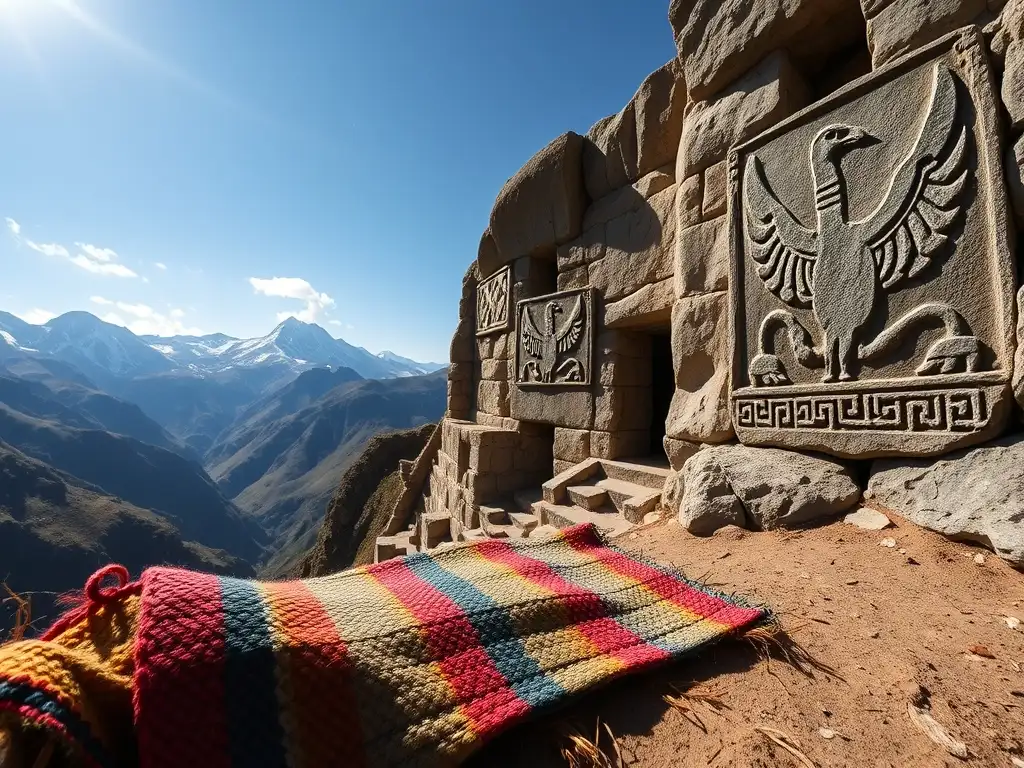
Dive into a world lost in time, yet echoing powerfully in the present. The Andean civilizations, with their breathtaking artistry and complex societies, hold secrets waiting to be uncovered. From the intricate weavings of the Nazca to the monumental structures of the Incas, their legacy continues to captivate. But what do those enigmatic Andean art symbols mean? Unravel the mysteries and discover the profound stories woven into their vibrant designs – begin your exploration now!
-
The Enduring Legacy of Symbols: How Andean Art Continues to Inspire
- Unveiling the Meaning of Andean Art Symbols
- Ancient Andean Iconography: A Window into the Past
- Key Andean Civilizations and Their Distinctive Symbolic Language
- Analyzing Specific Andean Art Symbols and Their Interpretations
- How Andean Art Symbols Transcends Time
- Exploring the Deeper Meanings: Beyond the Surface of Andean Art
- Understanding Andean Art Symbols Meaning: A Continuous Journey
- Frequently Asked Questions
- Final Reflection: Echoes of the Andes: A Legacy of Meaning
- Unleash Your Creativity Through Andean Inspiration!
The Enduring Legacy of Symbols: How Andean Art Continues to Inspire
Andean art, a vibrant tapestry woven from millennia of cultural evolution, resonates with a power that transcends time. From the intricate textiles of the Nazca to the imposing stonework of the Incas, the art of the Andes isn't merely aesthetically pleasing; it's a powerful repository of knowledge, beliefs, and societal structures. This article delves into the fascinating world of Andean art symbols, exploring their meanings and the enduring legacy they hold in contemporary society.
Understanding these symbols provides a crucial key to unlocking a deeper appreciation of the rich and complex history of these remarkable civilizations. We will examine the diverse iconography, from geometric patterns to representations of animals and humans, uncovering the stories embedded within these ancient forms of expression.
This exploration aims to illuminate the significance of Andean art symbols and their continued relevance in understanding the cultural heritage of the Andes. By deciphering these symbolic languages, we gain a profound insight into the spiritual beliefs, social organization, and daily life of the Andean peoples, solidifying the importance of "Andean art symbols meaning" in our understanding of their history.
Unveiling the Meaning of Andean Art Symbols
The Andean world was saturated with symbolism. Every element, from the color of a textile to the shape of a ceramic vessel, held specific meaning, often layered with multiple interpretations. This intricate system of representation allowed the Andean people to communicate complex ideas, beliefs, and narratives across generations.
The meaning of these symbols wasn't always fixed; context played a crucial role in their interpretation. For instance, a particular animal might represent different things depending on its depiction – its posture, the objects it's associated with, or the overall context of the artwork. Understanding this nuanced approach to symbolism is key to appreciating the depth and complexity of Andean art.
The challenge lies in piecing together these fragments of meaning, often drawing upon archaeological evidence, ethnographic studies, and careful analysis of the artworks themselves. This process requires a multidisciplinary approach, combining art history, anthropology, and archaeology to reconstruct the cultural narratives embedded within these ancient artifacts. The study of Andean art symbols is an ongoing process of discovery, constantly revealing new layers of meaning and enriching our understanding of these fascinating cultures.
Ancient Andean Iconography: A Window into the Past
Andean iconography provides an invaluable window into the past, offering glimpses into the spiritual beliefs, social structures, and daily lives of the Andean civilizations. The diverse range of symbols utilized reflects the rich tapestry of cultures that flourished across the Andes. From the intricate geometric designs found on Paracas textiles to the stylized representations of deities in Moche pottery, each civilization developed its own unique symbolic language, yet there are also recurring motifs and themes that connect these seemingly disparate cultures. This shared symbolic vocabulary suggests a degree of cultural exchange and interaction across the vast Andean landscape. The persistence of certain symbols across centuries and across different cultural groups highlights their enduring significance and their role in shaping Andean identities. The study of these symbols allows us to trace the evolution of ideas, beliefs, and artistic practices over time, providing a rich and complex understanding of the Andean world.
The Significance of Geometric Patterns in Andean Art
Geometric patterns are ubiquitous in Andean art, appearing on textiles, ceramics, and stone carvings. These seemingly simple designs often hold complex meanings, representing cosmological concepts, social structures, or even specific events. For example, [specific information pending] The repetition of these patterns can also signify abundance, fertility, or the cyclical nature of life and death. The precision and intricacy of these geometric designs demonstrate the high level of skill and artistic mastery achieved by Andean artisans.
The use of specific colors and combinations of colors further adds to the symbolic complexity of these patterns. [Specific examples and interpretations of geometric patterns pending]. Analyzing these patterns requires a keen eye for detail and a deep understanding of Andean cosmology and symbolism.
Animal Symbolism in Andean Cultures: Decoding the Fauna
Animals played a significant role in Andean cultures, appearing frequently in their art and mythology. Specific animals were often associated with particular deities, natural forces, or social groups. For instance, the puma, a powerful and revered creature, was often associated with royalty and leadership.
[Specific examples of animal symbolism and their cultural significance pending]. The depiction of animals in Andean art is not merely representational; it often involves symbolic layering, combining different visual elements to convey deeper meanings. The study of animal symbolism in Andean art provides valuable insights into their worldview, their relationship with the natural world, and their understanding of the cosmos.
Human Representations: Gods, Ancestors, and Rulers
Human representations in Andean art vary significantly depending on the culture and the intended purpose of the artwork. Depictions of deities, ancestors, and rulers often feature elaborate headdresses, ornaments, and clothing, reflecting their status and power within society. [Specific examples of human representations and their interpretations pending].
The stylized features and poses of these figures often convey specific messages about their identities and roles. The careful analysis of these representations offers invaluable clues to understanding the social hierarchy, religious beliefs, and political structures of the Andean civilizations. The study of human representations in Andean art provides a fascinating glimpse into the lives and beliefs of the people who created them.
Key Andean Civilizations and Their Distinctive Symbolic Language
Andean art, a vibrant tapestry woven across millennia, boasts a rich symbolic language unique to each civilization. Understanding these symbols offers a glimpse into the beliefs, values, and societal structures of these remarkable cultures. The Inca, Moche, Nazca, and Tiahuanaco civilizations, among others, each developed intricate systems of representation, using motifs that recur across different mediums, from pottery and textiles to monumental architecture and geoglyphs. The consistent themes reveal underlying shared cosmological beliefs, yet also demonstrate the unique artistic expressions of each society.
Deciphering this symbolic language requires careful consideration of context, material, and the specific stylistic choices made by the artists. The enduring power of these symbols lies in their ability to transcend time, continuing to inspire and fascinate contemporary audiences. Their study offers a pathway to understanding the complexity and beauty of Andean cultures.
The Incas: Sun Worship and Royal Iconography
Inca art is deeply intertwined with their sun-centered religion. The Inti, or sun god, was the supreme deity, and royal iconography frequently featured solar motifs. The Tampu (royal residences) were lavishly decorated with intricate carvings and textiles depicting the sun, often alongside other important figures like the moon and stars. The tocapus, or royal headdresses, often incorporated gold and feathers, further emphasizing the connection between the Inca rulers and the divine.
Additionally, the yaraví, a type of ceremonial garment, was adorned with intricate designs reflecting the Inca worldview. The repetitive use of these symbols reinforced the Inca's belief in their divine right to rule and their close relationship with the cosmos. This emphasis on royal authority is evident in the grandeur and detail of the surviving artifacts. The sun's symbolism extended beyond simple representation; it underscored the Inca's intricate social hierarchy and their belief in a divinely ordained empire.
Moche Art: Narrative Pottery and Symbolic Depictions
Moche art, particularly their exceptional pottery, is renowned for its vivid narrative scenes. These ceramics tell stories of daily life, warfare, rituals, and mythology, offering invaluable insights into Moche society. Many depictions feature powerful symbolic elements. For example, recurring motifs include felines (representing power and fertility), birds (symbolizing the spirit world), and stylized representations of deities.
The Moche artists expertly employed color and form to convey complex meanings, often using vibrant hues and dynamic compositions to convey narratives. The detailed scenes on the pottery showcase the Moche's sophisticated understanding of their environment and their complex religious beliefs. The intricate details and vibrant colors employed in these narrative vessels serve not only as aesthetic achievements but also as powerful tools for understanding their rich cultural heritage. The Moche's mastery of ceramic techniques allowed them to create lasting visual records of their society and beliefs.
Nazca Lines: Geoglyphs and Their Enigmatic Symbolism
The Nazca Lines, vast geoglyphs etched into the desert landscape, remain one of the most enigmatic archaeological mysteries. These colossal figures, including animals, plants, and geometric shapes, are only fully visible from the air. Their purpose continues to be debated, with theories ranging from astronomical observatories to ritual sites. While the precise meaning of each geoglyph remains elusive, their scale and complexity suggest a deep understanding of geometry, engineering, and potentially, a sophisticated cosmological system.
The scale and precision of these monumental works underscore the Nazca's advanced knowledge of surveying and engineering. The enduring mystery surrounding their purpose only adds to their allure, making them a compelling example of Andean artistic expression and technological ingenuity. Further research and analysis are needed to fully understand the symbolism and purpose of these impressive works of art.
Tiahuanaco: The Gateway of the Sun and its Meaning
The Gateway of the Sun, a monumental stone structure at the Tiahuanaco site, is a prime example of Tiahuanaco art and iconography. Its intricate carvings depict a central figure, often interpreted as a deity, surrounded by smaller figures and symbolic motifs. The intricate carvings showcase a sophisticated understanding of stone carving and architectural design. Scholars have proposed various interpretations of the Gateway's symbolism, with many focusing on its potential connection to astronomical events and the Tiahuanaco's cosmological beliefs.
The different interpretations highlight the complexity and richness of the Tiahuanaco worldview and their artistic representation of it. The Gateway, along with other Tiahuanaco structures, demonstrates the civilization's sophisticated understanding of mathematics, astronomy, and artistic expression. The careful study of the Gateway continues to reveal new insights into the Tiahuanaco's complex culture and beliefs.
Analyzing Specific Andean Art Symbols and Their Interpretations
The enduring appeal of Andean art lies partly in the enduring mystery and rich symbolism embedded within its creations. Many motifs recur across different cultures and time periods, suggesting a shared understanding of certain concepts and beliefs. However, the specific interpretations of these symbols can vary based on context and the particular artistic tradition. Careful analysis, considering both the object itself and the broader cultural context, is crucial for a nuanced understanding of their meaning. This section will explore some prominent examples, highlighting their significance and the ongoing scholarly debates surrounding their interpretation.
The Andean Cross (Chakana): Cosmic Order and Harmony
The Chakana, or Andean Cross, is a powerful symbol representing the four cardinal directions, the four elements (earth, air, fire, water), and the three levels of the cosmos (the underworld, the earthly plane, and the heavens). It embodies the concept of balance and harmony, reflecting the Andean worldview's emphasis on interconnectedness. The Chakana's enduring presence in Andean art and culture underscores its profound significance.
Many interpretations link the Chakana to the Inca's social structure and the importance of balance in their society. The cross's enduring presence throughout history is a testament to its power and enduring relevance. The Chakana's symbolic richness continues to inspire artists and thinkers today.
The Serpent: Symbol of Rebirth and Transformation
The serpent, a recurring motif in Andean art, often symbolizes rebirth, transformation, and the cyclical nature of life and death. Its association with water and the underworld highlights its connection to fertility and the regenerative powers of nature. In some contexts, the serpent is also linked to healing and shamanic practices.
The serpent's multifaceted symbolism reflects the Andean's understanding of the natural world and their belief in the cyclical nature of existence. The serpent's appearance in different forms and contexts across different Andean cultures demonstrates its widespread importance and enduring significance. The serpent's symbolism continues to resonate with contemporary audiences fascinated by its rich cultural significance.
The Puma: Power, Strength, and Leadership
The puma, a powerful feline, frequently appears in Andean art, representing strength, power, and leadership. Its association with the mountains and the underworld underscores its connection to both the earthly and spiritual realms. In many Andean cultures, the puma was considered a sacred animal, representing royal authority and divine power.
The puma's symbolism reflects the Andean's reverence for nature and their belief in the power of the animal kingdom. The puma's enduring presence in Andean art and mythology highlights its importance in their worldview. The puma continues to inspire artistic expression and holds a powerful place in Andean cultural identity.
The Condor: Connection to the Spiritual Realm
The condor, a majestic bird of the Andes, often symbolizes the connection between the earthly and spiritual realms. Its ability to soar to great heights links it to the heavens and the sun, while its predatory nature connects it to power and authority. The condor's symbolism highlights the Andean's connection to the natural world and their belief in the power of the spirit world.
The condor's majestic presence in Andean art reflects its significance as a powerful symbol of both the physical and spiritual world. The condor's enduring presence in Andean art and culture underscores its enduring significance. The condor's symbolism continues to inspire artists and hold a special place in Andean culture.
How Andean Art Symbols Transcends Time
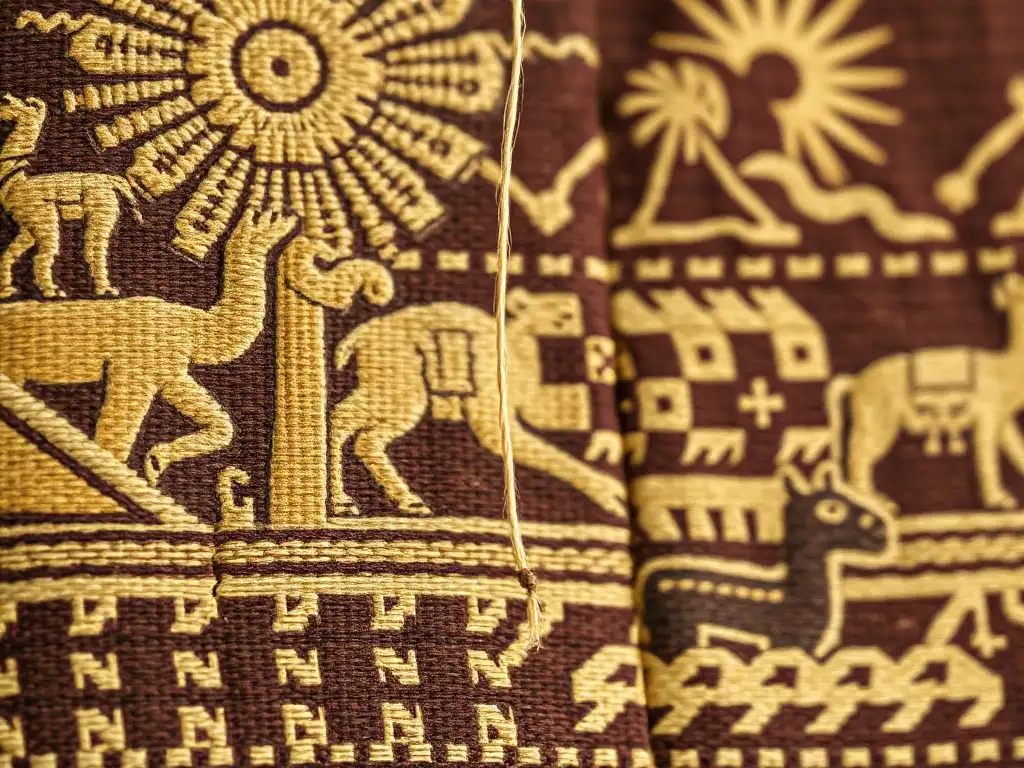
Andean art, with its rich tapestry of symbols and motifs, continues to resonate deeply in the modern world. The enduring power of these symbols stems from their ability to convey profound spiritual, social, and political messages that transcend time and cultural barriers. From the intricate weavings of the Nazca to the majestic stone carvings of the Inca, these artistic expressions offer a window into the beliefs, values, and daily lives of ancient Andean societies.
Their influence is not confined to museums and academic studies; rather, it permeates contemporary art, design, and even everyday objects, demonstrating the remarkable longevity and adaptability of Andean artistic traditions. The vibrant colors, geometric patterns, and symbolic representations continue to captivate and inspire artists, designers, and craftspeople across the globe.
The enduring appeal lies in the inherent human connection to these ancient expressions of creativity and spirituality. The symbols themselves act as a bridge between past and present, allowing us to connect with a rich cultural heritage that remains relevant and meaningful today.
The Influence of Andean Art on Contemporary Design
The influence of Andean art on contemporary design is undeniable. Geometric patterns found in ancient textiles, pottery, and architecture have been reinterpreted and adapted in modern fashion, interior design, and product design. The bold colors and intricate details characteristic of Andean art continue to inspire designers seeking unique and culturally relevant aesthetics. Think of the resurgence of geometric patterns in clothing and home decor, often directly inspired by motifs found in pre-Columbian textiles.
Many contemporary designers actively incorporate Andean symbols into their work, acknowledging the rich history and cultural significance they represent. This adoption isn't merely superficial; it's a conscious effort to engage with and celebrate the legacy of Andean artistic traditions, bringing a sense of history and authenticity to modern creations. The use of natural dyes and traditional weaving techniques further emphasizes this connection to the past, fostering a dialogue between ancient and modern sensibilities.
Andean Symbolism in Modern Art and Craftsmanship
Contemporary artists and craftspeople actively engage with Andean symbolism, reinterpreting traditional motifs in new and innovative ways. Many artists draw inspiration from ancient iconography, incorporating traditional symbols into their own artistic expressions. This can be seen in paintings, sculptures, textiles, and jewelry, where Andean motifs are reimagined and recontextualized for a modern audience.
For example, the use of the condor, a powerful symbol in Andean culture, continues to inspire artists, representing themes of power, freedom, and spiritual connection. Similarly, geometric patterns and stylized representations of animals and plants are frequently incorporated into contemporary crafts, demonstrating the enduring relevance of Andean aesthetic principles. The deliberate incorporation of these symbols serves to both honor the past and to contribute to the ongoing evolution of Andean artistic traditions.
Preserving the Heritage: The Importance of Understanding Andean Art
Understanding Andean art is crucial for preserving its cultural heritage. By studying the symbols, motifs, and techniques employed by ancient Andean artists, we gain a deeper appreciation for their rich culture and beliefs. This understanding allows us to better protect and conserve these invaluable artifacts and traditions. Moreover, it fosters a sense of cultural pride and identity within Andean communities, empowering them to preserve and transmit their heritage to future generations.
The meticulous documentation and study of Andean art contribute significantly to our collective understanding of human history and artistic expression. This knowledge is essential not only for academics but also for policymakers, museum curators, and educators who play a vital role in the preservation and promotion of Andean cultural heritage. Without a thorough understanding of the meaning and context of these symbols, we risk losing a significant part of our shared human history.
Exploring the Deeper Meanings: Beyond the Surface of Andean Art
The beauty of Andean art lies not only in its visual appeal but also in the profound symbolic meanings embedded within its intricate designs. A closer examination reveals layers of meaning, reflecting the complex beliefs and social structures of the ancient Andean civilizations. These symbols were not merely decorative elements; they were powerful tools for communication, conveying spiritual beliefs, social status, and political power.
Understanding these deeper meanings requires a multidisciplinary approach, combining art historical analysis with anthropological and archaeological research. The study of Andean art provides invaluable insights into the worldview, cosmology, and social organization of these fascinating cultures. The intricate detail and layered symbolism offer a rich tapestry of information for those willing to delve deeper into their significance.
Spiritual and Religious Dimensions in Andean Iconography
Andean iconography is deeply intertwined with spiritual and religious beliefs. Many symbols represent deities, spirits, or cosmological concepts central to Andean religions. For example, the depiction of celestial bodies, such as the sun and moon, often reflects the importance of astronomical observations and their connection to agricultural cycles and religious practices.
Furthermore, the representation of mythical creatures and supernatural beings underscores the rich cosmology of Andean cultures, offering a glimpse into their spiritual world. The use of specific colors and materials also held significant spiritual meaning, reflecting the beliefs and rituals associated with different deities and ceremonies. Understanding these spiritual dimensions is essential for interpreting the meaning and significance of many Andean artistic creations.
Social and Political Messages Embedded in Andean Art
Andean art often conveyed important social and political messages. The depiction of rulers, warriors, and other important figures served to reinforce social hierarchies and political power. Textiles, in particular, were often used to communicate social status and lineage, with intricate designs and rare materials signaling high rank and prestige.
Similarly, monumental architecture and sculptures served as powerful statements of political authority, demonstrating the power and prestige of ruling elites. The analysis of these artistic expressions provides valuable insights into the social structures and political dynamics of ancient Andean societies. By examining the context and symbolism of these works, we can better understand the complex interplay between social organization and political power.
The Relationship Between Andean Art and the Natural World
Andean art demonstrates a profound connection to the natural world. Many symbols represent animals, plants, and natural phenomena that were crucial to the survival and well-being of Andean communities. The depiction of agricultural scenes, for example, highlights the importance of agriculture in Andean society and their deep understanding of the natural environment.
Furthermore, the use of natural materials, such as wool, cotton, and stone, reflects the close relationship between Andean art and the natural resources available to them. The careful observation and representation of the natural world in Andean art demonstrate a profound respect for nature and a deep understanding of its cycles and rhythms. This close relationship between art and nature reflects a holistic worldview that integrated human society with the surrounding environment.
Understanding Andean Art Symbols Meaning: A Continuous Journey
Unlocking the secrets behind Andean art symbols requires a journey through time, a deep dive into the intricate tapestry of beliefs, rituals, and social structures of the ancient Andean civilizations. It's not simply a matter of assigning a single, fixed meaning to each symbol; rather, understanding their significance involves appreciating the nuanced context in which they were created and used.
The same symbol could hold different meanings depending on its location within a larger artwork, the specific culture that produced it, and even the time period. For instance, the depiction of a condor might represent power and royalty in Inca art, but symbolize a different aspect of the spiritual world in Nazca iconography.
Scholars and researchers dedicate their careers to deciphering the complex language of Andean art. Their work involves painstaking analysis of archaeological finds, careful comparison across different cultures and time periods, and the incorporation of anthropological and ethnographic perspectives. This interdisciplinary approach is crucial, as the meanings embedded in these symbols are often deeply intertwined with the cosmology, mythology, and social structures of the Andean societies.
Furthermore, the preservation of these symbols – often weathered by time and exposure to the elements – presents significant challenges in their interpretation. Careful restoration and advanced imaging techniques are essential tools in this ongoing process of understanding.
The meaning of Andean art symbols is not static; it evolves with new discoveries and shifting interpretations. What we understand today might be refined or even revised in the future as more evidence emerges. This continuous journey of discovery is part of the enduring fascination with Andean art, highlighting the dynamic and multifaceted nature of the cultural heritage it represents.
The process of interpreting these symbols requires a careful consideration of historical, cultural, and archaeological contexts, making the study of Andean art a continuously enriching and evolving field. The quest to fully understand the “Andean art symbols meaning” continues to challenge and inspire researchers, fostering a deeper appreciation for the ingenuity and complexity of these ancient civilizations. This dynamic process of understanding ensures that the legacy of Andean art remains vibrant and relevant, continuing to inspire generations to come.
Frequently Asked Questions
What is the significance of Andean art symbols?
Andean art symbols held deep religious and social meaning. They represented everything from deities and ancestors to agricultural cycles and celestial events. Understanding these symbols offers insight into their worldview.
How did the Incas use symbols in their art?
Inca art utilized symbols to represent power and authority, often incorporating geometric patterns and zoomorphic figures. These symbols appeared on textiles, ceramics, and architecture, reinforcing their imperial control.
What are some common Andean art symbols and their meanings?
Common symbols include the condor (representing power), the puma (representing strength), and various geometric designs (linked to cosmology and agriculture). The specific meaning could vary between cultures and contexts.
How did different Andean cultures express themselves through symbols?
Each Andean civilization – Inca, Moche, Nazca, Tiahuanaco – had its own unique symbolic language, reflecting their distinct beliefs and practices. Comparing these styles reveals the diversity of Andean artistic expression.
Where can I learn more about the meaning of Andean art symbols?
You can explore museums showcasing Andean artifacts, consult academic journals and books on Andean archaeology and art history, and delve into online resources dedicated to Andean cultures and their symbolism. Reliable sources are key to accurate interpretation.
Final Reflection: Echoes of the Andes: A Legacy of Meaning
The vibrant symbols of Andean art aren't relics of a distant past; they are potent expressions of enduring human experiences, resonating deeply with our contemporary world. Their intricate designs, imbued with spiritual and social significance, continue to speak to us across centuries, reminding us of the power of visual storytelling and the enduring search for meaning. Understanding these symbols unlocks a deeper appreciation not only for the art itself, but for the rich cultural heritage that birthed them.
The influence of Andean art extends far beyond museum walls; its imagery has permeated fashion, design, and even modern spirituality. These symbols, often representing concepts of interconnectedness, nature's power, and the cyclical nature of life and death, offer a powerful counterpoint to the often fragmented narratives of our modern lives. Art washes away from the soul the dust of everyday life.
– Pablo Picasso. This quote, while not specifically about Andean art, perfectly encapsulates the cleansing and inspiring power of engaging with these ancient forms of expression, allowing us to connect with something larger than ourselves.
Consider the enduring power of these symbols. What resonates with you personally from the intricate weavings, the powerful ceramics, the breathtaking textiles? Take a moment to reflect on how these ancient forms of expression can inform your own creative endeavors, your understanding of cultural heritage, and your connection to the natural world. Let the legacy of Andean art inspire you to seek deeper meaning in your own life, and to appreciate the enduring power of visual language to transcend time and culture.
Unleash Your Creativity Through Andean Inspiration!
Thank you for exploring the captivating world of Andean art and its enduring power to inspire creativity and meaning. Now, let's put that inspiration into action!
Here are some ways to further connect with Andean art:
- Create your own artwork inspired by Andean symbols. Use any medium you enjoy—painting, drawing, sculpting, or even textile arts—to express your interpretation.
- Share your creation on social media and tag us at @AndeanCivilizations to join our vibrant community celebrating Andean culture.
- Visit a local gallery or museum featuring Andean art, or gather with friends to discuss its rich symbolism and cultural significance. Consider hosting a themed gathering to share your discoveries and interpretations.
Reflect on which Andean symbol resonates most deeply with your personal journey and how you can integrate its message into your daily life.