
Inca Roads and Religious Significance: Sacred Pathways of the Andes

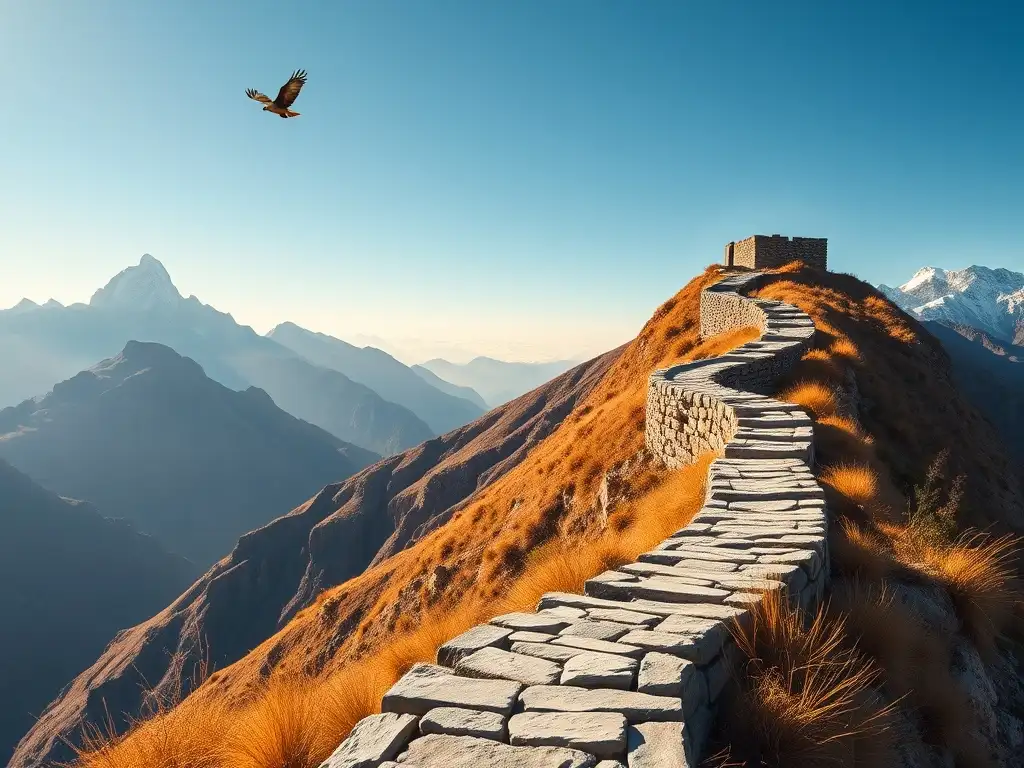
Step into a world lost to time, yet echoing with the whispers of a magnificent empire. Discover the enigmatic legacy of the Andean civilizations, from the towering heights of the Incas to the intricate artistry of the Nazca. But this is no ordinary journey; we delve into the sacred heart of the Andes, unveiling the surprising religious significance hidden within the seemingly practical Inca roads. Prepare to be amazed as we unravel the mysteries of these ancient pathways—a testament to both engineering prowess and profound spiritual belief. Are you ready to explore?
The Inca Empire, renowned for its sophisticated engineering feats, constructed a vast network of roads that transcended mere logistical necessities. These weren't simply pathways for trade and military movement; they were deeply intertwined with Inca religion and cosmology, serving as sacred conduits connecting the earthly realm with the spiritual world.
This article delves into the religious significance embedded within the Inca road system, exploring how these pathways facilitated communication with deities, reinforced imperial power through sacred geography, and ultimately shaped the spiritual landscape of the Andes. We will examine specific examples, analyzing the architectural features, ritual practices, and symbolic elements associated with these remarkable roads to understand their profound impact on Inca society and belief systems.
Understanding the religious significance of the Inca roads offers a crucial perspective on the empire's worldview and its enduring legacy. The intricate relationship between infrastructure and spirituality reveals a sophisticated civilization that seamlessly integrated practical needs with deeply held beliefs.
The Sacred Geography of Inca Roads
The Inca road system wasn't randomly plotted; its design carefully considered sacred geography. Key sites – temples, shrines, and ceremonial centers – were strategically positioned along these routes, creating a network of interconnected sacred spaces. The very act of traversing these roads was considered a pilgrimage, a journey imbued with spiritual meaning. The landscape itself, with its mountains, rivers, and valleys, held significant religious importance, and the roads acted as pathways connecting these sacred elements.
This deliberate integration of geography and spirituality reinforced the Inca worldview, emphasizing the interconnectedness of the physical and spiritual realms. Furthermore, the construction of the roads themselves involved rituals and ceremonies, ensuring that the very fabric of the infrastructure was imbued with sacred energy. Think of the meticulous placement of stones, the careful selection of materials, and the participation of priests and other religious figures in the construction process.
Ritual Practices and the Inca Roads
Numerous ritual practices were associated with the Inca roads. Pilgrimages along these paths were common, with travelers offering prayers, making sacrifices, and engaging in other devotional acts at designated points along the route. These rituals were not just individualistic acts; they were often communal events, reinforcing social bonds and strengthening the collective identity of the Inca people.
Evidence suggests that specific sections of the roads were dedicated to particular deities or spirits, with offerings and ceremonies tailored to the specific spiritual significance of that location. The roads, therefore, served as dynamic spaces for religious expression, fostering a constant interaction between the living and the spiritual world. For example, [specific details about rituals performed along certain sections of the road pending].
Architectural Features and Symbolic Elements
The architecture of the Inca roads themselves held symbolic meaning. The meticulous craftsmanship, the use of specific materials, and the precise alignment of sections all contributed to the roads' sacred character. The use of specific stones, for instance, might have been linked to specific deities or cosmological concepts. The way the roads were integrated into the landscape, often following natural contours or strategically utilizing natural features, further enhanced their symbolic power.
[Specific examples of architectural features and their symbolic significance pending]. The overall effect was to create a network of pathways that were not only functional but also visually stunning and deeply meaningful. This blend of practicality and symbolism is a hallmark of Inca engineering and its profound connection to their religious beliefs. The deliberate design choices reflect a sophisticated understanding of how to integrate sacred meaning into everyday life.
The Inca Roads and Imperial Power
The Inca road system also played a crucial role in reinforcing imperial power. By connecting distant parts of the empire, the roads facilitated the movement of troops, officials, and goods, strengthening the centralized control of the Inca rulers. The strategic placement of sacred sites along these routes further solidified the emperor's authority, emphasizing his role as a divinely appointed leader. The roads themselves became symbols of imperial power, visually representing the extent and reach of the Inca Empire.
Control over the roads was essential to maintaining control over the empire, and their religious significance served to legitimize and strengthen the Inca ruler's authority. The roads weren't just infrastructure; they were powerful symbols of imperial dominance, meticulously crafted to maintain the empire's political and spiritual unity. The empire's reach was not just geographically defined but also religiously and spiritually bound together through this network.
Further Research Areas
More research is needed to fully understand the intricacies of the religious significance of Inca roads. Specific areas for further study include: a more thorough analysis of the types of offerings made along different sections of the roads; a detailed examination of the relationship between specific road segments and particular deities or spirits; and a deeper investigation into the role of the roads in Inca pilgrimage practices. Further archaeological excavations and analysis of existing historical records are crucial to unraveling the full story of these sacred pathways.
- The Sacred Geography of Inca Roads
- Ritual Practices and the Inca Roads
- Architectural Features and Symbolic Elements
- The Inca Roads and Imperial Power
The Qhapaq Ñan: More Than Just Roads
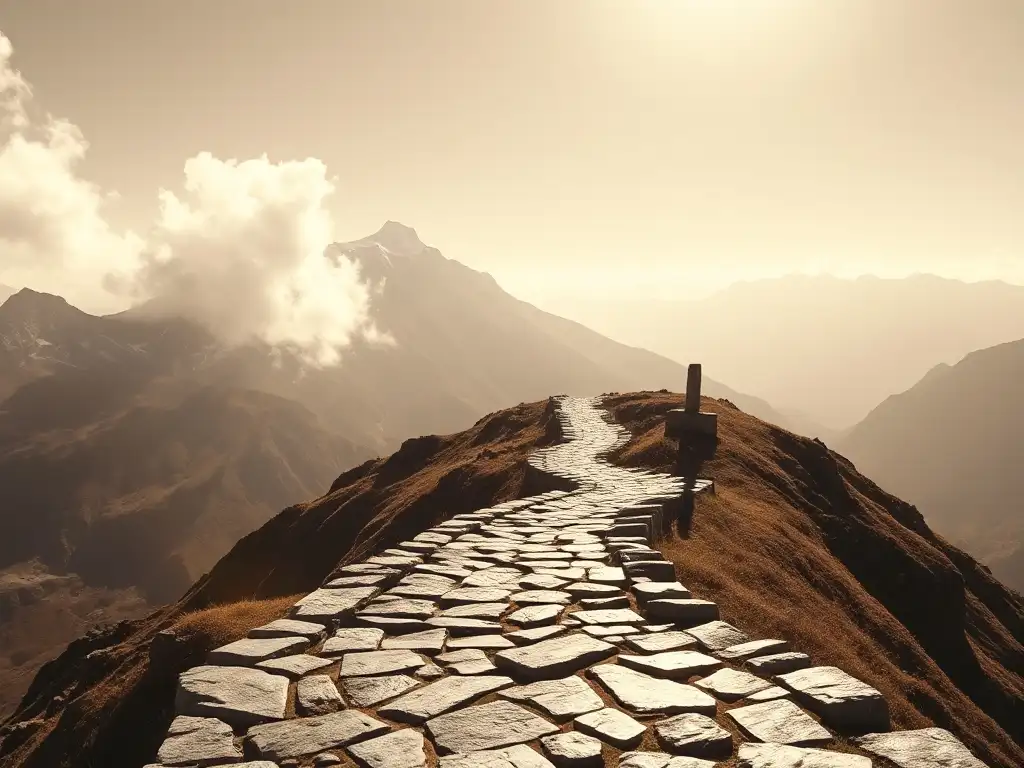
The Qhapaq Ñan, often translated as the "Royal Road" or "Main Road," was far more than a simple transportation network for the Inca Empire. It represented a complex system of interconnected pathways, strategically designed not only for efficient communication and trade but also deeply interwoven with the Inca worldview and religious beliefs. Understanding the Inca roads religious significance requires acknowledging its role as a sacred landscape, facilitating pilgrimage, ritualistic practices, and the movement of sacred objects.
The very construction and maintenance of this vast network were imbued with spiritual meaning, reinforcing the Inca's cosmological beliefs and their connection to the apus (mountain gods) and the Pachamama (Mother Earth). This section will delve into the specific ways in which the Qhapaq Ñan served as a conduit for religious expression and a physical manifestation of Inca spirituality. The keywords "Inca roads religious significance" are directly addressed throughout this exploration.
Defining the Inca Road System: Qhapaq Ñan
The Qhapaq Ñan wasn't a single road, but a sophisticated system of roads, trails, and bridges spanning approximately 40,000 kilometers across the Andes Mountains. It connected the vast Inca Empire, facilitating the movement of armies, messengers, and goods. However, its function extended far beyond mere logistics. The strategic placement of roads, often traversing challenging terrains and high altitudes, suggests a deliberate alignment with significant geographical features, such as mountain passes and sacred sites.
These pathways weren't randomly chosen; they were carefully planned, reflecting a deep understanding of the landscape and its spiritual significance. The meticulous engineering involved in their construction further emphasizes their sacred nature. This wasn't just about practicality; it was about creating a sacred landscape that reflected the Inca cosmology.
The Extensive Reach of the Inca Road Network
The sheer scale of the Qhapaq Ñan underscores its importance. Its reach extended from present-day Colombia to central Chile and Argentina, demonstrating the Inca's remarkable organizational capabilities and their ambition to unify a diverse and geographically challenging empire. This vast network wasn't just a means of connecting disparate regions for administrative purposes; it facilitated the exchange of religious ideas, rituals, and practices. Pilgrimages along specific routes were likely common, allowing individuals to connect with sacred sites and participate in religious ceremonies. The road system itself became a pilgrimage route, with certain waypoints holding special religious significance. The Inca's ability to maintain and manage this enormous network highlights their sophisticated administrative structure and underscores the religious importance attached to the project. The strategic placement of tambos (roadside inns) along the routes further supports this, suggesting that these weren't merely rest stops but also served as places for ritual and community gatherings.
Construction and Engineering of Inca Roads
The construction of Inca roads involved remarkable engineering feats. The Inca utilized sophisticated techniques to build roads across diverse terrains, including mountainous regions, valleys, and deserts. They employed stone paving, retaining walls, and intricate drainage systems to ensure the roads' durability and longevity. The quality of the construction itself, often exceeding practical needs, hints at the imbued religious significance.
The precision and artistry evident in many sections of the Qhapaq Ñan suggest more than just functional design. Consider the intricate stonework, often fitted together without mortar, showcasing a level of craftsmanship that transcends mere engineering. This meticulous attention to detail points toward the sacred nature of the undertaking; the roads were not merely built; they were consecrated.
The use of specific stones, possibly with symbolic meaning, and the orientation of the roads in relation to celestial bodies further strengthen this argument. The construction of the Qhapaq Ñan wasn't simply a logistical exercise; it was a ritual act, reinforcing the Inca's connection to the spiritual world and their belief in the power of the Pachakuti. The roads themselves became a physical representation of the Inca worldview, connecting the earthly realm with the divine.
Sacred Landscape and the Inca Roads
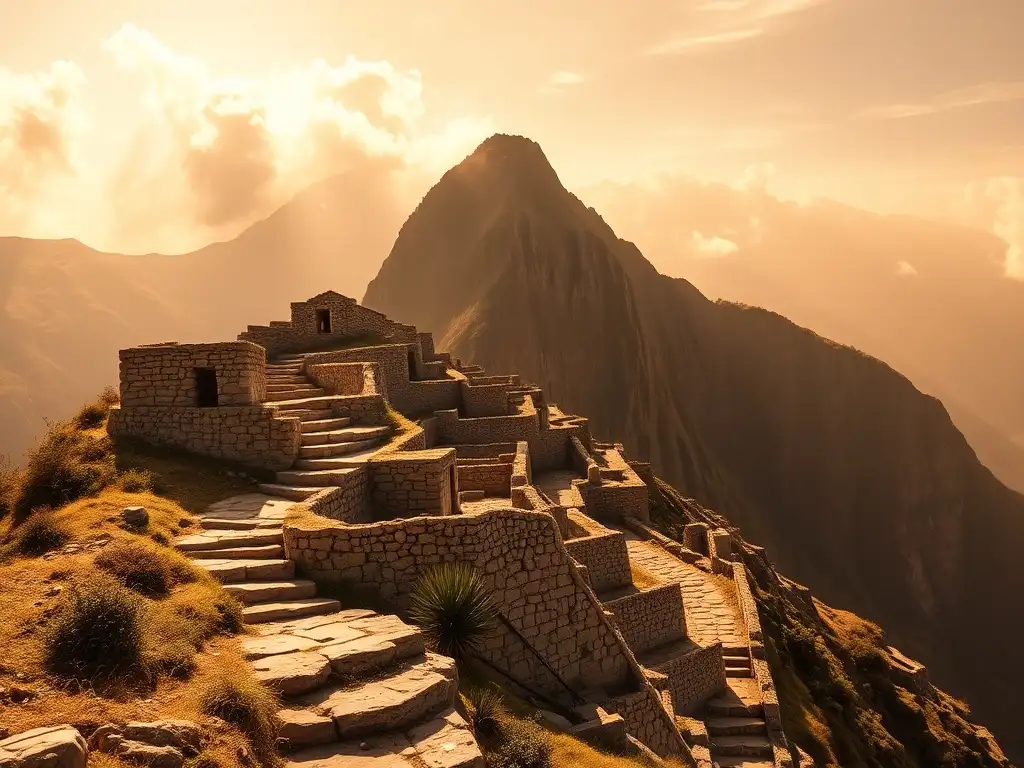
The Inca road system, a marvel of engineering, wasn't merely a practical network for trade and communication. It was fundamentally intertwined with the Inca worldview, a deeply spiritual landscape where physical infrastructure reflected cosmological beliefs. The meticulous planning and construction of the roads weren't arbitrary; they were carefully designed to connect sacred sites, harness the energies of nature, and reinforce the Inca's relationship with the divine.
Understanding the Inca roads requires moving beyond a purely logistical analysis and embracing the profound religious significance embedded within their design and placement. This section will explore the cosmological underpinnings of the Inca road network, revealing how these pathways served as tangible links between the human and spiritual realms.
The meticulous placement of roads, often following natural contours and strategically aligning with significant geographical features, reveals a sophisticated understanding of sacred geography and its impact on Inca society. This deliberate integration of the spiritual and the physical is a key element in understanding the Inca road's lasting legacy.
Inca Cosmovision and the Role of Nature
Inca cosmovision, or worldview, placed immense importance on the interconnectedness of all things. The natural world – mountains ( apus), rivers, and celestial bodies – were not merely passive elements but active participants in a dynamic cosmic order. The Inca believed that these natural features were imbued with spiritual power and served as intermediaries between the human and divine realms.
This belief profoundly impacted the construction and placement of the Inca road network. Roads weren't simply built through the landscape; they were carefully integrated into it, following natural contours and aligning with significant geographical features to harness the energies of these sacred places. The Inca's deep respect for nature is evident in their sustainable construction practices and the minimal environmental disruption caused by their road building.
This harmonious relationship between humans and nature is a cornerstone of understanding the religious significance of the Inca road system. The roads, therefore, were not just pathways; they were living conduits of spiritual energy, connecting communities and sacred sites within a vibrant, interconnected cosmos.
The Apu Concept: Mountain Deities and Road Alignment
The apus, or mountain deities, held central importance in Inca religion. These snow-capped peaks were considered sacred, inhabited by powerful spirits that influenced the lives of the people below. The Inca believed that maintaining a harmonious relationship with the apus was essential for prosperity and well-being.
This belief is clearly reflected in the alignment of many Inca roads. Many routes were deliberately planned to pass near or even directly through significant mountain passes, strategically connecting different apus and creating a network of sacred pathways. This alignment wasn't accidental; it was a conscious effort to link human settlements with the powerful spiritual forces of the mountains, ensuring the favor and protection of these divine beings.
The positioning of tambos (roadside inns) along these routes further reinforces this interpretation, suggesting that these locations were not only for rest and supplies but also for ritual activities and communication with the apus. The careful consideration given to the alignment of the roads with the apus underscores the profound religious significance attributed to the Inca road system.
Sacred Sites and the Inca Road Network
The Inca road network wasn't simply a means of connecting settlements; it was meticulously designed to link numerous sacred sites across the empire. These sites, ranging from temples and shrines to agricultural terraces and astronomical observatories, formed a complex network of spiritually significant locations. The roads served as pathways to these sacred places, facilitating pilgrimage and ritual activities.
The strategic placement of huacas (sacred objects or places) along the roads further emphasizes the religious function of the network. These huacas could be natural features like springs or rocks, or man-made structures like shrines or altars. Their presence along the roads suggests that travel itself was a ritualistic act, a journey through a sacred landscape.
The Inca road system, therefore, was not merely a logistical network but a tangible representation of their religious beliefs, connecting communities not only geographically but also spiritually. The intricate relationship between the roads and sacred sites highlights the deep-seated religious significance embedded within the Inca’s infrastructure. The roads were more than just pathways; they were sacred threads weaving together the fabric of Inca society and its spiritual world.
Religious Significance of Travel on Inca Roads
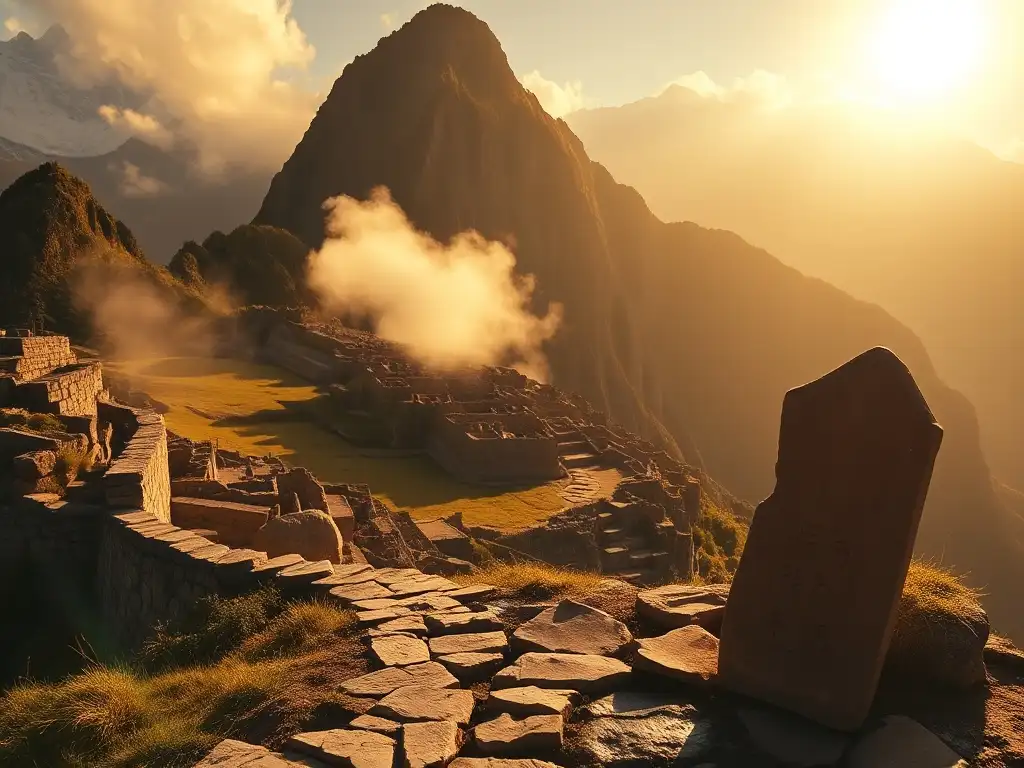
The Inca road system, the Qhapaq Ñan, was far more than a sophisticated network of infrastructure; it was a deeply sacred landscape imbued with religious meaning. Travel along these pathways wasn't merely a logistical exercise; it was a ritual act connecting the earthly realm with the spiritual world. The Inca worldview intertwined the physical and spiritual, and the roads served as tangible manifestations of this interconnectedness.
Understanding the religious significance of the Qhapaq Ñan requires examining the various ways in which Inca religion shaped its construction, use, and ultimate legacy. The very act of traversing these roads was considered a pilgrimage, a journey towards spiritual enrichment and connection with the divine.
This is evidenced by the numerous archaeological findings along the routes, which we will explore in further detail below. The integration of religious practices into the daily life of the Inca empire, even in seemingly mundane activities like travel, highlights the pervasive influence of their beliefs.
Ritual Processions and Pilgrimages along the Qhapaq Ñan
Religious processions and pilgrimages were a significant aspect of life in the Inca Empire, and the Qhapaq Ñan served as the primary arteries for these movements. These weren't simply casual walks; they were carefully orchestrated events, often involving large groups of people carrying offerings and engaging in specific rituals along the way. Evidence suggests that major festivals and celebrations often involved travel along designated sections of the Qhapaq Ñan, with specific locations holding particular religious importance.
For example, certain mountain passes or significant geographical features might have been considered sacred thresholds, requiring specific rites of passage. The scale of these processions is hinted at by the sheer size and capacity of the roads themselves, designed to accommodate large groups of people and animals carrying substantial burdens. The timing of these processions was likely influenced by the Inca calendar and agricultural cycles, connecting spiritual journeys with the rhythms of nature.
Further research is needed to fully understand the specific routes and rituals associated with different festivals. Archaeological excavations along the Qhapaq Ñan continue to uncover evidence of these practices, including remnants of ceremonial sites and offerings left by travelers. The meticulous planning and execution of these processions underscore the profound religious importance attributed to travel on the Inca roads.
The Significance of Chaskis (Messengers) and their Routes
The chasquis, the Inca Empire's relay runners, were not simply postal workers; they were integral to the empire's religious life. Their swift journeys along the Qhapaq Ñan facilitated the rapid transmission of not only administrative messages but also religious decrees, pronouncements, and news concerning sacred events. The speed and efficiency of the chasqui system ensured that religious information could reach even the most remote corners of the empire, reinforcing religious unity and adherence to Inca beliefs.
The network of chasqui routes was strategically planned, often overlapping with major pilgrimage routes, ensuring a seamless flow of religious information and reinforcing the spiritual significance of the overall network. Think of the chasquis as living conduits of religious authority, ensuring that the Inca's religious messages were quickly disseminated and revered throughout the vast empire.
Their sacred duty transcended mere communication; they acted as messengers of the divine, carrying the word of the Sapa Inca and ensuring the spiritual cohesion of the empire. This highlights the interconnectedness between the pragmatic aspects of the Qhapaq Ñan and its deeply spiritual purpose.
Roadside Shrines and Offerings: Huacas along the Qhapaq Ñan
The Qhapaq Ñan was dotted with numerous huacas, sacred sites where travelers made offerings and performed rituals. These huacas could range from simple roadside shrines to elaborate temples built at strategic locations along the roads. These sites served as points of connection between the earthly and spiritual realms, providing travelers with opportunities to express their devotion and seek divine favor.
Offerings left at these sites varied widely, from food and drink to textiles, ceramics, and precious metals. Archaeological discoveries have uncovered a wealth of artifacts at these roadside shrines, providing valuable insights into the religious practices of the Inca people and the importance of the Qhapaq Ñan in their religious life. The presence of huacas along the roads not only provided travelers with spiritual sustenance but also reinforced the sacred nature of the Qhapaq Ñan itself, transforming the journey into a continuous act of religious observance.
The distribution of these huacas further suggests a deliberate attempt to imbue the entire road network with sacred significance, transforming it into a pilgrimage route of immense religious importance. The careful placement of these shrines, often at significant geographical points or near sources of water, highlights the intricate relationship between the Inca's religious beliefs and their understanding of the natural world.
The Spiritual Journey on the Inca Roads
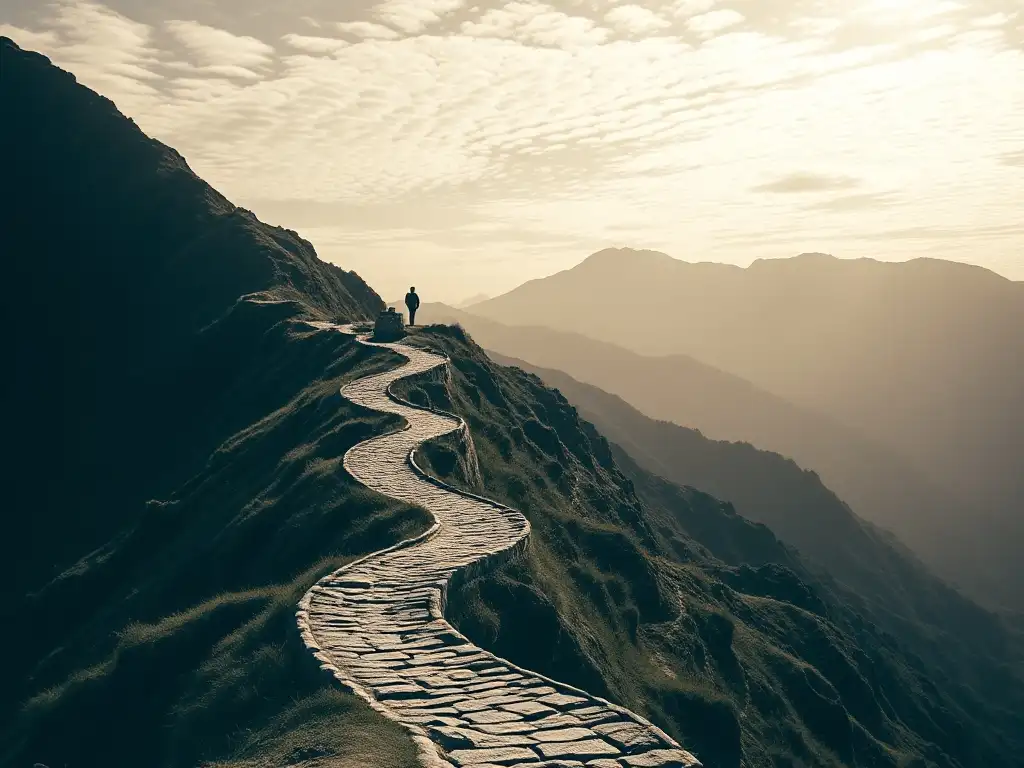
The Inca road system, a marvel of engineering, was far more than a practical network for trade and communication. It served as a vital artery connecting the Inca empire, but also held profound religious significance, weaving together the physical and spiritual realms for the Inca people. The very act of traversing these paths was imbued with ritual and meaning, transforming journeys into sacred experiences.
Understanding this spiritual dimension reveals a deeper appreciation for the Inca civilization and its intricate worldview. The construction itself, often involving arduous labor and precise alignment with celestial bodies, underscores the sacred nature of this undertaking. The Inca roads religious significance cannot be overstated; they were not simply roads, but pathways to the divine.
Purification Rituals and their Connection to Travel
Before embarking on any significant journey along the Inca roads, travelers would participate in elaborate purification rituals. These rituals aimed to cleanse the body and spirit, preparing them for the sacred nature of the journey. Evidence suggests the use of coca leaves, considered sacred, for their energizing and purifying properties. Furthermore, specific prayers and offerings to the apus (mountain spirits) were common, seeking their protection and safe passage.
The process extended beyond individual preparation; community involvement was crucial, with rituals often performed collectively before a group journey commenced. Failure to properly purify oneself was believed to invite misfortune on the road, highlighting the importance of these practices in the Inca worldview. The meticulous nature of these rituals emphasizes the deep-seated spiritual connection between travel and religious observance.
We can visualize the travelers, adorned in ceremonial attire, engaging in these cleansing practices before setting foot on the path. Detailed accounts of these rituals, however, remain scarce, leaving room for further research and interpretation of existing archaeological evidence. The limited textual evidence available needs further analysis to fully comprehend the intricacies of these pre-journey purifications.
The Inca Road as a Metaphor for Life's Journey
The Inca road system’s expansive network, stretching thousands of miles across diverse landscapes, served as a powerful metaphor for life’s journey itself. The winding paths, traversing mountains and valleys, mirrored the unpredictable yet ultimately purposeful nature of human existence. Each obstacle encountered—a steep incline, a rushing river, or a challenging pass—represented a test or trial in life.
Successfully navigating these challenges symbolized spiritual growth and resilience. The final destination, whether a distant city or a sacred site, represented the ultimate goal or purpose in life. This symbolic interpretation is supported by Inca mythology and cosmology, which frequently used metaphors related to travel and journeys to illustrate spiritual concepts.
The Inca road, therefore, wasn't merely a physical path but a symbolic representation of the spiritual path each individual followed throughout their life. Further research into Inca oral traditions and surviving narratives could provide deeper insights into this powerful metaphor. The symbolism inherent in the road's design, including its alignment with astronomical features and the use of specific materials, warrants further investigation.
Connecting with Ancestors and the Land Through the Roads
The Inca roads also facilitated a profound connection between the living and the ancestors. The Inca believed that their ancestors were present in the land, inhabiting mountains, rivers, and other natural features. Traveling along these roads, therefore, was not just a physical act but a spiritual pilgrimage, allowing individuals to commune with their ancestors and receive their guidance.
The construction of the roads themselves involved honoring the land and its spirits, with offerings and ceremonies performed at various stages of the building process. Furthermore, the placement of huacas (sacred sites) along the roads strengthened this connection, providing places for prayer, offerings, and communing with the spiritual world. The roads, therefore, served as pathways connecting not only different parts of the empire but also the living and the deceased, creating a continuous thread of spiritual connection throughout time.
This understanding of the Inca roads religious significance highlights the deeply intertwined relationship between the physical and spiritual worlds in Inca cosmology. Further archaeological investigation of these huacas and their relationship to the road network would undoubtedly enrich our comprehension of this intricate spiritual system. The careful study of the material culture associated with these sites promises to reveal additional insights into the nature of ancestor veneration along the Inca roads.
Inca Road Networks and Their Legacy
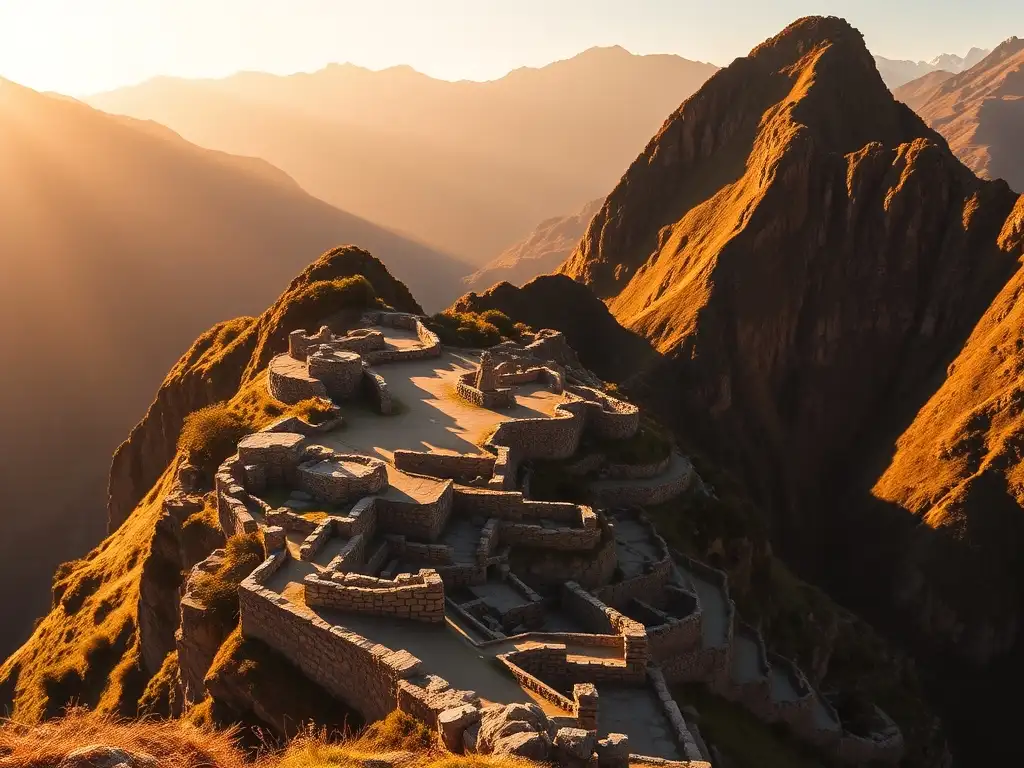
The Inca road system, the Qhapaq Ñan, wasn't merely a logistical marvel; it was a deeply interwoven element of Inca religious belief and practice. Spanning thousands of miles across treacherous Andean terrain, this network of pathways connected distant provinces, facilitating trade, communication, and the movement of armies. However, its significance extended far beyond the practical.
The roads themselves were considered sacred, imbued with spiritual power, and integral to the Inca worldview. The meticulous engineering, the careful selection of routes, and the symbolic placement of waystations all contributed to the roads' spiritual potency. This wasn't simply a matter of practicality; the Qhapaq Ñan served as a physical manifestation of Inca cosmology, connecting the earthly realm to the divine.
The construction itself was likely a ritualistic act, further reinforcing the roads' sacred character. The sheer scale of the undertaking—the immense labor involved, the sophisticated engineering techniques employed—underscores the profound importance the Inca placed upon this infrastructure. The Qhapaq Ñan was not just a road; it was a living testament to Inca power, ingenuity, and spirituality.
Preservation and Modern Understanding of the Qhapaq Ñan
Preserving the Qhapaq Ñan presents immense challenges. Erosion, natural disasters, and the encroachment of modern development constantly threaten its integrity. Understanding the Inca's construction techniques is crucial for effective preservation. Archaeological investigations reveal sophisticated methods, including the use of locally sourced materials, innovative drainage systems, and the strategic placement of bridges and tunnels.
Careful documentation of existing sections, coupled with the application of modern conservation techniques, is vital. For example, the use of bio-degradable materials in repairs is crucial to minimize further damage. Furthermore, engaging local communities in preservation efforts is paramount. Their traditional knowledge and understanding of the landscape can provide invaluable insights into sustainable preservation strategies.
The ongoing effort to understand and preserve the Qhapaq Ñan is not simply about protecting a historical artifact; it is about safeguarding a unique cultural heritage and understanding the sophisticated engineering capabilities of the Inca civilization. This requires a multidisciplinary approach, combining archaeological expertise with engineering and environmental science. The successful preservation of the Qhapaq Ñan relies on a collaborative effort between researchers, governments, and local communities.
The Enduring Spiritual Significance of Inca Roads
Even today, the spiritual significance of the Inca roads persists in Andean communities. Many local traditions and beliefs are still connected to these ancient pathways. Certain sections of the Qhapaq Ñan are still considered sacred sites, locations of pilgrimage and ritual.
These sites often feature apus (mountain spirits) and other significant features within the Inca cosmology. The enduring spiritual significance is deeply connected to the Inca's close relationship with their environment, particularly the mountains. Stories and legends surrounding the Qhapaq Ñan continue to be passed down through generations, maintaining the cultural memory of its sacred nature.
These narratives often incorporate elements of Inca mythology and cosmology, reinforcing the roads' role in connecting the human world with the spirit world. The continued use and reverence of the Qhapaq Ñan by contemporary Andean communities highlight the enduring power of Inca traditions and beliefs. This enduring spiritual significance underscores the need for sensitive and respectful preservation efforts.
Ongoing Research and Community Engagement
Ongoing research on the Qhapaq Ñan is crucial for a complete understanding of its construction, use, and religious significance. Archaeological excavations continue to uncover new information about the Inca's engineering prowess and their spiritual practices. The use of advanced technologies, such as LiDAR and GIS, is enhancing our ability to map and analyze the extensive road network.
However, research must be conducted in a manner that respects the cultural heritage and the rights of local communities. Collaboration with indigenous communities is paramount, not only to ensure the protection of sacred sites but also to incorporate their valuable knowledge and perspectives into the research process. Community engagement is essential, not only for preservation but also to ensure that the Qhapaq Ñan continues to play a vital role in the cultural identity of Andean communities.
This involves supporting local initiatives that promote sustainable tourism and cultural preservation. The future of the Qhapaq Ñan depends on a collaborative and respectful approach, one that balances the needs of research and preservation with the rights and cultural heritage of the Andean people.
Conclusion: The Intertwined Nature of Inca Roads and Religion
The Inca road system, a marvel of ancient engineering, transcended its purely logistical function. It wasn't simply a network for facilitating trade and communication; it was a deeply interwoven part of the Inca worldview, a physical manifestation of their religious beliefs and cosmological understanding. The meticulous planning, the strategic placement of waystations (tambos), and the very construction techniques themselves all point to a profound spiritual significance embedded within the infrastructure.
Understanding the Inca roads requires acknowledging this religious dimension, recognizing that every carefully laid stone contributed not only to the empire's practical needs but also to its spiritual cohesion. This intricate relationship between infrastructure and religion highlights the holistic nature of Inca society, where the practical and the sacred were seamlessly integrated. Further research into specific road segments and their associated archaeological findings could illuminate even more nuanced aspects of this profound connection.
Reflecting on the Sacred Pathways of the Andes
Analyzing the Inca roads through a religious lens reveals a complex interplay of beliefs and practices. The capac ñan, the main Inca road, wasn't just a path; it was a sacred axis connecting the human world with the divine. The huacas (sacred sites) strategically placed along the route served as resting places and points of spiritual renewal for travelers.
These locations, often marked by significant geographical features or possessing inherent spiritual power, reinforced the sacred nature of the journey itself. The very act of traversing the capac ñan was a pilgrimage, a symbolic journey mirroring the Inca cosmology and their relationship with the gods. The meticulously crafted stonework, the carefully chosen materials, and the precise alignment of the roads further underscore this religious intentionality.
Even the maintenance of the roads was a ritual act, ensuring the continued flow of energy and communication between the earthly and spiritual realms. The presence of specific symbols or iconography along certain sections of the roads, while currently understudied, could provide further evidence of this sacred purpose. More detailed archaeological investigation and analysis of surviving artifacts found along these paths are necessary to fully comprehend the depth of their religious significance.
The Importance of Recognizing the Religious Dimensions of Inca Infrastructure
Ignoring the religious aspects of Inca road construction leads to an incomplete and potentially inaccurate understanding of their civilization. By focusing solely on the logistical achievements, we risk overlooking the deeper cultural and spiritual meanings embedded within this impressive infrastructure. Recognizing the religious significance of the Inca roads allows us to appreciate the holistic nature of their society, where the practical and spiritual were inextricably linked.
This holistic understanding provides a more complete and nuanced perspective on Inca civilization, moving beyond a purely functional analysis to encompass the rich tapestry of their beliefs and practices. This integrated approach is crucial for future research, encouraging scholars to consider the religious context when analyzing other aspects of Inca architecture and engineering.
Failure to acknowledge this interconnectedness risks misinterpreting the motivations behind Inca engineering feats and diminishes our appreciation for the complexity of their society. A more comprehensive approach, incorporating both material and spiritual dimensions, is essential for a truly accurate understanding of Inca civilization and its enduring legacy.
Frequently Asked Questions
What was the purpose of the Inca road system?
The Inca road system, or Qhapaq Ñan, served multiple purposes. Beyond practical transportation, it facilitated communication, trade, and religious pilgrimages across the vast empire. Its significance extended far beyond simple logistics.
How did religion influence the construction of Inca roads?
The Inca considered their roads sacred pathways, connecting them to the spiritual world. Construction often incorporated rituals and offerings, aligning routes with cosmological beliefs and significant geographical features.
Were all Inca roads equally important religiously?
No, certain roads held greater religious importance than others. Routes leading to major pilgrimage sites like Machu Picchu or sacred mountains were particularly significant, reflecting the spiritual centrality of these locations.
What evidence exists to support the religious significance of Inca roads?
Archaeological findings, including ritual sites located along the roads and offerings discovered during excavations, provide strong evidence for their religious significance. Architectural features also often reflect ceremonial designs.
How did the Inca roads impact the religious practices of the empire?
The Inca road network facilitated the spread of religious beliefs and practices throughout the empire. It allowed for pilgrimages, the movement of priests, and the transport of sacred objects, strengthening the empire's religious unity.
Final Reflection: Echoes of the Inca: A Legacy Paved in Stone and Faith
The intricate network of Inca roads, far from being mere logistical achievements, served as vibrant arteries of religious and spiritual life, a legacy that continues to resonate deeply within Andean culture today. Their strategic placement, often aligning with celestial events and sacred sites, speaks to a profound understanding of the interconnectedness between the physical and spiritual realms, a worldview that challenges our modern, often fragmented perspectives.
The enduring power of these sacred pathways lies not just in their physical presence, but in the enduring spiritual practices they fostered and continue to inspire. The echoes of ancient rituals and ceremonies still reverberate through the mountains, whispering tales of reverence for nature and the divine. The mountains are not just mountains, they are the dwelling places of the gods.
– This sentiment, though not a direct Inca quote, encapsulates the profound spiritual connection the Inca held with their environment, a connection deeply intertwined with their road system. Understanding this connection offers a powerful lens through which to appreciate the ingenuity and spiritual depth of Inca civilization.
Consider the impact of these ancient pathways on your own life. How do you connect with the sacred in your own world?
Perhaps it's not through a network of stone roads winding through the Andes, but through a cherished natural space, a meaningful ritual, or a deep connection with community. Embrace the legacy of the Inca roads not just as a historical marvel, but as a powerful reminder of the enduring human need to connect with something greater than ourselves, to find meaning in the landscapes that surround us, and to build pathways – both physical and spiritual – that lead us towards a richer, more fulfilling life.
Embrace the Journey: Discover the Sacred Inca Roads!
Thank you for exploring the fascinating world of the Inca Roads and their unparalleled religious significance in the Andes! Your interest in these sacred pathways enriches your understanding and deepens your connection to the remarkable Inca civilization.
Now, take the next step and actively engage with this incredible heritage:
- Join a local hiking group to experience the Inca trails firsthand. Trekking these ancient paths offers a unique and unforgettable perspective.
- Share your newfound appreciation for Andean history with friends and family, or inspire others on social media using #AndeanCivilizations.
- Watch documentaries or take virtual tours to delve deeper into the cultural and religious significance of the Inca Roads. Many excellent resources are available online and in libraries.
Reflect on the Inca legacy. How will you honor these pathways that once connected spirits, communities, and cultures?