
Chavín Technology: Innovations That Shaped Andean Life


Dive into the enigmatic world of the Andes! Prepare to be amazed by the ingenuity and artistry of ancient Andean civilizations, from the towering heights of the Incas to the lesser-known but equally fascinating cultures that came before. But first, let's unravel the mysteries of Chavín civilization technology. Discover the groundbreaking innovations that shaped Andean life and laid the foundation for future empires. Their influence is far-reaching—are you ready to uncover the secrets? Explore the fascinating story now!
The Chavín civilization, flourishing in the Andes Mountains of Peru from approximately 900 to 200 BCE, left an indelible mark on the region's history and culture. While less known for expansive empires compared to later Andean civilizations like the Inca, the Chavín's technological advancements significantly impacted the development of subsequent societies.
This article delves into the key technological innovations of the Chavín, exploring their mastery of metallurgy, agriculture, and monumental architecture, and analyzing how these innovations shaped the trajectory of Andean life for centuries to come. We will examine the ingenuity displayed in their sophisticated irrigation systems, their remarkable metallurgical achievements, and the impressive scale of their religious architecture, all reflecting a deep understanding of engineering and resource management.
This exploration will reveal the Chavín's profound influence as technological pioneers in the Andean region, setting the stage for the advancements of later cultures. The impact of their innovations resonates even today, a testament to their ingenuity and lasting legacy.
Chavín Metallurgy: A Foundation of Andean Metalworking
The Chavín demonstrated remarkable skill in metallurgy, significantly influencing subsequent Andean metalworking traditions. Their expertise extended beyond simple tools; they crafted intricate ornaments, ceremonial objects, and weaponry from gold, silver, copper, and bronze. Evidence suggests they utilized advanced techniques like lost-wax casting 1 to create highly detailed pieces, showcasing a sophisticated understanding of material properties and metallurgical processes. The precision and artistry evident in their metalwork highlight a level of technological sophistication that far surpassed that of many contemporary cultures. The development of advanced alloys and casting techniques by the Chavín laid the foundation for the later flourishing of Andean metallurgy, influencing the artistic and technological styles of succeeding cultures for centuries. The legacy of Chavín metallurgical techniques is palpable in the metalwork of later Andean civilizations, a testament to their pioneering role in the development of this crucial craft.
Irrigation Systems: Engineering Water for Andean Agriculture
The Chavín civilization thrived in a challenging Andean environment, where water scarcity was a constant concern. To overcome this, they developed sophisticated irrigation systems, vital for supporting their agricultural practices. These systems involved intricate networks of canals, terraces, and reservoirs, skillfully channeling water from rivers and streams to irrigate crops across varied terrains. The construction of these systems required extensive planning, engineering expertise, and a deep understanding of water flow and topography.
Evidence of these advanced irrigation systems is found in numerous archaeological sites, demonstrating the Chavín’s mastery of hydraulic engineering and its crucial role in supporting their agricultural productivity and population growth. The ingenuity and scale of their water management systems underscore their ability to adapt to their environment and build a sustainable society. These innovations would undoubtedly be adapted and improved upon by later Andean cultures, demonstrating the lasting impact of Chavín engineering.
Monumental Architecture: Symbols of Power and Religious Beliefs
The impressive scale of Chavín architecture is a testament to their advanced organizational and engineering capabilities. The iconic Chavín de Huántar site, with its massive plazas, intricate underground passages, and imposing stone structures, stands as a monument to their technological prowess. The precise cutting and fitting of massive stones, the complex design of the buildings, and the sophisticated drainage systems incorporated into the structures all demonstrate a high level of architectural and engineering knowledge.
The construction of these monumental structures required significant manpower and logistical planning, highlighting the advanced social organization and resource management of the Chavín civilization. The impressive scale of these structures not only served practical purposes but also held significant religious and symbolic meaning, showcasing the power and influence of the Chavín elite. The architectural techniques employed by the Chavín were adopted and adapted by later cultures, demonstrating their lasting impact on Andean construction methods.
1 Lost-wax casting is an ancient method of metal casting in which a molten metal is poured into a mold that has been created using a wax model.
- Chavín Metallurgy: A Foundation of Andean Metalworking
- Irrigation Systems: Engineering Water for Andean Agriculture
- Monumental Architecture: Symbols of Power and Religious Beliefs
- What was the most significant technological achievement of the Chavín civilization?
- How did Chavín technology influence later Andean cultures?
- What types of tools did the Chavín people use?
- What evidence exists to support our understanding of Chavín technology?
- How did Chavín technology impact their social structure?
The Technological Prowess of the Chavín Civilization

Introduction to Chavín Ingenuity and Engineering
The Chavín civilization, flourishing in the Andes from roughly 900 to 200 BCE, left behind a legacy far exceeding its relatively short lifespan. While often overshadowed by later Andean empires like the Inca, the Chavín's technological achievements were groundbreaking, laying the foundation for subsequent innovations and significantly impacting Andean life. Their ingenuity is evident not only in their monumental architecture but also in their sophisticated agricultural techniques, intricate metalworking, and advanced understanding of textile production.
This wasn't merely technological advancement for its own sake; it was a crucial element of their religious and social structures, enhancing their power and influence across a vast and diverse landscape. Understanding Chavín technology provides critical insight into the complexity and sophistication of this formative Andean culture. The development of sophisticated irrigation systems, for example, allowed for increased agricultural output, supporting a larger and more complex population.
This surplus, in turn, likely fueled the growth of specialized labor and the development of complex social hierarchies. The unique artistry seen in their metalwork and textiles also served to reinforce social status and religious beliefs, highlighting the interwoven nature of technology and society in Chavín culture.
The Significance of Chavín Technological Advancements
The impact of Chavín technology extended far beyond the immediate geographic area of their influence. Their innovations acted as a catalyst for later Andean cultures, providing a template for future developments and inspiring further technological advancements. Consider the following key aspects:
- Irrigation Systems: The Chavín people mastered the art of water management in a challenging Andean environment. They constructed intricate canal systems and terraced fields, allowing them to cultivate crops in otherwise arid regions. This ingenuity in water management directly contributed to increased agricultural productivity and population growth, providing a solid foundation for the development of a complex society. Evidence suggests a sophisticated understanding of hydrology and engineering, enabling them to redirect water sources effectively and manage water flow across vast distances. The lasting influence of their irrigation techniques can be observed in subsequent Andean civilizations which built upon their foundational work.
- Metallurgy: Chavín metallurgists were pioneers in the Andes, demonstrating a remarkable mastery of techniques for working with gold, silver, and copper. They crafted intricate ornaments, tools, and ceremonial objects, showcasing both their technical skills and artistic prowess. The precise methods employed in Chavín metallurgy are still being researched, but the quality and artistry of the surviving artifacts clearly demonstrate a high level of skill and sophistication. Their innovations in metalworking techniques undoubtedly influenced subsequent Andean cultures, contributing to the development of more advanced metalworking practices in later periods. The intricate designs found on Chavín metalwork also offer valuable insights into their religious beliefs and social structures.
- Textiles: The Chavín were also renowned for their exceptional textile production. They used a variety of techniques to create intricate and durable fabrics, often incorporating vibrant colors and complex designs. The precision and artistry of their textiles, often woven from cotton, wool, and other fibers, are a testament to their advanced weaving techniques. The use of sophisticated dyes and complex weaving patterns suggests a high degree of skill and specialization within the Chavín society. The discovery of well-preserved textiles provides us with a rich understanding of their aesthetic sensibilities and technical capabilities. The complexity of their designs also indicates a possible link between textile production and religious practices, serving as a powerful means of expressing religious and social ideologies.
The Chavín civilization’s technological achievements were not isolated events but rather integral components of their cultural and social fabric. Their innovations in irrigation, metallurgy, and textiles played a critical role in shaping their society, supporting population growth, and influencing subsequent Andean cultures. The legacy of Chavín technology continues to resonate in the Andes, underscoring their pivotal role in the development of Andean civilization. Further research into Chavín technology promises to reveal even more about this fascinating and influential culture.
Chavín Architecture and Construction Techniques
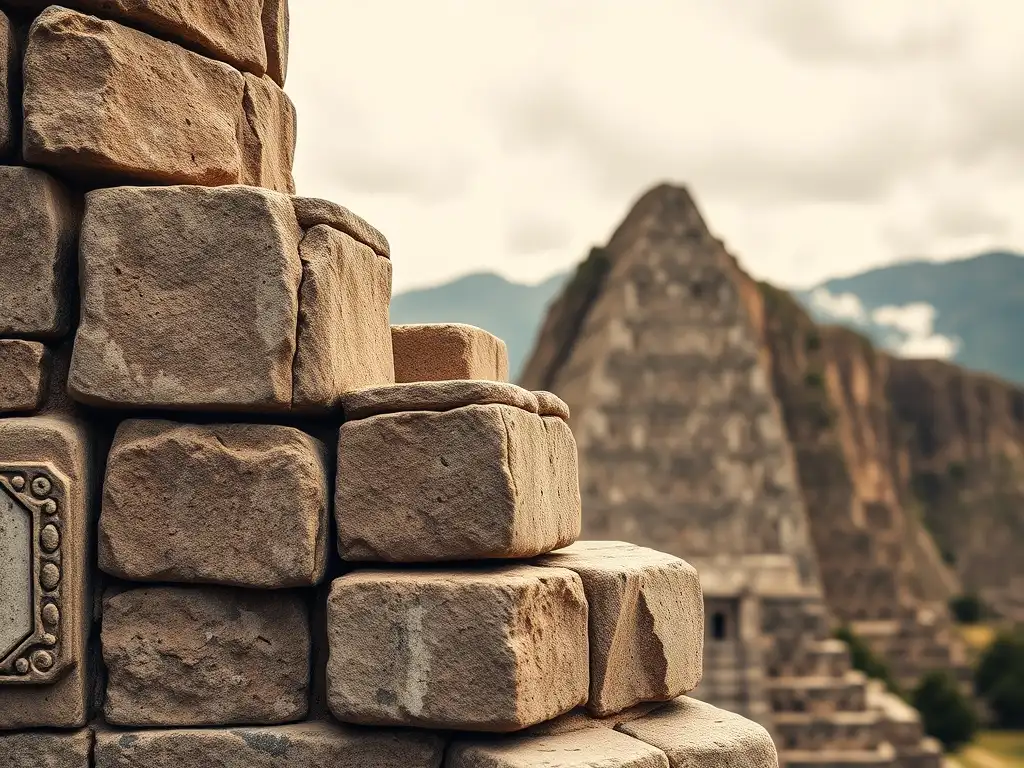
The Chavín civilization, flourishing in the Andes from approximately 1200 to 200 BCE, left behind a remarkable legacy of architectural and technological achievements. Their mastery of stonework, innovative construction methods, and the sheer scale of their projects stand as testament to their advanced understanding of engineering and societal organization. Understanding their technology provides crucial insight into the sophistication of Chavín society and its influence on subsequent Andean cultures. The keyword "Chavín civilization technology" is central to understanding this remarkable period.
Monumental Structures: The Chavín de Huántar Temple
The most iconic example of Chavín technology is the monumental temple complex at Chavín de Huántar. This massive structure, built on a strategically chosen location in the Andes mountains, demonstrates an impressive command of logistics and engineering. The temple's construction involved the precise cutting, transport, and placement of enormous stones, some weighing several tons.
Evidence suggests the use of sophisticated ramps and possibly even rudimentary rollers to move these colossal blocks, a feat of engineering requiring significant manpower and organizational skill. The temple's labyrinthine interior, with its numerous chambers, galleries, and intricately carved stonework, further showcases the Chavín's advanced understanding of architecture and their ability to create awe-inspiring spaces.
The scale of the project, the precision of the stonework, and the complex internal layout all point to a highly organized and technologically advanced society. Analysis of the construction techniques reveals a deep understanding of load-bearing principles and an ability to create stable structures capable of withstanding earthquakes and other environmental stresses common in the Andean region.
Advanced Stoneworking and Masonry Techniques
The Chavín's mastery of stoneworking is another key aspect of their technological prowess. They employed advanced techniques to shape and fit stones with remarkable precision. Evidence suggests the use of stone hammers, chisels, and possibly even abrasive materials to achieve the smooth, finely detailed surfaces seen on many Chavín artifacts and architectural elements.
The intricate carvings found throughout the Chavín de Huántar temple, depicting various deities and mythical creatures, demonstrate a high level of skill and artistic expression. The precision of the stone fitting is particularly noteworthy; some stones are so tightly joined that it's difficult to insert even a thin blade between them. This level of precision required not only skilled artisans but also a deep understanding of stone properties and behavior.
Furthermore, the use of different types of stone, carefully selected for their durability and aesthetic qualities, speaks to a sophisticated understanding of materials science. The Chavín's ability to seamlessly integrate different stone types into their structures is a testament to their advanced technological capabilities. Detailed studies of the stone tools and techniques employed by the Chavín are ongoing, continuously revealing further insights into their impressive technological capabilities.
Chavín Architectural Innovations and their Impact
The architectural innovations of the Chavín civilization had a profound and lasting impact on subsequent Andean cultures. Their monumental architecture, advanced stoneworking techniques, and sophisticated construction methods served as a model for later civilizations, influencing the development of architectural styles and technologies throughout the Andes. The use of massive stone blocks, intricate carvings, and complex internal layouts became characteristic features of Andean architecture for centuries to come.
The Chavín's influence can be seen in the architectural styles of later cultures such as the Moche and the Inca, demonstrating the enduring legacy of their technological achievements. Furthermore, the sophisticated organizational skills required to plan and execute such large-scale projects likely contributed to the development of more complex social structures and governance systems in the Andes.
The Chavín's technological advancements, therefore, played a crucial role in shaping the trajectory of Andean civilization, laying the groundwork for future innovations and cultural developments. The legacy of Chavín civilization technology continues to inspire awe and wonder, highlighting the ingenuity and skill of this remarkable Andean culture.
Agricultural Innovations of the Chavín People
The Chavín civilization, flourishing in the Andes from approximately 1200 to 200 BCE, wasn't just a center of religious and artistic expression; it also demonstrated remarkable advancements in technology, particularly in agriculture. Their innovations in irrigation, crop diversification, and overall agricultural practices significantly shaped Andean life and laid the groundwork for future civilizations. Understanding Chavín civilization technology, specifically their agricultural achievements, provides crucial insight into their societal structure and influence. The ingenuity displayed in their agricultural practices highlights their adaptability and resourcefulness in a challenging Andean environment.
Chavín Irrigation Systems and Water Management
The success of Chavín agriculture hinged on sophisticated water management techniques. Unlike later Andean civilizations that relied heavily on terracing, the Chavín people developed intricate canal systems to divert water from rivers and streams to their fields. Archaeological evidence reveals remarkably well-preserved sections of these canals, often lined with stones and carefully graded to ensure a consistent water flow.
These canals weren't merely simple ditches; they were engineering marvels, demonstrating a deep understanding of hydrology and topography. The precise alignment of some canals suggests an advanced level of surveying and planning, capabilities not often associated with pre-Columbian societies. Furthermore, evidence suggests the use of reservoirs and storage systems to manage water during dry seasons, ensuring a reliable water supply for crops throughout the year.
This sophisticated water management was crucial for maximizing agricultural yields and supporting a growing population. The effective harnessing of water resources was a defining characteristic of Chavín civilization technology and a cornerstone of their agricultural success.
Crop Cultivation and Diversification
Chavín agriculture wasn't limited to a single crop; instead, they practiced a diverse range of cultivation techniques, adapting to the varied ecological zones within their territory. While specific crop yields are difficult to determine precisely due to limited preserved data, evidence suggests the cultivation of potatoes, maize, beans, squash, and quinoa. This diversification was a crucial strategy for mitigating risks associated with crop failure.
If one crop suffered from disease or adverse weather conditions, others could compensate, ensuring food security for the population. The cultivation of these crops required different techniques and soil conditions, highlighting the Chavín's knowledge of local ecosystems and their ability to adapt their farming practices accordingly.
The selection and cultivation of these crops also suggest a sophisticated understanding of plant breeding and selection, potentially leading to improved yields and resilience over time. This multifaceted approach to crop cultivation demonstrates a high level of agricultural expertise within Chavín civilization technology.
The Role of Agriculture in Chavín Societal Development
The advancements in Chavín civilization technology, particularly in agriculture, played a crucial role in shaping their societal structure. The reliable food production made possible by effective irrigation and crop diversification likely supported a larger and more densely populated society than had been previously possible in the region. This surplus of food could have freed up a portion of the population to specialize in other crafts, such as pottery, weaving, and metalworking, contributing to the complex social and religious structures observed in Chavín settlements.
The control and distribution of agricultural resources likely played a significant role in the power dynamics of Chavín society, with elites potentially controlling access to water and fertile land. Ultimately, the success of Chavín agriculture was not merely an economic achievement; it was the foundation upon which their complex society and culture were built.
Further research is needed to fully understand the intricacies of the Chavín social organization and the role of agriculture in shaping their hierarchy, but the available evidence strongly suggests a profound connection. The impact of their agricultural innovations extended far beyond the immediate benefits of food production; it fundamentally shaped the trajectory of Andean civilization.
Chavín Metallurgy and Metalworking

The Chavín civilization, flourishing in the Andes from roughly 900 to 200 BCE, demonstrated remarkable technological prowess, particularly in metallurgy. While not as extensively developed as in later Andean cultures, their metalworking techniques laid the groundwork for future innovations and significantly impacted their social and religious life. The scarcity of readily available metals in the Chavín region highlights the ingenuity and sophisticated trade networks required to acquire and work these precious materials.
Understanding Chavín metallurgy provides crucial insights into their societal organization, artistic expression, and religious beliefs. This section explores the intricacies of their metalworking practices, focusing on techniques, materials, and symbolic interpretations.
Early Metalworking Techniques
Early Chavín metalworking involved primarily hammering and annealing—a process of heating and cooling metal to make it more malleable. Archaeological evidence suggests the use of stone hammers and possibly wooden mallets to shape the metal. The lack of sophisticated casting techniques, common in later Andean cultures, indicates a reliance on more rudimentary methods.
This is not to say their techniques were primitive; the precision and detail in some surviving artifacts demonstrate a high level of skill and patience. For example, the intricate details found on some gold ornaments indicate a mastery of hammering and repoussé, a technique where metal is shaped from the back to create raised designs on the surface. The limitations of their technology are often offset by the artistry and symbolic meaning embedded in their creations.
Further research into the specific tools used and the exact annealing processes employed would greatly enhance our understanding of Chavín metallurgy. Analysis of surviving artifacts using techniques like X-ray fluorescence spectroscopy could reveal more about the alloys used and the manufacturing processes.
The Use of Gold and Other Metals in Artifacts
Gold, naturally, held significant symbolic importance for the Chavín. It was not just a material; it represented the sun, power, and divinity. Chavín artisans skillfully crafted gold into various artifacts, including small decorative elements, ornaments, and possibly ceremonial objects. However, gold was not the only metal they utilized.
Copper and its alloys, such as bronze, were also employed, though less frequently than gold. The scarcity of these metals suggests a complex trade network extending far beyond the immediate Chavín heartland. This network facilitated the acquisition of raw materials, underscoring the importance of inter-regional connections in the development of Chavín technology.
The distribution and types of metal artifacts provide valuable insights into social hierarchies and the control of resources. For instance, the presence of gold artifacts in elite tombs suggests their association with high status and power within the Chavín society. Further investigation into the provenance of the metals used could illuminate the geographical extent of Chavín trade networks.
Chavín Metalworking and its Symbolic Significance
The symbolic significance embedded within Chavín metalwork is deeply intertwined with their religious beliefs. Many artifacts feature stylized representations of jaguars, snakes, and other powerful creatures from their mythology. These designs weren't merely decorative; they were imbued with spiritual meaning, acting as conduits of power and representing the connection between the earthly and supernatural realms. The use of specific metals may have also held symbolic weight.
The association of gold with the sun and its life-giving properties likely connected it to the Chavín cosmology. Copper, with its reddish hue, might have been linked to blood or the earth. Analyzing the iconography on metal artifacts, alongside contextual evidence from associated burial sites and temples, provides crucial insights into their religious beliefs and worldview. Detailed studies of the iconography and the specific contexts of artifact discoveries are needed to fully understand the symbolic significance of Chavín metalworking.
A deeper understanding of Chavín religion is crucial for a more complete interpretation of the symbolic meaning behind their metalwork. The careful study of these artifacts allows us to piece together fragments of a lost cosmology and understand the profound role of technology in shaping their spiritual practices. The Chavín civilization's technological achievements, therefore, are not simply feats of engineering but also powerful expressions of their cultural and religious identity.
Chavín Art and Craftsmanship

The Chavín civilization, flourishing in the Andes from approximately 1200 to 200 BCE, left behind a remarkable legacy not only in terms of religious iconography and societal organization but also in its sophisticated technological advancements in art and craftsmanship. Their mastery of diverse materials and techniques profoundly impacted subsequent Andean cultures, demonstrating a high level of technical skill and artistic vision that continues to fascinate researchers today. The complexity of their artistic output directly reflects the sophistication of their understanding of materials science and engineering principles, a key aspect of Chavín civilization technology.
Textile Production and Weaving Techniques
Chavín textile production showcases impressive technical abilities. While many examples have unfortunately degraded due to the passage of time and environmental factors, surviving fragments reveal intricate weaving techniques. Evidence suggests the use of both plain weave and more complex structures like tapestry weaving, allowing for the creation of richly detailed and colored textiles.
The use of camelid fibers, such as alpaca and llama wool, was prevalent, indicating a deep understanding of animal husbandry and fiber processing. Color analysis of surviving fragments reveals the use of natural dyes derived from plants and minerals, demonstrating a sophisticated understanding of chemistry and its application to textile production. The precision and complexity of the surviving textiles suggest a highly specialized workforce, possibly with distinct roles for spinners, weavers, and dyers.
Further research, specifically analyzing the surviving fragments with advanced microscopy techniques, could reveal even more nuanced details about Chavín weaving techniques and the organization of their textile production. The exceptional quality of the textiles points to a high level of social organization and technological prowess within the Chavín civilization, influencing later Andean cultures in their textile traditions.
Ceramic Innovations and Techniques
Chavín ceramics are iconic, characterized by their distinctive style and high technical quality. Pottery production involved a sophisticated understanding of clay preparation, firing techniques, and surface decoration. Archaeological evidence reveals the use of various clay types, carefully selected for their properties, and the implementation of different firing techniques to achieve varying levels of hardness and durability.
The Chavín potters mastered the art of modeling, using both hand-building and the wheel technique (evidence suggests the later adoption of the wheel). The distinctive Chavín style, with its iconic feline and other zoomorphic motifs, is often executed using intricate techniques like incision, painting, and relief sculpture. The use of pigments, both mineral and organic, demonstrates a deep knowledge of color chemistry and their application to ceramic surfaces.
The precise control over the firing process, evident in the consistency and quality of the ceramics, indicates a high level of technological control and expertise within the Chavín society. Analyzing the chemical composition of the clays and pigments using advanced techniques such as X-ray fluorescence (XRF) could provide further insight into the specific materials and techniques employed by Chavín potters. The development of their ceramic technology significantly influenced ceramic styles and techniques across the Andes, impacting later cultures for centuries.
Chavín Artistic Representations and Technological Skill
The artistic representations found in Chavín art, from monumental sculptures to intricate ceramics and textiles, reveal a deep understanding of artistic principles and a high level of technological skill. The iconic Chavín style, often characterized by its depictions of feline deities and other supernatural beings, is not simply aesthetic; it reflects a complex cosmology and worldview. The scale of some sculptures, such as the Lanzón monolith, demonstrates a remarkable ability to extract, transport, and carve massive stone blocks, requiring significant engineering prowess and labor organization.
The precision of the carving and the details of the artistic representations reveal a high level of skill and artistic vision. The use of different materials, including stone, wood, bone, and metal, points to a diversified technological base and a sophisticated understanding of material properties. For instance, the use of obsidian in certain tools and ornaments indicates a mastery of working this challenging material.
Further research into the tools and techniques used in Chavín art production is crucial for a complete understanding of their technological capabilities. The sophistication of Chavín art and the underlying technological skills demonstrate a highly developed society with complex social structures and a powerful cultural identity, leaving a lasting impact on subsequent Andean civilizations. The mastery of Chavín civilization technology in artistic production is arguably one of the defining characteristics of this impactful pre-Inca culture.
Chavín Technology's Influence on Later Andean Cultures

The Chavín civilization, flourishing in the northern Andes from approximately 1200 to 200 BCE, left an indelible mark on subsequent Andean cultures. Their technological advancements, particularly in architecture, metallurgy, and textile production, served as a foundation upon which later civilizations built and expanded. Understanding Chavín technology is crucial to comprehending the trajectory of Andean development. This influence wasn't simply a matter of direct inheritance; rather, it was a complex process of adaptation, innovation, and reinterpretation, shaping the technological landscape of the Andes for centuries. The ingenuity of the Chavín people resonates even today in the echoes of their achievements.
Legacy of Chavín Engineering and Craftsmanship
Chavín's architectural prowess is perhaps its most enduring legacy. The monumental structures at Chavín de Huántar, including the massive temple complex with its intricate maze-like passages and impressive stonework, demonstrate a sophisticated understanding of engineering and construction. The precise cutting and fitting of massive stones, some weighing several tons, points to advanced techniques in quarrying, transportation, and construction management.
This mastery of stonework directly influenced subsequent Andean cultures, evident in the architectural styles of later civilizations like the Moche and Wari. Consider, for example, the use of similar techniques in the construction of monumental platforms and temples across the northern and central Andes. The precision and scale of Chavín construction set a high benchmark that inspired and challenged later builders.
The impact is not merely aesthetic; the engineering principles underlying Chavín architecture contributed to the stability and longevity of later structures, showcasing the enduring value of their technological innovations. Analysis of surviving structures reveals a deep understanding of load-bearing principles and seismic considerations, far exceeding the capabilities of many contemporary societies.
Moreover, Chavín artistry extended beyond architecture to encompass intricate carvings, pottery, and textiles. Their mastery of obsidian, a volcanic glass, is particularly notable. They crafted remarkably fine obsidian blades and tools, demonstrating advanced knowledge of material properties and manufacturing processes. The techniques used in creating these tools were refined and adapted by later Andean civilizations, leading to improvements in agricultural implements, weaponry, and ceremonial objects. The legacy of Chavín craftsmanship is evident in the high quality and intricate detail found in artifacts from subsequent periods, reflecting a continuous evolution of techniques and artistic styles.
How Chavín Innovations Shaped Subsequent Andean Societies
The technological advancements of the Chavín civilization had a profound impact on the social and political organization of subsequent Andean societies. The construction of monumental architecture, for instance, required significant mobilization of labor and resources, suggesting a highly organized and stratified society capable of coordinating large-scale projects. This organizational capacity, honed during the Chavín period, became a model for later Andean empires, allowing for the construction of vast irrigation systems, expansive road networks, and impressive urban centers.
The sophisticated techniques employed in Chavín metalworking, including the use of gold, silver, and copper, also played a crucial role in shaping Andean social structures. Elaborate metalwork was often associated with elite status, reinforcing hierarchical power dynamics and influencing the development of complex political systems. The economic impact of Chavín technologies should not be underestimated.
Improved agricultural tools and techniques, for example, led to increased food production, supporting larger populations and fostering social complexity. The development of sophisticated textiles, used for clothing and ceremonial purposes, also stimulated trade and economic growth. In short, Chavín technology not only shaped the material culture of the Andes but also profoundly influenced its social and political organization.
The Enduring Impact of Chavín Technological Advancements
The influence of Chavín technology extended far beyond the immediate geographic area and temporal frame of the Chavín culture itself. Their innovations in agriculture, particularly irrigation techniques, had a lasting impact on Andean agricultural practices. Evidence suggests that Chavín engineers developed sophisticated systems for managing water resources, allowing for the cultivation of crops in challenging environments. These techniques were adopted and adapted by later Andean civilizations, contributing to increased agricultural productivity and supporting the growth of larger, more complex societies.
The legacy of Chavín metallurgy is also significant. Their mastery of metalworking techniques, including alloying and casting, laid the groundwork for the development of advanced metalworking traditions in later Andean cultures. The sophisticated metal artifacts produced by the Chavín, including intricate gold ornaments and ceremonial objects, served as models for later artisans, inspiring new designs and techniques.
The enduring impact of Chavín technology is a testament to the ingenuity and creativity of this early Andean civilization. Their innovations not only shaped the material culture of the Andes but also laid the foundation for the development of later Andean societies, leaving a lasting legacy that continues to fascinate and inspire researchers today. The study of Chavín technology offers valuable insights into the complex processes of cultural diffusion and technological innovation in the Andes, highlighting the interconnectedness of Andean civilizations and the enduring impact of their achievements.
Conclusion: Understanding Chavín Civilization Technology
The Chavín civilization, despite its enigmatic nature and the lack of extensive written records, left an undeniable mark on Andean technological development. Their innovations, spanning metallurgy, agriculture, and monumental architecture, laid the groundwork for subsequent cultures and profoundly shaped the trajectory of Andean life. Understanding Chavín technology isn't just about appreciating impressive artifacts; it's about recognizing a pivotal moment in Andean history where ingenuity and resourcefulness fostered a complex society.
The sophisticated techniques employed in their artistry and construction demonstrate a level of organizational prowess and technological understanding that continues to fascinate and inspire researchers today. The legacy of Chavín technology resonates throughout the later Andean cultures, demonstrating the enduring impact of their innovations. Further research and careful analysis of existing artifacts will undoubtedly reveal even more about the technological achievements of this remarkable civilization.
Key Takeaways on Chavín Technological Contributions
The Chavín civilization's technological advancements were multifaceted and far-reaching. Let's summarize some key contributions:
- Metallurgy: Chavín artisans were skilled in working with both gold and copper, creating intricate ornaments and tools. Their mastery of lost-wax casting, a sophisticated technique, allowed for the production of complex, three-dimensional objects. The precision and artistry evident in these pieces showcase a high level of metallurgical expertise, significantly impacting later Andean metalworking traditions. While specific details about their mining and smelting techniques remain partially unclear, the quality of their finished products speaks volumes about their advanced knowledge.
- Agriculture: Evidence suggests the Chavín people developed sophisticated irrigation systems to support their agriculture. Their mastery of water management allowed them to cultivate crops in challenging terrains, ensuring food security for their growing population. This understanding of hydraulic engineering was crucial for their societal development and influenced agricultural practices in subsequent Andean cultures. Further research into the specific design and construction of these systems is needed to fully understand their complexity.
- Monumental Architecture: The construction of massive stone structures, such as the Chavín de Huántar temple complex, is a testament to their advanced engineering and organizational abilities. The precision of the stonework, the intricate carvings, and the overall scale of these structures are remarkable feats of engineering, suggesting a highly organized society capable of mobilizing significant resources and labor. The techniques used in quarrying, transporting, and assembling these massive stones remain a subject of ongoing study and debate among archaeologists. The use of sophisticated tools and possibly advanced knowledge of structural engineering contributed to the longevity of these impressive structures.
Further Exploration of Chavín Innovations
Several areas warrant further investigation to fully comprehend the breadth of Chavín technological achievements. These include:
- Textiles: While less extensively studied than metallurgy and architecture, Chavín textiles likely played a significant role in their society. Further analysis of surviving textile fragments could reveal details about their weaving techniques, the types of fibers used, and the potential symbolic significance of their designs. [Specific information pending on the types of fibers used and weaving techniques].
- Ceramics: Chavín ceramics are characterized by their distinctive style and intricate designs. A deeper study of their pottery-making techniques could reveal insights into their understanding of materials science and their artistic sensibilities. [Specific information pending on the types of clay used and firing techniques].
- Social Organization and Technology Transfer: Understanding how knowledge and technological innovations were disseminated within and beyond the Chavín sphere of influence is crucial. Research into the social structures of the Chavín civilization and their interactions with neighboring groups could shed light on the processes of technological diffusion and cultural exchange. [Specific information pending on the social organization and evidence of technology transfer].
The study of Chavín civilization technology offers a fascinating glimpse into the ingenuity and resourcefulness of a pre-Columbian Andean society. Continued research promises to further illuminate the remarkable achievements of this influential culture and its lasting impact on the technological development of the Andes.
Frequently Asked Questions
What was the most significant technological achievement of the Chavín civilization?
The most significant achievement was likely their mastery of stonework, particularly evident in their monumental architecture. They developed impressive techniques for carving and fitting massive stones without mortar, showcasing advanced engineering skills.
How did Chavín technology influence later Andean cultures?
Chavín's advancements in irrigation systems, metallurgy, and stone architecture profoundly influenced subsequent Andean cultures like the Moche and Inca. Their innovations became models for development across the region.
What types of tools did the Chavín people use?
Chavín artisans utilized a variety of tools, including stone hammers, chisels, and grinding stones for shaping materials. They also employed copper and bronze tools, representing early metallurgical skills.
What evidence exists to support our understanding of Chavín technology?
Archaeological evidence, including well-preserved ruins, artifacts, and artwork, provides insights into Chavín technology. The complexity of their structures and the sophistication of their tools are testament to their abilities.
Advanced technology, especially in agriculture and construction, likely contributed to a hierarchical social structure. The ability to manage large-scale projects and control resources likely solidified elite power within Chavín society.
Final Reflection: The Enduring Legacy of Chavín Ingenuity
The sophisticated technologies developed by the Chavín civilization continue to resonate today, a testament to the ingenuity and adaptability of a people who thrived in a challenging environment. Their innovations weren't merely practical solutions; they were expressions of a complex worldview, shaping social structures and leaving an indelible mark on the Andean landscape. Understanding their achievements offers valuable insights into human innovation and the enduring power of cultural exchange.
The impact of Chavín technology extends far beyond the immediate geographical area; its influence can be traced in the subsequent development of Andean cultures for centuries. Their mastery of irrigation, architecture, and metallurgy laid the groundwork for future advancements, demonstrating the ripple effect of technological progress across time and space. Civilization is not a matter of numbers, but of the quality of life.
This quote, while not directly about Chavín, perfectly encapsulates the lasting significance of their achievements, which transcended mere survival to create a rich and complex society. Their advancements were not just about building structures, but about building a culture.
Consider the ingenuity of their hydraulic systems, the precision of their stonework, and the artistry of their metalwork. These weren't simply feats of engineering; they were statements of cultural identity and power. You, the reader, are now equipped with a deeper understanding of this remarkable civilization. Reflect on how their innovative spirit can inspire your own approach to problem-solving and creativity. Embrace the challenge of innovation, and let the legacy of Chavín inspire you to build a better future, one informed by the lessons of the past.
Unveil the Marvels of Andean Innovations!
Thank you for exploring the fascinating world of Chavín technology with us! We hope you've gained valuable insights into how these innovations shaped ancient Andean life and continue to influence our modern understanding of civilization. Now, let's build on that inspiration!
Here are some engaging next steps:
- Explore local museums or online exhibits showcasing Andean artifacts to further your understanding of the culture.
- Share your newfound knowledge with friends and family, or post about it on social media to inspire conversations about Andean history.
- Connect with others who share your interest in Andean civilizations by joining a local group or online community; engaging in discussions and exchanging ideas.
What aspect of Chavín technology captivates you most, and how do you believe it alters our perception of ancient civilizations today?