
The Inca Afterlife: Journeying to the World Beyond Death

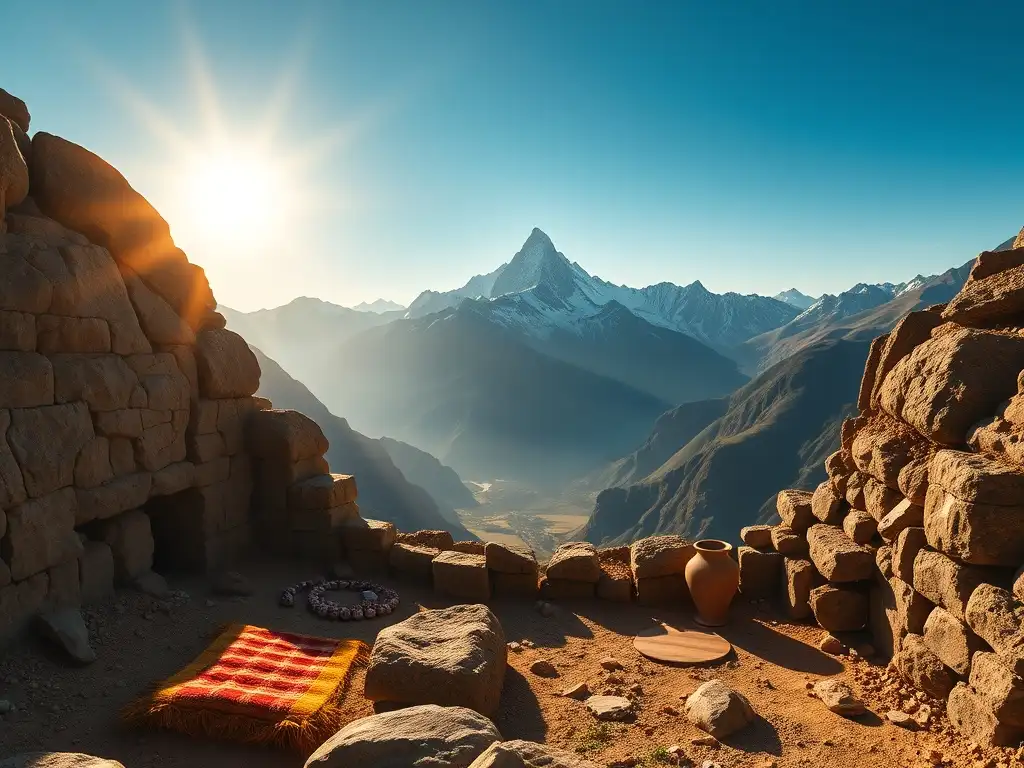
Step into a world lost to time, yet echoing with the whispers of a magnificent civilization. Imagine a realm where the sun god Inti held sway, and the very mountains whispered secrets of the afterlife. This is the world of the Inca, and within these pages, we unravel the mysteries surrounding their profound Inca afterlife beliefs. Prepare to embark on a captivating journey, delving into rituals, beliefs, and the breathtaking artistry that reveals how the Inca viewed death and the world beyond. Dare to discover what awaited them after life's final breath...
-
Inca Afterlife: Journeying to the World Beyond Death
- Understanding Inca Beliefs About the Afterlife
- The Inca Concept of Death and Transition
- The Role of the Inca Soul: A Journey Begins
- Preparations for the Inca Afterlife Journey
- The Inca Underworld: Uku Pacha
- The Inca Heaven: Hanan Pacha
- Inca Afterlife Beliefs and Their Impact on Society
- Contrasting Inca Afterlife Views with Other Andean Cultures
- The Legacy of Inca Afterlife Beliefs
- Frequently Asked Questions
- Final Reflection: Echoes of the Andes: A Legacy Beyond the Grave
- Embrace the Journey: Discover Your Path to Understanding the Inca Afterlife!
Inca Afterlife: Journeying to the World Beyond Death
The Inca Empire, a civilization renowned for its intricate road systems, sophisticated agricultural techniques, and awe-inspiring architecture, also possessed a complex and deeply spiritual worldview. Understanding their beliefs about the afterlife is crucial to grasping the full richness of Inca culture. This exploration delves into the fascinating realm of Inca funerary practices and beliefs, revealing a sophisticated cosmology that shaped their daily lives and continues to intrigue scholars and enthusiasts today.
We will examine the Inca concept of death as a transition, not an end, and explore the rituals and beliefs surrounding the journey to the world beyond. This journey into the Inca afterlife will illuminate the profound spiritual significance they placed on life, death, and the continuity of their lineage and the cosmos.
The intricate tapestry of Inca beliefs regarding the afterlife provides a window into the heart of their culture, revealing a civilization deeply connected to the spiritual realm and their understanding of the universe. This article will specifically address Inca afterlife beliefs, focusing on the key elements that defined their understanding of death and the journey beyond.
Understanding Inca Beliefs About the Afterlife
Inca beliefs about the afterlife weren't uniform across the vast empire. Regional variations existed, reflecting the diverse cultural landscapes incorporated into the Inca state. However, a core set of beliefs permeated throughout, emphasizing the interconnectedness of the living and the dead, and the continuity of life beyond death. The Inca believed the soul, often referred to as suni, continued its existence after death, albeit in a transformed state.
This afterlife wasn't necessarily a paradise or hell, but rather a continuation of life, albeit in a different form and location. The location and nature of the afterlife varied depending on the individual's status and actions during their earthly life. For example, the Inca believed that the elite, particularly the Sapa Inca (emperor), enjoyed a privileged afterlife.
The Inca's belief in the huacas (sacred places or objects) played a significant role in their understanding of the afterlife. These huacas were believed to be portals or conduits to the spirit world, allowing communication between the living and the dead. Funerary rituals, therefore, often focused on ensuring the deceased's safe passage to these sacred places and their integration into the spirit world.
Elaborate burial practices, including the inclusion of grave goods and mummification, reflect the importance placed on facilitating this transition. The careful preservation of mummies demonstrates the Inca's belief that the deceased's physical form retained a connection to the spirit world.
The Inca Concept of Death and Transition
Death, for the Inca, wasn't viewed as a final ending but rather a significant transition. The process of death itself was imbued with ritual and symbolic meaning. The body of the deceased, often prepared through mummification, wasn't merely discarded; it was carefully preserved and sometimes even venerated. This practice underscores the Inca's belief in the continued existence of the suni and the ongoing connection between the living and the dead. The mummified remains served as a tangible link to the ancestors, playing a vital role in maintaining the social order and lineage.
The Inca funerary rituals were complex and varied depending on the social status of the deceased. While commoners might have received simpler burials, the elite received elaborate funeral ceremonies, often involving sacrifices and the inclusion of numerous grave goods. These goods, ranging from everyday objects to precious artifacts, were intended to provide for the deceased's needs in the afterlife.
The presence of these objects suggests that the Inca believed the deceased continued to live in a manner similar to their earthly existence, albeit in a different realm. The careful placement and arrangement of these objects within the burial site further highlight the structured and deliberate nature of Inca funerary practices. The elaborate nature of these rituals underscores the significant importance the Inca attached to the afterlife and the continuing relationship with their ancestors.
The Role of the Inca Soul: A Journey Begins
The Inca worldview was deeply intertwined with the concept of the huaca, a sacred entity encompassing mountains, rivers, and even ancestors. The Inca soul, or suni, wasn't merely an ethereal essence; it was considered an integral part of this sacred landscape, continuing its existence after death. Death wasn't seen as an end but a transformation, a continuation of the life cycle deeply connected to the huaca.
The suni’s journey after death was not a random event, but a structured path determined by the individual's life and social standing. Elite members of society, particularly the Inca royalty, enjoyed a more elaborate and carefully orchestrated transition. Their passage was seen as crucial for maintaining the cosmic balance and ensuring the continued prosperity of the empire.
The beliefs surrounding the Inca afterlife were not static; they evolved over time and varied regionally, reflecting the diverse beliefs and practices across the vast Inca empire. The complexity of Inca beliefs shows a sophisticated understanding of the afterlife and its connection to the living world.
The Spirit's Path: Destinations After Death
The destination of the suni after death was not a singular place, but varied according to several factors including social status and conduct during life. For the commoners, the afterlife was often depicted as a less distinct realm, perhaps a continuation of their daily lives but within a different plane of existence.
However, for the Inca elite, a more structured journey was anticipated, leading to specific destinations in the underworld or even the celestial realm, reflecting their elevated status in life. This journey wasn't simply a passive transition; it involved challenges and trials, and the successful navigation of these trials determined the ultimate fate of the suni.
The specific details of these destinations remain somewhat shrouded in mystery due to the limited surviving primary sources. However, anthropological studies and interpretations of archaeological findings allow us to piece together a more complete, though still incomplete, picture of this complex system of beliefs.
The Importance of Ancestral Veneration in Inca Society
Ancestral veneration formed the cornerstone of Inca religious practices. The ancestors, particularly those of the Inca royal lineage, were seen as powerful intermediaries between the living and the supernatural world. Their continued influence on the living was believed to be significant, impacting everything from harvests to military victories.
Elaborate rituals, offerings, and mummification practices were undertaken to honor and maintain contact with these revered ancestors. The Inca believed that by respecting and venerating their ancestors, they ensured their continued protection and prosperity. This reverence extended beyond the royal family to include other prominent figures and community leaders, underscoring the importance of lineage and social hierarchy in Inca society.
The mummies themselves were not simply relics of the past; they were active participants in the ongoing life of the community, consulted and honored for their wisdom and guidance. The deep respect for ancestors is a testament to the Inca's enduring connection to their past and the belief in the ongoing power of their ancestors.
Preparations for the Inca Afterlife Journey
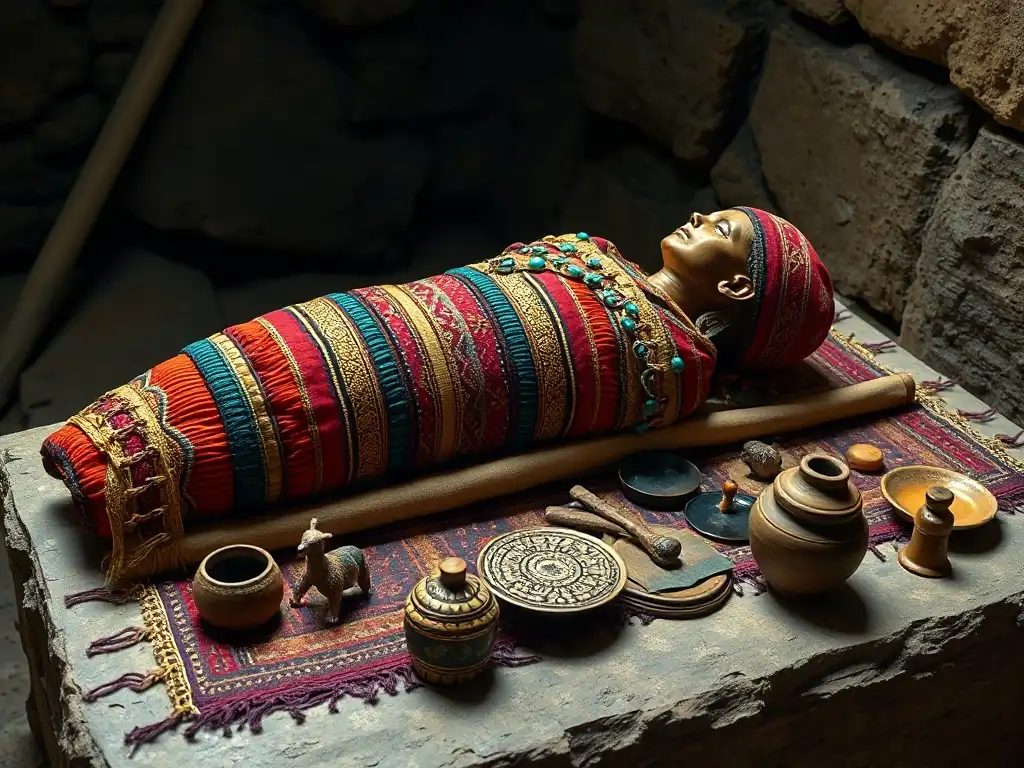
The Inca believed that the afterlife journey required preparation, both for the deceased and their living relatives. This preparation wasn't merely a spiritual exercise; it involved meticulous physical arrangements to ensure a comfortable and successful transition for the suni. The process was highly ritualized, varying according to social status and location within the empire.
This intricate preparation reflected the Inca's deeply held belief in the continuity of life beyond death and the importance of ensuring the deceased's well-being in the afterlife. The meticulous nature of these preparations highlights the significance of the journey and the enduring belief in the continued existence of the soul.
Mummification Practices in the Inca Empire
Mummification was a central practice in Inca funerary rituals, particularly for the elite. While not as elaborate as Egyptian mummification, the Inca process aimed to preserve the body, allowing the suni to maintain a physical presence in the world. The process involved the removal of internal organs, the drying of the body using natural methods like air and sun exposure, and the subsequent wrapping of the body in textiles.
The mummies were then often adorned with precious ornaments and placed in elaborate tombs, reflecting the deceased's social status and power. The mummies weren't simply lifeless remains; they were considered active participants in the community, consulted during important events and even offered food and drink. This treatment highlights the importance of the ancestors and their continued role in Inca society.
Burial Rituals and Offerings for the Deceased
Burial rituals were complex and varied according to the social standing of the deceased. While commoners might receive simpler burials, those of higher social standing were accompanied by elaborate ceremonies and lavish offerings. These offerings often included food, drink, clothing, and tools, intended to provide for the deceased in the afterlife.
The placement of the body also held significance, with the orientation and location of the tomb reflecting the beliefs about the afterlife's structure. Specific rituals were performed by specialized priests, ensuring the proper transition of the suni to the other world. The scale and complexity of these rituals underscore the importance attached to the afterlife journey and the deceased's continued connection with the living.
Provisions for the Journey: Ensuring Safe Passage
To ensure a safe and successful journey to the afterlife, the Inca provided the deceased with various provisions. These provisions, placed within the tomb, were not merely symbolic; they were believed to be essential for sustaining the suni during its journey and in its new existence. These included food, drink, clothing, and personal belongings.
The inclusion of these items highlights the Inca belief in the tangible needs of the suni even in the afterlife. The quality and quantity of the provisions directly correlated with the social standing of the deceased, emphasizing the importance of social hierarchy even in death. The meticulous preparation and selection of these provisions demonstrate the Inca's deep concern for the well-being of their deceased loved ones, even in the realm beyond death.
The Inca Underworld: Uku Pacha
The Inca concept of the afterlife wasn't a simple heaven or hell; instead, it was a complex interplay between the earthly world (Kay Pacha) and the subterranean realm of Uku Pacha. Uku Pacha, often described as a dark and mysterious place, wasn't necessarily a punishment; rather, it was a continuation of existence, albeit a different one. It was believed that the souls of the deceased journeyed to Uku Pacha, a realm ruled by powerful deities and ancestral spirits.
This journey wasn't a simple transition, but a process fraught with challenges and trials, reflecting the Inca belief in the constant need for balance and reciprocity. The nature of one's afterlife in Uku Pacha was believed to be intricately linked to their actions and social standing during their life on Earth.
Those who lived virtuous lives and served the Inca Empire faithfully might have found a more peaceful existence, while those who transgressed societal norms could expect a more arduous journey. The specific details of the underworld varied depending on regional beliefs and interpretations, highlighting the diverse spiritual landscape within the Inca Empire.
The Challenges and Trials of the Inca Underworld
The journey through Uku Pacha was not a passive experience. Inca beliefs suggest that the deceased faced various trials and challenges that tested their character and worthiness. These trials are not explicitly detailed in surviving texts, but interpretations from rituals and iconography suggest a process of purification and judgment.
For example, the mummification process itself, with its elaborate rituals and offerings, could be viewed as a preparation for the journey, a way of ensuring the successful passage of the soul. The deceased might have faced encounters with supernatural beings, both benevolent and malevolent, reflecting the duality inherent in Inca cosmology. Navigating these trials would depend on the individual's adherence to Inca principles and their actions during their lifetime.
The successful completion of these trials likely determined the quality of life the deceased experienced in the underworld. The precise nature of these trials remains a topic of ongoing scholarly debate, emphasizing the need for further research into Inca funerary practices and beliefs.
The Significance of Uku Pacha in Inca Cosmology
Uku Pacha wasn't merely a destination for the dead; it held a crucial position within the Inca understanding of the universe. The three-world cosmology – Kay Pacha, Uku Pacha, and Hanan Pacha – represented a holistic view of existence, with each realm interconnected and interdependent. Uku Pacha, as the underworld, symbolized the source of life, fertility, and resources.
Minerals, water sources, and agricultural bounty were all believed to originate from the subterranean world. This connection explains the importance placed on appeasing the spirits of Uku Pacha through offerings and rituals. The Inca worldview saw death as a natural part of life's cycle, with the deceased playing a continued role in the sustenance and prosperity of the living world.
Therefore, Uku Pacha wasn't merely a place of the dead, but a vital component of the cosmos, influencing the lives of the living. This interconnectedness emphasizes the holistic and cyclical nature of Inca beliefs regarding life and death.
The Inca Heaven: Hanan Pacha
Hanan Pacha, the celestial realm, represented the highest level of existence in Inca cosmology. It was a place of supreme power, where the sun god Inti, the moon goddess Mama Killa, and other deities resided. This wasn't simply a passive afterlife; Hanan Pacha was an active realm that influenced the earthly world.
It was believed that the ancestors, having successfully navigated the challenges of Uku Pacha, joined the pantheon of gods and continued to interact with the living. Access to Hanan Pacha was not guaranteed; it was a privilege reserved for those who lived exemplary lives, served the Inca Empire with unwavering loyalty, and maintained a harmonious relationship with the spiritual world. The pursuit of Hanan Pacha acted as a powerful motivator in Inca society, shaping individual behavior and societal norms.
The Celestial Realm of the Gods and Ancestors
Hanan Pacha was envisioned as a radiant and glorious place, a stark contrast to the darkness of Uku Pacha. It was the dwelling place of Inti, the sun god, considered the most important deity in the Inca pantheon. This celestial realm wasn't simply a static space; it was a vibrant and dynamic location where celestial events, such as solstices and eclipses, were believed to directly impact the affairs of the earthly world. The ancestors, who had proven their worthiness, joined the gods in Hanan Pacha, becoming intermediaries between the celestial and earthly realms.
They were believed to continue to watch over their descendants, offering guidance and protection. This concept reinforced the importance of familial ties and the veneration of ancestors within Inca society. The imagery associated with Hanan Pacha, filled with celestial bodies and divine beings, reflects the Inca's awe and reverence for the power of the cosmos.
Achieving Hanan Pacha: The Ultimate Goal
Reaching Hanan Pacha wasn't a given; it was the ultimate aspiration for the Inca. It represented the highest form of spiritual attainment, a reward for a life lived in accordance with Inca principles and values. This pursuit fostered a strong moral compass within Inca society, encouraging individuals to strive for excellence in all aspects of life. Achieving Hanan Pacha wasn’t solely dependent on piety; it also involved demonstrating loyalty to the Inca Empire and contributing to the well-being of the community.
This blend of spiritual and societal expectations highlights the integrated nature of Inca religion and social structure. The hope of joining the celestial realm served as a powerful incentive, shaping individual behavior and contributing to the stability and prosperity of the Inca Empire. The concept of Hanan Pacha fueled the Inca's dedication to their religion and their unwavering loyalty to the Inca rulers.
Inca Afterlife Beliefs and Their Impact on Society
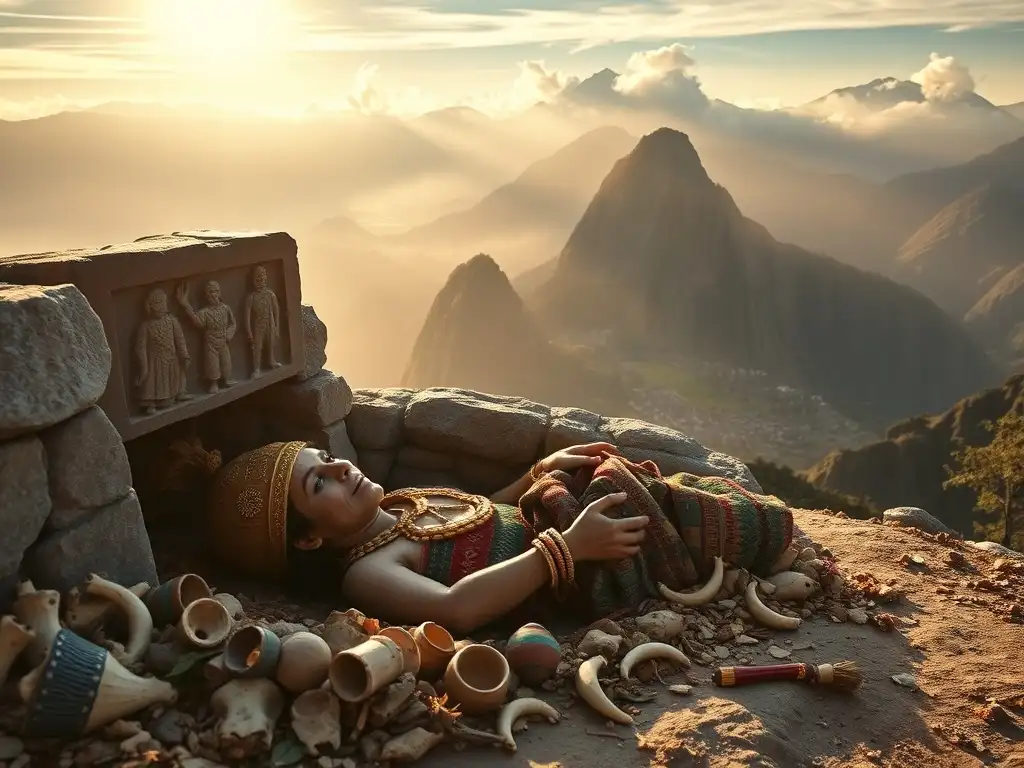
Inca afterlife beliefs were deeply ingrained in their societal structure, influencing everything from daily life to monumental architecture. The Inca worldview wasn't simply about an existence after death; it was about maintaining a harmonious relationship between the living and the deceased, ensuring the continued prosperity of the empire. The belief in a continuation of life, albeit transformed, fostered a profound respect for ancestors and a strong sense of community.
This wasn't merely a spiritual concept; it had tangible consequences. For instance, the elaborate mummification practices and the construction of mausoleums like those at Machu Picchu weren't simply acts of mourning, but rather crucial rituals designed to maintain the connection with deceased rulers and ancestors who were believed to continue to exert influence on the living world.
The Inca believed that their actions in life directly impacted their fate in the afterlife, a concept that shaped their moral compass and social interactions. The emphasis on collective well-being extended beyond the earthly realm, further solidifying the interconnectedness between the living and the dead.
Inca Morality and the Pursuit of a Favorable Afterlife
The Inca pursuit of a favorable afterlife was intrinsically linked to their moral code. Adherence to ayni, the principle of reciprocity and mutual obligation, was paramount. This wasn't simply about fairness; it was a spiritual duty, ensuring a smooth transition into the next world.
Individuals who lived virtuous lives, contributing to their communities and upholding Inca values, were believed to enjoy a pleasant afterlife, perhaps even joining their ancestors in a blissful realm. Conversely, those who transgressed against Inca laws or acted selfishly faced a grimmer fate in the underworld. Stories and myths served as cautionary tales, reinforcing the importance of moral conduct.
Punishments for misdeeds weren't limited to earthly consequences; the fear of a negative afterlife served as a powerful deterrent against wrongdoing. This deeply ingrained belief system contributed to the relatively stable and well-ordered society the Inca Empire maintained for centuries. The concept of a just afterlife incentivized ethical behavior, strengthening the social fabric of the empire.
The Influence of Afterlife Beliefs on Inca Rituals and Practices
Inca afterlife beliefs profoundly shaped their rituals and practices. Elaborate funeral ceremonies, involving mummification, offerings, and processions, were integral to the Inca worldview. These weren't simply somber occasions; they were vital ceremonies meant to facilitate the deceased's journey to the afterlife and maintain their connection with the living.
The construction of intricate tombs and mausoleums, often located in sacred sites, reflects the importance placed on the proper burial and veneration of the deceased. These structures weren't merely places of burial but also served as focal points for ongoing rituals and offerings. Annual festivals and ceremonies, many linked to the agricultural cycle, incorporated elements related to ancestor veneration and the cyclical nature of life and death.
These rituals reinforced the belief in the continuity between the living and the dead, ensuring the ongoing support and guidance of ancestors. The intricate system of rituals demonstrates the centrality of afterlife beliefs in Inca religion and daily life.
Contrasting Inca Afterlife Views with Other Andean Cultures
While the Inca afterlife beliefs shared some commonalities with other Andean cultures, significant differences also existed. For example, while many Andean cultures believed in a duality of the underworld and the upper world, the specific details of these realms and the journey to reach them varied greatly. Unlike some cultures that emphasized a more individualistic approach to the afterlife, Inca beliefs stressed the collective nature of the journey and the ongoing relationship between the living and the deceased.
The emphasis on ancestor veneration was particularly pronounced in Inca culture compared to some other groups who may have focused more on achieving a personal union with a specific deity. [Specific examples of contrasting beliefs from other Andean cultures pending].
The level of sophistication in Inca mummification and funerary practices also stood out, suggesting a more formalized and elaborate approach to dealing with death and the afterlife. Further research into specific cultural practices of other Andean groups is needed for a more robust comparison.
Comparing Inca Beliefs with Moche Afterlife Beliefs
The Moche civilization, predating the Inca, held distinct beliefs about the afterlife. While both cultures believed in an underworld, the Moche's depiction of it often featured more violent and dramatic imagery than the Inca's more structured vision. Moche iconography frequently portrays scenes of warfare and sacrifice in the context of the afterlife, reflecting a potentially more aggressive and competitive view of the realm of the dead.
In contrast, Inca beliefs emphasized a more hierarchical and ordered afterlife, reflecting the structure of their society. [Specific examples of Moche funerary practices and artwork depicting the afterlife pending]. The differences in artistic representation and funerary practices highlight the distinct cultural interpretations of the afterlife held by these two powerful Andean civilizations.
Comparing Inca Beliefs with Chimor Afterlife Beliefs
The Chimor culture, which flourished in the north of Peru, also presents a contrast to Inca afterlife beliefs. While the Chimor, like the Inca, practiced mummification and ancestor veneration, the scale and elaborate nature of Inca practices surpassed those of the Chimor. The Chimor's worldview, while sharing some aspects of Andean cosmology, showed a different emphasis on certain deities and rituals.
[Specific examples of Chimor afterlife beliefs, funerary practices, and iconography pending]. A more detailed comparison requires further research into Chimor funerary practices and religious beliefs to highlight the nuances in their respective perspectives on the afterlife and their differences from Inca beliefs.
The Legacy of Inca Afterlife Beliefs
The Inca worldview was profoundly shaped by their beliefs about the afterlife, impacting everything from their daily rituals to their monumental architecture. The concept of a continued existence after death wasn't simply a spiritual matter; it was intricately woven into the fabric of Inca society, influencing social structures, political power, and even agricultural practices. Their belief system wasn't static; it evolved and adapted over centuries, incorporating elements from earlier Andean cultures and reflecting the changing political landscape of the empire.
Understanding this legacy is crucial to grasping the complexities of Inca civilization. The meticulous mummification practices, the elaborate funerary rituals, and the construction of impressive mausoleums all testify to the central role of death and the afterlife in Inca life.
These practices weren't merely symbolic; they were integral to maintaining the cosmic order and ensuring the continuity of the Inca lineage and the empire itself. The careful preservation of mummies, for example, highlights the belief that the deceased still held influence in the world of the living, a belief that influenced ancestor veneration and the political system.
How Inca Beliefs Shaped Their Culture and Worldview
Inca afterlife beliefs fundamentally shaped their culture and worldview in several significant ways. Firstly, the emphasis on ancestor veneration created a strong sense of continuity between the living and the dead. Rulers were seen as descendants of the gods, and their legitimacy was linked to their connection to the ancestral world.
This created a hierarchical society where respect for elders and ancestors was paramount, influencing social structures and political authority. Secondly, the belief in a continued existence after death influenced their agricultural practices. The Inca's agricultural innovations, such as terracing and irrigation, were not only driven by the need to feed a growing population but also by the desire to ensure the fertility of the land, a reflection of their belief in the interconnectedness of the living and the spirit world.
The annual agricultural cycle was intertwined with rituals aimed at appeasing the spirits and ensuring bountiful harvests, reinforcing the spiritual dimension of their agricultural activities. Finally, their artistic expressions, particularly in pottery and textiles, often depicted scenes from the afterlife or featured symbols associated with death and rebirth, reflecting the pervasive influence of these beliefs on their artistic endeavors. The Inca worldview was fundamentally shaped by their belief that life and death were not separate but rather interconnected parts of a larger cosmic cycle.
The Enduring Influence of Inca Afterlife Concepts
The influence of Inca afterlife beliefs extends far beyond the demise of the empire. Many of their funerary practices and beliefs continue to resonate in Andean cultures today. Ancestor veneration remains a significant aspect of Andean spirituality, highlighting the enduring legacy of Inca religious traditions.
The reverence for mummies and the practices associated with their preservation persist in some communities, demonstrating the continued importance of the deceased in the lives of the living. Furthermore, elements of Inca cosmology and mythology, including beliefs about the underworld and the spirit world, have been integrated into contemporary Andean religious syncretism, demonstrating the adaptive and enduring nature of these beliefs. While the Inca empire may have fallen, their profound understanding of death and the afterlife continues to shape the cultural landscape of the Andes, leaving a lasting impact on the spiritual and cultural practices of the region.
The rich tapestry of Inca beliefs about the afterlife continues to inspire awe and fascination, reminding us of the enduring power of human spirituality and the profound ways in which our beliefs shape our lives and societies. The study of Inca afterlife beliefs offers valuable insights into the human experience of mortality and the enduring quest for meaning beyond death.
Frequently Asked Questions
What did the Inca believe happened after death?
The Inca believed that after death, the soul journeyed to the underworld, a place called Ukhu Pacha. Their beliefs were deeply intertwined with ancestor veneration, believing deceased relatives could still influence the living.
How did Inca burial practices reflect their afterlife beliefs?
Inca burial practices were elaborate, reflecting their belief in the continuation of life after death. Mummies were often adorned with precious objects and buried with provisions for their journey to the afterlife. Tombs were carefully constructed, sometimes at high altitudes.
What role did the capacocha sacrifice play in Inca afterlife beliefs?
The capacocha involved the sacrifice of children and young adults, considered an offering to the gods to ensure the well-being of the empire and a successful transition to the afterlife for the deceased. It was a deeply significant ritual.
Did the Inca believe in a specific afterlife location?
While Ukhu Pacha is often described as the underworld, Inca beliefs about the afterlife weren't rigidly defined. The location was less important than the spiritual journey the soul undertook and the continued connection between the living and the dead.
How did Inca afterlife beliefs influence their daily lives?
Inca daily life was profoundly shaped by their beliefs in the afterlife. Ancestor veneration was central, influencing everything from agricultural practices to political decisions. They believed that honoring ancestors ensured continued prosperity and protection.
Final Reflection: Echoes of the Andes: A Legacy Beyond the Grave
The Inca understanding of death, far from being a relic of a bygone era, offers a powerful lens through which to examine our own contemporary anxieties surrounding mortality and legacy. Their intricate funerary rituals and beliefs about the afterlife, meticulously preserved through archaeological discoveries and surviving accounts, resonate deeply with our persistent human need to make sense of life's ultimate mystery.
The Inca's profound respect for their ancestors and their belief in a continued existence beyond physical death continues to shape the cultural landscape of the Andes, influencing artistic expression, spiritual practices, and even modern interpretations of history. Their worldview, emphasizing community and the interconnectedness of the living and the dead, offers a compelling counterpoint to our often individualistic approach to mortality. Death is not an ending, but a transformation,
a sentiment echoing through generations in the Andean heartland, speaks to the enduring power of these beliefs.
Consider, for a moment, the implications of the Inca worldview. How might embracing a sense of interconnectedness with those who came before us, as the Inca did, enrich our own lives and perspectives? I invite you to reflect on your own understanding of death and legacy, and to consider the enduring wisdom offered by the ancient Inca in navigating life's ultimate journey. Let their story inspire you to live a life that honors both the present and the enduring legacy you will leave behind.
Embrace the Journey: Discover Your Path to Understanding the Inca Afterlife!
Thank you for exploring the fascinating world of Inca beliefs about the afterlife with us! We hope you've gained valuable insights into how this ancient civilization viewed death and the journey beyond. Now, let's explore how these perspectives can enrich our understanding of life and death today.
Take these next steps:
- Reflect on your own beliefs about life and death. Spend some time journaling about your personal views on what happens after death and how these beliefs shape your life choices and perspectives.
- Share your thoughts with friends and family. Discuss your newfound understanding of Inca beliefs about the afterlife and engage in a conversation about death and what might come after. Hearing other perspectives can be enlightening.
- Join our community! Connect with fellow history enthusiasts and expand your knowledge of Andean cultures by participating in discussions on our forums at Andean Civilizations.
What aspect of the Inca understanding of the afterlife resonates most with you, and how might it inform your own perspective on life? We'd love to hear your thoughts in the comments!