
Atahualpa's Advisors: Who Guided the Inca King in His Final Days?

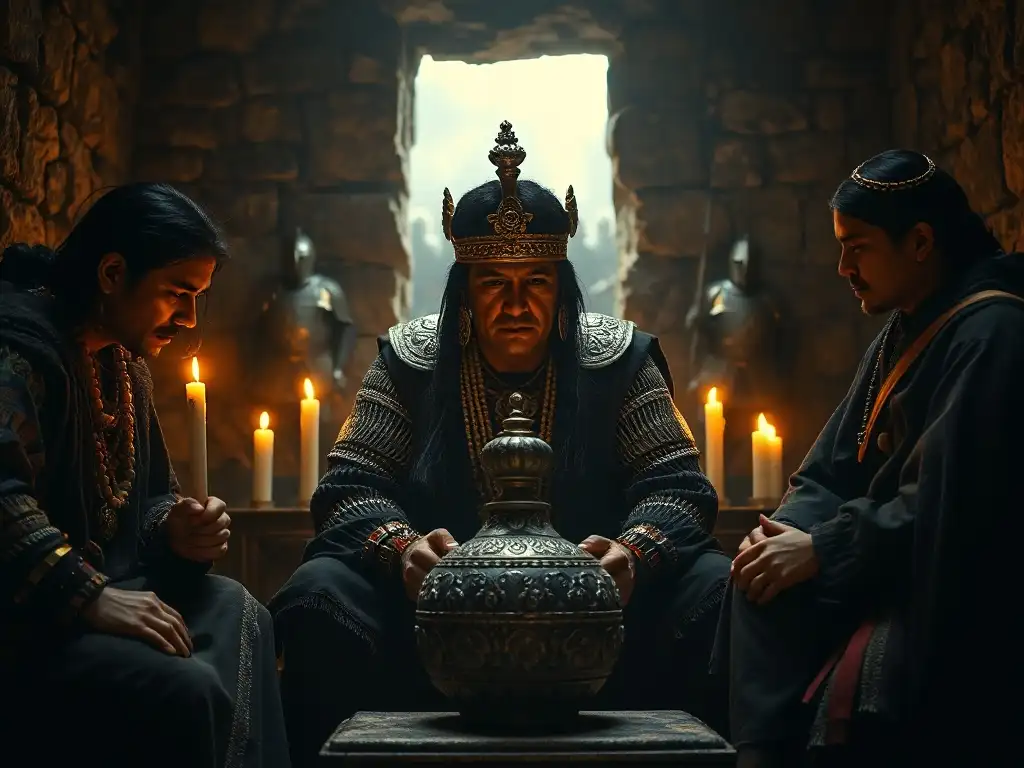
Step into a world lost to time, where empires rose and fell amongst the breathtaking Andes Mountains. Discover the intricate tapestry of Andean civilizations, from the masterful artistry of the Nazca to the sophisticated engineering of the Incas. But what truly shaped the fate of these magnificent cultures? The story of Atahualpa's advisors and their influence on the Inca king's final days holds the key... Unravel the mysteries surrounding his demise and the tumultuous end of an era. Dare to delve deeper?
The dramatic events surrounding the capture and execution of Inca emperor Atahualpa in 1533 remain a captivating chapter in Andean history. While the brutality of Francisco Pizarro's conquest is well-documented, the story is incomplete without understanding the individuals who advised Atahualpa during his final, tumultuous days.
This exploration delves into the political complexities of the Inca Empire at the time of the Spanish arrival, examining the key figures who surrounded Atahualpa and the roles they played in navigating the crisis – a crisis that ultimately led to the downfall of a vast and sophisticated empire. We will analyze the known and suspected advisors, exploring their influence on Atahualpa’s decisions and their potential impact on the outcome of the conquest.
Understanding these advisors is crucial to a complete picture of this pivotal moment in Andean history, offering a deeper insight into the strategic maneuvering and political turmoil that characterized Atahualpa’s reign and its abrupt end. The keyword "Atahualpa advisors Inca final days" will guide our investigation, shedding light on this often-overlooked aspect of the Spanish conquest.
The Political Landscape of the Inca Empire Before Atahualpa's Capture
The Inca Empire, at the time of Atahualpa's ascension, was not a monolithic entity of unwavering unity. The years leading up to the Spanish conquest were marked by internal strife and power struggles, a fact that significantly impacted Atahualpa's ability to effectively respond to the Spanish threat. Atahualpa himself had come to power through a brutal civil war against his half-brother Huáscar, a conflict that had weakened the empire's military and administrative structures.
This power vacuum and the lingering resentments from the civil war created a fertile ground for dissent and conflicting advice within Atahualpa's court. The empire's vast size and diverse population also presented significant challenges in communication and control, making unified decision-making incredibly difficult. The advisors Atahualpa relied upon were operating within this fragile, fractured political landscape, a context essential for understanding their actions and motivations.
Furthermore, the presence of powerful regional curacas (local chiefs) who may have harbored their own agendas further complicated the situation, potentially influencing the advice offered to the emperor. Understanding the intricacies of this pre-conquest political landscape is paramount to grasping the challenges faced by Atahualpa and his advisors.
The Inner Circle: Identifying Key Advisors to Atahualpa
Identifying Atahualpa’s advisors with certainty presents a challenge due to the limited and often biased historical accounts. However, through careful analysis of surviving chronicles and archaeological evidence, we can attempt to reconstruct the inner circle that surrounded the Inca emperor in his final days. Several key figures likely played significant roles, although the extent of their influence remains a matter of scholarly debate.
These individuals likely included high-ranking officials from the Inca bureaucracy, such as apus (regional governors) and tucuyricuc (messengers), who would have provided crucial information about the Spanish advance and the state of the empire. Additionally, Atahualpa likely relied on trusted family members and close confidants, whose advice might have been shaped by personal loyalties as much as by strategic considerations. We must consider the potential influence of religious figures, such as priests and diviners, whose interpretations of omens and prophecies could have significantly shaped Atahualpa’s strategic decisions during this critical period.
The lack of precise information about the specific names and roles of these individuals necessitates further research and careful consideration of diverse historical sources. The task of piecing together the identities and influence of Atahualpa's advisors requires a meticulous examination of available evidence, acknowledging the inherent limitations and biases present in the historical record. This careful reconstruction will ultimately allow for a more nuanced understanding of Atahualpa's final days and the factors that contributed to the downfall of the Inca Empire.
Rumiñahui: A Military Strategist and Loyal General
Rumiñahui, a name synonymous with military prowess and unwavering loyalty to Atahualpa, stands as a pivotal figure in the Inca Empire's final days. His strategic brilliance and tactical acumen were undeniable, shaping the course of the Inca resistance against the Spanish conquistadors. He wasn't simply a soldier; he was a master strategist, capable of adapting his plans to the ever-shifting battlefield.
His understanding of Andean terrain and warfare was unparalleled, allowing him to devise effective defenses and launch devastating counterattacks. Rumiñahui's influence extended beyond the battlefield; he possessed a keen political awareness, understanding the intricacies of Inca power dynamics and using this knowledge to navigate the treacherous landscape of the final days of the empire. His loyalty to Atahualpa remained unshaken even in the face of overwhelming odds, making him a crucial advisor during the king's imprisonment and subsequent execution.
The impact of his strategic decisions can still be felt in the historical accounts of the conquest, solidifying his place as one of the most important figures in resisting the Spanish advance. He wasn't just a military leader; he was a symbol of defiance against foreign domination.
Rumiñahui's Role in the Inca Civil War
Before the Spanish arrival, Rumiñahui played a significant role in the Inca Civil War that pitted Atahualpa against his half-brother Huáscar. While details remain debated by historians, it's clear that Rumiñahui's military expertise was instrumental in Atahualpa's victory. He masterminded several key battles, demonstrating his understanding of both large-scale warfare and guerilla tactics.
His ability to leverage the terrain to his advantage, combined with his innovative use of Inca weaponry and formations, proved decisive in securing Atahualpa's ascendancy to the throne. The success of his strategies during the civil war cemented his reputation as a brilliant military leader and earned him Atahualpa's complete trust, a trust that would be tested severely in the coming years.
Understanding his role in the civil war is crucial to understanding his later actions and his unwavering commitment to Atahualpa during the Spanish conquest. The civil war shaped not only the political landscape of the Inca Empire but also the strategic approach Rumiñahui would take against the Spanish.
Rumiñahui's Actions Following Atahualpa's Imprisonment
Following Atahualpa's capture by Pizarro, Rumiñahui took on the mantle of resistance leader. He orchestrated a campaign of guerilla warfare against the Spanish, utilizing his intimate knowledge of the Andean landscape to harass and ambush the invaders. While the Spanish possessed superior weaponry, Rumiñahui's understanding of the terrain and his ability to utilize the Inca's familiarity with the environment gave them a crucial advantage. He employed hit-and-run tactics, striking swiftly and retreating before the Spanish could mount a significant response.
These actions, while ultimately unsuccessful in preventing the fall of the Inca Empire, significantly delayed the Spanish conquest and inflicted heavy casualties on Pizarro's forces. His actions demonstrated remarkable courage and leadership in the face of insurmountable odds, solidifying his legacy as a symbol of Inca resistance. Historians continue to study his strategies to better understand resistance movements in the face of overwhelming power.
Chalcuchimac: Another Powerful General in Atahualpa's Service
Chalcuchimac, another prominent general in Atahualpa's army, held significant power and influence during the Inca Empire's final days. While perhaps less celebrated than Rumiñahui, his contributions to the Inca military were substantial. He commanded a large and well-trained army, responsible for protecting vital regions and resources of the empire.
His military expertise and experience made him a valuable advisor to Atahualpa, offering strategic insights and counsel in times of crisis. Although less information is available on Chalcuchimac compared to Rumiñahui, his position within Atahualpa's inner circle speaks volumes about his importance. His role was likely crucial in maintaining order and security within the empire, a task made increasingly difficult by the escalating conflict with the Spanish.
Chalcuchimac's Military Campaigns and Influence
Chalcuchimac's military experience spanned several campaigns before the Spanish conquest. He likely participated in various battles during the Inca Civil War, contributing to Atahualpa's victory. His influence extended beyond the battlefield. He likely held significant administrative responsibilities, overseeing the organization and logistics of the Inca army.
This administrative expertise, coupled with his military skill, made him an invaluable asset to Atahualpa. While precise details about his specific campaigns are scarce, his presence as a high-ranking general within Atahualpa's court highlights his importance. Further research is needed to fully illuminate the extent of his military achievements and his contributions to the Inca Empire's defense.
Chalcuchimac's Fate After Atahualpa's Capture
Following Atahualpa's capture, Chalcuchimac's fate, like that of many Inca nobles, was grim. He was likely imprisoned and possibly executed by the Spanish, though the exact details of his death remain uncertain. His demise, along with the execution of Atahualpa and the collapse of the Inca Empire, marks a tragic end to the lives of many high-ranking officials who had served the Inca king.
The lack of detailed information surrounding Chalcuchimac's final days underscores the challenges historians face in piecing together the fragmented accounts of this pivotal period in Andean history. Further research into colonial archives may shed more light on his ultimate fate and the circumstances surrounding his death. The silence surrounding his end only adds to the mystery surrounding this significant figure in Atahualpa's court.
Other Notable Figures Influencing Atahualpa
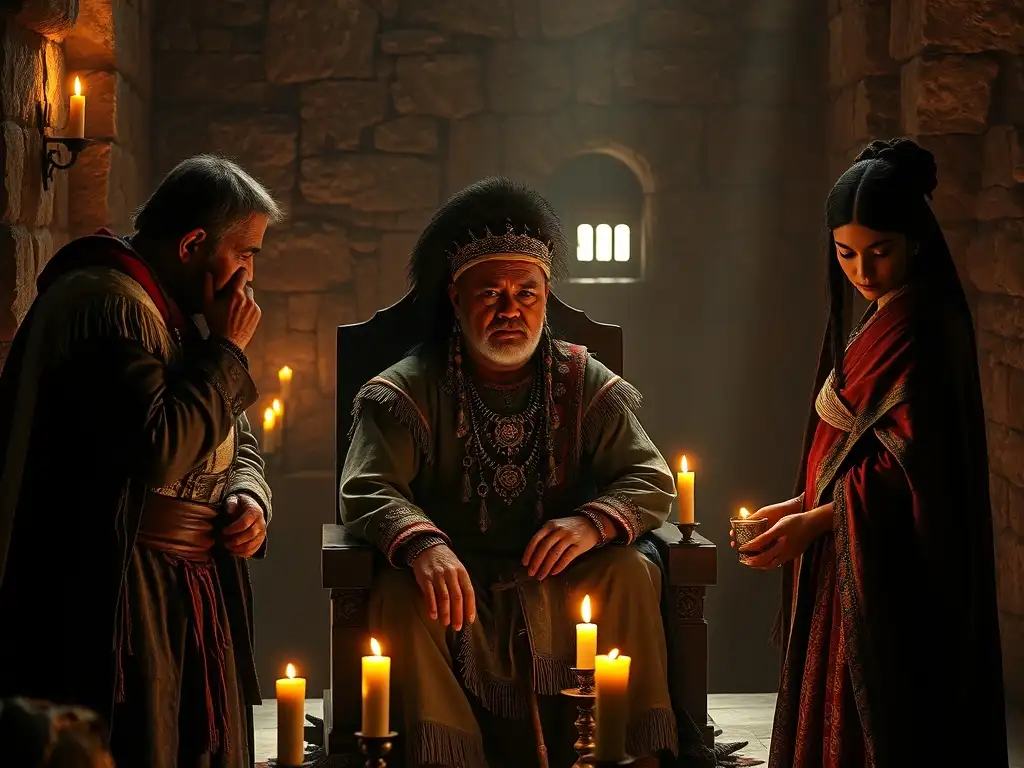
Beyond the key advisors like Rumiñahui and Chalcuchima, several other individuals exerted influence on Atahualpa during his final days. While their roles might not have been as formally defined or documented as those of his principal counselors, their contributions to the complex tapestry of events leading to his demise cannot be ignored. These individuals often operated within the existing power structures, offering advice, relaying information, or simply providing a different perspective amidst the chaos of the Spanish conquest.
The extent of their influence remains a subject of ongoing historical debate, with some scholars arguing for a more significant impact than others acknowledge. Understanding their roles requires careful examination of fragmented accounts from both Spanish conquistadors and indigenous sources, where available.
The challenge lies in piecing together a coherent narrative from disparate and often contradictory evidence. It's crucial to remember that the perspectives of those who survived the conquest might have been shaped by their own experiences and biases.
Vila Oma: Spiritual Guidance and Influence
Vila Oma, a figure shrouded in some mystery, likely held a position of significant spiritual authority within Atahualpa's court. While precise details regarding Vila Oma's specific influence on Atahualpa's decisions are scarce, it's highly probable that he provided spiritual guidance and counsel. In the Inca worldview, religious leaders played a critical role in shaping political decisions.
Vila Oma's advice likely involved interpreting omens, offering predictions based on traditional Inca beliefs, and perhaps even performing rituals aimed at influencing the outcome of the conflict with the Spanish. The limited historical accounts suggest that Vila Oma, if not directly involved in the political negotiations, certainly provided a spiritual framework within which Atahualpa operated.
His influence was possibly subtle but nonetheless profound, shaping the Inca emperor's perception of the unfolding events and potentially impacting his choices. Further research into surviving indigenous accounts could shed more light on Vila Oma's specific role and influence on Atahualpa's actions.
Quizquiz: Political Counsel and Support
Quizquiz, another significant figure in Atahualpa's inner circle, likely provided crucial political counsel and support during the tumultuous final days of the Inca emperor's reign. While the exact nature of his relationship with Atahualpa remains somewhat unclear, historical evidence suggests Quizquiz was a trusted advisor who offered strategic guidance on navigating the complex political landscape of the time.
His advice likely focused on maintaining order within the Inca empire, managing internal conflicts, and assessing the threats posed by the Spanish conquistadors. Quizquiz's understanding of Inca political structures and power dynamics would have been invaluable to Atahualpa as he grappled with the unprecedented challenge of the Spanish invasion.
It’s plausible that Quizquiz advocated for certain strategies, perhaps advocating for negotiation or resistance, and his influence on Atahualpa's actions warrants further investigation. The lack of detailed historical records makes it difficult to pinpoint his exact level of influence, but his presence within Atahualpa's inner circle points to a significant role.
The Role of Advisors in Atahualpa's Decision-Making
Atahualpa's advisors played a crucial role in shaping his decisions during the Spanish conquest. The Inca emperor, like many rulers, relied on a network of counselors to provide information, strategize, and offer different perspectives. The information provided by these advisors, however, was filtered through various lenses and potentially biased based on the advisors' own self-interests and perspectives. The accuracy and completeness of the intelligence received by Atahualpa were thus crucial and impacted the quality of his decisions.
The effectiveness of his advisors also depended on their ability to present information clearly and persuasively, anticipating the emperor's needs and preferences. Atahualpa's final decisions—from the initial interactions with Pizarro to the ultimate strategies employed—were undoubtedly influenced by the counsel he received. Analyzing the advice offered and the decisions made reveals a complex interplay between Atahualpa's own judgment and the influence of his advisors.
How Advisors Shaped Atahualpa's Interactions with Pizarro
The advisors surrounding Atahualpa significantly shaped the Inca emperor's interactions with Francisco Pizarro and his conquistadors. The initial encounters were fraught with misunderstandings and misinterpretations, fueled partly by the cultural differences and the deliberate manipulation by Pizarro and his men. Advisors likely played a critical role in interpreting the Spaniards' intentions, translating messages, and conveying Atahualpa's responses.
The advice offered by these advisors, whether advocating for diplomacy, caution, or aggression, profoundly impacted the course of events. Their assessments of the Spanish military capabilities and their understanding of the political dynamics at play influenced Atahualpa's decisions regarding alliances, negotiations, and ultimately, the fateful confrontation that led to his capture. The differing opinions among Atahualpa's advisors likely contributed to a lack of decisive action, a critical factor in the Inca's defeat.
The Impact of Counsel on Atahualpa's Final Strategies
The counsel Atahualpa received directly impacted his final strategies in dealing with the Spanish. The advice ranged from offering massive ransoms of gold and silver (a strategy ultimately proven futile) to more militaristic approaches. The effectiveness of these strategies was heavily dependent on the accuracy of the intelligence provided by his advisors, their understanding of the Spanish tactics, and their ability to anticipate the conquistadors' actions.
Unfortunately, the available historical accounts suggest that the Inca advisors significantly underestimated the Spaniards' capabilities and resolve, leading to flawed strategic choices. The lack of a unified and well-informed approach among the advisors arguably contributed to the Inca's defeat, highlighting the critical role of effective counsel in times of crisis. A more coordinated and accurate assessment of the situation might have led to different outcomes, showcasing the profound impact of the advice received on Atahualpa's ultimate fate.
The Challenges Faced by Atahualpa's Counselors
Atahualpa's advisors faced an unprecedented crisis, a perfect storm of internal strife and external aggression that ultimately led to the Inca Empire's downfall. Their task was not simply to advise the Sapa Inca; it was to navigate a treacherous political landscape while simultaneously dealing with a technologically superior invading force. The weight of an empire rested on their shoulders, and their decisions – or lack thereof – would irrevocably alter the course of Andean history. The sheer scale of the challenges they faced is often underestimated, overshadowed by the dramatic narrative of the Spanish conquest.
Understanding these challenges is crucial to appreciating the complexity of their roles and the difficult choices they had to make. The pressure to maintain order and stability within the empire while simultaneously devising a strategy against Pizarro's forces was immense. Their actions, or inactions, would have lasting consequences.
Navigating Internal Conflicts within the Inca Empire
The Inca Empire, despite its vastness and power, was not immune to internal conflicts. Atahualpa's ascension to the throne itself was marked by civil war against his half-brother Huáscar, a conflict that significantly weakened the empire's infrastructure and military capabilities. This internal fracturing made the empire vulnerable to external threats, and Atahualpa's advisors had to contend with lingering loyalties to Huáscar, simmering resentments among different curacas (provincial chiefs), and potential power struggles amongst the Inca nobility.
Maintaining unity and loyalty during this time of crisis was a Herculean task, requiring deft political maneuvering and often difficult compromises. The advisors had to balance the needs of different factions within the empire while simultaneously focusing on the immediate threat of the Spanish.
This delicate balancing act proved to be incredibly challenging, especially given the high stakes involved. Failure to address these internal conflicts effectively would only exacerbate the empire's vulnerability to Pizarro's forces.
Dealing with the Threat of the Spanish Conquistadors
The Spanish conquest presented a challenge unlike any the Inca had faced before. The advisors had to grapple with an unfamiliar enemy, possessing advanced weaponry and tactical strategies. They lacked a clear understanding of the Spanish motivations and capabilities, leading to miscalculations and ultimately, a disastrous outcome. The advisors' attempts to assess the Spanish threat were hampered by a lack of accurate intelligence and a fundamental misunderstanding of the nature of European warfare.
While some advisors may have advocated for swift, decisive action, others may have favored a more cautious approach, leading to internal disagreements on strategy. The rapid advancement of the Spanish forces, coupled with the Inca's own internal divisions, made devising an effective defense strategy incredibly difficult, if not impossible. The advisors' failure to adequately counter the Spanish military advantage contributed significantly to the empire's downfall.
The Legacy of Atahualpa's Advisors
The legacy of Atahualpa's advisors remains a subject of ongoing historical debate. While some historians portray them as incompetent and short-sighted, others argue that they were faced with insurmountable odds and made the best decisions they could under extraordinary circumstances. Their actions, or lack thereof, had a profound impact on the course of the Inca Empire and the subsequent colonial period.
Analyzing their roles requires a nuanced understanding of the political, social, and military context of the time. Their decisions shaped not only the fate of Atahualpa but also the future of the Inca people and their empire. The enduring impact of their counsel continues to resonate in modern interpretations of this crucial period in Andean history.
How Their Actions Influenced the Fall of the Inca Empire
The advisors' actions, or lack of decisive action, played a significant role in the fall of the Inca Empire. Their failure to effectively unite the empire against the Spanish, coupled with their inability to comprehend the full extent of the Spanish military advantage, severely hampered the Inca's ability to mount a successful defense. Their advice to Atahualpa, whether sound or misguided, ultimately contributed to his capture and execution.
The consequences of their decisions reverberated through the empire, leading to widespread chaos, loss of life, and the eventual disintegration of Inca power. Their counsel, intended to protect the Inca state, inadvertently hastened its demise. Understanding their role in this process is crucial to a complete understanding of the Spanish conquest.
The Historical Significance of these Key Inca Figures
Despite the limited historical records, the advisors to Atahualpa hold significant historical importance. They represent the complex political landscape of the late Inca Empire, a period marked by both internal strife and external threats. Their story highlights the challenges faced by those who attempted to navigate the tumultuous events surrounding the Spanish conquest.
Studying their roles offers invaluable insights into the Inca political system, military strategies, and the cultural clash between the Inca and Spanish worlds. Their actions, though ultimately unsuccessful in preventing the fall of the empire, remain a crucial element in understanding this pivotal moment in Andean history. Further research is needed to fully illuminate the identities and contributions of these key figures, shedding light on the complexities of the Inca world in its final days.
Understanding Atahualpa’s Court: A Look Beyond the King
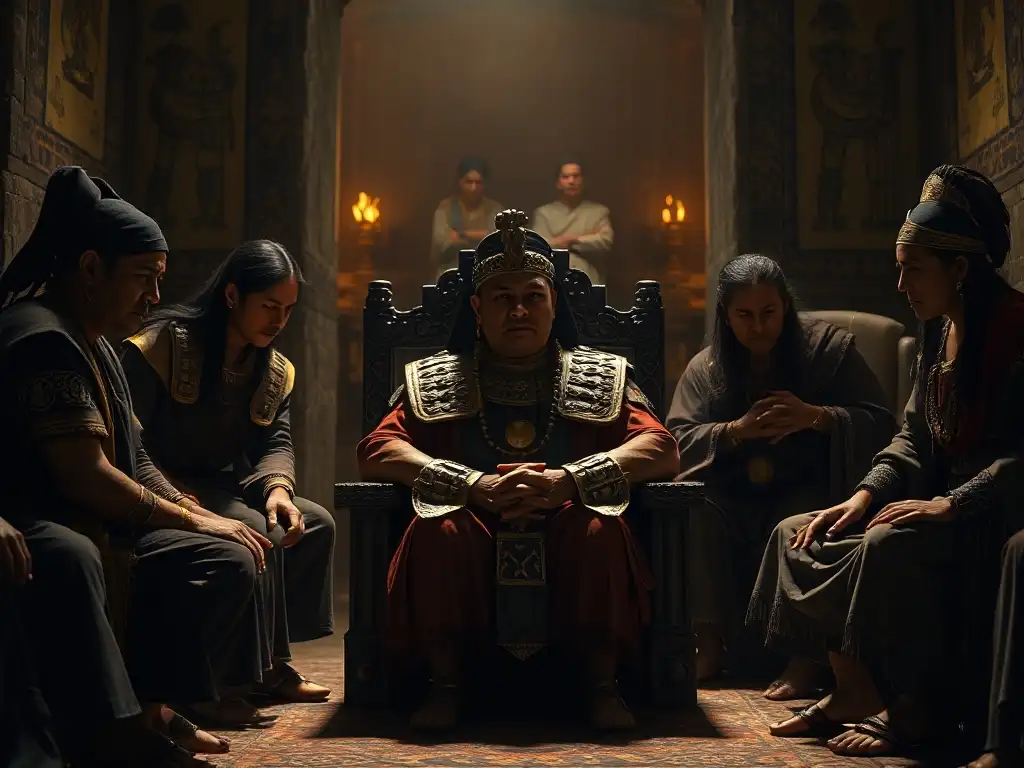
Atahualpa, the last Sapa Inca to rule a fully independent Inca Empire, wasn't solely responsible for the decisions made during the tumultuous final years of his reign and the subsequent Spanish conquest. His court, a complex web of advisors, relatives, and officials, played a crucial, often underestimated, role in shaping events. Understanding the dynamics within this inner circle is key to comprehending Atahualpa's actions and the ultimate fate of the Inca Empire.
These advisors were not merely passive observers; they actively influenced the Inca king's strategies, offering counsel on everything from military campaigns to negotiations with the Spanish. Their perspectives, loyalties, and ambitions significantly impacted the course of the conquest. The composition of this court was diverse, encompassing individuals from various social strata, each with their own agendas and levels of influence.
Some were deeply loyal to Atahualpa and the Inca traditions, while others were more pragmatic, perhaps even secretly aligning with the Spanish in the hopes of personal gain or survival. This internal diversity created a complex power dynamic within the Inca court, which often manifested itself in conflicting advice and strategies. The lack of a unified front within Atahualpa's inner circle ultimately contributed to the Inca's vulnerability during the conquest.
Analyzing the Impact of Atahualpa's Inner Circle on the Conquest
The advisors surrounding Atahualpa had a profound and multifaceted impact on the Spanish conquest. Their influence can be seen in the decisions made regarding military strategy, diplomatic negotiations, and the allocation of resources. The advice offered, often conflicting, directly influenced Atahualpa's choices, ultimately shaping the outcome of the conflict.
For example, some advisors might have advocated for a more aggressive military response to the Spanish, while others may have favored a diplomatic approach, possibly underestimating the conquistadors' intentions. The success or failure of these strategies directly impacted the course of the conquest, highlighting the significance of the advisors' roles. Furthermore, the internal divisions within Atahualpa's court created vulnerabilities that the Spanish were able to exploit.
A lack of unified counsel and strategic planning weakened the Inca response, contributing to the eventual downfall of the empire. The actions (or inactions) of these advisors, therefore, are not just peripheral details but essential elements in understanding the conquest's narrative. Their influence extended beyond simply advising the king; they actively participated in shaping the events that led to the Inca Empire's collapse.
The Role of Loyalists vs. Those Seeking Accommodation
Within Atahualpa's inner circle, a clear division existed between loyalists fiercely dedicated to the Inca cause and those who sought accommodation with the Spanish, driven by self-preservation or opportunistic ambitions. Loyalists, often deeply rooted in traditional Inca values, likely advocated for resistance against the Spanish, emphasizing the importance of defending the empire's sovereignty and cultural integrity. They likely warned against underestimating the Spanish and stressed the need for a united and decisive response.
On the other hand, those seeking accommodation might have advised Atahualpa to negotiate with the Spanish, possibly believing that cooperation would be more beneficial than armed conflict. These individuals may have underestimated the Spanish's true intentions or prioritized their own survival and advancement over the welfare of the empire. The interplay between these two groups created internal conflict and indecision within the Inca court, severely hampering their ability to formulate a coherent and effective strategy against the Spanish.
This internal struggle significantly weakened the Inca's position and played a crucial role in their ultimate defeat. The contrasting approaches and the resulting tensions underscore the complexity of the political landscape surrounding Atahualpa in his final days.
How the Advisors' Actions Affected the Inca Resistance
The actions of Atahualpa's advisors significantly impacted the effectiveness of the Inca resistance against the Spanish conquest. The conflicting advice received by Atahualpa led to a series of strategic decisions that ultimately weakened the Inca's ability to defend their empire. For instance, delays in mobilizing troops, disagreements on military tactics, and a lack of unified command all stemmed from the conflicting counsel provided by the advisors.
This disunity allowed the Spanish to exploit the Inca's internal divisions, gaining strategic advantages and progressively weakening their opposition. Furthermore, the actions of advisors who favored accommodation with the Spanish, even if unintentional, inadvertently aided the conquistadors. The provision of information, resources, or even the absence of strong opposition, all contributed to the Spanish success.
The failure to present a unified front, a direct consequence of the differing opinions within Atahualpa’s inner circle, proved to be a decisive factor in the ultimate outcome of the conflict. The lack of a cohesive and decisive response severely hampered the Inca resistance and contributed significantly to their defeat. Analyzing the specific actions of these advisors provides crucial insights into the complexities of the Inca's downfall.
The Final Days: Atahualpa and His Entourage Under Captivity
Atahualpa's imprisonment in Cajamarca marked a dramatic shift in the Inca empire's power dynamics. No longer able to freely consult with his vast network of officials and advisors, the Inca emperor found himself increasingly isolated, his decisions influenced by a drastically reduced and highly stressed circle of confidants. The nature of their advice, the channels of communication, and the very survival of these advisors became paramount concerns during this period.
The once-powerful Inca court was reduced to a small group of loyalists, navigating the treacherous political landscape of Spanish captivity with limited resources and under constant threat. The psychological impact of confinement, the constant pressure of negotiations with Pizarro, and the ever-present fear of betrayal contributed to a climate of intense secrecy and suspicion.
The previously intricate system of Inca governance, reliant on a vast bureaucracy and complex communication networks, was shattered, leaving Atahualpa vulnerable and reliant on the counsel of a few. The Spanish meticulously monitored Atahualpa's interactions, further hindering effective communication and strategic planning within his diminished court.
The Communication Challenges Faced by Atahualpa and his Counselors
The communication challenges faced by Atahualpa and his advisors in captivity were immense. The Spanish deliberately disrupted traditional Inca communication methods, restricting the movement and contact of messengers and limiting access to the broader Inca network. The quipus, the intricate knotted-cord system used for record-keeping and communication, were likely of limited use within the confines of imprisonment.
While some oral communication was possible, the ever-present threat of Spanish surveillance and interpretation created an atmosphere of mistrust and limited the effectiveness of any strategy. The language barrier also posed a significant challenge, as the Spanish relied on interpreters, whose accuracy and loyalty were questionable. This lack of reliable communication crippled Atahualpa's ability to coordinate any resistance or garner support from his remaining loyalists outside of captivity.
The potential for misinterpretations and deliberate manipulation of information by the Spanish further complicated matters, leading to critical miscalculations and missed opportunities. The psychological toll of this communication breakdown cannot be understated, contributing to the growing sense of isolation and vulnerability experienced by Atahualpa and his advisors.
The Decisions Made in Captivity and their Consequences
The decisions made by Atahualpa and his advisors during his captivity were fraught with risk and ultimately proved disastrous. The decision to offer a massive ransom of gold and silver, while seemingly a pragmatic attempt to secure his freedom, ultimately sealed his fate. While the ransom demonstrated the Inca's wealth and power, it also fuelled Spanish greed and solidified their resolve to control the empire.
The failure to effectively gauge the Spanish intentions and their willingness to break their promises highlighted a critical miscalculation in assessing the enemy's character and strategic goals. Furthermore, the lack of unified counsel among Atahualpa's advisors may have contributed to these flawed judgments.
The internal divisions within his reduced court likely hampered effective decision-making and created opportunities for the Spanish to exploit weaknesses. The ultimate consequence of these decisions was the execution of Atahualpa and the subsequent disintegration of the Inca empire's centralized power structure under the Spanish conquest.
Lessons Learned from the Advisors of Atahualpa
The story of Atahualpa's advisors offers critical lessons about leadership, communication, and the dangers of underestimating an opponent. The limitations imposed on Atahualpa's ability to communicate effectively underscored the crucial role of open and reliable communication in times of crisis. The consequences of the flawed decisions made in captivity highlight the importance of strategic foresight and a clear understanding of the opponent's motives. The advisors’ failure to accurately assess the Spanish demonstrates the dangers of relying on incomplete or biased information.
Furthermore, the case highlights the difficulties of maintaining unity and cohesion within a leadership team under immense pressure and in the face of a powerful external threat. The internal divisions within Atahualpa's court likely weakened his position and facilitated the Spanish conquest. The tragedy serves as a cautionary tale, emphasizing the need for robust leadership, effective communication, and accurate intelligence gathering in navigating complex political situations.
The Complexities of Leadership in Times of Crisis
Atahualpa’s situation vividly illustrates the extreme complexities of leadership during a crisis. The sudden shift from absolute power to complete captivity forced Atahualpa and his advisors to adapt to unprecedented circumstances. The pressure to make critical decisions under constant threat, with limited resources and unreliable information, created an environment ripe for miscalculation. The traditional Inca structures of governance, designed for stability and control, proved utterly inadequate in the face of the Spanish conquest.
Atahualpa's advisors faced the impossible task of balancing the preservation of Inca power with the immediate need for survival. This situation forced them to make difficult choices with dire consequences, highlighting the burden of leadership in extraordinary circumstances and the profound impact of external forces on even the most powerful of rulers. The lack of a clear and unified strategy among his advisors ultimately contributed to the failure to effectively resist the Spanish advance.
The Impact of the Inca Civil War on Atahualpa's Reign
The Inca Civil War, which preceded the Spanish conquest, significantly weakened the Inca Empire and directly impacted Atahualpa's ability to effectively resist the Spanish. The internal conflict, fought between Atahualpa and his half-brother Huáscar for control of the empire, depleted resources, fractured loyalties, and left the empire vulnerable to external threats. The war created a power vacuum and a climate of instability, weakening the central authority and undermining the traditional systems of governance.
This internal strife drastically reduced Atahualpa's capacity to effectively mobilize resources and manpower to counter the Spanish advance. The lack of trust and widespread distrust among the Inca elite hindered effective communication and cooperation, further exacerbating the empire's vulnerability.
The lingering effects of the civil war contributed significantly to the rapid collapse of the Inca Empire following Atahualpa's capture and execution. The civil war's legacy serves as a crucial element in understanding the swift and devastating success of the Spanish conquest.
- The Political Landscape of the Inca Empire Before Atahualpa's Capture
- The Inner Circle: Identifying Key Advisors to Atahualpa
- Rumiñahui: A Military Strategist and Loyal General
- Chalcuchimac: Another Powerful General in Atahualpa's Service
- Other Notable Figures Influencing Atahualpa
- The Role of Advisors in Atahualpa's Decision-Making
- The Challenges Faced by Atahualpa's Counselors
- The Legacy of Atahualpa's Advisors
- Understanding Atahualpa’s Court: A Look Beyond the King
- Analyzing the Impact of Atahualpa's Inner Circle on the Conquest
- The Final Days: Atahualpa and His Entourage Under Captivity
- Lessons Learned from the Advisors of Atahualpa
- Who were Atahualpa's most influential advisors during his captivity?
- What roles did these advisors play in Atahualpa's attempts to negotiate his freedom?
- Did Atahualpa's advisors support his decision to pay the ransom?
- How did the actions (or inaction) of Atahualpa's advisors affect the outcome of his imprisonment?
- What is the historical significance of Atahualpa's advisors in the context of the Inca Empire's fall?
Frequently Asked Questions
Who were Atahualpa's most influential advisors during his captivity?
Atahualpa's closest advisors during his imprisonment by the Spanish included members of his court, such as high-ranking nobles and priests. Their influence, however, was severely limited by the Spanish control.
What roles did these advisors play in Atahualpa's attempts to negotiate his freedom?
Atahualpa's advisors attempted to negotiate his release using their knowledge of Inca customs and power structures. They facilitated communication with the Spanish and tried to manage the immense ransom.
Did Atahualpa's advisors support his decision to pay the ransom?
The advisors likely supported the ransom as a means to secure Atahualpa's survival and maintain some semblance of Inca power. However, their influence was largely overshadowed by the Spanish.
How did the actions (or inaction) of Atahualpa's advisors affect the outcome of his imprisonment?
The advisors' limited ability to navigate the complex political situation with the Spanish ultimately contributed to Atahualpa's execution. Their efforts were hindered by the Spaniards' deception and superior military power.
What is the historical significance of Atahualpa's advisors in the context of the Inca Empire's fall?
Atahualpa's advisors' story highlights the fragility of the Inca power structure facing the Spanish conquest. Their struggles reflect the challenges of resisting a technologically superior and culturally different force.
Final Reflection: Echoes of Power: Atahualpa's Last Counselors and Their Enduring Legacy
The desperate scramble for power surrounding Atahualpa in his final days resonates deeply with contemporary struggles for influence and control. The choices made, the alliances forged (and broken), and the ultimate consequences of those decisions offer a stark reminder of how fragile even the most absolute power can be. The fate of an empire hinged on the whispers of advisors, a truth that continues to hold weight in today's political and social landscapes.
The story of Atahualpa's advisors is not merely a historical account; it's a timeless drama of ambition, betrayal, and the corrosive nature of unchecked power. It forces us to confront the complexities of leadership and the often-unseen forces that shape momentous decisions. The only thing necessary for the triumph of evil is for good men to do nothing.
– Edmund Burke. This quote, while not directly about Atahualpa, speaks volumes about the responsibility of those in positions of influence, a responsibility both his loyal and treacherous advisors failed to uphold in varying degrees. The legacy of their actions continues to shape our understanding of Inca society and the fragility of power structures.
Consider the choices made by those surrounding Atahualpa. What would you have done in their place? How do you navigate the complexities of influence and loyalty in your own life? The story of Atahualpa's final days serves as a powerful case study in the importance of critical thinking, ethical decision-making, and the enduring consequences of our actions, both large and small. Let the echoes of power from the Inca Empire inspire you to examine your own sphere of influence and strive for a more just and equitable world.
Uncover the Wisdom of Atahualpa's Council!
Thank you for exploring the fascinating world of Atahualpa's advisors! We hope you gained valuable insights into the complex dynamics of leadership during the tumultuous final years of the Inca Empire. Now, we encourage you to further explore this topic and share your knowledge.
Here are some suggestions:
- **Deepen your understanding:** Research the lives and legacies of Atahualpa's key advisors. Consider the impact of their decisions on history and what lessons we can learn from them today. For example, how did their advice shape Atahualpa's strategies, and what were the consequences of those choices?
- **Share your insights:** Discuss your thoughts on social media! Engage in conversations about how leadership strategies have evolved from the Inca Empire to modern governance. What parallels and contrasts do you see?
- **Connect with fellow history enthusiasts:** Join online forums or groups dedicated to Andean civilizations to exchange ideas and expand your understanding of this rich historical period. Connecting with others can lead to unexpected discoveries and new perspectives.
Which aspect of Atahualpa's advisors most captivates you, and how do you believe their counsel might inform the leadership challenges of today?