
The Andean Ritual of the Offering: Giving Back to the Earth

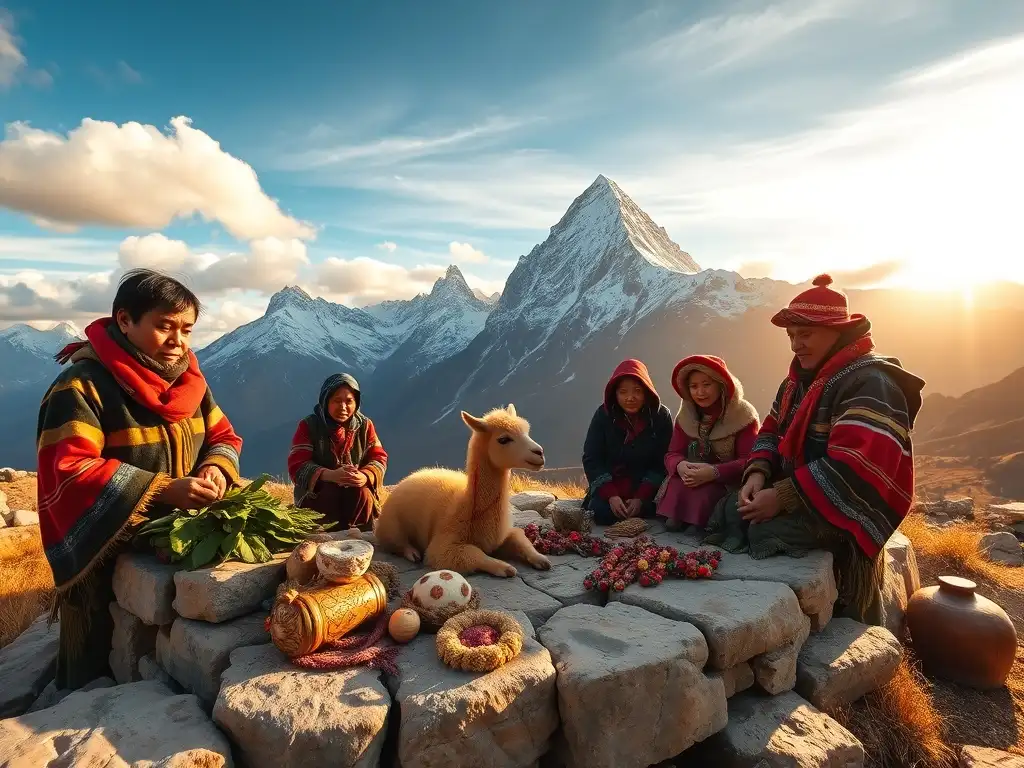
Dive into the captivating world of the Andes, where towering mountains met ingenious civilizations. For centuries, the Incas, Moche, Nazca, and Tiahuanaco crafted a complex tapestry of culture, art, and technology. But what secrets lie hidden within their sacred practices? Uncover the mysteries surrounding Andean offering rituals, a profound connection between these ancient peoples and the earth itself. Prepare to be amazed by the intricate details of this ancient practice, revealing a deeper understanding of their unique cosmovision. Journey with us to explore the fascinating world of Andean religion and discover the significance of giving back to the earth.
The Andes Mountains, a spine of earth stretching along the western edge of South America, have witnessed the rise and fall of some of the most fascinating civilizations the world has ever known. For millennia, these societies, including the Incas, Moche, Nazca, and Tiahuanaco, developed intricate belief systems deeply intertwined with the natural world. Central to their spiritual practices were elaborate offering rituals, acts of reciprocal exchange aimed at maintaining balance and harmony between the human and spiritual realms.
This article delves into the rich tapestry of Andean offering rituals, exploring their significance, practices, and enduring legacy in understanding Andean cosmovision. We will unpack the complex relationship between Andean peoples and their environment, revealing how offerings weren't mere religious acts but rather vital components of their social and ecological fabric.
Understanding these rituals provides invaluable insight into the sophisticated worldview of these ancient Andean civilizations and their profound connection to the earth. The practice of offering, far from being a simple act of appeasement, represented a sophisticated system of negotiation and reciprocity with the powerful forces shaping their lives.
Understanding Andean Cosmovision and Offerings
Andean cosmovision, a holistic worldview, viewed the universe as an interconnected system, where the earthly and spiritual realms were not separate but rather deeply intertwined. Mountains, rivers, and other natural features were considered sacred entities, inhabited by powerful spirits ( apus, for example). This interconnectedness dictated a reciprocal relationship between humanity and the cosmos. The Andean people weren't simply in the world, they were part of it, responsible for maintaining its balance.
Offering rituals served as the primary mechanism for fulfilling this responsibility. These weren't passive supplications but rather active engagements, a dialogue with the spiritual world. The act of offering wasn't about gaining something, but rather about giving back, ensuring the continued flow of prosperity and well-being. The offerings themselves were carefully selected, often reflecting the community's resources and the specific needs of the situation – a complex system of symbolic communication.
Different Andean cultures practiced variations of these offerings, but the underlying principle remained consistent: reciprocity and balance. For instance, the Incas might offer coca leaves, llamas, or finely crafted textiles, while the Moche might offer elaborate ceramic vessels filled with offerings. The choice of offering was never arbitrary; it carried profound symbolic weight, communicating specific intentions and needs to the spiritual world.
The location of the offering also held significance, often chosen based on its connection to specific deities or sacred sites. These locations, frequently high-altitude mountains or caves, served as liminal spaces where the human and spiritual worlds intersected. The meticulous preparation and execution of the ritual itself reinforced its importance, underscoring the community's commitment to maintaining harmony with the cosmos.
The Significance of Andean Offering Rituals
The significance of Andean offering rituals extended far beyond the purely spiritual realm. They played a crucial role in reinforcing social structures, strengthening community bonds, and ensuring the continued prosperity of the group. The collective participation in these rituals fostered a sense of shared identity and purpose, strengthening social cohesion. The preparation and execution of the offerings often involved the entire community, creating opportunities for collaboration and mutual support.
Furthermore, the rituals served as important markers of the agricultural cycle, linked to the rhythms of the land and the bounty it provided. Successful harvests were often celebrated with elaborate offerings, expressing gratitude for the earth's generosity and seeking its continued favor. This connection between ritual and agriculture underscores the profound interdependence between the Andean people and their environment.
Moreover, the offerings themselves often served as indicators of social status and political power. Elaborate offerings, such as gold artifacts or finely woven textiles, demonstrated the wealth and prestige of the offering party. This aspect highlights the interwoven nature of religion, politics, and social structure in Andean society.
The rituals were not merely religious acts but also important social and political events that solidified power structures and reinforced social hierarchies. The careful documentation of offerings through archaeological findings continues to illuminate our understanding of these complex societies, offering a fascinating glimpse into their beliefs, practices, and social structures.
The enduring legacy of Andean offering rituals serves as a testament to the sophistication and depth of their cosmovision, their deep connection to the natural world, and their enduring impact on our understanding of ancient Andean civilizations. Analyzing these rituals allows us to appreciate the intricate relationship between humans and the environment, a relationship still relevant to modern ecological discussions.
Pachamama: The Central Figure in Andean Offerings
Pachamama, the Andean Mother Earth, is the central figure in most Andean offering rituals. She is not merely the physical earth but a powerful, life-giving deity deserving of respect and veneration. The concept of Pachamama transcends simple environmentalism; she represents fertility, abundance, and the cyclical nature of life and death.
Andean people believe that Pachamama provides sustenance and protection, and in return, offerings are made to maintain this harmonious relationship. These offerings are seen as a way to express gratitude, ensure continued prosperity, and appease the deity in times of hardship. The act of offering is deeply spiritual, connecting individuals to the land and to the ancestral spirits who also interact with Pachamama.
Failure to honor Pachamama, conversely, is believed to bring misfortune and imbalance. The significance of Pachamama in Andean culture permeates daily life, influencing agricultural practices, social structures, and religious beliefs. Understanding Pachamama is fundamental to understanding the profound importance of offering rituals within Andean cosmology.
Types of Andean Offering Rituals
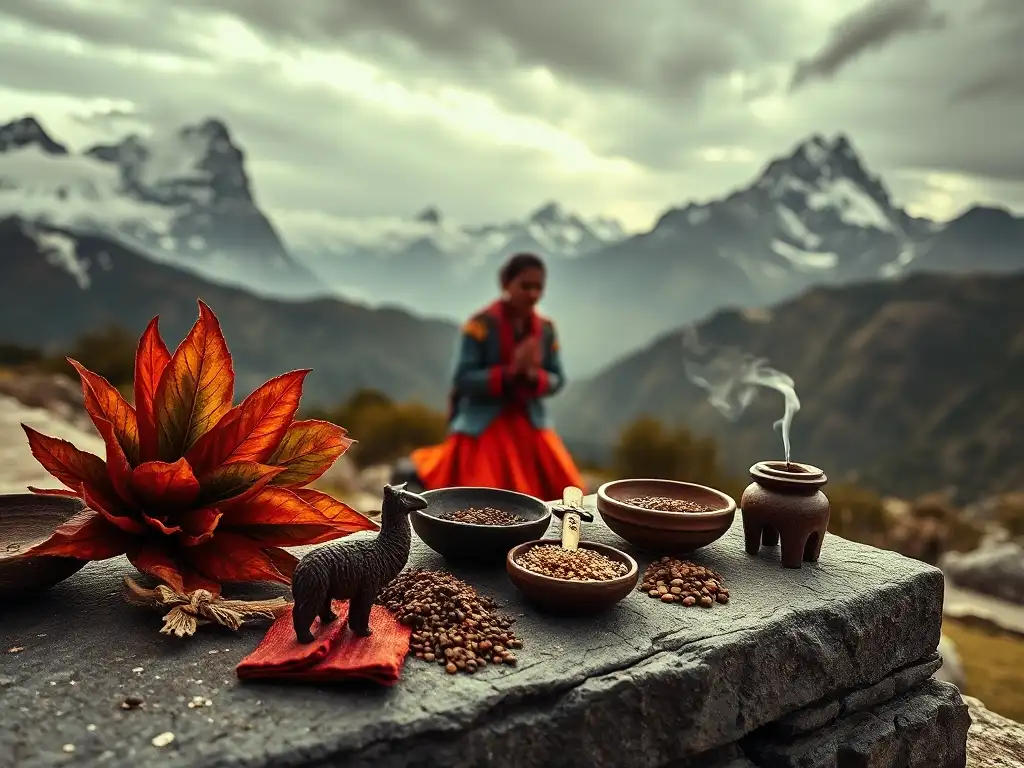
Andean offering rituals are incredibly diverse, varying depending on the specific community, the time of year, and the reason for the offering. While the purpose remains consistent—to honor Pachamama and other deities—the nature of the offerings themselves can be quite distinct. This diversity reflects the rich tapestry of Andean cultures and the nuanced relationship between humans and the spiritual world.
Some offerings are deeply personal, while others are communal events involving entire villages. The frequency of offerings also varies; some are daily practices, while others are reserved for special occasions, such as harvests, solstices, or significant life events. The choice of offerings is also carefully considered, reflecting the desired outcome and the specific deity being addressed.
For example, offerings made to ensure a successful harvest might differ significantly from those made to request healing or protection. The diversity of Andean offering rituals demonstrates the complexity and depth of their spiritual beliefs.
The Coca Leaf Offering: A Sacred Andean Practice
The coca leaf holds immense cultural and religious significance in Andean societies. More than just a stimulant, coca is considered a sacred plant, used in rituals and ceremonies for centuries. Offering coca leaves is a common practice, often accompanied by prayers and invocations to Pachamama or other deities. The leaves are carefully selected and arranged, sometimes placed on the ground, tied in bundles, or offered in small, intricately woven bags.
The act of offering coca leaves symbolizes respect, gratitude, and a desire for positive interaction with the spiritual world. The coca leaf offering is a deeply personal act, reflecting the individual's connection to the land and their belief in the power of the sacred plant to mediate between the human and spiritual realms. The practice underscores the holistic view of nature prevalent in Andean cultures, where plants, like humans, are seen as integral parts of the interconnected cosmos.
Animal Sacrifices in Andean Ceremonies
While less common today due to evolving societal norms, animal sacrifices were once a significant component of Andean offering rituals. Llamas, alpacas, and guinea pigs were frequently sacrificed, their blood and flesh considered vital elements in appeasing deities and ensuring community well-being. These sacrifices were not considered acts of cruelty but rather acts of profound respect, demonstrating the community's willingness to offer its most precious resources to maintain harmony with the spiritual world.
The specific animal chosen, the manner of sacrifice, and the subsequent rituals varied depending on the context and the community's traditions. The sacrifice itself was often accompanied by elaborate ceremonies, involving prayers, songs, and the sharing of food and drink. The meat from the sacrificed animal was frequently shared amongst the community, symbolizing the collective participation in the ritual and the shared benefits of maintaining a positive relationship with the spiritual realm.
Offerings of Food and Chicha: Nourishing the Spirits
Food and chicha (a fermented corn beverage) are staple offerings in Andean rituals. These offerings represent the abundance of the land and the community's gratitude for the sustenance it provides. The types of food offered vary depending on the season and the specific community, but often include corn, potatoes, quinoa, and fruits. Chicha, a traditional drink deeply embedded in Andean culture, is considered a sacred offering, symbolizing the life-giving power of the earth and the community's shared history.
The presentation of the food and chicha is often carefully considered, with offerings arranged in specific patterns or placed on specially designated altars. The act of offering food and chicha is a symbolic act of sharing and reciprocity, reinforcing the bond between the human and spiritual worlds. These offerings nourish not only the deities but also the community, fostering a sense of unity and shared purpose.
Offerings of Precious Metals and Textiles
In addition to food and animals, precious metals and textiles were also frequently offered in Andean rituals, particularly during important ceremonies or to honor high-ranking deities. Gold, silver, and other precious metals were often fashioned into intricate objects, reflecting the community's artistic skill and the value placed on these materials.
Textiles, often woven with intricate designs and symbolic patterns, were also considered valuable offerings, representing the community's craftsmanship and spiritual devotion. These offerings were not merely material gifts but rather symbolic representations of the community's wealth, skill, and commitment to maintaining a harmonious relationship with the spiritual world.
The intricacy and artistry of these offerings underscore the importance placed on these rituals and the deep connection between the material and spiritual realms in Andean cosmology. The use of precious metals and textiles in offerings highlights the importance of these materials as symbols of power, status, and spiritual significance within Andean societies.
Key Elements in Andean Offering Rituals
Andean offering rituals, central to the spiritual lives of ancient Andean peoples, weren't simply acts of giving; they were complex ceremonies deeply embedded in their cosmology. These rituals aimed to maintain balance and reciprocity between the human world and the pachamama, the Earth Mother. Several key elements consistently appeared across different Andean cultures, shaping the nature and significance of these offerings. The choice of offerings themselves was crucial, often reflecting the community's resources and the specific needs or desires of the ritual.
This could range from agricultural products like maize and coca leaves to precious metals like gold and silver, intricate textiles, and even human sacrifices in certain contexts. The careful preparation of these gifts underscored their sacred nature. The timing of the ritual also held profound importance, often coinciding with significant agricultural cycles, astronomical events, or moments of societal transition.
The location, whether a mountaintop, a cave, or a specially designated ceremonial site, further amplified the ritual's power, connecting the offering to specific energies and spirits. Finally, the performance of the ritual itself, often led by a priest or shaman, involved specific prayers, chants, and gestures, ensuring the offering's proper reception by the divine realm. These elements, interwoven intricately, transformed a simple act of giving into a powerful act of communion with the Andean worldview.
The Role of the Andean Priest or Shaman
The Andean priest or shaman played a pivotal role in mediating between the human and spiritual worlds during offering rituals. Their expertise in interpreting natural phenomena, understanding the cosmology, and communicating with the spirits was paramount. They weren't merely religious leaders; they were also skilled healers, astronomers, and social authorities.
Their knowledge guided the selection of offerings, the timing of the ceremony, and the proper execution of the rituals, ensuring the offering's effectiveness. Shamans often entered altered states of consciousness through various techniques, such as fasting, ritualistic ingestion of hallucinogens like San Pedro cactus, or intense meditation, enabling them to connect with the spiritual realm and communicate the community's intentions to the apus (mountain spirits) and pachamama.
Their actions were not only symbolic; they were believed to directly influence the cosmic balance and the community's well-being. The authority and respect bestowed upon them reflected the central role of religious practice in Andean society.
The Sacred Space: Preparing for the Offering
The selection and preparation of the sacred space for Andean offering rituals were crucial steps, imbuing the ceremony with spiritual significance. The choice of location wasn't arbitrary; it was carefully considered based on its cosmological importance and its connection to specific deities or spirits. Mountaintops, caves, springs, and other geographically significant sites were often favored, reflecting the Andean worldview that saw the landscape itself as imbued with spiritual energy.
Before the ritual, the space would be meticulously cleansed and prepared, often through symbolic gestures, offerings of incense or coca leaves, and prayers. This process aimed to create a sacred atmosphere, allowing for a clear connection between the human participants and the spiritual realm.
The meticulous preparation of the space underscored the reverence and respect held for the ritual and the deities to whom the offerings were made. The sacred space wasn't simply a location; it was a conduit to the spiritual world, transforming the ordinary into the extraordinary.
The Intention Behind the Andean Gift
The intention behind each Andean offering was crucial to its efficacy. It wasn't simply a matter of giving; it was an act of reciprocity, a way to maintain balance and harmony within the Andean cosmos. Offerings were made with specific intentions, ranging from requests for bountiful harvests and protection from natural disasters to expressions of gratitude, requests for healing, or appeasement of angry spirits.
The sincerity and purity of the intention were believed to be integral to the offering's acceptance by the spiritual world. The offerings weren't seen as bribes or transactions; they were expressions of a deep connection between humanity and the natural world, a way to acknowledge the interconnectedness of all things. The specific nature of the offering often reflected the intention: a rich harvest might prompt an offering of the finest produce, while a plea for healing might involve medicinal plants or precious artifacts.
Variations of Andean Offering Rituals Across Cultures
While sharing common threads, Andean offering rituals varied significantly across different cultures and time periods. The specific practices, the types of offerings, and the cosmological interpretations differed based on regional variations and the beliefs of specific groups. Examining these variations provides a richer understanding of the diverse spiritual expressions within the Andean world and the nuances of their relationship with the natural and supernatural realms.
These differences highlight the richness and complexity of Andean religious practices, demonstrating their adaptability and evolution over time. Studying these variations allows us to appreciate the diversity of beliefs and practices within a broader Andean context.
Inca Offering Practices: A Royal Perspective
Inca offering practices were often characterized by their grandeur and scale, reflecting the empire's power and centralized authority. Royal offerings, frequently involving significant quantities of precious metals, textiles, and agricultural products, were intended to maintain the cosmic order and ensure the empire's prosperity. Human sacrifice, while controversial, was also part of Inca ritual practice, often associated with significant events, such as the enthronement of a new Sapa Inca or the dedication of important structures.
These elaborate ceremonies were performed by specialized priests and involved intricate rituals and symbolic gestures, emphasizing the Inca worldview and their connection to the supernatural. The state's control over resources allowed for the creation of spectacular offerings, underscoring the Inca's power and their ability to control and manipulate the spiritual realm.
Moche Offerings: Ritual Burials and Artifacts
The Moche civilization, known for its sophisticated artistry and complex social organization, practiced elaborate offering rituals, frequently involving human sacrifice and the burial of richly adorned individuals within elaborate tombs. These burials often included exquisite gold and silver artifacts, intricate pottery depicting religious themes, and abundant food and drink offerings. The Moche believed in a powerful pantheon of deities and spirits, and their offerings were intended to appease them, ensure good harvests, and maintain cosmic balance.
The intricate details of Moche pottery provide valuable insights into their religious beliefs and the significance of their offering rituals. Archaeological discoveries continue to reveal the complexity and richness of their religious practices.
Nazca Offerings: Geoglyphs as Ritual Spaces
The Nazca people are renowned for their enigmatic geoglyphs, massive figures etched into the desert surface. While their precise purpose remains debated, many scholars believe these geoglyphs served as ritual spaces, possibly connected to astronomical observations and offering ceremonies. The vast scale of these formations suggests a significant investment of time and resources, indicative of their importance within Nazca society.
The location of the geoglyphs, often visible from vantage points and potentially aligned with celestial events, suggests a connection between the earthly and celestial realms. Further research is needed to fully understand the role of these geoglyphs in Nazca religious practices and their connection to offering rituals.
Tiahuanaco Offerings: Ceremonial Centers and Practices
The Tiahuanaco civilization, centered around its monumental ceremonial complex, engaged in elaborate offering rituals within its impressive structures. The site's architecture, with its intricate carvings and symbolic representations, suggests a highly developed religious system. Offerings found at Tiahuanaco include various agricultural products, precious metals, and ceramics, reflecting the diverse resources available to the civilization. The scale and complexity of the ceremonial center indicate the importance of religious practices in Tiahuanaco society and the significant resources dedicated to them. Further research is needed to fully understand the specific rituals performed at Tiahuanaco and the significance of the offerings found there.
Modern-Day Adaptations of Andean Offering Rituals
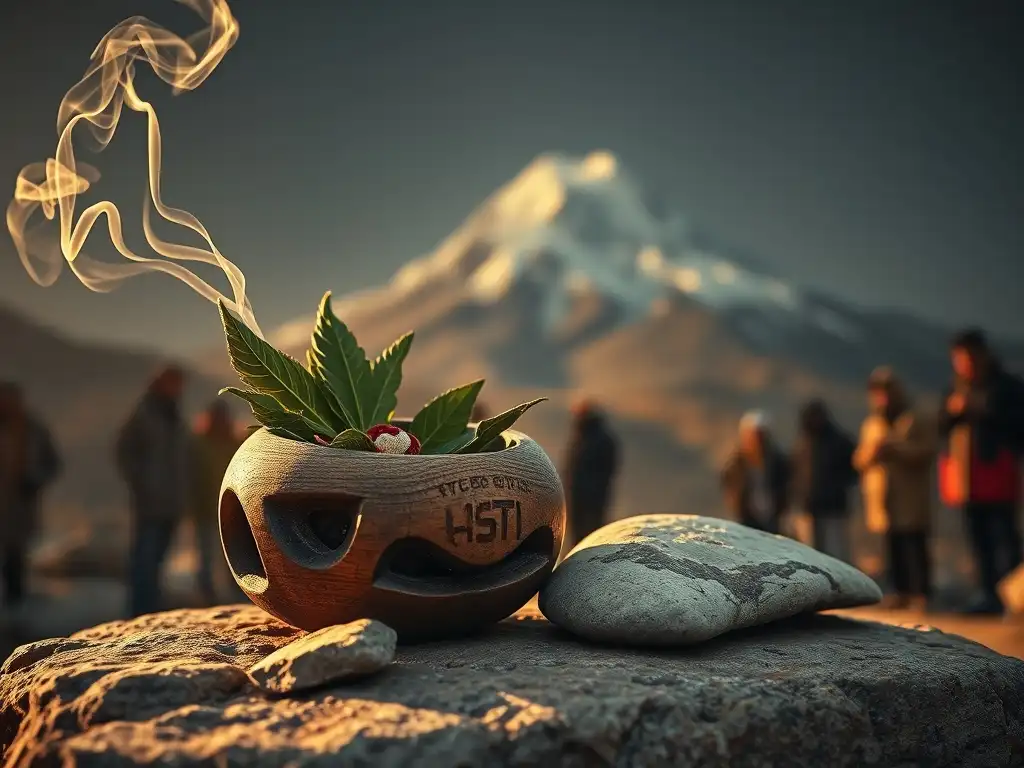
Modern Andean communities continue to practice offering rituals, albeit with some adaptations reflecting the changing socio-cultural landscape. While the core beliefs and intentions remain largely the same, the specific offerings and rituals have evolved over time, incorporating elements of both traditional practices and contemporary influences. This blending of the old and the new is a testament to the enduring power and resilience of Andean spiritual traditions. The continuity of these practices highlights a deep-seated connection to the land and a commitment to maintaining a harmonious relationship with the natural world.
It is a dynamic process, with rituals being adapted and reinterpreted by each generation to meet their specific needs and circumstances. This adaptability ensures the survival and relevance of these ancient traditions in the modern world. The offerings themselves may vary, but the fundamental principles of respect, reciprocity, and gratitude remain constant.
The Persistence of Pachamama Celebrations
Pachamama celebrations, honoring Mother Earth, remain a vibrant aspect of modern Andean life. These celebrations, often involving community gatherings, feature traditional offerings like coca leaves, chicha (a fermented corn beverage), and food. The rituals vary regionally, but the core act of giving thanks and showing respect to Pachamama persists. For example, in rural communities, families might leave small offerings at the base of mountains or in fields, while larger community celebrations involve elaborate ceremonies with music, dance, and shared meals.
The continued practice of these celebrations demonstrates the enduring importance of Pachamama in the spiritual and cultural lives of Andean people. Even in urban areas, adapted versions of these celebrations are maintained, showcasing the adaptability and resilience of these ancient traditions. The vibrant colors and sounds of these festivities serve as a testament to the profound connection between the Andean people and their environment.
Contemporary Andean Communities and Their Offerings
Contemporary Andean communities demonstrate remarkable diversity in their offerings. While coca leaves remain a staple offering, the inclusion of other items reflects local variations and the availability of resources. Some communities may incorporate fruits, vegetables, livestock, or even handcrafted items. The specific offerings are often chosen to reflect the needs and desires of the community, and the specific circumstances of the offering.
For instance, a community facing drought might offer water alongside coca leaves, while a community celebrating a bountiful harvest might include a variety of fresh produce. This flexibility within the rituals demonstrates a deep understanding of the interconnectedness of all living things and a commitment to maintaining balance within their environment. This demonstrates the adaptability of the tradition in the face of modern challenges. The continued practice of offering rituals, in their various forms, underscores the enduring significance of these traditions within Andean communities.
The Importance of Andean Offering Rituals in Andean Culture
Andean offering rituals hold immense cultural significance, profoundly impacting various aspects of Andean life. They are not merely religious practices but deeply ingrained social and ecological customs. These rituals are fundamental to maintaining a harmonious relationship with the natural world, fostering community bonds, and ensuring the well-being of both individuals and the community as a whole.
The spiritual significance of these offerings cannot be overstated; they represent a reciprocal relationship between humans and the supernatural forces governing their lives. This reciprocal exchange is vital for ensuring the continued prosperity and well-being of the community. The performance of these rituals also reinforces social structures and strengthens community bonds.
Maintaining Balance and Harmony with Nature
A core purpose of Andean offering rituals is to maintain a delicate balance and harmony with nature. The offerings are viewed as a form of reciprocity, acknowledging the Earth's generosity and seeking continued provision. By offering back to Pachamama, communities express their gratitude and dependence on the natural world. This reciprocal relationship ensures the continued fertility of the land, the abundance of resources, and the overall well-being of the community.
Failure to maintain this balance, through neglecting the rituals or disrespecting the environment, is believed to bring misfortune and imbalance. The rituals serve as a constant reminder of humanity's dependence on the natural world and the importance of living in harmony with it. This deep ecological consciousness is fundamental to Andean worldview.
Strengthening Community Bonds through Rituals
Andean offering rituals play a vital role in strengthening community bonds. The shared participation in these rituals fosters a sense of unity and collective identity. These communal events provide opportunities for social interaction, reaffirming social structures and promoting cooperation. The preparation and execution of the rituals often involve the entire community, strengthening relationships and promoting a sense of shared responsibility.
These gatherings are not only spiritual but also social events, reinforcing the importance of community and collective action. The shared experience of offering to Pachamama strengthens social cohesion and creates a sense of belonging. This aspect is crucial for maintaining social harmony and stability within the community.
The Spiritual Significance of Andean Offerings
The spiritual significance of Andean offerings is profound, rooted in a complex cosmology that views the world as interconnected and alive. Offerings are not simply gifts; they are acts of communication and appeasement directed towards various supernatural entities, including Pachamama, mountain spirits (Apus), and other deities. These offerings are believed to influence the course of events, ensuring good fortune, protection, and prosperity. The act of offering demonstrates respect, gratitude, and a desire to maintain a harmonious relationship with the supernatural world.
The specific offerings and the manner in which they are presented carry symbolic meaning, reflecting the intentions and desires of the offerer. This deep spiritual dimension is fundamental to understanding the importance of these rituals in Andean culture. The offerings themselves are seen as a bridge between the human and spiritual realms.
Conclusion: The Enduring Legacy of Andean Offering Rituals
The practice of offering rituals in the Andes wasn't merely a historical phenomenon; it was a deeply ingrained aspect of Andean life that profoundly shaped their worldview and relationship with the cosmos. These rituals, passed down through generations, demonstrate a sophisticated understanding of reciprocity and a profound respect for the natural world. The offerings, whether coca leaves, llamas, or intricately crafted ceramics, served as tangible expressions of gratitude, a way of maintaining balance and ensuring the continued prosperity of their communities. The sheer diversity of offerings across different Andean cultures underscores the adaptability and resilience of these traditions.
Even today, echoes of these ancient practices persist in contemporary Andean communities, albeit often subtly integrated into modern religious and cultural expressions. The enduring legacy of Andean offering rituals lies not just in their historical significance but in their ongoing relevance as a testament to a deeply interconnected relationship between humanity and the environment. Understanding these rituals offers a valuable lens through which to appreciate the rich tapestry of Andean culture and its enduring connection to the land. The meticulous care and intentionality demonstrated in these offerings provide a powerful lesson in sustainable living and harmonious coexistence with nature – a lesson that resonates deeply even in our modern world.
The spiritual and practical aspects intertwine, highlighting the holistic approach to life that characterized Andean civilizations. Studying these rituals allows us to appreciate the complex interplay between the spiritual and material realms in Andean cosmovision, a perspective that contrasts sharply with many modern approaches. The continued study and appreciation of these "Andean offering rituals" are vital for understanding the sophisticated beliefs and practices of these remarkable cultures and for fostering a deeper appreciation for the enduring wisdom embedded within them.
- Understanding Andean Cosmovision and Offerings
- The Significance of Andean Offering Rituals
- Pachamama: The Central Figure in Andean Offerings
- Types of Andean Offering Rituals
- Key Elements in Andean Offering Rituals
- Variations of Andean Offering Rituals Across Cultures
- Modern-Day Adaptations of Andean Offering Rituals
- The Importance of Andean Offering Rituals in Andean Culture
- Conclusion: The Enduring Legacy of Andean Offering Rituals
Frequently Asked Questions
What were Andean offering rituals?
Andean offering rituals were sacred ceremonies where people gave gifts to mountain spirits (apus) and other deities. These offerings aimed to maintain balance and ensure good fortune.
What kinds of offerings were made?
Offerings varied widely, but often included food (e.g., coca leaves, maize), liquids (e.g., chicha), textiles, and precious metals. The type of offering depended on the specific deity and purpose.
Why were these rituals important to Andean civilizations?
These rituals were crucial for maintaining cosmic harmony. They were believed to ensure successful harvests, good health, and protection from natural disasters. The offerings were seen as a way to reciprocate with the earth and its spirits.
Which Andean cultures practiced offering rituals?
Many Andean cultures, including the Incas, Moche, Nazca, and Tiwanaku, participated in elaborate offering rituals. Each culture had its own unique traditions and practices, reflecting their specific beliefs and values.
Where were these offerings typically left?
Offerings were often left at sacred sites like mountaintops, caves, and springs. Archaeological discoveries frequently reveal caches of offerings buried or placed in these locations, providing valuable insights into these practices.
Final Reflection: Echoes of the Andes, Whispers of the Future
The Andean ritual of offering, far from being a relic of the past, remains a potent symbol of our interconnectedness with the natural world. Its enduring relevance in a time of ecological crisis cannot be overstated; the very act of giving back to the Earth, of acknowledging our dependence on its bounty, offers a powerful counterpoint to the exploitative tendencies of modern society. This ancient practice holds a vital lesson for us all.
The profound respect for Pachamama, Mother Earth, embedded within these rituals, continues to resonate deeply, shaping not only Andean communities but also influencing global conversations about environmental stewardship. The wisdom passed down through generations underscores the urgent need for a shift in perspective, a move away from dominion over nature towards a more harmonious coexistence. The Earth does not belong to us; we belong to the Earth.
This simple yet profound statement encapsulates the core philosophy underpinning the Andean offering rituals and offers a potent challenge to our current paradigm.
Consider the implications of this ancient wisdom in your own life. How can you cultivate a deeper appreciation for the natural world and express your gratitude for its gifts? Perhaps it's through mindful consumption, supporting sustainable practices, or simply taking a moment each day to connect with the earth beneath your feet. Let the echoes of the Andean offering rituals inspire you to become a more conscious and responsible steward of our shared planet. The future of our Earth depends on it.
Embrace the Andean Spirit: Take Action Today!
Thank you for exploring the beautiful tradition of Andean offerings with us! We hope you found inspiration in the deep connection between nature and culture inherent in this ritual. Now, let's translate that inspiration into meaningful actions for yourself and your community.
- Create a personal offering: Gather natural items—perhaps vibrant wildflowers, carefully collected seeds, or small, meaningful trinkets—that resonate with you and reflect your respect for the earth.
- Share your experience: Post a picture or story on social media, using the hashtag #AndeanOfferings, and invite others to discover this enriching tradition.
- Support environmental conservation: Participate in local cleanups, tree planting initiatives, or join a conservation group to actively contribute to environmental stewardship.
How will you honor the earth this week and connect with the rich heritage of the Andes Mountains?