
The Art of the Healer: Medicinal Plants and Their Use in Andean Dyeing

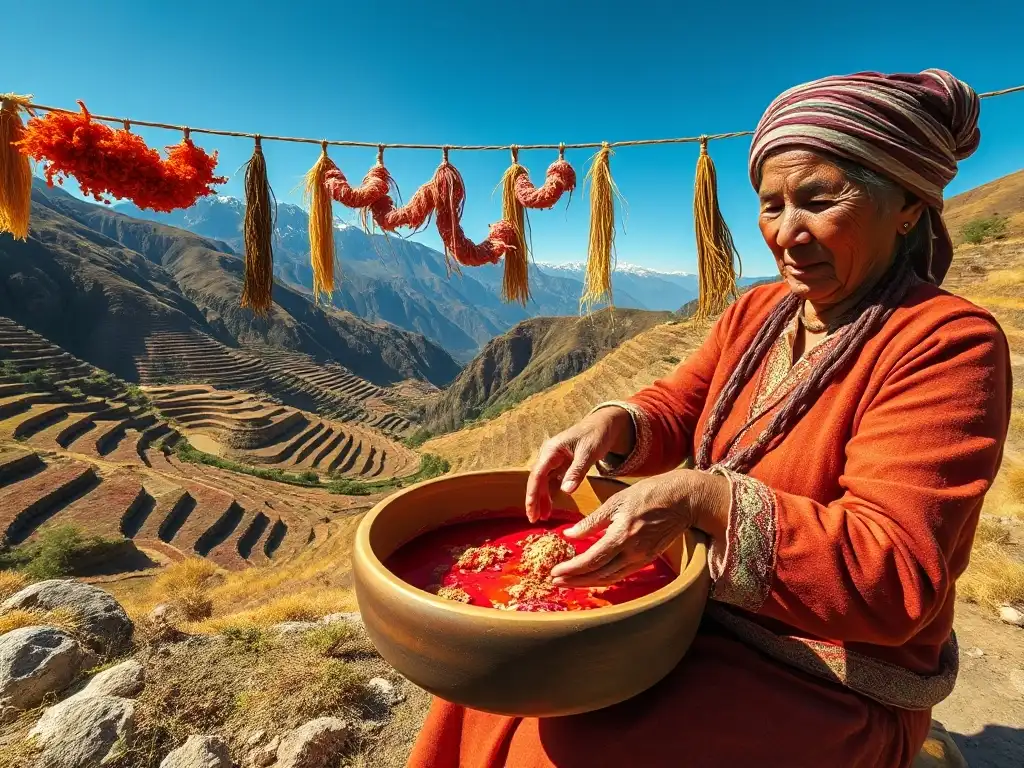
Welcome to Andean Civilizations, where the echoes of ancient empires resonate with vibrant life. Prepare to be captivated by a world of breathtaking artistry and ingenuity, a world where the lines between healing and creation blurred. Discover the secrets behind Andean medicinal plant dyeing techniques, a fascinating intersection of art, medicine, and spiritual practice that reveals the profound connection between the Andean people and their environment. Journey with us as we unravel the mysteries of this lost art… Will you dare to uncover its secrets?
The vibrant textiles of the Andes are not merely decorative; they are imbued with deep cultural significance, reflecting a profound connection between the people and their environment. This article delves into the fascinating intersection of Andean medicinal plant knowledge and textile dyeing techniques, exploring how the healing properties of plants were intrinsically linked to the creation of beautiful and symbolically rich fabrics. We will examine the specific plants employed, the dyeing processes involved, and the cultural context that elevated this practice beyond mere craft to a ritualistic expression of Andean worldview.
This exploration of Andean medicinal plant dyeing techniques unveils a sophisticated understanding of botany, chemistry, and spiritual beliefs, revealing the artistry and ingenuity of ancient Andean cultures. Understanding this intricate relationship between healing and textile production provides a richer appreciation for the complexity and beauty of Andean textile art.
A Tapestry of Healing: Identifying Key Medicinal Plants Used in Dyeing
The Andean highlands boasted an incredible biodiversity, providing a rich palette of plants with both dyeing and medicinal properties. Many plants, like the uña de gato (cat's claw) and muña, were used for both therapeutic purposes and to create vibrant colors in textiles. The choice of plant was not arbitrary; specific plants were associated with particular ailments or spiritual beliefs, imbuing the resulting dyed fabrics with symbolic power. For instance, the deep reds derived from cochineal insects, while not strictly a plant, were highly valued and often associated with ritual and power. Detailed records of these plant uses are scarce, relying heavily on ethnobotanical studies and surviving textile analysis, but the evidence strongly suggests a complex system of knowledge transmission across generations. Further research is needed to fully document the complete range of plants used, especially considering the vast number of microclimates and diverse plant life across the Andean region.
From Plant to Pigment: The Andean Dyeing Process
The process of transforming medicinal plants into dyes was a meticulous and often laborious undertaking. It involved intricate steps, ranging from careful harvesting and preparation of the plant material to the precise application of mordants to fix the color to the fibers. The precise methods varied depending on the desired color and the plant used. Some plants required boiling and fermentation, while others were simply crushed and steeped.
The use of natural mordants, such as minerals found in the region, was crucial for achieving lasting and vibrant colors. This knowledge, passed down through generations, represented a sophisticated understanding of natural chemistry and a deep respect for the plant's inherent properties. Imagine the intricate knowledge required to accurately judge the plant's maturity and the environmental conditions needed to yield the most vibrant dye. The meticulous nature of this process underscores the value placed on the resulting textiles.
The Symbolic Significance of Color and Design in Andean Textiles
The colors and designs resulting from these dyeing techniques were not merely aesthetic; they carried profound symbolic meaning. Specific colors were associated with deities, spirits, or social status. For example, red, often obtained from cochineal, symbolized power and royalty, while other colors had meanings related to the earth, water, or the spiritual realm.
The intricate patterns woven into the textiles often depicted mythological figures, cosmological events, or agricultural cycles, further enriching the symbolic layers embedded within each piece. The combination of medicinal plants and specific dyeing techniques, therefore, contributed to the creation of textiles that were not only visually stunning but also potent carriers of cultural and spiritual significance. This imbued the textiles with a deep meaning that transcended their practical use.
The Legacy of Andean Medicinal Plant Dyeing Techniques
The practice of using medicinal plants in Andean dyeing, while facing challenges from modern synthetic dyes, continues to inspire contemporary artists and researchers. Ethnobotanical studies play a crucial role in preserving and documenting this valuable knowledge. The resilience of traditional practices is a testament to the enduring cultural significance of these techniques.
Efforts to revive and promote traditional dyeing methods not only help preserve cultural heritage but also contribute to sustainable and ecologically friendly textile production. The legacy of this art form serves as a powerful reminder of the deep connection between human communities and the natural world, highlighting the intricate relationship between health, art, and cultural identity. Further research into these techniques can reveal even more about the sophisticated knowledge systems of ancient Andean civilizations.
- A Tapestry of Healing: Identifying Key Medicinal Plants Used in Dyeing
- From Plant to Pigment: The Andean Dyeing Process
- The Symbolic Significance of Color and Design in Andean Textiles
- The Legacy of Andean Medicinal Plant Dyeing Techniques
- What role did medicinal plants play in Andean dyeing techniques?
- Were specific plants used for specific colors?
- How did the Andean people prepare the plants for dyeing?
- What was the significance of the colors produced from these plants?
- Where can I learn more about Andean medicinal plant dyeing techniques?
Ancient Andean Textile Traditions and the Role of Natural Dyes
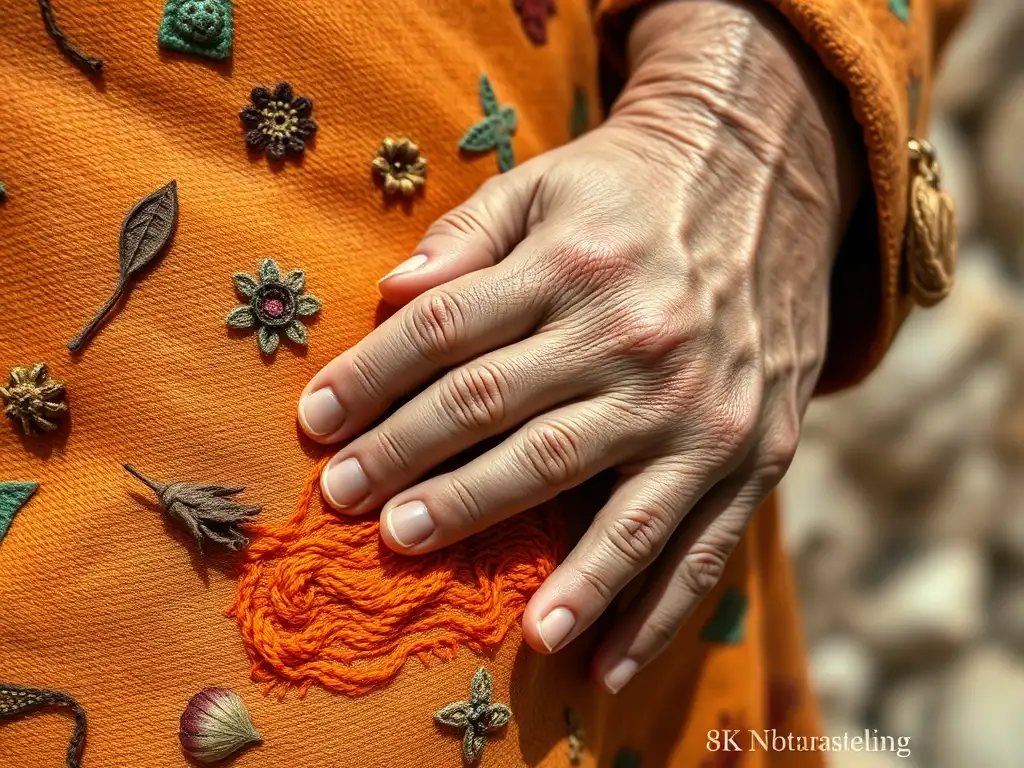
The vibrant textiles of the Andes are not merely decorative; they represent a profound connection between the ancient Andean peoples and their environment. For centuries, Andean communities meticulously cultivated a deep understanding of their surroundings, harnessing the properties of plants, minerals, and insects to create a stunning array of colors for their clothing, tapestries, and ceremonial objects.
This intimate relationship between nature and artistry is especially evident in the use of medicinal plants as dyeing agents, a practice deeply intertwined with their spiritual beliefs and healing traditions. The techniques employed were passed down through generations, evolving and adapting to the diverse ecological zones across the Andes, resulting in a remarkable diversity of textile styles and color palettes.
Understanding these techniques requires appreciating the holistic worldview of Andean cultures, where the boundaries between art, medicine, and spirituality were fluid and interconnected. The rich legacy of Andean textile traditions continues to inspire contemporary artists and researchers alike, prompting ongoing exploration of these ancient practices and their enduring significance.
The Significance of Textiles in Andean Culture
Textiles held immense cultural and social significance in ancient Andean societies. They served far more than just practical purposes; clothing, blankets, and tapestries were integral to social status, ritual practices, and personal identity. The intricate weaving techniques, the choice of colors and designs, and the very fibers used all communicated important information about the wearer or the object's purpose.
For instance, the type of yarn (alpaca, llama, vicuña) indicated wealth and social standing. Specific motifs and colors were associated with deities, ancestors, and important events. The creation of textiles was often a communal activity, with women playing a central role in spinning, dyeing, and weaving.
This collective effort fostered social cohesion and reinforced community bonds. Moreover, textiles played a key role in religious ceremonies and rituals, functioning as offerings to deities or used as adornments for sacred objects. The meticulous craftsmanship evident in these textiles speaks volumes about the high level of skill and artistry achieved by Andean artisans.
The Importance of Natural Pigments in Pre-Columbian Dyes
The vibrant colors characteristic of Andean textiles were almost exclusively derived from natural sources. Indigenous Andean communities possessed an encyclopedic knowledge of the plants, insects, and minerals in their environment, understanding their properties and potential for use in dyeing. Many of these natural pigments were not only visually stunning but also held symbolic meaning, further enriching the cultural significance of the textiles.
The color palette was incredibly diverse, ranging from deep reds and ochres obtained from minerals like hematite and ochre, to vibrant yellows from a variety of plants, and rich blues from indigo. Specific plants, such as Tara (Caesalpinia spinosa) for yellows and Cochineal (Dactylopius coccus) for reds, were carefully cultivated and their dyeing properties meticulously studied. These natural dyes were often combined to create unique and complex shades, highlighting the sophisticated understanding of color mixing techniques prevalent in Andean dyeing practices.
The process of obtaining these pigments and preparing them for dyeing was time-consuming and required specialized knowledge, further emphasizing the value and prestige associated with these textiles. The sustainability of these practices is also noteworthy, reflecting a harmonious relationship with the environment.
Connecting Healing Practices and Textile Craftsmanship
The link between medicinal plants and dyeing techniques in the Andes is deeply significant. Many plants used for dyeing also possessed medicinal properties, blurring the lines between textile production and healing practices. This connection underscores the holistic worldview of Andean societies, where nature was seen as a source of both beauty and healing.
For example, some plants used to produce specific shades of yellow or brown were also known for their anti-inflammatory or antiseptic properties. The knowledge of these dual applications was passed down through generations, making the production of textiles a deeply meaningful and therapeutic activity. The use of specific plants in dyeing could have also been related to specific rituals or ceremonies, reinforcing the sacred dimensions of textile production.
This intertwining of medicinal and artistic practices highlights the intricate relationship between the Andean people and their natural environment, demonstrating a sophisticated understanding of botany and its potential applications. Further research into specific plant species used in both medicinal and dyeing practices would illuminate this fascinating aspect of Andean culture even more. The enduring legacy of these combined practices underlines the holistic and sustainable approach to life adopted by these ancient Andean communities.
Andean Medicinal Plants: A Source of Color and Healing
The vibrant textiles of the Andes are not merely decorative; they represent a profound connection between art, healing, and the natural world. Andean medicinal plant dyeing techniques, passed down through generations, demonstrate a sophisticated understanding of both the therapeutic properties of plants and their potential as natural dyes. This intricate relationship between color and cure is deeply embedded in the cultural fabric of Andean societies, reflecting a holistic worldview where the physical and spiritual realms are intertwined.
The practice wasn't solely about creating aesthetically pleasing fabrics; it was about weaving healing properties directly into the garments themselves, creating textiles with both visual and therapeutic value. This section will delve into the specific plants used, their medicinal applications, and their role in the intricate world of Andean dyeing.
Understanding the Power of Andean Herbalism
Andean herbalism, or yatiri, is a complex system of knowledge encompassing plant identification, preparation, and application for various ailments. Knowledge of medicinal plants was—and continues to be—passed down orally within families and communities, often intertwined with spiritual and ritualistic practices. Shamans and healers played a crucial role, possessing extensive knowledge of the therapeutic properties of hundreds of plants.
This knowledge wasn't simply a list of plants and their uses; it encompassed a deep understanding of the ecological context, the timing of harvesting, and the specific preparations needed to maximize the plant's efficacy. The effectiveness of these remedies wasn't solely attributed to the plants' chemical properties; the ritualistic aspects of preparation and application were considered essential for achieving the desired healing effects. For example, the precise timing of harvesting, often linked to specific astrological alignments or phases of the moon, was believed to significantly enhance the potency of the medicine.
This holistic approach to healing is central to understanding the integration of medicinal plants into Andean dyeing practices. The selection of a particular plant for dyeing wasn't arbitrary; it reflected a conscious choice based on its perceived therapeutic benefits, adding another layer of meaning to the textiles.
Key Medicinal Plants Used in Andean Dyeing
A wide variety of plants contributed to the rich palette of Andean dyes, each possessing unique dyeing properties and medicinal applications. The choice of plant often depended on factors such as geographical location, availability, and the intended use of the textile. Some plants were prized for their vibrant colors, while others were valued for their perceived healing properties. The following table summarizes some of the key medicinal plants employed in Andean dyeing, illustrating the close relationship between color and cure:
| Plant Name | Scientific Name | Color Produced | Medicinal Uses |
|---|---|---|---|
| Tarwi | Lupinus mutabilis | Various shades of beige, brown, and yellow | Improves digestion, high protein content |
| Achiote | Bixa orellana | Orange-red | Anti-inflammatory, antiseptic, skin conditions |
| Cinchona | Cinchona spp. | Yellow-brown | Anti-malarial, fever reducer |
| Molle | Schinus molle | Yellow-brown, reddish | Anti-inflammatory, analgesic, digestive aid |
| Cochineal | Dactylopius coccus | Brilliant red | Traditionally used in dyeing, some medicinal uses |
This is not an exhaustive list; many other plants were used, often in combination to achieve specific shades and therapeutic effects. The precise recipes and techniques were closely guarded secrets, passed down within families and communities. The knowledge of these techniques ensured the continuation of the art and its medicinal benefits throughout generations.
Ch'api (Relbunium hypocarpium): Its Dyeing Properties and Medicinal Uses
Ch'api ( Relbunium hypocarpium), a small, flowering plant found in the high Andes, provides a striking example of the dual purpose of Andean medicinal plants. It yields a beautiful, deep yellow dye, highly valued for its vibrancy and lasting color. However, its significance extends beyond its dyeing properties.
Ch'api has a long history of use in traditional Andean medicine, primarily as a treatment for digestive issues, including stomach aches and diarrhea. It's often prepared as an infusion or tea, and its use is frequently accompanied by traditional rituals and prayers. The deep yellow color obtained from Ch'api isn't just aesthetically pleasing; it also carries symbolic meaning, often associated with the sun and its life-giving energy.
The use of Ch'api in dyeing thus represents a conscious integration of both aesthetic and therapeutic intentions, highlighting the holistic philosophy underlying Andean textile traditions. Further research is needed to fully understand the complex chemical compounds within Ch'api responsible for both its dyeing properties and its medicinal effects. The precise mechanisms of action remain largely unexplored, representing a rich area for future investigation into Andean ethnobotany and traditional medicine.
Chilca ( Baccharis lanceolata): Its Dyeing Properties and Medicinal Uses
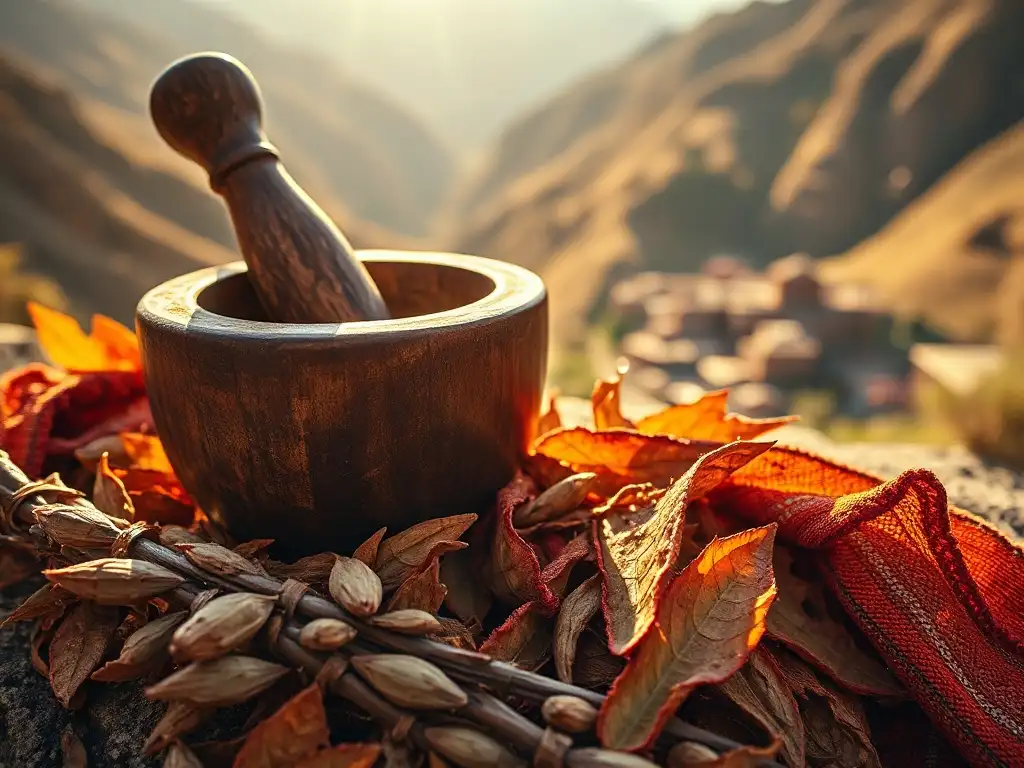
Chilca, a resilient shrub found throughout the Andes, has long held a significant place in both the medicinal and textile traditions of Andean cultures. Its dyeing properties, yielding a range of yellows and browns depending on the mordant used and the plant's part (leaves, stems, or flowers), have been exploited for centuries. The intensity of the color varies greatly; a vibrant golden yellow can be achieved with careful preparation and the use of alum as a mordant, while a more muted brown emerges with iron.
Traditional dyers often combined Chilca with other plants to achieve unique shades and deepen the hues. This practice reflected not only a sophisticated understanding of color chemistry but also a deep connection to the land and its resources.
The medicinal applications of Chilca are equally impressive. It has been used for centuries to treat a wide array of ailments. Its leaves, known for their astringent properties, were commonly used to treat wounds and skin infections. Infusion of the leaves was also used as a remedy for digestive problems and respiratory illnesses.
Some communities still utilize Chilca to combat fevers and inflammation. The plant's versatility in both dyeing and medicine showcases the holistic approach to nature characteristic of Andean cultures, where the boundaries between art, healing, and the environment were often blurred. The use of Chilca in dyeing likely wasn't separate from its medicinal properties; the very act of handling and working with the plant may have been considered therapeutic.
Mulli ( Schinus molle): Its Dyeing Properties and Medicinal Uses
The Mulli tree, also known as Peruvian pepper tree, is another ubiquitous plant in the Andean landscape, and its significance in both dyeing and medicinal practices is considerable. Its berries, rich in tannins, produce a range of colors, from a soft beige to a deep reddish-brown, depending on the mordant used and the length of the dyeing process. The color fastness of Mulli dye is noteworthy, making it a prized ingredient in creating durable textiles.
Traditional dyers often employed a multi-stage process, combining Mulli with other plants to achieve complex and nuanced shades. This demonstrates the Andean peoples' advanced understanding of color manipulation and their capacity for creating intricate color palettes from natural resources. The use of Mulli in dyeing is a testament to the Andean aesthetic appreciation for subtle and earthy tones.
Beyond its dyeing applications, Mulli holds a prominent position in Andean medicinal traditions. Different parts of the plant – bark, leaves, and berries – have been used to treat various conditions. The berries, for example, are known for their antiseptic and anti-inflammatory properties and have been traditionally used to treat skin infections and wounds.
The resin from the tree has been used as a topical analgesic, while infusions from the leaves have been employed to address digestive issues and respiratory ailments. The widespread use of Mulli in both dyeing and medicine emphasizes the close relationship between the Andean populations and their environment, where plants were valued not just for their aesthetic qualities but also for their healing potential. The use of Mulli in textile dyeing was likely intertwined with its medicinal uses, further highlighting the holistic approach to nature prevalent in Andean societies.
Traditional Andean Dyeing Techniques with Medicinal Plants
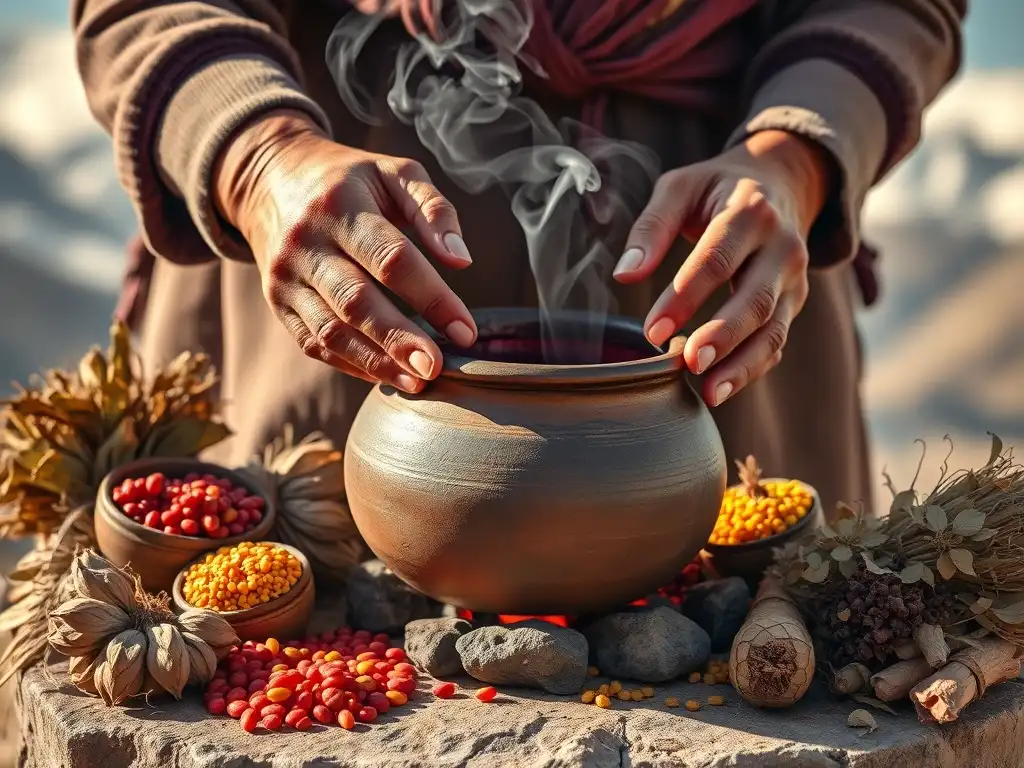
This section delves into the fascinating intersection of Andean medicinal plants and their application in textile dyeing, exploring the traditional techniques employed for centuries. The vibrant colors achieved through these methods weren't merely aesthetic; they often held deep symbolic and ritualistic significance, reflecting the intricate relationship between Andean communities and their environment. Understanding these techniques provides valuable insight into the sophisticated knowledge systems of these ancient cultures and their profound respect for the healing properties of the natural world.
The use of Andean medicinal plants in dyeing represents a sustainable and environmentally conscious approach to textile production, a practice relevant even in modern times as we seek eco-friendly alternatives. We'll explore the specific processes involved, highlighting the unique characteristics of each step.
Harvesting and Preparing Plants for Dye Extraction
The success of Andean plant-based dyeing hinges on the careful selection and preparation of the plant material. Harvesting wasn't a haphazard activity; it was conducted according to specific lunar cycles and traditional knowledge passed down through generations. The timing was crucial, ensuring the plants were at their peak potency for dye yield and color intensity. For example, the cochineal insect, a crucial source of vibrant red dyes, was harvested at specific times to maximize carminic acid production. This meticulous approach underscores the deeply ingrained understanding of the natural world's rhythms within Andean dyeing practices.
Different plants required different preparations. Some, like the achiote ( Bixa orellana) producing a rich orange-yellow, needed only to be boiled. Others, such as various species of Polygonum, producing a range of yellows and browns, required more complex processes, including fermentation to enhance color vibrancy. The precise methods varied regionally and depended on the specific plant used, demonstrating the rich diversity of Andean dyeing traditions. The knowledge of these specific techniques was often kept within families or communities, adding to the mystique and cultural significance of the dyed textiles.
Mordanting Processes in Andean Natural Dyeing
Mordanting, a crucial step in natural dyeing, involves treating the fibers before dyeing to improve colorfastness and vibrancy. Andean dyers employed a variety of mordants, often derived from natural sources readily available in their environment. Common mordants included alum (aluminum potassium sulfate), found in certain minerals, and various metallic salts extracted from different clays and minerals. The precise mordant used could significantly affect the final color, sometimes resulting in unexpected and beautiful variations.
The application of mordants wasn't a standardized procedure. The concentration, temperature, and duration of the mordanting process could be adjusted depending on the type of fiber (e.g., cotton, wool, alpaca) and the desired dye. For instance, a stronger alum mordant might be used for cotton to achieve a brighter, longer-lasting color compared to a milder application for delicate alpaca wool. This nuanced approach demonstrates the skilled craftsmanship and empirical knowledge that underpinned Andean dyeing techniques. The choice of mordant also played a role in the symbolic meaning associated with the final dyed product.
Different Dyeing Methods Using Plant-Based Dyes
Andean dyeing techniques varied greatly depending on the desired color, the type of fiber, and the availability of resources. The most common methods included boiling the fibers in a dye bath containing the plant material, allowing for direct absorption of the pigment. This process could be repeated multiple times to achieve deeper, more saturated colors. Some dyers employed a process of layering different dyes to create complex and unique shades, a testament to their artistic skill and understanding of color interactions.
Other techniques involved using various methods to enhance the color fixation. For instance, certain clays or minerals could be added to the dye bath to improve colorfastness, while others were used to create unique textural effects on the fabric. The use of different vessels, from simple clay pots to more elaborate containers, also affected the dye process.
The variations in technique created a rich tapestry of colors and textures, reflecting the diverse ecological zones and cultural practices across the Andean region. Each dyed textile, therefore, became a unique expression of artistic skill and cultural identity, deeply rooted in the knowledge of Andean medicinal plant dyeing techniques. The subtle nuances in color and texture were often imbued with symbolic meaning, reflecting the importance of this art form in Andean life.
Achieving Different Color Shades with Medicinal Plants
Andean dyeing techniques, particularly those employing medicinal plants, demonstrate a sophisticated understanding of color manipulation. The spectrum of hues achievable is surprisingly vast, ranging from subtle earth tones to vibrant, almost iridescent shades. This wasn't achieved through synthetic pigments, but rather through a deep knowledge of plant properties and meticulous processing. For example, the cochineal insect, while not strictly a plant, was a crucial component, producing a magnificent crimson dye.
Its use, combined with other plant-based mordants and modifiers, allowed for subtle variations in the final color. The intensity of the color often depended on the plant's maturity at harvest, the time of year it was collected, and even the specific altitude and soil conditions of its growth location. Different parts of the same plant could also yield different colors; the bark might produce a reddish-brown, while the leaves might offer a yellowish-green. This understanding of nuanced variations contributed to the unique and complex color palettes found in Andean textiles.
Furthermore, the preparation methods themselves played a significant role. Boiling the plant material for longer periods, or using different types of water (e.g., rainwater versus river water), could subtly alter the final shade. The addition of natural modifiers, like certain clays or minerals, further expanded the possibilities, allowing Andean dyers to achieve an astonishing array of colors using a relatively limited palette of plant sources. This mastery of subtle variations is a testament to the sophisticated knowledge passed down through generations of Andean artisans.
The Ritualistic Aspects of Andean Dyeing Practices
Andean dyeing was not simply a technical process; it was deeply intertwined with ritual and spirituality. The preparation and application of dyes were often accompanied by ceremonies and prayers, reflecting the profound respect for the plants and the sacred connection between the natural world and human life. The choice of plants themselves held symbolic meaning, with specific species associated with particular deities or spiritual concepts. For instance, certain plants were believed to possess protective properties, and dyeing textiles with their extracts was thought to impart this protection to the wearer.
The process often involved offerings to the apus (mountain spirits) or other sacred entities, ensuring a successful dyeing process and a positive outcome for the textile's intended purpose. The act of dyeing itself could be a communal event, bringing people together in a shared ritual. This social aspect further reinforced the cultural significance of the practice.
Furthermore, the finished textiles, imbued with the spiritual energy of the dyeing process, were often used in religious ceremonies or worn during important events, highlighting the profound connection between Andean dyeing practices and their spiritual beliefs. The intricate designs and color combinations, often reflecting cosmological or mythological themes, served as visual representations of these beliefs, demonstrating the seamless integration of art, spirituality, and everyday life in Andean culture. The enduring legacy of these ritualistic practices is visible in the surviving textiles, which serve as powerful reminders of the rich spiritual and cultural heritage of the Andean world.
The Cultural Significance of Color in Andean Textiles
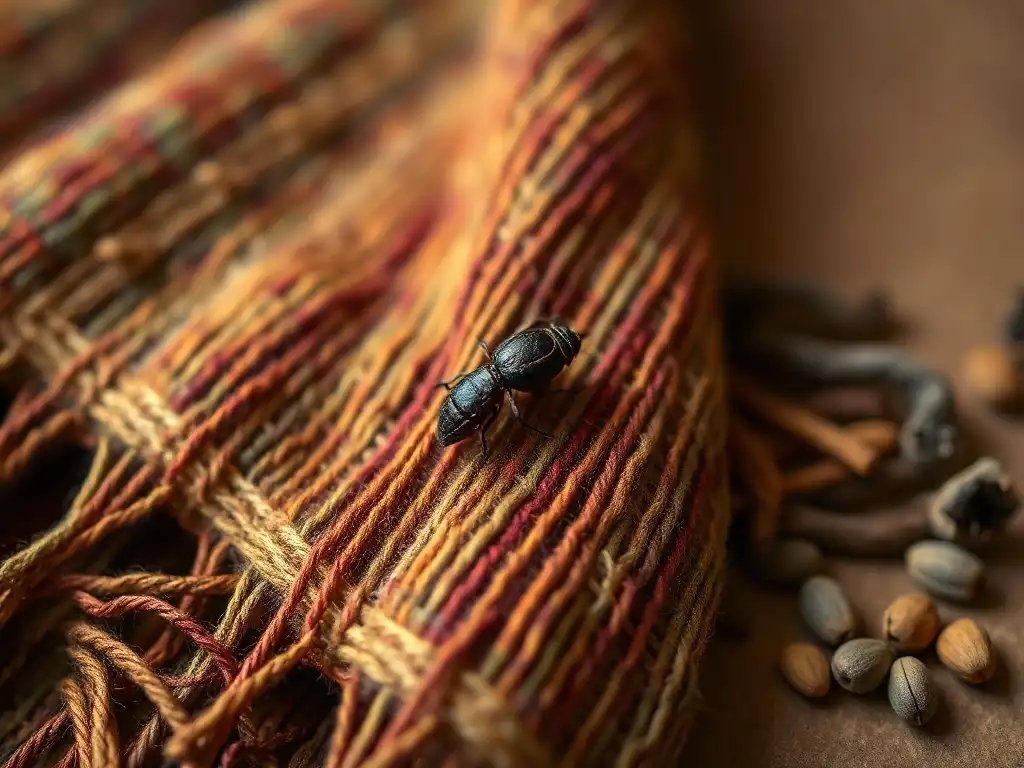
The vibrant hues adorning Andean textiles are far more than mere aesthetic choices; they are deeply imbued with cultural significance, reflecting a complex cosmology and intricate understanding of the natural world. The use of medicinal plants in dyeing practices further underscores this profound connection, weaving together therapeutic properties with symbolic meaning. Andean medicinal plant dyeing techniques, passed down through generations, are not simply methods of coloration, but rather, acts of cultural preservation and spiritual expression. Understanding this intrinsic link between color, medicinal plants, and Andean worldview is crucial to appreciating the artistry and sophistication of these textiles.
Symbolism and Meaning of Colors Derived from Medicinal Plants
The colors achieved through Andean medicinal plant dyeing techniques often held specific symbolic meanings. For instance, the deep reds derived from cochineal (a scale insect) and certain plants, were associated with power, fertility, and the blood of ancestors. This wasn't merely a visual representation; the use of cochineal, itself possessing purported medicinal properties, strengthened the symbolic resonance.
Similarly, the yellows obtained from various plants, including those with known medicinal applications, were often linked to the sun, gold, and divine power. The nuanced shades, from pale lemon to deep ochre, each carried unique connotations. These meanings weren't fixed, however; they varied across different Andean cultures and even within specific communities, reflecting the rich diversity of Andean traditions.
Consider the use of achiote (annatto), a plant with both dyeing and medicinal applications. Its vibrant orange-red hue, used to create stunning textiles, was often associated with the earth, harvest, and abundance. The specific shade, influenced by the plant’s preparation and the mordant used, further refined the symbolic interpretation.
The subtle variations in color, achieved through careful control of the dyeing process, allowed for a complex tapestry of meanings. Unfortunately, precise records documenting every plant and its associated symbolism are scarce, leaving room for further research and interpretation. However, the available evidence strongly suggests a sophisticated system of color symbolism deeply connected to the medicinal properties and spiritual significance of the plants themselves.
The Connection Between Colors and the Cosmos in Andean Beliefs
Andean cosmology profoundly influenced the selection and interpretation of colors in textiles. The vibrant hues weren't just aesthetically pleasing; they represented the celestial bodies and the forces of nature. The Andean worldview saw a direct link between the terrestrial and the celestial realms, with colors acting as bridges between these two spheres. The use of Andean medicinal plant dyeing techniques, therefore, became a way to express this cosmological understanding in a tangible form.
The deep blues, often achieved through indigo derived from plants with recognized medicinal value, represented the sky and the vastness of the cosmos. These shades were frequently used in garments worn by religious figures and during important ceremonies, highlighting their spiritual significance. Similarly, greens, obtained from plants with both dyeing and healing properties, were often associated with the fertile earth, growth, and regeneration.
The subtle variations in green hues, from the bright, spring-like greens to the deep, earthy tones, mirrored the diverse aspects of nature. This intricate interplay between color, cosmology, and medicinal plants illustrates the sophisticated understanding of the Andean world.
The Representation of Nature and Ancestors through Dyeing
The Andean medicinal plant dyeing techniques were not solely about creating aesthetically pleasing textiles; they were a powerful means of representing the natural world and honoring ancestors. The plants themselves, with their medicinal properties and symbolic significance, became integral components of the artistic process. This holistic approach, which intertwined art, medicine, and spirituality, is a defining characteristic of Andean textile traditions.
The intricate patterns and designs woven into the textiles often depicted elements from the natural world, such as animals, plants, and celestial bodies. These representations weren't merely decorative; they conveyed stories, beliefs, and ancestral knowledge. The colors, derived from medicinal plants, further enhanced the narrative power of the textiles.
For example, a textile depicting a condor (a sacred bird in Andean culture) in shades of deep red and black, obtained from plants with both dyeing and medicinal properties, would not only portray the condor itself but also evoke its symbolic associations with power, strength, and the ancestral realm. This integration of color, design, and plant symbolism created a rich and multifaceted artistic expression that transcended mere aesthetics. The textiles served as powerful conduits connecting the living with the spiritual and ancestral worlds, underscoring the profound cultural significance of Andean medicinal plant dyeing techniques.
How Specific Colors are Used in Andean Textiles
The use of color in Andean textiles wasn't arbitrary; it held profound cultural and symbolic meaning, deeply intertwined with their understanding of the natural world and spiritual beliefs. Specific colors were associated with particular deities, events, social status, and even medicinal properties. The vibrant hues weren't merely aesthetic choices but integral components of a complex system of communication and representation. For instance, red, obtained from cochineal insects, often symbolized blood, sacrifice, and the sun god Inti, representing power and royalty.
Its use in elite garments underscored the wearer's high social standing. Conversely, a deep, earthy brown, frequently derived from natural pigments like walnut or quebracho, might represent the earth itself, fertility, and connection to the ancestral past. Its presence in everyday clothing indicated a connection to the land and its resources.
The careful selection and combination of colors further enriched the symbolic narrative of the textile. A garment featuring a complex interplay of red, yellow (often from achiote), and green (obtained from various plants, including indigo) might convey a specific cosmological message, reflecting the Andean worldview that connected the terrestrial and celestial realms. The precise arrangement of colors, often following intricate geometric or zoomorphic patterns, added another layer to the meaning, demonstrating a sophisticated understanding of visual communication.
These patterns were not just decorative; they encoded stories, beliefs, and social hierarchies. In some cases, the color combinations could even indicate the geographic origin of the textile or the specific community that produced it, acting as a visual marker of identity and belonging. Understanding these subtle nuances is key to appreciating the rich cultural tapestry woven into Andean textiles.
The intricate knowledge of color extraction and application was passed down through generations, with specific techniques and recipes kept within families or communities. This ensured the continuity of both the artistic traditions and the cultural meanings associated with each color.
The use of natural dyes, sourced from local plants, animals, and minerals, further strengthened the connection between the textiles and the Andean landscape, reflecting a profound understanding of the environment and its resources. The creation of these textiles was not merely a craft but a ritualistic act, imbued with spiritual significance and deep cultural meaning, linking the maker to their ancestors and to the land itself.
The colors themselves served as a powerful medium for conveying a complex and layered system of beliefs, values, and social structures. The enduring legacy of Andean textile art lies not only in its aesthetic beauty but in its capacity to reveal the rich cultural heritage of the Andean civilizations.
Preservation of Andean Medicinal Plant Dyeing Techniques
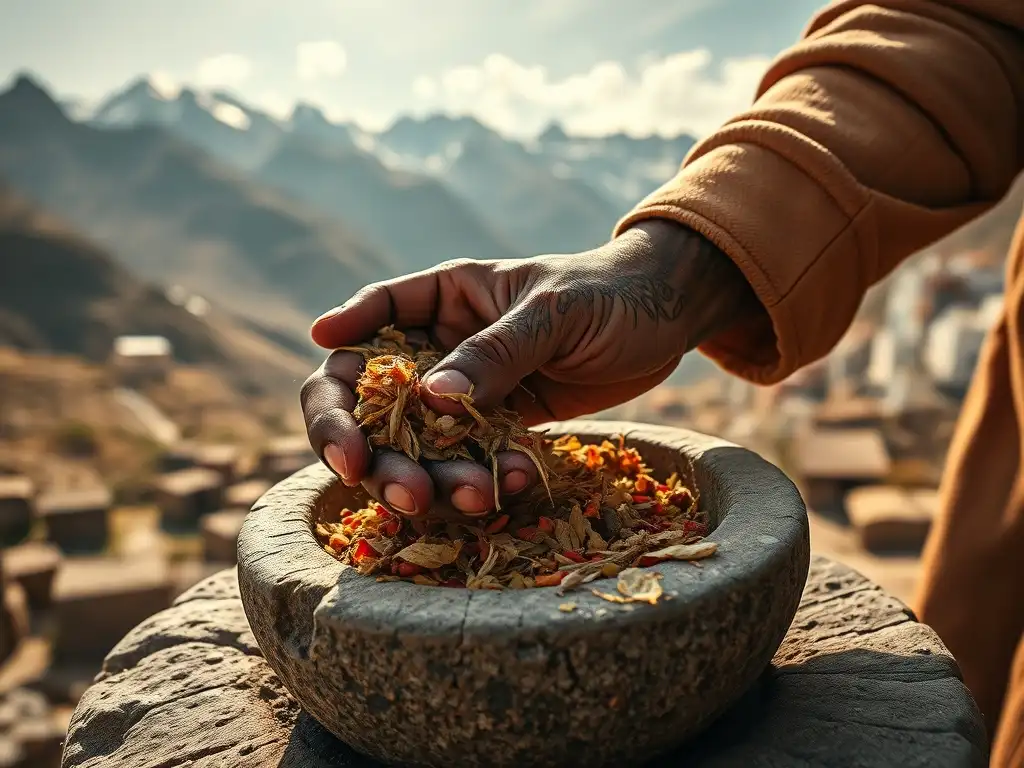
The vibrant hues adorning ancient Andean textiles weren't merely aesthetic choices; they were deeply intertwined with the region's rich pharmacopoeia. Andean medicinal plant dyeing techniques, passed down through generations, represent a sophisticated understanding of both botanical properties and textile production. Preserving this intricate knowledge is crucial not only for maintaining cultural heritage but also for exploring the potential of these natural dyes in a sustainable future. The delicate balance between tradition and modernity presents significant challenges, demanding a multifaceted approach to safeguard this unique legacy.
Challenges Faced by Traditional Andean Dyeing Practices
Traditional Andean dyeing practices face numerous obstacles threatening their survival. The encroachment of synthetic dyes, cheaper and readily available, poses a significant threat. These synthetic alternatives often lack the subtle nuances and depth of color achieved through natural dyes, and their environmental impact is considerably greater. Furthermore, the knowledge transmission process itself is vulnerable.
Younger generations, drawn to urban centers and modern lifestyles, are less inclined to invest the time and effort required to master these complex techniques. This knowledge gap threatens to sever the continuous thread of tradition, leading to the loss of invaluable expertise. The harvesting of specific medicinal plants is also becoming increasingly difficult. Habitat loss due to deforestation, urbanization, and climate change is reducing the availability of these crucial resources.
Finally, a lack of economic incentives often discourages artisans from continuing these labor-intensive practices. The market often favors mass-produced, synthetically dyed textiles, leaving traditional artisans struggling to compete. For example, the intricate process of preparing the cochineal insect, a vital source of vibrant red dye, requires considerable time and skill, making it less economically viable compared to readily available synthetic alternatives. This economic pressure further contributes to the erosion of these precious traditions.
Efforts to Revive and Promote Natural Dyeing Techniques
Despite the challenges, significant efforts are underway to revive and promote Andean medicinal plant dyeing techniques. Several organizations and initiatives are actively working to document and preserve the knowledge associated with these traditional practices. Ethnobotanical studies are meticulously recording the specific plant species used, their preparation methods, and the resulting color palettes.
These efforts are not only contributing to the preservation of cultural heritage but also providing valuable information for scientific research into the properties of these plants. Workshops and training programs are being organized to teach younger generations the intricate techniques of natural dyeing, ensuring the continuity of this vital knowledge. These programs often combine traditional methods with modern approaches to increase efficiency and accessibility.
Furthermore, conscious efforts are being made to promote the use of naturally dyed textiles through marketing campaigns highlighting their unique qualities, cultural significance, and environmental benefits. This includes showcasing the artistry and skill involved in the production process, emphasizing the superior quality and longevity of naturally dyed textiles compared to their synthetic counterparts. The growing interest in sustainable and ethically produced goods provides a fertile ground for the resurgence of these ancient techniques.
Sustainable Practices in Andean Textile Production
The revival of Andean medicinal plant dyeing techniques is intrinsically linked to the broader movement towards sustainable textile production. By utilizing locally sourced, naturally derived dyes, these practices minimize the environmental impact associated with synthetic dyes and their production. The reduced reliance on chemical processes also contributes to a healthier working environment for artisans. Furthermore, the emphasis on traditional methods often promotes a more localized and community-based approach to textile production, strengthening local economies and preserving traditional livelihoods.
Sustainable harvesting practices are also crucial. Instead of depleting plant populations, sustainable approaches focus on responsible harvesting methods that allow for regeneration and prevent overexploitation. This can include techniques like rotational harvesting and cultivation of specific plant species.
In addition, the exploration of alternative plant sources and the development of innovative dyeing methods are ongoing research areas that promise to further enhance the sustainability and resilience of this ancient craft. The integration of these sustainable practices is not just about preserving a tradition; it's about creating a more responsible and environmentally conscious approach to textile production, reflecting the deep respect for nature inherent in Andean cultures. The future of Andean medicinal plant dyeing techniques rests on a delicate balance between tradition and innovation, ensuring the survival of this invaluable heritage for generations to come.
The Importance of Passing Down the Knowledge of Medicinal Plants Dyeing
The transmission of Andean medicinal plant dyeing techniques is not merely the continuation of a craft; it's the preservation of a vital cultural heritage deeply intertwined with ancestral knowledge and spiritual practices. These techniques represent a holistic worldview, connecting the spiritual realm with the physical through the careful selection, preparation, and application of plants. The knowledge encompasses more than just the recipes for dyes; it includes understanding the plant's lifecycle, its optimal harvesting time, and the specific environmental conditions that influence its color and potency.
This intricate understanding, passed down through generations, often involves oral traditions, rituals, and familial secrets, making each dyeing process a unique expression of cultural identity. The loss of this knowledge would represent not only a loss of artistic expression but also a severing of a profound connection to the Andean landscape and its resources.
The continued practice of these dyeing techniques plays a crucial role in the economic sustainability of many Andean communities. Many artisans rely on the sale of their uniquely dyed textiles for their livelihoods. Preserving these techniques ensures the economic viability of these communities, empowering them to maintain their cultural identity while contributing to a global appreciation for their artistic skills.
Furthermore, the unique colors and qualities produced by these medicinal plants create high-demand textiles, giving artisans a competitive edge in the global market and supporting fair trade practices. The demand for authentic, hand-dyed Andean textiles creates opportunities for economic growth and self-sufficiency, fostering pride and cultural continuity.
Moreover, the preservation of these techniques contributes to the broader field of ethnobotany, enriching our understanding of the relationship between humans and plants. The Andean knowledge of medicinal plants and their dyeing properties holds potential for scientific discovery, particularly in the areas of natural dyes and their therapeutic applications. Documenting and preserving this knowledge ensures that future generations of scientists and researchers can access and study these valuable resources, potentially leading to breakthroughs in medicine and other fields.
The collaborative efforts between traditional Andean artisans and modern scientists could unlock valuable insights into sustainable and environmentally friendly dyeing practices, promoting both cultural preservation and ecological responsibility. The continuation of this knowledge ensures a vibrant link between tradition and innovation, enriching both cultural heritage and scientific advancement.
Conclusion: The Legacy of Andean Medicinal Plant Dyeing
This exploration of Andean medicinal plant dyeing techniques reveals a sophisticated interplay between art, healing, and the natural world. The vibrant colors achieved weren't merely aesthetic; they held deep symbolic meaning tied to the plants' medicinal properties and spiritual significance within Andean cosmology. Understanding these techniques allows us to appreciate the ingenuity and holistic worldview of these ancient cultures. The process itself, far from being simply utilitarian, was a ritualistic act imbued with reverence for both the plants and the healing powers they represented. This intricate connection between the natural world and human well-being continues to resonate today.
The Enduring Value of Traditional Knowledge
The knowledge surrounding Andean medicinal plant dyeing techniques is not merely historical; it holds significant contemporary value. As we grapple with the environmental impact of synthetic dyes, the sustainable and eco-friendly nature of natural dyeing methods offers a compelling alternative. Furthermore, preserving and revitalizing these traditional techniques helps safeguard cultural heritage and empowers indigenous communities.
The transmission of this knowledge, often passed down through generations, is crucial for maintaining biodiversity and fostering a deeper understanding of the relationship between humans and nature. Organizations dedicated to the preservation of Andean cultural heritage are actively working to document and promote these practices, ensuring their continued relevance in the 21st century. The economic potential of natural dyeing, particularly in niche markets valuing authenticity and sustainability, also provides an incentive for its continued practice.
This isn't just about preserving old methods; it's about creating viable pathways for economic development rooted in cultural identity. The resurgence of interest in natural dyes globally underscores the timeliness and importance of preserving this valuable knowledge.
The Connection Between Art, Healing, and Nature in Andean Culture
The Andean worldview viewed art, healing, and nature as inextricably linked. The use of medicinal plants in dyeing wasn't simply a practical application; it represented a deeper philosophical understanding. For example, the use of uña de gato (cat's claw) in dyeing, known for its purported immune-boosting properties, symbolized the strength and resilience of the Andean people.
Similarly, the vibrant reds derived from cochineal, a parasitic insect, might have symbolized the life-giving power of the sun or the blood of sacred ancestors. The intricate designs woven into textiles further reinforced these symbolic meanings, often depicting mythological figures, celestial events, or scenes from daily life. The very act of dyeing became a ritual, connecting the artisan with the spiritual power inherent in the plants and the cosmos.
This holistic approach, integrating art, healing, and nature, offers a powerful counterpoint to the often fragmented perspectives of modern society. Understanding this interconnectedness is crucial for appreciating the depth and complexity of Andean cultural expression.
Future Perspectives for Andean Natural Dyeing
The future of Andean natural dyeing hinges on several key factors. Firstly, continued research is needed to fully document and understand the diverse range of plants used and the specific dyeing techniques employed. This includes detailed botanical studies to identify and classify the plants, as well as ethnographic research to understand the cultural context of their use. Secondly, supporting the work of indigenous communities in preserving and promoting these traditions is essential.
This can involve providing access to resources, training, and market opportunities. Thirdly, exploring innovative ways to integrate these traditional techniques with modern technologies can expand the reach and impact of Andean natural dyeing. This might involve developing sustainable harvesting practices, creating standardized dyeing processes, or exploring new applications of natural dyes in contemporary textiles.
Finally, educational initiatives are crucial to raise awareness among consumers about the benefits of sustainable and ethically sourced dyes. By embracing these future perspectives, we can ensure that the legacy of Andean medicinal plant dyeing continues to thrive for generations to come, providing both economic opportunities and cultural preservation. The potential for growth in this sector is vast, and the rewards – both economic and cultural – are immeasurable.
Frequently Asked Questions
What role did medicinal plants play in Andean dyeing techniques?
Many medicinal plants were not only used for healing but also as dyes. Their properties provided both color and potential health benefits to the textiles. This intertwined use reflects the Andean worldview.
Were specific plants used for specific colors?
Yes, different plants yielded different colors. For example, certain plants produced vibrant reds, while others created yellows or blues. This knowledge was passed down through generations.
How did the Andean people prepare the plants for dyeing?
Preparation varied depending on the plant, but often involved processes like grinding, boiling, and fermentation. This careful preparation was crucial for achieving the desired color and quality of the dye.
What was the significance of the colors produced from these plants?
Colors held symbolic meaning in Andean cultures. Certain shades were associated with specific deities, social status, or ceremonies. The choice of color reflected the intended use of the textile.
Where can I learn more about Andean medicinal plant dyeing techniques?
More information can be found through ethnobotanical research, museum exhibits focusing on Andean textiles, and academic publications exploring Andean textile traditions. Further research is encouraged.
Final Reflection: Weaving Threads of Healing and Tradition
The vibrant hues of Andean textiles aren't merely decorative; they are a testament to a deep-rooted connection between healing, nature, and cultural heritage. The intricate dyeing techniques discussed throughout this article, utilizing the potent properties of Andean medicinal plants, represent a living tradition that continues to resonate today. This ancient knowledge, passed down through generations, offers a powerful counterpoint to the homogenizing forces of modern industrial dyeing practices.
The enduring legacy of these techniques is profoundly moving. To witness the careful preparation of the plants, the nuanced understanding of their properties, and the resulting breathtaking colors is to witness a profound respect for the natural world. The earth provides, and we must learn to listen to her wisdom.
This unspoken philosophy underpins the entire process, highlighting the interconnectedness of health, environment, and cultural identity. The continued use of these techniques, even in the face of modern alternatives, speaks volumes about the enduring power of tradition and the deep-seated cultural significance of these practices.
Consider, for a moment, the implications of this knowledge. How can we, in our own lives, cultivate a deeper appreciation for the natural world and the wisdom it holds?
Perhaps it’s time to explore the healing properties of plants in our own communities, to learn from traditional practices, and to support the artisans who continue to keep these vital traditions alive. Let the vibrant colors and enduring legacy of Andean medicinal plant dyeing inspire you to connect with nature, to appreciate the richness of diverse cultures, and to weave your own threads of healing and sustainability into the fabric of your life.
Unveil the Healing Power of Andean Plants!
Thank you for exploring the fascinating world of medicinal plants and their role in Andean dyeing. You've taken a significant step towards understanding the intricate relationship between nature, culture, and art. Now, let's put this knowledge into practice!
- Experiment with traditional dyeing techniques, using readily available plants from your garden or a local market. Discover the unique colors and textures achievable through this ancient craft.
- Share your creative journey with friends and family, or inspire others online by showcasing your dyed textiles. Let your passion for natural dyes ignite a spark in others.
- Connect with a community of textile enthusiasts. Join a workshop or online forum dedicated to Andean dyeing techniques to learn from experts and share your experiences with like-minded individuals.
What plant are you most interested in experimenting with, and how do you envision it enriching your artistic endeavors?