
The Preservation of Knowledge: How Andean Priests Maintained Sacred Traditions

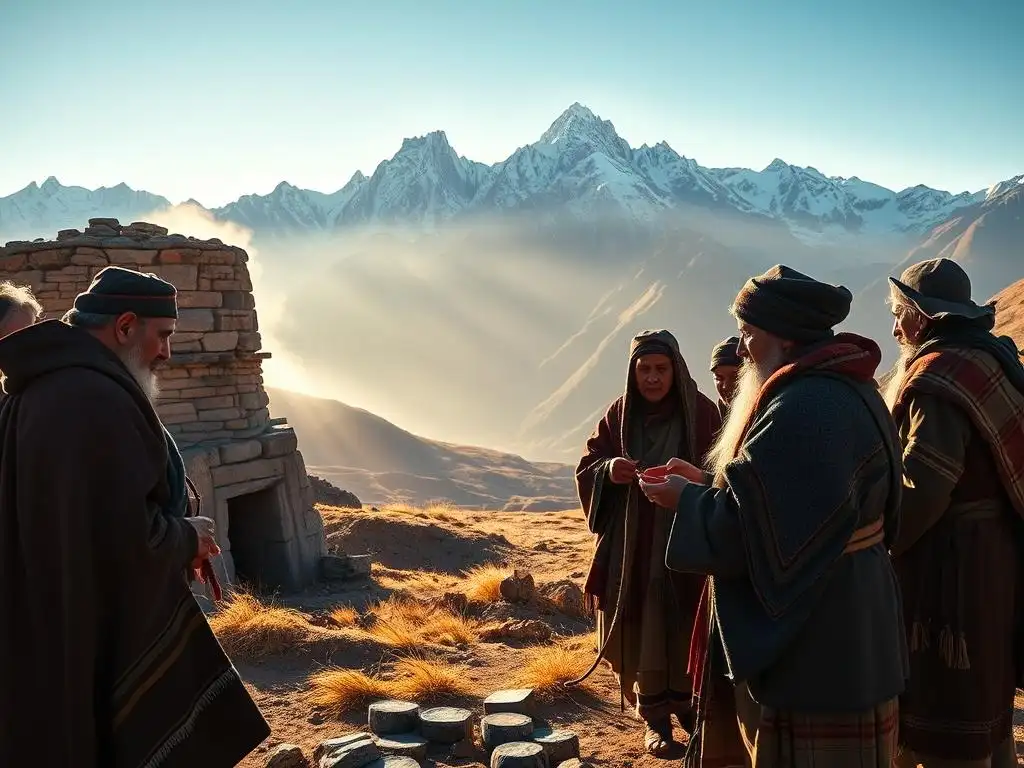
Uncover the secrets whispered across millennia. Journey into the heart of the Andes, where towering mountains held more than just breathtaking vistas; they cradled the wisdom of ancient civilizations. For centuries, Andean priests meticulously guarded sacred traditions – but how did they preserve their profound knowledge? Explore the fascinating world of Andean priest knowledge preservation and discover the ingenious methods they used to transmit their rich cultural heritage across generations. Prepare to be amazed.
-
Andean Priest Knowledge Preservation: Maintaining Sacred Traditions
- The Crucial Role of Andean Priests in Knowledge Transmission
- Oral Tradition: The Foundation of Andean Knowledge
- Rituals and Ceremonies: Living Libraries of Andean Wisdom
- Specialized Training and the Education of Andean Priests
- The Use of Khipus as a Mnemonic Device
- The Preservation of Agricultural Knowledge through Priestly Practices
- The Importance of Sacred Sites and Temples
- The Challenges to Andean Knowledge Preservation
- Legacy and the Enduring Importance of Andean Priests
-
Frequently Asked Questions
- How did Andean priests preserve their knowledge?
- What role did quipus play in knowledge preservation?
- Were all Andean cultures' methods of knowledge preservation the same?
- What kind of knowledge did Andean priests preserve?
- How effective were the methods used by Andean priests to preserve knowledge?
- Final Reflection: Echoes of the Andes: A Legacy of Preserved Knowledge
- **Unveil the Wisdom of the Ancients! **
Andean Priest Knowledge Preservation: Maintaining Sacred Traditions
The Andean civilizations, renowned for their intricate social structures and awe-inspiring achievements in engineering and art, also possessed a sophisticated system for preserving and transmitting their sacred knowledge. This knowledge, encompassing cosmology, agriculture, medicine, and social organization, wasn't simply written down; it was carefully guarded and passed down through generations by a highly respected class: the Andean priests.
This article delves into the ingenious methods employed by these spiritual leaders to ensure the continuity of their rich cultural heritage, exploring the intricate interplay of oral tradition, ritual practices, and mnemonic devices that secured the preservation of Andean wisdom for centuries. Understanding their techniques offers a fascinating glimpse into the intellectual and spiritual dynamism of these remarkable societies, highlighting the crucial role of memory and oral transmission in shaping their world view and societal structures.
We will examine how the preservation of this knowledge wasn't merely a historical record-keeping exercise, but a vital component of their religious and social fabric, directly impacting every aspect of Andean life.
The Crucial Role of Andean Priests in Knowledge Transmission
Andean priests, often referred to as paqos or yachaqs, held a position of immense authority and responsibility within their communities. They weren't simply religious figures; they were also keepers of knowledge, acting as custodians of the accumulated wisdom of their ancestors. Their role extended far beyond conducting religious ceremonies; they were educators, historians, and advisors, guiding their communities through both spiritual and practical matters.
Their deep understanding of the cosmos, agricultural cycles, and medicinal plants was essential for the survival and prosperity of their people. The systematic transmission of this knowledge was a sacred duty, performed through a complex system of oral traditions, ritual practices, and symbolic representations.
The effectiveness of this system is evidenced by the remarkable longevity and continuity of Andean cultural practices, even in the face of significant societal changes and external pressures. The intricate details of their knowledge, passed down through generations with remarkable accuracy, is a testament to the ingenuity and dedication of these Andean priest-scholars.
Oral Tradition: The Foundation of Andean Knowledge
Oral tradition formed the bedrock of Andean knowledge preservation. Unlike many other civilizations that relied heavily on written records, the Andes developed sophisticated methods of transmitting information verbally. This reliance on oral transmission wasn't a matter of technological limitation; rather, it was deeply ingrained in their worldview, where the spoken word held immense power and spiritual significance.
The spoken word was believed to be imbued with a life force, connecting the present to the past and shaping the future. This approach fostered a strong sense of collective memory and ensured that knowledge was not confined to a select few but shared within the community. The effectiveness of this system depended on highly developed memory techniques, storytelling skills, and a deep understanding of the cultural context within which the knowledge was embedded.
Storytelling and the Preservation of Andean History
Storytelling played a central role in preserving Andean history and cultural values. Complex narratives, often interwoven with mythology and allegory, conveyed historical events, moral lessons, and cosmological principles. These stories were not merely entertaining tales; they served as pedagogical tools, transmitting crucial information about the ancestors, the origins of the world, and the social norms that governed Andean society.
The use of vivid imagery, memorable characters, and symbolic language made these stories easily retained and passed on through generations. The repetition of these stories during festivals and ceremonies further reinforced their importance and ensured their continued transmission. The narrative structure itself acted as a mnemonic device, aiding memory and understanding.
The Use of Myths and Legends for Transmitting Cultural Values
Myths and legends served as powerful vehicles for transmitting cultural values and ethical principles. These narratives, often featuring gods, heroes, and supernatural beings, provided moral frameworks and guidelines for behavior. They explained the origins of customs, rituals, and social structures, reinforcing their significance and ensuring their continuation.
Through these stories, Andean people learned about their responsibilities to their community, their ancestors, and the natural world. The emotional impact of these narratives further ensured their memorability and transmission. The enduring presence of these myths and legends in contemporary Andean cultures speaks volumes about the effectiveness of this method of knowledge preservation.
Rhythmic Recitation and Memorization Techniques
Beyond storytelling, Andean priests employed sophisticated mnemonic techniques to ensure the accurate transmission of complex information. Rhythmic recitation, often accompanied by music and dance, was a common method for memorizing long passages of text, historical accounts, or religious doctrines. The rhythmic structure and musical accompaniment aided memory and facilitated the retention of large amounts of information.
These techniques weren't simply rote learning; they involved a deep engagement with the material, transforming information into a form that was both memorable and meaningful. The incorporation of symbolic language and imagery further enhanced the effectiveness of these mnemonic devices, creating a rich tapestry of knowledge that was easily recalled and passed on. The use of quipus, knotted strings used for record-keeping, also played a supporting role in aiding memory and providing a visual aid to complex oral narratives.
Rituals and Ceremonies: Living Libraries of Andean Wisdom
The performance of rituals and ceremonies was paramount in the preservation of Andean knowledge. These weren't simply rote repetitions; they were dynamic, living libraries that encoded vast amounts of information about cosmology, agriculture, social structures, and healing practices. The meticulous execution of each step, from the preparation of offerings to the precise movements of the participants, served as a mnemonic device, reinforcing the cultural memory across generations. Each ritual acted as a powerful reinforcement of the underlying principles and beliefs.
The repetition itself, performed annually or even daily in some cases, embedded the knowledge deeply within the collective consciousness of the community. Furthermore, the participation of the entire community in many rituals ensured that knowledge wasn't confined to a select few but was widely disseminated. This collective participation fostered a sense of shared identity and strengthened the bonds that held the community together.
The Significance of Ritual Performance in Knowledge Retention
The repetitive nature of many Andean rituals was crucial for knowledge retention. Through repeated enactments, the steps, chants, and symbolic actions were ingrained in the minds of participants. This wasn't passive observation; active participation was essential. For example, the preparation of chicha (a fermented corn beverage) for certain ceremonies involved specific techniques passed down through generations, each step carrying symbolic meaning and contributing to the overall ritual's efficacy.
The precision required in these actions ensured that the knowledge remained accurate and consistent over time, preventing distortion or loss. The performance itself became a form of living documentation, preserving intricate details that might otherwise be lost to time. The oral tradition, deeply intertwined with ritual practice, further solidified the transmission of knowledge.
Sacred Dances and their Role in Communicating Ancestral Knowledge
Sacred dances played a vital role in communicating ancestral knowledge within Andean societies. These weren't merely aesthetic performances; they were codified narratives that relayed complex historical events, mythological stories, and agricultural practices. The movements, costumes, and accompanying music all held symbolic meaning, conveying layers of information through a highly effective nonverbal medium. For instance, the movements of a particular dance might mimic the planting and harvesting cycle, or the migration patterns of animals crucial for sustenance.
The intricate choreography served as a mnemonic device, helping dancers and spectators alike remember and understand the cultural heritage. The transmission of these dances across generations ensured the continuity of this rich body of knowledge, preserving a unique form of Andean storytelling. The dances, therefore, were not just performances but living histories, passed down through generations.
The Use of Sacred Objects and their Symbolic Meanings
The use of sacred objects in Andean rituals was instrumental in preserving knowledge. These objects, often intricately crafted and adorned with symbolic designs, served as visual aids that reinforced key concepts and beliefs. For example, a kero (a ceremonial drinking vessel) might be decorated with images depicting mythological figures or scenes from creation myths, serving as a tangible reminder of the stories and beliefs associated with them.
The craftsmanship itself, passed down through specialized lineages, preserved technical knowledge related to material science and artistic expression. The objects themselves became repositories of knowledge, their intricate designs acting as a visual language that conveyed information across time and generations. The careful preservation and transmission of these objects ensured the continued understanding and appreciation of their symbolic meanings.
Specialized Training and the Education of Andean Priests
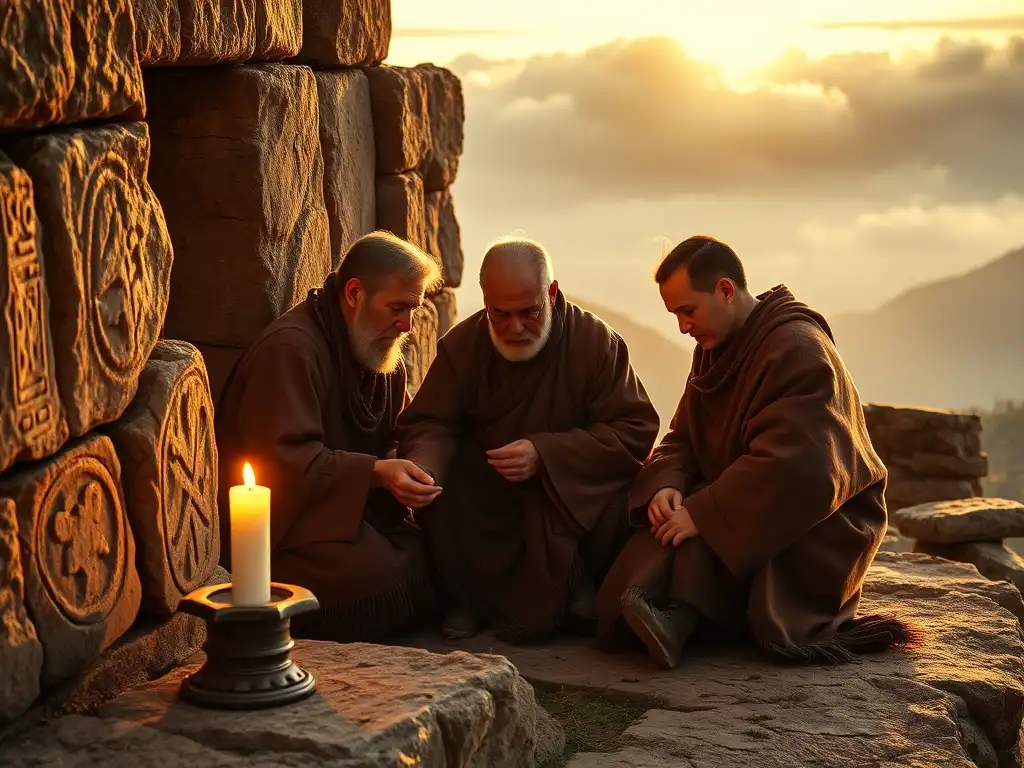
Andean priests weren't simply born into their roles; they underwent rigorous training and education to acquire the extensive knowledge required to perform their duties. This specialized training ensured the accurate transmission of complex religious, astronomical, and medicinal knowledge across generations. The process was highly structured, involving years of apprenticeship and mentorship under experienced priests. This rigorous system ensured the standardization and preservation of sacred knowledge, preventing fragmentation or misinterpretation.
Selection Processes for Aspiring Priests
The selection of aspiring priests often involved a complex process that considered various factors, including lineage, aptitude, and demonstrated devotion. In some cases, individuals were chosen based on their family history, with certain lineages holding a hereditary claim to priestly roles. Other times, individuals might demonstrate exceptional abilities in areas such as healing, divination, or artistic expression, leading to their selection for training.
Regardless of the specific criteria, the selection process was rigorous, ensuring that only the most capable and dedicated individuals were entrusted with the preservation and dissemination of sacred knowledge. This selective process guaranteed a high standard of expertise within the priestly class.
The Curriculum of Andean Priestly Education
The curriculum of Andean priestly education was extensive and multifaceted, encompassing a wide range of subjects. Aspiring priests received instruction in cosmology, mythology, ritual practices, medicinal plant knowledge, astronomy, and agricultural techniques. The educational process involved both theoretical instruction and practical application, with students actively participating in rituals and ceremonies under the guidance of experienced mentors.
Oral transmission played a crucial role, with knowledge passed down through generations through stories, chants, and mnemonic devices. The curriculum was designed to equip priests with the necessary skills and knowledge to fulfill their multifaceted roles within the community. The depth and breadth of this training ensured the preservation of a vast body of cultural knowledge.
The Role of Mentorship in Transmitting Complex Knowledge
Mentorship was central to the transmission of complex knowledge within the Andean priestly system. Experienced priests acted as guides and teachers, patiently imparting their knowledge and skills to younger generations. This process involved not only theoretical instruction but also hands-on training, with apprentices actively participating in rituals and ceremonies under the supervision of their mentors.
The close relationship between mentor and apprentice fostered a deep understanding of the sacred traditions and ensured the accurate transmission of knowledge across generations. This personalized approach to education ensured the continuity of Andean traditions and the preservation of their unique cultural heritage. The mentorship system, therefore, was a crucial component in the preservation of Andean priestly knowledge.
The Use of Khipus as a Mnemonic Device
The Andean civilizations, particularly the Inca, lacked a written alphabet in the way we understand it. Instead, they relied on a complex system of knotted cords known as khipus to record and transmit information across generations. These weren't simply decorative items; they were sophisticated mnemonic devices, crucial for the preservation of Andean priest knowledge.
The intricate system of knots, colors, and the very arrangement of the cords encoded vast amounts of data, acting as a living library of ancestral wisdom. The creation and interpretation of khipus required specialized training, passed down through generations of skilled quipucamayocs (khipu keepers), who were often closely associated with the priestly class. Their expertise was vital for maintaining the continuity of Andean traditions and ensuring the accurate transmission of knowledge.
Understanding the Khipu System and its Purpose
The khipu system was far more nuanced than a simple counting tool. While it certainly served to record numerical data, such as census figures or tribute amounts, its capabilities extended far beyond basic arithmetic. Each cord represented a specific category of information, with the color, type of knot, and the cord's position within the overall structure all contributing to the meaning. For example, different colors might represent different deities, locations, or types of goods.
The types of knots—ranging from simple single knots to complex combinations—further encoded specific quantities or qualitative information. The positioning of cords within the khipu also played a significant role in establishing hierarchical relationships or chronological sequences. This complex interplay of elements meant that a single khipu could contain a wealth of interconnected information.
Khipus as Tools for Recording Historical Events and Genealogies
Khipus served as invaluable tools for recording historical events and maintaining detailed genealogical records. They provided a means of preserving the lineage of ruling families, tracking succession, and recording significant historical moments. This was crucial for maintaining social order and legitimacy within Andean societies.
By meticulously documenting historical events and lineages, the quipucamayocs helped to solidify the power structures and cultural identities of the various Andean groups. The information contained within these khipus offered continuity, providing a tangible link between the past, present, and future, a powerful tool for reinforcing cultural identity and societal stability. The preservation of these genealogical records through khipus was essential for understanding the complex social structures of Andean civilizations.
The Interpretation of Khipus and the Knowledge of Andean Scribes
The interpretation of khipus was not a simple task. It required a deep understanding of the complex system of knotting, color coding, and spatial arrangement, along with a thorough knowledge of Andean history, mythology, and social structures. Only highly trained specialists, often priests or those closely associated with the priestly class, possessed the necessary skills to decipher the information encoded within these intricate devices.
These individuals, the quipucamayocs, acted as custodians of knowledge, interpreting the khipus and sharing their insights with the wider community. Their role was essential in maintaining the continuity of Andean traditions and ensuring the accurate transmission of knowledge across generations. The loss of this specialized knowledge after the Spanish conquest represents a significant loss for our understanding of Andean history.
The Preservation of Agricultural Knowledge through Priestly Practices
Andean agriculture was not merely a matter of subsistence; it was deeply intertwined with religious beliefs and practices. Priests played a pivotal role in ensuring agricultural prosperity, utilizing their knowledge of astronomy, sacred calendars, and ritual practices to maximize crop yields and maintain ecological balance. Their expertise ensured the continuity of agricultural practices and the preservation of vital knowledge for generations. This knowledge was essential for the survival and prosperity of Andean communities.
Astronomical Observations and Agricultural Cycles
Andean priests were skilled astronomers. They meticulously observed the celestial movements, correlating them with agricultural cycles. Their understanding of the solstices and equinoxes, along with the movements of specific constellations, allowed them to predict the optimal times for planting and harvesting. This knowledge was crucial for maximizing crop yields and ensuring food security. These observations weren't just scientific; they were deeply spiritual, connecting the earthly realm to the celestial sphere. The priests' understanding of these astronomical cycles was central to their role in ensuring agricultural prosperity. The precision of their observations is a testament to their advanced astronomical skills.
Sacred Calendars and the Timing of Planting and Harvesting
The Andean calendar was intricately linked to agricultural practices. Priests utilized sacred calendars to determine the precise timing of planting and harvesting, ensuring that crops were sown and reaped at the most opportune moments. These calendars were not mere chronological records; they were imbued with religious significance, reflecting the Andean worldview and their understanding of the cosmos. The precise timing dictated by these calendars was crucial for the success of their agricultural endeavors. The close connection between religious practices and agricultural cycles highlights the importance of priests in ensuring the community’s well-being.
The Role of Priests in Ensuring Agricultural Prosperity
The Andean priests weren't merely observers; they were active participants in ensuring agricultural prosperity. Their rituals, prayers, and offerings were believed to influence the fertility of the land and the abundance of crops. They performed ceremonies to appease the gods and spirits associated with agriculture, ensuring a bountiful harvest.
This active engagement with the agricultural process highlights the holistic nature of their religious beliefs and their deep connection to the land. The priests' role in ensuring agricultural prosperity underscores the importance of religion and spirituality in Andean society. Their influence extended beyond the spiritual realm, shaping the practical aspects of daily life and contributing to the community's survival.
The Importance of Sacred Sites and Temples
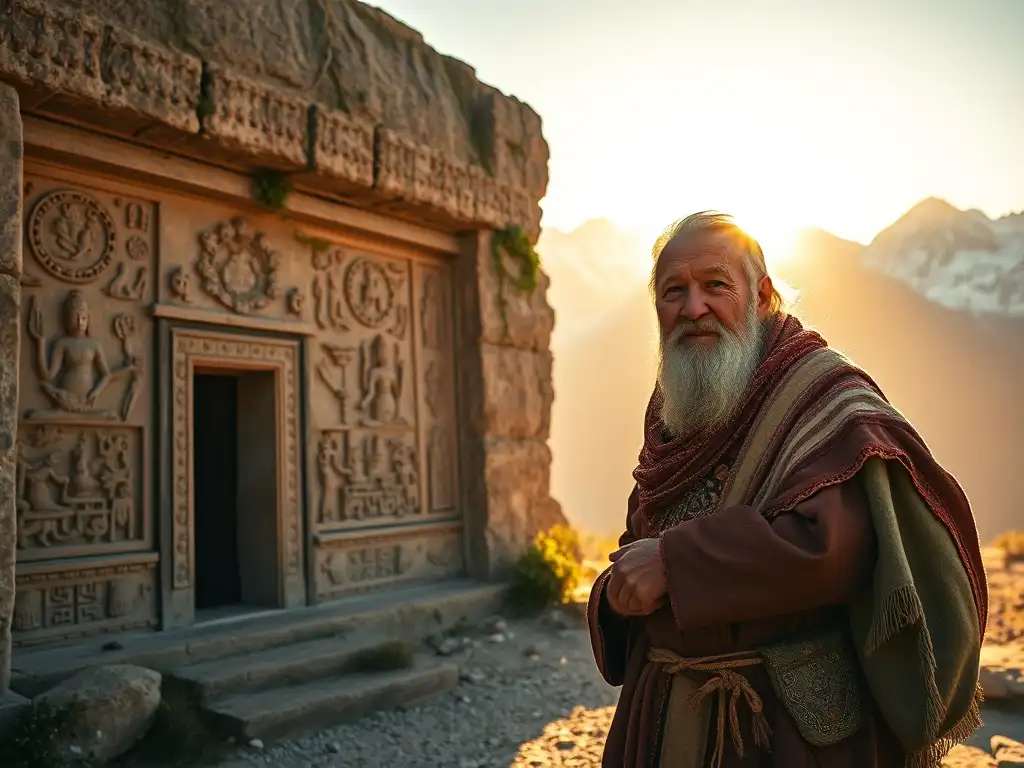
Sacred sites and temples served as the cornerstone of Andean knowledge preservation. These weren't merely places of worship; they were dynamic centers of learning, memory, and cultural transmission. The meticulous construction and design of these structures, often incorporating astronomical alignments and symbolic iconography, reflect a deep understanding of the cosmos and the interconnectedness of the natural and spiritual worlds.
The very act of building and maintaining these sites reinforced the importance of the traditions they represented, embedding knowledge within the physical landscape itself. The intricate carvings, murals, and textiles found within these temples served as visual aids, helping to transmit complex narratives and cosmologies across generations.
Furthermore, the location of these temples—often situated on prominent geographical features or at points of astronomical significance—further emphasized their role in connecting the community to the broader cosmic order and its inherent knowledge. The physical presence of these structures acted as a constant reminder of the traditions and beliefs they embodied.
Temples as Centers of Learning and Knowledge Storage
Andean temples weren't simply places for ritual; they functioned as repositories of knowledge, carefully storing and transmitting information crucial to maintaining cultural identity. Priests, acting as custodians of this knowledge, would instruct initiates in various aspects of Andean cosmology, history, and ritual practices.
This learning often involved years of rigorous training, encompassing not only religious doctrines but also practical skills such as agriculture, medicine, and textile production. Temples housed libraries of quipu, complex knotted cords used for record-keeping, which contained vast amounts of information on everything from agricultural cycles to genealogical records.
These temples also served as archives for other forms of knowledge storage, including intricate textiles, ceramics, and metalwork, each imbued with symbolic meanings that conveyed cultural narratives and historical events. The systematic arrangement of these artifacts within the temple itself likely aided in the organization and retrieval of this information, ensuring its accessibility for future generations of priests and initiates.
The Role of Sacred Geography in Preserving Cultural Memory
Andean knowledge preservation was intrinsically linked to the sacred geography of the region. Mountains, rivers, and other natural features were not merely geographical markers but were considered sacred entities, imbued with spiritual power and ancestral memory. The landscape itself became a living archive, with specific sites holding particular significance within the Andean cosmology. Pilgrimages to these sites reinforced the connection between the community and their ancestral past, perpetuating stories, myths, and traditions through repeated ritual enactments.
The spatial arrangement of settlements and agricultural fields often reflected this sacred geography, emphasizing the interconnectedness of the human and natural worlds. This deep understanding of the land and its inherent spiritual power served as a potent tool for preserving cultural memory, embedding knowledge within the very fabric of daily life. The continuity of these practices across generations ensured the preservation of knowledge, even in the absence of written records.
Ritual Practices and the Activation of Sacred Spaces
Ritual practices were central to the activation and maintenance of sacred spaces, playing a vital role in the ongoing preservation of Andean knowledge. These rituals, often elaborate and highly symbolic, weren't merely performed; they actively recreated and reaffirmed the cultural memory embedded within the sacred sites. The precise choreography of movements, the use of specific objects, and the recitation of traditional chants all served to transmit knowledge across generations.
Each ritual act became a living embodiment of the cosmology and beliefs it represented, reinforcing its significance and perpetuating its transmission. The participation of the entire community in these rituals further strengthened the collective memory and ensured that knowledge was not confined to the priestly class but was shared and understood by all. The continuous performance of these rituals helped to maintain the vitality of the sacred traditions, ensuring their survival through time.
The Challenges to Andean Knowledge Preservation
The preservation of Andean knowledge faced significant challenges, primarily stemming from external forces and the inherent fragility of oral traditions. The impact of conquest and the subsequent colonial period significantly disrupted the continuity of cultural practices, leading to the loss of invaluable knowledge and the destruction of sacred sites. The imposition of foreign religions and governance structures undermined the traditional authority of Andean priests, who played a crucial role in transmitting cultural knowledge. The widespread destruction of temples and the suppression of indigenous languages further exacerbated the problem, creating a significant gap in the transmission of knowledge across generations.
The Impact of Conquest and Colonialism on Andean Traditions
The Spanish conquest of the Andes in the 16th century marked a turning point in the preservation of Andean knowledge. The systematic destruction of Inca temples and other sacred sites, often replaced with colonial churches and administrative buildings, erased physical manifestations of cultural memory. The suppression of indigenous languages and the imposition of Spanish as the official language created a linguistic barrier, preventing the effective transmission of oral traditions.
The conversion of the indigenous population to Christianity also led to the suppression of traditional religious practices, further weakening the cultural fabric that held Andean knowledge together. The introduction of new economic systems and social structures profoundly altered traditional ways of life, eroding the cultural context within which Andean knowledge was embedded. This systematic dismantlement of Andean society resulted in a significant loss of knowledge and cultural heritage.
The Loss of Oral Traditions and the Destruction of Sacred Sites
The reliance on oral traditions for the transmission of Andean knowledge proved to be a double-edged sword. While this method fostered a strong connection between past and present, it also made the knowledge vulnerable to loss in the face of external pressures. The destruction of sacred sites, where much of this knowledge was physically embodied and ritually enacted, further exacerbated the problem. The systematic suppression of Andean languages and the consequent inability to transmit knowledge through traditional channels resulted in a significant loss of cultural memory.
The absence of written records meant that much of the knowledge was lost irretrievably, leaving behind only fragmented accounts and scattered artifacts. This loss represents a significant gap in our understanding of Andean civilizations and their complex cultural heritage. The challenge now is to piece together these fragments and reconstruct the richness of their knowledge systems.
The Ongoing Efforts to Revive and Preserve Andean Knowledge
Despite the significant challenges, efforts to revive and preserve Andean knowledge continue. Indigenous communities are actively working to reclaim their cultural heritage, revitalizing traditional languages and practices. Archaeological research and ethnographic studies are contributing to a deeper understanding of Andean cosmology and ritual practices. Efforts to document and preserve surviving oral traditions are crucial in preventing further loss of knowledge.
Museums and other cultural institutions play a vital role in preserving and exhibiting Andean artifacts, providing valuable insights into the past. Educational initiatives are promoting awareness and appreciation of Andean culture, ensuring that future generations can learn from and connect with their rich heritage. These combined efforts represent a sustained commitment to understanding and preserving the invaluable legacy of Andean civilizations. The ongoing engagement with these traditions is vital to ensuring that this knowledge continues to thrive and inform future generations.
Legacy and the Enduring Importance of Andean Priests
Andean priests played a crucial role in preserving and transmitting vast amounts of knowledge across generations. Their legacy extends far beyond the collapse of the great Andean empires. The intricate systems they developed for knowledge preservation, often interwoven with religious practices and cosmological beliefs, ensured the continuity of cultural traditions, agricultural techniques, and medicinal practices. These traditions, passed down orally and through meticulously crafted artifacts, continue to resonate in contemporary Andean communities.
The enduring importance of these priests lies not only in their historical impact but also in the ongoing influence their wisdom has on present-day Andean culture and identity. Their influence is visible in the continued practice of traditional ceremonies, agricultural methods rooted in ancient techniques, and the persistence of healing practices that draw upon ancestral knowledge. The study of their methods offers valuable insights into effective knowledge management and cultural preservation strategies.
Lessons from the Methods of Andean Priest Knowledge Preservation
The methods employed by Andean priests for knowledge preservation offer valuable lessons for modern societies grappling with the challenges of information retention and cultural transmission. Their reliance on oral traditions, memorization techniques, and intricate mnemonic devices highlights the power of human memory and the importance of storytelling in preserving cultural heritage. The creation of complex knotted cords, quipus, which served as sophisticated accounting and record-keeping tools, demonstrates their innovative approach to data management.
Furthermore, the integration of knowledge into religious rituals and ceremonies ensured its regular repetition and reinforcement, embedding it deeply within the cultural fabric. We can learn from their commitment to intergenerational learning and the development of robust systems for passing down essential skills and knowledge.
The effectiveness of their methods underscores the importance of community involvement and the critical role of skilled practitioners in safeguarding cultural traditions. Their techniques, though ancient, offer surprisingly relevant approaches to knowledge management in our digital age.
The Contemporary Relevance of Andean Wisdom
Despite the passage of centuries, the wisdom preserved by Andean priests remains remarkably relevant today. Their deep understanding of the natural world, reflected in their sophisticated agricultural practices and medicinal knowledge, offers valuable insights for sustainable development and environmental stewardship. Their complex cosmological views, emphasizing the interconnectedness of all living things, resonate with contemporary concerns about ecological balance and biodiversity. The Andean emphasis on community, reciprocity ( ayni), and respect for the environment provides a powerful counterpoint to the individualism and unsustainable practices prevalent in many modern societies.
Furthermore, their emphasis on holistic well-being, incorporating physical, spiritual, and social dimensions, offers a valuable perspective on health and wellness. The study of Andean wisdom provides valuable tools for addressing contemporary challenges in a manner that respects both cultural heritage and environmental sustainability. Their holistic approach to life offers lessons for creating more balanced and harmonious societies.
The Future of Andean Cultural Heritage
The preservation of Andean cultural heritage, deeply rooted in the legacy of its priests, requires a concerted and multifaceted approach. This involves supporting indigenous communities in their efforts to maintain and transmit their traditions, promoting research and scholarship on Andean culture, and fostering intercultural dialogue. It is crucial to balance the need for preservation with the desire for cultural revitalization and adaptation to contemporary circumstances.
Digital technologies offer new opportunities for documenting and disseminating Andean knowledge, but it's important to ensure that these technologies are employed in a way that respects cultural sensitivities and avoids the homogenizing effects of globalization. The future of Andean cultural heritage depends on a collaborative effort that values indigenous knowledge systems, promotes intercultural understanding, and ensures the equitable participation of Andean communities in shaping their own future.
This requires ongoing support for education, cultural initiatives, and the protection of sacred sites and cultural landscapes. The ongoing efforts to safeguard this rich heritage are essential for preserving a unique and valuable aspect of human civilization.
Frequently Asked Questions
How did Andean priests preserve their knowledge?
Andean priests used several methods, including oral traditions, elaborate record-keeping systems (like quipus), and ceremonial practices passed down through generations. This ensured the continuity of their sacred traditions.
What role did quipus play in knowledge preservation?
Quipus, knotted strings, served as a sophisticated system of record-keeping, allowing Andean priests to record and transmit historical data, astronomical observations, and religious knowledge. Their exact interpretation remains a subject of ongoing research.
Were all Andean cultures' methods of knowledge preservation the same?
No, while oral traditions were common across many Andean cultures, specific techniques varied. The Moche used elaborate ceremonial art, while the Inca relied heavily on quipus and state-sponsored education.
What kind of knowledge did Andean priests preserve?
Andean priests preserved a vast body of knowledge, including religious beliefs, agricultural techniques, astronomical observations, medical practices, and genealogical records. This knowledge was vital to their societies' survival and prosperity.
How effective were the methods used by Andean priests to preserve knowledge?
The methods employed were remarkably effective, with many traditions and practices surviving for centuries, even after the Spanish conquest. However, some knowledge was undoubtedly lost due to cultural suppression and the destruction of records.
Final Reflection: Echoes of the Andes: A Legacy of Preserved Knowledge
The meticulous methods employed by Andean priests to preserve their sacred traditions resonate deeply with our modern anxieties surrounding information loss and cultural erosion. The sheer dedication to oral history, intricate mnemonic devices, and the weaving of knowledge into the very fabric of Andean life serves as a powerful reminder of the fragility of cultural heritage and the enduring importance of its preservation.
The enduring impact of these preservation techniques extends far beyond the Andes, offering valuable lessons for societies grappling with the digital deluge and the potential for the loss of invaluable cultural knowledge. The past is never dead. It's not even past.
– William Faulkner. This quote speaks volumes about the ongoing relevance of understanding how past cultures successfully preserved their knowledge, a task that remains crucial in our increasingly interconnected yet fragmented world. The methods used by Andean priests, though seemingly simple, highlight the power of community, ritual, and storytelling in safeguarding cultural identity.
Consider the ways in which you can contribute to the preservation of knowledge within your own community. What stories, traditions, or skills are at risk of being lost? What active steps can you take to ensure that the wisdom of your ancestors, your culture, and your experiences are not only remembered but celebrated and passed on to future generations? Let the legacy of the Andean priests inspire you to become a custodian of knowledge, ensuring that the echoes of your own time resonate for centuries to come.
**Unveil the Wisdom of the Ancients! **
Thank you for exploring the remarkable story of how Andean priests preserved their sacred traditions. Your interest helps keep this invaluable heritage alive! Now, let's continue to honor and promote these ancient practices.
Here are some **meaningful ways** you can get involved:
- **Experience Andean Culture firsthand:** Attend a local festival or workshop celebrating Andean traditions to immerse yourself in the richness of this culture.
- **Share the Story:** Discuss what you've learned with friends, family, or on social media. Help spread awareness about the importance of preserving this rich history!
- **Learn More:** Explore our website for more articles and resources about Andean civilizations. Discover the fascinating stories behind the rituals and practices that shaped this unique culture.
How will you incorporate the wisdom of Andean traditions into your life? Share your thoughts below!