
Nazca Governance: How Did They Manage Their Society?

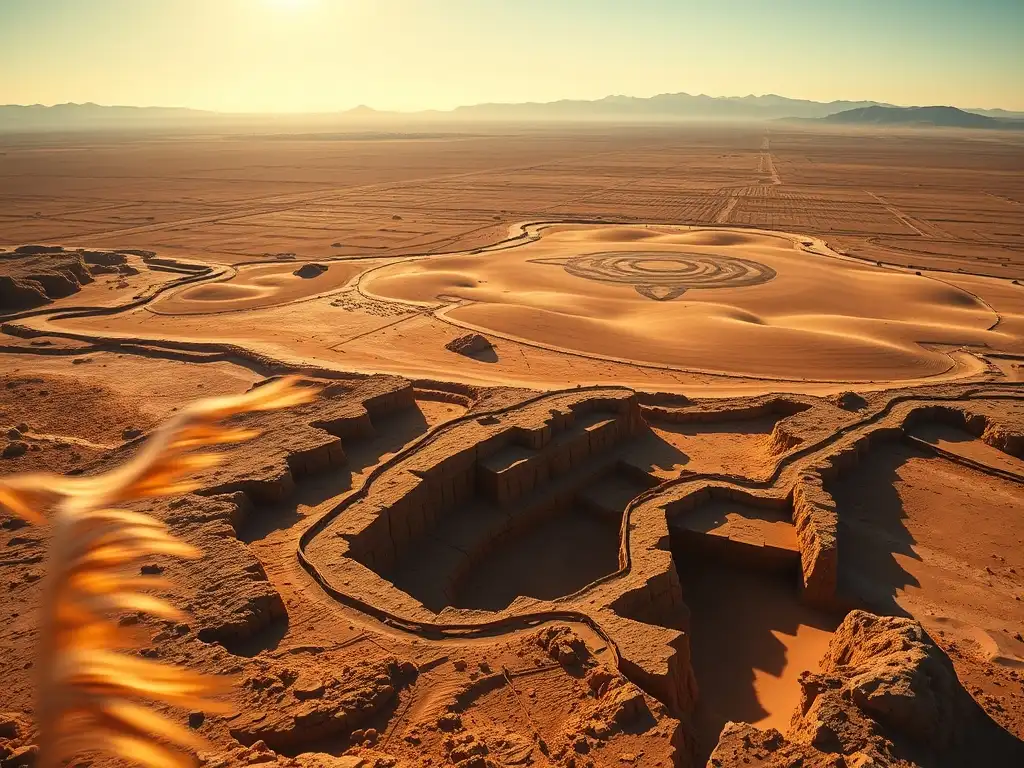
Unravel the mysteries of a civilization that defied the desert! Journey into the heart of the Andean Civilizations website and prepare to be amazed by the ingenuity and complexity of ancient societies. But first, consider this: how did the Nazca, famed for their breathtaking geoglyphs, manage their intricate social structures? Delve into the fascinating world of Nazca social organization and discover the secrets behind their remarkable governance. Prepare to be captivated by the answers that await you.
The Nazca civilization, famed for its enigmatic geoglyphs etched into the Peruvian desert, remains a captivating enigma for archaeologists and historians alike. While the breathtaking artistry of the Nazca lines often steals the spotlight, understanding their sophisticated social organization is crucial to comprehending the full scope of their achievements. This article delves into the intricacies of Nazca governance, exploring the structures of power, the roles of different social groups, and the evidence suggesting a complex hierarchical society.
By examining archaeological findings and analyzing existing theories, we aim to shed light on how this remarkable civilization managed to thrive for centuries in a challenging environment. This exploration of Nazca social organization will move beyond the iconic imagery and unveil the intricate mechanisms that underpinned their societal success, revealing a civilization far more complex than initially perceived.
We will investigate the evidence for their political power structure, the role of elite groups, and the presence of social hierarchy within their settlements. Understanding their governance is key to understanding the Nazca civilization's remarkable longevity and its lasting impact on the Andean region.
Understanding Nazca Society: Beyond the Geoglyphs
The Nazca, flourishing between 100 BCE and 800 CE along the southern coast of Peru, developed a remarkably sophisticated society despite the aridity of their environment. Their mastery of irrigation techniques allowed them to cultivate crops in the desert, forming the basis of their agricultural economy. However, successful agriculture required more than just technological prowess; it necessitated a robust system of social organization to manage water resources, labor, and the distribution of goods.
Evidence suggests a complex social structure, with distinct social classes and specialized roles. Beyond the iconic geoglyphs, their intricate ceramics, elaborate textiles, and monumental architecture all point towards a highly organized and stratified society. The scale of their public works, such as the extensive canal systems, indicates a level of centralized planning and coordination that implies a powerful and effective governing system.
Analyzing these aspects together provides a clearer picture of the intricacy of Nazca social organization. The degree of social stratification and the mechanisms of control exerted by the ruling elite are key areas of ongoing research and debate.
The Structure of Nazca Political Power
The precise nature of Nazca political power remains a subject of ongoing scholarly debate. However, evidence suggests a hierarchical system with a ruling elite at its apex. This elite likely controlled access to resources, particularly water, which was crucial for survival in the desert environment.
The distribution of elaborate grave goods, indicating significant social differences, supports the existence of a stratified society. Furthermore, the construction of monumental architecture, such as large ceremonial platforms and temples, required considerable labor organization and resource management, suggesting a centralized authority capable of mobilizing significant manpower. The absence of large-scale fortifications, however, indicates that their power may have been more based on economic and religious control rather than military might.
The precise structure of this political power, whether it was centralized under a single ruler or a council of elites, remains a topic of ongoing research. Further archaeological investigations are needed to fully clarify the dynamics of Nazca political power.
Nazca Leadership: The Role of Elite Groups
Archaeological evidence points towards a powerful elite group within Nazca society. These elites likely played a crucial role in religious ceremonies and the management of agricultural resources. Their elevated social status is evident in the lavish burial goods found in their tombs, which include intricate gold ornaments, fine textiles, and elaborate ceramics. The presence of specialized artisans, who created these elaborate artifacts, suggests a complex division of labor and a system of patronage where the elites supported the creation of luxury goods.
The elite's control over water resources, which were essential for agriculture, would have given them considerable power and influence within the society. This control likely enabled them to maintain their position at the top of the social hierarchy. The study of elite burials and their associated artifacts remains a crucial avenue for understanding the dynamics of Nazca leadership and social control.
Evidence of Social Hierarchy in Nazca Settlements
The layout of Nazca settlements provides further evidence of social stratification. Archaeological excavations reveal a clear distinction between larger, more elaborate dwellings likely occupied by the elite and smaller, simpler structures inhabited by the common population. This spatial segregation reflects the social hierarchy, with the elite occupying prime locations and enjoying access to better resources.
The presence of specialized craft workshops in certain areas of the settlements further supports the idea of a division of labor and a system of social organization beyond simple subsistence farming. Analyzing the distribution of artifacts and the size and construction of houses within Nazca settlements offers valuable insights into the daily lives of different social groups and the mechanisms that maintained social order.
The consistent patterns observed across multiple sites strengthen the evidence for a structured and hierarchical society. Further research focusing on settlement patterns and the distribution of artifacts will undoubtedly reveal more details about the complex social organization of the Nazca.
The Nazca social organization, a cornerstone of their flourishing civilization, was a sophisticated system reflecting a hierarchical structure with distinct social classes and intricate kinship networks. Understanding this organization is key to comprehending their remarkable achievements in agriculture, irrigation, and monumental architecture. Archaeological evidence, including burial patterns and the distribution of artifacts, suggests a stratified society, with elites holding significant power and influence.
However, the exact nature of social mobility and the mechanisms of power transfer remain areas of ongoing research and debate among scholars. The sheer scale of their public works projects, like the famous Nazca Lines, points to a well-organized society capable of mobilizing substantial labor forces and resources.
This intricate social structure, far from being static, likely adapted and evolved over the centuries, responding to environmental changes and internal dynamics within the society. Further research is needed to fully unravel the complexities of Nazca social interactions and power dynamics.
Nazca Social Classes: Differentiating Roles and Status
Differentiation within Nazca society was evident in burial practices and grave goods. Elite burials often contained elaborate textiles, gold ornaments, and finely crafted ceramics, reflecting their high status and access to resources. These individuals likely held positions of power within the community, perhaps as religious leaders, political authorities, or members of a ruling lineage. In contrast, commoner burials contained simpler grave goods, suggesting a less privileged position within the social hierarchy.
The presence of specialized craft workshops and the production of luxury goods indicate the existence of specialized labor and potentially distinct social groups dedicated to specific tasks. While the precise details of social mobility remain unclear, it's plausible that individuals could move between social strata based on merit, achievement, or familial connections. However, the degree of social fluidity within Nazca society requires further investigation.
The Importance of Nazca Kinship Groups
Kinship played a crucial role in Nazca social organization, forming the basis of social units and influencing access to resources and power. Extended families likely lived together in close proximity, cooperating in agricultural activities and other communal endeavors. The importance of kinship is reflected in the iconography depicted on Nazca ceramics and textiles, which often feature representations of family groups and ancestral figures.
These visual representations suggest a strong emphasis on lineage and ancestral veneration, with kinship ties shaping social identities and determining social standing. Moreover, kinship networks likely played a vital role in managing resources and resolving conflicts within the community, fostering social cohesion and stability. Further research into family structures and genealogical relationships would significantly enhance our understanding of the role of kinship in Nazca society.
How Did the Nazca Manage Their Resources?
The Nazca's remarkable achievements were predicated on their ability to effectively manage their resources, particularly water and agricultural land. Their ingenuity in developing sophisticated irrigation systems and their understanding of the desert environment allowed them to thrive in a challenging ecological context. Evidence suggests a complex system of resource management, incorporating both individual and collective efforts.
This system's efficiency allowed for the support of a relatively large and densely populated population. The organization and allocation of resources were likely influenced by social and political structures, with elites potentially playing a significant role in resource distribution and control. The sustainability of their resource management practices is a topic worthy of further investigation, particularly in light of the environmental challenges they faced.
Nazca Resource Management: Water and Agriculture
Water management was paramount for the Nazca, given the aridity of their environment. They constructed extensive canal systems, aqueducts, and underground channels to divert water from rivers and streams to agricultural fields. These sophisticated irrigation techniques enabled them to cultivate crops such as cotton, maize, beans, and squash, forming the basis of their sustenance.
The construction and maintenance of these irrigation systems required significant collective effort, indicative of a well-organized society with a shared understanding of the importance of water resource management. The effectiveness of their methods is evident in the scale of their agricultural production, which supported a substantial population. Analysis of their agricultural practices reveals a deep knowledge of local ecology and a sophisticated understanding of water conservation techniques.
Nazca Labor Organization and Public Works
The monumental architecture and extensive irrigation systems of the Nazca civilization are testaments to their remarkable capacity for organizing labor and undertaking large-scale public works. The construction of these projects, including the Nazca Lines and the intricate canal systems, required the coordinated efforts of numerous individuals, possibly organized through kinship groups or other social units. Evidence suggests that labor mobilization may have been linked to religious practices or political authority, with leaders playing a key role in directing and coordinating work efforts.
The organization and management of labor were essential for the success of these projects, and their completion speaks to the effectiveness of Nazca social organization and their ability to mobilize resources and manpower on a grand scale. Understanding the mechanisms of labor organization and the nature of social control over labor remains a significant area of research for understanding Nazca society.
Religious Influence on Nazca Governance

The Nazca's sophisticated irrigation systems and agricultural practices weren't the only factors shaping their society. Religion played a pivotal role in their governance, permeating every aspect of daily life and influencing social structures. The Nazca worldview, deeply connected to the natural world, saw their leaders as intermediaries between the human and spiritual realms.
This religious authority formed the bedrock of their political power. The intricate designs and monumental scale of their geoglyphs, often interpreted as representations of deities or celestial events, underscore the importance of religious beliefs in their culture. This wasn't simply a matter of faith; religious beliefs were actively used to maintain social order and legitimize the authority of the ruling elite.
Nazca Religion and its Impact on Social Control
Religious beliefs provided a powerful mechanism for social control within Nazca society. By associating rulers with divine power, the Nazca ensured their authority was unquestioned. The priests, highly respected members of the community, played a crucial role in reinforcing this religious authority. They interpreted the will of the gods, advised rulers on important decisions, and conducted rituals that reinforced the existing social hierarchy.
Disobedience or challenges to the ruling class were often framed as acts against the gods, leading to severe social consequences. The threat of divine retribution, actively promoted by the priestly class, served as an effective means of maintaining social order and preventing rebellion. Archaeological evidence, such as elaborate burial practices and the presence of religious iconography in elite tombs, further supports the close relationship between religious belief and political power.
Rituals and Ceremonies as Tools of Governance
Rituals and ceremonies were not merely religious acts; they were integral tools used by the Nazca to govern their society. These events served multiple functions: to reinforce social hierarchies, to maintain social cohesion, and to legitimize the power of the ruling class. Public ceremonies, possibly involving large-scale processions and offerings, would have provided opportunities to display the power and wealth of the elite, reinforcing their position within the social structure.
The precise nature of many of these ceremonies remains debated, but their significance in maintaining social order is undeniable. The elaborate craftsmanship evident in Nazca pottery and textiles, often depicting ritual scenes, provides valuable insights into the importance of these events in their society. The imagery itself acted as a form of propaganda, visually reinforcing the religious and political ideology of the Nazca.
The Nazca civilization, known for its remarkable achievements in art and engineering, ultimately experienced a decline. The exact causes of this societal collapse are still debated by scholars, but several factors likely contributed to the weakening of Nazca governance and the eventual disintegration of their complex social structure. Understanding these factors provides crucial insight into the fragility of even the most advanced ancient societies. The shift in power dynamics, environmental changes, and internal conflicts likely played significant roles in the downfall of this fascinating civilization.
Factors Contributing to the Collapse of Nazca Governance
Several interconnected factors likely contributed to the decline of Nazca governance. Overpopulation, leading to increased pressure on resources, is a plausible explanation. Intense competition for scarce resources, particularly water, could have led to internal conflicts and weakened the central authority.
Changes in climate, such as prolonged droughts, could have severely impacted agricultural production, resulting in food shortages and social unrest. The lack of centralized political structures, compared to later Andean civilizations like the Inca, might have made the Nazca more vulnerable to internal strife and external pressures. Archaeological evidence, such as shifts in settlement patterns and changes in material culture, suggests a gradual decline rather than a sudden collapse, indicative of a complex interplay of factors.
Environmental Stress and its Impact on Nazca Power Structures
Environmental stress, particularly prolonged droughts, played a crucial role in the decline of Nazca power structures. The Nazca’s sophisticated irrigation systems, while impressive, were not immune to the effects of severe climate change. Reduced water availability would have severely impacted agricultural production, leading to food shortages and social unrest.
This scarcity of resources could have undermined the authority of the ruling elite, who relied on their ability to control and distribute resources to maintain their power. The resulting social instability could have facilitated internal conflicts and weakened the central government, ultimately contributing to the collapse of Nazca governance. Evidence of changes in agricultural practices and settlement patterns suggests attempts to adapt to the changing environmental conditions, but these efforts may have been insufficient to prevent the decline of the civilization.
The Nazca's sophisticated social organization, while leaving behind few written records, profoundly impacted subsequent Andean cultures. Their intricate irrigation systems, for instance, represent a remarkable feat of engineering and collaborative effort, showcasing a high level of social coordination and planning. This expertise in water management wasn't just a technological achievement; it was a cornerstone of their societal stability, ensuring agricultural success and preventing conflicts over scarce resources.
The impact of this system is evident in later civilizations' adoption and adaptation of similar techniques, demonstrating the lasting influence of Nazca engineering prowess on the region's development. Furthermore, the evidence suggests a hierarchical society, with specialized roles and responsibilities, a model that continued to be refined and replicated in later Andean societies. The organization and execution of large-scale projects, like the famous Nazca Lines, further points to a structured society capable of mobilizing significant labor and resources.
The legacy of their social organization is not simply a historical curiosity; it's a crucial piece in understanding the broader trajectory of Andean development. Understanding their system allows us to better appreciate the complexities of pre-Columbian societies and their remarkable achievements.
Lessons from the Nazca Social System
Analyzing the Nazca social system offers valuable insights into effective governance and societal stability. Their ability to manage large-scale projects, such as the extensive irrigation canals and the enigmatic Nazca Lines, highlights the importance of strong leadership, efficient resource allocation, and community cooperation. These achievements suggest a well-defined system of authority and a degree of social cohesion that facilitated collective action on an unprecedented scale for the time.
The sophistication of their irrigation systems, for example, points to advanced knowledge of hydraulic engineering and a capacity for long-term planning. This suggests a hierarchical structure capable of coordinating the efforts of many individuals towards a common goal. Moreover, the relative stability of Nazca society, as evidenced by the continuity of their culture and artistic traditions, points to a successful system of social control and conflict resolution.
Modern societies can learn from the Nazca's commitment to community development and sustainable resource management, highlighting the importance of collaborative strategies for achieving collective goals. The Nazca experience underscores the vital role of effective governance in building prosperous and resilient communities.
The Enduring Influence of Nazca Culture and Governance
The Nazca's influence extends beyond their immediate geographical area and time period. Aspects of their social organization, particularly their agricultural techniques and societal structure, found their way into the practices and beliefs of later Andean civilizations, including the Wari and Inca empires. The sophisticated irrigation systems, a testament to their understanding of water management, served as a model for future generations, influencing the development of similar infrastructure projects across the Andes.
Moreover, the hierarchical structure of their society, characterized by specialized roles and centralized authority, likely provided a framework for subsequent Andean power structures. While the exact nature of their political system remains debated, the evidence suggests a complex social organization that influenced the evolution of governance in the region. The enduring impact of Nazca culture and governance is a testament to their ingenuity and organizational skills.
Their legacy continues to shape our understanding of Andean civilization and offers valuable insights into the dynamics of societal development in the pre-Columbian world. Their sophisticated approach to social organization remains a topic of study and fascination for archaeologists and historians alike. The study of Nazca social organization continues to yield new discoveries and interpretations, enriching our comprehension of this fascinating culture.
Frequently Asked Questions
The Nazca social structure was likely hierarchical, with a ruling elite at the top controlling resources and labor. Evidence suggests a complex system involving specialized craftspeople, farmers, and possibly a priestly class.
How did the Nazca manage irrigation in their arid environment?
The Nazca's ingenious irrigation systems, including canals and aqueducts, were crucial to their survival. These were essential for farming in the desert and supported their population.
What role did religion play in Nazca society?
Religion played a significant role, influencing social structures and daily life. Ceremonial centers and elaborate burial practices suggest a belief in powerful deities and an afterlife.
Archaeological findings like elaborate tombs, differing housing styles, and the presence of specialized craft workshops provide insights into social stratification. Artwork also offers clues about social hierarchies.
While sharing some similarities with other Andean cultures, the Nazca's social organization exhibited unique features. Their reliance on irrigation and a seemingly less centralized political structure differed from the later Inca Empire.
Final Reflection: The Enduring Legacy of Nazca Governance
The intricate social organization of the Nazca people, revealed through their remarkable achievements in irrigation, textiles, and monumental art, offers a compelling case study in effective societal management, a lesson still relevant in our interconnected world. Their ability to coordinate large-scale projects and maintain social stability for centuries highlights the power of collaborative governance and resource management, a stark contrast to many of the challenges facing modern societies.
The Nazca's sophisticated understanding of water management, for example, continues to inspire modern approaches to sustainable resource utilization. Their ability to thrive in a seemingly harsh desert environment underscores the importance of community cooperation and innovative problem-solving. The greatness of a nation and its moral progress can be judged by the way its animals are treated.
– Mahatma Gandhi. While not directly applicable to the Nazca, this quote highlights the interconnectedness of societal well-being and responsible resource management, a principle echoed in the Nazca's success.
Consider the implications of their achievements. How can we, in our own communities and societies, learn from the Nazca's dedication to collaborative governance and sustainable practices? What innovative solutions can we develop to address the challenges of our time, drawing inspiration from their ingenuity and resilience? Let the legacy of Nazca governance inspire you to seek solutions that prioritize community, collaboration, and the sustainable use of our shared resources. The future, like the Nazca lines themselves, is waiting to be shaped by our collective actions.
Unveil the Secrets of Nazca Governance!
Thank you for exploring the fascinating world of Nazca governance. We hope you've gained valuable insights into how this ancient society thrived in a challenging environment. Now, let's build on that knowledge!
Here are some ways to further your understanding and engage with the topic:
- Dive Deeper: Explore resources on Andean civilizations to learn more about the unique governance systems of the region. You'll find fascinating parallels and contrasts with Nazca's unique approach.
- Share Your Insights: Discuss what you've learned with friends, family, or online. Spark a conversation about Nazca society and governance; you might be surprised by the perspectives of others.
- Get Involved: Visit museums or exhibitions featuring Nazca culture to see artifacts and learn firsthand about their societal structures. Experiencing these tangible pieces of history can significantly deepen your understanding.
What aspect of Nazca governance intrigues you most, and how do you see it reflected in—or contrasting with—modern societal structures?