
Coca and the Inca Empire: A Powerful Symbol of Authority

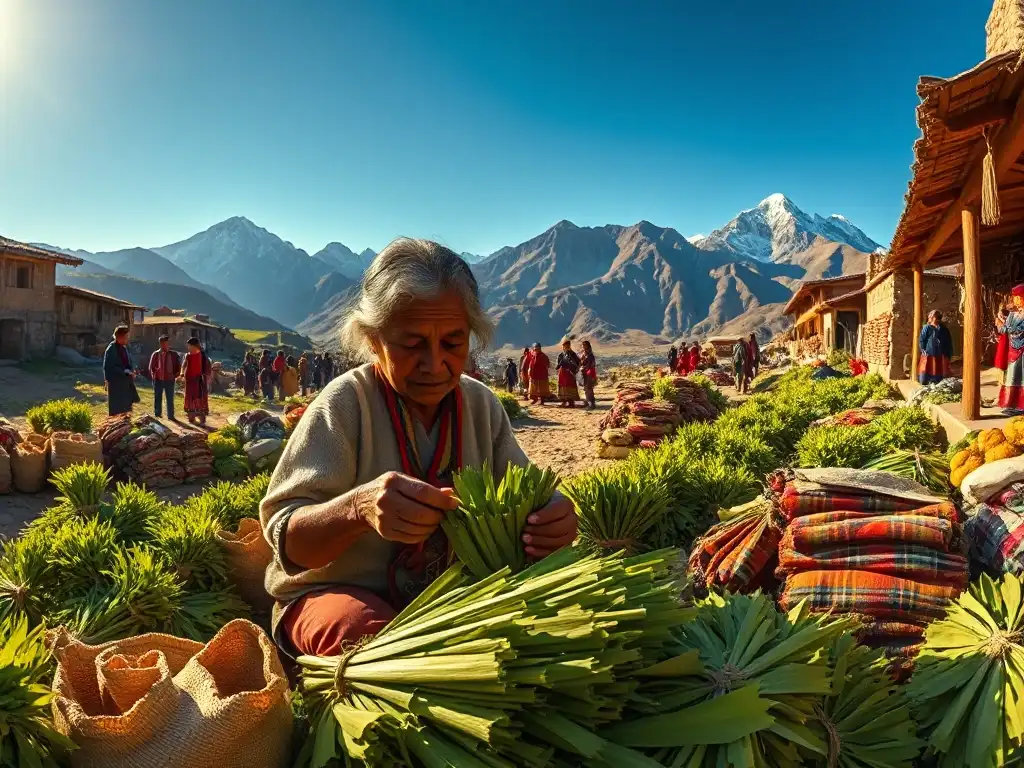
Step into a world lost to time, yet echoing with the whispers of a magnificent empire. Imagine a civilization where the simple coca leaf held the keys to power, ritual, and everyday life. This is the story of the Inca, and their profound relationship with the coca plant – a connection far deeper than mere sustenance. Uncover the secrets of Inca coca leaf use and meaning within the vibrant tapestry of Andean civilization and discover a legacy that continues to fascinate and inspire. Prepare to be amazed.
The Inca Empire, a civilization that flourished in the Andes Mountains from the 15th to the 16th century, left an indelible mark on history. Their sophisticated agricultural practices, intricate social structures, and awe-inspiring architecture continue to fascinate and inspire. Central to understanding Inca society is the crucial role played by coca, Erythroxylum coca, a plant deeply interwoven with their religious beliefs, economic systems, and political power.
This article delves into the multifaceted significance of coca leaf use and meaning within the Inca Empire, exploring its function as a powerful symbol of authority and its profound impact on daily life. We will examine how coca transcended mere sustenance, becoming a cornerstone of Inca culture and a potent tool wielded by the ruling elite.
Understanding the Inca's relationship with coca provides invaluable insight into the complexities of this remarkable civilization and offers a compelling lens through which to examine their social, religious, and political landscape. This exploration will unpack the nuances of Inca coca leaf use, revealing its importance beyond simple consumption.
Coca's Role in Inca Religious Practices
The Inca religion was deeply intertwined with the natural world, and coca occupied a central position within this cosmology. Coca leaves were frequently used in religious ceremonies and rituals. Priests, known as hamacs, would chew coca leaves during divination sessions, seeking guidance from the gods.
The leaves were also offered as sacrifices to deities and placed in sacred sites as a sign of respect and reverence. Archaeological evidence suggests the widespread use of coca in burial practices, further highlighting its spiritual significance. The precise rituals varied depending on the specific deity and the purpose of the ceremony, but the consistent presence of coca underscores its importance in connecting the Inca people to the spiritual realm.
We know, for example, that coca was used in offerings to the sun god, Inti, and during ceremonies dedicated to ensuring a successful harvest. The use of coca wasn't limited to elite priests; commoners also participated in rituals involving coca, demonstrating its pervasive influence on Inca religious life.
Beyond its religious significance, coca served as a potent symbol of imperial power and authority within the Inca Empire. The Inca emperor, the Sapa Inca, held a monopoly over coca production and distribution. This control allowed him to exert significant influence over his subjects, rewarding loyal officials and controlling access to this valuable resource. The distribution of coca was a carefully managed process, ensuring the emperor's authority and maintaining social order.
The elite classes enjoyed preferential access to coca, further solidifying their privileged position within the hierarchical Inca society. This strategic control of coca highlights the plant's importance not only as a commodity but as a tool for political manipulation and the reinforcement of the emperor's authority. The Inca's control over coca production and distribution showcases a sophisticated understanding of the economic and social power inherent in controlling essential resources.
The Economic Significance of Coca in the Inca Empire
The economic significance of coca within the Inca Empire cannot be overstated. It was a vital component of the mit'a system, a form of labor tribute required from the Inca's subjects. Individuals were obligated to contribute their labor to various projects, including coca cultivation. This system ensured a steady supply of coca for the empire, contributing to its economic stability and prosperity.
The coca harvest was carefully organized and managed, reflecting the Inca’s sophisticated understanding of agriculture and resource management. Furthermore, coca served as a form of currency and payment, illustrating its wide-ranging economic impact. The precise economic value of coca within the Inca economy is difficult to determine precisely due to the lack of written records, but its widespread use and importance in the mit'a system undeniably establish its critical role in the Inca economy.
Coca Leaf Use and its Impact on Inca Society
The widespread use of coca leaves significantly impacted Inca society, influencing various aspects of daily life. Coca was used to alleviate hunger, thirst, and fatigue, particularly useful in the challenging Andean environment. It also had medicinal applications, used to treat various ailments. The consumption of coca was not merely a practical necessity; it was deeply ingrained in Inca social interactions.
The sharing of coca leaves fostered social bonds and cemented relationships. This practice reinforced social cohesion and helped maintain social harmony within Inca communities. The pervasive presence of coca in daily life showcases its importance beyond its economic and religious value, highlighting its role in shaping Inca social structures and interactions. The impact of coca on Inca society was profound and far-reaching, extending beyond its practical use to encompass its social and cultural significance.
This detailed exploration of coca's role within the Inca Empire reveals its complex and multifaceted nature. From its religious significance to its economic importance and its influence on social structures, coca was much more than just a plant; it was a cornerstone of Inca civilization, a powerful symbol of authority, and an integral part of daily life. Further research and archaeological discoveries promise to uncover even more about the intricate relationship between the Inca and this remarkable plant.
- Coca's Role in Inca Religious Practices
- Coca as a Symbol of Imperial Power and Authority
- The Economic Significance of Coca in the Inca Empire
- Coca Leaf Use and its Impact on Inca Society
The Sacred Coca Leaf in Andean Culture
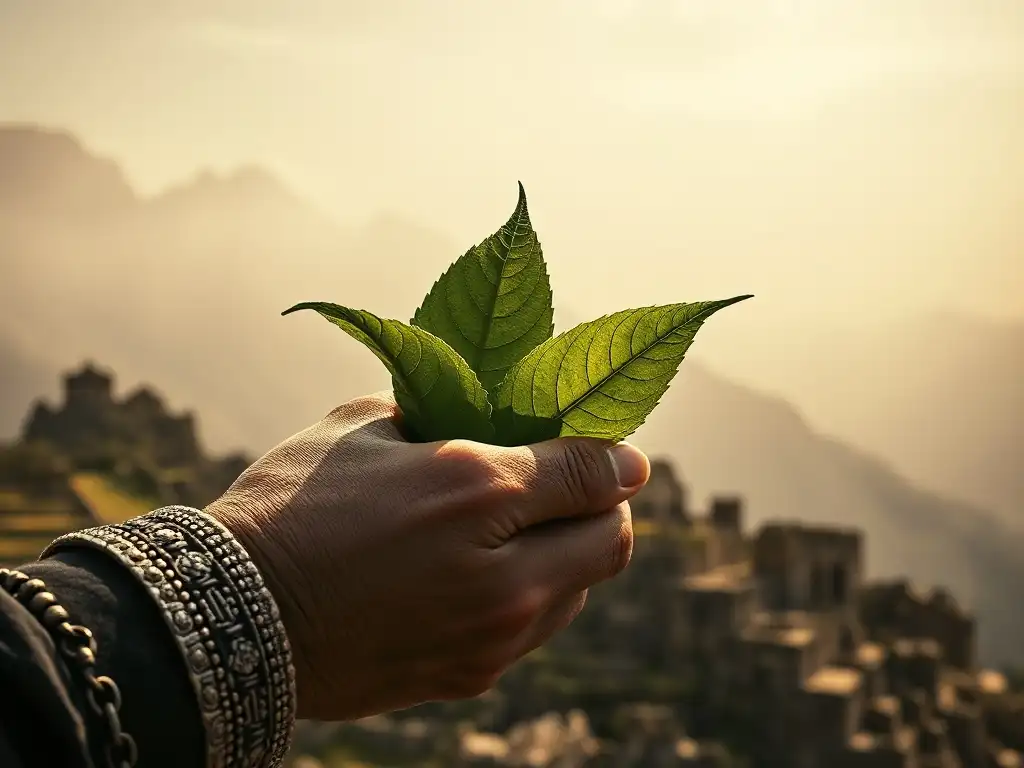
The Inca Empire's sophisticated agricultural system wasn't solely focused on sustenance crops. While maize, potatoes, and quinoa formed the backbone of their diet, the coca leaf held a uniquely sacred and powerful position within Inca society. Its importance transcended mere nutritional value, becoming deeply intertwined with religious practices, social structures, and the very fabric of Inca power.
Understanding Inca coca leaf use and meaning requires acknowledging its multifaceted role, moving beyond simple interpretations of its stimulant properties. The leaf's significance is rooted in a complex interplay of spiritual beliefs, economic systems, and political control, reflecting the intricate tapestry of Andean culture. We will explore these aspects in more detail below.
Coca's Significance Beyond Simple Sustenance
The coca leaf provided far more than a simple energy boost for the Inca. Its use permeated daily life, from religious ceremonies to everyday interactions. For commoners, coca served as a mild stimulant to combat fatigue, particularly during arduous tasks like agricultural labor in the challenging Andean terrain. Chewing coca leaves, often mixed with an alkaline substance like lime, provided a sustained release of energy, aiding in endurance and productivity.
This practical application underscores its economic importance; a thriving coca cultivation system was essential for maintaining the Inca Empire's workforce. The meticulous organization of coca plantations, often located at optimal altitudes and carefully managed by skilled farmers, showcases the strategic importance the Inca placed on this crop. This is not just an example of Inca ingenuity but also highlights the profound integration of coca into the very fabric of their economic model.
The impact of coca extended beyond physical sustenance. It was an integral part of social rituals and exchanges, fostering community bonds. The sharing of coca leaves during social gatherings, celebrations, and religious ceremonies served as a powerful symbol of unity and shared experience.
The ritualistic use of coca demonstrated social status and belonging, emphasizing its significance in the cultural and social cohesion of Inca society. Its presence in these contexts underscores its role as a powerful tool for social integration and communication. Furthermore, the careful control and distribution of coca by the Inca elite reinforced their authority and influence over the populace.
The Divine Origin of Coca in Inca Mythology
Inca mythology imbued the coca leaf with divine origins, further solidifying its sacred status. The precise narratives vary across different sources and interpretations, but a common theme emerges: coca is often associated with deities and powerful spirits. Some accounts link the coca plant's creation to Viracocha, the creator god, highlighting its sacred origins and connection to the cosmic order.
This divine association elevated coca beyond a mere plant, imbuing it with spiritual power and reinforcing its significance within Inca religious practices. This spiritual significance is evidenced in the numerous offerings and rituals involving coca leaves found in archaeological sites throughout the Inca Empire.
The Inca's reverence for coca is also reflected in its use in religious ceremonies. Priests and shamans utilized coca leaves during rituals, divination, and healing practices. The coca leaf, therefore, served as a conduit between the human world and the spirit world, facilitating communication with deities and ancestors. The use of coca in these contexts demonstrates its profound connection to Inca religious beliefs and practices, showcasing its essential role in their spiritual world.
The use of coca wasn't just a matter of personal preference; it was a deeply ingrained aspect of their spiritual life, tightly interwoven with their understanding of the cosmos and the divine. This connection is crucial to understanding the profound impact that coca had on the Inca Empire's culture, religion, and social structure. Further research into Inca mythology and religious practices could reveal even more detailed aspects of coca's role in these contexts.
Inca Coca Leaf Use and Meaning
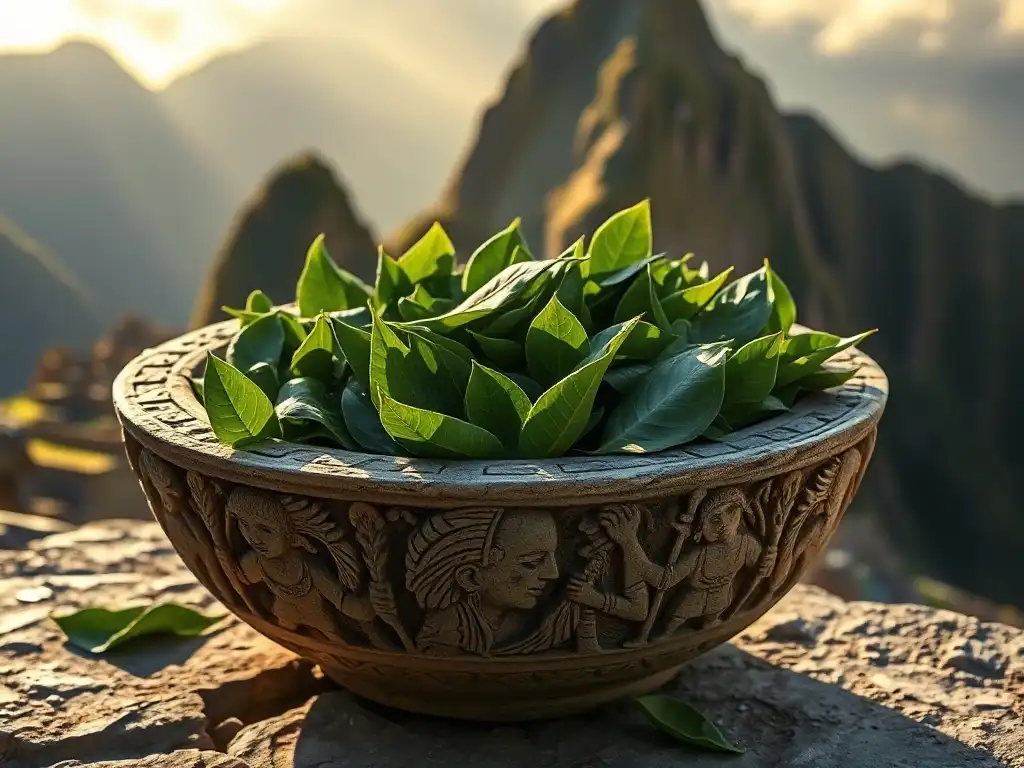
The Inca Empire's relationship with the coca leaf ( Erythroxylum coca) transcended mere sustenance; it was deeply intertwined with their religious beliefs, social structures, and daily life. Understanding Inca coca leaf use and meaning requires exploring its multifaceted roles within their society. The plant wasn't simply a stimulant; it was a sacred element, a symbol of power, and a crucial component of their spiritual and social fabric. This section delves into the various ways the coca leaf was utilized and revered by the Inca people, offering insights into its profound significance within their civilization.
Ritualistic Use of Coca in Inca Ceremonies
Coca played a central role in Inca religious ceremonies. Shamans, or paqos, utilized coca leaves during divination rituals, seeking guidance from the gods and interpreting omens. The leaves were chewed, and their effects, combined with prayer and other ritualistic practices, were believed to enhance communication with the spiritual realm.
Evidence suggests that coca was used to induce altered states of consciousness, facilitating communication with ancestral spirits and predicting future events. The quantity of coca leaves used, the specific rituals performed, and the context of the ceremony all contributed to the overall meaning and effectiveness of the practice. Furthermore, the meticulous preparation of coca for these rituals, including careful selection and arrangement of the leaves, highlights the sacredness attributed to the plant.
The specific methods and preparations used varied regionally, reflecting the diverse cultural practices within the vast Inca Empire. More research is needed to fully understand the nuances of regional variations in coca leaf use within Inca rituals. [Specific details on regional variations pending].
Coca as an Offering to the Gods and Pachamama
The Inca people viewed the coca leaf as a sacred offering, presented to the gods and to Pachamama, the Earth Mother. During agricultural ceremonies, coca leaves were often scattered on the fields as a way of ensuring a bountiful harvest. This practice demonstrated a deep reverence for the land and its fertility, highlighting the interconnectedness between the spiritual and material worlds in Inca cosmology.
The offerings were not merely symbolic; they were considered vital for maintaining the balance between the human and divine realms. The act of offering coca to the deities was seen as a way to show respect, gratitude, and to ensure continued blessings and prosperity.
Archaeological evidence, such as the discovery of coca leaves in ancient burial sites, further supports this understanding of coca as a sacred offering. The careful placement of coca leaves within these burial contexts suggests a belief in its ability to facilitate the deceased's journey to the afterlife.
Beyond religious contexts, coca played a significant role in Inca social gatherings and daily life. Chewing coca leaves was a common social practice, fostering camaraderie and strengthening social bonds. It was not merely a stimulant; it was a way to share a communal experience, promoting conversation and social interaction.
The sharing of coca leaves symbolized trust and mutual respect among individuals. For example, during communal labor projects or ayni, the exchange of coca leaves served as a form of payment and a symbol of reciprocity. Moreover, coca was offered to guests and dignitaries as a sign of hospitality and respect, reflecting its importance in social protocol.
The widespread use of coca in social settings highlights its role in maintaining social cohesion and reinforcing community values within the Inca Empire. The symbolic meaning of coca within social interactions underscores its importance beyond its practical uses. The social significance of coca is further corroborated by [specific details on Inca social structures and their relationship to coca leaf use pending].
The Inca Empire's sophisticated understanding and control of coca cultivation and distribution served as a cornerstone of its political and economic power. Far from simply a stimulant, coca held profound symbolic weight, deeply intertwined with Inca religious beliefs, social structures, and economic strategies. The Inca's mastery over coca production and its strategic allocation solidified their authority and cemented their control over the vast empire. The leaf itself became a tangible representation of imperial might, a powerful symbol wielded by the elite to maintain order and reinforce their dominance.
Understanding this complex relationship between coca and Inca power is crucial to grasping the intricacies of their civilization. The pervasive influence of coca is evident in various aspects of Inca life, from religious ceremonies to everyday social interactions. Its significance extended far beyond its stimulating properties, becoming a key element in the intricate tapestry of Inca society.
Controlling the Coca Trade: Inca Economic Strategy
The Inca state implemented a highly organized system to manage coca production and distribution. This wasn't merely about maximizing yield; it was a strategic economic policy that reinforced the emperor's authority. The empire meticulously controlled coca plantations, often located in ecologically suitable regions along the eastern slopes of the Andes. These weren't haphazard farms; they were carefully planned and managed estates, with evidence suggesting sophisticated irrigation systems and agricultural techniques. The state directly oversaw the cultivation, harvesting, and processing of coca, ensuring a steady supply for its needs.
This centralized control allowed the Inca to generate significant revenue. Coca leaves were a valuable commodity, traded within the empire and used as a form of payment, akin to a taxation system in kind. The Inca likely levied coca as tribute from conquered populations, further enriching the imperial coffers and bolstering their economic power.
This economic strategy was not only financially beneficial but also politically advantageous, tying the empire's economic success directly to the emperor's authority. The control over coca production ensured the emperor's control over a vital resource and a significant source of income, consolidating his power and influence. Records, although limited, suggest that coca production quotas were established and enforced, highlighting the meticulous nature of Inca economic planning.
The distribution of coca wasn't egalitarian; it mirrored the rigid social hierarchy of the Inca Empire. The emperor and the elite had privileged access to the finest coca leaves, reflecting their elevated status and power. This preferential treatment wasn't arbitrary; it served to reinforce the social order and maintain the existing power dynamics. Lower-ranking officials and commoners received rations of coca, but the quality and quantity were significantly less than what the elite enjoyed. This controlled distribution acted as a subtle but powerful mechanism of social control.
The allocation of coca leaves, therefore, was not merely a logistical exercise; it was a crucial component of Inca social engineering. By carefully controlling access to this valued commodity, the Inca state subtly yet effectively reinforced the existing social hierarchy. This system ensured the loyalty and obedience of the lower classes while simultaneously reinforcing the elevated status and power of the elite.
The unequal distribution of coca, therefore, served as a potent symbol of the Inca Empire's social structure and the emperor's absolute authority. Archaeological evidence, while still under investigation, supports this interpretation of coca distribution as a tool for social control.
The Inca Elite's Exclusive Access to Coca
The Inca elite's exclusive access to high-quality coca leaves further solidified their privileged position within the empire. This wasn't just about quantity; it was about quality. The best coca leaves, likely grown in the most favorable conditions and carefully selected, were reserved for the emperor, his family, and the highest-ranking officials. This exclusivity imbued coca with even greater symbolic significance, associating it directly with power, prestige, and divine favor.
This exclusive access extended beyond mere consumption. The elite likely used coca in elaborate religious ceremonies and rituals, further solidifying its association with sacred power. The use of high-quality coca in these contexts reinforces its role as a symbol of divine authority, connecting the emperor and the elite directly to the spiritual realm.
The quality of the coca leaves consumed directly corresponded to the social status of the individual. This system, therefore, was not just about satisfying a need; it was a carefully constructed system that reinforced the Inca social hierarchy and the emperor's divine right to rule.
Furthermore, the restricted access to superior coca served as a constant reminder of the social gap and the elite's elevated position, maintaining social order and preventing potential challenges to the imperial authority. The Inca’s meticulous attention to detail in coca cultivation and distribution underscores the plant’s profound cultural and political significance within the empire.
Cultivation and Processing of Coca in the Inca Empire
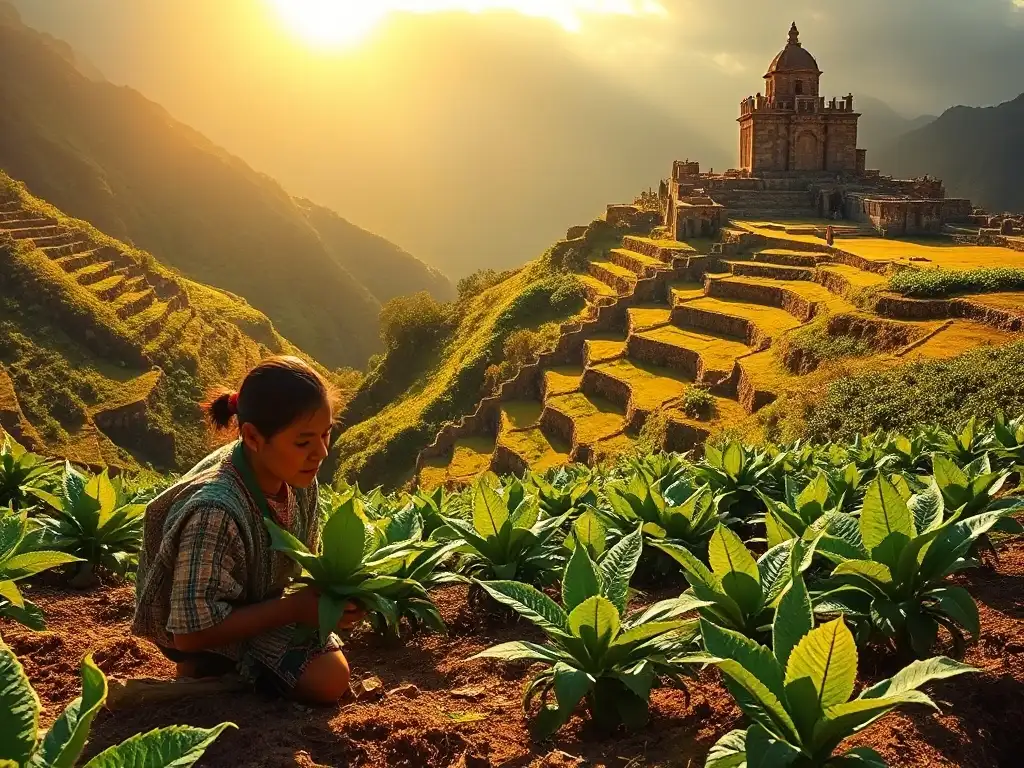
The Inca Empire's sophisticated agricultural system played a crucial role in the cultivation and processing of coca, a plant deeply intertwined with Inca society and religious beliefs. Understanding Inca coca leaf use and meaning requires examining the meticulous techniques employed in its production, from planting to final preparation. The scale of coca cultivation reflects its immense importance within the empire. This wasn't just a casual crop; it was strategically planned and managed to ensure a steady supply for religious ceremonies, medicinal purposes, and even as a form of payment and reward.
Inca Agricultural Techniques for Coca Production
Inca agricultural practices were remarkably advanced for their time, and coca cultivation benefited greatly from their innovative techniques. They employed terracing on steep slopes, creating level platforms to optimize water retention and sunlight exposure. This method, visible in many Inca ruins today, allowed them to maximize arable land, even in challenging mountainous terrain.
Furthermore, the Inca utilized sophisticated irrigation systems, channeling water from rivers and streams to ensure consistent moisture for the coca plants. They understood the importance of soil fertility and employed techniques like crop rotation and the use of fertilizers derived from natural sources to maintain soil health. This careful management ensured high yields and a reliable coca harvest.
The precise methods used, though, are still being uncovered by archaeologists, with new discoveries constantly refining our understanding of Inca agricultural prowess. For example, recent research suggests that specific coca varieties were cultivated in different microclimates to optimize growth. This level of specialization highlights the dedication and knowledge invested in coca production.
Labor and Resources Dedicated to Coca Farming
The cultivation of coca wasn't a small-scale operation; it demanded significant resources and labor. The Inca implemented a system of mita, a form of mandatory labor service, to support coca farming. Selected individuals, often from conquered communities, were obligated to contribute their time and effort to the cultivation and processing of coca. This ensured a continuous supply of coca for the empire's needs.
The scale of this labor force is difficult to quantify precisely, but archaeological evidence suggests that vast tracts of land were dedicated to coca cultivation, indicating a considerable workforce was involved. Additionally, the Inca likely invested substantial resources in infrastructure development, including irrigation canals, terraces, and storage facilities, all essential for efficient coca production. The coca leaf's economic and religious significance justified this considerable investment. It was more than just a plant; it was a cornerstone of the Inca economy and spiritual life.
Methods of Drying and Preparing Coca Leaves
Once harvested, the coca leaves underwent a meticulous drying and preparation process. The methods employed ensured the preservation of the leaves and maintained their potency for various uses. The Inca commonly used sun-drying techniques, spreading the leaves on mats or elevated platforms to allow the sun to dry them thoroughly. This method was effective and efficient.
After drying, the leaves were often bundled and stored in carefully sealed containers to prevent spoilage and maintain their quality. In some cases, the leaves were further processed, possibly through fermentation or other techniques, to enhance their properties. The exact methods used varied regionally, reflecting local adaptations and preferences.
Archaeological findings, such as the discovery of well-preserved coca leaves in Inca tombs, provide valuable insights into these techniques. The careful preservation of the coca leaves underlines their importance within Inca culture and their role in various aspects of daily life, from religious rituals to medicinal practices. The intricacies of their processing, therefore, are crucial to fully understanding Inca coca leaf use and meaning.
The Impact of Coca on the Inca Empire

The Inca Empire, renowned for its sophisticated social structure and impressive infrastructure, relied heavily on coca ( Erythroxylum coca) leaves. Far from being a mere stimulant, coca held profound social, economic, and religious significance, deeply interwoven into the fabric of Inca life. Understanding the Inca's relationship with coca provides crucial insight into the dynamics of power, labor, and social control within the vast empire.
This section will explore the multifaceted impact of coca on various aspects of Inca society, examining its contribution to labor productivity, its role in maintaining social order, and its influence on military campaigns. The pervasive use of coca leaves, as evidenced by archaeological finds and historical accounts, underscores its crucial role in the functioning of the Inca state. Analyzing Inca coca leaf use and meaning reveals a complex relationship far exceeding simple recreational consumption.
Coca's Contribution to Inca Labor and Productivity
The Inca Empire's ambitious infrastructure projects – including extensive road networks, monumental stone structures, and intricate irrigation systems – required a massive, well-organized workforce. Coca played a vital role in sustaining this labor force. The leaves provided energy and suppressed hunger and fatigue, enabling workers to endure arduous tasks over extended periods.
Archaeological evidence frequently uncovers coca remains alongside Inca construction sites, directly linking coca consumption to large-scale labor projects. Furthermore, the mita system, a form of mandatory labor service, likely saw the distribution of coca as a crucial element in motivating and sustaining the productivity of workers. The provision of coca could be seen as a form of compensation or incentive, ensuring the continued function of this essential element of the Inca economy.
It's speculated that the amount of coca distributed varied according to the difficulty and duration of the task, highlighting the strategic use of coca in managing the workforce. This suggests a sophisticated understanding of the plant's capabilities and its potential to influence work output.
Beyond its practical applications, coca served as a powerful tool for maintaining social order and reinforcing the authority of the Inca elite. The controlled distribution of coca leaves from state-managed warehouses ensured that the Inca government retained significant influence over the population. Access to coca was not universally equal; the elite received larger quantities, further solidifying their privileged position within society. This controlled distribution system served as a form of social control, ensuring loyalty and preventing rebellion.
Furthermore, coca played a role in religious ceremonies and rituals, further entrenching the Inca rulers' authority as intermediaries between the people and the divine. The Inca's control over coca production and distribution helped solidify their power structure and ensured the stability of the empire. The symbolic importance of coca, intertwined with religious practices and social hierarchy, should not be underestimated in understanding the empire's longevity and success.
Coca's Influence on Inca Military Expeditions
Inca military campaigns, often involving long marches and arduous battles, also benefited significantly from the use of coca. Soldiers consumed coca leaves to enhance endurance, reduce fatigue, and maintain morale during expeditions. The provision of coca to soldiers was likely crucial for their success in conquering and controlling vast territories.
Archaeological finds from Inca military sites consistently reveal evidence of coca use, underscoring its importance in military logistics and sustaining the fighting capacity of the Inca army. It is suggested that coca played a role in the Inca's military success, enabling them to undertake long and demanding campaigns across diverse terrains. The strategic distribution of coca during military operations highlights its significant role in the Inca Empire's military prowess and territorial expansion.
The combination of physical stamina enhancement and potential psychological benefits from coca likely contributed significantly to the Inca's military dominance. The Inca's understanding and strategic use of coca leaves extended to every aspect of their empire, from the mundane tasks of daily life to the crucial demands of military conquest. The impact of coca on the Inca Empire's success cannot be overstated.
Coca's Legacy: From Inca Symbol to Modern Use
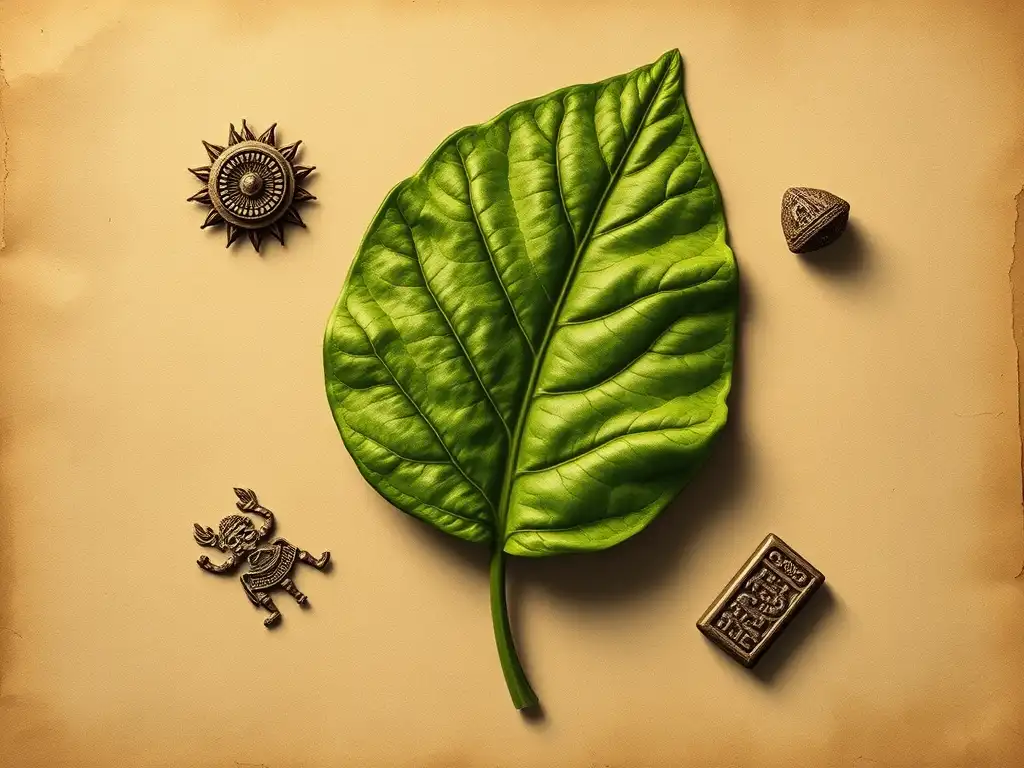
The coca leaf ( Erythroxylum coca) holds a deeply significant place in Andean history and culture, extending far beyond its recreational use. For the Inca Empire, coca wasn't simply a plant; it was a powerful symbol of authority, a vital component of religious ceremonies, and an essential element of daily life. Understanding Inca coca leaf use and meaning requires exploring its multifaceted role within the empire's social, political, and spiritual fabric.
Its influence permeated every level of society, from the emperor himself to the common laborer. The Inca's sophisticated understanding of coca's properties, both practical and symbolic, shaped their civilization in profound ways. This section will delve into the historical usage and significance of coca within the Inca Empire, providing a foundation for understanding its enduring legacy.
The Transformation of Coca's Meaning Through History
The Inca Empire's reverence for coca wasn't a sudden development; it built upon pre-existing traditions and beliefs. Evidence suggests that coca leaf use and meaning predates the Inca, with archaeological findings indicating its use by earlier Andean cultures like the Moche and Nazca. However, the Inca significantly expanded its role and elevated its status. Under Inca rule, coca became inextricably linked to the Sapa Inca, the emperor, who controlled its distribution and oversaw its cultivation.
This control was a potent symbol of his power and authority, reinforcing the hierarchical structure of the empire. The transition from earlier cultures' use to the Inca's systematic control demonstrates a shift from primarily ritualistic use to a more integrated role in daily life and governance. The Inca refined coca cultivation techniques, establishing vast plantations to ensure a steady supply for the empire's needs. This agricultural prowess further highlighted coca's importance within their society.
The meaning of coca also evolved over time. While earlier cultures may have primarily viewed it through a shamanistic or ritualistic lens, the Inca integrated it into their complex administrative system. Coca leaves were used as payment for labor, distributed as rewards to loyal subjects, and offered as gifts to deities.
This pragmatic use alongside its spiritual significance highlights the multifaceted nature of coca within Inca society. The Inca's sophisticated understanding and management of coca's cultivation, distribution, and consumption demonstrate a deep-seated cultural and economic dependence on this remarkable plant. The legacy of this intricate system continues to impact Andean societies today.
Coca's Role in Contemporary Andean Culture
Even today, the coca leaf remains a vital part of Andean culture. However, its meaning has undergone further transformations. While the Inca's centralized control is long gone, coca leaf chewing persists as a deeply ingrained social custom. It's a practice associated with social gatherings, ceremonies, and everyday life, offering a sense of community and shared tradition. This enduring practice demonstrates coca's enduring cultural significance, even amidst centuries of societal shifts and external influences. Its continued use underscores the plant’s deeply embedded cultural roots and its enduring power as a symbol of Andean identity.
The modern use of coca extends beyond mere chewing. It's also incorporated into various traditional medicines, employed to alleviate altitude sickness, and utilized in certain religious rituals. This diversity highlights the plant’s continued versatility and its adaptability to contemporary Andean needs. The use of coca, therefore, is not static but rather a dynamic aspect of Andean cultural identity, continually evolving while retaining its fundamental importance. Further research is needed to fully document the extent of contemporary coca use across various Andean communities, including detailed analyses of its role in different celebrations, medicinal practices, and social interactions.
The Complexities of Modern Coca Production
The modern coca industry faces significant challenges. While coca leaf chewing remains a cultural practice, the production of cocaine, derived from the coca plant, presents ethical and economic complexities. The illegal cocaine trade has led to significant social and environmental problems, impacting Andean communities and ecosystems. This illicit trade overshadows the legitimate and sustainable uses of coca, creating a complex socio-economic landscape. The need to distinguish between the traditional, cultural use of coca and the illegal production of cocaine is crucial for understanding the current situation.
The challenge lies in supporting sustainable and legal coca cultivation while combating the illegal cocaine trade. This requires a multi-faceted approach involving international cooperation, economic development initiatives within coca-growing regions, and the promotion of alternative livelihoods for farmers. Addressing the complexities of modern coca production is essential for preserving the cultural significance of the coca leaf while mitigating the negative consequences of the illegal drug trade.
Understanding the nuances of this complex issue is paramount for creating effective strategies to safeguard both the cultural heritage and the environmental sustainability of the Andes. [Specific data on economic impact of legal vs. illegal coca cultivation pending]. The future of coca depends on finding a balance between its cultural importance and the need for responsible production and trade.
Conclusion: The Enduring Significance of Coca
The Inca Empire's sophisticated understanding and utilization of the coca leaf extended far beyond mere stimulant consumption. It represented a deeply interwoven aspect of their social, religious, and economic fabric. From its role in sacred ceremonies and offerings to its function as a form of payment and reward, coca permeated every level of Inca society. Understanding the Inca coca leaf use and meaning requires acknowledging its multifaceted nature, moving beyond simplistic interpretations of its stimulating properties. Its significance transcended individual use; it symbolized power, authority, and connection to the divine.
The Inca Coca Leaf: A Complex Legacy
The legacy of coca within the Inca Empire is undeniably complex. While its use provided undeniable physical and psychological benefits, its symbolic weight and social implications were profound. The coca leaf wasn't merely a plant; it was a powerful symbol imbued with spiritual and political meaning.
Its controlled distribution and regulated use by the Inca elite underscore its crucial role in maintaining social order and reinforcing the authority of the Sapa Inca. The intricate systems of coca cultivation and distribution, coupled with the religious ceremonies surrounding its consumption, paint a vivid picture of its central role in Inca life. Further research into archaeological findings, such as coca leaf remnants found in Inca tombs and ceremonial sites, continues to shed light on the nuanced understanding and utilization of this remarkable plant.
The enduring presence of coca in Andean cultures today is a testament to its historical importance and its continuing relevance in the region's cultural identity. Even today, understanding the Inca's deep connection with the coca leaf provides valuable insights into their worldview and societal structures. The Inca coca leaf use and meaning continue to be a subject of ongoing scholarly debate and fascination, highlighting the enduring mystery and richness of this ancient civilization.
The following table summarizes key aspects of Inca coca leaf use:
| Aspect | Description | Significance |
|---|---|---|
| Religious Significance | Used in ceremonies, offerings to deities, and rituals. | Reinforced spiritual connection, legitimized Inca rule through divine mandate. |
| Economic Significance | Served as a form of payment, tribute, and reward for labor. | Integrated into the Inca's sophisticated economic system. |
| Social Significance | Access and consumption were regulated, reflecting social hierarchy and power dynamics. | Maintained social order and reinforced the authority of the elite. |
| Medicinal Significance | Used for its medicinal properties, alleviating altitude sickness and fatigue. | Enhanced the well-being and productivity of the Inca population. |
| Stimulant Properties | Provided physical and mental stimulation, enhancing endurance and alertness. | Crucial for demanding agricultural and construction activities. |
Further analysis is needed to fully understand the intricacies of coca cultivation techniques employed by the Inca, including [specific information pending on Inca agricultural methods and coca leaf processing]. The specific varieties of coca cultivated and their geographical distribution also require further investigation. [Data on coca leaf varieties and geographical distribution pending]. Understanding the complete picture of Inca coca leaf use and meaning requires a holistic approach, integrating archaeological evidence, ethnobotanical studies, and historical accounts. The Inca coca leaf use and meaning remains a compelling area of study, offering rich insights into this remarkable civilization.
Frequently Asked Questions
What was the significance of coca leaves in Inca society?
Coca leaves held immense religious and social importance in Inca society. They were used in religious ceremonies, healing practices, and as a symbol of status. Offering coca to deities and the ruling elite was considered a mark of respect.
How did the Inca use coca leaves in religious ceremonies?
Coca leaves were integral to Inca religious practices. They were offered to gods as part of rituals and chewed during ceremonies to facilitate communication with the spiritual world. This ensured a connection between the living and the divine.
What role did coca play in Inca daily life?
Coca leaves were part of everyday life for many Incas. They were chewed to alleviate hunger and fatigue, improve endurance, and to promote social bonding. Its use was widespread among all social classes.
Was coca leaf use restricted in the Inca Empire?
While coca was widely used, its distribution and production were controlled by the state. The Inca controlled coca plantations and regulated its use, ensuring that sufficient amounts were available for religious purposes and to reward loyal subjects.
How did the Inca's use of coca differ from modern uses?
While modern use often focuses on the stimulant properties, Inca use was deeply interwoven with religious and social practices. They valued coca for its spiritual and medicinal significance, alongside its practical benefits.
Final Reflection: The Enduring Legacy of Coca in Inca Society
The potent symbolism of the coca leaf within the Inca Empire continues to resonate today, reminding us of the complex interplay between power, ritual, and everyday life in pre-Columbian societies. Its significance extended far beyond mere stimulant; it was deeply interwoven into the fabric of Inca culture, shaping social structures, religious practices, and even economic systems. Understanding this intricate relationship offers a crucial lens through which to examine the complexities of power dynamics and cultural beliefs in the past, and how these continue to influence our understanding of history.
The enduring legacy of coca is not simply a historical curiosity; it's a powerful reminder of the enduring strength of cultural traditions and the ways in which seemingly simple plants can hold profound social and spiritual meaning. Coca was not merely a plant; it was a sacred gift, a symbol of life itself, woven into the very heart of Inca civilization.
This quote, while not from a primary source, encapsulates the profound respect and reverence the Inca held for this plant, a respect that continues to echo in the Andean region today, albeit in a vastly altered context. The ongoing debates surrounding coca cultivation and its use highlight the enduring tension between tradition and modernity, a tension that mirrors many global challenges we face.
Consider, for a moment, the power of symbolism and its impact on your own life. What objects, rituals, or beliefs hold similar weight and significance in your own culture or community? Take a moment to reflect on the lasting impact of cultural symbols and the importance of understanding their historical context.
By acknowledging the rich history and complex meanings associated with the coca leaf, we can gain a deeper appreciation for the diverse ways in which societies have interacted with their environment and shaped their own identities. Let the legacy of Inca coca inspire you to explore the hidden meanings and enduring power of symbols in your own world.
Unveil the Rich Legacy of Coca in the Inca Empire!
Thank you for exploring the fascinating world of coca and its profound significance in the Inca Empire! This article has highlighted the powerful role coca played in shaping authority, culture, and daily life in ancient Peru. Now, let's consider how you can further explore this captivating subject.
- Engage with local communities: Visit museums or cultural centers dedicated to Andean history to deepen your understanding of coca's historical and contemporary uses.
- Share your newfound knowledge: Discuss coca's compelling legacy with friends, family, or colleagues. You might also join online forums or communities dedicated to Andean history and culture to connect with others who share your interest.
- Explore coca responsibly: Consider experiencing coca's cultural significance through ethically sourced products like traditional coca tea, always ensuring responsible consumption and respecting local customs.
What aspect of coca's influence in the Inca Empire most captivates you, and how will you integrate this knowledge into your own life?