
Valdivia's Ceramic Revolution: How Pottery Shaped an Ancient Society

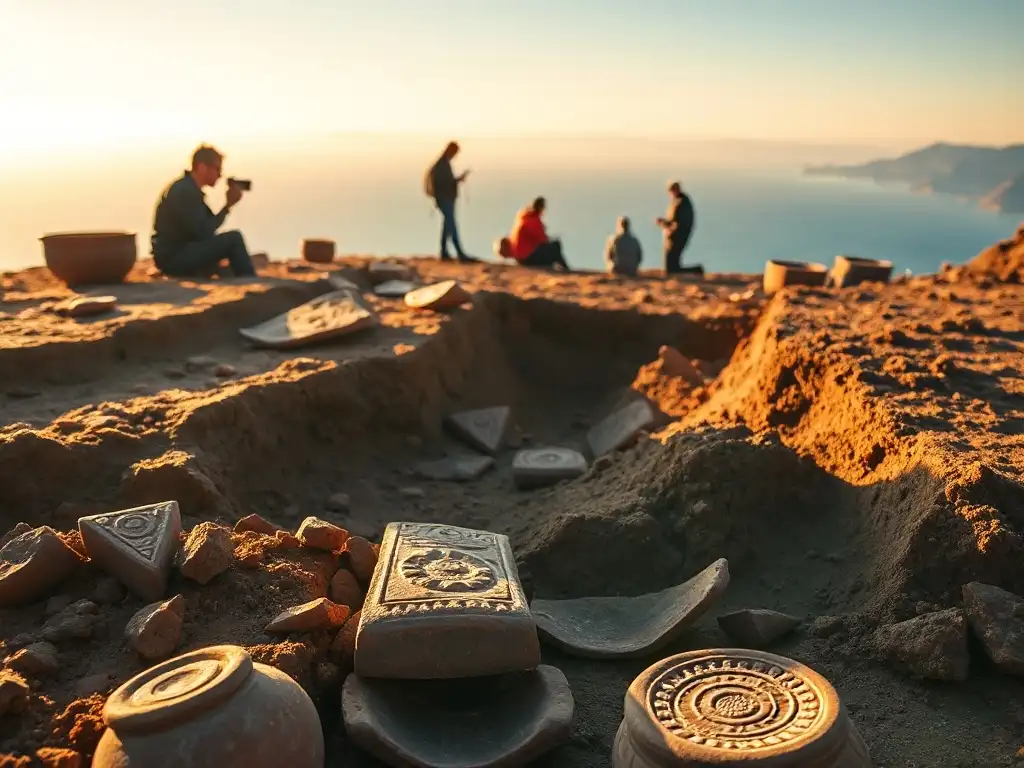
Step into a world lost to time, yet echoing with vibrant life. The Andean Civilizations website unveils the mysteries of a remarkable era, revealing the ingenuity and artistry of ancient societies like the Incas, Moche, and Nazca. But did you know that the seemingly simple art of pottery played a pivotal role in shaping their destinies?
Prepare to be captivated by the Valdivia pottery's influence on Andean culture, a story that will reshape your understanding of this fascinating region. Uncover the secrets of this ceramic revolution and discover how a seemingly humble craft ignited a cultural wildfire across the Andes.
The Valdivia culture, flourishing along the coast of present-day Ecuador from approximately 3500 to 1800 BCE, stands as a remarkable example of early societal development in the Andes. While often overshadowed by later, more expansive empires like the Inca, the Valdivia's legacy is profoundly significant, primarily due to its pioneering role in ceramic technology. This article explores the Valdivia pottery influence on Andean culture, demonstrating how this seemingly simple craft played a crucial role in shaping social structures, religious beliefs, and artistic expression within this ancient society, and setting the stage for subsequent ceramic traditions throughout the Andean region.
The innovation and artistry displayed in Valdivia pottery provide invaluable insights into the complexities of this early civilization and its lasting impact on the cultural landscape of South America. We will delve into the unique characteristics of Valdivia ceramics, their societal implications, and their enduring influence on later Andean cultures.
The Unique Characteristics of Valdivia Pottery
Valdivia pottery is distinguished by its remarkable sophistication for its time. Unlike many other early ceramic traditions that focused primarily on utilitarian vessels, Valdivia artisans created a diverse range of forms, including intricately decorated bowls, jars, and figurines. A hallmark of Valdivia ceramics is the use of fine-grained clay, meticulously smoothed and often burnished to a high sheen.
Many pieces exhibit a distinctive reddish-brown color, achieved through specific firing techniques. Furthermore, the artistic expression in Valdivia pottery is striking. While early pieces are primarily plain, later examples show increasing complexity in decoration, with the use of incised lines, punctation, and, notably, the appearance of the first known ceramic figurines in the Americas.
These figurines, often female and characterized by stylized features, are believed to represent fertility goddesses or other important figures in Valdivia society. The level of skill and artistry demonstrated in these early ceramics suggests a highly developed understanding of materials, techniques, and aesthetic principles. The precision and detail found in even the smallest artifacts point to a dedicated and skilled artisan class.
Societal Implications of Ceramic Production
The production and use of pottery had profound implications for Valdivia society. The existence of a wide variety of ceramic forms suggests a degree of social stratification and specialization of labor. The creation of elaborate figurines, for example, likely required specialized skills and training, implying the presence of skilled artisans who held a respected position within the community.
The presence of large quantities of pottery shards at various sites also suggests a well-established trade network, facilitating the exchange of goods and ideas across the region. This trade, in turn, may have contributed to the dissemination of Valdivia artistic styles and techniques, influencing the development of ceramics in neighboring cultures.
The standardization of certain vessel forms also hints at a possible system of social control or ritual practices. Further research is needed to fully understand the complexities of these social interactions, but the evidence clearly suggests that pottery was an integral part of Valdivia social life.
Valdivia Pottery's Influence on Subsequent Andean Cultures
The Valdivia culture's impact extended far beyond its geographical boundaries and temporal existence. The innovative techniques and artistic styles developed by Valdivia artisans directly influenced subsequent ceramic traditions throughout the Andean region. The stylistic elements and decorative motifs found in Valdivia pottery can be traced in later cultures, suggesting a continuity of artistic ideas and techniques across centuries.
The use of fine-grained clay, burnishing techniques, and specific vessel forms all became hallmarks of later Andean ceramic traditions, demonstrating the enduring legacy of Valdivia craftsmanship. The development of ceramic figurines, in particular, had a lasting impact, with similar styles appearing in later cultures, suggesting the continuation of religious beliefs and symbolic representations associated with these early figures.
The Valdivia's pioneering role in ceramic technology truly laid the groundwork for the rich and diverse ceramic traditions that would flourish throughout the Andean region for millennia to come. Understanding the Valdivia's contribution allows us to appreciate the depth and complexity of Andean artistic development.
Further Research and Ongoing Discoveries
While significant progress has been made in understanding Valdivia culture, much remains to be discovered. Ongoing archaeological excavations continue to unearth new artifacts and provide further insights into the daily lives, beliefs, and artistic practices of this fascinating civilization. Further analysis of existing collections, coupled with new discoveries, promises to refine our understanding of Valdivia pottery's influence on subsequent Andean cultures and its role in shaping the broader history of the region.
The study of Valdivia pottery remains a vital area of research, offering invaluable clues to understanding the complexities of early Andean societies and their enduring legacy. The intricate details of Valdivia pottery serve as a powerful testament to the ingenuity and creativity of these early Andean peoples.
Key Takeaways
- Valdivia pottery represents a significant technological and artistic achievement for its time.
- The production and use of pottery played a crucial role in Valdivia social structures and religious practices.
- Valdivia's ceramic innovations profoundly influenced subsequent Andean ceramic traditions.
- Further research is needed to fully understand the intricacies of Valdivia culture and its lasting impact.
- The Unique Characteristics of Valdivia Pottery
- Societal Implications of Ceramic Production
- Valdivia Pottery's Influence on Subsequent Andean Cultures
- Further Research and Ongoing Discoveries
- What is the significance of Valdivia pottery in Andean history?
- How did Valdivia pottery influence later Andean cultures?
- What are some of the key characteristics of Valdivia pottery?
- What materials were used in Valdivia pottery production?
- How did the Valdivia's ceramic technology impact social structures?
The Dawn of Valdivia and its Coastal Origins
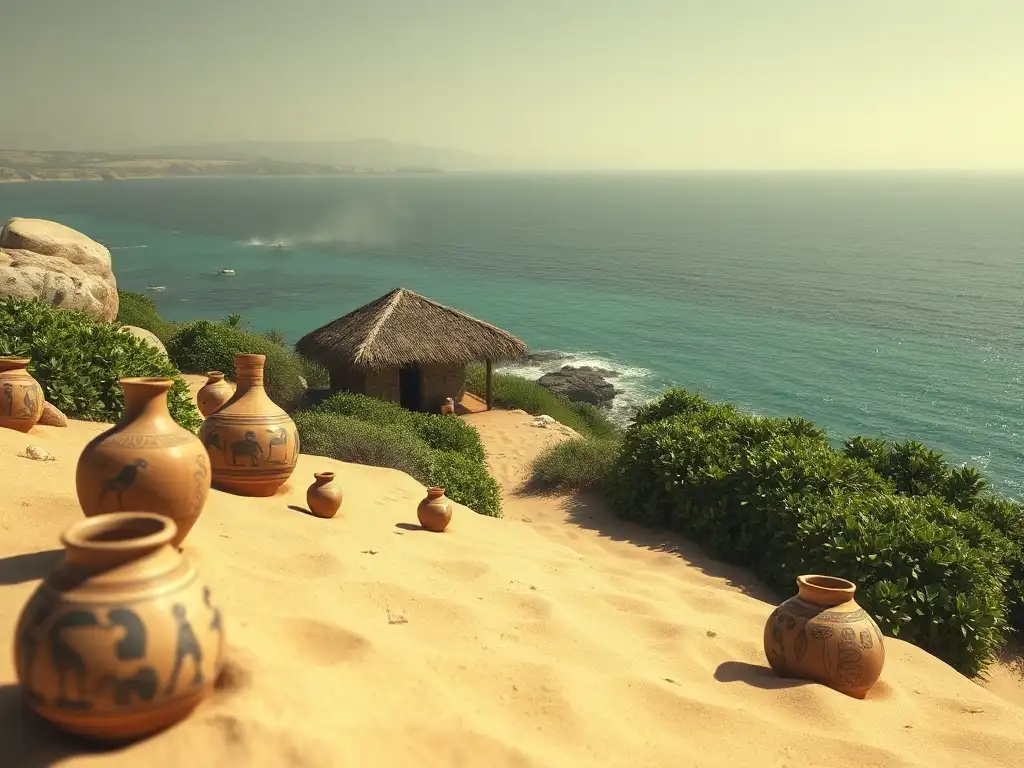
This section delves into the emergence of the Valdivia culture and its unique relationship with the coastal environment of what is now Ecuador. Understanding this context is crucial to appreciating the profound impact of Valdivia pottery on subsequent Andean cultures. The Valdivia's innovative ceramic production wasn't simply a technological advancement; it was deeply intertwined with their societal structure, religious beliefs, and adaptation to their environment. The influence of Valdivia pottery on Andean culture is best understood through examining its origins.
The Geographical Setting of the Valdivia Culture
The Valdivia culture flourished along the coastal plains of present-day Ecuador, specifically in the Guayas province, between approximately 3500 and 1800 BCE. This region is characterized by a diverse ecosystem, encompassing fertile river valleys, estuaries, and a rich marine environment. The abundance of resources—fish, shellfish, and various plant life—provided the foundation for a thriving population.
The proximity to the ocean was not just a source of sustenance; it also played a significant role in shaping Valdivia's artistic expression and technological innovation. The coastal location facilitated trade and exchange networks, potentially contributing to the spread of Valdivia's ceramic techniques and artistic styles throughout the region. The specific geographical features, like the fertile alluvial plains and proximity to the ocean, strongly influenced the development and distribution of Valdivia settlements.
The availability of clay deposits near these settlements likely played a pivotal role in the early adoption and development of pottery making. Analysis of Valdivia pottery shards reveals the presence of various clay types, suggesting the exploitation of diverse local resources.
Early Valdivia Society and its Pre-Ceramic Phase
Before the advent of pottery, the early Valdivia people relied on a combination of foraging, fishing, and possibly limited agriculture. Evidence suggests a relatively egalitarian social structure, with limited differentiation in material culture during this pre-ceramic phase. The transition to pottery production represents a significant shift, marking a critical point in the development of Valdivia society. This transition wasn't abrupt; it likely involved a gradual process of experimentation and refinement of techniques.
The emergence of pottery is often linked to advancements in food storage and preparation, as well as the development of more complex social structures. The earliest Valdivia pottery is characterized by simple, undecorated forms, indicating a focus on functionality rather than elaborate aesthetics. This early pottery, however, represents the foundation upon which the later, more sophisticated and aesthetically pleasing Valdivia ceramics were built. The initial stages of Valdivia pottery development laid the groundwork for the extraordinary ceramic artistry that would later profoundly influence Andean culture, showcasing the impact of Valdivia pottery on the evolution of Andean artistic traditions.
Understanding this pre-ceramic phase is vital to appreciating the full scope of the Valdivia ceramic revolution and its lasting legacy. The transition from simple, utilitarian pottery to more complex, decorated forms reflects a growing sophistication in both technology and social organization. Further research is needed to fully understand the social and economic factors that drove this remarkable transformation.
The Emergence of Valdivia Pottery: A Turning Point
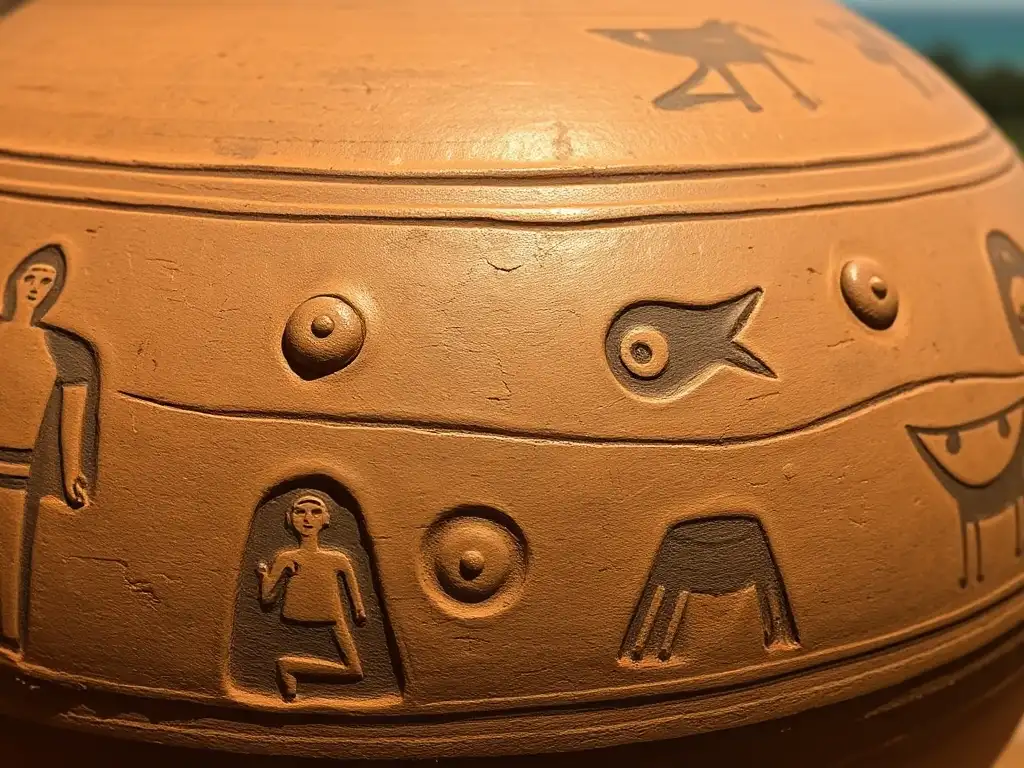
The Valdivia culture, flourishing along the coast of present-day Ecuador from approximately 3500 to 1800 BCE, represents a pivotal moment in the development of Andean civilizations. While other early Andean societies existed, the Valdivia's mastery of pottery stands out as a truly revolutionary achievement, profoundly impacting subsequent cultural developments across the region.
This wasn't simply the creation of functional vessels; it was the dawn of a sophisticated ceramic tradition that laid the groundwork for future artistic and technological advancements, significantly influencing the trajectory of Andean culture. The impact of Valdivia pottery on Andean culture is undeniable, radiating outward to shape the artistic expressions and technological capabilities of later societies.
The precise mechanisms of this influence are still being studied by archaeologists, but the sheer longevity and widespread adoption of ceramic techniques point to a powerful and lasting legacy. The emergence of pottery itself marked a shift towards greater social complexity and the development of more intricate social structures, a theme that would continue to resonate throughout Andean history.
The Development of Valdivia Ceramics Techniques
The Valdivia people didn't stumble upon pottery-making by accident; their ceramic techniques reveal a surprising level of sophistication for such an early period. Evidence suggests a gradual development, starting with simple, hand-modeled vessels and progressing to more complex forms utilizing techniques like coil building and paddle-and-anvil smoothing. Early Valdivia pottery shows the marks of these techniques, with visible coil joins and uneven surfaces.
However, the later stages of Valdivia ceramic production demonstrate a mastery of these techniques, leading to smoother, more refined vessels with intricate shapes and decorations. The development of firing techniques is also crucial. Initially, firing likely occurred in open-air pits, resulting in unevenly fired pieces.
Over time, the Valdivia developed more controlled firing methods, resulting in stronger and more durable pottery. This technological evolution reflects a growing understanding of materials and processes, laying the groundwork for the advanced ceramic technologies of later Andean cultures. The refinement in technique indicates a level of specialized knowledge and likely the emergence of specialized potters within the Valdivia society.
Key Characteristics of Early Valdivia Pottery Styles
Early Valdivia pottery is characterized by its distinctive styles and decorative motifs. While the earliest pieces are often plain and undecorated, later examples display a range of styles, including incised designs, stamped patterns, and the application of pigments. A common motif is the depiction of stylized human figures, often female, suggesting a possible focus on fertility or female deities within their culture.
These figures are often depicted with exaggerated features, such as large breasts and wide hips, further emphasizing the possible symbolic significance. The use of pigments, such as red and black, adds another layer of complexity to the designs and demonstrates a sophisticated understanding of color and its application to ceramic surfaces.
The diversity of styles, while still within the early stages of development, hints at a nascent artistic expression that would continue to evolve and diversify in subsequent Andean cultures. Analyzing these early styles provides invaluable insights into the beliefs, values, and social structures of the Valdivia people.
The Significance of Valdivia Pottery Innovation
The significance of Valdivia pottery lies not just in its aesthetic qualities, but also in its broader cultural implications. The invention of pottery provided a new medium for artistic expression, social communication, and technological innovation. Pottery vessels served practical purposes, such as food storage and cooking, but they also played a crucial role in ritual practices and social interactions.
The detailed decorations and stylized figures found on many Valdivia pieces suggest a rich symbolic language, reflecting the beliefs and values of the Valdivia people. Furthermore, the development of sophisticated pottery-making techniques spurred further technological advancements in other areas, such as the production of tools and other artifacts. The expertise required to create high-quality pottery likely fostered the development of specialized labor and contributed to the growth of more complex social structures within the Valdivia society.
The Valdivia pottery's influence on Andean culture is profound and long-lasting, demonstrated by the continuous evolution and refinement of ceramic techniques throughout the Andean region, proving its importance as a catalyst for cultural development. The legacy of Valdivia pottery continues to resonate in the rich tapestry of Andean art and technology, shaping the artistic and technological traditions of later cultures. The impact of Valdivia pottery on subsequent Andean cultures is a testament to its enduring influence.
Valdivia Pottery: More Than Just Vessels
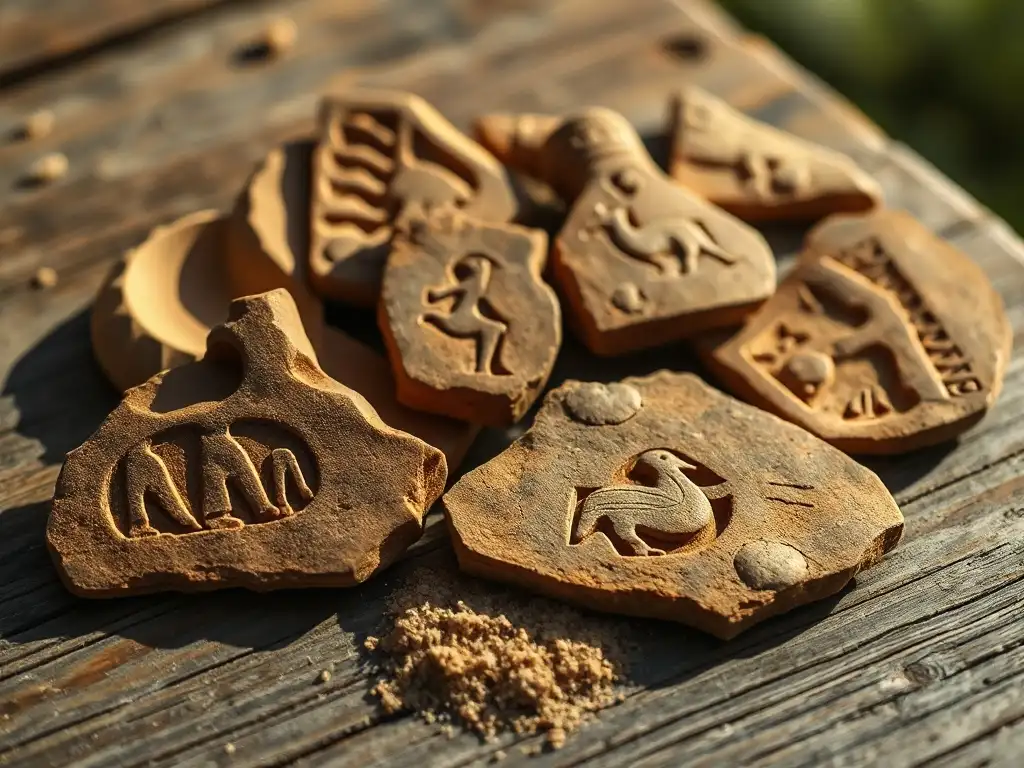
The Valdivia culture, flourishing along the coast of present-day Ecuador from approximately 3500 to 1800 BCE, left behind a remarkable legacy: its exquisitely crafted pottery. This wasn't simply utilitarian ware; the Valdivia's ceramic production profoundly impacted their society, shaping daily life, artistic expression, and social structures. The influence of Valdivia pottery on Andean culture is undeniable, serving as a foundational element for subsequent ceramic traditions along the western coast of South America.
Understanding this early pottery allows us to grasp the complexity and innovation of this pioneering culture. The sheer volume of discovered artifacts, coupled with their remarkable stylistic diversity, speaks volumes about the importance of ceramics within the Valdivia worldview. Their impact resonates even today, inspiring ongoing research and appreciation for their artistry and technological prowess.
The Role of Ceramics in Valdivia Daily Life
Valdivia pottery wasn't merely decorative; it played a crucial role in the daily lives of its people. Evidence suggests that pottery served a multitude of functions, extending far beyond simple storage or cooking. Analysis of unearthed fragments reveals a wide range of vessel shapes and sizes, each likely designed for specific purposes.
Smaller vessels, often delicately crafted, might have been used for personal items or ritual offerings. Larger, sturdier pots were probably employed for food storage and preparation, reflecting a sophisticated understanding of food preservation techniques. The prevalence of ceramic bowls and plates indicates a structured approach to food consumption, possibly suggesting communal meals or organized social gatherings.
Furthermore, the discovery of ceramic spindle whorls highlights the importance of textiles in Valdivia society, with pottery playing a vital role in the production process. The intricate designs on many vessels also hint at possible symbolic or religious significance, blurring the lines between practical function and ritualistic use. The impact of this functional integration of pottery is crucial in understanding the Valdivia's advanced social organization.
Valdivia Pottery as a Medium of Artistic Expression
Beyond its practical applications, Valdivia pottery stands as a testament to the artistic sensibilities of its creators. The pottery is characterized by its elegant simplicity and refined aesthetic. Many pieces feature delicate, incised decorations, often depicting abstract designs and stylized representations of plants and animals.
The precision and skill evident in these decorations showcase a high level of artistic mastery. The use of different clay types and firing techniques allowed for a variety of surface textures and colors, adding depth and complexity to the finished products. Some pieces display a remarkable sense of three-dimensionality, suggesting an advanced understanding of sculptural principles.
The artistic expression seen in Valdivia pottery is not merely decorative; it reflects a deep understanding of aesthetics and symbolism, contributing significantly to the cultural identity of the Valdivia people. The stylistic consistency across numerous sites also suggests a degree of social cohesion and shared artistic traditions. This artistic expression laid the groundwork for later Andean ceramic traditions, influencing styles and techniques for centuries to come.
Among the most striking artifacts of the Valdivia culture are its ceramic figurines. These small, often anthropomorphic figures, many depicting females with exaggerated sexual characteristics, provide invaluable insights into Valdivia society and beliefs. The prevalence of female figurines suggests a possible matriarchal or matrilineal social structure, a feature notably different from many other contemporaneous cultures.
While the exact meaning of these figurines remains a subject of ongoing debate, some scholars suggest they represent fertility goddesses, shamanistic figures, or even portraits of individuals. The variety of poses and facial expressions displayed by these figurines indicates a nuanced understanding of human anatomy and emotion. Their widespread discovery across numerous sites underscores their importance in Valdivia culture, possibly serving as symbols of power, religious iconography, or even social markers.
The detailed craftsmanship and stylistic variations observed in these figurines highlight the artistic capabilities and social complexities of the Valdivia people. Their influence on subsequent Andean cultures is evident in the continued production of ceramic figurines throughout the region, demonstrating the lasting impact of Valdivia artistic and social innovations. The ongoing study of these figurines promises to further illuminate the rich tapestry of Valdivia culture and its enduring influence on Andean civilization.
Valdivia Pottery and Ritual Practices
The intricate designs and careful craftsmanship evident in Valdivia pottery strongly suggest its significant role in ritual practices. While we lack written records from this era, archaeological findings offer compelling clues. The discovery of pottery fragments in carefully constructed burial sites indicates a connection between the vessels and funerary rites. These weren't simply utilitarian containers; rather, specific shapes and decorations might have held symbolic meaning related to the afterlife or the deceased's social status. For instance, certain types of vessels, perhaps those depicting specific animals or abstract designs, could have been reserved for elite burials, reflecting a stratified society.
Further supporting this hypothesis is the presence of pottery shards within ceremonial contexts, such as plazas or large communal structures. The placement of these vessels suggests their use in rituals or ceremonies, possibly involving offerings or libations. Analysis of residue found within some vessels could potentially reveal the nature of these offerings, though further research is needed in this area. The meticulous detail in the creation of these pieces, exceeding the demands of simple functionality, reinforces the idea that Valdivia pottery served a crucial role in the spiritual and social life of the community.
The consistent presence of specific motifs across different sites and time periods also hints at shared beliefs and practices across the Valdivia culture, underlining the unifying power of their ceramic traditions. The study of Valdivia pottery, therefore, allows us to glimpse into the rich tapestry of their spiritual beliefs and ritual practices, even in the absence of written documentation. Further investigation into the chemical composition of the clay and pigments used could provide additional insights into the sourcing of materials and the potential ritual significance of specific colors and materials. The careful excavation and analysis of future sites will undoubtedly shed more light on the role of Valdivia pottery in their rituals.
The Influence of Valdivia Pottery on Subsequent Andean Cultures
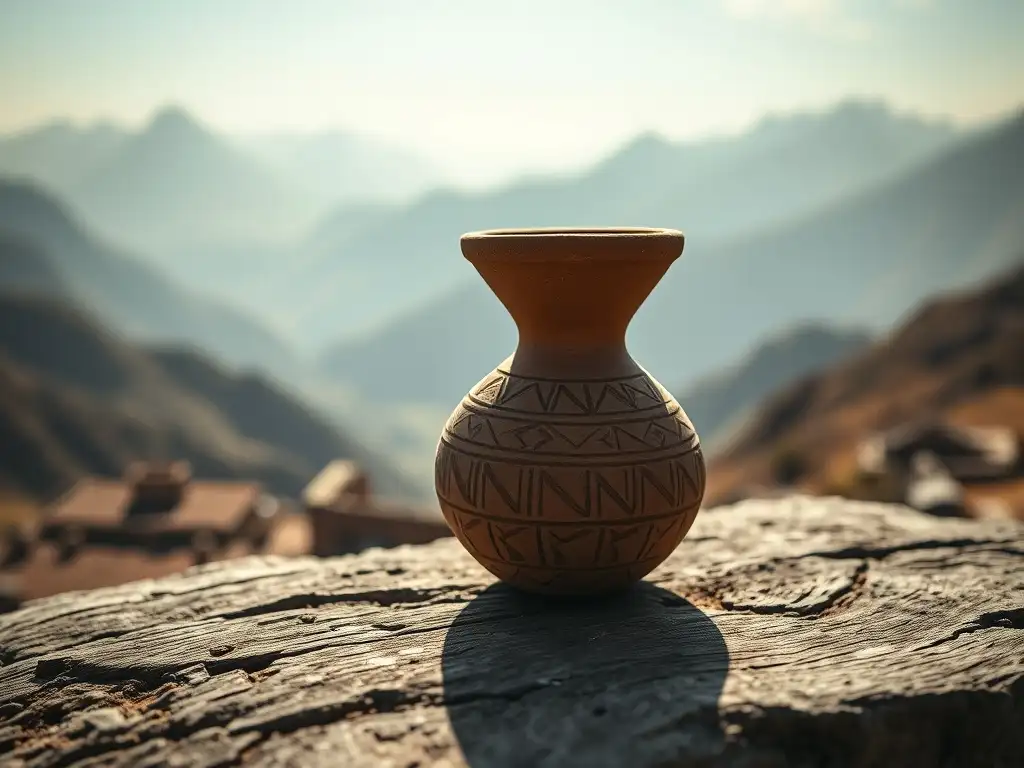
The Valdivia culture, flourishing along the Ecuadorian coast from approximately 3500 to 1800 BCE, left an indelible mark on the development of Andean ceramics. Its impact extends far beyond its geographical location and temporal boundaries, influencing subsequent ceramic traditions and artistic styles across a vast swathe of South America. Understanding the Valdivia pottery influence on Andean culture requires examining not only the stylistic innovations but also the technological advancements and the socio-cultural implications of this early ceramic production.
The sophistication of Valdivia pottery, considering its early date, suggests a highly developed societal structure and a profound understanding of material culture, setting the stage for later Andean achievements. This section will explore the far-reaching consequences of Valdivia's ceramic revolution.
Tracing the Legacy: Valdivia's Ceramic Impact
The legacy of Valdivia pottery is evident in the evolution of ceramic styles across the Andean region. While pinpointing direct lines of influence can be challenging due to the complexities of cultural transmission and the passage of time, several key characteristics of Valdivia pottery reappear in later cultures. For instance, the distinctive use of modelado (modeling) techniques, where vessels were shaped by hand rather than using molds, is a trait that persisted in various coastal cultures.
The meticulous attention to detail in Valdivia figurines, often depicting human and animal forms with remarkable realism, also influenced subsequent artistic expressions. The evolution of these techniques can be analyzed through comparative studies of ceramic styles, identifying shared characteristics and tracing potential pathways of cultural exchange.
Further research, including detailed stylistic analysis and radiocarbon dating of artifacts, is needed to fully elucidate the extent of Valdivia's influence on later ceramic traditions. The emergence of similar stylistic elements in geographically distant cultures suggests that trade networks and cultural exchange played a vital role in disseminating Valdivia's ceramic innovations.
Valdivia Pottery Influence on Coastal Ceramic Traditions
The impact of Valdivia pottery is particularly pronounced in the coastal ceramic traditions that followed. Cultures like the Machalilla and Chorrera, located further south along the Ecuadorian coast, show clear evidence of Valdivia's influence. The use of similar clay types, firing techniques, and decorative motifs suggests a continuity of ceramic practices.
For instance, the use of burnishing to create a smooth, polished surface, a hallmark of Valdivia pottery, is also a characteristic of Machalilla ceramics. Furthermore, the development of more complex forms and decorative styles in later coastal cultures can be seen as a direct evolution from the foundational techniques and aesthetic principles established by the Valdivia.
We can observe, for example, a gradual increase in the size and complexity of vessels, alongside the incorporation of new decorative elements, suggesting a progressive development built upon Valdivia's pioneering work. Analyzing the chemical composition of clays used in different coastal cultures could further illuminate the extent of interaction and exchange between these societies.
The Spread of Ceramic Techniques and Styles
The influence of Valdivia pottery wasn't limited to the immediate coastal region. Evidence suggests that Valdivia ceramic techniques and styles spread inland and influenced the development of ceramic traditions in the Andean highlands. This diffusion likely occurred through trade networks and cultural exchange, with Valdivia pottery serving as a catalyst for ceramic innovation across diverse geographical settings.
While the precise mechanisms of this spread remain a subject of ongoing research, the presence of similar stylistic elements in highland cultures suggests a significant connection. The development of sophisticated ceramic technologies, such as the use of different clay types and firing techniques, facilitated the production of higher quality and more durable pottery, which in turn, influenced the social and economic aspects of Andean societies. Further research incorporating archaeobotanical data could reveal the extent to which agricultural practices and resource availability influenced the distribution and development of ceramic production across the Andean region.
The spread of Valdivia pottery's influence underscores the interconnectedness of Andean societies and the importance of cultural exchange in shaping the trajectory of Andean civilization. The enduring legacy of Valdivia demonstrates the profound and lasting impact of early ceramic innovations on the development of Andean culture.
Influence on Machalilla and Chorrera Cultures
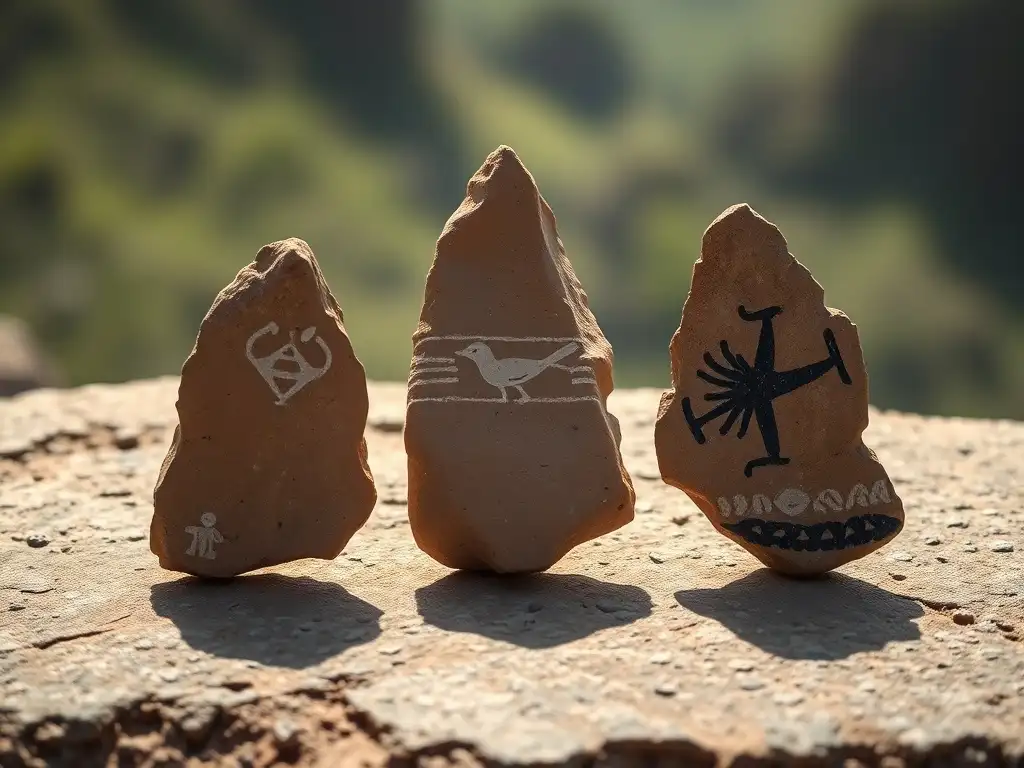
The Valdivia culture's innovative ceramic techniques and artistic styles profoundly impacted subsequent coastal Ecuadorian cultures, particularly the Machalilla and Chorrera cultures. The Machalilla culture, flourishing roughly between 1500 and 1000 BCE, shows clear evidence of Valdivian influence in its pottery. While Machalilla pottery developed its own distinct characteristics, the earlier Valdivian tradition is evident in the continuation of certain decorative motifs, such as the use of incised lines and simple geometric patterns.
Furthermore, the basic forms of some Machalilla vessels bear a striking resemblance to Valdivian prototypes, suggesting a direct lineage or, at the very least, a strong cultural exchange. The use of clay and firing techniques also seems to share commonalities, hinting at a possible transfer of knowledge. Archaeological evidence suggests a degree of continuity in settlement patterns between the two cultures, which could have facilitated the transmission of pottery-making skills and aesthetics.
The Chorrera culture, succeeding the Machalilla, also demonstrates a clear connection to the Valdivian ceramic tradition. However, the Chorrera style exhibits a greater degree of stylistic divergence compared to its predecessor, suggesting a longer period of independent development. While the highly polished surfaces and refined forms characteristic of Valdivian pottery are less pronounced in Chorrera examples, certain decorative elements, such as the use of modeled figures and zoomorphic representations, show a clear relationship.
The influence is less direct than that seen in the Machalilla culture, but the underlying techniques and some aesthetic preferences clearly point to a shared heritage. The presence of similar clay types and firing techniques in both cultures further underscores the lasting impact of Valdivia's ceramic innovations.
The evolution from Valdivia to Machalilla to Chorrera exemplifies a process of cultural transmission and adaptation, where later cultures built upon the foundation laid by their predecessors. This demonstrates the enduring legacy of Valdivia's pottery in shaping the ceramic traditions of coastal Ecuador.
Comparing Valdivia Pottery with Other Pre-Incan Cultures' Ceramics
Comparing Valdivia pottery with the ceramics of other pre-Incan cultures in the Andes reveals both its unique characteristics and its broader significance within the region's ceramic traditions. While the Valdivia culture's early adoption of pottery sets it apart, its influence can be traced in later developments.
For example, while the Nazca culture, known for its elaborate polychrome pottery, developed a vastly different style, some scholars suggest subtle influences in certain decorative techniques or the use of specific clay types might reflect a distant echo of the Valdivian tradition. This connection, however, remains a subject of ongoing scholarly debate and requires further research.
In contrast to the coastal cultures, the ceramics of the highland cultures like Tiahuanaco show less direct influence from Valdivia. The Tiahuanaco culture, renowned for its monumental architecture and sophisticated artistic style, developed a unique ceramic tradition characterized by intricate designs and the use of distinctive forms.
While the Valdivia influence is not prominent in Tiahuanaco pottery, the overall development of ceramic technology across the Andes highlights a broader process of innovation and exchange. The Valdivia culture's early mastery of pottery-making served as a foundational step in this larger trajectory, influencing subsequent developments even if not always in a direct or readily apparent manner.
A key difference lies in the stylistic emphasis. Valdivia pottery is often characterized by its simplicity and elegance, emphasizing refined forms and subtle decorations. Later cultures, such as the Moche, developed more elaborate styles, incorporating complex iconography, vibrant colors, and realistic depictions of figures and scenes.
This stylistic evolution highlights the dynamic nature of Andean ceramic traditions, showcasing both continuity and change across different cultures and time periods. The Valdivia pottery, therefore, serves as an important benchmark, illustrating the early stages of this remarkable development and providing a foundation for understanding the broader history of Andean ceramic art. Further comparative studies, incorporating advanced analytical techniques, are needed to fully elucidate the extent and nature of Valdivia’s influence on later Andean ceramic traditions.
The Lasting Legacy of Valdivia's Ceramic Revolution
The Valdivia culture's mastery of pottery wasn't merely a technological achievement; it profoundly impacted the development of subsequent Andean societies. Its influence reverberates through millennia, shaping artistic styles, technological advancements, and even social structures. The Valdivia's innovative techniques and aesthetically pleasing designs served as a foundational blueprint for ceramic traditions across the coastal regions and beyond, demonstrating the far-reaching impact of their Valdivia pottery influence on Andean culture.
This influence wasn't simply a matter of imitation; it was a process of adaptation and innovation, where later cultures built upon the Valdivia foundation, creating their own unique expressions while retaining certain core elements. We can trace this legacy through the stylistic similarities in pottery forms, decorative motifs, and even the underlying firing techniques employed by later Andean cultures.
The Valdivia's pioneering spirit in ceramics laid the groundwork for a rich and diverse ceramic tradition that continues to fascinate and inspire researchers today. Understanding this legacy is crucial to comprehending the broader trajectory of Andean cultural development.
Valdivia Pottery as a Key to Understanding Andean History
Valdivia pottery provides invaluable insights into the social, economic, and religious aspects of this early Andean society. The intricate designs and variations in pottery styles offer clues to social stratification, trade networks, and ritual practices. For example, the presence of specific motifs on certain vessels might indicate elite status or participation in religious ceremonies.
Analysis of the chemical composition of the clay used in pottery production can help trace trade routes and identify the sources of raw materials. Furthermore, the sheer volume and diversity of Valdivia pottery unearthed in archaeological sites reveal a sophisticated level of production and distribution, suggesting a well-organized society with specialized labor and potentially significant trade networks. The discovery of human figurines alongside pottery also sheds light on religious beliefs and funerary practices, providing a richer understanding of the Valdivia worldview.
This detailed analysis of Valdivia pottery artifacts offers a unique window into a culture that predates many other well-known Andean societies, enriching our understanding of the region’s complex history. The meticulous study of Valdivia pottery influence on Andean culture continues to unveil new layers of this fascinating civilization.
The Ongoing Research and Discoveries in Valdivia Archaeology
Research on the Valdivia culture is an ongoing process, with new discoveries constantly reshaping our understanding of this pivotal Andean society. Recent advancements in archaeological techniques, such as high-resolution imaging and advanced chemical analysis, are yielding unprecedented insights into the production and use of Valdivia pottery. For instance, the application of isotopic analysis to clay samples has allowed researchers to pinpoint the precise sources of raw materials used in pottery production, revealing the extent of the Valdivia's trade networks and resource management strategies.
Furthermore, the ongoing excavation of new sites continues to uncover previously unknown aspects of Valdivia culture, including previously unknown settlement patterns, burial practices, and artistic styles. This continuous influx of new data allows for a more nuanced and complete understanding of the Valdivia's technological achievements, social structures, and cultural significance.
The dynamism of Valdivia archaeology underscores the importance of continued research and the potential for future discoveries to further illuminate the Valdivia pottery influence on Andean culture. The field is constantly evolving, offering exciting opportunities for new interpretations and perspectives.
Future Research on the Use of Clay Sourcing Techniques
Future research on Valdivia pottery should focus on refining and expanding the use of clay sourcing techniques. This involves employing more sophisticated methods of isotopic analysis to pinpoint the precise origins of the clay used in pottery production, with a geographical precision that allows for a more accurate mapping of Valdivia trade networks and resource exploitation patterns. Furthermore, combining clay sourcing data with stylistic analysis of pottery designs will allow researchers to trace the movement of ideas and technologies across different Valdivia settlements and potentially beyond.
The development of advanced statistical models to analyze large datasets of clay compositional data will be crucial in identifying patterns and trends that might otherwise be missed. This comprehensive approach will enable a more robust understanding of the relationship between resource availability, technological innovation, and social organization in Valdivia society, shedding further light on the Valdivia pottery influence on Andean culture.
This focused research will contribute significantly to a more complete and nuanced understanding of this pivotal Andean culture. The potential for new discoveries and insights using these techniques is immense.
The Enduring Relevance of Valdivia Pottery in Andean Studies
The study of Valdivia pottery remains incredibly relevant to Andean studies for several key reasons. First, its sheer antiquity challenges previously held notions about the development of complex societies in the Andes. The sophisticated artistry and technological skill evident in these early ceramics push back the timeline for significant cultural advancements, forcing scholars to reconsider the trajectory of Andean civilization.
The discovery of Valdivia pottery fundamentally altered our understanding of the region's prehistory, revealing a level of cultural sophistication far exceeding earlier expectations for such an early period. This has spurred ongoing research into the social structures, belief systems, and technological capabilities of the Valdivia people, providing a crucial foundation for understanding subsequent Andean cultures.
Secondly, the distinctive stylistic elements found in Valdivia pottery offer invaluable insights into the artistic and symbolic practices of the time. The intricate designs, often featuring stylized human and animal figures, geometric patterns, and abstract motifs, provide a rich source of information about their worldview, social organization, and perhaps even their religious beliefs. Scholars continue to analyze these designs, seeking to decipher their meanings and uncover the cultural narratives they convey.
The evolution of these stylistic elements across different Valdivia phases also allows researchers to trace changes in artistic expression and cultural trends over time, providing a dynamic picture of societal development. Detailed studies of the clay itself, the firing techniques, and the specific pigments used further enhance our understanding of their technological prowess and resource management.
Finally, the geographical distribution of Valdivia pottery provides crucial information about trade networks and cultural exchange in early Andean societies. The discovery of Valdivia ceramics in sites far removed from the core Valdivia region indicates a significant level of interaction and exchange between different communities. This evidence helps to reconstruct the early patterns of interaction and connectivity that characterized the Andean region, laying the groundwork for understanding the later development of broader regional networks and empires.
The presence of Valdivia-style pottery in later cultural contexts also helps to trace the influence of Valdivia artistic traditions and technological innovations on subsequent Andean societies, underscoring the enduring legacy of this remarkable culture. The ongoing research on Valdivia pottery continues to shape our understanding of the origins and development of Andean civilization, reminding us of the profound impact of this early ceramic tradition on the region's cultural landscape.
Frequently Asked Questions
What is the significance of Valdivia pottery in Andean history?
Valdivia pottery represents the earliest known ceramic tradition in the Americas. Its development significantly impacted subsequent Andean cultures, influencing stylistic elements and technological advancements seen in later pottery. This early pottery offers crucial insights into the emergence of complex societies in the region.
How did Valdivia pottery influence later Andean cultures?
Valdivia's innovative techniques and distinctive styles, particularly its figurative sculptures, were adopted and adapted by later Andean civilizations like the Moche and Nazca. The spread of ceramic technology and artistic motifs demonstrates cultural exchange and interaction across vast geographical distances.
What are some of the key characteristics of Valdivia pottery?
Valdivia pottery is known for its fine craftsmanship, simple forms, and unique stylistic features. Common characteristics include carefully modeled human and animal figurines, as well as geometric designs. The use of clay and shell temper is also significant.
What materials were used in Valdivia pottery production?
Valdivia potters primarily used clay, often combined with shell temper to improve the pottery's strength and durability. They also utilized natural pigments to decorate their pieces, creating diverse colors and patterns. The availability of local resources played a crucial role in their production methods.
The development of pottery in Valdivia facilitated the creation of more complex social structures. The production and trade of ceramics could have led to specialized labor, increased social status for skilled potters, and the development of trade networks, thus contributing to a more sophisticated society.
Final Reflection: The Enduring Legacy of Valdivia Pottery
The intricate artistry of Valdivia pottery isn't just a relic of the past; it's a vibrant testament to the power of human creativity and its enduring influence on Andean culture. The sophisticated techniques, the symbolic imagery, and the sheer volume of surviving pieces demonstrate a level of societal organization and artistic expression that continues to reshape our understanding of early Andean civilizations. This legacy challenges preconceived notions about the "primitive" nature of pre-Columbian societies and highlights the complexity of their social structures.
The impact of Valdivia pottery extends far beyond its aesthetic appeal. It represents a foundational element in the development of Andean artistic traditions, a thread woven into the rich tapestry of subsequent cultures. The innovative techniques, the use of specific clays and firing methods, and the recurring motifs all laid the groundwork for later ceramic styles. As the renowned archaeologist, Betty Meggers, once stated, The Valdivia culture represents a significant leap forward in the development of ceramic technology and artistic expression in South America.
This statement underscores the profound and lasting influence of this early pottery on the artistic and cultural landscape of the Andes.
Consider the implications of this legacy. The Valdivia people, through their artistry, left behind a tangible link to their world, a world we can now access and interpret. You, the reader, are now part of this ongoing conversation. Take a moment to reflect on the power of human creativity and its ability to transcend time. How can we, in our own lives, create legacies that are as enduring and impactful as the Valdivia ceramic revolution? Let the artistry of these ancient potters inspire you to leave your own mark on the world.
**Unleash Your Creativity and Connect with Valdivia's Legacy! **
Thank you for exploring the fascinating world of Valdivia's ceramic revolution! You've discovered how ancient pottery not only shaped a society but also fostered artistic expression and cultural identity. Now, let's put that inspiration to work!
Here are some exciting ways to continue your journey:
- **Create Your Own Pottery:** Enroll in a local pottery class or experiment with DIY pottery at home. Channel the ancient techniques of the Valdivia culture and let your creativity flow!
- **Share Your Journey:** Showcase your pottery creations on social media or within a community group. Inspire others to explore their own creative potential!
- **Explore Further:** Visit a museum featuring ancient civilizations to see ceramic artifacts firsthand and deepen your appreciation for the history and artistry of pottery.
Which Valdivian pottery piece inspires you most? Share your thoughts in the comments!