
The Role of Trade in the Distribution of Andean Foodstuffs

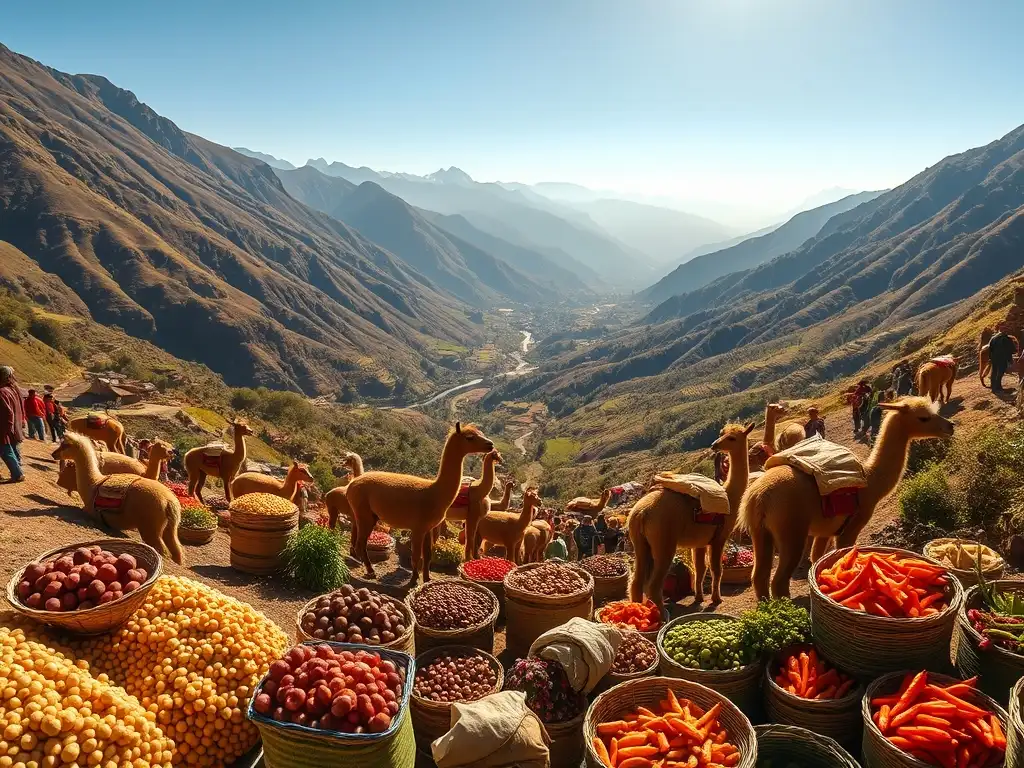
Welcome, explorer! Prepare to unravel the mysteries of the Andes, a land where towering mountains cradled civilizations as advanced as they were enigmatic. Forget everything you think you know about ancient societies. Our journey begins with the surprisingly sophisticated Andean trade routes and food distribution systems that sustained these empires. Discover how intricate networks of exchange shaped not only their diets but their very survival – a story far more complex and fascinating than you can imagine. Dare to delve deeper?
The Andes Mountains, a spine of towering peaks and deep valleys stretching along the western coast of South America, presented unique challenges and opportunities for the development of ancient civilizations. While the varied altitudes and microclimates allowed for a remarkable diversity of crops – from potatoes and maize at higher elevations to quinoa and beans in lower, warmer regions – efficient distribution of these foodstuffs was crucial for the survival and prosperity of these societies.
This article explores the vital role that trade played in the complex networks that ensured the movement and exchange of Andean agricultural products, examining how these trade routes shaped the social, economic, and political landscapes of the ancient Andean world. We will delve into the intricate systems employed by civilizations like the Inca, Moche, Nazca, and Tiahuanaco, highlighting the ingenuity and resilience required to overcome geographical barriers and ensure a reliable food supply for their populations.
Understanding these ancient trade routes provides crucial insights into the sophisticated organizational capabilities and economic strategies of these remarkable Andean cultures, offering a compelling narrative of resource management and societal development. The keyword "Andean trade routes food distribution" will be explored throughout this article, demonstrating the significant impact of trade on the food security and societal structures of these ancient civilizations.
Introduction to Andean Food Distribution Networks
The distribution of food in the Andes was far from a simple process. The challenging terrain, encompassing high altitudes, steep slopes, and arid coastal deserts, necessitated the development of ingenious strategies for transporting agricultural goods across vast distances. Pre-Columbian Andean societies employed a variety of methods, including:
- Animal transport: Llamas and alpacas played a crucial role, carrying goods along established trails and paths. Their carrying capacity, however, was limited, making the efficiency of routes paramount.
- Human porters: Human porters were also essential, particularly for traversing difficult terrain inaccessible to animals. The organization and management of these porter networks required sophisticated social structures and logistical planning.
- Storage facilities: Extensive networks of storage facilities, such as qollqas (Inca storehouses), were strategically located along trade routes and in population centers. These facilities ensured the preservation of surplus food for times of scarcity.
- Specialized infrastructure: Some evidence suggests the construction of roads and bridges, particularly by the Inca Empire, to facilitate the movement of goods. This infrastructure significantly improved the efficiency of trade networks.
The efficient distribution of food was not only a logistical challenge but also a critical element of social organization and political power. The control over food resources often translated directly into political influence and social status. The unequal distribution of resources, however, also contributed to social stratification and economic inequality within Andean societies. Understanding these distribution networks allows us to appreciate the complex interplay between geography, technology, social structures, and political power in shaping the lives of Andean peoples.
The Significance of Trade in Ancient Andean Societies
Trade formed the backbone of Andean food distribution networks. The exchange of goods wasn't merely a matter of economic necessity; it was a vital element of social interaction and cultural exchange. Different ecological zones produced distinct agricultural products, creating a natural impetus for trade. Coastal regions provided fish and sea salt, while highland areas offered potatoes, maize, and quinoa. This complementarity fostered complex trade relationships between communities across diverse geographical zones.
The scale and sophistication of Andean trade networks varied across different periods and cultures. The Inca Empire, for example, established a highly organized system of trade and redistribution, utilizing a vast network of roads and storehouses to manage the flow of goods across its extensive territory.
This system facilitated the movement of food supplies from surplus regions to areas experiencing shortages, contributing significantly to the empire's stability and longevity. Other cultures, such as the Moche and Nazca, also developed sophisticated trade networks, albeit on a smaller scale, utilizing established routes and exchange systems adapted to their specific geographic and social contexts.
The impact of trade extended beyond the mere distribution of food. It stimulated technological innovation in areas such as transportation, storage, and preservation techniques. It also fostered cultural exchange, the dissemination of ideas, and the development of shared social practices.
The intricate web of trade relationships that connected Andean communities shaped their identities, their social structures, and their understanding of the world around them. The study of Andean trade routes, therefore, provides invaluable insight into the remarkable complexity and resilience of these ancient societies. Further research is needed to fully uncover the extent and intricacies of these ancient food distribution networks and their lasting impact on the Andean world.
- Introduction to Andean Food Distribution Networks
- The Significance of Trade in Ancient Andean Societies
- What role did trade play in the distribution of food in the Andes?
- How did the geography of the Andes influence food distribution?
- What kinds of goods were traded besides food?
- Which Andean civilizations relied most heavily on trade for food?
- What evidence supports our understanding of Andean trade routes and food distribution?
Pre-Incan Trade Networks and Food Exchange
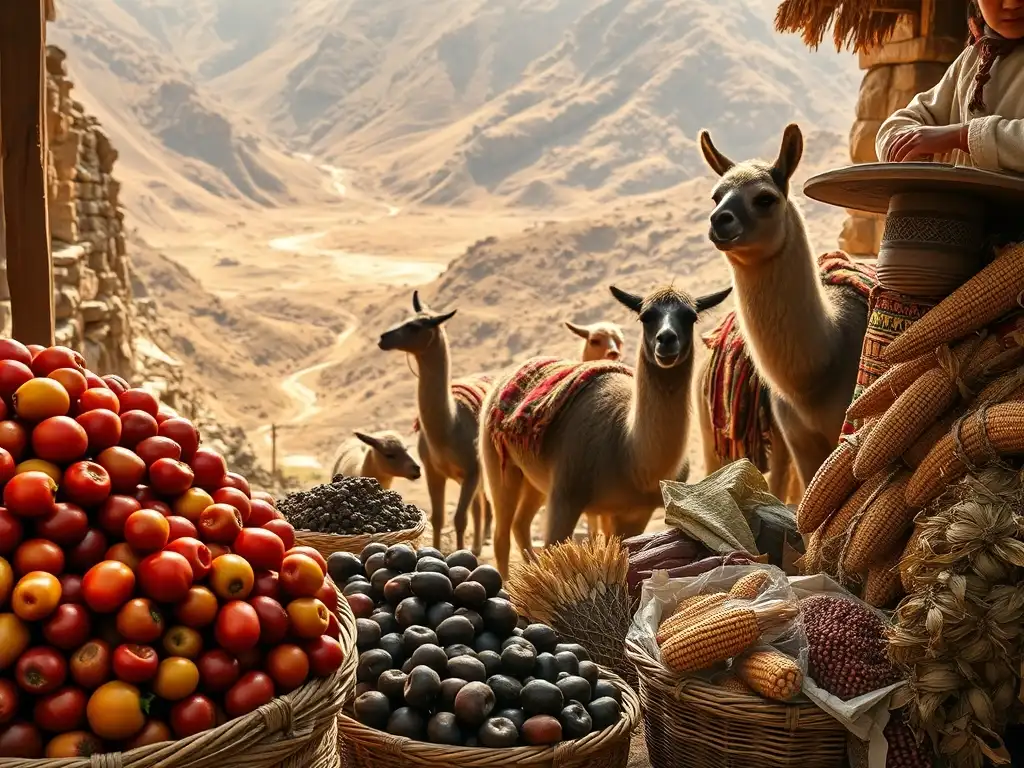
The Andean region, long before the Inca Empire, witnessed a complex web of trade routes facilitating the distribution of diverse foodstuffs. Understanding these pre-Inca networks is crucial to grasping the sophisticated agricultural practices and economic systems that underpinned Andean societies. The efficient movement of goods across varied terrains – from coastal deserts to high-altitude valleys – showcases remarkable logistical achievements and a deep understanding of the Andean environment.
This intricate system of exchange wasn't merely about surplus; it was integral to the survival and cultural development of numerous Andean communities. The flow of goods, including food, shaped societal structures, political alliances, and cultural identities. Analyzing pre-Inca trade routes illuminates the foundations upon which the later Inca system built, showcasing a long history of sophisticated food distribution strategies within the Andes.
Early Trade Routes and Food Transportation Methods
Early Andean trade routes often followed natural pathways, utilizing river valleys and mountain passes. Transportation relied heavily on human porters, who carried goods in woven bags or chumpi (carrying straps). Llamas and alpacas, domesticated animals crucial to Andean life, played a vital role, particularly in transporting heavier goods across challenging terrains.
The sheer scale of this effort is astonishing, considering the lack of wheeled vehicles. Evidence suggests that organized relay systems were in place, with teams of porters exchanging loads at strategically located resting points. The efficiency of these systems depended heavily on established trails, well-defined resting places, and a deep knowledge of the environment, including seasonal changes that could affect travel.
This sophisticated system, developed over centuries, was essential for the effective distribution of Andean foodstuffs. While specific details of certain routes remain unclear, archaeological findings consistently reveal the widespread movement of food products across significant distances, highlighting the importance of trade in the overall Andean food economy.
Regional Specialization and Food Production in the Andes
The diverse geography of the Andes fostered regional specialization in food production. Coastal regions excelled in fishing and the cultivation of cotton and certain vegetables. Highland areas were better suited for potatoes, quinoa, and other grains adapted to higher altitudes.
The lower valleys supported the growth of maize, beans, and squash. This specialization created a strong incentive for trade, as communities lacked the environmental conditions to produce all the necessary foodstuffs for their sustenance. The resulting exchange of goods wasn't just a matter of convenience; it was essential for survival.
For example, coastal communities relied on highland resources like potatoes, while highland communities depended on the fish and sea salt from the coast. This interdependence strengthened trade networks and fostered a complex system of reciprocal exchange. This intricate system of regional specialization and subsequent trade can be considered one of the key factors in the success and resilience of pre-Inca Andean societies.
The Role of Barter in Pre-Inca Food Systems
Before the widespread adoption of currency, barter formed the backbone of Andean trade. Communities exchanged surplus agricultural goods, textiles, and other handcrafted items. The system was highly nuanced, with intricate systems of value assessment based on factors like labor invested, rarity, and perceived utility.
While we lack detailed records of these exchanges, archaeological evidence, such as the discovery of diverse food remains at sites far from their production areas, strongly supports the prevalence of barter. The process likely involved complex negotiations and an understanding of relative values among different communities. This indicates a sophisticated level of economic interaction and a high degree of social organization among pre-Inca Andean societies.
The success of this barter system demonstrates the adaptability and efficiency of Andean communities in managing the distribution of resources within a complex, geographically diverse environment. The Andean trade routes food distribution system, reliant on barter, effectively facilitated the movement of essential foodstuffs, ensuring the survival and prosperity of various communities.
Inca Empire and the Expansion of Trade
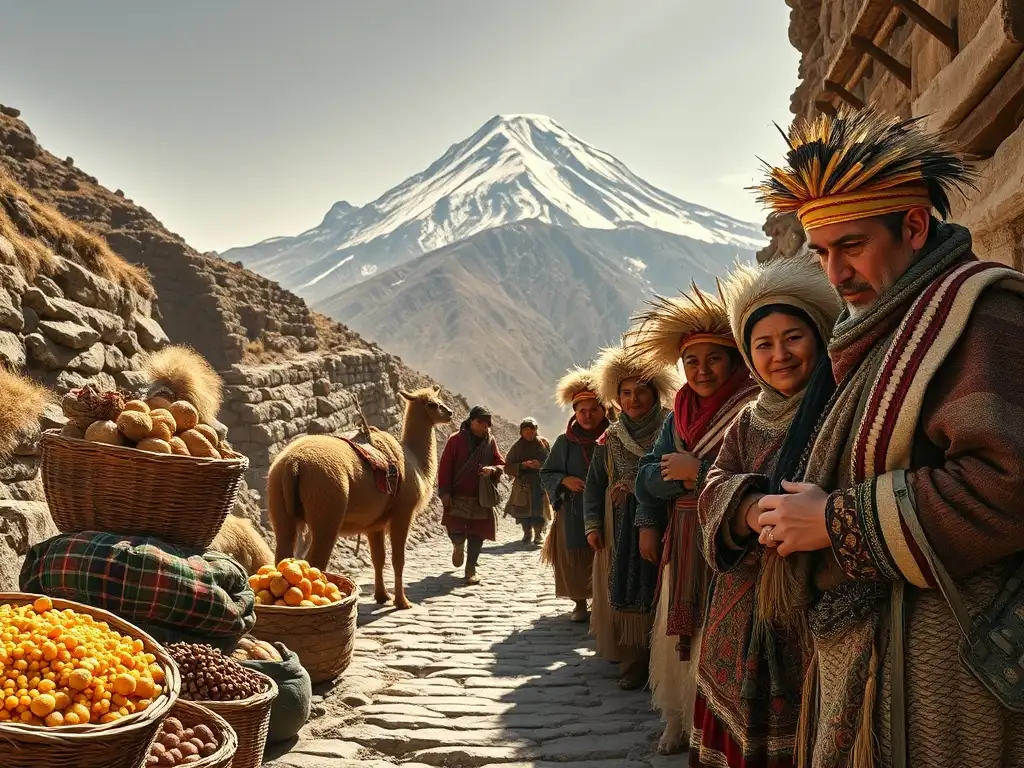
The Inca Empire, at its zenith, controlled a vast territory encompassing much of the Andes Mountains. This expansive reach significantly impacted the distribution of Andean foodstuffs, transforming localized agricultural practices into a sophisticated, empire-wide system. The Incas weren't simply conquerors; they were master organizers, leveraging their military might to create a highly efficient network for the movement of goods, including essential food resources.
This involved a complex interplay of infrastructure development, labor organization, and sophisticated storage techniques, all contributing to the remarkable stability and longevity of the empire. Understanding the Inca's approach to trade and food distribution is crucial to appreciating the scale and sophistication of their civilization.
The sheer volume of food moved across the empire speaks volumes about their logistical abilities and the importance of food security in their imperial strategy. Their success in this area is a testament to the meticulous planning and execution that characterized Inca governance.
Inca Road System and its Impact on Food Distribution
The Qhapaq Ñan, or Great Inca Road, is a testament to Inca engineering prowess and its crucial role in food distribution. This network of roads, spanning thousands of miles, connected distant parts of the empire, facilitating the movement of goods, people, and, importantly, food. The roads themselves weren't simply paths; they were meticulously engineered pathways, often paved and featuring strategically placed tambos (roadside inns) that served as resting places for travelers and storage points for goods.
These tambos played a vital role in breaking down the journey into manageable stages, ensuring the safe and efficient transit of food supplies. The construction and maintenance of this extensive road system required a massive coordinated effort, showcasing the Incas’ ability to mobilize human resources for large-scale projects. Specific examples of tambos along certain trade routes, like those leading to Cuzco, would further illustrate the density and strategic placement of these facilities along the network, highlighting their importance in ensuring the continuous flow of goods across the empire.
[Specific examples of tambos and their locations pending]. The impact of the Qhapaq Ñan on food distribution was transformative, allowing for the efficient transfer of surpluses from productive regions to areas with lower yields, thereby mitigating the risk of famine and ensuring a stable food supply across the empire.
The Mit'a System and its Contribution to Food Supply
The mit'a system, a form of mandatory labor service, was integral to the Inca's ability to effectively distribute food. While often associated with public works projects like road construction, the mit'a also played a significant role in agriculture and food transport. Farmers were required to contribute a portion of their harvest to the state, which was then stored in strategically located warehouses and subsequently redistributed to support the population, the army, and religious institutions.
This system ensured that the empire had access to a reliable supply of food, even in times of poor harvests. The mit'a wasn't simply about forced labor; it was a system of reciprocal obligation, where the state provided essential services and protection in exchange for the labor contributions of its subjects. Furthermore, the mit'a system facilitated the movement of food along trade routes, as individuals assigned to transport duties would move food supplies along the Qhapaq Ñan.
Data on the proportion of mit'a labor dedicated to food production and transport would provide a clearer picture of its impact on the Andean trade routes food distribution. [Data on the proportion of mit'a labor dedicated to food production and transport pending]. The efficiency of this system contributed significantly to the empire's stability and its ability to feed a large and diverse population.
Inca Storage Infrastructure and Food Preservation
The Inca's success in food distribution wasn't solely dependent on transportation; their sophisticated storage infrastructure and preservation techniques were equally crucial. They constructed vast warehouses, known as qollqas, strategically located throughout the empire to store surplus food. These qollqas were often built into hillsides or cliffs, providing natural insulation and protection from the elements. The design and construction of these warehouses were incredibly sophisticated, incorporating ventilation systems and other features to ensure the preservation of stored goods.
The Incas employed various preservation methods, including drying, salting, and freezing, to extend the shelf life of their food supplies. This allowed them to maintain a stable food supply throughout the year, even in regions with limited growing seasons. A detailed inventory of different qollqas across the empire, specifying their size, location, and the types of food stored, would provide a better understanding of the scale and scope of Inca storage capabilities.
[Detailed inventory of qollqas pending]. This combination of advanced storage techniques and infrastructure ensured that the food collected through the mit'a system and transported via the Qhapaq Ñan remained viable for distribution throughout the empire, contributing significantly to the stability and longevity of the Inca civilization. The ingenuity of their preservation methods is a testament to their deep understanding of agriculture and the challenges of providing for a large population across varied climates.
Key Andean Foodstuffs and Their Trade
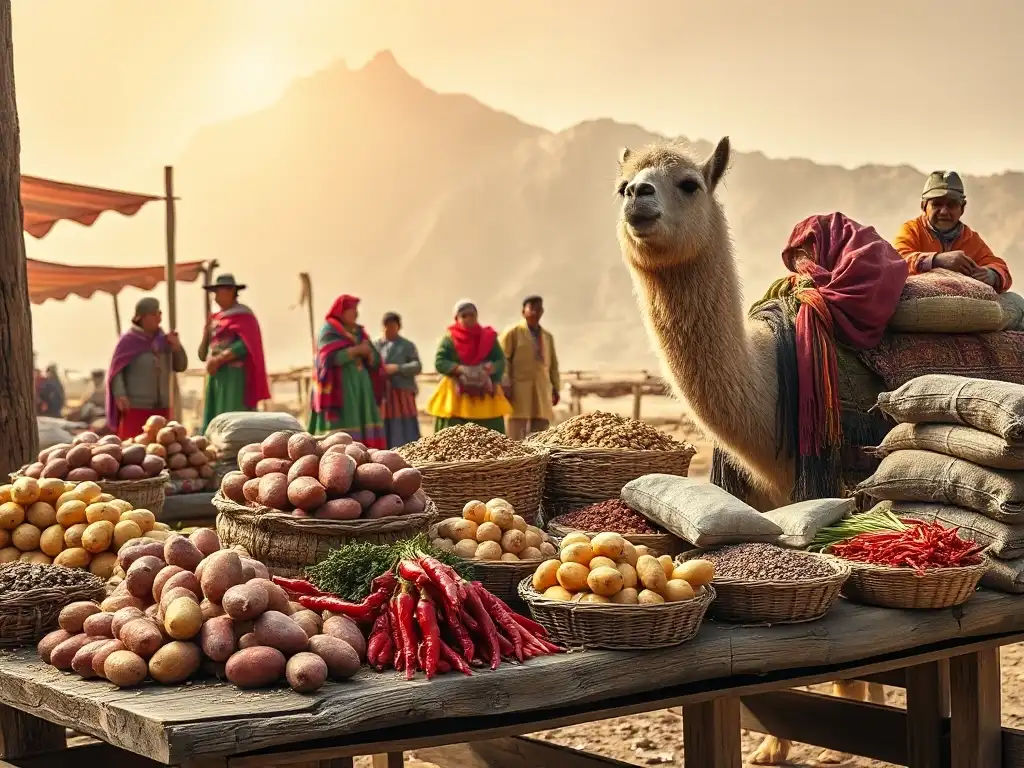
This section delves into the crucial role of trade in distributing essential foodstuffs across the diverse Andean landscape. The vast altitudinal and geographical variations of the Andes presented significant challenges to food production and availability. Trade networks, therefore, became vital for ensuring a balanced diet and the survival of Andean communities.
Understanding these trade routes is key to comprehending the complexities of Andean societies and their remarkable ability to adapt to their environment. The keyword phrase "Andean trade routes food distribution" is central to understanding the societal and economic structures of these ancient cultures. We'll examine the movement of several key foodstuffs, highlighting the intricate systems that facilitated their distribution.
The Trade of Potatoes and Tubers in the Andes
Potatoes, in their many varieties, formed the cornerstone of the Andean diet. The sheer diversity of potato species – estimates range from several hundred to over four thousand – demonstrates the crucial role of agricultural innovation and adaptation within Andean societies. However, not every region possessed the ideal conditions for cultivating all types of potatoes.
High-altitude areas might specialize in frost-resistant varieties, while lower-altitude valleys were better suited for other types. This necessitated a robust trade network to ensure a wide distribution of these essential tubers. Archaeological evidence, such as the discovery of potato remains in distant settlements, supports the existence of extensive potato trade throughout the Andes.
Furthermore, the development of sophisticated storage techniques, including underground qollqas (storehouses), allowed for the preservation and controlled distribution of potatoes throughout the year. The efficient movement of potatoes was not merely a matter of sustenance; it also played a significant role in maintaining social and political stability across the Andean region. The efficient distribution of this staple crop ensured the survival and prosperity of numerous communities, illustrating the sophisticated organizational capabilities of these Andean civilizations.
The Movement of Quinoa and Other Grains
Quinoa, a nutritional powerhouse, and other grains like amaranth played a vital role in the Andean diet, providing essential proteins and carbohydrates. Similar to potatoes, the cultivation of quinoa was dependent on specific environmental conditions, leading to regional specialization in grain production. The coastal regions, for example, may have been less suited to quinoa cultivation compared to the higher-altitude plateaus.
This disparity in production necessitated the establishment of trade routes to transport quinoa to coastal communities and other areas where it wasn't readily grown. The presence of quinoa remains in archaeological sites far from its primary production zones further underscores the importance of trade in its distribution. The intricate network of trade routes facilitated the movement of not only quinoa but also other grains, contributing significantly to the dietary diversity and resilience of Andean communities.
Further research into the specific routes and methods of grain transport would illuminate the organizational complexity and logistical prowess of Andean societies. Analyzing the types of grains found in different locations and their relative abundance could provide further insights into trade patterns and economic relationships between different Andean communities.
The Exchange of Meat and Fish in Andean Networks
The Andean diet wasn't solely reliant on plant-based foods. Meat, primarily from camelids like llamas and alpacas, and fish, from both coastal and highland lakes, were also important components. Camelids, particularly llamas, served as both a source of meat and as pack animals, facilitating their own transport across the Andes. The exchange of meat involved complex economic and social relationships.
Coastal communities, with their access to abundant fish resources, often traded fish for highland agricultural products. This reciprocal exchange highlights the interdependence between different Andean regions and the integrated nature of their economies. The extent of meat and fish trade, however, is still an area of ongoing research.
The preservation of meat and fish for long-distance trade presented significant challenges, necessitating the development of sophisticated preservation techniques and efficient transportation systems. Analysis of archaeological remains, such as bone fragments and fish scales found in distant sites, can help researchers reconstruct these ancient trade networks and understand the flow of these vital food resources. More detailed studies are needed to fully grasp the scale and complexity of the meat and fish trade, and its influence on the social and economic fabric of Andean civilizations.
Challenges and Innovations in Andean Food Trade
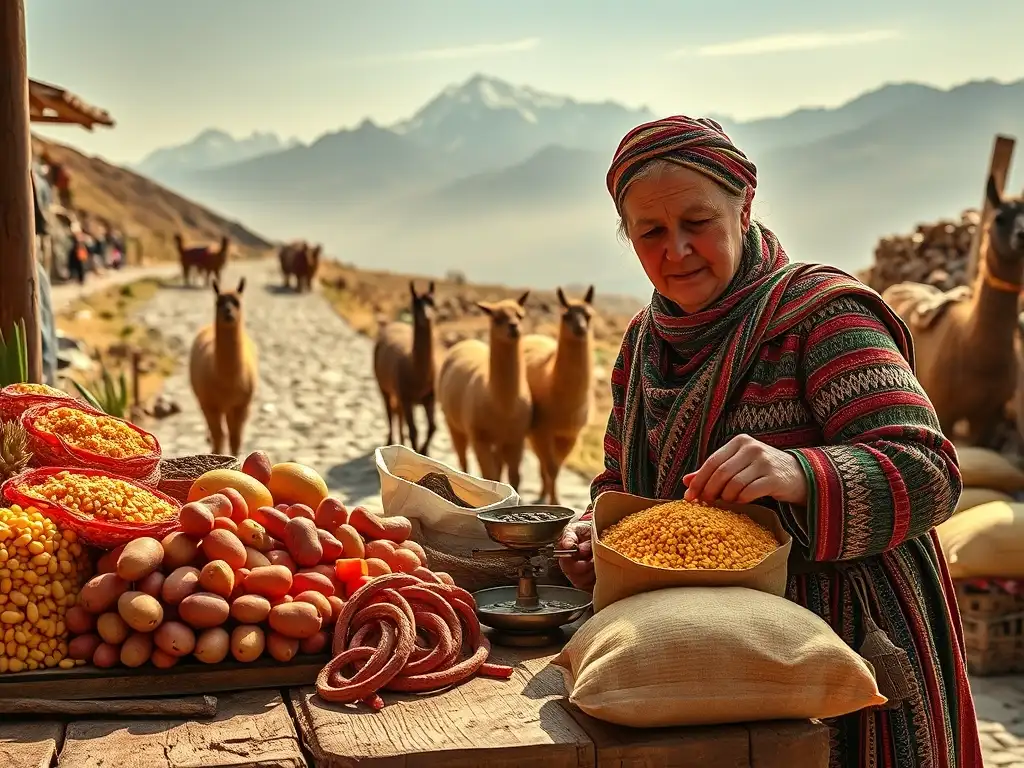
The success of Andean civilizations hinged significantly on their ability to effectively distribute foodstuffs across diverse and challenging terrains. The keyword "Andean trade routes food distribution" encapsulates the core issue: moving essential agricultural products from production zones to population centers often required ingenuity and adaptation. This wasn't simply a matter of transport; it involved overcoming significant geographical, climatic, and logistical hurdles. The intricate systems developed to address these challenges reveal a sophisticated understanding of logistics and resource management, far exceeding simplistic notions of ancient societies.
Overcoming Geographical Barriers in Food Distribution
The Andes Mountains, with their towering peaks, deep valleys, and treacherous passes, presented a formidable obstacle to efficient food distribution. Unlike flat plains, transporting goods required considerable effort and planning. Pre-Columbian Andean cultures employed a variety of solutions. The most notable was the development of a complex network of verticality, utilizing the altitudinal zones of the Andes to their advantage.
Different crops thrived at different elevations, creating a system of interconnected agricultural production. For example, potatoes grown at higher altitudes were traded for coastal fish and other goods. This vertical integration minimized the distances goods needed to travel and facilitated a more balanced distribution of resources.
Furthermore, sophisticated trail systems, often carved into mountain sides, provided access to remote areas. These weren't simply paths; they were carefully engineered routes, sometimes incorporating bridges and other infrastructure to navigate challenging terrain. The use of llamas and alpacas as pack animals played a crucial role, their ability to traverse steep inclines proving invaluable for transporting goods over long distances. Evidence suggests that the capacity and efficiency of these animal-based transport systems were carefully managed through the development of relay stations and resting places along major trade routes.
The sheer scale of this endeavor, spanning vast distances and altitudes, highlights the advanced logistical capabilities of Andean societies. Detailed records of these routes, unfortunately, are largely unavailable, leaving much of the specifics of their organization and management to be inferred from archaeological evidence. Further research is needed to fully understand the complexity of these systems.
Strategies for Food Preservation and Storage
Efficient food distribution wasn't solely about transport; it required effective preservation and storage techniques to prevent spoilage during transit and ensure a consistent supply. Andean cultures developed ingenious methods to address these concerns. Drying was a common practice, particularly for potatoes, corn, and other crops. These were often sun-dried or freeze-dried at high altitudes, extending their shelf life significantly. Salting and fermentation were also employed to preserve meat and other perishable items. These techniques, while simple in concept, required a detailed understanding of food science and preservation principles.
Beyond these methods, Andean societies constructed sophisticated storage facilities. Archaeological evidence reveals the existence of storehouses or qollqas, often built from stone and designed to maintain stable temperatures and humidity levels, thereby minimizing spoilage. These structures were strategically located along trade routes, serving as crucial waypoints for the redistribution of goods.
The design and placement of these qollqas demonstrate a keen awareness of environmental factors and their impact on food preservation. The precise methods used to maintain optimal conditions within these structures remain a subject of ongoing research, but their existence underscores the advanced knowledge of Andean peoples in preserving and managing their food resources. Understanding the exact construction techniques and material choices used in creating these structures would provide valuable insights into their effectiveness.
The Impact of Climate on Andean Trade Routes
The climate played a significant role in shaping Andean trade routes and influencing the distribution of food. The Andes experience considerable climatic variability, from arid coastal deserts to humid jungle regions and high-altitude alpine environments. This diversity influenced agricultural production and, consequently, the flow of goods. Trade routes were often adapted to seasonal changes, with some routes becoming impassable during the rainy season. This necessitated flexible strategies for food distribution, ensuring a reliable supply even in the face of unpredictable weather patterns.
El Niño events, characterized by intense rainfall and flooding, would have severely disrupted trade and caused significant disruptions to food distribution networks. While we lack precise historical records detailing the impact of these events, archaeological evidence, such as changes in settlement patterns or the abandonment of certain routes, suggests that Andean societies had to adapt their strategies to cope with climatic fluctuations. The development of alternative routes and the implementation of emergency food storage systems are likely examples of the adaptations employed to mitigate the effects of these climatic anomalies.
More research is needed to fully understand the adaptive strategies used by Andean populations in response to the challenges posed by El Niño and other climate-related events. A deeper analysis of climate records alongside archaeological data would provide a more comprehensive understanding of this dynamic interplay.
The Legacy of Andean Trade in Modern Food Systems
The intricate network of Andean trade routes, established centuries ago, continues to resonate in contemporary food systems. Understanding the historical distribution of foodstuffs across the Andes provides crucial insights into the resilience and adaptability of Andean agriculture, offering valuable lessons for modern food security strategies. The efficient movement of goods, particularly food staples, wasn't merely a matter of economic exchange; it was fundamental to the survival and prosperity of these complex societies.
This intricate system, characterized by diverse crops and sophisticated storage techniques, ensured a degree of food security that remains impressive even by today's standards. The sophisticated understanding of Andean agro-ecology and the strategic placement of storage facilities along trade routes minimized losses and maximized access to a variety of foods, even in challenging geographical areas. This legacy of efficient distribution offers valuable lessons for tackling modern-day challenges such as climate change and food insecurity.
Lessons from Ancient Andean Food Distribution
Analyzing ancient Andean food distribution reveals several key principles applicable to modern systems. Firstly, the emphasis on diversity stands out. Andean societies didn't rely on a single crop; instead, they cultivated a wide range of plants adapted to different altitudes and climates.
This diversification acted as a buffer against crop failures, a crucial strategy in the face of unpredictable weather patterns. Secondly, the strategic location of storage facilities along trade routes was essential. These qollqas, or storehouses, were often located at strategic points along the mountain passes and valleys, ensuring accessible reserves for communities and facilitating efficient distribution during times of need.
Finally, the community-based nature of the system is notable. Food distribution wasn't solely driven by market forces; it was deeply integrated into the social fabric, with reciprocal exchange and communal sharing playing vital roles. This social aspect ensured that even marginalized communities had access to essential foodstuffs, fostering social cohesion and stability.
The following table summarizes key lessons learned from analyzing ancient Andean food distribution systems:
| Lesson | Ancient Andean Practice | Modern Application |
|---|---|---|
| Crop Diversification | Cultivation of diverse crops at various altitudes | Diversified farming practices to mitigate climate risks |
| Strategic Storage Location | Qollqas strategically placed along trade routes | Optimized logistics for efficient food distribution |
| Community-Based Distribution | Reciprocal exchange and communal sharing | Community-supported agriculture and food banks |
| Understanding of Microclimates | Adapted crops to specific environmental niches | Precision agriculture and site-specific management |
The Influence of Andean Crops on Global Agriculture
Andean trade routes played a pivotal role in the dissemination of crucial crops that now form the foundation of global agriculture. The potato, for example, originally domesticated in the Andes, is now a global staple, demonstrating the lasting impact of Andean agriculture on world food production. Similarly, other Andean crops like quinoa, tomatoes, and beans have become integral components of diverse cuisines worldwide.
The exchange of these crops across continents, facilitated by trade networks, contributed significantly to dietary diversification and agricultural innovation globally. The resilience and adaptability of these crops, honed over millennia in the challenging Andean environment, have made them valuable resources in diverse agricultural settings across the globe.
The genetic diversity within these crops, maintained through traditional farming practices, represents an invaluable resource for future agricultural advancements and the breeding of more resilient varieties. This genetic heritage, preserved through Andean trade and agricultural practices, continues to provide essential benefits for global food security.
Sustainable Practices Inspired by Traditional Andean Trade
Traditional Andean trade systems offer valuable insights into sustainable practices that can be applied to modern food systems. The emphasis on local sourcing, minimizing transportation distances, and reducing the environmental impact of food distribution is particularly relevant today. Furthermore, the integration of agriculture with other economic activities, such as textile production and mining, created a diversified economy that reduced reliance on single crops and fostered resilience.
The interconnectedness of Andean communities, facilitated by trade routes, resulted in a robust and resilient food system capable of adapting to environmental challenges and ensuring food security even in harsh conditions. This complex interplay of ecological knowledge, social structures, and economic activities provides a powerful model for developing more sustainable and equitable food systems in the 21st century.
The lessons learned from the Andean experience underscore the importance of integrating ecological considerations into food distribution networks and fostering community participation in the management of food resources. The preservation of traditional Andean agricultural knowledge and practices is crucial for promoting sustainable food security on a global scale.
Frequently Asked Questions
What role did trade play in the distribution of food in the Andes?
Andean trade routes were essential for the distribution of food. Different regions specialized in different crops, and trade networks facilitated the exchange of surpluses, ensuring food security across diverse environments. This system involved complex networks of roads, trails, and storage facilities.
How did the geography of the Andes influence food distribution?
The varied geography of the Andes, with its diverse altitudes and climates, significantly impacted food production and distribution. This led to the development of specialized agricultural zones and a reliance on interregional trade to access a wider variety of foods. Verticality was key to their success.
What kinds of goods were traded besides food?
While food was crucial, the Andean trade system also involved the exchange of textiles, metals, ceramics, and luxury goods. These items were often used as currency or in ceremonial contexts, further highlighting the importance of trade networks.
Which Andean civilizations relied most heavily on trade for food?
Many Andean civilizations, including the Inca, Moche, and Nazca, depended heavily on trade for food distribution. The Inca Empire, in particular, developed an extensive system of roads and storage facilities to manage this vast network, ensuring food reached its population.
What evidence supports our understanding of Andean trade routes and food distribution?
Archaeological evidence, such as road systems, storage facilities, and the discovery of diverse food remains in various locations, strongly supports our understanding. Ethnohistoric accounts from Spanish chronicles and indigenous oral traditions further enrich our knowledge of these complex systems.
Final Reflection: Weaving the Threads of Andean Sustenance
The intricate network of Andean trade routes, once vital for the distribution of diverse foodstuffs, continues to shape the region's culinary landscape and economic realities today. The resilience of these ancient systems, adapted and modified over centuries, offers a powerful lesson in sustainable resource management and cultural preservation in the face of globalization and climate change. Understanding this historical context is crucial for addressing modern challenges related to food security and equitable access to nutritious foods.
The enduring legacy of these trade routes is profoundly evident in the vibrant diversity of Andean cuisine, a testament to the ingenuity and adaptability of its people. The interconnectedness fostered by these routes wasn't merely about the exchange of goods; it was a cultural exchange, a sharing of knowledge and practices that shaped communities and identities. As the anthropologist Claude Lévi-Strauss eloquently stated, Culinary practices are not simply a matter of satisfying hunger; they are a fundamental aspect of culture, reflecting social structures, beliefs, and values.
This sentiment resonates deeply with the rich tapestry of Andean food traditions, woven together by centuries of trade and exchange.
Consider the impact of these historical trade routes on your own life. Perhaps you've enjoyed a quinoa salad, savored the sweetness of Andean potatoes, or sipped a cup of coca tea – all products of this intricate system.
Reflect on the journey these foods have taken to reach your table, and the human stories embedded within each bite. Let this understanding inspire you to support sustainable and equitable food systems, to appreciate the cultural richness of Andean traditions, and to advocate for policies that protect both the environment and the livelihoods of those who cultivate and distribute these vital foodstuffs.
Unlock the Rich Flavors of the Andes!
Thank you for exploring the vital role of trade in distributing Andean foodstuffs! Your interest highlights the importance of understanding how these unique ingredients enrich culinary traditions. Now, let's delve deeper into the vibrant world of Andean cuisine.
Here are a few ways you can connect with the flavors of the Andes:
- Explore local markets for Andean ingredients and try a traditional recipe. Why not start with a delicious quinoa dish?
- Share your favorite Andean recipes and culinary experiences on social media. Tag us to join our vibrant community of Andean food enthusiasts!
- Learn about the history of Andean cultures and their contributions to agricultural practices. You might be surprised by what you discover about Andean crops!
What Andean ingredient are you most excited to use this week? Share your thoughts below!