
More Than Simple Objects: The Cultural Significance of Andean Tools


Step into a world lost to time, yet echoing with the ingenuity of ancient masters. Imagine a landscape sculpted by civilizations as breathtaking as the Andes themselves. This is where the story of Andean tools and their cultural significance unfolds. Discover how seemingly simple objects held profound meaning, revealing secrets of a complex society and technological prowess that continues to amaze. Prepare to be captivated by the artistry and innovation that shaped the Andean world – your journey begins now.
The Andes Mountains, a spine of towering peaks running down the western coast of South America, nurtured a rich tapestry of ancient civilizations. For centuries, these cultures—including the Incas, Moche, Nazca, and Tiahuanaco—developed sophisticated technologies and innovative techniques to thrive in their challenging environment. This article delves into the world of Andean tools, revealing that these weren't merely utilitarian objects but powerful symbols deeply interwoven with the cultural fabric of their societies.
We'll explore how these tools reflect social structures, religious beliefs, and the intricate relationship between humans and their environment, highlighting the profound Andean tools cultural significance. Understanding these tools offers a unique window into the ingenuity, artistry, and spiritual life of these fascinating ancient Andean peoples. Prepare to be amazed by the ingenuity and artistry embedded in every meticulously crafted piece.
Agricultural Implements: Symbols of Sustenance and Ritual
Andean agriculture was not simply a means of survival; it was a deeply spiritual practice. Agricultural tools, therefore, held immense cultural significance, representing the connection between the people and their deities. Consider the chaquitaclla, a foot plow used by several Andean cultures.
Its seemingly simple design belies its profound importance. The act of tilling the soil with this tool was not just a physical task; it was a ritualistic act, connecting the farmer directly to Pachamama, the Earth Mother. The careful craftsmanship evident in many surviving examples reveals a deep respect for the land and its bounty.
Moreover, the variations in design across different Andean cultures reflect the diverse agricultural practices and beliefs of each group. The materials used – often wood, stone, and occasionally metal – also tell us about the resources available and the technological capabilities of the respective societies. Detailed analysis of these tools reveals not only practical applications but also intricate details reflecting symbolic representations of fertility and abundance.
Textile Tools: Weaving Narratives of Identity and Cosmology
Textiles were, and continue to be, incredibly important in Andean culture. The tools used to create these intricate fabrics were not just instruments of production but also powerful symbols of identity, social status, and cosmological beliefs. The spindle whorl, a small, weighted disc used to spin yarn, is a prime example.
While seemingly simple, the intricate designs and materials used in their creation (ranging from clay and stone to precious metals) reveal a wealth of information about the weaver's skill, social standing, and possibly even their religious affiliations. The diversity of spindle whorls across different Andean cultures indicates the wide range of textile traditions and the cultural richness of the region.
Furthermore, the act of weaving itself was often considered a sacred act, connecting the weaver to the spiritual realm and reflecting the intricate relationship between the human world and the cosmos. The vibrant colors and intricate patterns found in Andean textiles are direct reflections of the cosmological beliefs and spiritual practices of their creators.
The Andean mastery of metalworking is a testament to their advanced technological skills. Tools used in this process, such as hammers, anvils, and crucibles, were not simply functional objects; they were crucial components in a complex social and economic system. The production of metal objects, particularly those made of gold and silver, was often controlled by the elite, reflecting the high social status associated with metalworking expertise.
The tools themselves, often crafted with precision and decorated with intricate designs, further emphasize the significance of this craft. The distribution and stylistic variations of metalworking tools across different regions and time periods provide valuable insights into trade networks and the diffusion of technological innovations within Andean societies. The precise techniques employed, reflected in the tools themselves, allowed for the creation of elaborate ornaments and ceremonial objects, further underscoring the integration of technology and spirituality within Andean societies.
Beyond the Functional: Interpreting the Symbolism
The Andean tools discussed above are merely a glimpse into the vast array of implements used by these remarkable civilizations. What truly sets them apart is not just their functionality but their profound cultural significance. Their design, materials, and the very act of using them were all imbued with meaning, reflecting the rich spiritual and social life of the Andean people.
Further research into the specific contexts of discovery, alongside detailed stylistic analysis, is crucial to fully understand the nuanced symbolism embedded within each tool. By studying these objects, we gain a deeper appreciation for the ingenuity, artistry, and spiritual worldview of the ancient Andean civilizations, enriching our understanding of their remarkable legacy.
- Agricultural Implements: Symbols of Sustenance and Ritual
- Textile Tools: Weaving Narratives of Identity and Cosmology
- Metalworking Tools: Technological Prowess and Social Hierarchy
- Beyond the Functional: Interpreting the Symbolism
The Enduring Legacy of Andean Implements: An Introduction
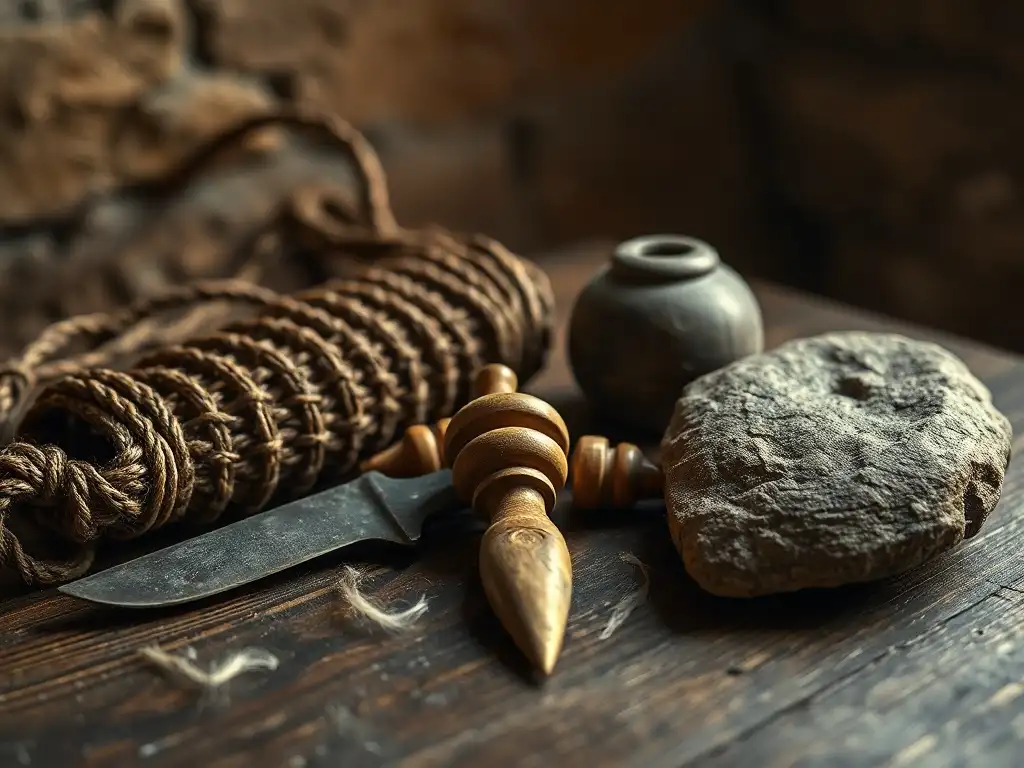
The study of Andean tools offers a captivating window into the ingenuity and cultural depth of pre-Columbian societies. These weren't simply utilitarian objects; they were integral components of daily life, deeply embedded within the social fabric, religious practices, and cosmological beliefs of the various Andean cultures. Understanding their design, materials, and distribution allows us to reconstruct aspects of daily life, social hierarchies, and spiritual practices that would otherwise remain hidden.
This section delves into the multifaceted significance of Andean tools, moving beyond their practical applications to explore their symbolic and ritualistic roles. The enduring legacy of these implements is not merely their physical presence in archaeological sites, but their lasting influence on our understanding of these fascinating civilizations.
Analyzing Andean tools cultural significance requires a holistic approach, considering both their material properties and their cultural context. We will explore how seemingly simple objects reveal complex social structures, belief systems, and technological advancements.
Understanding the Role of Tools in Andean Societies
Andean societies, spanning diverse geographical regions and time periods, relied heavily on their technological capabilities. Tools were essential for agriculture, construction, textile production, and warfare. The sophistication of Andean toolmaking varied across cultures and time periods. For instance, the Nazca culture, renowned for their intricate geoglyphs, possessed advanced knowledge of metallurgy, evidenced by the discovery of finely crafted copper and gold tools. In contrast, some earlier cultures relied more on stone tools, demonstrating remarkable skill in shaping obsidian and other volcanic rocks into highly effective implements.
The development and use of tools were not isolated activities but were deeply integrated into the social structure. Specialized craftsmen likely existed within many Andean communities, responsible for the production and maintenance of tools. The distribution of certain types of tools might reflect social hierarchies, with high-quality implements potentially reserved for elites. Archaeological evidence suggests a complex exchange network facilitated the movement of raw materials and finished tools across vast distances, highlighting the interconnectedness of Andean societies.
Consider the chaquitaclla, a foot-operated plow unique to the Andes. Its design, combining simplicity with effectiveness, speaks volumes about the ingenuity of Andean farmers. This tool allowed for efficient cultivation of the challenging Andean terrain, contributing significantly to the success of Andean agriculture and the development of complex social structures that supported large populations. The chaquitaclla's enduring presence in Andean agriculture even into modern times underscores its significance, both technologically and culturally.
Beyond Functionality: The Symbolic Value of Andean Artifacts
Beyond their practical uses, Andean tools often held significant symbolic and ritualistic value. Many tools were meticulously crafted, adorned with intricate designs, or made from precious materials, suggesting that they were more than mere instruments of labor. The incorporation of symbolic elements into tools suggests a connection between the mundane activities of daily life and the spiritual realm.
For example, the careful selection of materials for certain tools could have held religious significance. The use of specific types of stone or metal might have been associated with particular deities or cosmological beliefs. Furthermore, the decorative elements found on some tools—geometric patterns, zoomorphic motifs, or anthropomorphic representations—might have served as visual representations of religious beliefs or social status.
The discovery of tools in burial contexts further underscores their symbolic importance. The inclusion of tools in graves suggests that these objects were considered vital even in the afterlife. This practice highlights the enduring relationship between the living and the deceased, and the importance of tools in maintaining continuity across generations.
The careful placement and orientation of tools within burial sites may also provide insights into the beliefs about death and the afterlife held by Andean cultures. Analyzing these patterns provides valuable clues to unlock a deeper understanding of Andean spiritual practices and worldviews, adding a significant layer to our comprehension of Andean tools cultural significance. Further research, particularly detailed analysis of specific tool types found in burial contexts, is crucial to fully grasp the nuances of this symbolic association.
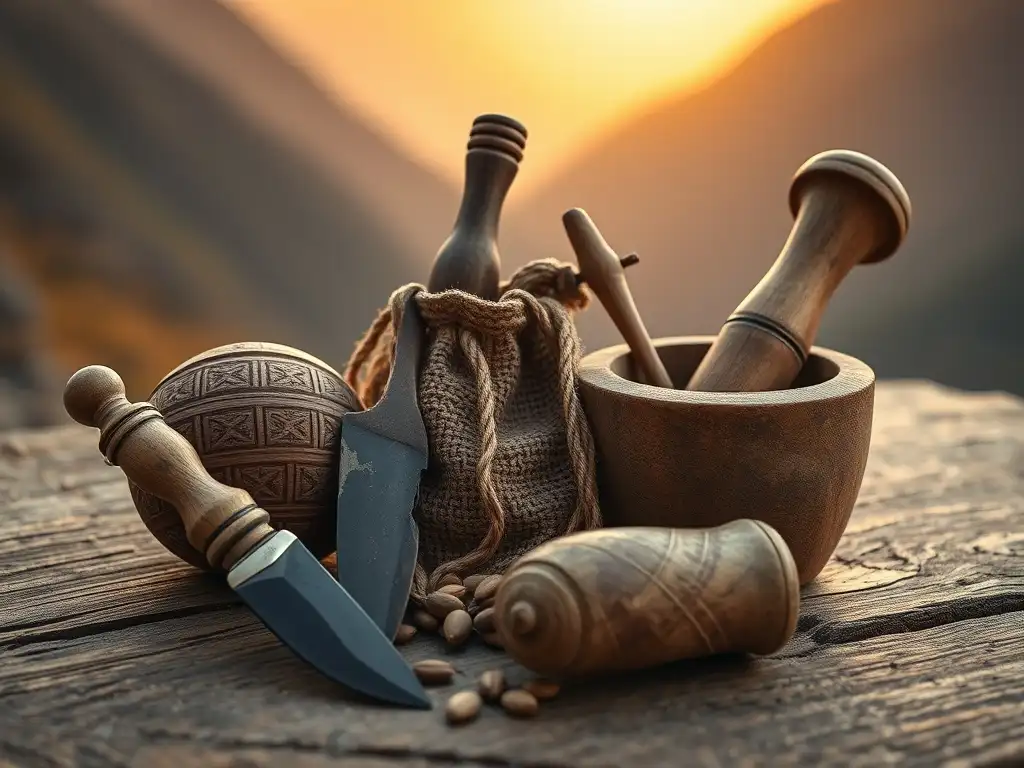
This section delves into the profound cultural significance embedded within the seemingly simple tools employed by Andean civilizations. These artifacts, far from being mere instruments of practicality, offer invaluable insights into the daily lives, social structures, and belief systems of these fascinating cultures. Analyzing their design, materials, and distribution reveals a complex tapestry of ingenuity, societal organization, and spiritual meaning.
The study of Andean tools provides a unique lens through which to understand the remarkable achievements of these ancient societies. Understanding the "Andean tools cultural significance" requires a nuanced approach, moving beyond the purely functional aspects to embrace their symbolic and ritualistic roles.
Agricultural Tools and Their Importance in Andean Farming
Agriculture formed the backbone of Andean societies, and the tools used in farming reflect this centrality. The ingenuity displayed in tool design highlights the deep understanding these cultures possessed of their environment and the challenges of cultivating in diverse, often challenging terrains. The development and refinement of these tools were crucial for the survival and prosperity of Andean communities, shaping their social structures and influencing their worldview. The efficiency of these tools directly impacted food production, population density, and the ability to support complex social hierarchies.
The Chaquitaclla: A Symbol of Andean Agricultural Ingenuity
The chaquitaclla, a foot-powered plow, stands as a testament to Andean innovation. Unlike animal-drawn plows common in other parts of the world, the chaquitaclla was uniquely adapted to the Andean environment. Its design, featuring a digging stick with a footrest, allowed for efficient cultivation of the steep, terraced fields characteristic of the region. More than just a tool, the chaquitaclla represents a deep understanding of soil mechanics and agricultural techniques.
Its continued use in some Andean communities today speaks to its enduring effectiveness and cultural importance. The mastery of its use was likely passed down through generations, reinforcing social bonds and knowledge transmission within families and communities. Archaeological findings consistently reveal the widespread use of this tool, supporting its significance as a cornerstone of Andean agriculture.
Other Essential Farming Tools: The Raucana and the Lampa
Beyond the chaquitaclla, other tools played vital roles in Andean farming. The raucana, a type of digging stick, was used for various tasks, including planting and weeding. Its simple design belies its versatility and effectiveness in preparing the soil for planting. The lampa, a hand-held hoe, was another essential tool, used for tilling, weeding, and harvesting.
These tools, often made from wood or stone, showcase the adaptability of Andean peoples to utilize readily available materials for constructing essential agricultural implements. The variations in their design across different Andean regions reflect the diverse agricultural practices and environmental conditions. Further research is needed to fully understand the regional variations and their implications for Andean agricultural practices. [Specific information pending on regional variations of raucana and lampa]
Tools for Textile Production: Weaving and Beyond
Textile production was another crucial aspect of Andean life, with textiles serving both practical and symbolic purposes. The tools used in weaving were not merely functional; they were deeply intertwined with Andean cosmology and social structures. The intricate designs and techniques employed in Andean textiles reflect a sophisticated understanding of fiber manipulation and artistic expression.
The Spindle and Loom: Key Elements in Andean Textile Art
The spindle and loom were the fundamental tools of Andean textile production. The spindle, used for spinning yarn, represents a technology that allowed for the creation of high-quality textiles. The loom, a more complex apparatus, facilitated the weaving process, allowing for the creation of intricate patterns and designs.
The quality of the yarn and the complexity of the woven fabrics often indicated social status and skill. The mastery of these tools was often passed down through generations of women, reflecting a strong female presence within Andean textile production. The intricate designs woven into Andean textiles often depicted mythological figures, astronomical events, or important social narratives, transforming these fabrics into powerful forms of communication.
The Significance of Textile Tools in Andean Culture
The tools used in textile production were not simply instruments of craft; they held profound cultural significance. The act of weaving itself was often associated with ritual and spiritual practices, connecting the process to the Andean worldview. The materials used in textile production, such as alpaca and vicuña wool, were also imbued with symbolic meaning, reflecting the Andean relationship with their environment and the animals they depended upon. The intricate patterns and designs woven into Andean textiles often held symbolic meanings, providing insights into the beliefs and values of Andean societies.
The study of these tools and their use allows us to better understand the social organization and spiritual beliefs of these ancient cultures. Analyzing the distribution and stylistic variations of these tools across different Andean regions can reveal insights into trade networks and cultural exchange. 🧶
Craftsmanship and the Tools of Andean Artisans
The remarkable craftsmanship evident in Andean artifacts is inseparable from the tools used to create them. These tools, often made from readily available materials like stone, bone, wood, and later, metals, reveal a deep understanding of material properties and a sophisticated level of technological skill. The precision and artistry displayed in Andean pottery, textiles, and metalwork are a direct consequence of the ingenuity and expertise invested in tool design and manufacture.
The development of specialized tools, reflecting a growing complexity in Andean societies, allowed for increasingly intricate and refined artistic expressions. This intricate relationship between tool and artifact underscores the importance of examining Andean tools not merely as utilitarian objects, but as integral components of the cultural and artistic landscape. The development of these tools directly impacted the evolution of Andean art and societal structures.
Pottery and Ceramic Tools: Shaping Andean Art
Andean pottery, renowned for its diverse styles and intricate designs, relied heavily on a range of specialized tools. Simple tools, such as paddle-and-anvil techniques, were employed for early pottery production. However, as ceramic artistry advanced, so did the sophistication of the tools.
Potters utilized carefully shaped wooden or bone tools for smoothing and shaping clay, achieving remarkable precision in creating vessels of varying sizes and forms. Sponges and brushes, likely made from natural materials, were used to apply pigments and create decorative patterns. The development of kilns, crucial for firing the pottery, also required specialized tools for construction and temperature control.
The quality of the finished product—the vibrant colors, the elegant forms, the detailed designs—was directly dependent on the quality and diversity of the tools used in the creation process. Analyzing these tools provides invaluable insight into the techniques and artistic processes employed by Andean potters, shedding light on the evolution of this significant art form and its role within Andean culture. The evolution of pottery tools mirrors the increasing complexity and sophistication of Andean societies.
Metalworking Tools: A testament to Andean Technological Skills
The Andean mastery of metalworking, particularly in gold, silver, and copper, is a testament to their advanced technological skills. The tools used in these processes are equally impressive, showcasing a deep understanding of metallurgy and engineering. Mallets and anvils, often made of stone, were used to shape metal, while crucibles, crafted from clay and capable of withstanding high temperatures, were essential for smelting and refining ores.
Specialized tools, such as chisels, punches, and hammers, allowed artisans to create intricate designs and delicate forms. The use of alloys, such as tumbaga (a gold-copper alloy), required precise control over temperature and composition, indicating a sophisticated understanding of metallurgical processes. The discovery of these tools in archaeological contexts provides strong evidence of the advanced technological prowess of Andean societies and their capacity for innovation.
The precision and intricacy of the metalwork, from delicate jewelry to elaborate ceremonial objects, are directly linked to the advanced tools employed in their creation. The development of these sophisticated metalworking techniques, made possible by the tools, significantly impacted the social and political organization of Andean societies. The ability to work with metals facilitated the creation of prestigious objects and tools, enhancing the power and prestige of elites.
The Cultural Significance of Andean Tools: Rituals and Beliefs
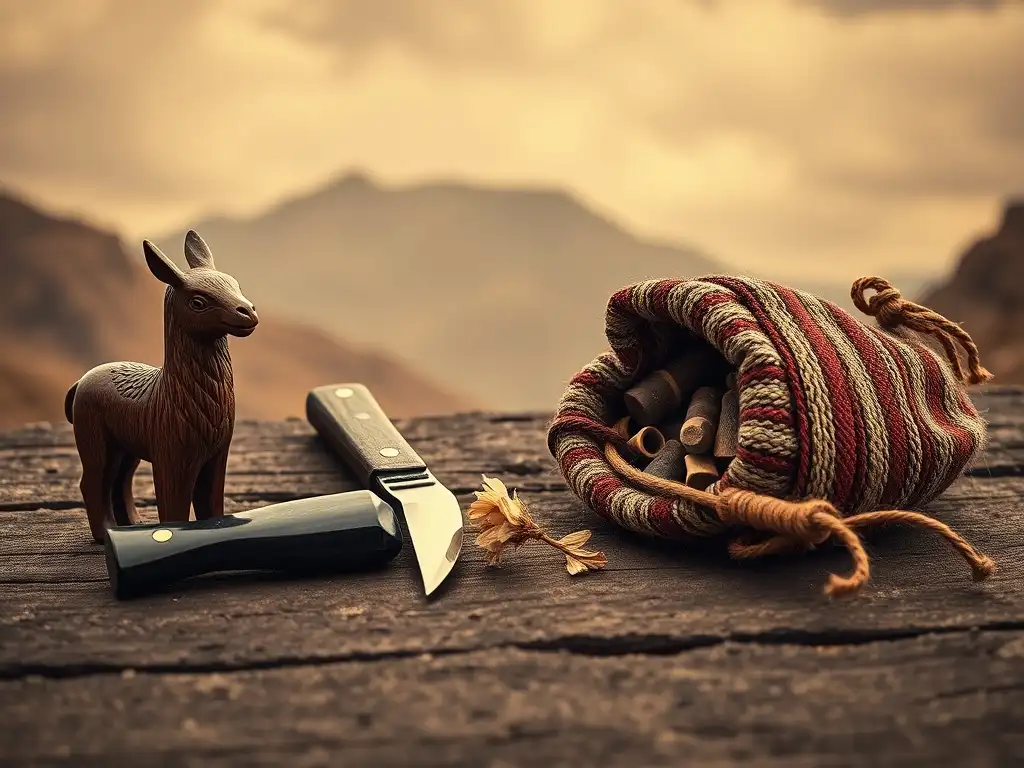
The Andean world wasn't just about practical functionality; tools held profound cultural significance, deeply intertwined with religious beliefs and rituals. Their importance extended far beyond their utilitarian purpose, becoming potent symbols and integral parts of Andean spiritual life. Understanding this cultural context reveals a deeper appreciation for the ingenuity and worldview of these ancient societies, enriching our understanding of "Andean tools cultural significance." The careful craftsmanship and intricate designs often found on these tools further underscore their elevated status within Andean culture.
Tools as Offerings and Ritual Objects
The discovery of tools within archaeological sites associated with ritual activity provides compelling evidence of their ceremonial use. These weren't simply discarded implements; they were deliberately placed, often alongside other offerings, suggesting a deliberate act of veneration or appeasement. The meticulous preservation of certain tools, even those showing signs of wear, further supports the idea that their value extended beyond their practical life.
The Role of Tools in Andean Ceremonies
Many Andean ceremonies involved the use of specific tools. For example, agricultural tools like chacas (hoes) might feature prominently in harvest festivals, symbolizing the bounty of the land and expressing gratitude to the deities associated with fertility. Similarly, weaving tools, like spindles and looms, could be included in ceremonies related to textile production, representing the skill and creativity of the artisans and their connection to the spiritual realm. Detailed accounts of these ceremonies are unfortunately scarce, but careful analysis of archaeological contexts allows us to infer their likely roles. [Specific examples of ceremonial tool use pending further research].
Tools as Symbolic Representations of Andean Deities
Certain tools may have represented specific Andean deities or embodied their power. The intricate carvings and designs found on some tools suggest a symbolic connection to the supernatural world. For instance, a finely crafted obsidian knife might symbolize the sharp power of a particular deity associated with storms or warfare.
These symbolic associations would have held immense significance for the Andean people, imbuing the tools with spiritual potency. The precise symbolism varies across different Andean cultures and time periods, reflecting the diversity of their beliefs. [Further research is needed to fully elucidate the symbolic representations of specific deities and tools].
Tools and Ancestral Veneration in Andean Societies
Ancestor veneration was a cornerstone of Andean religious practices, and tools played a crucial role in this tradition. The transmission of knowledge and skills related to tool-making was deeply intertwined with the respect shown to ancestors. The continuity of tool-making practices across generations served as a powerful link to the past, reinforcing cultural identity and reinforcing the connection between the living and the dead.
The Transmission of Tool-Making Skills Through Generations
The mastery of tool-making techniques was often passed down through family lineages, with specialized skills being carefully preserved and taught. This process was not merely a practical matter; it was also a ritualistic one, symbolically connecting the apprentice to the ancestral lineage of skilled artisans. The intricate designs and techniques employed in tool-making were often closely guarded secrets, passed down only within the family or community. This emphasis on lineage and tradition highlights the deep cultural significance attached to tool-making within Andean society.
Tools as Links to Andean Ancestral Traditions
Tools served as tangible reminders of ancestral knowledge and expertise. Their continued use in daily life reinforced the connection to past generations and served as a means of honoring their legacy. The preservation of ancient tool-making techniques demonstrates the importance placed on maintaining a continuous link to the ancestral past.
By utilizing traditional methods, Andean communities reaffirmed their cultural identity and maintained a vital connection to their heritage, making the study of these tools crucial for understanding "Andean tools cultural significance." The continued relevance of traditional tool-making practices in some contemporary Andean communities underscores the enduring legacy of these ancient traditions.
The Technological Innovation Behind Andean Tools

Andean tools, often overlooked as mere implements, represent a sophisticated understanding of materials science and engineering. Their cultural significance is deeply intertwined with the ingenuity and adaptability of the Andean peoples. This section explores the technological advancements that underpinned the creation and use of these remarkable tools, highlighting the resourcefulness and innovation that characterized Andean societies.
Understanding the technology behind these tools allows us to appreciate their true cultural value and the profound impact they had – and continue to have – on Andean life. The keyword phrase "Andean tools cultural significance" is central to understanding this intricate relationship between technology, culture, and society.
Andean Ingenuity in Tool Design and Construction
Resourcefulness and the Use of Local Materials
Andean toolmakers demonstrated remarkable resourcefulness, skillfully adapting available materials to create highly effective tools. They weren't simply using whatever they found; they were selecting materials based on their properties. For example, obsidian, readily available in certain regions, was prized for its sharpness and used to create incredibly fine blades for knives and ceremonial objects. Similarly, tough woods like chonta were carefully chosen for their durability and used in the construction of digging sticks and other agricultural implements.
The selection process itself reflects a deep understanding of material science and a keen eye for detail. This careful selection, combined with advanced techniques like polishing and hardening, ensured the tools' longevity and effectiveness. The use of local materials also minimized environmental impact, showcasing a sustainable approach to tool production. This careful consideration of both material properties and environmental impact is a crucial aspect of the "Andean tools cultural significance."
Adaptive Technologies for Diverse Andean Environments
The varied Andean geography—from high-altitude plains to coastal deserts—presented unique challenges. Andean toolmakers responded by developing tools specifically adapted to these diverse environments. Agricultural tools, for instance, varied significantly depending on the terrain and the crops being cultivated. Tools used for high-altitude farming differed greatly from those used in the coastal valleys.
This adaptability is a testament to the ingenuity of Andean peoples and their intimate understanding of their environment. The design of tools was not static; it evolved to meet the specific demands of different ecological niches, further enriching the "Andean tools cultural significance." Consider the variations in irrigation systems alone: sophisticated canal networks in some regions contrasted sharply with the simpler techniques used in other areas. These variations reflect the adaptive nature of Andean technology and its close relationship to the environment.
The Evolution of Andean Tools Over Time
Changes in Design and Techniques Across Different Andean Cultures
The design and construction of Andean tools were not uniform across all cultures and time periods. The evolution of tools reflects the changing needs and technological advancements within different Andean societies. For example, the sophisticated metalworking techniques of the Inca Empire, which involved advanced smelting and alloying processes, contrasted sharply with the earlier stone tool technologies of the pre-Inca cultures.
The development of metallurgy significantly impacted the design and functionality of many tools, leading to more durable and efficient implements. This evolution is not a linear progression; instead, it's a complex interplay of innovation, cultural exchange, and adaptation. The "Andean tools cultural significance" lies not only in their individual utility but also in the story they tell of technological evolution across different Andean societies.
The Enduring Legacy of Andean Tools in Modern Practices
Many Andean tools and techniques continue to be used in modern times, a testament to their enduring practicality and cultural significance. Traditional agricultural practices, for instance, often incorporate tools and methods that have been passed down through generations. While modern materials and technologies have been introduced, the core principles and designs often remain consistent.
This continuity highlights the deep-rooted connection between past and present in Andean culture. The persistence of traditional toolmaking practices underscores the "Andean tools cultural significance," demonstrating their continued relevance in contemporary Andean life and their importance as a tangible link to a rich and vibrant past. The ongoing use of these tools serves as a living testament to the enduring ingenuity and cultural heritage of the Andean peoples.
Preserving the Legacy of Andean Tools
The study of Andean tools offers a captivating glimpse into the ingenuity and resourcefulness of ancient Andean societies. Understanding their cultural significance requires meticulous preservation efforts and rigorous scholarly analysis. These artifacts, often overlooked as mere implements, are actually intricate testaments to the sophisticated technologies and deeply rooted traditions of these civilizations. Their survival, often fragile after centuries, depends on careful excavation, preservation techniques, and responsible curation.
The preservation of these tools is not simply about saving objects; it's about safeguarding a crucial part of the Andean cultural heritage. Their continued existence allows future generations to connect with their ancestors and appreciate the remarkable achievements of these past societies. This preservation is crucial for understanding the intricate relationship between Andean people and their environment, demonstrating the sustainable practices employed for centuries.
Archaeological Discoveries and the Study of Andean Artifacts
Archaeological discoveries are fundamental to understanding the cultural significance of Andean tools. Excavations at sites across the Andes – from the high altitudes of the Andes Mountains to the coastal regions – have unearthed a vast array of tools, providing invaluable insights into daily life, agricultural practices, and religious beliefs. These discoveries are carefully documented, analyzed, and cataloged, creating a comprehensive record of the tools used by different Andean civilizations.
For example, the meticulous excavation of a Moche burial site might reveal a complete set of artisan's tools, including chisels, hammers, and specialized knives, allowing researchers to reconstruct the crafting process of specific artifacts. The context of these discoveries – the location within a site, the association with other artifacts, and the surrounding environmental conditions – is critical to interpreting their function and significance.
The Importance of Context in Understanding Andean Tools
The context of an archaeological find is paramount in understanding the cultural significance of Andean tools. A simple stone axe found isolated in a field might seem insignificant, but the same axe discovered within a carefully constructed tomb, alongside elaborate textiles and ceremonial objects, takes on a vastly different meaning, potentially signifying a high social status or connection to religious rituals. Similarly, the discovery of a specific type of tool in multiple sites across a wide geographical area can reveal trade networks and cultural exchange patterns.
The analysis of wear patterns on tools, for example, provides valuable information about their use and the materials they were used to process. The presence of specific pigments or residues on tools can indicate their use in crafting, rituals, or other activities. Careful analysis of these contextual clues allows archaeologists to reconstruct the lives and practices of ancient Andean people with remarkable accuracy.
Machu Picchu and Caral: Key Archaeological Sites
Machu Picchu and Caral, two iconic Andean sites, stand as prime examples of the rich information yielded by archaeological discoveries related to Andean tools. Machu Picchu, the famed Inca citadel, reveals sophisticated stone tools used for construction, agriculture, and daily tasks. The precision and artistry of these tools reflect the advanced technological capabilities of the Inca civilization.
In contrast, Caral, one of the oldest urban centers in the Americas, showcases the tools used by its inhabitants in early agricultural practices, revealing the development of irrigation systems and sophisticated farming techniques. The tools found at these sites provide invaluable comparative data, allowing researchers to track technological advancements and cultural changes across different Andean civilizations and time periods. Further studies comparing the tools from both sites are needed to fully understand the technological exchanges and influences between the two civilizations.
The Ongoing Cultural Significance of Andean Tools
The cultural significance of Andean tools extends far beyond their historical context. These artifacts remain deeply embedded in the cultural identity of modern Andean communities. Many traditional practices continue to utilize tools and techniques passed down through generations. This unbroken connection between the past and the present underscores the enduring legacy of these ancient civilizations. The tools are not simply relics of the past; they are active participants in the ongoing cultural narrative of the Andes.
Modern Indigenous Communities Maintaining Textile and Agricultural Practices
Many indigenous communities in the Andes continue to employ traditional techniques in textile production and agriculture, using tools that bear a striking resemblance to those discovered in archaeological sites. The intricate weaving techniques, for instance, rely on ancient tools like spindles and looms, passed down through generations. Similarly, agricultural practices often involve tools and methods that have remained largely unchanged for centuries, demonstrating a remarkable continuity of cultural practices.
This ongoing use of traditional tools highlights the resilience and adaptability of Andean cultures, showcasing how ancient technologies have been successfully integrated into modern life. Further research is needed to fully document the diversity of these practices across different Andean communities.
The Importance of Educating on the Cultural Value of Andean Tools
Educating the public about the cultural significance of Andean tools is crucial for preserving this vital part of the Andean heritage. Museums, educational institutions, and community organizations play a significant role in disseminating knowledge and promoting appreciation for these artifacts. By showcasing these tools within their historical and cultural context, we can foster a deeper understanding of the ingenuity, resilience, and cultural richness of the Andean civilizations.
This education helps to combat the misconception that these tools are merely simple objects and highlights their importance as tangible links to a rich and complex past. Educational initiatives should emphasize the connection between the past and the present, showcasing how these ancient technologies continue to influence Andean communities today. The dissemination of this knowledge can help to protect and preserve these invaluable artifacts for future generations.
Frequently Asked Questions
What makes Andean tools culturally significant?
Andean tools weren't just for practical use; they held deep cultural and religious meaning. Their designs, materials, and creation processes reflected cosmology, social structures, and spiritual beliefs. They were often intricately crafted and imbued with symbolic power.
The materials and craftsmanship of Andean tools often indicated the social standing of their owner. Elaborately decorated tools made from precious metals belonged to elites, while simpler tools were used by commoners. This reflected the hierarchical nature of Andean societies.
What were some of the most important types of Andean tools?
Important tools included agricultural implements like plows and digging sticks, textile tools for weaving and spinning, and metallurgical tools for working with gold, silver, and copper. Each type played a vital role in their respective societal functions.
What materials were commonly used to create Andean tools?
Andean tools were fashioned from a variety of materials, including stone, wood, bone, shell, and various metals. The availability and perceived value of these materials influenced both tool design and social status. Obsidian and copper were particularly prized.
How did Andean tool-making techniques evolve over time?
Andean tool-making techniques evolved significantly over centuries. Early tools were simpler, but later civilizations developed sophisticated techniques like lost-wax casting for metals and intricate designs for textiles, reflecting advancements in technology and artistry.
Final Reflection: Echoes of the Andes: A Legacy in Stone and Metal
The intricate craftsmanship of Andean tools isn't merely a testament to a bygone era; it's a vibrant thread woven into the tapestry of contemporary Andean identity. These objects, far from being simple implements, represent a profound connection to the land, a sophisticated understanding of materials, and a legacy of ingenuity that continues to inspire. Their enduring presence challenges us to reconsider our relationship with both the past and the objects that shape our lives.
The enduring power of Andean tools lies not only in their functionality but in their ability to transmit cultural values across generations. They whisper stories of resilience, adaptation, and a deep spiritual connection to the natural world. The meticulous detail in their creation speaks volumes about the respect for both the materials and the process. The tools are not just tools; they are extensions of the spirit, imbued with the energy of the earth and the skill of the artisan.
This sentiment, though paraphrased, captures the essence of the profound relationship between the Andean people and their tools, a relationship that continues to inform their cultural landscape.
Consider, for a moment, the legacy of these tools. How can we, in our own lives, cultivate a similar appreciation for the objects that surround us? How can we honor the craftsmanship and ingenuity embedded within the everyday items we use? Let the echoes of the Andes inspire you to look beyond the surface, to see the stories held within the objects that shape your world, and to appreciate the enduring power of human creativity and connection to the earth.
Unearth the Rich Tapestry of Andean Culture!
Thank you for exploring the fascinating world of Andean tools and their cultural significance. You've discovered more than just objects; you've gained a window into the rich heritage and traditions of Andean civilizations. Now, let's put that knowledge to good use!
Here are some ways to deepen your connection with this incredible culture:
- **Visit local museums and exhibitions** showcasing Andean artifacts to experience their stories firsthand.
- **Share your knowledge** with friends and family, or on social media. Help raise awareness of the cultural importance of these tools within your community.
- **Join an online community** dedicated to Andean culture to connect with others, exchange ideas, and share experiences.
How will you celebrate and share the beauty of Andean traditions?