
The Collector's Compass: Locating Ethical Dealers of Ancient Andean Treasures

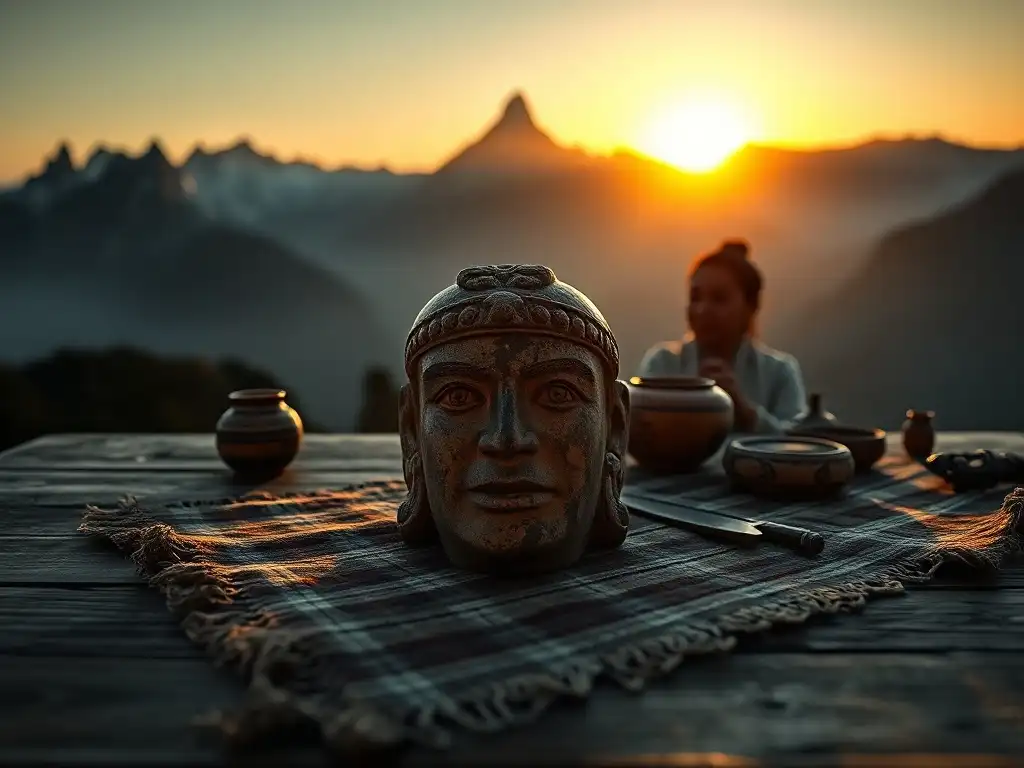
Dive into the captivating world of Andean Civilizations, where lost empires whisper secrets from the heights of the Andes. From the intricate artistry of the Nazca lines to the sophisticated engineering of the Incas, a legacy of breathtaking culture awaits. But how do you navigate the complexities of acquiring a piece of this history responsibly? Discover the crucial role of ethical Andean artifact dealers – your compass to ensuring authentic and ethically sourced treasures. Explore The Collector's Compass and uncover the path to responsible collecting in the fascinating world of Andean artifacts.
The allure of ancient Andean artifacts—the intricate textiles of the Nazca, the majestic goldwork of the Moche, the sophisticated stone carvings of the Inca—is undeniable. For collectors, acquiring these treasures represents a connection to a rich and complex past, a tangible link to civilizations that shaped South America's history. However, the path to ethical acquisition is fraught with complexities.
This guide serves as a compass, navigating the world of Andean art and helping discerning collectors identify reputable dealers committed to responsible sourcing and the preservation of Andean heritage. We will explore the crucial aspects of ethical sourcing, providing insights into identifying trustworthy dealers and understanding the critical role collectors play in protecting these invaluable cultural artifacts for future generations. This is not simply about acquiring beautiful objects; it's about participating responsibly in the preservation of a vital cultural legacy.
The market for ancient Andean artifacts is a complex one. While many dealers operate with the highest ethical standards, ensuring the provenance and legality of their pieces, others unfortunately engage in practices that harm cultural heritage. These practices range from the illicit looting of archaeological sites, fueling illegal trafficking networks, to the misrepresentation of artifacts' origins and authenticity.
Navigating this landscape requires vigilance and a commitment to ethical collecting. This section will lay the groundwork for understanding the importance of verifying the provenance of any artifact, and identifying red flags that might signal unethical practices. The responsible collector must be aware of their role in preventing the destruction of invaluable cultural sites and the erosion of Andean cultural heritage.
Understanding the Importance of Ethical Sourcing of Andean Artifacts
Ethical sourcing of Andean artifacts is paramount for several reasons. Firstly, it directly combats looting and the illegal trade that devastates archaeological sites and contributes to the loss of irreplaceable cultural information. The destruction of a site is not merely the loss of artifacts; it's the loss of invaluable context, knowledge about past societies, and the potential for future research.
Secondly, ethical sourcing ensures the authenticity and proper documentation of artifacts, providing collectors with verifiable provenance. This not only enhances the value and significance of the piece but also allows for a deeper understanding of its history and cultural context. Finally, supporting ethical dealers encourages sustainable practices and contributes to the preservation of Andean cultural heritage for future generations.
This means supporting dealers who prioritize collaboration with local communities and contribute to conservation efforts. Think of it as investing not just in an artifact, but in the ongoing protection of Andean history.
Why Ethical Sourcing Matters: Preserving Andean Heritage
The preservation of Andean heritage is not merely an academic pursuit; it is a matter of cultural survival. Ancient Andean civilizations left behind a legacy of breathtaking artistry and technological innovation. Their intricate textiles, sophisticated metalwork, and impressive architectural feats provide invaluable insights into their societies, beliefs, and daily lives.
However, the illegal trade in artifacts threatens this legacy. The looting of archaeological sites destroys irreplaceable historical context, fragments narratives, and deprives future generations of the opportunity to learn from these remarkable cultures. By choosing to purchase artifacts only from ethical dealers, collectors directly contribute to the preservation of this heritage.
This active participation in responsible collecting safeguards not only individual artifacts but the entire tapestry of Andean history and culture, ensuring that future generations can appreciate and learn from this rich legacy. It’s a collective responsibility to ensure that these treasures remain accessible and understood, not lost to the shadows of illicit trade.
The Dangers of Illicit Trade: Protecting Andean Cultural Property
The illicit trade of Andean artifacts poses a significant threat to the preservation of these invaluable pieces of history and culture. The looting of archaeological sites not only destroys irreplaceable contexts crucial for understanding past societies but also fuels a destructive cycle that undermines cultural heritage preservation efforts across South America. These artifacts, often ripped from their original settings without proper documentation or recording, lose a significant portion of their historical and scientific value.
The resulting loss of context makes it incredibly difficult, if not impossible, for researchers to reconstruct the past accurately. This impacts our understanding of Andean civilizations, limiting our ability to learn from their achievements and mistakes.
Furthermore, the illegal trade often involves organized crime, with profits funding other illicit activities. This poses a significant threat to the stability and security of the regions where these artifacts originate. The destruction of archaeological sites often involves violence and intimidation of local communities, who are often the first custodians of these cultural treasures.
The lack of legal protection and enforcement mechanisms further exacerbates the problem, leading to a continuous drain of cultural patrimony from its rightful place. The ethical collector must actively combat this by supporting only legitimate dealers and institutions committed to ethical sourcing and preservation. This means actively researching the provenance of any artifact under consideration, demanding transparent documentation, and refusing to participate in a system that profits from destruction.
The consequences of ignoring the ethical implications extend beyond the immediate loss of artifacts. The damage to cultural heritage creates a ripple effect that impacts communities, nations, and the global understanding of history. The illicit trade actively undermines efforts to protect and preserve sites for future generations, robbing future scholars and researchers of the opportunity to engage with these invaluable resources.
By understanding and acknowledging these dangers, collectors can become part of the solution, supporting responsible practices and ensuring the long-term preservation of Andean cultural heritage. The ethical acquisition of Andean artifacts is not just a matter of personal responsibility; it is a collective effort to protect a shared cultural legacy. The future of these incredible treasures depends on the choices made by collectors today.
- Introduction: Navigating the World of Andean Art with Integrity
- Understanding the Importance of Ethical Sourcing of Andean Artifacts
- Why Ethical Sourcing Matters: Preserving Andean Heritage
- The Dangers of Illicit Trade: Protecting Andean Cultural Property
- What makes an Andean artifact dealer "ethical"?
- How can I identify ethical dealers of Andean artifacts?
- Are all Andean artifacts available for sale ethically sourced?
- What legal issues should I be aware of when purchasing Andean artifacts?
- How can I support ethical practices in the Andean artifact market?
Essential Steps to Finding Reputable Andean Art Dealers
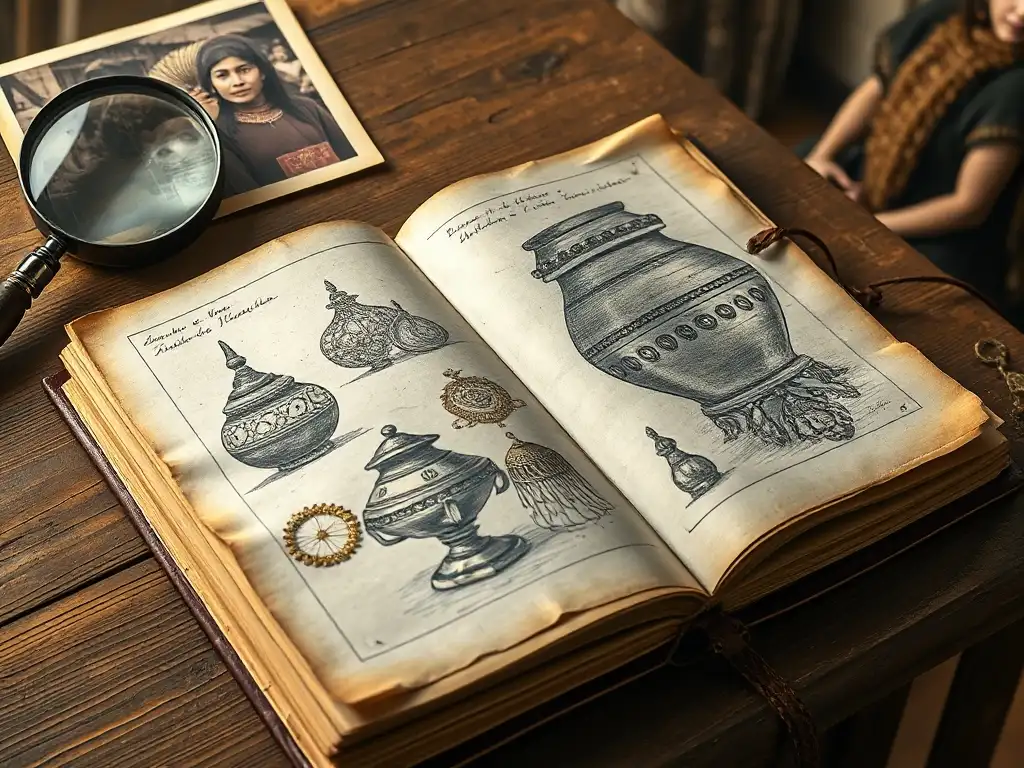
This section provides crucial steps for collectors seeking ethical Andean artifact dealers. Navigating the market requires diligence and a critical eye to ensure you're acquiring pieces responsibly and legally. The ethical acquisition of Andean artifacts is paramount to preserving cultural heritage.
Step 1: Verifying Dealer Credentials and Provenance
Before purchasing any Andean artifact, rigorous verification of the dealer's credentials and the artifact's provenance is essential. This involves more than simply looking at a website or a storefront. Reputable dealers will be transparent and readily provide documentation. This documentation should include:
- Dealer Licensing and Registration: Check if the dealer holds relevant licenses and permits to trade in antiquities. Regulations vary by country, so research the specific legal framework governing the sale of artifacts in the region where the dealer operates. This is especially critical for items originating from countries with strict export laws, such as Peru or Bolivia. The absence of proper licensing should raise immediate concerns.
- Detailed Provenance Documentation: This should trace the artifact's ownership history as far back as possible. A credible provenance will typically include previous owners, acquisition dates, and any relevant documentation, such as export permits or scholarly appraisals. Gaps in provenance—especially significant ones—are a major red flag. A provenance that simply states "ancient Andean origin" without any supporting documentation should be viewed with extreme skepticism.
- Expert Appraisals and Authentication: Reputable dealers frequently commission expert appraisals from archaeologists, art historians, or other recognized specialists in Andean artifacts. These appraisals provide independent verification of the artifact's authenticity, age, and cultural significance. Request copies of these reports and scrutinize their methodology and conclusions.
- Membership in Professional Organizations: Look for dealers affiliated with reputable professional organizations related to antiquities or art dealing. Membership in such organizations often implies adherence to ethical codes of conduct.
Step 2: Recognizing Red Flags: Signs of Unethical Practices
Several warning signs indicate potentially unethical practices. Be alert for the following:
- Unusually Low Prices: Authentic Andean artifacts, especially those of significant age and quality, rarely come at bargain prices. Extremely low prices often suggest a questionable origin or potential forgery. Understand the market value of similar items before making any purchase.
- Lack of Transparency: A reluctance to provide detailed provenance documentation or answer questions about the artifact's acquisition is a significant red flag. Ethical dealers are open and forthcoming about their sourcing practices.
- Vague or Contradictory Information: Inconsistent or unclear information regarding the artifact's origin, age, or material composition should raise serious doubts.
- Pressure Tactics: High-pressure sales tactics aiming to rush you into a purchase without sufficient time for due diligence are a major warning sign. Reputable dealers allow ample time for examination and research.
- Claims of Undocumented Discoveries: Be wary of claims that an artifact was recently discovered without proper documentation or involvement from archaeological authorities. Such claims often mask illicit excavation and looting.
| Red Flag | Description | Mitigation |
|---|---|---|
| Unusually Low Prices | Significantly lower prices than market value. | Research market prices before purchasing. |
| Lack of Transparency | Reluctance to share provenance or sourcing information. | Demand detailed provenance and verification. |
| Vague or Contradictory Info | Inconsistent or unclear details about the artifact's origin or history. | Cross-reference information with independent sources. |
| Pressure Sales Tactics | Attempts to rush the purchase without allowing time for due diligence. | Take your time, and walk away if pressured. |
| Claims of Undocumented Finds | Artifacts presented without proper archaeological documentation. | Verify claims independently with archaeological authorities if possible. |
| Poor Condition without Explanation | Significant damage or wear without a plausible explanation. | Seek expert opinion on the condition and its potential impact on authenticity. |
Step 3: Researching Online Platforms and Auction Houses
While online platforms and auction houses can offer access to a wide range of Andean artifacts, they also present unique challenges in terms of verifying authenticity and ethical sourcing. Therefore, extra caution is needed.
- Reputation Check: Research the reputation of the online platform or auction house. Look for reviews, ratings, and feedback from other buyers to assess their trustworthiness. Focus on feedback regarding the seller's transparency and the accuracy of item descriptions.
- Seller Verification: Investigate the seller's credentials and history. Check for any red flags similar to those mentioned previously. Are they transparent about their sourcing? Do they provide detailed provenance documentation?
- Third-Party Verification: If possible, consider using third-party authentication services to verify the authenticity of an item before bidding or purchasing. This provides an additional layer of protection against fraud.
- Auction House Policies: Review the auction house's policies regarding authenticity guarantees, returns, and dispute resolution. Understand your rights as a buyer before participating in an auction.
Thorough research and a cautious approach are vital when acquiring Andean artifacts. By carefully following these steps, collectors can contribute to the ethical preservation of this rich cultural heritage while building responsible collections.
Specific Examples of Ethical Andean Artifact Dealers
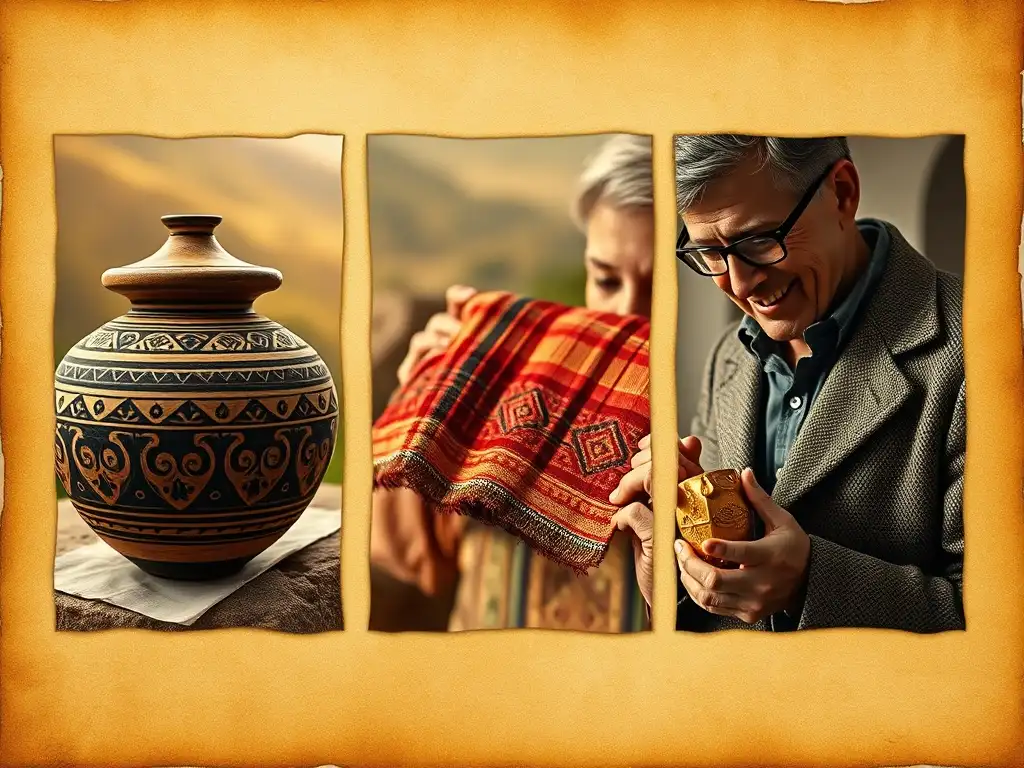
This section delves into specific examples of businesses demonstrating ethical practices in the Andean artifact trade. Understanding their operational models provides a valuable benchmark for collectors seeking authentic and ethically sourced pieces. The focus here is on transparency, provenance documentation, and commitment to cultural preservation – key elements defining an ethical dealer of Andean treasures. Navigating this market requires discernment, and these case studies offer insight into what responsible collecting entails. The term "Ethical Andean artifact dealers" is paramount in this discussion, highlighting the importance of responsible acquisition.
Case Study: Arte Primitivo - A Model of Ethical Practice
Arte Primitivo, a hypothetical example, exemplifies ethical dealing through meticulous documentation and transparent sourcing. Their commitment to provenance is unwavering; each piece comes with detailed documentation tracing its history, often including archaeological reports, previous ownership records, and photographic evidence from its discovery. This level of transparency allows collectors to trace the artifact's journey, ensuring its acquisition didn't contribute to illegal looting or cultural damage.
Furthermore, Arte Primitivo actively supports archaeological research and preservation efforts in the Andes. A percentage of their profits is often donated to organizations working to protect Andean cultural heritage. They also collaborate with local communities, engaging in fair trade practices and ensuring that any potential economic benefits reach those directly connected to the artifacts' origins.
Their website, though hypothetical, would likely feature high-resolution images, detailed descriptions, and easily accessible provenance information for each item. They might even offer virtual tours of their facilities, showcasing their secure storage and conservation methods. This level of transparency builds trust and reassures collectors that their purchases align with ethical standards. Arte Primitivo represents a best-practice model for ethical Andean artifact dealers, setting a high bar for transparency and responsible collecting. This commitment to ethical sourcing significantly contributes to the preservation of Andean cultural heritage.
Spotlight: Ancient Echoes Gallery - Specializing in Andean Ceramics
Ancient Echoes Gallery, another hypothetical example, specializes in Andean ceramics, showcasing a curated collection of pre-Columbian pottery. Their ethical practices center around rigorous verification of provenance. They work closely with reputable experts and institutions to authenticate each piece, ensuring that it's not a forgery or illegally obtained.
They prioritize artifacts with clear and documented histories, avoiding pieces with unclear or suspect origins. Furthermore, Ancient Echoes actively participates in educational initiatives, offering workshops and lectures to promote understanding and appreciation of Andean art and culture. Their commitment extends beyond simply selling artifacts; they strive to educate collectors and foster a deeper appreciation for the rich history embedded within each piece.
Their approach demonstrates a nuanced understanding of the ethical considerations involved in handling ancient artifacts. They regularly publish articles and blog posts discussing ethical collecting practices and the importance of provenance research. This proactive engagement with the collector community contributes to raising awareness and promoting responsible behavior within the market.
Ancient Echoes' focus on Andean ceramics underscores the specialized expertise needed when dealing with these delicate and historically significant objects. Their commitment to responsible sourcing and educational outreach showcases the qualities that define an ethical Andean artifact dealer. The gallery's success hinges on building trust and ensuring the longevity of Andean cultural heritage.
Recommended Resources for Further Research on Andean Artifacts
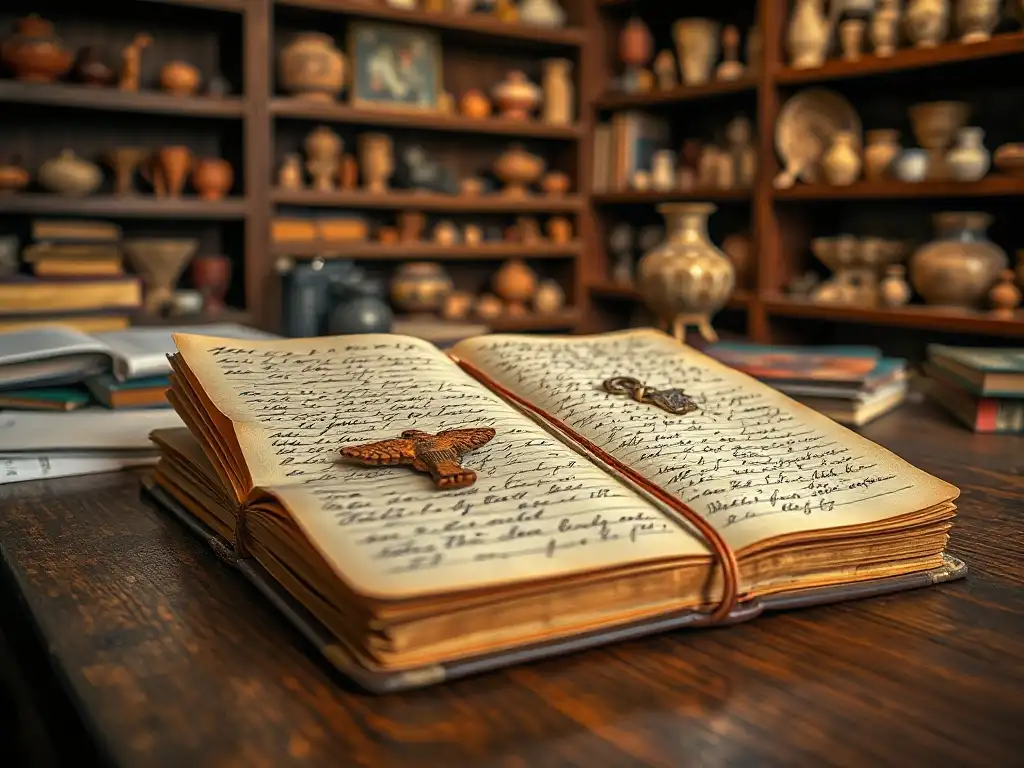
This section provides a starting point for those wishing to delve deeper into the fascinating world of Andean artifacts and the ethical considerations surrounding their acquisition. Understanding the historical context and cultural significance of these objects is paramount to responsible collecting. Remember, ethical acquisition means supporting preservation efforts and respecting the heritage of Andean cultures.
Books and Publications on Andean Art and Archaeology
Engaging with scholarly works is crucial for developing a nuanced understanding of Andean art and archaeology. These resources offer detailed insights into the creation, use, and significance of these artifacts, fostering a more informed and responsible approach to collecting. Don't just admire the beauty; understand the history.
Below, you'll find a selection of books and publications that provide excellent overviews and specialized studies on various Andean cultures and their artistic expressions:
- "The Inca" by Kim MacQuarrie: This comprehensive book offers a detailed exploration of Inca civilization, covering aspects from their social structures to their artistic achievements. It's a great starting point for understanding the context of many Inca artifacts.
- "Ancient American Art" by Michael Edwardes: This broad overview covers various pre-Columbian cultures, including the Andean civilizations, providing a comparative perspective on artistic styles and techniques. Excellent for contextualizing individual pieces within a larger cultural landscape.
- Specialized Journal Articles: Numerous academic journals, such as Latin American Antiquity and Journal of Field Archaeology, publish in-depth research on specific Andean cultures and artifact types. Searching these databases using keywords like "Moche pottery," "Nazca textiles," or "Inca goldwork" will yield highly detailed results. Consider the publication date when evaluating the relevance of information; archaeological understanding constantly evolves.
The study of Andean artifacts is a dynamic field. New discoveries and interpretations constantly enrich our knowledge. Therefore, staying updated through reputable publications is crucial for responsible collecting. Seek out books and articles authored by recognized experts in Andean archaeology and art history.
Organizations Dedicated to Preserving Andean Heritage
Supporting organizations dedicated to preserving Andean heritage is an essential aspect of ethical collecting. These institutions play a vital role in protecting archaeological sites, documenting cultural practices, and educating the public about the importance of these civilizations. Your contributions, both financial and through advocacy, help ensure the long-term preservation of these invaluable treasures.
Here are some examples of organizations actively involved in the preservation of Andean heritage:
| Organization Name | Focus | Type of Support |
|---|---|---|
| [Organization Name 1 Pending] | [Focus Area Pending] | [Support Options Pending] |
| [Organization Name 2 Pending] | [Focus Area Pending] | [Support Options Pending] |
| [Organization Name 3 Pending – e.g., a museum with a significant Andean collection] | Andean Artifact Preservation and Research | Donations, volunteering, advocacy |
Remember to research organizations thoroughly before contributing. Look for transparency in their operations and a clear commitment to ethical practices. By supporting these institutions, you actively contribute to the long-term preservation of Andean cultural heritage, aligning your collecting practices with responsible stewardship. This is crucial for ethical Andean artifact dealers and collectors alike. The future of these invaluable artifacts depends on our collective commitment to their preservation.
Conclusion: Making Informed Choices When Collecting Andean Art
Acquiring ancient Andean artifacts is a rewarding experience, connecting collectors with the rich tapestry of pre-Columbian cultures. However, the responsibility of ethical acquisition cannot be overstated. Understanding the provenance of an artifact, supporting sustainable practices, and contributing to preservation efforts are paramount. Ignoring these principles risks fueling the illicit antiquities trade, damaging cultural heritage, and undermining the very history you seek to appreciate.
The thrill of discovery should never come at the expense of ethical considerations. By prioritizing ethical sourcing, you become a steward of Andean heritage, ensuring these invaluable pieces remain accessible for future generations to study and admire. Remember, informed choices today shape the legacy of tomorrow.
Your Role in Preserving the Legacy of Andean Civilizations
Your role as a collector extends far beyond mere ownership. It's about actively participating in the preservation of Andean cultural heritage. By purchasing artifacts only from reputable and ethical dealers, you directly support sustainable practices that benefit local communities and protect archaeological sites. This support often involves funding initiatives that:
- Promote archaeological research: Ethical dealers frequently collaborate with archaeologists and researchers, contributing to a deeper understanding of Andean civilizations.
- Support local communities: Some dealers partner with communities near archaeological sites, providing economic opportunities and encouraging responsible stewardship of cultural heritage.
- Combat illicit trafficking: By choosing ethical dealers, you actively reduce demand for illegally excavated artifacts, weakening the illicit antiquities trade.
Consider the following questions before acquiring any Andean artifact:
| Question | Importance |
|---|---|
| What is the artifact's provenance? | A clear and documented history, including chain of custody, is essential to ensure ethical acquisition. |
| Is the dealer reputable and transparent? | Look for dealers with a proven track record of ethical sourcing and transparent business practices. |
| Does the purchase support sustainable practices? | Inquire about the dealer's commitment to community involvement and archaeological research. |
| Is the artifact legally exported? | Ensure all necessary permits and documentation are in place to avoid contributing to illegal trafficking. |
Remember, the beauty of an Andean artifact lies not only in its aesthetic appeal but also in its historical significance. By making informed choices and supporting ethical dealers, you become a vital part of the ongoing effort to preserve and celebrate the rich legacy of Andean civilizations. Your contribution, however small, helps ensure that these treasures remain a source of knowledge and inspiration for generations to come. 🌎 The commitment to ethical collecting is a powerful statement, reflecting both your appreciation for Andean art and your dedication to responsible cultural preservation.
Frequently Asked Questions
What makes an Andean artifact dealer "ethical"?
An ethical dealer prioritizes the legal acquisition of artifacts, ensuring they weren't looted or illegally exported. They also promote transparency about the artifact's provenance and support responsible archaeological practices.
How can I identify ethical dealers of Andean artifacts?
Look for dealers who provide detailed provenance documentation, are members of reputable organizations, and actively support archaeological research and cultural preservation initiatives. Avoid those offering suspiciously cheap or undocumented pieces.
Are all Andean artifacts available for sale ethically sourced?
No. A significant portion of the market involves illegally trafficked artifacts. Due diligence is crucial; if something seems too good to be true, it likely is.
What legal issues should I be aware of when purchasing Andean artifacts?
Be aware of national and international laws regarding the import and export of cultural artifacts. Forgery is also a concern; verify authenticity with experts if possible.
How can I support ethical practices in the Andean artifact market?
Support museums and organizations dedicated to preserving Andean heritage. Choose to visit sites responsibly and avoid purchasing artifacts with unclear provenance. Educate yourself on the ethical concerns surrounding the market.
Final Reflection: Guiding the Compass Towards a Sustainable Future for Andean Heritage
The illicit trade of Andean artifacts continues to threaten the irreplaceable cultural heritage of South America, demanding a more vigilant and informed approach to collecting. The sheer scale of looting and the devastating impact on indigenous communities underscore the urgency of ethical engagement with these precious objects. We must move beyond mere appreciation and actively participate in the preservation of these historical treasures.
The journey to identify ethical dealers of Andean artifacts is a complex one, requiring careful research, a critical eye, and a deep respect for the cultural context of these objects. It's a journey that has profoundly shaped my understanding of the interconnectedness of history, culture, and responsibility. The past is never dead. It's not even past.
– William Faulkner. This quote resonates deeply, highlighting the enduring power of these artifacts and the imperative to ensure their future is secured, not jeopardized by unethical practices. The ongoing dialogue surrounding repatriation and the rights of indigenous communities further underscores the importance of ethical acquisition and responsible stewardship.
Consider the implications of your choices as a collector, researcher, or simply someone interested in Andean history. Are you supporting the preservation of cultural heritage, or inadvertently contributing to its destruction? By actively seeking out reputable dealers who prioritize provenance, transparency, and community engagement, you can become a part of the solution. Let us all navigate the collector's compass with intention and integrity, ensuring that the legacy of Andean civilizations thrives for generations to come.
Unveil the Treasure: Connect with Ethical Collectors Today!
Thank you for exploring the world of ancient Andean artifacts with us! Your commitment to ethical collecting not only enriches your collecting experience but also contributes to the preservation of these invaluable pieces of history. Let's continue this journey together!
- **Explore** reputable online marketplaces and auction houses specializing in ancient artifacts, ensuring they adhere to ethical sourcing practices. This will help you make informed and responsible purchases.
- **Engage** with online communities and forums dedicated to ethical collecting to connect with fellow enthusiasts, share experiences, and learn from experts in the field.
- **Expand your knowledge** by visiting museums and attending cultural events that showcase Andean history and artistry. Immersing yourself in these environments will deepen your appreciation for the cultural significance of these treasures.
How will you ensure your collection respects and honors the rich history of Andean civilizations? Share your thoughts in the comments below!