
The Legacy of the Conquest: How the Spanish Rule Changed the Andes Forever

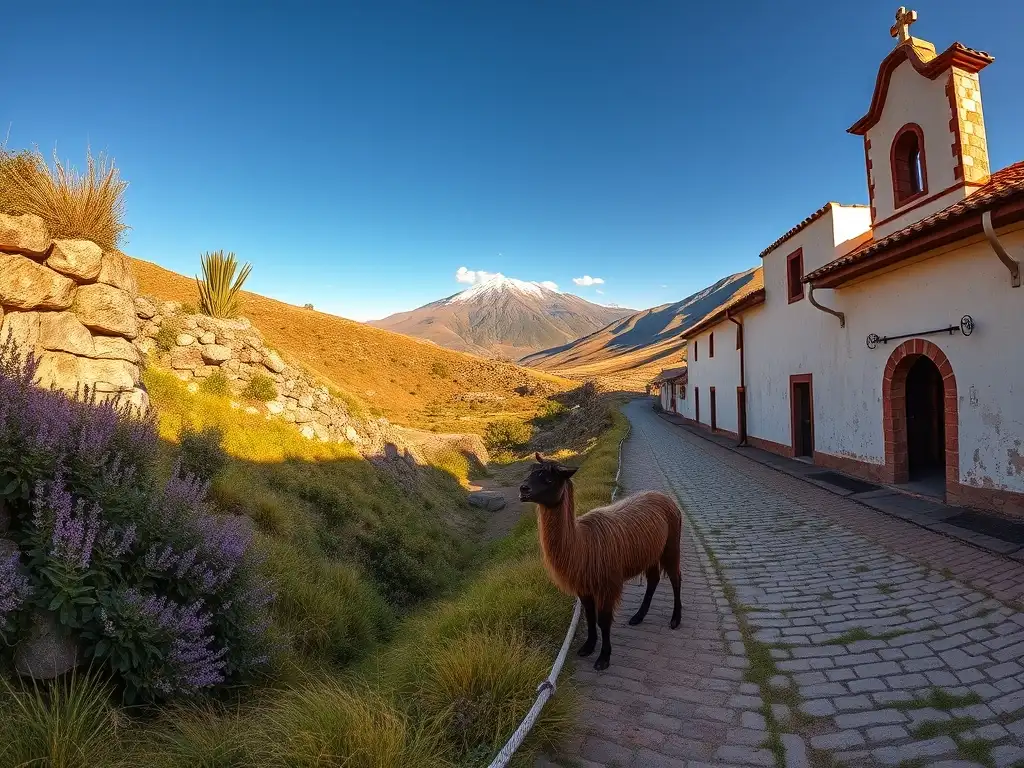
Step into a world lost to time, yet echoing through the ages. For centuries, the Andes Mountains have whispered tales of magnificent civilizations – the Incas, Moche, Nazca, and Tiahuanaco. But what happened when the Spanish arrived? Discover the profound and lasting impact of the Spanish conquest on Andean culture, a legacy that continues to shape the region today. Explore the complex story of " The Spanish impact on Andean culture" and uncover a history far richer and more intricate than you ever imagined. Prepare to be captivated.
The Spanish conquest of the Inca Empire, culminating in the capture of Atahualpa in 1533, marked a catastrophic turning point in Andean history. This wasn't simply a change in political power; it was a profound and enduring transformation that reshaped the social fabric, economic structures, and cultural landscape of the Andes forever.
The Spanish impact on Andean culture was multifaceted and devastating, leaving an indelible mark on everything from religious practices and artistic expression to agricultural methods and social hierarchies. This article explores the lasting consequences of Spanish rule, examining its impact across various aspects of Andean life and highlighting the enduring legacy of this pivotal historical event.
Understanding this legacy is crucial to comprehending the complexities of modern Andean societies and their rich, yet often painful, history. We will delve into the specific ways the Spanish conquest irrevocably altered the course of Andean civilization, focusing on the key areas where their influence remains palpable today.
The Demise of Traditional Andean Religion and the Rise of Catholicism
The Spanish conquistadors didn't merely conquer land; they systematically dismantled the intricate religious systems of the Andes. The worship of Andean deities, such as Inti (the sun god) and Pachamama (Mother Earth), was brutally suppressed. Temples were destroyed, religious artifacts were looted or melted down, and indigenous priests were persecuted.
This religious upheaval was a crucial element of the Spanish impact on Andean culture, paving the way for the forced conversion of the indigenous population to Catholicism. The imposition of Christianity wasn't a simple overlay; it intertwined with, and often obscured, pre-existing beliefs and practices, resulting in a complex syncretism that continues to shape Andean spirituality today.
The process was often violent and coercive, involving the destruction of sacred sites and the suppression of traditional rituals. The consequences of this religious upheaval are still felt in the Andes, where indigenous traditions often coexist with Catholic practices in a dynamic and multifaceted way.
Pre-Columbian Andean societies were characterized by sophisticated social structures and hierarchies. The Inca Empire, for example, had a complex system of governance, with a clearly defined hierarchy ranging from the Sapa Inca at the apex to the commoners at the base. The Spanish conquest dramatically altered this system.
The Spanish introduced a new social hierarchy based on race and ethnicity, placing the Spanish at the top, followed by criollos (people of Spanish descent born in the Americas), mestizos (people of mixed Spanish and Indigenous ancestry), and finally, the Indigenous population at the bottom. This rigid caste system, known as the casta system, fostered social inequality and discrimination that persists in various forms even today.
The introduction of encomiendas, a system granting Spanish conquistadors control over Indigenous labor and resources, further exacerbated existing inequalities and led to widespread exploitation. This system, while eventually abolished, left a lasting impact on the social and economic landscape of the Andes.
Economic Exploitation and the Restructuring of Andean Economies
The Spanish conquest fundamentally reshaped the Andean economy. The Inca's sophisticated agricultural system, based on terracing and irrigation, was adapted to serve the needs of the Spanish colonial economy. The focus shifted from subsistence farming to the production of cash crops like sugar and silver, primarily for export to Europe. This resulted in the exploitation of Indigenous labor through forced labor systems such as the mita, which extracted immense wealth from the Andes while devastating the local population and environment.
The introduction of new crops and livestock also impacted Andean agriculture, although the long-term consequences were complex and varied. The extraction of silver, in particular, had a profound impact, leading to both economic growth and environmental damage that continues to affect the region. The Spanish pursuit of wealth fundamentally altered the Andean economic landscape, shifting the focus from local needs to the demands of the European market.
The Enduring Legacy: A Complex Intertwining of Cultures
The Spanish conquest wasn't merely a conquest; it was a cultural collision. The impact on Andean culture wasn't simply destructive; it also involved a complex process of cultural exchange and adaptation. While much was lost, aspects of Andean culture survived, often blending with Spanish traditions to create hybrid forms. This syncretism is evident in various aspects of Andean life, from religious practices to artistic expressions and culinary traditions.
Understanding this complex interplay of destruction and adaptation is crucial to appreciating the richness and complexity of Andean culture today. The legacy of the Spanish conquest is a multifaceted narrative, one that requires careful consideration of both the destruction and the resilience of Andean societies. The enduring impact of this historical event continues to shape the social, economic, and cultural landscape of the Andes.
- The Demise of Traditional Andean Religion and the Rise of Catholicism
- The Transformation of Andean Social Structures and Hierarchy
- Economic Exploitation and the Restructuring of Andean Economies
- The Enduring Legacy: A Complex Intertwining of Cultures
- What was the most significant impact of the Spanish conquest on Andean societies?
- How did the Spanish conquest affect Andean religion and spirituality?
- What was the impact of Spanish colonization on Andean agriculture?
- Did the Spanish conquest completely erase Andean culture?
- How did the Spanish language influence the Andes?
The Arrival of the Spanish and the Fall of the Inca Empire
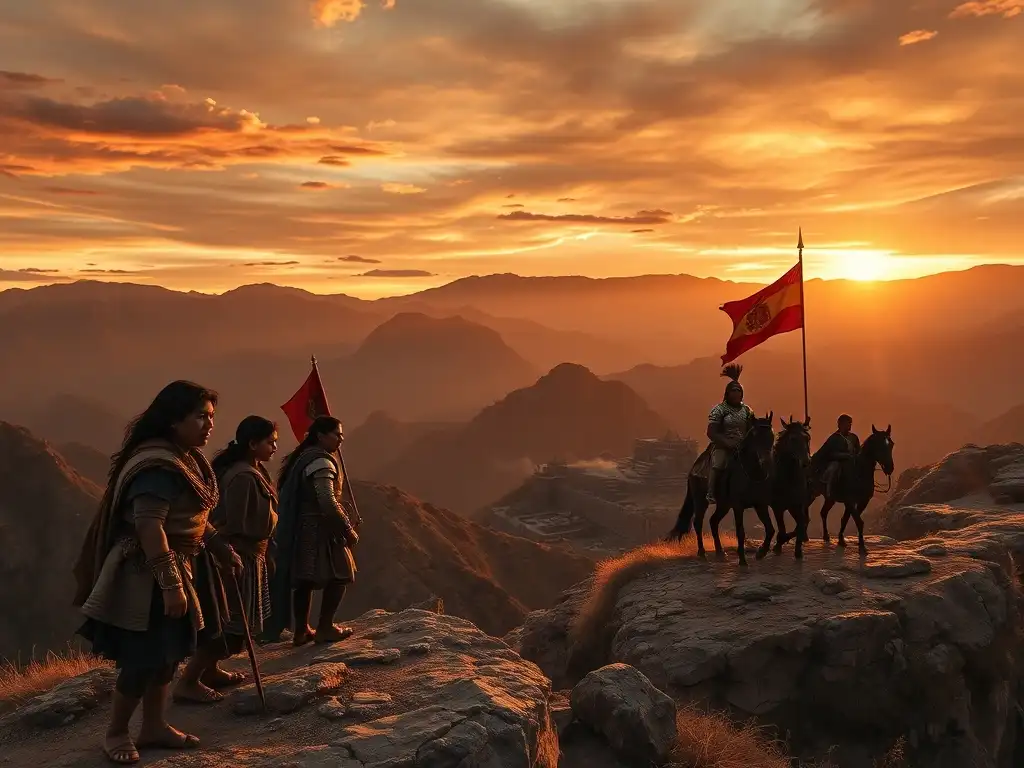
This section examines the pivotal moment when the Spanish conquistadors arrived in the Andes, triggering a chain of events that irrevocably altered the course of Andean history. We will explore the pre-Columbian landscape, the initial interactions between the Spanish and the Inca, and how internal conflict within the Inca Empire facilitated the Spanish conquest. The Spanish impact on Andean culture is a multifaceted subject, and this section focuses on the initial stages of this transformative period.
Pre-Columbian Andean Societies: The Rise of the Inca
Before the arrival of the Spanish, the Andes were home to a diverse array of sophisticated cultures. The Inca Empire, however, dominated the region in the 15th and early 16th centuries. Their remarkable achievements included a vast, well-organized empire stretching along the western coast of South America, a sophisticated agricultural system employing terracing and irrigation, and an advanced understanding of astronomy and engineering, evident in their impressive stonework and road networks.
The Inca's centralized political structure, based on a complex system of tribute and labor ( mita ), allowed for significant control over resources and manpower. However, this very system, while effective in times of peace, proved to be a vulnerability during the Spanish conquest. The Inca's advanced societal organization, ironically, facilitated the rapid spread of Spanish influence and control.
The pre-existing infrastructure, including roads and administrative centers, was readily adopted and repurposed by the Spanish. The Inca's centralized power structure, while initially a source of strength, ultimately became a weakness when faced with the Spanish's disruptive tactics.
The Initial Encounters: Pizarro's Expedition and the Inca
Francisco Pizarro's expedition, arriving in the 1530s, marked the beginning of a brutal and transformative era for the Inca. Initial encounters were characterized by a mixture of awe and apprehension on both sides. The Spanish, with their superior weaponry (guns and cannons) and horses, presented a formidable force.
The Inca, while initially unaware of the full extent of the Spanish threat, were nonetheless impressed by the technology and the conquistadors’ apparent ruthlessness. The capture of Atahualpa, the Inca emperor, at the Battle of Cajamarca in 1532, is a pivotal moment showcasing the Spanish strategy of exploiting internal divisions and leveraging superior weaponry. The Inca's initial underestimation of the Spanish threat, coupled with the element of surprise employed by Pizarro, proved to be a decisive factor in the early stages of the conquest.
The subsequent execution of Atahualpa, despite the vast ransom paid, demonstrates the Spanish disregard for Inca customs and the sheer power imbalance. This event set the stage for the complete dismantling of the Inca Empire and the beginning of the profound Spanish impact on Andean culture.
The Inca Civil War and the Spanish Advantage
The Inca Empire was already weakened by a devastating civil war between Huáscar and Atahualpa, vying for the throne. This internal conflict significantly weakened the Inca's ability to resist the Spanish. Pizarro cleverly exploited this division, allying with one faction against the other to further his own ambitions and gain a strategic advantage. The civil war created a power vacuum, fracturing the Inca's military and administrative capabilities.
The Spanish adeptly maneuvered within this chaos, utilizing diplomacy and deception alongside military force. This internal strife within the Inca Empire created an environment ripe for exploitation by the Spanish, allowing them to conquer a far larger territory than would have been possible otherwise. The effects of this internal conflict, coupled with the Spanish's superior military technology and ruthless tactics, permanently altered the political and social landscape of the Andes.
The Spanish effectively capitalized on the Inca's internal vulnerabilities, transforming a potentially protracted conflict into a relatively swift conquest. The legacy of this conquest continues to resonate in the Andean region to this day. The Spanish impact on Andean culture is still being studied and debated, highlighting the enduring consequences of this pivotal historical moment.
The Capture of Atahualpa and the Fall of the Inca Empire
The capture of Atahualpa in Cajamarca in 1532 marks a pivotal moment in Andean history and the beginning of the end for the Inca Empire. Francisco Pizarro, with a vastly outnumbered Spanish force, employed a combination of military strategy, deception, and superior weaponry to achieve a stunning victory. The element of surprise was crucial; Pizarro's men ambushed Atahualpa during a seemingly peaceful meeting, unleashing a devastating volley of gunfire and unleashing their cavalry.
The Inca army, unfamiliar with firearms and horses, was thrown into disarray. This tactical brilliance, coupled with the Inca's own internal conflicts and the devastating impact of disease, paved the way for the Spanish conquest. The capture wasn't merely a military victory; it was the symbolic dismantling of the Inca's power structure.
Atahualpa, the Sapa Inca, was the embodiment of Inca authority, and his capture shattered the legitimacy of the empire's rule in the eyes of many subjects. The ensuing chaos and power vacuum allowed the Spanish to consolidate their control with relative ease.
The aftermath of Atahualpa's capture was brutal. Despite the Inca's offer of a massive ransom—a room filled with gold and silver—Atahualpa was eventually executed. This act, while seemingly driven by greed, was a strategic move to eliminate a powerful and potentially unifying figure who could have rallied resistance against the Spanish.
The execution of Atahualpa, however, didn't quell the Inca resistance; instead, it fueled further conflicts and prolonged the struggle for Andean independence. The Spanish faced significant challenges in consolidating their power, grappling with ongoing rebellions and the complex social and political landscape of the Andes. The Spanish impact on Andean culture was immediate and profound, beginning with this decisive moment.
The capture of Atahualpa wasn't just a battle won; it was a carefully orchestrated strategy that triggered the collapse of a vast and powerful empire, forever altering the course of Andean history. The execution of the Sapa Inca further solidified the Spanish control, marking a turning point in the conquest and laying the foundation for the long-lasting Spanish colonial rule.
The consequences of Atahualpa's capture extended far beyond the immediate military victory. It triggered a succession crisis within the Inca Empire, weakening its ability to resist the Spanish advance. The ensuing civil war between Huáscar and Atahualpa had already significantly depleted the Inca's resources and manpower, leaving them vulnerable to the relatively small Spanish force.
The Spanish cleverly exploited these internal divisions, further destabilizing the empire and making its conquest easier. This demonstrates the significant role of internal conflicts in the Spanish conquest, emphasizing that the Spanish victory wasn't solely due to their superior weaponry, but also to their astute manipulation of pre-existing tensions within the Inca Empire.
The Spanish impact on Andean culture was not only about military might but also about shrewd political maneuvering. The systematic dismantling of the Inca power structure, starting with the capture of Atahualpa, was a crucial step in the Spanish conquest and a testament to their strategic prowess.
The Imposition of Spanish Colonial Rule in the Andes
The Spanish conquest irrevocably altered the social, political, and economic landscape of the Andes, leaving an enduring legacy that continues to shape the region today. Understanding the Spanish impact on Andean culture requires examining the mechanisms through which Spanish rule was imposed and maintained.
This involved not only military might but also the creation of a complex colonial administration and the implementation of exploitative labor systems that devastated indigenous populations and their traditional ways of life. The shift from the sophisticated governance structures of the Inca Empire to the rigid hierarchy of the Spanish colonial system represents a profound cultural rupture.
Establishment of the Viceroyalty of Peru: Governance from Lima
Following the conquest, the Spanish Crown established the Viceroyalty of Peru in 1542, with its capital in Lima. This viceroyalty encompassed a vast territory, including present-day Peru, Bolivia, Ecuador, Colombia, Chile, and parts of Argentina. The viceroy, appointed by the Spanish monarch, held supreme authority, overseeing all aspects of colonial administration.
This centralized governance system, drastically different from the Inca's decentralized empire, aimed to extract resources and control the indigenous population. The establishment of a hierarchical bureaucratic system, with corregidores, alcaldes, and other officials, replaced the existing Inca administrative structure, dismantling traditional power dynamics and installing a new, extractive order. The imposition of Spanish law and language further eroded indigenous cultural practices and governance structures.
The Spanish Crown meticulously organized the colonial administration to maximize resource extraction, prioritizing the accumulation of wealth in the Spanish coffers over the well-being of the Andean population. This system, efficient in its exploitation, profoundly impacted the social fabric of the Andes, resulting in a long-term power imbalance that persists in various forms even today.
The Encomienda System and its Impact on Andean Communities
The encomienda system, a cornerstone of early Spanish colonial rule, was a grant of indigenous labor to Spanish conquistadors and settlers in exchange for their supposed protection and Christianization of the native population. In reality, it functioned as a system of legalized exploitation, leading to widespread abuse and the decimation of Andean communities. Encomenderos, the recipients of these grants, often forced indigenous people into brutal labor regimes, with little to no compensation.
This system resulted in the significant decline in the indigenous population due to overwork, malnutrition, and disease. The introduction of new diseases, to which the indigenous population had no immunity, further exacerbated the demographic catastrophe.
The encomienda system not only disrupted the existing social structures but also led to the loss of indigenous land and resources, fundamentally altering the economic and social landscape of the Andes. The legacy of this system continues to reverberate through land ownership patterns and social inequalities in modern Andean societies.
The Mita System and Forced Labor in Mines and Fields
While the encomienda system gradually declined, the mita, a pre-Columbian system of labor tribute, was adapted and intensified by the Spanish to fuel their insatiable demand for silver and other resources. Under the Spanish mita, indigenous communities were obligated to provide a quota of laborers for specific periods, often in dangerous and unhealthy conditions, particularly in the silver mines of Potosí and Huancavelica. The mita led to immense suffering and death among the indigenous population, with many dying from exhaustion, disease, or accidents in the mines.
The brutal conditions, coupled with forced relocation, resulted in a dramatic decrease in the indigenous population and the disruption of traditional agricultural practices and social organization. The Spanish ruthlessly exploited the mita system, prioritizing the extraction of wealth over the well-being of the indigenous workforce.
The long-term consequences of this forced labor system are evident in the demographic shifts, economic disparities, and social inequalities that persist in the Andean region. The Spanish manipulation and intensification of the mita profoundly exemplifies the Spanish impact on Andean culture, leaving an indelible mark on the region's history and social fabric.
The Introduction of Smallpox and the Demographic Devastation
The arrival of the Spanish in the Andes marked a catastrophic turning point in the demographic landscape. While warfare and forced labor undoubtedly contributed to population decline, the unintentional introduction of Old World diseases, particularly smallpox, proved devastatingly effective. Indigenous populations, lacking any prior immunity, succumbed to these diseases in staggering numbers.
Smallpox, in particular, spread rapidly through densely populated Andean communities, decimating entire villages and leaving behind a trail of death and societal disruption. The impact went far beyond mere mortality; the loss of life shattered the intricate social structures and economic systems that had sustained Andean societies for centuries. The collapse of established leadership and the disruption of agricultural practices further exacerbated the situation, leading to widespread famine and further population decline.
Estimates suggest that the Andean population plummeted by as much as 90% in the decades following the initial contact with Europeans, a demographic catastrophe that profoundly shaped the future of the region. This devastating loss of life irrevocably altered the cultural fabric of the Andes, leaving an enduring legacy of depopulation and societal upheaval that continues to resonate today. The scale of this demographic disaster is almost impossible to fully comprehend; entire lineages were extinguished, invaluable knowledge was lost, and the vibrant tapestry of Andean civilization was irrevocably frayed.
The scale of the devastation caused by smallpox was unprecedented in Andean history. Chroniclers of the time described scenes of unimaginable suffering and widespread mortality. Entire communities were wiped out, leaving behind only ruins and the haunting silence of empty villages.
This was not merely a matter of individual deaths; the impact on the social and political structures of Andean societies was profound. The loss of skilled artisans, farmers, and leaders created a vacuum that severely hampered the ability of these societies to recover. The disruption of traditional agricultural practices, already strained by the demands of Spanish colonial rule, led to widespread famine.
This created a vicious cycle of disease, starvation, and further population decline. The surviving population was left to grapple with the aftermath of this devastating pandemic, struggling to rebuild their lives and communities in the face of immense loss and hardship. The long-term consequences of this demographic catastrophe continue to shape the Andean region even today.
Cultural Transformation: The Spanish Impact on Andean Culture
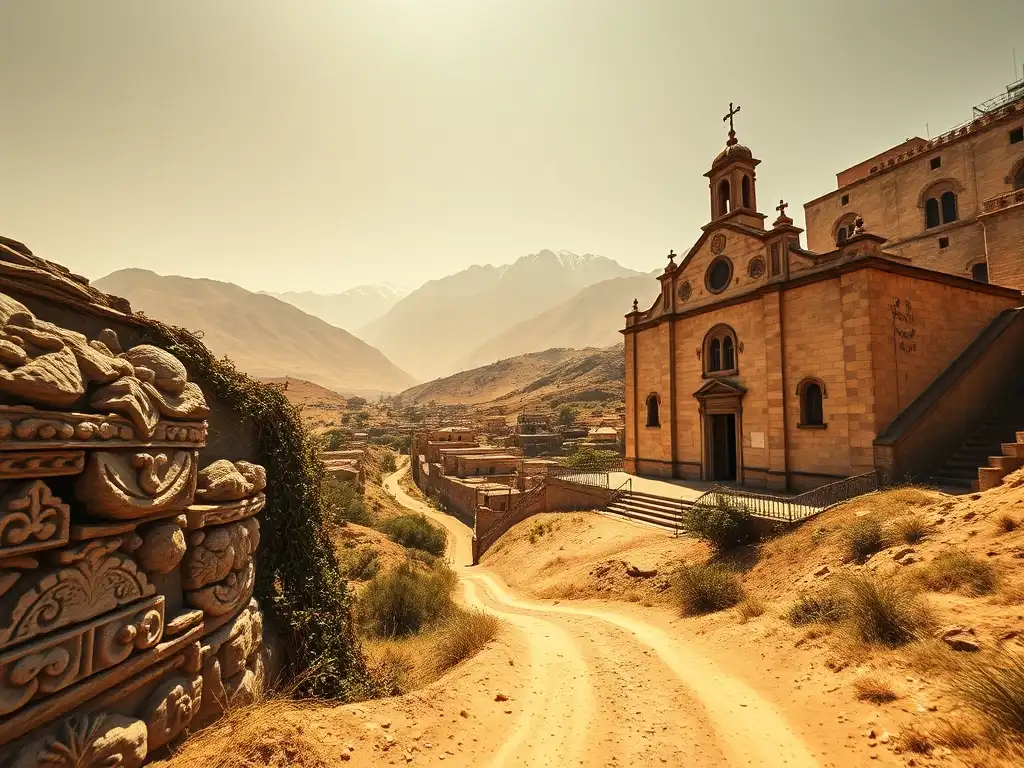
The Spanish conquest irrevocably altered the cultural landscape of the Andes, leaving an enduring legacy that continues to shape the region today. The "Spanish impact on Andean culture" was multifaceted, encompassing religious practices, linguistic structures, artistic expressions, and social hierarchies. While some aspects of indigenous culture survived, often blending with Spanish influences, the overall effect was a profound and lasting transformation. This section will delve into specific examples of this cultural shift, highlighting both the destruction and adaptation that characterized this period. Understanding this transformation is key to appreciating the complexities of modern Andean societies.
Religious Conversion: The Spread of Catholicism
The Spanish conquest brought with it a forceful campaign of religious conversion. Catholicism, imposed through a combination of persuasion and coercion, rapidly supplanted the existing Andean religious systems. Indigenous deities were demonized, temples destroyed, and traditional rituals suppressed. The Inca religion, with its complex cosmology and intricate pantheon, was particularly targeted. The destruction of sacred sites like Machu Picchu, while not solely a product of religious conversion, undeniably symbolized the dismantling of the Inca worldview.
The Spanish established churches and monasteries throughout the Andes, using these institutions as centers for indoctrination. Priests and missionaries played a crucial role in the conversion process, often employing methods that ranged from gentle persuasion to brutal repression. The introduction of new religious practices, including the celebration of Christian holidays like Christmas and Easter, gradually replaced many indigenous celebrations. However, complete eradication of pre-Columbian beliefs proved impossible, leading to fascinating syncretic expressions of faith.
Syncretism in Andean Religious Festivals
Despite the efforts of the Spanish crown to eliminate indigenous religious practices, many Andean traditions persisted, albeit in altered forms. This phenomenon, known as syncretism, resulted in a blending of Catholic and indigenous beliefs and rituals. The Virgin Mary, for example, often became associated with indigenous earth goddesses, inheriting some of their attributes and symbolic significance. Similarly, traditional festivals were often adapted to incorporate Christian elements, creating unique celebrations that reflected both cultures.
For instance, many Andean communities continued to venerate their ancestral deities, subtly incorporating them into the framework of Catholic worship. The Fiesta de la Candelaria in Puno, Peru, provides a striking example. While ostensibly a Catholic celebration, it retains many pre-Columbian elements, showcasing the enduring resilience of indigenous traditions. The vibrant costumes, intricate dances, and offerings to the Pachamama (Mother Earth) illustrate the complex interplay between indigenous and Catholic beliefs.
This complex interplay showcases the enduring power of Andean spirituality and its ability to adapt and survive under colonial rule. Further research is needed to fully document the specific syncretic practices in various Andean communities. [Specific information pending: Detailed case studies of syncretic festivals in different Andean regions].
Linguistic Shifts: The Dominance of Spanish and Quechua Resistance
The imposition of Spanish as the official language significantly impacted Andean linguistic diversity. While Quechua, the language of the Inca Empire, remained widely spoken, Spanish gradually became the dominant language of administration, commerce, and education. This shift marginalized indigenous languages, contributing to their decline in certain regions. However, the story is not one of simple displacement. Quechua, far from disappearing, demonstrated remarkable resilience.
The persistence of Quechua highlights the limitations of Spanish dominance. In many rural communities, Quechua remained the primary language of everyday life, resisting the complete imposition of Spanish. Furthermore, Quechua's continued use demonstrates the importance of language in preserving cultural identity.
The ongoing struggle to maintain and revitalize Quechua and other indigenous languages reflects the continuing impact of colonialism and the enduring fight for cultural preservation. The resilience of Quechua serves as a powerful testament to the enduring strength of Andean cultural identity in the face of significant challenges. [Specific information pending: Quantitative data on Quechua speakers across different Andean regions].
Changes in Architecture and the Introduction of Baroque Styles
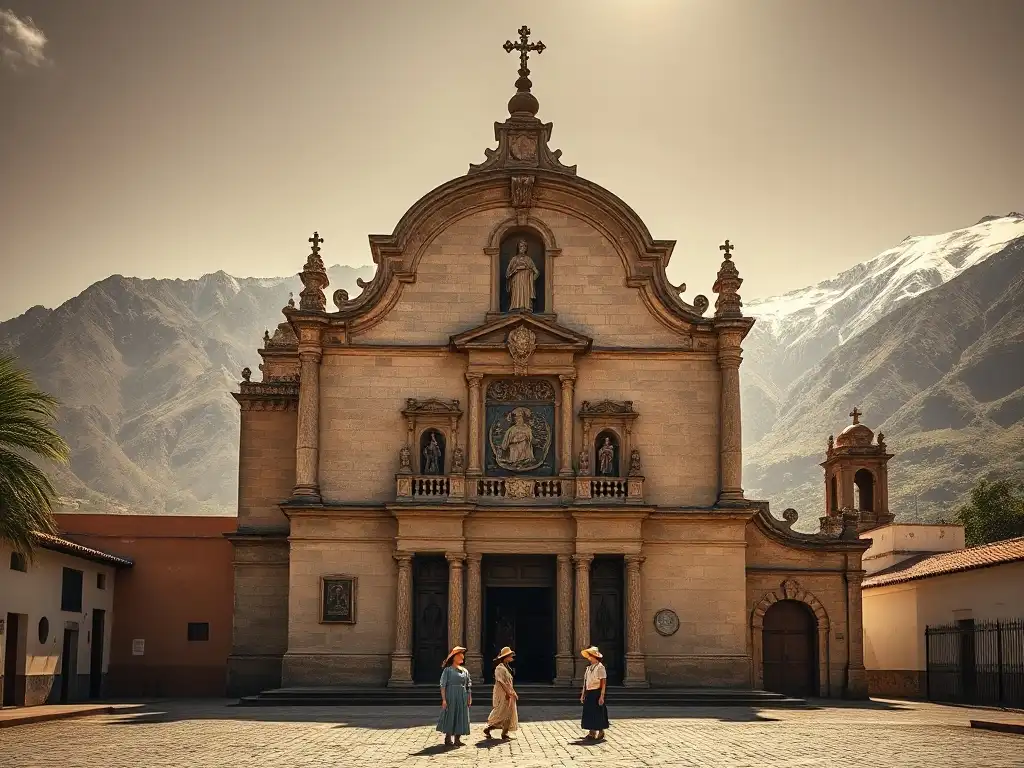
The Spanish conquest dramatically altered the Andean architectural landscape. Prior to the arrival of the Europeans, Andean architecture was characterized by its masterful use of stone, intricate designs reflecting a deep connection to the natural world, and a sophisticated understanding of engineering principles evident in structures like Machu Picchu. The Incas, for example, employed precise stonework techniques that resulted in structures seamlessly fitted together without mortar, a testament to their advanced knowledge of construction. This indigenous architectural style, deeply rooted in Andean cosmology and worldview, was largely supplanted by the introduction of European styles, primarily Baroque.
The Spanish, seeking to establish their dominance and impose their cultural identity, favored the construction of churches, cathedrals, and government buildings in the Baroque style. This style, characterized by its ornate detailing, grandeur, and use of religious iconography, was a stark contrast to the more understated elegance and functionality of Andean architecture. Many colonial-era structures incorporated elements of both styles, resulting in a unique hybrid architecture that reflected the clash and fusion of cultures.
Existing Andean structures were often repurposed or incorporated into new Spanish constructions, a testament to the practical approach of the colonizers who utilized readily available resources while simultaneously imposing their aesthetic preferences. This resulted in a tangible representation of the cultural shift, where the imposing grandeur of Baroque churches stood in juxtaposition to the remnants of Inca ingenuity.
The blending of styles wasn't always harmonious, however, often leading to a sense of incongruity reflecting the tumultuous nature of the colonial period. The legacy of this architectural transformation remains visible today in many Andean cities, showcasing the lasting impact of the Spanish conquest on the physical landscape.
The Transformation of Andean Agriculture and Land Ownership
The Spanish conquest profoundly reshaped Andean agriculture and land ownership systems. Before the arrival of the Spanish, Andean societies had developed sophisticated agricultural practices adapted to the diverse Andean terrain. Terracing, irrigation systems, and the cultivation of native crops like potatoes, maize, and quinoa demonstrated a deep understanding of environmental management and sustainable agriculture. These systems supported a complex social structure based on communal land ownership and reciprocal labor exchange, ensuring food security for the population.
The Spanish introduced new crops like wheat, barley, and sugarcane, alongside livestock such as cattle, sheep, and horses. These introductions, while diversifying agricultural production, also led to significant changes in land use and ownership. The encomienda system, which granted Spanish conquistadors control over indigenous labor and land, fundamentally altered the traditional Andean system of communal land ownership.
Indigenous communities were forced to work on Spanish-owned estates, often cultivating crops for export rather than their own subsistence. This shift towards a system of private land ownership resulted in the displacement of indigenous farmers and the disruption of traditional agricultural practices. The introduction of European livestock also had a significant environmental impact, leading to overgrazing and deforestation in some areas.
The Spanish focus on extracting resources for the benefit of the crown and the emerging colonial economy led to a decline in the traditional emphasis on sustainable agricultural practices. The consequences of this transformation continue to resonate in the Andean region today, influencing land distribution, agricultural practices, and the overall relationship between people and the land. The legacy of this shift is evident in the ongoing struggles over land rights and access to resources in many Andean communities.
The Spanish conquest irrevocably altered the social fabric of the Andes, leaving a legacy that continues to shape the region today. The pre-Columbian social structures, characterized by complex hierarchies and kinship networks within the Inca Empire and other Andean societies, were dismantled and replaced with a new system designed to serve Spanish interests. This restructuring profoundly impacted Andean identity, fostering both resistance and adaptation. The Spanish impact on Andean culture is perhaps most visible in the dramatic reshaping of social hierarchies and the emergence of new cultural expressions.
The Spanish introduced the casta system, a rigid social hierarchy based on racial purity and ancestry. This system categorized individuals into distinct groups, each with specific rights and obligations: peninsulares (Spaniards born in Spain), criollos (Spaniards born in the Americas), mestizos (mixed Spanish and Indigenous ancestry), mulatos (mixed Spanish and African ancestry), indios (Indigenous peoples), and zambos (mixed Indigenous and African ancestry). This system ensured Spanish dominance, granting privileges and power to those of European descent while subjugating Indigenous populations and people of African descent.
The casta system was not simply a social classification; it determined access to land, education, political power, and even the legal system. For example, Indigenous people were often subjected to forced labor ( mita) in mines and on Spanish-owned estates, while peninsulares held the most prestigious positions in government and the Church.
The rigid structure of the casta system led to significant social inequalities and tensions. The system's emphasis on racial purity fostered discrimination and prejudice, impacting social mobility and shaping cultural identities for generations. Even today, the lingering effects of the casta system can be seen in the social and economic disparities within Andean societies. Detailed census data from the colonial period, though incomplete, reveals the stark imbalance in land ownership and access to resources across the different castas.
The Emergence of a Mestizo Identity and Cultural Fusion
Despite the oppressive nature of the casta system, a new cultural identity emerged: the mestizo. This identity represented a complex fusion of Indigenous and Spanish traditions, languages, and beliefs. While often marginalized, mestizos played a crucial role in shaping the cultural landscape of the Andes. The syncretism of religious practices, for example, is a striking example of this fusion. Indigenous deities and rituals were often integrated into Catholic practices, creating a unique blend of spiritual beliefs.
Similarly, the Spanish language absorbed many Quechua and Aymara words, enriching the vocabulary and reflecting the linguistic exchange. The development of mestizo art, music, and literature further demonstrates the creative interaction between Indigenous and Spanish cultural elements. The vibrant mestizo culture, born out of oppression and resistance, became a powerful symbol of adaptation and resilience. This process, while complex and often uneven, shows the enduring strength of Andean cultural traditions.
The Tupac Amaru II Rebellion and Indigenous Resistance
The Spanish conquest did not result in passive acceptance. Indigenous populations actively resisted Spanish rule, often through armed rebellion. One of the most significant uprisings was the Tupac Amaru II Rebellion (1780-1783), led by José Gabriel Condorcanqui, who claimed descent from the Inca emperors.
This rebellion, fueled by grievances stemming from the mita system, forced labor, and the injustices of the casta system, spread across a wide swathe of the Andes. While ultimately unsuccessful, the rebellion showcased the enduring spirit of resistance among the Indigenous population and highlighted the deep-seated resentment towards Spanish rule. The rebellion's impact extended beyond its immediate consequences; it demonstrated the continuing strength of Indigenous identity and the desire for self-determination in the face of colonial oppression.
The Tupac Amaru II Rebellion serves as a powerful reminder of the ongoing struggle for social justice and cultural preservation in the Andes, a struggle deeply rooted in the legacy of the Spanish conquest. The rebellion's legacy continues to inspire movements for social and political change in the region even today. 🇿🇦 The sheer scale and impact of this rebellion underscore the enduring resistance to Spanish rule and the lasting influence on the "Spanish impact on Andean culture."
The Spanish conquest dramatically reshaped Andean social structures, dismantling existing hierarchies and establishing a new, rigidly stratified system. Before the arrival of the Europeans, Andean societies, while diverse, often featured complex systems of kinship and reciprocity, with power distributed across various levels—from local communities to powerful regional elites. The Inca Empire, for example, possessed a sophisticated administrative system, but it also relied on a network of loyalties and obligations that extended beyond simple hierarchical control. The Spanish, however, introduced a fundamentally different social order, one based on race and enforced through brutal means.
The Repartimento system, a form of forced labor, became a cornerstone of Spanish colonial exploitation. This system, while ostensibly replacing the mita (Inca labor tax), was far more exploitative and destructive. The mita had its flaws, certainly, but it was often tied to reciprocal obligations and community needs.
The Repartimento, in contrast, was a purely extractive system, designed to enrich the Spanish crown and its colonial administrators. It systematically targeted indigenous populations, forcing them into brutal labor conditions in mines, agriculture, and other sectors, often leading to death through overwork and disease. This forced labor system directly undermined existing social structures, breaking down traditional community ties and creating a profoundly unequal society.
The Spanish also introduced a new racial hierarchy, placing themselves at the top, followed by criollos (Spaniards born in the Americas), mestizos (mixed Spanish and indigenous ancestry), and finally, indigenous peoples at the bottom. This system of castas determined access to land, resources, education, and political power, ensuring the continued subjugation of the indigenous population.
This rigid racial hierarchy became deeply ingrained in Andean society, persisting long after the end of Spanish colonial rule and leaving a lasting impact on social relations. The legacy of this system is still visible today in the persistent inequalities that characterize many Andean nations.
The social stratification imposed by the Spanish fundamentally altered the social fabric of the Andes, creating a system of oppression that continues to shape the region's social landscape. The systematic dismantling of pre-Columbian social structures and the imposition of a rigid racial hierarchy created a legacy of inequality that continues to affect Andean societies even in the 21st century.
Economic Transformations: The Extraction of Wealth and Andean Exploitation
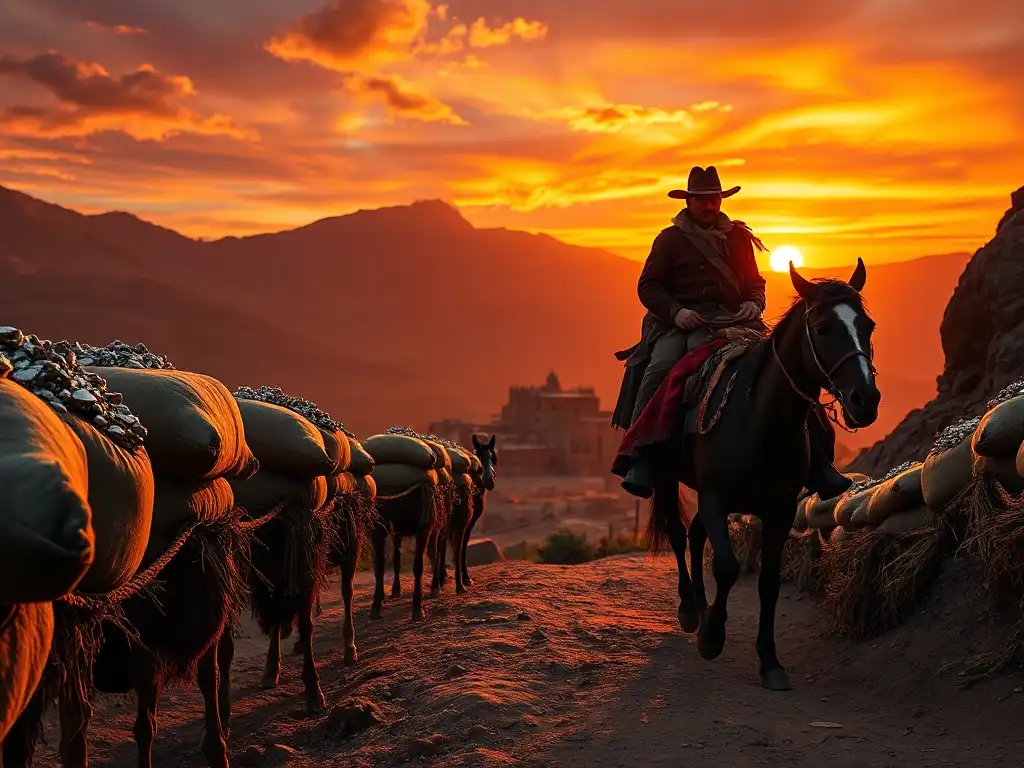
The Spanish conquest irrevocably altered the Andean economic landscape, shifting from a complex system of reciprocal exchange and ayllu community-based production to one of brutal exploitation geared towards enriching the Spanish crown. This transition, deeply impacting the "Spanish impact on Andean culture," fundamentally reshaped the region's economic structure and left a legacy of inequality that persists to this day. The Spanish implemented a system designed to extract maximum wealth, prioritizing the extraction of precious metals and the control of agricultural production for export.
This exploitation severely undermined existing Andean economic practices and led to widespread impoverishment and social disruption. The transition was not merely about the replacement of one system by another; it was a violent and transformative process that fundamentally changed the relationship between people and resources within the Andes.
The Silver Mines of Potosí and their Global Economic Impact
The silver mines of Potosí in present-day Bolivia became the cornerstone of the Spanish colonial economy in the Andes. The sheer scale of silver extraction from Potosí fueled the global economy for centuries, enriching Spain and impacting global trade dynamics. The mines operated under incredibly harsh conditions, with indigenous laborers subjected to the brutal mita system – a form of forced labor that resulted in immense suffering and a drastically reduced life expectancy for miners.
Estimates suggest millions of indigenous people perished in the mines due to exhaustion, disease, and accidents. The influx of silver from Potosí had a profound effect on global inflation, influencing economic trends in Europe and Asia.
This massive extraction of wealth, however, came at an unimaginable human cost, permanently scarring the Andean region's social fabric and leaving a lasting legacy of economic inequality. The silver boom, while enriching Spain, devastated Andean communities and fundamentally altered their traditional economic practices.
The Economic Dependence on Spain and the Monopolies
The Spanish crown established a system of monopolies that controlled key aspects of the Andean economy. This ensured a continuous flow of wealth back to Spain, while simultaneously stifling local economic development. The repartimiento system, a form of forced labor imposed on indigenous communities, was another key element of this economic control.
It forced Andean communities to provide labor for Spanish enterprises, often at exploitative wages or without any compensation at all. This system, alongside the monopolies, effectively prevented the development of independent Andean economies and created a lasting dependence on Spain. The Spanish controlled the production and distribution of key goods, ensuring that the Andes remained economically subservient to the colonial power.
This economic control was a crucial element in the shaping of the "Spanish impact on Andean culture," as it affected everything from access to resources to the social structure of Andean societies. The legacy of this economic dependence continues to influence the region's economic vulnerabilities today.
The Introduction of Wheat and Livestock
While the introduction of wheat and livestock from Europe might seem like a neutral aspect of the conquest, it had profound and often negative consequences for Andean agriculture and society. The Spanish actively promoted the cultivation of wheat, often at the expense of traditional Andean crops like potatoes and quinoa. This led to a reduction in biodiversity and a dependence on a single crop, making Andean agriculture more vulnerable to environmental changes and disease.
Similarly, the introduction of livestock such as sheep, cattle, and horses altered traditional land use patterns and grazing practices. Overgrazing contributed to soil erosion and deforestation, impacting the environment and the sustainability of traditional Andean agricultural methods.
The shift towards European agricultural practices, while increasing the production of goods for export, also significantly undermined the resilience and diversity of Andean agriculture, demonstrating another facet of the "Spanish impact on Andean culture" The long-term implications of this agricultural transformation continue to be felt in the Andes today. The introduction of these new species also fundamentally changed the landscape, altering ecosystems and impacting biodiversity.
The Impact of Trade on Colonial Economies
The Spanish conquest dramatically reshaped Andean trade networks, shifting the focus from indigenous exchange systems to a colonial economy geared towards enriching the Spanish crown. Pre-Columbian trade, while robust, was largely based on reciprocal gift-giving and bartering within regional networks. The Inca Empire, for example, maintained a sophisticated system of mit'a, a form of labor tribute, which facilitated the movement of goods and resources throughout its vast territory. This system, while demanding, operated within a framework of established social obligations and reciprocal relationships.
The arrival of the Spanish introduced a fundamentally different economic model. The focus shifted from regional exchange to the extraction of precious metals, particularly silver and gold, for export to Europe. This led to the establishment of new trade routes, primarily connecting the Andes to Spanish ports and ultimately to the global market.
The previously vital indigenous trade networks were disrupted, as resources were redirected to meet the demands of the colonial economy. This shift had a devastating impact on many Andean communities, who lost access to traditional trade routes and faced economic hardship as their livelihoods were transformed. The Spanish implemented the encomienda system, which granted conquistadors control over indigenous labor and resources, further exacerbating the economic disruption.
The introduction of new goods and technologies also played a significant role in transforming Andean economies. European crops, like wheat and livestock, such as cattle and sheep, were introduced, altering agricultural practices and land use patterns. While some crops were successfully integrated into Andean agriculture, others disrupted existing ecosystems and led to ecological changes. Similarly, new technologies, such as mining techniques, were introduced, which, while boosting silver production for the Spanish crown, came at a high cost to the environment and the indigenous population, who were often forced to work in dangerous and inhumane conditions. The extraction of wealth, therefore, wasn't a simple economic transaction, but a brutal process that fundamentally reshaped Andean societies and their relationship with the land. The long-term consequences of this economic restructuring continue to be felt in the Andes today. The Spanish impact on Andean culture, specifically in the economic sphere, was profound and long-lasting.
The Enduring Legacy of Spanish Colonization in the Andes
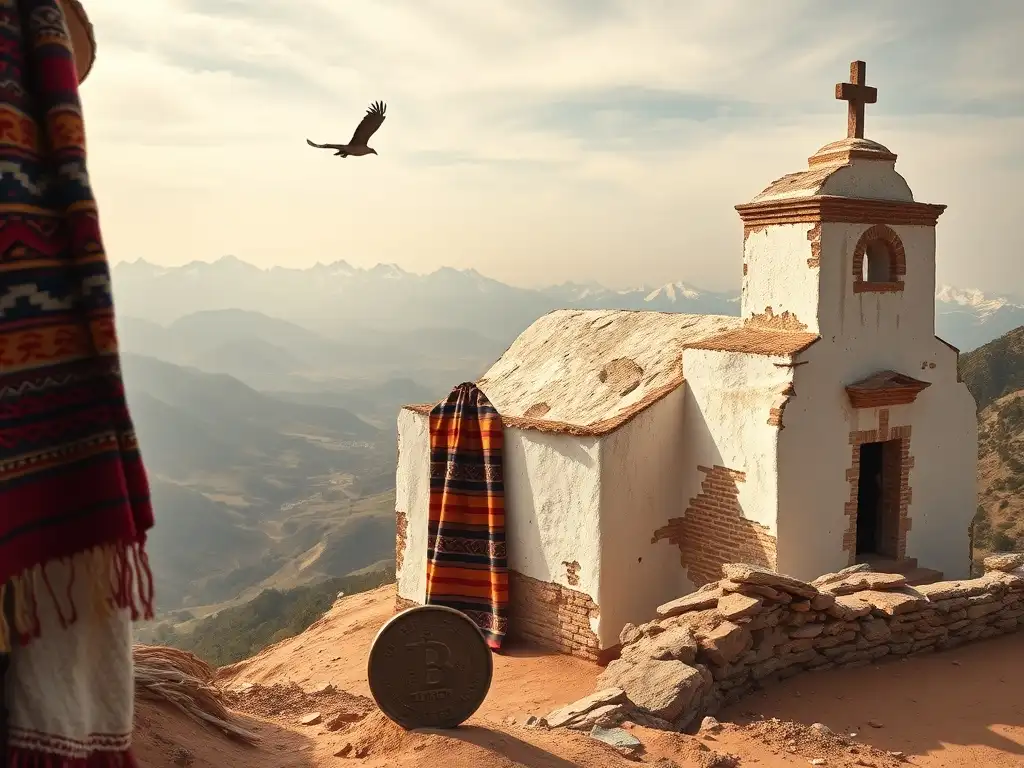
The Spanish conquest of the Andes irrevocably altered the trajectory of Andean civilizations. While the Inca Empire's fall marked a dramatic turning point, the Spanish impact on Andean culture extended far beyond the immediate military victory. The consequences reverberate through centuries, shaping the social, political, and cultural landscape of the region to this day.
Understanding the enduring legacy of Spanish colonization requires examining its multifaceted effects, from the suppression of indigenous identities to the complex syncretism that emerged from the collision of cultures. The Spanish fundamentally reshaped the Andes, leaving behind a legacy both destructive and transformative, a legacy that continues to be negotiated and reinterpreted in contemporary Andean societies. The keywords "Spanish impact on Andean culture" and its many synonyms are deeply intertwined with this complex narrative.
The Resilience of Indigenous Cultures and Languages
Despite centuries of oppression and assimilation efforts, indigenous Andean cultures displayed remarkable resilience. The Spanish attempted to eradicate indigenous languages and religious practices, replacing them with Spanish Catholicism. However, many indigenous languages, such as Quechua and Aymara, survived, albeit often alongside Spanish. This linguistic duality reflects the enduring strength of indigenous identities. For instance, in many rural communities, Quechua remains the primary language spoken at home, even as Spanish is used for official purposes.
This persistence highlights the importance of cultural preservation efforts and the significant role of indigenous communities in safeguarding their heritage. The Spanish impact on Andean culture, while profound, did not entirely extinguish the vibrant tapestry of pre-Columbian traditions. The continued use of indigenous languages is a powerful testament to this resilience. The survival rate of these languages, against the backdrop of aggressive colonial policies, is a testament to the enduring strength of Andean cultural identity.
The Ongoing Struggle for Land Rights and Self-Determination
The Spanish conquest led to the dispossession of indigenous populations from their ancestral lands. The encomienda system, followed by the hacienda system, concentrated land ownership in the hands of the Spanish elite, forcing indigenous communities into servitude and displacing them from their traditional agricultural practices. This legacy continues to fuel social and political tensions in the Andes. Land rights remain a central issue for many indigenous communities, who continue to struggle for recognition of their ancestral territories and the right to self-determination.
Many contemporary social movements in the Andes are directly linked to these historical injustices. The struggle for land and self-determination is not merely a contemporary issue, but a direct consequence of the Spanish impact on Andean culture and the enduring consequences of colonial land policies. Data on land ownership disparities and ongoing legal battles for land restitution would further highlight this ongoing struggle.
The Blending of Spanish and Indigenous Cultural Traditions
The Spanish conquest did not merely suppress indigenous cultures; it also fostered a complex process of cultural exchange and syncretism. Indigenous religious beliefs and practices were often blended with Catholicism, resulting in unique hybrid religious forms. Similarly, Spanish artistic styles and techniques were integrated into indigenous artistic traditions, creating a distinctive Andean aesthetic.
This cultural fusion is evident in various aspects of Andean life, from religious practices and artistic expressions to culinary traditions and architectural styles. The fusion of Spanish and indigenous elements is a complex and fascinating aspect of the Spanish impact on Andean culture. For example, the vibrant textiles of the Andes often incorporate both indigenous designs and Spanish techniques, reflecting this ongoing process of cultural exchange and adaptation.
This blending, however, is not without its complexities and should be examined with sensitivity to the power dynamics that shaped this cultural exchange. The resulting cultural hybridity is a unique and enduring legacy of the Spanish colonial period.
Contemporary Challenges in Addressing Colonial Legacies
The Spanish conquest's impact on Andean culture reverberates even today, manifesting in complex and multifaceted challenges. One significant issue is the persistence of socioeconomic inequality. The colonial system created a deeply stratified society, favoring Spanish descendants and leaving Indigenous communities marginalized and impoverished. This historical disparity continues to fuel present-day inequalities in access to education, healthcare, and economic opportunities. The legacy of land dispossession, a cornerstone of the colonial project, remains a potent source of conflict and social unrest in many Andean regions. Indigenous communities often face legal battles to reclaim ancestral lands, hampered by bureaucratic hurdles and a lack of consistent legal support. 1 Furthermore, the extraction of natural resources, often carried out by multinational corporations on lands traditionally held by Indigenous groups, exacerbates existing inequalities and environmental damage, further complicating efforts towards reconciliation. The psychological impact of colonization also lingers, manifesting in a loss of cultural identity and the erosion of traditional knowledge systems. The suppression of Indigenous languages and spiritual practices during the colonial period continues to impact cultural preservation efforts today. Addressing these deeply rooted issues requires a multi-pronged approach that acknowledges the historical context and promotes inclusive policies aimed at social justice and economic empowerment.
Reconciliation and social justice in the Andes necessitate a comprehensive strategy that addresses both historical injustices and contemporary inequalities. A crucial first step involves the formal recognition and redress of past human rights violations. This includes acknowledging the atrocities committed during the conquest and colonial period and providing reparations to affected communities. 2 Such actions not only address historical wrongs but also contribute to healing and fostering a sense of collective responsibility. Furthermore, implementing policies that promote cultural revitalization is paramount. This includes supporting Indigenous languages, reviving traditional practices, and promoting Indigenous participation in cultural heritage preservation. Educational initiatives that incorporate Indigenous perspectives and histories into the curriculum are essential for fostering intercultural understanding and challenging colonial narratives. Economic empowerment programs that prioritize sustainable development and support Indigenous-led initiatives are equally critical in addressing socioeconomic disparities. These programs should focus on strengthening local economies, promoting fair trade practices, and ensuring that Indigenous communities benefit from the exploitation of natural resources within their territories. Finally, fostering meaningful dialogue and collaboration between Indigenous communities, governmental institutions, and civil society organizations is crucial for building trust and achieving lasting reconciliation. This requires a commitment to participatory decision-making processes and the recognition of Indigenous rights and self-determination. The path towards genuine reconciliation and social justice is long and complex, demanding sustained commitment and a profound shift in power dynamics. The process requires active participation from all stakeholders, a willingness to confront the past honestly, and a collective commitment to building a more equitable and just future for all Andean peoples. The journey requires patience, understanding, and a shared vision for a future free from the lingering shadows of colonial oppression.
1 [Specific information pending: Cite a source detailing legal challenges faced by Indigenous communities in reclaiming ancestral lands.]
2 [Specific information pending: Cite a source providing examples of reparations or redress for human rights violations in the Andean region.]
Frequently Asked Questions
What was the most significant impact of the Spanish conquest on Andean societies?
The most significant impact was the destruction of existing social structures and the imposition of the Spanish colonial system. This led to the exploitation of indigenous populations, the introduction of new diseases, and the suppression of Andean religions and traditions.
How did the Spanish conquest affect Andean religion and spirituality?
The Spanish actively suppressed indigenous religions, replacing them with Catholicism. Many Andean religious practices were syncretized, blending with Catholic beliefs, but the original forms were significantly altered.
What was the impact of Spanish colonization on Andean agriculture?
The Spanish introduced new crops like wheat and sugar cane, while also modifying existing agricultural practices. This led to changes in land ownership and the exploitation of indigenous labor for large-scale farming.
Did the Spanish conquest completely erase Andean culture?
No, despite the severe impact, Andean culture persisted and adapted. While many aspects were suppressed or altered, indigenous traditions and knowledge survived, often in modified or syncretic forms.
How did the Spanish language influence the Andes?
Spanish became the dominant language, displacing many indigenous languages. However, many Andean languages survived, and today, linguistic diversity remains a significant feature of the region, with many incorporating Spanish loanwords.
Final Reflection: Echoes of Empire in the Andes
The enduring legacy of the Spanish Conquest in the Andes continues to shape the region's social, political, and cultural landscape today. The intricate tapestry woven from indigenous traditions and imposed colonial structures remains a powerful force, influencing everything from language and religion to economic systems and social hierarchies. Understanding this complex interplay is crucial to comprehending the challenges and opportunities facing Andean communities in the 21st century.
The impact of the Conquest wasn't merely a historical event; it was a seismic shift that reverberates through generations. The imposition of Spanish Catholicism, the destruction of indigenous knowledge systems, and the enduring economic inequalities all stem from this pivotal moment. As the Peruvian writer Mario Vargas Llosa eloquently stated, The Conquest was not just a military victory; it was a cultural earthquake.
This earthquake continues to shape the very foundation of Andean identity, forcing a constant negotiation between inherited traditions and imposed realities. The ongoing struggle for indigenous rights, the preservation of ancestral languages, and the fight for economic justice are all direct consequences of this historical upheaval.
Consider the threads of this legacy woven into the fabric of your own life. How does the history of colonialism influence your understanding of global power dynamics? What responsibility do we, as inheritors of this complex history, bear in acknowledging and addressing the ongoing consequences of the Spanish Conquest? Let the echoes of empire inspire you to engage with the rich and complex history of the Andes, to learn from its past, and to work towards a more just and equitable future for all its people.
**Unveil the Impact: Shape Your Understanding of the Andes Today! **
Thank you for exploring the rich legacy of the Spanish conquest and its profound impact on the Andes. Your interest in this transformative period not only expands your understanding but also helps preserve the stories of Andean civilizations.
Now, let's put that knowledge into action! Here are some ways you can continue to learn and engage:
- **Explore local history:** Visit museums or attend lectures that delve into Andean heritage, connecting with the vibrant culture that has shaped this extraordinary region. Consider seeking out exhibits focusing on specific aspects of Andean history, such as pre-Columbian art or the impact of indigenous resistance movements.
- **Share your insights:** Discuss the lasting impacts of colonialism in the Andes with friends, family, or online communities. Use the hashtag #AndeanHeritage to connect with others who share your interest and learn from their perspectives.
- **Deepen your understanding:** Explore books, documentaries, and academic articles about contemporary Andean cultures and how they grapple with their historical legacies. You might be surprised by the resilience and innovation you discover.
What aspect of Andean history do you find most compelling, and how do you believe it continues to influence the lives of people in the region today?