
The Role of Context: Understanding Symbolism in Different Andean Settings

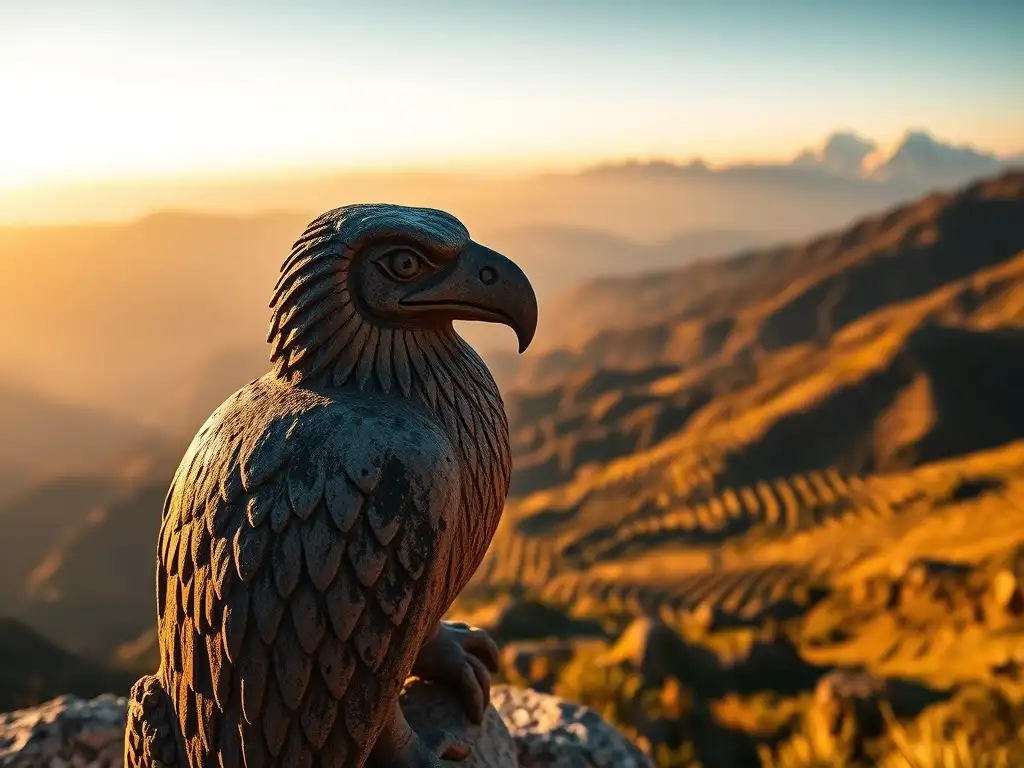
Step into a world lost to time, yet echoing with vibrant life. Unravel the mysteries of the Andes, a landscape steeped in the legacies of the Incas, Moche, Nazca, and Tiahuanaco. Prepare to be captivated by the intricate tapestry of Andean symbolism, where every design, every artifact whispers tales of ancient beliefs and power. What hidden meanings lie within these enigmatic images? Discover the fascinating answers, starting with our exploration of Andean symbolism meaning and its contextual significance.
-
The Role of Context: Understanding Andean Symbolism Meaning
- Introduction to Andean Symbolism and its Importance
- Decoding Andean Symbolism: Beyond the Surface
- The Influence of Geography on Andean Symbolic Representations
- Variations in Andean Symbolism Across Different Cultures
- Andean Symbolism in Ritual and Ceremony
- The Evolution of Andean Symbolism Over Time
- Analyzing the Context: A Key to Understanding Andean Iconography
- Challenges in Interpreting Ancient Andean Symbolic Language
- Case Study: The Puma in Andean Cosmology
- Conclusion: The Enduring Legacy of Andean Symbolic Expression
- Further Research and Resources on Andean Symbolism
-
Frequently Asked Questions
- What is the main focus of Andean symbolism?
- How does the environment influence Andean symbolism?
- Why is context crucial for interpreting Andean symbols?
- Are there any common threads in Andean symbolism across different cultures?
- Where can I learn more about specific Andean symbols and their meanings?
- Final Reflection: Weaving the Threads of Andean Symbolism
- Unveil the Richness of Andean Symbolism Today!
The Role of Context: Understanding Andean Symbolism Meaning
Understanding the rich tapestry of Andean symbolism requires more than just identifying individual motifs. This article delves into the crucial role of context in interpreting the meaning behind the captivating imagery found in Andean art and artifacts.
We'll explore how the same symbol can hold vastly different meanings depending on its location, the associated objects, and the cultural context of the Andean civilization that created it. From the intricate textiles of the Nazca to the monumental architecture of the Inca, we'll uncover the layers of meaning embedded within these artistic expressions, offering a deeper understanding of the beliefs, values, and worldview of these fascinating ancient societies.
This exploration will illuminate how understanding Andean symbolism meaning unlocks a deeper appreciation for the ingenuity and complexity of Andean civilizations. By examining specific examples and considering the cultural nuances, we aim to provide a more nuanced and accurate interpretation of Andean symbolism, moving beyond simplistic generalizations and towards a richer, more holistic understanding.
Introduction to Andean Symbolism and its Importance
Andean symbolism, a vibrant and multifaceted system of visual communication, is deeply intertwined with the spiritual and social fabric of the ancient Andean societies. Understanding its complexities is crucial to deciphering the beliefs, rituals, and social structures of cultures like the Inca, Moche, Nazca, and Tiahuanaco. These civilizations didn't simply decorate their objects; they imbued them with potent meanings, often conveying complex narratives and cosmological beliefs.
The use of symbolism extended beyond religious contexts, permeating everyday life, from textiles and pottery to architecture and monumental constructions. The Andean worldview, deeply connected to the natural world and the cyclical rhythms of life and death, is reflected in their symbolic language. Symbols frequently represented deities, ancestors, agricultural cycles, and the cosmos, illustrating a sophisticated understanding of their place within the larger universe.
This intricate system of representation demands careful consideration of various factors to avoid misinterpretations. For example, the same feline imagery might represent a different deity or concept depending on the specific stylistic features, the associated iconography, and the geographic location of the artifact.
Decoding Andean Symbolism: Beyond the Surface
Interpreting Andean symbolism requires a multi-faceted approach that goes beyond simple iconographic identification. It necessitates a deep understanding of the historical, social, and environmental contexts in which these symbols were created and used. Consider, for instance, the recurring motif of the serpent in various Andean cultures. While often associated with fertility and water, its specific meaning could vary significantly depending on the artistic style, the accompanying imagery, and the cultural group responsible for its creation.
A detailed analysis of the material, the craftsmanship, and the context of discovery is paramount to avoid misinterpretations. For example, a finely crafted gold serpent pendant found within a royal tomb would likely carry a different meaning than a simpler ceramic representation found in a common dwelling. Furthermore, the geographical location of the artifact plays a crucial role. Certain symbols might have regional variations in meaning, reflecting the diverse cultural landscapes of the Andes.
To truly understand Andean symbolism, therefore, we must move beyond superficial interpretations and embrace a holistic approach that considers the intricate interplay of these various factors. This requires meticulous research, comparative analysis, and a deep appreciation for the cultural complexities of the Andean world. Only then can we hope to unlock the rich layers of meaning embedded within these captivating visual representations.
The Influence of Geography on Andean Symbolic Representations
The diverse geography of the Andes Mountains profoundly shaped the symbolic representations of its ancient inhabitants. The towering peaks, fertile valleys, arid coastal deserts, and lush Amazonian rainforests each fostered unique belief systems and artistic expressions. Understanding the context of these geographical variations is crucial for interpreting the meaning of Andean symbolism.
The stark contrast between the coastal deserts and the high-altitude plains, for example, led to vastly different artistic motifs and spiritual beliefs. Coastal communities, with their reliance on marine resources, developed a rich symbolism centered around the ocean, while highland cultures focused on agricultural deities and the power of the mountains. This geographical influence is reflected in the materials used in art, the subjects depicted, and the overall aesthetic of the pieces.
The availability of certain resources, such as specific types of clay or pigments, also influenced the artistic style and the symbolic representations themselves. For instance, the vibrant colors found in some coastal ceramics contrast sharply with the earthy tones often seen in highland pottery, reflecting the different available natural resources.
Coastal Andean Symbolism: Marine Motifs and their Significance
Coastal Andean cultures, such as the Moche and Chimú, developed a rich symbolism centered around marine life. Fish, birds, and other sea creatures frequently appear in their ceramics and textiles, representing abundance, fertility, and the power of the sea. The ocean was a vital source of sustenance, and its unpredictable nature imbued it with a powerful spiritual significance.
Specific marine animals often held unique symbolic meanings. For example, the depiction of a particular type of fish might represent a deity or a specific aspect of the natural world. The intricate details and expressive styles used in these representations suggest a deep understanding and reverence for the marine environment and its creatures.
Furthermore, the use of marine imagery in ceremonial contexts underscores its importance in the religious and social life of these coastal communities. The careful craftsmanship and symbolic richness of these artifacts provide valuable insights into the worldview and spiritual beliefs of the ancient coastal populations.
Highland Andean Symbolism: Mountain Deities and Agricultural Symbols
In the highlands, the towering Andes mountains themselves held immense spiritual significance. Mountains were often considered sacred entities, dwelling places of powerful deities, and sources of life-giving water. Agricultural symbols, such as maize, potatoes, and llamas, were also prominent in highland art and iconography, reflecting the crucial role of agriculture in their society. The intricate designs found on textiles and ceramics often depict stylized representations of these plants and animals, symbolizing abundance, fertility, and prosperity.
The depiction of mountain deities, often anthropomorphic figures associated with specific peaks, reveals the close relationship between the people and their environment. The intricate weaving techniques and the use of specific colors in these textiles often held symbolic meanings related to the agricultural cycle and the spiritual world. For example, certain colors might have been associated with specific deities or agricultural events.
Amazonian Andean Symbolism: Shamanic Imagery and Nature Spirits
The Amazonian region, with its dense rainforest and diverse flora and fauna, fostered a different set of symbolic representations. Shamanic imagery, depicting supernatural beings and ritual practices, is a prominent feature of Amazonian Andean art. Nature spirits, associated with specific plants and animals, played a crucial role in their cosmology. The use of hallucinogenic plants in shamanic rituals likely influenced the artistic styles and the symbolic meanings associated with these images.
The artistic depictions often showcase a deep understanding of the natural world and its intricate interconnectedness. Detailed depictions of plants and animals, often combined with abstract designs, suggest a complex system of beliefs and practices related to the spiritual world. The symbolism found in Amazonian Andean art provides valuable insights into the shamanic practices and the relationship between humans and nature in this region.
Variations in Andean Symbolism Across Different Cultures
While geography played a significant role in shaping Andean symbolism, cultural differences also led to variations in artistic expression and symbolic meanings. Different Andean cultures, such as the Moche, Nazca, Tiahuanaco, and Inca, each developed unique iconographic systems that reflected their specific beliefs, values, and social structures. These variations are evident in the types of materials used, the artistic styles employed, and the specific meanings attributed to different symbols.
Comparing and contrasting these different systems allows for a deeper understanding of the complexity and diversity of Andean culture. The study of these diverse symbolic systems illuminates the rich tapestry of Andean civilizations and their unique contributions to world art and culture.
Moche Symbolism: Power, Ritual, and Iconography
Moche art is renowned for its vibrant ceramics depicting scenes of warfare, ritual sacrifice, and daily life. Their iconography often emphasizes themes of power, ritual, and fertility. Powerful rulers and elite members of society are frequently depicted in elaborate ceremonies, highlighting the hierarchical structure of their society. The use of specific colors and motifs often held symbolic meanings related to power, authority, and religious practices.
Detailed depictions of ritual scenes provide valuable insights into their religious beliefs and social practices. The vivid imagery and expressive style of Moche ceramics offer a fascinating glimpse into the lives and beliefs of this ancient civilization. The intricate detail and expressive nature of the art suggest a high level of skill and a deep understanding of symbolic representation.
Nazca Symbolism: Geoglyphs, Ceramic Art, and Their Meaning
The Nazca culture is best known for its enigmatic geoglyphs, vast lines and figures etched into the desert surface. Their function remains a subject of debate, but they are believed to have held significant religious or ceremonial meaning. Nazca ceramic art also displays a distinctive style, featuring stylized figures and intricate designs. The use of specific colors and motifs often held symbolic meanings related to their religious beliefs and social practices.
The combination of geoglyphs and ceramic art provides valuable insights into their cosmology and worldview. The sophisticated techniques used in creating both the geoglyphs and the ceramics demonstrate a high level of technological and artistic skill. The enduring mystery of the geoglyphs adds to the fascination surrounding Nazca culture and its symbolic representations.
Tiahuanaco Symbolism: Religious Deities and Cosmic Order
Tiahuanaco art is characterized by its monumental architecture and its distinctive style, featuring stylized figures and geometric designs. Their iconography often emphasizes themes of religious deities and cosmic order. The depiction of anthropomorphic figures, often associated with specific deities or supernatural beings, reveals their complex religious beliefs. The use of geometric patterns and symbolic motifs often reflects their understanding of the cosmos and the relationship between humans and the divine.
The sophisticated artistic techniques and the monumental scale of their architecture emphasize the importance of religion and cosmology in their society. The careful planning and execution of their artistic creations demonstrate a high level of skill and a deep understanding of symbolic representation. The enduring legacy of Tiahuanaco art continues to inspire awe and admiration.
Inca Symbolism: Imperial Power, Sun Worship, and State Control
Inca symbolism is closely tied to the imperial power of the Inca state and its elaborate system of religious beliefs. The sun god Inti was the central figure in their pantheon, and his image appears frequently in Inca art and architecture. Other important symbols included the condor, the puma, and the snake, representing different aspects of the Inca worldview. The use of specific colors, textiles, and materials often held symbolic meanings related to social status and religious practices.
The standardization of artistic styles and the control of artistic production under the Inca state highlight the importance of symbolism in maintaining imperial power and social control. The meticulous craftsmanship and the consistent use of symbolic motifs demonstrate the importance of artistic expression in Inca society. The rich tapestry of Inca symbolism provides valuable insights into the political and religious structures of this vast empire.
Andean Symbolism in Ritual and Ceremony
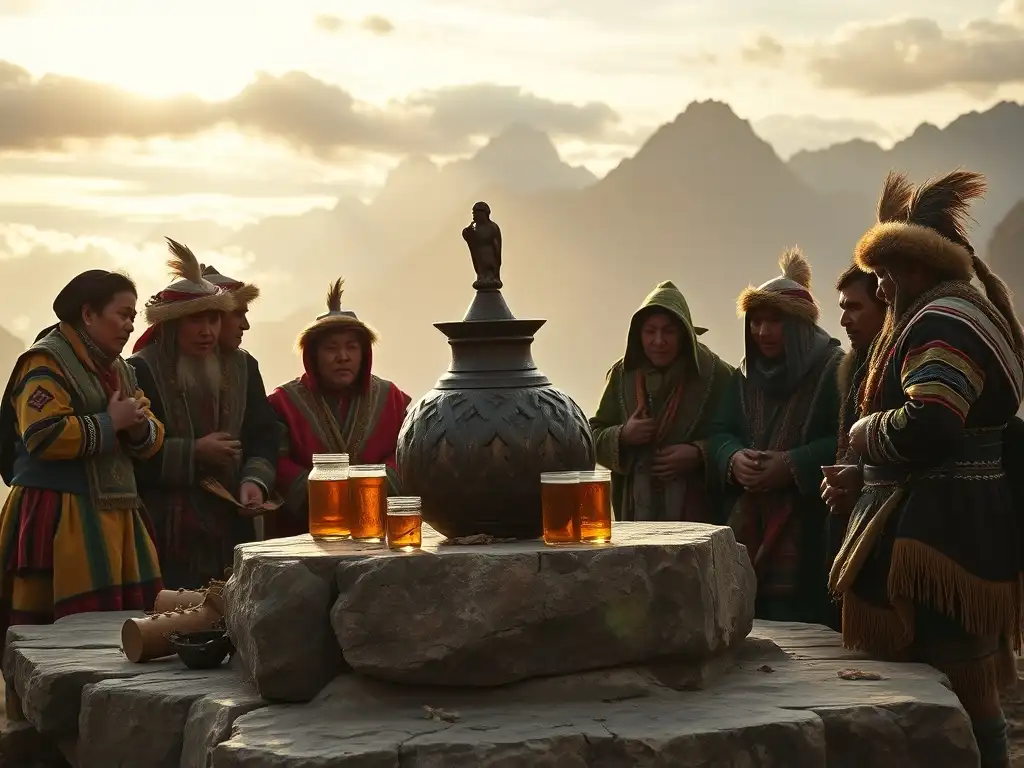
The Use of Symbols in Andean Religious Practices
Andean religious practices were deeply intertwined with symbolism. Many rituals involved the use of specific objects, gestures, and colors, each carrying a profound symbolic meaning. For example, the use of coca leaves wasn't simply a matter of chewing a stimulant; it was a ritual act imbued with deep spiritual significance, representing offerings to deities and a connection to the earth.
The specific way the coca was prepared and offered varied significantly depending on the community and the specific deity being addressed. Different colored coca leaves might even represent different energies or intentions. Similarly, the intricate knotting of strings (quipus) served not just as a record-keeping system but also as a powerful tool for communicating with the spirit world, each knot representing a specific idea or event, further enhanced by the color and material of the string itself.
The precise meaning of these knots remains partially elusive, a testament to the complexity of Andean religious thought. Detailed studies of surviving quipus and related artifacts continue to illuminate the nuanced symbolic language embedded within these intricate textiles. The careful preservation of these objects underscores the profound importance of these symbols within Andean spiritual life.
Symbolic Meaning in Andean Funerary Rites
Andean funerary rites offer a rich source for understanding their symbolism. Burial practices varied considerably across different cultures and time periods. The location of burials, the orientation of the bodies, the inclusion of grave goods, and even the manner of mummification all carried symbolic weight.
For instance, the elaborate mummification practiced by the Chinchorro culture of northern Chile, dating back millennia, speaks volumes about their beliefs concerning the afterlife and the preservation of the deceased. The use of specific materials in the mummification process, along with the inclusion of grave goods like tools, textiles, and food, suggests a belief in a continued existence beyond death, where the deceased might still require these items.
The placement of bodies in specific positions, often mirroring the posture of deities or important figures, further reinforces the symbolic importance of these funerary rituals. The intricate textiles and jewelry found in many Andean tombs are not mere decorative items; they are powerful symbols of status, identity, and the deceased's journey into the afterlife.
Ritual Objects and Their Symbolic Significance
Numerous ritual objects have been unearthed from Andean archaeological sites, each imbued with specific symbolic meaning. Ceremonial vessels, often adorned with intricate designs depicting deities, animals, and mythical beings, played a central role in ritual offerings. The shapes and designs of these vessels were not arbitrary; they were meticulously chosen to represent particular deities or cosmological concepts.
For example, vessels shaped like stylized animals might have been used in rituals dedicated to those animals, while those with human-like features might have been associated with ancestor veneration. Similarly, the use of specific materials, such as gold, silver, or obsidian, added another layer of symbolic meaning, reflecting the value and power associated with those materials.
The presence of these objects within specific ritual contexts allows researchers to understand the relationship between the objects, the rituals, and the underlying beliefs of the Andean societies. The artistry and craftsmanship involved in creating these objects highlight their importance as tangible representations of Andean spiritual beliefs.
The Evolution of Andean Symbolism Over Time
Pre-Inca Symbolic Traditions
Pre-Inca Andean cultures developed rich and diverse symbolic systems. The Chavín culture, for example, is known for its iconic stylized feline imagery, often interpreted as representing powerful deities or shamanistic experiences. These images, carved in stone and depicted on textiles, were central to their religious and social life.
The Nazca culture, famous for their geoglyphs, employed a sophisticated system of visual symbols, though their exact meaning remains subject to ongoing debate and interpretation. The Moche culture, known for its elaborate pottery depicting scenes of daily life and mythology, offered a unique visual representation of their beliefs and values. These varied symbolic systems, though distinct, often shared underlying themes related to fertility, power, and the cosmos.
The study of pre-Inca symbolism provides a crucial foundation for understanding the evolution of Andean symbolic traditions. Ongoing research using advanced imaging techniques and comparative analysis is helping to unlock the secrets of these ancient visual languages.
The Transformation of Symbols Under the Inca Empire
The Inca Empire significantly impacted Andean symbolism. The Inca imposed their own symbolic system, incorporating and adapting existing traditions. The use of the Inti (sun god) and other deities became central to Inca ideology, with their images appearing frequently in architecture, textiles, and metalwork. The Inca also standardized certain aspects of Andean symbolism, creating a more uniform system across their vast empire.
However, this standardization didn't erase pre-existing traditions; rather, the Inca often incorporated and adapted local symbols into their own system. This process of assimilation and adaptation resulted in a complex and dynamic symbolic landscape within the Inca Empire, reflecting the diverse cultural backgrounds of its subjects. The Inca's ability to integrate local traditions into their imperial ideology was crucial to maintaining control and fostering a sense of unity across their large and diverse population.
Post-Colonial Interpretations of Andean Symbolism
After the Spanish conquest, Andean symbolism underwent significant transformations. Many symbols were suppressed or reinterpreted by the Spanish colonizers, while others were adapted and reappropriated by Andean communities to express resistance and maintain their cultural identity. The Virgin Mary, for example, was sometimes syncretized with Andean goddesses, creating a hybrid religious imagery that blended indigenous and Christian beliefs. The continued use of traditional Andean symbols in textiles, ceramics, and other forms of artistic expression represents an enduring resistance to colonial attempts to erase indigenous traditions.
Understanding these post-colonial interpretations is crucial for appreciating the full complexity of Andean symbolism. The ongoing process of reclaiming and reinterpreting these symbols is essential for understanding contemporary Andean identities and cultural expressions. The study of Andean symbolism is an ongoing process, with new discoveries and interpretations constantly emerging.
Analyzing the Context: A Key to Understanding Andean Iconography
Understanding the meaning behind Andean symbolism requires a nuanced approach that goes beyond simply identifying individual motifs. A crucial element is analyzing the context in which these symbols appear. This involves considering various factors that can significantly influence the interpretation. For instance, the same symbol might carry different meanings depending on its location within a specific site, its association with other artifacts, or the cultural period in which it was created.
A detailed understanding of the surrounding environment, both physical and cultural, is therefore paramount. The intricate relationship between symbols and their context is what unlocks a deeper understanding of Andean worldview and belief systems. Ignoring this context risks misinterpreting the significance of these powerful visual representations.
The Importance of Archaeological Context
Archaeological context plays a vital role in deciphering Andean symbolism. The spatial arrangement of artifacts, their association with specific structures or features, and the stratigraphic layers in which they are found all provide valuable clues. For example, the discovery of a specific ceramic vessel depicting a particular deity within a temple dedicated to that deity significantly strengthens the interpretation of the symbol's meaning.
Similarly, the presence of multiple artifacts bearing the same symbol in a burial context can suggest its connection to funerary rituals or beliefs about the afterlife. Careful excavation and meticulous recording of the archaeological context are therefore essential for accurate interpretation. The meticulous work of archaeologists provides a solid foundation for understanding the symbolic language of past Andean cultures.
The Role of Ethnographic Data in Interpreting Symbols
Ethnographic data, encompassing the study of living cultures, can offer invaluable insights into the interpretation of ancient Andean symbolism. While direct parallels between ancient and modern practices should be approached cautiously, the study of contemporary Andean communities can provide a framework for understanding certain symbolic motifs and their potential meanings. For example, observing contemporary Andean rituals and ceremonies involving specific symbols can shed light on their potential significance in ancient contexts.
Ethnographic research often reveals the continuity of certain beliefs and practices across millennia, providing a valuable link between the past and the present in understanding Andean symbolism meaning. However, it's essential to remember that this connection is not always direct, and careful consideration is necessary to avoid imposing modern interpretations onto ancient practices.
Combining Different Sources for a Comprehensive Analysis
A truly comprehensive analysis of Andean symbolism requires the integration of multiple sources of information. Combining archaeological context with ethnographic data, alongside textual evidence (where available), linguistic analysis, and iconographic comparisons across different Andean cultures, creates a richer and more nuanced understanding. This interdisciplinary approach allows for a more robust and reliable interpretation, minimizing the risk of misinterpretations based on limited data.
The cross-referencing of information from different sources serves as a powerful tool for validating interpretations and identifying potential inconsistencies. By adopting a holistic perspective, researchers can construct a more accurate and complete picture of the symbolic language of the Andes.
Challenges in Interpreting Ancient Andean Symbolic Language
Despite the considerable progress made in Andean archaeology and anthropology, significant challenges remain in interpreting the ancient symbolic language. The complexity of the systems, the limited textual evidence, and the potential for misinterpretations highlight the need for cautious and rigorous analysis. These challenges necessitate a multi-faceted approach, considering various perspectives and potential biases. The interpretation of Andean symbolism is an ongoing process, continuously refined by new discoveries and analytical methods.
Overcoming Cultural Biases in Analysis
One significant challenge lies in overcoming potential cultural biases during the interpretive process. Researchers must be acutely aware of their own cultural background and its influence on their interpretations. The tendency to impose modern frameworks and beliefs onto ancient cultures can lead to inaccurate and misleading conclusions. A critical approach, emphasizing objectivity and rigorous methodology, is therefore essential. This involves actively seeking alternative interpretations and considering diverse perspectives to counteract potential biases and ensure a more inclusive and accurate understanding of Andean symbolism meaning. The conscious effort to mitigate bias is crucial for responsible scholarship.
The Limitations of Modern Interpretations
Modern interpretations of Andean symbolism are inherently limited by the inherent gap between the past and the present. While we can analyze the artifacts and contexts in which symbols appear, we lack the direct experience and understanding of the ancient Andean worldview. This necessitates a degree of cautious interpretation, acknowledging the limitations of our understanding.
Interpretations should always be presented as hypotheses, open to revision and refinement based on new evidence and insights. The dynamic nature of knowledge requires a continuous reassessment of existing interpretations in the light of new discoveries. This iterative process is essential for the ongoing evolution of our understanding.
The Dynamic Nature of Symbolic Systems
Andean symbolic systems were not static; they evolved and changed over time, influenced by various factors, including cultural exchange, political shifts, and environmental changes. Understanding these dynamic processes is crucial for accurately interpreting the meaning of symbols in different contexts. A symbol's meaning could vary across time periods, geographical locations, and even social groups. Therefore, a rigid, singular interpretation is often inadequate. Instead, a nuanced understanding of the context, considering the dynamic nature of symbolism, is crucial for a more accurate interpretation of Andean symbolism meaning. The recognition of this dynamism is paramount for avoiding anachronistic interpretations.
Case Study: The Puma in Andean Cosmology
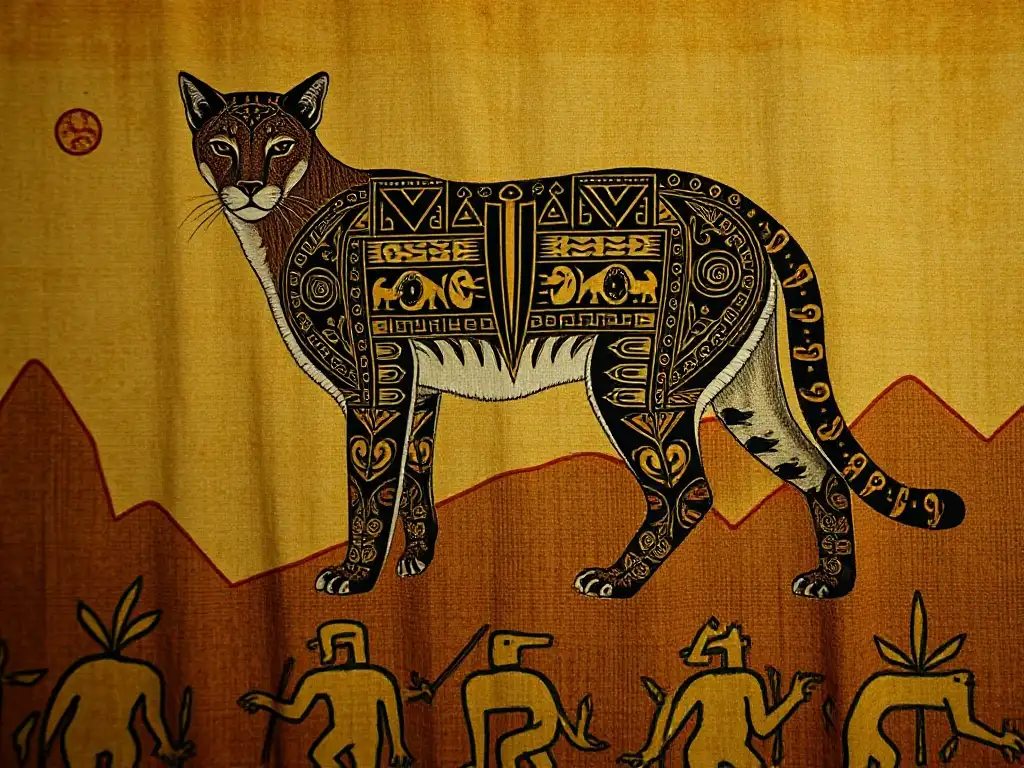
The puma, a powerful and majestic feline, holds a prominent place in Andean cosmology, its symbolism deeply interwoven with the beliefs and practices of various cultures across the Andes. Understanding the puma's significance requires a nuanced approach, recognizing that its representation varied across different Andean societies and historical periods. The puma wasn't simply a random symbol; its representation was carefully considered and imbued with layers of meaning that reflected the worldview of the people who depicted it.
For example, the specific posture of the puma, its interaction with other elements in the artwork, and the materials used in its creation all contributed to its overall symbolic meaning. This intricate system of meaning-making underscores the importance of contextual analysis in interpreting Andean art. The puma's symbolic power was not static but rather dynamic, evolving and adapting to the specific cultural context in which it appeared.
Analyzing the Puma in Inca Culture
Within Inca culture, the puma often symbolized power, strength, and royalty. It was associated with the Inca emperor, who was often considered a descendant of the puma, embodying its inherent qualities of leadership and authority. Inca textiles and ceramics frequently depict pumas, often in regal poses, highlighting their connection to imperial power. The puma's association with the Inca state is further evidenced by its presence in royal iconography, architectural elements, and even in the names of Inca rulers and places. The puma's fierce nature mirrored the Inca’s military might and their ability to control and govern a vast empire. However, the puma's symbolism wasn't solely limited to imperial contexts; it also held religious significance, connected to the underworld and the forces of nature. Detailed studies of Inca art reveal the complexity of the puma's symbolic representation, moving beyond simple interpretations of power to encompass a deeper understanding of Inca worldview.
Different Interpretations of the Puma Based on Region and Context
The puma's symbolic meaning wasn't uniform across the entire Andean region. For instance, in the pre-Inca cultures of the north coast, such as the Moche, the puma held different connotations. While still representing power, it also had strong associations with shamanism and the spirit world.
Moche ceramics often depict pumas engaged in supernatural activities, highlighting their role as intermediaries between the human and spirit realms. This contrasts with the Inca emphasis on the puma's connection to imperial power. Similarly, in the Nazca culture, the puma might have held different significance, possibly linked to their complex system of astronomical observations and their intricate geoglyphs.
The variations in the puma's representation across different Andean cultures highlight the importance of considering regional and temporal contexts when interpreting Andean symbolism. A single symbol, therefore, can hold a multitude of meanings depending on its specific cultural and historical context. This demonstrates the complexity of Andean symbolism meaning and underscores the need for careful consideration of regional and temporal factors.
The Importance of Detailed Analysis for Understanding Andean Art
Understanding Andean symbolism, including the varied interpretations of the puma, requires a meticulous and detailed approach to analysis. Simply identifying a puma in an artwork is insufficient; one must consider its stylistic features, its position within the composition, the accompanying elements, and the overall context of the artwork. The materials used, the techniques employed, and the socio-political landscape at the time of creation all contribute to the artwork's meaning.
For example, the use of specific colors, the presence of other symbolic motifs, and the location where the artifact was found can provide crucial insights into its significance. Such detailed analysis allows researchers to move beyond superficial interpretations and delve into the rich layers of meaning embedded within Andean art, illuminating the complex worldview of the Andean civilizations. This rigorous approach allows for a more accurate understanding of Andean symbolism meaning.
Conclusion: The Enduring Legacy of Andean Symbolic Expression
The enduring legacy of Andean symbolic expression is a testament to the rich cultural heritage of the Andes. The puma, as a case study, exemplifies the complexity and dynamism of Andean symbolism. Understanding Andean symbolism meaning requires careful consideration of the context, encompassing regional variations, temporal shifts, and the intricate interplay of various symbolic elements.
By employing a detailed and nuanced approach to analysis, researchers can unlock the rich layers of meaning embedded within Andean art and gain valuable insights into the beliefs, values, and worldview of these fascinating ancient civilizations. The study of Andean symbolism continues to evolve, revealing new understandings of the cultural landscape and the profound intellectual and artistic achievements of the Andean peoples. Further research is crucial to deepen our understanding of Andean symbolism meaning and its rich tapestry of cultural expression.
Further Research and Resources on Andean Symbolism
Delving deeper into the fascinating world of Andean symbolism requires dedicated research and access to reliable resources. Understanding the nuances of meaning requires going beyond surface-level interpretations and engaging with scholarly works that contextualize the symbols within their historical and cultural settings. This is crucial because the same symbol could hold vastly different meanings depending on the specific culture, time period, and even the location within the Andes.
One critical aspect of further research involves exploring the specific iconographic styles of different Andean cultures. For instance, the feline imagery prevalent in Moche art differs significantly in its representation and implied meaning compared to similar imagery found in Nazca ceramics or Inca textiles. Careful analysis of stylistic variations—the use of color, line, and composition—is essential for accurate interpretation. This requires consultation of academic journals, museum catalogs, and specialized books dedicated to Andean art and archaeology.
Furthermore, engaging with primary sources, whenever possible, enriches the understanding of Andean symbolism. While many artifacts are housed in museums worldwide, studying their detailed descriptions and accompanying scholarly analyses provides invaluable insight. Ethnohistorical accounts, where available, offer additional layers of understanding, although it's vital to approach such sources with critical awareness of potential biases and interpretations. Archaeological reports, often detailed and technical, provide crucial contextual information regarding the discovery and provenance of artifacts, informing interpretations of their symbolic meaning.
Finally, the evolving field of Andean studies constantly produces new research and interpretations. Staying abreast of current scholarship through academic conferences, online databases, and reputable publications is essential for maintaining a current and informed perspective on Andean symbolism meaning. This ongoing engagement ensures a more comprehensive and nuanced understanding of this rich and complex subject, allowing for more accurate and insightful interpretations of the symbols that continue to fascinate and intrigue researchers and enthusiasts alike. The careful consideration of context, both cultural and geographical, remains paramount in uncovering the true depth and richness of Andean symbolism.
Frequently Asked Questions
What is the main focus of Andean symbolism?
Andean symbolism is incredibly diverse, varying greatly depending on time period, specific culture (Inca, Moche, Nazca, etc.), and geographical location. Understanding the context is key to accurate interpretation.
How does the environment influence Andean symbolism?
The Andean landscape—mountains, rivers, animals—heavily influenced symbolic systems. For example, mountains often represented power and sacredness, while animals held specific meanings tied to their ecological roles.
Why is context crucial for interpreting Andean symbols?
A single symbol could have completely different meanings across different cultures or even within the same culture at different times. Considering the historical and geographical context is essential for accurate understanding.
Are there any common threads in Andean symbolism across different cultures?
While diverse, some themes recur, such as celestial bodies, agricultural cycles, and ancestor veneration. However, even these shared themes manifest differently in distinct cultural expressions.
Where can I learn more about specific Andean symbols and their meanings?
Further research into specific Andean cultures (e.g., Inca, Moche) and their art, religious practices, and archaeological findings will reveal more about the unique meanings attached to their symbols. Scholarly articles and museum resources are excellent starting points.
Final Reflection: Weaving the Threads of Andean Symbolism
Understanding the rich tapestry of Andean symbolism requires acknowledging the profound influence of context; its meaning isn't static, but rather a vibrant reflection of diverse cultures and historical experiences. The seemingly simple imagery woven into textiles, ceramics, and rituals holds layers of meaning, shifting subtly across geographical locations and historical periods. This nuanced understanding is crucial not only for accurate interpretation but also for appreciating the enduring power of these symbols in contemporary Andean life.
The enduring legacy of Andean symbolism continues to shape artistic expression, spiritual practices, and even political discourse in the region. Its influence resonates far beyond the Andes themselves, inspiring artists, scholars, and activists worldwide. The vibrant colors and intricate designs speak to a deep connection with the land, ancestors, and a cosmology that remains powerfully relevant. The past is never dead. It's not even past.
– William Faulkner. This quote perfectly encapsulates the enduring presence of Andean symbolism, reminding us that the meanings embedded within these symbols continue to evolve and inform the present.
Consider the intricate details, the vibrant colors, and the stories embedded within each symbol. You, the reader, are now equipped with a deeper understanding of the complexities of Andean symbolism. Take this knowledge with you, and the next time you encounter Andean art or ritual, look beyond the surface.
Seek out the context, explore the layers of meaning, and allow yourself to be captivated by the enduring power of these ancient traditions. Let the vibrant threads of Andean symbolism weave their way into your own understanding of the world, enriching your perspective and fostering a deeper appreciation for the diverse cultures of the Andes.
Unveil the Richness of Andean Symbolism Today!
Thank you for exploring the intricate world of Andean symbolism with us! By delving into the layers of meaning woven throughout these cultures, you've gained valuable insight into their rich histories and values. Now, let's deepen your connection to the Andean narrative.
Here are some suggestions to further your exploration:
- Dive Deeper: Visit local museums or explore online exhibitions featuring renowned Andean artifacts. Understanding the context surrounding these objects will significantly enhance your appreciation of their symbolism.
- Share Your Insights: Host a discussion with friends and family, sharing your newfound knowledge of Andean culture and encouraging them to share their perspectives. This interactive approach will solidify your understanding and broaden your appreciation.
- Join a Community: Connect with like-minded individuals by joining online forums or groups dedicated to Andean history and culture. Engaging in discussions and asking questions will expand your knowledge and provide valuable new perspectives.
What aspect of Andean symbolism captivates you most, and how do you see its relevance in contemporary society?