
The Influence of Andean Agriculture on Global Food Systems: A Lasting Legacy


Step into a world lost to time, yet echoing in our plates today. Imagine a landscape sculpted by ingenuity, where civilizations thrived against the odds, leaving behind a legacy that continues to shape our global food systems. The Andean civilizations, masters of adaptation and innovation, harnessed the power of their environment to create agricultural practices of astonishing sophistication.
Discover how their impact on Andean agriculture revolutionized food production, and continues to influence what we eat today. Prepare to be amazed by the enduring influence of their agricultural ingenuity, a story waiting to unfold within this exploration of "Andean agriculture impact on food."
The Andes Mountains, a spine of towering peaks traversing South America, nurtured some of the world's most innovative and resilient agricultural practices. For millennia, Andean civilizations—including the Incas, Moche, Nazca, and Tiahuanaco—developed sophisticated techniques to cultivate crops in challenging high-altitude environments. This article explores the profound and lasting impact of Andean agriculture on global food systems, demonstrating how their ingenuity continues to shape modern farming practices and contribute significantly to the diversity of our food supply.
We will delve into specific techniques, highlighting the ingenuity and adaptability of these ancient farmers and examining their ongoing relevance in a world facing increasing challenges to food security and sustainable agriculture. The legacy of Andean agriculture is not just a historical curiosity; it is a vital source of knowledge and inspiration for addressing contemporary agricultural issues.
Understanding their achievements offers crucial insights into sustainable food production and resource management, particularly in the face of climate change and growing populations. The impact of Andean agriculture on food security is undeniable and deserves further exploration.
Andean Farming Practices: A Foundation for Modern Agriculture
Andean agriculture wasn't merely about survival; it was a sophisticated system built upon deep knowledge of the environment and meticulous observation of natural cycles. Their success hinged on several key practices: Firstly, they mastered the art of crop diversification, cultivating a wide array of crops to mitigate risks associated with unpredictable weather patterns and pests. This approach, far ahead of its time, is now recognized as a cornerstone of sustainable agriculture.
Secondly, they developed ingenious irrigation systems, utilizing canals, channels, and sophisticated water management techniques to optimize water distribution in arid and mountainous regions. These systems, often remarkably efficient, provided a reliable water supply for their crops, even during dry periods. Thirdly, they practiced crop rotation and intercropping, techniques that enhanced soil fertility and pest control, maximizing yields while minimizing environmental impact.
These practices, along with their advanced understanding of soil management, laid the foundation for many modern sustainable agricultural techniques. The ingenuity of Andean farmers in adapting to diverse and challenging environments remains a model for sustainable agriculture today. Their holistic approach – considering the interconnectedness of soil, water, and crops – is a crucial lesson for modern farmers facing increasing environmental pressures.
The Ingenuity of Ancient Andean Farmers
The ingenuity of Andean farmers is perhaps best exemplified by their remarkable ability to cultivate crops in the challenging Andean terrain. Facing steep slopes, thin soils, and unpredictable weather, they developed innovative solutions. They understood the importance of soil conservation, employing techniques such as terracing and the use of organic fertilizers to maintain soil fertility.
Their understanding of plant genetics was also remarkable, leading to the domestication and diversification of crops such as potatoes, maize, quinoa, and beans – staples in many global diets today. The potato alone, with its thousands of varieties, is a testament to their mastery of plant breeding and adaptation. Moreover, their knowledge extended beyond crop cultivation; they were experts in animal husbandry, raising llamas and alpacas for wool, meat, and transportation.
This integrated approach to agriculture, encompassing both plants and animals, ensured a resilient and sustainable food system. The impact of this integrated system on global food security is far-reaching, providing a model for diversified and resilient agricultural practices.
Terraced Farming: Maximizing Land Use in the Andes
Perhaps the most visually striking and impactful Andean agricultural innovation was terraced farming. By carving intricate terraces into the steep mountain slopes, they dramatically increased arable land, transforming otherwise unusable terrain into productive farmland. These terraces not only provided more space for cultivation but also helped to control erosion, retain water, and regulate soil temperature.
The construction of these terraces was a monumental undertaking, requiring immense skill, labor, and community cooperation. The precision and scale of these agricultural works are truly astonishing, showcasing the advanced engineering and organizational capabilities of Andean civilizations. The enduring legacy of terraced farming is evident globally, with similar techniques being employed in diverse mountainous regions around the world.
The effectiveness and sustainability of terraced farming in maximizing land use and minimizing environmental impact continue to inspire and inform modern agricultural practices. It serves as a powerful example of how human ingenuity can transform challenging landscapes into productive and sustainable agricultural systems. The Andean legacy of terraced farming is a testament to the enduring power of human adaptation and innovation.
Water Management Techniques: Irrigation and Drainage in Andean Agriculture

Andean agriculture thrived despite challenging terrains and variable climates, largely due to sophisticated water management systems. The ingenuity of Andean farmers in harnessing water resources significantly impacted their agricultural productivity and, consequently, their societal development. These techniques weren't simply about irrigation; they involved intricate systems of drainage and water storage to ensure optimal conditions for crop growth throughout the year.
One notable example is the waru waru system, a raised-field agricultural technique prevalent in the altiplano region of the Andes. This system involved creating raised beds separated by canals, allowing for better water control and drainage. The canals not only provided irrigation water but also served as reservoirs, storing water during the rainy season for use during drier periods. This ingenious system also helped regulate soil temperature, protecting crops from frost and ensuring higher yields even in the harsh high-altitude environment.
The effectiveness of waru waru is evident in its continued use in some Andean communities today, showcasing its enduring relevance and practicality. Furthermore, research indicates that waru waru systems also enhance biodiversity and improve soil fertility, contributing to long-term agricultural sustainability. This contrasts sharply with modern, often unsustainable agricultural practices that deplete soil and water resources.
Beyond waru waru, other sophisticated irrigation systems, including canals and terraces, were developed to manage water flow across varied landscapes. These systems, often carved into mountainsides, demonstrated a remarkable understanding of hydrology and engineering. The ability to efficiently channel water to fields, even across steep inclines, significantly increased the amount of arable land available for cultivation.
This allowed for the support of larger populations and the development of complex societies. The knowledge and skills required to construct and maintain these systems were passed down through generations, creating a powerful link between the past and present agricultural practices in the Andes. Many of these ancient water management systems are still visible today, serving as a testament to the remarkable engineering skills of Andean civilizations.
Crop Diversity: The Andean Contribution to Global Food Supply
The Andes are considered a center of origin for a remarkable number of crops crucial to the global food supply. The region's diverse ecosystems, ranging from arid coastal deserts to high-altitude grasslands, fostered the domestication and diversification of a wide array of plants. This biodiversity is a significant factor in the global food security we enjoy today. The Andean contribution extends far beyond the well-known potato; it includes a vast array of other staples and specialty crops that have enriched diets worldwide.
The potato ( Solanum tuberosum), perhaps the most iconic Andean crop, boasts thousands of varieties, each adapted to specific environmental conditions. This remarkable diversity ensures resilience against diseases and pests, a critical aspect of global food security in the face of climate change. Beyond its nutritional value, the potato has become a staple food in many parts of the world, demonstrating its adaptability and global significance. Its widespread cultivation also supports livelihoods for millions of farmers across continents.
Beyond the potato, the Andes are the birthplace of other vital crops such as quinoa ( Chenopodium quinoa), amaranth ( Amaranthus), and various beans. Quinoa, a complete protein source, has gained global recognition as a superfood, highlighting its nutritional value and sustainable production potential. Amaranth, another ancient grain, is increasingly valued for its nutritional profile and its potential in diverse culinary applications.
Similarly, Andean beans, such as the highly nutritious tarwi ( Lupinus mutabilis), contribute significantly to dietary diversity and food security in many regions. These crops represent just a small fraction of the incredible biodiversity that originated in the Andes, and their continued cultivation is critical for maintaining genetic diversity and enhancing global food security. The legacy of Andean agricultural innovation continues to shape global food systems, offering valuable lessons in sustainable practices and the importance of crop diversification.
- Andean Farming Practices: A Foundation for Modern Agriculture
- The Ingenuity of Ancient Andean Farmers
- Terraced Farming: Maximizing Land Use in the Andes
- Water Management Techniques: Irrigation and Drainage in Andean Agriculture
- Crop Diversity: The Andean Contribution to Global Food Supply
- What was the most significant impact of Andean agriculture on global food systems?
- How did the challenging Andean environment influence agricultural practices?
- Which Andean crops are most important in today's global food supply?
- What agricultural techniques did Andean civilizations employ?
- How did Andean agricultural knowledge spread to other parts of the world?
Key Andean Crops and their Global Impact
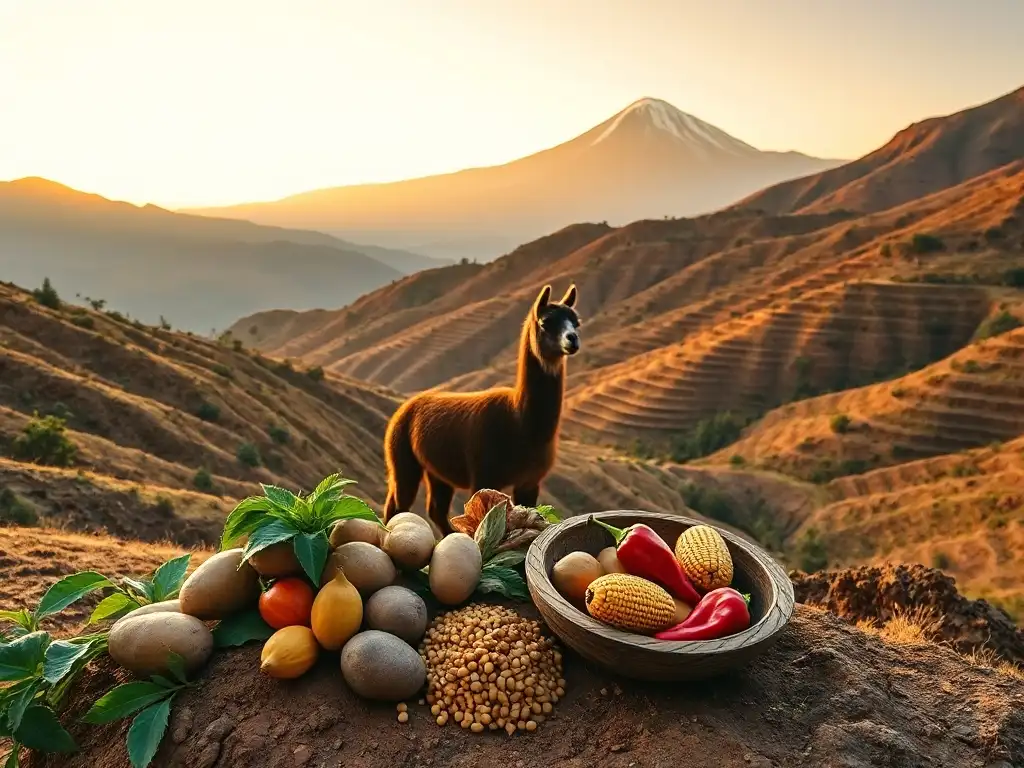
The Andes Mountains, a geographically diverse region, fostered the development of remarkably resilient and nutritious crops that have profoundly shaped global food systems. The ingenuity of Andean agricultural practices, adapted to challenging high-altitude conditions, resulted in the domestication and diversification of plants that now feed billions worldwide. Understanding the impact of Andean agriculture on food security and dietary diversity is crucial to appreciating the lasting legacy of these ancient civilizations. This section will examine three key Andean crops – the potato, quinoa, and maize – and analyze their global influence.
The Potato: A Staple Crop Originating in the Andes
The potato ( Solanum tuberosum), a cornerstone of Andean agriculture, boasts an incredibly diverse range of varieties, each adapted to specific microclimates and altitudes. From the tiny papa negra (black potato) to the large, starchy papa amarilla (yellow potato), the Andes are considered the center of origin for this globally important tuber. The Inca civilization, particularly, developed sophisticated agricultural techniques, including terracing and irrigation, to maximize potato production. This allowed them to cultivate potatoes at various altitudes, ensuring a stable food supply even in challenging environments.
The potato's journey from the Andes to the rest of the world began with the Spanish conquest. Its introduction to Europe in the 16th century initially met with resistance, but its ability to thrive in diverse climates and its high yields soon led to its widespread adoption. Today, potatoes are a staple food in numerous countries, forming the basis of countless dishes and contributing significantly to global food security.
The Andean potato's impact on food is undeniable, with its genetic diversity proving invaluable in breeding disease-resistant varieties and adapting to climate change. The ongoing exploration and conservation of Andean potato varieties are crucial for preserving genetic diversity and ensuring future food security.
Quinoa: The Andean Superfood and its Rise in Global Markets
Quinoa ( Chenopodium quinoa), another Andean staple, has experienced a remarkable surge in global popularity in recent decades, earning the title of "superfood." This pseudocereal, cultivated for thousands of years in the harsh conditions of the Andes, is incredibly nutritious, boasting a complete protein profile and high levels of essential amino acids, fiber, and minerals. Indigenous Andean communities traditionally cultivated a wide range of quinoa varieties, each with unique characteristics in terms of color, size, and taste.
The rise of quinoa in global markets is a testament to its nutritional value and adaptability. However, this increased demand has also presented challenges, particularly for small-scale farmers in the Andes who may struggle to compete with larger-scale producers. The price volatility of quinoa, coupled with the need for sustainable farming practices, highlights the complex interplay between global demand and local production.
Ensuring fair prices and supporting sustainable cultivation methods are crucial for ensuring the long-term availability of this vital Andean crop and its continued positive impact on food systems globally. The impact of Andean agriculture on food is further solidified by quinoa's contribution to diverse diets worldwide.
Maize (Corn): Andean Varieties and their Significance
Maize ( Zea mays), though not exclusively Andean in origin, underwent significant diversification and adaptation within the Andean region. Andean civilizations developed a wide array of maize varieties, each tailored to specific ecological conditions and culinary preferences. These varieties, often characterized by unique colors, shapes, and nutritional profiles, played a vital role in the Andean diet and economy.
The cultivation of maize in the Andes involved sophisticated agricultural techniques, including the construction of complex irrigation systems and the development of diverse planting methods. The Inca, for instance, developed sophisticated techniques for storing maize, ensuring a stable food supply throughout the year. Andean maize varieties have contributed significantly to the global genetic diversity of maize, providing valuable genetic resources for breeding programs aimed at improving yield, disease resistance, and nutritional content.
The impact of Andean agriculture on food is further enhanced by the enduring legacy of these diverse maize varieties, contributing to the resilience and adaptability of global maize production. The contribution of Andean agriculture to the global food system is undeniable, and further research into their diverse crops is needed to fully understand their potential to address future food security challenges.
Andean Tubers: Oca, Mashua, and Yacon
Andean tubers, unlike the globally dominant potato, represent a fascinating array of crops with unique properties and potential. Oca ( Oxalis tuberosa), mashua ( Tropaeolum tuberosum), and yacon ( Smallanthus sonchifolius) are prime examples, each offering distinct contributions to both Andean and global food systems. Their cultivation and consumption have a long history, deeply intertwined with the cultural practices and traditions of the Andean region.
These tubers demonstrate remarkable adaptability to high-altitude conditions, thriving in environments unsuitable for many other crops. This inherent resilience makes them valuable candidates for research into climate-change resistant crops, a crucial aspect of global food security.
Oca, with its sour to sweet taste depending on the variety, boasts a high vitamin C content. Traditionally used in various Andean dishes, from jams and juices to cooked preparations, its versatility makes it a potentially valuable addition to diversified diets worldwide. Research into its nutritional properties and culinary applications is ongoing, exploring its potential as a functional food. The challenge lies in improving post-harvest handling and storage techniques to extend its shelf life and make it more accessible to global markets.
Mashua, known for its slightly peppery and bitter taste, has been recognized for its nutritional value and potential medicinal properties. Historically, it played a significant role in Andean diets, providing essential nutrients in challenging environments. Its high protein content and unique bioactive compounds are currently being investigated for their potential health benefits. However, similar to oca, challenges remain in promoting its cultivation and consumption beyond the Andean region due to limited awareness and knowledge about its versatility and nutritional value.
Yacon, a relatively sweeter tuber, stands out for its low glycemic index, making it suitable for people with diabetes. Its unique sweetness comes from fructooligosaccharides (FOS), which are prebiotics that promote gut health. The growing awareness of the importance of gut health has fueled interest in yacon as a functional food, with potential for expansion into global markets. However, successful commercialization requires further research into efficient cultivation techniques and processing methods to optimize its shelf life and meet international standards. The potential for yacon syrup and other processed products is promising.
Other Andean Crops and their Potential
Beyond the prominent tubers, the Andes boast a wealth of lesser-known crops with significant potential for global food security and nutritional diversity. Quinoa ( Chenopodium quinoa), amaranth ( Amaranthus), and various beans like tarwi ( Lupinus mutabilis) showcase the Andes' agricultural prowess. These crops, adapted to harsh conditions, offer resilience against climate change and contribute to a more diverse and nutritious global food system.
Quinoa's global rise to fame highlights the potential of Andean crops. Its high protein content and complete amino acid profile have made it a sought-after grain worldwide. However, the increased demand has raised concerns about sustainable production and equitable access to benefits. Further research focuses on improving yields and managing genetic diversity to ensure long-term sustainability.
Amaranth, another ancient grain, also holds significant promise. Its high nutritional value, including protein, fiber, and minerals, combined with its adaptability to various climates, makes it a promising crop for food security initiatives. Research on improving its cultivation and processing methods to enhance its appeal in international markets is crucial.
Tarwi, a high-protein legume, offers unique benefits. Its potential as a sustainable protein source has attracted attention in recent years. However, overcoming challenges related to its bitter taste and antinutritional factors is critical for wider adoption.
Research into processing techniques to mitigate these issues and improve its palatability is ongoing. The Andes' diverse agricultural heritage offers a vast untapped resource for addressing global food challenges, emphasizing the need for continued research and investment in promoting these crops' cultivation and consumption worldwide. The impact of Andean agriculture on food security extends far beyond the region itself, offering valuable solutions for a sustainable and nutritious future.
The Andean Agricultural Legacy: Transforming Global Food Production
The Andean region, a geographically diverse area spanning the Andes Mountains, boasts a rich agricultural heritage that has profoundly impacted global food systems. For millennia, Andean civilizations developed ingenious farming techniques to cultivate a remarkable variety of crops in challenging environments. This ingenuity not only sustained their own populations but also contributed significantly to the global food supply, a legacy that continues to resonate today.
Understanding the impact of Andean agriculture on food is crucial to appreciating the diversity and resilience of global food systems and to drawing lessons for sustainable food production in the face of modern challenges. The influence extends far beyond specific crops; it encompasses innovative farming practices, sophisticated irrigation systems, and a deep understanding of ecological balance.
The Impact of Andean Agriculture on Food Security
Andean agriculture played a pivotal role in shaping global food security. The domestication and cultivation of crops like potatoes, quinoa, maize, tomatoes, and beans fundamentally altered diets worldwide. The potato, for instance, became a staple food in numerous countries, significantly contributing to food security, particularly in regions with challenging climates.
Its high yield and nutritional value made it a crucial crop for populations facing food shortages. Similarly, quinoa, a complete protein source, now enjoys global popularity, offering a nutritious and sustainable alternative to traditional grains. The impact of Andean agriculture on food security is multifaceted.
It not only provided new food sources but also fostered agricultural innovation, leading to improved farming techniques and increased yields in other parts of the world. Consider the impact of the potato famine in Ireland in the 19th century – a stark reminder of the dependence on a single crop and the vulnerability of food systems. The diversification of crops thanks to Andean agriculture offers a crucial lesson in mitigating such risks.
Sustainable Farming Practices from the Andes
Andean civilizations were masters of sustainable agriculture, developing techniques that minimized environmental impact while maximizing yields. Their understanding of terracing, a method of creating level platforms on slopes, prevented soil erosion and optimized water use in mountainous regions. This technique, still practiced today, is a testament to their ingenuity and foresight.
Furthermore, the use of crop rotation, intercropping (planting different crops together), and the incorporation of organic matter into the soil were integral to their farming practices. These methods promoted soil fertility, reduced the need for chemical fertilizers, and enhanced biodiversity. The waru waru system, a sophisticated form of raised-bed agriculture, is a prime example of Andean sustainable farming techniques.
This system, used in the Altiplano region, allowed for efficient water management and improved crop yields even in arid conditions. The legacy of these sustainable practices offers valuable insights for contemporary agriculture, highlighting the importance of ecological balance and resource conservation. Data on the long-term sustainability of these methods are still being collected and analyzed, but initial findings suggest remarkable resilience.
Lessons from Andean Agriculture for Modern Challenges
In the face of climate change, population growth, and the need for more sustainable food systems, the lessons from Andean agriculture are increasingly relevant. The Andean focus on biodiversity, resilience, and adaptation to challenging environments offers valuable insights for modern agriculture. Their mastery of water management techniques, particularly relevant in drought-prone regions, remains highly instructive.
The emphasis on soil health and the use of organic methods provides a model for sustainable intensification, maximizing yields without depleting natural resources. Furthermore, the traditional knowledge embedded in Andean farming practices, often passed down through generations, represents an invaluable resource for contemporary agricultural research. Understanding and integrating these lessons into modern agricultural practices can contribute to building more resilient, sustainable, and equitable food systems capable of meeting the challenges of the 21st century.
The integration of traditional Andean knowledge with modern scientific techniques holds significant potential for enhancing global food security and promoting environmental sustainability. Further research is needed to fully unlock the potential of this rich agricultural heritage for the benefit of future generations.
The Importance of Preserving Andean Agricultural Knowledge
The Andean region boasts a breathtaking diversity of crops and agricultural practices honed over millennia. This agricultural heritage, developed in challenging high-altitude environments, offers invaluable lessons for sustainable food production globally. Preserving this knowledge is not merely an academic exercise; it's crucial for addressing contemporary challenges like climate change and food security. The wisdom embedded in traditional Andean farming methods, passed down through generations, includes techniques for water management, soil conservation, and pest control that are remarkably effective and environmentally friendly.
For example, the sophisticated terracing systems used by the Inca and other Andean civilizations prevented soil erosion on steep slopes, maximizing arable land and crop yields. These techniques are directly applicable to modern agriculture in mountainous regions worldwide, offering sustainable alternatives to environmentally damaging practices. The loss of this knowledge would represent a significant blow to global food security and environmental sustainability. Furthermore, many unique Andean crops, adapted to harsh conditions and possessing exceptional nutritional value, are at risk of extinction due to the encroachment of monoculture farming.
Protecting the genetic diversity of these crops is vital for ensuring future food security and potentially unlocking new sources of nutrition and resilience in the face of climate change. The preservation of Andean agricultural knowledge is therefore not just a matter of cultural heritage; it is a critical component of global food security and environmental stewardship. Investing in research, documentation, and community-based initiatives to safeguard this knowledge is an investment in a more sustainable and resilient future for all.
Andean Agricultural Techniques: A Model for Future Farming
Andean agricultural techniques offer a compelling model for sustainable farming practices in the 21st century. Faced with the challenges of climate change, population growth, and dwindling resources, the ingenuity of Andean farmers provides valuable insights. Their mastery of water management, for example, through intricate canal systems and innovative irrigation techniques, is particularly relevant in regions facing water scarcity. These systems, often integrated with sophisticated understanding of local hydrology, allowed for efficient water distribution and maximized crop yields even in arid environments.
Similarly, their sophisticated understanding of soil health and conservation, exemplified by techniques like crop rotation and the use of organic fertilizers, offers valuable lessons for modern agriculture. These practices minimize soil degradation and enhance soil fertility, leading to healthier crops and greater yields. The Andean emphasis on biodiversity, with diverse crops grown in complex agroforestry systems, provides a stark contrast to the monoculture farming prevalent in many parts of the world. This diversity enhances resilience to pests and diseases, making the farming systems less vulnerable to shocks.
Furthermore, the traditional Andean focus on local adaptation and the use of locally-adapted crop varieties is increasingly recognized as a vital strategy for building climate resilience in agriculture. These locally adapted crops are often more resistant to drought, pests, and diseases than commercially produced hybrids, making them better suited to the challenges of a changing climate. By learning from and adapting these time-tested techniques, modern agriculture can move towards a more sustainable, resilient, and equitable system, ensuring food security for generations to come. The Andean agricultural legacy provides a powerful roadmap for achieving this goal.
The Enduring Relevance of Andean Farming for a Sustainable Future
The impact of Andean agriculture on food security extends far beyond its historical significance. The ingenious farming techniques developed over millennia in the challenging Andean environment offer invaluable lessons for addressing modern agricultural challenges. These methods, honed by generations of Andean farmers, provide a blueprint for sustainable food production in the face of climate change, biodiversity loss, and growing global populations.
Understanding and applying these principles is crucial for building a more resilient and equitable food system. The Andean legacy isn't just about the past; it's a vital resource for the future. The ingenuity displayed in adapting to high altitudes, scarce water resources, and unpredictable weather patterns provides a wealth of knowledge applicable worldwide.
Adapting Andean Techniques to Climate Change
Andean agriculture's resilience in the face of harsh conditions offers crucial insights for mitigating the effects of climate change on global food production. Techniques like terracing, which reduces soil erosion and conserves water, are increasingly relevant as extreme weather events become more frequent. Similarly, the Andean practice of agroforestry, integrating trees into agricultural landscapes, enhances carbon sequestration and provides shade, protecting crops from intense sunlight and heat stress.
The sophisticated water management systems employed by ancient Andean civilizations, such as canals and irrigation systems, demonstrate effective strategies for optimizing water use in arid and semi-arid regions, which are becoming increasingly common due to climate change. Data from studies comparing traditional Andean farming practices with modern, intensive agriculture consistently shows the superior resilience of the former in the face of drought and other climate-related shocks. For example, research on potato cultivation in the Andes has demonstrated that traditional varieties exhibit greater tolerance to drought and frost than many modern, high-yielding cultivars.
This highlights the importance of preserving and promoting traditional Andean farming knowledge for adapting to a changing climate. The challenge lies in effectively transferring this knowledge and incorporating these sustainable practices into modern agricultural systems globally.
The Role of Andean Agriculture in Biodiversity Conservation
Andean agriculture is intrinsically linked to biodiversity conservation. The region's unique geography and climate have fostered an incredible diversity of crops, many of which are now considered crucial for global food security. The Andes are a center of origin for potatoes, quinoa, and many other important crops, each possessing a wide range of genetic diversity. Traditional Andean farming practices, which often involve the cultivation of multiple crops in close proximity (polyculture), contribute significantly to this biodiversity.
This contrasts sharply with modern monoculture farming, which can lead to genetic vulnerability and increased susceptibility to pests and diseases. Furthermore, the integration of wild relatives of cultivated crops into agricultural landscapes helps maintain genetic diversity and enhances the resilience of crops to environmental stresses. The preservation of traditional Andean farming practices is therefore crucial for safeguarding the genetic resources that underpin global food security.
The loss of traditional knowledge and the adoption of unsustainable farming practices threaten not only the unique biodiversity of the Andes but also the global food system's long-term stability. Protecting this biodiversity requires concerted efforts to support Andean farmers and their traditional knowledge systems. Investing in research to identify and conserve valuable genetic resources from Andean crops is also paramount.
Supporting Andean Farmers and their Traditional Practices
Sustaining the legacy of Andean agriculture requires actively supporting the Andean farmers who are the custodians of this invaluable knowledge and practice. This involves providing access to resources such as improved seeds, appropriate technology, and fair market access. Furthermore, empowering Andean communities to participate in decision-making processes that affect their livelihoods is crucial. Strengthening local markets and promoting the value of traditional Andean crops is essential for ensuring the economic viability of these farming systems.
This might involve supporting initiatives that promote the use of Andean crops in global food systems, highlighting their nutritional value and unique characteristics. There's a need for policies that recognize and protect the intellectual property rights associated with traditional Andean farming knowledge. This involves ensuring that Andean farmers benefit from the commercialization of their traditional crops and techniques.
Moreover, investing in research and education to document and disseminate Andean farming knowledge is vital for ensuring its long-term preservation and application in other contexts. Supporting Andean farmers is not merely an act of charity; it is an investment in the future of global food security and sustainable agriculture. Their knowledge and practices represent a critical resource for addressing the challenges of the 21st century.
Acknowledging the Andean Contribution to Global Food Systems
The Andean region's contribution to global food security is often understated, yet its impact is undeniable. For millennia, Andean civilizations meticulously developed agricultural practices perfectly adapted to the diverse and challenging environments of the Andes Mountains. This ingenuity resulted in the domestication and cultivation of crops that now form the backbone of diets worldwide. Potatoes, for example, a staple food for billions, originated in the Andes.
Their remarkable adaptability to various climates and soil types has made them a crucial crop globally, contributing significantly to food security in many regions. Similarly, quinoa, another Andean superfood, is gaining popularity due to its high nutritional value and resilience to harsh conditions. Its cultivation is expanding globally, offering a sustainable alternative to traditional grains. Beyond potatoes and quinoa, the Andes are the birthplace of other important crops such as tomatoes, beans, and chili peppers, all integral components of modern cuisines and agricultural systems across the globe.
Ignoring the Andean contribution to global food systems is akin to ignoring a foundational pillar of our current agricultural landscape. Understanding this legacy is crucial for appreciating the complexity and diversity of global food production and for developing sustainable agricultural practices for the future. The resilience and adaptability of Andean crops, coupled with the sophisticated techniques used in their cultivation, provide invaluable lessons for addressing the challenges of modern agriculture, particularly in the face of climate change.
The Future of Food: Learning from the Andean Past
The challenges facing global food systems in the 21st century – climate change, population growth, and the need for sustainable practices – necessitate a re-evaluation of traditional agricultural methods. The Andean region offers a rich repository of knowledge and experience that can inform our approach to these challenges. Andean farming techniques, often characterized by their meticulous attention to soil conservation, water management, and crop diversification, offer valuable lessons in sustainable agriculture.
Techniques like terracing, which prevents soil erosion on steep slopes, and the use of diverse crop rotations, which enhance soil fertility and pest resistance, are examples of sustainable practices honed over centuries in the Andes. Furthermore, the Andean emphasis on biodiversity, with its vast array of cultivated and wild plants, provides valuable insights into developing resilient and adaptable agricultural systems that can withstand environmental stresses. By studying and incorporating these traditional Andean methods into modern agricultural practices, we can strive towards more sustainable and resilient food systems that are better equipped to meet the demands of a growing global population while minimizing environmental impact.
Investing in research and development focused on Andean crops and traditional farming techniques is crucial for ensuring food security and promoting sustainable agriculture worldwide. The future of food may well lie in learning from the wisdom of the Andean past.
Frequently Asked Questions
What was the most significant impact of Andean agriculture on global food systems?
The most significant impact was the domestication and cultivation of numerous crops, such as potatoes, tomatoes, and maize, which now form a cornerstone of global diets. These crops revolutionized food production worldwide.
How did the challenging Andean environment influence agricultural practices?
The high altitude, diverse terrains, and variable climates of the Andes forced Andean civilizations to develop innovative agricultural techniques like terracing, irrigation systems, and crop diversification to maximize yields. This led to remarkable adaptation and resilience.
Which Andean crops are most important in today's global food supply?
Potatoes, tomatoes, maize (corn), quinoa, and beans are among the most crucial Andean crops that are now cultivated globally, providing essential nutrients and calories to billions of people. Their impact on global food security is immense.
What agricultural techniques did Andean civilizations employ?
Andean civilizations used sophisticated techniques including terracing, irrigation canals, raised fields, and waru waru systems to cultivate crops efficiently in challenging environments. These methods demonstrate advanced understanding of water management and soil conservation.
How did Andean agricultural knowledge spread to other parts of the world?
The Columbian Exchange facilitated the spread of Andean crops and agricultural techniques across the globe. European colonization played a key role in this global dissemination, transforming food systems worldwide.
Final Reflection: A Legacy Harvested: The Enduring Impact of Andean Agriculture
The ingenuity of Andean agricultural practices continues to resonate today, shaping our global food systems in profound and often overlooked ways. From the resilience of ancient crops like quinoa and potatoes to the sophisticated terracing techniques that still inspire modern sustainable farming, the legacy of Andean agriculture is undeniably relevant in a world grappling with climate change and food insecurity. The lessons learned thousands of years ago in the challenging Andean environment offer crucial insights for building a more sustainable and equitable future.
The impact of Andean agricultural knowledge extends far beyond the Andes themselves; it's woven into the very fabric of our global food security. The diversification of crops, the adaptation to diverse altitudes and climates, and the intricate understanding of ecological balance – these are principles that remain vital in the face of modern agricultural challenges. The future of food security lies in understanding and respecting the wisdom of past generations,
a sentiment echoed by countless researchers and activists working to preserve and promote traditional agricultural practices. This resonates deeply with me, highlighting the urgent need to learn from and protect this invaluable heritage.
Consider, for a moment, the power of a single potato, a staple food for billions, originating in the Andes. Reflect on the resilience of quinoa, thriving in harsh conditions and offering a nutritious alternative to more resource-intensive grains. You, the reader, hold the power to contribute to this legacy. By supporting sustainable agriculture, choosing diverse and nutritious foods, and advocating for policies that protect biodiversity and traditional farming practices, you can help ensure that the enduring wisdom of Andean agriculture continues to nourish the world for generations to come.
Embrace the Legacy of Andean Agriculture Today!
Thank you for exploring the remarkable influence of Andean agriculture on our global food systems. You've discovered the rich traditions and innovations that continue to shape our culinary landscape. Now, let's take action!
Here are some ways you can connect more deeply with this vibrant legacy:
- Explore local farmers' markets to discover unique Andean ingredients like quinoa, potatoes, and amaranth, and directly support the farmers who cultivate them.
- Share your knowledge of Andean agriculture with friends and family. Perhaps host a dinner featuring dishes inspired by Andean cuisine.
- Join online communities dedicated to sustainable agriculture and Andean culture. Share your experiences and learn from others in this vibrant exchange of ideas.
Consider how you can incorporate Andean agricultural principles into your daily life and what new and exciting dishes you can create, drawing inspiration from this rich heritage.