
The Chavín Serpent: A Symbol of Transformation and Power

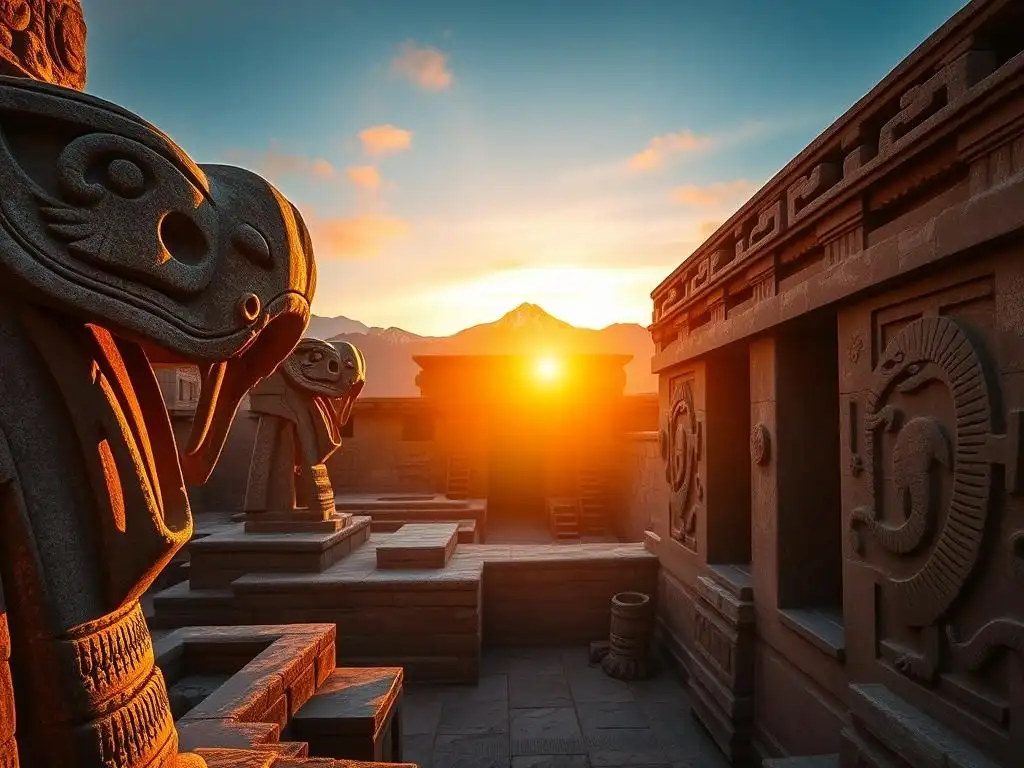
Unravel the mysteries of the Andes! Journey back in time to a world of towering empires and breathtaking artistry. From the intricate textiles of the Nazca to the monumental structures of the Incas, Andean Civilizations unveils the secrets of a lost world. But what does the enigmatic Chavín Serpent truly symbolize? Prepare to be captivated by its power and the untold stories it holds – a symbol of transformation that unlocks the very heart of Pre-Incan coastal cultures. Dive in and discover the answers.
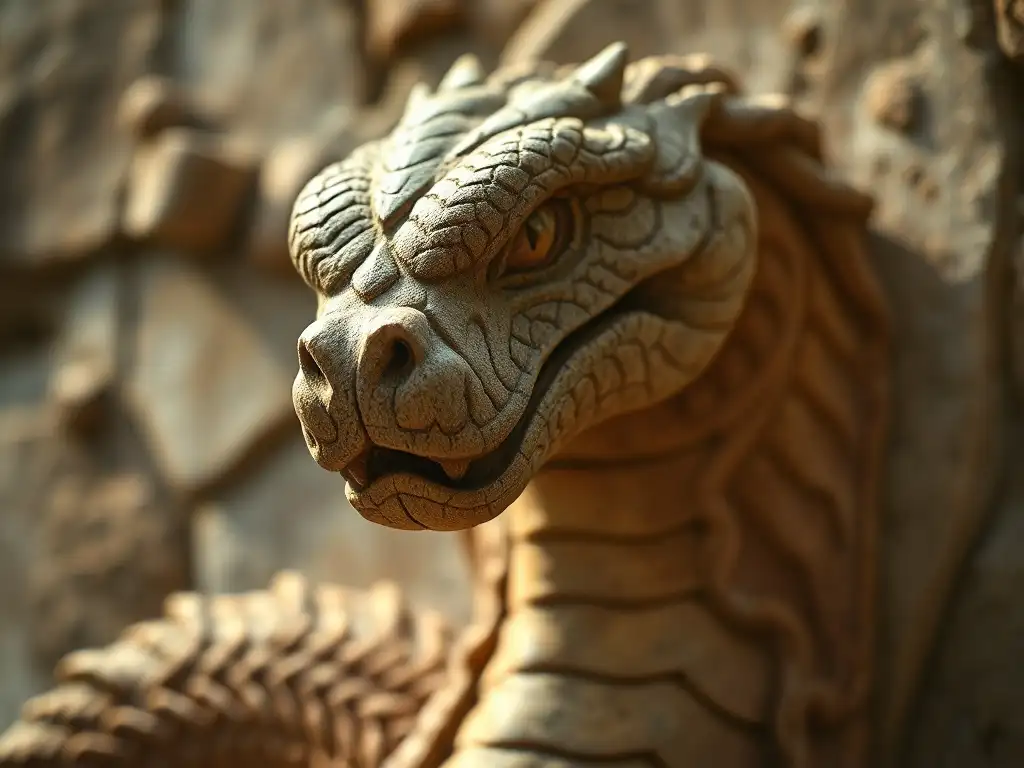
The Chavín culture, flourishing in the Andes Mountains of Peru from approximately 900 to 200 BCE, left behind a legacy of enigmatic artistry and sophisticated societal structures. Their influence spread widely throughout the Andean region, impacting subsequent cultures and leaving an indelible mark on the landscape. This article delves into one of the most captivating symbols of the Chavín civilization: the Chavín serpent.
Often depicted in intricate carvings and textiles, this serpentine figure is far more than a simple representation of a reptile; it embodies complex religious beliefs, social hierarchies, and the Chavín worldview. Understanding the Chavín serpent's meaning provides a crucial window into the heart of this influential pre-Incan culture, revealing its sophisticated cosmology and its profound understanding of the natural world. We will explore the various interpretations of this powerful symbol and its enduring significance in the context of Andean iconography.
This exploration will examine the Chavín serpent's role in ritual, its connection to power structures, and its continuing relevance in understanding the complexities of Andean civilization. Prepare to be captivated by the mystery and majesty of this ancient symbol and its profound impact on Andean history and culture.
Introduction to the Chavín Culture and its Iconography
The Chavín culture, centered around the monumental temple complex at Chavín de Huántar in the northern highlands of Peru, is considered a formative influence on subsequent Andean societies. Their artistic achievements are particularly striking, characterized by a unique style featuring intricate carvings, often depicting supernatural beings, jaguars, and, of course, the ubiquitous serpent. Chavín iconography is highly symbolic, employing a sophisticated system of visual metaphors to convey religious and cosmological ideas.
The style is characterized by a blend of zoomorphic and anthropomorphic features, creating hybrid creatures that represent the blending of the earthly and spiritual realms. These representations often appear in a highly stylized manner, with exaggerated features and intricate details, demonstrating a remarkable artistic skill and a deep understanding of symbolic representation. The Chavín artists weren't merely depicting animals; they were creating powerful symbols that conveyed complex religious and social meanings.
The use of such intricate and layered iconography suggests a highly organized and stratified society, with specialized artisans and a complex religious system. Further research into the specific materials used, the techniques employed, and the locations of these artistic expressions can illuminate the social and religious context of Chavín life. The Chavín serpent, as a central motif within this rich visual language, deserves particular attention.
Understanding the Chavín Serpent: More Than Just a Reptile
The Chavín serpent is not simply a realistic depiction of a snake; it is a multifaceted symbol laden with meaning. It's frequently depicted in a stylized manner, often with features that blend reptilian characteristics with those of other creatures or even human-like attributes. This hybrid nature speaks to the Chavín worldview, which likely saw a blurring of boundaries between the human, animal, and spiritual realms. Some interpretations suggest the serpent represents a powerful deity, associated with fertility, water, and the earth's life-giving forces.
Its frequent association with other powerful symbols, such as jaguars and birds of prey, reinforces its status as a central figure in the Chavín pantheon. The serpent's presence on ceremonial objects and within the temple complex itself underscores its importance in religious rituals and ceremonies. The specific way the serpent is depicted—its posture, the details of its scales, and its interaction with other figures—can significantly affect the interpretation of its meaning.
For example, a coiled serpent might represent the earth's cyclical nature or the hidden power of the underworld, while a serpent in motion could signify transformation, renewal, or the passage of time. Further research is needed to fully unpack the nuances of these visual cues and their significance within the Chavín cosmology. The Chavín serpent's enduring presence in Andean art demonstrates its lasting impact on the cultural imagination and its continued relevance in understanding the complexities of this remarkable civilization.
- Introduction to the Chavín Culture and its Iconography
- Understanding the Chavín Serpent: More Than Just a Reptile
The Chavín Serpent Meaning and its Multifaceted Symbolism
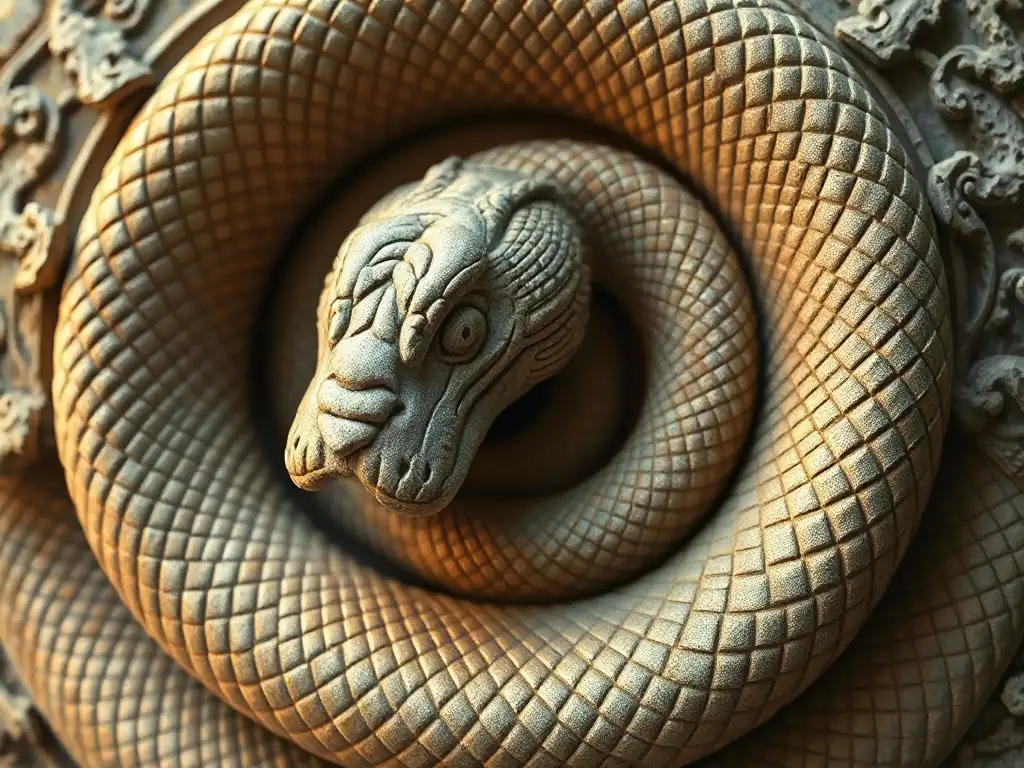
The Chavín serpent, a recurring motif in the art and architecture of the Chavín culture (900-200 BCE), holds a complex and multifaceted symbolism far beyond a simple representation of a reptile. Understanding its meaning requires delving into the intricate religious beliefs and social structures of this influential pre-Inca civilization.
The Chavín serpent wasn't merely a decorative element; it served as a powerful symbol conveying ideas of transformation, power, authority, and the very essence of their cosmology. Its depiction varied, sometimes appearing as a stylized, almost abstract form, other times with more realistic details, highlighting its adaptability and the depth of its symbolic weight within Chavín society.
Researchers continue to unravel the nuances of the Chavín serpent meaning, relying on careful analysis of archaeological findings and comparative studies with other Andean cultures. The interpretation of this symbol is crucial to understanding the worldview and beliefs of the Chavín people, contributing significantly to our comprehension of the development of Andean iconography.
The Serpent as a Symbol of Transformation in Chavín Culture
The Chavín serpent's association with transformation is evident in its frequent depiction within contexts suggesting cyclical processes, such as the changing seasons or the life-death-rebirth cycle. Many representations show the serpent in dynamic poses, often intertwined or coiled, suggesting a continuous process of renewal and change. This resonates with the cyclical nature of Andean agriculture, deeply intertwined with the annual flooding and receding of rivers, vital for the sustenance of their society. The serpent, therefore, could have represented the vital force that drives these cycles, the power that brings both destruction and renewal.
For example, the serpent's shedding of its skin – a process of constant renewal – could have symbolized the cyclical nature of life and death, mirroring the agricultural cycle crucial to Chavín survival. The visual representation of this process, through intertwined or molting serpents, would have reinforced this powerful message within the Chavín worldview.
Furthermore, the often-depicted combination of serpent imagery with other motifs, like jaguars or stylized birds, suggests a complex interplay of forces representing different aspects of transformation within their cosmology. The precise meaning of these combinations remains a subject of ongoing research, but they underscore the multi-layered interpretation of the Chavín serpent.
The Chavín serpent also held significant implications for power and authority within the Chavín social structure. Its presence in monumental architecture, such as the Lanzón monolith at the Chavín de Huántar site, suggests a connection to the ruling elite and the religious authority they wielded. The sheer size and imposing nature of these depictions further reinforced the serpent's association with power and dominance. The careful craftsmanship and placement of serpent imagery in key locations within the ceremonial centers indicate a deliberate attempt to associate the ruling class with the potent symbolism of the serpent.
Moreover, the use of serpent motifs in elite grave goods suggests a connection between the serpent and the afterlife, further solidifying its status as a symbol of power that extended beyond the temporal realm. The serpent, therefore, wasn't just a representation of a natural creature; it embodied the power and authority of the Chavín elite, reinforcing their legitimacy and control over their society. Further research into the distribution of serpent imagery within Chavín settlements could provide additional insights into the relationship between the serpent's symbolism and social stratification.
Religious Significance of the Serpent in Chavín Beliefs
The Chavín serpent's central role in the religious beliefs of the Chavín people is undeniable. Its frequent appearance in ceremonial contexts, alongside other powerful symbols like jaguars and condors, points towards its importance in their pantheon of deities or spiritual forces. The serpent could have represented a deity itself, or it might have embodied specific aspects of a more complex deity, representing transformative power or dominion over the natural world.
The intricate designs and detailed carvings often found in conjunction with the serpent suggest a deeply ritualistic and symbolic significance. The use of specific colors, materials, and techniques may have held further religious meaning, though a comprehensive understanding of these aspects remains elusive. Analyzing the spatial relationships between different serpent depictions within ceremonial structures could shed more light on their religious significance.
For example, the placement of serpent imagery in relation to other ritual objects or architectural features might reveal information about the specific rituals and beliefs associated with the serpent. The absence of written records leaves much to the interpretation of the visual evidence, requiring a careful and nuanced approach. Further investigation into the relationship between the Chavín serpent and other Andean serpent deities could offer valuable comparative perspectives.
Depictions of the Chavín Serpent in Art and Architecture
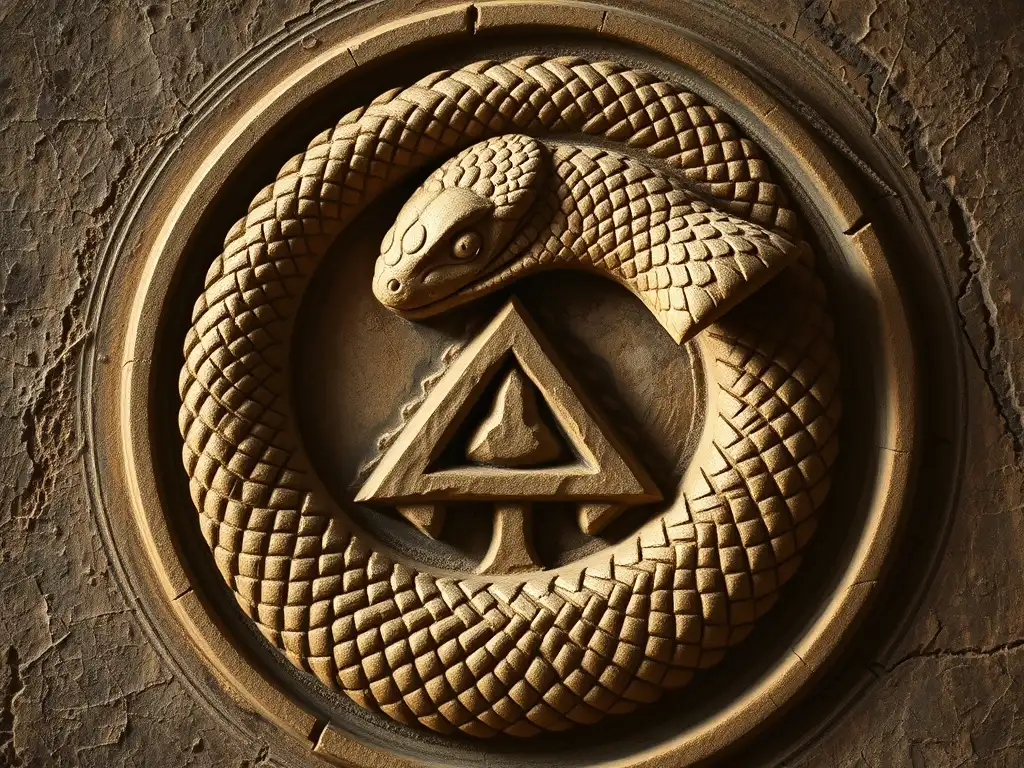
The Chavín serpent, a powerful and evocative symbol of the Chavín culture (900-200 BCE), is not a singular, easily defined image. Rather, it manifests in a variety of artistic and architectural forms, reflecting the multifaceted nature of its meaning and the sophisticated artistic capabilities of the Chavín people. Understanding the diverse depictions of the Chavín serpent is crucial to grasping its significance within the broader context of Chavín cosmology and worldview.
The serpent's ubiquity in Chavín art suggests a central role in their religious beliefs, possibly representing a deity, a powerful force of nature, or a conduit between the earthly and spiritual realms. Analyzing these depictions reveals a complex iconography that speaks volumes about Chavín society and its beliefs. The variations in style and context further highlight the adaptability and enduring power of this symbolic representation, solidifying its place as a keystone of Chavín cultural identity.
The Serpent in Chavín Stone Carvings and Sculptures
Chavín stone carvings and sculptures provide some of the most striking examples of the Chavín serpent. These works, often crafted from granite and other hard stones, display remarkable detail and artistic skill. The serpents are frequently depicted in a stylized manner, with elongated bodies, intricate scales, and sometimes fangs or a bifurcated tongue. Many carvings show the serpent intertwined with other mythical creatures or engaged in symbolic actions, such as consuming prey or emerging from a mountain.
A notable example is the Lanzón, a massive monolithic stone sculpture found within the main temple at Chavín de Huántar. While the Lanzón's interpretation remains a subject of ongoing debate among scholars, the presence of serpent-like features – particularly in its highly stylized ornamentation – strongly suggests a connection to the Chavín serpent motif. The precision of the carvings, even in intricate details like scales and fangs, demonstrates the advanced technical abilities of Chavín artisans and their deep reverence for the imagery they created.
The sheer scale of some sculptures, such as the Lanzón, further underscores the importance of the serpent within Chavín society. Analyzing the stylistic variations in these carvings across different sites and periods could reveal insights into the evolution of the serpent's symbolic meaning over time. Further research into the specific materials used and the techniques employed in these carvings could also provide valuable information on Chavín artistic practices and their understanding of the world around them.
The Serpent Motif in Chavín Pottery and Textiles
Beyond monumental stone carvings, the Chavín serpent motif also appears frequently in pottery and textiles. These artifacts, while often smaller and more fragile than stone sculptures, offer a valuable complementary perspective on the serpent’s representation. Pottery frequently features serpents as decorative elements, integrated into complex patterns alongside other motifs. These patterns often include stylized jaguars, birds of prey, and other creatures that appear frequently in Chavín iconography, suggesting a rich symbolic network connecting different animals and forces.
The use of color in Chavín pottery adds another layer of meaning to the serpent depictions. Specific color combinations may have held symbolic significance, potentially relating to specific aspects of the serpent's power or its association with particular deities or natural phenomena. Textiles, while less common in surviving Chavín artifacts, may also have featured the serpent motif.
The scarcity of well-preserved textile fragments makes analysis challenging, but existing evidence suggests that woven patterns incorporated serpent imagery, potentially used for ritual garments or other ceremonial objects. The inclusion of the serpent motif in both monumental and everyday objects highlights its pervasive influence across all aspects of Chavín life, suggesting a deep-seated cultural significance that extended beyond purely religious contexts. Further study of the chemical composition of pigments used in pottery, as well as detailed analysis of surviving textile fragments, could provide further insights into the symbolism and production techniques associated with these artifacts.
Architectural Context of Serpent Imagery at Chavín de Huántar
The Chavín de Huántar site itself is a testament to the importance of the serpent in Chavín culture. The layout and architecture of the complex, with its intricate network of tunnels, chambers, and plazas, seem deliberately designed to evoke a sense of mystery and power. Serpent imagery is not simply superimposed on the architecture; it is integrated into the very fabric of the site. The placement of serpent carvings and sculptures within specific architectural contexts suggests a carefully planned symbolic program designed to enhance the spiritual and ritualistic functions of the buildings.
For example, the positioning of serpent motifs near entrances or within key ceremonial chambers may have been intended to control or channel spiritual energy. The use of architectural features to enhance the visual impact of serpent imagery – such as playing with light and shadow, or incorporating the serpent into the overall structure of a building – further underscores the significance of this motif. Analyzing the spatial relationships between serpent imagery and other architectural features could reveal insights into the overall design and functionality of the Chavín de Huántar complex.
Further research into the construction techniques and materials used in the site's architecture could also shed light on how the Chavín people integrated their symbolic system into their built environment. The study of the Chavín de Huántar site, therefore, offers a unique opportunity to explore the complex interplay between religious belief, artistic expression, and architectural design within a pre-Columbian Andean civilization. This integrated approach is key to understanding the Chavín serpent's profound meaning and enduring legacy.
Decoding the Symbolism: Key Features of the Chavín Serpent
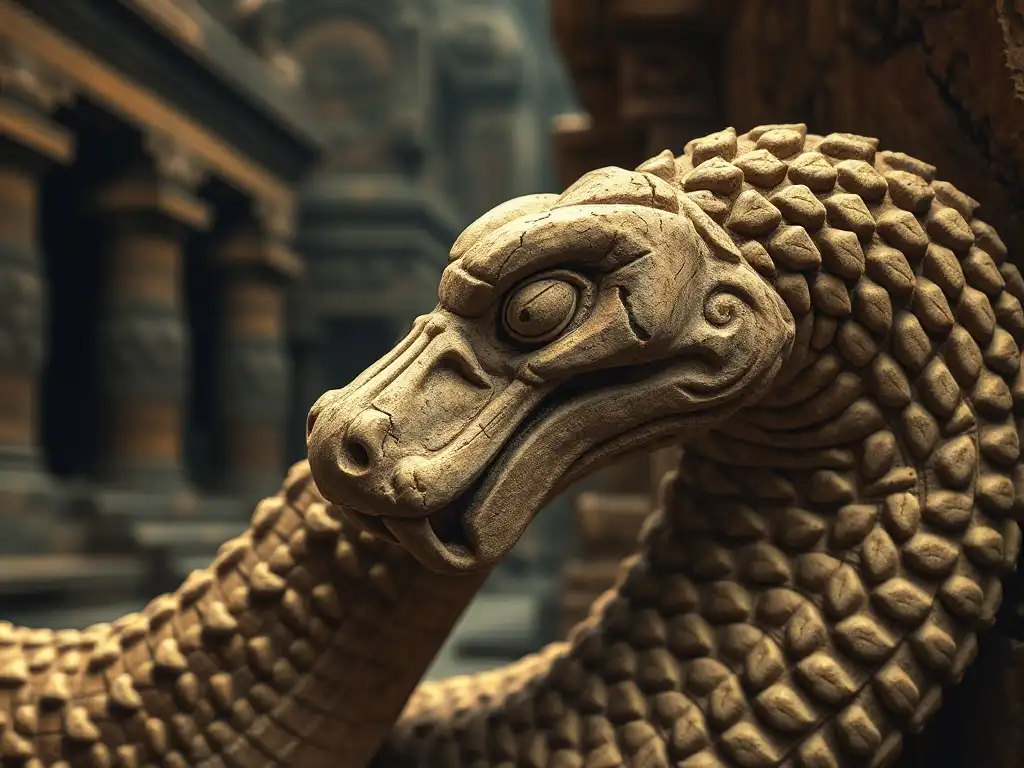
The Chavín serpent, a central motif in the iconography of the Chavín culture (900-200 BCE), transcends mere artistic representation. Its intricate details and consistent presence across various mediums – from carved stone sculptures and ceramics to textiles – suggest a profound symbolic significance deeply embedded within Chavín cosmology and worldview. Understanding the Chavín serpent meaning requires a careful examination of its recurring features and their potential interpretations within the context of the culture's religious beliefs and practices.
The serpent's powerful imagery likely conveyed messages of transformation, power, and the cyclical nature of life and death, reflecting a sophisticated understanding of the Andean environment and its forces. This section delves into the specific anatomical features and their symbolic weight, providing a detailed analysis of the serpent's representation and its role in Chavín society.
The abundance of archaeological evidence, including meticulously crafted artifacts, offers valuable insights into the meaning and importance of this iconic symbol. Analysis of these artifacts reveals a complex interplay of symbolism, reflecting the Chavín people's worldview and their connection to the natural world.
Anatomical Representations and their Symbolic Value
The Chavín serpent is rarely depicted realistically. Instead, it's often stylized, with features that emphasize its symbolic power rather than anatomical accuracy. Its body is frequently depicted as segmented, sometimes with exaggerated curves and coils, suggesting a powerful, almost supernatural entity.
The number of segments can vary, potentially holding specific numerical significance within the Chavín belief system – [Specific numerical significance pending further research]. The serpent's head is often characterized by a combination of feline and reptilian traits, further adding to its enigmatic nature. The combination of these features – the segmented body, the feline-reptilian head, and sometimes even feathered appendages – suggests a composite creature, a being that transcends the limitations of the natural world.
This fusion of characteristics possibly represents the Chavín concept of a deity or a powerful spirit that embodies both the terrestrial and the celestial realms, connecting the earthly world with the supernatural forces shaping their lives. The powerful, almost menacing presence of the serpent, in its various artistic representations, underlines its role as a potent symbol of power within the Chavín culture.
The Serpent's Fangs, Scales, and Other Distinctive Traits
Beyond the overall body form, specific details contribute significantly to the Chavín serpent's symbolic weight. Prominent fangs, often depicted as sharp and menacing, emphasize the serpent's potential for both destruction and creation. These fangs could represent the duality inherent in many Andean deities – the capacity for both life-giving and destructive power, mirroring the cyclical nature of life and death observed in the Andean environment.
Furthermore, the scales, when depicted, are not always uniformly arranged. Sometimes they are stylized, appearing almost as abstract patterns, while in other instances they are rendered with a greater degree of realism. This variation itself might signify different aspects of the serpent's power or its connection to different realms or deities.
The presence of other features, such as feathered elements or additional appendages, further complicates the interpretation, suggesting multiple layers of meaning embedded within the symbol. The detailed analysis of these traits, using comparative studies of various Chavín artifacts, is crucial for a nuanced understanding of the Chavín serpent meaning. [Specific examples of variations in scale depiction pending].
Variations and Interpretations of the Chavín Serpent Iconography
The Chavín serpent's iconography displays noteworthy variations across different artifacts. These variations, rather than diminishing the symbol's importance, actually enrich its meaning, suggesting a complex and evolving understanding of its symbolic value within the Chavín culture. For instance, the serpent might be depicted alone, coiled around itself, or intertwined with other symbolic elements, such as jaguars or other supernatural beings. These contextual variations significantly alter the interpretation of the serpent's meaning.
A solitary serpent might represent primordial power or a connection to the underworld, while a serpent intertwined with other creatures might symbolize a complex interaction between different forces or deities. Furthermore, the size and prominence of the serpent within a given artifact also affect its interpretation. A large, central serpent might represent the main deity, while smaller serpents could symbolize lesser spirits or aspects of the deity's power.
The diverse representations of the Chavín serpent, therefore, provide a rich tapestry of symbolic meanings, reflecting the dynamism and complexity of the Chavín worldview. Understanding these variations is essential for a comprehensive grasp of the Chavín serpent meaning and its role within the broader context of Chavín culture and Andean cosmology. Careful study of these variations, using a comparative approach to analyze different artistic representations, is crucial for a comprehensive interpretation.
Chavín Serpent and its Influence on Later Andean Cultures
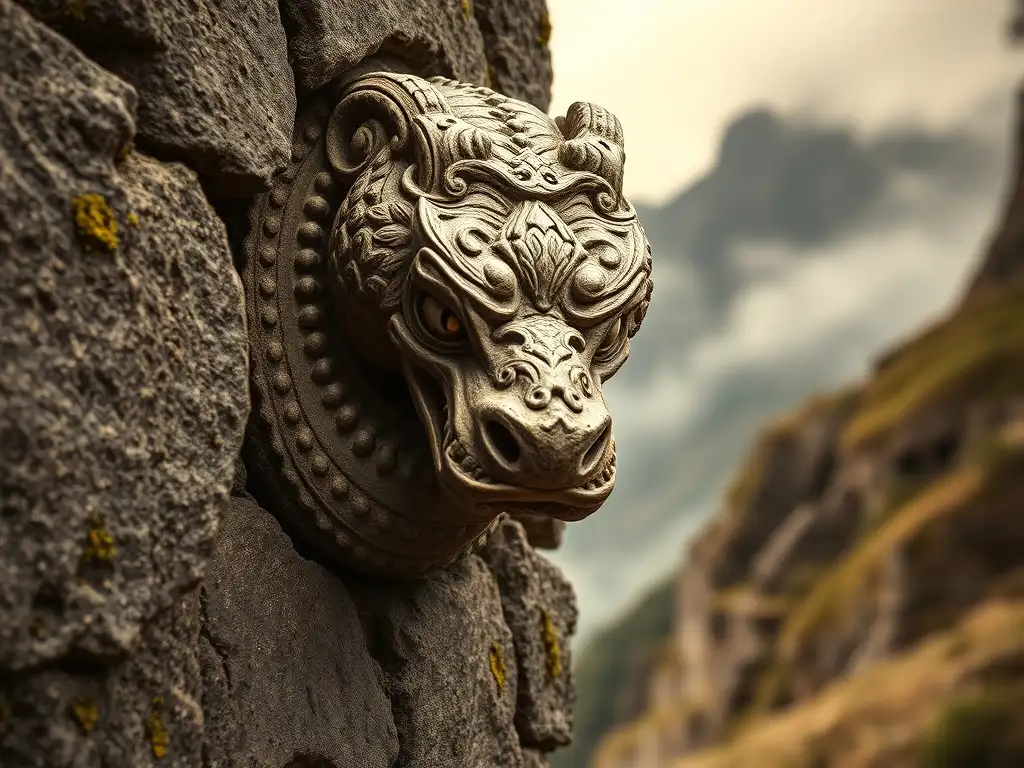
The Chavín serpent, a powerful and enigmatic symbol found throughout the art and architecture of the Chavín culture (900-200 BCE), exerted a profound influence on subsequent Andean civilizations. Its pervasive presence suggests a deep-seated cultural significance, possibly representing a deity, a powerful force of nature, or a combination of both. Understanding the Chavín serpent's meaning is key to deciphering the complexities of Andean iconography and its enduring legacy.
The widespread adoption of this motif across diverse cultures highlights its potent symbolism and its role in shaping Andean religious beliefs and artistic expression. The enduring power of the Chavín serpent's image speaks volumes about its importance within the socio-political landscape of ancient Peru. Analysis of its representations reveals nuanced interpretations that shifted across time and space, yet maintained a core symbolic resonance.
The Serpent Motif's Legacy in Subsequent Andean Art
The Chavín serpent's influence extended far beyond its period of origin. Its stylized form, often depicted with fangs, scales, and a sinuous body, can be traced in the art of later Andean cultures, including the Moche, Nazca, and even the Inca. This persistent presence suggests a continuity of religious beliefs and artistic traditions, with the serpent motif acting as a powerful link between these disparate societies.
For instance, while the specific details might vary, the fundamental characteristics of the serpent—its serpentine form, its association with power and perhaps the underworld—persist. The Moche, known for their elaborate ceramics and metalwork, frequently incorporated serpentine imagery into their artistic creations. Although their stylistic interpretation differs from the Chavín, the underlying symbolism clearly resonates.
The Nazca, famous for their geoglyphs, might have also incorporated serpentine motifs in their vast desert paintings, though further research is needed to definitively link specific Nazca imagery directly to the Chavín tradition. The Inca, while possessing their own distinct pantheon, may have indirectly inherited some aspects of the earlier serpentine symbolism through the complex interplay of Andean cultural exchange and syncretism. Further investigation into the stylistic variations and contextual uses of the serpent across these cultures will provide a more complete understanding of its evolutionary trajectory.
Tracing the Serpent Symbol's Evolution Across Cultures
Tracing the evolution of the Chavín serpent across different Andean cultures reveals fascinating insights into the adaptation and transformation of symbolic meanings. While the basic form remained relatively consistent—a stylized, often highly abstract, serpentine figure—the specific details and associated iconography varied considerably depending on the cultural context.
The Chavín themselves often depicted the serpent within complex, multi-layered compositions, frequently interwoven with other mythical creatures and abstract designs. This complexity suggests a rich and multifaceted symbolic system, where the serpent's meaning was likely intertwined with other religious or cosmological concepts. In contrast, later cultures, such as the Moche, might have simplified the representation, focusing on specific aspects of the serpent's form or behavior. This simplification might reflect a shift in emphasis, with certain symbolic attributes prioritized over others.
Understanding these variations requires a careful comparative analysis of the artistic styles and iconographic conventions of each culture. Further research is necessary to fully document the range of variations and their specific cultural implications. A detailed chronological study of the serpent's depiction across different Andean artistic traditions would significantly enhance our understanding of this pervasive symbol.
The Serpent in Moche Iconography
The Moche civilization (c. 100-800 CE) provides a particularly interesting case study for understanding the continued influence of the Chavín serpent. While the Moche developed their own distinctive artistic style and iconography, the serpentine motif remains a prominent feature in their pottery, metalwork, and textiles. However, the Moche's interpretation of the serpent differs significantly from that of the Chavín.
The Moche often depicted serpents in more naturalistic or realistic styles, compared to the highly stylized representations found in Chavín art. Moreover, the Moche frequently associated serpents with specific deities or mythological narratives, often portraying them in scenes of ritual sacrifice or combat. This contextualization provides crucial insights into the Moche understanding of the serpent's symbolic power.
For example, some Moche ceramics depict serpents intertwined with other creatures, suggesting a complex web of mythological relationships. Further analysis of these scenes, combined with a deeper understanding of Moche mythology, is crucial to fully understand the significance of the serpent within their cultural framework. The Moche's use of the Chavín-derived serpent motif exemplifies the dynamic process of cultural exchange and adaptation in the ancient Andes.
Detailed studies of individual Moche artifacts containing serpentine imagery could reveal further nuances in their interpretation of this powerful symbol. The integration of the serpent motif into their intricate narratives highlights its enduring relevance to their worldview.
The Enduring Relevance of the Chavín Serpent
The Chavín serpent, a recurring motif in the art and architecture of the Chavín culture (900-200 BCE), remains a captivating enigma for researchers and enthusiasts alike. Its enduring presence across various Chavín artifacts—from intricately carved stone sculptures to textiles and ceramics—suggests a profound significance within the Chavín worldview. This wasn't merely a decorative element; the serpent represented deeply held beliefs about power, transformation, and the interconnectedness of the cosmos.
Understanding its meaning offers a glimpse into the sophisticated religious and cosmological ideas of this formative Andean civilization. The sheer persistence of the Chavín serpent motif across centuries and different mediums highlights its powerful symbolic resonance within Chavín society and its lasting impact on subsequent Andean cultures. The continued fascination with the Chavín serpent meaning underscores its enduring relevance in understanding the complexities of ancient Andean civilization.
Understanding the Serpent's Role in Chavín Worldview
The Chavín serpent wasn't simply a representation of a physical creature; it embodied a complex network of symbolic associations rooted in the Chavín understanding of the natural world and the supernatural realm. Scholars suggest it represented powerful forces of nature, perhaps embodying the life-giving waters crucial to Andean agriculture, or the unpredictable power of earthquakes and volcanic eruptions, common occurrences in the Andean region. The serpent's frequent depiction intertwined with other motifs, such as jaguars and birds of prey, further suggests a complex cosmology where different forces interacted and influenced one another.
The often-displayed fangs and fierce gaze of the Chavín serpent portray not only a powerful entity but also a potentially dangerous one, demanding respect and reverence. This duality is crucial to understanding the Chavín worldview, where the forces of nature—both benevolent and destructive—held immense spiritual significance.
Detailed analysis of Chavín iconography reveals a consistent pattern of the serpent in positions of dominance or central importance within ritualistic settings. This placement reinforces its status as a symbol of power and authority, possibly associated with shamanistic practices and the control over supernatural forces. The intricate details of the serpent's scales, fangs, and sometimes even feathered adornments, suggest a meticulous and intentional crafting, highlighting the reverence with which the symbol was treated. Further research into the specific contexts in which the serpent appears could uncover more nuanced aspects of its meaning within the Chavín religious system.
The Chavín Serpent as a Window into Ancient Andean Thought
The Chavín serpent offers a valuable window into the complex cognitive processes and belief systems of the ancient Andean people. Its persistent depiction across various media indicates a sophisticated level of symbolic thought and the ability to communicate complex ideas through visual imagery. The consistent stylistic elements across diverse artifacts suggest a shared understanding of the serpent's meaning throughout the Chavín culture, highlighting a degree of cultural unity and cohesion. The serpent's symbolic role likely played a significant part in shaping Chavín social structures, religious practices, and artistic conventions.
The iconography of the Chavín serpent shows a high degree of stylistic consistency, suggesting a centralized control over religious and artistic practices. The standardization of the serpent’s depiction across vast geographical areas speaks to a powerful and organized religious system capable of disseminating its beliefs and symbols effectively. This centralized system likely played a crucial role in unifying disparate communities under a shared religious framework. The prevalence of the serpent motif helps us understand the importance of religion in shaping the social and political landscape of Chavín society.
The Serpent as a Timeless Symbol of Duality and Renewal
The Chavín serpent's enduring appeal lies partly in its ability to embody seemingly contradictory concepts: power and vulnerability, life and death, creation and destruction. This duality reflects a fundamental aspect of the Andean worldview, which recognized the interconnectedness of opposing forces in the natural world. The serpent's cyclical nature, its shedding of skin representing renewal, further emphasizes this theme of transformation and rebirth.
This symbolism resonates across cultures and time periods, highlighting the timeless nature of the serpent as a powerful symbol of renewal and cyclical processes. The depiction of the serpent often incorporates elements that suggest both ferocity and fertility, reinforcing its role as a symbol of duality.
The cyclical nature of the serpent’s shedding of its skin, a potent symbol of renewal, is mirrored in the Andean agricultural cycle, deeply intertwined with the life and death of the land. This connection further emphasizes the serpent's role as a powerful representation of the cyclical nature of life, death, and rebirth – a cycle crucial to the Andean worldview and their agricultural practices. The Chavín serpent, therefore, serves not only as a powerful symbol of their culture but also as a reflection of their deep understanding of the natural world and its processes.
The enduring appeal of the Chavín serpent meaning lies in its ability to encapsulate these fundamental aspects of the human experience. 🐍
Frequently Asked Questions
What is the Chavín culture known for?
The Chavín culture (1200-200 BCE) is renowned for its influential art and religious iconography, particularly its distinctive serpent motifs found throughout their architecture and artifacts. They are considered a formative influence on later Andean civilizations.
What is the significance of the Chavín Serpent?
The Chavín serpent is a powerful symbol representing transformation, fertility, and possibly underworld deities. Its depiction varies, but often incorporates feline and other zoomorphic features, signifying a complex religious cosmology.
Why is the Chavín serpent considered a symbol of transformation?
The serpent's ability to shed its skin is likely the reason for its association with renewal and rebirth. This symbolism resonates with Andean beliefs about cyclical time and the constant interplay between life and death.
Where can I find examples of Chavín serpent imagery?
Examples of Chavín serpent imagery can be found at the Chavín de Huántar archaeological site in Peru, as well as on ceremonial objects like pottery, textiles, and stone carvings discovered throughout the region.
What other interpretations exist for the Chavín serpent meaning?
Some scholars suggest that the Chavín serpent also represents water sources, crucial for survival in the Andes, or shamanic journeys into the spiritual realm. Interpretations often depend on the specific context of the depiction.
Final Reflection: Unraveling the Enduring Power of the Chavín Serpent
The Chavín serpent, a symbol etched into the very fabric of ancient Andean civilization, remains a potent reminder of the enduring power of transformation and the cyclical nature of life itself. Its intricate designs, far from being mere decoration, speak volumes about the sophisticated cosmology and spiritual beliefs of a people who sought to understand their place within the vast Andean landscape. This understanding, though rooted in a distant past, continues to resonate with us today.
The Chavín serpent's influence extends far beyond the archaeological sites where it's found; it continues to shape our understanding of pre-Columbian art and spirituality. Its enduring presence in scholarly discourse and popular imagination underscores its significance. The past is never dead. It's not even past,
wrote William Faulkner, and the Chavín serpent serves as a powerful testament to this truth. Its enduring imagery reminds us that the echoes of ancient cultures can profoundly impact our present, enriching our understanding of human history and the enduring search for meaning.
Consider the serpent's intertwined forms, its multifaceted nature. What transformations are you currently undergoing? What aspects of your own life mirror the cyclical patterns of growth and decay, of power and vulnerability, that the Chavín serpent embodies? Embrace the complexity, the mystery, and the enduring power of this ancient symbol. Let it inspire you to explore your own capacity for transformation, to acknowledge the cyclical nature of existence, and to find strength in the face of change. The journey of understanding, like the serpent itself, is a continuous, evolving process.
Unveil the Power of the Chavín Serpent Today!
Thank you for exploring the fascinating world of the Chavín Serpent with us! Discovering its symbolism and significance deepens your understanding of the rich legacy of Andean cultures. Now, let's take your knowledge further!
Here are some engaging ways to connect with this powerful symbol:
- **Join a discussion group**, either online or in your community, focused on Andean history to share your insights and learn from others.
- **Visit a museum or cultural center** to see artifacts and artwork inspired by the Chavín civilization firsthand.
- **Create artwork or a piece of writing** inspired by the Chavín Serpent and share it online to inspire others!
How might the Chavín Serpent's strength and symbolism inspire personal growth or a shift in perspective? We'd love to hear your thoughts in the comments!