
The Moche's Geometric Patterns: Order and Symbolism in Design

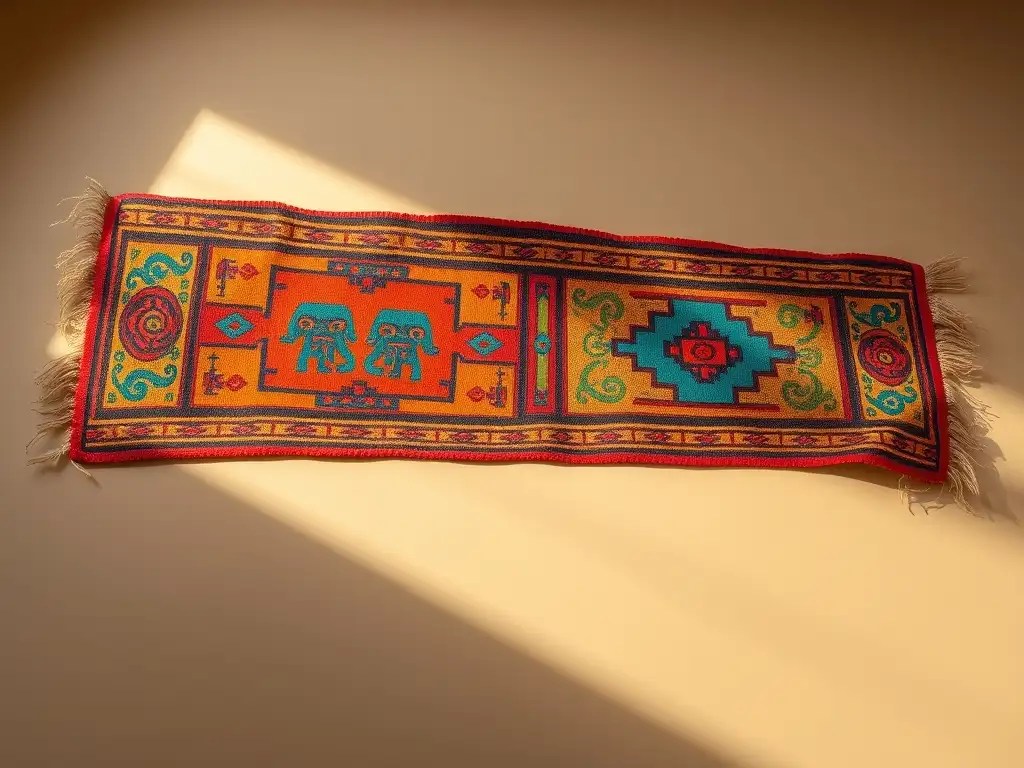
Step into a world lost to time, yet echoing with vibrant life. Imagine a civilization where geometric patterns weren't mere decoration, but held the keys to understanding a complex cosmology. On Andean Civilizations, we delve into the fascinating world of the ancient Andes, unearthing the secrets held within their intricate artistry. Prepare to be captivated by the Moche geometric patterns symbolism, a visual language that whispers tales of power, spirituality, and a society deeply connected to the natural world. Unravel the mysteries – explore now!
- Moche Geometric Patterns: Order and Symbolism in Design
- Decoding Moche Geometric Patterns: An Overview
- The Symbolism Behind Moche Geometric Patterns
- Moche Ceramics and the Application of Geometric Patterns
- Moche Textiles and Geometric Design
- The Influence of Moche Geometric Patterns on Other Andean Cultures
- The Enduring Relevance of Moche Geometric Patterns
-
Frequently Asked Questions
- What is the significance of geometric patterns in Moche art?
- What are some common geometric motifs found in Moche designs?
- How did the Moche create their intricate geometric patterns?
- What is the relationship between Moche geometric patterns and their society?
- Where can I see examples of Moche geometric patterns today?
- Final Reflection: Unraveling the Enduring Legacy of Moche Geometry
- Uncover the Symbolism in Every Design!
Moche Geometric Patterns: Order and Symbolism in Design
The Moche civilization, flourishing along the northern coast of Peru from approximately 100 CE to 800 CE, left behind a remarkable legacy of artistic expression. Their mastery of ceramics, metalwork, and textiles is renowned for its intricate detail and vibrant imagery. This article delves into the fascinating world of Moche geometric patterns, exploring their underlying order and the rich symbolism they conveyed.
We will examine how these seemingly simple shapes held profound meaning within Moche society, reflecting their worldview, religious beliefs, and social structures. Understanding these patterns provides a deeper appreciation for the complexity and sophistication of Moche culture, revealing insights into a civilization that thrived centuries ago, leaving behind a wealth of artistic and cultural treasures for us to decipher. This exploration of Moche geometric patterns and their symbolism will uncover the intricate relationship between art, religion, and daily life in this remarkable ancient Andean culture.
Introduction to Moche Art and Design
Moche art is characterized by its realism and dynamism. Unlike many other ancient cultures, Moche artists weren't afraid to depict scenes of daily life, warfare, and religious rituals with extraordinary detail. Their ceramics, often considered the pinnacle of their artistic achievement, are renowned for their lifelike portrayals of humans, animals, and mythical creatures.
These aren't simply decorative pieces; they are windows into the Moche worldview. The use of color, the meticulous rendering of forms, and the incorporation of geometric patterns all contributed to the powerful impact of their artwork. The use of geometric patterns wasn't an afterthought but an integral part of their artistic language, woven into the fabric of their visual narratives.
Many scholars believe that the specific placement and combination of these patterns held significant meaning, possibly representing clan affiliations, social status, or even cosmological concepts. The precision and consistency observed in the application of these patterns across various Moche artifacts suggest a high degree of standardization and perhaps even a formalized system of design.
The Significance of Geometric Motifs in Moche Culture
The Moche employed a diverse range of geometric motifs, including triangles, squares, rectangles, zigzags, and stepped patterns. These weren't randomly applied; their arrangement often followed specific rules and conventions. For example, the repetition of certain patterns could create a sense of rhythm and order, reflecting the Moche's appreciation for structured design. The use of contrasting colors further enhanced the visual impact of these patterns.
Consider the frequent appearance of stepped pyramids in Moche iconography. These pyramids, often depicted in ceramic vessels and textiles, are not simply aesthetic choices; they likely represent the hierarchical social structure of the Moche society, with each level of the pyramid symbolizing a different social class or rank. The intricate patterns adorning these pyramidal representations further reinforce this interpretation.
Furthermore, the prevalence of zigzags, often interpreted as representations of mountain ranges or lightning bolts, could symbolize the powerful forces of nature that were central to the Moche worldview. The precise meaning of individual patterns is still a subject of ongoing research, but their consistent presence and careful execution suggest their importance within the Moche cultural context.
The study of these patterns offers valuable insights into the beliefs, values, and social organization of this fascinating civilization. The detailed analysis of Moche geometric patterns is crucial for a more comprehensive understanding of their rich symbolic language, providing a key to unlocking the deeper meanings embedded within their artistic creations.
Decoding Moche Geometric Patterns: An Overview
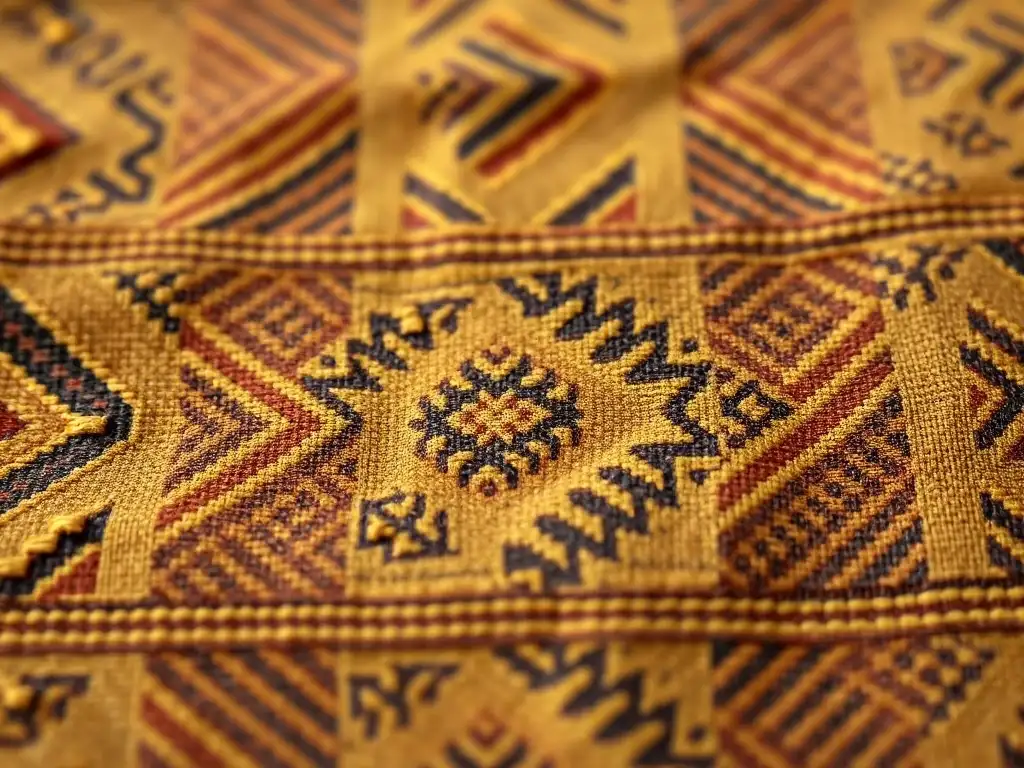
The Moche civilization (c. 100 – 800 CE), renowned for its sophisticated artistry, employed geometric patterns extensively in their ceramics, textiles, and metalwork. These weren't merely decorative elements; they were deeply embedded within the Moche worldview, acting as potent symbols carrying complex meanings related to cosmology, social structure, and ritual practices. Understanding Moche geometric patterns symbolism requires careful analysis of their repetition, arrangement, and the context in which they appear.
The intricate interplay of shapes, colors, and their combinations reveals a sophisticated system of visual communication that speaks volumes about Moche beliefs and societal organization. The frequency of specific motifs within different Moche artistic contexts further underscores their significance, highlighting their role beyond mere aesthetic appeal.
Analyzing the distribution of these patterns across different Moche artistic mediums also provides insights into their cultural value and the potential variations in meaning across different contexts. This section delves into the foundational elements of Moche geometric design, laying the groundwork for a deeper exploration of their symbolic significance.
Basic Geometric Shapes in Moche Art: Circles, Squares, and Triangles
The foundation of Moche geometric patterns rests on a surprisingly simple set of shapes: circles, squares, and triangles. However, the Moche's mastery lies not in the simplicity of the shapes themselves, but in their ingenious combinations and variations.
- Circles: Often represent the sun, celestial bodies, or cyclical processes within the Moche cosmology. Their size and placement within a larger design frequently influence their interpretation. Larger circles might symbolize the sun's dominance, while smaller circles could represent stars or other celestial elements. The use of concentric circles further amplifies this celestial symbolism, suggesting layers of cosmic influence.
- Squares: Squares, frequently found in conjunction with other shapes, are often associated with earthly realms, stability, and structured organization. They might represent agricultural fields, architectural elements, or even the structured social hierarchy of Moche society. The precise alignment and arrangement of squares within a pattern can subtly alter their meaning.
- Triangles: Triangles, particularly isosceles or right-angled ones, frequently appear in depictions of mountains, suggesting a connection between the earthly and the spiritual realms. They can also symbolize duality, with the two lower points representing the earthly plane and the apex representing the celestial or spiritual. The orientation of triangles within a pattern is crucial for discerning their specific meaning.
The interplay between these fundamental shapes creates a rich tapestry of visual communication. For instance, a square encompassed by a circle might symbolize the balance between the earthly and celestial realms. The precise arrangement and the use of color further enhance the symbolic weight of these patterns.
Repeating Patterns and Their Function in Moche Design
The Moche frequently employed repeating patterns, creating visually striking and symbolically potent designs. These repeating motifs are not haphazard; they are carefully constructed to reinforce meaning and enhance the overall impact of the artwork.
The repetition of geometric patterns serves multiple functions:
- Emphasis on Key Symbols: Repeating a particular shape or combination of shapes emphasizes its importance within the overall design and, by extension, within the Moche worldview. This repetition reinforces the symbolic message, making it more readily apparent to the viewer.
- Visual Rhythm and Harmony: The repetition creates a sense of visual rhythm and harmony, enhancing the aesthetic appeal of the artwork. This rhythmic quality is not just decorative; it contributes to the overall impact of the symbolic message.
- Representation of Cyclical Processes: The cyclical repetition of patterns might reflect the Moche's understanding of natural cycles, such as the agricultural cycle or the celestial cycles. This interpretation links the artwork to their understanding of the natural world and their place within it.
Examples of repeating patterns include bands of triangles, rows of interlocking squares, and spirals of concentric circles. The specific arrangement and combination of these patterns significantly contribute to the overall symbolism of the artwork. Further research into the context of discovery of these artifacts, such as their location within a tomb or a specific temple, would provide further insight into the patterns' precise meaning within that specific context. Detailed analysis of individual pieces, coupled with a broader understanding of Moche culture and beliefs, is crucial for a complete interpretation of their geometric patterns and their profound symbolism.
The Symbolism Behind Moche Geometric Patterns
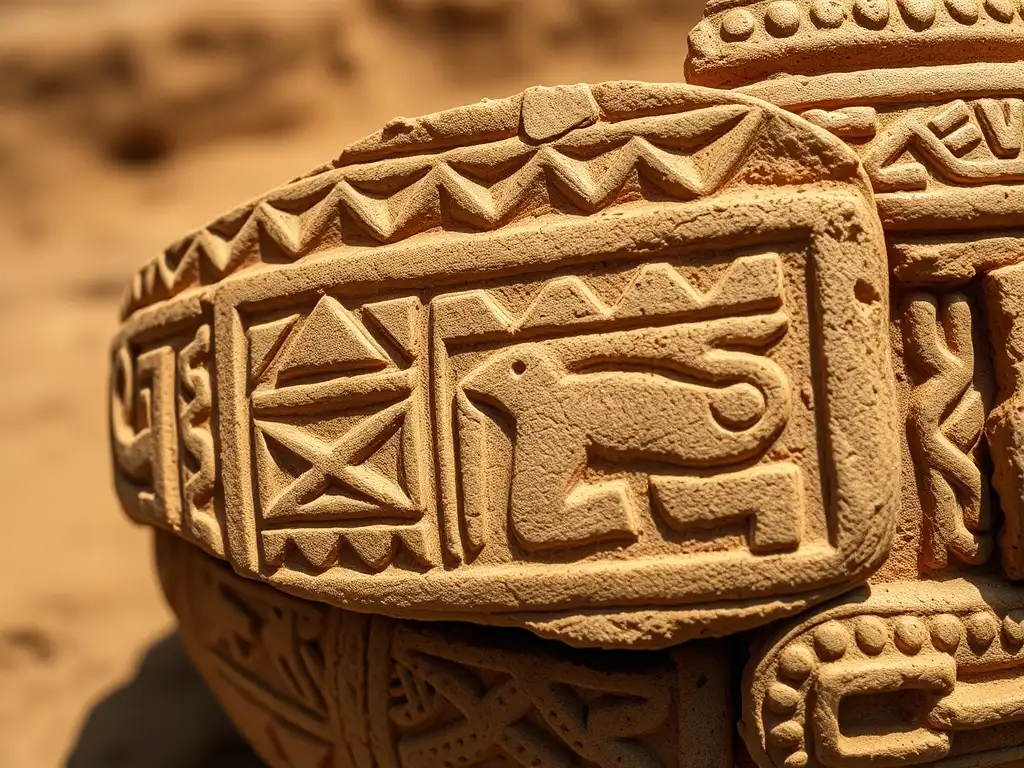
The Moche civilization, renowned for its exquisite artistry, incorporated intricate geometric patterns into virtually all aspects of their material culture—from their magnificent ceramics to their textiles and even their architecture. These weren't mere decorative flourishes; rather, they served as powerful symbolic vehicles, conveying complex meanings and beliefs integral to Moche worldview. Understanding the symbolism behind these patterns offers a crucial window into the social, religious, and cosmological perspectives of this fascinating ancient society.
The recurring motifs, such as interlocking frets, spirals, and chevrons, were not randomly chosen but carefully selected and arranged to communicate specific ideas and messages. The precise interpretations remain a subject of ongoing scholarly debate, but analyzing the context in which these patterns appear alongside other iconographic elements provides valuable clues. The study of Moche geometric patterns symbolism reveals a sophisticated and symbolic system reflecting a rich and complex culture.
The Meaning of Interlocking Fret Patterns
Interlocking fret patterns, characterized by their repeating, interconnected lines forming a network of squares or rectangles, are ubiquitous in Moche art. These designs are often interpreted as representing the interconnectedness of life, the cyclical nature of time, and perhaps even the intricate social structures within Moche society. The repetitive nature of the pattern may symbolize the predictable rhythms of agriculture, the importance of community, and the continuity of tradition across generations.
Consider, for example, the prevalence of these patterns on ceremonial vessels. Their presence on such objects suggests a connection to ritual practices and the reinforcement of societal norms. Furthermore, the precision and complexity of some fretwork designs point to a high level of artistic skill and the importance placed upon such craftsmanship within the Moche culture.
Some scholars suggest that the intricate variations within the fretwork patterns may have encoded specific messages or signified different clans or social groups. Further research into the distribution of these variations across different Moche sites could shed more light on this possibility. The meticulous execution of these patterns underscores their profound significance within the Moche worldview.
The Symbolic Significance of Spirals in Moche Art
Spirals, another prominent motif in Moche art, hold a multitude of potential interpretations, often associated with concepts of growth, cycles of life and death, and the cosmos. The swirling, dynamic nature of the spiral could represent the ever-changing nature of the world, the movement of celestial bodies, or the cyclical patterns of agriculture—a vital aspect of Moche life. The direction of the spiral—clockwise or counterclockwise—may also hold symbolic significance, although further research is needed to determine any consistent interpretations.
The spirals are frequently depicted alongside other iconographic elements, such as deities or mythological creatures, further enriching their symbolic meaning. For instance, a spiral surrounding a deity might represent the deity's power or influence over the cyclical processes of nature. The size and complexity of the spirals also vary significantly, suggesting that different scales of spirals might represent different levels of power or importance within the Moche cosmology.
The use of spirals in Moche pottery, textiles, and metalwork highlights their pervasive importance across various aspects of their material culture. The intricate detail and precision with which they are rendered underscore their profound symbolic significance.
Chevron Patterns and Their Possible Interpretations
Chevron patterns, composed of a series of V-shaped figures, appear frequently in Moche art, often in combination with other geometric motifs. Their angularity contrasts sharply with the flowing lines of spirals, suggesting a different symbolic register. One interpretation connects chevron patterns to the mountainous landscape of the Moche region, with the V-shapes representing mountain ranges or the terraced fields used for agriculture.
The repetition of the chevron motif might symbolize the repetition of the agricultural cycle or the stability and resilience of the Moche civilization in the face of environmental challenges. Alternatively, the sharp, angular lines of the chevron might symbolize strength, power, or perhaps even the sharp edges of weapons or tools. The placement of chevron patterns within larger compositions—for example, their use as borders or framing elements—suggests their role in organizing and structuring visual information.
The careful consideration given to the arrangement and combination of chevron patterns alongside other motifs suggests a deliberate and nuanced system of visual communication. Further analysis of the context and variations in chevron patterns across different Moche artifacts is necessary for a more complete understanding of their symbolism. The multifaceted nature of chevron patterns in Moche art makes them a compelling subject for further study.
Angular Designs: Rectangles and Their Contextual Use
Rectangles, often appearing in Moche pottery as borders or framing elements for more complex designs, hold significant symbolic weight within the context of Moche culture. The prevalence of right angles and precise geometric forms suggests a deep appreciation for order and structure, mirroring the sophisticated irrigation systems and architectural achievements of the Moche. These rectangles aren't merely decorative; they represent a controlled, deliberate approach to life, reflecting the Moche's mastery over their environment and their ability to harness natural resources for their benefit.
The careful placement and size of these rectangular elements within a larger design often relate to the narrative depicted on the vessel itself, acting as visual dividers or emphasizing specific scenes. For example, a rectangle might frame a depiction of a deity, highlighting its importance within the overall mythological context. Furthermore, the consistent use of rectangles across various Moche artistic expressions, from pottery to textiles (where evidence suggests similar geometric patterns), points to a deeply ingrained cultural preference for this particular shape.
The rectangles symbolize stability, the predictability of the harvest, and the ordered structure of their society. Their precise execution also speaks to the advanced technical skill of Moche artisans.
Step Fret Pattern and Its Symbolic Meaning
The step fret pattern, characterized by a series of interlocking, stepped rectangles, is among the most recognizable and widely used geometric motifs in Moche art. Its prevalence suggests a powerful symbolic significance, likely connected to the Moche's understanding of their landscape and cosmology. Many scholars interpret the step fret as representing agricultural terraces, reflecting the Moche's ingenious agricultural practices that allowed them to cultivate the arid coastal valleys.
The stepped design visually mimics the tiered terraces carved into hillsides, showcasing their mastery of water management and agricultural innovation. The pattern's repetitive nature could also symbolize the cyclical nature of life, death, and rebirth, mirroring the seasonal rhythms of agriculture and the ongoing regeneration of the land. The precise execution and consistent use of the step fret design in various contexts across Moche artifacts further underscores its importance as a powerful visual metaphor for their worldview and societal structure.
The intricate detail and precision in the execution of these patterns also demonstrate the advanced level of artistic skill and technical prowess within the Moche civilization. The step fret, therefore, is not merely a decorative element but a powerful symbol deeply embedded within the Moche cultural fabric.
Checkerboard Pattern and Its Symbolic Meaning
The checkerboard pattern, with its alternating squares of contrasting colors, presents a fascinating case study in Moche symbolism. While less prevalent than the step fret or angular designs, its presence on certain vessels suggests a specific, albeit less clearly defined, meaning. The contrasting colors could represent the duality inherent in Moche cosmology – the opposition between life and death, light and darkness, or the dry coastal desert and the life-giving waters of the rivers.
The precise arrangement of the squares, always meticulously executed, might represent order and balance, a reflection of the Moche’s structured society and their ability to maintain equilibrium within their environment. Alternatively, some researchers suggest the checkerboard pattern might symbolize agricultural plots or even a stylized representation of celestial bodies, reflecting their advanced astronomical knowledge. However, the relative scarcity of this pattern in comparison to others makes definitive conclusions challenging, highlighting the need for further research and analysis of existing Moche artifacts to fully understand the symbolic meaning of this intriguing geometric design.
The limited number of examples necessitates careful consideration of each instance, contextualizing it within the wider artistic and cultural landscape of the Moche civilization to unlock its deeper significance. Further investigation into the specific color combinations used in different checkerboard patterns could also reveal additional layers of meaning.
Moche Ceramics and the Application of Geometric Patterns
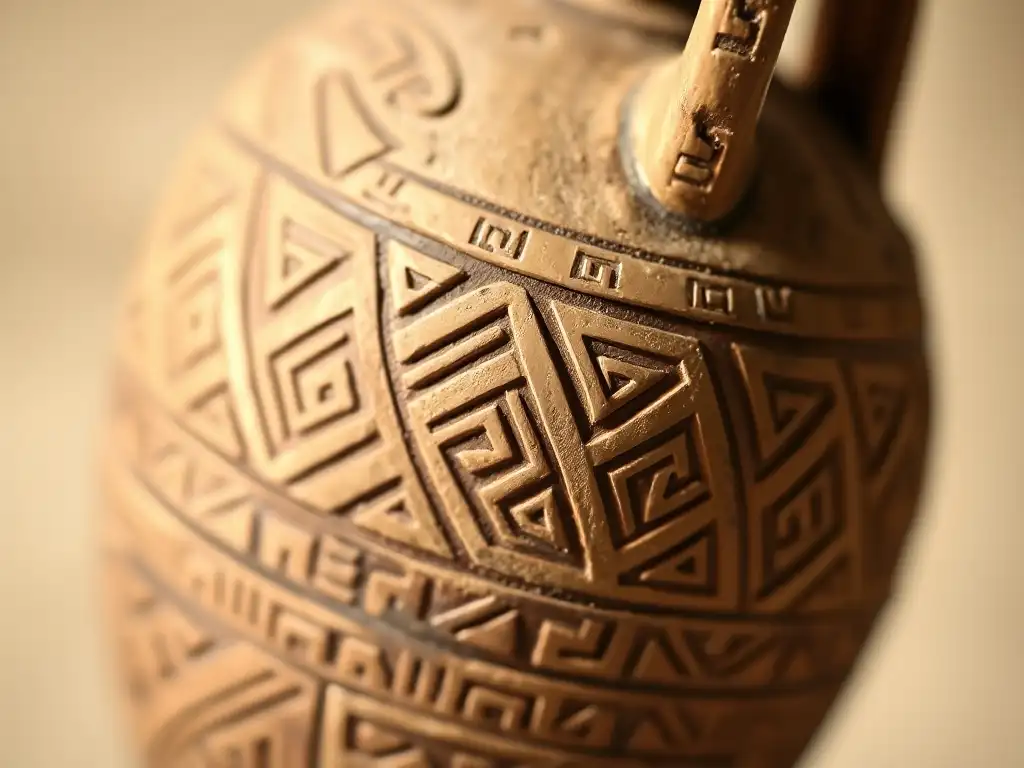
The Moche civilization (circa 100-800 CE) is renowned for its sophisticated artistry, particularly its mastery of ceramic production. Moche geometric patterns, far from being mere decorative elements, played a crucial role in their visual language, conveying complex social, religious, and cosmological ideas. The intricate designs adorning their pottery weren't randomly applied; they followed specific conventions and symbolic systems that researchers are still actively deciphering. The prevalence of these patterns across various Moche artistic expressions underscores their significance within the culture.
Analyzing the Moche geometric patterns symbolism provides invaluable insight into their worldview and social structure. The precision and consistency in their execution demonstrate a high level of skill and a deep understanding of the symbolic weight of their designs. This section will explore the diverse ways geometric patterns were integrated into Moche ceramics, highlighting their functionality and deeper meanings.
Geometric Patterns in Moche Pottery Decoration
Moche pottery is characterized by its vibrant colors, realistic depictions of flora and fauna, and the prominent use of geometric patterns. These patterns are not simply haphazard additions; instead, they often form borders, backgrounds, or integral parts of larger compositions. Consider the prevalence of stepped frets, triangles, zigzags, and concentric circles.
These basic shapes, repeated and combined in countless variations, create complex and visually stunning effects. For example, some vessels showcase a central, figurative scene—perhaps a ritual or a mythological event—surrounded by a meticulously crafted border of interlocking geometric designs. This framing device suggests that the geometric patterns helped to contextualize and enhance the meaning of the central image.
The application techniques also reveal the Moche’s artistic expertise. Many pieces show evidence of slip painting, where pigments were applied to the surface of the pottery before firing, resulting in a durable and vibrant finish. The precision with which these lines were applied, often incredibly fine and detailed, demonstrates a remarkable level of control and skill.
Furthermore, the use of negative space—the areas left unpainted—is equally important, contributing to the overall visual impact and symbolic resonance of the design. The careful balance between positive and negative space is a hallmark of Moche artistry, demonstrating a sophisticated understanding of visual composition. The frequency of certain geometric motifs in different contexts suggests that these were not simply aesthetic choices, but rather encoded messages with specific meanings.
Geometric Motifs on Moche Vessels: Function and Meaning
The meaning behind specific Moche geometric patterns is still a subject of ongoing research. However, scholars have proposed several interpretations based on the context in which these motifs appear. For instance, stepped frets are often associated with architecture and social hierarchy, potentially representing layered levels of society or the structured organization of the Moche state. The repetition of these patterns might symbolize the cyclical nature of life, death, and rebirth, reflecting the Moche cosmology.
The use of triangles and zigzags, common in textiles as well as pottery, is thought to represent mountains and the powerful forces of nature. Concentric circles, on the other hand, may symbolize the celestial bodies or the cyclical patterns observed in the natural world. These interpretations are supported by the fact that similar patterns appear in other Moche art forms, including textiles and metalwork, suggesting a consistent system of symbolic representation across different media.
Further research, combining stylistic analysis with archaeological evidence, is needed to fully decipher the meaning of these intricate designs. The Moche geometric patterns symbolism is a rich and complex area of study, promising further exciting discoveries.
The Use of Geometric Elements in Moche Figurative Art
While geometric patterns are most readily apparent in the decorative aspects of Moche pottery, they are also subtly integrated into the figurative art. Notice how the clothing of depicted figures often features geometric designs, such as stripes, chevrons, and other repeated motifs. These elements are not merely decorative embellishments; they likely indicate the social status or ritual role of the individual portrayed. For example, a figure adorned with elaborate geometric patterns on their clothing might represent a high-ranking official or a priest.
The integration of geometric patterns into the composition of figurative scenes also deserves attention. The arrangement of figures, the use of lines and shapes to create depth and perspective, and the strategic placement of geometric elements all contribute to the narrative and symbolic content of the artwork. Analyzing these subtle details can reveal much about the Moche’s artistic techniques and their worldview.
The deliberate and skillful use of geometric forms within figurative representations reinforces their importance as a key element of Moche visual communication. The study of Moche geometric patterns symbolism within figurative art allows a deeper understanding of Moche social hierarchy, religious beliefs, and artistic conventions. Further investigation into these subtle aspects is crucial for a complete appreciation of Moche artistic achievements.
Moche Textiles and Geometric Design
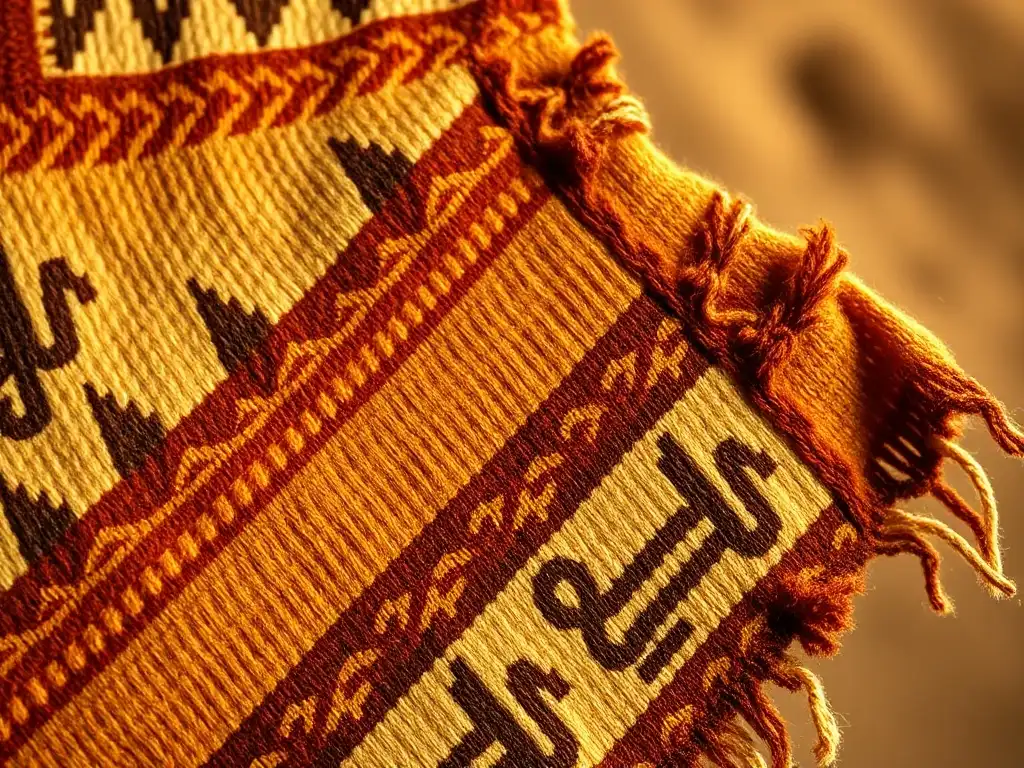
The Moche civilization, renowned for its exquisite ceramics, also produced remarkably intricate textiles. While ceramic artifacts offer a more readily available window into Moche artistry, the surviving textile fragments reveal a sophisticated understanding of geometric design and its symbolic applications, enriching our comprehension of Moche worldview and societal structures. The scarcity of surviving Moche textiles, due to the perishable nature of the materials, makes each discovered piece exceptionally valuable for understanding their artistic and cultural practices.
The geometric patterns found on these textiles are not merely decorative; they are imbued with deep symbolic meaning, reflecting the Moche's complex cosmology and social hierarchy. Studying these patterns provides crucial insights into their belief systems, social organization, and daily life, complementing the information gleaned from their iconic pottery. Analyzing the techniques and motifs employed in Moche textile production allows us to appreciate the ingenuity and artistry of these ancient artisans.
Geometric Patterns in Moche Textile Weaving
Moche textile weaving techniques were highly advanced for their time. Archaeological evidence suggests the use of various weaving methods, including tapestry weaving and brocade, which allowed for the creation of intricate and multicolored designs. These techniques permitted the incorporation of complex geometric patterns, often featuring combinations of triangles, squares, stepped frets, and spirals.
The precision and consistency observed in the surviving fragments highlight the high level of skill and specialized training possessed by Moche weavers. Many patterns exhibit a remarkable sense of balance and symmetry, reflecting a keen aesthetic sensibility. For instance, some fragments display symmetrical arrangements of stepped frets, creating visually striking and rhythmical designs.
The use of multiple colors, often vibrant hues extracted from natural dyes, further enhanced the visual impact of these geometric patterns. Detailed analysis of the surviving textile fragments reveals a remarkable consistency in the application of these patterns across different textiles, suggesting a standardization in design or potentially a symbolic significance tied to specific motifs. Further research is needed to fully understand the specific meanings attributed to each color and pattern combination.
The Role of Geometric Designs in Moche Clothing and Textiles
Geometric patterns in Moche textiles played a significant role in social status and identity. While much remains unknown, the complexity and scale of some patterns suggest that certain designs were reserved for elite members of society, possibly indicating rank or affiliation with specific social groups. This is supported by the discovery of textiles associated with elite burials, often featuring more elaborate and complex geometric designs than those found in common graves.
The use of specific colors or combinations of colors might have further signaled social standing or religious affiliation. For example, certain colors might have been associated with specific deities or rituals, making the clothing and textiles bearing those colors significant markers of religious identity. Further research into the dyes and pigments used in Moche textiles could provide additional insights into the symbolic significance of color choices.
Unfortunately, the limited number of well-preserved textiles makes definitive conclusions challenging. More research and careful excavation are crucial to unlock the full story of Moche textile symbolism and its social implications.
Interlocking Labyrinth Pattern and its Significance
One particularly intriguing geometric motif frequently found in Moche textiles is the interlocking labyrinth pattern. This complex design, characterized by its intricate network of interwoven lines and pathways, presents a fascinating puzzle for researchers. While the precise meaning of the labyrinth pattern remains a subject of ongoing debate, several interpretations have been proposed. Some scholars suggest it represents a symbolic journey, possibly reflecting a shamanic rite of passage or a metaphorical representation of the cosmos.
The labyrinth's winding paths could be interpreted as a visual metaphor for the cyclical nature of life, death, and rebirth, or perhaps the complexities of the spiritual world. Others propose that the labyrinth pattern is linked to agricultural practices, symbolizing the intricate irrigation systems that were essential to Moche agriculture. The interconnectedness of the design could reflect the interconnectedness of the agricultural fields and the importance of water management for the Moche civilization.
The discovery of additional textiles featuring this pattern, coupled with further interdisciplinary research, will be crucial in refining our understanding of the labyrinth pattern's symbolic meaning within the broader context of Moche culture and belief systems. The potential connection to cosmology, shamanism, and agriculture makes the labyrinth pattern a key element in understanding Moche geometric patterns symbolism. The ongoing study of Moche geometric patterns promises to reveal more about the rich tapestry of their cultural and spiritual beliefs.
The Influence of Moche Geometric Patterns on Other Andean Cultures
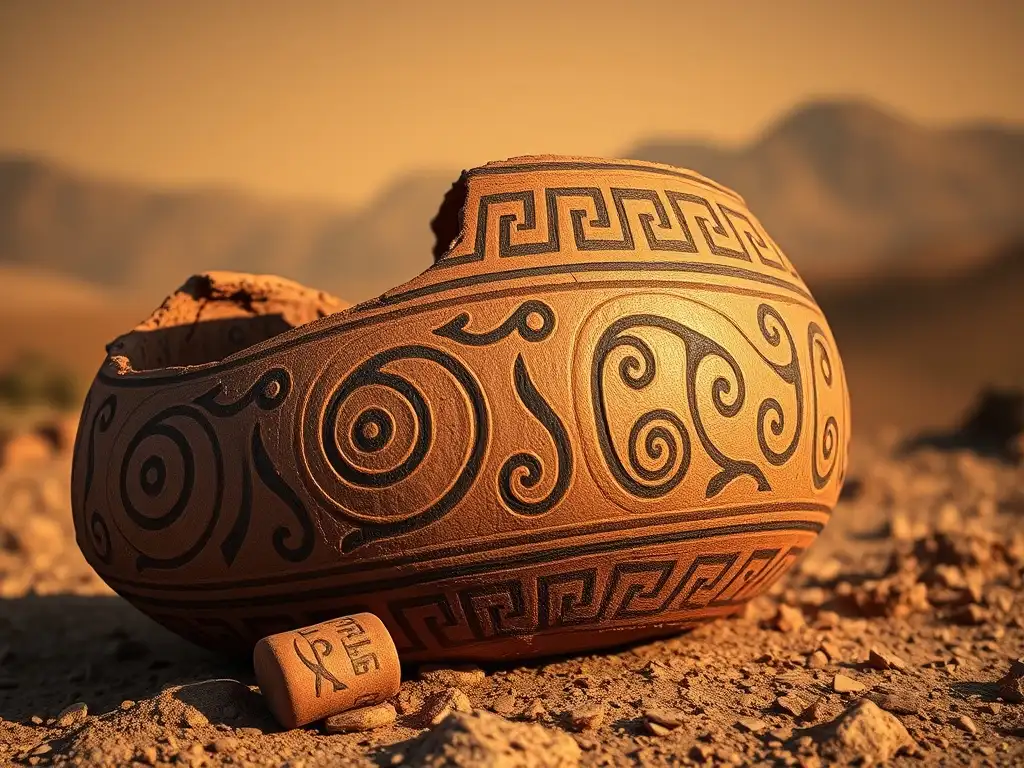
The Moche's mastery of geometric patterns wasn't confined to their own artistic sphere. Their innovative designs, characterized by a sophisticated understanding of symmetry, proportion, and symbolic representation, significantly influenced subsequent Andean cultures. The vibrant and intricate motifs found on Moche pottery, textiles, and architecture served as a source of inspiration, subtly shaping the aesthetic sensibilities of later civilizations.
This influence wasn't a direct copy; rather, it was a process of adaptation and reinterpretation, leading to a fascinating evolution of geometric designs across the Andean region. Understanding this legacy reveals a deeper appreciation for the interconnectedness of Andean artistic traditions and the enduring impact of Moche artistry.
Tracing the Legacy of Moche Design in Later Andean Art
The legacy of Moche geometric patterns is most clearly seen in the art of the Chimú civilization, a later culture that flourished on the northern coast of Peru. While the Chimú developed their own distinctive style, echoes of Moche design principles are undeniable. For instance, the Chimú's fondness for repeating motifs and intricate border designs clearly shows the influence of Moche decorative techniques. However, the Chimú frequently incorporated these elements into larger, more complex compositions, often integrating them with their own iconographic systems.
This adaptation demonstrates a conscious engagement with the Moche legacy, transforming and reimagining its core elements within a new cultural context. Further research into comparative analysis of Moche and Chimú ceramics, specifically focusing on the frequency and variation of specific geometric patterns, would provide more concrete data to support this claim. [Specific data on comparative analysis of Moche and Chimú ceramic patterns pending].
Connections Between Moche and Chimú Geometric Styles
Analyzing the similarities and differences between Moche and Chimú geometric styles illuminates the process of cultural transmission and adaptation. Both cultures favored the use of triangles, stepped frets, and zigzags, suggesting a shared aesthetic foundation. However, the Chimú frequently employed these motifs in a more formalized and repetitive manner, creating highly structured and symmetrical designs. This contrasts with the often more dynamic and asymmetrical compositions found in Moche art.
The Chimú also incorporated a greater range of colors, often using a more restrained palette compared to the vibrant hues characteristic of Moche pottery. This difference might reflect different social and religious contexts or simply represent stylistic preferences. The table below illustrates some key differences:
| Feature | Moche Style | Chimú Style |
|---|---|---|
| Color Palette | Vibrant, often multiple colors | More restrained, often fewer, muted colors |
| Symmetry | Often asymmetrical, dynamic compositions | Highly symmetrical, repetitive patterns |
| Motif Complexity | Variable, from simple to highly complex | Often highly complex, intricate designs |
| Scale | Variable, from small to large scale motifs | Often large-scale, dominating the surface |
The Step Fret Motif Across Cultures
The step fret motif, a recurring element in Moche art, stands out as a particularly enduring design. This pattern, characterized by a series of interlocking steps or zigzags, appears in various forms across different Andean cultures, indicating its widespread symbolic significance. While the precise meaning remains debated among scholars, the motif's persistent presence suggests a deep-rooted cultural importance, perhaps relating to concepts of fertility, social hierarchy, or cosmology.
Its adaptation and reinterpretation across time and space highlights its versatility and enduring appeal. The step fret motif's presence in later Andean art, such as that of the Inca, demonstrates its continued relevance long after the Moche civilization's decline.
Further investigation into the specific contexts in which the step fret motif appears across various Andean cultures could reveal deeper insights into its symbolic meaning and cultural significance. 🕵️♂️ [Further research on the symbolic meaning of the step fret motif across Andean cultures pending].
The Enduring Relevance of Moche Geometric Patterns
The Moche civilization, flourishing on the northern coast of Peru from approximately 100 CE to 800 CE, left behind a remarkable legacy of art and technology. Their mastery of ceramics is particularly striking, showcasing intricate designs and vibrant colors. A significant aspect of Moche ceramic art is the pervasive use of geometric patterns, which extend beyond mere aesthetic decoration.
These patterns, imbued with deep symbolism, provide invaluable insights into the Moche worldview, social structures, and cosmology. Understanding the meaning behind these geometric designs allows us to connect with the Moche people on a deeper level, appreciating their sophisticated understanding of design and its role in expressing complex ideas. The enduring relevance of these patterns lies in their ability to transcend time, continuing to fascinate and inspire artists and researchers alike.
Their study offers a unique window into a lost civilization, revealing a rich tapestry of beliefs and practices. The prevalence of these patterns across various Moche artifacts emphasizes their importance within their culture, highlighting their role in daily life and ritualistic practices. The study of Moche geometric patterns symbolism is therefore crucial for a complete understanding of this fascinating civilization.
Moche Geometric Patterns: Insights into Moche Worldview
Moche geometric patterns are not randomly applied; they are carefully chosen and arranged to convey specific meanings. Many patterns seem to reflect the Moche's deep connection to the natural world. For instance, recurring motifs like stylized waves, spirals, and stepped frets could represent the cyclical nature of life, death, and rebirth, mirroring the rhythms of the coastal environment and the agricultural cycle crucial to their survival.
The use of specific colors also holds significance. Red, for example, often associated with blood and sacrifice, might symbolize power and fertility, while other colors likely represented different aspects of their worldview. Analyzing the context in which these patterns appear – whether on ceremonial vessels, everyday pottery, or textiles – further enriches our understanding.
A detailed analysis of various Moche artifacts reveals a complex system of visual communication, where geometric patterns served as a powerful tool for conveying religious beliefs, social hierarchies, and cosmological ideas. The arrangement and combination of different patterns on a single object might indicate a narrative or a complex message, highlighting the sophistication of their symbolic language. Further research is needed to fully decipher the meaning of all the patterns, but preliminary findings already indicate a rich and nuanced system of visual communication.
Appreciating the Artistic Skill and Symbolism in Moche Design
The precision and skill involved in creating these geometric patterns are truly remarkable. Moche artisans employed various techniques, including incision, painting, and stamping, to achieve intricate designs on their ceramic pieces. The use of negative space, where the absence of color or design contributes to the overall effect, demonstrates a sophisticated understanding of visual composition. The patterns were not simply applied haphazardly; they were carefully planned and executed, reflecting a high level of artistic skill and cultural value.
Consider, for example, the intricate stepped frets found on many Moche vessels. The evenness of the lines and the precision of the angles showcase the artisans' expertise. This level of craftsmanship speaks to the importance placed on art within Moche society, suggesting that the creation of these objects was a highly valued skill, perhaps even a sacred practice.
The artistic skill involved in creating these patterns also contributes significantly to their enduring appeal. The beauty and complexity of the designs continue to captivate viewers centuries later, demonstrating the timeless quality of Moche art. Furthermore, the symbolic depth of these patterns adds another layer to their artistic merit, transforming them from mere decorations into powerful expressions of Moche culture and belief.
The Timeless Appeal of Moche Geometric Abstraction
The enduring appeal of Moche geometric patterns lies in their abstract nature and their capacity to evoke a sense of mystery and wonder. The patterns' inherent ambiguity allows for multiple interpretations, engaging viewers on an intellectual and emotional level. Their simple yet powerful forms resonate with contemporary sensibilities, making them relevant even in today's world. The use of geometric abstraction in Moche art transcends cultural boundaries, appealing to a broad audience with its universal aesthetic qualities.
The clean lines, balanced compositions, and vibrant colors are inherently captivating. Moreover, the inherent mystery surrounding the exact meanings of these patterns adds to their allure, inviting further study and interpretation. The timeless appeal of these patterns is evidenced by their continued influence on contemporary art and design.
Modern artists and designers often draw inspiration from Moche aesthetics, incorporating elements of their geometric designs into their own works. This continuing relevance showcases the enduring power of Moche art to inspire and influence across time and cultures. The study of Moche geometric patterns symbolism, therefore, offers not only a glimpse into a past civilization but also a source of ongoing inspiration and creative exploration.
Frequently Asked Questions
What is the significance of geometric patterns in Moche art?
Moche geometric patterns weren't merely decorative; they held deep symbolic meaning. They represented cosmology, social structures, and possibly even religious beliefs, reflecting the Moche worldview.
What are some common geometric motifs found in Moche designs?
Common motifs include triangles, stepped frets, and zigzags, often combined in complex arrangements. These shapes could symbolize mountains, water, or other natural elements crucial to Moche life.
How did the Moche create their intricate geometric patterns?
The Moche employed various techniques, including painting, weaving, and pottery, to create their intricate designs. Highly skilled artisans used diverse materials and tools to achieve remarkable precision.
What is the relationship between Moche geometric patterns and their society?
The patterns likely reflected social hierarchies and power structures. Certain motifs might have been reserved for elite members of society, indicating status and authority.
Where can I see examples of Moche geometric patterns today?
Many examples survive in Moche pottery and textiles found in museums around the world and archaeological sites in Peru. Visiting museums or exploring online resources offers excellent opportunities to study these fascinating designs.
Final Reflection: Unraveling the Enduring Legacy of Moche Geometry
The intricate geometric patterns of the Moche civilization continue to resonate today, not merely as aesthetically pleasing designs, but as powerful windows into a sophisticated worldview. Their enduring appeal speaks to a fundamental human desire for order and meaning, a desire that transcends time and culture. The precision and symbolism embedded within these patterns offer a compelling glimpse into a society that valued both artistic expression and spiritual understanding.
The Moche's masterful use of geometry, far from being simply decorative, served as a potent language of communication, conveying complex social structures, cosmological beliefs, and spiritual narratives. Their designs, imbued with symbolic weight, continue to inspire contemporary artists and designers, demonstrating the timeless power of visual language. Art washes away from the soul the dust of everyday life.
– Pablo Picasso. This quote, while not directly about the Moche, perfectly encapsulates the enduring relevance of their art in cleansing our modern world of its complexities and offering a path to understanding.
Consider the intricate detail, the deliberate placement of each line and shape. Let the Moche's legacy inspire you to find order and meaning in your own life. Look for the hidden symbols in your everyday experiences, and discover the stories they tell. Embrace the power of visual communication, and let your own creativity become a vehicle for expressing your unique perspective and understanding of the world around you. The Moche's geometric patterns are more than just designs; they are a testament to the enduring human spirit and its capacity for both artistic expression and profound spiritual insight.
Uncover the Symbolism in Every Design!
Thank you for exploring the fascinating world of Moche geometric patterns with us! You've gained valuable insights into how these designs reflect the order and meaning within their culture. Now, let's put that inspiration to work!
Here's how you can delve deeper into this captivating subject:
- Create your own geometric patterns inspired by the Moche! Experiment with readily available materials or digital tools to express order and symbolism in your art.
- Share your artistic interpretations on social media and tag us! Connect with a community passionate about Andean culture.
- Continue your exploration: Discover related articles on our site that delve into Moche history and other Andean civilizations for further inspiration.
What new patterns and meanings do you uncover when viewing art through the lens of symbolism? Let us know in the comments below!