
Andean Metallurgy: A Legacy of Innovation and Craftsmanship

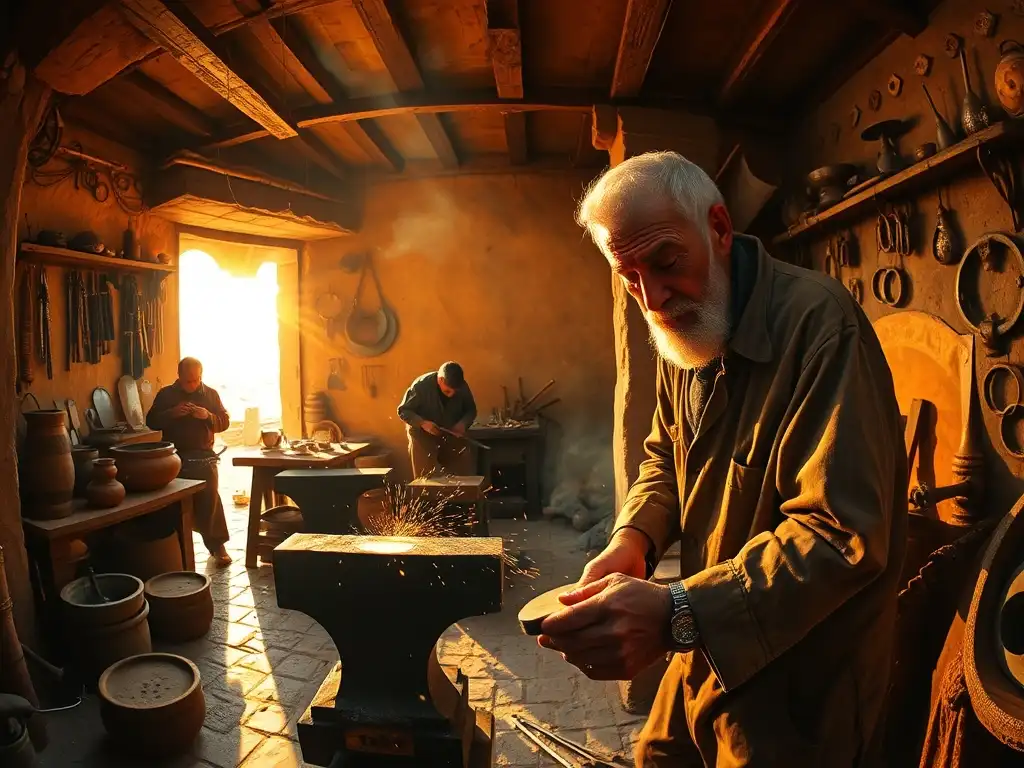
Step into a world lost to time, yet echoing with innovation. Prepare to be amazed by the ingenuity of the ancient Andean civilizations. For centuries, their mastery over metal captivated empires – a legacy you can now uncover. Discover the secrets behind their breathtaking artistry and unparalleled skills in Andean metalworking techniques, a testament to human creativity and resilience. Unravel the mysteries of this lost world and delve into the fascinating story of Andean metallurgy.
The Andes Mountains, a spine of towering peaks stretching along the western edge of South America, were not only a formidable geographical barrier but also a cradle of remarkable civilizations. For centuries, societies like the Incas, Moche, Nazca, and Tiahuanaco flourished in this challenging environment, developing sophisticated technologies and artistic expressions that continue to amaze and inspire.
Among their most impressive achievements was their mastery of metallurgy, a testament to their ingenuity and understanding of materials science. This article delves into the fascinating world of Andean metalworking techniques, exploring the innovative processes, artistic styles, and lasting legacy of this remarkable craft.
We will examine the diverse techniques employed across different Andean cultures, highlighting their unique approaches to alloying, casting, hammering, and finishing, and demonstrating how these skills contributed to their social, political, and religious structures. Understanding Andean metalworking provides crucial insight into the complexity and sophistication of these ancient societies, revealing a level of technological advancement that surpassed many of their contemporaries.
Introduction to Ancient Andean Metalworking
Andean metalworking wasn't merely a practical skill; it was deeply intertwined with the spiritual and political fabric of Andean societies. Gold, silver, copper, and bronze were not simply resources but powerful symbols of authority, divinity, and prestige. The sheer artistry and technical skill displayed in Andean metal objects—from intricate jewelry and ceremonial vessels to monumental sculptures—demonstrates a profound understanding of material properties and a remarkable ability to manipulate them. The earliest evidence of Andean metalworking dates back to approximately 2000 BCE, with the initial use of hammered copper artifacts.
However, it was during the development of more advanced techniques, such as alloying and casting, that Andean metallurgy truly blossomed. This period saw the creation of complex alloys, like tumbaga (a gold-copper alloy), which allowed for greater control over the color and malleability of the metal. The development of lost-wax casting, a particularly challenging technique, allowed for the production of intricately detailed objects, showcasing the advanced technical skills of Andean artisans.
The sophistication of these techniques varied across different cultures and time periods, reflecting the unique characteristics of each society. For instance, the Moche were renowned for their intricate goldwork, while the Incas mastered the creation of large-scale metal objects. The following sections will explore these diverse techniques in greater detail.
Alloying Techniques and Material Selection in Andean Metallurgy
The Andean metallurgists exhibited a remarkable understanding of alloying, the process of combining different metals to create new materials with enhanced properties. They skillfully combined copper with other metals, such as gold and tin, to produce a variety of alloys with varying colors and strengths. Tumbaga, a gold-copper alloy, was particularly popular, its golden hue and malleability making it ideal for intricate jewelry and ceremonial objects. The precise proportions of gold and copper used in tumbaga varied, resulting in a range of colors, from pale yellow to deep orange-red.
This ability to control the alloy composition demonstrates a sophisticated understanding of metallurgy. Furthermore, the Andean metallurgists were not limited to gold and copper; they also utilized silver, bronze, and even platinum in their creations. The selection of materials was often dictated by both the aesthetic and functional requirements of the object.
For example, gold, with its symbolic association with the sun and divinity, was often reserved for elite objects, while copper, a more readily available metal, was used for a wider range of applications. The careful selection and skillful manipulation of these materials underscore the ingenuity and expertise of Andean metalworkers. The precise ratios used in different alloys, and the impact these ratios had on the final product's properties, requires further research to fully understand the sophistication of their processes.
Casting Techniques: Lost-Wax and Other Methods
The lost-wax casting process, also known as the investment casting method, was a significant technological achievement of the Andean metallurgists. This technique involved creating a wax model of the desired object, covering it in a clay mold, melting out the wax, and then pouring molten metal into the resulting cavity.
The intricate details of the wax model were faithfully reproduced in the final metal object, allowing for the creation of highly complex and detailed pieces. While lost-wax casting was prevalent, Andean metalworkers employed other casting techniques as well, adapting their methods to suit the specific materials and desired outcomes.
The precise variations in these techniques across different Andean cultures and time periods represent a rich area for future investigation, potentially revealing further insights into their metallurgical expertise and regional variations in practice. The scale of some castings, particularly in later Inca periods, also points to a level of organization and resource management that facilitated large-scale metalworking projects.
Hammering and Repoussé Techniques in Andean Metalworking
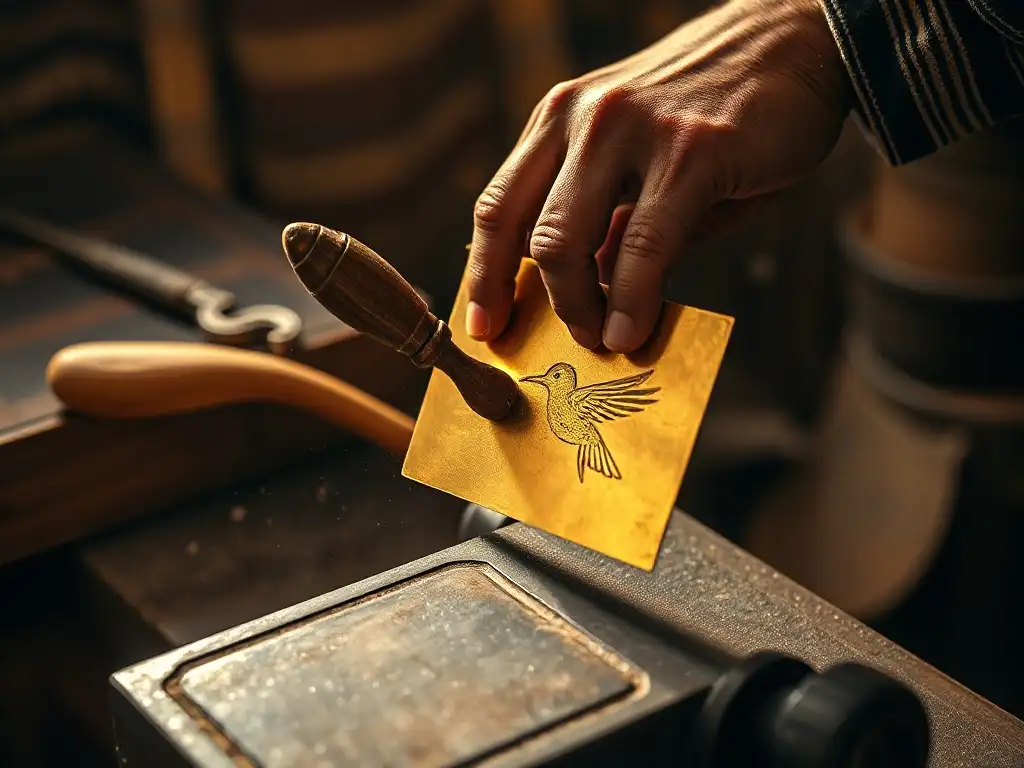
Beyond casting, Andean artisans mastered hammering and repoussé techniques to shape and decorate metal objects. Hammering involved repeatedly striking the metal with a hammer to shape it into the desired form. Repoussé, a more advanced technique, involved shaping the metal from the back, using a hammer and punches to create raised designs on the surface.
These techniques were frequently combined, with hammering used to create the basic form and repoussé used to add intricate details and decorative elements. The skill and precision required for these techniques are evident in the exquisite detail and finesse found in many Andean metal artifacts. The ability to create thin, delicate sheets of metal and manipulate them without fracturing demonstrates a remarkable mastery of the material.
Further research into specific tool types and hammering styles used across different regions and time periods would significantly enhance our understanding of these sophisticated techniques. The level of control displayed in the creation of these intricate pieces is a testament to the skill and experience of the Andean artisans.
Andean metalworking was not merely a technological feat; it played a crucial role in the social, political, and religious life of these ancient societies. Metal objects, particularly those made of gold and silver, were often associated with power and divinity, serving as symbols of royal authority and religious significance. Elaborate gold and silver ornaments, intricate ceremonial vessels, and monumental sculptures were used to express social status, reinforce political power, and conduct religious rituals.
The production and distribution of metal objects were likely controlled by elites, reflecting the importance of metalworking in the social hierarchy. The use of specific alloys and decorative motifs in different contexts also provides valuable insights into the beliefs and practices of these societies.
Further investigation into the distribution patterns of metal artifacts and their presence within specific archaeological sites could illuminate the role of metalworking in the social and political organization of Andean civilizations. The significance of Andean metallurgy in shaping the social, political, and religious landscapes of the Andes cannot be overstated.
- Introduction to Ancient Andean Metalworking
- Alloying Techniques and Material Selection in Andean Metallurgy
- Casting Techniques: Lost-Wax and Other Methods
- Hammering and Repoussé Techniques in Andean Metalworking
- The Significance of Andean Metallurgy: Social, Political, and Religious Contexts
- What unique metalworking techniques did Andean civilizations employ?
- How did the Incas compare to other Andean cultures in terms of metalworking?
- What were some of the primary metals used by Andean metallurgists?
- What was the significance of metalwork in Andean societies?
- Where can I learn more about Andean metalworking techniques and artifacts?
The Evolution of Andean Metalworking Techniques
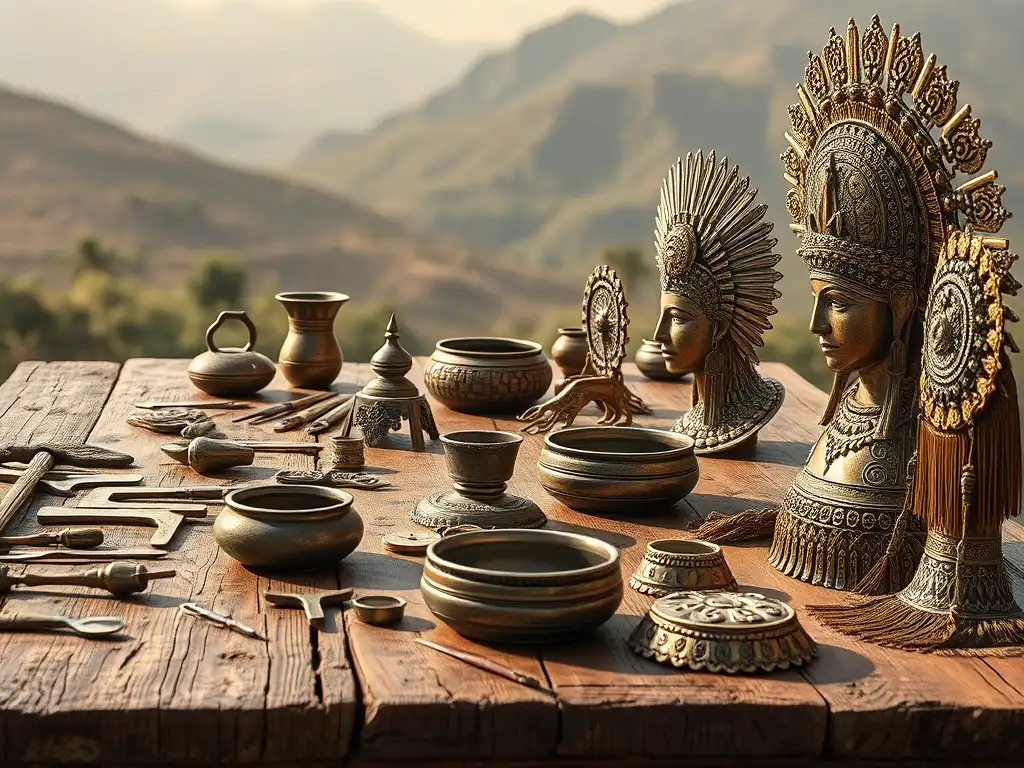
The Andes Mountains, a spine of towering peaks running down the western coast of South America, were not only a formidable geographical barrier but also a crucible for remarkable technological advancements. Among these, Andean metalworking techniques stand out as a testament to the ingenuity and skill of ancient Andean civilizations. This section delves into the fascinating evolution of these techniques, highlighting key stages of development and showcasing the sophistication achieved in manipulating metals like gold, silver, and copper.
Understanding the progression of Andean metalworking provides invaluable insight into the social structures, religious beliefs, and economic systems of these remarkable cultures. The mastery of these techniques, in fact, shaped the very fabric of Andean societies, leaving behind a legacy of unparalleled artistry and technological prowess. The term "Andean metalworking techniques" itself encompasses a vast array of processes and skills, a testament to the rich metallurgical tradition of the region.
Early Stages of Metal Use in the Andes
The earliest evidence of metal use in the Andes dates back to approximately 2000 BCE, primarily in the northern coastal regions of Peru. This initial phase, characterized by the use of native copper, involved relatively simple techniques. Artisans likely employed cold hammering and annealing – repeatedly striking the metal to shape it and then heating it to soften it – to create basic tools and ornaments.
Evidence suggests that these early metalworkers were primarily focused on shaping naturally occurring copper nuggets, rather than smelting ores. The artifacts from this period are often crude in comparison to later works, reflecting a nascent understanding of metal manipulation. However, even these early pieces demonstrate a remarkable ability to work with a challenging material, laying the foundation for the more complex techniques that would follow.
The scarcity of copper during this initial phase likely limited production and influenced the types of objects created. Further research is needed to fully understand the social and economic implications of this early metalworking. Detailed analysis of existing artifacts is crucial to shed more light on the specific techniques employed and the extent of knowledge transfer across different Andean communities during this period.
Development of Smelting and Alloying
A significant leap forward in Andean metalworking occurred with the mastery of smelting and alloying techniques. This transition, which began around 1000 BCE, allowed artisans to extract metals from their ores and create alloys with improved properties. Smelting involved heating metal ores to high temperatures to separate the metal from the impurities. This process required specialized knowledge of furnace construction, fuel management, and temperature control.
The development of effective smelting techniques was a crucial step towards the mass production of metal objects. Furthermore, the ability to alloy metals – combining different metals to produce a new material with enhanced characteristics – opened up a whole new range of possibilities. For instance, the alloying of copper with tin produced bronze, a harder and more durable material than copper alone.
The use of bronze significantly expanded the range of objects that could be created, from tools and weapons to elaborate ceremonial items. The Andean region saw the development of distinct alloys specific to different regions and time periods, reflecting both technological innovation and cultural exchange. This period also saw the emergence of more sophisticated casting techniques, allowing for the creation of intricate and detailed objects.
Mastery of Gold, Silver, and Copper Work
By the time of the Inca Empire (1438-1533 CE), Andean metalworking had reached its zenith. Artisans had achieved a remarkable level of skill in working with gold, silver, and copper, creating objects of breathtaking beauty and technical sophistication. The Inca, along with preceding cultures like the Moche and Nazca, developed highly specialized techniques for shaping, decorating, and assembling metal components. These included techniques such as hammering, repoussé (hammering from the reverse side to create relief), chasing (hammering from the front to refine details), and soldering.
Gold, often associated with divinity and power, was meticulously worked into intricate masks, ornaments, and vessels. Silver, prized for its reflective qualities, was used in similar applications. Copper, a more readily available metal, was utilized for tools, weapons, and everyday objects. The use of different techniques and the combination of metals allowed for the creation of incredibly detailed and visually stunning artifacts.
The precision and artistry displayed in these objects are a testament to the advanced knowledge and skill of Andean metalworkers. The legacy of these techniques continues to inspire and amaze, showcasing the unparalleled creativity and technological prowess of Andean civilizations. The intricate designs and the technical mastery involved in the creation of these objects demonstrate the high level of skill and organization within Andean societies. Their metalwork represents not only a technological achievement but also a profound artistic expression, reflecting the rich cultural and spiritual heritage of the region.
The Significance of Andean Andean Metal Alloys
The mastery of metallurgy in the Andes wasn't simply about shaping metal; it was about crafting specific alloys to achieve desired properties. The Andean artisans weren't limited to using readily available metals like copper; they understood the importance of alloying—combining different metals—to enhance durability, malleability, and aesthetic qualities. This sophisticated understanding significantly impacted the development of their tools, ornaments, and weaponry.
One crucial alloy was tumbaga, a gold-copper alloy that varied widely in its composition depending on the desired outcome. A higher copper content resulted in a more durable, reddish-gold alloy suitable for tools and weapons. Lower copper content yielded a brighter, more lustrous gold, perfect for intricate jewelry and ceremonial objects.
This precise control over the alloy's properties showcases the Andean metallurgists' profound knowledge of material science. The creation of tumbaga wasn't accidental; it resulted from careful experimentation and a deep understanding of the metallurgical processes involved. The precise ratios of gold and copper were likely passed down through generations, representing a significant component of their cultural heritage.
Beyond tumbaga, other alloys were utilized, often incorporating silver and other trace elements. The exact compositions and their intended purposes are still subjects of ongoing research. However, the surviving artifacts clearly demonstrate a remarkable ability to manipulate the properties of metals, leading to a diverse range of objects with varying functionalities and aesthetic qualities.
The development and use of these alloys significantly contributed to the advancement of Andean metalworking techniques and the creation of their unique artistic styles. This innovative approach to metalworking solidified their position as leading metallurgists of the pre-Columbian world. The precise methods of alloy creation, including the techniques used for melting, mixing, and casting, remain areas of active study, continuously revealing the depth and complexity of Andean metallurgical expertise.
Specific Andean Metalworking Techniques
This section delves into the specific techniques employed by Andean civilizations in their remarkable metalworking achievements. Their mastery of various methods resulted in intricate artifacts that continue to fascinate and inspire awe centuries later. Understanding these techniques provides crucial insight into the sophistication and ingenuity of Andean metallurgists. The development of these Andean metalworking techniques showcases a deep understanding of material properties and a remarkable capacity for innovation.
Cold Hammering and Annealing
Cold hammering, a technique requiring significant skill and patience, was a cornerstone of Andean metalworking. Artisans repeatedly struck the metal using various hammers, progressively shaping it into the desired form. This process, however, could work-harden the metal, making it brittle and prone to cracking. To counteract this, a process called annealing was crucial. Annealing involves heating the metal to a specific temperature, then allowing it to cool slowly. This process relieved the internal stresses caused by hammering, restoring the metal's malleability and allowing for further shaping.
The effectiveness of cold hammering and annealing depended heavily on the type of metal being worked. Gold, for instance, was relatively easy to work with, requiring less frequent annealing. However, other metals like copper and bronze demanded more careful control of the heating and cooling processes.
Evidence suggests that Andean metallurgists developed a sophisticated understanding of these nuances, adapting their techniques based on the specific metal and the desired outcome. The precision and control evident in surviving artifacts demonstrate a mastery of these techniques, passed down through generations of skilled artisans. This meticulous approach to Andean metalworking techniques is a testament to their commitment to quality and artistry.
Lost-Wax Casting in Andean Cultures
Lost-wax casting, a complex technique allowing for the creation of intricate shapes, was another significant achievement of Andean metallurgists. This method involved creating a wax model of the desired object, covering it in clay, and then melting out the wax, leaving a mold. Molten metal was then poured into the mold, solidifying into the desired shape. Once cooled, the clay mold was broken away, revealing the finished metal object.
The Andean application of lost-wax casting demonstrated a remarkable level of technical skill. Some pieces, particularly those from the Moche culture, exhibit astonishing detail and precision, showcasing the artisans' profound understanding of both material science and mold-making. The ability to create such intricate forms, including detailed figures and complex designs, speaks volumes about the advanced metallurgical knowledge prevalent in Andean societies.
The use of this technique, alongside others, significantly contributed to the diversity and complexity of Andean metalwork. The survival of numerous examples of lost-wax castings is a powerful testament to the durability and artistry of these Andean metalworking techniques.
The Art of Gilding and Plating
Beyond shaping and casting, Andean metallurgists also mastered the techniques of gilding and plating, enhancing the aesthetic appeal and value of their creations. Gilding involved applying a thin layer of gold to a base metal, typically copper or silver, creating a richly ornamented surface. Plating, on the other hand, involved covering a base metal with a sheet of another metal, often creating a more substantial layer than gilding.
The processes involved in gilding and plating were likely complex, requiring precise control of temperature and pressure. The application of thin, even layers of gold or other precious metals required a delicate touch and considerable expertise. Evidence suggests that various methods were employed, possibly including hammering, heat application, and the use of adhesives. The exquisite examples of gilded and plated artifacts that have survived demonstrate the high level of skill and artistry involved.
These techniques, combined with others, significantly contributed to the rich visual diversity and symbolic meaning embedded within Andean metalwork. The mastery of gilding and plating further underscores the advanced nature of Andean metalworking techniques. The sheer artistry and technical proficiency displayed in these artifacts are truly captivating.
Repoussé and Chasing Techniques
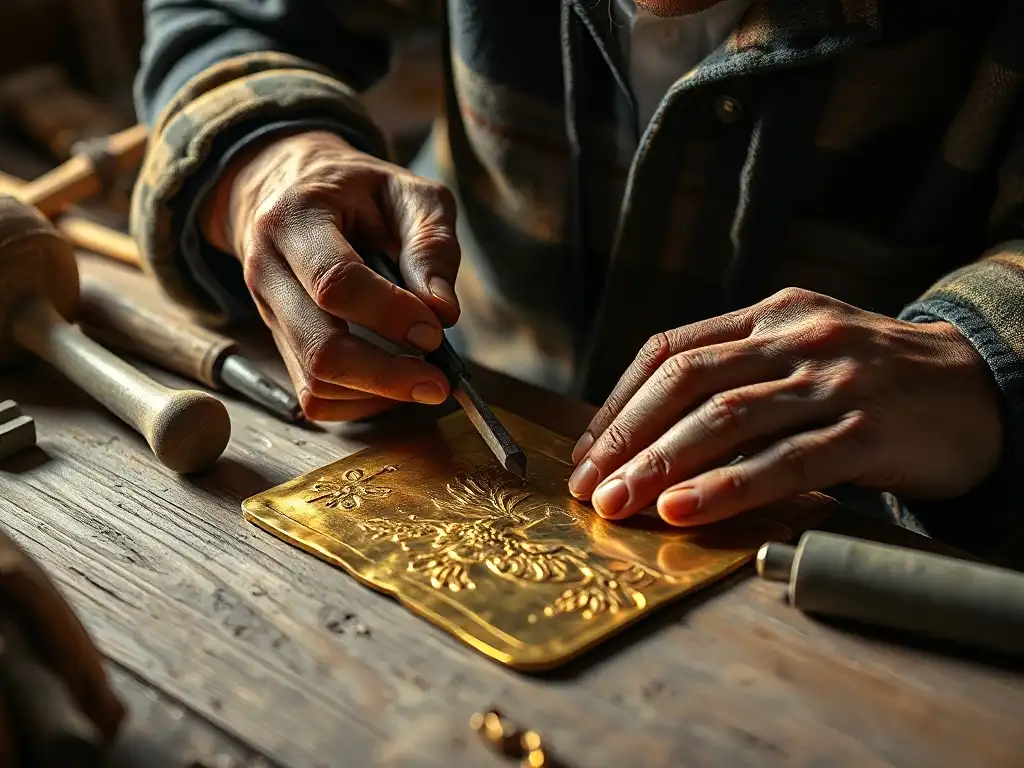
Repoussé and chasing represent a sophisticated pair of metalworking techniques prevalent in Andean metalworking. These techniques, often used in conjunction, allowed artisans to create incredibly detailed and three-dimensional forms from relatively thin sheets of metal. Repoussé, meaning "to push back" in French, involves shaping the metal from the back.
The artisan would place the metal sheet on a pliable material like pitch or resin, then use various tools—mallets, punches, and styluses—to hammer and shape the metal from the reverse side, pushing it outwards to create raised designs on the front. This process requires considerable skill and a keen eye for detail, as the artisan must visualize the final form while working from the back. The level of control demonstrated in many surviving examples is truly remarkable, showcasing the expertise of Andean metallurgists.
Think of the intricate details on some of the gold and silver artifacts—the delicate features of human and animal figures, the flowing lines of textiles depicted in miniature, all achieved through this painstaking process. The malleability of metals like gold and silver was key to the success of this technique.
Chasing, on the other hand, refines the details of the repoussé work. Once the basic form is created using repoussé, the artisan would then work on the front of the metal sheet, using various tools to smooth out the hammered surfaces, sharpen details, and refine the overall aesthetic. This process involved careful hammering and smoothing, often with specialized tools to create fine lines and intricate textures.
The combination of repoussé and chasing allowed Andean artisans to achieve a level of detail and three-dimensionality rarely seen in other contemporary metalworking traditions. The result was objects of stunning beauty and technical mastery, demonstrating a deep understanding of material properties and an exceptional level of artistic skill.
Consider the intricate headdresses and ceremonial objects—many showcasing a remarkable blend of repoussé and chasing—that are testaments to the sophistication of Andean metalworking. The mastery of these techniques is a key element in understanding the evolution of Andean metalworking techniques.
Lost-Wax Casting
Lost-wax casting, also known as the investment casting method, was another crucial technique employed by Andean metallurgists. This method allowed for the creation of complex shapes and intricate details that would have been impossible to achieve through hammering and shaping alone. The process begins with the creation of a wax model of the desired object.
This model, often meticulously detailed, forms the basis of the final metal piece. A mold is then created around the wax model, usually using clay or a similar material. Once the mold is hardened, molten metal is poured into the mold, completely replacing the wax, which is melted and drained away.
After cooling, the mold is broken open, revealing the metal object. The "lost" wax is what gives the process its name. The Andean application of this technique, however, was particularly impressive, given the challenges of working with high-melting-point metals like copper and bronze in their high-altitude environment.
The precision required for lost-wax casting is remarkable. The creation of intricate designs and delicate features within the wax model would have demanded significant skill and patience. The complexity of some of the surviving cast pieces, particularly those from the Moche culture, is astounding.
They often feature multiple components, demonstrating a sophisticated understanding of mold-making and metal casting. The success of the lost-wax technique heavily relied on precise temperature control, careful mold preparation, and a deep understanding of the metallurgical properties of the metals being used. The objects created using this method—from small figurines to large ceremonial vessels—demonstrate a level of sophistication that highlights the advanced technological capabilities of Andean civilizations.
Furthermore, the ability to create hollow forms through lost-wax casting was particularly important for creating lightweight yet visually impressive objects. The intricate details and complex forms achieved through this process are a testament to the advanced knowledge and skill of Andean metalworkers and their profound impact on the development of Andean metalworking techniques.
Alloying and Metal Combinations
The Andean metallurgists were not only skilled in shaping and casting metals but also in the art of alloying. Alloying involves combining different metals to create new materials with improved properties. The Andean civilizations were adept at combining metals like copper, tin, gold, and silver to create a variety of alloys with unique characteristics. Bronze, an alloy of copper and tin, was particularly important, offering increased strength and durability compared to pure copper.
The precise ratios of metals used in these alloys varied depending on the desired properties and the specific metalworking technique employed. For example, different proportions of copper and tin could result in bronze with varying degrees of hardness and malleability. This demonstrates a sophisticated understanding of metallurgy and a capacity to manipulate the material properties of metals to achieve desired results.
The use of gold and silver, often in combination with other metals, was also characteristic of Andean metalworking. These precious metals were valued not only for their aesthetic appeal but also for their malleability and resistance to corrosion. The ability to combine these metals with other alloys, such as bronze, allowed for the creation of objects with unique visual effects and properties.
The Andean artisans demonstrated a profound understanding of how to manipulate these materials to achieve intricate designs and durable, long-lasting artifacts. The rich variety of alloys and metal combinations used in Andean metalworking reflects a deep knowledge of metallurgy and a capacity for technological innovation.
The mastery of alloying was a key factor in the development of Andean metalworking techniques, allowing for the creation of objects with improved properties and a wider range of aesthetic possibilities. The precise recipes and techniques employed remain a subject of ongoing research, highlighting the continued fascination with the sophistication of Andean metallurgy.
Metalworking Traditions of Key Andean Civilizations
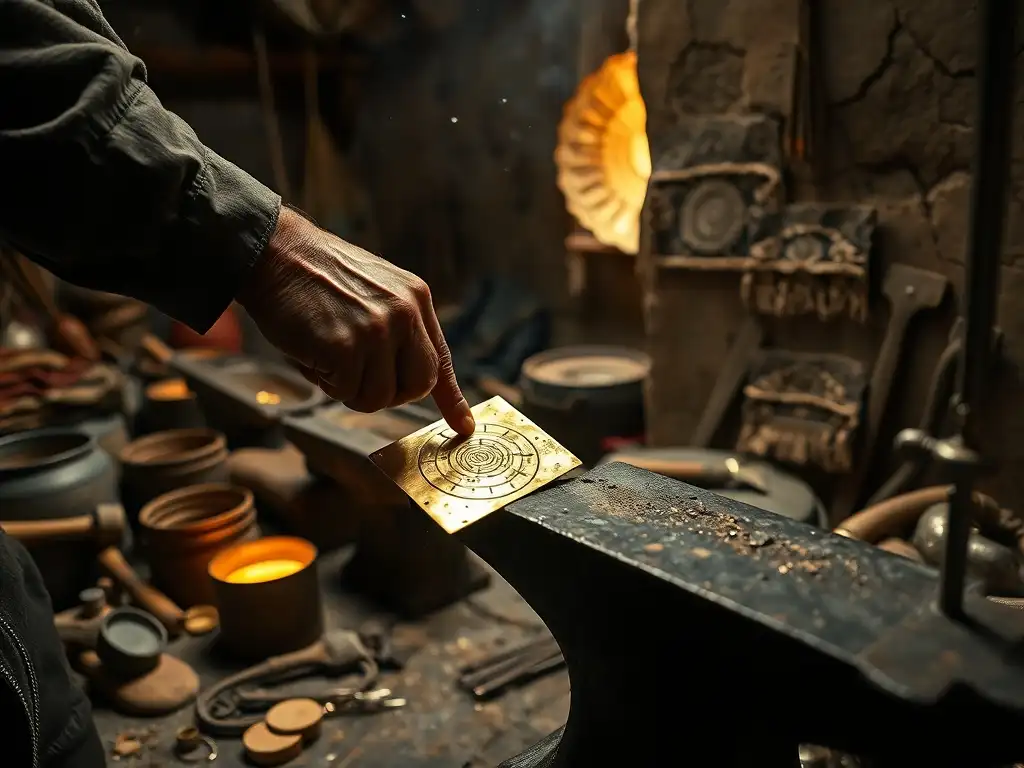
The Andes Mountains, a spine of towering peaks running down the western coast of South America, cradled some of the most innovative and skilled metalworkers of the pre-Columbian era. Their techniques, passed down through generations, resulted in stunning artifacts that continue to fascinate and inspire awe. Understanding Andean metalworking techniques requires examining the unique approaches and styles developed by different civilizations, each leaving its distinct mark on the legacy of Andean metallurgy.
The mastery of these techniques reflects not only technological prowess but also deep spiritual and cosmological beliefs interwoven into the very fabric of their artistry. This section will explore the distinctive metalworking traditions of the Moche, Inca, and Tiahuanaco cultures, highlighting their unique contributions to the rich tapestry of Andean metalworking.
Moche Metalwork: Intricate Gold Artifacts
The Moche civilization (circa 100-800 CE), known for its sophisticated irrigation systems and vibrant artistic expressions, also displayed exceptional skill in metalworking. Their artisans, using techniques like lost-wax casting and hammering, produced intricate gold and silver artifacts. These weren't merely decorative; they served important ritualistic and ceremonial purposes. Moche goldwork is characterized by its detailed representations of deities, animals, and scenes from daily life. The level of detail is astonishing, with features such as finely etched patterns, inlaid gemstones, and incredibly lifelike depictions of human and animal forms.
One notable example is the intricate depiction of a deity often found on ceremonial objects. These figures, often adorned with elaborate headdresses and jewelry, are remarkably realistic and showcase the Moche's mastery of three-dimensional modeling in metal. The use of gold, a material associated with divinity and power, further underscores the religious significance of these artifacts.
Beyond gold, the Moche also utilized copper and alloys, demonstrating a versatile understanding of different metals and their properties. Their metalworking techniques, refined over centuries, represent a pinnacle of artistic achievement within the broader context of Andean metalworking techniques. The meticulous craftsmanship and symbolic richness of Moche metalwork provide invaluable insight into their cosmology and social structure.
Inca Metalworking: Imperial Crafts and Technology
The Inca Empire (1438-1533 CE), the largest pre-Columbian state in the Americas, inherited and expanded upon existing Andean metalworking techniques. Inca metalworking, however, was distinguished by its scale and the organization of its production. The empire's vast resources and centralized control allowed for large-scale production of metal objects, ranging from everyday tools to elaborate royal regalia.
The Incas mastered techniques like repoussé (hammering from the back to create raised designs), filigree (delicate wirework), and gilding (applying a thin layer of gold). They also developed sophisticated alloys, creating unique blends of gold, silver, and copper to achieve specific colors and properties.
Inca metalworkers were highly specialized, organized into workshops and guilds that produced standardized items for the imperial court and elite classes. This standardization is evident in the uniformity of certain artifacts found across the vast Inca empire. While the Inca inherited many techniques from earlier Andean cultures, their innovations in organization and scale significantly impacted the production and distribution of metal goods.
Their mastery of Andean metalworking techniques is evident in the grandeur and sophistication of their gold and silver objects, which often served as symbols of royal power and religious authority. The use of sophisticated alloys and advanced techniques showcases the Inca's technological advancements and their ability to harness resources on an unprecedented scale within the broader history of Andean metalworking techniques.
Tiahuanaco Metal Craft: Bronze and Copper Innovations
The Tiahuanaco culture (circa 500-1000 CE), located on the shores of Lake Titicaca, developed its own distinct style of metalworking. While less renowned for goldwork than the Moche or Inca, the Tiahuanaco artisans were skilled in working with bronze and copper. They employed techniques such as casting and hammering to create tools, weapons, and ceremonial objects. Unlike the highly ornate styles of other Andean cultures, Tiahuanaco metalwork often featured simpler, more geometric designs. This stylistic difference likely reflects different aesthetic preferences and religious beliefs.
The use of bronze, an alloy of copper and tin, indicates a more advanced understanding of metallurgy. Producing bronze requires precise control over the smelting process and the ratios of the component metals. This suggests a high level of technological sophistication within the Tiahuanaco culture.
The Tiahuanaco's mastery of bronze casting is evident in the production of tools and weapons, which were essential for agriculture, warfare, and daily life. While less abundant than gold and silver artifacts from other Andean civilizations, surviving examples of Tiahuanaco metalwork offer valuable insights into their technological capabilities and cultural practices, adding another layer to our understanding of the diverse range of Andean metalworking techniques. Further research is needed to fully understand the nuances of their techniques and the extent of their metalworking production.
Chimor Metalwork: Feathered Headdresses and Ceremonial Objects
The Chimor, a powerful kingdom flourishing along the northern coast of Peru from roughly 1300 to 1470 CE, developed sophisticated metalworking techniques, distinct from those of their Andean neighbors. Their artistry was characterized by a remarkable level of detail and a preference for certain materials and decorative motifs. While gold was certainly used, Chimor metalworkers showed a particular fondness for silver and copper alloys, often combining them to create visually striking objects. This preference might reflect the readily available resources in their coastal region, as well as a distinct aesthetic sensibility.
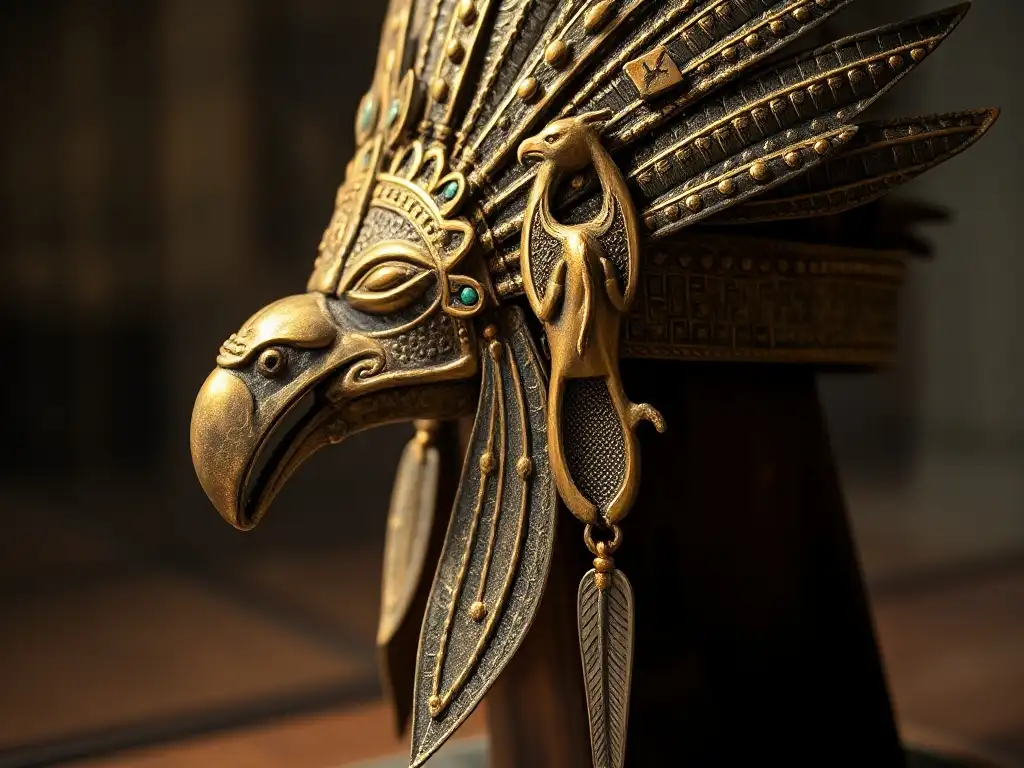
One of the most iconic examples of Chimor metalwork is the intricately crafted feathered headdresses. These were not simply decorative pieces; they held significant ceremonial and symbolic meaning, likely worn by elite members of society during important rituals and festivals. The headdresses were typically constructed from a base of hammered sheet metal, often silver or a copper alloy, onto which meticulously crafted feathers were affixed.
The mastery of the Chimor artisans is evident in the precise placement and arrangement of each feather, creating a breathtakingly detailed and visually stunning effect. The feathers themselves were likely imported from various regions, underscoring the extent of the Chimor trade networks and their access to rare and valuable materials. Recent archaeological discoveries continue to uncover new examples of these headdresses, revealing further nuances in their design and construction.
Beyond the iconic headdresses, Chimor metalworkers produced a wide array of ceremonial objects, including intricately designed vessels, masks, and ornaments. These artifacts often featured stylized depictions of animals, humans, and mythical creatures, reflecting the complex religious beliefs and cosmology of the Chimor culture. The use of repoussé—a technique involving hammering from the back of a sheet of metal to create raised designs—was prevalent in Chimor metalwork, allowing for the creation of three-dimensional figures and intricate patterns.
This showcases their advanced understanding of metallurgy and their ability to manipulate metal to achieve remarkable levels of detail and artistic expression. The use of inlay, where pieces of contrasting metal are inserted into a base metal, further enhanced the visual impact of their creations. Many of these objects have survived remarkably well, offering invaluable insights into the technical skills and artistic achievements of Chimor metalworkers.
Analysis of the alloys used reveals a sophisticated understanding of metallurgy, indicating a carefully managed process of experimentation and refinement over generations. The careful preservation of these artifacts allows us to appreciate the artistry and ingenuity of a civilization that left behind a lasting legacy of metallurgical innovation.
Andean metalworking techniques weren't merely technological achievements; they were deeply intertwined with the social fabric and spiritual beliefs of the Andean civilizations. The creation and use of metal objects held profound meaning, reflecting power structures, religious practices, and the societal roles of skilled artisans. Understanding this significance is crucial to appreciating the full scope of Andean metallurgy. The intricate artistry wasn't just about aesthetics; it was a powerful language communicating social status, religious ideology, and cultural identity. The very act of metalworking was imbued with symbolic weight, a testament to human ingenuity and connection to the spiritual realm.
Metal as a Symbol of Power and Status
The possession and display of metal objects, particularly those crafted from gold, silver, and copper alloys like tumbaga (a gold-copper alloy), were potent symbols of power and high social status within Andean societies. Elites, rulers, and priests adorned themselves with elaborate jewelry, headdresses, and ceremonial garments inlaid with precious metals. These weren't simply decorative items; they were visual affirmations of authority and divine favor.
For example, the intricate gold and silver artifacts found in royal tombs, such as those of the Moche culture, vividly illustrate the power associated with metalwork. The sheer quantity and quality of the metal objects interred with the elite underscore their elevated position within society. Furthermore, the distinctive styles and iconography employed in the metalwork often served to identify specific lineages and reinforce their claims to power.
The size and complexity of the metal objects – from massive gold masks to intricately detailed jewelry – directly correlated with the social standing of their owner. This visual representation of power served as a critical mechanism for maintaining social hierarchy and reinforcing the legitimacy of ruling elites.
Metalwork in Religious and Ritual Contexts
Andean metalworking techniques were intimately connected to religious beliefs and ritual practices. Metal objects played a central role in religious ceremonies, serving as offerings to deities, tools for divination, and symbolic representations of supernatural forces. Many artifacts were crafted in the form of deities, animals, or other sacred symbols, suggesting their use in rituals aimed at ensuring successful harvests, appeasing the gods, or communicating with the spirit world.
For instance, the Nazca culture produced numerous gold and silver figurines depicting deities and mythical creatures, which were likely used in religious ceremonies. The meticulous detail and craftsmanship evident in these objects highlight their significance within the religious context. Furthermore, the discovery of metal objects in sacred sites and burial mounds strongly suggests their importance in funerary rites and the belief in an afterlife.
The presence of these artifacts indicates the belief that they would be needed by the deceased in the next world, highlighting the enduring value placed on metalwork beyond the earthly realm. The use of specific alloys or techniques in religious objects may have also held symbolic meaning, further demonstrating the complex relationship between Andean metalworking and religious practices.
The Role of Andean Metal Artisans
The creation of Andean metalwork was not a solitary endeavor. Highly skilled artisans, often working within specialized workshops, played a critical role in the production of these objects. The expertise required to mine, refine, and shape metals into such intricate forms suggests a high degree of specialization and a complex division of labor. While the exact social status of these artisans remains a subject of ongoing research, their skills were clearly valued and essential to the societies they served.
Evidence suggests that some artisans enjoyed a degree of prestige and influence, perhaps acting as advisors or intermediaries between the elite and the supernatural world. The transmission of metalworking techniques likely involved apprenticeships and family traditions, ensuring the continuity of these crucial skills across generations. The dedication and precision required to produce these objects suggest a deep commitment to craftsmanship and a profound understanding of the materials and techniques involved.
The legacy of Andean metalworking not only rests on the stunning artifacts themselves, but also on the untold stories of the skilled artisans who brought them to life, showcasing the human element behind these technological achievements. Further research is needed to fully understand the social organization and economic structures that supported these workshops and the lives of the artisans themselves. The discovery of more workshops and tools would provide a greater insight into the daily life and working conditions of these skilled individuals.
The Economic Impact of Metal Production and Trade
The economic influence of Andean metalworking was substantial, shaping the social structures and political landscapes of various civilizations. The production of metal objects, from everyday tools to elaborate ceremonial items, fueled specialized labor and fostered the growth of artisan communities. Control over metal resources, particularly valuable ores like gold and silver, became a key element of political power. Access to these resources and the skilled labor to process them allowed rulers to consolidate their authority and wealth. The distribution of metal goods, through tribute systems or trade networks, further solidified economic control and fostered alliances or exerted dominance over neighboring groups.
The economic impact extended beyond the immediate producers; the demand for metal goods stimulated economic activity across wider regions, influencing agricultural production, transportation, and other sectors. For example, the extensive trade networks that developed around the distribution of gold and silver objects in the Inca Empire generated wealth and facilitated communication across vast distances. The creation of these networks required significant infrastructure development, further boosting the economy. The economic significance of Andean metalworking is evident in archaeological findings, demonstrating the widespread distribution of metal artifacts and the sophistication of the production and trade systems involved. The value placed on certain metals, like gold, which was often associated with divinity and power, further cemented its economic importance within the Andean societies.
The high demand for these precious metals drove innovation in mining and metallurgical techniques, leading to a continuous cycle of economic growth and technological advancement. Fluctuations in the availability of specific ores or changes in trade routes could significantly impact the economy, highlighting the crucial role metal production played in the stability and prosperity of these Andean civilizations. A decline in metal production, for instance, due to political upheaval or environmental factors, could have far-reaching consequences for the entire society. The intricate relationship between metal production, trade, and economic prosperity makes it a critical aspect of understanding the complexity of Andean societies.
Legacy and Influence of Andean Metalworking
Andean metalworking techniques represent a remarkable achievement in pre-Columbian technology, leaving an enduring legacy that continues to inspire and influence artisans and artists today. The sophisticated techniques employed by Andean cultures, particularly the mastery of alloying, casting, hammering, and repoussé, resulted in objects of unparalleled beauty and functionality. These techniques weren't merely practical; they were deeply intertwined with religious beliefs, social structures, and artistic expression.
The intricate designs and high-quality craftsmanship reflect a deep understanding of materials and a commitment to artistic excellence. The legacy of Andean metalworking is not simply a collection of artifacts; it's a testament to human ingenuity and cultural resilience. The impact of these techniques can still be seen in contemporary metalwork, with many modern artists drawing inspiration from the unique aesthetic and technical prowess of their Andean predecessors.
The sheer variety of objects produced – from intricate jewelry and ceremonial tools to monumental sculptures – underscores the breadth and depth of this ancient metallurgical tradition. This sophisticated understanding of metallurgy, coupled with artistic innovation, continues to fascinate researchers and inspire contemporary artists alike. The enduring influence of Andean metalworking is a clear indication of its significance in the history of human technological advancement.
Andean Metalworking Techniques in Modern Art
The influence of ancient Andean metalworking techniques extends far beyond historical significance; they continue to inspire contemporary artists. Modern artisans frequently draw upon the rich visual vocabulary and technical mastery evident in pre-Columbian artifacts. The use of repoussé, a technique where metal is shaped from the back using hammers and punches, is particularly prevalent.
Many contemporary artists working with precious metals and other materials emulate the intricate designs and detailed work found in ancient Andean jewelry and ceremonial objects. For instance, the detailed depictions of animals and mythical beings, common in ancient Andean metalwork, are often reinterpreted in modern art, showcasing a continuity of artistic expression across millennia. The use of alloys, particularly gold-copper alloys that created unique colors and durability, is also a technique that modern artists continue to explore and refine.
The vibrant colors and the shimmering surfaces achieved by ancient Andean metallurgists are frequently emulated in contemporary work, highlighting a continued appreciation for this ancient craft. The legacy of Andean metalworking, therefore, isn't merely a historical artifact; it's a living tradition that continues to inspire creativity and innovation in the art world. Analyzing contemporary art inspired by Andean techniques reveals a fascinating dialogue between past and present, demonstrating the enduring power of ancient artistic traditions.
The Preservation of Ancient Andean Metalworking Knowledge
The preservation of ancient Andean metalworking knowledge is a critical undertaking for both historical and cultural reasons. Efforts to understand and document these techniques involve a multidisciplinary approach, including archaeological excavation, metallurgical analysis, and ethnographic research. Careful excavation and preservation of archaeological sites are essential to protect artifacts and gain insights into the processes used.
Metallurgical analysis, employing techniques like X-ray fluorescence and electron microscopy, helps identify the composition of alloys and understand the techniques used in their creation. Ethnographic studies of contemporary Andean communities sometimes still practicing traditional metalworking techniques provide valuable insights into the continuity of these practices and offer a direct link to the past. However, much of the knowledge regarding specific processes and techniques remains lost to time.
Further research and collaboration between archaeologists, metallurgists, and cultural heritage specialists are crucial to unlock the remaining mysteries of ancient Andean metalworking and ensure that this invaluable knowledge is preserved for future generations. The ongoing effort to decipher ancient techniques is not merely an academic exercise; it's a vital contribution to the preservation of cultural heritage and a deeper understanding of human ingenuity. Preserving this knowledge helps us appreciate the complex interplay of technology, artistry, and cultural beliefs that characterized Andean societies.
Understanding the Technological Achievements of the Andes
The technological achievements of Andean metalworking are truly remarkable, particularly considering the limited tools and resources available. The ability to create complex alloys, such as tumbaga (a gold-copper alloy), demonstrates a sophisticated understanding of metallurgy. The precise control over casting, hammering, and repoussé techniques allowed for the creation of intricate designs and three-dimensional forms. The development of sophisticated furnaces for smelting ores and the ability to create durable and aesthetically pleasing objects from relatively scarce metals are also significant achievements.
Detailed analysis of ancient Andean metal artifacts reveals a high level of technical skill and precision, reflecting a mastery of the craft that was passed down through generations. Moreover, the use of molds for casting, often made of clay or stone, showcases an advanced understanding of manufacturing processes. The ability to create such intricate and durable objects highlights the advanced level of technological understanding possessed by these Andean civilizations.
These technological feats demonstrate not only a high level of technical skill but also a deep understanding of materials science and engineering principles. Further research is needed to fully understand the nuances of Andean metalworking techniques and their impact on Andean societies. The technological advancements in Andean metalworking stand as a testament to human ingenuity and adaptability, demonstrating the capacity for innovation even under challenging circumstances.
New Discoveries and Ongoing Research in Andean Metallurgy
The study of Andean metalworking techniques is a vibrant and ever-evolving field. New archaeological discoveries regularly reshape our understanding of these ancient civilizations' metallurgical prowess. Recent excavations in the highlands of Peru, for example, have unearthed previously unknown workshops containing intricate tools and discarded metal fragments, providing invaluable insights into the production process.
These findings offer a more nuanced perspective on the division of labor, the level of specialization among artisans, and the scale of metal production in specific regions. Analysis of the unearthed tools reveals sophisticated techniques, such as the use of specialized hammers and anvils, indicating a high degree of skill and precision. The discovery of previously unidentified alloys also expands our knowledge of the materials used and the innovative approaches employed by Andean metallurgists.
Furthermore, ongoing research utilizes advanced analytical techniques, such as X-ray fluorescence spectroscopy and electron microscopy, to analyze the chemical composition of artifacts and determine the precise sources of the metals used. This allows researchers to trace trade routes and networks that connected different Andean communities. For instance, the identification of specific copper sources in certain artifacts can help establish connections between distant settlements and reveal the extent of exchange and cooperation among different groups.
These techniques also help in understanding the techniques used in alloying, casting, and finishing, providing a deeper understanding of the complex processes involved in Andean metalworking. The application of these technologies promises to reveal even more secrets hidden within these ancient artifacts, further enriching our understanding of Andean metallurgy.
The ongoing study of ancient Andean metallurgical practices is not limited to physical artifacts. Ethnoarchaeological research, which involves studying contemporary craft traditions, offers valuable comparative data and can shed light on techniques and processes that may have been used in the past.
By observing and documenting the practices of modern artisans who continue to work with metal using traditional methods, researchers gain insights into the potential tools, techniques, and social contexts of ancient metalworking. This interdisciplinary approach combines archaeological discoveries with ethnographic studies to create a more comprehensive and accurate picture of Andean metallurgical traditions.
This holistic approach greatly enhances our understanding of the cultural and social significance of metalworking within these ancient societies, moving beyond a purely technological analysis to encompass its broader societal implications. The integration of diverse research methods promises a continuous stream of new discoveries and a constantly evolving understanding of this remarkable aspect of Andean civilization.
Frequently Asked Questions
What unique metalworking techniques did Andean civilizations employ?
Andean civilizations were masters of lost-wax casting, a complex process that allowed them to create intricate gold, silver, and copper objects. They also developed advanced techniques in hammering, repoussé, and soldering.
How did the Incas compare to other Andean cultures in terms of metalworking?
While the Incas inherited and adapted existing techniques, their empire saw a standardization of metalworking and a large-scale production of objects, especially in gold and silver, for religious and elite purposes.
What were some of the primary metals used by Andean metallurgists?
The most common metals were gold, silver, and copper, often alloyed together to create different colors and strengths. Bronze, an alloy of copper and tin, was also utilized, though less frequently than in other parts of the world.
What was the significance of metalwork in Andean societies?
Metalwork held immense religious and political significance. Elaborate gold and silver objects were used in ceremonies, adorned temples, and served as symbols of power and authority for the ruling elite.
Where can I learn more about Andean metalworking techniques and artifacts?
Many museums worldwide house significant collections of Andean metalwork. You can also explore academic journals and books dedicated to Andean archaeology and metallurgy for in-depth information on the subject.
Final Reflection: The Enduring Fire of Andean Metallurgy
The intricate artistry of Andean metalworking, once confined to the heights of the Andes, continues to resonate globally, a testament to the ingenuity and cultural depth of ancient civilizations. Its impact extends far beyond museum displays, shaping our understanding of pre-Columbian societies and inspiring contemporary artists and artisans alike. The techniques, the artistry, the sheer innovation – all speak to a legacy that refuses to be silenced.
The enduring power of Andean metallurgy lies not just in the breathtaking objects it produced, but in the profound connection it forged between humans and their environment. The meticulous processes, the mastery of alloys, and the symbolic significance imbued in each piece reveal a sophisticated understanding of the world. The metalworker was not merely a craftsman, but a shaman, a bridge between the earthly and the spiritual realms.
This quote, though hypothetical, captures the essence of the deep cultural significance woven into the very fabric of these ancient techniques. The legacy continues to inspire contemporary artists, reminding us of the power of human creativity and the enduring beauty of handcrafted objects.
Consider the intricate details, the symbolic representations, the sheer technical prowess demonstrated in these ancient artifacts. You, the reader, are now part of this legacy. Take a moment to reflect on the ingenuity and dedication of the Andean metalworkers. Let their artistry inspire you to appreciate the craftsmanship in your own life, to seek out the stories behind the objects you encounter, and to recognize the enduring power of human creativity to transcend time and space. Let the fire of Andean metallurgy ignite your own passion for artistry and innovation.
Unveil the Wonders of Andean Metallurgy!
Thank you for joining us on this exploration of Andean metallurgy, a testament to the ingenuity and skill that shaped cultures for centuries. We hope you've gained valuable insights into this rich heritage and feel inspired to learn more about the remarkable stories behind these ancient practices. Let's continue your journey of discovery!
- Explore our extensive collection of articles and resources to learn more about the techniques and tools used in Andean metallurgy.
- Share this article with friends and fellow enthusiasts to spark conversations about the lasting impact of these ancient practices on modern craftsmanship.
- Join our online community forum to connect with other history buffs and artisans, and discuss your thoughts and experiences related to Andean metalworking.
What aspect of Andean metallurgy fascinates you most, and how do you see its influence on contemporary craftsmanship?