
Walking in the Footsteps of the Incas: A Journey Through History

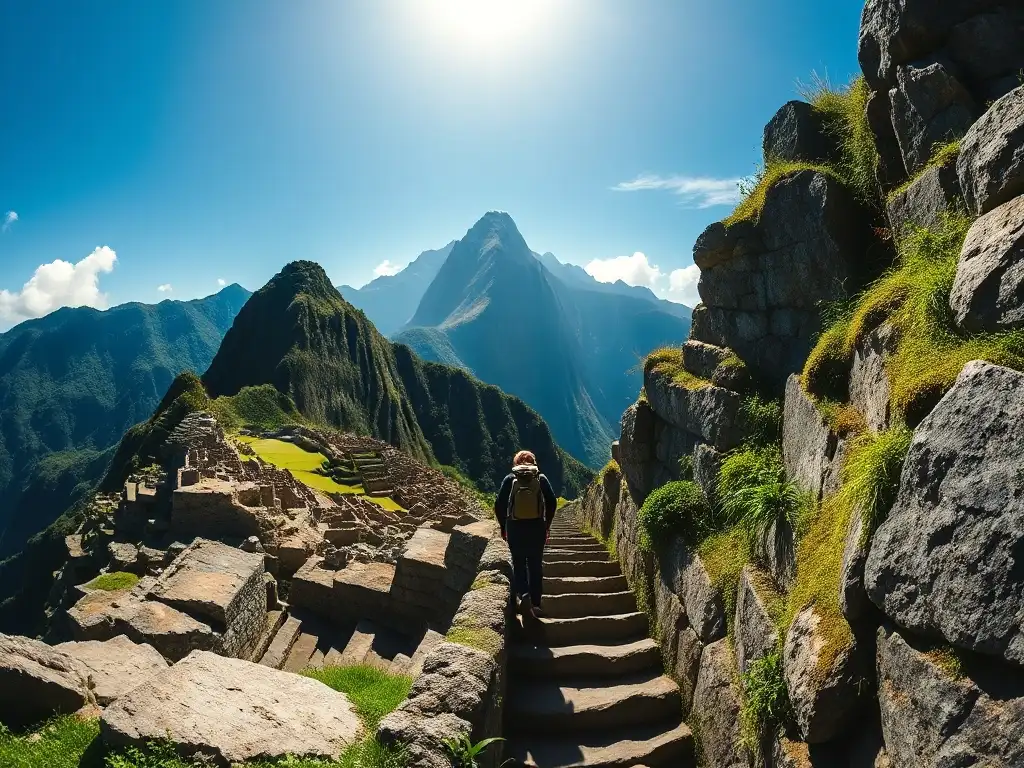
Step into a world lost to time, yet echoing with the whispers of empires. Prepare to be captivated by the enigmatic legacy of the Andean civilizations, from the breathtaking artistry of the Nazca lines to the sophisticated engineering of the Incas. This journey begins with our Inca history travel guide, unlocking secrets of a civilization that continues to inspire awe. Discover the breathtaking landscapes and intricate histories that await – your adventure into the heart of Andean culture starts now.
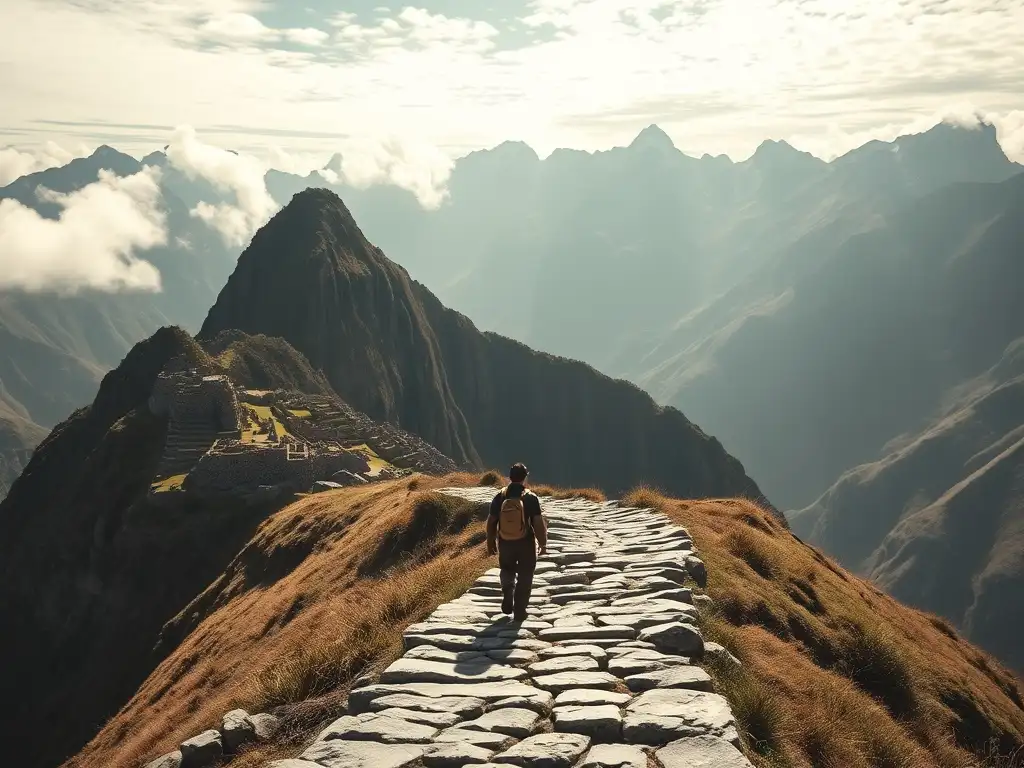
Embark on a captivating exploration of Inca history, a civilization that once thrived across the Andes Mountains, leaving behind an enduring legacy of architectural marvels, intricate social structures, and a rich tapestry of cultural traditions. This comprehensive travel guide delves into the planning and execution of an unforgettable journey through time, allowing you to walk in the footsteps of the Incas and witness firsthand the grandeur of their empire.
We'll cover everything from meticulous pre-trip planning to immersing yourself in the vibrant Inca culture, ensuring your Inca history adventure is both enriching and rewarding. This guide is perfect for anyone seeking an authentic and insightful experience, fulfilling the needs of the discerning traveler seeking a deeper understanding of Inca history.
Prepare to be amazed by the ingenuity and resilience of this remarkable civilization, as we unravel the mysteries and unveil the wonders of the Inca world. This detailed guide will help you plan your trip and maximize your experience, answering your questions as you prepare to explore the rich tapestry of Inca history.
Planning Your Inca History Adventure: A Travel Guide
Before you set foot on the ancient Inca trails, careful planning is crucial for a safe and enriching experience. This section provides a step-by-step guide to help you organize your Inca history adventure. Remember, proper preparation is key to maximizing your enjoyment and understanding of this fascinating civilization.
Understanding the Scope of Inca Civilization
The Inca Empire, at its zenith, stretched across a vast territory encompassing modern-day Peru, Bolivia, Ecuador, Colombia, Argentina, and Chile. Understanding the sheer scale of this empire is essential to appreciating the complexity of its history and the diversity of its cultural expressions. From the imposing stonework of Machu Picchu to the intricate agricultural terraces carved into the mountainside, the Inca legacy is deeply woven into the very fabric of the Andes.
Their sophisticated system of governance, advanced engineering feats, and unique religious beliefs all contributed to the remarkable success and longevity of their civilization. Before embarking on your journey, dedicate time to learning about the different periods of Inca history, understanding their social hierarchy, and familiarizing yourself with key figures and events that shaped their world. This foundational knowledge will significantly enhance your experience.
Step-by-Step Guide to Experiencing Inca History
This section provides a practical, step-by-step guide to help you plan and execute your Inca history adventure. Each step is designed to ensure a smooth and fulfilling journey, allowing you to fully immerse yourself in the richness of Inca culture and history.
Step 1: Research and Choose Your Inca Trail
Choosing the right Inca trail is paramount. Consider your fitness level, available time, and desired level of challenge. Do you prefer a well-maintained, easily accessible site, or are you up for a more strenuous trek? Thorough research is crucial to selecting a trail that aligns with your capabilities and expectations. Researching different Inca sites and understanding their historical significance will allow you to create a personalized itinerary that caters to your interests. Detailed maps and informative guides will prove invaluable in navigating these ancient pathways.
Step 2: Essential Gear for Your Inca Journey
Packing the right gear is crucial for a comfortable and safe journey. The Andean climate can be unpredictable, ranging from scorching sun to freezing temperatures. Essential items include sturdy hiking boots, appropriate clothing for varying weather conditions, a high-quality backpack, sunscreen, insect repellent, a first-aid kit, and plenty of water. Remember to pack light but ensure you have everything necessary for a multi-day trek if applicable. A detailed packing list, customized to the specific trail and time of year, will greatly enhance your preparedness.
Step 3: Exploring Key Inca Archaeological Sites
Numerous awe-inspiring Inca archaeological sites await exploration. From the iconic Machu Picchu to the lesser-known but equally fascinating Ollantaytambo and Sacsayhuamán, each site offers a unique glimpse into Inca history and engineering prowess. Researching each site in advance will help you prioritize your visits and allocate sufficient time for a thorough exploration. Consider guided tours to gain deeper insights into the history and significance of each location. This will add an extra layer of context to your exploration.
Step 4: Immerse Yourself in Inca Culture
Beyond the archaeological sites, immerse yourself in the vibrant Inca culture that continues to thrive today. Engage with local communities, learn about traditional crafts and customs, and savor the delicious flavors of Andean cuisine. This will provide a more complete and authentic understanding of Inca heritage. Consider attending local festivals or participating in cultural activities to enhance your immersion. This will add a richer dimension to your Inca experience, extending beyond just the historical sites.
Maximizing Your Inca Travel Experience
Planning a trip to explore Inca history requires careful consideration to ensure a rewarding and enriching experience. Understanding the best times to visit, considering altitude sickness precautions, and selecting suitable accommodations are crucial factors. The dry season (May to September) generally offers the best weather for trekking and exploring archaeological sites, although it's also the peak tourist season.
Booking accommodations and tours well in advance is highly recommended, especially if you plan to hike the Inca Trail to Machu Picchu, which often requires permits secured months in advance. Remember to pack layers of clothing as temperatures can fluctuate significantly, particularly at higher altitudes. Altitude sickness is a real concern; acclimatizing gradually by spending a few days at lower altitudes before heading to higher elevations is strongly advised.
Consider consulting your doctor about altitude sickness medication if you have concerns. Finally, researching different tour options and choosing one that aligns with your interests and fitness level is essential for a personalized and enjoyable experience. Don't forget to factor in travel time between sites, as distances can be significant.
Tips for a Safe and Enjoyable Inca Journey
Safety should be paramount when embarking on an Inca history journey. Familiarize yourself with local customs and regulations before you go. Learn basic Spanish phrases, as it will enhance your interactions with locals. Always be aware of your surroundings, especially in crowded areas. Carry a copy of your passport and important documents separately from your main luggage. Inform someone of your itinerary and expected return.
Consider purchasing travel insurance that covers medical emergencies, trip cancellations, and lost belongings. Stay hydrated by drinking plenty of water, especially at higher altitudes. Be mindful of the sun and use sunscreen, a hat, and sunglasses to protect yourself from the strong Andean sun. Respect the archaeological sites and follow any guidelines provided by park authorities. Avoid touching or climbing on ancient structures to preserve their integrity. Remember that responsible travel contributes to the preservation of these invaluable historical sites for future generations.
Capturing Memories of Your Inca Adventure
Documenting your Inca journey is crucial for preserving the memories of this incredible experience. High-quality photography and videography can capture the stunning landscapes, intricate architecture, and vibrant culture. However, remember to be respectful of the sites and avoid using flash photography inside ruins, as it can damage delicate artifacts.
Consider keeping a travel journal to record your personal reflections, experiences, and observations. This will allow you to relive the journey long after you return home. Taking notes on interesting facts, historical details, and conversations with locals will add depth and context to your memories.
Don't forget to collect small mementos, such as postcards or local crafts, that evoke the spirit of your adventure. These tangible items can serve as reminders of your journey and create a lasting connection to the Inca civilization. Consider creating a photo album or scrapbook to organize your photos and mementos, adding handwritten captions to enhance their significance.
Post-Trip Reflection on Inca History
After returning from your Inca journey, take some time to reflect on your experience. Review your photos, videos, and journal entries to relive the highlights of your trip. Consider what aspects of Inca history particularly resonated with you. Did you learn something new or gain a deeper appreciation for the Inca civilization? Were there any unexpected discoveries or moments that stood out?
Reflecting on these questions will help you process your experiences and integrate your learnings into your understanding of Inca history. You might find it beneficial to share your reflections with others, either through conversation or writing. This will help solidify your memories and deepen your understanding of the Inca civilization. Consider researching further on specific aspects of Inca history that intrigued you during your trip. This could involve reading books, watching documentaries, or visiting museums.
Continuing Your Learning Journey
Your Inca travel experience doesn't have to end when you return home. There are numerous ways to continue learning about Inca history and culture. Explore online resources, such as academic journals, documentaries, and virtual museum tours. Join online communities or forums dedicated to Inca history to connect with other enthusiasts and experts.
Consider enrolling in a relevant course or attending lectures on Inca civilization at a local university or museum. Visiting museums and exhibitions related to Inca culture can provide a deeper understanding of their art, technology, and daily life. Reading books and articles written by historians and archaeologists can offer diverse perspectives and insights. By continuing your learning journey, you can extend the enriching experience of your Inca trip and deepen your appreciation for this fascinating civilization.
Sharing Your Experiences and Inspiring Others
Sharing your Inca travel experiences can inspire others to embark on their own journeys of discovery. Consider writing a blog post or creating a travel video documenting your adventure. Share your photos and stories on social media platforms, tagging relevant locations and museums. Give presentations or talks to friends, family, or local groups about your trip and the insights you gained.
Participate in online discussions and forums, sharing your knowledge and experiences with other enthusiasts. By actively sharing your experiences, you contribute to the wider appreciation of Inca history and culture. This can inspire others to explore the rich heritage of the Andes and contribute to the preservation of these invaluable historical sites. Your passion for Inca history can inspire future generations to explore and learn, fostering a deeper understanding and appreciation of this remarkable civilization.
- Planning Your Inca History Adventure: A Travel Guide
- Step-by-Step Guide to Experiencing Inca History
- Maximizing Your Inca Travel Experience
- Post-Trip Reflection on Inca History
Frequently Asked Questions
What is the best time of year to visit Inca sites in Peru?
The dry season (May to September) offers the best weather for exploring Inca sites. Expect sunny days and cooler nights, ideal for hiking and sightseeing. However, this is also peak tourist season.
Are guided tours necessary to visit Machu Picchu?
While you can visit Machu Picchu independently, a guided tour is highly recommended. A guide provides valuable historical context and insights into the site's significance, enhancing your experience.
How can I prepare for the altitude sickness at high Inca sites?
Acclimatize gradually to the altitude by spending a few days at lower elevations before visiting high-altitude sites. Stay hydrated, avoid strenuous activity initially, and consider altitude sickness medication if needed.
What are some must-see Inca sites besides Machu Picchu?
Beyond Machu Picchu, explore Sacsayhuamán, Qenqo, Puka Pukara, and Tambomachay, all located near Cusco. These sites offer a broader understanding of Inca architecture, engineering, and religious practices.
How can I book my Inca Trail trek to Machu Picchu?
Booking your Inca Trail trek well in advance is crucial, often months ahead, due to permit limitations. Use reputable tour operators to ensure a smooth and responsible trekking experience. Permits sell out quickly.
Final Reflection: Echoes of the Empire, Whispers of the Future
The legacy of the Inca Empire continues to resonate today, not just in the breathtaking ruins scattered across the Andes, but in the very fabric of Peruvian culture and identity. The intricate network of roads, the sophisticated agricultural techniques, and the enduring myths and legends all speak to a civilization that, despite its relatively short lifespan, left an indelible mark on the world. Understanding this history is not just an academic exercise; it's a key to understanding the complexities of modern Peru and the challenges facing its people today.
The journey through Inca history is a deeply personal one. It's a journey of discovery, of confronting the grandeur of a lost civilization and grappling with the ethical implications of its conquest. The past is never dead. It's not even past.
– William Faulkner. This quote rings particularly true when exploring the Inca Empire, as its echoes reverberate in contemporary discussions about colonialism, preservation, and the delicate balance between tourism and cultural integrity. The stories of the Inca people, their resilience, and their ultimate fate serve as a powerful reminder of the fragility of empires and the enduring strength of human spirit.
Consider the impact of this journey on your own perspective. What resonates most with you – the ingenuity of their engineering, the depth of their spirituality, or the tragic consequences of their encounter with the Spanish?
Take this reflection with you as you plan your own journey, whether it's a physical trek through the Andes or a deeper exploration of Inca history and culture. Let the echoes of the past inspire you to appreciate the present and to build a future where we learn from the mistakes of the past and strive to protect the incredible heritage of civilizations like the Inca.
Embark on Your Own Incan Adventure!
Thank you for learning about the captivating journey through the footsteps of the Incas! You've discovered the enchanting history and culture of this ancient civilization that shaped the Andean world. Now, it's time to deepen your connection with this rich heritage.
Here are some ways to further explore and celebrate the Incan legacy:
- Join a guided tour that retraces the Incan trails, immersing yourself in breathtaking landscapes and historical narratives. You'll gain a deeper understanding from expert guides.
- Plan your own trek to Machu Picchu; consider unique routes like the Lares or Salkantay Trails for a less crowded and more immersive experience. These alternative trails offer stunning scenery and a chance to connect with local communities.
- Share your newfound knowledge with friends and family, or post about it on social media—help spread awareness of this fascinating culture! You might even inspire others to learn more.
What aspect of Incan history most captivates you, and how will you explore it further?