
The Unwritten History: Indigenous Perspectives on the Andean Past

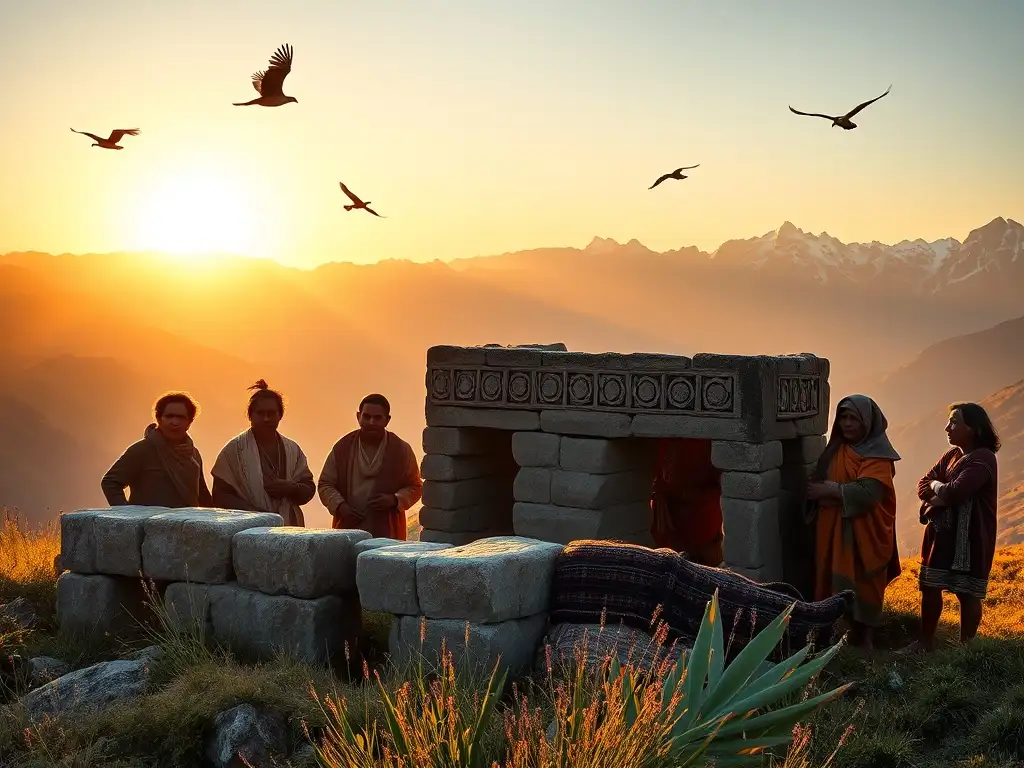
Step into a world lost to time, yet echoing with the vibrant voices of a forgotten past. Discover the breathtaking ingenuity and enduring legacy of the Andean civilizations, from the intricate artistry of the Nazca lines to the sophisticated engineering of Machu Picchu. This journey into Andean civilizations indigenous history unveils untold stories, challenging conventional narratives and offering fresh perspectives on a civilization that continues to captivate and inspire. Prepare to be amazed as we unravel the mysteries and unveil the remarkable truth behind their achievements. Are you ready to uncover the unwritten history?
- Unveiling the Andean Past: Indigenous Perspectives on Andean Civilizations
- Challenging Conventional Narratives of Andean Civilizations
- Key Themes in Indigenous Accounts of Andean History
- Specific Case Studies: Indigenous Perspectives on Andean Cultures
- The Role of Indigenous Communities in Preserving Andean Heritage
- The Future of Andean History: Collaboration and Respect
- Conclusion: Recognizing the Value of Indigenous History
-
Frequently Asked Questions
- What is the focus of this article on Andean civilizations?
- Which Andean civilizations are discussed in "The Unwritten History"?
- How does this article differ from traditional accounts of Andean history?
- What types of sources are used to present these indigenous perspectives?
- Where can I learn more about the Andean civilizations and their indigenous history?
- Final Reflection: Reclaiming the Narrative of the Andes
- Engage With the Legacy: Discover, Respect, and Share!
Unveiling the Andean Past: Indigenous Perspectives on Andean Civilizations
The history of the Andes is often told through the lens of colonial accounts and archaeological findings, creating a narrative that frequently overlooks the perspectives and experiences of the indigenous populations who were its primary architects. This article seeks to redress this imbalance by exploring the crucial role of indigenous voices in understanding the rich tapestry of Andean civilizations.
We will move beyond the dominant narratives of the Inca Empire, examining the contributions and interpretations of various indigenous communities, including those of the Moche, Nazca, and Tiahuanaco cultures, to offer a more complete and nuanced picture of the Andean past. By amplifying indigenous perspectives, we aim to achieve a more accurate and respectful representation of Andean history, recognizing the enduring legacy of these vibrant cultures and their continued relevance to the present day.
This exploration is vital not only for historical accuracy but also for fostering a deeper appreciation of the ongoing cultural richness and resilience of Andean communities. Understanding their perspectives is key to understanding the Andean civilizations indigenous history.
The Importance of Indigenous Voices in Andean History
For centuries, the dominant narrative surrounding Andean civilizations has been shaped by external observers, often filtering indigenous experiences through a colonial or Eurocentric framework. This has resulted in a skewed understanding of complex social structures, belief systems, and technological advancements. The voices of indigenous peoples, their oral traditions, and their interpretations of historical events have often been marginalized or ignored. However, incorporating indigenous perspectives is absolutely crucial for a comprehensive understanding of Andean history.
These perspectives provide invaluable insights into daily life, political organization, spiritual beliefs, and the meaning behind archaeological discoveries. For example, the interpretation of ancient Andean art often benefits significantly from the knowledge and understanding of contemporary indigenous communities who maintain ancestral traditions and practices. Their insights enrich our understanding of symbolism, rituals, and the social context in which these artifacts were created.
Ignoring these voices leads to an incomplete and potentially inaccurate portrayal of the past. The inclusion of indigenous perspectives not only enriches our understanding but also fosters a more ethical and respectful approach to historical research and interpretation. This approach is essential for understanding the true depth and complexity of Andean civilizations indigenous history.
Reframing Andean History Through Indigenous Lenses
Reframing Andean history requires a conscious shift away from the traditional, often extractive, methods of historical research. It necessitates a collaborative approach that centers the experiences and interpretations of indigenous communities. This involves actively seeking out and incorporating indigenous knowledge, oral histories, and traditional practices into the historical narrative.
This includes acknowledging the continuing relevance of indigenous languages and cosmovisions in understanding the past. For example, the Quechua language, spoken across the Andes for centuries, holds a wealth of knowledge about traditional practices, social structures, and historical events. Similarly, the cosmological beliefs and worldviews of indigenous communities provide crucial context for understanding the motivations and meanings behind ancient Andean practices, such as agriculture, architecture, and ritual.
By prioritizing indigenous interpretations, we move away from imposed narratives and toward a more inclusive and authentic understanding of Andean civilizations. This process is ongoing and requires a sustained commitment to working in partnership with indigenous communities to ensure their voices are heard and their perspectives are accurately represented. This collaborative approach is essential for creating a more accurate and respectful representation of Andean civilizations indigenous history.
Challenging Conventional Narratives of Andean Civilizations

This section delves into the crucial need to reconsider traditional narratives surrounding Andean civilizations, acknowledging the limitations of perspectives predominantly shaped by Western scholarship. For too long, the story of the Andes has been told through a lens that often marginalized or ignored the indigenous voices and perspectives that are central to understanding the Andean past. The term "Andean civilizations indigenous history" itself highlights this imbalance, implying a need for a more inclusive and representative historical record.
We must move beyond the Eurocentric frameworks that have often dominated historical accounts and actively seek to amplify indigenous voices and their interpretations of their own history. This requires a fundamental shift in how we approach the study of Andean civilizations. It necessitates a critical examination of existing sources and a commitment to incorporating indigenous knowledge systems.
The Limitations of Western Historical Interpretations
Western historical interpretations of Andean civilizations, while offering valuable insights, often suffer from inherent biases. These biases stem from several factors, including:
- Ethnocentrism: The tendency to judge other cultures based on the standards and values of one's own culture. This has led to misinterpretations of Andean social structures, religious beliefs, and political systems. Many aspects of Andean life, such as their intricate system of reciprocity or their cosmology, were often misunderstood or simplified through a Western lens.
- Limited Sources: The primary sources used by Western historians have often been limited to colonial records, which frequently reflect the biases and interests of the Spanish conquistadors. These records often lacked nuance and failed to capture the complexity of indigenous perspectives. For example, the Inca Empire's vast administrative system is often described through a strictly hierarchical lens, neglecting the agency and participation of diverse ethnic groups within the empire.
- Lack of Indigenous Agency: Traditional historical accounts frequently portray indigenous populations as passive recipients of colonial influence, neglecting their active resistance, adaptation, and cultural resilience. The narrative often fails to highlight the ongoing indigenous efforts to preserve and transmit their cultural heritage across generations, despite the immense challenges posed by colonization.
Recovering Oral Traditions and Indigenous Knowledge
The recovery of oral traditions and indigenous knowledge systems is crucial for a more complete understanding of Andean civilizations. These traditions, passed down through generations, offer invaluable insights that are often absent from written records. Oral histories provide a richer and more nuanced perspective on the Andean past, including details about daily life, social structures, religious beliefs, and political organization. These narratives are not simply anecdotal; they are carefully constructed and maintained accounts, often embedded within intricate storytelling traditions and ritual practices.
Their preservation is vital to understanding the complex tapestry of Andean indigenous history. The challenge lies in the ethical and respectful collection and interpretation of this knowledge, ensuring that indigenous communities retain control over their narratives. This involves collaborating closely with indigenous communities and prioritizing their voices and interpretations.
The Impact of Colonialism on Indigenous Historical Records
Colonialism had a devastating impact on indigenous historical records. The deliberate destruction of indigenous texts and artifacts, coupled with the suppression of indigenous languages and cultural practices, led to a significant loss of historical knowledge. The imposition of the Spanish language and the Catholic faith also greatly impacted the transmission of oral traditions.
Many indigenous knowledge systems were actively suppressed, leading to a fragmentation and distortion of historical accounts. The loss of these records represents an irreplaceable loss of cultural heritage and understanding. However, despite these losses, efforts are underway to recover and reconstruct these narratives through careful research, community engagement, and the revitalization of indigenous languages.
The ongoing work of indigenous communities and scholars alike is vital to reconstructing a more complete and representative history of Andean civilizations. The task is immense, but the potential rewards – a richer, more nuanced understanding of "Andean civilizations indigenous history" – are immeasurable.
Key Themes in Indigenous Accounts of Andean History

This section explores recurring themes found in indigenous narratives and oral traditions that offer a vital counterpoint to conventional historical accounts of Andean civilizations. These perspectives, often overlooked in dominant historical narratives, enrich our understanding of the Andean past by revealing the complexities of social organization, spiritual beliefs, and cosmological frameworks that shaped these societies. Understanding these themes is crucial to achieving a more complete and nuanced picture of "Andean civilizations indigenous history."
The Spiritual Significance of Andean Landscapes
Andean indigenous communities did not view their environment as merely a resource to be exploited. Instead, their relationship with the Andean landscape was deeply spiritual and integral to their worldview. Mountains, rivers, and even specific rocks were considered sacred entities, imbued with power and agency. This animistic perspective is evident in numerous indigenous accounts, which detail rituals, ceremonies, and practices aimed at maintaining harmony and reciprocity with these natural forces.
For instance, the Quechua people of the Peruvian Andes maintain a profound connection to Apus, the mountain spirits, viewing them as powerful protectors and intermediaries between the human and spiritual realms. Their rituals, often involving offerings and prayers, are designed to appease the Apus and ensure the well-being of their communities. Similarly, the veneration of water sources, such as springs and rivers, highlights the importance of these life-giving elements in the Andean cosmology.
This reverence translates into specific practices aimed at conserving water resources and maintaining the ecological balance. These practices are not simply environmentally sound; they are deeply rooted in their spiritual beliefs and worldview, underscoring the interconnectedness of the spiritual and material realms in Andean indigenous perspectives. Understanding this spiritual dimension is essential for interpreting many aspects of Andean history, including settlement patterns, agricultural practices, and social structures.
Indigenous Understandings of Time and Cosmology
Traditional Andean understandings of time differ significantly from Western linear conceptions. Instead of a chronological progression, Andean cosmologies often emphasize cyclical time, emphasizing recurring patterns and the interconnectedness of past, present, and future. This cyclical perspective is reflected in their agricultural practices, festivals, and social organization, all of which are often synchronized with the rhythms of nature and the celestial cycles.
For example, the Inca's Inti Raymi, the festival celebrating the sun god Inti, was not merely a celebration but a ritual reaffirmation of the cyclical relationship between humanity and the cosmos. These events served to reinforce social cohesion and reaffirm the community's place within the wider cosmic order. Moreover, indigenous accounts frequently incorporate mythical narratives and ancestral stories to explain the origins of their communities and their relationship with the land. These narratives are not simply entertaining tales; they serve as important vehicles for transmitting knowledge, values, and cultural identity across generations.
The preservation and study of these oral traditions are therefore vital for understanding the indigenous perspective on the evolution of Andean societies. Further research is needed to fully understand the nuances of these diverse temporal perspectives across different Andean groups. [Specific information pending on the diverse temporal perspectives across different Andean groups].
While the Inca Empire often dominates narratives of Andean history, indigenous accounts reveal a rich tapestry of social and political organization existing before, during, and after the Inca expansion. Many pre-Inca societies, such as the Moche, Nazca, and Tiwanaku, possessed complex social hierarchies, sophisticated governance systems, and unique cultural practices. Indigenous perspectives offer valuable insights into the internal dynamics of these societies, challenging the often-simplified portrayals found in mainstream historical accounts.
For example, indigenous accounts often highlight the importance of kinship networks, reciprocity, and community-based decision-making in pre-Inca societies. These systems, while differing in their specifics across different groups, often contrasted with the centralized, hierarchical structure of the Inca Empire. The role of local leaders, shamans, and other community figures in maintaining social order and resolving conflicts is often emphasized in these narratives. Furthermore, indigenous perspectives can shed light on the ways in which different Andean communities interacted and coexisted, both peacefully and through conflict, before and after the Inca conquest. The study of indigenous accounts is therefore crucial for understanding the complexities of power dynamics and social structures in the pre-Columbian Andes, moving beyond a Eurocentric view of Andean civilizations. A more comprehensive study of indigenous accounts is needed to fully document the diversity of pre-Inca social organizations. [Specific information pending on a detailed comparison of diverse pre-Inca social structures].
Contributions of Indigenous Peoples to Andean Technologies
Indigenous communities across the Andes were not passive recipients of historical narratives; they were active innovators and engineers, shaping the technological landscape of their time. Their contributions extended far beyond simple toolmaking, encompassing sophisticated techniques in agriculture, construction, textile production, and metallurgy, impacting the very fabric of Andean life. Understanding their role requires moving beyond the often-Eurocentric lens that minimizes or ignores their agency.
One crucial area is agricultural innovation. Andean peoples developed incredibly efficient farming techniques adapted to the diverse and challenging terrain. Terracing, for example, allowed them to cultivate steep slopes, maximizing arable land in mountainous regions.
This wasn't merely a rudimentary system; the precise engineering involved in creating stable terraces capable of withstanding erosion and heavy rainfall showcases a deep understanding of hydrology and soil mechanics. Similarly, the development of waru waru agriculture, a raised-bed system, allowed for better water management and increased crop yields, even in arid climates. These techniques, refined over millennia, represent a remarkable level of technological sophistication and ingenuity.
Furthermore, the Andean civilizations' remarkable metallurgical achievements are inextricably linked to indigenous knowledge. The mastery of copper, bronze, and gold working, evident in intricate jewelry, tools, and ceremonial objects, wasn't achieved overnight. It resulted from generations of experimentation, refining techniques for smelting, alloying, and casting. The intricate designs and the high quality of the finished products demonstrate not only technical proficiency but also artistic expression deeply rooted in indigenous cosmology and beliefs. The techniques used, often passed down through oral traditions and apprenticeships, represent a complex body of knowledge that shaped Andean societies for centuries.
Beyond agriculture and metallurgy, indigenous expertise extended to textile production. The creation of textiles, from the cultivation of cotton and alpaca to the intricate weaving techniques, demonstrates a deep understanding of natural fibers and dyeing processes. The vibrant colors, intricate patterns, and the durability of Andean textiles are a testament to the ingenuity and skill of the artisans. These textiles weren't merely functional; they played a significant role in social status, ritual practices, and storytelling, highlighting the deep connection between technology and cultural expression within indigenous Andean communities.
Finally, the construction of monumental sites like Machu Picchu and Sacsayhuamán showcases the advanced engineering and organizational skills of Andean peoples. The precise stonework, the intricate systems of water management, and the overall planning and execution of these projects demand a high level of technological knowledge and sophisticated social organization. These achievements were not the work of a single group or ruler but the collective effort of many communities, coordinating resources and labor to build structures that continue to inspire awe and wonder today.
This demonstrates a level of social engineering and technological prowess that deserves greater recognition within the broader narrative of Andean history. The indigenous knowledge and practices underpinning these achievements should be understood as integral to the story of Andean technological development, moving beyond simplistic narratives of "discovery" and "conquest."
Specific Case Studies: Indigenous Perspectives on Andean Cultures
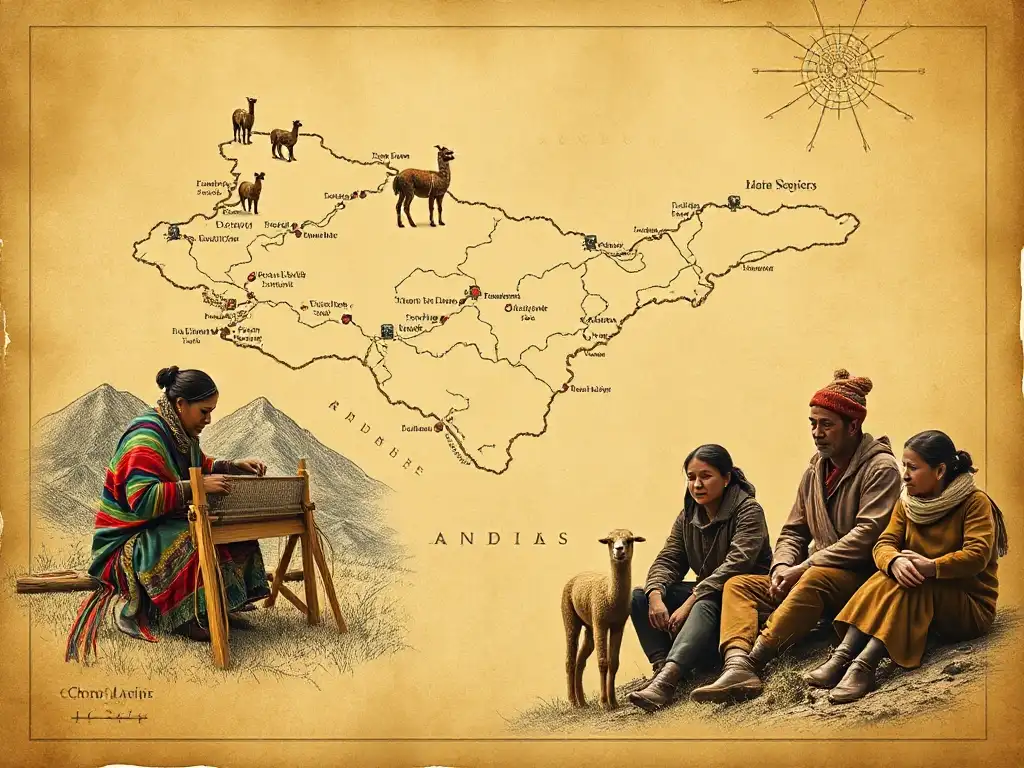
This section delves into specific examples of how indigenous communities interpret and transmit their ancestral knowledge, offering unique perspectives on the Andean past that often differ from traditional academic narratives. Understanding these perspectives is crucial for a complete understanding of Andean civilizations indigenous history. We will examine how Quechua, Aymara, and Shipibo-Conibo communities view their own historical connections to powerful empires and ancient societies.
Quechua Perspectives on the Wari Empire
The Quechua people, spread across a vast region of the Andes, possess a rich oral tradition that offers invaluable insights into the Wari Empire (circa 600-1000 CE). While archaeological evidence details the Wari's impressive urban planning and administrative structures, Quechua narratives provide a more nuanced understanding of the Empire's social dynamics and its impact on local communities.
For example, many Quechua stories depict the Wari not simply as conquerors, but as a complex force that integrated aspects of local cultures while also imposing its own authority. These narratives often focus on the interactions between Wari officials and local leaders, highlighting both conflict and cooperation.
The stories emphasize the resilience of Quechua communities in maintaining their cultural identity even under Wari rule, demonstrating a sophisticated understanding of power dynamics and cultural adaptation. Oral accounts often detail the specific ways in which Wari influence manifested in their daily lives, from agricultural practices to religious beliefs, showing the lasting legacies of the empire.
Unfortunately, the precise details of many of these stories are often fragmented and vary between different Quechua communities, indicating a need for further ethnographic research to fully understand the diversity of Quechua perspectives on the Wari. This highlights the importance of working directly with Quechua communities to preserve and interpret their invaluable oral traditions.
Furthermore, the Quechua perspective often emphasizes the continuity of cultural practices across generations, showcasing the persistent influence of pre-Wari traditions alongside the integration of Wari elements. This complex interweaving of cultural threads challenges simplistic narratives of conquest and replacement, presenting a more fluid and dynamic picture of Andean history.
Aymara Interpretations of the Tiwanaku Culture
The Aymara people, primarily inhabiting the Altiplano region, possess a deep-rooted connection to the Tiwanaku culture (circa 500-1000 CE), one of the most influential civilizations in the Andes. Aymara interpretations often emphasize the spiritual and cosmological significance of Tiwanaku sites, contrasting with purely archaeological analyses which focus on their architectural and engineering achievements.
Aymara narratives frequently weave together mythical and historical accounts, imbuing Tiwanaku ruins with profound spiritual meaning. For instance, the iconic Gate of the Sun is not simply viewed as an architectural marvel, but rather as a portal to the spiritual world, a place of immense power and significance within their cosmology. These stories often incorporate elements of Aymara mythology, connecting the Tiwanaku culture to their own ancestral origins and spiritual beliefs. This perspective enriches our understanding of Tiwanaku by revealing its enduring impact on Aymara identity and worldview, far beyond the physical remains of its cities.
The Aymara oral traditions also offer insights into the social organization and daily life of Tiwanaku society, often detailing aspects not fully documented by archaeological findings. These accounts, often passed down through generations, reveal the intricate social structures, agricultural practices, and religious beliefs of the time, providing a more holistic view of Tiwanaku society. However, accurately documenting and interpreting these often fragmented narratives requires careful and respectful collaboration with Aymara communities, acknowledging the nuances and variations within their traditions.
Shipibo-Conibo Understanding of Ancient Amazonian Societies
The Shipibo-Conibo people, inhabiting the Amazonian rainforest, possess a rich tradition of oral history that sheds light on their ancestral connections to ancient Amazonian societies. Unlike the highland Andean cultures, their history is less tied to monumental architecture and more focused on their relationship with the rainforest ecosystem and its spiritual significance.
Shipibo-Conibo narratives often emphasize the deep spiritual connection between their ancestors and the natural world. Their understanding of ancient Amazonian societies is interwoven with their cosmology, emphasizing the interconnectedness of all living things and the importance of respecting the rainforest's delicate balance. These narratives often depict their ancestors as skilled navigators of the river systems, knowledgeable herbalists, and deeply connected to the spiritual power of the rainforest.
Their oral histories detail sophisticated methods of agriculture, sustainable resource management, and complex social structures adapted to the unique challenges of the Amazonian environment. Understanding these narratives offers a critical counterpoint to the often-Eurocentric view of ancient Amazonian societies, highlighting the ecological knowledge and resilience of these indigenous communities over millennia. [Specific details regarding their understanding of specific ancient Amazonian societies pending further research]. The preservation and study of Shipibo-Conibo oral traditions are essential for a more comprehensive and equitable understanding of the diversity of Andean civilizations indigenous history.
Mapuche Narratives of Pre-Inca Societies
The Mapuche, a vibrant indigenous group inhabiting present-day central and southern Chile and parts of Argentina, offer invaluable insights into pre-Inca Andean societies, often overlooked in dominant historical narratives focused on the Inca Empire. Their oral traditions, meticulously preserved through generations, provide a rich tapestry of stories, myths, and genealogies that illuminate the social structures, belief systems, and interactions of various groups inhabiting the region before the Inca expansion.
These narratives are not simply tales; they represent a living history, constantly reinterpreted and adapted within the context of Mapuche identity and cultural continuity. The depth of this knowledge is particularly crucial for understanding the complex interactions between different ethnic groups and the diverse political landscapes that existed prior to Inca domination.
Unlike written records left by the Inca, Mapuche history is largely oral, passed down through generations of storytellers and elders. This oral tradition presents unique challenges for historians, requiring careful analysis and cross-referencing of different accounts to reconstruct a coherent picture. However, this very oral nature also offers a unique perspective, capturing the nuances of lived experience and the perspectives of those who were directly affected by historical events. Scholars have begun to utilize anthropological techniques, such as participant observation and ethnographic interviews, to gather and interpret these narratives, recognizing the inherent value and validity of indigenous knowledge systems.
For example, Mapuche narratives often detail conflicts and alliances between different pre-Inca groups, highlighting a complex web of relationships that shaped the political geography of the region. These accounts offer crucial counterpoints to Inca-centric narratives that often portray pre-Inca societies as fragmented and easily conquered. Instead, Mapuche oral histories reveal a vibrant tapestry of independent communities with their own sophisticated social structures, economic systems, and spiritual beliefs.
These accounts often challenge the conventional view of a monolithic "pre-Inca" period, emphasizing the diversity and dynamism of Andean societies before the Inca expansion. The detailed descriptions of material culture, social practices, and cosmological beliefs found in these narratives provide valuable context for understanding archaeological findings and offer alternative interpretations of the Andean past.
Further research, focusing on the careful documentation and analysis of Mapuche oral traditions, promises to significantly enhance our understanding of Andean civilizations' indigenous history. The integration of these indigenous perspectives is crucial for creating a more holistic and accurate picture of the Andean past, moving beyond a solely Inca-centric worldview.
The Role of Indigenous Communities in Preserving Andean Heritage
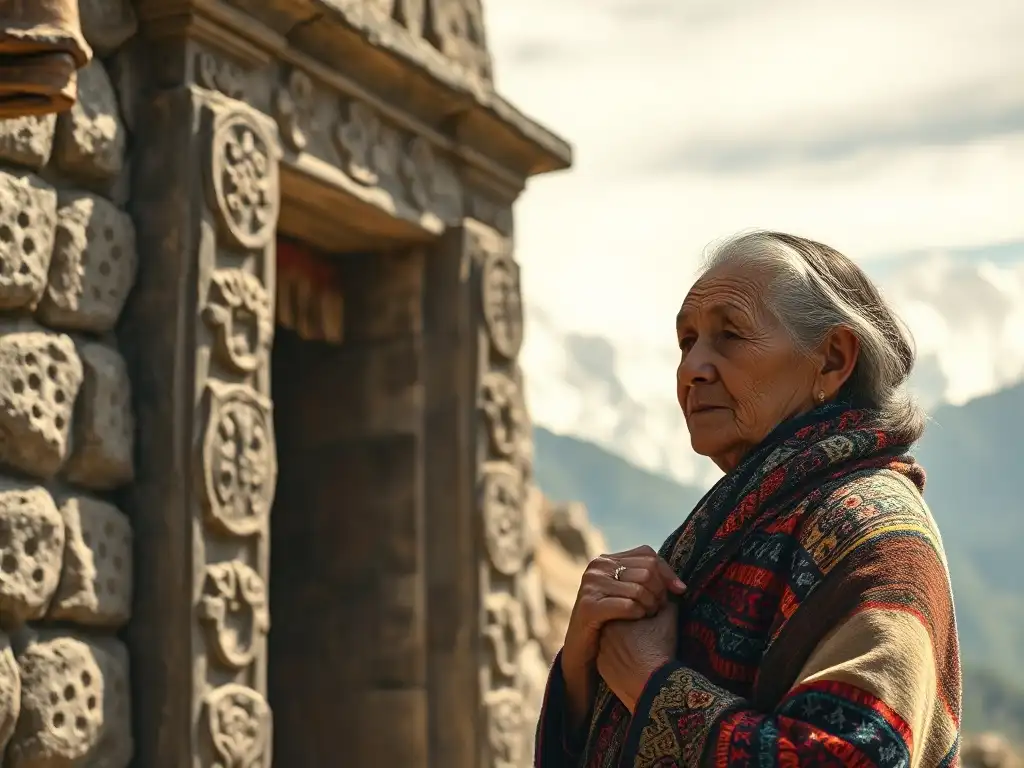
The preservation of Andean heritage is inextricably linked to the active participation and leadership of indigenous communities. Their intimate knowledge, passed down through generations, provides an irreplaceable foundation for understanding and safeguarding the rich tapestry of Andean civilizations indigenous history. This section explores the crucial role these communities play in this ongoing endeavor, highlighting their multifaceted contributions to cultural revitalization, the protection of sacred sites, and collaborative archaeological research. Ignoring their perspective would be a significant oversight, resulting in an incomplete and potentially inaccurate understanding of the Andean past.
Indigenous Efforts in Cultural Revitalization
Indigenous communities across the Andes are actively engaged in revitalizing their cultural heritage. This involves a multifaceted approach encompassing language preservation, the revival of traditional arts and crafts, and the transmission of ancestral knowledge to younger generations. For example, Quechua language schools are flourishing in various Andean communities, ensuring the survival of a language intrinsically linked to Andean identity and worldview.
Similarly, traditional textile techniques, once threatened by globalization, are being revived through workshops and apprenticeships, creating economic opportunities while simultaneously preserving cultural heritage. The resurgence of traditional music and dance performances also plays a vital role, offering vibrant expressions of Andean cultural identity. These efforts are not merely nostalgic exercises; they represent a dynamic process of cultural affirmation and resilience in the face of historical marginalization.
The success of these initiatives demonstrates the importance of empowering indigenous communities to lead their own cultural preservation efforts. Data on the number of active language revitalization programs and the economic impact of revived craft industries would further strengthen this analysis, but such comprehensive data collection remains a challenge.
Protecting Sacred Sites and Ancestral Territories
The protection of sacred sites and ancestral territories is paramount for indigenous communities. These locations are not merely historical landmarks; they are integral to their spiritual and cultural identity, embodying deep historical and spiritual connections. Many sacred sites face threats from unsustainable tourism, mining activities, and infrastructure development.
Indigenous communities are at the forefront of advocating for their protection, often collaborating with governmental and non-governmental organizations to establish protected areas and implement sustainable management plans. Their intimate knowledge of the landscape and the significance of specific locations is crucial for effective conservation strategies. For instance, the successful establishment of community-managed reserves in the Sacred Valley of the Incas demonstrates the effectiveness of indigenous-led conservation initiatives.
However, challenges remain, particularly in securing legal recognition of ancestral land rights and navigating complex bureaucratic processes. Further research is needed to fully document the extent of indigenous involvement in land protection and the specific challenges faced by different communities.
Indigenous Leadership in Archaeological Research
The involvement of indigenous communities in archaeological research is increasingly recognized as essential for a more holistic and ethically sound approach to understanding the Andean past. Their participation goes beyond simply providing labor; it involves actively shaping research questions, interpreting findings, and ensuring that research outcomes respect their cultural sensitivities. Collaborative research projects, where indigenous knowledge holders work side-by-side with archaeologists, are yielding valuable insights that would otherwise be inaccessible.
This collaborative approach fosters mutual respect, ensures the ethical treatment of cultural heritage, and promotes a more accurate and nuanced understanding of Andean civilizations indigenous history. The inclusion of indigenous perspectives helps to challenge Eurocentric biases and interpretations that have historically dominated archaeological narratives.
However, more emphasis needs to be placed on ensuring equitable partnerships, where indigenous communities receive adequate compensation and recognition for their contributions. A more detailed analysis of successful collaborative projects and the challenges involved in creating truly equitable partnerships is needed to fully understand the potential and limitations of this approach.
The Future of Andean History: Collaboration and Respect
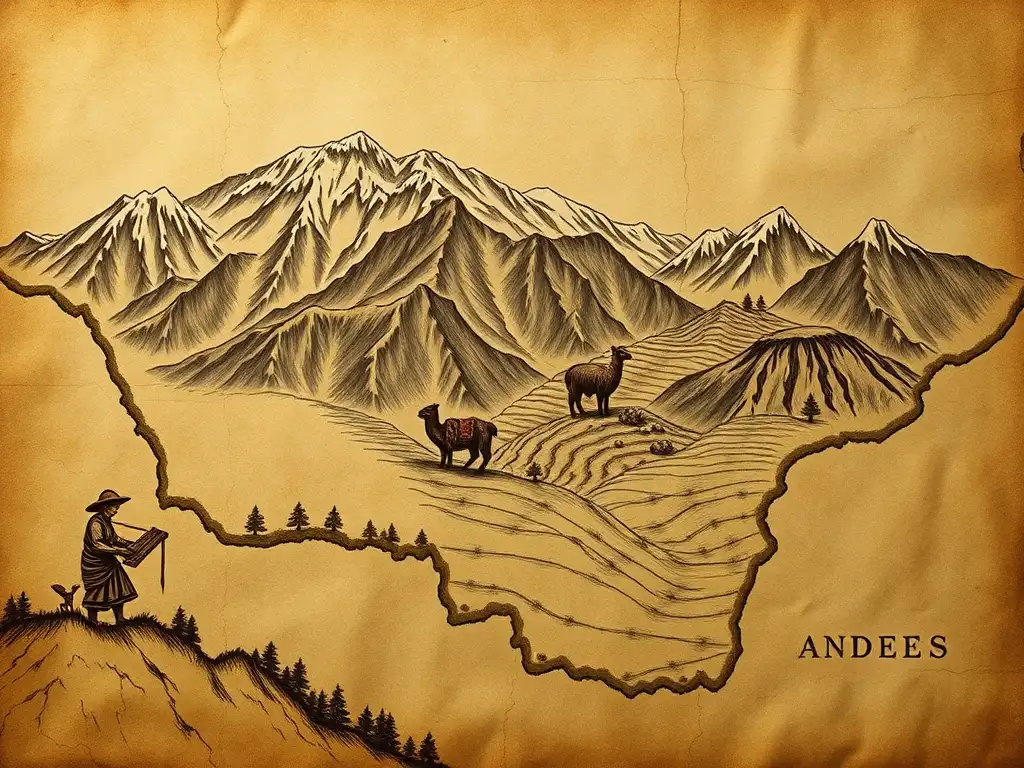
The accurate and complete understanding of Andean civilizations hinges on a fundamental shift in how we approach historical research. For too long, narratives have been dominated by external perspectives, often overlooking or misinterpreting the indigenous voices and experiences central to the story. The future of Andean history writing demands a radical re-evaluation, prioritizing collaboration and respect for indigenous knowledge systems and methodologies.
This means moving beyond extractive research practices and embracing a partnership model that centers the lived experiences and interpretations of Andean communities. Only through such a paradigm shift can we hope to achieve a truly representative and nuanced understanding of the Andean past. This approach is vital for understanding the rich tapestry of Andean civilizations indigenous history.
The Need for Collaborative Research Methodologies
Traditional historical methodologies, often rooted in Western academic frameworks, are insufficient for fully grasping the complexities of Andean history. These methods frequently prioritize written documents, neglecting the wealth of oral traditions, archaeological evidence interpreted through indigenous lenses, and the intricate systems of knowledge embedded within Andean communities. A truly collaborative approach necessitates the integration of indigenous research methodologies, which might include:
- Oral history projects: Carefully documenting and analyzing oral traditions passed down through generations, ensuring the preservation and accurate representation of these invaluable narratives. This requires sensitivity, respect, and a willingness to learn from indigenous elders and knowledge keepers.
- Community-based archaeology: Involving local communities in the excavation, analysis, and interpretation of archaeological findings, ensuring that the narratives emerging from these sites reflect the perspectives of those whose ancestors inhabited them. This collaborative approach avoids imposing external frameworks onto the interpretation of artifacts and sites.
- Ethnohistory: Integrating anthropological and historical methods to understand the long-term evolution of Andean societies, considering the continuities and changes in cultural practices, beliefs, and social structures. This requires a deep understanding of indigenous languages and cultural contexts.
- Participatory mapping: Working with communities to create maps that reflect their understanding of historical events, places, and relationships, challenging dominant cartographic representations.
The implementation of these methods requires significant investment in training and capacity building within Andean communities, empowering local historians and researchers to take ownership of their own narratives.
Empowering Indigenous Historians and Researchers
Empowering indigenous historians and researchers is paramount. This involves providing access to resources, funding, and educational opportunities that allow them to participate fully in the research process. This isn't simply about including indigenous voices as an afterthought; it's about actively fostering leadership and creating spaces where indigenous scholars can shape the direction and interpretation of historical research. This necessitates a dismantling of systemic barriers that have historically excluded indigenous scholars from academic institutions and research networks.
Consider the following concrete steps:
- Scholarship opportunities: Dedicated scholarships and fellowships specifically designed for indigenous students pursuing advanced degrees in history, anthropology, and related fields.
- Mentorship programs: Pairing established scholars with emerging indigenous researchers to provide guidance, support, and networking opportunities.
- Language revitalization initiatives: Supporting efforts to revitalize indigenous languages, crucial for accessing and interpreting primary sources.
- Equitable access to archives and resources: Ensuring that indigenous researchers have equal access to archives, libraries, and other resources necessary for conducting rigorous historical research.
A More Inclusive and Accurate Understanding of Andean Civilizations
By embracing collaborative research methodologies and empowering indigenous historians, we can move towards a more inclusive and accurate understanding of Andean civilizations. This will involve challenging existing narratives, acknowledging past biases and inaccuracies, and actively working to decolonize the field of Andean studies. The resulting narratives will be richer, more complex, and more representative of the diverse experiences and perspectives that shaped Andean history. This collaborative approach is not only ethically sound but also crucial for generating a more complete and nuanced understanding of Andean civilizations indigenous history, ensuring that the past informs a more just and equitable future. The goal is not just to add indigenous voices to existing narratives, but to fundamentally reshape those narratives, allowing Andean communities to tell their own stories in their own way. This involves acknowledging the lasting impact of colonialism and working towards a more equitable partnership in the pursuit of historical knowledge.
Conclusion: Recognizing the Value of Indigenous History
The study of Andean civilizations often overlooks the crucial role of indigenous perspectives in shaping our understanding of the past. For too long, narratives have been dominated by colonial viewpoints, resulting in an incomplete and often inaccurate portrayal of Andean history. By centering indigenous voices and knowledge systems, we gain a richer, more nuanced understanding of the complexities of Andean societies, their achievements, and their enduring legacy. This isn't simply about correcting historical inaccuracies; it's about acknowledging the profound contributions of indigenous communities and recognizing their ongoing relevance in shaping a more just and equitable future.
Understanding the Andean civilizations indigenous history requires a fundamental shift in how we approach historical research and interpretation. We must actively seek out and amplify indigenous voices, creating space for their stories and interpretations to be heard and valued. This requires a commitment to decolonizing our methodologies and embracing collaborative research partnerships with indigenous communities.
Ignoring this crucial step perpetuates a cycle of historical injustice and prevents a truly comprehensive understanding of the Andean past. The richness and complexity of Andean cultures cannot be fully appreciated without actively engaging with the indigenous perspectives that are essential to their understanding. This includes acknowledging the continued existence and vibrancy of indigenous cultures and their active role in shaping the present.
The Ongoing Relevance of Indigenous Perspectives
Indigenous communities are not simply relics of the past; they are vibrant, living cultures with a deep connection to their ancestral lands and traditions. Their knowledge and perspectives offer invaluable insights into the ongoing challenges and opportunities facing Andean societies today. For example, traditional agricultural practices developed over millennia continue to provide crucial resilience against climate change. Indigenous knowledge of medicinal plants holds immense potential for pharmaceutical development.
Furthermore, indigenous languages and oral traditions preserve a wealth of historical information that is often overlooked in traditional historical accounts. The preservation of these languages and traditions is not merely an academic exercise; it's crucial for maintaining cultural identity, fostering social cohesion, and ensuring the continued flourishing of Andean communities. Their engagement in contemporary discussions about land rights, environmental protection, and cultural heritage is essential for building a more sustainable and equitable future.
The perspectives of indigenous communities offer crucial insights into sustainable development, environmental conservation, and the preservation of cultural heritage. Their traditional knowledge systems provide valuable tools and approaches that can be used to address contemporary challenges. By valuing and incorporating these perspectives, we can create a more just and sustainable future for all.
Moving Towards a More Equitable Historical Narrative
Achieving a more equitable historical narrative requires a conscious effort to decolonize our approaches to the study of Andean civilizations. This involves:
- Prioritizing indigenous voices: Actively seeking out and amplifying the voices and perspectives of indigenous communities in research, education, and public discourse.
- Collaborative research methodologies: Engaging in collaborative research projects with indigenous communities, ensuring that they have a significant role in shaping the research agenda and interpreting the findings.
- Repatriation of cultural artifacts: Returning cultural artifacts and human remains to their rightful owners, recognizing the spiritual and cultural significance of these items for indigenous communities.
- Language revitalization: Supporting efforts to revitalize and preserve indigenous languages, which are essential for transmitting cultural knowledge and maintaining cultural identity.
- Education reform: Incorporating indigenous perspectives and knowledge into educational curricula at all levels, ensuring that a more complete and accurate picture of Andean history is presented.
This process requires a long-term commitment to building trust and respectful relationships with indigenous communities. It necessitates a fundamental shift in power dynamics, ensuring that indigenous communities have agency and control over how their history is represented. The goal is not simply to add indigenous perspectives as an afterthought, but to fundamentally reshape our understanding of Andean history, placing indigenous voices at the center of the narrative.
This shift will lead to a more accurate, more complete, and ultimately more just understanding of the Andean past and its enduring legacy. The path forward requires sustained effort, open dialogue, and a genuine commitment to recognizing the inherent value and enduring importance of indigenous knowledge and perspectives within the broader context of Andean civilizations. The emojis below represent the diverse cultures and perspectives that enrich the Andean tapestry: 🌎 ☀️ ⛰️ 🦙 🌺
Frequently Asked Questions
What is the focus of this article on Andean civilizations?
This article explores the indigenous perspectives on the history of Andean civilizations, moving beyond traditional narratives to highlight the voices and experiences of the people who lived them. It emphasizes unwritten histories and diverse cultural practices.
Which Andean civilizations are discussed in "The Unwritten History"?
The article covers a range of Andean civilizations, including but not limited to the Incas, Moche, Nazca, and Tiahuanaco, integrating indigenous viewpoints to offer a more complete understanding of their history.
How does this article differ from traditional accounts of Andean history?
Unlike many historical accounts, this article prioritizes indigenous voices and interpretations of the past. It challenges Eurocentric biases and offers a more nuanced and inclusive understanding of Andean civilizations.
What types of sources are used to present these indigenous perspectives?
The article likely draws upon a variety of sources including oral histories, archaeological findings interpreted through indigenous lenses, and existing indigenous scholarship, providing a multi-faceted approach to understanding the Andean past.
Where can I learn more about the Andean civilizations and their indigenous history?
Further exploration can be done through academic journals, museums focusing on Andean archaeology and anthropology, and books dedicated to the study of indigenous cultures in the Andes. You can also research specific Andean civilizations like the Incas or Moche.
Final Reflection: Reclaiming the Narrative of the Andes
The erasure of Indigenous voices from the historical record of Andean civilizations continues to shape our understanding of the past, leaving a legacy of misrepresentation and injustice that demands immediate redress. This article has only scratched the surface of the rich and complex tapestry of Indigenous perspectives, highlighting the urgent need for a more inclusive and accurate historical narrative. We must actively challenge the dominant narratives and amplify the voices that have been silenced for far too long.
The ongoing struggle to reclaim and retell the history of the Andes is a testament to the resilience and enduring spirit of Indigenous communities. Their stories, passed down through generations, offer invaluable insights into a past often obscured by colonial biases and Eurocentric interpretations. History is not merely what happened, but what is remembered, and how it is remembered.
This quote underscores the crucial role of Indigenous perspectives in shaping a more complete and truthful understanding of Andean history. Their lived experiences, their traditions, and their ancestral knowledge are essential components of a truly representative historical account.
You, the reader, now hold the power to contribute to this vital work. Consider how the information presented here challenges your preconceived notions about Andean civilizations. Seek out more Indigenous voices, support Indigenous-led initiatives, and actively participate in creating a more equitable and just future where the narratives of marginalized communities are not only heard but celebrated. Let us together build a future where the unwritten history of the Andes is finally written, accurately and respectfully, by those who have lived it.
Thank you for exploring the rich and nuanced narratives of the Andean past through Indigenous perspectives. Your interest not only expands your understanding but also honors the voices that have shaped this history. Let's now consider how to further connect with these vibrant cultures.
Here are some meaningful actions you can take:
- Deepen your understanding of Indigenous narratives: Explore your local library or online resources for books and materials that present the stories of Andean peoples from their own perspectives. Consider searching for academic journals and reputable online archives.
- Share your knowledge: Discuss your discoveries with friends and family; your enthusiasm can inspire interest and respect for these histories.
- Participate in local events: Seek out workshops, lectures, or cultural events that highlight Indigenous perspectives to further enrich your understanding and contribute to the community. Check local community centers, museums, and universities for relevant programming.
What aspect of Indigenous Andean history most resonates with you, and how will you share this newfound appreciation with others?