
The Inca Astronomers: Aligning Temples with Celestial Events

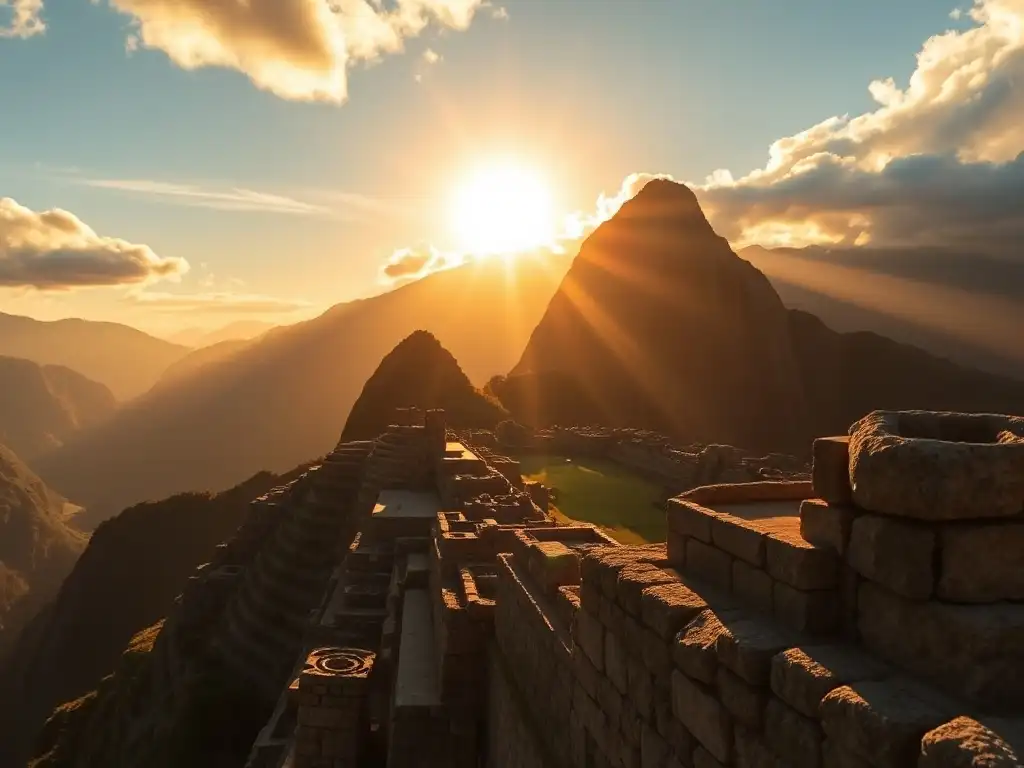
Step into a world lost in time, where the Andes Mountains whisper secrets of empires past. Discover the ingenuity and profound understanding of the Andean civilizations, whose mastery extended far beyond magnificent cities. We delve into the fascinating world of their advancements, unearthing the mysteries surrounding Inca temple astronomical alignment – a testament to their sophisticated knowledge of the cosmos. Prepare to be amazed as we unravel the celestial connections woven into their very architecture. Are you ready to uncover the truth?
The Inca civilization, renowned for its sophisticated engineering and intricate social structures, possessed a deep understanding of astronomy that significantly influenced their architecture, religion, and agricultural practices. This article delves into the fascinating world of Inca astronomy, exploring how their meticulous observations of celestial events shaped the design and orientation of their sacred temples and structures. We'll examine the evidence supporting the astronomical alignment of Inca temples, showcasing the Inca's profound connection between the earthly and the heavenly realms.
Understanding the Inca's astronomical knowledge is crucial to appreciating the complexity and ingenuity of this remarkable civilization, offering a unique perspective on their culture and worldview. This exploration of Inca temple astronomical alignment will reveal how celestial observations were interwoven into the very fabric of Inca society, impacting everything from religious rituals to agricultural cycles.
The Inca's Deep Connection with the Cosmos
The Inca worldview was deeply intertwined with the cosmos. The sun, moon, and stars were not merely celestial bodies but powerful deities that governed the lives of the Inca people. Their religious beliefs were intimately connected to the cycles of the sun, moon, and stars, influencing agricultural practices, social organization, and political power.
Evidence suggests that Inca priests, known as amautas, held a privileged position within society, responsible for interpreting celestial events and advising the Sapa Inca (emperor) on matters of state. The Inca calendar, intricately linked to astronomical observations, regulated agricultural activities, religious festivals, and even the construction of monumental structures. This intricate relationship between the celestial and terrestrial spheres is evident in the precise astronomical alignment of many Inca temples and sites.
For example, the orientation of certain structures suggests a deliberate alignment with solstices or equinoxes, indicating a profound understanding of the sun's annual movement. This wasn't mere coincidence; it was a deliberate act of aligning the sacred spaces with the divine forces they represented. The precision involved points to advanced astronomical knowledge and sophisticated observational techniques.
Inca Astronomy: More than Just Observation
Inca astronomy was not simply a passive observation of celestial phenomena; it was an active engagement with the cosmos, imbued with religious and practical significance. The Inca's astronomical knowledge extended beyond basic observations of the sun, moon, and stars. They meticulously tracked the movements of planets, meticulously recording their positions and predicting their appearances.
This knowledge was crucial for agricultural planning, enabling the Inca to optimize planting and harvesting cycles. Furthermore, celestial events held profound religious significance, with specific constellations and planetary alignments associated with deities and rituals. The amautas played a vital role in interpreting these events, using their astronomical knowledge to advise the Sapa Inca and maintain social order.
The construction of temples and other monumental structures was not simply a feat of engineering; it was a manifestation of their cosmological beliefs, a tangible representation of their connection to the divine. The precise alignment of these structures with celestial events served as a powerful symbol of this connection, reinforcing the authority of the Inca ruling class and strengthening social cohesion.
Importance of Celestial Observation in Inca Society
Celestial observation was fundamental to Inca society, impacting various facets of their lives. Agricultural practices were heavily reliant on astronomical knowledge, ensuring the timely planting and harvesting of crops. Religious rituals and festivals were intricately linked to specific celestial events, with the amautas playing a pivotal role in conducting these ceremonies.
The Inca calendar, based on careful observation of the sun and stars, governed the social and political life of the empire, regulating agricultural cycles, and organizing state activities. Furthermore, the astronomical alignment of Inca temples and structures served as a powerful symbol of royal authority and religious legitimacy, reinforcing the Inca's control over their vast empire. The precise alignment of these structures not only reflected advanced astronomical knowledge but also underscored the Inca's belief in the interconnectedness of the earthly and heavenly realms.
The meticulous planning and execution involved in the construction of these sites demonstrate the significant importance that celestial observation held within Inca society. The legacy of Inca astronomy continues to fascinate and inspire, providing valuable insights into the rich culture and sophisticated knowledge of this remarkable civilization.
Inca Temple Astronomical Alignment: A Sacred Practice
Inca astronomy wasn't merely a scientific pursuit; it was deeply intertwined with their religious beliefs and societal structure. The meticulous alignment of Inca temples with celestial events wasn't accidental; it was a deliberate act reflecting a profound understanding of the cosmos and its influence on their lives. The Inca worldview saw the sun, moon, and stars as powerful deities, directly impacting agricultural cycles, social order, and the very fabric of their existence.
Therefore, aligning their sacred structures with specific celestial occurrences served as a powerful way to honor these deities and maintain cosmic harmony. This practice wasn't limited to grand temples; smaller structures and even agricultural terraces often exhibited alignments, suggesting a widespread appreciation for celestial phenomena across all levels of Inca society. The precision involved in these alignments, often achieved using sophisticated observational techniques and intricate architectural designs, speaks volumes about the Inca's advanced astronomical knowledge and engineering capabilities.
Further research into these alignments continues to reveal fascinating insights into the Inca's worldview and their sophisticated understanding of the universe. The careful placement of temples in relation to solstices and equinoxes, for example, highlights the importance of these events in their agricultural calendar and religious observances.
The practice of aligning Inca temples with celestial events wasn't solely a matter of religious devotion; it also played a crucial role in the Inca's agricultural system. The Inca's agricultural success depended heavily on precise timing, and astronomical observations provided the necessary data for optimal planting and harvesting. By carefully tracking the sun's movements and other celestial events, Inca priests could predict the seasons with remarkable accuracy, allowing them to plan agricultural activities accordingly.
This knowledge was essential for ensuring food security, a vital aspect of maintaining social stability and political power within the vast Inca empire. The alignment of temples with specific celestial events served as a tangible reminder of the importance of these astronomical observations and their direct impact on the Inca’s daily life. It also provided a powerful visual representation of the connection between the celestial and terrestrial realms, reinforcing the sacred nature of agricultural practices and the Inca's dependence on the cycles of nature.
The intricate relationship between astronomical knowledge and agricultural success is a testament to the Inca's practical application of their advanced understanding of the cosmos. Moreover, the precise alignment of agricultural terraces with celestial events suggests a widespread integration of astronomical knowledge throughout Inca society, not just confined to the priestly class.
This practice of astronomical alignment also served as a powerful tool for reinforcing Inca political authority and social control. The Inca rulers presented themselves as intermediaries between the celestial and terrestrial worlds, possessing privileged access to cosmic knowledge and the ability to interpret celestial events. The impressive scale and precise alignment of temples, visible throughout the empire, served as a constant reminder of the Inca's power and divine mandate.
The priests, skilled in astronomical observation and interpretation, held significant influence and played a key role in maintaining social order and religious practices. The intricate relationship between astronomy, religion, and political power solidified the Inca ruler's position and contributed to the stability and longevity of their empire. Furthermore, these highly visible celestial alignments fostered a sense of shared identity and purpose amongst the diverse population of the vast Inca empire, uniting them under a common cosmological framework.
The Inca's mastery of astronomical alignment was not just a technological achievement, but a potent instrument of social and political control. The alignment of these structures served as a powerful symbol of Inca authority and legitimacy.
- The Inca's Deep Connection with the Cosmos
- Inca Astronomy: More than Just Observation
- Importance of Celestial Observation in Inca Society
- Inca Temple Astronomical Alignment: A Sacred Practice
- What is the significance of astronomical alignment in Inca temples?
- How did the Inca achieve such precise astronomical alignments in their temple construction?
- Are all Inca temples astronomically aligned?
- Which Inca temples are best known for their astronomical alignments?
- What role did astronomy play in Inca society beyond temple alignment?
Understanding Inca Celestial Knowledge
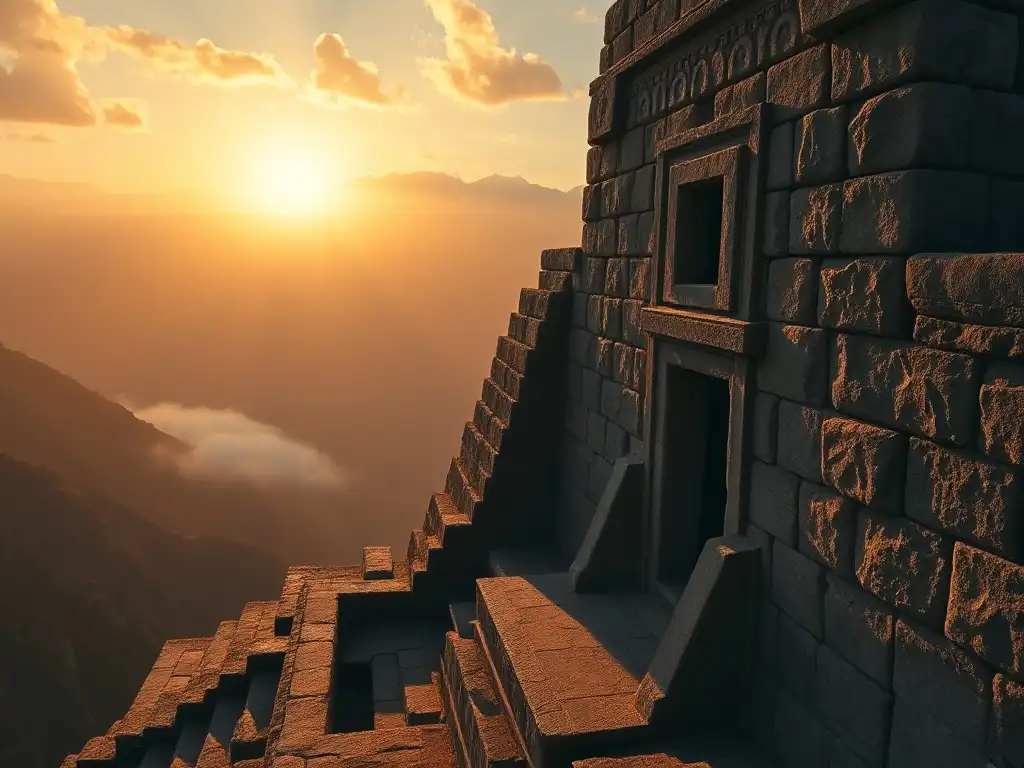
The Inca civilization, far from being technologically primitive, possessed a sophisticated understanding of astronomy deeply interwoven with their religious beliefs, social structures, and agricultural practices. Their astronomical knowledge wasn't merely theoretical; it was practically applied in the design and orientation of their monumental architecture, particularly their temples. This intricate relationship between celestial events and terrestrial structures is a testament to the Inca's advanced observational skills and their profound connection to the cosmos.
Understanding their celestial knowledge requires examining their unique constellations, calendar systems, and specialized observatories. The precise alignment of Inca temples with celestial events, a key aspect of Inca temple astronomical alignment, reveals a civilization deeply invested in understanding and harnessing the power of the heavens.
Inca Constellations and Star Lore
Inca star lore differed significantly from Western traditions. Instead of focusing on individual stars, they recognized constellations as groupings of stars forming larger patterns, often associated with animals, mythical beings, or significant events. Unfortunately, much of their specific knowledge was transmitted orally and thus lost with the Spanish conquest.
However, surviving accounts and archaeological evidence hint at a rich tapestry of celestial mythology. For instance, the Pleiades cluster, known as the "Seven Sisters" in many cultures, held particular importance for the Inca, often linked to agricultural cycles and fertility rites. Their observations of the Pleiades' heliacal rising (its first appearance in the morning sky after a period of invisibility) likely signaled the start of planting seasons in various regions.
Further research is needed to fully reconstruct their complete constellation catalog and associated mythology, but existing evidence strongly suggests a complex and nuanced understanding of the night sky. The Inca's detailed observations of these celestial bodies were crucial in their agricultural planning and religious practices, further highlighting the significance of Inca temple astronomical alignment in their society.
The Inca Calendar and its Astronomical Basis
The Inca calendar, unlike the Gregorian calendar we use today, was primarily based on solar observations, supplemented by lunar cycles. It wasn't a single, fixed calendar but varied regionally to accommodate the diverse agricultural needs of the vast Inca Empire. The Inti Raymi, the festival of the sun, celebrated the winter solstice, marking a crucial point in the agricultural calendar.
The precise timing of this festival, based on meticulous solar observations, underscores the Inca's advanced astronomical capabilities. This solar calendar, with its intricate system of months and seasons, was not simply a tool for timekeeping. It was deeply integrated into their social and religious life, dictating agricultural practices, ceremonial events, and even political decisions.
The accuracy of their calendar, reflected in the precise alignment of many Inca temples with significant solar events, emphasizes the sophistication of their astronomical understanding and its influence on all aspects of Inca life. The alignment of structures with solstices and equinoxes is a prime example of Inca temple astronomical alignment.
Inca Observatories and Their Functions
While the Inca didn't construct large, freestanding observatories like some other ancient civilizations, they incorporated astronomical observation into their temple architecture. Many temples were carefully oriented to align with specific celestial events, acting as functional observatories. For example, the precise positioning of windows and doorways in certain structures allowed for the observation of the sun's path throughout the year.
These architectural features served as sophisticated tools, allowing Inca priests to track solstices and equinoxes with remarkable accuracy. The orientation of these structures, a clear manifestation of Inca temple astronomical alignment, allowed for the precise prediction of seasonal changes, a crucial factor in their agricultural practices and religious ceremonies. Furthermore, some researchers suggest that certain mountain peaks served as natural markers for tracking celestial movements, supplementing the observations made from within temples.
Further investigation into these sites is needed to fully understand the extent and complexity of Inca astronomical practices and their connection to their impressive architectural achievements. The study of Inca temple astronomical alignment continues to unveil the sophisticated understanding of astronomy possessed by this remarkable civilization.
The Sukkanqa: Pillars for Observing the Sun
The Sukkanqa, meaning "pillar" in Quechua, weren't merely architectural elements; they were sophisticated tools integrated into Inca astronomical practices. These structures, often found within or near important Inca sites, served as crucial instruments for observing the sun's movements throughout the year. Their placement, meticulously aligned with cardinal directions and specific solar events, allowed Inca astronomers to track solstices and equinoxes with remarkable precision. The precise construction techniques, utilizing carefully cut and fitted stones, minimized errors in alignment, ensuring accurate observations crucial for agricultural planning and religious ceremonies.
Archaeological evidence suggests that the Sukkanqa were not simply standalone pillars, but often formed part of larger complexes, interacting with other structures to enhance their observational capabilities. For instance, shadows cast by these pillars at specific times of the year may have indicated the precise moment of the solstice or equinox, providing a visual signal for communal celebrations and rituals. The intricate relationship between the Sukkanqa and the surrounding landscape further highlights the sophisticated understanding of astronomy possessed by the Inca. By considering the sun's path across the sky in relation to the surrounding mountains and valleys, Inca astronomers achieved a level of accuracy rarely seen in other ancient civilizations.
The orientation and height of the Sukkanqa were likely carefully calculated to optimize their use as solar markers, reflecting a deep understanding of geometry and celestial mechanics. The study of these pillars continues to reveal new insights into the Inca's advanced astronomical knowledge and its crucial role in their society. Further research is needed to fully understand the specific functions of different Sukkanqa across various Inca sites, potentially revealing regional variations in astronomical practices.
Examples of Inca Temples and Their Astronomical Alignments
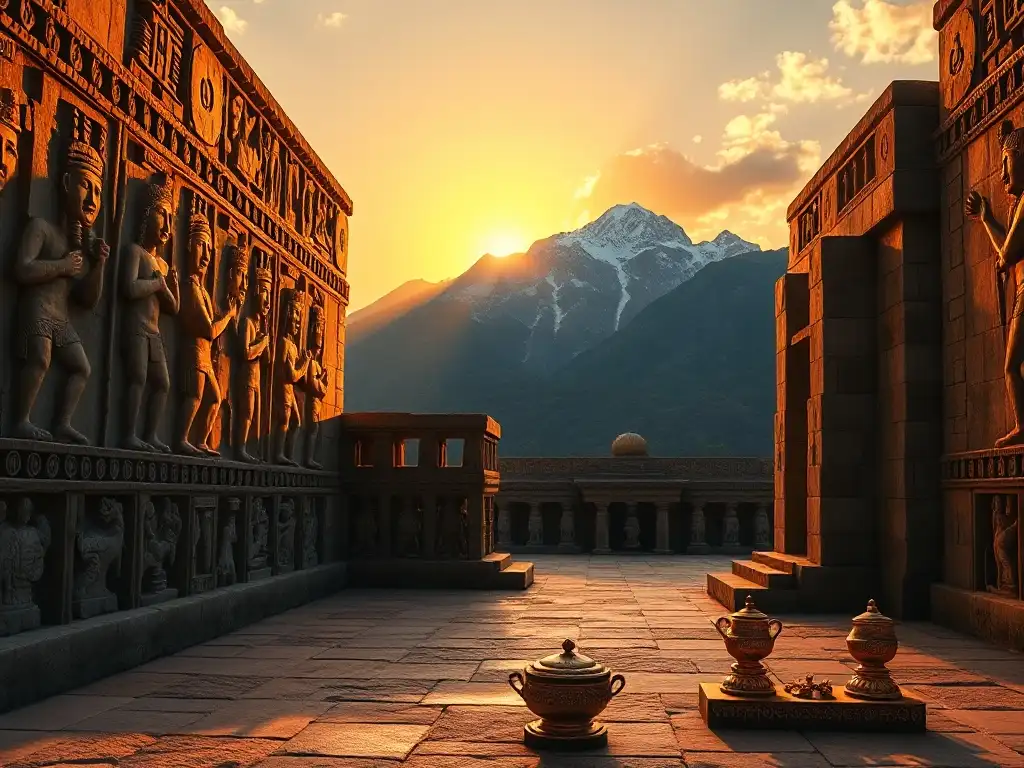
This section delves into specific examples of Inca temples showcasing remarkable astronomical alignments, demonstrating the sophisticated understanding of celestial events held by Inca astronomers. These alignments weren't mere coincidences; they were carefully planned and executed, reflecting the deep integration of astronomy into Inca religion and society. The precise nature of these alignments, often subtle and requiring detailed analysis, highlights the advanced knowledge and meticulous observation skills of Inca priests and engineers. The intricate relationship between Inca temple astronomical alignment and their cosmology underscores their advanced civilization.
Coricancha: The Golden Temple of the Sun and its Alignments
Coricancha, the "Golden Enclosure," located in present-day Cusco, Peru, served as the main temple dedicated to the Inca sun god, Inti. Its astronomical significance is multifaceted. Evidence suggests that the temple's main axis was aligned with the solstices, specifically the winter solstice, a crucial time in the Inca agricultural calendar.
This alignment allowed for precise observations of the sun's position, crucial for predicting the seasonal changes vital to agricultural planning. Furthermore, the temple's layout, incorporating various smaller shrines and structures, may have been designed to track other celestial bodies, including the moon and stars, although further research is needed to confirm these hypotheses. The precise angles and orientations within Coricancha are still being studied, with ongoing research revealing more subtle astronomical alignments.
The meticulous construction and orientation of Coricancha exemplify the Inca's dedication to observing and honoring the celestial sphere, a critical aspect of their religious and societal structures. The Inca temple astronomical alignment at Coricancha serves as a powerful testament to their advanced astronomical knowledge and its integration into their daily lives.
Machu Picchu: Astronomical Observations in the Lost City
Machu Picchu, the iconic "Lost City of the Incas," is not just a marvel of engineering but also a testament to Inca astronomical prowess. While not strictly a temple in the traditional sense, its structures exhibit significant astronomical alignments. Several buildings are oriented to mark the solstices and equinoxes, allowing for precise observations of the sun's path throughout the year.
For example, the Intihuatana stone, a prominent feature at Machu Picchu, is believed to have been used for solar observations, potentially serving as a kind of solar clock. Furthermore, the placement of windows and doorways in various structures suggests a deliberate effort to track the rising and setting positions of specific stars and constellations, possibly linked to Inca rituals and agricultural cycles. The precise Inca temple astronomical alignment at Machu Picchu, considering its remote location, speaks volumes about the Inca civilization's mastery of astronomy and its importance in their worldview.
Further study is needed to fully understand the complexities of the astronomical observations practiced at Machu Picchu. The ongoing research continues to reveal further details about the subtle astronomical alignments within this remarkable site.
Intihuatana Stones: Solar Clocks and Rituals
Intihuatana stones, meaning "place where the sun is tied," are found throughout the Inca empire, and represent a crucial aspect of Inca temple astronomical alignment. These monolithic structures, often carved with intricate designs, are believed to have served as solar observatories and ritual sites. Their precise orientation allowed Inca priests to track the sun's movement, marking the solstices and equinoxes with great accuracy.
These stones weren't just simple markers; they were integral components of complex ritual practices, where the sun's position played a central role in ceremonies related to agriculture, fertility, and the Inca worldview. The precise positioning of these stones, often meticulously aligned with celestial events, highlights the sophisticated astronomical knowledge of Inca society. The Inca temple astronomical alignment via these Intihuatana stones demonstrates a deep understanding of both the practical and the symbolic importance of solar observations.
Further research into the specific alignments of individual Intihuatana stones across the Inca empire would undoubtedly provide a richer understanding of Inca astronomy and ritual practices. The unique characteristics of each stone and its surrounding environment need further detailed analysis to fully understand the complexity of the Inca temple astronomical alignment.
Pisaq: Agricultural Terraces and Solstice Alignments
The impressive agricultural terraces of Pisaq, carved into the steep Andean slopes, are not merely feats of engineering; they also represent a sophisticated understanding of astronomy and its relationship to agriculture. The Inca meticulously planned these terraces, aligning them with the solstices and equinoxes to maximize sunlight exposure and crop yields. This wasn't a matter of chance; the Inca possessed a deep knowledge of the celestial cycles and their impact on the growing season. Careful observation of the sun's path throughout the year allowed them to optimize the orientation of each terrace, ensuring optimal conditions for different crops at various times of the year.
The precise alignment of these terraces with the solstices, in particular, is a testament to the Inca's advanced astronomical capabilities. They weren't simply farming; they were orchestrating a complex interplay between celestial events and agricultural practices. The orientation of the terraces allowed for controlled microclimates, extending the growing season and increasing productivity.
This intricate system demonstrates the Inca's profound understanding of both astronomy and agriculture, highlighting the deep connection between these two seemingly disparate fields. The precision involved suggests a level of planning and observation that spanned generations, passed down through oral traditions and practical experience. Archaeological evidence, including the careful surveying of the terraces themselves, supports the hypothesis of intentional astronomical alignment.
The specific solstice alignments at Pisaq are still being studied by researchers, but preliminary findings suggest a strong correlation between the orientation of certain terraces and the position of the sun at the winter and summer solstices. This alignment is not merely coincidental; the Inca clearly understood the significance of these celestial events for their agricultural calendar. The careful placement of the terraces, coupled with their intricate water management systems, allowed the Inca to cultivate a wide variety of crops, ensuring food security even in a challenging environment.
This sophisticated integration of astronomy and agriculture highlights the Inca's ingenuity and their deep understanding of their environment. Furthermore, the terraces themselves are a stunning example of Inca architectural skill, demonstrating their mastery of stonework and their ability to adapt their building techniques to the challenging terrain. The terraces are not just functional; they are also aesthetically pleasing, showcasing the Inca's appreciation for both practicality and beauty.
The combination of astronomical alignment and agricultural functionality makes the terraces of Pisaq a compelling example of the Inca's advanced knowledge and expertise. The ongoing research continues to reveal more about the complexity and sophistication of the Inca's astronomical observations and their impact on their society.
The Significance of Inca Temple Alignments
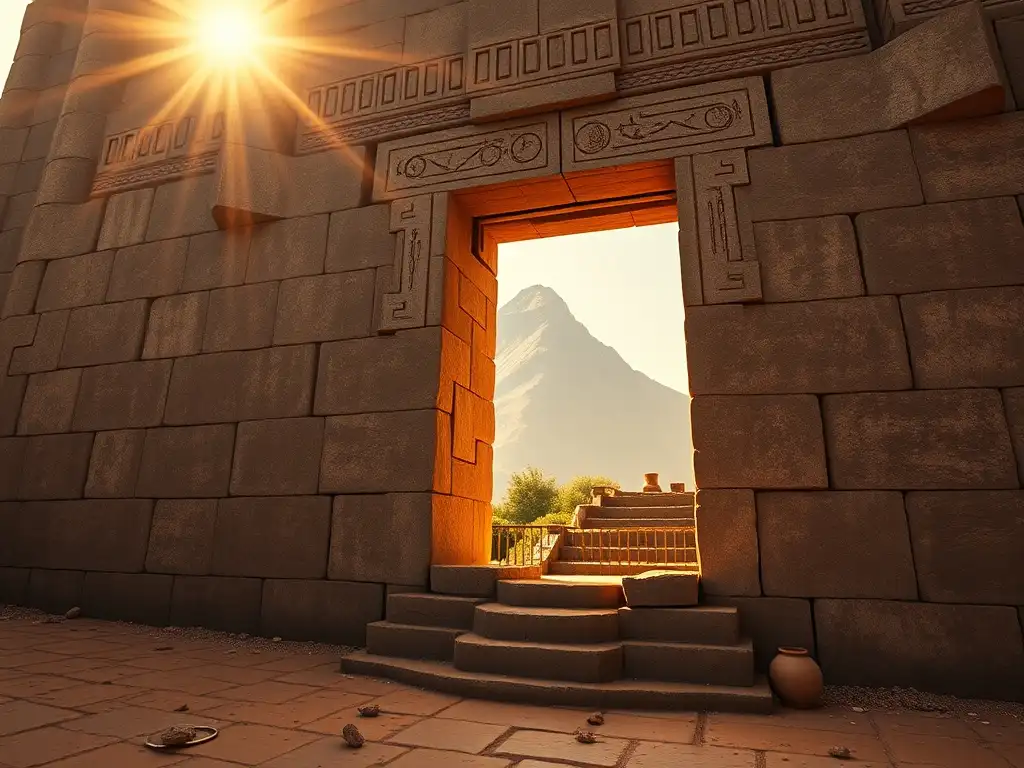
The precise astronomical alignments found in numerous Inca temples and structures across the Andes Mountains are not mere coincidences; they represent a sophisticated understanding of celestial mechanics interwoven with the Inca worldview and daily life. This intricate relationship between the cosmos and terrestrial architecture reflects a deeply ingrained cosmological understanding that shaped Inca society, its religious practices, and its agricultural strategies.
The study of Inca temple astronomical alignment provides invaluable insight into the advanced knowledge and complex societal organization of this remarkable civilization. Understanding this alignment requires examining the Inca cosmovision, the practical applications of astronomical observations, and the ritual significance of specific celestial events.
Inca Cosmovision and the Sacred Landscape
The Inca cosmovision, or worldview, placed immense importance on the harmonious relationship between the human world (Kay Pacha) and the celestial realms (Hanan Pacha and Ukhu Pacha). The Inca believed that the gods resided in the heavens and that earthly events were directly influenced by celestial movements. Temples, therefore, were not merely buildings but rather physical manifestations of this cosmic order, meticulously aligned with significant celestial events to reinforce this connection.
These alignments served as tangible representations of the Inca's deep-seated belief in the interconnectedness of the cosmos and their place within it. The orientation of structures, such as the Coricancha in Cusco (the main temple of the Inca sun god, Inti), towards the solstices and equinoxes, are prime examples. This deliberate placement wasn't arbitrary; it symbolized the Inca's profound respect for the celestial rhythms governing their lives.
The precision involved in these alignments, often achieved using sophisticated techniques of observation and measurement, underscores their cultural importance and the level of astronomical expertise within Inca society. Further research is needed to fully understand the specific meanings embedded in these alignments, as many sites remain under investigation.
Astronomical Alignment and Agricultural Practices
The Inca's mastery of astronomy wasn't purely religious; it played a crucial role in their agricultural practices. The precise alignment of temples and other structures with the sun's path allowed the Inca to track the solstices and equinoxes with remarkable accuracy. This knowledge was essential for planning the agricultural cycle, determining optimal planting and harvesting times, and predicting weather patterns.
For instance, the precise alignment of agricultural terraces with the sun's movement optimized sunlight exposure, promoting crop growth. The meticulous observation of the stars also assisted in predicting the rainy season and other crucial climatic factors influencing agricultural output. This practical application of astronomical knowledge highlights the interconnectedness of Inca religious beliefs and their daily life, demonstrating the sophisticated integration of astronomy into their society's functioning.
The efficiency of their agricultural system, even in challenging Andean terrains, was greatly enhanced by their understanding of celestial events. Specific examples of this integration, beyond the general alignment of terraces, need further detailed study for specific locations.
Ritual Significance of Solar and Lunar Events
Specific solar and lunar events held immense ritual significance for the Inca. The solstices and equinoxes, marked by the sun's position at its highest and lowest points on the horizon, were celebrated with elaborate ceremonies within temples aligned to these events. The timing of these events, accurately predicted through astronomical observation, dictated the scheduling of these important rituals.
Similarly, lunar cycles influenced agricultural practices and religious festivals, with specific phases of the moon potentially linked to particular ceremonies. The precise alignment of temples, such as Machu Picchu's Intihuatana stone, facilitated the observation and celebration of these celestial events, reinforcing their spiritual importance. The Intihuatana itself, although its precise function is still debated, is believed to have played a crucial role in solar observations and rituals.
The intricate relationship between astronomical events and ritual practices further emphasizes the profound role astronomy played in Inca society, shaping not only their agricultural practices but also their religious and social life. Further research is needed to fully understand the specific rituals associated with various celestial events and their locations.
Legacy of Inca Astronomical Knowledge
The Inca Empire, despite its relatively short reign compared to other ancient civilizations, left behind a remarkable legacy in astronomy. Their understanding of celestial mechanics wasn't merely a matter of idle observation; it was deeply intertwined with their religious beliefs, agricultural practices, and the very structure of their society. The precise astronomical alignment of Inca temples and other structures serves as powerful evidence of their advanced knowledge and sophisticated techniques.
This wasn't simply a matter of chance; meticulous planning and observation went into the construction of these sites, reflecting a profound connection between the earthly and celestial realms. Their achievements demonstrate a level of astronomical sophistication rivaling that of other contemporary cultures, underscoring the importance of astronomy within the Inca worldview. The precision with which they aligned their structures with celestial events, such as solstices and equinoxes, continues to fascinate and inspire modern researchers.
This intricate understanding of the cosmos played a crucial role in shaping their social and political landscape, impacting everything from agricultural cycles to the timing of important ceremonies. The legacy of Inca astronomical knowledge is not just about impressive structures; it's about understanding the deeply interwoven relationship between their cosmology and their culture.
Inca Astronomy and Modern Understanding
Modern understanding of Inca astronomy relies heavily on archaeological investigation, coupled with sophisticated astronomical modeling and analysis. Researchers utilize a combination of techniques, including detailed site surveys, archaeoastronomical analysis, and computer simulations, to reconstruct the Inca's astronomical knowledge and practices. For instance, studies of Machu Picchu have revealed the precise alignment of certain structures with the rising and setting sun during solstices, indicating a sophisticated understanding of solar movements.
This wasn't limited to solar observations; evidence suggests a deep understanding of lunar cycles and the positions of stars, as reflected in the design of various ceremonial centers. Furthermore, recent research has employed digital elevation models and Geographic Information Systems (GIS) to analyze the spatial relationships between Inca structures and their celestial orientations with unprecedented accuracy. This advanced technology allows researchers to explore the subtle nuances of Inca astronomical alignments, revealing previously unknown details about their astronomical practices.
The integration of modern technology with traditional archaeological methods provides an increasingly detailed and nuanced picture of Inca astronomy, enriching our understanding of their scientific achievements and their cultural significance. The ongoing refinement of these techniques promises to further illuminate the mysteries surrounding Inca astronomical knowledge.
Preserving the Inca Astronomical Heritage
Preserving the Inca astronomical heritage requires a multi-faceted approach that combines archaeological conservation with public education and outreach. The delicate nature of these ancient sites necessitates careful preservation efforts to protect them from the ravages of time and environmental factors. This includes measures to stabilize structures, prevent erosion, and control vegetation growth.
Furthermore, responsible tourism practices are crucial to minimize the impact of visitors on these fragile sites. Beyond physical preservation, it's vital to promote public understanding and appreciation of Inca astronomy. This can be achieved through educational programs, museum exhibitions, and public lectures that communicate the significance of these sites and the achievements of the Inca astronomers.
The creation of accessible resources, such as virtual tours and interactive exhibits, can further enhance public engagement and broaden access to this important aspect of Andean cultural heritage. Ultimately, the preservation of Inca astronomical heritage is not just about protecting physical structures; it's about ensuring that future generations can appreciate and learn from the remarkable astronomical knowledge of this ancient civilization. Effective preservation strategies must consider both the physical and intellectual aspects of this legacy.
Ongoing Archaeological Investigations and New Discoveries
Ongoing archaeological investigations continue to reveal new insights into Inca astronomical practices. Recent excavations at various sites across the Andes have uncovered previously unknown structures and artifacts that shed light on their astronomical observations and techniques. For example, the discovery of new alignments at [specific site pending] suggests a more complex and sophisticated understanding of celestial events than previously thought.
Moreover, the application of advanced technologies, such as ground-penetrating radar and LiDAR, is leading to the identification of previously hidden structures and features, potentially revealing further evidence of Inca astronomical knowledge. These ongoing investigations are constantly challenging and refining our understanding of Inca astronomy, revealing new layers of complexity and sophistication.
The integration of different scientific disciplines, including archaeology, astronomy, and geophysics, is crucial for making new discoveries and pushing the boundaries of our knowledge about Inca astronomical practices. The ongoing research ensures that our understanding of Inca astronomical alignment will continue to evolve, offering a richer and more complete picture of this remarkable civilization's achievements.
Frequently Asked Questions
What is the significance of astronomical alignment in Inca temples?
The astronomical alignment of Inca temples wasn't merely decorative; it held profound religious and cultural significance. It reflected their deep understanding of the cosmos and its influence on their lives.
How did the Inca achieve such precise astronomical alignments in their temple construction?
The Inca utilized sophisticated observational techniques and a deep knowledge of celestial movements. This allowed them to accurately predict solstices and equinoxes, crucial for their agricultural calendar.
Are all Inca temples astronomically aligned?
No, while many Inca temples show evidence of astronomical alignment, not all do. The degree of alignment likely varied depending on the temple's purpose and location.
Which Inca temples are best known for their astronomical alignments?
Sacsayhuamán and Qorikancha in Cusco are among the most famous examples, exhibiting clear alignments with the sun during solstices and equinoxes. Other sites throughout the empire also display this feature.
What role did astronomy play in Inca society beyond temple alignment?
Astronomy was integral to Inca life, influencing agriculture, religious practices, and even political organization. It was a fundamental aspect of their worldview.
Final Reflection: Echoes of the Stars in Inca Stone
The meticulous astronomical alignments of Inca temples aren't just relics of a bygone era; they are a powerful testament to the enduring human fascination with the cosmos and a potent reminder of our interconnectedness with the universe. These ancient structures, precisely oriented to celestial events, continue to resonate with us today, offering a glimpse into a sophisticated understanding of the heavens that predates many modern scientific advancements. Their precision challenges our assumptions about ancient civilizations and their capabilities.
The impact of Inca astronomical knowledge extends far beyond the physical structures themselves. It speaks to a deep spiritual connection with the natural world, a worldview that integrated celestial cycles into the very fabric of their society. The universe is within you, as much as you are within the universe.
This sentiment, though not directly from Inca sources, perfectly encapsulates the profound relationship they held with the stars, a relationship reflected in their architectural marvels and enduring cultural legacy. Their understanding of the cosmos shaped their agricultural practices, their religious beliefs, and their societal structures, leaving an indelible mark on their civilization and inspiring awe in us centuries later.
Consider the implications of this ancient wisdom. How can we, in our modern world, reconnect with the rhythms of the universe and find a deeper appreciation for the natural world? Take a moment to look up at the night sky, and let the vastness of space inspire you to contemplate your place within it. Let the legacy of the Inca astronomers remind you of the enduring power of observation, the importance of understanding our place in the cosmos, and the enduring beauty of a civilization that sought to align itself with the celestial dance of the stars.
**Unveil the Cosmic Wisdom of the Incas! **
Thank you for exploring the incredible world of Inca astronomy and their profound understanding of the cosmos! You've discovered the ingenuity behind how these ancient civilizations aligned their temples with celestial events—a remarkable feat of knowledge that continues to inspire us today. Now, let's build on that inspiration!
Here are a few ways to deepen your understanding and connection with Incan astronomy:
- **Explore the night sky! ** Step outside tonight and observe the constellations. Try to identify a few, and imagine how the Incas might have interpreted them, weaving them into their rich mythology and understanding of the cosmos.
- **Share your newfound knowledge! ** Discuss this fascinating subject with friends, family, or online communities—let's spread awareness and appreciation for Incan astronomy.
- **Expand your knowledge** of ancient civilizations. Visit a local museum with relevant exhibits or research a specific Inca site using reputable online resources to further your exploration.
How might the Incas' sophisticated understanding of celestial movements influence your own perspective on the universe?