
The Andean Ritual of the Wind: Appeasing the Spirits of the Air

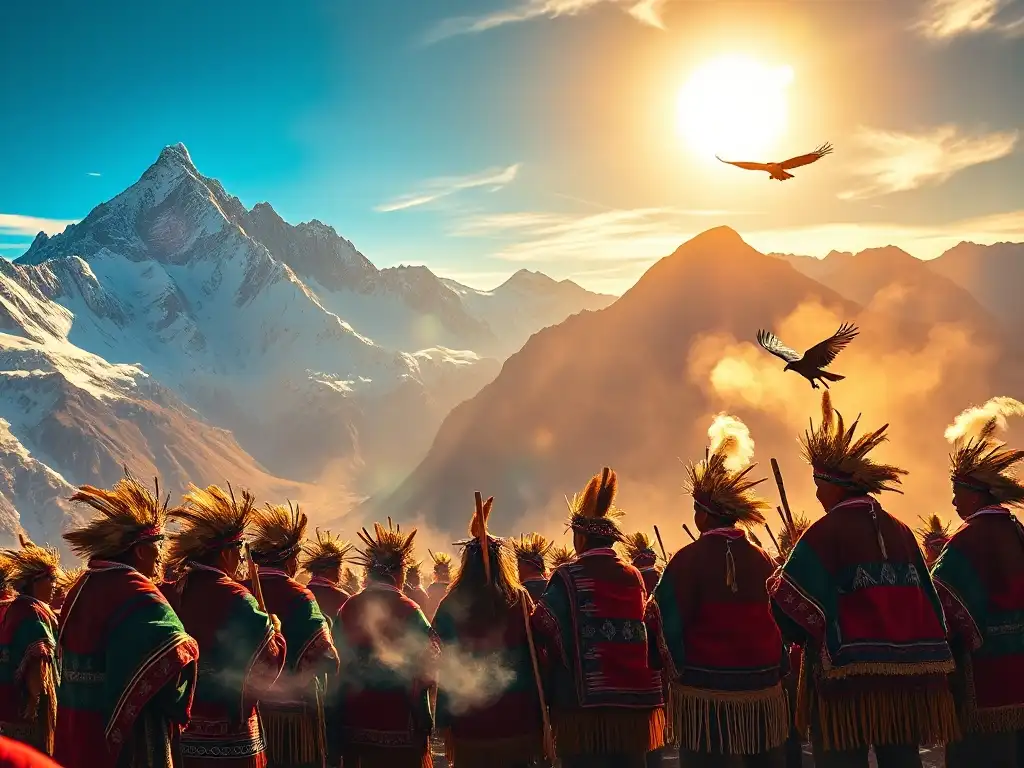
Step into a world lost in time, where the whispers of the wind carried sacred meaning. For centuries, the Andean peoples held profound reverence for the air, their beliefs woven into intricate rituals that shaped their lives. Discover the enigmatic world of Andean wind spirit rituals, a captivating glimpse into the spiritual heart of ancient civilizations. Uncover the secrets behind these powerful ceremonies and unravel the mysteries of a culture deeply connected to the very breath of life itself. Prepare to be amazed.
- Andean Wind Spirit Rituals: Appeasing the Spirits of the Air
- Key Elements of Andean Wind Appeasement Ceremonies
- Specific Andean Wind Rituals Across Different Cultures
- Preparing for an Andean Wind Spirit Ceremony
- The Impact of Andean Wind Rituals on the Community
- Frequently Asked Questions
- Final Reflection: Echoes of the Wind, Whispers of the Future
- Embrace the Winds of Change!
Andean Wind Spirit Rituals: Appeasing the Spirits of the Air
The Andes Mountains, a spine of towering peaks piercing the sky, have shaped not only the geography but also the spiritual beliefs of the ancient Andean civilizations. For these cultures, the wind wasn't merely a meteorological phenomenon; it was a powerful, sentient force, a breath of life imbued with spiritual significance.
This article delves into the fascinating world of Andean wind spirit rituals, exploring how these ancient peoples interacted with and appeased the spirits believed to inhabit the air. We will examine the profound role wind played in their cosmovision, the specific beliefs surrounding air spirits, and the origins and practices of these captivating rituals, all while uncovering the rich tapestry of Andean religious beliefs and practices related to "Andean wind spirit rituals".
Understanding these rituals provides invaluable insight into the complex relationship between humans and the natural world in the Andes, offering a glimpse into a vibrant and deeply spiritual past.
The Significance of Wind in Andean Cosmovision
The Andean cosmovision, a holistic worldview encompassing the physical and spiritual realms, assigned profound importance to wind. It wasn't simply a neutral force of nature; instead, it was considered a powerful entity, a vital element connecting the earthly and celestial realms. Wind was seen as the breath of life, a manifestation of the gods themselves, capable of both creation and destruction.
Ancient Andean texts and archaeological evidence reveal a deep reverence for wind, its power represented in various forms of art and mythology. For example, [specific examples of art and mythology depicting wind pending], showcasing the integral role wind played in their daily lives and spiritual beliefs. The direction and intensity of the wind were carefully observed, interpreted as messages from the spirit world, and often influenced decisions related to agriculture, warfare, and even daily activities.
This deep connection fostered a complex system of rituals aimed at maintaining harmony with these powerful aerial entities. The Andean people believed that neglecting these spirits could result in misfortune, emphasizing the importance of appeasing them through carefully performed ceremonies.
Understanding Andean Beliefs About Air Spirits
Andean cultures believed in a diverse pantheon of spirits inhabiting various aspects of the natural world, including the air. These air spirits, often depicted as powerful beings with the ability to control the wind's strength and direction, were not inherently benevolent or malevolent. Their behavior was believed to be influenced by the actions of humans.
Respect, offerings, and appropriate rituals were crucial to maintaining a positive relationship with these entities. Neglect or disrespect, however, could result in powerful storms, droughts, or other natural disasters. Different Andean cultures had unique names and representations for these spirits; for example, [specific examples of air spirit names and descriptions from different Andean cultures pending].
These beliefs highlight the interconnectedness of the spiritual and physical worlds in the Andean worldview, where even the seemingly intangible forces of nature held powerful spiritual significance. The concept of reciprocity, a cornerstone of Andean social and religious life, extended to the spirit world, emphasizing the importance of offering something in exchange for favorable winds and weather.
Origins of Wind Rituals in Andean Cultures
The origins of wind rituals in the Andes are deeply rooted in their ancient history, evolving over centuries and varying across different cultures. While precise dating of these practices remains challenging due to limited written records, archaeological findings such as [specific archaeological examples of ritual sites or artifacts related to wind rituals pending] suggest that rituals aimed at appeasing wind spirits were prevalent across various Andean societies. These rituals were often integrated into broader agricultural cycles, reflecting the crucial role of weather in their subsistence.
The ceremonies often involved offerings of coca leaves, food, and other precious items, presented to the spirits as a sign of respect and gratitude. Specific rituals varied regionally, adapting to local conditions and beliefs. For instance, [specific examples of regional variations in wind rituals pending], illustrating the diversity within the overall theme of appeasing air spirits.
The persistence of these practices across different Andean cultures underscores their deep-seated significance and the enduring power of these ancient beliefs. The legacy of these rituals continues to resonate today, influencing contemporary Andean communities and their relationship with the natural world.
Key Elements of Andean Wind Appeasement Ceremonies
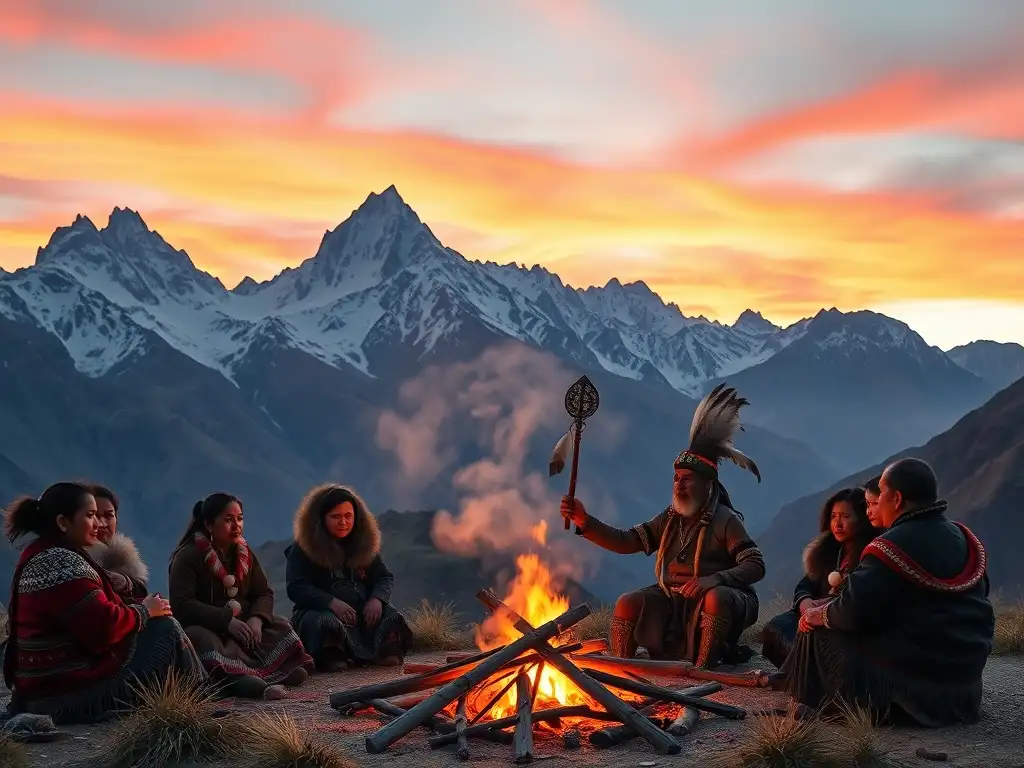
The Andean worldview deeply intertwined the physical and spiritual realms, with the wind playing a significant role as a powerful, unpredictable force. Wind wasn't simply air; it was imbued with spiritual energy, believed to be the breath of powerful deities or the manifestation of ancestral spirits. Therefore, appeasing these wind spirits—vital for favorable weather patterns, successful harvests, and overall community well-being—was paramount.
These appeasement ceremonies, often complex and varied across different Andean cultures, share some core elements. Understanding these key components allows us to appreciate the depth and sophistication of Andean spiritual practices related to the wind. The rituals weren't simply about controlling nature; they were about maintaining a harmonious relationship with the spiritual forces that shaped their lives.
This harmonious interaction was crucial for the survival and prosperity of Andean communities. The effectiveness of the rituals was believed to be directly proportional to the sincerity and devotion with which they were performed.
The Role of Music and Dance in Wind Rituals
Music and dance formed the backbone of many Andean wind appeasement ceremonies. The rhythmic sounds of panpipes, flutes, and drums, combined with the graceful or vigorous movements of dancers, were believed to directly communicate with the wind spirits. Specific melodies and dance steps, often passed down through generations, were thought to possess unique powers to attract, appease, or even command the wind.
For example, the use of specific instruments like the pututu (a long shell trumpet) was common in Incan rituals, its deep, resonant sound believed capable of reaching the highest mountain peaks where the wind spirits resided. The intensity of the music and dance varied depending on the specific purpose of the ritual – a gentle breeze might be invoked with softer melodies and delicate movements, while a more powerful wind might require vibrant, energetic performances. The musicians and dancers weren't simply performers; they were intermediaries, channeling human energy to connect with the spiritual realm.
Ethnomusicological studies reveal a rich complexity in the musical aspects of these rituals, with subtle variations in rhythm and melody reflecting the nuances of the specific wind spirit being addressed. This wasn't simply entertainment; it was a sacred performance with profound spiritual significance.
Offerings to the Wind Spirits: What is Given?
Offerings played a crucial role in appeasing the wind spirits. These weren't arbitrary gifts; they were carefully chosen items reflecting the community's relationship with the land and their understanding of the wind's importance. Common offerings included coca leaves (representing reciprocity and respect), chicha (a fermented corn beverage, symbolizing community and celebration), and various agricultural products like maize and potatoes (demonstrating gratitude for the harvest).
In some cases, precious metals or textiles were also offered, demonstrating the significance attributed to the wind spirits. The act of offering wasn't merely about giving material goods; it was about establishing a reciprocal relationship, acknowledging the wind's power, and seeking its continued benevolence. The placement of offerings was also significant, often left on high altitudes or exposed places where the wind could easily carry them away, symbolically sending them to the spiritual realm.
Anthropological research suggests that the type and quantity of offerings often varied based on the specific needs of the community—a drought might necessitate more substantial offerings than a period of favorable weather. The act of offering was a communal act, reinforcing social bonds and shared faith in the efficacy of the ritual.
The Use of Sacred Objects in Andean Air Rituals
Beyond offerings, sacred objects played a vital role in Andean wind rituals. These objects acted as conduits, connecting the human world with the spiritual realm of the wind. Examples include intricately woven textiles depicting wind deities or symbols associated with air, intricately carved wooden figures representing wind spirits, and specific types of feathers or stones believed to possess magical properties related to wind control.
These objects weren't simply decorations; they were imbued with spiritual power, acting as focal points for the ritual and facilitating communication with the wind spirits. The use of these objects often involved complex rituals of purification and consecration, ensuring their ability to effectively channel spiritual energy. Archaeological discoveries continue to uncover such objects, providing tangible evidence of the sophisticated religious practices associated with Andean wind appeasement.
The craftsmanship and detail evident in these objects underscore the deep reverence and belief in the power of these spiritual tools. The careful preservation and transmission of these sacred objects across generations highlight the importance of maintaining a continuous connection with these spiritual forces. These objects served as powerful reminders of the intricate relationship between the Andean people and the powerful forces of nature, particularly the ever-present wind.
Specific Andean Wind Rituals Across Different Cultures
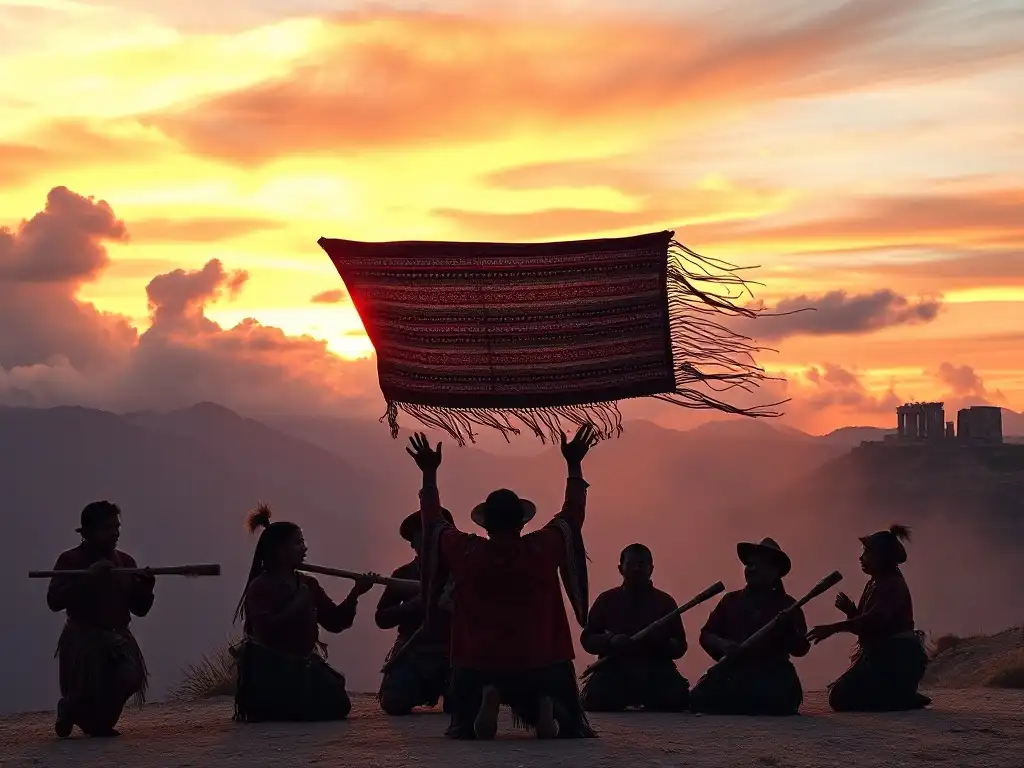
This section delves into the diverse ways Andean cultures interacted with and appeased the spirits associated with the wind, highlighting the nuanced variations across different civilizations and time periods. Understanding these rituals provides crucial insight into the Andean worldview, where the natural world was deeply intertwined with the spiritual realm. The concept of "Andean wind spirit rituals" encompasses a broad spectrum of practices, reflecting the geographical and cultural diversity of the region. We will explore specific examples to illuminate this rich tapestry of belief and practice.
Wind Rituals of the Inca Civilization
Inca wind rituals, while less extensively documented compared to other aspects of their religion, were undoubtedly integral to their worldview. The Inca empire, spanning vast altitudes and diverse climates, recognized the power of wind as a vital force influencing agriculture, weather patterns, and even the spiritual realm. Evidence suggests that offerings to wind deities were made, likely involving coca leaves, chicha (fermented corn beverage), and other sacred items.
These offerings were probably left on mountain peaks or high-altitude passes, places considered gateways to the spiritual world and particularly susceptible to the influence of wind spirits. Further research is needed to fully understand the specific rituals and ceremonies associated with wind appeasement in Inca culture; current scholarship relies heavily on interpretations of iconography and indirect evidence from related practices.
The scarcity of detailed textual accounts presents a challenge in reconstructing the precise nature of these rituals. However, we can infer from related practices, such as the veneration of Apus (mountain spirits), that wind, as a powerful force associated with the mountains, held significant spiritual importance.
The Significance of the "Apus" in Wind Ceremonies
The Apus, mountain deities revered throughout the Andes, played a central role in many wind-related ceremonies. These majestic peaks were considered sacred entities, their summits often shrouded in mist and wind, reinforcing their association with the spiritual realm. Wind, often personified as a powerful spirit or messenger of the Apus, was seen as a conduit between the earthly and celestial realms.
Many Andean rituals involved ascending to high altitudes, often to Apus mountaintops, to make offerings and communicate with the spiritual world. These offerings, intended to appease the Apus and the wind spirits associated with them, were believed to ensure good harvests, favorable weather, and overall well-being. The strong connection between Apus, wind, and spiritual power underscores the significance of wind in the Andean cosmovision.
The direction and intensity of the wind could also be interpreted as messages from the spirits, influencing decisions related to agriculture, warfare, or even everyday life. This intricate relationship between the physical and spiritual worlds reveals the deep reverence Andean cultures held for natural forces.
Wind Appeasement Practices in Modern Andean Communities
While many traditional Andean practices have been impacted by the introduction of Christianity and other influences, wind appeasement rituals persist in many communities. These contemporary practices often blend traditional beliefs with elements of Catholicism, showcasing the dynamic evolution of Andean spirituality. For example, offerings of coca leaves, candles, and other items are still placed in strategic locations, such as mountain passes or windswept areas, to appease wind spirits and request their benevolence.
These modern-day rituals often involve prayers and invocations, blending Quechua or Aymara languages with Spanish phrases. The continuity of these practices highlights the enduring power of traditional Andean beliefs. Further investigation into contemporary practices in various Andean communities is crucial to better understand the living legacy of these ancient rituals.
Documentation of these ongoing traditions is essential to preserve and understand the rich cultural heritage of the Andes and its continued connection to the power of the wind. The ongoing study of these rituals offers a vibrant perspective on the adaptability and resilience of Andean spiritual practices.
Preparing for an Andean Wind Spirit Ceremony
This section details the crucial preparatory steps involved in conducting an Andean wind spirit ritual, ensuring a respectful and effective connection with the apu (mountain spirits) and the powerful forces of the wind. Understanding these preparations is key to appreciating the depth and significance of these ancient ceremonies. Successful appeasement of the wind spirits, crucial for a successful harvest and overall community well-being, relies heavily on meticulous preparation.
The Andean people believed that neglecting these preparations could result in unfavorable winds, impacting agriculture and daily life. This careful attention to detail highlights the profound reverence for the natural world inherent in Andean spirituality.
Selecting the Right Location for Wind Rituals
The choice of location for an Andean wind spirit ritual is paramount. It's not simply a matter of finding a windy spot; rather, it's about selecting a place imbued with spiritual significance and conducive to connecting with the apu and the wind spirits. Ideally, ceremonies are performed on high-altitude peaks or mountain passes, places considered sacred gateways between the earthly and spiritual realms. These locations are often characterized by strong winds, symbolizing the power and dynamism of the spirits.
The specific location within the chosen area also matters. Practitioners often look for natural formations that amplify the wind's energy, such as rock outcroppings or natural wind tunnels. The presence of significant geographical features, such as unusual rock formations or ancient ruins, further enhances the spiritual power of the site, creating a stronger connection to the ancestral past.
These locations are not chosen arbitrarily; they are carefully selected based on generations of accumulated knowledge and tradition. The selection process itself is a ritual, involving careful observation of natural phenomena and consultation with community elders. The location's energy is tested and assessed before the ceremony begins, ensuring a suitable connection to the spiritual world.
Gathering the Necessary Materials for Air Offerings
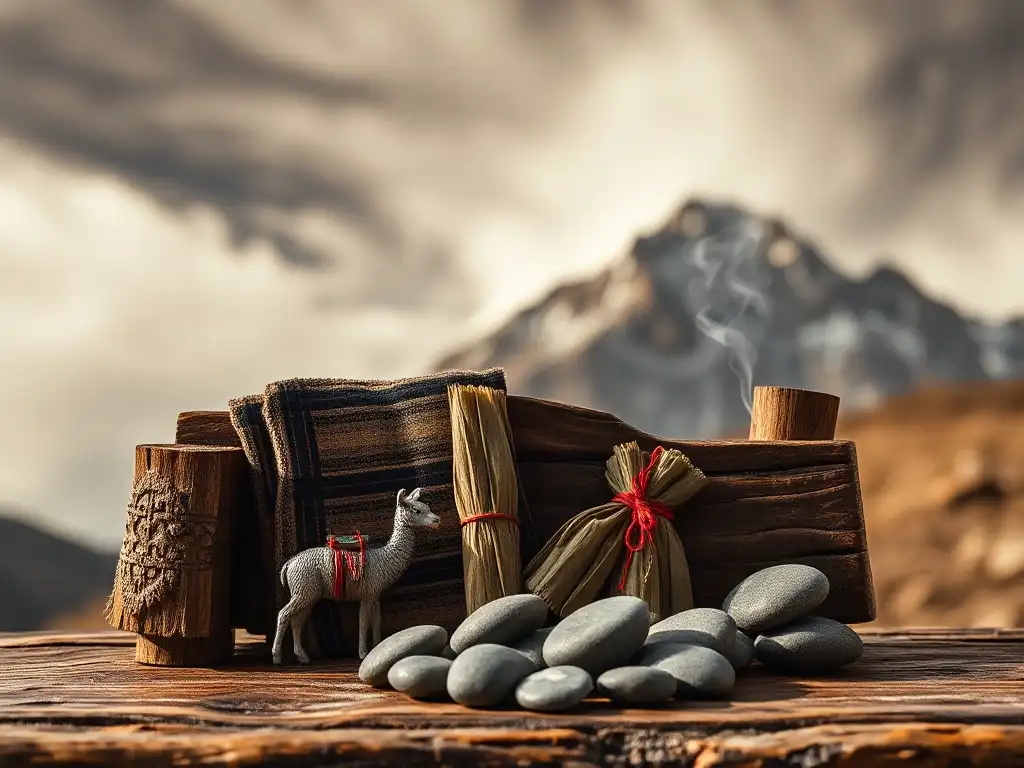
The materials used in Andean wind spirit rituals are carefully chosen to represent the elements and symbolize the offerings to the apu. These are not merely symbolic; they are believed to carry spiritual energy and facilitate communication with the wind spirits. The core elements frequently include:
- Incense: Specific aromatic herbs and resins, such as pako (a type of Andean incense), are burned to create a fragrant offering that pleases the wind spirits and purifies the ritual space. The scent itself is believed to carry the prayers and intentions to the spiritual realm.
- Coca Leaves: These sacred leaves, chewed as a sign of respect and offering, are a fundamental part of many Andean rituals. They are offered to the wind spirits as a gesture of gratitude and appeasement.
- Chicha: A fermented corn beverage, chicha is often offered as a libation, poured onto the earth to honor the earth's connection to the wind.
- Flowers and Feathers: Colorful flowers and feathers, especially those of birds associated with the wind, are used as visual offerings, adding beauty and vibrancy to the ritual. The colors and shapes are believed to hold specific spiritual meanings.
- Musical Instruments: Instruments like panpipes ( antara) and drums are used to create a soundscape that resonates with the energy of the wind, further connecting the participants to the spiritual realm.
The careful selection and preparation of these materials are considered crucial to the success of the ceremony. Any imperfection or carelessness is believed to diminish the efficacy of the ritual. The materials themselves are imbued with meaning and purpose, reflecting the deep respect and reverence for the natural world that characterizes Andean culture.
The Importance of Intention in Wind Ceremonies
The success of an Andean wind spirit ceremony hinges not only on the preparation but also on the intention of the participants. The ritual is not a mere performance; it's a sincere act of communication and appeasement. Participants must approach the ceremony with pure intentions, focusing on their requests and expressions of gratitude. This sincere connection with the spiritual world is crucial for establishing a harmonious relationship with the wind spirits.
The prayers and offerings aren't simply words or objects; they are believed to carry the energy of the participant's intentions. A positive and respectful attitude is therefore essential. Negative emotions or selfish desires are believed to disrupt the connection and could even anger the spirits, leading to unfavorable consequences. The community aspect is also important.
Many rituals are performed collectively, uniting the community in a shared intention to appease the wind spirits and ensure the well-being of all. This communal aspect reinforces the strength of the collective intention, amplifying the effectiveness of the ceremony. Therefore, the preparation and execution of an Andean wind spirit ritual is a holistic practice, combining meticulous preparation with a sincere and respectful attitude. The harmony between these elements ensures a successful connection with the spiritual world and a positive outcome for the community.
The Impact of Andean Wind Rituals on the Community
Andean wind spirit rituals, deeply embedded in the cultural fabric of ancient Andean societies, extended far beyond mere appeasement of deities. They played a crucial role in fostering social cohesion and maintaining the delicate balance between the community and its environment. These rituals weren't isolated events; they were integral to the daily lives of individuals and the overall wellbeing of the community. The successful performance of these ceremonies, believed to influence weather patterns and agricultural yields, directly impacted the community's survival and prosperity.
Promoting Harmony with Nature through Wind Ceremonies
The success of Andean agriculture was, and continues to be in some areas, intrinsically linked to the capricious nature of the winds. Strong winds could damage crops, while favorable breezes were essential for pollination and a healthy growing season. Wind ceremonies, therefore, weren't simply about appeasing supernatural forces; they were practical strategies for ensuring agricultural abundance.
Communities would collaboratively participate in these rituals, reinforcing their shared dependence on the environment and fostering a sense of collective responsibility for its wellbeing. This shared experience built strong social bonds and solidified community identity. The rituals themselves often involved symbolic offerings such as coca leaves, incense, and small figurines representing the wind spirits, all carefully placed in designated areas exposed to the wind's currents.
The precise methods varied across different Andean cultures, reflecting the diverse geographical landscapes and unique beliefs of each group. For example, the placement of offerings could vary depending on the direction of the wind and the specific spirit being addressed. This meticulous attention to detail underscores the profound importance placed on these practices.
The Healing Power of Air Spirit Rituals
Beyond their agricultural significance, Andean wind spirit rituals also held considerable medicinal value. The air, considered a vital life force, was believed to be imbued with spiritual energy that could be harnessed for healing purposes. Shamans or paqos, spiritual leaders, played a critical role in these healing rituals, often using wind-related techniques such as breathwork and specific chants to channel the healing power of the air spirits.
These practices aimed to restore balance within the individual, both physically and spiritually, by addressing ailments believed to be caused by an imbalance of energies. Detailed accounts of these practices, unfortunately, are scarce due to the limited written records from the pre-Columbian era; however, ethnographic studies of surviving Andean traditions offer valuable insights into the enduring significance of these healing rituals.
Further research into archaeological findings and oral traditions could shed more light on the specific techniques and ingredients used in these healing ceremonies. The use of herbs and other natural remedies, often associated with specific wind spirits, further highlights the intricate connection between spiritual belief and practical medicine within Andean cultures.
Preserving Andean Traditions: The Legacy of Wind Practices
Despite the impact of colonization and modernization, many Andean communities continue to maintain aspects of their ancestral wind spirit rituals. While the precise forms of these practices may have evolved over time, the underlying beliefs and spiritual significance remain. The preservation of these traditions is not merely a matter of cultural heritage; it's a testament to the enduring power of Andean cosmovision and its relevance to contemporary life.
These rituals continue to provide a framework for understanding the relationship between humanity and nature, promoting environmental stewardship and community cohesion. The ongoing efforts to document and preserve these practices are crucial for ensuring that the rich tapestry of Andean spiritual knowledge is not lost to future generations. The continued study and understanding of these rituals offer valuable insights into the holistic worldview of Andean cultures and their profound connection to the natural world.
The survival of these traditions speaks volumes about the resilience of Andean culture and its ability to adapt while retaining its core values. Furthermore, understanding these rituals offers valuable lessons for contemporary societies grappling with environmental challenges and the need for sustainable practices. 🌬️
Frequently Asked Questions
What are Andean wind spirit rituals?
Andean wind spirit rituals are ceremonies designed to appease and honor the powerful spirits believed to inhabit the wind. These rituals vary across different Andean cultures but often involve offerings and prayers to ensure favorable winds for agriculture, travel, and overall well-being.
Which Andean cultures practiced wind spirit rituals?
Many Andean cultures, including the Inca, Moche, Nazca, and Tiahuanaco, had beliefs and practices related to wind spirits. Specific rituals and their interpretations differed between these groups, reflecting their unique cosmologies and traditions. Evidence suggests these practices were widespread across the Andes.
What types of offerings were used in these rituals?
Offerings in Andean wind spirit rituals often included coca leaves, food, and chicha (a fermented corn beverage). These were presented to the wind spirits as a sign of respect and to secure their favor. In some cases, valuable objects or textiles were also offered.
How important were wind spirits in Andean cosmology?
Wind spirits held significant importance in Andean cosmology, representing powerful forces of nature that could influence both the physical and spiritual worlds. Favorable winds were essential for agriculture and transportation, making appeasing these spirits crucial for survival and prosperity.
Where can I learn more about Andean wind spirit rituals?
You can find more information through academic research papers, anthropological studies, and museum exhibits focusing on Andean cultures. Books on Inca and pre-Inca civilizations often include sections on religious practices and beliefs, including those related to wind spirits.
Final Reflection: Echoes of the Wind, Whispers of the Future
The ancient Andean rituals surrounding wind spirits remain profoundly relevant today, a testament to the enduring power of humanity's connection with the natural world. While modern society often prioritizes technological solutions, the core message of these rituals—respect for the environment and a harmonious coexistence with unseen forces—holds a critical message for our increasingly fragile planet. Ignoring the delicate balance of our ecosystems, as we have done for too long, carries severe consequences, echoing the anxieties that fueled these ancient practices.
The enduring influence of these wind spirit rituals is not merely historical; it's a living thread woven into the fabric of Andean culture and beyond. The reverence for nature, the understanding of interconnectedness, and the emphasis on community action in appeasing the spirits all resonate deeply with contemporary environmental movements. The earth does not belong to man; man belongs to the earth.
This sentiment, though not directly from Andean tradition, encapsulates the fundamental respect for nature at the heart of these rituals, a respect we desperately need to rediscover in our own time.
Consider the wind, a force both powerful and unseen. Just as the Andean people sought to appease its capricious nature, so too must we learn to live in harmony with the forces that shape our world. You, the reader, hold the power to carry this message forward. Reflect on your own relationship with nature, and ask yourself: how can you cultivate a deeper respect for the environment and contribute to a more sustainable future? Let the whispers of the Andean wind guide you towards a more harmonious existence with the world around you.
Embrace the Winds of Change!
Thank you for exploring the fascinating world of Andean wind rituals with us! We hope you've gained valuable insights into how these ancient practices connect us to nature and our spirituality. Now, it's time to integrate these insights into your life in meaningful ways.
- Start your own ritual: Begin each day with a moment of gratitude and intention-setting, perhaps by appreciating the natural world around you. This could be as simple as noticing the wind in the trees or feeling the sun on your skin.
- Connect with others: Find or create a community focused on Andean traditions or environmental stewardship. Sharing experiences with like-minded individuals can deepen your understanding and commitment.
- Share your journey: Write a blog post or share on social media about how these Andean teachings have resonated with you. Inspire others to explore similar spiritual practices and connect with nature.
What positive changes will you invite into your life today?