
The Ancestral Sounds of Quechua: Listening to the Echoes of the Past

Dive into the captivating world of the Andean civilizations! From the towering heights of Machu Picchu to the intricate artistry of the Nazca Lines, a vast and mysterious history unfolds. But what if the key to unlocking their secrets lies in the whispers of a forgotten tongue? Discover the fascinating history of the Quechua language and its enduring connection to the Inca empire—a journey through time that will leave you breathless. Prepare to be amazed by the enduring legacy of Quechua language history Inca—explore now and uncover the echoes of a powerful past.
The Quechua language, a vibrant tapestry woven through the Andes Mountains for centuries, holds a captivating history deeply intertwined with the rise and fall of powerful empires. This article delves into the rich linguistic legacy of Quechua, exploring its evolution from its ancient roots to its modern-day presence, with a particular focus on its significant role within the Inca Empire and its enduring impact on the cultural identity of Andean communities.
We will uncover how the Quechua language reflects the complex social structures, beliefs, and technological advancements of the Inca civilization and beyond, offering a unique window into the past through its enduring sounds. Understanding the history of Quechua is crucial to appreciating the broader history of the Andean region, and its enduring presence speaks volumes about the resilience and cultural richness of its people.
This journey will trace the language's development, exploring its various dialects, its influence on other languages, and its continued relevance in the 21st century. Prepare to listen to the echoes of the past as we unravel the fascinating story of the Quechua language.
The Pre-Inca Roots of Quechua: A Tapestry of Languages
Before the Inca Empire's expansion, various Quechuan dialects already existed across the Andes. Archaeological evidence, albeit limited in directly referencing the language itself, suggests a long history of communication systems preceding the Inca's rise. Linguistic analysis points towards a proto-Quechua language, a common ancestor from which the diverse dialects emerged. This process of diversification likely spanned centuries, influenced by geographic isolation and the unique cultural practices of different Andean communities. The exact timeline remains a subject of ongoing research, but it's clear that the linguistic landscape of the Andes was far from monolithic even before the Inca unification. The intricacies of these pre-Inca languages and their relationship to later Quechua dialects are still being pieced together by researchers, highlighting the ongoing nature of linguistic discovery in the Andes. The discovery of new archeological sites and the continued analysis of existing data continuously refine our understanding of this complex linguistic history.
Quechua's Rise to Prominence Under the Inca Empire
The Inca Empire's expansion in the 15th and 16th centuries dramatically shaped the trajectory of the Quechua language. While not initially the sole language of the empire, the Inca rulers strategically promoted a standardized form of Quechua, known as Qhichwa, as the official administrative language. This facilitated communication and governance across the vast empire, connecting diverse communities and fostering a sense of unity.
The Inca's skillful use of Quechua as a tool for unification stands as a testament to their administrative prowess and their understanding of the power of language in shaping identity and fostering social cohesion. This standardization, however, did not erase the existing diversity; numerous dialects continued to be spoken alongside Qhichwa. The impact on the language itself included the incorporation of administrative and technical vocabulary related to the empire’s sophisticated organization and infrastructure.
The Impact of Spanish Colonization on Quechua
The Spanish conquest of the Inca Empire in the 16th century marked a turning point in Quechua's history. Spanish colonial policies actively suppressed the language, favoring Spanish as the language of administration, education, and commerce. This suppression led to a significant decline in Quechua speakers, particularly among the elite classes. However, despite these efforts, Quechua proved remarkably resilient.
It persisted in rural communities, maintaining its vitality through generations of oral transmission. The survival of Quechua in the face of aggressive colonial policies underscores the deep cultural significance of the language and the determination of its speakers to preserve their linguistic heritage. This resilience is a testament to the enduring strength of Andean cultural identity. The ongoing presence of Quechua in the modern era is a complex interplay of resistance, adaptation, and the enduring power of oral tradition.
Quechua in the Modern Era: Revitalization and Persistence
Despite centuries of suppression, Quechua remains a vibrant language spoken by millions across the Andes. Efforts towards language revitalization are gaining momentum, with increased support for Quechua education and media. The language is now used in various contexts, including education, government, and the arts.
This resurgence reflects a growing recognition of the importance of linguistic diversity and the cultural value of preserving indigenous languages. The continued use of Quechua demonstrates the enduring connection between language and cultural identity in the Andean region and its ongoing relevance in the modern world. The story of Quechua's survival and resurgence is a powerful testament to the resilience of Andean cultures and the enduring strength of their linguistic heritage.
The future of Quechua appears brighter than ever, fueled by renewed appreciation for its cultural and historical significance. Moreover, the growing interest in Quechua language learning globally represents a broader trend towards linguistic diversity and cultural appreciation.
- The Pre-Inca Roots of Quechua: A Tapestry of Languages
- Quechua's Rise to Prominence Under the Inca Empire
- The Impact of Spanish Colonization on Quechua
- Quechua in the Modern Era: Revitalization and Persistence
Understanding the Historical Roots of the Quechua Language
The Quechua language, a vibrant tapestry woven through the Andes, boasts a rich and complex history intricately linked to the rise and fall of powerful Andean empires. Its evolution is not a linear progression, but rather a dynamic interplay of cultural exchange, political dominance, and linguistic adaptation. Understanding its historical roots is crucial to appreciating its enduring presence and significance in contemporary Andean society.
The very fabric of Quechua reflects millennia of human interaction and adaptation within the challenging yet rewarding Andean landscape. This section delves into the key periods that shaped the Quechua language we know today, focusing on its pre-Inca origins and the standardization efforts undertaken during the Inca Empire. The keyword "Quechua language history Inca" is central to this exploration.
The Origins of Quechua: Pre-Inca Influences
Tracing the origins of Quechua before the Inca Empire presents a significant challenge for linguists and historians. Evidence suggests that Quechua, or its proto-forms, existed long before the Inca's rise to power. Archaeological discoveries and linguistic analysis point to a gradual development of Quechua dialects across different Andean regions. These early Quechua speakers likely interacted with other indigenous groups, resulting in linguistic borrowing and evolution.
The specific timeline and exact nature of these interactions remain areas of ongoing research, with much still unknown about the pre-Inca linguistic landscape. However, it's clear that the language wasn't created overnight but developed gradually over centuries, absorbing and adapting to its surroundings. The diversity of Quechua dialects today is a testament to this long and complex pre-Inca history. We can envision a mosaic of early Quechua-speaking communities, each with its own unique variations and influences, gradually connecting and influencing one another over time.
Quechua's Rise to Prominence Under the Inca Empire
The Inca Empire's expansion in the 15th and 16th centuries marked a pivotal moment in Quechua's history. As the Inca conquered vast territories, their language, Runasimi (the language of the people), became increasingly important for administration, communication, and cultural integration across their diverse empire. While not all subjects spoke Quechua, the Inca rulers strategically promoted its use, particularly a standardized version known as Qichwa.
This standardization wasn’t a forced imposition, but rather a gradual process, facilitating trade, governance, and cultural exchange within the empire's vast network. Think of it as a unifying force, a common tongue that helped bind together disparate regions and cultures under Inca rule.
This period saw the expansion of Quechua beyond its original geographic reach, leading to the development of new dialects and variations, further enriching its linguistic complexity. The Inca's use of quipu, a complex system of knotted strings for record-keeping, also played a role in the dissemination and administration of information within the Quechua-speaking realm.
The Inca Empire and the Standardization of Quechua
The Inca's administrative needs drove the standardization of Quechua. The vastness of their empire necessitated a common language for communication between different provinces and ethnic groups. While regional dialects persisted, a standardized form of Quechua emerged, likely based on the dialect spoken in the Cusco region, the heart of the Inca Empire.
This standardization wasn't a top-down imposition enforced rigidly; rather, it evolved organically through bureaucratic processes and the increasing need for inter-regional communication. The standardization process facilitated the dissemination of imperial decrees, tax collection, and the organization of labor. It also played a crucial role in cultural integration, helping to create a sense of shared identity among the diverse populations under Inca rule.
This process is reflected in the relatively consistent grammatical structures and vocabulary found across many Quechua dialects today, a legacy of the Inca Empire's administrative efficiency and cultural influence. The standardization of Quechua during the Inca period is a compelling example of how political power can shape linguistic development and create a shared cultural identity across a vast and diverse geographic area. The echoes of this standardization are still heard in the Quechua language today, proving its enduring resilience and adaptability.
Quechua Language History: Key Periods and Transformations
This section delves into the fascinating historical journey of the Quechua language, tracing its evolution through key periods of Andean history. We'll explore the impact of various socio-political forces on Quechua's development, from its pre-Columbian roots to its vibrant presence in the modern world. Understanding this history illuminates the resilience and adaptability of this remarkable language, a testament to the enduring spirit of its speakers. The Quechua language history, particularly its relationship with the Inca empire, is a complex and multifaceted subject, deserving careful examination.
The Colonial Era: Impact on Quechua and its Speakers
The Spanish conquest of the Inca Empire in the 16th century profoundly impacted Quechua and its speakers. While Quechua initially held a privileged position as the administrative language of the vast Inca empire, the Spanish colonial regime actively sought to suppress it, favoring Spanish as the language of power and administration. This resulted in a significant decline in Quechua's use in official contexts. However, the complete eradication of Quechua proved impossible. Its persistence in rural communities highlights the strong cultural ties Quechua held amongst the indigenous population.
The imposition of Spanish led to significant linguistic changes. Quechua absorbed numerous loanwords from Spanish, enriching its vocabulary with terms related to new technologies, concepts, and religious practices. This process, known as language contact, is evident in many modern Quechua dialects.
The impact was not uniform across all Quechua-speaking regions; some areas experienced a more drastic decline than others, depending on the intensity of Spanish colonial presence and the strategies employed for language suppression. Further research is needed to fully quantify the extent of vocabulary shift and grammatical changes during this period. For example, [Specific data on vocabulary shift percentage pending].
Quechua During the Republican Era: Suppression and Revival
The republican era in the Andean nations (following independence from Spain) brought new challenges and opportunities for Quechua. While Spanish remained the dominant language of government and education, the suppression of Quechua continued, albeit with varying degrees of intensity across different nations. Policies promoting Spanish monolingualism often marginalized Quechua speakers, limiting their access to education, employment, and political participation. This contributed to a sense of linguistic insecurity among many Quechua speakers, leading some to prioritize Spanish over their ancestral tongue.
However, this period also witnessed the beginnings of a Quechua revival. Indigenous movements and intellectuals began advocating for the recognition and revitalization of Quechua, highlighting its cultural significance and the importance of linguistic diversity. The growing awareness of Quechua's historical and cultural value laid the groundwork for future efforts towards language preservation and promotion. The exact nature of these early revival efforts and their impact on Quechua’s usage requires further investigation. [Specific data on the success of early revival efforts pending].
Modern Quechua: A Living Language in the 21st Century
Today, Quechua is far from extinct. Despite centuries of suppression, it remains a vibrant and evolving language spoken by millions across the Andes. The 21st century has seen a renewed focus on Quechua language preservation and promotion, driven by increased indigenous activism, government initiatives, and educational programs. Quechua is now taught in some schools, and there are efforts to integrate it into various aspects of public life. The use of Quechua in media, literature, and music further contributes to its revitalization.
However, challenges remain. The ongoing dominance of Spanish in many spheres of life continues to pose a threat to Quechua's long-term survival. Socioeconomic inequalities and lack of access to quality education in Quechua contribute to the linguistic shift towards Spanish among younger generations. The future of Quechua depends on continued efforts to promote bilingualism, empower Quechua speakers, and integrate Quechua into all aspects of society. A comprehensive analysis of current Quechua language usage statistics, including generational shifts, is needed to accurately assess its future prospects.
[Specific data on current Quechua speaker demographics pending]. The ongoing struggle for Quechua's survival underscores the importance of continued linguistic diversity and the fight against linguistic imperialism. The future of Quechua language history is being written today. 🗣️
Exploring the Linguistic Features of Quechua
This section delves into the fascinating linguistic characteristics of Quechua, a language family spoken across the Andes Mountains for centuries. Understanding its phonology, grammar, and regional variations provides crucial insight into the rich tapestry of Andean cultural history, particularly its connection to the Inca Empire and its enduring legacy. The Quechua language history Inca narrative is deeply intertwined with the language's evolution and diversification.
Quechua Phonology: Sounds and Pronunciation
Quechua phonology presents a unique system of sounds and pronunciation, differing significantly from many European languages. One striking feature is its inventory of vowels, often including more than the five typically found in Spanish or English. For instance, many Quechua dialects distinguish between high front unrounded /i/ and high front rounded /y/, and similarly between high back unrounded /u/ and high back rounded /w/. This subtle but crucial distinction impacts the meaning of words, highlighting the precision of the language.
Furthermore, Quechua utilizes a range of consonants, some of which might be unfamiliar to speakers of other language families. The presence of glottal stops (/ʔ/), for example, significantly alters word pronunciation and meaning. These glottal stops, often omitted in casual speech or transcribed inaccurately, are crucial for understanding the nuances of Quechua pronunciation and should be carefully considered when studying the language. The complexity of Quechua phonology underscores the need for dedicated linguistic studies to fully grasp its intricate sound system. Accurate transcription and pronunciation are essential for proper understanding and preservation of the Quechua language history Inca context.
Quechua Grammar: Unique Characteristics and Structure
Quechua grammar differs markedly from many Indo-European languages. It's an agglutinative language, meaning that grammatical relations are expressed by adding suffixes to the word stem. This contrasts with languages like English, which use word order and prepositions more extensively. For example, tense, aspect, mood, and person are all indicated by suffixes attached to the verb.
The Quechua sentence structure also presents unique characteristics. While the basic order tends to be Subject-Object-Verb (SOV), this is not strictly adhered to, and word order can be flexible depending on the context and emphasis. Furthermore, Quechua employs a system of noun classifiers, similar to those found in many East Asian languages. These classifiers categorize nouns based on their semantic properties, adding another layer of complexity to the grammatical system. The sophisticated grammatical structure of Quechua demonstrates its richness and complexity, underscoring its role in shaping the Quechua language history Inca narrative.
Regional Variations and Dialects of Quechua
The Quechua language family is not monolithic; rather, it encompasses a diverse array of dialects and regional variations. These variations, while mutually intelligible to varying degrees, reflect the geographical and cultural diversity of the Andes. There are significant differences in vocabulary, phonology, and grammar across different Quechua speaking communities. For example, Quechua spoken in the northern Andes might have distinct vowel systems compared to those in the southern Andes.
The existence of these diverse dialects highlights the dynamic nature of the language's evolution, reflecting centuries of adaptation to various environments and cultural interactions. Understanding these regional variations is crucial for accurate historical and linguistic analysis, particularly when reconstructing the Quechua language history Inca narrative. Careful consideration of these regional differences is vital for any comprehensive study of the Quechua language and its rich history within the Andean region. Documentation and preservation efforts must account for this linguistic diversity to ensure the continued vitality of all Quechua dialects.
The Cultural Significance of Quechua
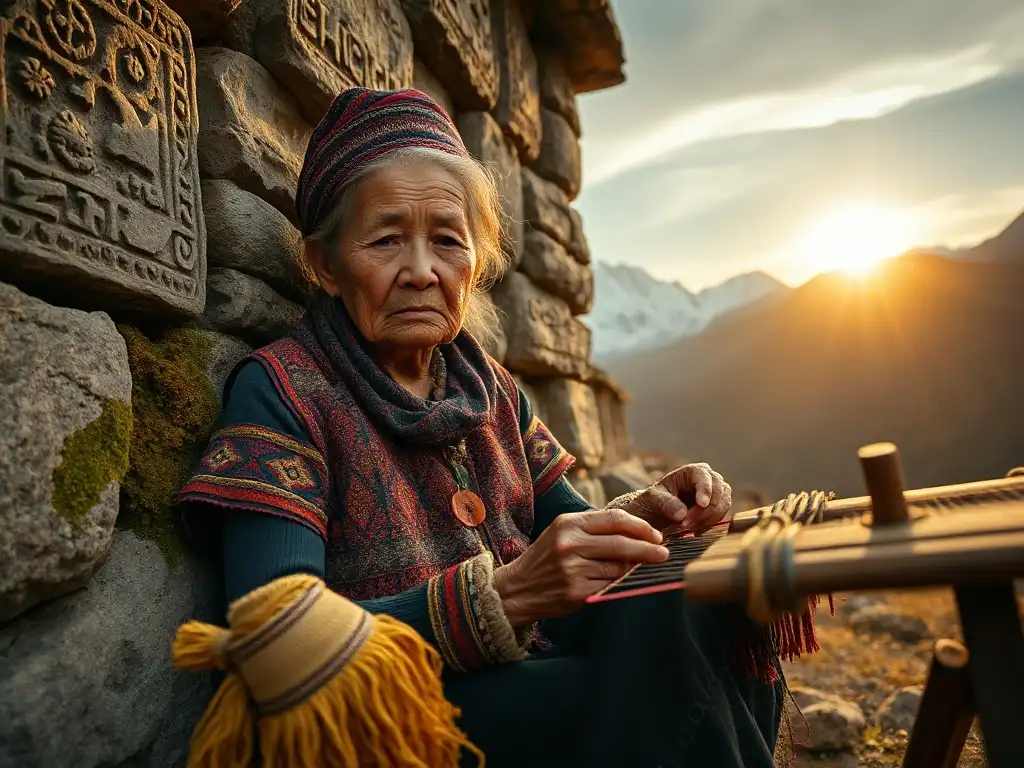
The Quechua language, far from being merely a tool for communication, served as the bedrock of Andean cultural identity for centuries, profoundly shaping the social fabric and worldview of the Inca Empire and its successor societies. Its enduring presence speaks volumes about its deep-seated significance within the cultural landscape of the Andes. Understanding its historical role requires examining its multifaceted influence on various aspects of Andean life, from oral traditions to artistic expression.
The richness and complexity of Quechua culture are inextricably linked to the language itself, making its study crucial to understanding the broader history and evolution of the Andean civilizations. The impact of Quechua on the Inca Empire's administration, religious practices, and artistic endeavors is undeniable, leaving a legacy that continues to resonate today. The keyword "Quechua language history Inca" is central to understanding this enduring legacy.
Quechua Oral Traditions: Myths, Legends, and Songs
Quechua oral traditions played a vital role in transmitting knowledge, values, and beliefs across generations. Myths and legends, often intricately woven into the fabric of daily life, explained the origins of the world, the nature of the cosmos, and the relationships between humans and the supernatural. These narratives weren't merely entertaining stories; they served as moral guides, shaping social behavior and reinforcing community bonds.
For example, the story of Mama Quilla, the Moon goddess, and her brother, Inti, the Sun god, explained the celestial cycles and the importance of maintaining balance in the natural world. These stories were passed down orally, often accompanied by vibrant gestures and evocative vocalizations, ensuring their preservation and transmission across vast distances and varying social strata. The preservation of these oral traditions was crucial for maintaining cultural continuity, particularly in a society where written records were less prevalent.
The detailed accounts of these myths and legends, often embedded within epic poems and songs, provide invaluable insight into the beliefs and values of the Quechua-speaking peoples. The intricate narratives often involved complex characters, symbolic imagery, and allegorical meanings, demanding careful analysis to fully appreciate their depth and significance.
Quechua Literature and Storytelling
While the Inca lacked a fully developed writing system in the same way as the Europeans, their sophisticated oral tradition fostered a vibrant literary culture. Storytelling was a highly valued skill, with skilled narrators holding positions of prestige and influence within their communities. These narratives encompassed a vast array of genres, including heroic epics, love stories, historical accounts, and didactic tales.
Much of this literature was lost with the Spanish conquest; however, fragments of Quechua poetry and prose have survived, offering glimpses into the rich literary heritage of the Andes. These fragments, often preserved through colonial-era transcriptions or later oral retellings, showcase a remarkable linguistic dexterity and a deep understanding of narrative structure. The themes explored in this literature frequently centered on nature, spirituality, and social relationships, reflecting the values and beliefs of Quechua society.
Further research is needed to fully reconstruct the breadth and depth of Quechua literature, but the surviving fragments provide compelling evidence of a thriving literary tradition. The recovery and analysis of these texts are crucial for a complete understanding of Quechua language history and its role in shaping Andean culture.
Quechua Music and its Role in Andean Culture
Music played a fundamental role in Andean society, serving both social and religious functions. Quechua songs accompanied agricultural rituals, religious ceremonies, and celebrations. Musical instruments, such as the antara (panpipes), pututu (conch shell trumpet), and tarka (vertical flute), were integral to Andean musical practices. The melodies and rhythms varied across different regions and social groups, reflecting the diverse cultural landscapes of the Andes.
Music served as a powerful means of communication, transmitting stories, expressing emotions, and fostering a sense of community. Many Quechua songs were imbued with spiritual significance, invoking deities and ancestors. The rhythmic chanting and instrumental accompaniment created a powerful and evocative soundscape, reflecting the close relationship between Andean peoples and their environment.
The survival of traditional Quechua musical forms into the modern era is a testament to the enduring power of this art form and its deep connection to the language and cultural heritage of the Andean region. The continued performance of these traditional musical forms contributes to the preservation of Quechua language history and cultural identity. 🎶
Preserving the Legacy of Quechua
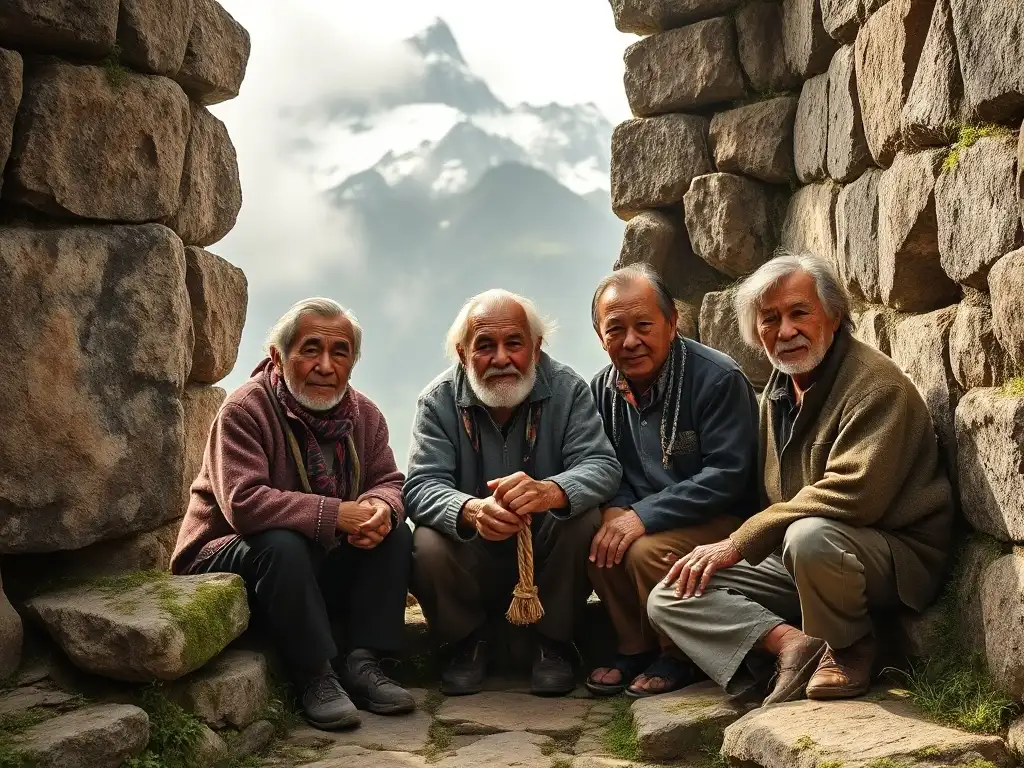
The Quechua language, a vibrant tapestry woven through the history of the Andes, faces the ever-present challenge of language shift and endangerment. While its rich history is inextricably linked to the Inca Empire and its vast influence across South America, the modern reality presents a complex picture. Understanding the nuances of Quechua's survival requires examining its current status, the forces impacting its vitality, and the concerted efforts underway to ensure its continued existence.
The Quechua language history Inca connection is undeniable, but the future of the language depends on active preservation and revitalization strategies. This section delves into the multifaceted approach needed to safeguard this invaluable linguistic heritage.
Efforts to Revitalize the Quechua Language
Numerous organizations and initiatives are dedicated to revitalizing the Quechua language. These efforts range from community-based language nests and immersion programs for children to the development of Quechua-language media, including radio programs, television shows, and online resources. The goal is multifaceted: not only to increase fluency among younger generations but also to foster a sense of pride and cultural identity associated with the language. Furthermore, significant work is being undertaken to standardize Quechua orthography and create comprehensive dictionaries and grammars to support both educational and research efforts.
This standardization is crucial to ensure consistency across different Quechua dialects, facilitating communication and collaboration among speakers. Successful initiatives often involve close collaboration between linguists, educators, community leaders, and government agencies, highlighting the collaborative nature of language preservation. For example, [Specific example of a successful Quechua revitalization program pending].
Quechua in Education: Challenges and Opportunities
Integrating Quechua into formal education systems presents both significant challenges and considerable opportunities. One major hurdle is the lack of trained Quechua teachers and the need for culturally appropriate educational materials. Additionally, the diverse range of Quechua dialects poses a challenge in developing a standardized curriculum that is accessible to all speakers. However, the benefits of bilingual education are well-documented, fostering cognitive development and promoting cultural pride among students.
Moreover, incorporating Quechua into the curriculum can help preserve the language and transmit its rich cultural heritage to future generations. The successful implementation of Quechua language education requires significant investment in teacher training, curriculum development, and the creation of supportive learning environments. Data on the impact of Quechua language education programs in [Specific region pending] would provide valuable insights into effective strategies.
The Importance of Protecting Indigenous Languages like Quechua
The preservation of indigenous languages like Quechua is not merely a linguistic endeavor; it is a crucial component of safeguarding cultural diversity and promoting social justice. The Quechua language history Inca legacy is deeply intertwined with the cultural practices, beliefs, and worldview of the Andean communities. Losing Quechua would mean losing a significant part of this rich cultural heritage, impacting not only the linguistic landscape but also the social and cultural fabric of these communities.
Protecting indigenous languages like Quechua is essential for maintaining cultural identity, promoting linguistic diversity, and ensuring that future generations can access and appreciate the vast knowledge and wisdom embedded within these languages. The loss of Quechua would represent a significant loss to humanity's collective linguistic and cultural heritage.
Furthermore, the preservation of Quechua contributes to the broader global effort to protect endangered languages and promote linguistic biodiversity. The UNESCO Atlas of the World's Languages in Danger highlights the urgency of this global challenge and the importance of implementing effective language preservation strategies.
The Future of Quechua: Ensuring its Survival
The Quechua language, deeply intertwined with the history and cultural identity of the Andean region, faces significant challenges in the 21st century. While its rich past, particularly its association with the Inca Empire and its enduring presence across several South American countries, is undeniable, its future remains uncertain. Understanding the factors impacting its survival and actively working towards its preservation is crucial for safeguarding a vital part of Andean heritage.
This section explores the current state of Quechua, focusing on its digital presence, the role of younger generations, and the broader socio-political influences that shape its trajectory. The continued use of Quechua, even in a modern context, is paramount for the preservation of its unique vocabulary, grammar, and the cultural knowledge embedded within it. This is not just a linguistic issue but a matter of safeguarding cultural diversity.
Quechua in the Digital Age: Online Resources and Communities
The internet has emerged as a powerful tool for language revitalization and preservation. For Quechua, this digital space offers unprecedented opportunities. Several online platforms now host Quechua dictionaries, language learning resources, and forums connecting speakers across geographical boundaries. These digital initiatives are vital in combating geographical isolation, a significant factor in language decline.
The creation of online Quechua-Spanish (and Quechua-English) dictionaries with audio pronunciations has drastically increased accessibility for learners. Furthermore, the rise of social media platforms allows for the organic exchange of Quechua phrases, songs, and stories, fostering a sense of community and strengthening linguistic ties among speakers. However, the digital sphere is not without its challenges.
The digital divide, unequal access to technology, and the dominance of other languages online pose obstacles that need to be addressed to ensure that these resources reach and benefit the broadest possible audience. The consistent creation of high-quality, accessible digital content is a key step in ensuring that Quechua thrives in the digital age. This includes not only dictionaries and learning tools but also engaging multimedia content showcasing the rich cultural tapestry woven into the language.
The Role of Younger Generations in Maintaining Quechua
The future of Quechua heavily rests on the shoulders of younger generations. Their active engagement with the language is crucial for its long-term survival. While many younger speakers are bilingual or multilingual, the active transmission of Quechua from parents and grandparents to children is a significant factor in language maintenance.
Educational initiatives focusing on immersion programs and incorporating Quechua into school curricula are vital strategies. Moreover, creating engaging learning materials tailored to young learners, such as interactive games and multimedia resources, can make language learning more fun and accessible. Efforts to integrate Quechua into popular culture—through music, film, and literature—can also significantly boost its appeal among young people.
However, it is crucial to avoid a purely nostalgic approach and instead present Quechua as a vibrant, relevant language relevant to the lives and experiences of contemporary youth. This requires a nuanced understanding of the challenges and aspirations of younger generations, ensuring that language learning is seen not as a burden but as a valuable asset.
Factors Influencing the Future of the Quechua Language
Several factors contribute to the complex landscape of Quechua's future. Socio-economic conditions, including access to education and employment opportunities, play a significant role. In areas where Quechua speakers face limited economic prospects, the perceived benefits of learning Spanish or other dominant languages might outweigh the perceived value of maintaining Quechua fluency.
Government policies also play a crucial role. Bilingual education programs, official recognition of Quechua, and the integration of Quechua into administrative functions are essential for language revitalization. Furthermore, the broader cultural context, including attitudes towards indigenous languages and the prevalence of linguistic prejudice, significantly influence the perception and use of Quechua.
Combating linguistic discrimination and promoting cultural pride are vital steps towards securing the future of this ancestral tongue. The sustained commitment of both local communities and national governments is essential to navigate these challenges and ensure the continued flourishing of Quechua for generations to come. The preservation of Quechua is not merely a linguistic endeavor; it is the preservation of a rich cultural heritage and a testament to the resilience of Andean civilization.
Frequently Asked Questions
What is the Quechua language's connection to the Inca Empire?
Quechua was the official language of the Inca Empire, facilitating communication and administration across their vast territories. Different dialects existed, but all stemmed from the same linguistic root. Its continued use today highlights its enduring legacy.
How did the Quechua language spread throughout the Andes?
The Inca's extensive road network and centralized administration played a crucial role. The empire's expansion led to the spread of Quechua, imposed through various means, including the resettlement of populations. It became a lingua franca across the Andes.
What are some key characteristics of the Quechua language?
Quechua is an agglutinative language, meaning it forms words by adding suffixes. It features a rich vocabulary related to Andean agriculture and environment. There is significant dialectal variation across different regions.
Are there still people who speak Quechua today?
Yes, millions of people still speak Quechua in various regions of the Andes. It remains a vital part of cultural identity in countries like Peru, Bolivia, Ecuador, and Colombia. Efforts are underway to preserve and promote its use.
How has the Quechua language survived through time?
Despite colonization and globalization pressures, Quechua's survival is a testament to its cultural significance. Community efforts, revitalization programs, and increasing recognition of indigenous languages contribute to its continued existence. Oral traditions have played a key role in its preservation.
Final Reflection: The Enduring Legacy of Quechua Voices
The vibrant threads of the Quechua language, woven through centuries of Andean history, continue to resonate powerfully in the present. Its survival, despite colonial pressures and societal shifts, stands as a testament to the resilience of a culture and the enduring power of oral tradition. The echoes of the Inca Empire, once silenced, are now finding their voice anew, demanding recognition and respect.
The journey through Quechua's history, from its pre-Inca roots to its contemporary adaptations, has been a deeply moving experience. It underscores the importance of linguistic diversity and the profound connection between language and identity. A language is not merely a tool for communication; it is the embodiment of a culture, its history, and its soul.
This quote encapsulates the profound significance of preserving and celebrating the Quechua language, not just as a historical artifact, but as a living, breathing entity. The ongoing efforts to revitalize and protect Quechua are crucial, not only for the Andean communities who speak it, but for the global understanding of cultural heritage.
Consider, for a moment, the stories whispered on the wind, the songs sung across generations, the wisdom passed down through the ages – all carried on the breath of the Quechua language. You, the reader, hold the power to amplify these voices. Learn a few words, share this article, support initiatives dedicated to language preservation, and actively listen to the echoes of the past. Let the ancestral sounds of Quechua inspire you to appreciate the rich tapestry of human experience and the urgent need to protect our shared cultural heritage for future generations.
Embrace the Melodies of Your Ancestors!
Thank you for exploring the rich and captivating world of Quechua music. You've journeyed through its history and experienced the beauty of its ancestral traditions. Now, it’s time to build on that inspiration!
Here’s how you can deepen your connection with these vibrant sounds and share their significance with others:
- Listen Actively: Create a playlist of Quechua music to enjoy daily. Let the rhythms and stories enrich your life.
- Share the Experience: Host a listening session with friends or family, exploring Quechua music together and discussing its history and cultural importance.
- Explore Further: Learn more about Quechua music and its historical context by participating in cultural workshops or online courses. Discover the stories behind each note and the rich tapestry of its traditions.
What aspects of Quechua music resonate most with you? How can you integrate this rich cultural heritage into your daily life?