
From Heights to Depths: Discover the Intricacies of Machu Picchu's Terraces in a Virtual Walk

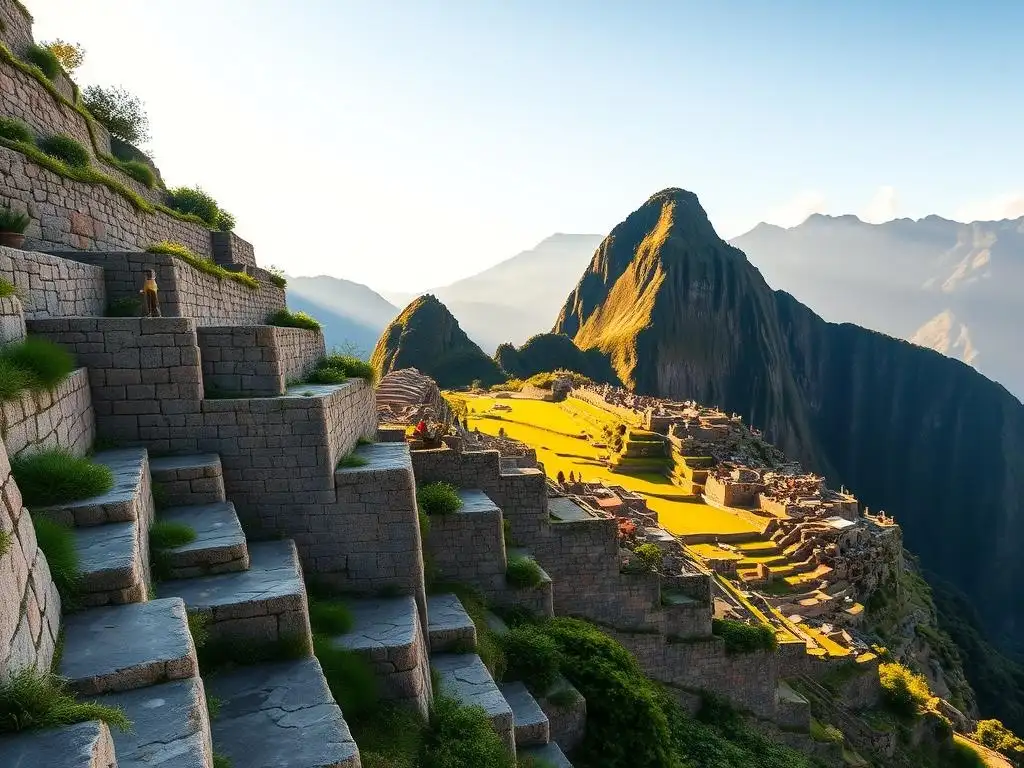
Step into a world lost to time, yet vividly preserved in stone. Imagine traversing the breathtaking heights of Machu Picchu, not as a distant observer, but as a virtual explorer. Andean Civilizations unveils the secrets of these remarkable societies, from the intricate agricultural ingenuity of the Machu Picchu terraces virtual tour to the awe-inspiring artistry of the Nazca Lines. Prepare to be captivated by a journey through empires that defied gravity and time itself—a journey that begins now.
Machu Picchu, the iconic "Lost City of the Incas," perched high in the Andes Mountains, captivates the world with its breathtaking beauty and intricate design. Beyond the majestic mountain backdrop and the iconic structures, lies a network of agricultural terraces that represent a marvel of Inca engineering and ingenuity. This article provides a virtual exploration of these terraces, delving into their construction, purpose, and the fascinating insights they offer into the sophisticated agricultural practices of the Inca civilization.
We'll embark on a digital journey, examining the meticulous planning and execution that allowed the Incas to cultivate food at such a challenging altitude, showcasing how a "Machu Picchu terraces virtual tour" can bring this incredible feat of engineering to life. Prepare to be amazed by the ingenuity and precision of a civilization that harnessed the power of nature to create a sustainable and thriving agricultural system in one of the world's most demanding environments.
This virtual exploration will highlight the key features and significance of these terraces, providing a richer understanding of Inca life and their remarkable adaptation to their environment. Get ready for an immersive experience that transcends geographical limitations, bringing the wonders of Machu Picchu's terraces directly to you.
Embarking on a Digital Journey: A Machu Picchu Terraces Virtual Tour
Imagine standing amidst the verdant slopes of Machu Picchu, surrounded by the meticulously crafted terraces that cascade down the mountainside. A virtual tour allows you to experience this feeling, albeit digitally. These virtual tours provide detailed 360° views, high-resolution imagery, and sometimes even interactive elements, allowing you to explore the terraces at your own pace.
You can zoom in on individual stones, examine the intricate drainage systems, and appreciate the sheer scale of this remarkable agricultural feat. The experience is designed to be both informative and engaging, offering a compelling alternative to a physical visit, especially for those who may not have the opportunity to travel to Peru. Many virtual tours incorporate historical information and expert commentary, enriching the experience and providing a deeper understanding of the context surrounding the terraces.
The immersive nature of these tours makes them a powerful tool for education and appreciation of Inca ingenuity. Think of it as a digital archaeological expedition, revealing the secrets of Machu Picchu's agricultural heart. This detailed exploration is a testament to the power of technology in bringing history to life.
The Engineering Marvel: Construction and Purpose of the Terraces
The construction of Machu Picchu's terraces is a testament to the Incas' advanced understanding of engineering and agriculture. Each terrace is meticulously constructed using locally sourced stone, fitted together without mortar, showcasing remarkable precision and craftsmanship. The terraces are not simply flat platforms; they are carefully designed to maximize water retention and drainage.
This is achieved through a sophisticated system of channels and waterways that direct water to the crops, preventing erosion and ensuring consistent irrigation. The varying sizes and slopes of the terraces likely reflect the specific needs of different crops, demonstrating an advanced understanding of agricultural principles. Furthermore, the terraces helped to stabilize the steep slopes, preventing landslides and preserving the fertile topsoil.
The purpose of these terraces extended beyond mere food production. They also served as a crucial element of the Inca social and economic structure, providing sustenance for the population and contributing to the stability of the city. This intricate system underlines the sophisticated planning and organizational capabilities of the Inca civilization.
Beyond the Stones: Agricultural Practices and Crop Diversity
The Inca's agricultural practices were remarkably advanced for their time. The terraces allowed for the cultivation of a diverse range of crops, including potatoes, maize, beans, and quinoa – staples of the Andean diet. The microclimates created by the varied elevations and aspects of the terraces further enhanced crop diversity and yield. The Incas employed sophisticated techniques like crop rotation and terracing to maintain soil fertility and optimize water usage.
Evidence suggests they also used fertilizers derived from animal manure and other organic sources. This sustainable agricultural system allowed the Incas to thrive in a challenging environment and support a sizeable population. Understanding the agricultural practices employed in conjunction with the terraces provides a holistic view of Inca ingenuity and their deep connection to the land. The system’s resilience is a lesson in sustainable agriculture, even today.
Accessing the Virtual Experience: Finding and Utilizing Online Resources
Numerous online platforms offer virtual tours of Machu Picchu, each with its own strengths and weaknesses. Some focus primarily on visual exploration, while others incorporate historical context and expert commentary. The quality of the visuals and the level of detail vary considerably, so it's essential to research and select a reputable and high-quality resource. Many of these tours are free, providing accessible access to this incredible site for a global audience.
Others may be part of paid subscriptions to larger virtual museum or educational platforms. Consider the features offered, such as interactive elements, zoom capabilities, and additional information provided alongside the tour, when making your selection. The increasing availability of these resources represents a significant advancement in cultural preservation and accessibility, allowing millions to experience the wonders of Machu Picchu from anywhere in the world. This digital accessibility democratizes access to history and culture.
- Embarking on a Digital Journey: A Machu Picchu Terraces Virtual Tour
- The Engineering Marvel: Construction and Purpose of the Terraces
- Beyond the Stones: Agricultural Practices and Crop Diversity
- Accessing the Virtual Experience: Finding and Utilizing Online Resources
- Planning Your Route: Choosing Specific Areas of Interest within the Terraces
- Utilizing Interactive Features: Zooming, Rotating, and Exploring Hidden Details
- Combining Virtual Exploration with Further Research: Books, Articles, and Documentaries
- Sharing Your Experience: Engaging with Online Communities and Fellow Explorers
- The Enduring Appeal: Why the Terraces Continue to Captivate and Inspire
- A Call to Preservation: Understanding the Importance of Protecting Machu Picchu's Cultural Heritage
- Continuing the Exploration: Resources for Further Learning and Virtual Adventures
- Further Immersive Andean Experiences: Explore virtual tours of Sacsayhuaman, Ollantaytambo, and Pisac.
- What is Machu Picchu, and why are its terraces so significant?
- Can I take a virtual tour of Machu Picchu's terraces?
- What makes Machu Picchu's terrace construction so impressive?
- Are there different types of terraces at Machu Picchu?
- How can a virtual tour of Machu Picchu's terraces help me plan a real visit?
Unveiling the Ingenuity: The Purpose and Design of Machu Picchu's Agricultural Terraces
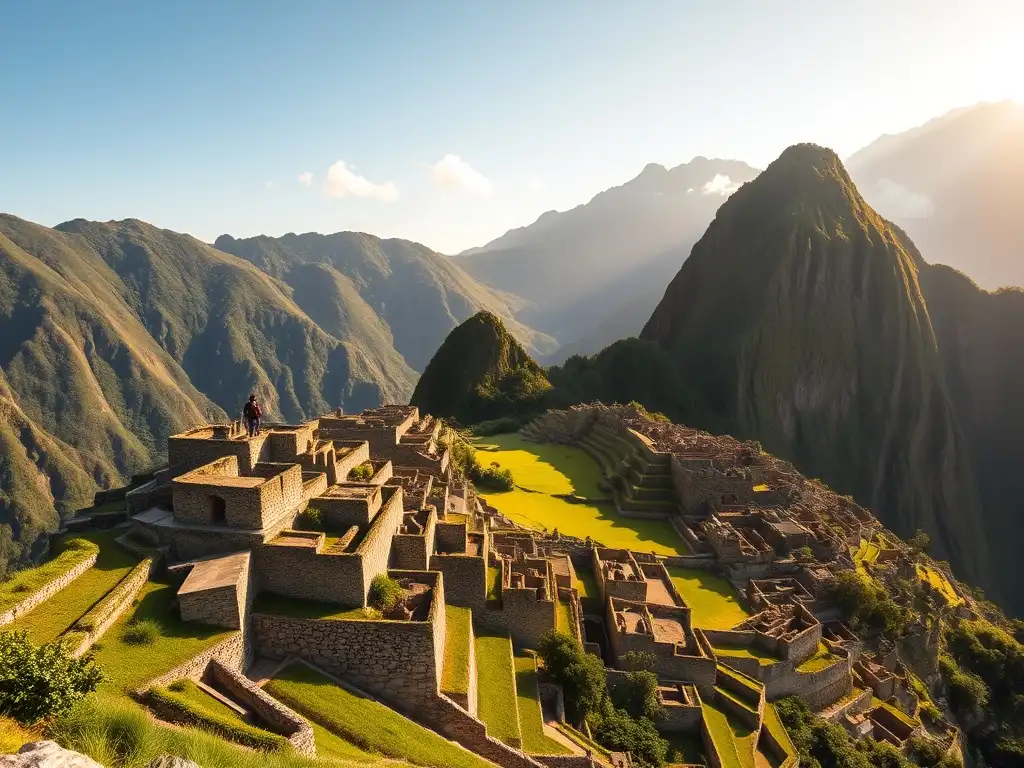
Machu Picchu's iconic terraces are far more than just aesthetically pleasing features; they represent a sophisticated agricultural system crucial to the Inca civilization's survival at high altitudes. This section delves into the purpose and meticulous design behind these engineering marvels, offering a glimpse into the Inca's deep understanding of their environment and their remarkable ability to adapt to challenging terrain. A virtual tour of Machu Picchu wouldn't be complete without appreciating the intricate details of these agricultural terraces.
Understanding their purpose enhances the experience, transforming a simple visual exploration into a journey of discovery. We will explore how these terraces weren't simply about food production, but also about resource management, social organization, and spiritual significance.
Understanding the Need: Why Terraces Were Essential for Inca Agriculture at Machu Picchu
The high-altitude environment of Machu Picchu presented significant agricultural challenges. The steep slopes, rocky terrain, and limited arable land made conventional farming methods impractical. The thin, infertile soil was easily eroded by heavy rainfall, further hindering crop production. The Incas needed innovative solutions to overcome these obstacles and ensure food security for their population. Terracing provided the answer.
By carving level platforms into the mountainside, the Incas created a series of smaller, manageable plots of land. This dramatically increased the amount of arable land available, maximizing the use of scarce resources. These terraces also minimized soil erosion by creating level surfaces that retained water and prevented runoff. This ingenious system allowed the Incas to cultivate a variety of crops, including potatoes, maize, beans, and quinoa – staples of their diet. The effectiveness of this system is evidenced by the archaeological findings of various crop remains within the terraces themselves.
Engineering Marvel: How the Incas Constructed the Terraces with Limited Technology
The construction of Machu Picchu's terraces is a testament to the Incas' engineering prowess. They achieved this feat using relatively simple tools and techniques, demonstrating an exceptional understanding of engineering principles. The process involved meticulous planning and execution. First, the Incas carefully surveyed the terrain, selecting suitable locations for the terraces.
They then used stone tools to carefully cut and shape the stones, fitting them together with remarkable precision, creating dry-stone walls – a technique that minimizes the use of mortar while ensuring structural integrity. The walls, often several meters high, were built to withstand the pressure of the soil and the forces of nature. They incorporated drainage systems within the walls to prevent waterlogging and further erosion.
The terraces themselves were meticulously leveled and filled with fertile soil, often transported from other locations. Archaeological evidence suggests the use of sophisticated water management systems, including canals and irrigation channels, to ensure adequate water supply for the crops. The precision and scale of this undertaking are truly astonishing, showcasing the Inca's mastery of stonework and their ability to harness the power of collective labor.
The Multi-tiered System: Exploring the Different Levels and Their Function in the Machu Picchu Landscape
Machu Picchu's terraces weren't simply a uniform system; they were organized into a complex, multi-tiered structure, each level serving a specific purpose. Some terraces were designed for intensive agriculture, while others were used for less demanding crops or even for storage. The lower terraces, closer to the river, often received more water and were used for crops that required more moisture. The higher terraces, further up the mountain, were often used for less water-intensive crops, showcasing a nuanced understanding of microclimates and agricultural needs.
The arrangement of terraces also played a role in controlling water flow, preventing erosion, and optimizing sunlight exposure. The system wasn't static; it adapted to the specific conditions of each location, demonstrating a sophisticated understanding of environmental factors. Furthermore, the terraces also served non-agricultural functions.
Some terraces were incorporated into residential areas, showcasing the seamless integration of agriculture and daily life within the Inca city. This sophisticated system highlights the interconnectedness of the Inca’s agricultural practices with their social structures and their spiritual beliefs, making the Machu Picchu terraces a truly holistic and impressive achievement. A detailed study of these differing levels, easily visualized via a "Machu Picchu terraces virtual tour," would reveal the immense complexity and ingenuity of this system.
Exploring the Terraces: A Virtual Walk Through Key Areas of Machu Picchu
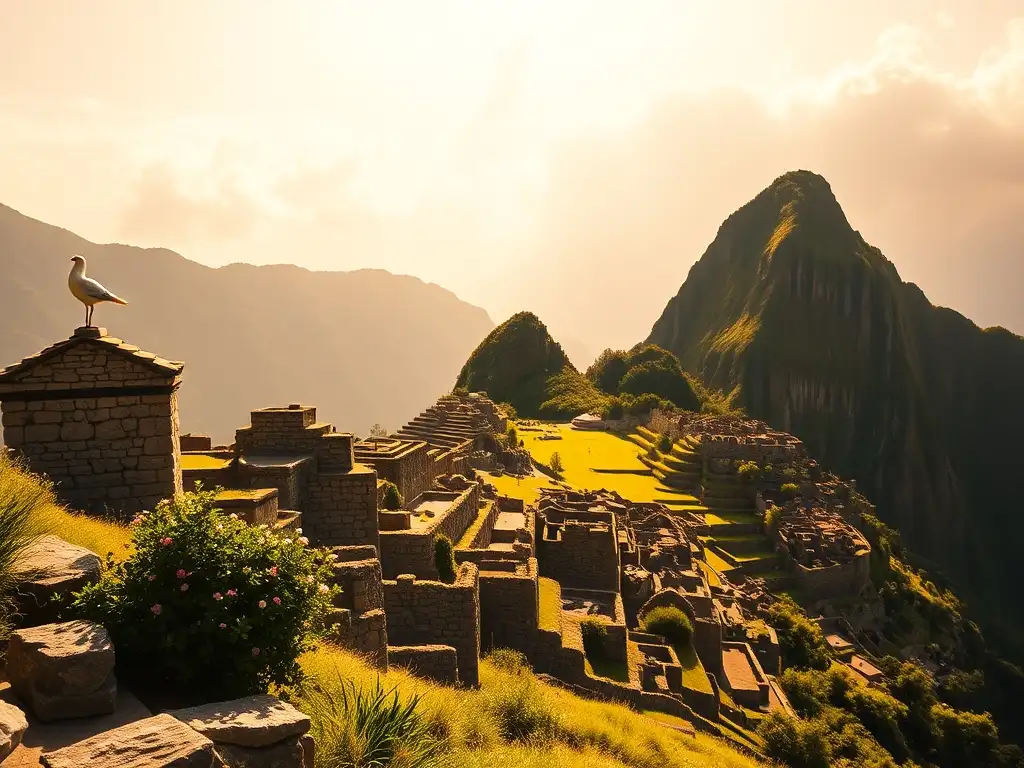
This section delves into the intricate network of agricultural terraces that define Machu Picchu's landscape, offering a virtual exploration of its key areas. By understanding the design and purpose of these terraces, we gain a deeper appreciation for the Inca's mastery of engineering and their symbiotic relationship with their environment. A "Machu Picchu terraces virtual tour" wouldn't be complete without a detailed look at these vital components of the lost city.
The Upper Terraces: Experiencing Breathtaking Views and Strategic Planting
The upper terraces of Machu Picchu are not merely agricultural plots; they are a testament to Inca ingenuity in maximizing limited space and resources. Perched high on the mountainside, these terraces offer breathtaking panoramic views of the Urubamba Valley. This strategic placement wasn't accidental. The elevated position provided optimal sunlight exposure, crucial for cultivating various crops. Furthermore, the cascading arrangement of the terraces facilitated efficient water management, with carefully designed irrigation channels channeling water from higher elevations to lower ones.
The Inca's understanding of microclimates played a significant role in their planting strategies. Different terraces likely supported diverse crops, adapted to varying levels of sunlight and moisture. Evidence suggests the cultivation of potatoes, maize, quinoa, and beans – staples of the Andean diet. The careful selection of crops and their placement within the terraced system showcases a sophisticated understanding of agricultural principles.
Imagine, through a virtual tour, observing the subtle variations in soil composition and vegetation across these upper terraces. The precision is simply astonishing. This precise agricultural planning is a key element of understanding what makes a "Machu Picchu terraces virtual tour" so compelling.
The Lower Terraces: Witnessing the Integration of Agriculture and Urban Design
Unlike the upper terraces, which prioritize agricultural production, the lower terraces demonstrate a seamless integration of agriculture and urban design. These terraces are closer to the city's residential and ceremonial areas, indicating a more complex relationship between food production and daily life. The lower terraces were likely used for cultivating crops needed for immediate consumption, facilitating easy access for the city's inhabitants.
The size and shape of the lower terraces often differ from those higher up, reflecting their dual function. Some terraces might have been designed to support specific crops, while others might have served as support structures for buildings or pathways.
A closer examination reveals subtle differences in the construction techniques, possibly reflecting changes in agricultural practices or construction styles over time. This fascinating blend of functionality and aesthetics is a hallmark of Inca engineering and is a highlight of any comprehensive “Machu Picchu terraces virtual tour.” The intricate interplay between the agricultural and urban aspects makes for a captivating virtual experience.
The Eastern Terraces: Discovering Unique Features and Their Significance
The eastern terraces of Machu Picchu present unique features that distinguish them from other sections. These terraces are often characterized by their relatively smaller size and irregular shapes, reflecting the challenging terrain and the need to adapt to the natural contours of the mountain. However, their seemingly irregular design might conceal a deeper purpose.
Some scholars suggest that the eastern terraces played a role in water management, acting as reservoirs or catchment areas during periods of heavy rainfall. The unique construction techniques and the orientation of these terraces could have been designed to optimize water collection and distribution. Furthermore, the presence of specific types of plants in these terraces might point to specialized agricultural practices or medicinal uses.
A "Machu Picchu terraces virtual tour" focused on these eastern terraces would reveal the subtle nuances and the impressive adaptability of the Inca's agricultural techniques. The detailed study of these terraces offers valuable insights into the resilience and ingenuity of the Inca civilization, further emphasizing the significance of this site and the enriching experience of a virtual exploration. The unique characteristics of these terraces add another dimension to the already captivating experience of a "Machu Picchu terraces virtual tour."
Beyond the Stones: The Significance of Machu Picchu's Terraces for Inca Society
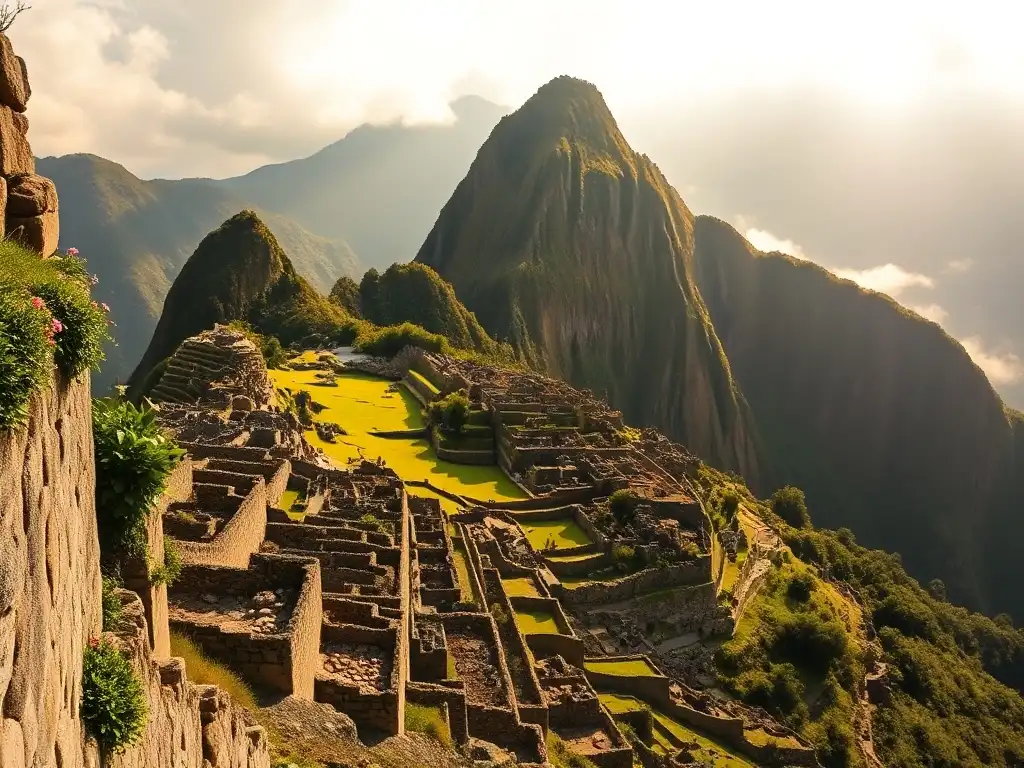
Machu Picchu's iconic terraces aren't merely aesthetically pleasing; they represent a sophisticated and vital aspect of Inca society. A "Machu Picchu terraces virtual tour" wouldn't be complete without understanding their profound significance. These meticulously engineered agricultural marvels were far more than just fields; they were the cornerstone of Inca power, prosperity, and cultural identity.
Their construction and maintenance required immense organizational skill, reflecting the Inca Empire's advanced societal structure and its ability to harness human and natural resources on an unprecedented scale. The sheer number of terraces, their precise alignment, and their adaptation to the challenging Andean terrain all speak volumes about the Inca's ingenuity and their deep connection to their environment. Understanding their purpose is key to understanding the Inca civilization itself.
Sustaining a Civilization: The Crucial Role of Terraces in Food Production and Population Support
The primary function of Machu Picchu's terraces was undoubtedly agricultural. The Inca Empire, with its substantial population, relied heavily on efficient food production to sustain its citizens. The steep slopes of the Andes presented significant challenges to farming, but the Inca overcame these obstacles with their innovative terrace system.
These terraces, meticulously carved into the mountainside, created level plots of land, maximizing arable space and preventing soil erosion. Different crops, tailored to varying altitudes and sunlight exposure, were strategically planted within the terraces, creating a diverse and resilient agricultural system. This sophisticated approach ensured a reliable food supply, supporting a large population and contributing to the empire's stability and growth.
The intricate network of irrigation channels, further enhancing the terraces' productivity, is a testament to the Inca's mastery of water management. Without this ingenious system, supporting the population of Machu Picchu, let alone the wider Inca empire, would have been impossible. A "virtual tour" can highlight the scale and precision of this remarkable agricultural achievement.
A Symbol of Power: How the Terraces Represent Inca Control over Nature
Beyond their practical function, Machu Picchu's terraces served as potent symbols of Inca power and control over the natural world. The sheer scale of the undertaking – the immense labor involved in carving terraces into the mountainside – demonstrated the Inca's ability to mobilize and organize their workforce, showcasing their power and authority.
The precise alignment of the terraces, often oriented towards the sun, suggests a deep understanding of astronomy and its application to agriculture. This meticulous planning and execution, visible even in a "Machu Picchu terraces virtual tour," served not only to maximize agricultural yield but also to project an image of imperial control and mastery over the environment.
The terraces represented the Inca's ability to shape the landscape to their will, a powerful statement of their dominion over both the human and natural realms. This symbolic power was crucial in maintaining social order and reinforcing the Inca's legitimacy as rulers.
The Legacy of Ingenuity: How Inca Agricultural Practices Can Inspire Modern Sustainable Farming
The Inca's agricultural techniques, particularly their terrace farming, hold valuable lessons for modern sustainable agriculture. Their approach demonstrates the importance of adapting to local conditions, maximizing resource use, and minimizing environmental impact. The Inca's understanding of water conservation, soil management, and crop diversification provides a model for creating resilient and productive farming systems. In a world facing challenges such as climate change and population growth, studying the Inca's ingenuity can offer valuable insights into developing more sustainable agricultural practices.
The terraces, a testament to centuries of careful planning and adaptation, serve as a powerful reminder of the importance of respecting and working with the environment. A renewed interest in Inca agricultural practices, perhaps fueled by a "Machu Picchu terraces virtual tour," could inspire innovative solutions to modern agricultural challenges. Their legacy extends far beyond the stones themselves; it's a blueprint for a more sustainable future.
Enhancing Your Virtual Exploration: Tools and Resources for an Immersive Experience
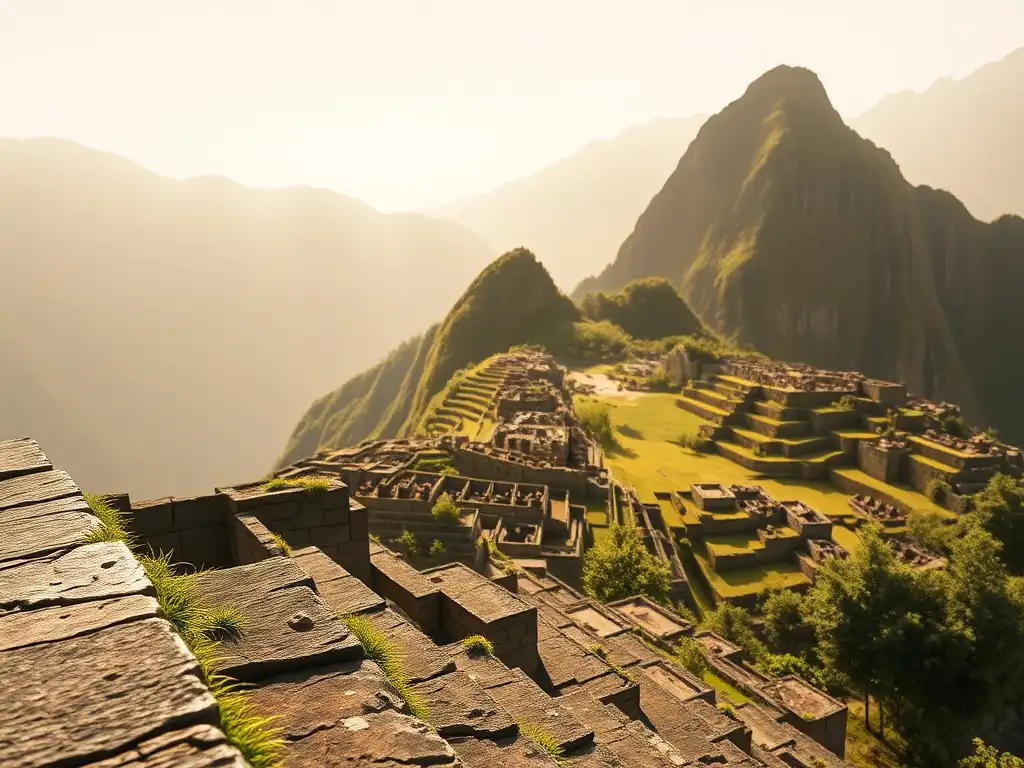
This section delves into the technological tools available to enhance your "Machu Picchu terraces virtual tour" experience, transforming a simple online viewing into a truly immersive journey through time. We'll explore various platforms offering different levels of interaction and detail, allowing you to tailor your virtual exploration to your preferences and technological capabilities. From simple yet effective tools to cutting-edge virtual reality experiences, we'll equip you with the knowledge to maximize your engagement with the magnificent Machu Picchu terraces.
Virtual Reality Tours: Oculus Quest, HTC Vive, Google Cardboard
Virtual Reality (VR) headsets offer an unparalleled level of immersion in a Machu Picchu terraces virtual tour. The ability to "walk" amongst the ancient stones, to feel the scale of the structures, and to appreciate the breathtaking views from different vantage points, elevates the experience beyond simple observation.
Several VR platforms offer varying levels of sophistication and accessibility. High-end headsets like the Oculus Quest 2 and HTC Vive provide incredibly detailed and realistic experiences, often incorporating interactive elements like the ability to zoom in on specific features or explore hidden areas. These systems require a significant investment, however, and demand a relatively powerful computer for the HTC Vive.
On the other hand, more affordable options like Google Cardboard offer a surprisingly engaging experience, despite their simpler technology. Using your smartphone and a Google Cardboard viewer, you can access many 360° videos and virtual tours of Machu Picchu, providing a taste of the VR experience without the hefty price tag. While the level of detail and interactivity may be less than high-end VR headsets, Google Cardboard remains a fantastic entry point for those new to virtual exploration of the Andean sites.
The ease of access and low cost makes it an ideal choice for a casual exploration of Machu Picchu's terraces. Consider the level of immersion desired when choosing your VR setup for your Machu Picchu terraces virtual tour.
Interactive Maps: ArcGIS Online, Google Maps, OpenStreetMap
Interactive maps provide a different, yet equally valuable, perspective on the Machu Picchu terraces. While VR offers immersive presence, interactive maps provide a bird's-eye view and the ability to analyze the layout and spatial relationships of the terraces. Several platforms offer this functionality, each with its own strengths and weaknesses.
ArcGIS Online, for instance, often includes high-resolution aerial imagery and detailed topographical data, allowing for in-depth analysis of the terrace construction and agricultural practices employed by the Inca. This platform is especially useful for researchers and those interested in the engineering feats of the Inca civilization.
Google Maps, with its widespread accessibility and user-friendly interface, provides a more general overview. While the level of detail might be less than ArcGIS Online, its ease of use and wide availability make it a convenient option for a quick overview of the site. It allows for easy navigation and exploration of the surrounding landscape, giving context to the terraces within the broader Machu Picchu complex.
OpenStreetMap, a collaborative project, offers a unique perspective. While the level of detail can vary depending on the area, OpenStreetMap frequently includes data contributed by users, potentially offering unique insights or perspectives not found on commercial platforms. This is a great resource for those interested in community-driven mapping and exploring less-visited areas around Machu Picchu.
3D Models: Sketchfab, Thingiverse, Smithsonian 3D
Three-dimensional (3D) models provide another avenue for exploring the Machu Picchu terraces virtually. These models allow for detailed examination of individual structures and features, offering a level of scrutiny not possible with 2D images or even some VR experiences. Several online platforms host extensive collections of 3D models, catering to diverse needs and technical capabilities.
Sketchfab offers a curated selection of high-quality 3D models, many of which are created by professional artists and archaeologists. These models often feature intricate details and realistic textures, enabling a close-up examination of the stonework, architecture, and overall design of the terraces.
Thingiverse, while more focused on user-generated content, can also yield interesting results. It's a great place to find 3D printable models of Machu Picchu's terraces, allowing for a hands-on, tactile experience in addition to the virtual exploration. However, the quality and accuracy of user-generated models can vary significantly.
The Smithsonian 3D repository provides a valuable resource for academic research and educational purposes. It contains meticulously documented 3D scans of numerous artifacts and sites, including potentially, high-quality models of Machu Picchu's terraces. These models are often accompanied by detailed metadata and scholarly information, providing valuable context and enhancing the learning experience. The quality and accuracy tend to be high but may be less visually appealing than commercially produced models on platforms like Sketchfab.
Online Guides: National Geographic, UNESCO World Heritage Centre, The Peruvian Ministry of Culture
The digital age offers unparalleled access to information, and exploring Machu Picchu's terraces virtually is no exception. Several reputable online resources provide detailed information, high-resolution imagery, and even interactive elements that significantly enhance your virtual tour experience. Leveraging these resources allows for a much more enriching and informed exploration than simply viewing a single 360° image. Think of these resources as your digital guidebooks, providing context and depth to your virtual journey.
One excellent starting point is the National Geographic website. National Geographic's extensive archive boasts high-quality photographs and articles detailing the construction, purpose, and significance of the agricultural terraces at Machu Picchu. Their content often includes insightful commentary from archaeologists and historians, providing valuable context and perspectives on the ingenuity and sophistication of Inca engineering.
You can expect to find detailed descriptions of the agricultural techniques employed, the types of crops cultivated, and the role of the terraces in the overall Inca societal structure. Furthermore, their visual resources often go beyond standard photographs, incorporating maps, diagrams, and sometimes even short videos that illustrate the complexities of the terrace system. These resources help to bring the virtual tour to life, transforming a passive viewing experience into an active learning opportunity.
The UNESCO World Heritage Centre website offers another crucial resource for your virtual exploration. As Machu Picchu is a designated UNESCO World Heritage site, their website provides official documentation, including detailed descriptions of the site's history, cultural significance, and conservation efforts. This information is essential for understanding the broader context of the terraces within the larger Inca civilization and the ongoing work to preserve this invaluable historical site.
You'll find information about the ongoing research and preservation efforts, adding another layer of understanding to your virtual tour. The site often includes interactive maps and potentially even virtual models of parts of Machu Picchu, further complementing your virtual exploration. By consulting the UNESCO website, you gain access to authoritative information that ensures your virtual experience is both accurate and well-informed.
Finally, the Peruvian Ministry of Culture website offers a unique perspective. This resource provides valuable insights into the ongoing research and preservation efforts in Peru, specifically regarding Machu Picchu. You can expect to find official statements, news updates regarding archaeological discoveries, and details about ongoing conservation projects. This information provides a contemporary context to your exploration, highlighting the ongoing efforts to protect and understand this incredible site.
The ministry's website may also offer access to high-resolution images and potentially even virtual tours developed by Peruvian researchers, offering a perspective that is both authoritative and culturally nuanced. This brings a layer of authenticity to your virtual exploration, connecting your experience to the living culture and heritage of Peru. Using this resource helps ensure that your virtual tour is not only informative but also respectful and appreciative of the cultural significance of Machu Picchu.
Maximizing Your Discovery: Tips for an Engaging Machu Picchu Terraces Virtual Tour
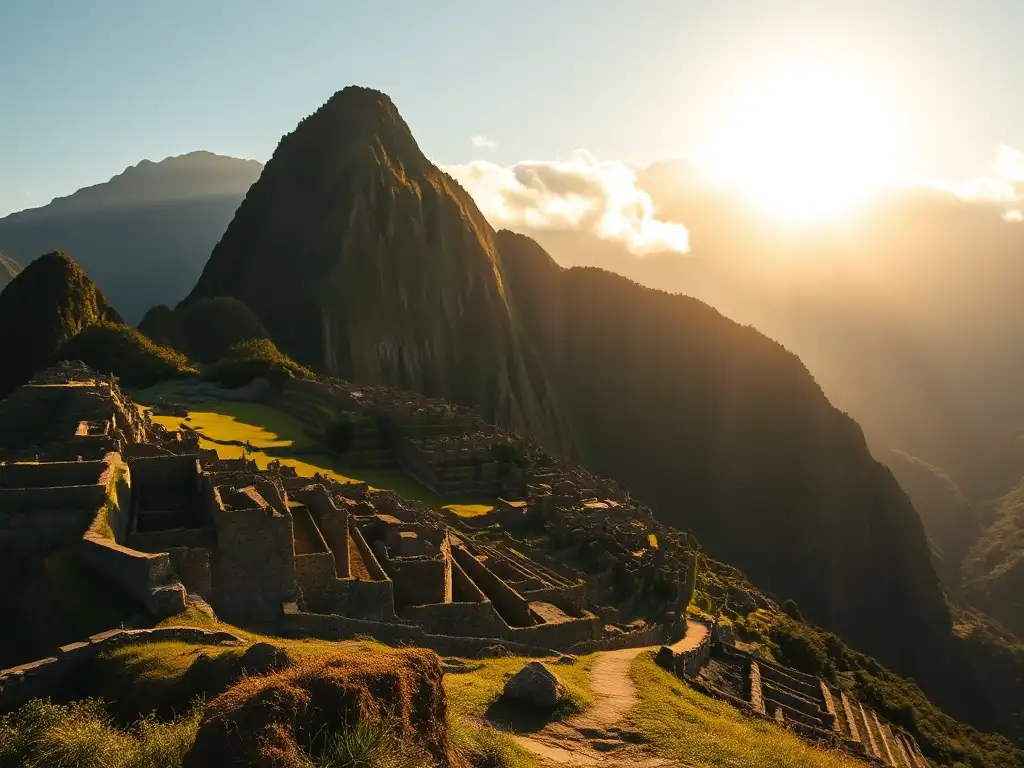
Embarking on a virtual tour of Machu Picchu's terraces offers a unique opportunity to explore this iconic site at your own pace, from the comfort of your home. However, a passive viewing experience might not fully capture the magnificence and intricacy of the terraces. To truly maximize your virtual exploration and gain a deeper understanding of their design and purpose, consider these helpful tips. Remember, a successful "Machu Picchu terraces virtual tour" hinges on active engagement and a strategic approach.
Planning Your Route: Choosing Specific Areas of Interest within the Terraces
Machu Picchu's agricultural terraces are not a monolithic structure; they're a complex system of interconnected platforms, each with its own unique characteristics and historical significance. Instead of aimlessly wandering through the virtual environment, plan your route beforehand. Focus on specific areas that pique your interest. For example, you might choose to concentrate on:
- The Royal Sector: Explore the meticulously crafted terraces surrounding the main structures, observing their relationship to the palaces and temples. Note the precision of the stonework and the sophisticated water management systems integrated into the design.
- The Agricultural Sector: Investigate the vast network of terraces dedicated to farming. Pay close attention to the varying sizes and shapes of the platforms, considering how these might have accommodated different crops. Consider the impressive engineering involved in creating and maintaining these elevated fields.
- The Urban Sector: Observe the terraces that supported residential areas, noting the integration of housing with agricultural spaces. Think about the social organization and daily life of the Inca people who inhabited this remarkable city.
By focusing your attention on specific sectors, you'll gain a more profound understanding of the terraces' diverse functions and the Inca's remarkable agricultural ingenuity. Remember to take your time; a detailed "Machu Picchu terraces virtual tour" is a journey of discovery, not a race.
Most high-quality Machu Picchu virtual tours offer interactive features that allow you to zoom in on specific details, rotate your viewpoint, and explore hidden corners of the terraces that might be inaccessible in a physical visit. Don't hesitate to utilize these features to their fullest extent. Zooming in allows you to appreciate the intricate stonework, the precise fitting of the stones, and the subtle variations in their shapes and sizes. Rotating your perspective provides a three-dimensional understanding of the terraces' layout and the relationship between different platforms.
Consider this: the virtual tour might reveal subtle details – perhaps a carving on a stone, a particular type of soil used in the terraces, or evidence of a specific agricultural technique – that would be easily missed during a quick glance. Taking advantage of the interactive features allows you to uncover these hidden details, enriching your understanding of Inca engineering and agricultural practices. Think of it as a virtual archaeological dig, revealing layer upon layer of historical significance.
Combining Virtual Exploration with Further Research: Books, Articles, and Documentaries
While a virtual tour provides an immersive visual experience, combining it with further research enhances the educational value of your "Machu Picchu terraces virtual tour" exponentially. After your virtual exploration, delve into the wealth of information available on Machu Picchu's agricultural terraces through books, scholarly articles, and documentaries.
This supplementary research will provide context for what you've seen virtually. You can learn more about:
- Inca agricultural techniques: Discover the sophisticated methods used by the Inca to cultivate crops in the challenging Andean environment.
- The social organization of Inca society: Understand how the terraces reflected the Inca's social structure and their control over resources.
- The environmental impact of the terraces: Explore the sustainability of Inca agricultural practices and their impact on the local ecosystem.
By integrating your virtual tour with further research, you'll transition from a passive observer to an active learner, developing a richer and more nuanced understanding of Machu Picchu's remarkable terraces and the civilization that created them. This multi-faceted approach will elevate your appreciation for this incredible site and its enduring legacy.
Exploring Machu Picchu's terraces virtually is a unique experience, and sharing your journey with others can amplify its impact. Numerous online communities thrive on discussions about Machu Picchu and virtual exploration. These platforms offer a fantastic opportunity to connect with fellow enthusiasts, compare perspectives, and even receive recommendations for enhancing your virtual tour experience. You might discover lesser-known details about the terraces, learn about new virtual tour resources, or find helpful tips for navigating the digital landscape of Machu Picchu.
Engaging in these communities can be as simple as sharing a captivating screenshot from your virtual tour, describing a particularly interesting detail you discovered, or asking questions about specific aspects of the terraces. Remember to be respectful and contribute positively to the conversation. Many platforms use moderation systems to ensure a safe and productive environment for discussion.
Sharing your experience not only helps others but also enriches your own understanding and appreciation of Machu Picchu's remarkable architecture and history. The collective knowledge and insights shared within these online communities can significantly enhance your appreciation of the site and contribute to a deeper understanding of its significance. Think of it as an extension of your virtual exploration – a continued journey of discovery fueled by shared experiences and perspectives.
You can even find others who have completed similar virtual tours and compare notes on your observations. This collaborative approach adds another dimension to your Machu Picchu adventure. Perhaps you’ll even find a virtual “tour buddy” for future explorations!
Concluding Our Journey: Reflecting on the Brilliance of Machu Picchu's Terraces
This virtual exploration of Machu Picchu's terraces has unveiled a sophisticated agricultural system, a testament to the Inca's ingenuity and deep understanding of their environment. The precision and scale of the engineering are truly remarkable, showcasing not just practical functionality but also an aesthetic sensibility interwoven with their worldview. The terraces weren't merely farmland; they were a carefully orchestrated landscape, a living testament to the Inca's mastery of their surroundings and their profound connection to the Andes.
The intricate network of channels, meticulously designed to manage water flow, highlights their advanced knowledge of hydraulic engineering. This wasn't simply about survival; it was about creating a harmonious and sustainable relationship with the land, a philosophy deeply embedded in their culture. The ability to cultivate food at such altitudes, using such innovative techniques, speaks volumes about their resilience and adaptability.
Our virtual tour has only scratched the surface, offering a glimpse into the complexity and beauty of this ancient marvel. We hope this digital experience sparks a deeper appreciation for the ingenuity and cultural significance of Machu Picchu's agricultural prowess.
The Enduring Appeal: Why the Terraces Continue to Captivate and Inspire
The enduring appeal of Machu Picchu's terraces lies not just in their architectural brilliance but also in the profound questions they raise about human ingenuity and our relationship with the natural world. The sheer scale of the undertaking, the precision of the construction, and the harmonious integration with the mountainous landscape continue to inspire awe and wonder. The terraces represent a triumph of human endeavor, a testament to the ability of a civilization to overcome seemingly insurmountable challenges. Their enduring legacy lies in their ability to transcend time, continuing to resonate with modern audiences who find themselves captivated by the Inca's ingenuity and their sustainable approach to agriculture.
The terraces serve as a powerful reminder of the importance of respecting and preserving our natural environment, a lesson particularly relevant in today's world. Their beauty, functionality, and historical significance continue to attract researchers, tourists, and anyone seeking inspiration from the past. The intricate details, visible even through a virtual tour, invite closer examination and further investigation, ensuring that the mysteries of Machu Picchu remain a source of fascination for generations to come.
The precise stonework, the carefully planned water management systems, and the overall aesthetic harmony all contribute to their enduring charm. Even the challenges faced in their construction – the steep slopes, the unpredictable weather – add to their mystique and highlight the tenacity and skill of the Inca builders. This is why the search for "Machu Picchu terraces virtual tour" continues to grow.
A Call to Preservation: Understanding the Importance of Protecting Machu Picchu's Cultural Heritage
The preservation of Machu Picchu's terraces, and indeed the entire site, is crucial not only for its historical significance but also for the broader understanding of Andean civilization and the importance of sustainable practices. The site faces numerous threats, including erosion, climate change, and the impact of tourism. Protecting these terraces means safeguarding a unique and irreplaceable piece of human history.
Careful conservation efforts are essential to ensure the long-term survival of this incredible site. This requires a multi-faceted approach, including rigorous monitoring, sustainable tourism practices, and ongoing research to understand the challenges facing the site and develop effective solutions. The fragility of the terraces highlights the need for responsible stewardship and a commitment to preserving this invaluable cultural heritage for future generations.
Failure to act decisively could result in irreversible damage, losing not only a breathtaking landmark but also a wealth of knowledge about Inca engineering, agriculture, and societal structures. The ongoing efforts to preserve Machu Picchu's terraces serve as a model for the preservation of other vulnerable historical sites worldwide. The investment in preservation is an investment in our collective understanding of the past and a commitment to preserving our shared cultural heritage.
Continuing the Exploration: Resources for Further Learning and Virtual Adventures
While this virtual tour provides a compelling introduction to Machu Picchu's terraces, the journey of discovery doesn't end here. Numerous resources are available for those seeking to delve deeper into the history, architecture, and cultural significance of this remarkable site. Further research into Inca agricultural practices, water management techniques, and the broader context of Andean civilization will provide a richer understanding of the terraces' importance.
Exploring other virtual tours and online resources dedicated to Machu Picchu and the Inca Empire can offer additional perspectives and insights. Consider seeking out academic articles, documentaries, and books that explore the site's history, construction, and ongoing preservation efforts. The wealth of information available allows for a continued exploration of this fascinating subject, expanding your understanding of the Inca civilization and its remarkable achievements.
Engaging with these resources will not only enhance your appreciation for Machu Picchu's terraces but also foster a deeper understanding of the intricate cultural and technological achievements of the Inca Empire. The quest to understand Machu Picchu is a continuous journey, and we encourage you to continue exploring this incredible site through a variety of resources available to broaden your knowledge and appreciation of this remarkable Andean marvel.
Further Immersive Andean Experiences: Explore virtual tours of Sacsayhuaman, Ollantaytambo, and Pisac.
Embarking on a virtual journey through Machu Picchu's terraces is just the beginning of your exploration into the remarkable engineering and agricultural prowess of the Inca civilization. To further immerse yourself in the breathtaking Andean landscape and the ingenuity of its ancient inhabitants, consider exploring other significant sites through the medium of virtual tours.
These digital experiences offer unparalleled access to these incredible places, allowing you to appreciate their scale and detail from the comfort of your own home. The stunning precision and artistry evident in Machu Picchu's agricultural terraces are echoed in other Inca structures, each with its own unique story to tell.
One such site is Sacsayhuaman, a colossal fortress located just outside Cusco. Virtual tours of Sacsayhuaman often showcase the cyclopean stonework, the sheer scale of the walls, and the intricate system of defensive structures. Imagine yourself walking through these imposing fortifications, marveling at the perfectly fitted stones, some weighing many tons.
The virtual experience can bring to life the strategic importance of Sacsayhuaman, its role in protecting the Inca capital, and the incredible feat of engineering involved in its construction. The level of detail achievable through modern virtual tour technology allows you to appreciate the nuances of the stonework, the subtle variations in color and texture, and the overall grandeur of this impressive site. A well-designed virtual tour can even highlight less-accessible areas of Sacsayhuaman, providing a more comprehensive understanding of its layout and function.
Another must-see site, easily accessible through virtual tours, is Ollantaytambo. This impressive complex boasts not only impressive fortress structures but also elaborate agricultural terraces that cascade down the mountainside. Similar to Machu Picchu, Ollantaytambo's terraces demonstrate the Inca's mastery of water management and their ability to cultivate crops on challenging terrain.
A virtual tour can highlight the integration of agricultural terraces with the fortress walls, demonstrating the seamless blend of defense and sustenance that characterized Inca urban planning. The detailed views offered by a virtual tour allow you to appreciate the intricate details of the stonework, the subtle slopes of the terraces designed to optimize water flow, and the overall harmony between the built environment and the natural landscape. You can even virtually explore the less-visited areas of Ollantaytambo, uncovering hidden pathways and gaining a deeper understanding of the complex's layout.
Finally, a virtual tour of Pisac offers a unique perspective on Inca agricultural practices. Pisac is renowned for its expansive network of terraces that climb the steep mountain slopes, creating a breathtaking visual spectacle. A virtual tour can bring to life the sheer scale of these terraces, their intricate design, and the remarkable ingenuity required to cultivate crops at such high altitudes.
Many virtual tours offer interactive features, allowing you to explore the terraces at your own pace, zoom in on specific details, and learn about the different crops that were cultivated. The combination of stunning visuals and informative content makes for a truly enriching experience, allowing you to gain a deeper appreciation for the Inca's sophisticated understanding of agriculture and their ability to adapt to the challenging Andean environment.
The virtual tour allows you to experience the unique beauty and ecological significance of these terraces without the physical limitations of traditional exploration. You can virtually wander through the fields, appreciating the scale of the undertaking and the lasting legacy of Inca agricultural innovation.
Frequently Asked Questions
What is Machu Picchu, and why are its terraces so significant?
Machu Picchu is a 15th-century Inca citadel located high in the Andes Mountains of Peru. Its remarkable agricultural terraces are crucial, showcasing Inca engineering and sustainable farming practices in a challenging environment.
Can I take a virtual tour of Machu Picchu's terraces?
Yes! Several online platforms offer virtual tours allowing you to explore Machu Picchu's terraces from the comfort of your home. These tours provide stunning 360° views and detailed information.
What makes Machu Picchu's terrace construction so impressive?
The Incas' precise stonework and the ingenious irrigation system within the terraces are particularly impressive. The terraces' design maximized agricultural yield in a steep, mountainous terrain.
Are there different types of terraces at Machu Picchu?
Yes, Machu Picchu features various terrace types, including agricultural terraces for growing crops, residential terraces supporting buildings, and ceremonial terraces likely used for religious purposes. Their diversity reflects the complexity of Inca life.
How can a virtual tour of Machu Picchu's terraces help me plan a real visit?
A virtual tour provides a preliminary understanding of the site's layout and scale. This helps you prioritize areas of interest and better appreciate the site during your physical visit to Machu Picchu.
Final Reflection: Echoes of the Inca, Whispers of the Future
The intricate agricultural terraces of Machu Picchu, once a testament to Inca ingenuity, now serve as a powerful symbol of our interconnectedness with the past and our responsibility towards the future. Their breathtaking beauty, meticulously recreated in virtual form, allows us to appreciate not only the architectural marvel but also the profound understanding of sustainable living held by the Inca civilization. This understanding, so vital then, resonates even more urgently in our current era of environmental challenges.
The enduring legacy of Machu Picchu's terraces extends far beyond their physical presence. They represent a sophisticated system of resource management, a testament to human adaptation and resilience in the face of a challenging landscape. The best mirror is an old friend.
This quote, though not directly about Machu Picchu, speaks to the reflective power of the past; the terraces, like an old friend, offer wisdom and perspective on our own relationship with the environment and the sustainable practices we must embrace. Their story reminds us that progress doesn't necessitate destruction, and that harmony with nature is not a luxury, but a necessity.
Consider the virtual walk you've just taken. Let the images and information linger, prompting you to reflect on your own relationship with the natural world. What steps can you take, in your daily life, to emulate the Inca's sustainable practices? What small changes can you make to lessen your environmental footprint and contribute to a more harmonious future? The echoes of Machu Picchu's terraces call to us, not just as a historical marvel, but as a powerful reminder of our shared responsibility to protect our planet for generations to come.
Embark on Your Adventure: Experience Machu Picchu Like Never Before!
Thank you for joining us on this journey through the extraordinary terraces of Machu Picchu! We hope you've uncovered fascinating insights that deepen your appreciation for this incredible site. Now, let's build on that inspiration and truly engage with the wonders of the Andes!
Here are a few ways you can continue exploring and celebrating the rich heritage of Machu Picchu:
- Take a Virtual Tour: Immerse yourself in the breathtaking views and historical significance of the terraces through an interactive online experience. The website Andean Civilizations offers excellent resources to guide you.
- Share Your Discoveries: Share your newfound knowledge and appreciation with friends and family! Post a memorable fact or your favorite image from this article on social media and use the hashtag #MachuPicchuDiscoveries.
- Join Our Community: Connect with fellow Machu Picchu enthusiasts in our online forum. Share your thoughts, ask questions, and delve deeper into the fascinating world of Andean cultures!
As you plan your next steps, consider this: **What aspects of Machu Picchu's terraces intrigue you most, and what would you like to learn more about on your next virtual exploration? **