
The Inca Trail Reimagined: A Virtual Trek to Machu Picchu's Iconic Gateway

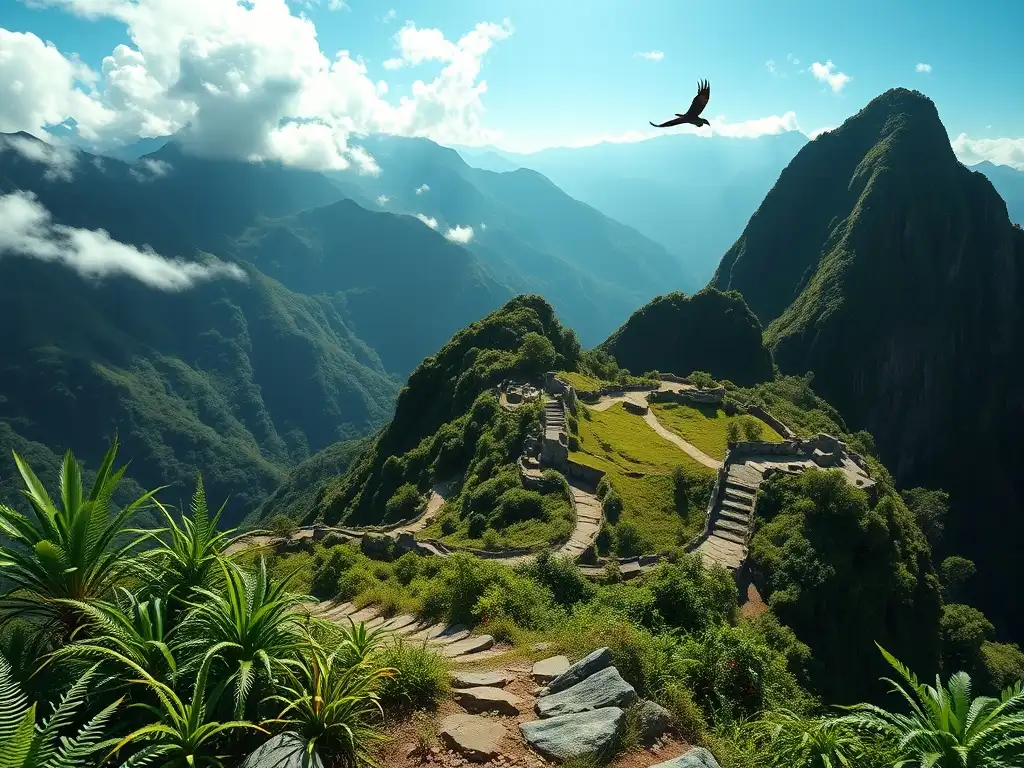
Step into a world lost to time, yet vividly brought to life. Imagine trekking the legendary Inca Trail, not with aching muscles and weary feet, but with the click of a mouse. On Andean Civilizations, we unlock the mysteries of ancient empires—the Incas, Moche, Nazca, and more—revealing their breathtaking artistry and astonishing ingenuity. Prepare for an unparalleled virtual Inca Trail experience that will leave you breathless and yearning to explore further. Discover the secrets waiting within...
- Embark on a Virtual Inca Trail Adventure: Exploring Machu Picchu from Your Home
- Preparing for Your Virtual Inca Trail Trek: Essential Tools and Platforms
- Step-by-Step Guide to Your Virtual Inca Trail Journey
- Enhancing Your Virtual Inca Trail Experience: Expert Insights and Cultural Enrichment
- Monetizing Your Virtual Inca Trail Experience: Affiliate Opportunities and High CPC Links
- Frequently Asked Questions
- Final Reflection: Bridging the Gap Between Dream and Reality
- Embark on Your Virtual Adventure Today!
Embark on a Virtual Inca Trail Adventure: Exploring Machu Picchu from Your Home
The majestic Inca Trail, a pathway steeped in history and breathtaking Andean landscapes, leads to the iconic Machu Picchu. For many, trekking this challenging trail is a lifelong dream. However, physical limitations, time constraints, or the sheer cost can make this dream inaccessible.
This article explores a revolutionary alternative: the virtual Inca Trail experience. This immersive journey allows you to explore the wonders of the Inca Trail and Machu Picchu from the comfort of your home, offering an unparalleled opportunity to discover the rich history and stunning beauty of this ancient civilization without the physical demands of a traditional trek.
We'll delve into what a virtual Inca Trail experience entails, highlighting its benefits and how it provides a compelling alternative for those seeking a unique and accessible way to engage with this incredible site. Prepare to embark on a digital adventure that will transport you to the heart of the Inca Empire!
Discover the Magic of the Inca Trail Through Virtual Exploration
A virtual Inca Trail experience utilizes cutting-edge technology to recreate the awe-inspiring journey to Machu Picchu. Imagine navigating the ancient stone pathways, encountering breathtaking vistas of cloud forests and snow-capped mountains, all from your computer or mobile device. These virtual tours often incorporate high-resolution 360° imagery, allowing for a truly immersive experience.
You can explore Inca ruins along the trail at your own pace, zooming in on intricate details of the stonework, appreciating the ingenuity of Inca architecture, and feeling the weight of history surrounding you. Many virtual tours also include interactive elements, such as informative pop-ups providing historical context about the Inca civilization, its customs, and its remarkable achievements. This approach ensures that the experience is not just visually stunning but also deeply educational, offering a comprehensive understanding of the Inca Trail’s significance.
The detail extends beyond the visual; some virtual experiences even incorporate soundscapes, adding an extra layer of immersion by recreating the ambient sounds of the trail, from the rustling of leaves to the distant calls of Andean birds. This multi-sensory approach makes the virtual Inca Trail experience a truly captivating and memorable one.
What is a Virtual Inca Trail Experience and Why Choose It?
A virtual Inca Trail experience offers a unique blend of accessibility, affordability, and educational value. Unlike a traditional trek, which requires significant physical fitness, time commitment, and financial investment, a virtual experience is readily available to anyone with an internet connection. This democratizes access to this incredible historical site, making it possible for individuals with disabilities, limited mobility, or busy schedules to experience the magic of Machu Picchu and the Inca Trail.
Furthermore, the cost of a virtual tour is significantly lower than a physical trek, making it a more budget-friendly option. But the benefits extend beyond mere convenience and cost-effectiveness. A well-designed virtual Inca Trail experience provides a structured and informative exploration of the site, incorporating historical details and cultural insights that might be missed during a physical trek.
The interactive elements and detailed information presented within the virtual tour enhance the learning experience, transforming it into an engaging educational journey. Consider the advantages:
| Feature | Traditional Inca Trail Trek | Virtual Inca Trail Experience |
|---|---|---|
| Cost | High | Low |
| Accessibility | Requires high fitness level; physical limitations may prevent participation | Accessible to everyone with internet access |
| Time Commitment | Several days | Flexible, on-demand |
| Educational Value | Limited unless guided | High, with interactive elements & information |
| Environmental Impact | Potentially high | Minimal |
The virtual Inca Trail experience isn't a replacement for the physical trek; rather, it's a powerful complement, offering a unique and valuable way to explore this incredible site for a broader audience.
Preparing for Your Virtual Inca Trail Trek: Essential Tools and Platforms
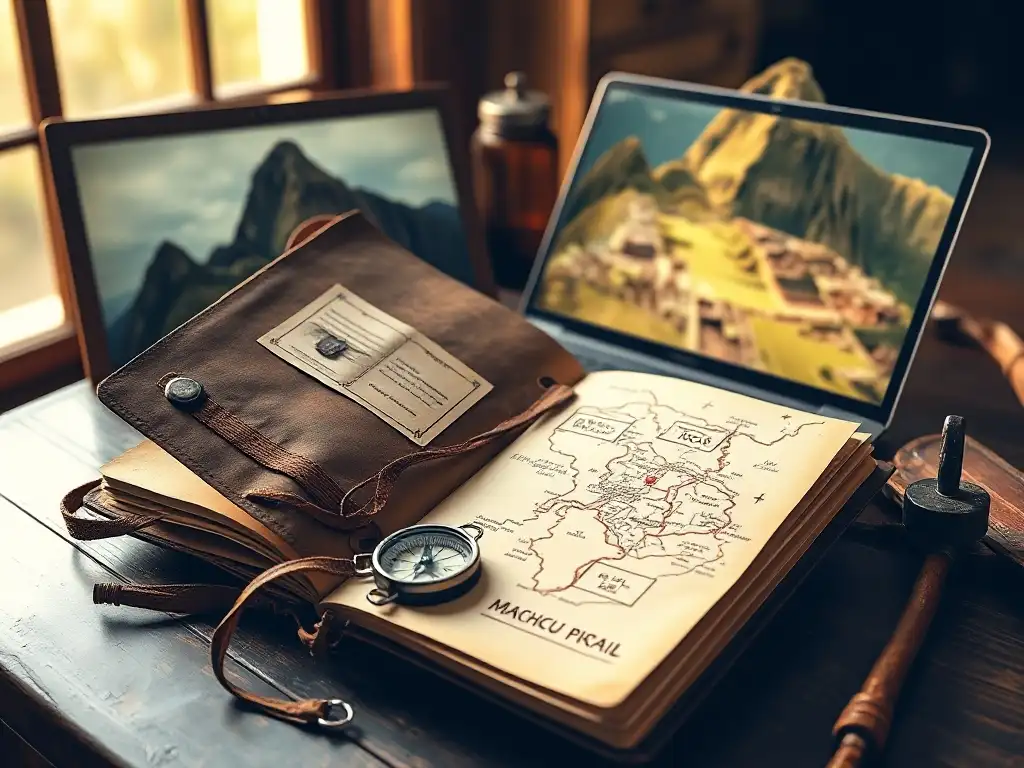
Embarking on a virtual Inca Trail experience requires more than just clicking a link. To truly appreciate the majesty of the Andes and the ingenuity of Inca civilization, you need the right tools and platforms to enhance your digital journey. This section will guide you through selecting the optimal virtual tour platform and assembling the essential equipment for an immersive and engaging experience. We'll explore the differences between various technologies and offer recommendations to maximize your virtual trek.
Choosing the Right Virtual Tour Platform: Explore in 360 vs. Immersive Inca
The quality of your virtual Inca Trail experience hinges significantly on the platform you choose. Two primary approaches dominate the market: 360° panoramic tours and fully immersive experiences. 360° tours offer a wider field of view, allowing you to virtually "look around" a scene. However, the level of interactivity is often limited. Immersive experiences, on the other hand, leverage technologies like Virtual Reality (VR) to place you inside the environment, offering a far more engaging and realistic sensation of being on the Inca Trail.
Comparing Features: Immersive 360° Views, Interactive Maps, and Expert Guides
| Feature | 360° Panoramic Tour | Immersive VR Experience |
|---|---|---|
| Immersion Level | Moderate; you observe the environment | High; you feel present in the environment |
| Interactivity | Limited; mostly passive observation | High; potential for interaction, puzzles, etc. |
| Cost | Generally lower | Typically higher due to VR equipment needs |
| Accessibility | Accessible with any device with a browser | Requires VR headset and compatible software |
| Expert Guides | Sometimes included as audio commentary | Often integrated as virtual guides or narrations |
Consider your preferences and technical capabilities when making your choice. If you prioritize affordability and ease of access, a 360° tour might suffice. However, for the most compelling virtual Inca Trail experience, an immersive VR platform is strongly recommended.
How to Select the Best Platform for Your Virtual Hiking Needs
Selecting the right platform depends on your priorities. Ask yourself:
- What level of immersion do I desire? A simple 360° view is sufficient for a basic overview, while VR offers unparalleled depth and engagement.
- What's my budget? VR headsets and high-quality monitors can be expensive.
- What are my technical capabilities? Do you have a compatible computer or VR headset?
- What features are most important to me? Interactive maps, expert commentary, and additional educational content can significantly enhance the experience.
Carefully review platform specifications and user reviews before committing to a purchase. Look for platforms that offer high-resolution visuals, smooth navigation, and engaging content to ensure a truly memorable virtual Inca Trail experience.
Essential Equipment for an Enhanced Virtual Trek: VR Headsets, High-Quality Monitors, and Audio
While a basic virtual Inca Trail experience is possible on a standard computer, investing in high-quality equipment significantly enhances the realism and immersion. This section outlines the essential tools to elevate your virtual trek beyond a simple screen viewing.
Recommended VR Headsets for an Immersive Inca Trail Experience: Oculus Quest 2 and HTC Vive Pro
For a truly immersive virtual Inca Trail experience, a VR headset is highly recommended. Two leading contenders in the market are the Oculus Quest 2 and the HTC Vive Pro.
- Oculus Quest 2: Offers standalone functionality (no PC required), relatively affordable price point, and a comfortable design. It provides a good balance between cost and performance.
- HTC Vive Pro: Known for its superior visuals and higher resolution, delivering exceptionally crisp and detailed images. However, it requires a powerful PC and is more expensive.
The choice between these two depends on your budget and technical capabilities. If you prioritize affordability and ease of use, the Oculus Quest 2 is a solid option. For the ultimate visual fidelity, the HTC Vive Pro is hard to beat.
Optimizing Your Viewing Experience: High-Resolution Monitors and Sound Systems
Even without a VR headset, a high-resolution monitor and a quality sound system can dramatically enhance your virtual Inca Trail experience. A high-resolution display (e.g., 4K) will reveal the intricate details of the landscape and Inca architecture, while a good sound system will immerse you in the soundscape of the Andes. Consider investing in headphones or speakers with excellent spatial audio capabilities to fully appreciate the ambient sounds of your virtual journey.
A powerful subwoofer can even add extra depth and realism to the sounds of nature. Remember, a superior audio-visual setup significantly contributes to a more realistic and enjoyable virtual exploration.
Step-by-Step Guide to Your Virtual Inca Trail Journey
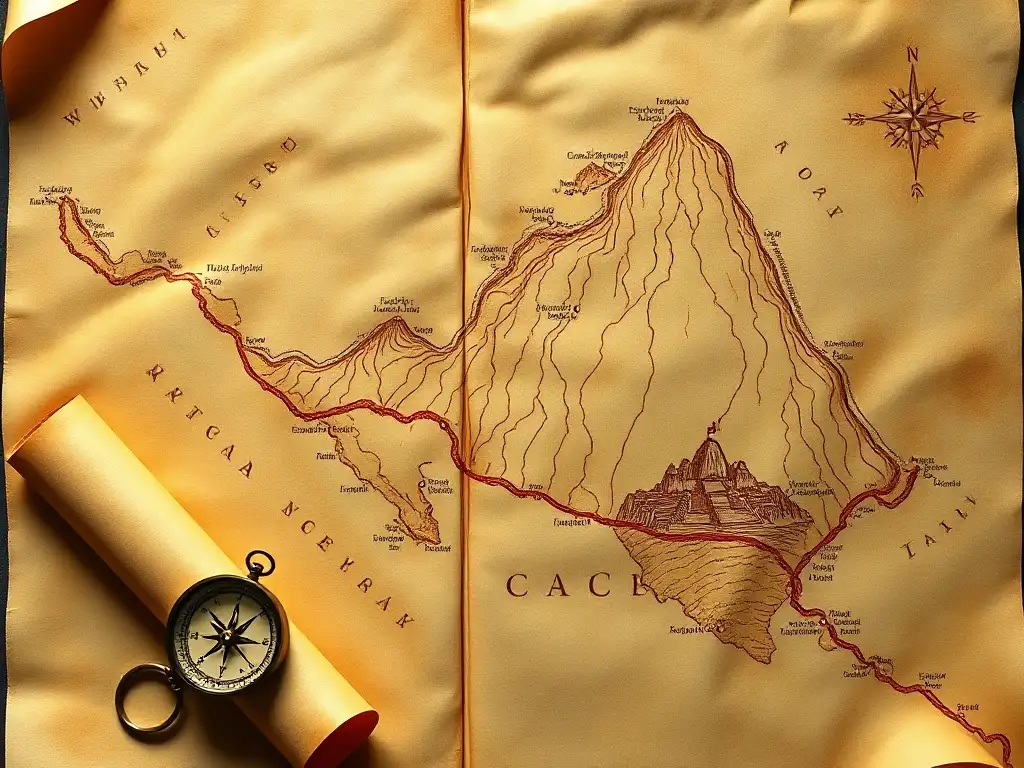
This section details a virtual journey along the iconic Inca Trail, offering a unique virtual Inca Trail experience. We'll explore the trail's key stages, highlighting features that bring this ancient path to life through cutting-edge technology. Prepare for an immersive adventure!
Stage 1: Beginning Your Trek at Km 82: The Starting Point of the Inca Trail
Km 82, also known as Piscacucho, marks the official beginning of the classic Inca Trail to Machu Picchu. While a physical trek requires permits and rigorous planning, our virtual tour allows immediate access to this breathtaking starting point. You’ll begin your virtual Inca Trail experience by witnessing the confluence of the Urubamba and Cusichaca rivers, a truly awe-inspiring sight. The surrounding landscape, lush with vibrant vegetation and the ever-present Andes mountains, sets the stage for an unforgettable journey. The air is crisp, the sounds of nature are palpable – all experienced through the power of immersive technology.
Using Explore in 360's Interactive Map to Navigate the Trail
Imagine exploring the trail from the comfort of your home using an interactive 360° map. This innovative tool allows you to virtually "walk" the trail, panning and zooming to examine details often missed during a physical hike. You can follow the path precisely, identifying key landmarks and appreciating the gradual elevation changes. The map provides contextual information, such as historical markers and points of interest, enriching your virtual Inca Trail experience.
For instance, you can pinpoint the location of ancient Inca sites along the way, understanding their placement within the broader trail network. This interactive map offers multiple viewpoints, allowing you to examine the landscape from different perspectives, enhancing your understanding of the trail's geography and the challenges faced by Inca trailblazers. This detailed approach ensures a comprehensive and engaging virtual Inca Trail experience.
Experiencing the Lush Scenery and Ancient Ruins Through Virtual Reality
Beyond the interactive map, virtual reality (VR) offers an unparalleled virtual Inca Trail experience. Put on your VR headset and feel transported to the heart of the Andes. You'll not only see the breathtaking scenery – cascading waterfalls, cloud forests teeming with life, and imposing mountain peaks – but you'll almost feel the mist on your face and hear the birdsong echoing through the valleys. The integration of high-resolution 360° imagery and realistic sound design creates a truly immersive environment.
VR technology allows for close-up examination of the Inca ruins encountered along the trail, revealing intricate stonework and offering a deeper appreciation for the Inca's architectural mastery. You'll see details often overlooked during a physical hike, enhancing your understanding of Inca engineering and craftsmanship. The combination of interactive map navigation and VR immersion provides a layered and engaging approach to experiencing the Inca Trail.
Stage 2: Conquering Dead Woman's Pass: A Virtual Challenge
Dead Woman's Pass (Abra de la Mujer Muerta) is arguably the most challenging section of the Inca Trail, reaching an altitude of approximately 4,200 meters (13,800 feet). While our virtual tour doesn't require physical exertion, it still captures the grandeur and difficulty of this iconic pass. The sheer scale of the landscape, the dramatic drop-offs, and the thin mountain air are all conveyed through immersive technology, offering a unique perspective on this significant landmark.
Understanding the Historical Significance of Dead Woman's Pass
Dead Woman's Pass holds significant historical and spiritual importance. Its imposing height and challenging terrain likely played a role in controlling access to the sacred sites beyond. Our virtual tour provides historical context, explaining the significance of this location within the broader Inca Empire. We explore the potential reasons for its name, examining local legends and historical accounts. The virtual experience allows for a detailed examination of the landscape, highlighting the engineering feats required to navigate this treacherous path. This contextual information enhances the overall virtual Inca Trail experience, transforming a simple geographical feature into a compelling historical narrative.
Maximizing the Immersion with Immersive Inca's Realistic Terrain Simulation
Immersive Inca's cutting-edge terrain simulation offers a highly realistic representation of Dead Woman's Pass. The virtual environment accurately reflects the trail's steep inclines, rocky surfaces, and dramatic vistas. This level of detail is crucial for understanding the challenges faced by Inca travelers and appreciating the ingenuity of their trail construction.
The simulation allows users to virtually "traverse" the pass, experiencing the changes in altitude and appreciating the sheer scale of the Andean landscape. This immersive technology significantly enhances the virtual Inca Trail experience, providing a much deeper understanding of the Inca Trail's physical and geographical features. This detailed simulation further improves the overall educational and engaging aspect of the experience.
Stage 3: Reaching the Sun Gate (Inti Punku): The Grand Finale
This final stage of your virtual Inca Trail experience culminates in reaching the breathtaking Inti Punku, or Sun Gate. As you progress through this section of the virtual trail, the digital landscape transforms dramatically. The trail itself becomes steeper, mirroring the challenging ascent experienced by hikers on the actual Inca Trail.
Pay close attention to the details; the virtual environment meticulously recreates the rugged terrain, the varied vegetation, and the sheer scale of the Andes mountains. You'll notice a shift in the flora and fauna as you climb higher, encountering different types of Andean plants and perhaps even virtual representations of some of the region's wildlife. The sense of accomplishment as you navigate this virtual climb is palpable, mirroring the feelings of real-life trekkers.
The software developers have cleverly incorporated interactive elements, such as informative pop-ups that provide historical context about the Inca Trail and the surrounding landscape. These details enhance the immersion and educational value of the experience, turning a simple virtual tour into a truly enriching journey. Remember to take your time and absorb the atmosphere; the digital recreation is designed to be as authentic as possible, providing a truly immersive virtual Inca Trail experience.
Witnessing the Breathtaking Views of Machu Picchu from the Sun Gate
The moment you virtually reach the Sun Gate, prepare to be awestruck. The panoramic view that unfolds before you is a digital masterpiece, faithfully recreating the iconic vista that greets hikers on the real Inca Trail. Machu Picchu emerges from the mist, a breathtaking sight of intricately crafted stone structures nestled amongst the verdant slopes of the Andes. The virtual camera angles are designed to capture the majesty of the scene from multiple perspectives, allowing you to fully appreciate the scale and beauty of Machu Picchu and its surrounding environment.
This is the culmination of your virtual journey, a reward for completing the virtual trek. Take a moment to truly appreciate this incredible view. Notice the details – the terraced fields, the distant mountains, the very texture of the ancient city itself.
This virtual experience aims to evoke the same awe and wonder that real-life visitors experience. The developers have clearly invested significant effort in recreating the lighting and atmospheric conditions to enhance the visual impact, offering a truly unforgettable virtual Inca Trail experience. It’s a powerful moment, a testament to the ingenuity and beauty of the Inca civilization and the enduring appeal of Machu Picchu.
Capturing Screenshots and Sharing Your Virtual Inca Trail Accomplishment
Once you've savored the magnificent view from the Sun Gate, don't forget to capture the moment! The virtual tour likely provides options to take screenshots or even record short video clips of your virtual journey. This is your digital souvenir, a record of your accomplishment.
These screenshots can be shared on social media platforms, allowing you to virtually connect with friends, family, and fellow enthusiasts of Andean history and culture. Use relevant hashtags like #virtualIncaTrail, #MachuPicchu, #IncaTrailExperience, and #AndeanCivilizations to increase visibility and connect with others who have also undertaken this virtual adventure. Sharing your experience helps spread awareness of this incredible virtual tour and encourages others to embark on their own virtual journey to Machu Picchu.
Consider adding a caption describing your experience, highlighting the aspects you found most impressive, and perhaps even mentioning specific details you learned along the way. Remember, this virtual Inca Trail experience is not just a game or a simple tour; it's a journey through history and culture, and sharing your experience is a way to celebrate that journey and inspire others to explore the wonders of the Andes. This digital sharing also provides valuable feedback to the developers, helping them to continuously improve the virtual Inca Trail experience for future users.
Enhancing Your Virtual Inca Trail Experience: Expert Insights and Cultural Enrichment
This section delves into maximizing your virtual Inca Trail experience, transforming a simple online tour into a rich, immersive journey through Inca history and culture. We'll explore resources and strategies to deepen your understanding and appreciation of this remarkable civilization. Forget passive viewing; let's actively engage with the Inca world!
Accessing Virtual Guided Tours: Learning About Inca History and Culture
A truly enriching virtual Inca Trail experience hinges on accessing high-quality guided tours. These aren't just static visuals; they're dynamic narratives delivered by experts who bring the Inca world to life. Look for tours that go beyond simply showcasing the scenery. Seek out presentations that weave together historical context, archaeological findings, and cultural insights.
A good virtual guide will illuminate the significance of each location, explaining the Inca's sophisticated agricultural techniques, intricate social structures, and impressive architectural achievements. Consider features like interactive maps, 3D models of Inca structures, and even opportunities to virtually "interact" with recreated Inca artifacts. The best tours integrate these elements seamlessly, creating a cohesive and compelling narrative.
Utilizing Inca Trail Guides Online for In-Depth Knowledge
Many experienced Inca Trail guides now offer online resources and presentations. These can significantly amplify your virtual Inca Trail experience. These guides often possess a deep understanding of Inca history, mythology, and the specific challenges and triumphs faced by the Inca civilization. Their insights, often based on years of firsthand experience leading treks, offer a level of detail and authenticity often missing from generic virtual tours.
These online resources might include detailed blog posts, videos offering commentary on specific sites along the trail, or even interactive Q&A sessions. By actively seeking out these expert perspectives, you can transform your virtual journey into a truly educational and engaging experience. Think of it as having a personal expert by your side, even from the comfort of your home.
Exploring the Rich History Behind the Inca Trail: Interactive Educational Resources
Beyond guided tours, a wealth of interactive educational resources can enhance your virtual Inca Trail experience. The internet provides access to digital archives of Inca artifacts, high-resolution images of Machu Picchu and other Inca sites, and interactive timelines charting the rise and fall of the Inca Empire. Utilizing these resources allows for a deeper, more independent exploration of Inca history and culture.
Many museums and universities offer virtual tours and online exhibits that provide detailed information on Inca textiles, ceramics, and metalwork, offering a fascinating glimpse into their craftsmanship and artistic expression. Engaging with these supplementary resources transforms passive observation into active learning, enriching your understanding of the context surrounding the Inca Trail itself.
Discovering the Architectural Marvels and Engineering Feats of the Incas
The Inca's architectural and engineering prowess is a testament to their ingenuity and organizational skills. A comprehensive virtual Inca Trail experience should highlight these aspects. Focus on the precision stonework, the complex irrigation systems, and the strategic placement of settlements. Many virtual tours offer close-up views of Inca structures, allowing you to appreciate the intricate details of their construction and the remarkable precision of their workmanship.
Consider exploring resources that specifically delve into the Inca's use of materials, their understanding of engineering principles, and the societal organization required to undertake such monumental projects. By understanding the how and why behind the Inca's construction, you'll gain a far deeper appreciation of the sites you're exploring virtually. The Inca Trail isn't just a path; it's a testament to an incredibly advanced civilization. A good virtual tour will bring that to life.
Combining Your Virtual Tour with Historical Books and Documentaries: Deepening Your Understanding
Embarking on a virtual Inca Trail experience is a fantastic way to begin your journey into the heart of Inca history and culture. However, supplementing your virtual trek with additional resources can significantly enrich your understanding and appreciation of this remarkable civilization. By combining the immersive visuals of a virtual tour with detailed historical accounts from books and documentaries, you can achieve a much more profound and nuanced comprehension of the Inca Trail and Machu Picchu's significance.
This multi-faceted approach allows you to connect the breathtaking landscapes you see virtually with the historical context, the social structures, and the daily lives of the Inca people. Think of it as adding layers of depth to a captivating narrative. You'll move beyond simply seeing the sites to truly understanding their place within the broader tapestry of Inca history.
This enriched understanding allows for a more meaningful and memorable virtual experience, sparking further curiosity and potentially inspiring future real-world explorations. The combination of visual and textual information engages different learning styles, leading to a more comprehensive and lasting impact. Imagine vividly visualizing the Inca terraces on your virtual tour and then reading about their ingenious agricultural techniques in a well-researched book – the synergy is undeniable.
Recommended Books and Documentaries on the Inca Trail and Machu Picchu: "Turn Right at Machu Picchu" and "Lost Kingdoms of South America"
To further enhance your virtual Inca Trail experience, we strongly recommend supplementing your journey with carefully selected books and documentaries. These resources provide invaluable context and detail that a virtual tour, however impressive, may not fully convey. For a captivating blend of personal narrative and historical insight, we suggest Turn Right at Machu Picchu by Mark Adams.
This book recounts Adams's own trek along the Inca Trail, offering a firsthand account that humanizes the experience and brings the journey to life. It’s not just a travelogue; it's a fascinating exploration of history, geography, and personal discovery, interwoven with insightful details about the Inca civilization and the challenges of traversing the trail. The book's engaging style makes it an ideal companion to your virtual tour, enriching your understanding of the physical and emotional aspects of the Inca Trail.
For a broader overview of the Inca civilization and its place within the wider Andean context, consider the documentary Lost Kingdoms of South America. Documentaries offer a visual component that complements the virtual tour, showcasing the grandeur of Inca architecture and the breathtaking landscapes. They often incorporate expert analysis, providing deeper insights into the Inca's social structures, religious beliefs, and engineering feats.
Pairing this documentary with your virtual tour creates a powerful synergy – a dynamic combination of immersive visuals and expert historical commentary that elevates your understanding to a new level. By combining the immersive visuals of your virtual tour with the detailed narratives and insights found in these books and documentaries, you can craft a truly enriching and unforgettable "virtual Inca Trail experience."
This approach is particularly beneficial for those seeking a deeper understanding of the historical and cultural context surrounding this iconic site. Remember to take notes and compare what you see virtually with the descriptions in your chosen resources – this active engagement will further enhance your learning.
Monetizing Your Virtual Inca Trail Experience: Affiliate Opportunities and High CPC Links
Creating a compelling "virtual Inca Trail experience" isn't just about sharing the beauty of the Andes; it's also about exploring smart monetization strategies. The digital landscape offers numerous avenues for generating revenue, particularly through affiliate marketing and high CPC (Cost Per Click) advertising. This section will detail effective strategies to leverage your virtual tour to achieve financial success. By carefully selecting your partnerships and understanding user behavior, you can turn your passion project into a profitable venture. Remember, ethical and transparent affiliate marketing practices are crucial for building trust with your audience.
One highly effective monetization strategy involves partnering with platforms offering virtual tours of Machu Picchu and other Andean sites. Many such platforms offer robust affiliate programs, allowing you to earn a commission on each referral. Your "virtual Inca Trail experience" could naturally incorporate links to these platforms, seamlessly integrating monetization into your content.
For example, after showcasing a specific section of the Inca Trail, you might suggest viewers explore it further using a linked 360° virtual tour provided by a partner platform. This strategy requires careful selection of partners whose offerings align with the quality and experience you provide. Consider factors such as the platform's user interface, the quality of its virtual tours, and the reputation of the company.
The key is to ensure that the promoted platforms enhance, rather than detract from, your audience's experience. You could even create a dedicated "Resources" section on your website or within your virtual tour, showcasing your recommended platforms and highlighting the benefits of each. This approach feels less intrusive than scattered affiliate links and provides added value to your viewers.
Recommending VR Equipment and Accessories: Earning Commissions Through Affiliate Marketing
The immersive nature of a "virtual Inca Trail experience" naturally lends itself to promoting Virtual Reality (VR) equipment and accessories. If your tour utilizes VR technology, or if you encourage viewers to enhance their experience with VR headsets, you can incorporate affiliate links to relevant products. This could include links to VR headsets, controllers, or even comfortable seating solutions designed for extended VR use.
Remember to focus on products that genuinely improve the user experience, ensuring a positive association between your recommendation and the product itself. For example, you could feature a short segment demonstrating how a specific VR headset improves the visual fidelity and immersion of your virtual tour. Transparency is paramount here; always clearly disclose your affiliate relationships to maintain audience trust.
Focus on providing value by recommending products you believe in, rather than simply pushing for sales. This approach will lead to more genuine conversions and a stronger, more loyal audience base. Consider compiling a "Recommended Gear" list, ranking products based on factors like price, quality, and suitability for your specific virtual tour.
High CPC Opportunities: Targeting Users Interested in Specific Virtual Tour Products and Services
Beyond affiliate marketing, targeting high CPC keywords related to virtual tours and Andean experiences can significantly increase your revenue. Users searching for terms like "Machu Picchu virtual tour 4K," "Inca Trail 360° experience," or "virtual reality Andean exploration" often have high purchasing intent. By strategically integrating these keywords into your content and utilizing targeted advertising, you can capture a significant share of this market.
Consider using contextual advertising that seamlessly blends with your content, rather than disruptive banner ads. This approach is less intrusive and more likely to attract clicks from engaged users. For example, you could use targeted ads to promote premium virtual tour packages, VR equipment rentals, or even guided virtual tours led by experts on Andean history and culture.
Analyzing your website analytics will help identify the most effective keywords and advertising strategies, enabling you to optimize your approach over time. Remember that high CPC doesn't always mean high conversion; prioritize quality leads and relevant ads to maximize your return on investment. This strategic approach ensures that your monetization efforts remain congruent with the quality and focus of your "virtual Inca Trail experience."
Frequently Asked Questions
What is a "virtual Inca Trail experience"?
A virtual Inca Trail experience allows you to explore the Inca Trail and Machu Picchu without physically being there. Using technology like 360° videos and interactive maps, you can experience the trail's beauty and learn about its history from the comfort of your home. It's a great option for those who can't physically trek the trail.
How does a virtual Inca Trail experience compare to the real thing?
While a virtual experience can't replicate the physical exertion and immersion of a real trek, it offers a fantastic alternative for experiencing the breathtaking scenery and learning about Inca history. It provides a taste of the trail, allowing you to appreciate the majesty of Machu Picchu and its surroundings.
What kind of technology is used in a virtual Inca Trail experience?
Virtual Inca Trail experiences often leverage 360° video technology, high-resolution imagery, and interactive maps to create an immersive experience. Some may incorporate virtual reality (VR) headsets for a more engaging and realistic feel.
Is a virtual Inca Trail experience suitable for everyone?
Yes, a virtual Inca Trail experience is accessible to a wider audience than a physical trek. It's perfect for people with physical limitations, those short on time, or anyone who wants a convenient and informative introduction to the Inca Trail and Machu Picchu.
Where can I find a virtual Inca Trail experience?
Many websites and platforms offer virtual tours and experiences of the Inca Trail and Machu Picchu. Search online for "virtual Inca Trail experience" or "virtual Machu Picchu tour" to find various options, including videos, interactive maps, and potentially VR experiences.
Final Reflection: Bridging the Gap Between Dream and Reality
The virtual Inca Trail experience, once a futuristic fantasy, is now a tangible reality, offering accessibility to Machu Picchu's majesty like never before. This innovative approach not only democratizes travel, opening the iconic trail to individuals with physical limitations or budgetary constraints, but also provides a sustainable alternative to the increasingly crowded physical trek, preserving the delicate Andean ecosystem for future generations.
The impact of this technological shift extends beyond mere convenience; it reshapes our relationship with travel itself. We are witnessing a paradigm shift, where the limitations of physical distance are increasingly overcome by immersive digital experiences. This allows for a deeper engagement with history and culture, fostering a sense of connection that transcends geographical boundaries. Not all those who wander are lost.
- J.R.R. Tolkien. This quote, often associated with physical journeys, now resonates powerfully with the virtual explorer, emphasizing the transformative power of exploration, regardless of the method.
Consider the possibilities. Imagine yourself, from the comfort of your home, experiencing the breathtaking vistas, learning about the Inca civilization, and feeling the thrill of reaching Machu Picchu's summit – all without leaving your chair. This is not a replacement for the physical experience, but a powerful complement, a gateway to further exploration and a deeper appreciation for the wonders of the world. Embrace the potential of virtual travel; let it inspire your next adventure, whether real or imagined.
Embark on Your Virtual Adventure Today!
Thank you for exploring the magic of the Inca Trail with us! We hope you enjoyed this virtual trek and discovered the rich history and breathtaking beauty of Machu Picchu. Now, let's turn that inspiration into a real adventure!
- Start planning your trip: Research guided tours, essential hiking gear, and the best time to travel for an unforgettable experience.
- Learn more: Explore additional resources about Andean civilizations to deepen your understanding and appreciation of this fascinating culture.
- Share the wonder: Invite friends to join you in planning your trip, or share this article to inspire others to experience the magic of Machu Picchu!
What aspect of the Inca Trail journey are you most excited to experience firsthand?