
Exploring the Psychological Warfare of the Andes: Fear and Intimidation

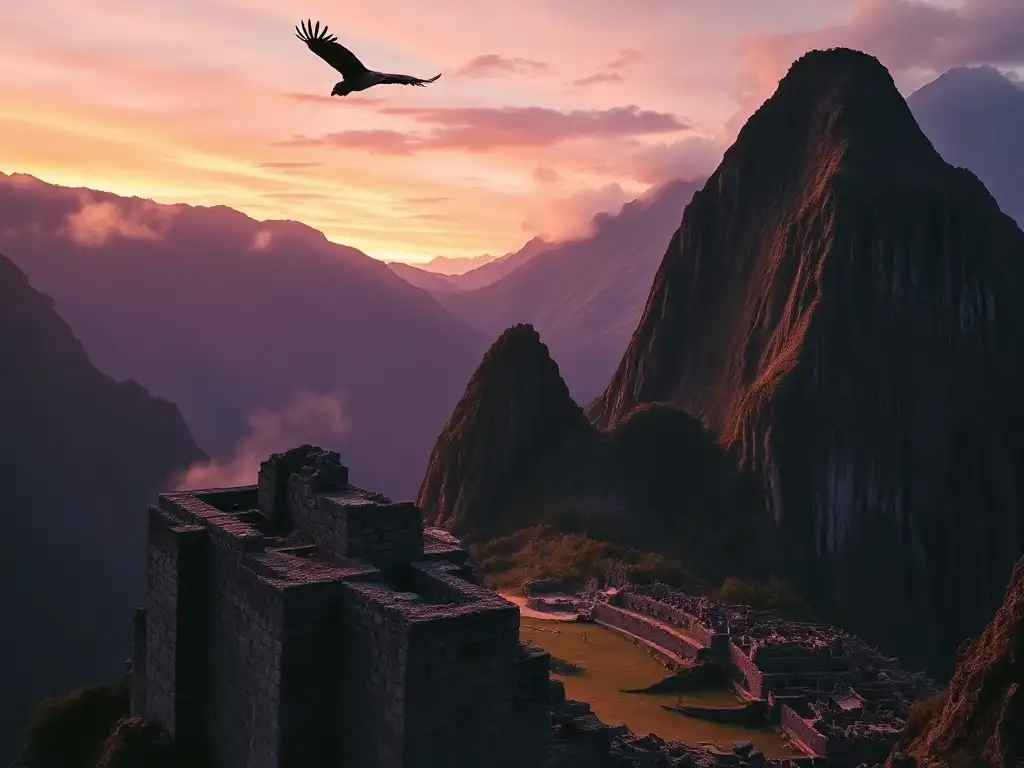
Step into a world shrouded in mystery and power. For centuries, the towering peaks of the Andes have held secrets, and now, we delve into one of the most intriguing: the psychological warfare employed by the ancient Andean civilizations. Did fear and intimidation forge empires? Discover the chilling strategies used by the Incas, Moche, and other powerful Andean societies to maintain control and dominance. Uncover the truth behind the myths and legends—prepare to be captivated by the dark side of Andean power.
- Andean Civilizations Psychological Warfare: Fear and Intimidation Tactics
- Methods of Psychological Intimidation Used by Andean Cultures
- Case Studies: Examples of Andean Psychological Warfare in Action
- The Impact of Psychological Warfare on Andean Conflicts
- Conclusion: The Legacy of Andean Psychological Warfare
- Frequently Asked Questions
- Final Reflection: Echoes of Fear in the Andes
- Unveil the Secrets of Psychological Warfare in the Andes!
Andean Civilizations Psychological Warfare: Fear and Intimidation Tactics
The vast and diverse landscapes of the Andes Mountains were not only the backdrop for impressive architectural feats and sophisticated agricultural practices but also the stage for complex and often brutal warfare. While the study of Andean weaponry and armor provides crucial insights into their military capabilities, a deeper understanding requires exploring the crucial role of psychological warfare in their conquests and dominance.
This article delves into the sophisticated strategies employed by Andean civilizations, such as the Inca, Moche, Nazca, and Tiahuanaco, to instill fear and intimidation amongst their enemies, ultimately achieving military victories through psychological manipulation rather than solely brute force. We will analyze the methods, motivations, and effectiveness of these tactics, demonstrating how psychological warfare was an integral component of Andean military strategies, ensuring their success and shaping the political landscape of the region.
This examination will reveal the intricate interplay between material culture (like weapons and armor) and psychological manipulation in the Andean world.
Introduction to Psychological Warfare in Ancient Andean Societies
Psychological warfare, in its broadest sense, involves using propaganda, deception, and intimidation to weaken an enemy's morale and will to fight. In the context of the Andean civilizations, this manifested in various ways, far beyond the simple clash of weapons. The Inca, for example, leveraged their perceived divine authority and the power of their empire to demoralize opponents before a single battle even began.
Their elaborate religious ceremonies and the very presence of the Sapa Inca, considered a direct descendant of the sun god Inti, served as powerful psychological weapons. Similarly, the Moche utilized their intricate iconography and monumental architecture—depicting scenes of warfare and sacrifice—to project an image of overwhelming power and ruthlessness, potentially influencing the decisions of enemy leaders and warriors. These weren't simply artistic expressions; they were carefully crafted messages designed to instill fear and break the resolve of potential adversaries.
The sheer scale of some Andean constructions, like the Nazca Lines or the monumental structures at Tiahuanaco, could have served a similar purpose, projecting an aura of immense power and sophistication that would be daunting to any challenger. The effectiveness of these strategies is evidenced by the extent of the Andean empires and the relatively few major uprisings against their rule, suggesting that psychological warfare played a vital role in maintaining control.
The Role of Fear in Andean Military Strategies
The Andean civilizations skillfully cultivated and exploited fear as a primary tool of warfare. This wasn't limited to battlefield tactics; it permeated their entire military strategy. The use of terrifying imagery on pottery, textiles, and even architecture, depicting scenes of violence, sacrifice, and mutilation, was widespread. These weren't simply aesthetic choices; they were deliberate attempts to instill terror in their enemies.
Consider the Moche's depictions of gruesome warfare, showcasing captured enemies being sacrificed or tortured. Such imagery, disseminated widely throughout their territory, served as a constant reminder of the consequences of rebellion. Moreover, the Inca utilized their extensive road network not just for logistical purposes but also for rapid deployment of troops and the dissemination of propaganda, allowing them to project their power and influence across vast distances, further fueling fear and submission among conquered populations.
The strategic placement of garrisons and the construction of imposing fortifications also served to reinforce this sense of inescapable power. The combination of these factors—visual propaganda, rapid deployment, and strategic infrastructure—created a climate of pervasive fear that significantly contributed to the success of Andean military campaigns. The meticulous planning and execution of these psychological tactics reveal a sophisticated understanding of human psychology within the context of warfare.
Methods of Psychological Intimidation Used by Andean Cultures
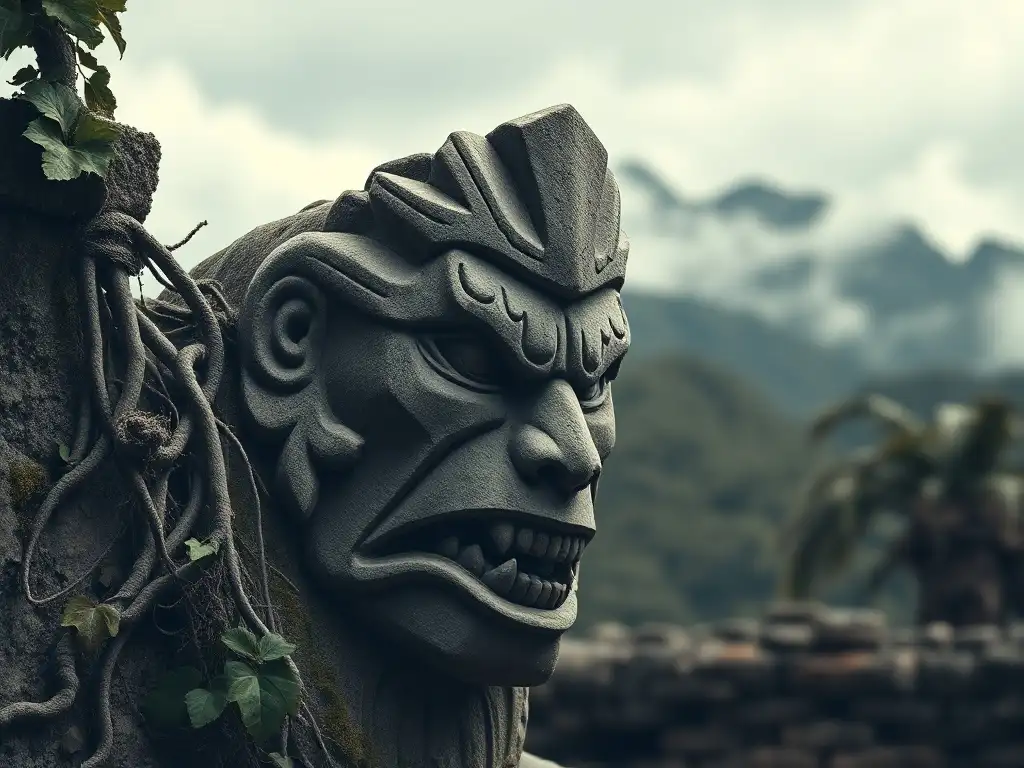
Andean civilizations, renowned for their sophisticated engineering and agricultural practices, also employed psychological warfare as a crucial component of their military strategies. This wasn't simply a matter of brute force; the Andean peoples understood the power of fear and intimidation in breaking the enemy's will to fight before a single blow was struck. Their methods, often intertwined with religious beliefs and artistic expression, created a potent psychological environment that significantly enhanced their military effectiveness.
This section details the specific techniques utilized to achieve this. The effectiveness of these strategies speaks volumes about the understanding of human psychology possessed by these ancient Andean civilizations.
Visual Displays of Power: Intimidation Through Art and Architecture
The Andean civilizations masterfully used visual displays of power to instill fear and awe in their enemies. Monumental architecture and terrifying imagery in art served as potent tools of psychological warfare, projecting an image of overwhelming might and divine authority.
Monumental Structures as Symbols of Andean Dominance
Massive structures like Machu Picchu, Ollantaytambo, and Sacsayhuamán, while impressive feats of engineering, also functioned as powerful symbols of Inca dominance. Their sheer scale and precision conveyed a message of unparalleled power and organization, suggesting an insurmountable force to potential adversaries.
The seemingly impossible feat of constructing such structures in challenging terrain served as a visual demonstration of the Inca's superior capabilities and divine favor, fostering fear and discouraging rebellion. Detailed analysis of these sites reveals careful planning, resource management, and a level of societal organization far beyond that of their neighbors, making them symbols of unmatched power and stability.
The Use of Terrifying Imagery in Andean Art
Beyond monumental architecture, Andean art frequently depicted terrifying imagery designed to instill fear. Textiles, ceramics, and metalwork often featured ferocious animals, monstrous figures, and scenes of human sacrifice. These images, deeply rooted in Andean cosmology and religious beliefs, were not merely decorative; they served as potent psychological weapons.
For example, the Moche culture's ceramic representations of decapitations and ritual violence served as chilling reminders of the consequences of opposing their authority. The repeated depiction of these themes served to reinforce the power and the terrifying consequences of defying the Moche elite. The impact of these images extended beyond the immediate visual experience, permeating the culture and acting as a constant reminder of the ruler's power.
Ritualistic Practices and Their Psychological Impact
Ritualistic practices played a significant role in Andean psychological warfare, further reinforcing the image of invincible power and divine favor. These rituals, often public and elaborate, were designed to project an aura of mystery and supernatural authority, significantly impacting the enemy's morale and resolve.
War Rituals and Their Effect on the Enemy
Before engaging in battle, Andean warriors often participated in elaborate rituals intended to instill fear and boost their own morale. These rituals might involve sacrifices, chanting, and the consumption of hallucinogenic substances, creating a state of heightened aggression and religious fervor. The enemy, witnessing these displays, would likely perceive them as signs of supernatural power and invincibility, potentially weakening their resolve before the battle even began.
The specific rituals varied between cultures, but the overall effect – to instill fear and enhance the warriors’ belief in their own invincibility – remained consistent. Further research is needed to fully understand the specific rituals employed by each Andean culture. [Specific information pending on detailed ritual descriptions for each culture].
The Use of Music and Sounds to Induce Fear
The strategic use of music and sound also contributed to the psychological warfare arsenal of the Andean civilizations. War drums, horns, and other instruments likely created a cacophony of sound designed to disorient and demoralize the enemy. The rhythmic beating of drums, especially, could induce a state of fear and panic, effectively disrupting the enemy's formation and coordination.
The sudden and overwhelming nature of these soundscapes would have been a significant psychological weapon, adding to the overall effect of intimidation and fear. The specific sounds used and their psychological impact require further study, but evidence suggests a deliberate and effective use of auditory intimidation. The use of these sounds in conjunction with visual displays of power would have created a truly terrifying and disorienting experience for the enemy.
Demonstrations of Military Strength and Discipline
The Andean civilizations, renowned for their sophisticated military strategies, understood the power of psychological warfare. A crucial element of their approach involved showcasing their military strength and iron discipline. This wasn't merely about possessing a powerful army; it was about demonstrating that power in a way that instilled fear and awe in potential enemies.
The carefully orchestrated displays of military might served as potent tools of intimidation, projecting an image of invincibility and crushing the morale of adversaries before any actual conflict even began. This strategy was particularly effective against smaller, less organized groups who lacked the resources and training to match the Andean armies. The sheer scale and precision of these demonstrations served as a powerful psychological weapon, a constant reminder of the potential consequences of rebellion or aggression.
The effectiveness of this tactic was amplified by the meticulous training and discipline visible in their ranks, further emphasizing the might of their military machine. This visible discipline projected an aura of control and precision, suggesting an army that was not only strong but also highly organized and effectively led. This perception alone could be enough to deter many potential conflicts.
Parades and Displays of Andean Military Might
Parades and public displays of military might were integral to the psychological warfare employed by Andean cultures. These weren't simply casual marches; they were meticulously planned spectacles designed to impress and intimidate. Imagine vast formations of soldiers, adorned in vibrant and terrifying war regalia, moving in perfect synchronization.
The rhythmic clang of weapons, the disciplined beat of drums, and the sheer number of warriors on display would have created an overwhelming sensory experience, projecting an image of unstoppable power. These parades weren't just for show; they often incorporated elements of religious ritual, further solidifying the link between military power and divine authority. The inclusion of captured weapons and trophies from previous conquests served as a stark reminder of the consequences of opposing the Andean armies.
These displays were strategically timed and often took place near conquered territories or in the vicinity of potential enemies, acting as a constant threat and demonstration of dominance. Specific examples, while lacking precise documentation for every culture, suggest that these events were carefully planned to maximize their psychological impact, utilizing terrain, weather, and even the time of day to enhance the overall effect. The goal wasn’t just to display strength; it was to instill a deep-seated fear and prevent future conflict.
The Use of Superior Weaponry as a Psychological Weapon
The Andean civilizations possessed a range of sophisticated weaponry, and the strategic display of these arms served as a significant aspect of their psychological warfare. The mere sight of advanced weaponry, such as the machay (club) or the charka (sling), could be enough to intimidate enemies. The superior craftsmanship and destructive potential of these weapons spoke volumes about the technological prowess and military capability of the Andean armies.
Moreover, the use of weaponry was not confined to battlefields; its strategic display served to deter potential conflicts. For instance, the presence of highly skilled slingers, capable of launching projectiles with lethal accuracy over considerable distances, would have instilled a sense of fear and vulnerability among potential adversaries. Similarly, the sight of well-maintained weaponry, often adorned with intricate designs and symbolic representations of power, served as a potent symbol of military dominance.
The meticulous maintenance of these weapons further reinforced the image of a disciplined and powerful army, ready and prepared for any challenge. The strategic placement of these weapons near borders or in prominent locations served as a constant visual reminder of the potential consequences of aggression, effectively preventing conflicts through intimidation and the demonstration of superior military technology. This carefully calculated use of weaponry underscored the Andean civilizations’ understanding of the psychological impact of advanced technology in warfare.
Case Studies: Examples of Andean Psychological Warfare in Action
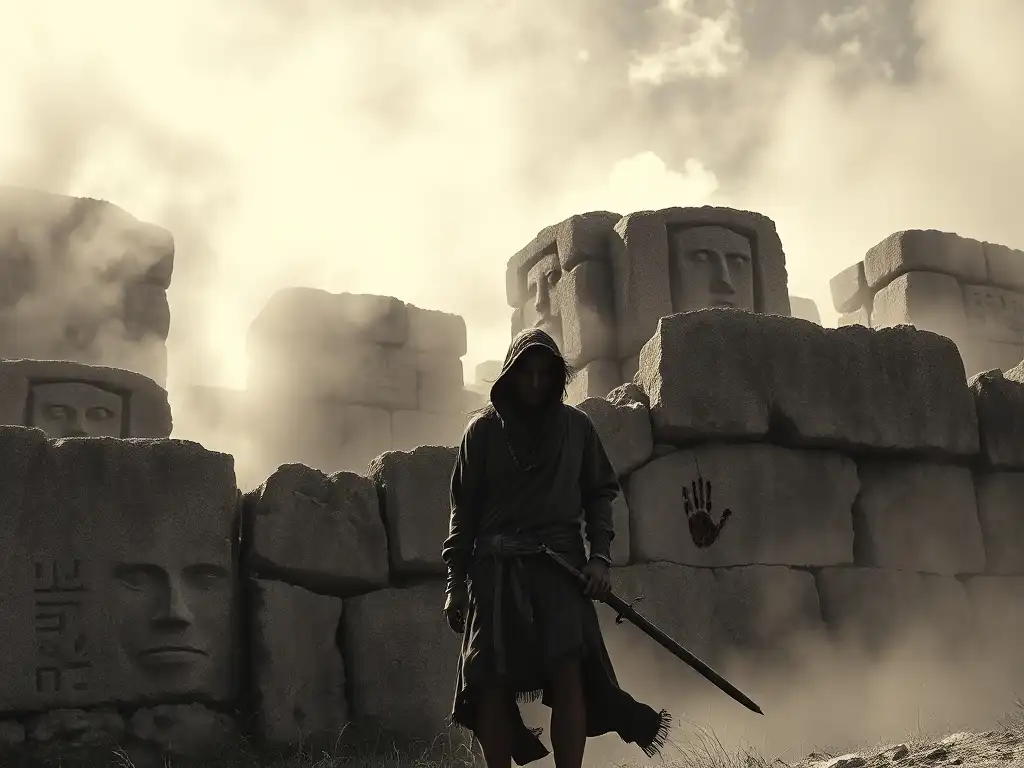
This section delves into specific instances where Andean civilizations employed psychological warfare to achieve military and political objectives. Understanding these examples provides crucial insight into the sophisticated strategies used beyond mere physical combat. The impact of fear and intimidation on conquered populations was a key element in maintaining power and control across the vast Andean region. Analyzing these cases reveals the nuanced understanding of human psychology possessed by these ancient cultures.
The Inca Empire's Use of Psychological Tactics
The Inca Empire, known for its impressive military might, didn't solely rely on brute force for conquest. Their strategies incorporated sophisticated psychological tactics designed to break the will of their enemies before any major battles even commenced. This approach significantly reduced casualties and facilitated smoother integration of conquered territories into the Inca realm. The Inca's understanding of psychological warfare was deeply intertwined with their religious beliefs and imperial ideology, further amplifying its effectiveness.
The Inca Conquest of the Chimor Kingdom and its Psychological Aspects
The Inca conquest of the Chimor Kingdom, a powerful coastal civilization, serves as a prime example. Rather than launching a full-scale invasion immediately, the Inca initially employed a strategy of intimidation and propaganda. Stories of Inca invincibility, fueled by carefully orchestrated displays of military might and carefully managed rumors of supernatural powers, spread throughout the Chimor territories.
This preemptive psychological campaign significantly weakened Chimor resistance before any direct confrontation even occurred. The Inca's success lay not just in their superior military technology, but also in their ability to manipulate perceptions and instill fear in their opponents. This psychological warfare, coupled with strategic alliances and internal conflicts within the Chimor Kingdom, ultimately led to a relatively swift and less bloody conquest than might otherwise have been expected.
Detailed accounts, though scarce, suggest that the Inca utilized a combination of subtle threats, grand displays of power, and the strategic use of spies and informants to undermine Chimor morale and leadership. The psychological impact of these actions is undeniable, playing a crucial role in the Empire's expansion.
Moche Culture: The Power of Symbolic Warfare
The Moche civilization, flourishing on Peru's north coast, also utilized symbolic warfare to assert dominance and inspire awe in their contemporaries and enemies. Their impressive artistic achievements, particularly their elaborate ceramics depicting scenes of warfare and sacrifice, served as powerful propaganda tools. These weren't merely decorative pieces; they were carefully crafted messages meant to project an image of strength, brutality, and divine favor. The Moche understood the power of visual representation in shaping perceptions and influencing behavior.
Moche Sacrifice Rituals and Their Psychological Dimensions
Moche sacrifice rituals, often depicted in their art, played a crucial role in their psychological warfare strategy. These elaborate ceremonies, involving human sacrifice and the offering of valuable goods, served multiple purposes. They were not only religious acts but also public displays of power and control.
The spectacle of such events, witnessed by both Moche subjects and neighboring communities, instilled a sense of fear and reverence towards the Moche elite and their gods. The sheer scale and brutality of the rituals served as a powerful deterrent against rebellion and a potent symbol of Moche dominance. The psychological impact of these events was intended to be far-reaching, effectively shaping the perceptions and behaviors of both those within the Moche society and those outside of it.
While the exact motivations and interpretations of these rituals remain a subject of ongoing scholarly debate, their undeniable role in fostering a climate of fear and obedience within the Moche sphere of influence cannot be ignored. Further research into the specific rituals and their social context is needed to fully understand their psychological warfare dimensions. The analysis of surviving artifacts and iconography continues to reveal new insights into the complexities of Moche society and their strategic use of fear to maintain power.
The Wari Empire: Integration through Intimidation
The Wari Empire, flourishing from roughly 600 to 1000 CE, employed a sophisticated strategy of psychological warfare to consolidate its vast territory across the Andes. Unlike the later Inca, who relied heavily on a centralized administrative system, the Wari achieved control through a combination of military might and carefully orchestrated displays of power designed to instill fear and awe in conquered populations.
This wasn't simply about brute force; it was about projecting an image of overwhelming strength and inevitability that would discourage rebellion and encourage assimilation. The Wari understood that a conquered population wouldn't necessarily remain subdued simply through military occupation; they needed to be convinced of the futility of resistance.
One key aspect of their approach was the strategic placement of administrative centers and military outposts. These weren't randomly scattered; they were carefully chosen to dominate key geographical areas and trade routes, projecting Wari power and influence across the landscape. The very presence of these imposing structures served as a constant reminder of Wari dominance, a subtle yet effective form of psychological pressure.
These weren't just functional buildings; they were statements of power, carefully designed to inspire both fear and respect. The sheer scale of some of these constructions, often built with advanced engineering techniques for the time, would have been awe-inspiring to the local populations, reinforcing the perception of Wari invincibility.
Furthermore, the Wari employed a policy of selective destruction and resettlement. While not always systematically practiced, the targeted destruction of certain settlements or sacred sites of conquered groups served as a potent message—a clear demonstration of Wari power and the consequences of defiance. This, combined with the resettlement of conquered populations into planned communities under Wari control, effectively disrupted existing social structures and loyalties, weakening the potential for organized resistance.
The constant pressure of relocation and the disruption of traditional life further contributed to the psychological subjugation of the conquered peoples. The Wari's success hinged not just on military victories, but on the subtle yet powerful manipulation of fear and uncertainty.
The Wari Imposition of Architectural and Artistic Styles
The Wari Empire's influence extended beyond military might and administrative control; it permeated the very fabric of daily life through the imposition of standardized architectural and artistic styles. This wasn't merely a matter of aesthetics; it represented a deliberate strategy of cultural homogenization aimed at consolidating power and eroding local identities. By imposing a unified aesthetic across their vast empire, the Wari subtly but effectively undermined the cultural distinctiveness of conquered populations. This process helped to create a sense of shared identity, albeit one dominated by Wari culture.
The Wari's distinctive architectural style, characterized by its monumental structures and standardized designs, became a visible symbol of their power and authority throughout their territories. The uniformity of these structures, from administrative centers to residential complexes, served as a constant reminder of the empire's reach and influence. This architectural standardization wasn't accidental; it was a deliberate strategy to create a visual landscape that reflected Wari dominance and minimized the visibility of distinct local traditions. The imposition of a standardized architectural language directly contributed to the psychological integration of conquered populations.
Similarly, the Wari imposed their artistic styles, including pottery, textiles, and metalwork, across the empire. While allowing for some regional variations, the consistent presence of Wari artistic motifs and techniques served to reinforce the empire's cultural hegemony. This subtle but pervasive imposition of artistic conventions worked to erode local artistic traditions and replace them with those of the Wari, further contributing to the psychological subjugation of conquered peoples.
The spread of Wari artistic styles across the empire was a testament to their sophisticated understanding of psychological warfare and their ability to use cultural influence as a tool of control. The standardization was not just about aesthetics; it was about the subtle imposition of a new cultural reality, erasing local identities and replacing them with that of the Wari Empire. This process of cultural homogenization was a crucial element in the Wari's strategy of psychological warfare.
The Impact of Psychological Warfare on Andean Conflicts
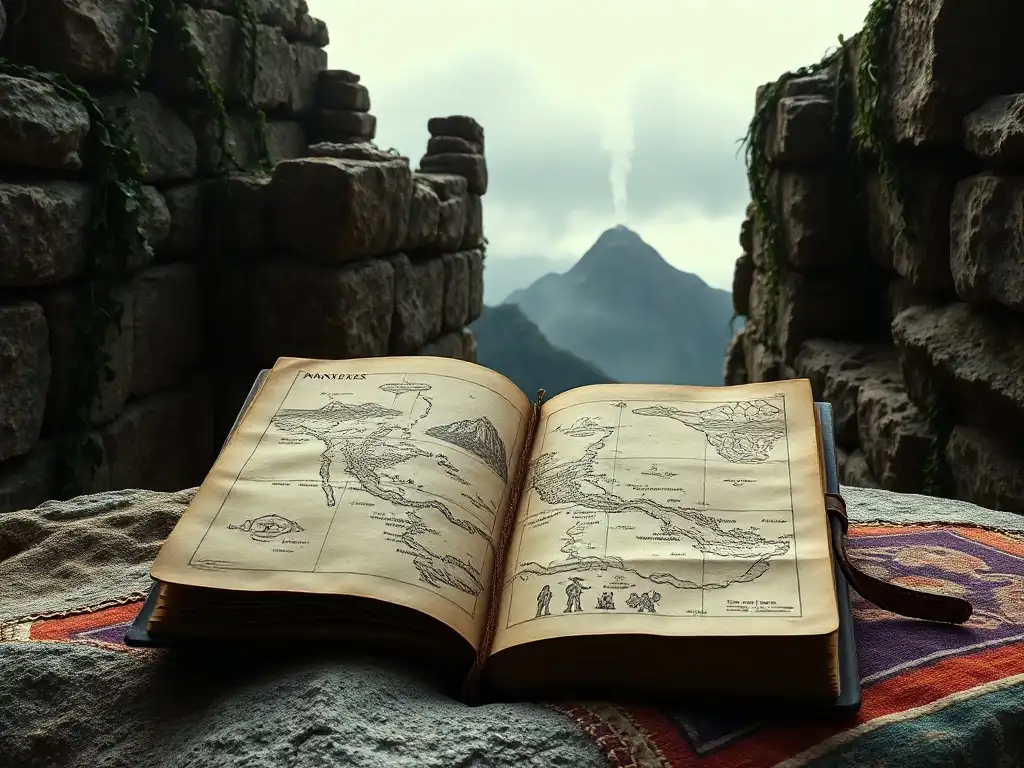
The Andean region, home to a vibrant tapestry of ancient civilizations, witnessed sophisticated forms of psychological warfare alongside more conventional military strategies. Conquest and control weren't solely achieved through brute force; the manipulation of fear and the projection of power played a crucial role in shaping the outcomes of Andean conflicts. This section will delve into the subtle yet potent impact of psychological warfare on the dynamics of Andean warfare, focusing on the ways in which intimidation and the control of information influenced the course of battles and the long-term stability of empires.
Understanding this aspect is key to appreciating the complexities of Andean military strategies and their lasting effects on the societies involved. The effective use of psychological warfare allowed for smaller, better-organized armies to defeat larger, less-disciplined forces. This is a key element often overlooked in analyses of Andean civilizations psychological warfare.
Effectiveness of Fear Tactics in Andean Warfare
The effectiveness of fear tactics in Andean warfare stemmed from a combination of factors, including the strategic use of iconography, the deliberate creation of terrifying battlefield scenarios, and the exploitation of existing cultural beliefs and superstitions. For instance, the Inca, known for their meticulous organization and potent military might, utilized elaborate displays of power to demoralize their opponents before a battle even began.
Their meticulously crafted weaponry, combined with the striking visual impact of their regalia and the sheer size of their armies, served as potent psychological tools. The carefully orchestrated movements of their troops, their precise and disciplined formations, created an aura of invincibility, effectively sowing seeds of doubt and fear in the hearts of their enemies.
Furthermore, the Incas, and other Andean cultures, skillfully leveraged existing cultural beliefs and superstitions to amplify their psychological impact. The incorporation of religious symbolism and ritualistic practices into their warfare enhanced their intimidation strategies. Shamans played a critical role, using their knowledge of local beliefs to instill fear and uncertainty in enemy ranks.
For example, reports suggest the use of hallucinogenic substances to create a sense of supernatural power and to project an image of otherworldly prowess. This combination of military might and carefully constructed psychological warfare proved highly effective in achieving rapid and decisive victories. The strategic deployment of these tactics allowed for a significant reduction in casualties, preserving the strength of the Inca army.
The Long-Term Psychological Effects of Conflict
The psychological impact of Andean warfare extended far beyond the battlefield. The constant threat of violence, the experience of displacement, and the trauma associated with conquest left lasting scars on the conquered populations. The destruction of sacred sites and the disruption of traditional social structures contributed to a pervasive sense of insecurity and instability.
The long-term psychological effects of conflict often manifested in cultural changes, adaptations, and the development of coping mechanisms within the affected communities. The imposition of Inca rule, for example, resulted in significant changes in social organization and religious practices, a direct consequence of the psychological impact of their military dominance.
Moreover, the psychological effects of warfare were not limited to the conquered. The Inca themselves, despite their military successes, likely experienced significant psychological consequences. The constant pressure to maintain dominance, the heavy toll of warfare, and the potential for rebellion must have created a climate of tension and uncertainty within the ruling class.
While specific accounts are scarce, it's reasonable to assume that the psychological strain of prolonged conflict impacted the Inca empire's internal stability and ultimately contributed to its eventual decline. Further research into the psychological aspects of Andean warfare is needed to fully understand the long-term consequences of these conflicts on both conquerors and conquered alike. Understanding these lasting psychological impacts helps us gain a more nuanced and complete understanding of the complexities of Andean history.
Conclusion: The Legacy of Andean Psychological Warfare
The study of Andean warfare reveals a sophisticated understanding of psychological operations, going far beyond simple brute force. The Inca, Moche, Nazca, and Tiahuanaco civilizations, among others, strategically employed fear and intimidation to achieve military objectives, control populations, and maintain power. This wasn't merely a supplemental tactic; it was often a cornerstone of their military strategies, interwoven with material advancements in weaponry and armor.
The effectiveness of these psychological techniques underlines the crucial role of non-physical combat in achieving dominance in the Andean region. Analyzing these strategies provides valuable insights into the complexities of ancient warfare and its lasting impact on the understanding of Andean civilizations psychological warfare. The legacy of these practices continues to resonate today, informing modern military and political strategies.
Understanding the Complexities of Andean Military Strategies
Andean military strategies weren't solely defined by the quality of their weaponry or the size of their armies. While advancements in metallurgy and the development of sophisticated weaponry, such as the macanas (clubs) and huaracas (slings), were undeniably important, the psychological element was equally, if not more, crucial. Consider the elaborate iconography found on textiles and ceramics depicting scenes of conquest and sacrifice.
These weren't mere artistic expressions; they served as powerful propaganda tools, disseminating messages of power and intimidation to both conquered populations and potential enemies. The carefully constructed imagery of gods and powerful rulers reinforced the legitimacy of their rule and instilled fear in those who might challenge it. This combination of material strength and psychological dominance created a potent force for maintaining control throughout the Andes.
Furthermore, the deliberate placement of monumental architecture, like the Nazca lines or the impressive structures at Tiahuanaco, served a dual purpose: practical functionality and psychological impact. Their sheer scale and enigmatic nature inspired awe and potentially fear in those who encountered them, subtly reinforcing the power of the ruling elite. The intricate system of mit'a (labor tribute) also served as a form of psychological control, binding communities to the empire through obligation and fear of punishment.
The Enduring Relevance of Psychological Warfare in Conflict
The sophisticated use of psychological warfare by Andean civilizations offers valuable lessons for understanding modern conflict. The strategies employed by these societies—propaganda, intimidation through displays of power, and the strategic use of fear—remain relevant today. Modern militaries still heavily rely on psychological operations to achieve their objectives.
The Andean examples highlight the enduring importance of understanding the psychological dimensions of warfare and the impact of fear and intimidation on the outcome of conflicts. Analyzing the Andean experience provides a rich historical context for understanding the enduring power of psychological warfare in shaping human conflicts across different eras and cultures.
The study of Andean psychological warfare provides a unique perspective on the enduring nature of human conflict and the importance of understanding the non-physical aspects of war. It underscores the fact that military success often depends not only on material capabilities, but also on the ability to manipulate the minds of both enemies and allies.
Further Research on Andean Warfare and Intimidation
Further research into Andean psychological warfare should focus on several key areas. First, a more detailed analysis of the iconography found on textiles, ceramics, and other artifacts is needed to fully understand the messages conveyed and their intended impact on different social groups. Secondly, archaeological investigations could uncover further evidence of strategic placements of monumental architecture designed to inspire awe and fear.
Thirdly, a deeper understanding of the social and political structures within these Andean societies is crucial to comprehend how psychological warfare was integrated into their broader systems of power and control. Finally, comparative studies with other ancient civilizations that employed similar strategies could illuminate the universal aspects of psychological warfare and its effectiveness across different geographical and cultural contexts.
This interdisciplinary approach, combining archaeological evidence, art historical analysis, and anthropological insights, will provide a more comprehensive understanding of the multifaceted nature of Andean warfare and its enduring legacy. More research is needed to fully uncover the nuanced techniques and the long-term effects of Andean civilizations psychological warfare.
Frequently Asked Questions
What role did fear play in Andean warfare?
Andean civilizations, like the Inca, frequently employed psychological warfare to intimidate enemies. This involved creating a climate of fear through displays of power and propaganda. Terror was a key component of their military strategies.
How did the Inca use psychological warfare?
The Inca used visual intimidation, such as massive armies and impressive infrastructure, to demoralize opponents before battle. They also spread rumors and prophecies to instill fear and weaken enemy resolve. Sacrifices and displays of power further contributed to this strategy.
Were there specific tactics used in Andean psychological warfare?
Yes, tactics included the use of terrifying imagery on textiles and ceramics, deliberate destruction of enemy settlements, and the strategic placement of troops to maximize their visual impact. These tactics aimed to break the enemy's will to fight before direct confrontation.
Did all Andean civilizations use psychological warfare?
While the specifics varied, evidence suggests that many Andean civilizations, including the Inca, Moche, and Nazca, employed forms of psychological warfare. The techniques differed based on their specific cultural contexts and military capabilities.
How effective was psychological warfare in the Andes?
Psychological warfare proved highly effective in the Andes. By inspiring fear and undermining enemy morale, it often led to surrenders and reduced the need for costly battles. This allowed for greater expansion and control of territory.
Final Reflection: Echoes of Fear in the Andes
The psychological strategies employed by Andean civilizations remain chillingly relevant today. Understanding their sophisticated use of fear and intimidation offers a crucial lens through which to examine modern power dynamics, revealing how manipulation and control, even without overt violence, can shape societies and maintain dominance. The echoes of their methods resonate in contemporary conflicts and political maneuvering, reminding us that the human capacity for psychological warfare is a persistent and adaptable force.
The enduring legacy of Andean psychological warfare is not merely historical; it's a testament to the enduring power of fear in shaping human behavior. These tactics, from the carefully crafted imagery of powerful deities to the strategic use of propaganda and ritualistic displays, continue to inform our understanding of social control and the manipulation of belief systems. Fear is the path to the dark side. Fear leads to anger. Anger leads to hate. Hate leads to suffering.
While this quote from Star Wars speaks to a different context, the underlying principle – the destructive power of fear – remains profoundly applicable to the Andean case and to our own world.
Consider the ways in which fear and intimidation are used today – in political campaigns, social media manipulation, and even everyday interactions. You, the reader, are now equipped with a deeper understanding of these tactics and their historical roots. Use this knowledge to become a more discerning observer of power dynamics, to identify manipulation, and to build a more resilient and informed perspective on the world around you. Let the echoes of the Andes serve as a warning and a call to critical awareness.
Unveil the Secrets of Psychological Warfare in the Andes!
Thank you for exploring the fascinating use of fear and intimidation within Andean civilizations. Your interest is a crucial first step towards understanding how these tactics shaped history and culture. Let's delve even deeper!
- Join our community: Subscribe to our newsletter for exclusive insights and fresh perspectives on Andean warfare and society.
- Engage with others: Share this article with friends and fellow history enthusiasts to spark discussions about the psychological strategies employed in the Andes.
- Explore further: Discover lesser-known tactics by browsing our curated resources on the website.
What aspect of Andean psychological warfare surprised you most, and how do you think it impacts our modern understanding of conflict?